Alogenuri organici
In questa categoria, troverete molecole organiche che contengono uno o più atomi di alogeno nella loro struttura. Questi alogenuri organici includono composti bromurati, iodurati, clorurati e alogenuri ciclici. Gli alogenuri organici sono ampiamente utilizzati nella sintesi organica, nei prodotti farmaceutici, negli agrochimici e nella scienza dei materiali grazie alla loro reattività e capacità di subire una varietà di trasformazioni chimiche. Presso CymitQuimica, offriamo una selezione completa di alogenuri organici di alta qualità per supportare le vostre applicazioni di ricerca e industriali, garantendo prestazioni affidabili ed efficaci nei vostri progetti sintetici e analitici.
Sottocategorie di "Alogenuri organici"
Trovati 20437 prodotti di "Alogenuri organici"
Ordinare per
Purezza (%)
0
100
|
0
|
50
|
90
|
95
|
100
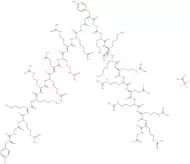
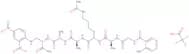
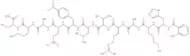
Abz-Amyloid β/A4 Protein Precursor770 (708-715)-Lys(Dnp)-D-Arg-D-Arg-D-Arg amide trifluoroacetate salt
CAS:<p>Please enquire for more information about Abz-Amyloid beta/A4 Protein Precursor770 (708-715)-Lys(Dnp)-D-Arg-D-Arg-D-Arg amide trifluoroacetate salt including the price, delivery time and more detailed product information at the technical inquiry form on this page</p>Formula:C69H114N26O18Purezza:Min. 95%Peso molecolare:1,595.81 g/molCortistatin-29 (human) trifluoroacetate salt
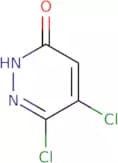
CAS:<p>Please enquire for more information about Cortistatin-29 (human) trifluoroacetate salt including the price, delivery time and more detailed product information at the technical inquiry form on this page</p>Formula:C149H223N47O42S3Purezza:Min. 95%Peso molecolare:3,440.85 g/mol5,6-Dichloropyridazin-3(2H)-one
CAS:<p>Please enquire for more information about 5,6-Dichloropyridazin-3(2H)-one including the price, delivery time and more detailed product information at the technical inquiry form on this page</p>Formula:C4H2Cl2N2OPurezza:Min. 95%Peso molecolare:164.98 g/mol2-Chloro-3-methoxybenzaldehyde
CAS:<p>Please enquire for more information about 2-Chloro-3-methoxybenzaldehyde including the price, delivery time and more detailed product information at the technical inquiry form on this page</p>Formula:C8H7ClO2Purezza:Min. 95%Peso molecolare:170.59 g/mol1-Chlorobenzotriazole
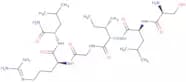
CAS:<p>1-Chlorobenzotriazole is a nucleophilic reagent that can be used in analytical chemistry, such as the determination of propranolol hydrochloride. It reacts with phospholipid membranes by transferring a chlorine atom to the hydroxyl group on the lipid molecule. The reaction mechanism is not well understood, but it has been shown that the deuterium isotope effect is not involved in this reaction. 1-Chlorobenzotriazole is unsymmetrical and can react with both acidic and alkaline solutions. Hydrochloric acid is often used to activate this compound, which will then react with an amine group to form an iminium ion. Kinetics data for this compound show that activation energies are required for reactions involving nucleophiles, such as ketones, alcohols, or amines.</p>Formula:C6H4ClN3Purezza:Min. 95%Peso molecolare:153.57 g/molPAR-2 (1-6) amide (mouse, rat) trifluoroacetate salt
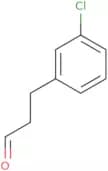
CAS:<p>PAR-2 agonist is a synthetic peptide that activates PAR-2. It binds to PAR-2 receptors, which are present in the mesenteric vasculature and in various other tissues. Activation of PAR-2 leads to an increase in intracellular calcium concentration, activation of protein kinase C, cytosolic calcium ion release, phosphorylation of myosin light chain, muscle cell proliferation, transcription and translation initiation, and increased production of vasoactive intestinal peptide. This drug also has anti-inflammatory effects and stimulates epidermal growth factor (EGF) and thrombin receptor expression as well as growth factor production.</p>Formula:C29H56N10O7Purezza:Min. 95%Peso molecolare:656.82 g/mol3-(3-Chlorophenyl)propionaldehyde
CAS:<p>Please enquire for more information about 3-(3-Chlorophenyl)propionaldehyde including the price, delivery time and more detailed product information at the technical inquiry form on this page</p>Formula:C9H9ClOPurezza:Min. 95%Peso molecolare:168.62 g/mol3-(3'-Trifluoromethylphenyl)propanol
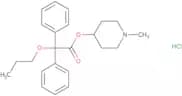
CAS:<p>3-(3'-Trifluoromethylphenyl)propanol is a trifluoroacetic acid derivative that is used in acylation reactions to form esters. It can be obtained by the reaction of aluminium chloride, isopropyl alcohol, and phosphine with 3-trifluoromethylaniline. Impurities may include chloride and zirconium. The trifluoromethyl group on this molecule can react with the carbonyl group of an organic acid to form a trifluoroacetate ester.</p>Purezza:Min. 95%Propiverine hydrochloride
CAS:<p>Muscarinic antagonist; spasmolytic</p>Formula:C23H30ClNO3Purezza:Min. 95%Colore e forma:PowderPeso molecolare:403.94 g/molCART (62-76) (human, rat) trifluoroacetate salt
CAS:<p>Please enquire for more information about CART (62-76) (human, rat) trifluoroacetate salt including the price, delivery time and more detailed product information at the technical inquiry form on this page</p>Formula:C64H99N17O23S3Purezza:Min. 95%Peso molecolare:1,570.77 g/molβ-Bag Cell Peptide (Aplysia californica) trifluoroacetate salt
CAS:<p>Aplysia californica is a species of sea slug that produces a peptide, beta-Bag Cell Peptide (BACP), which has been shown to have depolarizing effects on neurons. BACP can be synthesized from the amino acid sequence of the Aplysia californica cell membrane protein, and this synthetic peptide has been shown to have maximal depolarizing effects at high concentrations. The depolarizing effect of BACP can be seen in populations of neurons as well as individual neurons. This peptide also desensitizes autoreceptors for acetylcholine and serotonin, which may play a role in its electrophysiological effects.</p>Formula:C33H53N13O6Purezza:Min. 95%Peso molecolare:727.86 g/mol2-(4-Chlorobenzyl)pyridine
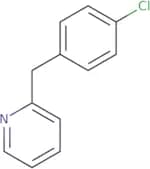
CAS:<p>2-(4-Chlorobenzyl)pyridine is a synthetic pyridine compound that has been shown to have anti-cancer properties. It is also a potent inducer of the enzyme methane monooxygenase and has been shown to interact with other compounds, such as maleates and sulfoxides, which are also used in this type of experiment. The catalytic mechanism for 2-(4-chlorobenzyl)pyridine is not yet known, but it may involve an acidic chlorine atom or a hydrochloric acid catalyst. 2-(4-Chlorobenzyl)pyridine has been found to be effective at inhibiting the growth of cancer cells in vitro without toxic effects on healthy cells. It has also been shown to inhibit the proliferation of human leukemia cells in vivo.</p>Formula:C12H10ClNPurezza:Min. 95%Peso molecolare:203.67 g/mol2-Chloro-3,4-dihydroxybenzoic acid
CAS:<p>Cefepime is a broad-spectrum antibiotic that is used to treat bacterial infections. It inhibits cell wall synthesis by binding to the penicillin-binding proteins and interfering with the cross-linking of peptidoglycan. Cefepime has been shown to be active against gram-negative pathogens such as Aeruginosa, Stenotrophomonas maltophilia, and P. aeruginosa. Cefepime also inhibits the growth of gram-positive bacteria such as Staphylococcus aureus, Enterococcus faecalis, and Streptococcus pneumoniae. The chemical structure of cefepime is similar to that of other beta-lactam antibiotics like methicillin, oxacillin, cloxacillin, ampicillin, and amoxicillin. Cefepime has been shown to be effective in treating resistant gram-negative organisms such as Pseudomonas aeruginosa (P.</p>Formula:C7H5ClO4Purezza:Min. 95%Colore e forma:White To Yellow To Light Brown SolidPeso molecolare:188.56 g/mol(D-Tyr5,D-Trp6)-LHRH trifluoroacetate salt
CAS:<p>Please enquire for more information about (D-Tyr5,D-Trp6)-LHRH trifluoroacetate salt including the price, delivery time and more detailed product information at the technical inquiry form on this page</p>Formula:C64H82N18O13Purezza:Min. 95%Peso molecolare:1,311.45 g/molAcetyl-ACTH (7-24) (human, bovine, rat) trifluoroacetate salt
CAS:<p>Please enquire for more information about Acetyl-ACTH (7-24) (human, bovine, rat) trifluoroacetate salt including the price, delivery time and more detailed product information at the technical inquiry form on this page</p>Formula:C107H170N32O21Purezza:Min. 95%Peso molecolare:2,240.7 g/mol3-Chloro-4-fluorobenzoyl chloride
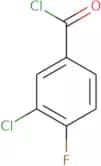
CAS:<p>3-Chloro-4-fluorobenzoyl chloride is a chlorinating agent that is used as a fungicide, phytotoxin, and an insecticide. It is an effective pesticide against many fungal diseases that affect plants. 3-Chloro-4-fluorobenzoyl chloride has been shown to be effective in the treatment of cervical cancer and other cancers. It also has photochromic properties, which make it useful for detecting skin cancer. 3-Chloro-4-fluorobenzoyl chloride is synthesized by reacting chlorine with 4-fluorobenzoyl chloride in the presence of a base such as sodium hydroxide or potassium hydroxide. This reaction can be carried out in either liquid or gaseous phases. The product can be purified by vacuum distillation or crystallization. 3-Chloro-4-fluorobenzoyl chloride is primarily used as a fungicide</p>Formula:C7H3Cl2FOPurezza:Min. 95%Peso molecolare:193 g/mol5-Bromo-2-(methylthio)pyrimidine
CAS:<p>5-Bromo-2-(methylthio)pyrimidine is a synthetic compound that has been used to synthesize palladium complexes. It can also be used in the synthesis of vitamin B1, which is an essential nutrient for humans and animals. 5-Bromo-2-(methylthio)pyrimidine binds with magnesium and reacts with sulfoxide, nucleophilic attack and electronegativity. 5-Bromo-2-(methylthio)pyrimidine is activated by 2-chlorobenzothiazole and hydrogen chloride, which leads to nucleophilic attack on the electrophilic carbon atom. This causes a displacement reaction with the elimination of chlorine gas and production of dihydro.</p>Formula:C5H5BrN2SPurezza:Min. 95%Peso molecolare:205.08 g/molNeuropeptide Y (porcine) trifluoroacetate salt
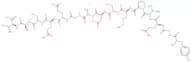
CAS:<p>Neuropeptide Y (porcine) trifluoroacetate salt H-Tyr-Pro-Ser-Lys-Pro-Asp-Asn-Pro-Gly-Glu-Asp-Ala-Pro-Ala-Glu-Asp-Leu -Ala -Arg Tyr Tyr Ser Ala Leu Arg His Tyr Ile Asn Leu Ile Thr Arg Gln Arg Tyr NH2 trifluoroacetate salt is a peroxidase enzyme that is biotinylated and purified from porcine sources. It has been used as an antiserum in the development of a plate sealer.</p>Formula:C190H287N55O57Purezza:Min. 95%Peso molecolare:4,253.65 g/mol(1,2-Dibromoethyl)benzene
CAS:<p>(1,2-Dibromoethyl)benzene is an organic compound that belongs to the group of cationic surfactants. It can be used as a particle in analytical methods and has been shown to react with hydroxyl groups on the surface of silica gel. (1,2-Dibromoethyl)benzene has also been used in a reaction with chlorides, nitrates, and inorganic acids to form hydrochloric acid. The reaction products are hydroxyl group, chloride, nitrogen atoms, inorganic acid, hydroxy group, hydrogen chloride, diameter, water vapor.</p>Formula:C8H8Br2Purezza:Min. 95%Colore e forma:PowderPeso molecolare:263.96 g/molKR-12 (human) trifluoroacetate salt
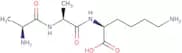
CAS:<p>Please enquire for more information about KR-12 (human) trifluoroacetate salt including the price, delivery time and more detailed product information at the technical inquiry form on this page</p>Formula:C71H127N25O15Purezza:Min. 95%Peso molecolare:1,570.93 g/molH-Ala-Ala-Lys-OH hydrochloride salt
CAS:<p>H-Ala-Ala-Lys-OH hydrochloride salt is a tripeptide with a reactive side chain. The protonated form of the molecule can be analyzed by acid analysis, and the ligand can be synthesized in a laboratory. Amino acid analysis has shown that this tripeptide contains lysine residues, which are important for binding to the peptide transporter. This compound is taken up through the intestine and is found in porcine tissue. H-Ala-Ala-Lys-OH hydrochloride salt has been used as a model compound in structural studies of peptide transporters.</p>Formula:C12H24N4O4Purezza:Min. 95%Peso molecolare:288.34 g/mol2-Chloro-N-[2-(diethylamino)ethyl]-4-quinolinecarboxamide
CAS:<p>2-Chloro-N-[2-(diethylamino)ethyl]-4-quinolinecarboxamide is a carboxamide analog of dibucaine. It is synthesized from chloroacetyl chloride and isatin in the presence of sodium hydroxide. The synthesis has been scaled to an industrial level. 2-Chloro-N-[2-(diethylamino)ethyl]-4-quinolinecarboxamide has been shown to have analgesic properties, similar to those of dibucaine. Radiolysis of this compound gives a carboxylic acid and a heterocyclic ring product.</p>Formula:C16H20ClN3OPurezza:95%MinColore e forma:PowderPeso molecolare:305.8 g/mol(Arg8)-Conopressin G trifluoroacetate salt
CAS:<p>Please enquire for more information about (Arg8)-Conopressin G trifluoroacetate salt including the price, delivery time and more detailed product information at the technical inquiry form on this page</p>Formula:C44H71N17O10S2Purezza:Min. 95%Peso molecolare:1,062.28 g/molAbz-Gly-Ala-Lys(Ac)-Ala-Ala-Dap (Dnp)-NH2 trifluoroacetate salt
CAS:<p>Please enquire for more information about Abz-Gly-Ala-Lys(Ac)-Ala-Ala-Dap (Dnp)-NH2 trifluoroacetate salt including the price, delivery time and more detailed product information at the technical inquiry form on this page</p>Formula:C35H48N12O12Purezza:Min. 95%Peso molecolare:828.83 g/molHIV-1 gag Protein p24 (65-73) (isolates MAL/U455) trifluoroacetate salt
CAS:<p>Please enquire for more information about HIV-1 gag Protein p24 (65-73) (isolates MAL/U455) trifluoroacetate salt including the price, delivery time and more detailed product information at the technical inquiry form on this page</p>Formula:C44H79N11O14S2Purezza:Min. 95%Peso molecolare:1,050.3 g/molH-Lys-Cys-Thr-Cys-Cys-Ala-OH trifluoroacetate salt
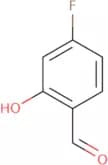
CAS:<p>H-Lys-Cys-Thr-Cys-Cys-Ala-OH trifluoroacetate salt (KCTA) is a peptide that belongs to the group of thioneins and is characterized by a high content of lysine, cysteine and histidine residues. This peptide has been shown to be effective in treating subcutaneous tumors in mice. KCTA binds to metallothionein and gamma amino butyric acid (GABA), which are proteins that regulate energy metabolism in cells. KCTA has also been shown to have antimicrobial effects against human serum, which may be due to its ability to bind with thionein.</p>Formula:C22H41N7O8S3Purezza:Min. 95%Peso molecolare:627.8 g/mol2-Hydroxy-4-fluorobenzaldehyde
CAS:<p>2-Hydroxy-4-fluorobenzaldehyde is a chemical used as a diagnosis agent to detect radiation exposure. It reacts with magnesium and water molecules to form an amination reaction that produces hydrogen fluoride gas. 2-Hydoxy-4-fluorobenzaldehyde has been shown to have the ability to penetrate into mitochondria, which may be related to its use in the treatment of hepatitis. The chemical structure of this compound is similar to salicylaldehyde, which is used as a reagent for formylation reactions and optical properties. It has also been shown that 2-hydroxy-4-fluorobenzaldehyde can act as a fluorescence probe for the detection of hydrophobic regions on proteins.</p>Formula:C7H5FO2Purezza:Min. 95%Colore e forma:PowderPeso molecolare:140.11 g/mol4,6-Dichloro-pyridin-3-ylamine
CAS:<p>Please enquire for more information about 4,6-Dichloro-pyridin-3-ylamine including the price, delivery time and more detailed product information at the technical inquiry form on this page</p>Formula:C5H4Cl2N2Purezza:Min. 95%Colore e forma:PowderPeso molecolare:163 g/mol(Phe1,Ser2)-TRAP-6 trifluoroacetate salt
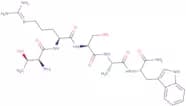
CAS:<p>Please enquire for more information about (Phe1,Ser2)-TRAP-6 trifluoroacetate salt including the price, delivery time and more detailed product information at the technical inquiry form on this page</p>Formula:C34H56N10O9Purezza:Min. 95%Peso molecolare:748.87 g/molNocistatin (bovine) trifluoroacetate salt
CAS:<p>Please enquire for more information about Nocistatin (bovine) trifluoroacetate salt including the price, delivery time and more detailed product information at the technical inquiry form on this page</p>Formula:C82H135N21O32Purezza:Min. 95%Peso molecolare:1,927.07 g/mol2-Bromo-1-indanol
CAS:<p>2-Bromo-1-indanol is an industrial solvent used in the production of dyes, pigments, perfumes, pharmaceuticals, and other organic compounds. It is a chiral compound with two stereoisomers (R and S) that have different properties. The R isomer has a hydroxyl group on the 2 position of the indane ring, while the S isomer does not. The industrial process involves recycling of 2-bromo-1-indanol from the reaction mixture. This process can be monitored using mass spectrometric detection for bromine and hydrogen ions released during hydrolysis.<br>2-Bromo-1-indanol can be used to synthesize methoxybenzaldehyde with high regioselectivity, which can then be used to make some drugs such as amphetamine and methamphetamine.</p>Formula:C9H9BrOPurezza:Min. 95%Colore e forma:PowderPeso molecolare:213.07 g/mol1,1,2,2-Tetrahydroperfluoro dodecanol
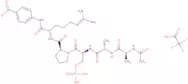
CAS:<p>1,1,2,2-Tetrahydroperfluoro dodecanol (1HFPD) is a chemical substance used in analytical chemistry as an internal standard for gas chromatography. It is also used to prepare samples for analysis by particle-induced X-ray emission. 1HFPD has been shown to have a high uptake in preschool children and can be detected in human serum at levels of 0.5 micrograms per milliliter. The use of 1HFPD has been linked to adverse health effects such as kidney and liver damage.</p>Formula:C12H5F21OPurezza:Min. 95%Peso molecolare:564.13 g/molAc-Ala-Ala-Ser(PO3H2)-Pro-Arg-pNA trifluoroacetate salt
CAS:<p>Please enquire for more information about Ac-Ala-Ala-Ser(PO3H2)-Pro-Arg-pNA trifluoroacetate salt including the price, delivery time and more detailed product information at the technical inquiry form on this page</p>Formula:C28H43N10O12PPurezza:Min. 95%Peso molecolare:742.67 g/mol5-Chloro-1H-indazole
CAS:<p>5-Chloro-1H-indazole is a molecule that is structurally related to benzodiazepinones and has been shown to have serotoninergic activity. It was one of the first compounds in the benzodiazepinone class to be synthesized, and it was found to have potent cerebral effects in rats with frequencies between 2 and 6 GHz. 5-Chloro-1H-indazole has been synthesized by reacting 2,6-dichlorobenzoic acid with aniline in tetrahydrofuran (THF) solution, followed by reaction with chlorine gas. The synthesis was analysed using proton NMR spectroscopy and anions.</p>Formula:C7H5ClN2Purezza:Min. 95%Peso molecolare:152.58 g/mol(Cys(Et)2·7)-a-CGRP (human) trifluoroacetate salt
CAS:<p>Please enquire for more information about (Cys(Et)2·7)-a-CGRP (human) trifluoroacetate salt including the price, delivery time and more detailed product information at the technical inquiry form on this page</p>Formula:C167H277N51O49S2Purezza:Min. 95%Peso molecolare:3,847.43 g/mol3-[(Dimethylamino)methyl]-1,2,4-oxadiazol-5-amine hydrochloride
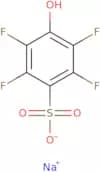
CAS:<p>3-[(Dimethylamino)methyl]-1,2,4-oxadiazol-5-amine hydrochloride is a versatile building block that is used as an intermediate in the synthesis of fine chemicals. It is also a useful scaffold for the synthesis of biologically active compounds and research chemicals. 3-[(Dimethylamino)methyl]-1,2,4-oxadiazol-5-amine hydrochloride can be prepared by reacting methylamine with 2-aminothiophenol in the presence of a base. This reagent is also useful for the preparation of other compounds such as carbamates and cyclic ureas.</p>Formula:C5H10N4O•HClPurezza:Min. 95%Colore e forma:PowderPeso molecolare:178.62 g/molSodium 2,3,5,6-Tetrafluoro-4-hydroxybenzenesulfonate
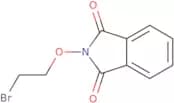
CAS:<p>Sodium 2,3,5,6-Tetrafluoro-4-hydroxybenzenesulfonate is a synthetic compound that is used as a probe for catalytic reactions. It has been shown to be active in the oxidation of glycols and ethylene glycols. This compound is also useful for the tethering of metal atoms or ions. Sodium 2,3,5,6-Tetrafluoro-4-hydroxybenzenesulfonate can be used in catalysis due to its ability to act as an electron donor.</p>Formula:C6HF4NaO4SPurezza:Min. 95%Colore e forma:White PowderPeso molecolare:268.12 g/molN-(2-Bromoethoxy)phthalimide
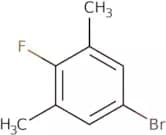
CAS:<p>N-(2-Bromoethoxy)phthalimide is a chemical compound that has been shown to inhibit the activity of histone deacetylases. Histones are proteins that regulate gene expression and play an important role in the regulation of DNA transcription. The enzyme histone deacetylase (HDAC) removes acetyl groups from these proteins, which can lead to changes in gene expression and misregulation of cellular processes. HDACs have been linked to autoimmune diseases, such as arthritis and multiple sclerosis, because they can cause inflammation by affecting the production of inflammatory cytokines. N-(2-Bromoethoxy)phthalimide is able to inhibit HDACs by forming covalent bonds with the lysine residues on these enzymes. This inhibition causes modifications that affect the interaction between HDACs and their substrates, preventing them from modifying histones or interacting with other proteins.</p>Formula:C10H8BrNO3Purezza:Min. 95%Peso molecolare:270.08 g/mol5-Bromo-2-fluoro-1,3-dimethylbenzene
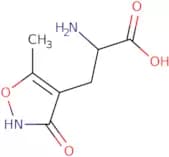
CAS:<p>Please enquire for more information about 5-Bromo-2-fluoro-1,3-dimethylbenzene including the price, delivery time and more detailed product information at the technical inquiry form on this page</p>Formula:C8H8BrFPurezza:Min. 95%Colore e forma:Clear Colourless To Yellow LiquidPeso molecolare:203.05 g/mol(R,S)-α-Amino-3-hydroxy-5-methyl-4-isoxazolepropionic acid hydrobromide
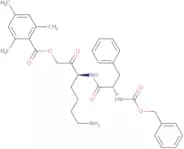
CAS:<p>(R,S)-AMPA is a synthetic analog of the excitatory neurotransmitter glutamate, specifically designed to activate AMPA receptors, a subtype of ionotropic glutamate receptors. These receptors are pivotal in mediating fast synaptic transmission in the central nervous system. (R,S)-AMPA serves as a prototypical agonist for AMPA receptors, facilitating the study of receptor function and synaptic plasticity.</p>Formula:C7H10N2O4•HBrPurezza:Min. 95%Peso molecolare:267.08 g/molZ-Phe-Lys-2,4,6-trimethylbenzoyloxy-methylketone trifluoroacetate salt
CAS:<p>Z-Phe-Lys-2,4,6-trimethylbenzoyloxy-methylketone trifluoroacetate salt is a proteolytic enzyme that has been shown to have bone resorption and tissue destructive properties. It is active against porphyromonas and bactericidal against fibrinogen. Z-Phe-Lys-2,4,6-trimethylbenzoyloxy-methylketone trifluoroacetate salt also inhibits the formation of osteoclasts by inhibiting the uptake and protease activity of extracellular matrix proteins such as fibrinogen. This drug is currently being researched for possible use in the treatment of Alzheimer's Disease.</p>Formula:C34H41N3O6Purezza:Min. 95%Peso molecolare:587.71 g/molTyr-α-CGRP (human) trifluoroacetate salt
CAS:<p>Please enquire for more information about Tyr-alpha-CGRP (human) trifluoroacetate salt including the price, delivery time and more detailed product information at the technical inquiry form on this page</p>Formula:C172H276N52O51S2Purezza:Min. 95%Peso molecolare:3,952.48 g/molMet(O)14-Exenatide trifluoroacetate salt
CAS:<p>Please enquire for more information about Met(O)14-Exenatide trifluoroacetate salt including the price, delivery time and more detailed product information at the technical inquiry form on this page</p>Formula:C184H282N50O61SPurezza:Min. 95%Peso molecolare:4,202.57 g/molAnthranilyl-HIV Protease Substrate III trifluoroacetate salt
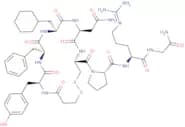
CAS:<p>Please enquire for more information about Anthranilyl-HIV Protease Substrate III trifluoroacetate salt including the price, delivery time and more detailed product information at the technical inquiry form on this page</p>Formula:C65H100N20O17Purezza:Min. 95%Peso molecolare:1,433.61 g/mol(Deamino-Cys1,b-cyclohexyl-Ala4,Arg8)-Vasopressin trifluoroacetate salt
CAS:<p>Desmopressin is a synthetic analogue of vasopressin, which is used to treat disorders associated with insufficient secretion of vasopressin. It has been shown that desmopressin binds to the vasopressin V2 receptor subtype and stimulates the release of arginine-vasopressin in corticotropin-releasing hormone (CRH)-treated rat pituitary cells. This stimulation was mediated by a residue on the Cys1,b-cyclohexyl residue. The binding of desmopressin to this site was demonstrated in vitro using binding experiments on rat brain synaptosomes. Desmopressin has also been shown to stimulate ovulation in rats and humans, and it has been shown to be effective for treating nocturnal enuresis in children.</p>Formula:C50H71N13O11S2Purezza:Min. 95%Peso molecolare:1,094.31 g/mol3-Bromoimidazo[1,2-b]pyridazine
CAS:<p>3-Bromoimidazo[1,2-b]pyridazine (BIPM) is an analog of etoposide and has been shown to be a potent inhibitor of tyrosine kinases. BIPM selectively inhibits the activity of multikinase enzymes such as c-kit, PDGFRβ, and VEGFR2. In addition, BIPM has been shown to inhibit the proliferation of cancer cells by inducing apoptosis and cell cycle arrest in mcf-7 cells. This drug is not toxic to normal cells and shows a favorable safety profile when tested on animals.</p>Formula:C6H4BrN3Purezza:Min. 95%Peso molecolare:198.02 g/mol3,5-Diiodothyroformic acid
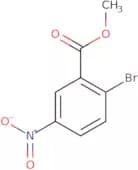
CAS:<p>3,5-Diiodothyroformic acid is a fine chemical that is used as a versatile building block in organic synthesis. It is also an intermediate for research chemicals and speciality chemicals. In addition to its use as a reagent, 3,5-Diiodothyroformic acid has been shown to be useful as a building block for the synthesis of pharmaceuticals and agricultural chemicals.</p>Formula:C13H8I2O4Purezza:Min. 95%Peso molecolare:482.01 g/molMethyl 2-bromo-5-nitrobenzoate
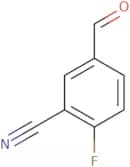
CAS:<p>Methyl 2-bromo-5-nitrobenzoate is a potent inhibitor of aspartyl proteases, which are enzymes that are involved in the breakdown of fibrinogen. It has been shown to inhibit the growth of Staphylococcus aureus and other bacteria. Methyl 2-bromo-5-nitrobenzoate is also a potent inhibitor of lactamase, an enzyme that catalyzes the hydrolysis of lactams. This compound has been shown to have biological properties such as antioxidant and anticancer activity. A heterocycle with two nitro groups on the methylene bridge, it is reactive.</p>Formula:C8H6BrNO4Purezza:Min. 95%Peso molecolare:260.04 g/mol2-Fluoro-5-formylbenzonitrile
CAS:<p>Intermediate in the synthesis of olaparib (AZD2281)</p>Formula:C8H4FNOPurezza:90%Colore e forma:PowderPeso molecolare:149.12 g/mol3,5-Difluorobenzoic acid
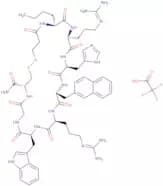
CAS:<p>3,5-Difluorobenzoic acid is a pharmaceutical preparation that has been used in the treatment of inflammatory diseases and cancer. It is an enantiomer of 5-Fluorobenzoic acid. 3,5-Difluorobenzoic acid can be synthesized from 2,4-dichlorophenoxyacetic acid by cycloaddition process with fluorine. Magnetic resonance spectroscopy has shown that 3,5-Difluorobenzoic acid binds to oxytocin receptor. The binding of 3,5-Difluorobenzoic acid to oxytocin receptor leads to the activation of its G protein coupled receptor activity. This causes an increase in intracellular cAMP levels and subsequently leads to the inhibition of bacterial enzyme ns3 protease and cardiac hypertrophy induced by chronic angiotensin II infusion.</p>Purezza:Min. 95%(Deamino-Cys3, Nle 4,Arg5,D-2-Nal 7,Cys11)-a-MSH (3-11) amide trifluoroacetate salt
CAS:<p>Please enquire for more information about (Deamino-Cys3, Nle 4,Arg5,D-2-Nal 7,Cys11)-a-MSH (3-11) amide trifluoroacetate salt including the price, delivery time and more detailed product information at the technical inquiry form on this page</p>Formula:C56H76N18O9S2Purezza:Min. 95%Peso molecolare:1,209.45 g/mol(Trp3,Arg5)-Ghrelin (1-5) trifluoroacetate salt
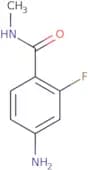
CAS:<p>Please enquire for more information about (Trp3,Arg5)-Ghrelin (1-5) trifluoroacetate salt including the price, delivery time and more detailed product information at the technical inquiry form on this page</p>Formula:C31H41N9O7Purezza:Min. 95%Peso molecolare:651.71 g/molN-Methyl-2-fluoro-4-aminobenzamide
CAS:<p>N-Methyl-2-fluoro-4-aminobenzamide is a toxic compound that is commonly used as a reagent in chemical synthesis and research. It has been studied for its potential use in medicine, particularly in the treatment of castration-resistant prostate cancer. N-Methyl-2-fluoro-4-aminobenzamide acts as a nucleophilic agent, participating in reactions that involve the addition of an acyl group to a target molecule. Its stable formyl group allows for efficient reaction yields and reliable results. However, due to its toxic nature, caution must be exercised when handling this compound.</p>Formula:C8H9FN2OPurezza:Min. 95%Peso molecolare:168.17 g/mol(Cys0)-Amyloid b-Protein (1-40) trifluoroacetate salt
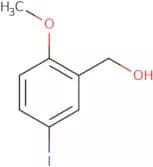
CAS:<p>Please enquire for more information about (Cys0)-Amyloid b-Protein (1-40) trifluoroacetate salt including the price, delivery time and more detailed product information at the technical inquiry form on this page</p>Formula:C197H300N54O59S2Purezza:Min. 95%Peso molecolare:4,432.95 g/mol5-Iodo-2-methoxybenzyl alcohol
CAS:<p>5-Iodo-2-methoxybenzyl alcohol (5IMB) is a conjugate that inhibits tubulin polymerization and mitochondrial membrane integrity. It has significant inhibitory effects on colchicine-induced apoptosis in colon cancer cells, inducing apoptotic cell death by the activation of caspase 3 and annexin. 5IMB also has an inhibitory effect on mitochondria, leading to mitochondrial membrane depolarization and apoptotic cell death. This conjugate also induces the death of human cancer cells, specifically mcf-7, which are involved in tumour growth and metastasis. The mechanism of action for 5IMB is through its ability to induce mitochondrial membrane depolarization, leading to apoptotic cell death.</p>Formula:C8H9O2IPurezza:Min. 95%Peso molecolare:264.06 g/mol(Asp56)-pTH (1-84) (rat) trifluoroacetate salt
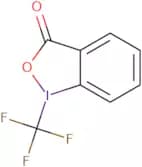
CAS:<p>Please enquire for more information about (Asp56)-pTH (1-84) (rat) trifluoroacetate salt including the price, delivery time and more detailed product information at the technical inquiry form on this page</p>Formula:C405H668N122O126S3Purezza:Min. 95%Peso molecolare:9,358.58 g/mol1-(Trifluoromethyl)-1,2-benziodoxol-3(1h)-one
CAS:<p>1-(Trifluoromethyl)-1,2-benziodoxol-3(1H)-one is a deuterated analog of the phenoxy radical. It has been shown to be a potent inhibitor of the apical radiation-induced chain reactions in mitochondria and chloroplasts. The deuterium isotope effect makes 1-(Trifluoromethyl)-1,2-benziodoxol-3(1H)-one more reactive than its non-deuterated counterpart. This increased reactivity leads to an increase in biological properties, such as toxicity studies and reaction mechanism. This drug also has modulating effects on sulfonic acids, which are important for many biological reactions.</p>Formula:C8H4F3IO2Purezza:Min. 95 Area-%Colore e forma:White PowderPeso molecolare:316.02 g/molEndothelin-3 (human, mouse, rabbit, rat) trifluoroacetate salt
CAS:<p>Trifluoroacetate salt</p>Formula:C121H168N26O33S4Purezza:Min. 95%Peso molecolare:2,643.05 g/molPHM-27 (human) trifluoroacetate salt
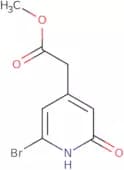
CAS:<p>PHM-27 is a human protein that contains a c-terminal histidine and n-terminal lysine. It contains an amino acid composition of histidine, valine, alanine, aspartic acid, glycine, serine, threonine, arginine, and methionine. PHM-27 is present in the cardiovascular system, nervous system, gastrointestinal system, and respiratory system. It has been shown to be involved in the synthesis of peptides important for blood clotting.</p>Formula:C135H214N34O40SPurezza:Min. 95%Peso molecolare:2,985.41 g/molMethyl 6-bromo-1,2-dihydro-2-oxo-4-pyridineacetate
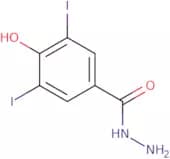
CAS:<p>Please enquire for more information about Methyl 6-bromo-1,2-dihydro-2-oxo-4-pyridineacetate including the price, delivery time and more detailed product information at the technical inquiry form on this page</p>Formula:C8H8BrNO3Purezza:Min. 95%Peso molecolare:246.06 g/mol3,5-Diiodo-4-hydroxybenzhydrazide
CAS:<p>3,5-Diiodo-4-hydroxybenzhydrazide is a chemical compound that is useful as a building block in organic synthesis. It is a versatile intermediate and can be used in the preparation of heterocyclic compounds and pharmaceuticals. 3,5-Diiodo-4-hydroxybenzhydrazide reacts with alkyl halides to form alkyl iodides, which are important reagents for organic synthesis. 3,5-Diiodo-4-hydroxybenzhydrazide has been used as an effective reagent for the formation of new carbon–carbon bonds and has been shown to be an excellent starting point for the synthesis of biologically active molecules.</p>Formula:C7H6I2N2O2Purezza:Min. 95%Colore e forma:PowderPeso molecolare:403.94 g/molFormyl-LHRH (2-10) trifluoroacetate salt
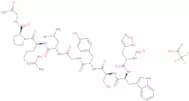
CAS:<p>Please enquire for more information about Formyl-LHRH (2-10) trifluoroacetate salt including the price, delivery time and more detailed product information at the technical inquiry form on this page</p>Formula:C51H70N16O12Purezza:Min. 95%Peso molecolare:1,099.2 g/mol8-Chloro-5,6-dihydro-11H-benzo[5,6]cyclohepta[1,2-b]pyridin-11-one
CAS:<p>Please enquire for more information about 8-Chloro-5,6-dihydro-11H-benzo[5,6]cyclohepta[1,2-b]pyridin-11-one including the price, delivery time and more detailed product information at the technical inquiry form on this page</p>Formula:C14H10ClNOPurezza:Min. 95%Peso molecolare:243.69 g/molH-Trp(Boc)-2-chlorotrityl resin (200-400 mesh) (Low Substitution)
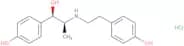
<p>Please enquire for more information about H-Trp(Boc)-2-chlorotrityl resin (200-400 mesh) (Low Substitution) including the price, delivery time and more detailed product information at the technical inquiry form on this page</p>Purezza:Min. 95%Ritodrine hydrochloride
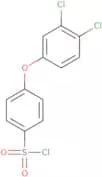
CAS:<p>β2-agonist; used in management of preterm labor</p>Formula:C17H22ClNO3Purezza:Min. 95%Colore e forma:PowderPeso molecolare:323.81 g/mol4-(3,4-Dichlorophenoxy)benzenesulfonyl chloride
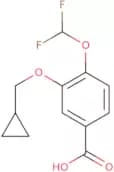
CAS:<p>4-(3,4-Dichlorophenoxy)benzenesulfonyl chloride is a sulfonate that is used in the synthesis of organic compounds. It has been shown to have torsion, oriented, and nucleophilic properties. The phenol group of 4-(3,4-dichlorophenoxy)benzenesulfonyl chloride has been shown to be nucleophilic in nature. The phenyl group is electron donating and the chloride atom is electron withdrawing. The crystal structure of 4-(3,4-dichlorophenoxy)benzenesulfonyl chloride is as follows:</p>Formula:C12H7Cl3O3SPurezza:Min. 95%Colore e forma:PowderPeso molecolare:337.61 g/mol3-Cyclopropylmethoxy-4-difluoromethoxy-benzoic acid
CAS:<p>3-Cyclopropylmethoxy-4-difluoromethoxy-benzoic acid is an industrial chemical that is used as a binding agent in the production of dyes, rubber, and pharmaceuticals. The compound is produced by the acylation of 3-chloromethoxybenzoic acid with cyclopropylmethanol. This reaction requires an inorganic base such as potassium carbonate or sodium bicarbonate to activate the chloride. 3-Cyclopropylmethoxy-4-difluoromethoxybenzoic acid can be used as a reactive alkylating agent for the production of amides and other organic compounds, which increases its versatility.</p>Formula:C12H12O4F2Purezza:Min. 95%Colore e forma:White/Off-White SolidPeso molecolare:258.22 g/molTAT 2-4 trifluoroacetate salt
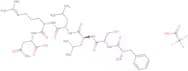
CAS:<p>Trifluoroacetate salt</p>Formula:C132H240N66O29Purezza:Min. 95%Peso molecolare:3,215.75 g/molH-Pro-Pro-Gln-OH trifluoroacetate salt
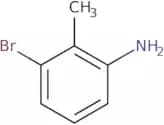
CAS:<p>Please enquire for more information about H-Pro-Pro-Gln-OH trifluoroacetate salt including the price, delivery time and more detailed product information at the technical inquiry form on this page</p>Formula:C15H24N4O5Purezza:Min. 95%Peso molecolare:340.38 g/mol3-Bromo-2-methylaniline
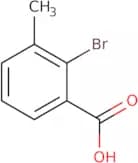
CAS:<p>3-Bromo-2-methylaniline is a six membered, planar, planar conformation with a dihedral angle of 120°. The molecule has two dimers that are connected by hydrogen bonds. It has a crystal structure that is made up of molecules arranged in a hexagonal grid. The molecule is made up of three atoms: one carbon atom, one nitrogen atom, and one bromine atom. The three atoms are arranged in the following order: bromine, carbon, nitrogen.</p>Formula:C7H8BrNPurezza:Min. 95%Colore e forma:Clear Colourless To Yellow To Brown Or Red-BrownPeso molecolare:186.05 g/mol2-Bromo-3-methylbenzoic acid
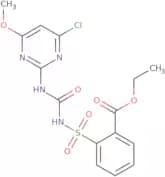
CAS:<p>2-Bromo-3-methylbenzoic acid is an alcohol that has been shown to be selective for the stereoselective synthesis of chiral secondary alcohols. It has been used in the reduction of 2-formylphenylboronic acid, yielding a mixture of the two possible diastereomers, and in the reductive elimination of carboxylic acids, which can be used as an alternative to the Baylis-Hillman reaction. The compound also has inhibitory activity against several bacteria, including methicillin resistant Staphylococcus aureus (MRSA) and Mycobacterium tuberculosis. 2-Bromo-3-methylbenzoic acid is photochromic and changes color from yellow to red when exposed to UV light.</p>Formula:C8H7BrO2Purezza:Min. 95%Colore e forma:PowderPeso molecolare:215.04 g/molChlorimuron-ethyl
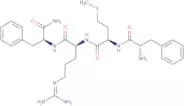
CAS:<p>Chlorimuron-ethyl is a herbicide belonging to the class of pyrazole compounds. It inhibits plant growth by interfering with photosynthesis and chlorophyll synthesis. Chlorimuron-ethyl can be used in wastewater treatment, as well as applications to grow crops such as soybeans. The compound has been shown to have a sublethal effect on myeloma cells in vitro and has been shown to be an effective antimetastatic agent in vivo.</p>Formula:C15H15ClN4O6SPurezza:Min. 95%Peso molecolare:414.82 g/molH-Phe-D-Met-Arg-Phe-NH2 trifluoroacetate salt
CAS:<p>Please enquire for more information about H-Phe-D-Met-Arg-Phe-NH2 trifluoroacetate salt including the price, delivery time and more detailed product information at the technical inquiry form on this page</p>Formula:C29H42N8O4SPurezza:Min. 95%Peso molecolare:598.76 g/mol2-Fluoropyridine-5-carboxaldehyde
CAS:<p>2-Fluoropyridine-5-carboxaldehyde is a reactive chemical that can be used as an acceptor in organic synthesis. It has been shown to have antibacterial properties, and is also a synthon for the production of prosthetic groups. 2-Fluoropyridine-5-carboxaldehyde reacts with dopamine to form diphenyl ethers, which are used as labels for immunoassays. This chemical can be catalysed and has been shown to be resistant to catalysis. 2-Fluoropyridine-5-carboxaldehyde can also be used in the synthesis of cycloalkanes.</p>Formula:C6H4FNOPurezza:Min. 95%Peso molecolare:125.1 g/mol4-Chloroanisole
CAS:<p>4-Chloroanisole is a chlorinated aromatic compound that is used as an industrial solvent. It has been shown to have fungicidal activity and can be used in the production of polyurethanes. 4-Chloroanisole reacts with chlorine atoms, forming diphenyl ethers. It also reacts with argon gas to form isotopomers, which are important in the study of steric interactions. The hydroxyl ions present in water cause the formation of a solid catalyst from 4-chloroanisole and potassium chloride. This solid catalyst is then used for reactions such as Suzuki coupling reactions and cationic polymerization reactions. 4-Chloroanisole also has the ability to react with an aryl halide, forming an aromatic molecule or halides.</p>Formula:C7H7ClOPurezza:Min. 95%Colore e forma:PowderPeso molecolare:142.58 g/mol3-Fluoro-4-nitrobenzoic acid
CAS:<p>3-Fluoro-4-nitrobenzoic acid is an organic solvent that is used as a reagent in the synthesis of peptidomimetics. 3-Fluoro-4-nitrobenzoic acid has been shown to be a nucleophilic addition agent, which can react with serine proteases in the presence of benzamidine. This reaction results in the formation of an amide bond between the amino group and carboxylic acid moiety of the serine protease, thereby inhibiting its activity. 3-Fluoro-4-nitrobenzoic acid is also used as a synthetic intermediate for peptides and other organic compounds.</p>Formula:C7H4FNO4Purezza:Min. 95%Colore e forma:PowderPeso molecolare:185.11 g/molPancreastatin (33-48) (human) trifluoroacetate salt
CAS:<p>Pancreastatin (33-48) is a synthetic, acidic, sulfated peptide that has been shown to have high activity against pancreatic cancer cells. Pancreastatin (33-48) has been synthesized by reacting an oligopeptide with glutamic acid and aspartic acid. The N-terminal of this peptide is amidated and contains a sulfate group. This molecule has been purified by SDS-polyacrylamide gel electrophoresis and the sulfate fractionation method. Pancreastatin (33-48) is able to inhibit the proliferation of pancreatic tumor cells in vitro, but it does not appear to be cytotoxic to normal pancreatic cells. In addition, pancreastatin (33-48) has also been shown to decrease tumor growth in vivo in mice bearing a transplanted human pancreatic tumor.</p>Formula:C78H123N21O27SPurezza:Min. 95%Peso molecolare:1,819 g/mol6-Chloro-1,7-naphthyridin-4-ol
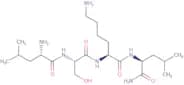
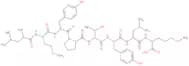
CAS:<p>Please enquire for more information about 6-Chloro-1,7-naphthyridin-4-ol including the price, delivery time and more detailed product information at the technical inquiry form on this page</p>Purezza:Min. 95%H-Leu-Ser-Lys-Leu-NH2 trifluoroacetate salt
CAS:<p>L-Leu-Ser-Lys-Leu-NH2 is a cyclic peptide with the amino acid sequence H-Leu-Ser-Lys-Leu. It has been shown to have receptor activity and can be used as an experimental model of growth factors. L-Leu-Ser-Lys-Leu was found to stimulate collagen synthesis in a collagen gel, which may be due to its ability to inhibit the release of growth factor β1. L-Leu-Ser Lys Leu also has anti cancer effects by inhibiting the proliferation of malignant brain cells, as well as tubulointerstitial injury and renal cell carcinoma. This compound may also have some use in treating subarachnoid hemorrhage and fetal bovine serum (FBS) for tissue culture.</p>Formula:C21H42N6O5Purezza:Min. 95%Peso molecolare:458.6 g/molD-Tryptophan methyl ester hydrochloride
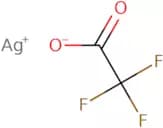
CAS:<p>D-Tryptophan is an amino acid that is naturally produced by the human body and is also found in certain foods such as bananas, oats, and turkey. D-Tryptophan methyl ester hydrochloride is a synthetic form of this amino acid. It has been shown to inhibit cell growth and may have other physiological effects such as regulating mood or sleep patterns. This drug binds to the cavity of enzymes involved in the synthesis of proteins and nucleic acids, which prevents them from carrying out their normal functions. The binding constants for D-tryptophan methyl ester hydrochloride with these enzymes are stronger than those for natural d-tryptophan. The reaction solution was studied using UV absorption spectroscopy and showed that glycol ethers were more effective solvents than piperonal, which allowed for asymmetric synthesis. Molecular docking analysis has shown that D-tryptophan methyl ester hydrochloride binds to the enzyme cavity more tightly than</p>Formula:C12H14N2O2•HClPurezza:Min. 95%Colore e forma:PowderPeso molecolare:254.71 g/molSilver(I) 2,2,2-trifluoroacetate
CAS:<p>Silver trifluoroacetate is a chemical compound that is a silver salt of trifluoroacetic acid. Silver trifluoroacetate is a white crystalline solid, soluble in water and alcohols, but insoluble in ethers. It has the chemical formula AgCF3CO2H. The crystal structure of silver trifluoroacetate has been determined by x-ray diffraction techniques and found to be orthorhombic with space group Pbam. The molecule consists of two 5-membered heteroaromatic rings, one containing carbon atoms and the other containing nitrogen atoms. The nitrogen atom is bonded to six hydrogen atoms and three fluorine atoms, while the carbon atom is bonded to four oxygen atoms and one fluorine atom. Synthesis methods for this compound include reacting silver nitrate with sodium carbonate in water vapor at 120°C.</p>Formula:C2AgF3O2Purezza:Min. 95%Peso molecolare:220.88 g/molPACAP-38 (28-38) (human, chicken, mouse, ovine, porcine, rat) trifluoroacetate salt
CAS:<p>PACAP-38 (28-38) is a peptide hormone that is produced in the brain and regulates various physiological processes. It has been shown to have effects on intestinal, pancreatic, and lung cells. PACAP-38 (28-38) is a potent antagonist of vasoactive intestinal polypeptide (VIP), which has been implicated in the regulation of gastrointestinal motility and fluid secretion. The peptide also inhibits cancer cell proliferation by activating cell death pathways.</p>Formula:C61H110N24O14Purezza:Min. 95%Peso molecolare:1,403.68 g/molRANTES (human) trifluoroacetate salt
<p>Please enquire for more information about RANTES (human) trifluoroacetate salt including the price, delivery time and more detailed product information at the technical inquiry form on this page</p>Formula:C350H534N96O100S5Purezza:Min. 95%Peso molecolare:7,846.9 g/molZ-Leu-Glu(OMe)-Thr-DL-Asp(OMe)-fluoromethylketone
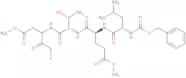
CAS:<p>Please enquire for more information about Z-Leu-Glu(OMe)-Thr-DL-Asp(OMe)-fluoromethylketone including the price, delivery time and more detailed product information at the technical inquiry form on this page</p>Formula:C30H43FN4O11Purezza:Min. 95%Peso molecolare:654.68 g/molPAR-2 (1-6) amide (human) trifluoroacetate salt
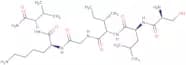
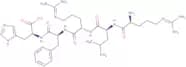
CAS:<p>PAR-2 (1-6) amide (human) trifluoroacetate salt H-Ser-Leu-Ile-Gly-Lys-Val-NH2 trifluoroacetate salt is a protease inhibitor that inhibits the activity of PAR2, a protein receptor. PAR2 is implicated in cancer and inflammation. It has been shown to inhibit growth factor signaling, as well as activate toll-like receptor 4 and other inflammatory pathways. PAR2 inhibition has also been studied in vivo and found to be effective in treating wild type mice with melanoma cells. In vitro studies have shown that PAR2 inhibition by PAR 2 (1-6) amide (human) trifluoroacetate salt H-Ser-Leu-Ile-Gly-Lys-Val NH2 trifluoroacetate salt blocks the production of tumour necrosis factor alpha and interleukin 6.</p>Formula:C28H54N8O7Purezza:Min. 95%Peso molecolare:614.78 g/molPalmitoyl-Cys((RS)-2,3-di(palmitoyloxy)-propyl)-Ser-Lys-Lys-Lys-Lys-OH trifluoroacetate salt
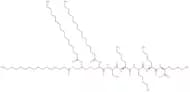
CAS:<p>Agonist of toll-like receptors TLR1/2</p>Formula:C81H156N10O13SPurezza:Min. 95%Peso molecolare:1,510.23 g/molOsteostatin (1-5) amide (human, bovine, dog, horse, mouse, rabbit, rat) trifluoroacetate salt
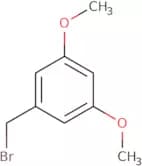
CAS:<p>Please enquire for more information about Osteostatin (1-5) amide (human, bovine, dog, horse, mouse, rabbit, rat) trifluoroacetate salt including the price, delivery time and more detailed product information at the technical inquiry form on this page</p>Formula:C27H42N10O7Purezza:Min. 95%Peso molecolare:618.69 g/mol3,5-Dimethoxybenzyl bromide
CAS:<p>3,5-Dimethoxybenzyl bromide is a difluoro compound that has been synthesized as a potential CB2 receptor agonist. It has been shown to bind to both CB1 and CB2 receptors in cell culture. 3,5-Dimethoxybenzyl bromide has also been shown to inhibit the growth of mouse melanoma cells by inducing apoptosis and cell cycle arrest, which may be due to its ability to demethylate pterostilbene derivatives. 3,5-Dimethoxybenzyl bromide is an example of a nucleophilic agent because it can donate a proton from the hydroxyl group on the benzene ring. The chloride ion forms an ionic bond with the negatively charged oxygen atom on the benzoic acid group. This type of bond is called an ester linkage or ester bond.</p>Formula:C9H11O2BrPurezza:Min. 94%Colore e forma:PowderPeso molecolare:231.09 g/molCyclo(-Arg-Gly-Asp-D-Phe-Val) trifluoroacetate salt
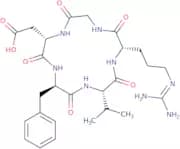
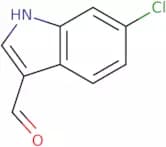
CAS:<p>Cyclo(-Arg-Gly-Asp-D-Phe-Val) trifluoroacetate salt is a basic fibroblast growth factor that has been shown to have proliferative effects on diabetic retinopathy and ocular neovascularization. It binds to integrin receptors on the surface of cells, which are involved in cell adhesion. Cyclo(-Arg-Gly-Asp-D-Phe-Val) trifluoroacetate salt also has antiangiogenic effects and blocks the angiogenesis process by inhibiting the production of epidermal growth factor (EGF). This drug may be useful for treating certain types of cancer such as malignant brain tumors or neuroblastomas, because it can cause neuronal death. Cyclo(-Arg-Gly-Asp-D-Phe-Val) trifluoroacetate salt is a cyclic peptide with a reactive amino acid side chain.</p>Formula:C26H38N8O7Purezza:Min. 95%Peso molecolare:574.63 g/mol6-Chloroindole-3-carboxaldehyde
CAS:<p>6-Chloroindole-3-carboxaldehyde is a natural compound with the molecular formula C8H6ClNO2. It has been shown to have anticancer activity against lung cancer cells and has been found to inhibit the growth of metastatic lung cancer cells in mice. 6-Chloroindole-3-carboxaldehyde inhibits the proliferation of human lung cancer cells by arresting cells in the G1 phase of the cell cycle, which may be due to its ability to bind to deoxyhexose and form a complex. This compound also has antimicrobial activity against bacterial strains such as Streptococcus pneumoniae and Mycoplasma pneumoniae.</p>Formula:C9H6ClNOPurezza:Min. 95%Peso molecolare:179.6 g/molBiotinyl-(Leu8,D-Trp22,Tyr25)-Somatostatin-28 trifluoroacetate salt
CAS:<p>Please enquire for more information about Biotinyl-(Leu8,D-Trp22,Tyr25)-Somatostatin-28 trifluoroacetate salt including the price, delivery time and more detailed product information at the technical inquiry form on this page</p>Formula:C148H223N43O42S3Purezza:Min. 95%Peso molecolare:3,372.82 g/mol(Leu31,Pro34)-Peptide YY (human) trifluoroacetate salt
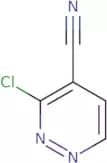
CAS:<p>Please enquire for more information about (Leu31,Pro34)-Peptide YY (human) trifluoroacetate salt including the price, delivery time and more detailed product information at the technical inquiry form on this page</p>Formula:C195H296N54O56Purezza:Min. 95%Peso molecolare:4,292.77 g/mol3-Chloropyridazine-4-carbonitrile
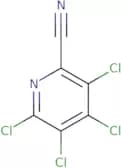
CAS:<p>3-Chloropyridazine-4-carbonitrile is an acridone that has been shown to be an effective antibacterial agent. It was synthesized by the intramolecular Diels-Alder reaction of pyridine and 1,3-butadiene, followed by a sequence of reactions involving thioxanthones. 3-Chloropyridazine-4-carbonitrile binds to the bacterial enzyme 50S ribosomal subunit by competitive inhibition and prevents the formation of an antibiotic inhibitor complex with the enzyme cell wall synthesis that is required for cell wall biosynthesis, inhibiting protein synthesis and cell division. 3-Chloropyridazine-4-carbonitrile also has shown activity against methicillin resistant Staphylococcus aureus strains.</p>Formula:C5H2ClN3Purezza:Min. 95%Peso molecolare:139.54 g/mol2-Cyano-3,4,5,6-tetrachloropyridine
CAS:<p>2-Cyano-3,4,5,6-tetrachloropyridine is a genotoxic compound that is used for the preparation of picolinic acid. It has been shown to induce DNA damage and cytotoxicity in vitro. The reaction products of this compound have also been found to be genotoxic in vitro and in vivo. This chemical has been shown to inhibit the growth of cells in culture as well as cause cell death by releasing hydrogen chloride gas. 2-Cyano-3,4,5,6-tetrachloropyridine is a potent mutagen and carcinogen that can be activated by fluorine or chlorine compounds. This chemical can also form chlorinated derivatives with chlorine. 2-Cyano-3,4,5,6-tetrachloropyridine reacts with phosphorus pentachloride to produce hydrogen chloride gas and other reaction products such as chloride (Cl) or sublimed (P</p>Formula:C6Cl4N2Purezza:Min. 95%Peso molecolare:241.89 g/mol6-Bromoindazole
CAS:<p>6-Bromoindazole is a hydrogen bond inhibitor that has potential neuroprotective effects. It inhibits the enzyme DNA Gyrase, which is necessary for bacterial replication, and has antibacterial properties. 6-Bromoindazole interacts with the receptor tyrosine kinase axitinib and inhibits its activity. This interaction may be responsible for its neuroprotective effects.</p>Formula:C7H5BrN2Purezza:Min. 95%Peso molecolare:197.03 g/molVIP Receptor-Binding Inhibitor L-8-K trifluoroacetate salt
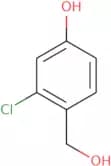
CAS:<p>Please enquire for more information about VIP Receptor-Binding Inhibitor L-8-K trifluoroacetate salt including the price, delivery time and more detailed product information at the technical inquiry form on this page</p>Formula:C50H77N9O12SPurezza:Min. 95%Peso molecolare:1,028.27 g/mol2-Chloro-4-Hydroxybenzyl alcohol
CAS:<p>2-Chloro-4-hydroxybenzyl alcohol is an organic compound that has been shown to be soluble in aqueous alkali metal solutions, but insoluble in water. It is also insoluble in polymer solvents such as acetone and ethyl ether. 2-Chloro-4-hydroxybenzyl alcohol is a sugar alcohol with 3 hydroxyl groups. The molecule has a molecular weight of 150.17 g/mol, melting point of -123°C (-198°F), boiling point of 179°C (354°F), and refractive index of 1.5774 at 20°C (68°F). This chemical can be used in the synthesis of polyhydric alcohols such as glycerol or hexanol. 2-Chloro-4-hydroxybenzyl alcohol is not soluble in hydrochloric acid, benzene or chloroform, and does not react to form any es</p>Formula:C7H7ClO2Purezza:Min. 95%Peso molecolare:158.58 g/molAc-Leu-Glu-His-Asp-chloromethylketone
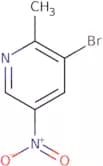
CAS:<p>Ac-Leu-Glu-His-Asp-chloromethylketone is a creatine kinase inhibitor that prevents the conversion of ATP to ADP. It inhibits mitochondrial pathways, leading to apoptotic and proapoptotic effects. Ac-Leu-Glu-His-Asp-chloromethylketone also has a kinetic effect on cells, where it causes necrotic cell death. This compound can cause proteolytic activity, which leads to the activation of caspase 9 and matrix metalloproteinases. Ac-Leu-Glu-His-Asp chloromethylketone has been shown to have antiinflammatory properties in cellular assays, as well as an ability to inhibit the synthesis of cellular proteins.</p>Formula:C24H35ClN6O9Purezza:Min. 95%Peso molecolare:587.02 g/mol3-Bromo-2-methyl-5-nitropyridine
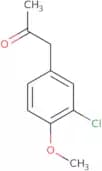
CAS:<p>Please enquire for more information about 3-Bromo-2-methyl-5-nitropyridine including the price, delivery time and more detailed product information at the technical inquiry form on this page</p>Formula:C6H5BrN2O2Purezza:Min. 95%Peso molecolare:217.02 g/mol1-(3-Chloro-4-methoxyphenyl)acetone
CAS:<p>1-(3-Chloro-4-methoxyphenyl)acetone is a white solid with a melting point of 60-61°C. It is a versatile building block that can be used in the synthesis of complex compounds and as a reaction component for the preparation of speciality chemicals. 1-(3-Chloro-4-methoxyphenyl)acetone has been studied extensively as an intermediate for the synthesis of pharmaceuticals, including acetaminophen and amoxicillin. This compound also has uses in research laboratories and as a reagent in organic synthesis.</p>Formula:C10H11ClO2Purezza:Min. 95%Peso molecolare:198.65 g/mol








![2-Chloro-N-[2-(diethylamino)ethyl]-4-quinolinecarboxamide](/_next/image/?url=https%3A%2Fstatic.cymitquimica.com%2Fproducts%2F3D%2Fthumb-webp%2FFC20289.webp&w=3840&q=75)









![3-[(Dimethylamino)methyl]-1,2,4-oxadiazol-5-amine hydrochloride](/_next/image/?url=https%3A%2Fstatic.cymitquimica.com%2Fproducts%2F3D%2Fthumb-webp%2FFD135937.webp&w=3840&q=75)

![3-Bromoimidazo[1,2-b]pyridazine](/_next/image/?url=https%3A%2Fstatic.cymitquimica.com%2Fproducts%2F3D%2Fthumb-webp%2FFB33555.webp&w=3840&q=75)




![8-Chloro-5,6-dihydro-11H-benzo[5,6]cyclohepta[1,2-b]pyridin-11-one](/_next/image/?url=https%3A%2Fstatic.cymitquimica.com%2Fproducts%2F3D%2Fthumb-webp%2FFC20116.webp&w=3840&q=75)