Building Blocks Idrocarburici
I building blocks idrocarburici sono composti organici costituiti esclusivamente da atomi di carbonio e idrogeno. Queste strutture fondamentali costituiscono la base per la sintesi di una vasta gamma di molecole complesse. I building blocks idrocarburici sono utilizzati nello sviluppo di prodotti farmaceutici, polimeri e altri composti organici. In CymitQuimica offriamo un'ampia gamma di building blocks idrocarburici di alta qualità per supportare i tuoi progetti di sintesi e ricerca.
Sottocategorie di "Building Blocks Idrocarburici"
Trovati 5575 prodotti di "Building Blocks Idrocarburici"
Ordinare per
Purezza (%)
0
100
|
0
|
50
|
90
|
95
|
100
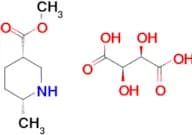
Methyl (3S,6R)-6-methylpiperidine-3-carboxylate (2R,3R)-2,3-dihydroxysuccinate
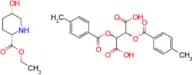
CAS:Purezza:97%Peso molecolare:307.299(2S,5S)-ethyl 5-hydroxypiperidine-2-carboxylate (2S,3S)-2,3-bis((4-methylbenzoyl)oxy)succinate
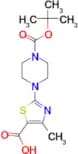
Purezza:98%Peso molecolare:559.5681-(1,1-Dimethylethyl) 4-(5-carboxy-4-methyl-2-thiazolyl)-1-piperazinecarboxylate
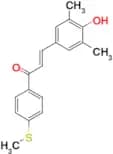
CAS:Purezza:97%Peso molecolare:327.41-(4-Methylthiophenyl)-3-(3,5-dimethyl-4-hydroxyphenyl)prop-2-en-1-one
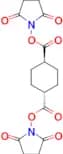
CAS:Purezza:98%Peso molecolare:298.4trans-Bis(2,5-dioxopyrrolidin-1-yl) cyclohexane-1,4-dicarboxylate
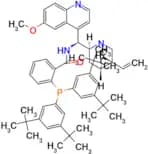
CAS:Purezza:97%Peso molecolare:366.3262-(Bis(3,5-di-tert-butylphenyl)phosphino)-N-((S)-(6-methoxyquinolin-4-yl)((1S,2S,4S,5R)-5-vinylquinuclidin-2-yl)methyl)benzamide
CAS:Purezza:98%Peso molecolare:836.158(2S,3R,4S,5S)-5-((R)-1-Azido-2-(pivaloyloxy)ethyl)tetrahydrofuran-2,3,4-triyl tris(2,2-dimethylpropanoate)
CAS:Purezza:95%Peso molecolare:541.642Methyl (5-amino-2′-methyl-[1,1′-biphenyl]-2-carbonyl)-L-leucinate hydrochloride
CAS:Purezza:98%Peso molecolare:390.912-(Diphenylphosphino)-N-[(8α,9S)-6′-methoxycinchonan-9-yl]benzamide
CAS:Purezza:98%Peso molecolare:611.726N-[(8α,9S)-6′-Methoxycinchonan-9-yl]-N’-[(2S)-2-pyrrolidinylmethyl]thiourea
CAS:Purezza:98%Peso molecolare:465.664-Bromo-m-xylene
CAS:Formula:C8H9BrPurezza:>97.0%(GC)Colore e forma:Colorless to Light orange to Yellow clear liquidPeso molecolare:185.062-(4-Methoxyphenyl)ethanol
CAS:<p>2-(4-Methoxyphenyl)ethanol is a chemical compound that can be synthesized in an efficient method. It is a by-product of the reaction of fatty acids with hydroxyl compounds and has been shown to have synergistic effects when combined with chloride. 2-(4-Methoxyphenyl)ethanol is used as a synthetic intermediate for the production of methyl anthranilate, which is an important industrial chemical that is used as a flavor and fragrance additive. 2-(4-Methoxyphenyl)ethanol also has eugenol as one of its cleavage products, which can be found in plants such as clove oil, cinnamon bark, and nutmeg.</p>Formula:C9H12O2Purezza:Min. 98%Colore e forma:White PowderPeso molecolare:152.19 g/molN-Methyl methanesulfonamide
CAS:<p>N-Methyl methanesulfonamide is an amide compound that has a vibrational frequency of 1605 cm-1. It is used in the manufacture of covid-19, a pandemic influenza virus vaccine. Covid-19 contains N-methyl methanesulfonamide as one of its ingredients. The vaccine has been shown to have a constant temperature and an inhibitory effect on the production of tyrosine kinase, which is a protein that regulates cell growth and division. The reaction product also inhibits sulfoxide reductase, an enzyme that catalyzes the reduction of sulfoxides. N-Methyl methanesulfonamide is susceptible to acidic hydrolysis and can be structurally represented as follows:</p>Formula:C2H7NO2SPurezza:Min. 95%Colore e forma:Light (Or Pale) Yellow To Amber To Brown LiquidPeso molecolare:109.15 g/mol8-oxa-5-azaspiro[3.5]nonane
CAS:<p>8-oxa-5-azaspiro[3.5]nonane is a high quality, non-toxic reagent with many uses as a building block for the synthesis of complex compounds. It can be used as an intermediate in the synthesis of fine chemicals, such as pharmaceuticals and agrochemicals, or as a building block for the synthesis of other chemical compounds. CAS No. 602326-48-7 is a versatile building block that can be used to synthesize molecules for research purposes. This compound has been shown to be useful in organic synthesis because it reacts easily with different functional groups.</p>Formula:C7H13NOPurezza:Min. 95%Colore e forma:PowderPeso molecolare:127.18 g/mol1-Hydroxymethyl-1-methylcyclohexane
CAS:<p>1-Hydroxymethyl-1-methylcyclohexane is a biodiesel that has been shown to be a good solvent for nonpolar compounds and can also be used as a reaction medium in organic synthesis. It has a relatively high boiling point and is soluble in both water and other nonpolar solvents. 1-Hydroxymethyl-1-methylcyclohexane is also known for its conformational properties and ability to bind to fatty acids, which are the main components of biodiesel.</p>Formula:C8H16OPurezza:Min. 95%Colore e forma:PowderPeso molecolare:128.21 g/mol2-Oxa-6-azaspiro[3.4]octane
CAS:<p>2-Oxa-6-azaspiro[3.4]octane is an epidermal growth factor (EGF) inhibitor that has shown inhibitory activities against a number of different EGFR-related cell lines, including parental and mutant cell lines. This drug has been shown to inhibit the proliferation of cancer cells in vitro by binding to the epidermal growth receptor (EGFR). 2-Oxa-6-azaspiro[3.4]octane also inhibits the activity of tyrosine kinases and factor receptors, which are involved in the development of cancer cells. It is a potent inhibitor of TK1 and TK2 tyrosine kinases, and is more potent than piperazine or morpholine, which are other EGF inhibitors.</p>Formula:C6H11NOPurezza:Min. 95%Colore e forma:White PowderPeso molecolare:113.16 g/mol3-Pyridyl trifluoromethanesulfonate
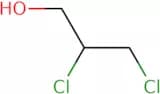
CAS:<p>3-Pyridyl trifluoromethanesulfonate is a synthetic chemical compound. It is used in the cross-coupling reaction with an alkyl halide to form a substituted enolate and can be used to synthesize chloroformates, nitro compounds, and other organic compounds. 3-Pyridyl trifluoromethanesulfonate reacts with hydroxyl groups to form trisubstituted ethers. This chemical is also used for the irradiation of activated alkene in order to convert it into an epoxide.</p>Formula:C6H4F3NO3SPurezza:Min. 95%Colore e forma:PowderPeso molecolare:227.16 g/mol2,3-Dichloro-1-propanol
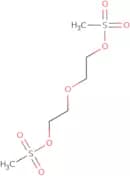
CAS:<p>2,3-Dichloro-1-propanol is a metabolic byproduct of chlorinated solvents. It has been shown to be toxic to mitochondria and can cause mitochondrial membrane potential disruption in rat liver cells. The chemical reacts with fatty acids to form a reactive carbonyl group that can react with the hydrogen bond of membrane phospholipids. This reaction disrupts the structure of the lipid bilayer, leading to mitochondrial degeneration. 2,3-Dichloro-1-propanol also reacts with glutathione and carbonic anhydrase, which leads to the formation of reactive intermediates that react with DNA or proteins. These reactions are responsible for the observed toxicity effects in animals.</p>Formula:C3H6Cl2OPurezza:Min. 95%Colore e forma:Clear LiquidPeso molecolare:128.98 g/molDiethylene glycol dimethanesulfonate
CAS:<p>Diethylene glycol dimethanesulfonate is a functional group that is used in the synthesis of organic compounds. It is a white crystalline solid with a melting point of about 130°C. Diethylene glycol dimethanesulfonate reacts slowly with water and hydrochloric acid to produce diethyl ether and hydrogen chloride gas. The reaction time for this process can be affected by the concentration of reactants, temperature, and pH. Diethylene glycol dimethanesulfonate undergoes acidic hydrolysis in the presence of hydrochloric acid or sodium hydroxide. This reaction produces sodium chloride and ethylene glycol. Busulfan, an anti-cancer drug, is produced by the dehydration of diethylene glycol dimethanesulfonate with copper chloride or chlorine gas. Intramolecular hydrogen bonds are formed during this process to give grandis as an intermediate product. Grandis can be converted into busulfan by</p>Formula:C6H14O7S2Purezza:Min. 95%Colore e forma:PowderPeso molecolare:262.3 g/mol(S)-(+)-3-Methyl-1-pentanol
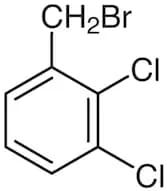
CAS:<p>(S)-(+)-3-Methyl-1-pentanol is a branched-chain, β-unsaturated aldehyde that is produced by the elimination of two molecules of water from (R)-(+)-3-methylbutanal. It is an organocatalytic substrate for the family of enzymes that catalyze the first step in the biosynthetic pathway to abiotic long-chain alcohols. The product is an intermediate in the biosynthesis of escherichia coli and other bacteria. The enzyme involved in this reaction is initially activated by acetate and then inhibited by NADH. In nature, this compound can be found as a natural product or as a metabolic intermediate.</p>Formula:C6H14OPurezza:Min. 95%Colore e forma:Colorless Clear LiquidPeso molecolare:102.17 g/mol2,3-Dichlorobenzyl Bromide
CAS:Formula:C7H5BrCl2Purezza:>98.0%(GC)(T)Colore e forma:White or Colorless to Light yellow powder to lump to clear liquidPeso molecolare:239.924-Iodotoluene
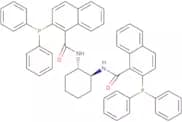
CAS:Formula:C7H7IPurezza:>99.0%(GC)Colore e forma:White or Colorless to Yellow powder to lump to clear liquidPeso molecolare:218.04(1S,2S)-(-)-1,2-Diaminocyclohexane-N,N'-bis(2-diphenylphosphino-1-naphthoyl)
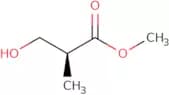
CAS:<p>(1S,2S)-(-)-1,2-Diaminocyclohexane-N,N'-bis(2-diphenylphosphino-1-naphthoyl) is an alkoxyallene that is synthesized from the reaction of allene and ethylene oxide. It has been shown to inhibit abnormal cell growth in vitro. (1S,2S)-(-)-1,2-Diaminocyclohexane-N,N'-bis(2-diphenylphosphino-1-naphthoyl) also inhibits cancer cell proliferation in vivo and shows a high degree of stereoselectivity and enantioselectivity. This compound can be used as an anticancer agent due to its ability to selectively kill cancer cells while leaving normal cells unharmed.</p>Formula:C52H44N2O2P2Purezza:Min. 94.5 Area-%Colore e forma:PowderPeso molecolare:790.87 g/molMethyl L-(S)-b-Hydroxyisobutanoate
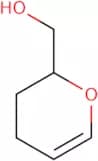
CAS:<p>Methyl L-(S)-b-hydroxyisobutanoate is a spiroketal that belongs to the class of methyl ketones. It has been found to inhibit the growth of cancer cells in vitro and in vivo. This effect is mediated by its ability to inhibit fatty acid synthesis and its ability to activate Bafilomycin A1, which inhibits ATP synthase. Methyl L-(S)-b-hydroxyisobutanoate also has an asymmetric carbon atom at position 4, which makes it possible to synthesize stereoisomers with different biological properties. The hydroxyl group on the side chain is important for its biological function because it facilitates the binding to biomolecules.</p>Formula:C5H10O3Purezza:Min. 95%Colore e forma:PowderPeso molecolare:118.13 g/mol3,4-Dihydro-2H-pyran-2-methanol
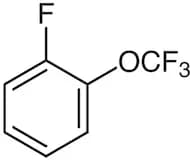
CAS:<p>3,4-Dihydro-2H-pyran-2-methanol is a tetrahydropyran alcohol that has been shown to be able to form cationic polymers in the presence of a ring-opening metathesis polymerization catalyst. The chloride anion is also capable of initiating the polymerization reaction. This compound has potential applications as a drug delivery agent or biomaterials scaffold due to its ability to act as a linker for the synthesis of biocompatible polymers. 3,4-Dihydro-2H-pyran-2-methanol can also be used in molecular modelling studies to explore the reactivity between hydroxy groups and nucleophiles.</p>Formula:C6H10O2Purezza:Min. 95%Colore e forma:Colorless PowderPeso molecolare:114.14 g/mol1-Fluoro-2-(trifluoromethoxy)benzene
CAS:Formula:C7H4F4OPurezza:>98.0%(GC)Colore e forma:Colorless to Almost colorless clear liquidPeso molecolare:180.10α-Bromo-o-xylene
CAS:Formula:C8H9BrPurezza:>97.0%(GC)Colore e forma:Colorless to Light yellow clear liquidPeso molecolare:185.061,2-Dibromo-2,4-dicyanobutane
CAS:<p>1,2-Dibromo-2,4-dicyanobutane is a chemical substance with antimicrobial properties. It is used as an ingredient in the production of health care products and preservatives for food. 1,2-Dibromo-2,4-dicyanobutane inhibits bacterial growth by preventing the synthesis of fatty acids and proteins. This compound has been shown to have synergistic effects when combined with benzalkonium chloride or potassium dichromate. 1,2-Dibromo-2,4-dicyanobutane has not been found to be carcinogenic in animal studies and does not cause allergic reactions.</p>Formula:C6H6Br2N2Purezza:Min. 95%Colore e forma:White PowderPeso molecolare:265.93 g/mol1-Hexadecanol
CAS:<p>1-Hexadecanol is a monohydroxy alcohol that is used as a surfactant in analytical chemistry. It can be found naturally in the secretions of some glands and has an optimum concentration of 0.2% to 1%. 1-Hexadecanol has been shown to inhibit bacterial growth by reducing the mitochondrial membrane potential, which leads to cell death. 1-Hexadecanol also reacts with benzalkonium chloride to form ester hydrochloride, which is a reagent for the detection of bacteria. The reaction mechanism for this process is not yet fully understood, but it may involve a metastable form of 1-hexadecanol reacting with benzalkonium chloride.</p>Formula:C16H34OPurezza:Min. 95%Colore e forma:PowderPeso molecolare:242.44 g/mol1,2-Bis(diphenylphosphino)ethane
CAS:<p>1,2-Bis(diphenylphosphino)ethane is a ligand that binds to the metal molybdenum. It has been shown to have biochemical properties in relation to its ability to form complexes with adriamycin and other drugs. The redox potential of 1,2-Bis(diphenylphosphino)ethane depends on the presence of sodium ions. This ligand is able to bind to the iron in the mitochondrial membrane and can affect the mitochondrial membrane potential. X-ray crystal structures show that this ligand binds to a monosodium salt. 1,2-Bis(diphenylphosphino)ethane has been shown to be a potent inhibitor of transfer reactions and is used as an analytical reagent for structural analysis.</p>Formula:C26H24P2Purezza:Min. 98 Area-%Colore e forma:White Off-White PowderPeso molecolare:398.42 g/mol1-Bromo-5-fluoropentane
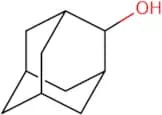
CAS:<p>1-Bromo-5-fluoropentane is a colorless liquid with a high viscosity. It is an inhibitor of enzymes that catalyze fatty acid synthesis, and can be used to treat hepatitis C. 1-Bromo-5-fluoropentane has been shown to have anti-HIV activity in vitro, inhibiting the infection of human cells by HIV. This compound blocks the cb2 receptor, which is involved in the inflammatory process. 1-Bromo-5-fluoropentane also inhibits hydroxylase and thiolase activities in human liver cells. This agent is a synthetic cannabinoid that is structurally similar to THC, but does not bind to CB1 or CB2 receptors. It has a liquid crystal composition at room temperature, but becomes a solid crystal at higher temperatures. 1-Bromo-5-fluoropentane exhibits spontaneous activity when heated to about 100°C. It reacts</p>Formula:C5H10BrFPurezza:Min. 95%Colore e forma:Colorless Slightly Yellow Clear LiquidPeso molecolare:169.04 g/mol2-Adamantanol
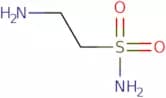
CAS:<p>2-Adamantanol is a biologically active compound that can be found in the form of an oily liquid. It has been shown to have effects on the central nervous system, including analgesia, sedation, and muscle relaxation. 2-Adamantanol is also used as a solvent for organic compounds and as a chemical intermediate. In addition to these properties, it can be found in some polyurethane foam insulation materials and in some rubber products. The mechanism of 2-adamantanol's biological activity is not well understood, but it may involve hydrogen bonding with hydroxyl groups on proteins or other molecules. There are many different ways to synthesize 2-adamantanol; however, one of the most commonly used synthesis methods is through reaction between 1-adamantanol and trifluoroacetic acid followed by hydrogenation with a metal catalyst.<br>2-Adamantanol has been observed to react with deuterium isotopes through transfer reactions during titration</p>Formula:C10H16OPurezza:Min. 95%Colore e forma:White PowderPeso molecolare:152.23 g/mol2-Aminoethanesulfonamide
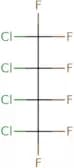
CAS:<p>2-Aminoethanesulfonamide is a drug that has been shown to have biological properties. It is used for the treatment of bowel disease and has been shown to be effective in treating some cases of congestive heart failure. 2-Aminoethanesulfonamide interacts with drugs such as sodium citrate and dextran sulfate, which can lead to drug interactions. It also inhibits the enzyme activities in bone cancer cells, which may contribute to its anticancer effects. This drug has been shown to have anti-inflammatory properties and may be beneficial in treating inflammatory bowel disease (IBD).</p>Formula:C2H8N2O2SPurezza:Min. 95%Colore e forma:Off-White PowderPeso molecolare:124.16 g/mol1,2,3,4-Tetrachlorohexafluorobutane
CAS:<p>1,2,3,4-Tetrachlorohexafluorobutane is a colorless liquid with an unpleasant odor. It is used as a solvent and as a chemical intermediate in the production of other chemicals. 1,2,3,4-Tetrachlorohexafluorobutane has been shown to react with hydrochloric acid to produce hydrogen chloride gas and hydrogen fluoride. The reaction vessel must be well-ventilated and the use of protective clothing is recommended due to the potential for exposure to hydrogen fluoride. This compound can also be chlorinated using chlorine gas or hypochlorite solution.</p>Formula:C4Cl4F6Purezza:Min. 95%Colore e forma:Colorless Clear LiquidPeso molecolare:303.84 g/mol12-(t-Boc-amino)-1-dodecanol
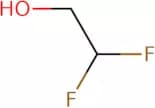
CAS:<p>12-(t-Boc-amino)-1-dodecanol is a versatile building block that is used in the synthesis of complex compounds. It can be used by itself or as a reagent or speciality chemical. This compound is useful for the synthesis of high quality research chemicals and useful scaffolds. 12-(t-Boc-amino)-1-dodecanol has CAS No. 67341-03-1 and is a fine chemical that has been widely used in the synthesis of pharmaceuticals, agrochemicals, and other organic compounds.</p>Formula:C17H35NO3Purezza:Min. 95%Colore e forma:PowderPeso molecolare:301.46 g/mol2,2-Difluoroethanol
CAS:<p>2,2-Difluoroethanol is a chemical compound with the molecular formula C2H4F2O. It is a colorless liquid that has a distinctive odor and is highly flammable. 2,2-Difluoroethanol reacts in an electrophilic substitution reaction to replace chlorine atoms with hydrogen atoms from the ethyl formate molecule. This reaction can be described by the following equation:</p>Formula:C2H4OF2Purezza:Min. 95%Colore e forma:PowderPeso molecolare:82.05 g/mol4-(Chloromethyl)styrene (stabilized with TBC + ONP + 2-Nitro-p-cresol)
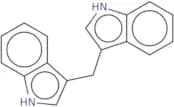
CAS:Formula:C9H9ClPurezza:>90.0%(GC)Colore e forma:Light yellow to Yellow to Orange clear liquidPeso molecolare:152.623,3'-Diindolymethane (synthetic)
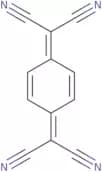
CAS:<p>3,3'-Diindolylmethane, also known as DIM, is natural compound derived from indole. In a recent study, DIM was evaluated as a potential agent for preventing biofilm formation by Streptococcus mutans, which is a major cause of dental caries. The researchers found that DIM significantly inhibited biofilm formation (by 92%) and reduced the production of extracellular polymeric substances (EPS), which are important for biofilm stability particularly under acidic conditions. The study suggests that 3,3'-diindolylmethane has anti-biofilm and anti-virulence properties against S. mutans, and it is a potential candidate for reducing biofilm formation and preventing dental caries.<br>It has been also reported that 3,3'-diindolymethane can act as a chemopreventive agent. DIM has estrogenic effects without interacting with the binding domain of the estrogen receptors. This study found that DIM could suppress cell growth and disrupt cell cycle progression of young adult mouse colonocytes (YAMCs) in vitro. Moreover, DIM altered gene expression associated with apoptosis and cell proliferation, and it induced transcriptional activity of the estrogen receptor (ER), which was inhibited by an ER antagonist.</p>Formula:C17H14N2Purezza:Min. 95%Colore e forma:PowderPeso molecolare:246.31 g/mol7,7,8,8-Tetracyanoquinodimethane
CAS:<p>7,7,8,8-Tetracyanoquinodimethane is a quinoid compound that is used as an analytical chemical reagent. It has been shown to be a powerful reducing agent and can be used in the determination of trace amounts of metals. 7,7,8,8-Tetracyanoquinodimethane also reacts with cationic surfactants and hydroxyl groups to form stable compounds. The nitrogen atoms in this molecule are capable of multiple transfer reactions with other molecules.br>br> <br>The redox potentials of this substance are negative and it has been shown to have the ability to transport pharmaceutical preparations across cell membranes. Boron nitride (BN) has been shown to stabilize the structure of 7,7,8,8-tetracyanoquinodimethane by forming strong hydrogen bonds between the BN and hydroxyl groups on this molecule.</p>Formula:C12H4N4Purezza:Min. 95%Colore e forma:Yellow To Green Or Brown SolidPeso molecolare:204.19 g/mol1,4-Diazabicyclo[3.2.2]nonane
CAS:<p>Diazepam (also known as Valium) is a benzodiazepine drug used to treat anxiety disorders, muscle spasms, alcohol withdrawal symptoms, and other conditions. Diazepam is a tranquilizer that works by slowing down the activity of the central nervous system. It may also be used to control seizures, prevent certain types of muscle spasms, treat insomnia and relieve anxiety before surgery. Diazepam has been shown to have an affinity for nicotinic acetylcholine receptors in rat brains. This drug can work by blocking these receptors and preventing the transmission of impulses between neurons. Diazepam is marketed in many countries as an anxiolytic agent under trade names such as Valium and Librium. The clinical use of diazepam should be limited because it has been shown to cause birth defects in animal studies when given at high doses or during pregnancy.</p>Formula:C7H14N2Purezza:Min. 95%Colore e forma:White PowderPeso molecolare:126.2 g/mol1,2-Ethanediol ditosylate
CAS:<p>1,2-Ethanediol ditosylate is a coumarin derivative that is used as a contrast agent in the diagnosis of prostate cancer. It has been shown to be effective against prostate cancer cells in vitro and in vivo. 1,2-Ethanediol ditosylate is injected into the excretory organ (e.g., urinary bladder) and then excreted from the body by the kidneys. The compound accumulates in the prostate gland, where it binds to fatty acids on the cell membrane and induces a positron emission that can be detected with positron emission tomography (PET). This compound also inhibits tumor growth by blocking epidermal growth factor receptor signaling through its ability to bind to carbonic anhydrase II (CAII) receptors on tumor cells.</p>Formula:C16H18O6S2Purezza:Min. 95%Colore e forma:White PowderPeso molecolare:370.44 g/molPiperidin-4-ylmethanol
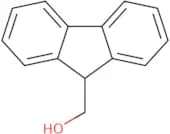
CAS:<p>Piperidin-4-ylmethanol is a synthetic compound that has been used as a fluorescent probe. It has also been used in the synthesis of quinolinium, a medicinal preparation that is used to treat cancer. This chemical has optical properties and can be detected using fluorescence microscopy. Piperidin-4-ylmethanol is soluble in water and can form stable solutions with other compounds. The chemical's reactive site is the hydroxyl group and it reacts with gaseous chlorine to produce hydrochloric acid.</p>Formula:C6H13NOPurezza:Min. 95%Colore e forma:White PowderPeso molecolare:115.17 g/mol9-Fluorenemethanol
CAS:<p>9-Fluorenemethanol is a chemical compound that is used as a reagent in analytical chemistry. It reacts with zirconium oxide to form 9-fluorenylmethyl zirconium chloride, which can be used to detect the presence of ethyl formate by fluorescence resonance spectroscopy. The reaction solution is heated at 100°C for about 4 hours and then cooled to room temperature. The isolated yield of 9-fluorenylmethyl zirconium chloride is determined by the detection time and thermodynamic parameters. This compound can also be used in acylation reactions.</p>Formula:C14H12OPurezza:Min. 95%Colore e forma:White PowderPeso molecolare:196.24 g/mol2-Iodo-2-methylpropane (stabilized with Copper chip)
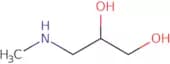
CAS:Formula:C4H9IPurezza:>97.0%(GC)Colore e forma:Colorless to Yellow clear liquid to cloudy liquidPeso molecolare:184.023-Methylamino-1,2-propanediol
CAS:<p>3-Methylamino-1,2-propanediol is a reactive compound that is used in the synthesis of organic acids. It is also used as an intermediate in the manufacture of polyethylene glycols and particle coatings. 3-Methylamino-1,2-propanediol can be synthesized from allylamine and alkanolamine via a thermal process. It reacts with chloride to form methyl chloroacetate, which can then be converted into 3-methylamino-1,2-propanediol by reaction with methanol. The production process for this substance has been shown to generate low levels of hazardous substances such as polycyclic aromatic hydrocarbons (PAHs) and dioxins.</p>Formula:C4H11NO2Purezza:Min. 95%Colore e forma:PowderPeso molecolare:105.14 g/molSodium trifluoromethanesulfonate
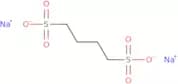
CAS:<p>Sodium trifluoromethanesulfonate is an inorganic salt that is used as a reagent in organic synthesis. It is prepared by treating sodium metal with hydrogen fluoride and carbon disulfide. Sodium trifluoromethanesulfonate can be used to form stable complexes with copper(II) chloride, which are useful for the synthesis of organic compounds. This compound has been shown to undergo intermolecular hydrogen bonding interactions with glycol ethers, which are model systems for polymers. Sodium trifluoromethanesulfonate also has the ability to form hydrogen bonds with water molecules, which is important for its use in electrolytes. The structural analysis of sodium trifluoromethanesulfonate reveals that it contains one asymmetric center, which may be responsible for its ability to form hydrogen bonds.</p>Formula:CHF3O3S•NaPurezza:Min. 95%Colore e forma:White PowderPeso molecolare:173.07 g/mol1,4-Butanedisulfonic acid disodium salt
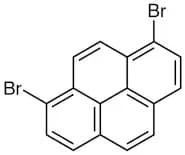
CAS:<p>1,4-Butanedisulfonic acid disodium salt is a calcium chelator that is used in the treatment of hypercalcemia and chronic renal failure. It binds to the calcium ion and prevents it from binding to bone, thus lowering the level of calcium in the blood. This drug has been shown to be effective against hepatitis when given orally and also has been shown to be safe for people with liver diseases. 1,4-Butanedisulfonic acid disodium salt also has transport properties and can be administered orally or intravenously.</p>Formula:C4H10Na2O6S2Purezza:Min. 95%Colore e forma:PowderPeso molecolare:264.23 g/mol1,8-Dibromopyrene
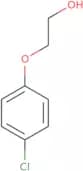
CAS:Formula:C16H8Br2Purezza:>90.0%(HPLC)Colore e forma:White to Light yellow powder to crystalPeso molecolare:360.052-(4-Chlorophenoxy)ethanol
CAS:<p>2-(4-Chlorophenoxy)ethanol is a fatty acid that has shown antimicrobial activity against a number of bacteria and fungi. 2-(4-Chlorophenoxy)ethanol is active against the protozoan Trichomonas vaginalis and has been used in the treatment of bacterial vaginosis. The mechanism of action for the antimicrobial activity of 2-(4-Chlorophenoxy)ethanol is unknown, but it may be due to interference with lipid metabolism or by producing reactive oxygen species and damaging cellular membranes. This compound also possesses anti-inflammatory properties and has been shown to inhibit tumor necrosis factor-α (TNF-α) production in human monocytes.</p>Formula:C8H9ClO2Purezza:Min. 95%Colore e forma:PowderPeso molecolare:172.61 g/mol2-Octadecoxyethanol
CAS:<p>2-Octadecoxyethanol is a skin cell penetration enhancer. It is a nonionic surfactant that has been shown to increase the permeability of the skin by altering the lipid structure and function of the stratum corneum. This product can be used as an absorption enhancer, or as a plate test for microbial metabolism. 2-Octadecoxyethanol is water soluble and has low toxicity. It is also stable in both acidic and alkaline environments, making it suitable for use in a variety of applications.</p>Formula:C20H42O2Purezza:Min. 95%Colore e forma:PowderPeso molecolare:314.55 g/mol4-Phenyl-2-butanol
CAS:<p>4-Phenyl-2-butanol is a monoclonal antibody that is used in the treatment of human immunodeficiency virus (HIV). It is an aromatic hydrocarbon that binds to amines and reacts with malonic acid, which has monophenolase activity. The resulting product, dimethyl malonate, reacts with unsaturated ketones to form diphenols. The reaction solution also contains chloride yields, which are generated by the conversion of amines to their corresponding chlorides. 4-Phenyl-2-butanol has been shown to have enantiopure properties for the synthesis of fatty acids and other compounds containing unsaturated ketones.</p>Formula:C10H14OPurezza:Min. 95%Colore e forma:Clear Colourless LiquidPeso molecolare:150.22 g/molc(R,S)-1-(2-Nitrophenyl)ethanol
CAS:<p>1,2-Dichloroethane is an organic solvent that has a number of industrial uses. It is also used as an antigen for the detection of antibodies in biological studies. 1,2-Dichloroethane reacts with free amino groups on proteins to form antigen-binding sites. The cavity created by the reaction then binds to the antigen and induces a change in fluorescence. This process can be detected using fluorescence resonance energy transfer (FRET). Irradiation of 1,2-dichloroethane leads to the formation of reactive oxygen species (ROS) such as singlet oxygen, which can react with aspartyl groups in proteins to form diphosgene. This reaction can lead to protein denaturation and loss of function, which may be responsible for some of the toxic effects observed with this compound.</p>Formula:C8H9NO3Purezza:Min. 95%Colore e forma:PowderPeso molecolare:167.16 g/molN-Butanesulfonyl-O-[4-(4-pyridinyl)-butyl]-(S)-tyrosine
CAS:<p>N-Butanesulfonyl-O-[4-(4-pyridinyl)-butyl]-(S)-tyrosine is a synthetic amino acid. It is soluble in water and forms hydrates. The yield of this reaction is 60%. The molecular weight of this compound is 233.3 g/mol. This compound has been shown to have proteolytic activity, which may be due to its ability to cleave peptide bonds in proteins. N-Butanesulfonyl-O-[4-(4-pyridinyl)-butyl]-(S)-tyrosine may also be used as an intermediate for the synthesis of other compounds, such as aminoglycosides and antibiotics. This chemical can be synthesized by reacting L-tyrosine with butanesulfonyl chloride in the presence of sodium hydroxide and an organic base, such as pyridine. The solvents used in this process are chloroform, dich</p>Formula:C22H30N2O5SPurezza:Min. 95%Colore e forma:PowderPeso molecolare:434.55 g/molBoc-1-amino-3,6-dioxa-8-octanediamine
CAS:<p>Boc-1-amino-3,6-dioxa-8-octanediamine is a linker used to attach targeting moieties to drugs. It is capable of binding iron, chlorine and other metals. Boc-1-amino-3,6-dioxa-8-octanediamine has been shown to be a useful tool for the development of novel cancer treatments by enhancing the uptake of chemotherapeutic agents in tumor tissue. This linker can be modified with functional groups such as amines and carboxyls that allow it to bind various types of molecules. The cellular distribution of this compound is not well understood due to its lack of availability in cell culture models.</p>Formula:C11H24N2O4Purezza:Min. 95%Colore e forma:Red Clear LiquidPeso molecolare:248.32 g/mol3-Isopropylamino)-1,2-propanediol
CAS:<p>3-Isopropylamino)-1,2-propanediol is a chiral molecule that can exist in two forms, or enantiomers. The two enantiomers of 3-isopropylamino)-1,2-propanediol are mirror images of each other and have different physical properties. One form has a hydroxyl group at the 3 position and the other has a hydroxyl group at the 1 position. These two forms are called R-(+)-3-isopropylamino)-1,2-propanediol and S-(−)-3-isopropylamino)-1,2-propanediol. 3-Isopropylamino)-1,2-propanediol is used in biotechnology to produce chiral compounds and as an intermediate in bioscience research. It is also used as an organic solvent in biochemistry and stereochemistry experiments.</p>Formula:C6H15NO2Purezza:Min. 95%Colore e forma:White to off-white solid.Peso molecolare:133.19 g/mol1-Iodo-2-methylbutane (stabilized with Copper chip)
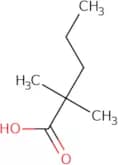
CAS:Formula:C5H11IPurezza:>95.0%(GC)Colore e forma:Colorless to Brown clear liquidPeso molecolare:198.052,2-Dimethylvaleric acid
CAS:<p>2,2-Dimethylvaleric acid is a fatty acid that can be synthesized from 2,2-dimethylolpropane. It has been shown to reduce blood pressure in mice by inhibiting the synthesis of certain fatty acids. The mechanism of action may be due to the inhibition of messenger RNA (mRNA) and protein synthesis in the central nervous system. 2,2-Dimethylvaleric acid has also been shown to have neurotrophic effects on cultured cells and is an effective antioxidant. This compound has been used as a control for diode experiments in optical systems.</p>Formula:C7H14O2Purezza:Min. 95%Colore e forma:Colorless Clear LiquidPeso molecolare:130.18 g/molBromoform (stabilized with 2-Methyl-2-butene) [for Spectrophotometry]
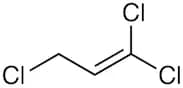
CAS:Formula:CHBr3Purezza:>99.0%(GC)Colore e forma:Colorless clear liquidPeso molecolare:252.731,1,3-Trichloro-1-propene
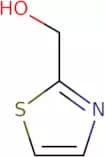
CAS:Formula:C3H3Cl3Purezza:>98.0%(GC)Colore e forma:Colorless to Light yellow clear liquidPeso molecolare:145.411,3-Thiazol-2-ylmethanol
CAS:<p>1,3-Thiazol-2-ylmethanol is a macrocyclic compound that has a structure similar to that of the natural product phenylbutazone. It is synthesized from 1,3-thiazol-2-amine and benzaldehyde by dehydrogenative condensation. The ligand binds with metal ions via its thionyl group. The metal ion coordinates with the chloride anion and the ligand to produce a planar geometry. This process also produces a distillate that contains phenylbutazone as a major product.</p>Formula:C4H5NOSPurezza:Min. 95%Colore e forma:White PowderPeso molecolare:115.15 g/mol9-Bromo-10-[4-(2-naphthyl)phenyl]anthracene
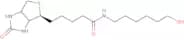
CAS:Formula:C30H19BrPurezza:>98.0%(HPLC)Colore e forma:Light orange to Yellow to Green powder to crystalPeso molecolare:459.396-N-Biotinylaminohexanol
CAS:<p>6-N-Biotinylaminohexanol is a fine chemical that is used as a reagent or as a speciality chemical in research. This compound has also been shown to be a versatile building block for the synthesis of complex compounds and useful scaffolds for medicinal chemistry. 6-N-Biotinylaminohexanol is soluble in organic solvents, such as alcohols and ethers, but insoluble in water. It can be used as an intermediate in organic synthesis or as a reactant for the preparation of other chemicals.</p>Formula:C16H29N3O3SPurezza:Min. 95%Colore e forma:PowderPeso molecolare:343.49 g/mol6-Amino-1-hexanol
CAS:<p>6-Amino-1-hexanol is a chemical compound that belongs to the group of amines. It is also an ester of hexanol and ethylene diamine. 6-Amino-1-hexanol has been shown to have hemolytic activity, which is due to its ability to form an acyl chain with the hydroxyl group on the plate test. 6-Amino-1-hexanol has been used as a chemical intermediate in analytical chemistry and has been shown to be effective against bacterial strains such as Staphylococcus aureus and Bacillus subtilis. This substance also inhibits the growth of Streptococcus pneumoniae and Mycoplasma pneumoniae.6-Amino-1-hexanol does not inhibit uptake by bacteria, which may be due to its lack of amine functionality.</p>Formula:C6H15NOPurezza:(Titration) Min. 97%Colore e forma:PowderPeso molecolare:117.19 g/mol1-Amino-1-cyclopropanecarbonitrile hydrochloride
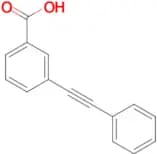
CAS:<p>1-Amino-1-cyclopropanecarbonitrile hydrochloride (ACN) is a synthetic compound that has been shown to be effective against cancer and inflammatory diseases. It is an acidic compound that has been shown to inhibit the growth of tumor cells by inducing apoptosis. This drug also binds to chloride ions and inhibits the production of inflammatory cytokines, such as IL-6, TNFα, and IL-2. 1-Amino-1-cyclopropanecarbonitrile hydrochloride is soluble in water and acetonitrile with a melting point of about 157°C. The molecule's structure was determined through kinetic measurements and thermodynamic calculations.</p>Formula:C4H6N2·HClPurezza:Min. 95%Colore e forma:Off-White PowderPeso molecolare:118.56 g/mol3-Phenylethynyl-benzoic acid
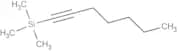
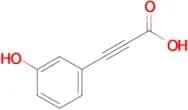
CAS:Formula:C15H10O2Purezza:95%Colore e forma:SolidPeso molecolare:222.2431-Heptynyltrimethylsilane
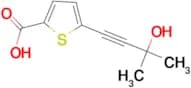
CAS:<p>S09310 - 1-Heptynyltrimethylsilane</p>Formula:C10H20SiColore e forma:LiquidPeso molecolare:168.3555-(3-Hydroxy-3-methyl-but-1-ynyl)-thiophene-2-carboxylic acid
CAS:Formula:C10H10O3SPurezza:95+%Peso molecolare:210.25Ref: 10-F640814
1g636,00€5g2.200,00€10g3.262,00€2.5g1.144,00€50mg144,00€100mg210,00€250mg285,00€500mg495,00€3-Methyl-3-trimethylsilyloxy-1-butyne
CAS:<p>S11990 - 3-Methyl-3-trimethylsilyloxy-1-butyne</p>Formula:C8H16OSiPurezza:97%Peso molecolare:156.3but-3-yn-2-ol
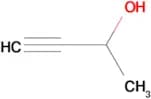
CAS:Formula:C4H6OPurezza:97.0%Colore e forma:Liquid, Clear colourless to pale yellow liquidPeso molecolare:70.091DIMETHYL 5-(2-(TRIMETHYLSILYL)ETHYNYL) BENZENE-1,3-DIOATE
CAS:Formula:C15H18O4SiPurezza:95.0%Peso molecolare:290.39Ref: 10-F762087
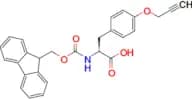
1g1.348,00€5g5.083,00€10g10.057,00€25g23.130,00€100g80.951,00€2.5g3.368,00€100mg518,00€250mg736,00€500mg1.081,00€(S)-2-((((9H-Fluoren-9-yl)methoxy)carbonyl)amino)-3-(4-(prop-2-yn-1-yloxy)phenyl)propanoic acid
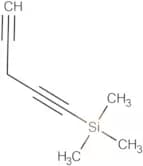
CAS:Purezza:96%Colore e forma:SolidPeso molecolare:441.48300171-Trimethylsilyl-1,4-pentadiyne
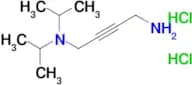
CAS:<p>S19940 - 1-Trimethylsilyl-1,4-pentadiyne</p>Formula:C8H12SiPurezza:95%Colore e forma:Clear dark orange liquidPeso molecolare:136.269N,N-diisopropylbut-2-yne-1,4-diamine dihydrochloride
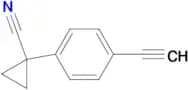
CAS:Formula:C10H22Cl2N2Purezza:95.0%Peso molecolare:241.21-(4-ETHYNYLPHENYL)CYCLOPROPANE-1-CARBONITRILE
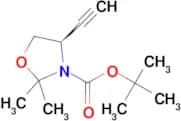
CAS:Formula:C12H9NPurezza:95.0%Peso molecolare:167.211(R)-tert-Butyl 4-ethynyl-2,2-dimethyloxazolidine-3-carboxylate
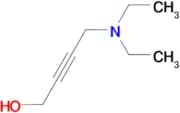
CAS:Formula:C12H19NO3Purezza:95.0%Peso molecolare:225.2884-(DIETHYLAMINO)BUT-2-YN-1-OL
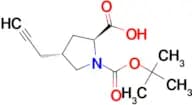
CAS:Formula:C8H15NOPurezza:98%(GC);RGColore e forma:LiquidPeso molecolare:141.214(2S,4R)-1-(tert-Butoxycarbonyl)-4-(prop-2-yn-1-yl)pyrrolidine-2-carboxylic acid
CAS:Formula:C13H19NO4Purezza:95.0%Colore e forma:LumpsPeso molecolare:253.298(3-Ethynylphenyl)methanamine
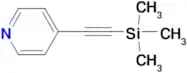
CAS:Formula:C9H9NPurezza:96%Colore e forma:LiquidPeso molecolare:131.178(4-Pyridinylethynyl)trimethylsilane
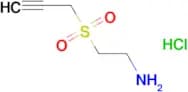
CAS:Formula:C10H13NSiPurezza:95%Colore e forma:LiquidPeso molecolare:175.3063-(2-aminoethanesulfonyl)prop-1-yne hydrochloride
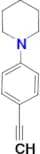
CAS:Formula:C5H10ClNO2SPurezza:95.0%Peso molecolare:183.654′-N-Piperidinophenyl acetylene
CAS:Formula:C13H15NPurezza:98%Colore e forma:SolidPeso molecolare:185.271-(4-ETHYNYLPHENYL)CYCLOPROPANE-1-CARBOXYLIC ACID
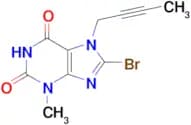
CAS:Formula:C12H10O2Purezza:95.0%Peso molecolare:186.218-Bromo-7-(but-2-yn-1-yl)-3-methyl-1H-purine-2,6(3H,7H)-dione
CAS:Formula:C10H9BrN4O2Purezza:98%Colore e forma:SolidPeso molecolare:297.1126-ethyl-3-(prop-2-yn-1-yl)benzo[d]thiazol-2(3H)-imine hydrobromide
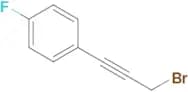
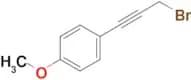
CAS:Formula:C12H13BrN2SPurezza:95.0%Peso molecolare:297.211-(3-bromoprop-1-yn-1-yl)-4-methoxybenzene
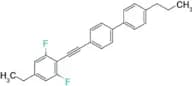
CAS:Formula:C10H9BrOPurezza:95.0%Colore e forma:SolidPeso molecolare:225.0854-((4-Ethyl-2,6-difluorophenyl)ethynyl)-4′-propyl-1,1′-biphenyl
CAS:Purezza:97%Peso molecolare:360.4479985-Chloro-1-pentyne
CAS:Formula:C5H7ClPurezza:96%Colore e forma:Clear light yellow liquidPeso molecolare:102.56




![2-Amino-5-[2-(trifluoromethyl)phenyl]-1,3,4-thiadiazole](/_next/image/?url=https%3A%2Fstatic.cymitquimica.com%2Fproducts%2F10%2Fthumb-webp%2FF046460.webp&w=3840&q=75)











![Methyl (5-amino-2′-methyl-[1,1′-biphenyl]-2-carbonyl)-L-leucinate hydrochloride](/_next/image/?url=https%3A%2Fstatic.cymitquimica.com%2Fproducts%2F10%2Fthumb-webp%2FF988376.webp&w=3840&q=75)


![6,7-Dihydro-5H-[1]pyrindin-7-ylamine dihydrochloride](/_next/image/?url=https%3A%2Fstatic.cymitquimica.com%2Fproducts%2F10%2Fthumb-webp%2FF988647.webp&w=3840&q=75)
![2-(Diphenylphosphino)-N-[(8α,9S)-6′-methoxycinchonan-9-yl]benzamide](/_next/image/?url=https%3A%2Fstatic.cymitquimica.com%2Fproducts%2F10%2Fthumb-webp%2FF987830.webp&w=3840&q=75)

![N-[(8α,9S)-6′-Methoxycinchonan-9-yl]-N’-[(2S)-2-pyrrolidinylmethyl]thiourea](/_next/image/?url=https%3A%2Fstatic.cymitquimica.com%2Fproducts%2F10%2Fthumb-webp%2FF987840.webp&w=3840&q=75)




![8-oxa-5-azaspiro[3.5]nonane](/_next/image/?url=https%3A%2Fstatic.cymitquimica.com%2Fproducts%2F3D%2Fthumb-webp%2FFO76093.webp&w=3840&q=75)

![2-Oxa-6-azaspiro[3.4]octane](/_next/image/?url=https%3A%2Fstatic.cymitquimica.com%2Fproducts%2F3D%2Fthumb-webp%2FFO11439.webp&w=3840&q=75)








![1,4-Diazabicyclo[3.2.2]nonane](/_next/image/?url=https%3A%2Fstatic.cymitquimica.com%2Fproducts%2F3D%2Fthumb-webp%2FFD07111.webp&w=3840&q=75)







![N-Butanesulfonyl-O-[4-(4-pyridinyl)-butyl]-(S)-tyrosine](/_next/image/?url=https%3A%2Fstatic.cymitquimica.com%2Fproducts%2F3D%2Fthumb-webp%2FFB19373.webp&w=3840&q=75)


![Bromoform (stabilized with 2-Methyl-2-butene) [for Spectrophotometry]](/_next/image/?url=https%3A%2Fstatic.cymitquimica.com%2Fproducts%2F3B%2Fthumb-webp%2FB0806.webp&w=3840&q=75)
![9-Bromo-10-[4-(2-naphthyl)phenyl]anthracene](/_next/image/?url=https%3A%2Fstatic.cymitquimica.com%2Fproducts%2F3B%2Fthumb-webp%2FB4571.webp&w=3840&q=75)












![{4-ethynylbicyclo[2.2.2]octan-1-yl}methanol](/_next/image/?url=https%3A%2Fstatic.cymitquimica.com%2Fproducts%2F10%2Fthumb-webp%2FF719657.webp&w=3840&q=75)






![6-ethyl-3-(prop-2-yn-1-yl)benzo[d]thiazol-2(3H)-imine hydrobromide](/_next/image/?url=https%3A%2Fstatic.cymitquimica.com%2Fproducts%2F10%2Fthumb-webp%2FF495382.webp&w=3840&q=75)

![2-BOC-7-ETHYNYL-2-AZASPIRO[3.5]NONANE](/_next/image/?url=https%3A%2Fstatic.cymitquimica.com%2Fproducts%2F10%2Fthumb-webp%2FF801241.webp&w=3840&q=75)