Composti alifatici e derivati
I composti alifatici e i loro derivati sono composti organici caratterizzati da strutture a catena lineare o ramificata, a differenza delle strutture ad anello presenti nei composti aromatici. Questi composti includono alcani, alcheni, alchini e i loro derivati funzionalizzati, svolgendo un ruolo vitale in vari processi chimici e applicazioni industriali. Presso CymitQuimica, offriamo una selezione diversificata di composti alifatici di alta purezza e dei loro derivati, meticolosamente selezionati e testati per soddisfare i rigorosi requisiti delle esigenze di ricerca e industriali. Il nostro catalogo copre una vasta gamma di composti, inclusi idrocarburi, alcoli, aldeidi, chetoni e acidi, ciascuno noto per la sua reattività e versatilità nella sintesi organica, nella farmaceutica e nella scienza dei materiali. Fornendo composti alifatici e derivati di alta qualità, supportiamo i ricercatori e i professionisti nel raggiungimento di trasformazioni chimiche precise ed efficienti, favorendo l'innovazione e i progressi in molteplici campi scientifici e tecnologici.
Trovati 8720 prodotti di "Composti alifatici e derivati"
Ordinare per
Purezza (%)
0
100
|
0
|
50
|
90
|
95
|
100
1-(4-Difluoromethoxy-phenyl)-4,4,4-trifluoro-butane-1,3-dione
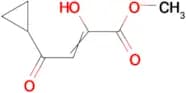
CAS:Formula:C11H7F5O3Purezza:95%Colore e forma:SolidPeso molecolare:282.1664-Cyclopropyl-2,4-dioxo-butyric acid methyl ester
CAS:Colore e forma:LiquidPeso molecolare:170.16400146484375Tert-butyl(4s)-4-[(E)-3-bromoprop-1-enyl]-2,2-dimethyl-oxazolidine-3-carboxylate
CAS:Purezza:97% mix TBC as stabilizerPeso molecolare:320.22698974609375Acetic acid-4-hydroxy-2-methyl-5-((E)-nonadec-14-enyl)-3,6-dioxo-cyclohexa-1,4-dienyl ester
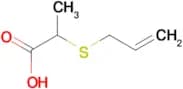
CAS:Peso molecolare:460.65499877929692-(allylthio)propanoic acid
CAS:Purezza:95.0%Colore e forma:Liquid, No data available.Peso molecolare:146.1999969482422Methyl 2-methyl-3-[(prop-2-en-1-yl)amino]propanoate
CAS:Purezza:95.0%Peso molecolare:157.21299743652344(2E)-3-(2H-1,3-benzodioxol-5-yl)-1-(2-methoxyphenyl)prop-2-en-1-one
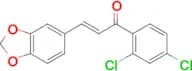
CAS:Purezza:95.0%Peso molecolare:282.2950134277344(2E)-3-(2H-1,3-benzodioxol-5-yl)-1-(2,4-dichlorophenyl)prop-2-en-1-one
CAS:Purezza:95.0%Peso molecolare:321.1499938964844Ref: 10-F719540
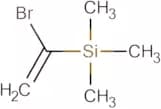
1gPrezzo su richiesta100mgPrezzo su richiesta250mgPrezzo su richiesta500mgPrezzo su richiesta1(Bromovinyl)trimethylsilane
CAS:<p>S03150 - 1(Bromovinyl)trimethylsilane</p>Formula:C5H11BrSiPurezza:97%Colore e forma:Liquid, ClearPeso molecolare:179.132Tert-Butyl (E)-(2-(bromomethyl)-3-fluoroallyl)carbamate
CAS:Purezza:95%Peso molecolare:268.1260070800781Ref: 10-F612170
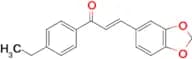
1gPrezzo su richiesta100mgPrezzo su richiesta250mgPrezzo su richiesta500mgPrezzo su richiesta(2E)-3-(2H-1,3-benzodioxol-5-yl)-1-(4-ethylphenyl)prop-2-en-1-one
CAS:Purezza:95.0%Peso molecolare:280.322998046875(2E)-1-{[1,1'-biphenyl]-4-yl}-3-(2,3,4-trimethoxyphenyl)prop-2-en-1-one
CAS:Purezza:95.0%Peso molecolare:374.4360046386719Methyl 2-methoxy-3-oxobutanoate
CAS:Purezza:95.0%Colore e forma:LiquidPeso molecolare:146.14199829101562Ref: 10-F612482
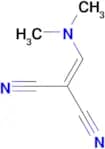
1gPrezzo su richiesta5gPrezzo su richiesta25gPrezzo su richiesta250mgPrezzo su richiesta(DIMETHYLAMINOMETHYLENE)MALONONITRILE
CAS:Purezza:97.0%Colore e forma:SolidPeso molecolare:121.14299774169922Ref: 10-F094169
1g17,00€5g19,00€10g22,00€1kg181,00€25g29,00€100g39,00€25mlPrezzo su richiesta500g109,00€(2E)-3-[4-(benzyloxy)phenyl]-1-(4-ethoxyphenyl)prop-2-en-1-one
CAS:Purezza:95.0%Peso molecolare:358.43701171875(2E)-3-[4-(benzyloxy)phenyl]-1-(4-methoxyphenyl)prop-2-en-1-one
CAS:Purezza:95.0%Peso molecolare:344.4100036621094(2E)-3-[3-(4-Fluorophenyl)-1-phenyl-1H-pyrazol-4-yl]-N-(pyridin-3-ylmethyl)prop-2-enamide
CAS:Peso molecolare:398.4410095214844Octyl isocyanate
CAS:<p>Octyl isocyanate is a non-steroidal anti-inflammatory drug that belongs to the class of isocyanates. The biological activity of octyl isocyanate has been studied extensively, and it has been shown to inhibit the polymerase chain reaction (PCR). Octyl isocyanate also inhibits the growth of bacteria in vitro through metal chelation and polymyxin B., which are antibiotics that bind metal ions and disrupt bacterial cell membranes. Octyl isocyanate has been shown to be reactive in vivo, leading to autophagy and necrosis.</p>Formula:C9H17NOPurezza:Min. 97 Area-%Colore e forma:Clear LiquidPeso molecolare:155.24 g/mol2-Chloroethyl methyl sulfide
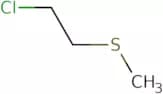
CAS:<p>2-Chloroethyl methyl sulfide (2CEMS) is a reactive compound that has been shown to enhance membrane interactions and fatty acid metabolism in experimental models. 2CEMS is a substrate molecule for the reaction mechanism of the enzyme phospholipase A2, which plays an important role in the production of arachidonic acid. 2CEMS has been shown to have cytotoxic effects on 3T3-L1 preadipocytes, with cell death occurring as a result of kinetic energy emissions. The halides in 2CEMS can coordinate with hematopoietic cells, leading to the inhibition of their proliferation and differentiation. 2CEMS is also able to bind with various metals such as copper and zinc, which may be useful for pharmaceutical drug applications.</p>Formula:C3H7ClSPurezza:Min. 96 Area-%Colore e forma:Colorless Yellow Clear LiquidPeso molecolare:110.61 g/mol2-Acetyl cyclohexanone
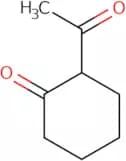
CAS:<p>2-Acetylcyclohexanone is a chemical compound that belongs to the group of aryl halides. It is used as a raw material in the production of other chemicals, such as ethylene diamine and acetic anhydride. The reaction mechanism of 2-acetylcyclohexanone is mainly via nucleophilic substitution with hydrochloric acid or trifluoroacetic acid. The reaction with acetic anhydride or ethylene diamine has been shown to be through an acetylation reaction. 2-acetylcyclohexanone can be synthesized by reacting acetaldehyde with sodium cyclopentadienide in the presence of hydrochloric acid, followed by elimination of hydrogen chloride by heating. This compound has two tautomers: keto and enol.</p>Formula:C8H12O2Purezza:Min. 95%Colore e forma:Colorless Clear LiquidPeso molecolare:140.18 g/molDichloroacetic anhydride
CAS:<p>Please enquire for more information about Dichloroacetic anhydride including the price, delivery time and more detailed product information at the technical inquiry form on this page</p>Formula:C4H2Cl4O3Purezza:Min. 95%Colore e forma:Solidified MassPeso molecolare:239.9 g/mol2-Chloro-1,3-propanediol
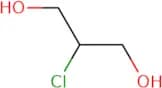
CAS:<p>2-Chloro-1,3-propanediol is a useful intermediate and building block in organic synthesis. It is also a reagent that can be used to synthesize other organic compounds. 2-Chloro-1,3-propanediol has been shown to be a versatile scaffold for the synthesis of many different types of organic molecules. It is also an important component of research chemicals and speciality chemicals. This chemical can be used as a high quality fine chemical or complex compound in the manufacture of other products.</p>Formula:C3H7ClO2Purezza:Min. 97 Area-%Colore e forma:Colorless Clear LiquidPeso molecolare:110.54 g/mol2-(2-(2-Chloroethoxy)ethoxy)ethanol
CAS:<p>2-(2-(2-Chloroethoxy)ethoxy)ethanol (CETOI) is a coumarin derivative that is used as an additive in the fabrication of polyurethane. Magnetic resonance spectroscopy has shown that CETOI can be used as a probe to study amide groups by its ability to form hydrogen bonds with amide groups. This chemical can also be used in regenerative medicine and cyclic peptides. Azobenzene monomers have been shown to inhibit viral replication, including influenza virus, through the formation of covalent bonds with phosphate groups on dsDNA.</p>Formula:C6H13ClO3Purezza:Min. 95%Colore e forma:Colorless Clear LiquidPeso molecolare:168.62 g/molDipropyl ether
CAS:<p>Dipropyl ether is a reagent that is used in organic synthesis as a reaction component or building block for the preparation of complex compounds. It is also known to be an intermediate in the production of propylene oxide, which is used in the production of polyurethane. Dipropyl ether has been shown to be useful as a research chemical and speciality chemical. This compound has CAS number 111-43-3 and can be prepared by reacting diethyl ether with propene, acetone, or chloroform.</p>Formula:C4H9NO2SPeso molecolare:135.19 g/molCyclopentylmethanol
CAS:<p>Cyclopentylmethanol is a chemical compound with the molecular formula CH3OH. It is a colorless liquid that is soluble in water and has a distinctive, sweet odor. Cyclopentylmethanol is used as an intermediate in organic synthesis and as a solvent for nitrocellulose, cellulose acetate, cellulose nitrate, and similar materials. It reacts with chlorine at high temperatures to form chlorinated cyclopentylmethanols. This reaction can be used to synthesize hydroxyapatite (a mineral) from calcium phosphate (a mineral). Cyclopentylmethanol also reacts with nicotinic acetylcholine receptors in the brain, causing them to desensitize. Hydroxyapatite can also be synthesized by reacting cyclopentylmethanol with dinucleotide phosphate and hydroxyl group containing compounds such as esters or soluble guanylate cyclase enzymes. The reactions produce hydrogen</p>Formula:C6H12OPurezza:Min. 95%Colore e forma:Clear Colourless LiquidPeso molecolare:100.16 g/mol3-Carboxypropanesulfonamide
CAS:<p>3-Carboxypropanesulfonamide is a chemical compound that has been shown to have the ability to modulate cardiac cell function. This compound has been shown to be effective in a reaction monitoring technique, which monitors the functional groups and techniques of chemical reactions, in order to introduce this molecule into the cell membrane and alter its potential. 3-Carboxypropanesulfonamide is capable of changing the lipid composition of the membrane by introducing a linker group that can bind with other molecules such as cholesterol or phospholipids. This linker group alters the membrane potential of cells, leading to changes in ion flow and cellular response.</p>Formula:C4H9NO4SPurezza:Min. 95%Colore e forma:White PowderPeso molecolare:167.18 g/mol1,2-Dioleoyl-sn-glycerol
CAS:<p>1,2-Dioleoyl-sn-glycerol is a lipid molecule that contains an acyl chain of carbon atoms with two double bonds. It is formed through the union of glycerol and oleic acid. 1,2-Dioleoyl-sn-glycerol has been shown to activate diacylglycerol and fatty acid, which are important for cell signaling. The enzyme activity of 1,2-dioleoyl-sn-glycerol is dependent on its concentration in the body. This molecule also interacts with membranes by hydrogen bonding and can form a hydrophobic region that may be used to stabilize membrane structures.</p>Formula:C39H72O5Purezza:Min. 95%Colore e forma:LiquidPeso molecolare:620.99 g/mol1,3,3-Trimethoxypropene
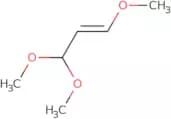
CAS:<p>1,3,3-Trimethoxypropene is a fluorophore that can be used for the labeling of nucleic acids. It has been shown to be photostable and can be used in fluorescence techniques. 1,3,3-Trimethoxypropene has also been used in structural biology research and studies on the physicochemical properties of fluorescent probes. This compound can also be used as a building block for the synthesis of supramolecular structures and conjugates with other molecules that have different properties. 1,3,3-Trimethoxypropene is a fluorophore that emits cyanines in the visible range of light.</p>Formula:C6H12O3Purezza:Min. 95%Colore e forma:Clear LiquidPeso molecolare:132.16 g/molN-(4-Aminobutyl)-1,4-butanediamine trihydrochloride
CAS:<p>N-(4-Aminobutyl)-1,4-butanediamine trihydrochloride (N(4)ABDAT) is a fine chemical and versatile building block. It can be used as an intermediate in the synthesis of pharmaceuticals and other organic chemicals. N(4)ABDAT is also a useful reagent for research purposes. The compound has a CAS number of 189340-78-1. It was originally synthesized by reacting 4-aminobutyric acid with 1,4-butanediamine, which yielded N(4)ABDAT as the major product. The chemical properties of N(4)ABDAT have been studied extensively including its reaction with potassium hydroxide, hydrochloric acid and sodium hydroxide to form different compounds.</p>Formula:C8H24Cl3N3Purezza:Min. 95%Colore e forma:White PowderPeso molecolare:268.65 g/moltrans-1,4-Dihydroxy-2-butene
CAS:<p>Extender in polyurethane synthesis</p>Formula:C4H8O2Purezza:Min. 95%Colore e forma:Colorless PowderPeso molecolare:88.11 g/molAgaricinic acid
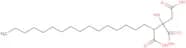
CAS:<p>Organic tricarboxylic acid; inducer of MPT</p>Formula:C22H40O7Purezza:Min. 95%Colore e forma:PowderPeso molecolare:416.55 g/mol2-Amino-1-methoxypropane
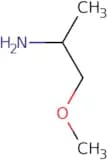
CAS:<p>2-Amino-1-methoxypropane (AMP) is a bifunctional amine that has been used as a diluent for lipase. It has been shown to have deprotective properties against metal surfaces and to be able to react with the nucleophilic group of an amine, which is useful in organic synthesis. The constant temperature of AMP, which is useful in organic synthesis, was obtained by recycling it through a constant temperature bath. This process also prevents the formation of unwanted products during the reaction.</p>Formula:C4H11NOPurezza:Min. 95 Area-%Colore e forma:Clear LiquidPeso molecolare:89.14 g/molMethanesulfinic acid sodium salt
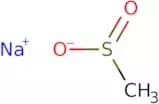
CAS:<p>Methanesulfinic acid sodium salt (MSAS) is a chemical compound that inhibits the growth of bacteria by inhibiting the synthesis of proteins. It is used as an antimicrobial agent in plant physiology and has been shown to be effective against infectious diseases including HIV infection. MSAS inhibits protein synthesis by binding to the hydroxyl group of a substrate molecule, which is required for amino acid formation. This inhibitory effect leads to a decrease in the production of proteins vital for cell division. Inhibiting protein synthesis also prevents the production of enzymes needed for metabolism, leading to metabolic disorders.</p>Formula:CH3O2S·NaPurezza:Min. 95%Colore e forma:PowderPeso molecolare:102.09 g/molcis-4,7,10,13,16,19-Docosahexaenoic acid
CAS:<p>cis-4,7,10,13,16,19-Docosahexaenoic acid (also known as DHA or cervonic acid) is one of the omega-3 fatty acids (a group of highly unsaturated fatty acids). As for most omega-3 fatty acids, good sources of DHA include fish oils and other seafoods. DHA plays a key role in human brain development and function and is also found in high concentration in the retina, central nervous system and skin. As such DHA is a key nutrient which is widely used as a dietary supplement, particularly for infants and pregnant women, with its potential health benefits currently being investigated across a number of different disease areas.</p>Formula:C22H32O2Purezza:Min. 80 Area-%Colore e forma:Yellow Clear LiquidPeso molecolare:328.49 g/mol1,2-Diiodoethane
CAS:<p>1,2-Diiodoethane is a useful building block that can be used as a reaction component in organic synthesis. It is also used as a reagent and can be used to produce high quality research chemicals. This chemical has many uses, including as a versatile building block or as an intermediate. 1,2-Diiodoethane is not found naturally in the environment and has been assigned CAS number 624-73-7.</p>Formula:C2H4I2Purezza:Min. 98.5 Area-%Peso molecolare:281.86 g/molN,N'-Dimethyl-trans-1,2-cyclohexanediamine
CAS:<p>N,N'-Dimethyl-trans-1,2-cyclohexanediamine (DMCDA) is a hydroxy compound that can be used as an intermediate for the synthesis of various organic compounds. It has been shown to have a stable hydroxy group and hydrogen bond donor. DMCDA is also reactive, with a reaction rate of 10.5x10 mol/s at room temperature. DMCDA forms reaction intermediates such as oxazolidinones and 1,4-dioxanes. These intermediates have been studied by structural studies and kinetic methods to understand the mechanism of the reaction. The chronic oral toxicity of DMCDA has been determined in rats through a series of experiments and tests on protein genes. The oral LD50 value was found to be more than 5000 mg/kg body weight. This means that there is no adverse effect on the body when 5000 mg/kg or more is taken orally over an extended period (usually 28 days). Functional</p>Formula:C8H18N2Purezza:Min. 98.5%Colore e forma:Clear Liquid Solidified MassPeso molecolare:142.24 g/molLinoleic acid - 60%min
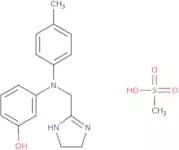
CAS:<p>Linoleic acid is a polyunsaturated fatty acid that is an important component of the human diet. It has been shown to have inhibitory properties on liver cells, and may be related to body mass index. Linoleic acid is a precursor for gamma-aminobutyric acid (GABA), which functions as a neurotransmitter in the central nervous system. Linoleyl alcohol is a metabolite of linoleic acid and has been shown to inhibit the production of antimicrobial peptides, such as cathelicidin and beta-defensin. The inhibition of this peptide may be responsible for the observed reduction in inflammatory responses and infections.</p>Formula:C18H32O2Purezza:Min. 95%Colore e forma:Yellow Clear LiquidPeso molecolare:280.45 g/molPhentolamine methanesulfonate
CAS:<p>Phentolamine is a synthetic mesylate that is used as an antihypertensive agent, and for the treatment of Raynaud's syndrome and pheochromocytoma. Phentolamine is also used to prevent frostbite and to treat various types of shock. Phentolamine blocks alpha-2-adrenergic receptors, thereby decreasing sympathetic nerve impulses to the heart, blood vessels, kidneys, and other organs. This drug also acts as a histamine antagonist by blocking H1-receptors on vascular smooth muscle cells. Phentolamine has been shown to have no significant effects on 5-hydroxytryptamine (5HT) release in vitro or in vivo.</p>Formula:C18H23N3O4SPurezza:Min. 95%Colore e forma:White PowderPeso molecolare:377.46 g/mol1,4-Diisocyanatobutane
CAS:<p>Monomer for the preparation of biocompatible polyurethane polymers</p>Formula:C6H8N2O2Purezza:Min. 98 Area-%Colore e forma:Colorless Clear LiquidPeso molecolare:140.14 g/mol1-Phenoxy-2-propanol
CAS:<p>1-Phenoxy-2-propanol is an antimicrobial agent that belongs to the group of glycol ethers. It has a hydroxyl group and atp levels, which are both vital for its activity index. 1-Phenoxy-2-propanol is used as a preservative in cosmetics and pharmaceuticals, with the exception of eye products. It also has been shown to have a low level of toxicity for humans and other mammals, such as rats and guinea pigs. The EPA has classified 1-phenoxy-2 propanol as Group D - not classifiable as to human carcinogenicity. 1-Phenoxy-2 propanol is toxic to bacteria, yeast, fungi, algae, plants, and invertebrates when present in high concentrations.</p>Formula:C9H12O2Purezza:Min. 95%Colore e forma:Colorless Clear LiquidPeso molecolare:152.19 g/mol2-Methyl-3-biphenylmethanol
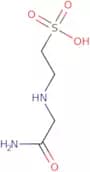
CAS:<p>2-Methyl-3-biphenylmethanol (2MBPM) is a low potency chemical that is used as a surrogate for 2,4,6-trinitrotoluene (TNT). It has been shown to bind to the same sites on the death protein as TNT and other nitroaromatic compounds. 2MBPM can be synthesized by coupling biphenyl with methylmagnesium bromide in the suzuki coupling reaction. 2MBPM inhibits the growth of cancer cells by inhibiting PD-L1 expression. This compound also has oxidative properties and can act as an oxidation catalyst.</p>Formula:C14H14OPurezza:Min. 95%Colore e forma:PowderPeso molecolare:198.26 g/molACES
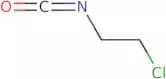
CAS:<p>ACES, also known as N-(2-Acetamido)-2-aminoethanesulfonic acid, is an acetamido buffer that is used in culture media and protein extractions. It also forms metal complexes and has an optimal pH range of 6.1-7.5 and a pKa of 6.78.</p>Formula:C4H10N2O4SPurezza:Min. 95%Colore e forma:White PowderPeso molecolare:182.2 g/mol2-Chloroethyl isocyanate
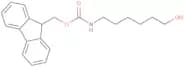
CAS:<p>Please enquire for more information about 2-Chloroethyl isocyanate including the price, delivery time and more detailed product information at the technical inquiry form on this page</p>Formula:C3H4ClNOPurezza:Min. 99.0 Area-%Peso molecolare:105.52 g/mol6-(Fmoc-amino)-1-hexanol
CAS:<p>6-(Fmoc-amino)-1-hexanol is a high quality chemical that can be used as an intermediate in the synthesis of many complex compounds, such as pharmaceuticals, fine chemicals and research chemicals. It is often used as a building block in the synthesis of other useful chemicals and has been shown to have versatile reactions with many functional groups. 6-(Fmoc-amino)-1-hexanol can be used in reactions involving nucleophilic substitution, elimination, amination, esterification and transesterification.</p>Formula:C21H25NO3Purezza:Min. 95%Colore e forma:PowderPeso molecolare:339.43 g/molPotassium nonafluoro-1-butanesulfonate
CAS:<p>Potassium nonafluoro-1-butanesulfonate (NBS) is a chemical compound that is used to remove trifluoroacetic acid from wastewater. It can also be used as an analytical reagent to measure cytosolic calcium concentrations in cells. In addition, NBS has been shown to have a high degree of chemical stability, but it may react with hydrogen fluoride and cause toxicity in humans. The pharmacokinetic properties of this drug are not well-known, but it has been shown to accumulate in the liver and fat tissues and pass into the maternal blood stream during pregnancy. NBS also inhibits the synthesis of p-hydroxybenzoic acid, which leads to hepatic steatosis in mice with diet-induced obesity. This drug also affects 3t3-l1 preadipocytes and human serum.</p>Formula:C4F9KO3SColore e forma:PowderPeso molecolare:338.19 g/mol4-Acetoxystyrene Stabilized with TB
CAS:<p>Stabilised with TB</p>Formula:C10H10O2Peso molecolare:162.19 g/molPutrescine dihydrochloride
CAS:<p>Putrescine is a polyamine plant growth regulator affecting the synthesis of macromolecules. Promotes adventitious root formation. Precursor of spermidine.</p>Formula:C4H14Cl2N2Purezza:Min. 98.0 Area-%Peso molecolare:161.08 g/molRef: 3D-P-8000
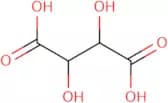
1kgPrezzo su richiesta5kgPrezzo su richiesta10kgPrezzo su richiesta25kgPrezzo su richiesta2500gPrezzo su richiesta-Unit-kgkgPrezzo su richiestaDL-Tartaric acid
CAS:<p>DL-Tartaric acid is a calcium salt of tartaric acid. It is used as a standard in the analysis of total calcium and tartaric acid content in beverages, wines, foodstuffs, and pharmaceuticals. DL-Tartaric acid can be used to prepare standard solutions for the determination of benzalkonium chloride and other natural compounds by chromatographic methods. The rate constants for the reaction between DL-tartaric acid and calcium pantothenate have been determined by electrochemical impedance spectroscopy. The fluorescence intensity of chemiluminescent reactions with DL-tartaric acid has been found to be proportional to the concentration of tartrate ions in solution. X-ray diffraction data confirm that DL-tartaric acid is an orthorhombic crystal system with space group P2/c.</p>Formula:C4H6O6Colore e forma:White PowderPeso molecolare:150.09 g/mol3-(Cyclohexylamino)-1-propanesulfonic acid sodium salt
CAS:<p>CAS No. 105140-23-6 is a cyclic sulfonic acid that is used as a reagent, building block, and intermediate in the synthesis of organic compounds. It is soluble in water and has a high melting point, making it useful for research purposes. CAS No. 105140-23-6 is also an excellent scaffold for complex compounds with many functional groups, making it versatile for use in reactions and syntheses.</p>Formula:C9H18NO3SNaPeso molecolare:243.3 g/mol4D-Hydroxysphinganine
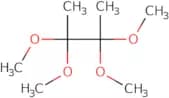
CAS:<p>Sphingolipid; cell membrane component; anti-inflammatory agent</p>Formula:C18H39NO3Purezza:Min. 97 Area-%Colore e forma:White PowderPeso molecolare:317.51 g/mol2,2,3,3-Tetramethoxybutane
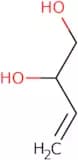
CAS:<p>The butane analog with CAS 176798-33-7 is a useful research chemical used in organic synthesis.</p>Formula:C8H18O4Purezza:Min. 95%Colore e forma:Colourless LiquidPeso molecolare:178.23 g/mol1-Butene-3,4-diol
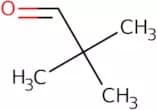
CAS:<p>1-Butene-3,4-diol is a reactive compound that is used in analytical methods. It can be synthesized by an asymmetric synthesis from 1,2-butanediol. This product has been shown to inhibit aminotransferase activity in rat liver microsomes and to be metabolized through the cytochrome P450 system. 1-Butene-3,4-diol also inhibits polymerase chain reactions and is reactive with hydrochloric acid. It may cause fatty acid metabolism and hydroxyl group formation.</p>Formula:C4H8O2Purezza:Min. 95%Colore e forma:Colorless Clear LiquidPeso molecolare:88.11 g/molPivaldehyde
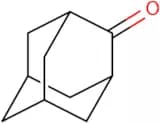
CAS:<p>Intermediate in organic syntheses; stereoselective synthesis</p>Formula:C5H10OPurezza:Min. 95%Colore e forma:Colorless Clear LiquidPeso molecolare:86.13 g/mol2-Adamantanone
CAS:<p>2-Adamantanone is a chemical compound that belongs to the group of p2-adamantanes. It has been shown to have acute toxicities in rats and mice, as well as a high reactivity with water vapor. 2-Adamantanone is used as an oxidation catalyst in organic synthesis reactions and has biological properties that are related to its inhibitory effects on acetylcholinesterase. This compound also reacts readily with malonic acid and fatty acid, which may be due to steric interactions between the two molecules. 2-Adamantanone is also shown to have chemiluminescent activity, which can be used for the detection of trifluoroacetic acid (TFA) in vitro. It is also active against fungus cells when combined with hydroxyl groups, such as those found in fatty acids.</p>Formula:C10H14OPurezza:Min. 95%Colore e forma:White PowderPeso molecolare:150.22 g/mol2,3-Dibromopropene - stabilized with copper chip
CAS:<p>2,3-Dibromopropene - stabilized with copper chip (2,3-DBPC) is a novel bromination reagent that can be used for the synthesis of polypeptides. This compound has been shown to react with acyl halides in an asymmetric synthesis. The reaction mechanism is thought to be via the addition of 2,3-DBPC to the carbonyl group of an acyl halide and subsequent elimination of bromoethane. 2,3-DBPC also reacts with ethanolamine in the presence of carbon disulphide and x-ray diffraction data have shown that this reaction proceeds through a 1,4 addition mechanism.</p>Formula:C3H4Br2Purezza:Min. 90 Area-%Colore e forma:Brown Colorless Yellow Clear LiquidPeso molecolare:199.87 g/mol1-Bromopentane
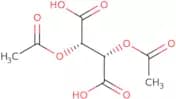
CAS:<p>1-Bromopentane is a colorless liquid that has an unpleasant odor. It is soluble in water and reacts with acids to form bromides. 1-Bromopentane has been used as an oxidation catalyst in the preparation of organic compounds under conditions of constant pressure and light exposure. It has also been used in the synthesis of polymers, such as poly(1-bromopentene). Its biological properties are not well known, but it has been shown to have CB2 receptor agonist activity and inhibitory effects on oxidative stress. The chemical kinetic data for 1-bromopentane are available at various temperatures and pressures. Chloride ions can act as catalysts for its decomposition reaction, which is a stepwise process involving the conversion of hydroxyl groups into chloride atoms. The reaction mechanism starts with the conversion of one bromine atom into a radical by abstraction of a hydrogen atom from the molecule followed by addition of another brom</p>Formula:C5H11BrPurezza:Min. 98 Area-%Colore e forma:Colorless Clear LiquidPeso molecolare:151.04 g/mol(+)-Diacetyl-D-tartaric acid
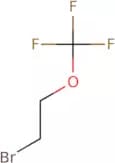
CAS:<p>(+)-Diacetyl-D-tartaric acid is a chiral organic compound that is soluble in organic solvents. It can be used as a catalyst for the asymmetric synthesis of organic compounds and has been shown to cleave bonds with high stereoselectivity. (+)-Diacetyl-D-tartaric acid also exhibits mesomorphic properties, meaning it changes from liquid to solid and vice versa at certain temperatures. The optical activity of this compound can be seen by its magnetic resonance spectrum, which displays two peaks at different wavelengths. This molecule has been shown to have potential uses in microscopy, as well as for the preparation of monomers for magnetic materials.</p>Formula:C8H10O8Purezza:Min. 95%Colore e forma:White PowderPeso molecolare:234.16 g/mol1-Bromo-2-(trifluoromethoxy)ethane
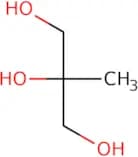
CAS:<p>1-Bromo-2-(trifluoromethoxy)ethane is a chemical compound with the formula CBrFO. It is a colorless liquid that reacts violently with water and alkali metals. 1-Bromo-2-(trifluoromethoxy)ethane has been used as a precursor to 2-chloroethyl peroxide, which can be used in organic synthesis as an oxidant or in solvents to produce chloroprene. The bromine atom in this molecule can be replaced by fluorine or chlorine atoms, forming 1-fluoro-2-(trifluoromethoxy)ethane and 1,1,1-trichloroethylene.</p>Formula:C3H4BrF3OPurezza:Min. 95%Colore e forma:PowderPeso molecolare:192.96 g/mol2-Methyl-1,2,3-propanetriol
CAS:<p>2-Methyl-1,2,3-propanetriol is a monomer that is used in the production of polymers. It has been shown to be an efficient cross-linking agent for metal surfaces and is used as a polymerization catalyst. 2-Methyl-1,2,3-propanetriol also plays a role in the synthesis of amino acids by acting as a substrate for kinesin and aliphatic hydrocarbon. It can be used as a feedstock for producing plastics with deionized water or aromatic hydrocarbons such as phenol. This chemical has been shown to be pluripotent in mammalian cells and can act as a cationic surfactant.</p>Formula:C4H10O3Purezza:Min. 95 Area-%Colore e forma:Clear LiquidPeso molecolare:106.12 g/molLithium bis(trifluoromethanesulfonimide)
CAS:<p>Lithium bis(trifluoromethanesulfonimide) is a salt that is used in analytical chemistry as a reagent for the preparation of lithium salts. The sample should be dissolved in an organic solution and then reacted with lithium bis(trifluoromethanesulfonimide). Lithium bis(trifluoromethanesulfonimide) has been shown to have good transport properties, but the reaction mechanism is not well-understood. It has an activation energy of approximately 18 kcal/mol and can decompose at high temperatures. Lithium bis(trifluoromethanesulfonimide) can also react with strong acids or bases, so it is necessary to use an electrolyte when preparing the solution.</p>Formula:C2F6LiNO4S2Purezza:Min 98%Colore e forma:White Off-White PowderPeso molecolare:287.09 g/mol1,4-Cyclohexanedione monoethlylene acetal
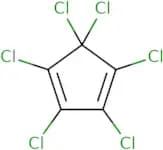
CAS:<p>1,4-Cyclohexanedione monoethlylene acetal is a hydrochloric acid analog of pyrazole. It has been shown to bind selectively to serotonin receptors in the central nervous system and is used as an anti-inflammatory drug. 1,4-Cyclohexanedione monoethlylene acetal has a stereoselective profile that can be used for the treatment of inflammatory diseases. It has also been shown to have immunosuppressant properties, which may be due to its ability to inhibit T-cell proliferation and cytokine production.</p>Formula:C8H12O3Purezza:Min. 95%Colore e forma:White PowderPeso molecolare:156.18 g/molHexachlorocyclopentadiene
CAS:<p>Only available for delivery in the Europe. Prohibited for transport by air. The substantial reactivity and versatility of Hexachlorocyclopentadiene in facilitating multiple synthetic pathways make it indispensable in both agrochemical and industrial sectors.</p>Formula:C5Cl6Purezza:Min. 97 Area-%Colore e forma:Clear LiquidPeso molecolare:272.77 g/mol3-Mercapto-3-methyl-1-butanol
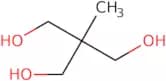
CAS:<p>3-mercapto-3-methyl-1-butanol, also known as MMB, is an organic volatile compound that belongs to the group alkylthiols. It is a secondary metabolite and is a degradation product of felinine, a feline pheromone. Some studies suggest that due to similarities in odor, 3-mercapto-3-methyl-1-butanol and derivatives such as 3-mercapto-3-methyl-1-butyl-1-formate and 3-methyl-3-(methylsulfanyl)butan-1-ol have similar behaviours as felinine. These findings may provide useful and interesting information about signaling and communication related to reproduction and recognition in mammals.<br>3-mercapto-3-methyl-1-butanol can be also found in some alcoholic beverages and coffee products. It provides a meaty flavor and aroma, and it is used as a flavoring agent in the food industry.</p>Formula:C5H12OSPurezza:Min. 95%Colore e forma:Colorless Clear LiquidPeso molecolare:120.21 g/mol1,1,1-Tris(hydroxymethyl)ethane
CAS:<p>1,1,1-Tris(hydroxymethyl)ethane is a liquid that can be used in the treatment of wastewater. It is a non-ionic surfactant that reacts with metal hydroxides to form insoluble salts. 1,1,1-Tris(hydroxymethyl)ethane has been shown to have a light emission property at room temperature and below. The structure of 1,1,1-Tris(hydroxymethyl)ethane has been determined using spectroscopic analysis and chemical synthesis. Hypoglycemic effects have been demonstrated in mice fed a high-fat diet supplemented with 1,1,1-Tris(hydroxymethyl)ethane as well as in rats fed an experimental diet containing this compound.</p>Formula:C5H12O3Purezza:Min. 95 Area-%Colore e forma:White Off-White PowderPeso molecolare:120.15 g/mol2-Chloroethyl isocyanate
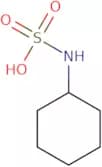
CAS:<p>Inhibitor of DNA repair mechanisms</p>Formula:C3H4ClNOPurezza:Min. 98%Colore e forma:Colorless Clear LiquidPeso molecolare:105.52 g/molCyclamic acid
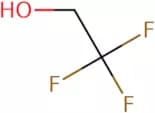
CAS:<p>Artificial sweetener</p>Formula:C6H13NO3SColore e forma:PowderPeso molecolare:179.24 g/mol2,2,2-Trifluoroethanol
CAS:<p>2,2,2-Trifluoroethanol is a trifluoroacetic acid analogue that has been shown to be an effective antimicrobial agent. It binds to the active site of the enzyme enoyl reductase, inhibiting the synthesis of fatty acids and disrupting cell membrane function. 2,2,2-Trifluoroethanol has also been shown to have anti-inflammatory effects. The drug binds to human serum albumin and inhibits hydrogen peroxide release from neutrophils. This complexation with albumin prevents the release of hydroxyl radicals that are generated in response to oxidative stress. Intramolecular hydrogen bonding between 2,2,2-trifluoroethanol molecules may also contribute to its activity as a natural drug.</p>Formula:C2H3F3OPurezza:Min. 95%Colore e forma:Clear LiquidPeso molecolare:100.04 g/mol1-Cyano-2-hydroxy-3-butene
CAS:<p>1-Cyano-2-hydroxy-3-butene is a mitochondrial toxin that causes apoptosis in liver cells. It has been shown to cause liver lesions in CD1 mice. 1-Cyano-2-hydroxy-3-butene reduces the mitochondrial membrane potential, which leads to a decrease in ATP production and an increase in reactive oxygen species (ROS) production. This toxin also inhibits the transcriptional activity of nuclear receptors and induces the expression of cytochrome P450 2E1, leading to increased detoxification enzyme activity. 1-Cyano-2-hydroxy-3-butene is activated by mitochondria, which leads to its ability to cause apoptosis of liver cells.</p>Formula:C5H7NOPurezza:Min. 95%Colore e forma:Colorless PowderPeso molecolare:97.12 g/mol2-Methylamino-2-phenylbutanol hydrochloride
CAS:<p>2-Methylamino-2-phenylbutanol hydrochloride is a fine chemical that can be used in the production of research chemicals, pharmaceuticals, and other specialty chemicals. It is a versatile building block with many applications in organic synthesis. 2-Methylamino-2-phenylbutanol hydrochloride is an intermediate for the production of other useful compounds and has many reactions that are applicable to complex compounds. 2-Methylamino-2-phenylbutanol hydrochloride can also be used as a reagent and has high quality standards.</p>Formula:C11H17NO•HClPurezza:(%) Min. 95%Colore e forma:PowderPeso molecolare:215.72 g/molImidazolyl-4-ethanol
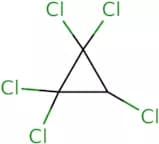
CAS:<p>Imidazolyl-4-ethanol is a glycoside derivative that inhibits the synthesis of proteins, fats, and nucleic acids by inhibiting the enzyme phosphofructokinase. The compound has been shown to have anti-inflammatory properties that are similar to those of nonsteroidal antiinflammatory drugs. This drug also has a kinetic energy of -1.2 kcal/mol and it has a ph optimum of 7.5. Imidazolyl-4-ethanol has been shown to be useful in vitro for the synthesis of antibodies against monoclonal antibodies and for radiation protection. It can also be used as a radioactive tracer in vivo.</p>Formula:C5H8N2OPurezza:Min. 90 Area-%Colore e forma:PowderPeso molecolare:112.13 g/molPentachlorocyclopropane
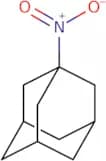
CAS:<p>Pentachlorocyclopropane is a chemical compound that belongs to the class of cyclic chlorinated hydrocarbons. It is a colorless liquid with a strong odor and a boiling point of 176 °C. Pentachlorocyclopropane has been used as an intermediate for the production of other chemicals, such as alkyl chlorides, amines, and polymers. Pentachlorocyclopropane can be synthesized from hydrogen chloride and 1-chloro-2-propanone in the presence of aluminum chloride or zinc chloride. The Friedel-Crafts reaction can also be used to produce pentachlorocyclopropane from benzene and chlorine gas. The chemical stability of pentachlorocyclopropane is due to its intramolecular hydrogen bonds. This allows it to be stored at room temperature without undergoing any reactions or decomposing. Pentachlorocyclopropane is not</p>Formula:C3HCl5Purezza:Min. 95%Colore e forma:Colorless Clear LiquidPeso molecolare:214.3 g/mol1-Nitroadamantane
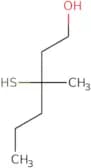
CAS:<p>1-Nitroadamantane is a metal-free catalyst that oxidizes organic compounds in the presence of water. It is synthesized using the following method: 1) The reaction of carbon monoxide with nitric acid produces nitrous acid, which reacts with a fatty acid to yield 1-nitroadamantane. 2) This product can be obtained from trifluoroacetic acid and hydrogen fluoride. 3) This product can also be prepared by reacting diphenyl ether with an acylurea.</p>Formula:C10H15NO2Purezza:Min. 95%Colore e forma:White PowderPeso molecolare:181.23 g/mol3-Mercapto-3-methyl-1-hexanol
CAS:<p>3-Mercapto-3-methyl-1-hexanol is a molecule that belongs to the group of 3-hydroxyalkanoic acids. It is found in human skin cells and has a high transport rate in these cells. 3-Mercapto-3-methyl-1-hexanol can be converted to 3-hydroxy-3 methylhexanoic acid by bacterial enzymes, including corynebacterium, coli k12, and staphylococci. The molecule has been shown to be an enantiomer of 3,4 dithiadiphosphene. Studies have shown that this compound has antibacterial properties against both Gram positive and Gram negative bacteria, although it does not exhibit any activity against C. difficile or Proteus mirabilis. 3-Mercaptohexanol may also have clinical relevance for humans because it is structurally similar to molecules that are involved in the biosynthesis of important biochemicals such as</p>Formula:C7H16OSPurezza:Min. 95 Area-%Colore e forma:Colorless Clear LiquidPeso molecolare:148.27 g/mol1,8-Octanediol
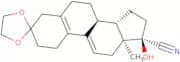
CAS:<p>1,8-Octanediol is a long-term efficacy drug that is used in the treatment of granulosa cell tumors. It has been shown to inhibit the proliferation of these cells by binding to them and inhibiting their metabolism. 1,8-Octanediol can be considered as an analog of progesterone and works by binding to progesterone receptors present in the tumor cells. This binding leads to a decrease in the production of estrogen and decreases the risk of cancer recurrence. 1,8-Octanediol has also been shown to increase body mass index (BMI) in women with polycystic ovary syndrome (PCOS). 1,8-Octanediol is soluble in water and has a phase transition temperature at around 37 degrees Celsius, which makes it biocompatible.</p>Formula:C8H18O2Purezza:Min. 98 Area-%Colore e forma:White PowderPeso molecolare:146.23 g/molCyclic-3-(1,2-ethanediylacetal)-17β-cyano-17α-hydroxy-estra-5(10),9(11)-dien-3-one
CAS:<p>Cyclic-3-(1,2-ethanediylacetal)-17beta-cyano-17alpha-hydroxy-estra-5(10),9(11)-dien-3 -one is a chemical compound that is used as a reaction component, reagent, and high quality research chemical. It can be used as a useful scaffold or building block for the synthesis of complex compounds. Cyclic-3-(1,2-ethanediylacetal)-17beta-cyano-17alpha -hydroxyestra-5(10),9(11)-diene 3 one has CAS number 3330019 5.</p>Formula:C21H27NO3Purezza:Min. 95%Colore e forma:White to off-white solid.Peso molecolare:341.44 g/molTrimethylolpropane tris(2-mercaptoacetate)
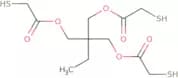
CAS:<p>Trimethylolpropane tris(2-mercaptoacetate) (TMPTMA) is a functional group that is used as an actuator in organic solvent-based inkjet printing. It has been shown to be a cross-linking agent and a treatment effect modifier. TMPTMA has been shown to be a hydroxyl group donor and has the ability to form vinyl groups. In addition, it can act as an organic acid by donating protons and carboxyl groups. TMPTMA can also function as a heat energy absorber and has low molecular weight, making it highly reactive with other substances. The alicyclic structure of TMPTMA makes it susceptible to ring opening reactions with strong acids or bases.</p>Formula:C12H20O6S3Purezza:Min. 95%Colore e forma:PowderPeso molecolare:356.48 g/mol2-Amino-1-cyclopentene-1-carbonitrile
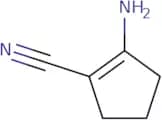
CAS:<p>2-Amino-1-cyclopentene-1-carbonitrile is a chemical compound with the formula CH2N(C=O)CH2NH. It is a white crystalline solid that is soluble in water and polar organic solvents. The compound has been used as an impurity in the synthesis of cyclic polymers, as a transition metal ligand, and as a chroma for dyes. 2-Amino-1-cyclopentene-1-carbonitrile is also used to introduce cyclic groups into polyphosphoric acid and to convert paraformaldehyde to acrylonitrile.<br>2-Amino-1-cyclopentene-1-carbonitrile reacts with hydrocarbons to form adiponitrile and cyclohexanone.</p>Formula:C6H8N2Purezza:Min. 95%Colore e forma:PowderPeso molecolare:108.14 g/mol6-Mercapto-1-hexanol
CAS:<p>6-Mercapto-1-hexanol is a redox active molecule that has been shown to be a potent inhibitor of human immunodeficiency virus type 1 reverse transcriptase. It has also been shown to inhibit the polymerase chain reaction and transfer reactions, including those mediated by DNA-dependent RNA polymerase. 6-Mercapto-1-hexanol can be detected with high sensitivity in human serum, which is its main application for the diagnosis of HIV infection. This compound reacts with molecular oxygen to form superoxide radicals, which are responsible for its redox potential. The rate constant for this reaction has been shown to be dependent on pH and temperature. 6-Mercapto-1-hexanol can also form stable complexes with proteins such as albumin or human immunoglobulin G (IgG). These complexes have been shown to exhibit electrochemical impedance spectroscopy activity at low concentrations and chemical stability in biological media.</p>Formula:C6H14OSPurezza:Min. 96%Colore e forma:Clear LiquidPeso molecolare:134.24 g/mol3,3'-Dithiobis-1-propanesulfonic acid disodium salt
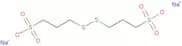
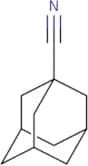
CAS:<p>Brightening agent used for copper electroplating</p>Formula:C6H12O6S4·2NaPurezza:Min. 90 Area-%Colore e forma:White PowderPeso molecolare:354.39 g/mol1-Adamantane carbonitrile
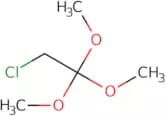
CAS:<p>1-Adamantane carbonitrile is a compound that has been shown to have high binding constants to the covid-19 pandemic. The compound has been shown to be a good candidate for oxidation catalysts and radiation. 1-Adamantane carbonitrile is also a metastable molecule, which means it can exist in two different states with different energy levels. This compound has been found to bind to an endogenous enzyme, as well as being crystalline and having a coordination complex. It has been shown that 1-Adamantane carbonitrile reacts with hydrogen chloride and produces reactive intermediates such as hydrogen chloride. 1-Adamantane carbonitrile has also been shown to have antiviral properties against influenza virus with nmr spectra data showing the presence of this compound in the active site of the influenza virus.</p>Formula:C11H15NPurezza:Min. 96.0%Colore e forma:PowderPeso molecolare:161.24 g/mol2-Chloro-1,1,1-trimethoxyethane
CAS:<p>2-Chloro-1,1,1-trimethoxyethane is a reagent that is used in the synthesis of recombinant proteins. It is also used to produce monoclonal antibodies. Fatty acids can be analyzed by using these reagents as they are soluble in this solvent. The structural analysis of fatty acids has been shown to have anticancer activity. 2-Chloro-1,1,1-trimethoxyethane reacts with glycosyl residues on lysine residues in proteins and produces an acid that causes the protein to unfold and denature. This reaction has been shown to have anticancer activity against cervical cancer cells in human liver cells.</p>Formula:C5H11ClO3Purezza:Min. 97.5%Colore e forma:Colorless Clear LiquidPeso molecolare:154.59 g/molβ-Glycerophosphate, disodium salt pentahydrate, max. 2% α
CAS:<p>Beta-Glycerophosphate, Disodium Salt Pentahydrate is a complex compound that is used as a reagent, useful intermediate, and fine chemical. It is also useful as a scaffold or building block for the synthesis of organic compounds. Beta-glycerophosphate has CAS No. 13408-09-8 and is classified as a speciality chemical. This compound can be used in research and development for versatile building blocks and reaction components to synthesize organic compounds.</p>Formula:C3H17Na2O11PPeso molecolare:306.12 g/molRef: 3D-G-4200
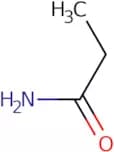
1kgPrezzo su richiesta100gPrezzo su richiesta250gPrezzo su richiesta500gPrezzo su richiesta2500gPrezzo su richiesta-Unit-kgkgPrezzo su richiestaPropionamide
CAS:<p>Propionamide is an amide that inhibits bacterial growth by binding to the DNA-dependent RNA polymerase and preventing transcription. It is used in treatment trials for bacterial infections. Propionamide has been shown to inhibit the growth of bacteria in vitro and in vivo, as well as to have an inhibitory effect on experimental solubility data. The chemical properties of propionamide are consistent with a potential use as a drug for treating metabolic disorders, such as diabetes mellitus and obesity.</p>Formula:C3H7NOPurezza:Min. 95%Colore e forma:White PowderPeso molecolare:73.09 g/molBis(trifluoromethane)sulfonimide lithium salt
CAS:<p>Please enquire for more information about Bis(trifluoromethane)sulfonimide lithium salt including the price, delivery time and more detailed product information at the technical inquiry form on this page</p>Formula:C2F6LiNO4S2Peso molecolare:287.09 g/molRef: 3D-Q-101273
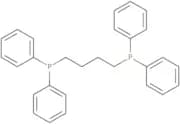
1kgPrezzo su richiesta5kgPrezzo su richiesta250gPrezzo su richiesta500gPrezzo su richiesta2500gPrezzo su richiesta-Unit-kgkgPrezzo su richiesta1,4-Bis-(diphenylphosphino)butane
CAS:<p>1,4-Bis-(diphenylphosphino)butane is a coordination compound that contains a bicyclic heterocycle. The compounds are made up of phosphorus and nitrogen atoms which are arranged in a tetrahedral geometry. It has photochemical properties and can be used to inhibit the growth of myeloid leukemia cells. The complexes bind to amines and form stable complexes with hydroxyl groups, so they are also able to cross mitochondrial membranes. This compound has been shown to bind to copper ions in x-ray crystal structures. 1,4-Bis-(diphenylphosphino)butane binds more strongly to ethylene diamine than it does to aryl halides such as chloroethane or phenylethane. Activation energies for the binding of 1,4-bis-(diphenylphosphino)butane with ethylene diamine have been found by measuring the free energy change for its formation from</p>Formula:C28H28P2Purezza:Min. 95%Colore e forma:White PowderPeso molecolare:426.47 g/mol2-(2-Methoxyethoxy)ethanol
CAS:<p>2-(2-Methoxyethoxy)ethanol is a sodium salt that has a synergic effect with other solvents. It is used in the preparation of samples for analytical purposes and in the reaction solution of various glycol ethers. 2-(2-Methoxyethoxy)ethanol also has an effect on thermal expansion, which can be utilized to monitor this parameter during sample preparation. The presence of nitrogen atoms in its structure makes it possible to use it as a reagent for the synthesis of styryl dyes. 2-(2-Methoxyethoxy)ethanol is an antirheumatic drug that belongs to the class of glycol esters and benzalkonium chloride.</p>Formula:C5H12O3Purezza:Min. 95%Colore e forma:Colorless Clear LiquidPeso molecolare:120.15 g/mol3,4-Dihydroxy-3-cyclobutene-1,2-dione
CAS:<p>3,4-Dihydroxy-3-cyclobutene-1,2-dione is a small molecule that has been shown to be an effective antimicrobial agent. It is structurally related to squaric acid and has high reactivity with hydrogen fluoride. 3,4-Dihydroxy-3-cyclobutene-1,2-dione has the ability to lyse cells through the formation of hydrogen bonds with nucleic acids. This chemical compound can also act as a fluorescence probe for group P2 human serum proteins. The kinetic energy of this molecule was found to be very high in comparison to other molecules in its structural class.</p>Formula:C4H2O4Purezza:Min 99.0%Colore e forma:Off-White PowderPeso molecolare:114.06 g/mol


![Tert-butyl(4s)-4-[(E)-3-bromoprop-1-enyl]-2,2-dimethyl-oxazolidine-3-carboxylate](/_next/image/?url=https%3A%2Fstatic.cymitquimica.com%2Fproducts%2F10%2Fthumb-webp%2FF718958.webp&w=3840&q=75)


![2-[Cyclopropyl(ethoxy)methylidene]propanedinitrile](/_next/image/?url=https%3A%2Fstatic.cymitquimica.com%2Fproducts%2F10%2Fthumb-webp%2FF602703.webp&w=3840&q=75)
![Methyl 2-methyl-3-[(prop-2-en-1-yl)amino]propanoate](/_next/image/?url=https%3A%2Fstatic.cymitquimica.com%2Fproducts%2F10%2Fthumb-webp%2FF522910.webp&w=3840&q=75)


![1-Methoxy-4-[(E)-prop-1-enyl]bicyclo[2.2.2]octane](/_next/image/?url=https%3A%2Fstatic.cymitquimica.com%2Fproducts%2F10%2Fthumb-webp%2FF719540.webp&w=3840&q=75)

![(2E)-1-{[1,1'-biphenyl]-4-yl}-3-(2,3,4-trimethoxyphenyl)prop-2-en-1-one](/_next/image/?url=https%3A%2Fstatic.cymitquimica.com%2Fproducts%2F10%2Fthumb-webp%2FF524246.webp&w=3840&q=75)

![(2E)-3-[4-(benzyloxy)phenyl]-1-(4-ethoxyphenyl)prop-2-en-1-one](/_next/image/?url=https%3A%2Fstatic.cymitquimica.com%2Fproducts%2F10%2Fthumb-webp%2FF523911.webp&w=3840&q=75)
![(2E)-3-[4-(benzyloxy)phenyl]-1-(4-methoxyphenyl)prop-2-en-1-one](/_next/image/?url=https%3A%2Fstatic.cymitquimica.com%2Fproducts%2F10%2Fthumb-webp%2FF523604.webp&w=3840&q=75)
![(2E)-3-[3-(4-Fluorophenyl)-1-phenyl-1H-pyrazol-4-yl]-N-(pyridin-3-ylmethyl)prop-2-enamide](/_next/image/?url=https%3A%2Fstatic.cymitquimica.com%2Fproducts%2F10%2Fthumb-webp%2FF094180.webp&w=3840&q=75)