Building Blocks
Sottocategorie di "Building Blocks"
- Acidi boronici e derivati dell'acido boronico(5.774 prodotti)
- Building Blocks Chirali(1.237 prodotti)
- Building Blocks Idrocarburici(6.098 prodotti)
- Building Blocks organici(60.970 prodotti)
Trovati 205135 prodotti di "Building Blocks"
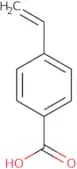
4-Vinylbenzoic acid
CAS:4-Vinylbenzoic acid is a water-insoluble polymer that has been shown to have bacteriostatic and fungistatic properties. 4-Vinylbenzoic acid inhibits bacterial growth by binding to the enzyme diphenolase, which is involved in the synthesis of cell wall precursors. This polymer also binds to cationic surfactants and is soluble in organic solvents such as ethanol and acetone. The mechanism of inhibition of fungal growth is not known, but it may be due to hydrogen bonding interactions with the cell membrane.
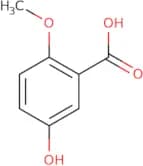
4-Vinylbenzoic acid has been shown to be effective against human serum, although it does not inhibit bacterial growth in this medium.Formula:C9H8O2Purezza:Min. 95%Colore e forma:White PowderPeso molecolare:148.16 g/mol5-Hydroxy-2-methoxybenzoic acid
CAS:Apigenin is a flavonoid found in plants of the genus Labiatae, such as chamomile and feverfew. It is a potent anti-inflammatory agent that may be due to its ability to inhibit cyclooxygenase (COX) enzymes and subsequent production of proinflammatory prostaglandins, leukotrienes, and thromboxanes. Apigenin has also been shown to inhibit cancer cell growth by binding to DNA and inhibiting transcription. Apigenin is chemically stable at room temperature and has been used in techniques such as liquid chromatography-mass spectrometry (LC-MS).
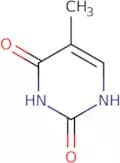
Formula:C8H8O4Purezza:Min. 95%Colore e forma:PowderPeso molecolare:168.14 g/molThymine
CAS:Pyrimidine nucleobase; component of nucleic acids
Formula:C5H6N2O2Purezza:Min. 99 Area-%Colore e forma:White PowderPeso molecolare:126.11 g/molRef: 3D-FT06260
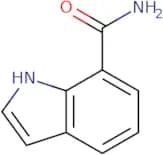
Prodotto fuori produzione1H-Indole-7-carboxamide
CAS:Rauwolscine is a pharmacological agent that acts as an alpha-2 adrenergic receptor agonist. It is used to treat eye disease, such as glaucoma and iritis, and also has been used for the treatment of disorders of the urogenital system, such as prostatic hypertrophy. Rauwolscine is metabolized by oxidation at the nitrogen atom to form active metabolites with similar effects. This drug has been shown to be effective for the treatment of cancer, although it does not have any significant effect on muscle tissue. The major route of elimination for this drug is through urine and it may accumulate in tissues with renal disease.
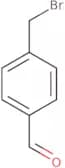
Formula:C9H8N2OPurezza:90%MinColore e forma:PowderPeso molecolare:160.18 g/mol4-(Bromomethyl)benzaldehyde
CAS:4-(Bromomethyl)benzaldehyde is a chemical compound that can be synthesized by the reaction of benzaldehyde with bromine in the presence of a base. This compound has been shown to bind to human immunoglobulin G, formyl group and photophysical properties. 4-(Bromomethyl)benzaldehyde has also been used as a model for cancer studies because it binds to DNA and forms an imine bond with thymine. It has been used as a reagent for analytical methods such as phosphotungstic acid, which is a reagent used to detect proteins. The mechanism of this compound is not yet fully understood, but it may involve the formation of an imine bond with thymine in DNA.
Formula:C8H7BrOPurezza:Min. 95%Colore e forma:PowderPeso molecolare:199.04 g/molRef: 3D-FB10749
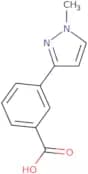
Prodotto fuori produzione3-(1-Methyl-1H-pyrazol-3-yl)benzoic acid
CAS:3-(1-Methyl-1H-pyrazol-3-yl)benzoic acid is a chemical compound with the molecular formula C5H5NO2. It is a research chemical that has not yet been fully characterized and its potential uses have not yet been determined. 3-(1-Methyl-1H-pyrazol-3-yl)benzoic acid is used as an intermediate in the synthesis of other compounds, including pharmaceuticals and pesticides. This compound has the potential to be used as a building block for complex compounds, or as a reagent in various reactions.
Formula:C11H10N2O2Purezza:Min. 95%Colore e forma:PowderPeso molecolare:202.21 g/molRef: 3D-GLB35285
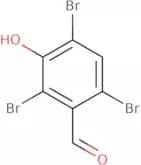
Prodotto fuori produzione2,4,6-Tribromo-3-hydroxybenzaldehyde
CAS:2,4,6-Tribromo-3-hydroxybenzaldehyde (2,4,6-TBHB) is an aldehyde that is synthesized from the reaction of 2,4,6-trichlorobenzaldehyde and bromine. It has been shown to be cytotoxic in tumour cell lines in vitro. This compound binds to DNA by covalent binding and inhibits the synthesis of proteins. 2,4,6-TBHB also inhibits cellular uptake of halides such as chloride and bromide ions. This aldehyde has been shown to induce cell death in human lung cancer cells in a concentration dependent manner.
Formula:C7H3Br3O2Purezza:Min. 95%Colore e forma:PowderPeso molecolare:358.81 g/molRef: 3D-FT57259
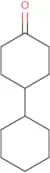
Prodotto fuori produzione4-Cyclohexylcyclohexan-1-one
CAS:4-Cyclohexylcyclohexan-1-one is an organic solvent that has a high boiling point and low vapor pressure. It is a colorless liquid with a sweet odor. 4-Cyclohexylcyclohexan-1-one is used in the production of hydrochloride salts and cyclic hydrocarbons, as well as in organic synthesis reactions involving boron nitride, reaction mechanisms, and efficient methods. Exposure to 4-cyclohexylcyclohexan-1-one can lead to chronic health effects such as dehydration and reduced lung function. The functional theory of 4-cyclohexylcyclohexan-1-one is that it reacts with water molecules to produce hydrogen chloride gas. Hydrochloric acid is produced when 4CCHC reacts with hydrochlorides salts. This reaction produces particles that are small enough to be inhaled into the lungs, which can cause particle toxicity, respiratory irritation, and pulmonary
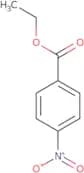
Formula:C12H20OPurezza:Min. 95%Colore e forma:PowderPeso molecolare:180.29 g/molEthyl 4-nitrobenzoate
CAS:Ethyl 4-nitrobenzoate is a compound that is used to synthesize other drugs, such as erythromycin. It is also an intermediate in the synthesis of some pesticides and dyes. The second-order rate constant for the reaction of ethyl 4-nitrobenzoate with phosphotungstic acid has been measured at 0.058/min at 25°C. This reaction is catalyzed by recombinant cytochrome P450 (P450) enzymes from human liver preparations and cationic surfactants such as nitrobenzene or sodium carbonate, which are known to form hydrogen bonds with the protonated nitrogen atom on the aromatic ring of ethyl 4-nitrobenzoate. Ethyl 4-nitrobenzoate is also used clinically to treat gastric ulcers, although it can be toxic if taken in large doses or over a long period of time.
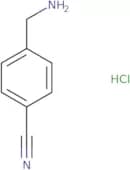
Formula:C9H9NO4Purezza:Min. 95%Colore e forma:PowderPeso molecolare:195.17 g/mol4-Cyanobenzylamine HCl
CAS:4-Cyanobenzylamine HCl is a degradable polymer that has been shown to inhibit colonic adenocarcinoma in mice. This compound was synthesized by the reaction of 4-cyanobenzylamine with 3-mercaptopropionic acid and was characterized using IR, 1H NMR, and 13C NMR spectroscopy. It also showed an inhibitory effect on the proliferation of human colon cancer cells. The polymer was found to gel when mixed with different concentrations of acrylamide and methylene bisacrylamide. Gelation occurred at a lower concentration of acrylamide than the amount used in previous studies. This may be due to its functional groups and morphology, which could have contributed to the inhibition of cell growth.
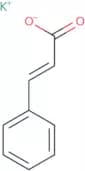
Formula:C8H8N2·HClPurezza:Min. 95%Colore e forma:PowderPeso molecolare:168.62 g/molPotassium cinnamate
CAS:Potassium cinnamate is a white crystalline solid that is soluble in water, ethanol and acetone. It has been shown to be effective for wastewater treatment and can be used as a reducing agent. Potassium cinnamate has been shown to have high values of hydroxide solution, which are often used in the manufacturing of polymers. Potassium cinnamate also exhibits enzyme activities, such as being able to catalyze the oxidation of propionate. This product has been shown to have anti-oxidant properties and can be used for radiation protection. The polymerization of potassium cinnamate leads to polymaleic acid, which is used in the production of plastics.
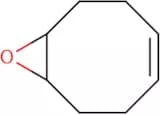
Formula:C9H7KO2Purezza:Min. 98 Area-%Colore e forma:White PowderPeso molecolare:186.25 g/mol1,2-Epoxy-5-cyclooctene
CAS:1,2-Epoxy-5-cyclooctene is a cyclic epoxide that undergoes ring opening with the addition of a nucleophile. This reaction is catalyzed by a bromonium ion, which acts as the electrophile. The product of this reaction is 2-hydroxy-1,2-epoxycyclohexane. 1,2-Epoxy-5-cyclooctene has been used in synthesizing various compounds such as monoepoxides and hydrosilanes. It can also be used to produce compounds that are difficult to access through other methods. 1,2-Epoxy-5-cyclooctene has been studied using x-ray crystallography and conformational analysis.
Formula:C8H12OPurezza:Min. 98 Area-%Colore e forma:Clear LiquidPeso molecolare:124.18 g/molSodium methanethiolate
CAS:Methanethiol is a compound that occurs naturally in the environment. It is used as a fungicide, insecticide and herbicide. Methanethiol inhibits the growth of microorganisms by binding to metal ions on the surface of cells. This prevents DNA replication and protein synthesis, leading to cell death. Methanethiol also has anti-inflammatory properties which may be due to its ability to inhibit adenosine A1 receptor activity in humans.
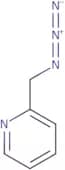
Formula:CH3NaSPurezza:Min. 95%Colore e forma:White PowderPeso molecolare:70.09 g/mol2-(Azidomethyl)pyridine
CAS:2-(Azidomethyl)pyridine (2-AP) is an organopalladium complex with a molecular weight of 206.2 g/mol. It has been used in magnetic resonance spectroscopy and has been shown to bind to all-trans retinoic acid, which is an active metabolite of vitamin A. 2-AP has also been shown to inhibit the growth of cancer cells by binding to the glycan on cell surfaces. The copper complex has been shown to have anti-inflammatory properties and can inhibit the activity of enzymes such as cyclooxygenase and lipoxygenase, which are involved in inflammatory responses. 2-AP is a second-order rate constant for the exothermic reaction between hydrogen peroxide and azide ion, which produces nitrous oxide ((NO)) and water molecules.
Formula:C6H6N4Purezza:Min. 95%Colore e forma:Brown PowderPeso molecolare:134.14 g/molN6,N6-Dimethyl-9H-purine-2,6-diamine
CAS:Versatile small molecule scaffold
Formula:C7H10N6Purezza:Min. 95%Colore e forma:PowderPeso molecolare:178.2 g/mol1,2,4,5-Tetrabromobenzene
CAS:1,2,4,5-Tetrabromobenzene is a brominated organic compound that forms a palladium complex. It has been studied by chemical ionization with an atmospheric pressure photoionization detector (APPI) and molecular modeling. The debromination reaction of 1,2,4,5-tetrabromobenzene was observed to take place in the liquid phase at room temperature. The detection limit for this reaction was found to be between 0.1 and 5 ppm. The most common form of 1,2,4,5-tetrabromobenzene is the monoclinic polymorph; however it can also exist as a trigonal system or as a hexagonal system when heated above its phase transition temperature. This compound is soluble in water and mercury chloride solutions but insoluble in ethers or chloroform.
Formula:C6H2Br4Purezza:Min. 95%Colore e forma:White PowderPeso molecolare:393.7 g/molRef: 3D-FT12104
Prodotto fuori produzioneFmoc-D-7-Aza-Trp-OH
CAS:Please enquire for more information about Fmoc-D-7-Aza-Trp-OH including the price, delivery time and more detailed product information at the technical inquiry form on this page
Formula:C25H21N3O4Purezza:Min. 95%Peso molecolare:427.45 g/mol6-Azaindole
CAS:6-Azaindole is a fine chemical that can be used as a reagent, building block, and intermediate. It is a versatile compound that has been shown to have high quality and complex chemistry. 6-Azaindole is an important reaction component in the synthesis of other compounds with pharmaceutical applications such as amide synthons, amino acid esters, and pharmaceutical intermediates. 6-Azaindole can also be used as a scaffold for the preparation of indoles. CAS No: 271-29-4
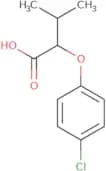
Formula:C7H6N2Peso molecolare:118.14 g/mol2-(4-Chlorophenoxy)-3-methylbutanoic acid
CAS:Versatile small molecule scaffold
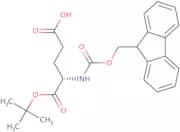
Formula:C11H13ClO3Purezza:Min. 95%Colore e forma:PowderPeso molecolare:228.67 g/molFmoc-L-Glu-OtBu
CAS:Fmoc-L-Glu-OtBu is a synthetic ligand that is used as a fluorescent probe in vivo. It has been shown to bind to semaglutide with high affinity, and it can be used to study the function of semaglutide in the cell. Fmoc-L-Glu-OtBu has also been found to have an inhibitory effect on cancer cells. This ligand can be synthesized by solid-phase synthesis and purified by column chromatography. The purity of Fmoc-L-Glu-OtBu is confirmed by elemental analysis, and its impurities are determined by fluorescence spectroscopy. The carboxylate group of Fmoc-L-Glu-OtBu is activated with sulfuric acid to form the corresponding active ester, which can then be conjugated with other molecules.
Formula:C24H27NO6Purezza:Min. 95%Colore e forma:White PowderPeso molecolare:425.47 g/molDL-Asparagine monohydrate
CAS:DL-Asparagine monohydrate is a white crystalline powder that is soluble in water. It has been used as a building block for the synthesis of various compounds and as a reaction component in chemical research.
Formula:C4H10N2O4Peso molecolare:150.14 g/mol2-Methoxy-1-((2-(trimethylsilyl)ethoxy)methyl)-1H-imidazole-5-carbaldehyde
Please enquire for more information about 2-Methoxy-1-((2-(trimethylsilyl)ethoxy)methyl)-1H-imidazole-5-carbaldehyde including the price, delivery time and more detailed product information at the technical inquiry form on this page
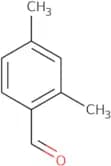
Formula:C11H20N2O3SiPurezza:Min. 95%Colore e forma:PowderPeso molecolare:256.37 g/mol2,4-Dimethylbenzaldehyde
CAS:2,4-Dimethylbenzaldehyde is used in the diagnosis of cancer. It reacts with acetaldehyde to form a compound that binds to hemoglobin and is excreted in the urine, leading to a diagnostic test for cancer. 2,4-Dimethylbenzaldehyde has been shown to be genotoxic in both in vitro and in vivo studies. This aromatic hydrocarbon has been shown to cause DNA strand breaks in the target cells through a reaction mechanism involving radical formation from acetaldehyde. In addition, 2,4-Dimethylbenzaldehyde has been shown to have genotoxic effects on mice exposed by inhalation or injection.
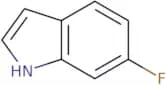
Formula:C9H10OPurezza:Min. 90 Area-%Colore e forma:Colorless Clear LiquidPeso molecolare:134.18 g/mol6-Fluoroindole
CAS:6-Fluoroindole is an aromatic organic compound that has been shown to have anti-inflammatory and antioxidant properties in vitro and in vivo. 6-Fluoroindole is a 5-methoxyindole and can be synthesized from the amino acid tryptophan, which is a precursor of serotonin. 6-Fluoroindole has also been shown to be active against plant pathogens, human protein, and human pathogens. It can produce hemolytic activity at high concentrations and its chemical stability was tested by incubating it with various acids such as hydrochloric acid or acetic acid. 6-Fluoroindole showed no reaction with either of these acids. The vibrational spectra of 6-fluoroindole was measured using dipolar coupling constants and found to have a dipole moment of 0.01 D for the molecule.
Formula:C8H6FNPurezza:Min. 98 Area-%Colore e forma:White Yellow PowderPeso molecolare:135.14 g/molRef: 3D-FF00132
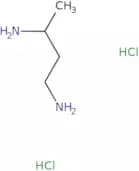
Prodotto fuori produzioneButane-1,3-diamine dihydrochloride
CAS:Butane-1,3-diamine dihydrochloride is a potent cytotoxic agent that inhibits the synthesis of fatty acids and histidine. This compound inhibits squamous cell carcinoma cells by decreasing the cytosolic Ca2+ concentration, mitochondrial membrane potential, and cellular ATP levels. It also inhibits the growth of cancer cells by binding to lysine residues on cell membranes. Butane-1,3-diamine dihydrochloride has been synthesized in an asymmetric synthesis to produce a molecule with nitrogen atoms at opposite ends of the molecule. The decarboxylation of this molecule produces butane-1,3-diaminium ion.
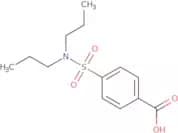
Formula:C4H14Cl2N2Purezza:Min. 95%Colore e forma:PowderPeso molecolare:161.07 g/molProbenecid
CAS:Prodotto controllatoOrganic anion transporter inhibitor; pannexin 1 channel inhibitor
Formula:C13H19NO4SPurezza:Min. 97.5 Area-%Colore e forma:White PowderPeso molecolare:285.36 g/molRef: 3D-FD27163
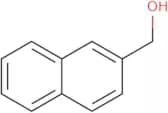
Prodotto fuori produzione2-Naphthalenemethanol
CAS:2-Naphthalenemethanol is a chemical compound that belongs to the group of organic compounds. It is one of the simplest aromatic alcohols and has been used as a model for the study of other more complex molecules. 2-Naphthalenemethanol is synthesized by reacting sodium salts with borane-tetrahydrofuran complex in dry diethyl ether. The reaction mechanism involves the formation of an ester linkage between the two naphthalenes, which can then undergo hydrolysis to form an alcohol. 2-Naphthalenemethanol can be converted into its structural analog, naphthalene, via condensation reactions with formaldehyde or ethylene glycol. The chemical properties of 2-naphthalenemethanol have been studied using nuclear magnetic resonance spectroscopy (NMR) and x-ray crystallography, which revealed that it exists as a zwitterion consisting of two covalently
Formula:C11H10OPurezza:Min. 98 Area-%Colore e forma:PowderPeso molecolare:158.2 g/molRef: 3D-FN14798
Prodotto fuori produzioneEthyl 3,5-dichloro-4-methoxybenzoate
CAS:Ethyl 3,5-dichloro-4-methoxybenzoate is an organic compound that has a variety of uses. It is an intermediate in the synthesis of various other compounds and as a reagent, it reacts with amines to form ureas. Ethyl 3,5-dichloro-4-methoxybenzoate can also be used as a complex building block for synthesizing other compounds. This chemical can be used as a speciality chemical or research chemical. As a versatile building block, ethyl 3,5-dichloro-4-methoxybenzoate can be used to make reaction components for synthesizing polymers or pharmaceuticals.
Formula:C10H10Cl2O3Purezza:Min. 95%Colore e forma:PowderPeso molecolare:249.09 g/molRef: 3D-FE67180
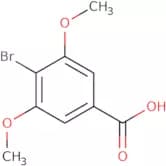
Prodotto fuori produzione4-Bromo-3,5-dimethoxybenzoic acid
CAS:4-Bromo-3,5-dimethoxybenzoic acid is a synthetic molecule that has been shown to have catalytic properties. It was generated by the reaction of resorcinol and dimethoxybenzoic acid in the presence of copper(II) acetate. This compound has also been shown to be bioinspired by its similarity to natural products such as 3,5-dihydroxybenzoic acid. 4-Bromo-3,5-dimethoxybenzoic acid has been used for the synthesis of bioactive molecules with cyclic structures. These advances are important for sustainable development and may help in the discovery of new natural products.
Formula:C9H9BrO4Purezza:Min. 95%Colore e forma:PowderPeso molecolare:261.07 g/molRef: 3D-FB55410
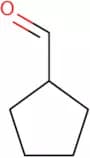
Prodotto fuori produzioneCyclopentanecarbaldehyde
CAS:Cyclopentanecarbaldehyde is a reactive molecule that is used as a ligand in coordination chemistry. It has been shown to bind to the toll-like receptor and may be useful for treating autoimmune diseases. Cyclopentanecarbaldehyde binds with nitrogen atoms in the active site of chelate ligands, which can cause changes in coordination geometry. This reaction mechanism is similar to that of other heterocycles such as 2-picolylhydrazine and 4-picolylhydrazine, which have been shown to be effective in treating Parkinson's disease.
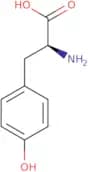
Formula:C6H10OPurezza:Min. 95%Colore e forma:Colorless Yellow Clear LiquidPeso molecolare:98.14 g/molL-Tyrosine - non-animal origin
CAS:Amino acid; precursor to neurotransmitters, hormones, pigments, natural phenols
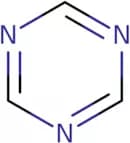
Formula:C9H11NO3Colore e forma:White Off-White PowderPeso molecolare:181.19 g/mol1,3,5-Triazine
CAS:1,3,5-Triazine is a nitrogen-containing heterocyclic compound that is used as a precursor for the synthesis of other compounds. It has been shown to inhibit the polymerase chain reaction and to bind to the enzyme DNA polymerase. This binding prevents the formation of an enzyme-substrate complex required for DNA replication. 1,3,5-Triazine also inhibits oxidative injury in experimental models and inhibits cellular physiology by decreasing the production of growth factor-β1. 1,3,5-Triazine has been shown to be a natural compound with inhibitory properties against growth factors and cell proliferation. This chemical also exhibits antioxidant effects by scavenging reactive oxygen species or inhibiting lipid peroxidation.END>
Formula:C3H3N3Purezza:Min. 95%Colore e forma:White PowderPeso molecolare:81.08 g/mol3,4,5-Tribromobenzoic acid
CAS:3,4,5-Tribromobenzoic acid is a metabolite of 3-indoleacetic acid. It is excreted in the urine and has a phaseolus-like physiological activity. This compound has been found to reduce the number of internodes in plants and increase the number of subjacent nodes. In addition, it has been shown to inhibit abscission (the separation of plant parts) by inhibiting the release of auxin from the upper node. The structural properties of 3,4,5-tribromobenzoic acid are similar to those of benzoic acid and it can be found naturally in some plants. Diversity in this chemical has been found among different species: for example, 2,3,5-triiodobenzoic acid is only present in citrus fruits such as oranges and lemons.
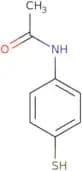
Formula:C7H3Br3O2Purezza:Min. 95%Colore e forma:PowderPeso molecolare:358.81 g/mol4-Acetamidothiophenol
CAS:4-Acetamidothiophenol (4AAT) is an organic compound that has been used in the treatment of inflammatory bowel disease. It has a chemical structure that resembles 5-hydroxytryptamine (5-HT), which is a neurotransmitter and hormone involved in regulating mood and appetite. 4AAT is also used as a reagent in the treatment of wastewater, where it reacts with sulfide to form thiosulfate. In acidic environments, 4AAT undergoes chemical ligation reactions to form covalent bonds with other molecules. Surface-enhanced Raman spectroscopy was used to study the adsorption mechanism of 4AAT on polystyrene particles. This technique revealed that 4AAT binds to the surface of polystyrene particles through hydrophobic interactions and hydrogen bonding with functional groups on the particle surface. The inhibition study showed that 4AAT inhibits 5-hydroxytryptamine receptors.br>
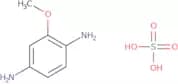
Formula:C8H9NOSPurezza:Min. 95%Colore e forma:PowderPeso molecolare:167.23 g/mol2-Methoxybenzene-1,4-diamine sulfate
CAS:2-Methoxybenzene-1,4-diamine sulfate (2MBDS) is a chemical that inhibits the synthesis of quinolines and dyes. 2MBDS is used as a control in animal experiments to maintain the level of sulfate in the blood. It is injected into animals and then measured using assays to measure the concentration of sulfate in the blood. 2MBDS has been shown to cause genetic damage and death in animals, as well as brittleness of muscle cells. The effects of 2MBDS on DNA replication and cell division have been studied by observing its effect on meiosis in mice. This chemical also simplifies chromosome structure and reduces chromosome number during meiosis, which may lead to chromosomal aberrations.
Formula:C7H10N2O·H2O4SPurezza:Min. 95%Colore e forma:Off-White PowderPeso molecolare:236.25 g/molRef: 3D-FM30843
Prodotto fuori produzione[2-(Cyclopropylmethoxy)ethyl](methyl)amine
CAS:Versatile small molecule scaffold
Formula:C7H15NOPurezza:Min. 80%Colore e forma:Clear LiquidPeso molecolare:129.2 g/molRef: 3D-IKB52698
Prodotto fuori produzione2,6-Dimethylbenzoic acid
CAS:2,6-Dimethylbenzoic acid is a colorless solid that has a molecular weight of 162.2 g/mol and an empirical formula of C7H8O2. It has a melting point of about 82 degrees Celsius and a boiling point of about 315 degrees Celsius. 2,6-Dimethylbenzoic acid is soluble in water at 100 degrees Celsius. It has been shown to act as a potent antagonist for the muscarinic acetylcholine receptors. This compound also has basic properties due to its hydrogen bonding interactions with proteins and other molecules. 2,6-Dimethylbenzoic acid has been shown to be efficient in supramolecular chemistry because it is electron deficient and contains thermodynamic functional groups such as carboxylic acids and alcohols.
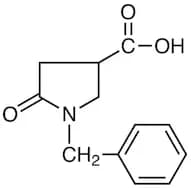
Formula:C9H10O2Purezza:Min. 95%Colore e forma:PowderPeso molecolare:150.17 g/mol1-Benzyl-5-oxopyrrolidine-3-carboxylic Acid
CAS:Formula:C12H13NO3Purezza:>98.0%(GC)(T)Colore e forma:White to Almost white powder to crystalPeso molecolare:219.242-Butyl-1,3-diazaspiro[4.4]non-1-en-4-one Hydrochloride
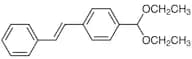
CAS:Formula:C11H18N2O·HClPurezza:>98.0%(T)(HPLC)Colore e forma:White to Almost white powder to crystalPeso molecolare:230.744-(Diethoxymethyl)-trans-stilbene
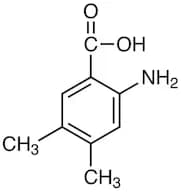
CAS:Formula:C19H22O2Purezza:>98.0%(GC)Colore e forma:White to Almost white powder to crystalPeso molecolare:282.382-Amino-4,5-dimethylbenzoic Acid
CAS:Formula:C9H11NO2Purezza:>97.0%(T)(HPLC)Colore e forma:White to Yellow powder to crystalPeso molecolare:165.192-Bromo-1H-imidazole
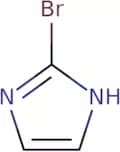
CAS:2-Bromo-1H-imidazole is an environmental pollutant that has been detected in the atmosphere, water, and soil. It is used as a pesticide and has been found to be an impurity in biphenyl. 2-Bromo-1H-imidazole can be used as a substrate for the Suzuki coupling reaction or as a starting material for the synthesis of imidazole derivatives. The compound spontaneously fragments under acidic conditions to form nitric acid and hydrogen bromide. 2-Bromo-1H-imidazole has been shown to inhibit hepatitis C virus (HCV) replication and induce cancer cell apoptosis in vitro.
2-Bromo-1H-imidazole is also known to cause DNA fragmentation in cells through oxidation by reactive oxygen species or through spontaneous decomposition of the molecule into acid, bromine radicals, and ammonia.Formula:C3H3BrN2Purezza:Min. 95%Colore e forma:PowderPeso molecolare:146.97 g/molRef: 3D-FB12791
Prodotto fuori produzione5-Chloro-2-phenyl-1H-imidazole-4-carboxaldehyde
CAS:Formula:C10H7ClN2OPurezza:>97.0%(HPLC)(N)Colore e forma:Orange to Amber to Dark red powder to crystalPeso molecolare:206.632-Bromo-3-fluorobenzotrifluoride
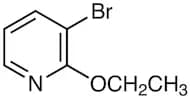
CAS:Formula:C7H3BrF4Purezza:>98.0%(GC)Colore e forma:Colorless to Light yellow to Light orange clear liquidPeso molecolare:243.003-Bromo-2-ethoxypyridine
CAS:Formula:C7H8BrNOPurezza:>97.0%(GC)(T)Colore e forma:Colorless to Light yellow clear liquidPeso molecolare:202.05Methyl Nonanoate
CAS:Methyl Nonanoate is an ester with a chemical formula of C11H24O2. It has been shown to have antidiabetic activity in mice and is being developed as a potential therapeutic agent for type 2 diabetes. Methyl Nonanoate inhibits the production of glucose by inhibiting the conversion of glucose into glycogen, which can be accomplished via its interaction with the insulin receptor. This chemical also has antimicrobial properties, which are due to its ability to inhibit bacterial cell wall synthesis. This mechanism may be due to methyl nonanoate's ability to bind to the hydroxyl group on glycol esters and react with hydrogen fluoride (HF), which leads to the release of energy that is used in the production of fatty acids.
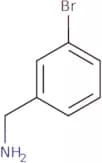
Formula:C10H20O2Purezza:Min. 95%Colore e forma:Clear LiquidPeso molecolare:172.27 g/mol3-Bromobenzylamine
CAS:3-Bromobenzylamine is a chemical compound that belongs to the class of amines. It is used as an intermediate in organic synthesis, and its derivative 3-bromobenzylamine hydrochloride is used in pharmaceuticals as a heart stimulant. 3-Bromobenzylamine can be synthesized by reacting an amine with phosgene and then brominating it. This chemical has been shown to have inhibitory activity against cancer cells and can be used for the treatment of cancer. 3-Bromobenzylamine has also been shown to inhibit the growth of bacteria, fungi, and viruses in vitro. 3-Bromobenzylamine may also be useful for treating psoriasis due to its ability to inhibit prostaglandin synthesis.
Formula:C7H8BrNPurezza:Min. 95%Colore e forma:Colorless PowderPeso molecolare:186.04 g/molRef: 3D-FB10708
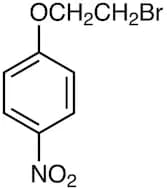
Prodotto fuori produzioneβ-Bromo-4-nitrophenetole
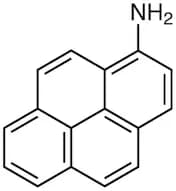
CAS:Formula:C8H8BrNO3Purezza:>97.0%(GC)Colore e forma:White to Light yellow powder to crystalPeso molecolare:246.061-Aminopyrene (purified by sublimation)
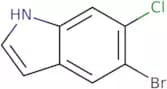
CAS:Formula:C16H11NPurezza:>99.0%(T)(HPLC)Colore e forma:Light yellow to Amber to Dark green powder to crystalPeso molecolare:217.275-Bromo-6-chloro-1H-indole
CAS:5-Bromo-6-chloro-1H-indole is a fine chemical that is used as a building block for research chemicals, reagents, and speciality chemicals. It is soluble in chloroform and benzene, but insoluble in water. This product can be used as a reaction component or a useful intermediate in the production of complex compounds. 5-Bromo-6-chloro-1H-indole has been reported to be an effective scaffold for the synthesis of many novel compounds with potential applications such as pharmaceuticals, agrochemicals, and dyes.
Formula:C8H5BrClNPurezza:Min. 95%Colore e forma:PowderPeso molecolare:230.49 g/molRef: 3D-FB29903
Prodotto fuori produzione







amine](/_next/image/?url=https%3A%2Fstatic.cymitquimica.com%2Fproducts%2F3D%2Fthumb-webp%2FIKB52698.webp&w=3840&q=75)


![2-Butyl-1,3-diazaspiro[4.4]non-1-en-4-one Hydrochloride](/_next/image/?url=https%3A%2Fstatic.cymitquimica.com%2Fproducts%2F3B%2Fthumb-webp%2FB3291.webp&w=3840&q=75)