Alcoli
Sottocategorie di "Alcoli"
Trovati 5818 prodotti di "Alcoli"
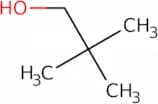
2,2-Dimethyl-1-propanol
CAS:2,2-Dimethyl-1-propanol (DMPA) is an inorganic acid that can be used as a coagulant for wastewater treatment. It has been shown to be effective in removing malonic acid from water at pH 4.0 and below. The reaction mechanism of DMPA is not fully understood, but it is thought to involve the formation of a hydroxyl group on the methyl group of DMPA, which then reacts with the acid and releases hydrogen ions. The hydrogen ions react with sodium carbonate to form sodium bicarbonate and release water vapor. This process continues until all the DMPA has reacted or until there is no more acid present. Asymmetric synthesis of DMPA is possible using neopentyl alcohol and fatty acids as starting materials.
Formula:C5H12OPurezza:Min. 95%Colore e forma:White Clear LiquidPeso molecolare:88.15 g/mol3,5-Dimethyl-1-hexyn-3-ol
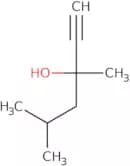
CAS:3,5-Dimethyl-1-hexyn-3-ol is a reactive chemical that is used as a polymerase chain reaction (PCR) substrate film. The film has an active surface and can be used to detect the presence of DNA by adding colloidal gold. 3,5-Dimethyl-1-hexyn-3-ol reacts with the glycol ether and surfactant to form a hydrophobic film on the surface of the substrate film. The hydrophobic films are nonpolar and do not mix with water, so they do not dissolve in water. This allows for detection of DNA by using plasma mass spectrometry or eugenol, which reacts selectively with double bonds in DNA. 3,5-Dimethyl-1-hexyn-3-ol is also used in wastewater treatment as an antimicrobial agent to control bacterial growth.
Formula:C8H14OPurezza:Min. 95%Colore e forma:Clear LiquidPeso molecolare:126.2 g/mol2-Octyldodecan-1-ol
CAS:2-Octyldodecan-1-ol is a fatty alcohol that is used as a lubricant and surfactant in cosmetic products. It has been shown to have surface coating properties, which may be due to its ability to form hydrogen bonds with hydroxyl groups at the surface of the skin. 2-Octyldodecan-1-ol is also known for its biological effects, such as anti-inflammatory and anti-bacterial properties. This compound has been shown to inhibit bacterial growth by inhibiting membrane synthesis and by binding to fatty acids in the cell wall. It also has an effect on sodium carbonate, p-hydroxybenzoic acid, alcohol residue, hydroxyl group, glycol ether, particle, and inorganic acid.Formula:C20H42OPurezza:Min. 95%Peso molecolare:298.55 g/mol1-Pentadecanethiol
CAS:1-Pentadecanethiol is a monocarboxylic acid that has been used as a polymerization initiator for the production of polyethylene. It reacts with aliphatic hydrocarbons, such as n-hexane and caproic acid, to form polymers. 1-Pentadecanethiol is also used in the synthesis of contactors and chromatographic science. The surface of metals can be converted to hydrophilic by reacting with 1-pentadecanethiol. The optical properties of 1-pentadecanethiol are similar to those of water, which makes it useful in studying water surface structures.Purezza:Min. 95%1-(2-Nitrophenyl)-1,2-ethanediol
CAS:1-(2-Nitrophenyl)-1,2-ethanediol is a chemical that has been shown to inhibit the glutamate-induced increase in cytosolic Ca2+ concentration. It also prevents the loss of membrane integrity and protects against cell death by inhibiting apoptosis. 1-(2-Nitrophenyl)-1,2-ethanediol also inhibits amp-activated protein kinase activity and increases ATP production. These effects may be due to its ability to reduce intracellular Ca2+ levels and prevent Ca2+ overload in mitochondria. 1-(2-Nitrophenyl)-1,2-ethanediol has been shown to have a protective effect on isolated heart cells and ventricular myocytes from hypoxia/reoxygenation injury and is an effective model system for investigating biochemical properties of glutamate excitotoxicity.Formula:C8H9NO4Purezza:Min. 95%Colore e forma:PowderPeso molecolare:183.16 g/molrac 1-oleoyl-3-linoleoylglycerol
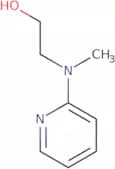
CAS:Rac-1-oleoyl-3-linoleoylglycerol is a synthetic compound that has been shown to have cytotoxic effects on leukemia cells. This drug induces apoptosis in leukemia cells by binding with the enzyme protein kinase C, which leads to the activation of caspases. Rac-1-oleoyl-3-linoleoylglycerol also inhibits the growth of murine leukemia cells by inducing apoptosis via an increase in reactive oxygen species and DNA damage. The cytotoxicity of rac 1-oleoyl-3-linoleoylglycerol may be due to its ability to inhibit glyceryl synthesis and accumulate stigmasterol within the cell.Formula:C39H70O5Purezza:Min. 95%Peso molecolare:618.97 g/mol2-(Methyl-2-pyridylamino)ethanol
CAS:2-(Methyl-2-pyridylamino)ethanol (2MPE) is a small molecule that has been studied for its potential use as an inhibitor of the enzyme protein kinase C-alpha. The reaction mechanism of 2MPE with rosiglitazone, a drug used to treat type II diabetes mellitus, has been shown to be nucleophilic and proceeds through an addition-elimination mechanism. The kinetic parameters for this reaction have been determined by studying the effect of temperature on the reaction rate. Density measurements indicate that 2MPE is a low-molecular weight compound with a density of 1.08 g/mL at 25°C and 1 atm pressure. This study also found that microreactors are capable of producing high reaction yields in shorter amounts of time than larger reactors, making them well suited to the synthesis of small molecules such as 2MPE.Formula:C8H12N2OPurezza:Min. 95%Peso molecolare:152.19 g/mol2-Bromobenzo[d]thiazol-6-ol
CAS:2-Bromobenzo[d]thiazol-6-ol is a diagnostic agent that is used in positron emission tomography (PET) scans to detect Alzheimer's disease. 2-Bromobenzo[d]thiazol-6-ol binds to amyloid plaques and deposits of beta amyloid peptide, the hallmark of Alzheimer's disease. It can be synthesized by cross coupling nitro compounds with aminoacids or by alkylation of nitro compounds with alkenes. Other methods for its synthesis include the microwave irradiation of bromobenzene and thiourea in a nitric acid medium. This compound undergoes metabolism via cytochrome P450 enzymes to form benzo[d]thiazole-2,6(3H)-diol, which is then oxidized by NADPH to form benzo[e]thiazole-2,6(3H)-quinone.Formula:C7H4BrNOSPurezza:Min. 95%Peso molecolare:230.08 g/mol2'-[(1H-Tetrazol-5-yl)biphenyl-4-yl]methanol
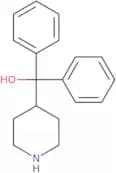
CAS:Please enquire for more information about 2'-[(1H-Tetrazol-5-yl)biphenyl-4-yl]methanol including the price, delivery time and more detailed product information at the technical inquiry form on this pageFormula:C14H12N4OPurezza:Min. 95%Peso molecolare:252.27 g/molAzacyclonol
CAS:Prodotto controllatoAzacyclonol is a cytotoxic drug that prevents the proliferation of cancer cells, by inhibiting DNA synthesis. This drug has shown to be effective in treating bowel diseases, and is also used as a pharmacological agent for the treatment of infectious diseases. Azacyclonol has been shown to inhibit the growth of bacteria such as Mycobacterium tuberculosis, Listeria monocytogenes, and Haemophilus influenzae. It is also used to treat infections caused by HIV. The mechanism of action for azacyclonol is unknown; however, it may be due to its ability to bind with cell factor or stem cell factor.Formula:C18H21NOPurezza:Min. 95%Peso molecolare:267.37 g/mol2-Carboxy mestanolone methyl ester
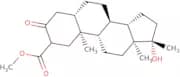
CAS:Prodotto controllatoPlease enquire for more information about 2-Carboxy mestanolone methyl ester including the price, delivery time and more detailed product information at the technical inquiry form on this pageFormula:C22H34O4Purezza:Min. 95%Peso molecolare:362.5 g/mol3-O-Acetyl 5,14-androstadiene-3b,17b-diol
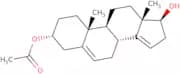
CAS:Prodotto controllatoPlease enquire for more information about 3-O-Acetyl 5,14-androstadiene-3b,17b-diol including the price, delivery time and more detailed product information at the technical inquiry form on this pageFormula:C21H30O3Purezza:Min. 95%Peso molecolare:330.46 g/mol(1-Chloroisoquinolin-4-yl)boronic acid
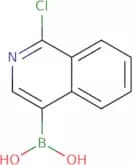
CAS:Please enquire for more information about (1-Chloroisoquinolin-4-yl)boronic acid including the price, delivery time and more detailed product information at the technical inquiry form on this pageFormula:C9H7BClNO2Purezza:Min. 95%Peso molecolare:207.42 g/mol2-[(4-Phenylpiperazin-1-yl)carbonyl]phenol
CAS:Prodotto controllatoPlease enquire for more information about 2-[(4-Phenylpiperazin-1-yl)carbonyl]phenol including the price, delivery time and more detailed product information at the technical inquiry form on this pageFormula:C17H18N2O2Purezza:Min. 95%Peso molecolare:282.34 g/molDodecane-1-thiol
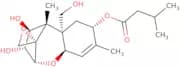
CAS:Dodecane-1-thiol is a chemical that is used as an ingredient in the production of nanoparticles. It has been shown to have high resistance to sodium salts and is chemically stable. Dodecane-1-thiol can be synthesized by reacting dodecane with hydroxylamine and mercaptan, which are both highly reactive compounds. Dodecane-1-thiol has a hydroxyl group on the thiol group and a dimethyl fumarate molecule attached to it. The hydroxyl group reacts with mercaptan, while the dimethyl fumarate molecule attaches to the thiol group to provide stability. Dodecane-1-thiol can also be synthesized using polymerization reactions.Formula:C12H26SPurezza:95%MinPeso molecolare:202.4 g/molT2 toxin triol
CAS:Prodotto controllatoT2 toxin triol is a bacterial strain that is used as a model system for the study of zearalenone. It has been shown to inhibit the growth of trifluoroacetic acid-treated cells and prevent the formation of glucuronide conjugates. T2 toxin triol has also been shown to be toxic to rat liver microsomes in vitro, but not to tissue culture or monoclonal antibody-transfected cells. The toxicity was found to be due to its basic structure, which causes an increase in intracellular levels of reactive oxygen species and lipid peroxidation.
Formula:C20H30O7Purezza:Min. 95%Peso molecolare:382.45 g/mol{1-[2-(4-Methylphenoxy)ethyl]-1H-benzimidazol-2-yl}methanol
CAS:Prodotto controllatoPlease enquire for more information about {1-[2-(4-Methylphenoxy)ethyl]-1H-benzimidazol-2-yl}methanol including the price, delivery time and more detailed product information at the technical inquiry form on this page
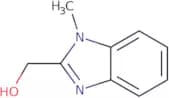
Formula:C17H18N2O2Purezza:Min. 95%Peso molecolare:282.34 g/mol(1-Methyl-1H-benzimidazol-2-yl)methanol
CAS:Prodotto controllato1-Methyl-1H-benzimidazol-2-yl)methanol is a mononuclear, ligand anion with a sulfate group. The compound has a molecular weight of 180.07 and its chemical formula is C6H5NOSO3S. It is soluble in water and alcohols, but insoluble in ethers and chloroform. 1-Methyl-1H-benzimidazol-2-yl)methanol reacts with oxygen to form the corresponding peroxide, which has a boiling point of 228°C at 760 mm Hg pressure. This compound also reacts with nitric acid to form the corresponding nitrate salt, which can be precipitated by adding sodium chloride or ammonium chloride.Formula:C9H10N2OPurezza:Min. 95%Peso molecolare:162.19 g/mol(S)-5,6,6a,7-Tetrahydro-6-methyl- 4H-dibenzo[de,g]quinoline-10,11-diol hydrochloride
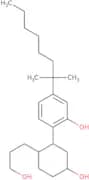
CAS:Prodotto controllatoPlease enquire for more information about (S)-5,6,6a,7-Tetrahydro-6-methyl- 4H-dibenzo[de,g]quinoline-10,11-diol hydrochloride including the price, delivery time and more detailed product information at the technical inquiry form on this pageFormula:C17H17NO2·HClPurezza:Min. 95%Colore e forma:SolidPeso molecolare:303.78 g/molCP 55940
CAS:Prodotto controllatoCP 55940 is a cannabinoid receptor agonist that inhibits acetylcholine release in the brain and has been shown to cause neuronal death. CP 55940 binds to the α7 nicotinic acetylcholine receptor, which is important for memory and learning. The binding of this drug causes an increase in guanine nucleotide-binding protein (G protein) activity by reducing the rate of GTP hydrolysis, leading to inhibition of adenylyl cyclase activity and subsequent decrease in cAMP levels. CP 55940 has significant up-regulation of toll-like receptors following exposure, which leads to an increased immune response. This drug can also cause bowel disease or side effects such as seizures and psychotic symptoms. CP 55940 can interact with other drugs, including cannabinoids that may lead to serious side effects.Formula:C24H40O3Purezza:Min. 95%Peso molecolare:376.57 g/molMidazolam-d4 maleate - 100 mg/mL in methanol
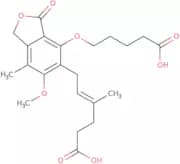
CAS:Prodotto controllatoPlease enquire for more information about Midazolam-d4 maleate - 100 mg/mL in methanol including the price, delivery time and more detailed product information at the technical inquiry form on this pageFormula:C18D4H9ClFN3·C4H4O4Purezza:Min. 95%Peso molecolare:445.86 g/molMycophenolic acid carboxybutoxy ether
CAS:Mycophenolic acid carboxybutoxy ether is an active form of mycophenolic acid. It has been shown to activate the immune system by increasing the production of lymphokines, including interleukin-2 and gamma-interferon. Mycophenolic acid carboxybutoxy ether has been shown to be effective in vivo in models for autoimmune diseases and cancer. This compound has a high affinity for glycoside derivatives, which are important for the formation of body tissues, such as collagen and elastin. The drug binds to monoclonal antibodies that are used in diagnostic tests for cervical cancer and other cancers. Mycophenolic acid carboxybutoxy ether also binds to x-ray diffraction data, which aids in the structural analysis of glycoside derivatives. This drug can be analyzed using surface methodology.Formula:C22H28O8Purezza:Min. 95%Peso molecolare:420.45 g/mol4-Hydroxy-17b-estradiol
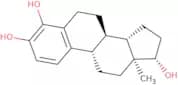
CAS:Prodotto controllato4-Hydroxy-17β-estradiol (4-OHE2) is a reactive metabolite of 17β-estradiol that binds to DNA and has been shown to have carcinogenic potential. The catechol-o-methyltransferase enzyme catalyzes the conversion of 4-OHE2 to 4-hydroxycatechol, which can then be further methylated by estrogen sulfotransferase or sulfatase to estrone and estrone sulfate. It has been shown that 4-OHE2 may be a potential biomarker for breast cancer. Experimental studies have shown that 4-OHE2 may act as an antioxidant in cancer tissues, but its activity has not been demonstrated in normal tissues. In order to demonstrate the ability of 4-OHE2 as an antioxidant, its activity was tested in vitro using human breast cancer cells (MDA MB 231). Results showed that 4-OHE2 decreased oxidative stress levels in these cells,Formula:C18H24O3Purezza:Min. 95%Colore e forma:SolidPeso molecolare:288.38 g/molall-E-Heptaprenol
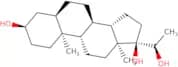
CAS:All-E-Heptaprenol is a polyprenol compound, which is a key intermediate in the biosynthesis of terpenoids. It originates from bacterial sources, where it plays a crucial role in cellular processes. All-E-Heptaprenol functions primarily as a hydrophobic carrier molecule, facilitating the transport of sugar moieties across the lipid bilayer in the assembly of complex biopolymers.Formula:C35H58OPurezza:Min. 95%Peso molecolare:494.83 g/mol5alpha-Pregnan-20beta-Ol-3-one
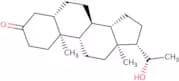
CAS:Prodotto controllatoPlease enquire for more information about 5alpha-Pregnan-20beta-Ol-3-one including the price, delivery time and more detailed product information at the technical inquiry form on this page
Purezza:Min. 95%5-Amino-8-hydroxyquinoline dihydrochloride
CAS:5-Amino-8-hydroxyquinoline dihydrochloride (5-AQDH) is an anticancer drug that inhibits the activity of survivin, a protein that is overexpressed in cancer cells. It has been shown to be effective in vivo against melanoma tumor growth. 5-AQDH binds to the unpaired cysteine residues of the survivin molecule and inhibits its function by binding to the active site, blocking access to ATP and preventing DNA synthesis. The efficacy of 5-AQDH has been confirmed in vitro by studying the effect on cell viability and DNA synthesis, as well as by measuring plasma mass spectrometry data from melanoma patients. This drug is currently being investigated for its potential use as an anticancer agent.Formula:C9H8N2O•(HCl)2Purezza:Min. 95%Peso molecolare:212.63 g/mol1,2,3,4-Tetrahydro-4,8-dihydroxy-2-methyl-isoquinoline
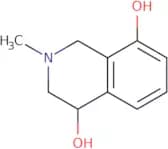
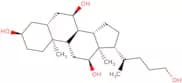
CAS:1,2,3,4-Tetrahydro-4,8-dihydroxy-2-methyl-isoquinoline is a chemical compound that has been used as an intermediate in the synthesis of pharmaceuticals. It is also a useful building block for the production of other chemicals. This compound is soluble in water. 1,2,3,4-Tetrahydro-4,8-dihydroxy-2-methyl-isoquinoline has shown to be a versatile and high quality reagent with many research applications.Formula:C10H13NO2Purezza:Min. 95%Colore e forma:Yellow PowderPeso molecolare:179.22 g/mol(3',5',7')-Cholane-3,7,24-triol
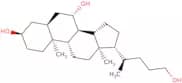
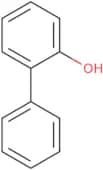
CAS:Prodotto controllatoPlease enquire for more information about (3',5',7')-Cholane-3,7,24-triol including the price, delivery time and more detailed product information at the technical inquiry form on this pageFormula:C24H42O3Purezza:Min. 95%Peso molecolare:378.59 g/mol2-Phenylphenol
CAS:2-Phenylphenol is a ferrocenecarboxylic acid with an anhydrous sodium salt. It reacts with water vapor to produce ferric hydroxide and 2-phenylphenolsodium. 2-Phenylphenol is used as a long-term toxicity test for enzyme activities in liver cells, and has shown to cause liver lesions in rats. The hydrophobic effect of 2-Phenylphenol has been shown to be its inhibition of the binding of inhibitors to enzymes. This chemical is also used in analytical methods for determining the concentration of phenols in water samples.
Formula:C12H1OPurezza:Min. 95%Peso molecolare:161.14 g/mol4-[(4-Chlorophenyl)phenylmethyl]-1-piperazineethanol dihydrochloride
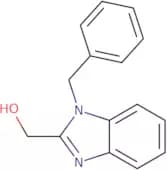
CAS:4-[(4-Chlorophenyl)phenylmethyl]-1-piperazineethanol dihydrochloride is a cholinergic drug that is used to treat allergic rhinitis in children and adults. It has been shown to be well tolerated in pediatric patients and geriatric patients, as well as being an innovative, labile, and biopharmaceutical compound. 4-[(4-Chlorophenyl)phenylmethyl]-1-piperazineethanol dihydrochloride is not metabolized by the liver and does not have significant side effects. It has a low potential for abuse because of its low solubility in water. It is an antihistamine that blocks the action of histamine at H1 receptors on smooth muscle cells in the nose, which helps reduce nasal congestion and sneezing.Formula:C19H23ClN2O·2HClPurezza:Min. 95%Peso molecolare:403.77 g/mol(1-Benzyl-1H-benzimidazol-2-yl)methanol
CAS:Prodotto controllatoPlease enquire for more information about (1-Benzyl-1H-benzimidazol-2-yl)methanol including the price, delivery time and more detailed product information at the technical inquiry form on this page
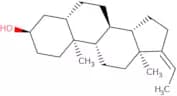
Formula:C15H14N2OPurezza:Min. 95%Peso molecolare:238.28 g/mol(3α,5α,17Z)-Pregn-17(20)-en-3-ol
CAS:Prodotto controllatoPlease enquire for more information about (3α,5α,17Z)-Pregn-17(20)-en-3-ol including the price, delivery time and more detailed product information at the technical inquiry form on this page
Formula:C21H34OPurezza:Min. 95%Peso molecolare:302.49 g/mol5-Nitropyridin-3-ol
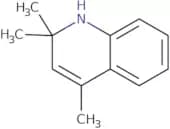
CAS:Please enquire for more information about 5-Nitropyridin-3-ol including the price, delivery time and more detailed product information at the technical inquiry form on this pageFormula:C5H4N2O3Purezza:Min. 95%Peso molecolare:140.1 g/molPoly(1,2-dihydro-2,2,4-trimethylquinoline)
CAS:Poly(1,2-dihydro-2,2,4-trimethylquinoline) is a high molecular weight polymeric quinoline. It is an intramolecular hydrogen bond donor. The nitrogen atoms in the polymers are bound to hydrogen and form a ring with two amino groups. Poly(1,2-dihydro-2,2,4-trimethylquinoline) has been shown to be resistant to many chemical agents such as hydrogen fluoride and glycoside derivatives. It also has a carcinogenic potential and can induce liver lesions. The carcinogenesis studies of poly(1,2-dihydro-2,2,4-trimethylquinoline) have shown that it may cause cancer in animals via diazonium salt and methyl ethyl hydrochloric acidFormula:(C12H15N)xPurezza:Min. 95%Colore e forma:Powder(5-Methoxy-1-methyl-1H-benzimidazol-2-yl)methanol
CAS:Prodotto controllatoPlease enquire for more information about (5-Methoxy-1-methyl-1H-benzimidazol-2-yl)methanol including the price, delivery time and more detailed product information at the technical inquiry form on this pageFormula:C10H12N2O2Purezza:Min. 95%Peso molecolare:192.21 g/mol20-Epipregnantriol
CAS:Prodotto controllato20-Epipregnantriol is a natural metabolite of pregnancy, which is a mixture of 20-hydroxyprogesterone, 17-hydroxyprogesterone, and pregnanediol. This hormone has been shown to be produced in the testes and ovaries. It stimulates the production of estrogen by the ovaries and may have an effect on inhibiting testosterone production in the testes. 20-Epipregnantriol has been used as an analytical control in studies on steroidogenesis.Formula:C21H36O3Purezza:Min. 95%Peso molecolare:336.51 g/molL-Phenylalaninol 2-chlorotrityl resin
Please enquire for more information about L-Phenylalaninol 2-chlorotrityl resin including the price, delivery time and more detailed product information at the technical inquiry form on this page
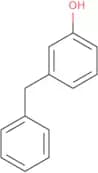
Purezza:Min. 95%3-Benzyl-phenol
CAS:3-Benzyl-phenol is a formaldehyde and aliphatic compound that is used as a chemical intermediate. It can be synthesized from 3-phenylglycine, which is an amino acid with the formula CH(CH)CONH. The hydroxyl group of 3-benzyl-phenol can be converted to a sulphonic or salicylic acid by hydrolysis with hydrochloric acid or salicylic acid respectively. 3-Benzyl phenol also catalyzes the reaction between paraformaldehyde and hexamine in the presence of water, yielding acetaldehyde and hydrogen gas.Purezza:Min. 95%Methoxypropoxypropanol
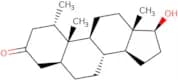
CAS:Methoxypropoxypropanol (MPP) is a highly selective inhibitor of the enzyme picolinic acid carboxylase, which converts L-pyridoxal 5'-phosphate to picolinic acid. MPP has shown good efficacy in reducing disease activity in animal models and is being developed for the treatment of rheumatoid arthritis. This drug also has been shown to be toxicologically safe in both acute and chronic toxicity studies. Methoxypropoxypropanol has also been used as an analytical reagent for the qualitative detection of picolinic acid in urine and blood samples. The use of this compound as a wastewater treatment agent for removal of organic acids from industrial effluents is well studied. MPP has been found to have some beneficial effects on congestive heart failure in rats by lowering their blood pressure and cholesterol levels.Formula:C7H16O3Purezza:Min. 95%Colore e forma:Clear LiquidPeso molecolare:148.2 g/mol11alpha-Methylandrostan-17beta-ol-3-one
CAS:Prodotto controllato11alpha-Methylandrostan-17beta-ol-3-one is a pharmacological agent that belongs to the group of androgens. It is an oral preparation and has been used in the treatment of infectious diseases, autoimmune diseases, and metabolic disorders. It has also been used as a matrix effect control in biological samples. The biological effects of 11alpha-Methylandrostan-17beta-ol-3-one are mediated by its direct action on cells or through conversion to testosterone or dihydrotestosterone (DHT). These effects include increasing protein synthesis, promoting bone formation, lowering cholesterol levels, stimulating the production of red blood cells, and decreasing fat deposition. The main side effects are acne vulgaris, male pattern baldness, prostate enlargement, increased risk for prostate cancer, and increased risk for developing breast cancer.Formula:C20H32O2Purezza:Min. 95%Colore e forma:PowderPeso molecolare:304.47 g/molPetromyzonol
CAS:Prodotto controllatoPetromyzonol is an analytical agent for the determination of insulin resistance. It has been shown to be a potent inhibitor of ATP-binding cassette transporter A1 (ABCA1), which is responsible for the transport of cholesterol from peripheral tissues to the liver. Petromyzonol has also been shown to inhibit fatty acid and cholesterol synthesis, which may be due to its ability to bind disulfate groups and inhibit structural studies.
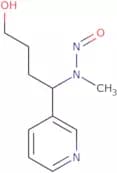
Formula:C24H42O4Purezza:Min. 95%Peso molecolare:394.59 g/mol4-(N-Methyl-N-nitrosamino)-4-(3-pyridyl)butane-1-ol
CAS:4-(N-Methyl-N-nitrosamino)-4-(3-pyridyl)butane-1-ol is a chemical that can be found in tobacco smoke. It has been shown that chronic exposure to 4-(N-methyl-N-nitrosamino)-4-(3-pyridyl)butane-1-ol causes cancer in rodents, as evidenced by increased rates of tumorigenesis. This chemical also has the ability to inhibit butyric acid formation, which may reduce the risk of colon cancer. The carcinogenic effect of this chemical is due to its ability to react with DNA and form adducts that cause methylation at C8 position on guanine nucleotide (G). These adducts lead to mutations, which can lead to cancer.Formula:C10H15N3O2Purezza:Min. 95%Peso molecolare:209.25 g/molrac-prolinol
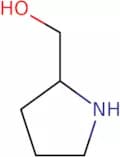
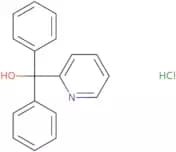
CAS:Rac-prolinol is a picolinic acid derivative that has been shown to inhibit the production of pyrrolidinecarboxylic acid in the form of l-tartaric acid. This inhibition is due to the formation of a hydrogen bond with the hydroxyl group on the substrate molecule, which prevents its conversion into pyrrolidinecarboxylic acid. Rac-prolinol has also been shown to inhibit collagen production in cells. Rac-prolinol binds to receptors that are involved in regulating cell proliferation and differentiation, including transforming growth factor beta receptor and epidermal growth factor receptor. It inhibits collagen synthesis by acting as a competitive inhibitor of proline hydroxylase, an enzyme responsible for catalyzing proline into hydroxyproline. The molecule also inhibits DNA synthesis by binding to the erythrocyte membrane skeleton and blocking ATP synthesis.Formula:C5H11NOPurezza:Min. 95%Peso molecolare:101.15 g/mola,a-Diphenyl-2-pyridinemethanol hydrochloride
CAS:Prodotto controllatoPlease enquire for more information about a,a-Diphenyl-2-pyridinemethanol hydrochloride including the price, delivery time and more detailed product information at the technical inquiry form on this pageFormula:C18H16ClNOPurezza:Min. 95%Peso molecolare:297.78 g/molEltrombopag olamine
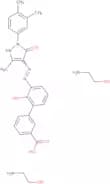
CAS:Eltrombopag olamine is an orally active drug that belongs to the class of thiazolidinones. It has been used for the treatment of thrombocytopenia in patients with chronic liver disease and myelodysplastic syndrome. Eltrombopag olamine inhibits platelet aggregation by binding to glycoprotein IIb/IIIa receptors on the surface of platelets. The drug is a prodrug that is metabolized in vivo to its active form, eltrombopag. This conversion is catalysed by CYP3A4 and CYP2D6 enzymes and can be inhibited by drugs that inhibit these enzymes, such as trifluoroacetic acid and hydroxyl group-containing compounds. Eltrombopag olamine binds to erythrocytes, which may be due to its ability to form intramolecular hydrogen bonds with nitrogen atoms. The synthesis of eltFormula:C25H22N4O4•(C2H7NO)2Purezza:Min. 95%Colore e forma:PowderPeso molecolare:564.63 g/molBromadiolone
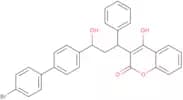
CAS:Bromadiolone NA is a rodenticide that is used in the treatment of rodents in wastewater treatment. Bromadiolone NA has been shown to inhibit the mitochondrial membrane potential, which leads to the release of cytochrome C and activation of caspase 3. Bromadiolone NA also has antioxidative properties that protect against oxidative injury and its metabolites have been found to inhibit human serum albumin. This compound has been used as an antimicrobial agent to control biofilm formation and prevent microbial growth. The mode of action for bromadiolone is through the inhibition of chitosan polymerization, which prevents bacterial attachment and biofilm formation on surfaces. Bromadiolone NA was also shown to bind with DNA, inhibiting replication and transcription.
Formula:C30H23BrO4Purezza:Min. 95%Colore e forma:PowderPeso molecolare:527.41 g/molSodium methanethiolate - 15% aqueous solution
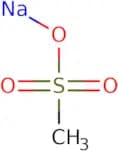
CAS:Sodium methanethiolate is an antimicrobial agent that is a white, crystalline solid. It reacts with trifluoroacetic acid and water to produce the active form of sodium trifluoroacetate. The reaction mechanism is likely due to the formation of a bicyclic heterocycle that has been shown to be effective against a number of bacteria. Sodium methanethiolate has been used for the treatment of infectious diseases, such as respiratory infections and skin infections, as well as autoimmune diseases and cardiovascular disorders. The oxidation catalyst in this compound may also have physiological effects on the body's cells and tissues.Formula:CH3NaSPurezza:Min. 95%Colore e forma:Clear LiquidPeso molecolare:70.09 g/mol1-[(2-Chlorophenyl)-N-(methylimino)methyl]cyclopentanol hydrochloride
CAS:Prodotto controllatoPlease enquire for more information about 1-[(2-Chlorophenyl)-N-(methylimino)methyl]cyclopentanol hydrochloride including the price, delivery time and more detailed product information at the technical inquiry form on this pageFormula:C13H16ClNO•HClPurezza:Min. 95%Peso molecolare:274.19 g/molNaphthalene-1,8-diol
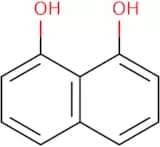
CAS:Naphthalene-1,8-diol is a compound that belongs to the class of polycyclic aromatic hydrocarbons. It has been shown to inhibit polymerase chain reactions (PCR) in a nuclear DNA template. Naphthalene-1,8-diol also inhibits the production of melanin and reduces the number of skin lesions in the wild-type strain of Galleria mellonella. Naphthalene-1,8-diol is an antioxidant compound that has been shown to protect against radiation and dermatitis. This molecule contains a hydroxyl group that can form hydrogen bonds with other molecules. This property may account for its anti-inflammatory effects.Formula:C10H8O2Purezza:Min. 95%Colore e forma:Slightly Brown PowderPeso molecolare:160.17 g/mol2-Bromo-1-indanol
CAS:2-Bromo-1-indanol is an industrial solvent used in the production of dyes, pigments, perfumes, pharmaceuticals, and other organic compounds. It is a chiral compound with two stereoisomers (R and S) that have different properties. The R isomer has a hydroxyl group on the 2 position of the indane ring, while the S isomer does not. The industrial process involves recycling of 2-bromo-1-indanol from the reaction mixture. This process can be monitored using mass spectrometric detection for bromine and hydrogen ions released during hydrolysis. 2-Bromo-1-indanol can be used to synthesize methoxybenzaldehyde with high regioselectivity, which can then be used to make some drugs such as amphetamine and methamphetamine.Formula:C9H9BrOPurezza:Min. 95%Colore e forma:PowderPeso molecolare:213.07 g/mol(3,5-Diiodo-Tyr1,D-Ala2,N-Me-Phe4,glycinol5)-Enkephalin acetate salt
CAS:Prodotto controllatoPlease enquire for more information about (3,5-Diiodo-Tyr1,D-Ala2,N-Me-Phe4,glycinol5)-Enkephalin acetate salt including the price, delivery time and more detailed product information at the technical inquiry form on this pageFormula:C26H33I2N5O6Purezza:Min. 95%Peso molecolare:765.38 g/mol2-[3-(S)-[3-(2-(7-Chloro-2-quinolinyl)ethenyl)phenyl]-3-hydroxypropyl]benzoic acid methyl ester
CAS:2-[3-(S)-[3-(2-(7-Chloro-2-quinolinyl)ethenyl)phenyl]-3-hydroxypropyl]benzoic acid methyl ester is a synthetic compound that can be used as a reagent in the synthesis of polynucleotides and polypeptides. It can also be used as an inhibitor of ketoreductase, which is an enzyme involved in the synthesis of fatty acids and ketones. 2-[3-(S)-[3-(2-(7-Chloro-2-quinolinyl)ethenyl)phenyl]-3-hydroxypropyl]benzoic acid methyl ester has been shown to inhibit the growth of wild type and mutant strains of E. coli. The molecular weight of this compound is 439.Formula:C28H24ClNO3Purezza:Min. 95%Peso molecolare:457.95 g/mol7-Hydroxyquinoline
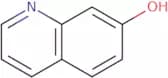
CAS:7-Hydroxyquinoline is a molecule that has been extensively studied in the context of transfer reactions. It is a sodium salt that contains an intermolecular hydrogen bond and an intramolecular hydrogen bond. The proton of 7-hydroxyquinoline can be transferred to the nitrogen atom of a protonated amine, forming an acid complex. This reaction mechanism is kinetically controlled and stabilizes the tautomers of 7-hydoxyquinoline. The hydroxyl group on the quinoline ring can form hydrogen bonds with various groups on other molecules, such as n-dimethyl formamide or deuterium isotope.Formula:C9H7NOPurezza:Min. 95%Colore e forma:Brown PowderPeso molecolare:145.16 g/molBoc-Thionoleu-1-(6-nitro)benzotriazolide
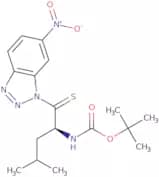
CAS:Please enquire for more information about Boc-Thionoleu-1-(6-nitro)benzotriazolide including the price, delivery time and more detailed product information at the technical inquiry form on this pageFormula:C17H23N5O4SPurezza:Min. 95%Peso molecolare:393.46 g/mol7-Amino-1(2h)-isoquinolinone
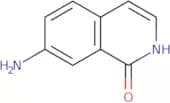
CAS:Please enquire for more information about 7-Amino-1(2h)-isoquinolinone including the price, delivery time and more detailed product information at the technical inquiry form on this page
Formula:C9H8N2OPurezza:Min. 95%Peso molecolare:160.17 g/molDodecylbenzenesulfonic acid, 70% in isopropanol
CAS:Dodecylbenzenesulfonic acid is a sulfonic acid that is used in the production of polyaniline. It is also used as an organic reagent that can be applied in organic synthesis, including polymerization and electrochemical studies. Dodecylbenzenesulfonic acid has been shown to react with sodium salts to form dodecyl benzene, which can be observed by synchronous fluorescence spectroscopy. This chemical has a phase transition temperature of -9°C and a boiling point of 176°C. Dodecylbenzenesulfonic acid is soluble in water vapor, but insoluble in ethanol or acetone.Formula:C18H30O3SPurezza:Min. 95%Colore e forma:Clear LiquidPeso molecolare:326.5 g/mol9,11b-Epoxidetriamcinolone
CAS:Please enquire for more information about 9,11b-Epoxidetriamcinolone including the price, delivery time and more detailed product information at the technical inquiry form on this page
Formula:C21H26O6Purezza:Min. 95%Peso molecolare:374.43 g/molGarcinol
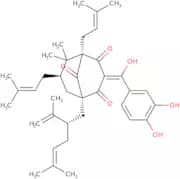
CAS:Polyisoprenylated benzophenone from Garcinia indica; HAT inhibitorFormula:C38H50O6Purezza:Min. 97 Area-%Colore e forma:Yellow PowderPeso molecolare:602.8 g/mol(1S, 2R)-1-Phenyl-2-(1-pyrrolidinyl)-1-propanol
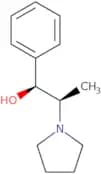
CAS:Prodotto controllatoPlease enquire for more information about (1S, 2R)-1-Phenyl-2-(1-pyrrolidinyl)-1-propanol including the price, delivery time and more detailed product information at the technical inquiry form on this pageFormula:C13H19NOPurezza:Min. 95%Colore e forma:PowderPeso molecolare:205.3 g/mol2-Aminoresorcinol
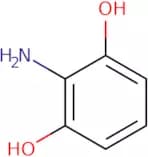
CAS:2-Aminoresorcinol is a synthetic chemical compound that inhibits the reaction of amines with chlorine atoms. It is used as an intermediate in the production of resorcinol and 2-aminophenol. The reaction mechanism involves the formation of a chloramine (chlorine atom attached to an amine) which, in turn, reacts with malonic acid to produce an intermediate that undergoes intramolecular hydrogen transfer. This reaction results in the formation of a chloroform molecule. A second step involves hydroxylation by hydrochloric acid, which leads to the formation of chloral hydrate. In this way, 2-aminoresorcinol can be used for the synthesis of both resorcinol and 2-aminophenol. 2-Aminoresorcinol is also known for its inhibitory effects on certain reactions involving amines and sulfur compounds such as thiourea and carbonyl compounds such as malonic acid.
Formula:C6H7NO2Purezza:Min. 95%Colore e forma:White To Dark Brown SolidPeso molecolare:125.13 g/molTetrahydropyran-2-methanol
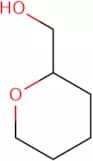
CAS:Tetrahydropyran-2-methanol is a hydrogenated, hydrated, triflic acid derivative that belongs to the group of organic compounds known as ethers. The presence of a hydroxyl group on one end and a chloride group on the other end provides tetrahydropyran-2-methanol with two reactive sites for reactions with metals. It has been shown to react with metal surfaces in order to form an adduct under acidic conditions that can be used as an ion exchange resin. Tetrahydropyran-2-methanol also reacts rapidly with hydrochloric acid to form tetrahydrothiophene and methanol. This reaction time can be sped up by heating the liquid at atmospheric pressure or by adding sulfuric acid. Tetrahydropyran-2-methanol is also capable of reacting with water in order to produce hydrogen gas and alcohol.Formula:C6H12O2Purezza:Min. 98%Peso molecolare:116.16 g/mol3,5-Bis(trifluoromethyl)phenol
CAS:3,5-Bis(trifluoromethyl)phenol (3,5-TFMP) is a nucleophilic compound that is soluble in organic solvents. It has acidic properties and enhances the rate of nucleophilic substitution reactions. 3,5-Bis(trifluoromethyl)phenol has been shown to be a size-exclusion chromatography stationary phase for separation of organic compounds. 3,5-TFMP has also been shown to have magnetic resonance spectroscopy properties. This compound is stable in supercritical carbon dioxide and can be used as a gravimetric analysis reagent. 3,5-Bis(trifluoromethyl)phenol is also able to form hydrogen bonds with other molecules and has the ability to bind fluorine atoms.
Formula:C8H4F6OPurezza:Min. 95%Colore e forma:Colorless Clear LiquidPeso molecolare:230.11 g/mol5-Bromo-3-fluorophenol
CAS:5-Bromo-3-fluorophenol is a chemical compound that is modified by hydrogen bonding. It displays anti-cancer activity against various human cancer cells, including breast and prostate cancer cells. 5-Bromo-3-fluorophenol also inhibits nicotinic acetylcholine receptors and the enzyme acetylcholinesterase, which are important for the function of the nervous system. This drug has been shown to interact with acetylcholine receptor sites on the surface of tumor cells, which may lead to apoptosis. The pharmacophore for 5-bromo-3-fluorophenol is a phenolic OH group linked to an aromatic ring with two nitro groups.Formula:C6H4BrFOPurezza:Min. 95%Colore e forma:PowderPeso molecolare:191 g/mol2,4-Dimethoxyphenylmethylcarbinol
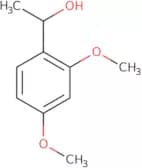
CAS:2,4-Dimethoxyphenylmethylcarbinol is a benzene derivative that can be synthesized from 2,4-dimethoxybenzaldehyde and formaldehyde. This compound is an efficient reductant for hydrazine and has been used as a screening agent for new drugs. It is also a pharmacological active substance with anti-inflammatory properties. 2,4-Dimethoxyphenylmethylcarbinol has shown activity against carrageenan-induced rat paw edema, as well as the vessel and ultrasonic effects of irradiation.Formula:C10H14O3Purezza:Min. 95%Peso molecolare:182.22 g/mol3,4-Dichlorothiophenol
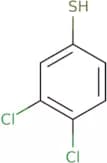
CAS:3,4-Dichlorothiophenol is a chemical compound that belongs to the group of reactive compounds. It can be used as a chemical intermediate for the synthesis of other organic compounds. 3,4-Dichlorothiophenol is an inhibitor of methylating enzymes such as glyoxalase I and II and glyceraldehyde-3-phosphate dehydrogenase. This inhibition leads to the accumulation of methylglyoxal and 3-deoxyglucosone in cells, which are potent inhibitors of protein glycosylation. 3,4-Dichlorothiophenol also inhibits nucleophilic attack on DNA by epoxide hydrolases such as epoxide hydrolase 1 and 2. This inhibition results in the accumulation of reactive metabolites that are covalently adducted with DNA bases.Formula:C6H4Cl2SPurezza:Min. 95%Peso molecolare:179.07 g/mol4-[(4-Nitrophenyl)-azo]-phenol
CAS:4-[(4-Nitrophenyl)-azo]-phenol is a molecular compound that has a nitro group, an azo group, and a phenolic hydroxyl group. It's also known as nitrophenyl diazonium salt. 4-[(4-Nitrophenyl)-azo]-phenol is used in the synthesis of other compounds such as dyes and pharmaceuticals. The magnetic resonance spectroscopy and optical microscope techniques were used to study the chemical structure of 4-[(4-Nitrophenyl)-azo]-phenol. The titration method was used to determine the purity of this compound. 4-[(4-Nitrophenyl)-azo]-phenol has been shown to have mesomorphic properties, which are exhibited by its ability to be either solid or liquid at room temperature (25°C). This property may be due to its functional groups that stabilize it in both states.
Purezza:Min. 95%1-O-Octadecyl-sn-glycerol
CAS:1-O-Octadecyl-sn-glycerol (1ODG) is a dietary lipid that is absorbed by the gastrointestinal tract and transported to the liver. It is used in cell culture as a substitute for lipids that are not available or cannot be used for experiments. 1ODG is also found in human lung and colon tissues, where it may act as a growth factor. 1ODG has been shown to inhibit herpes simplex virus type I (HSV-1) replication in cultured cells by increasing intracellular calcium levels and inhibiting viral DNA synthesis. It can also increase fatty acid synthesis and induce cellular proliferation of tissue culture cells, such as lung fibroblasts.Formula:C21H44O3Purezza:Min. 95%Peso molecolare:344.57 g/mol3-Bromo-4-fluorophenol
CAS:3-Bromo-4-fluorophenol is a synthetic, water soluble, and stable compound with a variety of applications. It yields white crystals that are soluble in water, acetone, ethanol, ether, benzene, chloroform, and carbon tetrachloride. 3-Bromo-4-fluorophenol has been shown to have a number of structural modifications that may be advantageous for therapeutic purposes. The most prominent modification is the methylation of the phenolic hydroxyl group (functionalisation). This modification prevents the drug from reacting with nucleophilic sites on proteins and other biological molecules. 3-Bromo-4-fluorophenol interacts with methyltransferase enzymes in cancer cells to inhibit their activity. These methyltransferase enzymes are involved in cellular proliferation and proliferation signalling pathways that may lead to cancer cell death.Formula:C6H4BrFOPurezza:Min. 95%Colore e forma:PowderPeso molecolare:191 g/molCinnamyl alcohol
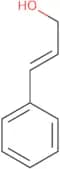
CAS:Cinnamyl alcohol is a substance that belongs to the group of organic compounds called alcohols. It has been shown to be an inhibitor of enzymes such as alcohol dehydrogenase and lignin peroxidase, which are involved in the production of lignin. Cinnamyl alcohol also inhibits the synthesis of proteins, nucleic acids, and other cellular components. Cinnamyl alcohol has significant cytotoxicity against tumor cells, with biochemical properties that make it a good candidate for cancer treatment.Formula:C9H10OPurezza:Min. 98 Area-%Colore e forma:White PowderPeso molecolare:134.18 g/molOctreotide trifluoroacetate salt (Dimer, Antiparallel) (
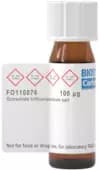
Please enquire for more information about Octreotide trifluoroacetate salt (Dimer, Antiparallel) ( including the price, delivery time and more detailed product information at the technical inquiry form on this pageFormula:C98H132N20O20S4Purezza:Min. 95%Peso molecolare:2,038.48 g/mol4-Bromobenzene-1,2-diol
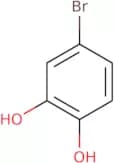
CAS:4-Bromobenzene-1,2-diol is a reactive substance that has been shown to have receptor binding and reaction intermediates. It has been shown to inhibit the formation of reactive oxygen species in rat liver microsomes. The formation rate of 4-bromobenzene-1,2-diol is increased by carbon source such as bromobenzene. This substance has also been shown to be an inhibitor of the reaction mechanism. 4-Bromobenzene-1,2-diol is used as a reactant in organic synthesis reactions and can be found in dry weight measurements.
Formula:C6H5BrO2Purezza:Min. 95%Peso molecolare:189.01 g/mol2-Propyl-1-heptanol
CAS:2-Propyl-1-heptanol (2PH) is a phenolic compound that has been used as a sealant for wounds. 2PH forms a chemical bond with chloride ions, which is the reaction mechanism for its effectiveness. 2PH has been shown to be effective in human data, but the carcinogenic potential of this chemical is unknown. This chemical may also have pharmaceutical uses, such as being an ingredient in pharmaceutical preparations. 2PH is toxic to cells and can cause cell death by interfering with fatty acid and protein synthesis. The toxicity of 2PH varies depending on the type of cell it comes into contact with and other factors, such as its concentration or duration of exposure.Formula:C10H22OPurezza:Min. 95%Colore e forma:Clear Colourless LiquidPeso molecolare:158.28 g/molDimethyl benzyl carbinol acetate
CAS:Dimethyl benzyl carbinol acetate is a polymer that forms a film on the skin and prevents water loss. It has been shown to have enzyme-inhibiting properties, which may be due to its ability to prevent geranyl production. Dimethyl benzyl carbinol acetate has also been used as a sealant in microcapsules, which are then broken down by enzymes in order to release the contents of the capsule. Dimethyl benzyl carbinol acetate can also be used as an antimicrobial agent, where it inhibits bacterial cell growth by interfering with fatty acid synthesis.
Purezza:Min. 95%4-Chloro-6-methoxyquinoline
CAS:4-Chloro-6-methoxyquinoline is an inhibitor of bacterial DNA gyrase. It has antibacterial activity against Gram-positive and Gram-negative bacteria, including Staphylococcus aureus, Enterococcus faecalis, and Pseudomonas aeruginosa. 4-Chloro-6-methoxyquinoline is a synthetic compound that was reinvestigated for its antibacterial activity. It has been shown to be effective in the treatment of Staphylococcal infections. The mechanism of action may involve inhibition of topoisomerase II or interference with the synthesis of DNA by binding to the enzyme bacterial DNA gyrase. Quinidine and cinchonidine are quinine derivatives that have been found to inhibit bacterial DNA gyrase. These compounds are found in the bark of Cinchona species, which includes Cinchona ledgeriana, Cinchona officinalis, and Cinchona succirubFormula:C10H8ClNOPurezza:Min. 95%Peso molecolare:193.63 g/mol(alphaR)-alpha-[[[2-(4-Nitrophenyl)ethyl]amino]methyl]benzenemethanol hydrochloride
CAS:Intermediate in the synthesis of mirabegron
Formula:C16H18N2O3·HClPurezza:Min. 95%Peso molecolare:322.79 g/mol3-Bromobenzyl alcohol
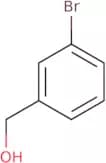
CAS:3-Bromobenzyl alcohol (3BA) is a potent inhibitor of farnesyl diphosphate synthase, which is an enzyme that catalyzes the conversion of dimethylallyl diphosphate and 5,6,7,8-tetrahydrofolic acid to farnesyl diphosphate. It has been shown to be effective in the treatment of cancer. 3BA blocks the synthesis of farnesyl diphosphate and protein geranylgeranylation. It also inhibits tumor growth by inducing apoptosis. The efficacy of 3BA is limited by its toxicity at high concentrations. 3BA has also been found to inhibit nitrous oxide production in mice and rats.Formula:C7H7BrOPurezza:Min. 95%Colore e forma:PowderPeso molecolare:187.03 g/mol5-Nitro-2-aminophenol
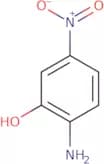
CAS:5-Nitro-2-aminophenol is an aminophenol that has been shown to be a carcinogen in animal studies. It can cause allergic reactions and has been shown to have oxidative DNA damage, which can lead to cancer. 5-Nitro-2-aminophenol is used as a chemical intermediate in the preparation of other chemicals and pharmaceuticals. This chemical has been studied extensively for its analytical properties and is used as a reagent in chromatography. The coordination geometry of 5-nitro-2-aminophenol is octahedral, with nitro groups occupying one axial site each. The toxicity of this compound in animals has been studied extensively, including carcinogenic potential and mutagenicity studies, and it has been shown to inhibit the growth of cultured cells at high concentrations.Formula:C6H6N2O3Purezza:Min. 95%Peso molecolare:154.12 g/mol(1,4-Dioxidoquinoxaline-2,3-diyl)dimethanol
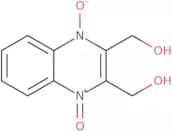
CAS:Polymyxin B is a cationic peptide antibiotic that is effective in the treatment of infectious diseases. It has been shown to inhibit growth of Gram-negative bacteria by binding to the outer membrane and disrupting osmotic balance. Polymyxin B has been shown to be toxic to liver cells, but it can be used as an antimicrobial agent in combination with ethylene diamine and clastogenic agents such as hydrochloric acid and hydrogen peroxide. This drug also has genotoxic effects. Polymyxin B has high resistance to hydrolysis by hydroxyl group-containing enzymes, making it a broad-spectrum antimicrobial agent that is active against Gram-positive bacteria, Gram-negative bacteria, and mycobacteria.Formula:C10H10N2O4Purezza:Min. 95%Colore e forma:PowderPeso molecolare:222.2 g/mol2-Pyrimidinemethanol
CAS:2-Pyrimidinemethanol is a pyrimidine derivative that is used as a starting material for the synthesis of other compounds. 2-Pyrimidinemethanol is introduced into the body through the skin, lungs and gastrointestinal tract. It has been shown to cause sensitization in humans and rats, with photoexcitation being an important factor in its activity. 2-Pyrimidinemethanol binds to DNA and inhibits protein synthesis by inhibiting ribonucleotide reductase (RNR). The active site of this enzyme contains iron, which is why this compound may be toxic to humans.Formula:C5H6N2OPurezza:Min. 95%Colore e forma:Light (Or Pale) Yellow To Brown LiquidPeso molecolare:110.11 g/mol2,3,6,7,10,11-Triphenylenehexathiol
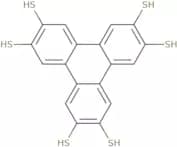
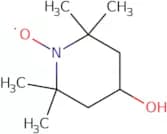
CAS:2,3,6,7,10,11-Triphenylenehexathiol is a drug that belongs to the class of disulfide bonds. It is used as a fluorescent probe in biochemical studies and has been shown to be an inhibitor of transcription-polymerase chain reaction (PCR) and protein synthesis. 2,3,6,7,10,11-Triphenylenehexathiol inhibits the activity of enzymes that maintain cellular homeostasis by binding with sulfur atoms in their active site. This drug also binds to nerve cells in the trigeminal nerve and may have anti-inflammatory properties.Formula:C18H12S6Purezza:Min. 92 Area-%Colore e forma:Green PowderPeso molecolare:420.68 g/mol2,2,6,6-Tetramethyl-4-piperidinol 1-oxyl, free radical
CAS:2,2,6,6-Tetramethyl-4-piperidinol 1-oxyl (TEMPO) is a reactive oxygen species that belongs to the group of nitroxide radicals. It can be used as a radical scavenger and has been shown to inhibit the production of pro-apoptotic proteins in human macrophages. TEMPO has also been shown to bind to DNA and prevent the binding of HIV viral protein gp120. TEMPO can be used as an inhibitor for glycol ethers in laboratory experiments. The most common use is as a water vapor scavenger during polymerization reactions in organic chemistry.Formula:C9H18NO2Purezza:Min. 98 Area-%Colore e forma:Orange SolidPeso molecolare:172.24 g/molCyclopent-2-en-1-ol
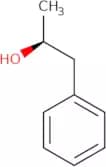
CAS:Cyclopent-2-en-1-ol is a reactive monomer that can react with chloride and hydroxyl groups. It can also undergo reaction with sodium carbonate to form a cyclic ester. Cyclopent-2-en-1-ol can be converted to an epoxide by the use of acid catalyst. This compound also has the ability to polymerize, forming polymers that are used in rayon production.Formula:C5H8OPurezza:Min. 95%Colore e forma:Clear LiquidPeso molecolare:84.12 g/mol(S)-1-Phenyl-2-propanol
CAS:(S)-1-Phenyl-2-propanol is a chiral, enantiopure alcohol that is used as a substrate for the preparation of various drugs. It can be prepared by the reduction of (R)-1-phenyl-2-propanol with sodium borohydride. To obtain the desired product, high substrate concentrations are required. Molecular modeling and bioreactor studies have shown that this process can also be carried out in cells. Subtilis sps. were found to be suitable for this process due to their ability to synthesize (S)-1-phenyl-2-propanol from 6-phosphate and l-tert-leucine in a stepwise manner. The use of subtilis sps. may reduce the cost and time needed for production of (S)-1-phenyl-2-propanol because it does not require expensive starting materials or purification steps.END>>Formula:C9H12OPurezza:Min. 95%Colore e forma:Clear LiquidPeso molecolare:136.19 g/mol2-O-Benzyl-3-O-allyl-sn-glycerol
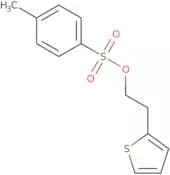
CAS:Please enquire for more information about 2-O-Benzyl-3-O-allyl-sn-glycerol including the price, delivery time and more detailed product information at the technical inquiry form on this pageFormula:C13H18O3Purezza:Min. 95%Peso molecolare:222.28 g/mol2-Thiopheneethanol tosylate
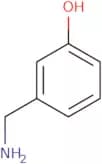
CAS:2-Thiopheneethanol tosylate (2TEtOS) is an antitubercular agent that belongs to the class of thiopheneethanol esters. It is a potent inhibitor of Mycobacterium tuberculosis and other bacteria by blocking the transfer reactions that are required for bacterial growth. The molecular structure of 2TEtOS consists of a thiophene ring with an allyl group attached to it and a chiral sulfur atom in the center. This molecule can be derivatized with various ligands, which enables the control experiments to be performed. 2TEtOS has been shown to have redox potentials and diffraction properties that are similar to those of borohydride reduction agents, suggesting that 2TEtOS may also act as a reducing agent.Formula:C13H14O3S2Purezza:Min. 95%Peso molecolare:282.38 g/mol3-(Aminomethyl)phenol
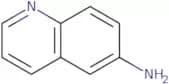
CAS:3-(Aminomethyl)phenol is a potent inhibitor of growth factor receptor kinase (GRK) and protein kinase C. It has been shown to have inhibitory effects on cellular proliferation in mammalian cells and is being investigated as an adjuvant therapy for cancer treatment. 3-(Aminomethyl)phenol has also been shown to inhibit the enzyme cyclooxygenase-2, which is involved in the synthesis of prostaglandins. DISCUSSION: The carbonyl group of 3-(aminomethyl)phenol makes it a potent inhibitor of GRKs and protein kinases C. Kinases are enzymes that catalyze the addition of phosphate groups onto proteins, which affects their activity. As such, 3-(aminomethyl)phenol inhibits the activity of GRKs and protein kinases C by binding to the ATP-binding site, preventing ATP from binding and phosphorylating the enzyme's target proteinsFormula:C7H9NOPurezza:Min. 95%Peso molecolare:123.15 g/mol6-Aminoquinoline
CAS:6-Aminoquinoline is a chemical compound that is used as an intermediate in the synthesis of other compounds. It has been found to be effective in inhibiting the growth of human cancer cells and cell lines by binding to amines, which are important for cell proliferation. 6-Aminoquinoline also inhibits epidermal growth factor (EGF) and its receptor, which may be due to its ability to inhibit the transfer of phosphate groups from ATP to EGF. 6-Nitroquinoline, which is derived from 6-aminoquinoline, has been shown to have antiinflammatory activity.
Formula:C9H8N2Purezza:Min. 95%Colore e forma:Yellow PowderPeso molecolare:144.17 g/mol2-Bromo-6-methylpyridin-3-ol
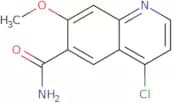
CAS:2-Bromo-6-methylpyridin-3-ol is a heterocyclic organic compound. It is a pyridine ring with two methyl groups attached to the ring at positions 2 and 6. The bromine atom is at position 3. This is an important intermediate in the Suzuki coupling reaction, which uses it as a starting material for the synthesis of many other compounds. The dieckmann condensation reaction produces this compound from 2,6-dichloropyridine and other reagents. Fluorescent when exposed to UV light, this compound has been used as a probe for chloride ions in solution using mass spectroscopy. This substance also yields dieckmann condensation products with alkynes and chlorine or bromine. 2-Bromo-6-methylpyridin-3-ol can be produced by treating pyridine with methylacrylate in the presence of catalysts such as copper(II)Formula:C6H6BrNOPurezza:Min. 95%Peso molecolare:188.02 g/mol4-Chloro-7-methoxyquinoline-6-carboxamide
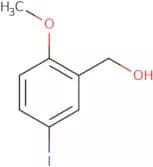
CAS:Intermediate in the synthesis of lenvatinibFormula:C11H9ClN2O2Purezza:Min. 95%Peso molecolare:236.65 g/mol5-Iodo-2-methoxybenzyl alcohol
CAS:5-Iodo-2-methoxybenzyl alcohol (5IMB) is a conjugate that inhibits tubulin polymerization and mitochondrial membrane integrity. It has significant inhibitory effects on colchicine-induced apoptosis in colon cancer cells, inducing apoptotic cell death by the activation of caspase 3 and annexin. 5IMB also has an inhibitory effect on mitochondria, leading to mitochondrial membrane depolarization and apoptotic cell death. This conjugate also induces the death of human cancer cells, specifically mcf-7, which are involved in tumour growth and metastasis. The mechanism of action for 5IMB is through its ability to induce mitochondrial membrane depolarization, leading to apoptotic cell death.Formula:C8H9O2IPurezza:Min. 95%Peso molecolare:264.06 g/mol4-Chlorophenethyl alcohol
CAS:4-Chlorophenethyl alcohol is a synthetic, primary alcohol. It can be synthesized by reacting 2,4-dichlorobenzoic acid with a Grignard reagent. The reaction produces 4-chlorophenethyl alcohol, which is insoluble in water and reacts with chloride to form chloroform. This procedure can be used to produce other chlorinated alcohols. 4-Chlorophenethyl alcohol has been shown to have acute toxicities that are similar to those of trifluoroacetic acid and it is believed that the toxicity is due to its ability to react with proteins and nucleic acids.Formula:C8H9ClOPurezza:Min. 95%Colore e forma:PowderPeso molecolare:156.61 g/mol1-Oleoyl-3-palmitoyl-rac-glycero-2-phosphoethanolamine
CAS:Please enquire for more information about 1-Oleoyl-3-palmitoyl-rac-glycero-2-phosphoethanolamine including the price, delivery time and more detailed product information at the technical inquiry form on this page
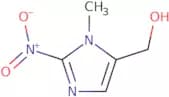
Formula:C39H76NO8PPurezza:Min. 95%Peso molecolare:718 g/mol(3-Methyl-2-nitro-3H-imidazol-4-yl)methanol
CAS:3-Methyl-2-nitro-3H-imidazol-4-yl)methanol is a fluorescent probe that can be used to detect hypoxic tumor cells. It has been shown to selectively react with the methylethyl group in Trichomonas vaginalis. 3-Methyl-2-nitro-3H-imidazol-4-yl)methanol is bioreductive and can be activated by nitro groups in proteins, which are found in the active site of enzymes such as bacterial dna gyrase. This probe has been shown to bind to the sn38 position of bacterial DNA, but not mammalian DNA.Formula:C5H7N3O3Purezza:Min. 95%Peso molecolare:157.13 g/molcis-4-Cyclopentene-1,3-diol
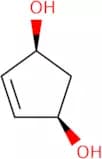
CAS:cis-4-Cyclopentene-1,3-diol is a useful chemical intermediate that can be converted to diacetate, acetylation, or chloroacetate. It has a reactive functional group that can be used for synthesizing polymers and other compounds. cis-4-Cyclopentene-1,3-diol is also an excellent substrate for lipase reactions and it reacts with hydrogen fluoride to give desired products. This section has conformational properties that make it suitable for hydrogen bonding and can act as a ligand in coordination chemistry. cis-4-Cyclopentene-1,3-diol is also able to undergo substitution at the carbonyl carbon atom by various reagents such as fluorine.Formula:C5H8O2Purezza:Min. 95%Colore e forma:PowderPeso molecolare:100.12 g/molH-Tyr-L-1,2,3,4-tetrahydroisoquinoline-3-carboxamide·HCl
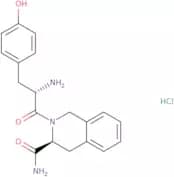
CAS:H-Tyr-L-1,2,3,4-tetrahydroisoquinoline-3-carboxamide·HCl is a monoclinic crystalline compound. It has a molecular weight of 607.14 and contains the dipeptide Tyr-Lys in its structure. H-Tyr-L-1,2,3,4-tetrahydroisoquinoline-3-carboxamide·HCl crystallizes in the P21/c space group and has an asymmetric unit cell with dimensions a=8.851 Å, b=7.965 Å and c=5.98 Å. This compound has been shown to have antibacterial properties against methicillin resistant Staphylococcus aureus (MRSA) isolates and Clostridium perfringens strains by inhibiting bacterial protein synthesis through inhibition of peptidyl transferase activity.Formula:C19H21N3O3·HClPurezza:Min. 95%Peso molecolare:375.85 g/mol(R)-(+)-3-Chloro-1-phenyl-1-propanol
CAS:(R)-(+)-3-Chloro-1-phenyl-1-propanol is a substrate for the lactamase of bacteria. The immobilized lipase catalyzes the hydrolysis reaction in which the lactam ring is broken, yielding a propiophenone intermediate. This intermediate can be converted to (S)-(+)-3-chloro-1-phenylpropanol by treatment with an alcohol oxidase or by hydrolysis with hydrogen peroxide. The product has been shown to have antidepressant activity and may modulate the dry weight of bacteria. In vivo studies show that this compound has a high concentration in rats and mice, but it is not active in humans.Formula:C9H11ClOPurezza:Min. 95%Colore e forma:White To Yellow SolidPeso molecolare:170.64 g/mol2,9-Bis(2-Phenylethyl)anthra(2,1,9-def:6,5,10-d'e'f')diisoquinoline-1,3,8,10(2H,9H)-tetrone
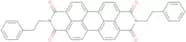
CAS:2,9-Bis(2-phenylethyl)anthraquinone (BPAQ) is a synthetic compound that is used as an fluorescent probe to study biological processes. BPAQ binds to peptides and inhibits their binding to the surface of cells. This property has been used in diagnostic tests for stenosis, infantum, and other conditions. BPAQ has also been shown to inhibit HIV-1 replication in human cells by binding to the HIV-1 envelope protein gp120 and blocking its interaction with CD4 receptors on host cells. The discovery of the antiviral activity of BPAQ was based on its ability to inhibit leishmania growth in animals.Formula:C40H26N2O4Purezza:Min. 95%Colore e forma:PowderPeso molecolare:598.65 g/mol14-Azido-3,6,9,12-tetraoxatetradecanol
CAS:Please enquire for more information about 14-Azido-3,6,9,12-tetraoxatetradecanol including the price, delivery time and more detailed product information at the technical inquiry form on this pageFormula:C10H21N3O5Purezza:Min. 95%Peso molecolare:263.29 g/molCloprostenol sodium
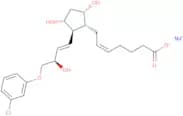
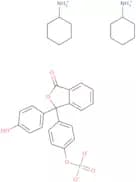
CAS:Cloprostenol sodium is a prostaglandin analogue that is used in veterinary medicine. It is administered intravenously to induce ovulation, improve estrus and fertility, or control luteal function in cows. Cloprostenol sodium has been shown to have a positive effect on the ovulatory process by stimulating the release of endogenous progesterone and estradiol benzoate from the follicle cells. This drug also increases luteal activity by increasing the production of progesterone and inhibiting its metabolism. Cloprostenol sodium has been shown to be effective in inducing ovulation in pregnant women who do not respond to clomiphene citrate (CC) alone. Cloprostenol sodium can also be used for induction of labour in pregnant women with an uncomplicated pregnancy at term, where it is given intravenously or intramuscularly, but intravaginally or orally are not recommended.Formula:C22H28ClNaO6Purezza:Min. 95%Colore e forma:White PowderPeso molecolare:446.9 g/molPhenolphthalein monophosphate di(cyclohexylammonium)
CAS:Phenolphthalein monophosphate di(cyclohexylammonium) is a fine chemical that can be used as a building block in research, reagent, or speciality chemical. It is a versatile building block and reaction component that can be used as an intermediate to make other compounds. Phenolphthalein monophosphate di(cyclohexylammonium) is also used as a scaffold for the synthesis of complex chemicals. This complex compound has CAS number 14815-59-9.Formula:C20H15O7P•2C6H13NPurezza:Min. 90%Colore e forma:PowderPeso molecolare:596.65 g/mol





![2-Bromobenzo[d]thiazol-6-ol](/_next/image/?url=https%3A%2Fstatic.cymitquimica.com%2Fproducts%2F3D%2Fthumb-webp%2FFB144121.webp&w=3840&q=75)
![2'-[(1H-Tetrazol-5-yl)biphenyl-4-yl]methanol](/_next/image/?url=https%3A%2Fstatic.cymitquimica.com%2Fproducts%2F3D%2Fthumb-webp%2FFT28188.webp&w=3840&q=75)
![2-[(4-Phenylpiperazin-1-yl)carbonyl]phenol](/_next/image/?url=https%3A%2Fstatic.cymitquimica.com%2Fproducts%2F3D%2Fthumb-webp%2FFP131062.webp&w=3840&q=75)

![{1-[2-(4-Methylphenoxy)ethyl]-1H-benzimidazol-2-yl}methanol](/_next/image/?url=https%3A%2Fstatic.cymitquimica.com%2Fproducts%2F3D%2Fthumb-webp%2FFM135811.webp&w=3840&q=75)
![(S)-5,6,6a,7-Tetrahydro-6-methyl- 4H-dibenzo[de,g]quinoline-10,11-diol hydrochloride](/_next/image/?url=https%3A%2Fstatic.cymitquimica.com%2Fproducts%2F3D%2Fthumb-webp%2FFT46165.webp&w=3840&q=75)



![4-[(4-Chlorophenyl)phenylmethyl]-1-piperazineethanol dihydrochloride](/_next/image/?url=https%3A%2Fstatic.cymitquimica.com%2Fproducts%2F3D%2Fthumb-webp%2FFC53582.webp&w=3840&q=75)



![1-[(2-Chlorophenyl)-N-(methylimino)methyl]cyclopentanol hydrochloride](/_next/image/?url=https%3A%2Fstatic.cymitquimica.com%2Fproducts%2F3D%2Fthumb-webp%2FFC146990.webp&w=3840&q=75)

![2-[3-(S)-[3-(2-(7-Chloro-2-quinolinyl)ethenyl)phenyl]-3-hydroxypropyl]benzoic acid methyl ester](/_next/image/?url=https%3A%2Fstatic.cymitquimica.com%2Fproducts%2F3D%2Fthumb-webp%2FFC20038.webp&w=3840&q=75)




![4-[(4-Nitrophenyl)-azo]-phenol](/_next/image/?url=https%3A%2Fstatic.cymitquimica.com%2Fproducts%2F3D%2Fthumb-webp%2FFN31052.webp&w=3840&q=75)




![(alphaR)-alpha-[[[2-(4-Nitrophenyl)ethyl]amino]methyl]benzenemethanol hydrochloride](/_next/image/?url=https%3A%2Fstatic.cymitquimica.com%2Fproducts%2F3D%2Fthumb-webp%2FFN156825.webp&w=3840&q=75)