Alcoli
Sottocategorie di "Alcoli"
Trovati 5818 prodotti di "Alcoli"
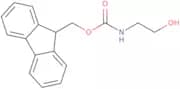
Fmoc-glycinol
CAS:Fmoc-glycinol is a synthetase that is used to synthesize glycinol conjugates. It binds to the receptor on Gram-positive bacteria and blocks the synthesis of bacterial cell wall, leading to cell death. Fmoc-glycinol has been shown to have high binding constants with amines and an acyl chain, which allows it to bind with antigen. Fmoc-glycinol also has strong nucleophilic properties that allow it to react with chloride ions in water and other polar solvents. This reaction mechanism leads to the formation of a new bond between two molecules, which is called a glycinol linkage.Formula:C17H17NO3Purezza:Min. 95%Colore e forma:White PowderPeso molecolare:283.32 g/molQuinoline-5-carboxylic acid
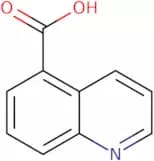
CAS:Quinoline-5-carboxylic acid is a peroxide that is produced by the oxidation of quinoline derivatives. Quinoline-5-carboxylic acid has been shown to have antibacterial activity, and it also has affinity values for chloride ions. The chemical isomers of quinoline-5-carboxylic acid are called quninolines, which are produced by the hydrolysis of quinoline-5-carboxylic acid. Quinolines can be obtained by the oxidation of aniline. Quinolines have been shown to catalyze reactions with carbonyl groups in organic molecules, such as the reaction between an alkoxycarbonyl group and a hydroxyl group to form an aldehyde or ketone. Kinetic data for this reaction was obtained using titration calorimetry.
Formula:C10H7NO2Purezza:Min. 95%Colore e forma:White To Beige To Light Brown To Grey SolidPeso molecolare:173.17 g/molVanillyl alcohol
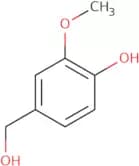
CAS:Vanillyl alcohol is a vanillin derivative that exhibits strong antibacterial activity. It can be used in the food industry as a natural preservative, and it has synergic effects with eugenol. Vanillyl alcohol shows antimicrobial properties against Gram-positive and Gram-negative bacteria, including Staphylococcus aureus, Pseudomonas aeruginosa, Escherichia coli, and Enterococcus faecalis. Vanillyl alcohol exhibits synergic effects with eugenol. In vivo models show that vanillyl alcohol is not toxic to humans, but it may be toxic to wild-type strains of bacteria.Formula:C8H10O3Purezza:Min. 98 Area-%Colore e forma:White PowderPeso molecolare:154.16 g/mol2-Bromo-4-methylphenol
CAS:2-Bromo-4-methylphenol is an organic compound that has interactive effects with hydrochloric acid, molybdenum, and trifluoromethanesulfonic acid. It is soluble in water vapor, but insoluble in polyvinyl. 2-Bromo-4-methylphenol reacts with sodium hydroxide solution to form a hydroxide solution and sodium carbonate. The reaction product of 2-bromo-4-methylphenol with triterpenoid saponin produces fatty acids. This reaction occurs because the hydroxide ion from the sodium hydroxide solution attacks the ester group of the saponin, forming an alcohol group on one end and a carboxylic acid group on the other end. The benzyl groups are removed by hydrogenation to produce phenol.
Formula:C7H7BrOPurezza:Min. 95%Peso molecolare:187.03 g/mol1,5-Hexadiene-3,4-diol
CAS:1,5-Hexadiene-3,4-diol is an organic compound that is used as a pharmaceutical intermediate. It has been shown to be effective in the treatment of infectious diseases and inflammatory diseases. 1,5-Hexadiene-3,4-diol has been shown to inhibit the transport rate of bacterial vaginosis and inflammatory diseases. The active form of this drug is soluble in water and it can be used as a vaginal gel preparation or eye drops. This drug has also been shown to have film forming properties and to act as a membrane system stabilizer. 1,5-Hexadiene-3,4-diol may also be used for the production of insoluble polymers and films.Formula:C6H10O2Purezza:Min. 95%Colore e forma:Colorless Clear LiquidPeso molecolare:114.14 g/mol2-Bromoquinoline
CAS:2-Bromoquinoline is an antimicrobial agent that binds to bacterial receptors. It is a bifunctional molecule with two reactive groups: a hydroxyl group and a nitrogen atom. 2-Bromoquinoline has been shown to inhibit the growth of various bacteria, including Mycobacterium tuberculosis, Staphylococcus epidermidis and Streptococcus pyogenes, by preventing the formation of a proton gradient across the bacterial membrane. 2-Bromoquinoline also inhibits hyperproliferative diseases such as amyloidosis in mice by binding to amyloid fibrils. This drug has been shown to cause DNA damage in mammalian cells, which may be due to its ability to form hydrogen bonds with methyl ethyl groups on DNA bases.Formula:C9H6BrNPurezza:Min. 95%Colore e forma:White To Yellow To Pink SolidPeso molecolare:208.05 g/mol3-Chloroisoquinoline
CAS:3-Chloroisoquinoline is a thiolate, which is a reactive chemical group. 3-Chloroisoquinoline has been shown to react with trifluoromethanesulfonic acid to form a compound with biological properties. The amide and palladium complexes of 3-chloroisoquinoline have been prepared in the past. Additionally, the two isomers of 3-chloroisoquinoline are known as the halides and magnetic resonance spectroscopy of this compound has been studied. Structural isomers and functional groups of 3-chloroisoquinoline have also been studied in detail. Tautomers and lactams are structural isomers of 3-chloroisoquinoline that have also been researched extensively. Finally, trifluoroacetic acid reacts with 3-chloroisoquinoline to form an ester product.Formula:C9H6ClNPurezza:Min. 95%Peso molecolare:163.6 g/molOleic acid-biotin - solution in ethanol
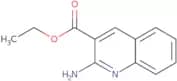
CAS:Oleic acid-biotin is a fine chemical that is used as a versatile building block in the synthesis of complex compounds. It can also be used as a reagent for research purposes, and is a useful building block for the synthesis of various chemicals. Oleic acid-biotin is an intermediate in organic chemistry, and can be used as a reaction component in organic synthesis. It can also act as a scaffold for drug design and development. This product has been shown to have high quality and purity, making it suitable for use in various reactions.Formula:C28H50N4O3SPurezza:Min. 95%Colore e forma:Colorless PowderPeso molecolare:522.79 g/molEthyl-2-aminoquinoline-3-carboxylate
CAS:Ethyl-2-aminoquinoline-3-carboxylate is an intramolecular reductive coupling product. It was synthesized by the reductive coupling of nitrobenzene with triethylamine in the presence of a copper salt. The use of ethyl cyanoacetate as a starting material for this synthesis has been shown to produce regioselective products with high yields. Ethyl-2-aminoquinoline-3-carboxylate is used in the synthesis of quinoline derivatives and fluoroquinolone antibiotics. This compound has been shown to have optimum properties for GC/MS analysis, which makes it an advance in the field of chemistry.
Formula:C12H12N2O2Purezza:Min. 95%Colore e forma:PowderPeso molecolare:216.24 g/molDeoxynivalenol
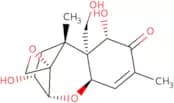
CAS:Deoxynivalenol is a mycotoxin that is produced by the fungi Fusarium graminearum and F. culmorum. It produces toxic effects in humans and animals, including human immunoglobulin E (IgE) production, acute toxicities, and cytotoxic effects on cultured human leukocytes. The analytical method for deoxynivalenol detection includes a variety of in vitro methods such as enzyme-linked immunosorbent assays (ELISA), competitive ELISA, fluorescent antibody staining assay, fluorescence polarization immunoassay (FPIA), competitive FPIA, and high performance liquid chromatography (HPLC). Deoxynivalenol binds to dna with high affinity and has been shown to have fusarial activity. The toxicity of deoxynivalenol can be confirmed by the mitochondrial membrane potential assay or by the assessment of vomitoxin levels. Colloidal gold can be used for identification of deox
Formula:C15H20O6Purezza:Min. 95%Colore e forma:White PowderPeso molecolare:296.32 g/molQuinoline-2,8-diol
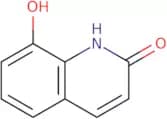
CAS:Quinoline-2,8-diol is a bacterial strain that can be used to remove fatty acids from wastewater. The recombinant cytochrome P450 in this strain can degrade fatty acids, which are carcinogenic and have been shown to cause hepatic steatosis. In addition, the quinoline-2,8-diol strain has shown an ability to inhibit xenograft tumor growth in mice by activating cytochrome P450 and inducing apoptosis. This bacterial strain also has the potential to produce xanthurenic acid from tyrosine. Xanthurenic acid is toxic and has been shown to inhibit polymerase chain reaction (PCR) amplification of DNA. Quinoline-2,8-diol may be used as a model for experimental studies of xanthurenic acid's effects on energy metabolism and DNA synthesis.
Formula:C9H7NO2Purezza:Min. 95 Area-%Colore e forma:PowderPeso molecolare:161.16 g/mol[3-Methyl-4-(2,2,2-trifluoro-ethoxy)-pyridin-2-yl]-methanol
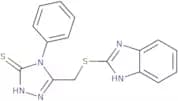
CAS:[3-Methyl-4-(2,2,2-trifluoro-ethoxy)-pyridin-2-yl]-methanol is a synthetic organic compound that is used in the synthesis of other organic compounds. It can be purified by filtration or gasification and recrystallization.Purezza:Min. 95%Colore e forma:Powder5-(Benzimidazol-2-ylthiomethyl)-4-phenyl-1,2,4-triazole-3-thiol
CAS:Please enquire for more information about 5-(Benzimidazol-2-ylthiomethyl)-4-phenyl-1,2,4-triazole-3-thiol including the price, delivery time and more detailed product information at the technical inquiry form on this pageFormula:C16H13N5S2Purezza:Min. 95%Colore e forma:PowderPeso molecolare:339.44 g/mol2-Chloro-1-(6-methyl(1,2,3,4-tetrahydroquinolyl))propan-1-one
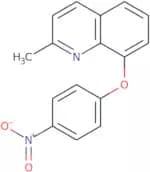
Please enquire for more information about 2-Chloro-1-(6-methyl(1,2,3,4-tetrahydroquinolyl))propan-1-one including the price, delivery time and more detailed product information at the technical inquiry form on this pagePurezza:Min. 95%4-(2-methyl(8-quinolyloxy))-1-nitrobenzene
CAS:Please enquire for more information about 4-(2-methyl(8-quinolyloxy))-1-nitrobenzene including the price, delivery time and more detailed product information at the technical inquiry form on this page
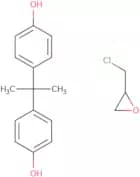
Purezza:Min. 95%Poly(bisphenol-A-co-epichlorohydrin)
CAS:Poly(bisphenol-A-co-epichlorohydrin) is an epoxy polymer that reacts with a fatty acid to form a cationic polymer. It has a high resistance to thermal expansion and inorganic acids, making it a good sealant. In addition, poly(bisphenol-A-co-epichlorohydrin) is insoluble and not reactive, which makes it resistant to structural analysis. Poly(bisphenol-A-co-epichlorohydrin)'s thermal stability also makes it suitable for use as a boron nitride coating on zirconium oxide.Purezza:(%) Min. 60%Colore e forma:Clear LiquidPeso molecolare:1.15 g/mol3-(4-Bromophenyl)-5-(hydroxyimino)-7,7-dimethyl-6,7,8-trihydrocinnoline
CAS:Please enquire for more information about 3-(4-Bromophenyl)-5-(hydroxyimino)-7,7-dimethyl-6,7,8-trihydrocinnoline including the price, delivery time and more detailed product information at the technical inquiry form on this page
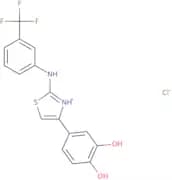
Formula:C16H16BrN3OPurezza:Min. 95%Colore e forma:PowderPeso molecolare:346.22 g/mol4-(4-((3-(trifluoromethyl)phenyl)amino)-3,5-thiazolyl)benzene-1,2-diol, hydrochloride
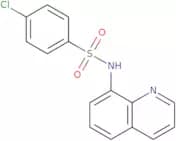
CAS:Please enquire for more information about 4-(4-((3-(trifluoromethyl)phenyl)amino)-3,5-thiazolyl)benzene-1,2-diol, hydrochloride including the price, delivery time and more detailed product information at the technical inquiry form on this pageFormula:C16H11F3N2O2S·ClHPurezza:Min. 95%Colore e forma:PowderPeso molecolare:388.79 g/mol((4-Chlorophenyl)sulfonyl)-8-quinolylamine
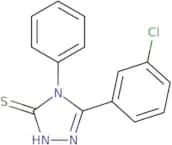
CAS:Please enquire for more information about ((4-Chlorophenyl)sulfonyl)-8-quinolylamine including the price, delivery time and more detailed product information at the technical inquiry form on this pageFormula:C15H11ClN2O2SPurezza:Min. 95%Colore e forma:PowderPeso molecolare:318.78 g/mol5-(3-Chlorophenyl)-4-phenyl-4H-1,2,4-triazole-3-thiol
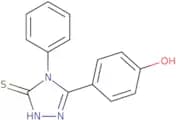
CAS:Please enquire for more information about 5-(3-Chlorophenyl)-4-phenyl-4H-1,2,4-triazole-3-thiol including the price, delivery time and more detailed product information at the technical inquiry form on this pageFormula:C14H10ClN3SPurezza:Min. 95%Colore e forma:PowderPeso molecolare:287.77 g/mol4-(5-Phenyl-4-thioxo-2,3,5-triazolinyl)phenol
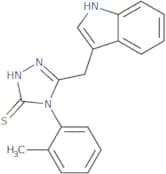
CAS:Please enquire for more information about 4-(5-Phenyl-4-thioxo-2,3,5-triazolinyl)phenol including the price, delivery time and more detailed product information at the technical inquiry form on this pageFormula:C14H11N3OSPurezza:Min. 95%Colore e forma:PowderPeso molecolare:269.32 g/mol5-(indol-3-ylmethyl)-4-(2-methylphenyl)-1,2,4-triazole-3-thiol
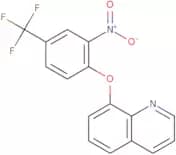
CAS:Please enquire for more information about 5-(indol-3-ylmethyl)-4-(2-methylphenyl)-1,2,4-triazole-3-thiol including the price, delivery time and more detailed product information at the technical inquiry form on this pageFormula:C18H16N4SPurezza:Min. 95%Colore e forma:PowderPeso molecolare:320.41 g/mol2-Nitro-1-(8-quinolyloxy)-4-(trifluoromethyl)benzene
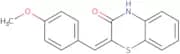
CAS:Please enquire for more information about 2-Nitro-1-(8-quinolyloxy)-4-(trifluoromethyl)benzene including the price, delivery time and more detailed product information at the technical inquiry form on this pageFormula:C16H9F3N2O3Purezza:Min. 95%Colore e forma:PowderPeso molecolare:334.25 g/mol3-((4-Methoxyphenyl)methylene)-1,4-dihydro-4-thiaquinolin-2-one
CAS:Please enquire for more information about 3-((4-Methoxyphenyl)methylene)-1,4-dihydro-4-thiaquinolin-2-one including the price, delivery time and more detailed product information at the technical inquiry form on this pageFormula:C16H13NO2SPurezza:Min. 95%Colore e forma:PowderPeso molecolare:283.35 g/molDiacetoxyscirpenol
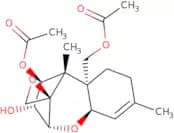
CAS:Prodotto controllatoDiacetoxyscirpenol is a mycotoxin that is found in wastewater and has been shown to have the ability to inhibit certain enzyme activities. It is a glucuronide conjugate that is excreted by humans, and can be detected in urine samples. The metabolite of Diacetoxyscirpenol, 4-hydroxy-2,3-dihydroxymethyl-5-(2H)-furanone (4OH-DMF), has been shown to induce antibody response in mice. The LC-MS/MS method for detecting Diacetoxyscirpenol uses a monoclonal antibody that recognizes the toxin. This antibody binds to the toxin and activates an enzyme cascade that leads to the production of a fluorescent dye. The intensity of fluorescence can be quantified using fluorometry or spectrophotometry. /nowiki>/pre>Formula:C19H26O7Purezza:Min. 95%Peso molecolare:366.41 g/mol16α,17α-Epoxypregnenolone
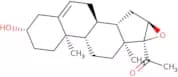
CAS:16alpha,17alpha-Epoxypregnenolone is a synthetic insect odorant that binds to the odorant binding protein (OBP) and has been used in research to investigate the relationship between odorant binding and olfaction. The OBPs are thought to play an important role in the detection of odors by binding to specific odorants, which then initiate a sensory response. 16alpha,17alpha-Epoxypregnenolone has also been shown to bind with recombinant OBP and have fluorescence properties, making it useful for biosensors. This compound may be useful as an experimental or research tool for investigating olfactory receptors in insects or other organisms.
Formula:C21H30O3Purezza:Min. 95%Peso molecolare:330.47 g/molEthyl 4-oxo-7-(benzyloxy)hydroquinoline-3-carboxylate
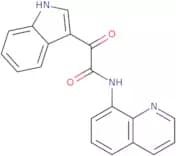
CAS:Please enquire for more information about Ethyl 4-oxo-7-(benzyloxy)hydroquinoline-3-carboxylate including the price, delivery time and more detailed product information at the technical inquiry form on this pagePurezza:Min. 95%2-Indol-3-yl-2-oxo-N-(8-quinolyl)ethanamide
CAS:Please enquire for more information about 2-Indol-3-yl-2-oxo-N-(8-quinolyl)ethanamide including the price, delivery time and more detailed product information at the technical inquiry form on this page
Formula:C19H13N3O2Purezza:Min. 95%Colore e forma:PowderPeso molecolare:315.33 g/mol1-(2-Methyl(8-quinolyloxy))-2-nitro-4-(trifluoromethyl)benzene
CAS:Please enquire for more information about 1-(2-Methyl(8-quinolyloxy))-2-nitro-4-(trifluoromethyl)benzene including the price, delivery time and more detailed product information at the technical inquiry form on this pagePurezza:Min. 95%2-[(3-Phenoxyphenyl)methylene]-2H-1,4-benzothiazin-3(4H)-one
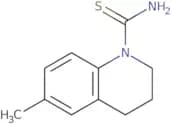
CAS:Please enquire for more information about 2-[(3-Phenoxyphenyl)methylene]-2H-1,4-benzothiazin-3(4H)-one including the price, delivery time and more detailed product information at the technical inquiry form on this pageFormula:C21H15NO2SPurezza:Min. 95%Colore e forma:PowderAmino(6-methyl(1,2,3,4-tetrahydroquinol-1-yl))methane-1-thione
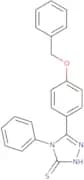
CAS:Please enquire for more information about Amino(6-methyl(1,2,3,4-tetrahydroquinol-1-yl))methane-1-thione including the price, delivery time and more detailed product information at the technical inquiry form on this pagePurezza:Min. 95%4-phenyl-5-(4-(benzyloxy)phenyl)-1,2,4-triazole-3-thiol
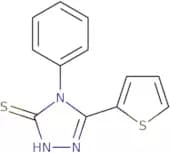
CAS:Please enquire for more information about 4-phenyl-5-(4-(benzyloxy)phenyl)-1,2,4-triazole-3-thiol including the price, delivery time and more detailed product information at the technical inquiry form on this pageFormula:C21H17N3OSPurezza:Min. 95%Colore e forma:PowderPeso molecolare:359.44 g/mol4-Phenyl-5-(2-thienyl)-4H-1,2,4-triazole-3-thiol
CAS:Please enquire for more information about 4-Phenyl-5-(2-thienyl)-4H-1,2,4-triazole-3-thiol including the price, delivery time and more detailed product information at the technical inquiry form on this pageFormula:C12H9N3S2Purezza:Min. 95%Colore e forma:PowderPeso molecolare:259.35 g/mol1,3-Dihydro-1-hydroxy-2,1-benzoxaborol-5-ol
CAS:Prodotto controllatoApplications 1,3-Dihydro-1-hydroxy-2,1-benzoxaborol-5-ol is used as a reagent in the synthesis of P4-benzoxaborole-substituted macrocyclic inhibitors of HCV NS3 protease.
References Ding, C.Z., et al.: Bioorg. Med. Chem. Lett., 20, 7317 (2010)Formula:C7H7BO3Colore e forma:NeatPeso molecolare:149.944-Hexadecyloxyphenol
CAS:Prodotto controllatoApplications 4-Hexadecyloxyphenol is used as a reactant in the enzyme-mediated two-dimensional polymerization of aromatic derivatives on a Langmuir Trough.
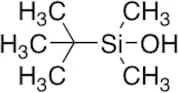
References Bruno, F., et al.: Ind. Eng. Chem. Res., 34, 4009 (1995)Formula:C22H38O2Colore e forma:NeatPeso molecolare:334.536tert-Butyldimethylsilanol
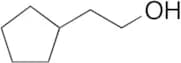
CAS:Prodotto controllatoFormula:C6H16OSiColore e forma:NeatPeso molecolare:132.28Cyclopentaneethanol
CAS:Prodotto controllatoApplications Cyclopentaneethanol is used in the prepartion of phenylalanine derivatives for incorporation into peptides as CD4 mimetic miniproteins interacting with HIV-1 surface glycoprotein. It is also used in the preparation of tertiary amine muscarinic receptor antagonists applied towards the treatment of chronic obstructive pulmonary disease.
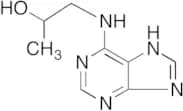
References Morellato-Castillo, L. et al.: J. Med. Chem., 56, 5033 (2013); Glossop, P. et al.: J. Med. Chem., 54, 6888 (2011);Formula:C7H14OColore e forma:NeatPeso molecolare:114.191-(9H-Purin-6-ylamino)propan-2-ol
CAS:Prodotto controllatoApplications 1-(9H-Purin-6-ylamino)propan-2-ol is a reagent used for organic synthesis and also functions as a plant growth regulator.
References Gao, Y., et al.: J. Heterocyclic Chem., 53, 579 (2016); Oda, A., et al.: From Faming Zhuanli Shenqing (2016), CN 105503875 A 20160420; Lira, E. P.: J. Org. Chem., 33, 3355 (1968)Formula:C8H11N5OColore e forma:NeatPeso molecolare:193.212-Butyl-1-octadecanol
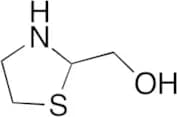
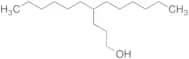
CAS:Prodotto controllatoFormula:C22H46OColore e forma:NeatPeso molecolare:326.62-Thiazolidinemethanol
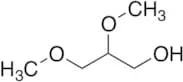
CAS:Prodotto controllatoFormula:C4H9NOSColore e forma:NeatPeso molecolare:119.1852,3-dimethoxypropan-1-ol
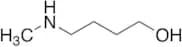
CAS:Prodotto controllatoFormula:C5H12O3Colore e forma:NeatPeso molecolare:120.1474-(Methylamino)butan-1-ol
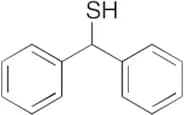
CAS:Prodotto controllatoFormula:C5H13NOColore e forma:NeatPeso molecolare:103.163Diphenylmethanethiol
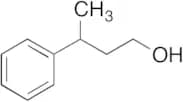
CAS:Prodotto controllatoFormula:C13H12SColore e forma:NeatPeso molecolare:200.2993-Phenyl-1-butanol
CAS:Prodotto controllatoApplications 3-Phenyl-1-butanol is a reactant with primary alcohol functional group which is oxidized to aldehyde using the nanoparticle-ferrite-palladium catalyst.
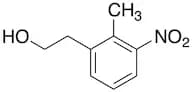
References Polshettiwar, V., Varma, R.: Org. Biomol. Chem., 7, 37 (2009);Formula:C10H14OColore e forma:NeatPeso molecolare:150.222-Methyl-3-nitrobenzeneethanol
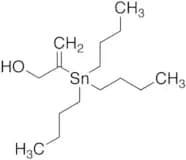
CAS:Prodotto controllatoFormula:C9H11NO3Colore e forma:NeatPeso molecolare:181.1892-Tributyltin-allyl-1-ol
CAS:Prodotto controllatoApplications 2-Tributyltin-allyl-1-ol (cas# 84666-30-8) is a compound useful in organic synthesis.
Not a dangerous good if item is equal to or less than 1g/ml and there is less than 100g/ml in the packageFormula:C15H32OSnColore e forma:NeatPeso molecolare:347.123,4-Diaminophenol (>80%)
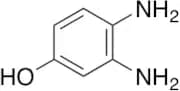
CAS:Prodotto controllatoApplications 3,4-Diaminophenol (cas# 615-72-5) is a useful research chemical.
Formula:C6H8N2OPurezza:>80%Colore e forma:NeatPeso molecolare:124.14



![[3-Methyl-4-(2,2,2-trifluoro-ethoxy)-pyridin-2-yl]-methanol](/_next/image/?url=https%3A%2Fstatic.cymitquimica.com%2Fproducts%2F3D%2Fthumb-webp%2FFM38829.webp&w=3840&q=75)



![2-[(3-Phenoxyphenyl)methylene]-2H-1,4-benzothiazin-3(4H)-one](/_next/image/?url=https%3A%2Fstatic.cymitquimica.com%2Fproducts%2F3D%2Fthumb-webp%2FFP169832.webp&w=3840&q=75)