Alcoli
Sottocategorie di "Alcoli"
Trovati 5817 prodotti di "Alcoli"
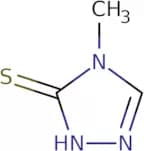
4-Methyl-4H-1,2,4-triazole-3-thiol
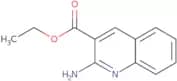
CAS:4-Methyl-4H-1,2,4-triazole-3-thiol is a corrosion inhibitor that has been used in the production of polyurethane foam. It is synthesized by the reaction of ethylene diamine with sulfur trioxide and water. This compound has a molecular weight of 184.14 g/mol and an acidic nature due to the presence of four protonated amines on its structure. The compound can be characterized by gravimetric analysis, structural analysis, and FTIR spectroscopy. 4-Methyl-4H-1,2,4-triazole-3-thiol is toxic to rats when administered orally at 2000 mg/kg and also causes irritation to rabbits when applied topically at 200 µg/ear. !--Formula:C3H5N3SPurezza:Min. 97 Area-%Colore e forma:White PowderPeso molecolare:115.16 g/molEthyl-2-aminoquinoline-3-carboxylate
CAS:Ethyl-2-aminoquinoline-3-carboxylate is an intramolecular reductive coupling product. It was synthesized by the reductive coupling of nitrobenzene with triethylamine in the presence of a copper salt. The use of ethyl cyanoacetate as a starting material for this synthesis has been shown to produce regioselective products with high yields. Ethyl-2-aminoquinoline-3-carboxylate is used in the synthesis of quinoline derivatives and fluoroquinolone antibiotics. This compound has been shown to have optimum properties for GC/MS analysis, which makes it an advance in the field of chemistry.
Formula:C12H12N2O2Purezza:Min. 95%Colore e forma:PowderPeso molecolare:216.24 g/mol1-O-Hexadecyl-2-O-methyl-rac-glycerol
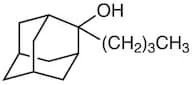
CAS:1-O-Hexadecyl-2-O-methyl-rac-glycerol is a metabolite of phosphatidylethanolamine that is structurally related to the neurotransmitter serotonin. It binds to the 5HT7 receptor, which is involved in the regulation of infectious diseases and cytokine production. 1-O-Hexadecyl-2-O-methyl-racglycerol has been shown to stimulate growth factor production and protein synthesis, as well as inhibit serotonin reuptake. This compound also activates phosphorylation of PKC, which leads to an increase in cytosolic calcium levels and activation of PKC. As a result, diacylglycerol levels are increased, leading to an increase in mitochondrial membrane potential and camp levels.Formula:C20H42O3Purezza:Min. 95%Peso molecolare:330.55 g/mol2-Butyl-2-adamantanol
CAS:Formula:C14H24OPurezza:>98.0%(GC)Colore e forma:White to Almost white powder to crystalPeso molecolare:208.353,6-Dithia-1,8-octanediol
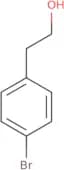
CAS:3,6-Dithia-1,8-octanediol is a coordination complex that contains four chloride ions and six water molecules. It is made up of two molecules of 3,6-dithia-1,8-octanediol coordinated with two diphenyl ethers. The molecule is planar with the two oxygen atoms of the hydroxyl group in one plane and the two carbon atoms in another plane. The hydrogen atom on the oxygen atom has an intramolecular bond to a hydrogen atom on the other oxygen atom. The molecule has a magnetic resonance spectrum that can be used for identification purposes because it is unique among other compounds. 3,6-Dithia-1,8-octanediol can react with sodium hydroxide solution to form a precipitate. This reaction can be used as an analytical chemistry technique to determine the concentration of chloride ions in plasma mass spectrometry samples.Formula:C6H14O2S2Purezza:Min. 95%Colore e forma:White PowderPeso molecolare:182.31 g/mol2-(4-Bromophenyl)ethanol
CAS:2-(4-Bromophenyl)ethanol is an analog of histone lysine and histone H3. It is a synthetic substrate for the acylation reaction on the carboxyl group of fatty acids. 2-(4-Bromophenyl)ethanol has been shown to have optical properties similar to those of natural fatty acids and has been used as a polymer film for cell line A549.Formula:C8H9BrOPurezza:Min. 95%Colore e forma:Slightly Yellow Clear LiquidPeso molecolare:201.06 g/mol(1-Phenylpiperidin-4-yl)methanol
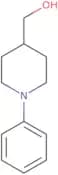
CAS:1-Phenylpiperidin-4-yl)methanol is a versatile building block that is used in the synthesis of many complex compounds. It is also a reagent and intermediate for the production of fine chemicals, speciality chemicals, and research chemicals. 1-Phenylpiperidin-4-yl)methanol has a CAS number of 697306-45-9 and it's molecular formula is C14H21NO.Formula:C12H17NOPurezza:Min. 95%Colore e forma:Red PowderPeso molecolare:191.27 g/mol1-Amino-2-methyl-propan-2-ol
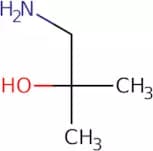
CAS:1-Amino-2-methyl-propan-2-ol is a cytotoxic molecule that has been shown to inhibit the growth of cancer cells. It is synthesized by converting 1,4-benzenediamine and cyclopentanol into the corresponding amines. The amines are then condensed with an alkanolamine in a kinetic reaction to form 1-amino-2-methylpropan-2-ol. This product's anticancer activity may be due to its ability to induce nucleophilic attack on DNA, leading to DNA strand breakage. 1AMPP has also been shown to have antiviral properties against HIV infection.Formula:C4H11NOPurezza:Min. 95%Colore e forma:Colorless Clear LiquidPeso molecolare:89.14 g/mol2,4-Dichlorophenol-6-sulphonyl chloride
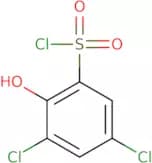
CAS:2,4-Dichlorophenol-6-sulphonyl chloride (2,4-DCP) is a molecule that has been shown to have antibacterial activity against Gram-positive and Gram-negative bacteria. It inhibits the growth of bacteria by binding to the cell wall and inhibiting enzyme activity. 2,4-DCP also has hemolytic activity in vitro. The mechanism of this effect is not well understood but may involve an interaction with membrane lipids or proteins in red blood cells. In addition, 2,4-DCP has been shown to inhibit the growth of staphylococcus and other bacterial strains in vitro. The inhibition of bacterial growth by 2,4-DCP is reversible with exposure to hydrated conditions.Formula:C6H3Cl3O3SPurezza:Min. 95%Peso molecolare:261.51 g/mol4-Chlorophenol
CAS:4-Chlorophenol is a chemical compound that is found as a byproduct in the manufacturing process of phenol and acetone. It has been found to be stable in the presence of nitrogen atoms, which are present in wastewater treatment plants. The optimum concentration for 4-chlorophenol is 0.2 ppm, but it can be reduced to 0.1 ppm with the addition of malonic acid or surfactant sodium dodecyl sulfate. The reaction mechanism for 4-chlorophenol is an oxidation-reduction reaction with oxygen nucleophiles as electron acceptors and surface methodology through electrochemical impedance spectroscopy.Formula:C6H5ClOPurezza:Min. 98%Colore e forma:Clear LiquidPeso molecolare:128.56 g/mol2,3-Butanediol
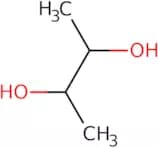
CAS:2,3-Butanediol is a glycol that is produced by the fermentation of sugars or carbohydrates. It is used in the synthesis of acetoin, which is an important flavor compound in various foods and beverages. The production of 2,3-butanediol from glucose was achieved through the use of a novel asymmetric synthesis reaction with inorganic acid as catalyst. 2,3-Butanediol can also be synthesized from adipic acid using aerobacter aerogenes as catalyst. This process has been shown to be efficient with wild-type strains and provides high yields under mild conditions. 2,3-Butanediol has been shown to have antibiotic activity against tetracycline resistant bacteria and may inhibit bacterial growth by binding to DNA gyrase and topoisomerase IV enzymes. The hydroxyl group on the molecule makes it more reactive than other glycols because it can form hydrogen bonds with water molecules.Formula:C4H10O2Purezza:Min. 95%Colore e forma:Colorless Clear LiquidPeso molecolare:90.12 g/molN-Boc-L-phenylalaninol
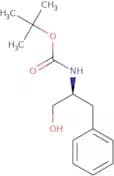
CAS:N-Boc-L-phenylalaninol is a monomer that has been shown to inhibit the activity of proteinases. It binds to the active site of the enzymes and inhibits their catalytic activity, thereby preventing them from cleaving peptide bonds. N-Boc-L-phenylalaninol also has hydroxyl groups that can be used for further derivatization to produce derivatives with different functional groups, such as sulfonic acids or isosteres. The carbonyl group in this compound can be used for conjugation reactions with other molecules, such as proteins or nucleic acids.
Formula:C14H21NO3Purezza:Min. 95%Colore e forma:White PowderPeso molecolare:251.32 g/mol2-Pyrimidinol
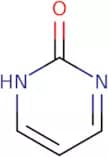
CAS:2-Pyrimidinol is a sodium salt that is used as an antimicrobial agent. It has significant cytotoxicity against skin cancer cells and is also used to treat HIV infection. 2-Pyrimidinol inhibits the activity of inhibitor molecules, which are small molecules that inhibit the activity of important enzymes in cells. This inhibition results in increased production of ATP, which leads to cell death. 2-Pyrimidinol also binds to dna duplexes and prevents them from being opened by helicase, thus inhibiting cellular replication. The molecular structure of 2-pyrimidinol was determined using X-ray crystallography and molecular docking analysis. This compound has been shown to have a potential use in treating metabolic disorders due to its ability to inhibit glycolysis, or the breakdown of glucose, through competitive inhibition with phosphofructokinase (PFK).
Formula:C4H4N2OPurezza:(%) Min. 98%Colore e forma:PowderPeso molecolare:96.09 g/molBoc-(3S)-1,2,3,4-Tetrahydroisoquinoline-3-carboxylic acid
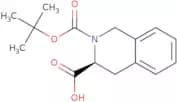
CAS:Boc-(3S)-1,2,3,4-Tetrahydroisoquinoline-3-carboxylic acid is an amino acid that has the δ-opioid receptor antagonist activity. It can be synthesized by a stepwise synthesis with an asymmetric center. The δ-opioid receptor antagonist activity of Boc-(3S)-1,2,3,4-Tetrahydroisoquinoline-3-carboxylic acid was found to be comparable to naloxone in terms of affinity constants and functional groups.Formula:C15H19NO4Purezza:Min. 95%Colore e forma:SolidPeso molecolare:277.32 g/mol7-Methyloctanol
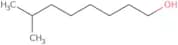
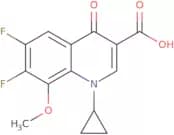
CAS:7-Methyloctanol is a polycarboxylic acid that is structurally similar to hydrochloric acid. It has been shown to have specific treatment effects on skin cells and light exposure, as well as an anti-inflammatory effect. 7-Methyloctanol is able to produce fatty acids by the hydroxylation of unsaturated alkyl chains, which are often used as plasticizers. The hydrophobic effect of 7-methyloctanol has also been shown to increase the permeability of liposomes.Formula:C9H20OPurezza:Min. 95%Colore e forma:Colorless Clear LiquidPeso molecolare:144.25 g/mol1-Cyclopropyl-6,7-difluoro-1,4-dihydro-8-methoxy-4-oxo-3-quinolinecarboxylic acid
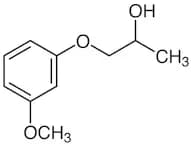
CAS:Moxifloxacin is an analog of the antibiotic quinolone. It is a prodrug that is hydrolyzed in vivo to its active form, moxifloxacin. Moxifloxacin has been shown to be effective against a variety of bacteria, including methicillin-resistant Staphylococcus aureus (MRSA), Mycobacterium tuberculosis and Mycobacterium avium complex. The reaction yield for the synthesis of moxifloxacin is very high, with an industrial production capacity in excess of 500 tons per year. Impurities are not usually found in the final product due to the use of methyl alcohol as a solvent during the reaction process. The drug has discoloring properties and deuterium atoms are often substituted for hydrogen atoms on the molecule to make it more stable. Deuterium atoms can be easily identified by mass spectrometry analysis. MoxifloxacFormula:C14H11F2NO4Purezza:Min. 95%Colore e forma:PowderPeso molecolare:295.24 g/mol1-(3-Methoxyphenoxy)-2-propanol
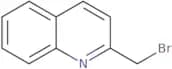
CAS:Formula:C10H14O3Purezza:>90.0%(GC)Colore e forma:Colorless to Light yellow to Light orange clear liquidPeso molecolare:182.222-Bromomethylquinoline
CAS:2-Bromomethylquinoline is a quinoline derivative that has been synthesized to study the interaction between metal ions, such as copper and zinc, and chelate rings. The reaction products formed by 2-bromomethylquinoline have been shown to have antifungal activity in vitro. It has been found that the addition of a fluorescent probe can be used to detect quinoline derivatives, which fluoresce when excited with light. This makes them useful as fluorescent probes for reactions involving metal ions.Formula:C10H8BrNPurezza:Min. 95%Colore e forma:SolidPeso molecolare:222.08 g/mol3-Benzyloxy-1-propanol
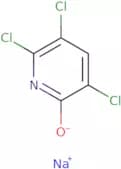
CAS:3-Benzyloxy-1-propanol is a desymmetrization agent that catalyzes the conversion of esters to ketones and amides to alcohols. It is also an asymmetric synthesis reagent that converts (S)-2,3-diaminopropionic acid into (R)-2,3-diaminopropionic acid. 3-Benzyloxy-1-propanol has been shown to be a useful tool in the synthesis of amines with functional groups such as carbonyl or hydroxyl. Furthermore, 3-benzyloxy-1-propanol can be used to form bonds between two different molecules by cleaving one bond and forming two new ones. It is also capable of mediating bond cleavage, which can lead to the formation of free radicals.Formula:C10H14O2Purezza:Min. 95%Colore e forma:LiquidPeso molecolare:166.22 g/molSodium 3,5,6-trichloro-2-pyridinol
CAS:Sodium 3,5,6-trichloro-2-pyridinol is an inorganic compound that has been shown to be an effective biocide for the removal of hydrogen chloride and hydroxide solution. The optimal reaction was found to be at pH 10.3 with a reaction vessel containing 1% sodium hydroxide solution and a concentration of 0.2 grams per liter of hydrogen chloride. This compound reacts with hydrogen chloride to form hydrochloric acid (HCl) and sodium 3,5,6-trichloro-2-pyridinol hydrochloride (NCTP), which can then be removed by wastewater treatment or precipitation as sodium chloride. NCTP is also used for the treatment of skin conditions such as acne and eczema.Formula:C5HCl3NONaPurezza:Min. 95%Colore e forma:Off-White SolidPeso molecolare:220.42 g/mol