Ammine
Le ammine sono un insieme di molecole contenenti un gruppo funzionale amminico (derivato dall'ammoniaca). Questa categoria include ammine a qualsiasi livello di sostituzione: primarie, secondarie, terziarie e sali di ammonio. Le ammine sono fondamentali nella sintesi organica e sono ampiamente utilizzate in prodotti farmaceutici, agrochimici e scienze dei materiali. Da CymitQuimica, offriamo una selezione completa di ammine per soddisfare le tue esigenze di ricerca e industriali. La nostra gamma garantisce l'accesso a diverse ammine per vari processi chimici e ricerche innovative.
Sottocategorie di "Ammine"
- Nitrosamine(2.605 prodotti)
- Ammine primarie(30.947 prodotti)
- Cationi di ammonio quaternario(1.100 prodotti)
- Ammine secondarie(20.886 prodotti)
- Ammine terziarie(17.193 prodotti)
Trovati 8780 prodotti di "Ammine"
Ordinare per
Purezza (%)
0
100
|
0
|
50
|
90
|
95
|
100
3-Amino-N-(tert-butoxycarbonyl)benzylamine
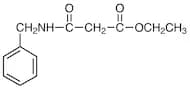
CAS:Formula:C12H18N2O2Purezza:>98.0%(GC)(T)Colore e forma:White to Light yellow powder to crystalPeso molecolare:222.29Ethyl 3-(Benzylamino)-3-oxopropionate
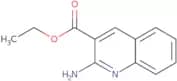
CAS:Formula:C12H15NO3Purezza:>98.0%(GC)Colore e forma:White to Light yellow powder to crystalPeso molecolare:221.26Ethyl-2-aminoquinoline-3-carboxylate
CAS:<p>Ethyl-2-aminoquinoline-3-carboxylate is an intramolecular reductive coupling product. It was synthesized by the reductive coupling of nitrobenzene with triethylamine in the presence of a copper salt. The use of ethyl cyanoacetate as a starting material for this synthesis has been shown to produce regioselective products with high yields. Ethyl-2-aminoquinoline-3-carboxylate is used in the synthesis of quinoline derivatives and fluoroquinolone antibiotics. This compound has been shown to have optimum properties for GC/MS analysis, which makes it an advance in the field of chemistry.</p>Formula:C12H12N2O2Purezza:Min. 95%Colore e forma:PowderPeso molecolare:216.24 g/molBiphenyl-2,2'-diamine
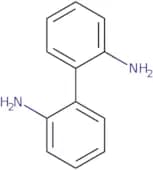
CAS:<p>Biphenyl-2,2'-diamine is a hydrogen bond donor. It is an organic compound with a molecular formula of C6H5NH that has two amine groups. The compound is gaseous at room temperature and it has a boiling point below 400 degrees Celsius. It reacts with ethanolic solutions to form colorless crystals that are soluble in water. Biphenyl-2,2'-diamine has been shown to have antiinflammatory activity in rats. This activity may be due to biphenyl-2,2'-diamine's ability to inhibit the production of prostaglandins by inhibiting cyclooxygenase (COX).</p>Formula:C12H12N2Purezza:Min. 95%Colore e forma:Off-White Clear LiquidPeso molecolare:184.24 g/mol2-Chloro-4,5-diaminopyrimidine
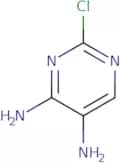
CAS:<p>2-Chloro-4,5-diaminopyrimidine is a pyrimidine compound with the molecular formula CHClN. It can be synthesized by reacting glycine and phenol with piperidine in the presence of hydrochloric acid. 2-Chloro-4,5-diaminopyrimidine has a solubility of 1.2 g/100 mL in water and reacts with quinine to form a red solution. This product also reacts with proline to produce an orange solution that fluoresces green when exposed to UV light. 2-Chloro-4,5-diaminopyrimidine has been used as an intermediate in the synthesis of other compounds such as pyridoxal phosphate and cefixime.</p>Formula:C4H5ClN4Purezza:Min. 95%Colore e forma:PowderPeso molecolare:144.56 g/molN-Methyl-2-(4-methoxyphenyl)ethylamine
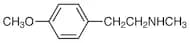
CAS:Formula:C10H15NOPurezza:>95.0%(GC)(T)Colore e forma:Light orange to Yellow to Green clear liquidPeso molecolare:165.24TAPS
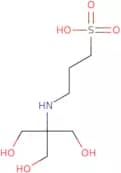
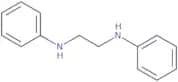
CAS:<p>TAPS, also known as 3-[(Tris(hydroxymethyl)methyl)amino]-1-propanesulfonic acid, is a buffering agent that can be used in capillary electrophoresis with DNA and can form metal complexes. It has an optimal pH range of 7.7-9.1 and a pKa of 8.4.</p>Formula:C7H17NO6SPurezza:Min. 95%Colore e forma:SolidPeso molecolare:243.28 g/molN,N'-Diphenylethylenediamine
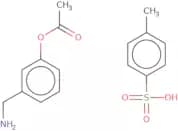
CAS:N,N'-Diphenylethylenediamine (DPEN) is a quaternary ammonium compound that possesses anti-inflammatory activity. DPEN inhibits the production of prostaglandin E2, which has been shown to be involved in prostate cancer cell growth and proliferation. This drug binds to receptors on the cell surface and blocks the binding of dopamine, leading to an increase in intracellular levels of cAMP, which is a second messenger for hormones. The drug also has genotoxic effects, such as DNA strand breaks and chromosomal aberrations. DPEN can bind to nitrogen atoms and form hydrogen bonds with other molecules such as hydrochloric acid. The drug also emits nitric oxide (NO), sulfur dioxide (SO2), nitrous oxide (N2O), and ammonia (NH3). The emission rates are dependent on pH levels.Formula:C14H16N2Purezza:Min. 97.5 Area-%Colore e forma:PowderPeso molecolare:212.29 g/mol3-Acetoxybenzylamine 4-toluenesulphonate
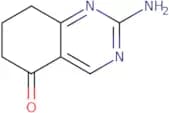
CAS:<p>3-Acetoxybenzylamine 4-toluenesulphonate is a white solid reagent that can be used as a building block for the synthesis of complex compounds. It has been shown to be useful as an intermediate and building block in the synthesis of natural products. 3-Acetoxybenzylamine 4-toluenesulphonate is a versatile compound that can be used in many different chemical reactions. It is also a speciality chemical that is available for purchase from research chemical suppliers.</p>Formula:C9H11NO2·C7H8O3SPurezza:Min. 95%Peso molecolare:337.39 g/mol2-Amino-7,8-dihydroquinazolin-5(6H)-one
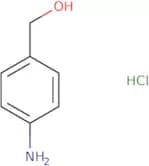
CAS:<p>2-Amino-7,8-dihydroquinazolin-5(6H)-one is a research chemical that belongs to the group of quinazolinones. It is a useful building block for the synthesis of other compounds. This compound can be reacted with various reagents to form new compounds. 2-Amino-7,8-dihydroquinazolin-5(6H)-one has been used as a starting material in the synthesis of PET imaging agents for diagnostic and therapeutic purposes. This compound is also used as a reaction component in organic chemistry research.</p>Formula:C8H9N3OPurezza:Min. 95%Colore e forma:Off-White PowderPeso molecolare:163.18 g/mol4-Aminobenzyl alcohol hydrochloride
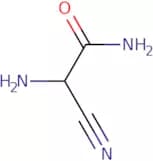
CAS:<p>4-Aminobenzyl alcohol hydrochloride is a fine chemical that is used as a building block for research chemicals, reagents, and specialty chemicals. It can be used as a versatile building block in the synthesis of many complex compounds. 4-Aminobenzyl alcohol hydrochloride is also an intermediate for the synthesis of pharmaceuticals and other useful compounds. CAS No. 170926-25-7</p>Formula:C7H10ClNOPurezza:Min. 95%Colore e forma:PowderPeso molecolare:159.61 g/mol2-Amino-2-cyanoacetamide
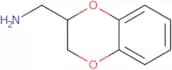
CAS:2-Amino-2-cyanoacetamide is a chemical compound that has been shown to be reactive in the human liver and animal models. It is a purine derivative with a diatomic molecule, which has been shown to inhibit cancer cells in animals. 2-Amino-2-cyanoacetamide has been shown to inhibit the replication of pestivirus, an RNA virus that causes encephalitis and other diseases in humans. The nitrogen atoms on this molecule are responsible for its transport properties, including uptake by the gut and its ability to cross the blood brain barrier. 2-Amino-2-cyanoacetamide also inhibits the activity of amide hydrolase, which is an enzyme responsible for hydrolyzing peptides into amino acids. This process leads to a decrease in protein synthesis, which can lead to cell death.Formula:C3H5N3OPurezza:Min. 95%Colore e forma:Beige To Tan SolidPeso molecolare:99.09 g/mol2,3-Dihydro-1,4-benzodioxin-2-ylmethylamine
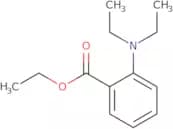
CAS:2,3-Dihydro-1,4-benzodioxin-2-ylmethylamine (DHBMA) is a pharmacophore that has been shown to be an epileptic and convulsant in epidemiological studies. This drug binds to the receptor binding site of the Na+/K+ ATPase enzyme and inhibits its binding affinity for sodium ions. DHBMA has been shown to increase blood pressure in rats when it is injected into the cerebral ventricles. DHBMA also increases the affinity for dopamine D2 receptors which are linked to Parkinson's disease. This drug is used as a linker in the synthesis of prenylated synthons, which can be used to produce drugs with high affinity values and stereoisomers.Formula:C9H11NO2Purezza:Min. 95%Colore e forma:Colorless Clear LiquidPeso molecolare:165.19 g/molEthyl 2-(N,N-diethylamino)benzoate
CAS:<p>Ethyl 2-(N,N-diethylamino)benzoate is a high quality chemical that can be used as a reagent in the synthesis of complex compounds. This chemical is also a useful intermediate in the manufacture of fine chemicals and pharmaceuticals. CAS No. 94023-76-4 is an important ingredient for research chemicals and speciality chemicals. It can be used as a building block or scaffold for reaction components to produce versatile products.</p>Formula:C13H19NO2Purezza:Min. 95%Peso molecolare:221.3 g/mol6-Chloro-2-methyl-4-pyrimidinamine
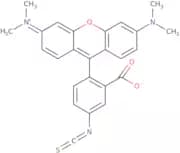
CAS:<p>6-Chloro-2-methyl-4-pyrimidinamine is a molecule that has been studied for anticancer activity. It is an urea nitrogen, which is a hydrogen bond donor. The fructus of the 6-chloro-2-methyl-4-pyrimidinamine molecule has been shown to have anticancer activity in vitro. The anticancer activities of 6-chloro-2-methyl-4-pyrimidinamine are thermodynamic and vibrational, with etridiazole as the most potent inhibitor. The diamine tetraacetic acid (DTA) protonation state of the molecule was found to be 5.6, while the chloride protonation state was 3.6. In addition, it has been shown that 6CHMPA binds to Triticum aestivum cells through ethylene diamine and atomic orbital interactions.</p>Formula:C5H6ClN3Purezza:Min. 95%Colore e forma:White To Off-White SolidPeso molecolare:143.57 g/molTetramethylrhodamine-5-isothiocyanate
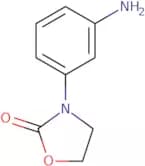
CAS:<p>Tetramethylrhodamine-5-isothiocyanate (TRITC) is a fluorescent dye that can be used for the detection of cancer cells. This molecule interacts with mitochondrial membrane potential and superparamagnetic iron oxide nanoparticles, which are used to detect cancer cells. TRITC is linked to a carrier protein, such as wheat germ agglutinin or streptavidin, and then incubated with the target tissue. The dye is taken up by cells with high mitochondrial membrane potential, which are typically cancerous. The dye can also be detected using an analytical method called flow cytometry, which detects changes in the fluorescence intensity of the dyed cells.<br>TRITC has been shown to have anti-cancer properties in basic fibroblast growth factor-deficient mice and in human colon carcinoma cells in vitro.</p>Formula:C25H21N3O3SPurezza:Min. 95%Colore e forma:PowderPeso molecolare:443.52 g/mol3-(3-Aminophenyl)-1,3-oxazolidin-2-one
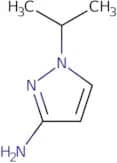
CAS:3-(3-Aminophenyl)-1,3-oxazolidin-2-one is a fine chemical that is used as a building block for more complex compounds. It has been shown to be an effective reagent for the synthesis of complex compounds and can be used as a reaction component in research. 3-(3-Aminophenyl)-1,3-oxazolidin-2-one is also useful in the production of pharmaceuticals and other specialty chemicals.Formula:C9H10N2O2Purezza:(¹H-Nmr) Min. 95 Area-%Colore e forma:PowderPeso molecolare:178.19 g/mol1-isopropyl-1H-pyrazol-3-amine
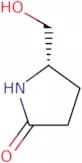
CAS:1-Isopropyl-1H-pyrazol-3-amine is a fine chemical that is used as a building block in the synthesis of other compounds. It is also used as a reagent and a speciality chemical, due to its high quality and versatility. 1-Isopropyl-1H-pyrazol-3-amine can be used as a reaction component or intermediate in the synthesis of more complex compounds, and has been shown to be useful in the development of new drugs. The CAS number for this compound is 857267-04-0.Formula:C6H11N3Purezza:Min. 95%Colore e forma:Colorless PowderPeso molecolare:125.17 g/mol(S)-Pyroglutaminol
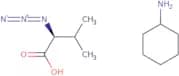
CAS:<p>(S)-Pyroglutaminol is a chiral auxiliary that can be used to synthesize enantiopure amino acid derivatives. It is used in the synthesis of various drugs, such as antivirals and antifungals. The hydroxy group on one side of the molecule reacts with the enolate of an alpha-amino acid or a beta-keto acid to form an ester. The hydroxyl group on the other side of the molecule reacts with ethylene diamine to form an amide. Pyroglutaminol has been shown to reduce carbonyl groups in organic compounds, which may be due to its ability to act as an enantioselective catalyst for asymmetric synthesis.</p>Formula:C5H9NO2Purezza:Min. 95%Colore e forma:White PowderPeso molecolare:115.13 g/mol(S)-2-Azido isovaleric acid cyclohexylammonium
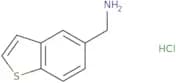
CAS:<p>Please enquire for more information about (S)-2-Azido isovaleric acid cyclohexylammonium including the price, delivery time and more detailed product information at the technical inquiry form on this page</p>Formula:C6H13N•C5H9N3O2Purezza:Min. 95%Colore e forma:PowderPeso molecolare:242.32 g/mol(1-Benzothien-5-ylmethyl)amine hydrochloride
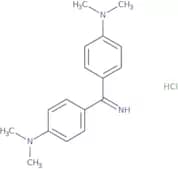
CAS:(1-Benzothien-5-ylmethyl)amine hydrochloride is a white crystalline solid that is soluble in organic solvents. It has been used as a research chemical, reagent, and speciality chemical. It is also an intermediate for the synthesis of other compounds.Formula:C9H9NS·HClPurezza:Min. 95%Colore e forma:SolidPeso molecolare:199.7 g/molAuramine O hydrochloride
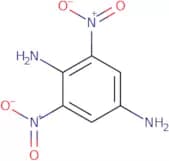
CAS:Prodotto controllatoAuramine O hydrochloride is a fluorescent dye that is used in the diagnosis of wastewater. Auramine O hydrochloride is a reactive dye that binds to malonic acid and forms stable complexes. It has been used as a fluorescence probe for polymerase chain reaction (PCR) detection of human serum samples, and it has been shown to be thermodynamically stable under conditions of pH 8-12, at temperatures up to 80°C, and in the presence of organic solvents. In addition, this dye can be activated with UV light or sodium hypochlorite solution. This dye also reacts with amino groups on proteins and lipids on cell membranes, which makes it useful for microscopy studies.Formula:C17H21N3•HClColore e forma:Yellow PowderPeso molecolare:303.83 g/mol2,6-Dinitro-1,4-phenylenediamine
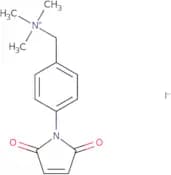
CAS:<p>2,6-Dinitro-1,4-phenylenediamine is a versatile building block that can be used in the synthesis of complex compounds. It is a high quality chemical with excellent stability and purity. This chemical is also useful as an intermediate for the synthesis of other chemicals, and as a reagent for research purposes. 2,6-Dinitro-1,4-phenylenediamine is also useful in organic chemistry as a scaffold for synthesizing important organic molecules.</p>Formula:C6H6N4O4Purezza:Min. 95%Peso molecolare:198.14 g/mol4-(N-Maleimido)benzyl-a-trimethylammonium iodide
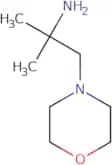
CAS:4-(N-Maleimido)benzyl-a-trimethylammonium iodide is a carotenoid that acts as an agonist binding site for the receptor molecule. It has been shown to inhibit tumor cell growth and induce apoptosis. 4-(N-Maleimido)benzyl-a-trimethylammonium iodide binds to the redox potential of iron atoms, which are important in many biochemical reactions and in maintaining iron homeostasis. The x-ray crystal structures of this compound show that it has a chemical biology model system and can be used to study the function of toll-like receptors. This drug also has an irreversible inhibition effect on cation channels, which may be due to its ability to block the opening of these channels by binding to them.Formula:C14H17IN2O2Purezza:Min. 95%Colore e forma:Yellow SolidPeso molecolare:372.2 g/mol1,1-Dimethyl-2-morpholin-4-ylethylamine
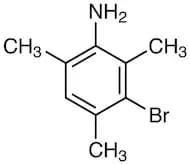
CAS:<p>1,1-Dimethyl-2-morpholin-4-ylethylamine (DMMEA) is a quaternary ammonium compound that has antimicrobial properties. DMMEA is an analog of 1,1-dimethylpiperidinium chloride and is used as an intermediate for the synthesis of other compounds. It can be synthesized from 1,1,2-trimethoxyethane and morpholine in the presence of ammonium chloride. DMMEA has been shown to have antimicrobial activities against Gram negative bacteria such as Escherichia coli and Enterobacter aerogenes. It also has some activity against Gram positive bacteria such as Staphylococcus aureus.</p>Formula:C8H18N2OPurezza:Min. 95%Colore e forma:Clear LiquidPeso molecolare:158.24 g/mol3-Bromo-2,4,6-trimethylaniline
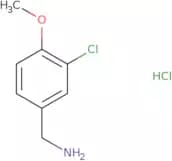
CAS:Formula:C9H12BrNPurezza:>98.0%(GC)(T)Colore e forma:White to Light yellow to Light orange powder to crystalPeso molecolare:214.113-Chloro-4-methoxybenzylamine hydrochloride
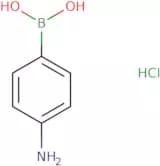
CAS:3-Chloro-4-methoxybenzylamine hydrochloride is a quinoline derivative that inhibits the activity of phosphodiesterase 5, an enzyme that breaks down cGMP in the brain. This drug has been shown to increase levels of cGMP and decrease levels of low energy (i.e., low ATP) in synaptosomes. 3-Chloro-4-methoxybenzylamine hydrochloride may be useful for the treatment of Alzheimer's disease, as it has been shown to improve cognitive function and memory in animal models. The mechanism of action is not fully understood but may involve inhibition of cholinergic neurotransmission or activation of nitric oxide synthase.Formula:C8H10ClNO•HClPurezza:Min. 95%Colore e forma:PowderPeso molecolare:208.08 g/mol4-Aminophenylboronic acid hydrochloride
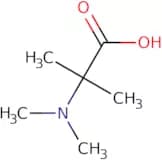
CAS:<p>4-Aminophenylboronic acid hydrochloride is a fluorescent probe that can be used to detect hydrogen bonds in proteins. It has been used to measure water vapor in human serum and as an electrochemical impedance spectroscopy probe for the detection of ATP levels. This compound has also been used as a fluorescence probe for the detection of viruses and fetal bovine serum, as well as nanomaterials and matrix effect studies. 4-Aminophenylboronic acid hydrochloride is synthesized through the reaction of 4-aminophenylboronic acid with hydrochloric acid in water at high temperature, which produces a white solid. The thermal expansion coefficient of this compound is 2.6 x 10^-5 K^-1.</p>Formula:C6H8BNO2•HClPurezza:Min. 95%Colore e forma:PowderPeso molecolare:173.4 g/mol2-(Dimethylamino)-2-methylpropanoic acid
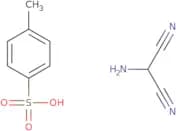
CAS:2-(Dimethylamino)-2-methylpropanoic acid is a solvent that has been investigated for use in vapor phase systems. It has been shown to have the ability to adsorb onto surfaces and to be able to desorb from these surfaces at a later time. This process allows 2-(dimethylamino)-2-methylpropanoic acid to be used as an additive for waterproofing and other applications. A thermogravimetric analysis of 2-(dimethylamino)-2-methylpropanoic acid showed that it decomposes at temperatures between 220°C and 260°C, which is lower than the temperature required for many other solvents. This property makes it suitable for use in vapor phase systems.Formula:C6H13NO2Purezza:Min. 95%Colore e forma:PowderPeso molecolare:131.17 g/molAminomalononitrile p-toluenesulfonate
CAS:<p>Aminomalononitrile p-toluenesulfonate is a synthetic, homologous chemical that inhibits the replication of virus type-1. It has been shown to have anticancer activity in mice by inducing apoptosis and necrosis in cancer cells. Aminomalononitrile p-toluenesulfonate is an inhibitor of the assembly of virus particles by inhibiting the polymerization of nucleoprotein complexes with low energy. In addition, it can inhibit chloride channels, which are required for viral entry into cells. Aminomalononitrile p-toluenesulfonate binds to metal ions, such as copper or iron, and blocks their function in cell signaling pathways. The functional groups present on this compound are aminomethylbenzenesulfonyl and isothiocyanates.</p>Formula:C7H8O3S·C3H3N3Purezza:Min. 95%Colore e forma:White PowderPeso molecolare:253.28 g/mol2,5-Bis(aminomethyl)tetrahydrofuran
CAS:2,5-Bis(aminomethyl)tetrahydrofuran is a polymerization catalyst for polyethylene terephthalate that has been shown to be effective at low temperatures. It is not active at high temperatures and is stable in acidic and neutral media. 2,5-Bis(aminomethyl)tetrahydrofuran can be used as an electrochemical catalyst for the conversion of 5-hydroxymethylfurfural (HMF) to formic acid. This reaction has been shown to have a high turnover frequency and to be sustainable because it does not require fossil fuels or heavy metals as reactants. The parameters of this reaction are still being investigated, including the effect of oxidant on the rate of catalysis.Formula:C6H14N2OPurezza:Min. 95%Colore e forma:Colorless PowderPeso molecolare:130.19 g/mol[5-(4-Aminophenyl)-2-furyl]methanol
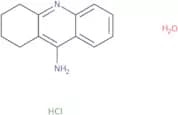
CAS:<p>Please enquire for more information about [5-(4-Aminophenyl)-2-furyl]methanol including the price, delivery time and more detailed product information at the technical inquiry form on this page</p>Formula:C11H11NO2Purezza:Min. 95%Colore e forma:Brown PowderPeso molecolare:189.21 g/mol9-Amino-1,2,3,4-tetrahydroacridine HCl hydrate
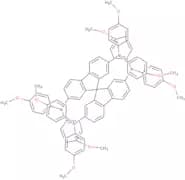
CAS:Prodotto controllato9-Amino-1,2,3,4-tetrahydroacridine HCl hydrate (9AHT) is a cholinergic agent that inhibits the activity of the ns3 protease. It has been shown to inhibit tumor growth and induce apoptosis in prostate cancer cells. 9AHT also exhibits neuroprotective effects through its ability to inhibit acetylcholinesterase and reduce neuronal death. This drug has been used as a biological sample for the detection of amyloid proteins in cell culture. Acetate extract from Astragalus (a medicinal plant) was found to have an inhibitory effect on acetylcholinesterase activity. Protocatechuic acid, which is found in many plants, including grapefruit peel, has also been shown to be an inhibitor of acetylcholinesterase activity.Formula:C13H15ClN2·xH2OPurezza:Min. 95%Colore e forma:White PowderPeso molecolare:234.72 g/mol2,2',7,7'-Tetrakis-(N,N-di-4-methoxyphenylamino)-9,9'-spirobifluorene - Sublimed grade
CAS:2,2',7,7'-Tetrakis-(N,N-di-4-methoxyphenylamino)-9,9'-spirobifluorene (TPB) is a model system for investigating the transport of light signal in polymers. TPB can be used as a component in solar cells to increase their efficiency and improve their resistance to heat. TPB has shown high resistance to hydrochloric acid and other aggressive chemicals. TPB has been shown to be an effective photoelectron donor with a redox potential that is close to the one of copper; this property can be used for electrochemical impedance spectroscopy.Formula:C81H68N4O8Purezza:Min. 95%Colore e forma:Off-white to yellow solid.Peso molecolare:1,225.43 g/molN,N-Bis(4-bromobenzyl)amine
CAS:Formula:C14H13Br2NPurezza:>98.0%(GC)(T)Colore e forma:White to Orange to Green powder to crystalPeso molecolare:355.07[2-(6-Methylpyridin-2-yl)ethyl]amine
CAS:2-(6-Methylpyridin-2-yl)ethyl]amine is a reagent that is used as a building block for the synthesis of heterocycles. It is used in the preparation of various complex compounds, such as 2-(6-methylpyridin-2-yl)ethylamine hydrochloride, 2-(6-methylpyridin-2-yl)ethylamine hydrobromide, and 2-[(6-methylpyridin-2-yl)ethyl]amine hydrochloride. This chemical can be used as an intermediate in the synthesis of fine chemicals or speciality chemicals. It has CAS No. 19363-94-1 and is an important research chemical with versatile uses in organic synthesis reactions.Formula:C8H12N2Purezza:Min. 95%Colore e forma:Colourless LiquidPeso molecolare:136.19 g/mol3-[[3-[(Dimethylamino)carbonyl]-2-hydroxyphenyl]amino]-4-[[(R)-1-(4-isopropylfuran-2-yl)propyl]amino]cyclobut-3-ene-1,2-dione
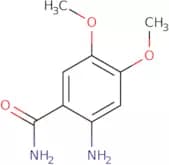
CAS:Please enquire for more information about 3-[[3-[(Dimethylamino)carbonyl]-2-hydroxyphenyl]amino]-4-[[(R)-1-(4-isopropylfuran-2-yl)propyl]amino]cyclobut-3-ene-1,2-dione including the price, delivery time and more detailed product information at the technical inquiry form on this pageFormula:C23H27N3O5Purezza:Min. 95%Peso molecolare:425.48 g/mol2-Amino-4,5-dimethoxybenzamide
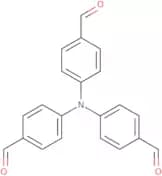
CAS:<p>2-Amino-4,5-dimethoxybenzamide is an anticancer agent that inhibits the epidermal growth factor receptor tyrosine kinase. It binds to the linker region of the epidermal growth factor receptor and prevents autophosphorylation. 2-Amino-4,5-dimethoxybenzamide has shown in vitro cytotoxic activity against testicular cancer cells and acute lymphoblastic leukemia cells. 2-Amino-4,5-dimethoxybenzamide is a synthetic compound that has been shown to have bioisosteric properties with other growth factors such as epidermal growth factor.</p>Formula:C9H12N2O3Purezza:Min. 95%Colore e forma:PowderPeso molecolare:196.2 g/molTris(4-formylphenyl)amine
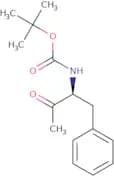
CAS:Tris(4-formylphenyl)amine is an organic molecule with a phenol and formamidine functional group. It has been shown to be effective in clinical studies when used as a chelating agent. Tris(4-formylphenyl)amine is able to bind metal ions in the presence of oxygen, which is due to its acidic nature. The molecule also has peroxidase-like activity, which can be used for the detection of plasma samples. Tris(4-formylphenyl)amine has been shown to have fluorescence properties that are dependent on pH and temperature, as well as fluorescence lifetimes. This molecule also exhibits optical properties that are dependent on the wavelength of light used for excitation.Formula:C21H15NO3Purezza:Min. 95%Colore e forma:Slightly Yellow PowderPeso molecolare:329.35 g/molBoc-(3S)-3-amino-4-phenyl-2-butanone
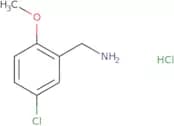
CAS:<p>Boc-(3S)-3-amino-4-phenyl-2-butanone is a chemical intermediate that is useful as a building block in organic synthesis. It has been used as a reaction component, reagent and high quality research chemical. Boc-(3S)-3-amino-4-phenyl-2-butanone is also a versatile building block and useful intermediate for the preparation of complex compounds. This chemical has shown to have speciality applications in fine chemicals such as pharmaceuticals and agrochemicals.</p>Formula:C15H21NO3Purezza:Min. 95%Colore e forma:White to off-white solid.Peso molecolare:263.33 g/mol5-Chloro-2-methoxybenzylamine hydrochloride
CAS:<p>5-Chloro-2-methoxybenzylamine hydrochloride is a chemical substance that is used as an intermediate in the synthesis of pharmaceuticals and other chemicals. It can be used as a building block to create complex compounds, or it can be used in reactions to produce speciality chemicals. 5-Chloro-2-methoxybenzylamine hydrochloride is a high quality reagent that can be used as a reaction component in research and development.<br>A fine chemical, 5-Chloro-2-methoxybenzylamine hydrochloride has many uses as a versatile building block for organic synthesis. It is also useful for generating research chemicals and complex compounds for use in medicines and other products.</p>Formula:C8H10ClNO·(HCl)Purezza:Min. 95%Colore e forma:PowderPeso molecolare:208.08 g/mol2,5,6-Triamino-4-hydroxypyrimidine
CAS:<p>2,5,6-Triamino-4-hydroxypyrimidine (THP) is a nitrogenous base that has been shown to have anticancer activity. It is an intermediate in the biosynthesis of lysine and can be found in environmental pollution. THP is formed by the reaction of hydrogen chloride with dimethylformamide, which produces hydrochloric acid as a byproduct. 2,5,6-Triamino-4-hydroxypyrimidine also reacts with glyoxal to produce a compound that can cause metabolic disorders. THP is an acidic compound that becomes neutral when dissolved in water. The molecular formula for THP is C 3 H 6 N 8 O 4 .</p>Formula:C4H7N5OPurezza:Min. 95%Colore e forma:PowderPeso molecolare:141.13 g/mol[(1,2-Dimethyl-1H-benzimidazol-5-yl)methyl]amine dihydrochloride
CAS:<p>[(1,2-Dimethyl-1H-benzimidazol-5-yl)methyl]amine dihydrochloride is a reagent that is used as a reaction component in the synthesis of organic and inorganic compounds. It is used as a high quality research chemical for use in the production of fine chemicals and pharmaceuticals. This compound has many uses as a versatile building block, useful intermediate, or useful building block in the synthesis of complex compounds. It can also be used to make various speciality chemicals. [(1,2-Dimethyl-1H-benzimidazol-5-yl)methyl]amine dihydrochloride is stable at room temperature and can be stored under ambient conditions indefinitely.</p>Formula:C10H13N3·2HClPurezza:Min. 95%Colore e forma:White PowderPeso molecolare:248.15 g/mol2-Aminothiazole-5-carboxylic acid
CAS:<p>2-Aminothiazole-5-carboxylic acid is a synthetic compound that is currently being investigated as a potential anticancer agent. 2-Aminothiazole-5-carboxylic acid has shown anticancer activity in clinical studies, with an increase in the number of cancer cells killed and a decrease in the number of cancer cells surviving after treatment. The mechanism of action for this drug is not well understood, but it may be due to its ability to inhibit cellular processes such as DNA synthesis and protein synthesis.<br>2-Aminothiazole-5-carboxylic acid does not show significant toxicity at therapeutic doses, although it can cause some side effects including nausea, vomiting, constipation, diarrhea, headaches, and fever.</p>Formula:C4H4N2O2SPurezza:Min. 95%Colore e forma:PowderPeso molecolare:144.15 g/mol2-Hydroxybenzylamine hydrate
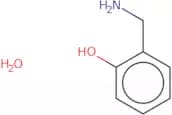
CAS:<p>2-Hydroxybenzylamine hydrate is a fine chemical, useful building block, research chemical, and reagent. It is soluble in water and has a neutral pH. 2-Hydroxybenzylamine hydrate is an intermediate in the synthesis of amphetamines and phenethylamines. This product is also used as a reaction component for the synthesis of polymers, pharmaceuticals, natural products, and other organic compounds. 2-Hydroxybenzylamine hydrate has a high quality level and can be used as a versatile building block in complex reactions.</p>Formula:C7H9NO·H2OPurezza:Min. 95%Peso molecolare:141.17 g/mol3-(2-Diisopropylaminoethyl)indole hydrochloride
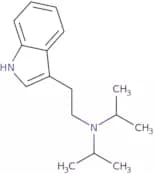
CAS:Prodotto controllato<p>3-(2-Diisopropylaminoethyl)indole hydrochloride is an inhibitor of the enzyme monoamine oxidase (MAO). MAO is responsible for the degradation of monoamines such as serotonin, dopamine, and norepinephrine. 3-(2-Diisopropylaminoethyl)indole hydrochloride inhibits these enzymes in order to increase the levels of these neurotransmitters in the brain. These effects are observed with a sectional study on the host plant species. 3-(2-Diisopropylaminoethyl)indole hydrochloride has been shown to have low potency for inhibiting 5-HT1A and 5-HT2A receptors in rat studies, but it is not active against 5-HT2C receptors. This drug was used to measure urinary serotonin and dopamine levels in human urine samples.</p>Formula:C16H25ClN2Purezza:Min. 95%Peso molecolare:280.84 g/molN,N'-Bis(acryloyl)cystamine
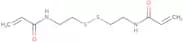
CAS:<p>N,N'-Bis(acryloyl)cystamine is a cross-linking agent that has been shown to be effective in the prevention and treatment of cancer. It is a component of nanogels that have been shown to bind to viruses in a way that prevents them from infecting cells. N,N'-Bis(acryloyl)cystamine can also be used as an adjuvant for vaccines against infectious diseases such as malaria and HIV, by binding to antigens on these viruses so they are more easily recognized by the immune system. This drug can also be used for the treatment of inflammation due to its anti-inflammatory properties.</p>Formula:C10H16N2O2S2Purezza:Min. 95%Colore e forma:White PowderPeso molecolare:260.38 g/mol(1S,2R)-(+)-2-Amino-1,2-diphenylethanol
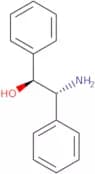
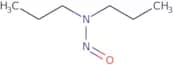
CAS:Prodotto controllato(1S,2R)-(+)-2-Amino-1,2-diphenylethanol is an enantiopure amine that has been used as a ligand in supramolecular chemistry. It can be prepared by reacting 2-chloropropane with thionyl chloride and primary alcohols. The chloride group facilitates the reaction rate and can be replaced by nitro groups to immobilize the product on a solid substrate. (1S,2R)-(+)-2-Amino-1,2-diphenylethanol has optical properties that are dependent on its environment. It can be used to label cells for studies of cell differentiation or cell migration. This compound also reacts with cyclohexane rings to form cyclic products with different optical properties than those of the reactants. The reaction yield is high in this process.Formula:C14H15NOPurezza:Min. 95%Colore e forma:White To Beige SolidPeso molecolare:213.28 g/molN-Nitrosodipropylamine
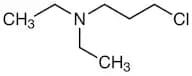
CAS:<p>N-Nitrosodipropylamine is a chemical that is used in wastewater treatment. It is found in acetate extracts of sewage sludge and has been shown to inhibit the activity of rat liver microsomes. N-Nitrosodipropylamine has been linked to cancer, and although it has not been shown to cause cancer in rats, it does have carcinogenic potential. This chemical also inhibits the activity of bacterial cytochrome P450 enzymes, which are important for regulating the synthesis of lipids, steroids, and other biologically important molecules. N-Nitrosodipropylamine has also been shown to be an anthelmintic drug, but when administered orally or intraperitoneally at high doses, it causes maternal toxicity and fetal death in pregnant rats. The use of this drug should therefore be avoided during pregnancy.</p>Formula:C6H14N2OPurezza:Min. 95%Colore e forma:Clear LiquidPeso molecolare:130.19 g/mol3-Chloro-N,N-diethylpropan-1-amine
CAS:Formula:C7H16ClNPurezza:>98.0%(GC)(T)Colore e forma:Colorless to Almost colorless clear liquidPeso molecolare:149.663-Fluoro-4-(4-morpholinyl) benzenamine
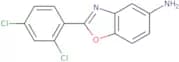
CAS:<p>3-Fluoro-4-(4-morpholinyl) benzenamine is an antibiotic drug that belongs to the group of nitro compounds. It is active against bacteria and fungi, but not against viruses. It has been shown to inhibit bacterial growth by binding to the gyrase enzyme, which is essential for DNA replication. 3-Fluoro-4-(4-morpholinyl) benzenamine also inhibits protein synthesis by topoisomerase inhibition and has been shown to be effective against a wide range of bacteria including Pseudomonas aeruginosa, Escherichia coli, Enterobacter cloacae, Klebsiella pneumoniae, Proteus mirabilis, Serratia marcescens, and Staphylococcus aureus. 3-Fluoro-4-(4-morpholinyl) benzenamine has low toxicity in humans because it reacts with nitric oxide (NO), producing harmless fluoroacetate</p>Formula:C10H13FN2OPurezza:Min. 95%Colore e forma:PowderPeso molecolare:196.22 g/mol2-(2,4-Dichlorophenyl)-1,3-benzoxazol-5-amine
CAS:<p>2-(2,4-Dichlorophenyl)-1,3-benzoxazol-5-amine is a versatile building block that can be used in a wide range of chemical reactions. The compound is a reagent and speciality chemical with CAS No. 293737-83-4. It is an intermediate in the synthesis of pharmaceuticals and pesticides, as well as a useful scaffold for the synthesis of other compounds. 2-(2,4-Dichlorophenyl)-1,3-benzoxazol-5-amine has been shown to have high quality and can be used as a reaction component or building block in research labs.</p>Formula:C13H8Cl2N2OPurezza:Min. 95%Colore e forma:PowderPeso molecolare:279.12 g/mol2-Amino-4-(2,4-dichlorophenyl)-5-methylthiophene-3-carbonitrile
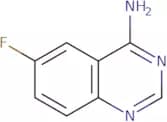
CAS:<p>The frequency range of 2-Amino-4-(2,4-dichlorophenyl)-5-methylthiophene-3-carbonitrile is between 0.1 and 1.0 GHz. The channel is between 1 and 10 MHz. The algorithm used for this frequency is the Gaussian algorithm. This frequency has been shown to have a frequency range of 0.1 to 1.0 GHz with a channel of 1 to 10 MHz and an algorithm of the Gaussian algorithm.</p>Formula:C12H8Cl2N2SPurezza:Min. 95%Colore e forma:Brown PowderPeso molecolare:283.18 g/mol4-Amino-6-fluoroquinazoline
CAS:4-Amino-6-fluoroquinazoline (4AFQ) is a protease inhibitor that has been shown to be effective in treating ulcerative colitis. It inhibits the activity of the human neutrophil elastase and cathepsin G, which are enzymes that degrade proteins and are involved in the inflammatory response. 4AFQ has also been shown to have antiatherogenic effects, inhibiting lipid uptake in macrophages and reducing fatty acid synthesis. This drug also induces apoptosis of monocytes, which reduces inflammation by decreasing cytokine production. 4AFQ is used as a probiotic agent for treatment of bacterial infections or as an additive to food products. 4AFQ can also be used as an adjuvant therapy for cancer treatments because it increases the effectiveness of chemotherapy drugs such as cisplatin and paclitaxel. This drug's water-soluble nature allows it to penetrate cell membranes more easily than other drugs with similarFormula:C8H6FN3Purezza:Min. 95%Colore e forma:PowderPeso molecolare:163.15 g/mol2-(3,5-Dichlorophenyl)ethanamine
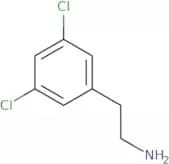
CAS:Prodotto controllato2-(3,5-Dichlorophenyl)ethanamine is a versatile building block that can be used in research and development of many compounds. This compound is a fine chemical that has been used as a reagent in organic synthesis. 2-(3,5-Dichlorophenyl)ethanamine is a useful intermediate and reaction component in the synthesis of other organics. It can also be used as a scaffold to synthesize more complicated molecules.Formula:C8H9Cl2NPurezza:Min. 95%Colore e forma:Clear LiquidPeso molecolare:190.07 g/mol[3-(1H-Pyrazol-1-yl)benzyl]amine
CAS:3-(1H-Pyrazol-1-yl)benzyl amine is a fine chemical that is used as a versatile building block in the synthesis of many complex compounds, such as pharmaceuticals and agrochemicals. This compound can be used to produce research chemicals, reaction components, and specialty chemicals. 3-(1H-Pyrazol-1-yl)benzyl amine is also a high quality reagent for use in the manufacture of various products.Formula:C10H11N3Purezza:Min. 95%Colore e forma:PowderPeso molecolare:173.21 g/molTetradecyltrimethylammonium chloride
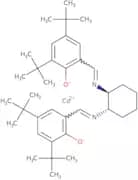
CAS:Tetradecyltrimethylammonium chloride (TTAC) is a hydrophobic fluorescent probe that has been used to investigate the properties of lipid bilayers and micelles. TTAC is fluorescent in aqueous solution and it can be used as a molecular-weight marker for organic solvents. The fluorescence lifetime of TTAC is dependent on the solvent conditions and the presence of counterions, while its fluorescence intensity depends on the concentration of TTAC in solution. The hydrophobic nature of TTAC causes it to be solubilized by micelles, which are spherical aggregates formed from amphiphilic molecules. This property makes TTAC ideal for studying micelles with surface properties and steady-state fluorescence.Formula:C17H38N·ClColore e forma:White PowderPeso molecolare:291.94 g/mol(S,S)-(+)-N,N'-Bis(3,5-di-tert-butylsalicylidene)-1,2-cyclohexanediaminocobalt(II)
CAS:<p>The (S,S)-(+)-N,N'-Bis(3,5-di-tert-butylsalicylidene)-1,2-cyclohexanediaminocobalt(II) is an orange copolymer that is soluble in water and organic solvents. It has a molecular weight of 542.83 g/mol and a density of 1.221 g/cm3. The (S,S)-(+)-N,N'-Bis(3,5-di-tert-butylsalicylidene)-1,2-cyclohexanediaminocobalt(II) is used to catalyze the desymmetrization of epoxides and the ligand in enantioselective kinetic preparative reactions. The (S,S)-(+)-N,N'-Bis(3,5-di-tert-butylsalicyl</p>Formula:C36H52CoN2O2Purezza:(Icp) Min. 96%Colore e forma:Red PowderPeso molecolare:603.74 g/mol4-Ethyl-1,3-thiazol-2-amine
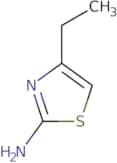
CAS:<p>4-Ethyl-1,3-thiazol-2-amine is a tertiary amine that is used as an alkylating agent. It has been shown to react with alcohols and form tertiary amines. 4-Ethyl-1,3-thiazol-2-amine can also react with carboxylic acids to form esters and with aldehydes to form acetals. This compound has been used in the synthesis of compounds such as aminothiazoles and thiazole.</p>Formula:C5H8N2SPurezza:Min. 95%Peso molecolare:128.2 g/molN,N-Diethyl-5-methyl-[1,2,4]triazolo[5,1-b]pyrimidin-7-amine
CAS:<p>N,N-Diethyl-5-methyl-[1,2,4]triazolo[5,1-b]pyrimidin-7-amine (MTX) is a drug that is used in the treatment of disease activity. It has been shown to have an effect on the production of redox potentials and energy metabolism. MTX also has an effect on cardiac muscle by inhibiting the enzyme activities associated with cardiac muscle contraction and relaxation. This drug has been shown to be effective in the treatment of bowel disease, injury, and basic protein as well as caproic acid production.</p>Formula:C10H15N5Purezza:Min. 95%Colore e forma:PowderPeso molecolare:205.26 g/mol4,6-Dimethyl-5-nitro-m-phenylenediamine
CAS:4,6-Dimethyl-5-nitro-m-phenylenediamine is a versatile building block that can be used as a reagent or a speciality chemical. It is used in research to test the susceptibility of bacteria to antibiotics and other toxic substances. 4,6-Dimethyl-5-nitro-m-phenylenediamine has been shown to inhibit the growth of Mycobacterium tuberculosis, Mycobacterium avium complex, and some strains of Staphylococcus aureus. This product is also useful for making high quality compounds that are useful scaffolds for drug development.br> 4,6-Dimethyl-5-nitro-m-phenylenediamine is an organic compound with the chemical formula C9H8N2O3. It has two asymmetric carbon atoms and exists as two enantiomers, one of which is more reactive than the other. The (S)-enFormula:C8H11N3O2Purezza:Min. 95%Peso molecolare:181.19 g/molMethenamine hippurate
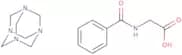
CAS:Prodotto controllato<p>Methenamine hippurate is a drug that has been used in the treatment of urinary tract infections. It is also used to prevent recurrence of these infections. Methenamine hippurate works by releasing formaldehyde, which inhibits the growth of bacteria by affecting their cell membrane. The release of formaldehyde is dependent on the concentration of methenamine and the pH, with a pH range from 7.0 to 8.5 being most effective for inhibiting bacterial growth. The release of formaldehyde can be inhibited by adding an acid to the urine sample or by adding hippurate to methenamine hippurate. Methenamine hippurate may cause drug interactions with other drugs that are eliminated through the kidneys, such as acetaminophen, sulfonamides, and indomethacin. This drug also has been shown to have therapeutic effects on choroidal neovascularization and geriatric patients with urinary tract infections.!--<br>END--></p>Formula:C6H12N4·C9H9NO3Purezza:Min. 95%Colore e forma:White PowderPeso molecolare:319.36 g/molTrt-cysteamine hydrochloride
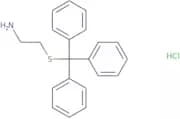
CAS:Trt-cysteamine hydrochloride is a prodrug that is metabolized to cysteamine in vivo. Cysteamine inhibits the production of tumor necrosis factor (TNF) by binding to its receptor and blocking NF-κB signaling pathways. In vitro models have shown that trt-cysteamine hydrochloride has minimal effects on cells, but when used in vivo, it can inhibit oxidative stress and induce cell death. Trt-cysteamine hydrochloride also binds to molecular targets with disulfide bonds, which may be potential therapeutic targets for cancer treatment.Formula:C21H21NS·HClPurezza:Min. 95%Colore e forma:White Off-White PowderPeso molecolare:355.92 g/molDaminozide
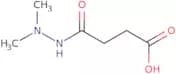
CAS:Daminozide is a plant growth regulator that belongs to the group of chemical substances called dinitrophenols. It is used in agriculture as a pre-planting seed treatment for potatoes and other vegetables to inhibit sprouting, increase yield, and reduce the incidence of disease. Daminozide has been shown to inhibit the activity of two enzymes, fatty acid desaturase (FAD) and lysine decarboxylase (LDC), in plants. The optimum concentration for daminozide is 0.1 mM, which can be achieved by adding ethylene diamine to tissue culture media at a concentration of 1 mM. Daminozide has not been shown to have any significant physiological effects in plants when applied at this concentration.Formula:C6H12N2O3Purezza:Min. 95%Colore e forma:PowderPeso molecolare:160.17 g/molPolyethylene Glycol Stearylamine (n=approx. 10)
Purezza:min. 90.0 %Colore e forma:Orange to Brown to Dark red clear liquid4-Propylbenzylamine
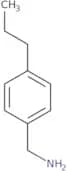
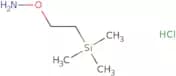
CAS:<p>4-Propylbenzylamine is a chemical compound that is an intermediate for the synthesis of other chemicals. It is a versatile building block that can be used in research to create useful scaffolds or as a reaction component to form complex compounds. 4-Propylbenzylamine has been shown to have high purity, and it is soluble in most solvents. The CAS number for this chemical is 538342-98-2.</p>Formula:C10H15NPurezza:Min. 95%Colore e forma:PowderPeso molecolare:149.23 g/molO-(2-Trimethylsilylethyl)hydroxylamine HCl
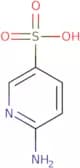
CAS:<p>O-(2-Trimethylsilylethyl)hydroxylamine HCl is a fine chemical that can be used as a versatile building block in the synthesis of complex compounds. It is also an intermediate for research chemicals, reagents, and speciality chemicals. O-(2-Trimethylsilylethyl)hydroxylamine HCl can be used as a reaction component in organic synthesis and has been shown to be useful in the synthesis of new scaffolds.</p>Formula:C5H15NOSi·HClPurezza:Min. 95%Colore e forma:White PowderPeso molecolare:169.72 g/mol2-Aminopyridine-5-sulfonic acid
CAS:2-Aminopyridine-5-sulfonic acid is an alkaline hydrolysis product of benzene and water. It is an organic compound that is classified as a heterocyclic amine. The molecule has a pyridine ring with two nitrogen atoms in the ring. 2-Aminopyridine-5-sulfonic acid has been shown to be used as a ligand for coordination of ruthenium metal ions, which has been studied by theory and experiment. This ligand was also found to be able to coordinate halides such as chloride, bromide, or iodide ions. 2-Aminopyridine-5-sulfonic acid can exist in two different isomers: (S)-2-(benzyloxycarbonylamino)pyridine 5 sulfonic acid or (R)-2-(benzyloxycarbonylamino)pyridine 5 sulfonic acid.Formula:C5H6N2O3SPurezza:Min. 95%Colore e forma:SolidPeso molecolare:174.18 g/molO-(N-Boc-2-aminoethyl)-O'-(N-diglycolyl-2-aminoethyl)hexaethyleneglycol
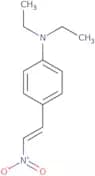
CAS:O-(N-Boc-2-aminoethyl)-O'-(N-diglycolyl-2-aminoethyl)hexaethyleneglycol is a PEG compound with two different functional groups (also known as heterobifunctional). Unlike homobifunctional PEG compounds (same functional group on both ends), this type of compounds are more versatile as have two different anchor points. O-(N-Boc-2-aminoethyl)-O'-(N-diglycolyl-2-aminoethyl)hexaethyleneglycol is used as a linker and spacer to add a PEG moiety, via pegylation (a bioconjugation technique) to proteins, peptides, oligonucleotides, small molecules and nanoparticles.Formula:C25H48N2O13Purezza:Min. 95%Colore e forma:PowderPeso molecolare:584.65 g/mol(1-(4-Diethylamino)phenyl)-2-nitroethene
CAS:<p>(1-(4-Diethylamino)phenyl)-2-nitroethene is a fluorescent probe that can be used to measure the growth rate of microorganisms. It is also a polarizable fluorescent molecule that is sensitive to environmental effects such as pH, temperature, and light intensity. This compound has been used as a chromophore in optical devices and has been observed to have linear responses to changes in time constants. The fluorescence of (1-(4-diethylamino)phenyl)-2-nitroethene is proportional to the molecular response of the protein or nucleic acid it binds to. This compound is also an inorganic compound with dipole moments, which are properties that allow it to interact with other compounds.</p>Formula:C12H16N2O2Purezza:Min. 95%Peso molecolare:220.27 g/mol4-Nitro-4'-acetylaminodiphenyl sulfone
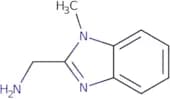
CAS:4-Nitro-4'-acetylaminodiphenyl sulfone is a high quality reagent that is useful for the synthesis of complex compounds. It is a useful intermediate and building block in the synthesis of fine chemicals, pharmaceuticals, and other organic compounds. 4-Nitro-4'-acetylaminodiphenyl sulfone has CAS No. 1775-37-7 and can be used as a speciality chemical in research laboratories. This compound has versatile uses in many types of reactions and can be used as a reaction component in the synthesis of many types of organic compounds.Formula:C14H12N2O5SPurezza:Min. 95%Peso molecolare:320.32 g/mol(1-Methyl-1H-benzimidazol-2-yl)methylamine
CAS:Prodotto controllato(1-Methyl-1H-benzimidazol-2-yl)methylamine is a heterocyclic compound with the chemical formula C6H5NCH3. It is used in organic synthesis as a building block for other compounds. (1-Methyl-1H-benzimidazol-2-yl)methylamine can be synthesized by reacting methylamine and benzimidazole in solvothermal conditions, followed by purification with ionization mass spectrometry. The compound has a molecular weight of 136 g/mol and an ionization mass of 133. This compound is homolytic under standard conditions, meaning that it undergoes reaction processes that break covalent bonds using heat or light energy. This process creates ions from neutral molecules, which are then analyzed by ionization mass spectrometry to determine the composition of the molecule.Formula:C9H11N3Purezza:Min. 95%Colore e forma:Slightly Yellow PowderPeso molecolare:161.2 g/mol2-(4-Benzylpiperidin-1-yl)ethanamine
CAS:<p>2-(4-Benzylpiperidin-1-yl)ethanamine is a fine chemical that is useful for the preparation of versatile building blocks. This compound is an intermediate in the synthesis of a variety of compounds, including research chemicals and speciality chemicals. It has been used as a reaction component in the synthesis of complex compounds with high quality. 2-(4-Benzylpiperidin-1-yl)ethanamine is also a reagent that can be used to synthesize amines and amides. CAS No. 25842-32-4</p>Formula:C14H22N2Purezza:Min. 95%Colore e forma:LiquidPeso molecolare:218.34 g/mol(S)-3-Amino-3-phenylpropan-1-ol
CAS:<p>The enantiopure (S)-3-Amino-3-phenylpropan-1-ol is a chiral and optically pure amino alcohol compound. It is an antibiotic that inhibits the bacterial enzyme acylase, which catalyzes the hydrolysis of ester bonds in fatty acids. This drug is also an inhibitor of drug substance, as well as an active form of dapoxetine hydrochloride. The (S)-3-Amino-3-phenylpropan-1-ol has been shown to be effective against both Gram positive and Gram negative bacteria, including methicillin resistant Staphylococcus aureus (MRSA) and Mycobacterium tuberculosis.</p>Formula:C9H13NOPurezza:Min. 95%Colore e forma:Off-White PowderPeso molecolare:151.21 g/mol1,3-Diaminopropane
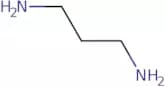
CAS:1,3-Diaminopropane is a molecule that belongs to the group of organic compounds known as diamine. It is a colorless liquid with an unpleasant odor. 1,3-Diaminopropane has inhibitory properties and can be used in the treatment of squamous cell carcinoma and galleria mellonella. The mechanism of action for this compound has been determined by x-ray crystal structures. 1,3-Diaminopropane reacts with picolinic acid (PA) to form an intramolecular hydrogen bond, which inhibits PA's ability to react with other molecules. This results in PA being unable to form reactive intermediates that normally lead to cancerous changes in cells.Formula:C3H10N2Purezza:Min. 95%Colore e forma:Clear LiquidPeso molecolare:74.12 g/mol2,2-Diphenylethylamine
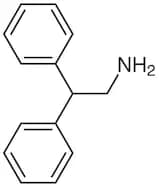
CAS:Formula:C14H15NPurezza:>98.0%(GC)(T)Colore e forma:White or Colorless to Light yellow to Light orange powder to lump to clear liquidPeso molecolare:197.28(3-Isopropoxybenzyl)amine
CAS:<p>(3-Isopropoxybenzyl)amine is a high quality, reagent grade chemical that can be used as an intermediate for the synthesis of complex organic compounds. It is also a useful building block for the synthesis of speciality chemicals and research chemicals. This compound has a versatile building block that is used in the synthesis of new molecules. Reaction components such as (3-isopropoxybenzyl)amine are important for synthesizing more complex molecules and can be easily purified with chromatography or recrystallization.</p>Formula:C10H15NOPurezza:Min. 95%Colore e forma:Colorless PowderPeso molecolare:165.23 g/mol2-(2,6-Dichlorophenyl)ethylamine
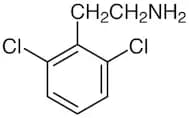
CAS:Formula:C8H9Cl2NPurezza:>98.0%(GC)(T)Colore e forma:Colorless to Light orange to Yellow clear liquidPeso molecolare:190.07Tri(octyl-decyl)methylammonium chloride - R=C8-C10
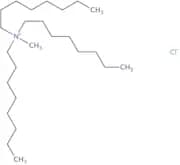
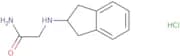
CAS:Tri(octyl-decyl)methylammonium chloride (TODMA) is a quaternary ammonium salt that has been used as a wastewater treatment agent. TODMA has shown to adsorb particles of chitosan, which are positively charged and hydrophilic. Chitosan is an acidic polymer that can be used in the development of nanoparticulate compositions for therapeutic use. TODMA has been shown to have physiological effects in the body, such as lowering blood pressure and heart rate and producing a sense of calmness. It also has been shown to affect chloride levels in the body and inhibit water vapor from leaving the lungs. This compound can be synthesized by reacting hydrogen fluoride with chloroethane. The thermodynamic data for this compound is available on line at http://www.webelements.com/trioctyldecylammoniumchloride/.Formula:C25H54ClNPurezza:Min. 95%Colore e forma:Colorless Clear LiquidPeso molecolare:404.16 g/mol2-(Indenylamino)acetamide, hydrochloride salt
CAS:2-(Indenylamino)acetamide, hydrochloride salt is a potential drug that is an uptake inhibitor. It prevents the uptake of dopamine in the brain and has been shown to be neuroprotective in animal research. It also has potential to treat diabetic neuropathy, inflammatory diseases, and pain. The kinetic properties of this drug were studied using rat striatal cells. 2-(Indenylamino)acetamide, hydrochloride salt inhibits the transport of dopamine into these cells by blocking the movement of dopamine from outside the cell to inside the cell. This drug could potentially be used for treatment of Parkinson's disease or other conditions involving dopaminergic dysfunction.Formula:C11H15ClN2OPurezza:Min. 95%Colore e forma:PowderPeso molecolare:226.7 g/mol2-Pyridin-4-yl-1,3-benzoxazol-5-amine
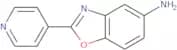
CAS:2-Pyridin-4-yl-1,3-benzoxazol-5-amine is a fine chemical that is useful as a building block in organic synthesis. It can be used in the preparation of other chemicals and pharmaceuticals. This compound is also used as a reagent in research. 2-Pyridin-4-yl-1,3-benzoxazol-5-amine has been shown to be an excellent intermediate for the synthesis of complex compounds. It can also be used as a scaffold for drug design with versatile chemical reactivity.Formula:C12H9N3OPurezza:Min. 95%Colore e forma:PowderPeso molecolare:211.22 g/mol2-Amino-5-fluorobenzamide
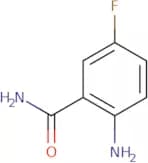
CAS:<p>2-Amino-5-fluorobenzamide (2AFB) is a compound that has been shown to have neurotoxic properties. 2AFB is a ring-opening agent, which means it can open the six-membered ring of aromatic compounds such as benzene or pyridine. 2AFB also has affinity for metal ions and therefore can be used in magnetic separations. The reaction system of 2AFB includes an enzyme, pentylenetetrazole (PTZ), that catalyzes the reaction between 2AFB and its substrate, 4-nitrophenol (4NP). This reaction produces free radicals that react with oxygen to produce peroxides. These peroxides are then detected by a chemiluminescence assay. In this way, the amount of 2AFB and 4NP can be measured quantitatively.<br>2AFB also has antioxidant properties, which may be due to its ability to scavenge free radicals from</p>Formula:C7H7FN2OPurezza:Min. 95%Colore e forma:PowderPeso molecolare:154.14 g/molAmmonium formate
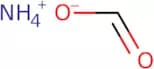
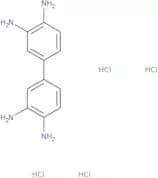
CAS:<p>Ammonium formate is a formic acid that is used in the treatment of bowel disease. It also has inhibitory properties against copper chloride and formic acid, which are two chemical compounds that are commonly found in wastewater. Ammonium formate can be used to treat wastewater by inhibiting complex enzymes (e.g., β-oxidoreductase) and preventing the formation of toxic chemicals such as formaldehyde, acetic acid, and hydrogen peroxide. Ammonium formate has been shown to increase the rate of phase transition temperature for zirconium oxide by suppressing its oxidation and reducing its thermal conductivity. The matrix effect of ammonium formate can be used as a model system for studying enzyme activities and biocompatible polymers.</p>Formula:CH2O2•H3NPurezza:Min. 95%Colore e forma:White Clear LiquidPeso molecolare:63.06 g/mol3,3'-Diaminobenzidine tetrahydrochloride
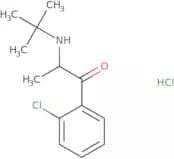
CAS:<p>3,3'-Diaminobenzidine tetrahydrochloride or DAB hydrochloride is the hydrochloride salt of biphenyl tetra-aniline. DAB hydrochloride is a water-soluble formulation of DAB and is used in immunohistochemical staining of nucleic acids and proteins. DAB hydrochloride is used in Alzheimer's disease research, Aβ protein amyloid plaques are targeted by a primary antibody, and subsequently by a secondary antibody, which is conjugated with a peroxidase enzyme. This will bind DAB as a substrate and oxidize causing a colour change. 3,3’-Diaminobenzidine tetrahydrochloride is also available as the tetrahydrochloride hydrate and as the free base.</p>Formula:C12H14N4•4HClPurezza:Min. 95%Colore e forma:Off-White PowderPeso molecolare:360.12 g/mol2-(tert-Butylamino)-2'-chloropropiophenone hydrochloride
CAS:Prodotto controllato2-(tert-Butylamino)-2'-chloropropiophenone hydrochloride (BAPCH) is a fine chemical that is used as a building block in the synthesis of other compounds. It can be used as a reagent or speciality chemical in research, and is also an intermediate for the synthesis of other chemicals. BAPCH has a CAS number of 1049718-57-1, and is a versatile building block with many reactions. BAPCH has been shown to be useful in complex syntheses that require reactive groups and scaffolds.Formula:C13H19Cl2NOPurezza:Min. 95%Colore e forma:White To Off-White SolidPeso molecolare:276.2 g/mol4-Aminopyrazolo[3,4-d]pyrimidine
CAS:4-Aminopyrazolo[3,4-d]pyrimidine is a potent adenosine nucleotide analog that also lowers LDL cholesterol in the blood. It is used as a model system to study the uptake of nucleotides by Leishmania. 4-Aminopyrazolo[3,4-d]pyrimidine has been shown to be active against Leishmania parasites in vivo and at physiological levels. This drug has high resistance to leishmaniasis and can be used as an analog for ATP. 4-Aminopyrazolo[3,4-d]pyrimidine binds to the receptor activity on liver cells and stimulates epidermal growth factor production. It also interacts with the nucleotide levels in cells by acting as an analog for ATP.Formula:C5H5N5Purezza:Min. 95%Colore e forma:Red PowderPeso molecolare:135.13 g/molMethyl 4-methyl-3-[(N-propylalanyl)amino]thiophene-2-carboxylate HCl
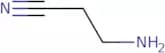
CAS:Methyl 4-methyl-3-[(N-propylalanyl)amino]thiophene-2-carboxylate HCl is a local anesthetic. It has been shown to be effective in the treatment of dental pain. Methyl 4-methyl-3-[(N-propylalanyl)amino]thiophene-2-carboxylate HCl acts by inhibiting the sodium channels in nerve cells, thereby blocking the transmission of pain signals and causing muscle relaxation. This drug also provides relief from anxiety, tension, and fear. Methyl 4-methyl-3-[(N-propylalanyl)amino]thiophene-2-carboxylate HCl has a rapid onset of action, with effects lasting up to 45 minutes. The drug is metabolized by hydrolysis to methyl 3-(aminocarbonyl)thiophene carboxylate and excreted in urine as metabolites.Formula:C13H20N2O3S·HClPurezza:Min. 95%Colore e forma:PowderPeso molecolare:320.84 g/mol3-Aminopropionitrile
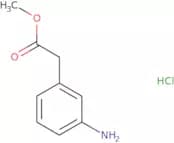
CAS:<p>3-Aminopropionitrile is a chemical compound that is used in the synthesis of pharmaceuticals. It has been shown to have a high rate constant, which can be used to measure the rate of reaction. 3-Aminopropionitrile also has been found to be an injury signal peptide, and has been shown to induce metabolic response in liver cells. 3-Aminopropionitrile has been shown to inhibit enzyme activity, such as collagenase, elastase, and matrix metalloproteinase 2 (MMP2). It also is known to cause biochemical changes in the body. 3-Aminopropionitrile may also play a role in cancer tissues and can be used as a model system for studying experimental models.<br>3-Aminopropionitrile's polymerizing effect on water molecules makes it useful in creating polymers that are resistant to UV light and heat. This chemical compound also binds with calcium pant</p>Formula:C3H6N2Purezza:Min. 95%Colore e forma:PowderPeso molecolare:70.09 g/molMethyl 3-aminophenylacetate hydrochloride
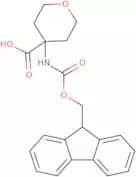
CAS:Methyl 3-aminophenylacetate hydrochloride is a versatile building block that can be used as a reagent for the synthesis of complex compounds. It has been widely used in the production of specialty chemicals, research chemicals and other building blocks. Methyl 3-aminophenylacetate hydrochloride is also an important intermediate in the production of speciality chemicals and pharmaceuticals. This chemical is a high quality chemical that can be used as a reaction component or scaffold for the synthesis of organic compounds.Formula:C9H12ClNO2Purezza:Min. 95%Peso molecolare:201.65 g/molFmoc-4-amino-tetrahydropyran-4-carboxylic acid
CAS:Fmoc-4-amino-tetrahydropyran-4-carboxylic acid is a versatile building block that can be used for the synthesis of many complex compounds and research chemicals. It is a speciality chemical which has been shown to be a useful intermediate in reactions, as well as being a reagent. Fmoc-4-amino-tetrahydropyran-4-carboxylic acid has also been shown to be an effective scaffold for drug design and development.Formula:C21H21NO5Purezza:Min. 95%Colore e forma:White/Off-White SolidPeso molecolare:367.4 g/mol2-[(4-Chlorophenyl)amino]nicotinic acid
CAS:2-[(4-Chlorophenyl)amino]nicotinic acid is a fine chemical that is useful for the production of a variety of compounds. It is also used as a research chemical and a building block in the synthesis of complex compounds. This compound has no known use as a drug, but it can be used as a reagent or intermediate in chemical reactions. The CAS number for this compound is 16344-26-6.Formula:C12H9ClN2O2Purezza:Min. 95%Colore e forma:Brown PowderPeso molecolare:248.66 g/molNb[n-N-butyl-N-acetyl]aminopropionic acid ethyl ester
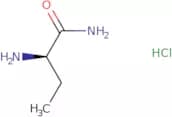
CAS:<p>Nb[n-N-butyl-N-acetyl]aminopropionic acid ethyl ester is a nitro compound that can be used as a repellent. It is often used in pharmaceutical preparations, such as topical and oral medications. The Nb[n-N-butyl-N-acetyl]aminopropionic acid ethyl ester molecule has nitrogen atoms with two hydrogens each, which are separated by an oxygen atom. This makes it a polar molecule because the hydrogen atoms are not on the same side of the molecule. The Nb[n-N-butyl-N-acetyl]aminopropionic acid ethyl ester also contains two carboxylic acids, which are fatty acids with one carbon atom and two hydrogens each. This makes it an organic compound that can be analyzed using gas chromatography or high performance liquid chromatography.</p>Formula:C11H21NO3Purezza:Min. 95%Colore e forma:Clear LiquidPeso molecolare:215.29 g/mol(R)-2-Aminobutanamide hydrochloride
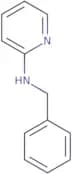
CAS:<p>(R)-2-Aminobutanamide hydrochloride is a compound that contains chloride gas. This compound is an alkylating agent, which means it can form new carbon-nitrogen bonds by adding to the electrophilic center of a molecule. This process is used industrially to produce butyronitrile, which is a precursor for nylon and other plastics. The introduction of (R)-2-aminobutanamide hydrochloride into industrial processes has decreased the use of l-tartaric acid, diluent, and hydrogen chloride. The impurities in this compound are typically quantified using gas chromatography with flame ionization detection.<br>(R)-2-Aminobutanamide hydrochloride is an acidic compound that dissociates in water to release hydrogen chloride. It has two chiral forms: <br>The enantiomers have different chemical properties due to their different configurations around the central carbon atom. In the case of (</p>Formula:C4H10N2O·HClPurezza:Min. 95%Colore e forma:White PowderPeso molecolare:138.6 g/mol2-Benzylaminopyridine
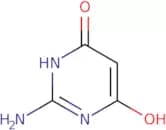
CAS:2-Benzylaminopyridine is a hydrogen bond donor that interacts with anions. This compound has been shown to be bactericidal and able to inhibit the activity of tyrosine kinase. It was also found to have functional theory properties. 2-Benzylaminopyridine is a ligand for coordination chemistry, which is used in supramolecular chemistry. The constant of this compound is high, making it useful as a starting material in the synthesis of other compounds. The imidazole derivatives of 2-benzylaminopyridine are chloride, which can be used as a ligand for interaction chemistry and dichroism spectroscopy.Formula:C12H12N2Purezza:Min. 98 Area-%Colore e forma:Yellow PowderPeso molecolare:184.24 g/mol2-Amino-4,6-dihydroxypyrimidine
CAS:<p>2-Amino-4,6-dihydroxypyrimidine is a chemical compound that is used in the synthesis of pemetrexed. It has been shown to inhibit the growth of cancer cells in cell culture by cross-coupling with nitrogen atoms in DNA and thereby inhibiting replication. 2-Amino-4,6-dihydroxypyrimidine also reacts with halides to form reaction intermediates that are capable of reacting with hydrogen bonds and other functional groups. This chemical compound has been shown to have radical scavenging activities in acidic environments and vibrational properties.</p>Formula:C4H5N3O2Purezza:Min. 98 Area-%Colore e forma:PowderPeso molecolare:127.1 g/molImidazo[1,2-a]pyridin-2-yl-methylamine dihydrochloride
CAS:<p>Imidazo[1,2-a]pyridin-2-yl-methylamine dihydrochloride is a fine chemical that is used as an intermediate in the synthesis of various compounds. It has been found to be an excellent building block for complex compounds and useful scaffold for a variety of research chemicals. Imidazo[1,2-a]pyridin-2-yl-methylamine dihydrochloride is also a reaction component that can be used in the synthesis of speciality chemicals and pharmaceuticals. Imidazo[1,2-a]pyridin-2-yl-methylamine dihydrochloride is soluble in water and methanol and can be stored at room temperature. This product has a CAS number of 452967-56-5.</p>Formula:C8H9N3·2HClPurezza:Min. 95%Colore e forma:PowderPeso molecolare:220.1 g/mol4-Aminopyridazin-3(2H)-one
CAS:<p>4-Aminopyridazin-3(2H)-one is an antiplatelet drug that has been shown to have a pharmacological effect on the central nervous system. It is also used as a chemotherapeutic agent for the treatment of certain types of cancer. 4-Aminopyridazin-3(2H)-one contains two nitrogen atoms that are substituted with methyl groups, which can be hydrolyzed by liver enzymes to form pyridazine and 4-aminopyridine. 4-Aminopyridazin-3(2H)-one inhibits bacterial growth by inhibiting protein synthesis and cell division at the ribosome level. This drug also has antimicrobial activity against Gram-positive bacteria and fungi, but is not active against Gram-negative bacteria such as Escherichia coli.</p>Formula:C4H5N3OPurezza:Min. 95%Colore e forma:White To Yellow SolidPeso molecolare:111.1 g/molThiamine nitrate
CAS:<p>Thiamine nitrate is a form of vitamin B1 that is used to treat thiamine deficiency. Thiamine nitrate is an oxidized form of thiamin, also known as vitamin B1. It can be synthesized by reacting thiamin hydrochloride with nitric acid. Thiamine nitrate has been shown to protect against neuronal death in the brain and restores cognitive function in patients with Wernicke-Korsakoff syndrome due to its ability to target enzymes involved in energy metabolism and calcium ion homeostasis. It also prevents acute alcohol intoxication and protects against neurotoxicity caused by nonsteroidal anti-inflammatory drugs.<br>Thiamine nitrate also has a fluorescence probe that can be used for detection and quantification of some proteins, such as DNA polymerase or ribonucleotide reductase, which are essential for cell growth or DNA synthesis.</p>Formula:C12H17N4OS·NO3Purezza:Min. 95%Colore e forma:White Clear LiquidPeso molecolare:327.36 g/mol3-Amino-4-bromopyridine
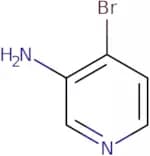
CAS:<p>3-Amino-4-bromopyridine is a receptor binding ligand that belongs to the group of synthetic, active natural products. It has been shown to stabilize nicotinic acetylcholine receptors and inhibit the release of acetylcholine. 3-Amino-4-bromopyridine has been shown to be a potent antagonist at nicotinic acetylcholine receptors and can be used in the treatment of disorders such as Parkinson's disease, Alzheimer's disease, and schizophrenia. 3-Amino-4-bromopyridine binds to pyridiniums in an inorganic acid environment and stabilizes them, which prevents their interaction with carbolines that are important for the modulation of neuronal activity.</p>Formula:C5H5BrN2Purezza:Min. 95%Colore e forma:Off-White PowderPeso molecolare:173.01 g/mol1-(1H-Benzimidazol-4-yl)methanamine hydrochloride
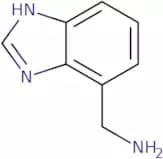
CAS:<p>1-(1H-Benzimidazol-4-yl)methanamine hydrochloride is a versatile building block that can be used as a research chemical, reaction component, or a speciality chemical. It is a fine chemical with high purity and quality. This compound can be used as a useful scaffold for the preparation of other compounds, including pharmaceuticals and agrochemicals. 1-(1H-Benzimidazol-4-yl)methanamine hydrochloride is an intermediate in organic synthesis reactions that are used to synthesize other organic compounds.</p>Formula:C8H8N3·HClPurezza:Min. 95%Colore e forma:PowderPeso molecolare:182.63 g/mol





![[5-(4-Aminophenyl)-2-furyl]methanol](/_next/image/?url=https%3A%2Fstatic.cymitquimica.com%2Fproducts%2F3D%2Fthumb-webp%2FFA134137.webp&w=3840&q=75)

![[2-(6-Methylpyridin-2-yl)ethyl]amine](/_next/image/?url=https%3A%2Fstatic.cymitquimica.com%2Fproducts%2F3D%2Fthumb-webp%2FFM123522.webp&w=3840&q=75)
![3-[[3-[(Dimethylamino)carbonyl]-2-hydroxyphenyl]amino]-4-[[(R)-1-(4-isopropylfuran-2-yl)propyl]ami…](/_next/image/?url=https%3A%2Fstatic.cymitquimica.com%2Fproducts%2F3D%2Fthumb-webp%2FFD152335.webp&w=3840&q=75)

![[(1,2-Dimethyl-1H-benzimidazol-5-yl)methyl]amine dihydrochloride](/_next/image/?url=https%3A%2Fstatic.cymitquimica.com%2Fproducts%2F3D%2Fthumb-webp%2FFD135142.webp&w=3840&q=75)



![[3-(1H-Pyrazol-1-yl)benzyl]amine](/_next/image/?url=https%3A%2Fstatic.cymitquimica.com%2Fproducts%2F3D%2Fthumb-webp%2FFP129771.webp&w=3840&q=75)
![N,N-Diethyl-5-methyl-[1,2,4]triazolo[5,1-b]pyrimidin-7-amine](/_next/image/?url=https%3A%2Fstatic.cymitquimica.com%2Fproducts%2F3D%2Fthumb-webp%2FFD153326.webp&w=3840&q=75)







![4-Aminopyrazolo[3,4-d]pyrimidine](/_next/image/?url=https%3A%2Fstatic.cymitquimica.com%2Fproducts%2F3D%2Fthumb-webp%2FFA33756.webp&w=3840&q=75)
![Methyl 4-methyl-3-[(N-propylalanyl)amino]thiophene-2-carboxylate HCl](/_next/image/?url=https%3A%2Fstatic.cymitquimica.com%2Fproducts%2F3D%2Fthumb-webp%2FFM130460.webp&w=3840&q=75)
![2-[(4-Chlorophenyl)amino]nicotinic acid](/_next/image/?url=https%3A%2Fstatic.cymitquimica.com%2Fproducts%2F3D%2Fthumb-webp%2FFC136121.webp&w=3840&q=75)
![Nb[n-N-butyl-N-acetyl]aminopropionic acid ethyl ester](/_next/image/?url=https%3A%2Fstatic.cymitquimica.com%2Fproducts%2F3D%2Fthumb-webp%2FFN149896.webp&w=3840&q=75)
![Imidazo[1,2-a]pyridin-2-yl-methylamine dihydrochloride](/_next/image/?url=https%3A%2Fstatic.cymitquimica.com%2Fproducts%2F3D%2Fthumb-webp%2FFI51742.webp&w=3840&q=75)