Ammine
Sottocategorie di "Ammine"
- Nitrosamine(2.629 prodotti)
- Ammine primarie(30.947 prodotti)
- Cationi di ammonio quaternario(1.101 prodotti)
- Ammine secondarie(20.887 prodotti)
- Ammine terziarie(17.196 prodotti)
Trovati 8790 prodotti di "Ammine"
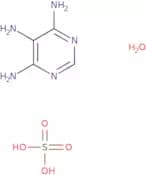
4,5,6-Pyrimidinetriamine sulfate hydrate
CAS:4,5,6-Pyrimidinetriamine sulfate hydrate is a pyrimidine derivative that can be used as a building block for the synthesis of a wide range of compounds. It is used as a starting material in organic chemistry and pharmaceuticals. 4,5,6-Pyrimidinetriamine sulfate hydrate is also used in research and development as an intermediate or reagent.Formula:C4H7N5·H2SO4·xH2OPurezza:Min. 95%Peso molecolare:223.21 g/mol3,5-Diaminobenzoic acid dihydrochloride
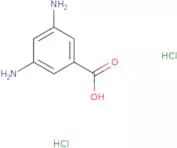
CAS:3,5-Diaminobenzoic acid dihydrochloride (DABA) is a potent inhibitor of peroxidase and has been shown to inhibit the activity of hydrogen peroxide. It has been used in medicine as an antiseptic and disinfectant. 3,5-Diaminobenzoic acid dihydrochloride also inhibits uncatalysed and catalysed reactions. The inhibition of these reactions is due to the reaction with hydrogen peroxide, which causes the formation of potent inhibitory species that are capable of reacting with other molecules. These reactions lead to a decrease in the rate of reaction. This product also exhibits potent inhibitory activity towards peroxidase and can be used for the treatment of infections caused by bacteria, such as Mycobacterium tuberculosis or Mycobacterium avium complex.Formula:C7H8N2O2·2HClPeso molecolare:225.07 g/mol2,4-Diamino-8-(hydroxymethyl)pteridine HCl
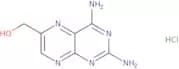
CAS:2,4-Diamino-8-(hydroxymethyl)pteridine HCl is a fine chemical that is used as a building block for the synthesis of complex compounds. It is also an intermediate in the synthesis of other compounds, such as 2,4-diaminopyridine HCl. This compound is a versatile scaffold for organic synthesis and can be used to produce high quality reagents.Formula:C7H8N6O·HClPurezza:Min. 95%Colore e forma:PowderPeso molecolare:228.64 g/molOxythiamine chloride
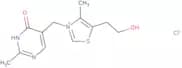
CAS:Oxythiamine chloride is a compound that binds to DNA in the nucleus of cells. It has been shown to inhibit cell growth and induce apoptosis by binding to a number of cellular molecules, including hydrogen bonding interactions with enzymes. Oxythiamine chloride also inhibits energy metabolism by inhibiting mitochondrial respiration and mitochondrial ATP production, and is toxic to cells. This drug has potent inducers, such as cell factor, which are necessary for the production of new cells. It also inhibits thiamine-dependent enzymes, such as pyruvate dehydrogenase kinase (PDK) and pyruvate dehydrogenase (PDH). The wild-type strain of Escherichia coli was used for these studies.
Formula:C12H15N3O2S·HClPurezza:Min. 95%Colore e forma:White to off-white solid.Peso molecolare:301.79 g/mol2,5-Bis(aminomethyl)tetrahydrofuran
CAS:2,5-Bis(aminomethyl)tetrahydrofuran is a polymerization catalyst for polyethylene terephthalate that has been shown to be effective at low temperatures. It is not active at high temperatures and is stable in acidic and neutral media. 2,5-Bis(aminomethyl)tetrahydrofuran can be used as an electrochemical catalyst for the conversion of 5-hydroxymethylfurfural (HMF) to formic acid. This reaction has been shown to have a high turnover frequency and to be sustainable because it does not require fossil fuels or heavy metals as reactants. The parameters of this reaction are still being investigated, including the effect of oxidant on the rate of catalysis.Formula:C6H14N2OPurezza:Min. 95%Colore e forma:Colorless PowderPeso molecolare:130.19 g/mol3-(2-Methylphenyl)-1H-pyrazol-5-amine
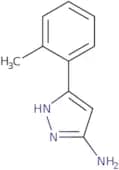
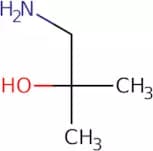
CAS:3-(2-Methylphenyl)-1H-pyrazol-5-amine is a chemical compound that can be used as a reactant, reagent, or scaffold in the synthesis of other compounds. It is a useful building block and intermediate for the synthesis of complex compounds. 3-(2-Methylphenyl)-1H-pyrazol-5-amine has been shown to have high purity and quality and is available at a reasonable price. This chemical is also versatile, as it can be used in reactions with other chemicals to form diverse products. 3-(2-Methylphenyl)-1H-pyrazol-5-amine belongs to CAS No. 57860-42-1 and is a fine chemical that can be used for research purposes only.Formula:C10H11N3Purezza:Min. 95%Colore e forma:Off-White To Light Brown LiquidPeso molecolare:173.21 g/mol1-Amino-2-methyl-propan-2-ol
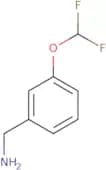
CAS:1-Amino-2-methyl-propan-2-ol is a cytotoxic molecule that has been shown to inhibit the growth of cancer cells. It is synthesized by converting 1,4-benzenediamine and cyclopentanol into the corresponding amines. The amines are then condensed with an alkanolamine in a kinetic reaction to form 1-amino-2-methylpropan-2-ol. This product's anticancer activity may be due to its ability to induce nucleophilic attack on DNA, leading to DNA strand breakage. 1AMPP has also been shown to have antiviral properties against HIV infection.Formula:C4H11NOPurezza:Min. 95%Colore e forma:Colorless Clear LiquidPeso molecolare:89.14 g/mol3-(Difluoromethoxy)benzyl amine
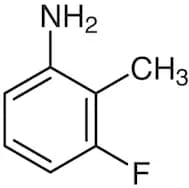
CAS:3-(Difluoromethoxy)benzyl amine is a high-quality reagent that is used as an intermediate in the synthesis of complex compounds. 3-(Difluoromethoxy)benzyl amine is also a useful building block for the synthesis of speciality chemicals and research chemicals. This compound can be used as a versatile building block, which can be used to synthesize different functional groups. 3-(Difluoromethoxy)benzyl amine is soluble in many organic solvents and has a boiling point of 193 °C.Formula:C8H9F2NOPurezza:Min. 95%Peso molecolare:173.16 g/mol3-Fluoro-2-methylaniline
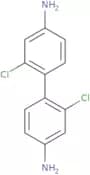
CAS:Formula:C7H8FNPurezza:>98.0%(GC)(T)Colore e forma:Light yellow to Yellow to Orange clear liquidPeso molecolare:125.152,2'-Dichloro-1,1'-biphenyl-4,4'-diamine
CAS:2,2'-Dichloro-1,1'-biphenyl-4,4'-diamine is a chemical that belongs to the class of organic compounds known as amines. It is insoluble in water and has a molecular weight of 190.8 g/mol. 2,2'-Dichloro-1,1'-biphenyl-4,4'-diamine has been shown to be carcinogenic in animals and can cause coagulation problems in humans. The compound also shows anti-inflammatory properties by inhibiting the production of prostaglandins.Formula:C12H10Cl2N2Purezza:Min. 95%Colore e forma:White/Off-White SolidPeso molecolare:253.13 g/mol2-(3,5-Dichlorophenyl)ethanamine
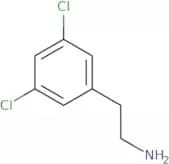
CAS:Prodotto controllato2-(3,5-Dichlorophenyl)ethanamine is a versatile building block that can be used in research and development of many compounds. This compound is a fine chemical that has been used as a reagent in organic synthesis. 2-(3,5-Dichlorophenyl)ethanamine is a useful intermediate and reaction component in the synthesis of other organics. It can also be used as a scaffold to synthesize more complicated molecules.Formula:C8H9Cl2NPurezza:Min. 95%Colore e forma:Clear LiquidPeso molecolare:190.07 g/mol2-(3-Bromophenyl)ethanamine
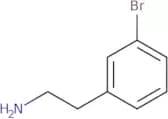
CAS:Prodotto controllato2-(3-Bromophenyl)ethanamine is an affinity ligand for the 5-hydroxytryptamine receptor 7 (5-HT7). It has a high affinity for the 5-HT7 receptor and can also be used to study other serotonin receptors. This compound has been shown to bind to the 5-HT7 with a Kd of 0.3 nM and no significant binding at other serotonin receptors. It was found that 2-(3-bromophenyl)ethanamine does not inhibit the uptake of serotonin from synaptosomal preparations, but does inhibit the uptake of serotonin from cerebrospinal fluid. These results were confirmed in vitro using radioligand binding assays and autoradiography, demonstrating that 2-(3-bromophenyl)ethanamine binds selectively to the 5-HT7 receptor.Formula:C8H10BrNPurezza:Min. 95%Colore e forma:Colorless PowderPeso molecolare:200.08 g/mol2-Dicyclohexylphosphino-2',6'-bis(N,N-dimethylamino)biphenyl
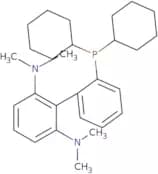
CAS:2-Dicyclohexylphosphino-2',6'-bis(N,N-dimethylamino)biphenyl (PCP-DMAP) is a phosphorus compound that is used for the synthesis of aryl chlorides. It has been validated as an effective reagent for the conversion of aryl chlorides to aryl halides. PCP-DMAP can be used in peptidomimetic synthesis and profiling. It is also useful in the synthesis of natural products where activation with N,N-dimethylchloramine (DMC) is required. PCP-DMAP can be used as an efficient alternative to other methods for activation with DMC, using less time and producing less waste. This compound has been shown to be stable against hydrolysis and oxidation in both acidic and basic media, making it a good reagent for use under these conditions. PCP-DMAP can also be used in the synthesisFormula:C28H41N2PPurezza:Min. 95%Colore e forma:PowderPeso molecolare:436.61 g/molS-2-Benzothiazolyl (Z)-2-(5-amino-1,2,4-thiadiazol-3-yl)-2-methoxyiminothioacetate
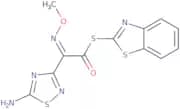
CAS:S-2-Benzothiazolyl (Z)-2-(5-amino-1,2,4-thiadiazol-3-yl)-2-methoxyiminothioacetate is an experimental drug that has been studied in research, solvents and clinical data. It has a strong ability to disrupt the physiology of cells by inhibiting reactions that require S-adenosylmethionine. The reaction time is approximately 10 seconds, and human patients have been used for clinical development and translational research. This reducer is also able to produce high yield with a synthesis time of only 1 hour.Formula:C12H9N5O2S3Purezza:Min. 95%Colore e forma:White PowderPeso molecolare:351.43 g/molFmoc-cis-4-aminocyclohexane carboxylic acid
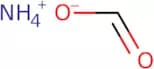
CAS:Fmoc-cis-4-aminocyclohexane carboxylic acid is a reagent, useful for the synthesis of complex compounds. It is also used as an intermediate in the production of fine chemicals and speciality chemicals. In addition, it is a versatile building block that can be used to synthesize many different types of compounds, including pharmaceuticals and pesticides. Fmoc-cis-4-aminocyclohexane carboxylic acid is a high quality compound with a CAS number of 147900-45-6. It has been shown to be an effective scaffold for the synthesis of novel reaction components.Formula:C22H23NO4Purezza:Min. 95%Colore e forma:White/Off-White SolidPeso molecolare:365.42 g/molAmmonium formate
CAS:Ammonium formate is a formic acid that is used in the treatment of bowel disease. It also has inhibitory properties against copper chloride and formic acid, which are two chemical compounds that are commonly found in wastewater. Ammonium formate can be used to treat wastewater by inhibiting complex enzymes (e.g., β-oxidoreductase) and preventing the formation of toxic chemicals such as formaldehyde, acetic acid, and hydrogen peroxide. Ammonium formate has been shown to increase the rate of phase transition temperature for zirconium oxide by suppressing its oxidation and reducing its thermal conductivity. The matrix effect of ammonium formate can be used as a model system for studying enzyme activities and biocompatible polymers.
Formula:CH2O2•H3NPurezza:Min. 95%Colore e forma:White Clear LiquidPeso molecolare:63.06 g/molMethyl 4-methyl-3-[(N-propylalanyl)amino]thiophene-2-carboxylate HCl
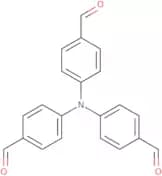
CAS:Methyl 4-methyl-3-[(N-propylalanyl)amino]thiophene-2-carboxylate HCl is a local anesthetic. It has been shown to be effective in the treatment of dental pain. Methyl 4-methyl-3-[(N-propylalanyl)amino]thiophene-2-carboxylate HCl acts by inhibiting the sodium channels in nerve cells, thereby blocking the transmission of pain signals and causing muscle relaxation. This drug also provides relief from anxiety, tension, and fear. Methyl 4-methyl-3-[(N-propylalanyl)amino]thiophene-2-carboxylate HCl has a rapid onset of action, with effects lasting up to 45 minutes. The drug is metabolized by hydrolysis to methyl 3-(aminocarbonyl)thiophene carboxylate and excreted in urine as metabolites.Formula:C13H20N2O3S·HClPurezza:Min. 95%Colore e forma:PowderPeso molecolare:320.84 g/molTris(4-formylphenyl)amine
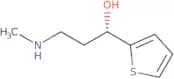
CAS:Tris(4-formylphenyl)amine is an organic molecule with a phenol and formamidine functional group. It has been shown to be effective in clinical studies when used as a chelating agent. Tris(4-formylphenyl)amine is able to bind metal ions in the presence of oxygen, which is due to its acidic nature. The molecule also has peroxidase-like activity, which can be used for the detection of plasma samples. Tris(4-formylphenyl)amine has been shown to have fluorescence properties that are dependent on pH and temperature, as well as fluorescence lifetimes. This molecule also exhibits optical properties that are dependent on the wavelength of light used for excitation.Formula:C21H15NO3Purezza:Min. 95%Colore e forma:Slightly Yellow PowderPeso molecolare:329.35 g/mol(S)-3-Methylamino-1-(2-thienyl)-1-propanol
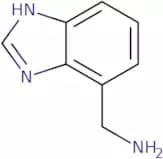
CAS:(S)-3-Methylamino-1-(2-thienyl)-1-propanol is a chiral molecule with two stereogenic centers. It is synthesized by the demethylation of acetylthiophene and the crystallization of the reaction mixture. The class of compounds to which (S)-3-Methylamino-1-(2-thienyl)-1-propanol belongs includes those that have hydroxy groups or diastereomeric salts. The hydroxy group on (S)-3-Methylamino-1-(2-thienyl)-1-propanol can be removed by demethylation, which leads to a mixture of products, including hydroxy and demethylated compounds.Formula:C8H13NOSPurezza:Min. 95%Colore e forma:White PowderPeso molecolare:171.26 g/mol1-(1H-Benzimidazol-4-yl)methanamine hydrochloride
CAS:1-(1H-Benzimidazol-4-yl)methanamine hydrochloride is a versatile building block that can be used as a research chemical, reaction component, or a speciality chemical. It is a fine chemical with high purity and quality. This compound can be used as a useful scaffold for the preparation of other compounds, including pharmaceuticals and agrochemicals. 1-(1H-Benzimidazol-4-yl)methanamine hydrochloride is an intermediate in organic synthesis reactions that are used to synthesize other organic compounds.Formula:C8H8N3·HClPurezza:Min. 95%Colore e forma:PowderPeso molecolare:182.63 g/molFmoc-4-amino-L-phe(t-butyl-carbamoyl)-OH
Fmoc-4-amino-L-phe(t-butyl-carbamoyl)-OH is a versatile building block that is used in the synthesis of complex compounds. This compound has been found to be useful as a reagent, speciality chemical, and reaction component for the synthesis of high quality and useful intermediates. Fmoc-4-amino-L-phe(t-butyl carbamoyl)-OH is also a useful scaffold for the production of novel compounds.Formula:C29H31N3O5Purezza:Min. 95%Colore e forma:PowderPeso molecolare:501.57 g/mol1-Benzyl-3-[3-(dimethylamino)propoxy]-1H-indazole hydrochloride
CAS:Prodotto controllato1-Benzyl-3-[3-(dimethylamino)propoxy]-1H-indazole hydrochloride is an intubation agent that belongs to the group of benzydamine. It has been shown to have anti-inflammatory properties and may be used for the treatment of throat inflammation, including sore throat caused by squamous cell carcinoma, as well as for other inflammatory conditions such as mucositis, which is a complication from radiation therapy or chemotherapy. This drug can also be used with nonsteroidal anti-inflammatory drugs (NSAIDs) to treat pain and inflammation associated with osteoarthritis. 1-Benzyl-3-[3-(dimethylamino)propoxy]-1H-indazole hydrochloride has been shown to inhibit polymerization reactions by intramolecular hydrogen transfer and may have analytical applications in polymer compositions.Formula:C19H24ClN3OPurezza:Min. 95%Colore e forma:White PowderPeso molecolare:345.87 g/mol3-Fluoro-4-(4-morpholinyl) benzenamine
CAS:3-Fluoro-4-(4-morpholinyl) benzenamine is an antibiotic drug that belongs to the group of nitro compounds. It is active against bacteria and fungi, but not against viruses. It has been shown to inhibit bacterial growth by binding to the gyrase enzyme, which is essential for DNA replication. 3-Fluoro-4-(4-morpholinyl) benzenamine also inhibits protein synthesis by topoisomerase inhibition and has been shown to be effective against a wide range of bacteria including Pseudomonas aeruginosa, Escherichia coli, Enterobacter cloacae, Klebsiella pneumoniae, Proteus mirabilis, Serratia marcescens, and Staphylococcus aureus. 3-Fluoro-4-(4-morpholinyl) benzenamine has low toxicity in humans because it reacts with nitric oxide (NO), producing harmless fluoroacetate
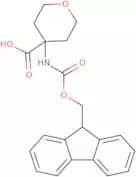
Formula:C10H13FN2OPurezza:Min. 95%Colore e forma:PowderPeso molecolare:196.22 g/molFmoc-4-amino-tetrahydropyran-4-carboxylic acid
CAS:Fmoc-4-amino-tetrahydropyran-4-carboxylic acid is a versatile building block that can be used for the synthesis of many complex compounds and research chemicals. It is a speciality chemical which has been shown to be a useful intermediate in reactions, as well as being a reagent. Fmoc-4-amino-tetrahydropyran-4-carboxylic acid has also been shown to be an effective scaffold for drug design and development.Formula:C21H21NO5Purezza:Min. 95%Colore e forma:White/Off-White SolidPeso molecolare:367.4 g/mol2-Benzylaminopyridine
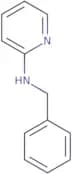
CAS:2-Benzylaminopyridine is a hydrogen bond donor that interacts with anions. This compound has been shown to be bactericidal and able to inhibit the activity of tyrosine kinase. It was also found to have functional theory properties. 2-Benzylaminopyridine is a ligand for coordination chemistry, which is used in supramolecular chemistry. The constant of this compound is high, making it useful as a starting material in the synthesis of other compounds. The imidazole derivatives of 2-benzylaminopyridine are chloride, which can be used as a ligand for interaction chemistry and dichroism spectroscopy.Formula:C12H12N2Purezza:Min. 98 Area-%Colore e forma:Yellow PowderPeso molecolare:184.24 g/mol2-(2,6-Dichlorophenyl)ethylamine
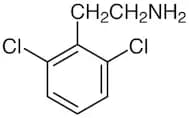
CAS:Formula:C8H9Cl2NPurezza:>98.0%(GC)(T)Colore e forma:Colorless to Light orange to Yellow clear liquidPeso molecolare:190.07N,N'-Diphenylethylenediamine
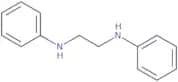
CAS:N,N'-Diphenylethylenediamine (DPEN) is a quaternary ammonium compound that possesses anti-inflammatory activity. DPEN inhibits the production of prostaglandin E2, which has been shown to be involved in prostate cancer cell growth and proliferation. This drug binds to receptors on the cell surface and blocks the binding of dopamine, leading to an increase in intracellular levels of cAMP, which is a second messenger for hormones. The drug also has genotoxic effects, such as DNA strand breaks and chromosomal aberrations. DPEN can bind to nitrogen atoms and form hydrogen bonds with other molecules such as hydrochloric acid. The drug also emits nitric oxide (NO), sulfur dioxide (SO2), nitrous oxide (N2O), and ammonia (NH3). The emission rates are dependent on pH levels.Formula:C14H16N2Purezza:Min. 97.5 Area-%Colore e forma:PowderPeso molecolare:212.29 g/mol4-Aminopyridazin-3(2H)-one
CAS:4-Aminopyridazin-3(2H)-one is an antiplatelet drug that has been shown to have a pharmacological effect on the central nervous system. It is also used as a chemotherapeutic agent for the treatment of certain types of cancer. 4-Aminopyridazin-3(2H)-one contains two nitrogen atoms that are substituted with methyl groups, which can be hydrolyzed by liver enzymes to form pyridazine and 4-aminopyridine. 4-Aminopyridazin-3(2H)-one inhibits bacterial growth by inhibiting protein synthesis and cell division at the ribosome level. This drug also has antimicrobial activity against Gram-positive bacteria and fungi, but is not active against Gram-negative bacteria such as Escherichia coli.
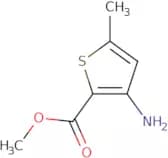
Formula:C4H5N3OPurezza:Min. 95%Colore e forma:White To Yellow SolidPeso molecolare:111.1 g/molMethyl 3-amino-5-methyl thiophene-2-carboxylate
CAS:Methyl 3-amino-5-methyl thiophene-2-carboxylate is a fine chemical that belongs to the group of useful scaffolds, versatile building blocks, useful intermediates for research chemicals and speciality chemicals. It can be used as reaction components in the synthesis of complex compounds. Methyl 3-amino-5-methyl thiophene-2-carboxylate is a high quality reagent with a wide range of applications in organic chemistry.Formula:C7H9NO2SPurezza:Min. 95%Colore e forma:PowderPeso molecolare:171.22 g/molBoc-(3S)-3-amino-4-phenyl-2-butanone
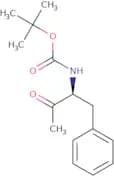
CAS:Boc-(3S)-3-amino-4-phenyl-2-butanone is a chemical intermediate that is useful as a building block in organic synthesis. It has been used as a reaction component, reagent and high quality research chemical. Boc-(3S)-3-amino-4-phenyl-2-butanone is also a versatile building block and useful intermediate for the preparation of complex compounds. This chemical has shown to have speciality applications in fine chemicals such as pharmaceuticals and agrochemicals.
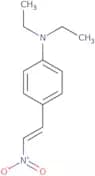
Formula:C15H21NO3Purezza:Min. 95%Colore e forma:White to off-white solid.Peso molecolare:263.33 g/mol(1-(4-Diethylamino)phenyl)-2-nitroethene
CAS:(1-(4-Diethylamino)phenyl)-2-nitroethene is a fluorescent probe that can be used to measure the growth rate of microorganisms. It is also a polarizable fluorescent molecule that is sensitive to environmental effects such as pH, temperature, and light intensity. This compound has been used as a chromophore in optical devices and has been observed to have linear responses to changes in time constants. The fluorescence of (1-(4-diethylamino)phenyl)-2-nitroethene is proportional to the molecular response of the protein or nucleic acid it binds to. This compound is also an inorganic compound with dipole moments, which are properties that allow it to interact with other compounds.Formula:C12H16N2O2Purezza:Min. 95%Peso molecolare:220.27 g/mol(3-Aminopropyl)phosphonic acid
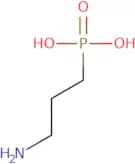
CAS:(3-Aminopropyl)phosphonic acid is an organic compound that is structurally similar to the neurotransmitter gamma-aminobutyric acid (GABA). It is a potent uptake inhibitor of GABA and has been shown to inhibit cancer growth in vitro. The mechanism of action for (3-aminopropyl)phosphonic acid is not fully known, but it has been suggested that it inhibits tumor cell proliferation by binding to ganglion cells and inhibiting their growth. This inhibition may be due to its ability to act as a potent antagonist at the GABA receptor site.
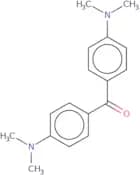
Formula:C3H10NO3PPurezza:Min. 95%Colore e forma:White PowderPeso molecolare:139.09 g/mol4,4'-Bis(dimethylamino)benzophenone
CAS:4,4'-Bis(dimethylamino)benzophenone (4,4'-BDMAB) is an organic molecule that has the potential to cause genotoxic effects at high concentrations. It is a cationic polymerization initiator that has been shown to bind to DNA and inhibit hl-60 cells. 4,4'-BDMAB also reacts with phenoxy groups in nucleotide phosphate chains, forming toxic products. The mechanism of this reaction is not yet clear. Studies have shown that 4,4'-BDMAB can cause cell death by inducing apoptosis as well as necrosis. This molecule can also form ketones through reactions with carbonyl groups in cell culture.Formula:C17H20N2OPurezza:Min. 95%Peso molecolare:268.35 g/molImidazo[1,2-a]pyridin-2-yl-methylamine dihydrochloride
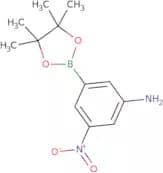
CAS:Imidazo[1,2-a]pyridin-2-yl-methylamine dihydrochloride is a fine chemical that is used as an intermediate in the synthesis of various compounds. It has been found to be an excellent building block for complex compounds and useful scaffold for a variety of research chemicals. Imidazo[1,2-a]pyridin-2-yl-methylamine dihydrochloride is also a reaction component that can be used in the synthesis of speciality chemicals and pharmaceuticals. Imidazo[1,2-a]pyridin-2-yl-methylamine dihydrochloride is soluble in water and methanol and can be stored at room temperature. This product has a CAS number of 452967-56-5.Formula:C8H9N3·2HClPurezza:Min. 95%Colore e forma:PowderPeso molecolare:220.1 g/mol3-Amino-5-nitrophenylboronic acid pinacol ester
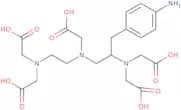
CAS:3-Amino-5-nitrophenylboronic acid pinacol ester is a versatile building block that can be used in the synthesis of complex compounds. This compound has been shown to have useful properties in research chemicals and as reagents or speciality chemicals. Useful intermediates are usually synthesized from 3-Amino-5-nitrophenylboronic acid pinacol ester, which is also a useful scaffold for the synthesis of other compounds.Formula:C12H17BN2O4Purezza:Min. 95%Colore e forma:Yellow PowderPeso molecolare:264.09 g/molS-2-(4-Aminobenzyl)-diethylenetriamine pentaacetic acid trifluoroacetic acid salt
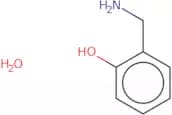
CAS:S-2-(4-Aminobenzyl)-diethylenetriamine pentaacetic acid trifluoroacetic acid salt is a reagent that can be used as a complex building block in the synthesis of organic and inorganic compounds. It is also a useful intermediate, with applications in fine chemical, research chemicals and speciality chemical manufacturing. S-2-(4-Aminobenzyl)-diethylenetriamine pentaacetic acid trifluoroacetic acid salt has been shown to be an excellent reaction component for the synthesis of many different types of compounds, such as natural products and pharmaceuticals.Formula:C21H30N4O10•(C2HF3O2)4Purezza:Area-% Min. 85 Area-%Colore e forma:PowderPeso molecolare:954.56 g/mol2-Hydroxybenzylamine hydrate
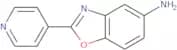
CAS:2-Hydroxybenzylamine hydrate is a fine chemical, useful building block, research chemical, and reagent. It is soluble in water and has a neutral pH. 2-Hydroxybenzylamine hydrate is an intermediate in the synthesis of amphetamines and phenethylamines. This product is also used as a reaction component for the synthesis of polymers, pharmaceuticals, natural products, and other organic compounds. 2-Hydroxybenzylamine hydrate has a high quality level and can be used as a versatile building block in complex reactions.Formula:C7H9NO·H2OPurezza:Min. 95%Peso molecolare:141.17 g/mol2-Pyridin-4-yl-1,3-benzoxazol-5-amine
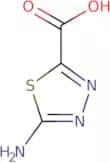
CAS:2-Pyridin-4-yl-1,3-benzoxazol-5-amine is a fine chemical that is useful as a building block in organic synthesis. It can be used in the preparation of other chemicals and pharmaceuticals. This compound is also used as a reagent in research. 2-Pyridin-4-yl-1,3-benzoxazol-5-amine has been shown to be an excellent intermediate for the synthesis of complex compounds. It can also be used as a scaffold for drug design with versatile chemical reactivity.Formula:C12H9N3OPurezza:Min. 95%Colore e forma:PowderPeso molecolare:211.22 g/mol5-Amino-1,3,4-thiadiazole-2-carboxylic acid
CAS:5-Amino-1,3,4-thiadiazole-2-carboxylic acid is a benzene derivative that can be used as a fluorescent probe for the detection of anions. It has high specificity and sensitivity to chloride ions, which is due to its ability to form a five membered ring with the chloride ion. This molecular structure gives 5-amino-1,3,4-thiadiazole-2-carboxylic acid its characteristic fluorescence emission spectrum. The optimum conditions for the reaction are at pH 7.0 and room temperature with a concentration of 0.1 M in water. The reactivity of 5-amino-1,3,4-thiadiazole 2 carboxylic acid is increased by the presence of thiourea and naphthalene.Formula:C3H3N3O2SPurezza:Min. 95%Colore e forma:PowderPeso molecolare:145.14 g/mol6-Amino-8-methyl-2H-1,4-benzoxazin-3(4H)-one
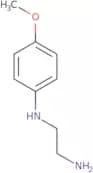
CAS:6-Amino-8-methyl-2H-1,4-benzoxazin-3(4H)-one is a fine chemical that is a useful building block for research chemicals and speciality chemicals. It can be used as a reagent in organic synthesis, as well as in the production of high quality and versatile building blocks. 6-Amino-8-methyl-2H-1,4-benzoxazin-3(4H)-one can be reacted to form useful scaffolds or intermediates that are valuable in the process of making complex compounds.Formula:C9H10N2O2Purezza:Min. 95%Colore e forma:PowderPeso molecolare:178.19 g/molN-(4-Methoxyphenyl)ethane-1,2-diamine
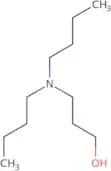
CAS:N-(4-Methoxyphenyl)ethane-1,2-diamine is a synthetic compound that has been shown to inhibit the activity of cathepsins. It can be used in the treatment of diseases caused by these enzymes, such as osteoarthritis and Alzheimer's disease. N-(4-Methoxyphenyl)ethane-1,2-diamine has a pharmacokinetic profile that is favorable for oral administration. The drug is absorbed from the gastrointestinal tract readily and undergoes extensive metabolism in the liver. This process leads to the formation of active metabolites which are excreted in urine or bile. N-(4-Methoxyphenyl)ethane-1,2-diamine also inhibits nitroalkanes with activated aromatic rings, such as 4-nitrobenzaldehyde and 2,4,6-trinitrobenzene.Formula:C9H14N2OPurezza:Min. 95%Colore e forma:Slightly Yellow PowderPeso molecolare:166.22 g/mol3-(Dibutylamino)propan-1-ol
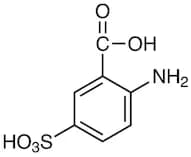
CAS:3-(Dibutylamino)propan-1-ol is an intermediate that is used in the synthesis of procainamide and procaine. It can be prepared by reaction of dibutylamine with propanol. 3-(Dibutylamino)propan-1-ol has a high stability in organic solvents, such as chloroform, as well as in bioreactors and automated synthesizers. This product is also an efficient catalyst for reactions involving esters. 3-(Dibutylamino)propan-1-ol has been shown to be effective at inhibiting the growth of Mycobacterium smegmatis and Mycobacterium tuberculosis.Formula:C11H25NOPurezza:Min. 95%Colore e forma:Clear LiquidPeso molecolare:187.32 g/mol2-Amino-5-sulfobenzoic Acid
CAS:Formula:C7H7NO5SPurezza:>96.0%(T)(HPLC)Colore e forma:White to Light yellow to Light orange powder to crystalPeso molecolare:217.20N-Benzyloctylamine
CAS:N-Benzyloctylamine is a broad-spectrum antibacterial that is effective against gram-positive and gram-negative bacteria. It has been shown to inhibit the growth of Escherichia coli and Bacillus subtilis, as well as other bacterial strains. N-Benzyloctylamine inhibits the activity of aminopeptidases, which are enzymes that hydrolyze amino acids from the ends of peptides. This inhibition leads to an accumulation of peptides in cells, which may lead to cell death by proteolysis. N-Benzyloctylamine also inhibits fatty acid synthase, which is an enzyme involved in the synthesis of fatty acids. This inhibition leads to a decrease in fatty acid production, resulting in a reduction in lipid accumulation within cells.Formula:C15H25NPurezza:Min. 95%Peso molecolare:219.37 g/mol[2-(6-Methylpyridin-2-yl)ethyl]amine
CAS:2-(6-Methylpyridin-2-yl)ethyl]amine is a reagent that is used as a building block for the synthesis of heterocycles. It is used in the preparation of various complex compounds, such as 2-(6-methylpyridin-2-yl)ethylamine hydrochloride, 2-(6-methylpyridin-2-yl)ethylamine hydrobromide, and 2-[(6-methylpyridin-2-yl)ethyl]amine hydrochloride. This chemical can be used as an intermediate in the synthesis of fine chemicals or speciality chemicals. It has CAS No. 19363-94-1 and is an important research chemical with versatile uses in organic synthesis reactions.Formula:C8H12N2Purezza:Min. 95%Colore e forma:Colourless LiquidPeso molecolare:136.19 g/mol[2-(1-Methyl-1H-pyrazol-5-yl)ethyl]amine
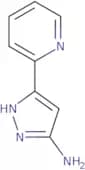
CAS:2-(1-Methyl-1H-pyrazol-5-yl)ethyl]amine is a versatile building block that can be used as a research chemical or in the synthesis of complex compounds. It has shown to be useful for the production of N-(2-(1-methyl-1H-pyrazol-5-yl)ethyl)-N'-phenylurea, which has been found to have antihydrotropic properties. CAS Number: 807315-40-8.Formula:C6H11N3Purezza:Min. 95%Colore e forma:Colorless PowderPeso molecolare:125.17 g/mol5-Pyridin-2-yl-2H-pyrazol-3-ylamine
CAS:5-Pyridin-2-yl-2H-pyrazol-3-ylamine is a chemical intermediate that can be used in the synthesis of many different compounds. This compound is a versatile building block that can be used to make complex substances, as well as being an excellent reagent for research purposes. It has been shown to be useful as a reactant in the preparation of high quality chemicals and speciality chemicals. 5-Pyridin-2-yl-2H-pyrazol-3-ylamine is a fine chemical with CAS No. 92352-29-9.Formula:C8H8N4Purezza:Min. 95%Colore e forma:Off-White Or Light Brown SolidPeso molecolare:160.18 g/mol3-Amino-1-methylpyrazole
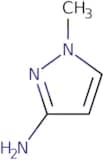
CAS:3-Amino-1-methylpyrazole is a molecule in the amide family. It is a natural product, which has been found to have signalling properties. 3-Amino-1-methylpyrazole has also been shown to inhibit telomerase activity and can be used as a potential anticancer agent in the future. This compound was designed for use in pharmaceutical research and has shown great pharmacokinetic properties that can be optimized for pharmaceutical research. 3-Amino-1-methylpyrazole is not yet approved for any therapeutic use but has shown great potential as an anticancer agent, especially when combined with other drugs or chemotherapy treatments.Formula:C4H7N3Purezza:Min. 95%Colore e forma:Clear LiquidPeso molecolare:97.12 g/mol5-Amino-4-bromo-3-methylpyrazole hydrobromide
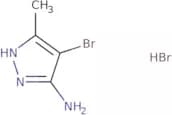
CAS:5-Amino-4-bromo-3-methylpyrazole hydrobromide is an intermediate in the synthesis of a variety of compounds. It is also a building block for the synthesis of heterocycles, such as pyrazoles, indazoles, benzoxazoles, and benzothiazoles. 5-Amino-4-bromo-3-methylpyrazole hydrobromide can be used as a reagent to synthesize pharmaceuticals and other useful compounds. 5-Amino-4-bromo-3-methylpyrazole hydrobromide is a versatile building block that can be used in the synthesis of many different types of compounds. This compound has been shown to react with various groups on organic molecules to form new chemical structures.Formula:C4H6BrN3•BrHPurezza:Min. 95%Colore e forma:PowderPeso molecolare:256.93 g/mol3-Amino-N-(tert-butoxycarbonyl)benzylamine
CAS:Formula:C12H18N2O2Purezza:>98.0%(GC)(T)Colore e forma:White to Light yellow powder to crystalPeso molecolare:222.29




![Methyl 4-methyl-3-[(N-propylalanyl)amino]thiophene-2-carboxylate HCl](/_next/image/?url=https%3A%2Fstatic.cymitquimica.com%2Fproducts%2F3D%2Fthumb-webp%2FFM130460.webp&w=3840&q=75)

![1-Benzyl-3-[3-(dimethylamino)propoxy]-1H-indazole hydrochloride](/_next/image/?url=https%3A%2Fstatic.cymitquimica.com%2Fproducts%2F3D%2Fthumb-webp%2FFB18262.webp&w=3840&q=75)


![Imidazo[1,2-a]pyridin-2-yl-methylamine dihydrochloride](/_next/image/?url=https%3A%2Fstatic.cymitquimica.com%2Fproducts%2F3D%2Fthumb-webp%2FFI51742.webp&w=3840&q=75)


![[2-(6-Methylpyridin-2-yl)ethyl]amine](/_next/image/?url=https%3A%2Fstatic.cymitquimica.com%2Fproducts%2F3D%2Fthumb-webp%2FFM123522.webp&w=3840&q=75)
![[2-(1-Methyl-1H-pyrazol-5-yl)ethyl]amine](/_next/image/?url=https%3A%2Fstatic.cymitquimica.com%2Fproducts%2F3D%2Fthumb-webp%2FFM129769.webp&w=3840&q=75)