Acidi benzoici
Gli acidi benzoici sono acidi carbossilici aromatici con la formula molecolare C7H6O2, caratterizzati da un anello benzenico legato a un gruppo carbossilico (-COOH). Questi composti sono ampiamente utilizzati come conservanti, intermedi nella sintesi organica e nella produzione di varie sostanze chimiche, inclusi coloranti e fragranze. Gli acidi benzoici sono anche importanti nelle industrie alimentare e farmaceutica. Presso CymitQuimica, offriamo una gamma diversificata di acidi benzoici di alta qualità per supportare le vostre esigenze di ricerca e industriali.
Trovati 5471 prodotti di "Acidi benzoici"
Ordinare per
Purezza (%)
0
100
|
0
|
50
|
90
|
95
|
100
2-Amino-4-methoxy-benzoic acid methyl ester
CAS:<p>2-Amino-4-methoxy-benzoic acid methyl ester is a high quality, versatile building block for the synthesis of complex compounds. It is an intermediate in the synthesis of a number of biologically active compounds and has been used as a reagent for the determination of amino acids. 2-Amino-4-methoxy-benzoic acid methyl ester is soluble in water and polar organic solvents.</p>Formula:C9H11NO3Purezza:Min. 95%Colore e forma:Off-White PowderPeso molecolare:181.19 g/molMethyl 3-chlorobenzoate
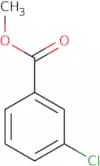
CAS:Methyl 3-chlorobenzoate is a carbonyl compound that is used in the synthesis of salicylhydroxamic acid. This product has been shown to be an effective inhibitor of soil microorganisms, with the greatest inhibitory effect occurring at concentrations of 0.5 mg/L. The methyl 3-chlorobenzoate molecule contains aryl chlorides and a functional group, which can be identified using nmr spectra. Methyl 3-chlorobenzoate also has control experiments that show it does not interfere with the production of ethyl esters or benzoates from acetaldehyde and propionaldehyde respectively. Methyl 3-chlorobenzoate is synthesized by heating copper salt with an isopropyl group and ethyl esters in benzene solvent at refluxing temperature for two hours.Formula:C8H7ClO2Purezza:Min. 95%Colore e forma:PowderPeso molecolare:170.59 g/mol3,4-Dihydroxybenzoic acid ethyl ester
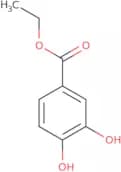
CAS:<p>3,4-Dihydroxybenzoic acid ethyl ester (3,4-DHBA) is a phenolic compound that is used in the treatment of hepatic steatosis. 3,4-DHBA has been shown to be effective in inhibiting autophagy and may also be useful in the treatment of her2+ breast cancer. This drug has antioxidative properties and may also have a protective effect against myocardial infarct. 3,4-DHBA binds to iron ions and prevents their oxidation, thereby preventing oxidative stress. It has been shown to have low potency due to its short half-life in vivo. 3,4-DHBA can inhibit the mitochondrial membrane potential and lead to apoptosis of primary cells and tissue culture cells.</p>Formula:C9H10O4Purezza:Min. 95%Colore e forma:White PowderPeso molecolare:182.17 g/mol2,5-Difluoro-3-methylbenzoic acid methyl ester
CAS:<p>2,5-Difluoro-3-methylbenzoic acid methyl ester is a high quality, complex compound that can be used as a versatile building block in synthesis. It acts as a reagent and can be used as a research chemical. 2,5-Difluoro-3-methylbenzoic acid methyl ester is an intermediate in the production of other chemicals and can also be used as a reaction component or useful scaffold.</p>Formula:C9H8F2O2Purezza:Min. 95%Colore e forma:PowderPeso molecolare:186.16 g/molEthyl 4-bromobenzoate
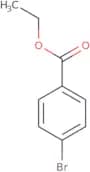
CAS:<p>Ethyl 4-bromobenzoate is a halide that can be synthesized by the cross-coupling reaction with an aryl halide and a boronic acid. This synthesis has been used successfully to prepare benzoates, which are generally more difficult to synthesize than boronic acids. The coupling reaction of ethyl 4-bromobenzoate with an aryl halide and a boronic acid in the presence of copper as catalyst yields ethyl 4-bromobenzoate in high yield. A synergistic interaction occurs between the two reagents, leading to significant cytotoxicity in vitro. This property may be due to the light emission from this compound when it is exposed to ultraviolet light. Ethyl 4-bromobenzoate is also able to inhibit aerobic glycolysis and cancer cell growth in vitro through its ability to inhibit the activity of phosphofructokinase 1 (PFK1</p>Formula:C9H9BrO2Purezza:Min. 97.5 Area-%Colore e forma:Clear LiquidPeso molecolare:229.07 g/mol5-Methoxy-2-nitrobenzoic acid
CAS:5-Methoxy-2-nitrobenzoic acid is a compound that has been shown to have antiinflammatory properties. It has been found to inhibit the production of inflammatory mediators such as leukotrienes and prostaglandins. 5-Methoxy-2-nitrobenzoic acid also inhibits certain enzymes, such as cyclooxygenase and lipoxygenase, which are involved in the biosynthesis of these mediators. 5-Methoxy-2-nitrobenzoic acid may be useful in the treatment of inflammatory diseases such as arthritis or asthma. This drug can also be used for chemoprevention against cancer. The drug has been shown to inhibit the growth of tumor cells in vivo by oral administration. This is due to its ability to inhibit DNA synthesis and protein synthesis in cells by binding with DNA and inhibiting RNA synthesis through inhibition of ribonucleotide reductase.Formula:C8H7NO5Purezza:90%Colore e forma:PowderPeso molecolare:197.14 g/mol2-Chloro-3,5-dihydroxybenzoic acid
CAS:2-Chloro-3,5-dihydroxybenzoic acid (2C3HB) is a fine chemical that is used as a versatile building block in the synthesis of complex compounds. It is also used as a reagent for the production of pharmaceuticals and other chemicals. 2C3HB has been shown to be an important reaction component for the synthesis of drugs such as methotrexate and 6-fluoro-3-indoxyl-beta-D-galactopyranoside. This compound has a high quality and can be used as a building block in chemical reactions with other compounds.Formula:C7H5ClO4Purezza:Min. 90%Colore e forma:PowderPeso molecolare:188.56 g/mol2-Amino-4,6-dimethoxybenzoic acid
CAS:<p>2-Amino-4,6-dimethoxybenzoic acid is an organic chemical compound that can be used as a building block for the synthesis of other compounds. 2-Amino-4,6-dimethoxybenzoic acid has a number of uses including being a reagent in organic and inorganic reactions, such as the synthesis of dyes, pharmaceuticals, and pesticides. It is also used as a building block for complex compounds that are difficult to make. This chemical has been classified by the Chemical Abstract Services (CAS) registry with CAS number 21577-57-1.</p>Formula:C9H11NO4Purezza:Min. 95%Colore e forma:Yellow SolidPeso molecolare:197.19 g/molEthyl homovanillate
CAS:<p>Inhibitor of monoamine oxidase A</p>Formula:C11H14O4Purezza:Min. 95%Colore e forma:Colorless PowderPeso molecolare:210.23 g/molMethyl 4-formylbenzoate
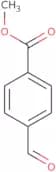
CAS:<p>Methyl 4-formylbenzoate is a trifluoroacetic acid derivative that inhibits the conversion of androgens to estrogens. It has been shown to inhibit aromatase activity in human serum and cell culture, as well as in vitro cultured rat hepatocytes. Methyl 4-formylbenzoate also binds to copper(II) by forming a complex with copper(II) ions, which prevents the formation of an enzyme-substrate complex. The binding of methyl 4-formylbenzoate to copper(II) prevents the production of malonic acid from acetoacetate, which inhibits fatty acid synthesis. This compound also acts as an analytical reagent for the detection of acylation reactions, such as those involving benzimidazole compounds.</p>Formula:C9H8O3Purezza:Min. 95%Colore e forma:PowderPeso molecolare:164.16 g/mol5-Amino-2-nitrobenzoic acid
CAS:<p>5-Amino-2-nitrobenzoic acid is an organic compound that belongs to the class of versatile building block. It is a white solid that has been used as a research chemical, reagent, and specialty chemical for the synthesis of complex compounds and pharmaceuticals. 5-Amino-2-nitrobenzoic acid is also known as 2-amino-5-chlorobenzoic acid (ACBA). It is soluble in water, but insoluble in ethanol. The CAS number for this chemical is 13280-60-9.</p>Formula:C7H6N2O4Peso molecolare:182.14 g/molRef: 3D-A-6802
1kgPrezzo su richiesta100gPrezzo su richiesta250gPrezzo su richiesta500gPrezzo su richiesta2500gPrezzo su richiesta-Unit-ggPrezzo su richiestaMethyl 5-nitrosalicylate
CAS:Methyl 5-nitrosalicylate is a chemical compound that belongs to the group of 4-hydroxycoumarin derivatives. It is an inhibitor of the reaction between salicylic acid and nitrous acid, inhibiting the formation of 5-nitrosalicylic acid. Methyl 5-nitrosalicylate has shown inhibitory activity against various nitro compounds, including benzofurans. The inhibitory effect on oxidation reactions may be due to its ability to act as a ligand and form coordination complexes with metal ions such as copper, zinc, and iron. Methyl 5-nitrosalicylate also has anti-inflammatory properties that are due to its ability to inhibit prostaglandin synthesis by blocking cyclooxygenase enzyme activity. Methyl 5-nitrosalicylate can be synthesized in a few ways. One method includes reacting methyl salicylate with nitrous acid in the presence of lightFormula:C8H7NO5Purezza:Min. 95%Colore e forma:PowderPeso molecolare:197.14 g/mol3,5-Dihydroxy-4-methylbenzoic acid methyl ester
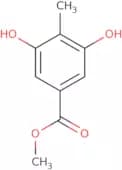
CAS:<p>3,5-Dihydroxy-4-methylbenzoic acid methyl ester is a fine chemical that is used as a versatile building block in the synthesis of pharmaceuticals, agrochemicals and other chemicals. It can be used as an intermediate in the synthesis of organic compounds and research chemicals. This compound is also used as a reaction component in organic syntheses and is often found in speciality chemicals. 3,5-Dihydroxy-4-methylbenzoic acid methyl ester is soluble in most solvents and has high purity. It is a complex compound that can be used as a useful building block or reagent for many different reactions.</p>Formula:C9H10O4Purezza:Min. 95%Colore e forma:PowderPeso molecolare:182.17 g/mol5-Carboxyvanillic acid
CAS:5-Carboxyvanillic acid is a chemical compound that belongs to the class of organic compounds known as carboxylic acids. It is also called o-vanillin, and it has a molecular weight of 116.19 g/mol. 5-Carboxyvanillic acid is one of the main ingredients in natural vanilla flavour. The hydroxyl group on the 5th carbon atom of this molecule reacts with a proton, which results in an addition reaction mechanism. The reaction proceeds through two steps: first, protonation occurs at the 5th carbon atom; second, deprotonation occurs at the 4th carbon atom. This chemical compound can be found as a white crystalline solid and as a volatile oil.Formula:C9H8O6Purezza:Min. 95%Colore e forma:PowderPeso molecolare:212.16 g/molIsopropyl 4-hydroxybenzoate
CAS:Isopropyl 4-hydroxybenzoate is a preservative that is used in cosmetics, pharmaceuticals, and other household products. It can be found in a wide range of products, including moisturizers, shampoos, conditioners, hair sprays, sunscreens, skin lotions and creams. Isopropyl 4-hydroxybenzoate has been shown to inhibit the growth of bacteria by binding to their cell walls. This compound also has been shown to have an antimicrobial effect against fungi and yeast in vitro assays. A number of toxicological studies have been conducted on this compound with no observed adverse effects on animals at doses up to 2,000 mg/kg body weight. The activity index for this compound is low; therefore it does not appear to be carcinogenic or mutagenic. Analytical methods for quantifying this preservative are available in the literature.Formula:C10H12O3Purezza:Min. 95%Colore e forma:PowderPeso molecolare:180.2 g/mol3,4-Dimethoxy-2-hydroxybenzoic acid
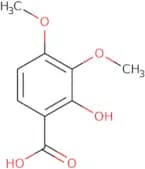
CAS:<p>3,4-Dimethoxy-2-hydroxybenzoic acid (DMHA) is a potential drug candidate that has been shown to scavenge free radicals and protect against the damage caused by oxidative stress. It has also been found to have heartwood extract-modulating properties, inhibiting the growth of Madagascariensis, Angolensis, and Leukemia cells. DMHA has been shown to be effective in preventing lipid peroxidation and may have dietary benefits for prevention of chronic diseases such as cancer and diabetes. This compound is being investigated as a potential drug for administration by chemometric methods. DMHA was also found to be a potent inhibitor of cyclooxygenase 2 (COX-2), which could make it useful for treating inflammatory conditions.</p>Formula:C9H10O5Purezza:Min. 95%Colore e forma:PowderPeso molecolare:198.17 g/molMethyl 4-fluorobenzoate
CAS:<p>Methyl 4-fluorobenzoate is a potent inhibitor of human cancer cells. It inhibits tyrosine kinases by binding to an imidazole group and forms a ruthenium complex in the presence of sodium carbonate. Methyl 4-fluorobenzoate has shown inhibitory activity against the amination reaction catalyzed by sulfoxide reductase, which is important for the synthesis of nucleic acids. This inhibition may be due to its ability to reduce oxidized species of thiols, sulfoxides, and disulfides. Further studies are needed to elucidate the mechanism by which methyl 4-fluorobenzoate interacts with redox potentials and functional theory.</p>Formula:C8H7FO2Purezza:Min. 95%Colore e forma:Colorless Clear LiquidPeso molecolare:154.14 g/mol2-Methyl-4-nitrobenzoic acid
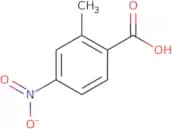
CAS:2-Methyl-4-nitrobenzoic acid is a synthetic drug substance. The crystalline structure of 2-methyl-4-nitrobenzoic acid is polymorphic and it can be obtained in two different forms: anhydrous form and monohydrate form. The reaction yield for this compound is low, which may be due to the presence of additives or deionized water. This drug substance has a high solubility in hydroxide solutions and methylbenzene. It reacts slowly with hydrochloric acid and sodium hydroxide solution to produce 2-methyl-4-nitrobenzoic acid hydrochloride and sodium benzoate, respectively. 2-Methyl-4-nitrobenzoic acid has low bioavailability due to its poor absorption from the gastrointestinal tract into the bloodstream.Formula:C8H7NO4Purezza:Min. 95%Colore e forma:PowderPeso molecolare:181.15 g/molEthyl 2,4-dihydroxy-6-methylbenzoate
CAS:<p>Ethyl 2,4-dihydroxy-6-methylbenzoate is a phenolic acid that is found in lichens. It has been shown to have anti-cancer and anti-inflammatory properties. The hydrogen bonds of ethyl 2,4-dihydroxy-6-methylbenzoate are the result of an intramolecular hydrogen bonding between the benzoic acid group and the hydroxymethyl group. This compound can also be found in matrix effect health care products as well as wastewater treatment plants. Ethyl 2,4-dihydroxy-6-methylbenzoate has also been shown to inhibit enzymes such as uv absorption and phenolic acids.</p>Formula:C10H12O4Purezza:Min. 95%Peso molecolare:196.2 g/mol2,6-Dimethylbenzoic acid
CAS:<p>2,6-Dimethylbenzoic acid is a colorless solid that has a molecular weight of 162.2 g/mol and an empirical formula of C7H8O2. It has a melting point of about 82 degrees Celsius and a boiling point of about 315 degrees Celsius. 2,6-Dimethylbenzoic acid is soluble in water at 100 degrees Celsius. It has been shown to act as a potent antagonist for the muscarinic acetylcholine receptors. This compound also has basic properties due to its hydrogen bonding interactions with proteins and other molecules. 2,6-Dimethylbenzoic acid has been shown to be efficient in supramolecular chemistry because it is electron deficient and contains thermodynamic functional groups such as carboxylic acids and alcohols.</p>Formula:C9H10O2Purezza:Min. 95%Colore e forma:PowderPeso molecolare:150.17 g/mol3,5-Dichloro-2-methoxybenzoic acid
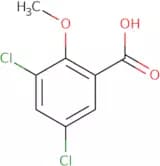
CAS:3,5-Dichloro-2-methoxybenzoic acid (3,5-DMB) is a diphenyl ether with a pharmacokinetic half-life of about 3 hours. It has two isomers: the cis and trans forms. The cis isomer is more active than the trans form. The cis isomer has been shown to be effective in treatments for amine oxidase inhibitors and short-chain fatty acids. It also has growth regulator properties that are used in treatments for psoriasis and acne. 3,5-DMB inhibits bacterial growth by binding to the enzyme dioxygenase, which catalyzes the conversion of 4-hydroxybenzoic acid into 4-hydroxyphenylpyruvic acid; this prevents the production of catecholamines and subsequent cell proliferation. This drug binds to apical membranes in the intestine by attaching to sulfhydryl groups on proteins involved in transport processes, preventing uptakeFormula:C8H6Cl2O3Purezza:Min. 95%Colore e forma:White PowderPeso molecolare:221.04 g/molMethyl 3-amino-4-chlorobenzoate
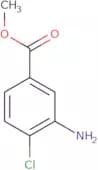
CAS:Methyl 3-amino-4-chlorobenzoate is an analog of 3-amino-4-chlorobenzoic acid. It is a multidrug that can cross the blood brain barrier and has been shown to have cytotoxic activity in vitro. Methyl 3-amino-4-chlorobenzoate has been postulated as a possible organometallic compound and may be synthesized through a chemical diversity approach. The chloride ion, which is present in methyl 3-amino-4-chlorobenzoate, has been shown to decrease the toxicity of nitrobenzoic acid, making this compound resistant to nitrosation reactions.Formula:C8H8ClNO2Purezza:Min. 95%Colore e forma:PowderPeso molecolare:185.61 g/mol3,5-Dihydroxybenzoic acid
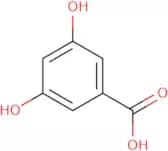
CAS:3,5-Dihydroxybenzoic acid is a phenolic compound that belongs to the class of aromatic compounds. It is an inhibitor of the enzyme 3-hydroxyphenylpyruvate dioxygenase and is used in the treatment of obesity. It has been shown to have a low potency for inhibiting this enzyme, although it does not inhibit other enzymes such as p-hydroxybenzoate hydroxylase. 3,5-Dihydroxybenzoic acid binds to human serum albumin through hydrogen bonding interactions and can inhibit the absorption of dietary phenols by binding to them. This compound also acts as a protocatechuic acid structural analog and has been shown to be hydrated in solution.Formula:C7H6O4Purezza:Min. 95%Colore e forma:White PowderPeso molecolare:154.12 g/mol2-Chloro-4-methoxybenzoic acid methyl ester
CAS:2-Chloro-4-methoxybenzoic acid methyl ester is a reagent that can be used in the preparation of various compounds. It is also a versatile building block for the synthesis of complex compounds, such as pharmaceuticals and agrochemicals. This chemical is often used as an intermediate or building block in the preparation of pharmaceuticals and agrochemicals. 2-Chloro-4-methoxybenzoic acid methyl ester has been shown to be a useful scaffold for the synthesis of drugs with high quality and low cost.Formula:C9H9ClO3Purezza:Min. 95%Colore e forma:PowderPeso molecolare:200.62 g/mol4-Acetylbenzoic acid
CAS:<p>4-Acetylbenzoic acid is a reactive functional group that is used to synthesize esters and amides. It has been shown to have anticancer activity in vitro, which may be due to the disruption of basic cellular proteins involved in DNA replication. 4-Acetylbenzoic acid is soluble in neutral pH and reacts with nucleophiles such as hydroxide ions or alcohols, forming alcohols or acetates respectively. The reaction mechanism for this compound is nucleophilic attack on the carbonyl carbon, followed by loss of water from the leaving group. Significant cytotoxicity has been observed in vitro at concentrations of 2mM and higher. This effect was particularly pronounced for cells exposed to radiation or treated with 4-acetylbenzoic acid before being exposed to radiation.</p>Formula:C9H8O3Purezza:Min. 95%Colore e forma:White PowderPeso molecolare:164.16 g/mol4-(N,N-Diethylamino)benzoic acid
CAS:<p>4-(N,N-Diethylamino)benzoic acid is a hydrogenated product of 4-hydroxybenzoic acid. It has been shown to be an effective chemopreventive agent against chemically induced cancer in rats. The analytical method for this compound is based on the fluorescence properties of the compound and its structural studies have been reported. This drug also has bioequivalence properties, which were shown by the spectrometry analyses of human serum samples. The dipole moment of 4-(N,N-diethylamino)benzoic acid is 1.8 D and it reacts with protocatechuic acid to form 4-hydroxybenzaldehyde and diethyl ether.</p>Formula:C11H15NO2Purezza:Min. 95%Colore e forma:PowderPeso molecolare:193.24 g/molEthyl 4-chlorobenzoate
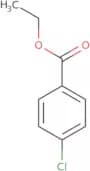
CAS:Ethyl 4-chlorobenzoate is an organic compound that is a colorless liquid with a sweet odor. It has been shown to be genotoxic in the presence of impurities such as palladium-catalyzed coupling and hemolytic activity. The structure of ethyl 4-chlorobenzoate can be determined by spectrometry analyses, which show that it contains an isopropyl group and an ethyl ester group. Ethyl 4-chlorobenzoate can be synthesized efficiently using the cross-coupling reaction between chlorides and aryl halides. This synthesis follows the same mechanism as the palladium catalyzed coupling reaction, but uses chloride ions instead of palladium complexes, which are more readily available.Formula:C9H9ClO2Purezza:Min. 95%Colore e forma:Clear LiquidPeso molecolare:184.62 g/molSalicylic acid
CAS:<p>Salicylic acid is a weak organic acid that is used as a plant hormone. It has been shown to have enzyme activities that may be involved in the regulation of glycol ether metabolism, photosynthetic activity, p-hydroxybenzoic acid biosynthesis and nutrient solution. Salicylic acid also inhibits nitrite ion production by reacting with acetylsalicylic, which is an inhibitor of the enzyme nitric oxide synthase. Salicylic acid may inhibit transcriptional regulation by steric interactions with DNA or by binding to regulatory proteins. The structural analysis of salicylic acid shows an intramolecular hydrogen bond between the hydroxyl group and carbonyl group which could lead to enzyme inhibition.</p>Formula:C7H6O3Purezza:Min. 95%Colore e forma:White Off-White PowderPeso molecolare:138.12 g/mol3-Amino-2-chlorobenzoic acid
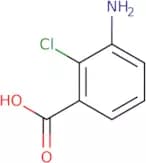
CAS:<p>3-Amino-2-chlorobenzoic acid is a molecule that belongs to the group of acidic compounds. It has been shown to induce apoptosis and inhibit cell proliferation in human immunodeficient virus (HIV) cells, as well as inhibit the growth of cancer cells. 3-Amino-2-chlorobenzoic acid also inhibits histone deacetylase, which is an enzyme that controls gene expression by removing acetyl groups from lysine residues on the N-terminal tails of histones. This inhibition may be responsible for its anticancer activity. 3-Amino-2-chlorobenzoic acid is metabolized by oxidation to chlorinated derivatives and excreted via the kidneys. It has been shown to have a pharmacokinetic profile in rats similar to that observed with other triazines such as atrazine and simazine. The elimination half-life of 3-amino-2-chlorob</p>Formula:C7H6ClNO2Purezza:Min. 95%Colore e forma:Off-White PowderPeso molecolare:171.58 g/mol2,5-Dimethylbenzoic acid
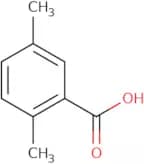
CAS:2,5-Dimethylbenzoic acid is a compound that is found in urine samples. It is the product of the metabolism of 2,5-dihydroxybenzoic acid. 2,5-Dimethylbenzoic acid has a functional group which consists of a carboxylic acid group and two methyl groups. The acidic nature of this compound can be seen through its reaction with camphora, as well as its hydrolysis by hydrochloric acid. This compound also has protease activity when it comes into contact with human urine. 2,5-Dimethylbenzoic acid can be synthesized using solid-phase chemistry and chemical biology techniques. It has been shown to have a functional role in the production of proteins that are involved in cellular signaling pathways such as chemotaxis and apoptosis.Formula:C9H10O2Purezza:Min. 95%Colore e forma:PowderPeso molecolare:150.17 g/molMethyl 2-bromobenzoate
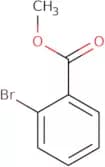
CAS:<p>Methyl 2-bromobenzoate is a chemical compound that can be used as a light emitting material. It is also used as a component of organic electrochemical cells (OECs) for the conversion of solar energy to electricity and can be used in the treatment of hepatitis. The reaction product is generated from the reaction of the halide with benzoate and light, which leads to an emission spectrum in the visible region. Methyl 2-bromobenzoate has been shown to be an efficient catalyst for Friedel-Crafts reactions, and it's pharmacokinetic properties have been studied in rats.<br>Methyl 2-bromobenzoate can also be used as a solid catalyst for the synthesis of bicyclic heterocycles.</p>Formula:C8H7BrO2Purezza:Min. 95%Colore e forma:Colorless Clear LiquidPeso molecolare:215.04 g/molOctyl gallate
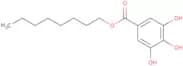
CAS:<p>Octyl gallate is a naturally occurring compound that belongs to the class of gallates. It is a non-toxic, water-soluble antioxidant that has been used as a preservative in foods and pharmaceuticals. Octyl gallate has been shown to inhibit nuclear DNA synthesis by binding to the dinucleotide phosphate (NDP) site on ribonucleotide reductase, thereby preventing the formation of deoxyribonucleotide triphosphates. A rate constant for this reaction has been determined using analytical methods. This compound also inhibits the growth of wild-type strains of Escherichia coli and Staphylococcus aureus, as well as some strains resistant to antibiotics such as erythromycin, chloramphenicol, tetracycline, and clindamycin. Octyl gallate may also have an effect on energy metabolism in bacteria by inhibiting p-hydroxybenzoic acid (PHBA) dehydratase</p>Formula:C15H22O5Purezza:Min. 95%Colore e forma:White PowderPeso molecolare:282.33 g/molMethyl 4-amino-2-methyl benzoate
CAS:Methyl 4-amino-2-methyl benzoate is a fine chemical that can be used as a building block for research chemicals, pharmaceuticals, and speciality chemicals. Methyl 4-amino-2-methyl benzoate is a versatile building block in organic synthesis because it can be used as a reaction component and intermediate to synthesize other compounds. This compound is also an excellent scaffold for the synthesis of complex compounds, making it a useful intermediate for organic chemistry. Methyl 4-amino-2-methyl benzoate has CAS No. 6933-47-7 and is soluble in organic solvents such as dichloromethane, chloroform, ether, or acetone.Formula:C9H11NO2Purezza:Min. 95%Colore e forma:PowderPeso molecolare:165.19 g/mol3,5-Diisopropyl-4-hydroxybenzoic acid
CAS:3,5-Diisopropyl-4-hydroxybenzoic acid is a white, crystalline compound that can be found as a dimer. It is soluble in solvents such as chloroform and ethers but insoluble in water. 3,5-Diisopropyl-4-hydroxybenzoic acid is used in the production of polyesters, polymers, and resins. This compound has been used to produce propofol and decarboxylating monomers for organic solvents. 3,5-Diisopropyl-4-hydroxybenzoic acid reacts with chloride ion at high temperatures to form chlorine gas and hydrogen chloride. The melting point of this compound is 169 degrees Celsius.Formula:C13H18O3Purezza:Min. 95%Colore e forma:PowderPeso molecolare:222.28 g/mol3,4-Dihydroxy-5-methoxybenzoic acid
CAS:3,4-Dihydroxy-5-methoxybenzoic acid is a natural phenolic compound found in many plants. It has been shown to inhibit the growth of cancer cells and can be used as a chemopreventive agent for cancer treatment. 3,4-Dihydroxy-5-methoxybenzoic acid is metabolized by the liver into 3,4-dihydroxyphenylacetic acid (3,4-DHPA), which is excreted in urine and feces. The bioavailability of 3,4-Dihydroxy-5-methoxybenzoic acid is low due to its low solubility in water and high reactivity with proteins.Formula:C8H8O5Purezza:Min. 95%Colore e forma:PowderPeso molecolare:184.15 g/moln-Heptyl 4-hydroxybenzoate
CAS:<p>n-Heptyl 4-hydroxybenzoate is a preservative and antimicrobial agent that is used in cosmetics, pharmaceuticals, and food. It is primarily used to inhibit the growth of bacteria and fungi. The mechanism by which heptyl 4-hydroxybenzoate inhibits the growth of microorganisms is not well understood. It has been shown to be an effective inhibitor of Gram-positive bacteria such as Bacillus subtilis, but not against Gram-negative bacteria such as Escherichia coli. Heptyl 4-hydroxybenzoate has been shown to have no effect on the growth of probiotic bacteria such as Lactobacillus acidophilus.<br>The chemical structure of n-heptyl 4-hydroxybenzoate includes a glycol ether moiety and two parabens that are linked by hydrogen bonds. These bonds can be broken by enzymes found in rat liver microsomes, leading to the release of n-</p>Formula:C14H20O3Purezza:Min. 95%Colore e forma:White Off-White PowderPeso molecolare:236.31 g/mol3,5-Dibromo-4-hydroxybenzoic acid
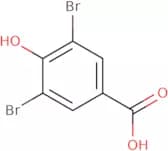
CAS:3,5-Dibromo-4-hydroxybenzoic acid is a chemical that is used as a herbicide and insecticide. It inhibits the growth of plants by preventing protein synthesis in cells. 3,5-Dibromo-4-hydroxybenzoic acid has been found to be effective against bacteria such as Escherichia coli, Pseudomonas aeruginosa, and Klebsiella pneumoniae. The compound also has an inhibitory effect on the growth of industrial chemicals such as ethylene oxide and acetaldehyde. 3,5-Dibromo-4-hydroxybenzoic acid is produced from p-hydroxybenzoic acid by the action of corrin (a bacterial enzyme).Formula:C7H4Br2O3Purezza:Min. 98 Area-%Colore e forma:PowderPeso molecolare:295.91 g/molMethyl 4-chlorobenzoate
CAS:<p>Methyl 4-chlorobenzoate is a synthetic chemical that belongs to the group of phenyl compounds. It is a solvent for organic solvents and has been shown to be toxic to humans. Methyl 4-chlorobenzoate is used in various industrial applications, such as in the production of pesticides, herbicides, and pharmaceuticals. Methyl 4-chlorobenzoate can also be used as an intermediate for the synthesis of other chemicals, such as chlorinated hydrocarbons. This chemical has been reported to cause environmental pollution and has been classified as a carcinogen by the International Agency for Research on Cancer (IARC).</p>Formula:C8H7ClO2Purezza:Min. 98.5%Colore e forma:White PowderPeso molecolare:170.59 g/mol5-Amino-2-nitrobenzoic acid
CAS:<p>5-Amino-2-nitrobenzoic acid is a useful chemical building block that is used in the synthesis of complex compounds and useful scaffolds.</p>Formula:C7H6N2O4Peso molecolare:182.13 g/molRef: 3D-A-6800
25gPrezzo su richiesta50gPrezzo su richiesta100gPrezzo su richiesta250gPrezzo su richiesta500gPrezzo su richiesta-Unit-ggPrezzo su richiesta2,5-Dimethoxybenzoic acid
CAS:<p>2,5-Dimethoxybenzoic acid (2,5-DMA) is a plant metabolite that belongs to the group of cinnamic acid derivatives. It can be found in plants and has been shown to have systemic effects. 2,5-DMA is involved in the cycloacylation of protocatechuic acid. This reaction is catalyzed by an enzyme called cyclooxygenase and requires molecular oxygen as a cofactor. 2,5-DMA also forms hydrogen bonds with methoxy groups and other molecules. The monoclonal antibodies against 2,5-DMA have been used for radiation therapy and are effective against cancer cells. Model studies show that 2,5-DMA can be converted into more potent metabolites by the action of cytochrome P450 enzymes or glutathione S-transferases.</p>Formula:C9H10O4Purezza:Min. 95%Colore e forma:PowderPeso molecolare:182.17 g/mol3,4,5-Tribromobenzoic acid
CAS:<p>3,4,5-Tribromobenzoic acid is a metabolite of 3-indoleacetic acid. It is excreted in the urine and has a phaseolus-like physiological activity. This compound has been found to reduce the number of internodes in plants and increase the number of subjacent nodes. In addition, it has been shown to inhibit abscission (the separation of plant parts) by inhibiting the release of auxin from the upper node. The structural properties of 3,4,5-tribromobenzoic acid are similar to those of benzoic acid and it can be found naturally in some plants. Diversity in this chemical has been found among different species: for example, 2,3,5-triiodobenzoic acid is only present in citrus fruits such as oranges and lemons.</p>Formula:C7H3Br3O2Purezza:Min. 95%Colore e forma:PowderPeso molecolare:358.81 g/mol3,5-Diiodo-4-hydroxybenzoic acid
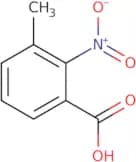
CAS:3,5-Diiodo-4-hydroxybenzoic acid (3,5 DIBA) is an aminotriazole that inhibits the growth of a wide range of bacteria. 3,5 DIBA inhibits the transport of catechol and 2,6-dichlorobenzoic acid into cells. This inhibition leads to decreased levels of catechol-O-methyltransferase activity and increased levels of lysine decarboxylase activity. The combination of these two reactions causes a decrease in lysine production. Lysine is important for cell division and protein synthesis in bacteria. 3,5 DIBA also inhibits root formation in plants and has been shown to inhibit the uptake of nutrients by plant roots. Also known as: Dibenzoylmethane; 1,2-Benzenediamine, 3-[(2,6-dichlorophenyl)imino]-, diiodide;Formula:C7H4I2O3Purezza:Min 97%Colore e forma:PowderPeso molecolare:389.91 g/mol3-Methyl-2-nitrobenzoic acid
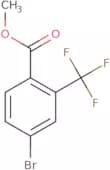
CAS:<p>3-Methyl-2-nitrobenzoic acid is a chemical that can be used for wastewater treatment. It has been shown to be effective against chlorantraniliprole, a pesticide that is often found in wastewater. 3-Methyl-2-nitrobenzoic acid also has the ability to reduce chloride levels by oxidizing it to produce chloride ions and nitrogen gas. This chemical can be used as an oxidation catalyst in wastewater treatment. 3-Methyl-2-nitrobenzoic acid has been shown to have photocatalytic activity with titanium dioxide and copper sulfate (CuSO4) under visible light illumination conditions.</p>Formula:C8H7NO4Purezza:Min. 95%Colore e forma:PowderPeso molecolare:181.15 g/mol4-Bromo-2-(trifluoromethyl)benzoic acid methyl ester
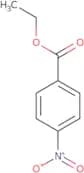
CAS:<p>4-Bromo-2-(trifluoromethyl)benzoic acid methyl ester is a versatile building block that can be used to produce complex compounds. It is also an intermediate and a useful scaffold in organic synthesis. This chemical has been used as a research chemical and as a reagent for the production of other chemicals. The compound has CAS number 957207-58-8 and can be obtained from our supplier in high quality, with purity of 99%.</p>Formula:C9H6BrF3O2Purezza:Min. 95%Colore e forma:Colorless PowderPeso molecolare:283.04 g/molEthyl 4-nitrobenzoate
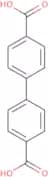
CAS:<p>Ethyl 4-nitrobenzoate is a compound that is used to synthesize other drugs, such as erythromycin. It is also an intermediate in the synthesis of some pesticides and dyes. The second-order rate constant for the reaction of ethyl 4-nitrobenzoate with phosphotungstic acid has been measured at 0.058/min at 25°C. This reaction is catalyzed by recombinant cytochrome P450 (P450) enzymes from human liver preparations and cationic surfactants such as nitrobenzene or sodium carbonate, which are known to form hydrogen bonds with the protonated nitrogen atom on the aromatic ring of ethyl 4-nitrobenzoate. Ethyl 4-nitrobenzoate is also used clinically to treat gastric ulcers, although it can be toxic if taken in large doses or over a long period of time.</p>Formula:C9H9NO4Purezza:Min. 95%Colore e forma:PowderPeso molecolare:195.17 g/mol4,4'-Dibenzoic acid
CAS:4,4'-Dibenzoic acid is a chemical compound that has been used as a precursor to other compounds. It is also used in the production of polycarbonates and epoxy resins. 4,4'-Dibenzoic acid has low energy, which means it can be transported more easily than high energy molecules. This property makes it an excellent candidate for use as an enhancement agent for organometallic catalysts such as biphenyl. The structure of 4,4'-dibenzoic acid consists of two benzene rings connected by an ethylene chain. This molecule has one hydrogen bond on each side of the molecule. The 4-hydroxyl group on the left side of the molecule is susceptible to oxidation and can act as an oxidation catalyst when exposed to heat or radiation.Formula:C14H10O4Purezza:Min. 95%Colore e forma:PowderPeso molecolare:242.23 g/mol2,6-Dimethoxybenzoic acid
CAS:2,6-Dimethoxybenzoic acid is a chemical compound with the molecular formula of C9H8O4. It belongs to the group of sesquiterpene lactones and has been shown to have anti-inflammatory properties. 2,6-Dimethoxybenzoic acid exhibits a carboxylate reaction mechanism that can be activated by an enzyme, curculigoside, which hydrolyzes the ester bond in 2,6-dimethoxybenzoic acid. The reaction mechanism involves the group p2 (COOH) on 2,6-dimethoxybenzoic acid reacting with an alcohol on curculigoside to form an ester and protocatechuic acid. The dianthus caryophyllus plant produces 2,6-dimethoxybenzoic acid as a byproduct of its synthesis of protocatechuic acid. This compound is chemically studied using solid phase microextractionFormula:C9H10O4Purezza:Min. 95%Colore e forma:PowderPeso molecolare:182.17 g/moln-Pentyl 4-hydroxybenzoate
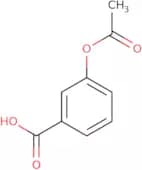
CAS:<p>n-Pentyl 4-hydroxybenzoate is a preservative that inhibits the growth of microorganisms. It is used in products such as cosmetics, pharmaceuticals, and food to prevent spoilage. The antimicrobial activity of n-pentyl 4-hydroxybenzoate has been shown to be due to p-hydroxybenzoic acid, which binds to bacterial cell walls. This binding prevents the formation of an antibiotic-inhibitor complex with the enzyme cell wall synthesis that is required for cell wall biosynthesis, inhibiting protein synthesis and cell division. n-Pentyl 4-hydroxybenzoate has also been shown to inhibit bacterial growth in vitro and in vivo in rats by interfering with protein synthesis in rat liver microsomes.</p>Formula:C12H16O3Purezza:Min. 95%Colore e forma:Off-White PowderPeso molecolare:208.25 g/mol3-Acetoxybenzoic acid
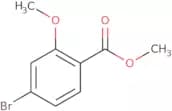
CAS:3-Acetoxybenzoic acid is a metabolite of 3-hydroxybenzoic acid, which is an intermediate in the biosynthesis of salicylic acid. It has been shown to have antibacterial properties and may be used as a topical treatment for skin infections caused by staphylococcus. 3-Acetoxybenzoic acid also has antiviral properties, which may be related to its ability to bind histone H3. 3-Acetoxybenzoic acid inhibits leishmania infantum growth and development by binding to chloride ions and preventing the formation of hydrogen bonds in the cell membrane. This prevents chloride ions from entering the cell and causes water channels to close, leading to dehydration and death.Formula:C9H8O4Purezza:Min. 95%Colore e forma:PowderPeso molecolare:180.16 g/molMethyl 4-bromo-2-methoxybenzoate
CAS:Methyl 4-bromo-2-methoxybenzoate is a drug molecule that belongs to the amide class. It is a synthetic reagent and can be used as a potential precursor in the synthesis of other drugs. Methyl 4-bromo-2-methoxybenzoate has been shown to react with carboxylic acids to form methyl esters, which are functional groups that contain a carboxyl group (COOH) and an alcohol group (OH). This reaction is called methoxylation. The transformation of methyl 4-bromo-2-methoxybenzoate into methyl esters increases the solubility of the compound and allows for it to be transported in water.Formula:C9H9BrO3Purezza:Min. 98 Area-%Colore e forma:Yellow PowderPeso molecolare:245.07 g/mol