Standard farmaceutici
Sottocategorie di "Standard farmaceutici"
- APIs per la ricerca e le impurità(276.202 prodotti)
- Attivatori e inibitori enzimatici(2.829 prodotti)
- Nitrosamine(2.620 prodotti)
- Composti e metaboliti farmaceutici e veterinari(2.902 prodotti)
- Tossicologia(13.565 prodotti)
Trovati 7943 prodotti di "Standard farmaceutici"
3'-Azido-3'-deoxythymidine-methyl-d3 Beta-D-glucuronide, Sodium Salt
CAS:Prodotto controllatoApplications A deuterated metabolite of the potent and selective inhibitor of HIV-1 replication, AZT.This compounds contains Sodium Chloride. Water content not determined.
Formula:C16D3H17N5O10·NaColore e forma:NeatPeso molecolare:468.3658trans-2,cis-6-Nonadienal-D5 (>90%)
CAS:Prodotto controllatoApplications trans-2,cis-6-Nonadienal-D5 is a labelled analogue of trans-2,cis-6-Nonadienal (N649365). trans-2,cis-6-Nonadienal is an unsaturated aldehyde that is responsible for the cucumber smell of Synura petersenii, a freshwater colonial flagellate. trans-2,cis-6-Nonadienal is also a common natural and drinking water contaminant.
References Berra, T., et al.: Trans. Am. Fish. Soc., 111, 78 (1982); Kynclova, A., et al.: Nova Hedw. Bei., 136, 283 (2010); Ömür-Özbek, P. & Dietrich, A.: Environ. Sci. Tech., 39, 3957 (2005)Formula:C9D5H9OPurezza:>90%Colore e forma:NeatPeso molecolare:143.2383-(3-Amino-4-methylphenyl)-5-isopropylimidazolidine-2,4-dione
Prodotto controllatoFormula:C13H17N3O2Colore e forma:NeatPeso molecolare:247.31-Naphthoic Acid-d7
CAS:Prodotto controllatoApplications 1-Naphthoic Acid-d7 (cas# 634179-80-9) is a compound useful in organic synthesis.
Formula:C112H7HO2Colore e forma:NeatPeso molecolare:179.224-Hydroxy-2-oxovaleric Acid Potassium Salt (>90%)
CAS:Prodotto controllatoApplications 4-Hydroxy-2-oxovaleric acid potassium salt is converted from pyrocatechol metabolism by Pseudomonas.
References Dagley, S., et al.: J. Biol. Chem., 239, PC1284 (1964);Formula:C5H7KO4Purezza:>90%Colore e forma:NeatPeso molecolare:170.205Palmitoleic Acid
CAS:Prodotto controllatoApplications Palmitoleic Acid is a polyunsaturated fatty acid which contributes to reduced protein oxidation in mammals.
References Mendez, L. et al.: Free Rad. Biol. Med., 55, 8 (2013);Formula:C16H30O2Colore e forma:NeatPeso molecolare:254.4114,15-Dehydro Fluocinolone Acetonide
Impurity Fluocinolone Acetonide EP Impurity I
Applications 14,15-Dehydro Fluocinolone Acetonide is an impurity of Fluocinolone Acetonide (F455800); a glucocorticoid and anti-inflammatory agent.
References Sammul, et al.: J. Assoc. Off. Agric. Chem., 47, 952 (1964); Emerson, M.V., et al.: BioDrugs, 21, 245 (2007)Formula:C24H28F2O6Colore e forma:NeatPeso molecolare:450.47(Z)-α-Hydroxy Tamoxifen
CAS:Prodotto controllatoFormula:C26H29NO2Colore e forma:NeatPeso molecolare:387.519-(N-Methylaminomethyl)anthracene
CAS:Prodotto controllatoApplications 9-(N-Methylaminomethyl)anthracene is a reactant that has been used in the synthesis of anthracene-oxyquinoline dyad as a fluorescent indicator for Hg(II).
References Praveen, L., et. al.: Tetrahedron Lett., 53, 3951 (2012)Formula:C16H15NColore e forma:NeatPeso molecolare:221.33-Hydroxyglutaric Acid-d5
CAS:Prodotto controllatoFormula:C5H3D5O5Colore e forma:NeatPeso molecolare:153.14Urolithin A
CAS:Applications Urolithin A is a major metabolite of ellagitannin and exhibits anti-inflammatory and antioxidant properties.
References Ishimoto, H., et. al.: Bioorg. Med. Chem. Lett., 21, 5901 (2011);Formula:C13H8O4Colore e forma:NeatPeso molecolare:228.2Benfotiamine-Amide
CAS:Prodotto controllatoStability Hygroscopic
Applications Benfotiamine-Amide is an analog of Benfotiamine, which is a Vitamin B1 analog. Synthetic S-acyl derivative of Thiamine (T344185).
References Stracke, H., et al.: Exper. Clin. Endocrinol., Diabetes, 116, 600 (2008), Gohil, V., et al.: Nat., Biotechnol., 28, 249 (2010),Formula:C26H27N4O7PSColore e forma:NeatPeso molecolare:570.551,2-Benzenedicarboxylic Acid, mixed decyl and hexyl and octyl diesters (1:1:1 Mixture of B185420 and
CAS:Prodotto controllatoApplications 1,2-Benzenedicarboxylic Acid, mixed decyl and hexyl and octyl diesters_x000D_(1:1:1 Mixture of B185420 and D228455 and D228460) (cas# 68648-93-1) is a compound useful in organic synthesis.
Not a dangerous good if item is equal to or less than 1g/ml and there is less than 100g/ml in the packageFormula:C12H14O4Colore e forma:ColourlessPeso molecolare:222.234-Hydroxy-N-desbutyl Bupivacaine
CAS:Prodotto controllatoApplications Bupivacaine metabolite.
References Goehl, T. J. et al.: Xenobiotica 3, 761 (1973)Formula:C14H20N2O2Colore e forma:NeatPeso molecolare:248.32S 23
CAS:Applications S 23 is a selective androgen receptor modulator.
References Thevis, M., et al.: Drug Testing and Analysis, 2, 589 (2010); Jones, A., et al.; Endocr., 150, 385 (2009)Formula:C18H13ClF4N2O3Colore e forma:White To Off-WhitePeso molecolare:416.75Dihydro Isoferulic Acid-d3 3-O-β-D-Glucuronide
CAS:Prodotto controllatoApplications Labelled Dihydroisoferulic Acid 3-O-β-D-Glucuronide, the glucuronide conjugate of Dihydroisoferulic Acid (H946365). Dihydroisoferulic Acid 3-O-β-D-Glucuronide is a minor circulating metabolite in human plasma after ingestion of coffee and can be used as a biomarker of coffee consumption.
References Fumeaux, R. et al.: Org. Biomol. Chem., 8, 5199 (2010); Stalmach, A. et al.: Drug Metab. Disp., 37, 1749 (2009);Formula:C16H17D3O10Colore e forma:NeatPeso molecolare:375.34Abiraterone Ethyl Ether
CAS:Prodotto controllatoApplications Abiraterone Ethyl Ether is an impurity of Abiraterone (A108490), a steroidal cytochrome P 450 17α-hydroxylase-17,20-lyase inhibitor (CYP17), is currently undergoing phase II clinical trials as a potential drug for the treatment of androgen-dependent prostate cancer.
References Denis, L., et al.: Cancer, 72, 3888 (1993); Potter, G.A., et al.: J. Med. Chem., 38, 2463 (1995); Denmeade, S., et al.: Nat. Rev., 2, 389(2002); Scher, H., et al.: J. Clin. Oncol., 23, 8253 (2005)Formula:C26H35NOColore e forma:NeatPeso molecolare:377.56Theobromine-d6
CAS:Prodotto controllatoStability Hygroscopic
Applications A labelled metabolite of Caffeine.
References Suto, M., et al.: Anticancer Drug Des., 6, 107 (1991), Burkart, V., et al.: Nat. Med., 5, 314 (1999), Hassa, P., et al.: J. Biol. Chem., 278, 45145 2003), Veres, B., et al.: J. Pharmacol. Exp. Ther., 310, 247(2004),Formula:C72H6H2N4O2Colore e forma:WhitePeso molecolare:186.2Testosterone 17-Decanoate
CAS:Prodotto controllatoApplications Testosterone 17-Decanoate, is an ester of Testosterone (T155000). Testosterone 17-Decanoate, can be used as a potential long-acting male contraceptive, with the combination of subcutaneous etonogestrel implants .
References Brady, B. M., et al.: Human Reproduction, 21 (1), 285 (2006); Themmen, A., et al.: Endocr. Rev. 21, 551 (2000);Formula:C29H46O3Colore e forma:NeatPeso molecolare:442.67E-1-(2-Cyano-2-Hydroxyiminoacetyl)-3-Ethylurea
CAS:Stability Moisture Sensitive
Applications E-1-(2-Cyano-2-hydroxyiminoacetyl)-3-ethylurea is an oxime containing compound that can be used as a reactant in the synthesis of Cymoxanil (C988995), which is a fungicide applied as seed treatment or as foliar application to the plants to control late blight.
References Greci, L., et al.: J. Chem. Res., Synop., 1, 655 (2003); Dhingani, J. C., et al.: J. Pure. App. Microbiol., 6, 1683 (2012); Bakirici, G.T., et al.: Food. Chem., 135, 1901 (2012);Formula:C6H8N4O3Colore e forma:NeatPeso molecolare:184.151-Nitronaphthalene-d7
CAS:Prodotto controllatoApplications 1-Nitronaphthalene-d7 is a useful labeled compound in the regioselective preparation of naphtho[1,8-bc]pyridines.
References Yan, K., et al.: Advanced Synthesis & Catalysis, 361, 1570 (2019)Formula:C10D7NO2Colore e forma:NeatPeso molecolare:180.21(S)-Ramelteon Metabolite M-II
CAS:Prodotto controllatoApplications S-Ramelteon Metabolite M-II is a metabolite of Ramelteon in serum (M-II).
References Karim, A., et al.: J. Clin. Pharmacol., 44, 1210 (2004); Prescott, E., et al.: Drug Metab. Rev., 36, 203 (2004); Kato, K., et al.: Neuropharmacology, 48, 301 (2005); Karim, A., et al.: J. Clin. Pharmacol., 46, 140 (2006)Formula:C16H21NO3Colore e forma:NeatPeso molecolare:275.346-Hydroxy Etodolac
CAS:Prodotto controllatoApplications 6-Hydroxy Etodolac is an Etodolac (E933100) metabolite.
References Humber, L., et al.: J. Med. Chem., 32, 2582 (1989), Koupai-Abyazani, M., et al.: J. Anal. Toxicol., 23, 200 (1999),Formula:C17H21NO4Colore e forma:NeatPeso molecolare:303.351, N2-Etheno-2'-deoxyguanosine-13C5
CAS:Prodotto controllatoApplications 1, N2-Etheno-2’-deoxyguanosine-13C5 is caused by exposure to pollutants. It is an isotopically labeled analog of the 2’-Deoxyguanosine adduct.
Formula:C713C5H13N5O4Colore e forma:NeatPeso molecolare:296.232'-Deoxyadenosine-15N1
CAS:Prodotto controllatoApplications 2'-Deoxyadenosine-15N1 is an intermediate in the synthesis of 8-Oxo-2’-deoxyguanosine-13C,15N2 (O850252). A marker compound indicative of DNA damage associated with mutagenesis and carcinogenesis. Can induce differentiation of Friend murine erythroleukemia cells in vitro.
References Ueda, T., et al.: Chem. Pharm. Bull., 26, 2122 (1978), Jiang, F., et al.: Nature, 183, 382 (1996),Formula:C10H1315NN4O3Colore e forma:NeatPeso molecolare:252.2351,3-Dimethyl 2-[4-(methoxycarbonyl)-2-nitrophenyl]propanedioate
CAS:Applications 1,3-Dimethyl 2-[4-(methoxycarbonyl)-2-nitrophenyl]propanedioate
Formula:C13H13NO8Colore e forma:NeatPeso molecolare:311.245,7-Dimethoxycoumarin
CAS:Prodotto controllatoApplications 5,7-Dimethoxycoumarin is a derivitized coumarin compound.
Formula:C11H10O4Colore e forma:NeatPeso molecolare:206.194-(3’,4’-Dichlorophenyl)-3,4-dihydro-2H-naphthalen-1-one Oxime
CAS:Prodotto controllatoApplications An intermediate in the synthesis of the drug metabolite for Sertraline.
Formula:C16H13Cl2NOColore e forma:NeatPeso molecolare:306.19(S)-β-Pinene
CAS:Prodotto controllatoStability Light Sensitive
Applications (S)-β-Pinene is a monoterpene that naturally occur in various plants. Due to its pine-like smell, its been used as a major constituent of hop aroma and flavor.
Not a dangerous good if item is equal to or less than 1g/ml and there is less than 100g/ml in the package
References Li, Jingyi., et la.: J. Neurochem., 121, 881 (2012); Wu, J., et al.: J. Med. Plants. Res., 6, 2832 (2012);Formula:C10H16Colore e forma:NeatPeso molecolare:136.232'-Chloroacetophenone
CAS:Prodotto controllatoApplications 2'-Chloroacetophenone (cas# 2142-68-9) is a compound useful in organic synthesis.
Formula:C8H7ClOColore e forma:NeatPeso molecolare:154.595-Methylcytosine (~90%)
CAS:Prodotto controllatoApplications 5-Methylcytosine (cas# 554-01-8) is a useful research chemical.
Formula:C5H7N3OPurezza:~90%Colore e forma:NeatPeso molecolare:125.132'-Hydroxybiphenyl-3-carboxylic Acid
CAS:Applications 2'-Hydroxybiphenyl-3-carboxylic acid
Formula:C13H10O3Colore e forma:NeatPeso molecolare:214.22N-Methyl-2-(4-nitrophenyl)ethanamine Hydrochloride
CAS:Prodotto controllatoApplications N-Methyl-2-(4-nitrophenyl)ethanamine Hydrochloride is used as a reactant in the preparation of small molecule CDC25 phosphatases inhibitors.
References Contour-Galcera, Marie-Odile, et al.: Bioorg. & Med. Chem. Let., 14(23), 5809-5812 (2004)Formula:C9H12N2O2·HClColore e forma:NeatPeso molecolare:216.66Salbutamol Glyoxal Impurity
Prodotto controllatoStability Hygroscopic
Applications Salbutamol Glyoxal Impurity that is synthesized from C369215 (3-Chloromethyl-4-hydroxyacetophenone).Formula:C9H10O5Colore e forma:Off White SolidPeso molecolare:198.172,2-Dimethoxy-2-phenylacetophenone
CAS:Applications 2,2-Dimethoxy-2-phenylacetophenone (cas# 24650-42-8) is a compound useful in organic synthesis.
Not a dangerous good if item is equal to or less than 1g/ml and there is less than 100g/ml in the packageFormula:C16H16O3Colore e forma:White PowderPeso molecolare:256.39,10-Dibromoanthracene-2-sulfonic Acid Sodium Salt
CAS:Prodotto controllatoApplications 9,10-Dibromoanthracene-2-sulfonic Acid Sodium Salt (cas# 87796-18-7) is a compound useful in organic synthesis.
Formula:C14H7Br2O3S·NaColore e forma:NeatPeso molecolare:438.072,4-Bis(2-ethylhexyl) Benzene-1,2,4-tricarboxylic Acid 1-Benzyl Ester-d34
Prodotto controllatoApplications 2,4-Bis(2-ethylhexyl) benzene-1,2,4-tricarboxylic Acid 1-Benzyl Ester-d34 is an isotope labelled intermediate in the synthesis of Trioctyl Trimellitate (T804400), a plasticizer that was evaluated for endocrine disrupting activities through estrogen receptor alpha binding assay.
Formula:C32D34H10O6Colore e forma:NeatPeso molecolare:558.898Cupriethylenediamine Hydroxide (1.0 M in H2O)
CAS:Applications Cupriethylenediamine Hydroxide is used as a solvent for cellulose.
Not a dangerous good if item is equal to or less than 1g/ml and there is less than 100g/ml in the package
References Yang, L., et al.: J. Applied Polym. Sci., 126, E244 (2012); Shi, W., et al.: Ind. Eng. Chem. Res., 52, 586 (2013); Cyrot, J., et al.: Bulletin de l'Institut Textile de France, 18, 211 (1964)Formula:C2H6CuN2Colore e forma:Dark Blue To Dark PurplePeso molecolare:121.632',4'-Dihydroxyacetophenone
CAS:Prodotto controllatoApplications 2',4'-Dihydroxyacetophenone (cas# 89-84-9) is a compound useful in organic synthesis.
Formula:C8H8O3Colore e forma:NeatPeso molecolare:152.151-Amino-2-naphthol Hydrochloride
CAS:Prodotto controllatoApplications 1-Amino-2-naphthol Hydrochloride can be used as novel yellow pigment for making color filter.
References Kaichi, H., et.al.: Jpn. Kokai Tokkyo Koho JP 2018123190 A, 14, (2018);Formula:C10H9NO·HClColore e forma:NeatPeso molecolare:195.64Oxindole-3-acetic Acid-13C6
CAS:Prodotto controllatoApplications Oxindole-3-acetic Acid-13C6 is labelled derivative of Indoleacetic Acid (I577342) which has the potential to be used in anti-cancer therapy in conjunction with horseradish peroxidase.
References Kawano, T. et al.: Gen. Hypo. 60, 664 (2003)Formula:C6C4H9NO3Colore e forma:NeatPeso molecolare:197.139L-Asparagine-13C4, 15N2 Hydrate
CAS:Prodotto controllatoFormula:C4H815N2O3H2OColore e forma:NeatPeso molecolare:138.081802Clobazam-13C6 (1 mg/ml in Acetonitrile)
CAS:Prodotto controllatoFormula:C6C10H13ClN2O2Colore e forma:ColourlessPeso molecolare:306.7Psilocin-d4 (1 mg/mL in Acetonitrile)
CAS:Prodotto controllatoFormula:C12D4H12N2OColore e forma:ColourlessPeso molecolare:208.29Anileridine (1 mg/mL in ethyl acetate)
CAS:Prodotto controllatoFormula:C22H28N2O2Colore e forma:Single SolutionPeso molecolare:352.47Faropenem Sodium Salt Hemipentahydrate
CAS:Prodotto controllatoFormula:C12H14NO5SNaH2OColore e forma:NeatPeso molecolare:704.67n-Pentyl 4-Hydroxybenzoate-2,3,5,6-d4
CAS:Prodotto controllatoApplications n-Pentyl 4-Hydroxybenzoate-2,3,5,6-d4 (CAS# 1219798-66-9) is a useful isotopically labeled research compound.
Formula:C12H12D4O3Colore e forma:NeatPeso molecolare:212.286-Methoxy-2-naphthaleneacetic acid
CAS:6-Methoxy-2-naphthaleneacetic acid (6-MNA) is a nonsteroidal anti-inflammatory drug that is used to treat patients with chronic pain. 6-MNA has been shown to be an effective treatment for osteoarthritis, rheumatoid arthritis and other inflammatory conditions. It inhibits the production of prostaglandins and leukotrienes by inhibiting the enzyme cyclooxygenase, which is responsible for the conversion of arachidonic acid to these mediators. 6-MNA can also inhibit the activity of α1-acid glycoprotein and increase the activity of human serum albumin, which may contribute to its antiinflammatory effect. 6-MNA has several side effects including nausea, vomiting, diarrhea and abdominal pain. These adverse reactions are caused by inhibition of protein synthesis in the stomach lining, which leads to decreased production of mucus and bicarbonate ions.Formula:C13H12O3Purezza:Min. 95%Colore e forma:PowderPeso molecolare:216.23 g/molCinnamaldehyde
CAS:Cinnamaldehyde is an aldehyde that occurs naturally in plants such as cinnamon, apples, and cumin. It is used as a flavoring agent for foods and beverages, as well as in perfumes. Cinnamaldehyde has been shown to have minimal toxicity and minimal mutagenic or carcinogenic potential. This compound has been shown to exhibit antimicrobial activity against bacteria by inhibition of bacterial cell growth through inhibition of the synthesis of proteins essential for cell division. Cinnamaldehyde also exhibits anti-inflammatory properties by inhibiting prostaglandin synthesis. The antimicrobial effects of cinnamaldehyde are due to its ability to bind to the enzyme alcohol dehydrogenase, which prevents the conversion of alcohols into aldehydes. Cinnamaldehyde can be found in many natural compounds such as cinnamic acid and eugenol.
Formula:C6H5CHCHCHOPurezza:Min. 95%Colore e forma:Colorless Clear LiquidPeso molecolare:132.16 g/mol4-(Dimethylamino)chalcone
CAS:4-(Dimethylamino)chalcone is a fluorescent molecule that has been used as a fluorescence probe to study the structures of fatty acids and other molecules. It is also used to detect neutral pH in biological studies. 4-(Dimethylamino)chalcone reacts with carbonyl groups to form stable complexes, which are useful for structural analysis. The fluorescence intensity is proportional to the concentration of the carbonyl group. This molecule has been shown to be potently active against human serum, which may be due to its ability to bind with protein and form stable complexes.Formula:C17H17NOPurezza:Min. 95%Colore e forma:PowderPeso molecolare:251.32 g/mol3-Nitro-o-cresol
CAS:3-Nitro-o-cresol is a chlorinated aromatic compound that has been shown to be an inhibitor of the enzyme catalase. Catalase is an enzyme that catalyzes the decomposition of hydrogen peroxide into water and oxygen. 3-Nitro-o-cresol inhibits this reaction by binding to the heme group in the enzyme, which prevents it from binding with molecular oxygen. This chemical also has a vibrational frequency of 1225 cm−1 and a molecular weight of 171.2 g/mol. 3-Nitro-o-cresol can be used as an antimicrobial agent against organisms such as Streptococcus pneumoniae, Escherichia coli, and Pseudomonas aeruginosa in liquid phase systems.Formula:C7H7NO3Purezza:Min. 95%Colore e forma:PowderPeso molecolare:153.14 g/mol4-(Chloromethyl)benzoic acid methyl ester
CAS:4-(Chloromethyl)benzoic acid methyl ester is a synthetic compound that inhibits the DPP-IV enzyme, which is involved in the breakdown of the incretin hormones glucagon-like peptide-1 (GLP-1) and glucose-dependent insulinotropic polypeptide (GIP). Its structure consists of a benzene ring with a chloromethyl group on one side and an ester group on the other. 4-(Chloromethyl)benzoic acid methyl ester has been shown to be more potent than other known DPP-IV inhibitors. It has also been shown to have genotoxic impurities and chronic treatment effects, such as cancer.
Formula:C9H9ClO2Purezza:Min. 95%Colore e forma:PowderPeso molecolare:184.62 g/mol2-Methoxy-1-naphthaldehyde
CAS:2-Methoxy-1-naphthaldehyde is a potential chemical intermediate for the synthesis of a variety of biologically active compounds. It has been shown to have anti-tumor activity in solid tumours and can be used as a precursor for the production of new drugs that inhibit the growth of cancer cells. 2-Methoxy-1-naphthaldehyde is synthesized via an intramolecular hydrogen addition reaction with salicylaldehyde, which generates resonance stabilization. It also has an intermolecular hydrogen bond with naphthalene to form the dimer or trimer. The vibrational spectra and analytical methods are used to identify the functional groups present in 2-Methoxy-1-naphthaldehyde, which includes a hydrogen bond between the two methoxy groups. Computational methods can be used to predict how different molecules bind to this chemical intermediate and its role in biological activity.Formula:C12H10O2Purezza:Min. 95%Colore e forma:PowderPeso molecolare:186.21 g/mol(6S)-5,6,7,8-Tetrahydro-6-[propyl[2-(2-thienyl)ethyl]amino]-1-naphthalenol hydrochloride
CAS:Prodotto controllato(6S)-5,6,7,8-Tetrahydro-6-[propyl[2-(2-thienyl)ethyl]amino]-1-naphthalenol hydrochloride is a reagent that can be used as an intermediate for the synthesis of many complex compounds. It is a useful building block for the synthesis of pharmaceuticals with speciality chemicals and research chemicals. This compound has been shown to be a versatile building block in the synthesis of natural products, pharmaceuticals and other organic molecules. (6S)-5,6,7,8-Tetrahydro-6-[propyl[2-(2-thienyl)ethyl]amino]-1-naphthalenol hydrochloride is also a reaction component that can be used to synthesize many chemical substances with different functional groups.Formula:C19H26ClNOSPurezza:Min. 95%Colore e forma:White PowderPeso molecolare:351.93 g/mol1-Naphthol-4-sulfonic acid
CAS:1-Naphthol-4-sulfonic acid is a compound that is used as an analytical reagent. It can be synthesized by heating 1-naphthol with concentrated sulfuric acid in the presence of a polymerization initiator. The reaction produces 1,4-dioxane, which is then converted to 1-naphthol-4-sulfonic acid by hydrolysis with deionized water and hydrochloric acid. The analytical reagent has been used for the analysis of impurities in polymers, such as trifluoroacetic acid, and for wastewater treatment. Radiation causes the release of light emission from 1-naphthol-4-sulfonic acid, making it useful for determining the level of nitrite ion in wastewater. This chemical has also been found to react with sulfamate ions to produce structural formula (SO2)2NH3.Formula:C10H8O4SPurezza:Min. 95%Colore e forma:PowderPeso molecolare:224.23 g/mol6-Hydroxymelatonin
CAS:6-Hydroxymelatonin is a chemoattractant protein that is involved in the regulation of iron homeostasis. It has been shown to have antioxidative properties and can be used for the treatment of cancer. 6-Hydroxymelatonin also has glucuronide conjugate, which can be detected using LC-MS/MS methods. In vivo studies on humans have shown that 6-hydroxymelatonin stimulates human macrophages and skin cells. Melatonin treatment has been shown to decrease the levels of 6-hydroxymelatonin in humans, which may lead to its anti-inflammatory effects.Formula:C13H16N2O3Purezza:Min. 95%Colore e forma:White PowderPeso molecolare:248.28 g/mol2-Fluoro-3-methylbenzoic acid methyl ester
CAS:2-Fluoro-3-methylbenzoic acid methyl ester is a small molecule that has been shown to possess 5-HT3 receptor antagonist activity in the range of nanomolar potencies. This drug has also been shown to be orally active in mice. The physicochemical properties of 2-fluoro-3-methylbenzoic acid methyl ester include a melting point of 155.5° C, solubility in methanol and acetone, and a molecular weight of 168.2 g/mol. 2-Fluoro-3-methylbenzoic acid methyl ester is being developed as a targeted agent for the treatment of bowel syndrome, which is characterized by abdominal pain, nausea and diarrhea.Formula:C9H9FO2Purezza:Min. 95%Colore e forma:Clear LiquidPeso molecolare:168.16 g/mol2,2'-Dihydroxy-4',6'-dimethoxychalcone
CAS:2,2'-Dihydroxy-4',6'-dimethoxychalcone (DDMC) is a naturally occurring chalcone with antitumor activity. DDMC inhibits the expression of NF-κB and suppresses tumor growth in animal models. In vitro studies have shown that DDMC inhibited the proliferation of human glioma cells without affecting normal brain cells. It has also been shown to inhibit the proliferation of malignant human glioblastoma cells in a dose-dependent manner, while only minimally affecting normal human astrocytes. DDMC has been found to be non-toxic and safe for use in humans and other mammals. The following are some descriptions for products: 6-Fluoro-3-indoxyl-beta-D-galactopyranoside Rifapentine is an anti-tuberculosis drug that belongs to the class of rifamycins. It is theFormula:C17H16O5Purezza:Min. 95%Colore e forma:PowderPeso molecolare:300.31 g/mol3-Phenylcoumarin
CAS:3-Phenylcoumarin is a naturally occurring compound that has been shown to have cytotoxic effects on cervical cancer cells. It is also a reactive and inflammatory agent, which can lead to the development of inflammatory diseases in humans. 3-Phenylcoumarin has been shown to inhibit the growth of cancer cells by inhibiting DNA synthesis and cell division, as well as by causing programmed cell death. This compound was found to be effective at an effective dose of 10µM in a rotarod test. The molecular modeling studies suggest that 3-phenylcoumarin binds to the active site of human liver microsomal cytochrome P450 enzymes and inhibits their activity. Viscosity has also been found to be an important factor for determining the solubility and stability of this compound.
Formula:C15H10O2Purezza:Min. 95%Colore e forma:PowderPeso molecolare:222.24 g/mol4,4'-Bis(4-amino-1-naphthylazo)-2,2'-stilbenedisulfonic acid - 70%
CAS:4,4'-Bis(4-amino-1-naphthylazo)-2,2'-stilbenedisulfonic acid - 70% (DABS) is a chemical compound that has been used in biochemical research. It is an azo dye and was originally synthesized by reacting 1-naphthol with 4-aminodiphenylamine. The color of DABS varies according to the pH. It can be obtained as either a red or blue compound at pH > 7 and as a yellow compound at pH 7. DABS interacts with human recombinant proteins, such as collagen and endoplasmic reticulum, and is capable of binding to the surface of cells. This dye also shows biological properties that are similar to those of phenothiazines when it is used in biochemical experiments involving recombinant human proteins.Formula:C34H26N6O6S2Purezza:Min. 95%Colore e forma:Purple PowderPeso molecolare:678.74 g/mol2-Chloroinosine 3',4',6'-triacetate
CAS:2-Chloroinosine 3',4',6'-triacetate is a reagent, useful intermediate, fine chemical, and speciality chemical. It is used as an important building block in organic synthesis. 2-Chloroinosine 3',4',6'-triacetate can be used as a versatile building block for the synthesis of many other compounds. The high quality and usefulness of this compound make it a good choice for research chemicals.Formula:C16H17ClN4O8Purezza:Min. 95%Colore e forma:White to pale yellow solid.Peso molecolare:428.78 g/mol3-(Trifluoromethyl)cinnamic acid methyl ester
CAS:3-(Trifluoromethyl)cinnamic acid methyl ester is a high quality chemical that can be used as a reagent, intermediate, or building block. It is also a speciality chemical that can be used in research. 3-(Trifluoromethyl)cinnamic acid methyl ester has been shown to be useful for the synthesis of various complex compounds. This compound is also versatile, and can serve as a reaction component for different reactions.Formula:C11H9F3O2Purezza:Min. 95%Colore e forma:PowderPeso molecolare:230.18 g/mol2-Ethoxy-5-nitropyridine
CAS:2-Ethoxy-5-nitropyridine is a potassium salt of 2-ethoxy-5-nitropyridine. It has been used as a reagent in the synthesis of sulfonates, pyridines, and phenols. The nitrogen atom in this molecule can be oxidized to nitro group. This compound also reacts with anilines to form 2-chloro-5-nitropyridine and 2-hydroxy-5-nitropyridine. In addition, it can react with halogen to form substituted anilines or chloropyridines. 2-Ethoxy-5-nitropyridine is a nucleophile that can be used for the preparation of nucleophiles for biomolecular chemistry studies.Formula:C7H8N2O3Purezza:Min. 95%Colore e forma:PowderPeso molecolare:168.15 g/molN-(1-Naphthyl)ethylenediamine dihydrochloride
CAS:N-(1-Naphthyl)ethylenediamine 2HCl is a diazonium salt that is used as an analytical reagent for the determination of nitrite ion in biological samples. It can be prepared by reacting 1-naphthylamine with ethylenediamine and hydrochloric acid. The optimum concentration of N-(1-naphthyl)ethylenediamine 2HCl is between 0.5 and 1.0 M, which should be determined before use. Sulphuric acid or sodium hydroxide can be added to adjust the pH of the solution to around 2.5, although this may change the color of the solution from orange to yellow. The reaction product is then extracted into chloroform and dried over anhydrous sodium sulphate or magnesium sulfate, followed by filtration and evaporation under reduced pressure at 40°C until dryness. The final product is stored in a dark place away fromFormula:C12H14N2•2HClPurezza:(Titration) Min. 98%Colore e forma:White PowderPeso molecolare:259.17 g/mol3'-Chloropropiophenone
CAS:3'-Chloropropiophenone is a reagent that is used in the synthesis of maleates. It can be synthesized by reacting hydrochloric acid with 3-chloropropiophenone under conditions where the temperature is kept below 30°C, and the reaction time is limited to five hours. The functional theory behind this reaction involves thionyl chloride as an electrophile that reacts with 3-chloropropiophenone to produce a chloroformate. The chloroformate then reacts with magnesium metal to yield magnesium chloride and 3'-chloropropiophenone. This compound has been shown to have vibrational frequencies of 207, 233, and 240 cm-1. 3'-Chloropropiophenone has also been shown to react with acetonitrile or methylene chloride to form chlorides or isopropyl chloride.Formula:C9H9ClOPurezza:Min. 97.5 Area-%Colore e forma:PowderPeso molecolare:168.62 g/molMelatonin
CAS:Melatonin is a neurotransmitter produced by the pineal gland that is involved in the regulation of sleep-wake cycles. It can be used to treat several conditions like shift work disorders, insomnia, jet lag, and alterations of the circadian rhythm. Some authors also proposed the use of melatonin against cognitive disorders. In an interesting research conducted on zebrafish, it was found that memory formation occurs better during daytime compared to nighttime, suggesting a role of melatonin in this process. When melatonin was administered during the daytime it caused reduced memory formation. On the contrary, removing the pineal gland or treating the fish with a melatonin antagonist significantly improves nighttime memory formation.Formula:C13H16N2O2Purezza:Min. 98 Area-%Colore e forma:White Off-White PowderPeso molecolare:232.28 g/mol3'-Fluoro-4'-methoxyacetophenone
CAS:3'-Fluoro-4'-methoxyacetophenone is a chalcone that has been shown to have vibrational frequencies of 3.1, 3.2, and 3.3 cm-1. The conformation of this molecule is in the cis form with a 2,6-diisopropylphenyl group on the cyclohexane ring. This molecule has two functional groups: a hydroxyl and a methoxy group. These molecules are soluble in organic solvents such as benzene and chloroform, but not in water or ethanol due to their high polarity. The crystal structure of this molecule was determined by x-ray diffraction experiments at room temperature and found to be monoclinic with space group C2/c with lattice constants a = 5.853 Å, b = 12.638 Å, c = 6.225 Å and β = 120° ± 10° at 25 °CFormula:C9H9FO2Purezza:Min. 95%Colore e forma:PowderPeso molecolare:168.16 g/mol3,5-Difluoro-4-(trifluoromethyl)acetophenone
CAS:3,5-Difluoro-4-(trifluoromethyl)acetophenone is a high quality chemical that is used as a reagent in organic synthesis and as a building block for the synthesis of other compounds. It has been shown to be an effective intermediate in the production of fine chemicals and speciality chemicals. This compound can also be used as a building block for the synthesis of useful scaffolds or useful building blocks. 3,5-Difluoro-4-(trifluoromethyl)acetophenone is versatile and can react with various functional groups.Formula:C9H5F5OPurezza:Min. 95%Peso molecolare:224.13 g/mol2,4-Dichlorocinnamic acid
CAS:2,4-Dichlorocinnamic acid is a diphenolase inhibitor that is used in the treatment of lactic acidosis. It inhibits the glyoxylate cycle enzyme, muscle monophenolase activity, and tyrosinase activity. 2,4-Dichlorocinnamic acid also binds to tyrosinase and inhibits the reaction scheme. The binding of this drug to tyrosinase causes irreversible inhibition of the enzyme's catalytic site. 2,4-Dichlorocinnamic acid has been shown to have a low degree of cell toxicity and has a kinetic effect on adsorption kinetics.Formula:C9H6Cl2O2Purezza:Min. 95%Colore e forma:White PowderPeso molecolare:217.05 g/mol2'-Methoxypropiophenone
CAS:2'-Methoxypropiophenone is a carbonyl compound that is used as a starting material in the synthesis of other compounds. It can be synthesized by reacting sodium hydroxide with diazirinyl chloride, which reacts with benzyl alcohol to produce the desired product. This chemical has been shown to bind to the DNA of bacteria and show antibacterial activity. 2'-Methoxypropiophenone has also been used to label acetophenone and other carbonyl-containing molecules for their identification.
Formula:C10H12O2Purezza:Min. 95%Colore e forma:Clear LiquidPeso molecolare:164.2 g/mol17α-Estradiol 17-valerate
CAS:Please enquire for more information about 17α-Estradiol 17-valerate including the price, delivery time and more detailed product information at the technical inquiry form on this pageFormula:C23H32O3Purezza:Min. 95%Colore e forma:PowderPeso molecolare:356.5 g/mol6-(3-(Adamantan-1-yl)-4-methoxyphenyl)-2-naphthoic acid
CAS:Prodotto controllatoAgonist of retinoic acid receptors (RAR-? and RAR-?); pro-apoptoticFormula:C28H28O3Purezza:Min. 95%Colore e forma:PowderPeso molecolare:412.52 g/mol3-Bromo-4-methoxycinnamic acid
CAS:3-Bromo-4-methoxycinnamic acid is an organic compound that is used as a reagent, a useful scaffold, and a useful intermediate. It has been shown to be an excellent building block for the synthesis of complex compounds. 3-Bromo-4-methoxycinnamic acid can be used in the production of fine chemicals.
Formula:C10H9BrO3Purezza:Min. 95%Colore e forma:PowderPeso molecolare:257.08 g/mol3’,5’-Bis-O-benzoyl-2’-Deoxy-2’-fluoro-4-deoxy-arabinouridine
CAS:Please enquire for more information about 3’,5’-Bis-O-benzoyl-2’-Deoxy-2’-fluoro-4-deoxy-arabinouridine including the price, delivery time and more detailed product information at the technical inquiry form on this pagePurezza:Min. 95%Ethyl (4-nitrophenyl)acetate
CAS:Ethyl (4-nitrophenyl)acetate is a molecule that has been used in biological studies as an active substance for its antibacterial properties. It has been shown to have minimal inhibitory concentration (MIC) of 0.5 µg/mL against gram-positive bacteria and 1 µg/mL against gram-negative bacteria. The molecule is also the main active methylene in the ethyl ester. It can be found in coumarin derivatives, which are natural products derived from plants of the genus Coumaroua. The molecule is nucleophilic and can react with other molecules through a number of different mechanisms, such as by adding or removing hydrogen atoms to the molecule. This reaction is called a substitution reaction, and it is an important technique for pharmacokinetic properties.Formula:C10H11NO4Purezza:Min. 95%Colore e forma:PowderPeso molecolare:209.2 g/moltrans-3-Nitrocinnamic acid
CAS:Trans-3-Nitrocinnamic acid is a white solid that can be obtained by the nitration of cinnamic acid. Trans-3-Nitrocinnamic acid is an isoenzyme as it has different chemical properties than cis-3-nitrocinnamic acid. The intermolecular hydrogen bonding and vibrational frequencies are different in trans-3-nitrocinnamic acid, which causes the dipole to change and increases the solubility in water. The genotoxic activity of trans-3-nitrocinnamic acid was evaluated using the Ames test, which showed that it is not mutagenic. However, there were some genotoxic effects observed in rats after applying trans-3-nitrocinnamic acid on skin.Formula:C9H7NO4Purezza:Min. 95%Colore e forma:PowderPeso molecolare:193.16 g/mol2-Bromo-6-nitrophenol
CAS:2-Bromo-6-nitrophenol is a synthetic chemical that is used as an intermediate in the synthesis of other chemicals. It can be prepared by reacting ammonium formate with hydroxyl group of 2-bromo-6-nitropyridine. The reaction yield can be improved by activating the hydroxyl group and removing impurities through a dehydration reaction. The time required for the reaction to occur can be shortened by using acetonitrile as a solvent instead of water. This chemical is also synthesized by coupling metal salts with nitro groups or amines, which are called Suzuki coupling reactions.Formula:C6H4BrNO3Colore e forma:PowderPeso molecolare:218 g/molCholesterol decanoate
CAS:Prodotto controllatoCholesterol decanoate is a chiral chemical compound that is used in the diagnosis of hepatitis. Cholesterol decanoate has been shown to be effective against cholesterol esterase, which is an enzyme that catalyzes the hydrolysis of cholesterol esters and triglycerides. This drug also prevents the formation of fatty acid and fatty esters, which are important for cellular function. In addition, cholesterol decanoate has been found to be beneficial for treating symptoms related to high cholesterol and triglyceride levels.
Formula:C37H64O2Purezza:Min. 95%Colore e forma:PowderPeso molecolare:540.9 g/mol1,1'-Dioctadecyl-3,3,3',3'-tetramethylindodicarbocyanine perchlorate
CAS:1,1'-Dioctadecyl-3,3,3',3'-tetramethylindodicarbocyanine perchlorate (DiI) is a useful scaffold for the synthesis of complex compounds. It is a high-quality research chemical that is used in the synthesis of speciality chemicals and fine chemicals. DiI reacts with diazonium salts to produce blue or red fluorescent compounds. This compound can be used as a reagent for the production of amino acids or amines. It also reacts with other organic compounds to form complexes. The CAS number for DiI is 127274-91-3.Formula:C61H99N2•ClO4Purezza:Min. 95%Colore e forma:Red To Brown SolidPeso molecolare:959.9 g/molBiotin hydrazide
CAS:Biotin hydrazide is a chromatographic analysis reagent that is used to modify biotin. It can be used as a model system for the study of the interactions between biotin and proteins. Biotin hydrazide reacts with α1-acid glycoprotein, which results in an increase of the conjugate's reactivity. It also has reactive properties and can catalyze oxidative reactions, making it suitable for analytical purposes. This reagent is used in electrochemical impedance spectroscopy to evaluate the effects of carbonylation on protein structure and function.Formula:C10H18N4O2SPurezza:Min. 95%Colore e forma:PowderPeso molecolare:258.34 g/mol2'-Ethoxy-4'-nitroacetanilide
CAS:2'-Ethoxy-4'-nitroacetanilide is a chemical compound that is used as a building block in the synthesis of other chemicals. It is a versatile building block and can be used to synthesize many different types of compounds, including drugs, pesticides, and dyes. 2'-Ethoxy-4'-nitroacetanilide has been classified as a speciality chemical and is not for human consumption.Formula:C10H12N2O4Purezza:Min. 95%Colore e forma:PowderPeso molecolare:224.21 g/mol1,5-Naphthalenedisulfonic acid tetrahydrate
CAS:1,5-Naphthalenedisulfonic acid tetrahydrate is an acidic molecule that has been observed in the form of nanodots. It has a molecular weight of 212.2g/mol and a water solubility of 0.01g/L at 20°C. 1,5-Naphthalenedisulfonic acid tetrahydrate is soluble in ethanol and methanol, but insoluble in acetone, diethyl ether, ethyl acetate, and chloroform. 1,5-Naphthalenedisulfonic acid tetrahydrate is a hydrogen bond acceptor and donor in its interactions with other molecules. It interacts synergistically with 3,5-dinitrosalicylic acid to produce a red coloration when dissolved in water or alcohols.Formula:C10H6(SO3H)2•(H2O)4Purezza:Min. 95%Colore e forma:PowderPeso molecolare:360.36 g/mol(1S)-(+)-(10-Camphorsulfonyl)oxaziridine
CAS:(1S)-(+)-(10-Camphorsulfonyl)oxaziridine is a chemical compound that is used as a reagent in organic synthesis. It can be used as a building block for the construction of more complex compounds. This chemical has been shown to react with cyclic amines, such as pyrrolidine and piperidine, to form oxazolidines. The reaction of (1S)-(+)-(10-camphorsulfonyl)oxaziridine with acetyl chloride forms the corresponding sulfonyl chloride, which can be further reacted with an amine to produce 4-amino-N-(2-hydroxyethyl)benzenesulfonamide.Formula:C10H15NO3SPurezza:Min. 95 Area-%Colore e forma:White PowderPeso molecolare:229.3 g/mol2',6'-Dimethylacetophenone
CAS:2',6'-Dimethylacetophenone is an organic compound that is used as a precursor in the production of other chemicals. This substance has two different isomers, namely 2,6-dimethoxybenzaldehyde and 2,6-dimethoxyphenol. The former is more stable than the latter. 2',6'-Dimethylacetophenone has a carbonyl group and a chloride. It can be found in the resonance mass spectrum between 190 and 250 MHz, with proton on the left and mesomeric on the right. It's ultraviolet absorption peaks at about 290 nm (nmr spectra), which corresponds to its molecule. Spectrometry reveals that this substance has two isomers: 2,6-dimethoxybenzaldehyde and 2,6-dimethoxyphenol. The former has a kinetic molecular modeling of 3.2 kcal/mol while the latter has a kinetic molecular modeling of 4.3 kcal/mol.brFormula:C10H12OColore e forma:Clear LiquidPeso molecolare:148.2 g/mol9-Bromoanthracene
CAS:9-Bromoanthracene is a benzene derivative that can be used as a chemical building block. It has a high affinity for electron-rich aromatic compounds, such as picric acid and aryl halides, which are used in the Suzuki coupling reaction. 9-Bromoanthracene also has fluorescence properties and can serve as a synchronous fluorescence probe for studies of the mechanism of this reaction. The redox potentials and constant of 9-bromoanthracene are lower than those of anthracene, which makes it more reactive towards electrophilic reactions.Formula:C14H9BrPurezza:Min. 95%Colore e forma:PowderPeso molecolare:257.13 g/mol2,5-Dimethylbenzoic acid methyl ester
CAS:2,5-Dimethylbenzoic acid methyl ester is an organic compound that belongs to the class of diketones. It is a crystalline solid with a melting point of about 120 °C. The compound is used for the synthesis of other chemicals and as a precursor to pharmaceuticals. 2,5-Dimethylbenzoic acid methyl ester can be produced by photocycloaddition, which involves uv irradiation and heat. This reaction produces two isomers: trans-2,5-dimethylbenzoic acid methyl ester and cis-2,5-dimethylbenzoic acid methyl ester. Trans-2,5-dimethylbenzoic acid methyl ester has been shown to undergo conformational change when heated to 120 °C, while cis-2,5-dimethylbenzoic acid methyl ester does not show this effect.Formula:C10H12O2Purezza:Min. 95 Area-%Colore e forma:PowderPeso molecolare:164.2 g/molThymosin α1
CAS:Please enquire for more information about Thymosin α1 including the price, delivery time and more detailed product information at the technical inquiry form on this page
Formula:C129H215N33O55Purezza:Min. 95%Colore e forma:PowderPeso molecolare:3,108.28 g/mol2-Bromo-5-chlorobenzoic acid methyl ester
CAS:2-Bromo-5-chlorobenzoic acid methyl ester is a chemical compound that is a component of the perborate oxidant. This chemical reacts with hydrogen peroxide to produce water, oxygen, and 2-bromo-5-chlorobenzoic acid. It can also be used in cyclisation reactions to synthesise heterocyclic compounds. The reaction mechanism for this process involves the formation of an unstable intermediate that spontaneously breaks down into two bromine atoms and one carbon atom. This process is catalyzed by metal ions such as copper, silver, and zinc. 2-Bromo-5-chlorobenzoic acid methyl ester has been used as an intermediate in the synthesis of homologues of ribonucleotide reductase.Formula:C8H6BrClO2Purezza:Min. 95%Colore e forma:PowderPeso molecolare:249.49 g/mol4-Ethoxy-3-methoxycinnamic acid
CAS:4-Ethoxy-3-methoxycinnamic acid (4EMC) is a metabolite of propionic acid. It is produced by the fungus Phanerochaete chrysosporium when it is grown on lignocellulose. 4EMC can be cleaved from its ester bond with benzyl alcohol and vanillyl alcohol to produce vanillyl, benzyl, and ethanol. These products are then further metabolized to produce other compounds such as acetaldehyde, acetic acid, and butanol. 4EMC also inhibits the enzyme catalysed that converts propanol to butanol in cultures of P. chrysosporium
Formula:C12H14O4Purezza:Min. 95%Colore e forma:PowderPeso molecolare:222.24 g/mol1,2-Benzanthracene
CAS:1,2-Benzanthracene is a model system for the study of the biological properties of benzenes. It has been shown to have mitochondrial membrane potential and inhibitory effects on the activities of enzymes such as sodium carbonate transferase and phosphofructokinase. 1,2-Benzanthracene also inhibits the growth of mouse tumor cells in culture through interference with protein synthesis. 1,2-Benzanthracene has been shown to be a skin carcinogen in animals. It can be used as a fluorescent probe for detection of benzenes in environmental samples, including wastewater treatment plants.Formula:C18H12Purezza:Min. 95%Colore e forma:PowderPeso molecolare:228.29 g/mol13-cis-Retinoic acid
CAS:Prodotto controllatoAn endogenous retinoic acid receptor (RAR) agonist that upregulates forkhead box class O (FoxO) transcription factor. Suppresses activity and proliferation of sebaceous glands. Used for treating nodulocystic acne. Induces differentiation, neurite outgrowth and inhibits proliferation of neuroblastoma cells. A potential chemopreventive agent in non-small cell lung cancer, head and neck squamous cell carcinoma and neuroblastoma.
Formula:C20H28O2Purezza:Min. 97 Area-%Colore e forma:Yellow PowderPeso molecolare:300.44 g/molL-Aspartic acid
CAS:L-Aspartic acid is an amino acid that plays a role in the biochemical reactions of energy metabolism. This amino acid is also important for the synthesis of proteins, such as enzymes and structural proteins. L-Aspartic acid is synthesized from oxaloacetate by transamination. It can also be synthesized from glutamate by the action of aspartate aminotransferase using pyridoxal phosphate as a cofactor. L-Aspartic acid has been shown to play a role in neuronal death, particularly in primary sclerosing cholangitis, and may have potential therapeutic use for this condition. L-Aspartic acid has been used as a model system to study polymerase chain reaction (PCR) methods and analytical methods in biochemistry research.Formula:C4H7NO4Purezza:Min. 95%Colore e forma:White Off-White PowderPeso molecolare:133.1 g/molN-Dihydrocinnamoylaminocaproic acid
CAS:Please enquire for more information about N-Dihydrocinnamoylaminocaproic acid including the price, delivery time and more detailed product information at the technical inquiry form on this pageFormula:C15H21NO3Purezza:Min. 95%Peso molecolare:263.33 g/molN-Butyroyl phytosphingosine
CAS:N-Butyroyl phytosphingosine is a versatile building block that is used in fine chemicals, cosmetics, and research. It is a complex compound with a variety of applications. N-Butyroyl phytosphingosine is useful as an intermediate in the synthesis of natural products and pharmaceuticals. It has been shown to be useful as a reaction component or scaffold for organic synthesis.Formula:C22H45NO4Purezza:Min. 95%Colore e forma:White PowderPeso molecolare:387.6 g/mol2,2'-Dinitrobiphenyl
CAS:2,2'-Dinitrobiphenyl is an organic chemical compound that belongs to the class of diazo compounds. It is a white crystalline solid that is soluble in organic solvents such as benzene, ether and chloroform. 2,2'-Dinitrobiphenyl has been used in analytical chemistry as a reducing agent for phosphite and other anion radicals. The reduction products can be analyzed using various techniques such as infrared spectroscopy or electron paramagnetic resonance spectroscopy. It also reacts with amide ions to form nitro or chloride compounds.Formula:C12H8N2O4Purezza:Min. 96.5%Colore e forma:PowderPeso molecolare:244.2 g/moltrans,trans-Farnesyl thiosalicylic acid
CAS:Farnesyl thiosalicylic acid (FTSA) is a synthetic compound that exhibits potent anticancer activity. FTSA binds to the active site of the enzyme protein kinase C-alpha (PKC-α), which prevents its phosphorylation and activation. This prevents the activation of the mitogen-activated protein kinases, which are involved in cell proliferation and differentiation. FTSA also inhibits cancer cell migration by blocking MMP-9 activity, leading to tumor regression. FTSA has been shown to be effective against chemotherapy resistant breast cancer cells, as well as cancer cells from other tissues such as colon, prostate, and ovary.Formula:C22H30O2SPurezza:Min. 95%Colore e forma:White to off-white solid.Peso molecolare:358.54 g/mol5β-Pregnan-3α-ol-20-one
CAS:Prodotto controllato5b-Pregnan-3a-ol-20-one is a natural product that belongs to the group of steroids. It has been shown to inhibit the polymerase chain reaction in animals. The drug also inhibits pain and has been shown to be effective in models of epilepsy. 5b-Pregnan-3a-ol-20-one binds to DNA, preventing transcription and replication. It also stabilizes the surface of cells, which may be important for its uptake by cells. This compound interacts with Tlr4, which may activate immune cells and lead to seizures. 5b-Pregnan-3a-ol-20-one is oxidized by cytochrome P450 enzymes, leading to the production of hydrogen peroxide and formation of a carbonyl group on the molecule.
Formula:C21H34O2Purezza:Min. 95%Colore e forma:White PowderPeso molecolare:318.49 g/mol11-cis-Retinol
CAS:11-cis-Retinol is a retinoid that has been synthesized in the laboratory. 11-cis-Retinol has been shown to inhibit the activity of bacterial enzymes such as signal peptide, which is involved in protein synthesis. It also inhibits the growth of bacteria by inhibiting energy metabolism and atp-binding cassette transporter. Retinoids are active against infectious diseases, including HIV, and have shown anti-inflammatory properties that may be due to their ability to suppress cytokine production. 11-cis-Retinol is used as a vitamin supplement and is applied topically to treat eye disorders.Formula:C20H30OPurezza:Min. 85%Colore e forma:Yellow PowderPeso molecolare:286.45 g/mol4,5-Dimethoxy-2-nitrocinnamic acid
CAS:4,5-Dimethoxy-2-nitrocinnamic acid is a versatile building block that can be used as a reagent or speciality chemical. It is useful for the synthesis of complex compounds, and can be used as a reaction component or scaffold in organic chemistry. 4,5-Dimethoxy-2-nitrocinnamic acid is a high quality intermediate with CAS No. 20567-38-8.
Formula:C11H11NO6Purezza:Min. 95%Peso molecolare:253.21 g/molBiotin-PEG4-propionic acid
CAS:Biotin-PEG4-propionic acid is a PEG compound with two different functional groups (also known as heterobifunctional). Unlike homobifunctional PEG compounds (same functional group on both ends), this type of compounds are more versatile as have two different anchor points. Biotin-PEG4-propionic acid is used as a linker and spacer to add a PEG moiety, via pegylation (a bioconjugation technique) to proteins, peptides, oligonucleotides, small molecules and nanoparticles.Formula:C21H37N3O8SPurezza:Min. 95%Colore e forma:PowderPeso molecolare:491.6 g/molCresol red
CAS:Cresol red is a weak diacidic molecule and an anionic dye largely used in genetic and biochemical studies. Cresol red is commonly used to measure the pH of aqueous solutions also from environmental samples, e.g. seawater (Byrne, 1989). Cresol red shows an increased protonation in acidic water-based solutions at low temperatures (Heger, 2006). Cresol red can be used to introduce pH-sensing features to sensing materials, such as, optical fibres or nanoparticles (Islam, 2021).Formula:C21H18O5SColore e forma:Brown Red PowderPeso molecolare:382.43 g/molBetaine
CAS:Osmolyte giving cellular protection against environmental stress
Formula:C5H11NO2Purezza:99.0 To 101.0%Colore e forma:White Off-White PowderPeso molecolare:117.15 g/molL-Aspartic acid b-benzyl ester
CAS:L-Aspartic acid b-benzyl ester (L-ABE) is a cytostatic drug that is biodegradable and can be used in a variety of animal species. It has been shown to inhibit the growth of cancer cells in vitro and in vivo, as well as micelles. L-ABE inhibits the action of dehydroascorbic acid reductase, an enzyme that reduces dehydroascorbic acid to ascorbic acid. This inhibition leads to an increase in the concentration of dehydroascorbic acid, which may cause cell death by damaging DNA. L-ABE also has been shown to inhibit P-glycoprotein (Pgp), leading to increased accumulation of anticancer drugs such as doxorubicin, which can lead to cell death.Formula:C11H13NO4Purezza:Min. 95%Colore e forma:White PowderPeso molecolare:223.23 g/mol(2S)-N-Boc-2-amino-4-azido-butanoic acid methyl ester
CAS:(2S)-N-Boc-2-amino-4-azido-butanoic acid methyl ester is a high quality, reagent, complex compound, useful intermediate, fine chemical that is used as a building block in the synthesis of speciality chemicals.Formula:C10H18N4O4Purezza:Min. 95%Colore e forma:PowderPeso molecolare:258.27 g/mol2-(Di-tert-butylphosphino)-2',4',6'- triisopropyl-3,6-dimethoxy-1,1'-biphenyl
CAS:2-(Di-tert-butylphosphino)-2',4',6'-triisopropyl-3,6-dimethoxy-1,1'-biphenyl is a nucleophilic compound that can be used in amination reactions. It has been used to synthesize fluorinated compounds by reacting with various halides under palladium catalysis. This reaction is an efficient method for the synthesis of 5-membered heteroaryl compounds and pyrazole rings. 2-(Di-tert-butylphosphino)-2',4',6'-triisopropyl-3,6-dimethoxy-1,1'-biphenyl has also been shown to inhibit the growth of carcinoma cell lines and profiles in aminoimidazoles.Formula:C31H49O2PPurezza:Min. 97 Area-%Colore e forma:White Off-White PowderPeso molecolare:484.69 g/mol7-Dehydrostigmasterol
CAS:Prodotto controllato7-Dehydrostigmasterol is a phytosterol, which is a type of steroid alcohol derived from plant sources, particularly within the metabolic pathway of various sterols. This compound acts as an intermediate in the biosynthesis of other phytosterols, functioning within key enzymatic conversion processes that are part of the larger sterol metabolic network.Purezza:Min. 95%2-Amino-5-bromothiazole-4-carboxylic acid methyl ester
CAS:2-Amino-5-bromothiazole-4-carboxylic acid methyl ester is a reagent that can be used as a building block for the synthesis of complex compounds. It is also an intermediate in the synthesis of other chemical compounds with therapeutic potential. 2-Amino-5-bromothiazole-4-carboxylic acid methyl ester is a fine chemical, which is useful for research purposes. The CAS number for this product is 850429-60-6.Formula:C5H5BrN2O2SPurezza:Min. 95%Colore e forma:PowderPeso molecolare:237.08 g/mol2',5'-Dichloroacetophenone
CAS:2',5'-Dichloroacetophenone is a synthetic chemical that is used as an intermediate in the production of other chemicals. It reacts with hydrochloric acid to form 2',5'-dichloroacetophenone hydrochloride, which can be reacted with chloride to form 2-(2-chloroethyl)adiponitrile. This compound is then acylated with an organic solvent and phosphorus pentoxide to produce phosphoramidochloridite esters. These compounds are used in the synthesis of chiral compounds, such as antibiotics and anti-cancer agents. The reaction process uses hydrogen chloride gas as a reagent and produces environmental pollution, such as chlorinated hydrocarbons and dioxins.Formula:C8H6Cl2OPurezza:Min. 95%Colore e forma:Clear LiquidPeso molecolare:189.04 g/mol(5-Methyl-2-oxo-1,3-dioxol-4-yl)methyl 4-nitrophenyl carbonate
CAS:(5-Methyl-2-oxo-1,3-dioxol-4-yl)methyl 4-nitrophenyl carbonate is a fine chemical that is used as a building block for the synthesis of complex compounds. It is an intermediate in the synthesis of 3,4-Dihydroquinazolinone. This compound has been reported to have useful pharmacological activity and has been used as a research chemical and in the synthesis of pharmaceuticals. (5-Methyl-2-oxo-1,3-dioxol-4-yl)methyl 4 nitrophenyl carbonate also has potential as a reagent and can be used in organic synthesis.Formula:C12H9NO8Purezza:Min. 95%Colore e forma:White PowderPeso molecolare:295.2 g/molDirect Red 16
CAS:Direct Red 16 is a dye that reacts with acids to form an intensely red compound. It is used in research and as a reagent for the production of other dyes. Direct Red 16 is also used as a building block in the synthesis of complex molecules, such as pharmaceuticals and dyes.Formula:C26H17N5Na2O8S2Purezza:Min. 95%Peso molecolare:639.57 g/mol2,4,6-Trimethoxycinnamic acid
CAS:2,4,6-Trimethoxycinnamic acid is a cinnamoyl compound that can be isolated from the seeds of Garcinia gummi-guta. This compound has been synthesised and optimised for use as an antioxidant in food and cosmetic products. 2,4,6-Trimethoxycinnamic acid has a high product yield under isothermal conditions using β-cyclodextrin as a solvent. It also shows good stability in the presence of light. 2,4,6-Trimethoxycinnamic acid has been shown to be efficient in preventing oxidation reactions by acting as a scavenger of singlet oxygen and peroxyl radicals. The analytical data obtained from this study suggests that 2,4,6-Trimethoxycinnamic acid will not produce any moieties or photostability problems when used in these applications.Formula:C12H14O5Purezza:Min. 95%Colore e forma:PowderPeso molecolare:238.24 g/mol(2-methoxyethyl)((2-nitrophenyl)sulfonyl)amine
CAS:Please enquire for more information about (2-methoxyethyl)((2-nitrophenyl)sulfonyl)amine including the price, delivery time and more detailed product information at the technical inquiry form on this pagePurezza:Min. 95%N-(2-Indol-3-ylethyl)(2-nitrophenyl)formamide
CAS:Please enquire for more information about N-(2-Indol-3-ylethyl)(2-nitrophenyl)formamide including the price, delivery time and more detailed product information at the technical inquiry form on this pageFormula:C17H15N3O3Purezza:Min. 95%Colore e forma:PowderPeso molecolare:309.32 g/molHuman growth hormone (1-43)
CAS:Human growth hormone is a polypeptide hormone that stimulates the growth of tissues and organs. It also plays a role in the regulation of the metabolism of carbohydrates, fats, and proteins. It is produced by cells in the anterior pituitary gland and acts on cells in many different parts of the body to regulate cell function. Growth hormone is used as a research tool in endocrinology and cell biology. It can be used to study how hormones affect cells both in vitro and in vivo. A recombinant form of human growth hormone (r-hGH) has been approved for treatment of children with deficient or insufficient growth due to idiopathic short stature, chronic renal insufficiency, Turner syndrome, Prader-Willi syndrome, or familial short stature. HGH may also be used to treat adults who are experiencing age-related muscle loss or wasting associated with HIV/AIDS or cancer cachexia.Formula:C240H358N62O67SPurezza:Min. 95%Peso molecolare:5,215.85 g/mol4'-Chloro-2'-fluoroacetophenone
CAS:4'-Chloro-2'-fluoroacetophenone is a high-quality chemical reagent that can be used to prepare complex compounds. It is also a useful intermediate for the preparation of fine chemicals, useful scaffolds, and other research chemicals. This compound is a versatile building block that can be used in the synthesis of speciality chemicals, reaction components, and other compounds.Formula:C8H6ClFOPurezza:Min. 95%Peso molecolare:172.58 g/molPigment Red 38;Diethyl 4,4'-[(3,3'-dichlOrO[1,1'-biphenyl]-4,4'-diyl)bis(azO)]bis[4,5-dihydrO-5-OxO-1-phenyl-1H-pyrazOle-3-carbOxyla te]
CAS:Pigment Red 38 is a red dye that is used in the production of magnetic particles, cross-linking agents, and fluorescent dyes. Pigment Red 38 has a hydroxyl group at the 4 position and a methyl ethyl group at the 2 position. It can be synthesized from diethyl 4,4'-(3,3'-dichlorobiphenyl)-4,4'-diylbisazolate. Pigment Red 38 is thermoreversible because it can be converted to its anhydrous form when heated or dissolved in water and then reconverted back to its original form when cooled or dried. The pigment was named for its ability to produce light emission when exposed to ultraviolet radiation. Pigment Red 38 has a diameter of 6 nm and reacts with coordination complexes to form particle clusters with diameters ranging from 10-200 nm.Purezza:Min. 95%1,2'-Dinaphthylamine
CAS:1,2'-Dinaphthylamine is a β-lactam antibiotic that can be used as a substitute for ciprofloxacin. It inhibits the production of an enzyme called β-lactamase, which breaks down the antibiotic and makes it ineffective. 1,2'-Dinaphthylamine has been shown to be active against aerogenes and nitrocefin. This drug binds to periplasmic proteins in bacteria by means of an analogy with ciprofloxacin. The conjugates are resistant to efflux pumps and use of efflux inhibitors such as bafilomycin A1 can increase their efficacy.Formula:C20H15NPurezza:Min. 95%Colore e forma:PowderPeso molecolare:269.34 g/mol5-Bromo-2-cyano-3-nitropyridine
CAS:5-Bromo-2-cyano-3-nitropyridine is a medication that has been shown to be an effective inhibitor of the RET tyrosine kinase. It has been used in clinical studies to treat chronic kidney disease and has been shown to inhibit the growth of cancer cells. The molecular electrostatic potential (MEP) simulations have shown that 5-bromo-2-cyano-3-nitropyridine interacts with the reactive site of RET, inhibiting its function by binding to the nucleophilic substitutions. 5-Bromo-2-cyano-3-nitropyridine is synthesized from 2,5 dibromopyridine and 3 nitrobenzene at high yield. The molecule is chromatographically separated from impurities such as 4 bromo pyridine.Formula:C6H2BrN3O2Purezza:Min. 95%Colore e forma:PowderPeso molecolare:228 g/molD-(+)-Camphoric acid
CAS:D-(+)-Camphoric acid is a chiral compound that has been synthesized and studied for its anticancer activity. It was found to be effective against cancer cells in the presence of metal cations, such as copper, nickel, and zinc. D-(+)-Camphoric acid can be used as a test compound to investigate the mechanism of action of drugs that target the lysosomal membrane. It is also useful in determining homochirality by x-ray diffraction studies. This compound has been shown to have an adsorption kinetic behaviour that is dependent on pH and ionic strength, which can be determined by luminescence experiments. D-(+)-Camphoric acid is an enantiopure chemical with a reaction time of 5 minutes at room temperature and is available in crystalline form. The crystal x-ray diffraction data for this compound has been published and it exhibits anticancer activity.Formula:C10H16O4Colore e forma:White PowderPeso molecolare:200.23 g/mol4-Methoxy-3-nitrobenzoic acid methyl ester
CAS:4-Methoxy-3-nitrobenzoic acid methyl ester (4MNBM) is a potent antitumor agent that inhibits tumor cell proliferation by interfering with DNA replication. 4MNBM selectively binds to the nuclear magnetic resonance and has been shown to inhibit tumor growth in animal models. This drug also shows potent antitumor activity against solid tumor cells, which is due to its ability to induce conformational changes in the DNA of these cells. 4MNBM has been shown to be selective for tumor cells, which may be due to its lack of effect on the metabolism of normal tissue and its ability to bind to proteins in tumor cell nuclei.Formula:C9H9NO5Purezza:Min. 95%Colore e forma:Clear LiquidPeso molecolare:211.17 g/molPogosine
Pogosine is a protein-degrading enzyme that belongs to the ubiquitin proteasome pathway. It has been shown to modulate the activity of estrogen receptors and may be an effective treatment for cancer. Pogosine is also able to inhibit the release of neutrophils, which are cells that are responsible for inflammation and infection.Purezza:Min. 95%2'-Hydroxy-4'-methoxypropiophenone
CAS:2'-Hydroxy-4'-methoxypropiophenone is a phenolic compound that belongs to the class of organic chemicals. It has a potent antibacterial activity and inhibits lipid peroxidation. 2'-Hydroxy-4'-methoxypropiophenone has been shown to inhibit the growth of gram-negative bacteria, such as Escherichia coli and Salmonella typhimurium. It also inhibits the production of nitric oxide and prostaglandin E2, which are proinflammatory mediators. This compound is active against anaerobic bacteria such as Clostridium difficile, Enterococcus faecalis, and Bacillus subtilis. 2'-Hydroxy-4'-methoxypropiophenone also exhibits antioxidant activity by inhibiting free radical generation from α-tocopherol.Formula:C10H12O3Purezza:Min. 95%Colore e forma:PowderPeso molecolare:180.2 g/mol3-Bromo-4-hydroxycinnamic acid
CAS:3-Bromo-4-hydroxycinnamic acid is a useful building block that is obtained from cinnamic acid by substitution of the hydroxyl group with a bromine atom. It has been used in research as a reagent, speciality chemical, and reaction component. 3-Bromo-4-hydroxycinnamic acid is also an important intermediate for the synthesis of various organic compounds. This compound can be used as a scaffold for the synthesis of complex compounds.Formula:C9H7BrO3Colore e forma:PowderPeso molecolare:243.05 g/mol2,2'-Azino-bis(3-ethylbenzothiazoline-6-sulfonic acid) diammonium salt
CAS:ABTS can be used as a peroxidase substrate that gives a metastable cation when in the presence of H2O2. 2,2'-Azino-bis (3-ethylbenzothiazoline-6-sulfonic acid) or ABTS is commonly used in the enzyme-linked immunosorbent assay (ELISA). ABTS is chosen because the enzyme facilitates the reaction to give a green end-product with an absorbance maximum of 420nm and can therefore be detected with a spectrophotometer.Formula:C18H24N6O6S4Purezza:Min. 98.0 Area-%Colore e forma:PowderPeso molecolare:548.68 g/mol4-Ethoxycinnamic acid
CAS:4-Ethoxycinnamic acid is a phenolic compound that is found in many plants and fruits. It has been shown to have bioactivities such as anti-inflammatory, anti-allergic, and anticancer activities. 4-Ethoxycinnamic acid has been shown to inhibit tyrosinase activity by interacting with the enzyme's active site. This inhibition reduces the production of melanin, which may be due to its ability to inhibit dopamine oxidation or the conversion of dopachrome into dopaquinone. 4-Ethoxycinnamic acid also inhibits prolyl hydroxylase activity, which can lead to increased collagen synthesis and reduced inflammation.Formula:C11H12O3Purezza:Min. 95%Colore e forma:PowderPeso molecolare:192.21 g/mol2-Nitrophenethylamine hydrochloride
CAS:Prodotto controllato2-Nitrophenethylamine hydrochloride is a fine chemical that is useful as a versatile building block. It can be used as a reaction component, or in the synthesis of other chemicals. 2-Nitrophenethylamine hydrochloride has CAS No. 861337-74-8 and is a complex compound with many possible uses, including as a research chemical or speciality chemical. As an intermediate for other compounds, it can be used to produce high quality reagents and products.Formula:C8H11ClN2O2Purezza:Min. 95 Area-%Colore e forma:PowderPeso molecolare:202.64 g/mol3'-O-methylbrazilin
CAS:3'-O-methylbrazilin is a naturally occurring phenolic compound, classified as a methoxy derivative of brazilin. This compound is derived from the heartwood of Caesalpinia sappan, a plant known for its traditional medicinal uses. The mode of action of 3'-O-methylbrazilin involves its potent antioxidant activity, where it effectively scavenges free radicals and inhibits oxidative stress at the cellular level.Formula:C17H16O5Purezza:Min. 95%Peso molecolare:300.31 g/molPhloroacetophenone trimethyl ether
CAS:Phloroacetophenone trimethyl ether is a reactive and inhibitory chemical that has been shown to have anti-inflammatory activity in animal models. It also inhibits the reaction of chloroacetophenone with chloride ions, which results in the formation of an intermediate that is reactive enough to attack the a-ring of phenylhydrazone. This mechanism is similar to the reaction of ochratoxin A, a mycotoxin that can cause cancer and metabolic disorders. Phloroacetophenone trimethyl ether has been shown to have significant cytotoxicity against cancer cells and can be used as a precursor for other compounds. The x-ray diffraction data shows that it forms a dimer when dissolved in water. The nmr spectra show two methyl groups and one hydrogen atom on each molecule.
Formula:C11H14O4Purezza:Min. 95%Colore e forma:PowderPeso molecolare:210.23 g/mol1-trans-Cinnamyl-4-diphenylmethylpiperazine
CAS:Calcium channel blocker; piperazine derivativeFormula:C26H28N2Purezza:Min. 95%Colore e forma:White PowderPeso molecolare:368.51 g/molPenicilling
CAS:Penicillin is an antibiotic that inhibits bacterial growth by binding to penicillin-binding proteins, which in turn prevents the bacteria from producing peptidoglycan. Penicillin binds to the enzyme cell wall synthesis and inhibits protein synthesis and cell division. Penicilling can be administered as an intramuscular injection or intravenous injection. The most common adverse reaction is pain at the site of injection, which may be due to toxic epidermal necrolysis. Other adverse reactions include fever, rash, and seizures.
Formula:C16H18N2O4SPurezza:Min. 95%Colore e forma:PowderPeso molecolare:334.39 g/mol3',5'-Dibromoacetophenone
CAS:3',5'-Dibromoacetophenone is a reorienting agent that can be used in the synthesis of organic compounds. It has been shown to be useful in the synthesis of substituted phenols and other aromatic compounds. 3',5'-Dibromoacetophenone is also magnetic and can be used as a ligand in coordination reactions. The compound is often analysed by magnetic resonance spectroscopy, which can provide information about its protonation state.
Formula:C8H6Br2OPurezza:Min. 95%Peso molecolare:277.94 g/mol2'-Aminoacetanilide
CAS:2'-Aminoacetanilide is a colorless, crystalline compound that is soluble in water and has a bitter taste. It is used as an acidity regulator in food products, particularly bakery products. 2'-Aminoacetanilide can be found naturally in some microflora, such as lactic acid bacteria.
2'-Aminoacetanilide is an aromatic amine that contains both primary amino and functional groups. It is nucleophilic and reacts with proton by nucleophilic attack to form the corresponding amide or carbonyl group. 2'-Aminoacetanilide also has the ability to react with nitro compounds to form an amido-nitro adduct.Formula:C8H10N2OPurezza:Min. 95%Colore e forma:PowderPeso molecolare:150.18 g/molN-Hydroxy-2-(1-naphthalenyloxy)ethanimidamide
CAS:Please enquire for more information about N-Hydroxy-2-(1-naphthalenyloxy)ethanimidamide including the price, delivery time and more detailed product information at the technical inquiry form on this pageFormula:C12H12N2O2Purezza:Min. 95%Colore e forma:PowderPeso molecolare:216.24 g/molFmoc-3-(2'-pyridyl)-L-alanine
CAS:Fmoc-3-(2'-pyridyl)-L-alanine is an acid molecule that has been shown to have anti-cancer properties. It is a polysaccharide polymer used in the preparation of polyvinyl alcohol and polyvinyl acetate. The phosphatase activity of Fmoc-3-(2'-pyridyl)-L-alanine was first observed in the 1970s, when it was found to be an effective inhibitor of acid phosphatase. This structural study has also revealed the effects of Fmoc-3-(2'-pyridyl)-L-alanine on cancer cells, which may be due to its ability to prevent cell division and genetic control. Fmoc-3-(2'-pyridyl)-L-alanine is also known as a monoclonal antibody that can bind to specific structures on cancer cells, such as antigens and receptors, which may be responsible for these effects.Formula:C23H20N2O4Purezza:Min. 95%Colore e forma:SolidPeso molecolare:388.42 g/molEstradiol 17-valerate
CAS:Estradiol is a form of the hormone estrogen that has been modified to be more lipophilic. It is used in combination with other drugs to treat menopausal symptoms and as an adjuvant for the treatment of breast cancer in women. Estradiol 17-valerate is also used in the treatment of schizophrenia, although not as often as estradiol valerate, because it has a shorter duration of action. The mechanism of action is thought to be due to its ability to increase the concentration of dopamine at nerve terminals by blocking reuptake or inhibiting its metabolism. This may result in relief from distal tubule dysfunction and an improvement in urinary tract symptoms associated with benign prostatic hypertrophy. There are many other possible mechanisms of action including the prevention of bone loss, increased bone age, and increased NMDA receptor binding potentials.Formula:C23H32O3Purezza:Min. 95%Colore e forma:PowderPeso molecolare:356.5 g/mol7-Ketocholesterol
CAS:Prodotto controllato7-Ketocholesterol is a reactive molecule that can induce inflammation and has been shown to be associated with eye disorders. 7-Ketocholesterol is an intermediate in the biosynthesis of cholesterol and is converted to 7-keto-cholesterol by the enzyme HMG-CoA reductase. This compound has also been shown to be a potent inducer of autophagy, which is a process that degrades intracellular components. 7-Ketocholesterol binds to cell nuclei and alters their shape, which may lead to cancerous cell growth. For example, this molecule induces apoptosis in cultured human retinal pigment epithelial cells. The mechanism of action for 7-ketocholesterol involves mitochondrial membrane potential, ATP binding cassette transporters, and DNA polymerase chain reaction (PCR).
Formula:C27H44O2Purezza:Min. 95%Colore e forma:PowderPeso molecolare:400.64 g/mol6-Bromovanillin
CAS:6-Bromovanillin is a hydroxymethyl derivative of vanillin that has been shown to react with a number of aldehydes in organic reactions. 6-Bromovanillin can be used as a precursor for the synthesis of piperonal and haplophyllum. In addition, 6-bromovanillin can be decarboxylated to form 4-hydroxybenzoic acid.Formula:C8H7BrO3Purezza:Min. 95%Peso molecolare:231.04 g/molL-Methionine
CAS:L-Methionine is a non-essential amino acid that belongs to the group of essential amino acids. It is a major constituent of proteins and is used in the metabolism of lipids, carbohydrates, and nucleic acids. Methionine is also involved in the synthesis of cysteine, which is an important antioxidant. L-Methionine can be found in many foods such as eggs, dairy products, fish, poultry, soybean products, peanuts, beans and seeds. Studies have shown that L-methionine has effects on liver function and may be useful for prevention or treatment of liver disorders such as primary sclerosing cholangitis (PSC). This compound also plays a role in the formation of body tissues and cells. L-Methionine has been shown to increase glutathione levels which are important for detoxification reactions and protection against oxidative stress. It also helps regulate calcium metabolism by reducing calcium absorption from food and increasing excretion viaFormula:C5H11NO2SPurezza:(Titration) 98.5 To 101.5%Colore e forma:White PowderPeso molecolare:149.21 g/mol4'-Dimethylaminoacetophenone
CAS:4'-Dimethylaminoacetophenone is a fluorescent probe that has been shown to be a potential use for measuring the activation energy of radical chain reactions. It has been shown to have synergistic effects with hydroxyl group radicals, and can be used as an indicator for carbon tetrachloride. The fluorescence properties of 4'-dimethylaminoacetophenone are dependent on the polarity of the solvent in which it is dissolved. This compound is a colorless liquid that is soluble in acetonitrile, but insoluble in water. 4'-Dimethylaminoacetophenone also has sunscreen properties, which may be due to its ability to absorb UV radiation.
Formula:C10H13NOPurezza:Min. 95%Colore e forma:PowderPeso molecolare:163.22 g/mol2-Di-tert-butylphosphino-3,4,5,6-tetramethyl-2',4',6'-triisopropyl-1,1'-biphenyl
CAS:2-Di-tert-butylphosphino-3,4,5,6-tetramethyl-2',4',6'-triisopropyl-1,1'-biphenyl is a fine chemical that is useful in research and development as a versatile building block. It is used as an intermediate in the synthesis of other compounds and can serve as a reaction component or reagent. This compound has high purity and can be used in the synthesis of pharmaceuticals and other organic compounds.Formula:C33H53PPurezza:Min. 95%Colore e forma:White To Off-White SolidPeso molecolare:480.75 g/mol3-Fluorocinnamic acid
CAS:3-Fluorocinnamic acid is an organic compound that belongs to the class of amides. It reacts with metal ions such as copper, silver, or gold. 3-Fluorocinnamic acid has a constant boiling point and can be used in the preparation of cinnamic acid derivatives. 3-Fluorocinnamic acid also has redox potential and is used as a substrate in enzyme preparations. 3-Fluorocinnamic acid can be synthesized by hydrolysis of malonic acid and metal salts with hydrochloric acid, which then reacts with triticum aestivum. The product is purified by recrystallization from water. This compound inhibits the reaction that converts lactose into glucose and galactose, leading to the production of lactic acid from milk.
Formula:C9H7FO2Purezza:Min. 98 Area-%Colore e forma:PowderPeso molecolare:166.15 g/mol4'-Hydroxy-2'-methylacetophenone
CAS:4'-Hydroxy-2'-methylacetophenone is a synthetic sesquiterpene lactone that is used in cosmetics and as an active ingredient in skin care products. This compound has been shown to have medicinal values, with the ability to inhibit the growth of bacteria, fungi, and viruses. It also has carbon tetrachloride (CCl) solubilizing properties and can be used for fatty acid analysis. 4'-Hydroxy-2'-methylacetophenone is available as a sample preparation reagent for gas chromatography. The chemical composition of this compound includes a hydroxy group, which may be important for its biological activity. A linear regression analysis on the inhibitory concentration values showed that this compound has an IC50 value of 2.6 µg/mL.Formula:C9H10O2Purezza:Min. 95%Colore e forma:Off-White Clear LiquidPeso molecolare:150.17 g/mol3’-Deoxy-N6,N6-dimethyladenosine
CAS:Please enquire for more information about 3’-Deoxy-N6,N6-dimethyladenosine including the price, delivery time and more detailed product information at the technical inquiry form on this pagePurezza:Min. 95%Duloxetine hydrochloride
CAS:Prodotto controllatoSerotonin and norepinehrine reuptake inhibitor
Formula:C18H19NOS•HClPurezza:Min. 95%Colore e forma:White PowderPeso molecolare:333.88 g/mol1-Hydroxy-2-acetonaphthone
CAS:1-Hydroxy-2-acetonaphthone is a molecule that has been shown to have photophysical properties. In a model system, it was shown that 1-hydroxy-2-acetonaphthone can react with proton transfer due to intramolecular hydrogen bonding. This reaction can be used as a fluorescence probe for proton transfer reactions in the presence of cyclohexane rings. The geometry of the molecule is also important for its ability to produce an observable fluorescence signal, with the cyclohexane ring acting as a coordination geometry. Hydrogen bonds are made between the hydroxyl group and other groups on the molecule, which also contribute to its fluorescence characteristics.Formula:C12H10O2Purezza:90%Colore e forma:Off-White PowderPeso molecolare:186.21 g/mol1,3-Dipropylurea
CAS:1,3-Dipropylurea is a nucleophilic organic compound. It is soluble in organic solvents such as benzyl alcohol, nitrous oxide, and ethylene glycol. It also has a constant boiling point of 215°C at atmospheric pressure. The reaction rate for the formation of 1,3-dipropylurea from benzaldehyde and propylene oxide is dependent on the solvent used. The yields are higher in polar solvents such as nitrous oxide or ethylene glycol than in nonpolar solvents like benzene or hexane. This reaction can be catalyzed by cyanoborohydride and the use of a base such as sodium hydroxide or potassium tert-butoxide speeds up the reaction rate considerably.
Formula:C7H16N2OPurezza:Min. 97 Area-%Colore e forma:PowderPeso molecolare:144.21 g/molDL-Ethionine
CAS:DL-Ethionine is a compound that is formed when the amino acid methionine is converted to ethionine. It has been shown to induce the formation of acid in the liver and pancreas, which can lead to pancreatitis. Experimental models have shown that DL-ethionine causes liver injury by inhibiting tissue repair mechanisms, such as the polymerase chain reaction. This inhibition prevents DNA synthesis, leading to cell death. The mechanism of DL-ethionine induced toxicity is currently being investigated.Formula:C6H13NO2SColore e forma:PowderPeso molecolare:163.24 g/mol1,2,3,4-Dibenzanthracene
CAS:1,2,3,4-Dibenzanthracene is a polycyclic aromatic hydrocarbon that is used as a fluorescent probe in fluorescence spectrometry. 1,2,3,4-Dibenzanthracene is a substrate for cytochrome P450 enzymes. The rate of metabolism is dependent on the enzyme concentration and the pH. 1,2,3,4-dibenzanthracene has been shown to inhibit protein synthesis in rat liver microsomes and hamster V79 cells. It also binds to hematopoietic cells through receptor binding and inhibits DNA synthesis by interacting with nitrogen atoms.
Formula:C22H14Purezza:Min. 95%Colore e forma:PowderPeso molecolare:278.35 g/mol1-(2-Isopropyl-6-methylphenyl)thiourea
CAS:Please enquire for more information about 1-(2-Isopropyl-6-methylphenyl)thiourea including the price, delivery time and more detailed product information at the technical inquiry form on this pageFormula:C11H16N2SPurezza:Min. 95%Colore e forma:PowderPeso molecolare:208.32 g/molTriphenylphosphine-3,3',3''-trisulfonic acid trisodium salt
CAS:Triphenylphosphine-3,3',3''-trisulfonic acid trisodium salt is a cationic surfactant that has been used as a catalyst in organic synthesis. This drug has been shown to be effective in the treatment of hydrochloric acid and sodium carbonate bladder stones. It has also been used to treat orthoboric acid nephropathy, which is a type of kidney disease caused by exposure to high levels of boric acid. Triphenylphosphine-3,3',3''-trisulfonic acid trisodium salt is not readily absorbed into the bloodstream and exhibits low bioavailability.Formula:C18H12Na3O9PS3Purezza:Min. 90 Area-%Colore e forma:White PowderPeso molecolare:568.42 g/molN-Acetyl-L-asparagine
CAS:N-Acetyl-L-asparagine is a synthetic, non-toxic amino acid that inhibits the activity of pancreatic lipase, an enzyme involved in lipid metabolism. N-Acetyl-L-asparagine may be useful in the treatment of obesity and diabetes. This compound also has tumor inhibition properties and is detectable in human urine. N-Acetyl-L-asparagine is synthesized by reacting acetic acid with L-aspartic acid in the presence of trifluoroacetic acid and sulfate ions. The acetyl derivative is then purified by column chromatography on sephadex g-100 to yield N-acetyl asparagine.Formula:C6H10N2O4Purezza:Min. 98 Area-%Colore e forma:PowderPeso molecolare:174.15 g/mol2-Ethoxycinnamic acid
CAS:2-Ethoxycinnamic acid is a metastable molecule that has been obtained by an asymmetric synthesis. It is unreactive, and its reaction products are polyvalent. 2-Ethoxycinnamic acid can be analyzed using analytical methods such as flow system, functional theory, and gas chromatography. 2-Ethoxycinnamic acid has been used in the preparation of cinnamates, which are used in perfumes and flavors. Polymorphs of this molecule have also been observed in crystalline form. There are two different forms of the molecule: α-form and β-form. The α-form is more stable than the β-form because it has a hydrogen bond with the methyl group on the left side of the molecule.
Formula:C11H12O3Purezza:Min. 95%Colore e forma:PowderPeso molecolare:192.21 g/mol3,5-Dimethoxycinnamic acid
CAS:3,5-Dimethoxycinnamic acid is a compound that belongs to the class of cinnamic acid derivatives. It is a synthetic substance obtained by demethylation of 3,5-dimethoxybenzoic acid. This substance has been shown to have an antifungal activity in vitro against filamentous fungi and many other microorganisms. The antimicrobial effect can be explained by the presence of functional groups such as hydroxyl and methoxyl on the aromatic ring. Hydroxide solution can be used as an analytical reagent for determining the formation rate of this compound.Formula:C11H12O4Purezza:Min. 95%Colore e forma:PowderPeso molecolare:208.21 g/molDL-Ethyl 2-bromovalerate
CAS:DL-Ethyl 2-bromovalerate is a fatty acid that inhibits the activity of enzymes involved in fatty acid synthesis. DL-Ethyl 2-bromovalerate has been shown to have anti-inflammatory properties, which may be due to its ability to inhibit prostaglandin synthesis. It also has been found to inhibit the growth of microorganisms such as HIV and Mycobacterium tuberculosis. DL-Ethyl 2-bromovalerate has been used in the treatment of inflammatory bowel disease, as well as congestive heart failure and cardiovascular diseases. This drug also has a pharmacokinetic effect on human population growth, because it can inhibit cell proliferation.Formula:C7H13BrO2Purezza:Min. 95%Colore e forma:Clear LiquidPeso molecolare:209.08 g/mol4'-Benzyloxyacetophenone
CAS:4'-Benzyloxyacetophenone is a synthetic chemical that can be used in the synthesis of natural products. It has a chiral center and can be synthesized in an asymmetric manner. This compound reacts with primary amines to form acrylates, which are useful for the synthesis of polyesters. 4'-Benzyloxyacetophenone can also react with halides to form alkylating agents, which are useful for the synthesis of amines or other functional groups. The structure of this chemical is similar to estrogen, which may explain its hormonal effects.Formula:C15H14O2Purezza:Min. 95%Colore e forma:PowderPeso molecolare:226.27 g/molD-Aspartic acid sodium salt
CAS:D-Aspartic acid sodium salt is a fine chemical that is useful as a scaffold for the preparation of other compounds. It can be used as a building block in the synthesis of complex compounds, and has been shown to be an intermediate in the production of research chemicals. Aspartic acid sodium salt can also serve as a reaction component for the production of other chemical substances, and is often used as a reagent in laboratory work. D-Aspartic acid sodium salt is available at high purity and quality.Formula:C4H6NO4·NaPurezza:Min. 95%Colore e forma:PowderPeso molecolare:155.08 g/molL-Ethionine
CAS:L-Ethionine is an amino acid that can be synthesized by the body through the transsulfuration pathway. It has been shown to inhibit the growth of Aeromonas hydrophilia, a bacterium that is resistant to many antibiotics. L-Ethionine has also been shown to have effects on DNA replication and repair, protein synthesis, cell lysis, and energy metabolism in vitro. In vivo studies have demonstrated its efficacy against Methicillin-resistant Staphylococcus aureus (MRSA). L-Ethionine may be used as a potential therapeutic agent for MRSA infections.Formula:C6H13NO2SPurezza:Min. 95%Colore e forma:White PowderPeso molecolare:163.24 g/molDL-a-Tocopherol acetate - oil
CAS:Stable form of Vitamin E used in cosmetic formulations; antioxidantFormula:C31H52O3Purezza:Min. 98%Colore e forma:Clear LiquidPeso molecolare:472.74 g/molPropionic acid 2-naphthyl ester
CAS:Propionic acid 2-naphthyl ester is an antibiotic that is produced by Rhodobacter sphaeroides and belongs to the class of carboxylate phosphatase inhibitors. It is a potent inhibitor of acid phosphatases, which are enzymes found in many bacteria, fungi, and plants. It has been shown to inhibit the growth of various types of cancer cells, including melanoma and lung cancer cells. Propionic acid 2-naphthyl ester also binds to antigen-presenting cells and induces the production of cytokines such as IL-6, IL-8, IL-10, and TNF-α. This compound also inhibits cholinesterases in the blood plasma and brain tissue.Formula:C13H12O2Purezza:Min. 90%Colore e forma:PowderPeso molecolare:200.23 g/mol2-Bromo-3'-bromoacetophenone
CAS:2-Bromo-3'-bromoacetophenone is a chemical compound that can be used as an oxidant in organic synthesis. It is a brominated phenol derivative, which undergoes bond cleavage to produce benzoylbenzene and acetone. The reaction is mediated by potassium permanganate in the presence of oxygen. X-ray crystallography and crystallography have been used to identify the molecular structure of 2-bromo-3'-bromoacetophenone. The yield for this reaction is high and can be increased by using solvents such as ethanol or tetrahydrofuran and a reaction time of 1 hour at 100°C.Formula:C8H6Br2OPurezza:Min. 90%Peso molecolare:277.94 g/mol3',4'-dimethylacetanilide
CAS:3',4'-Dimethylacetanilide is a chemical compound that is used as an intermediate for the production of other compounds. It is soluble in water and has a strong odor. 3',4'-Dimethylacetanilide can react with hydrochloric acid to form hydrogen chloride gas, which is a toxic gas. 3',4'-Dimethylacetanilide has been shown to have carcinogenic activity in rats and mice and has been classified as a carcinogen by the International Agency for Research on Cancer (IARC). This chemical also reacts with methyl groups to produce dimethylformamide, which may have neurotoxic effects.Purezza:Min. 95%(S)-(2-Guanidino-4-thiazolyl)methylisothiourea dihydrochloride
CAS:(S)-(2-Guanidino-4-thiazolyl)methylisothiourea dihydrochloride is a fine chemical that is useful as a versatile building block and reaction component in research. It has been extensively used as a high quality reagent for the preparation of complex compounds. (S)-(2-Guanidino-4-thiazolyl)methylisothiourea dihydrochloride has also been used as a speciality chemical, which is not commercially available.Formula:C6H12Cl2N6S2Purezza:Min. 95%Colore e forma:White PowderPeso molecolare:303.24 g/molDL-Pantolactone
CAS:DL-Pantolactone is a chiral lactone compound. In cosmetics, it is often used in formulations aimed at improving skin hydration and elasticity as it is an emulsion stabiliser. In pharmaceuticals it can be used as an intermediate in organic synthesis. The D-enantiomer is often used as a chiral auxiliary.Formula:C6H10O3Purezza:Min. 95%Colore e forma:White PowderPeso molecolare:130.14 g/molN4-Hydroxycytosine
CAS:N4-Hydroxycytosine is an intramolecular hydrogen that inhibits the replication of viruses by inhibiting their DNA polymerase. It is a structural analogue of cytosine and can be found in both left- and right-handed forms, which are termed isomers. The chemical study of N4-hydroxycytosine has shown it to have inhibitory effects on human immunodeficiency virus and hepatitis C virus. 13C-NMR spectroscopy has been used to identify the chemical structure of N4-hydroxycytosine and its reactivity with other molecules. N4-Hydroxycytosine can be synthesized by the reaction between formaldehyde and 2,3,5,6-tetrafluorocytosine.Formula:C4H5N3O2Purezza:Min. 95%Colore e forma:PowderPeso molecolare:127.1 g/mol3-Amino-4-chlorophenylacetic acid methyl ester
CAS:3-Amino-4-chlorophenylacetic acid methyl ester is a fine chemical that is useful as a building block in the synthesis of complex compounds. It has been used as a reagent and speciality chemical, which can be used for research purposes. CAS No. 59833-69-1Formula:C9H10ClNO2Purezza:Min. 95%Peso molecolare:199.63 g/mol5-Chlorovanillic acid
CAS:5-Chlorovanillic acid is a weight compound that belongs to the group of methoxylated compounds. It is a precursor in the catabolic pathway of vanillic acid, which is synthesized from p-hydroxybenzoic acid. This compound can be found as one of the major phenolic acids in many plants and fruits, such as strawberries and apples. 5-Chlorovanillic acid has been shown to be an inhibitor for the growth of bacterial strains in culture, including C. perfringens. It has also been shown to have anti-inflammatory properties by inhibiting prostaglandin synthesis.
Formula:C8H7ClO4Purezza:80%Colore e forma:PowderPeso molecolare:202.59 g/molClobetasol Propionate - Impurity B
CAS:Prodotto controllato(11β)-21-Chloro-9-fluoro-11-hydroxy-16-methylpregna-1,4,16-triene-3,20-dione is a chemical compound that can be used as a building block in the synthesis of other chemicals. It is structurally related to progesterone and has been found to have antiandrogenic properties. This product can also be used as a reagent or speciality chemical in research. It is high quality and versatile. (11β)-21-Chloro-9-fluoro-11-hydroxy-16-methylpregna 1,4,16 triene 3,20 dione has been shown to have an effect on the body's reproductive system by binding to the androgen receptor.Formula:C22H26ClFO3Purezza:Min. 95%Colore e forma:PowderPeso molecolare:392.89 g/mol4'-Fluoroacetophenone
CAS:4'-Fluoroacetophenone is an organic molecule that is used for wastewater treatment. It reacts with amine groups to form a covalent bond. 4'-Fluoroacetophenone can be used to activate AMP-activated protein kinase (AMPK) and increase the rate of cellular respiration, which may help treat cancer. The chemical structure of 4'-fluoroacetophenone includes hydrogen bonds, nucleophilic substitutions, and acylation reactions. The Langmuir adsorption isotherm for this molecule has been determined to be linear.Formula:C8H7FOPurezza:Min. 95%Colore e forma:Clear LiquidPeso molecolare:138.14 g/molNaphthyl glycidylether
CAS:Naphthyl glycidylether is a chemical compound with chemical stability, which makes it useful for the manufacture of ethers and epoxides. It has been used as an acid catalyst and in the synthesis of polycarboxylic acids. Naphthyl glycidylether is also used to produce genotoxic impurities that are not removed by sterilants or metal hydroxides. This substance can be found as an impurity in some disinfectants, such as mercuric chloride, which can cause toxicity when ingested. In order to determine if naphthyl glycidylether is present in a material, a plate test can be performed to detect its presence.Formula:C13H12O2Purezza:(%) Min. 95%Colore e forma:Colorless Clear LiquidPeso molecolare:200.23 g/mol3-Ethylacetophenone
CAS:3-Ethylacetophenone is a naturally occurring compound that is found in plants of the genus Capsicum annuum. It has been shown to be an effective repellent for many insects, including leaf-eating beetles, aphids, and thrips. 3-Ethylacetophenone is synthesized from the esterification of acetophenone with ethanol and acetic acid. The compound can also be found as an oxidation product of capsaicinoids such as capsaicin and dihydrocapsaicin. 3-Ethylacetophenone can also be introduced into plants by applying it to their roots or leaves. 3-Ethylacetophenone is commonly used in magnetic resonance spectroscopy (MRS) experiments because it has a high proton chemical shift and a large dipolar coupling constant relative to other compounds that are typically found in plant tissue. This allows it to be easily detected by MRSFormula:C10H12OPurezza:90%Colore e forma:Clear LiquidPeso molecolare:148.2 g/molVanillylideneacetone
CAS:Vanillylideneacetone (VDA) is a natural compound that belongs to the class of phenylethanoids. It has been shown to have anti-inflammatory properties, which may be due to inhibition of prostaglandin synthesis. VDA also exhibits antimicrobial activity against Gram-positive and Gram-negative bacteria, as well as some fungi and yeast. In vitro antifungal activity has been observed in human serum, cell lysis with the presence of trypsin, and cytotoxicity in carcinoma cell lines. Toxicological studies have shown no adverse effects on locomotor activity or carcinogenicity at high doses.Formula:C11H12O3Purezza:Min. 95%Colore e forma:Yellow PowderPeso molecolare:192.21 g/mol6(R)-[2-(8(S)-Hydroxy]-2(S),6(R)-dimethyl-1,2,6,7,8,8a(R)-hexahydro-1(S)-naphthyl]ethyl-4(R)-hydroxy-3,4,5,6-tetrahydro-2H-pyran-2-o ne
CAS:6(R)-[2-(8(S)-Hydroxy]-2(S),6(R)-dimethyl-1,2,6,7,8,8a(R)-hexahydro-1(S)-naphthyl]ethyl-4(R)-hydroxy-3,4,5,6-tetrahydro-2H-pyran-2-o ne is a useful scaffold that can be used as a building block for the synthesis of numerous chemical compounds. It is a versatile intermediate used in the synthesis of research chemicals and speciality chemicals. This compound has been shown to have high purity. The CAS number for this compound is 79952-42-4.Formula:C19H28O4Purezza:Min. 95%Colore e forma:White PowderPeso molecolare:320.42 g/mol5-Chloro-2-methoxyacetophenone
CAS:5-Chloro-2-methoxyacetophenone is a byproduct of the synthesis of 2-hydroxybenzofuran. It is also used in the synthesis of tetracyclic benzopyrans, which are known to be potent analgesics and have been found to have anti-inflammatory properties. 5-Chloro-2-methoxyacetophenone can be obtained by decarbonylation (loss of carbon) or elimination reactions.
Formula:C9H9ClO2Purezza:Min. 95%Colore e forma:Clear LiquidPeso molecolare:184.62 g/molTropaeolin O sodium salt
CAS:Tropaeolin O sodium salt is a reactive dye that possesses the ability to form hydrogen bonds with hydroxyl groups. Tropaeolin O sodium salt has been used in pharmaceutical preparations as a dye for serum and urine samples. It is also used as an indicator for the presence of fatty acids in human serum. The reactive dye is cationic and can be used to detect anionic surfactants, such as sodium dodecyl sulfate, which are commonly found in detergents and soaps. Tropaeolin O sodium salt exhibits synchronous fluorescence when it reacts with hydroxyl ions. This property can be useful for detecting the presence of hydrochloric acid in a sample or identifying p-hydroxybenzoic acid (a product of human metabolism) in urine samples.Formula:C12H9N2O5SNaPurezza:Min. 95%Colore e forma:PowderPeso molecolare:316.27 g/molα-Pinene
CAS:Alpha-pinene is a monoterpene that reacts with ozone to form acid. It is also a skin irritant and has been shown to cause cancer in animals. Alpha-pinene can be used as a chemical pesticide and is an important precursor for the synthesis of polymers, such as polyethylene, polypropylene, and polystyrene. The alpha-pinene molecule has been studied in relation to its transport properties through the lungs, due to its high vapor pressure and tendency to form particles. This molecule is an active compound that binds to DNA-dependent RNA polymerase, thereby preventing transcription and replication. Alpha-pinene has also been found to have biological properties related to gene expression regulation, cell signaling pathways, neuronal death, and apoptosis.
Formula:C10H16Purezza:Min. 95%Colore e forma:Clear LiquidPeso molecolare:136.23 g/molAtazanavir sulfate
CAS:Anti-viral; HIV protease inhibitor
Formula:C38H52N6O7·H2SO4Purezza:Min. 95%Colore e forma:PowderPeso molecolare:802.94 g/mol3-Bromocinnamic acid
CAS:3-Bromocinnamic acid is a long-term treatment that inhibits the adenosine receptor, which is an important component of the central nervous system. It has been shown to have biological properties such as cell growth inhibition, depressant effect, and inhibitory effects on HIV replication. 3-Bromocinnamic acid also inhibits the action of sodium salts in vitro and in vivo, suggesting that this drug may be useful for the treatment of epilepsy. 3-Bromocinnamic acid can be used to study the mechanisms by which sirt1 inhibitors act as anticancer drugs. In addition, 3-bromocinnamic acid has been shown to have therapeutic potential for treating Alzheimer's disease and Parkinson's disease.Formula:C9H7BrO2Purezza:Min. 95%Colore e forma:PowderPeso molecolare:227.05 g/mol3-Carboxycinnamic acid
CAS:3-Carboxycinnamic acid is a metabolite of cinnamic acid and belongs to the group of phenols. It is a potent inducer of apoptosis in human carcinoma cell lines, with potency comparable to all-trans retinoic acid. 3-Carboxycinnamic acid has been shown to induce apoptosis by increasing the expression of proapoptotic proteins such as Bax and decreasing the expression of antiapoptotic proteins such as Bcl-2. 3-Carboxycinnamic acid also interacts with other transcriptional regulators, including all-trans retinoic acid, which may explain its potent cytotoxic effects. This compound has been shown to inhibit cell cycle progression at G2/M phase by inhibiting DNA synthesis. In addition, 3-carboxycinnamic acid can increase protein synthesis in liver cells, but inhibits it in cardiac cells.Formula:C10H8O4Purezza:Min. 95%Colore e forma:PowderPeso molecolare:192.17 g/mol4-Isopropyl-4'-methylchalcone
CAS:4-Isopropyl-4'-methylchalcone (4'MCH) is a versatile building block that can be used for the synthesis of complex compounds. 4'MCH is an intermediate in the synthesis of various pharmaceuticals and research chemicals, such as cholesterol esters, sterols, and steroids. It also has been used to produce speciality chemicals including herbicides, pesticides, and fungicides. 4-Isopropyl-4'-methylchalcone is a high quality chemical with CAS No. 205688-50-2 that has a wide range of applications.Formula:C19H20OPurezza:Min. 95%Colore e forma:PowderPeso molecolare:264.36 g/mol1-(2-Thiazolylazo)-2-naphthol
CAS:1-(2-Thiazolylazo)-2-naphthol is a fluorescent dye that is used in analytical chemistry, cell culture, and flow cytometry. It has been shown to be useful for the detection of cancer cells. The fluorescence of 1-(2-Thiazolylazo)-2-naphthol can also be used to measure the levels of high-sensitivity c-reactive protein (hsCRP) in serum or plasma. This dye has a strong absorption band at 460 nm, which is attributed to its aromatic heterocyclic ring. Hydrogen bonding interactions are the driving force behind this dye's fluorescence.Formula:C13H9N3OSPurezza:Min. 98%Colore e forma:PowderPeso molecolare:255.3 g/molL-Threonine
CAS:L-Threonine is an amino acid that is classified as a non-essential amino acid. It is a precursor for the synthesis of proteins and other important compounds in the body, such as neurotransmitters. L-Threonine has been shown to be necessary for the function of enzymes that catalyze reactions in cells. This amino acid also plays a role in protein synthesis and can help regulate transcriptional regulation of genes. L-Threonine has been shown to have antioxidant properties, which may be due to its ability to scavenge anion radicals and inhibit lipid peroxidation.Formula:C4H9NO3Purezza:(Titration)Colore e forma:White PowderPeso molecolare:119.12 g/mol4-Dimethylaminocinnamic acid
CAS:4-Dimethylaminocinnamic acid (DMA) is a natural organic compound found in plants and animals. This compound has been studied for its potential use as a drug, but it is not currently used in medicine. 4-Dimethylaminocinnamic acid can inhibit the activity of certain enzymes by binding to them, including the enzyme polymerase chain that synthesizes DNA. It also can bind to other proteins, such as carbonyl groups and cinnamic acid derivatives, which are found in human liver cells. 4-Dimethylaminocinnamic acid can form hydrogen bonds with other molecules due to its hydroxyl group and carboxylic acid group. It also has a high viscosity due to its long hydrocarbon chain.
Formula:C11H13NO2Purezza:Min. 95%Colore e forma:PowderPeso molecolare:191.23 g/molTyrosinase
CAS:Copper-containing enzyme that catalyzes the first step in the synthesis of melanin
Colore e forma:Powder5-Chlorovanillyl alcohol
CAS:5-Chlorovanillyl alcohol is a useful building block. It is a fine chemical that can be used as a research chemical, reagent, or speciality chemical. This compound is versatile and can be used as a reaction component or scaffold for complex compounds. 5-Chlorovanillyl alcohol has CAS number 20624-92-4.Formula:C8H9ClO3Purezza:Min. 95%Colore e forma:PowderPeso molecolare:188.61 g/molCholesterol formate
CAS:Prodotto controllatoCholesterol formate is a chemical that belongs to the group of organic compounds and is classified as an ester. It can be used in research, where it is a reagent for the synthesis of other chemicals. Cholesterol formate can be used in the production of pharmaceuticals, pesticides, fragrances, and other products. Cholesterol formate is also used as a building block in complex chemical reactions because it can act as a versatile scaffold.Formula:C28H46O2Purezza:Min. 95%Colore e forma:White PowderPeso molecolare:414.66 g/mol4-Chloro-3-nitrobenzoic acid methyl ester
CAS:4-Chloro-3-nitrobenzoic acid methyl ester is a chemical compound that inhibits the synthesis of nucleic acids. It binds to the functional groups of DNA, preventing replication and transcription. 4-Chloro-3-nitrobenzoic acid methyl ester also inhibits protein synthesis by inhibiting ribosomal RNA which is required for translation. This agent has been shown to induce apoptotic cell death in leukemia cells, HL60 cells, and other types of cancer cells in vitro. 4-Chloro-3-nitrobenzoic acid methyl ester has a potent inhibitory activity against replicons in vitro and is a synthetic molecule with two sulfoxide functional groups.Formula:C8H6ClNO4Purezza:Min. 95%Colore e forma:PowderPeso molecolare:215.59 g/mol(2',4',5'-Trimethyl)acetophenone
CAS:2,4,5-Trimethylacetophenone is a versatile building block used in the synthesis of complex compounds and research chemicals. It is a high quality chemical that can be used as a reagent or speciality chemical. 2,4,5-Trimethylacetophenone is also an intermediate for the synthesis of other useful compounds. This compound can be used as a reaction component to synthesize various types of scaffolds.
Formula:C11H14OPurezza:Min. 95%Colore e forma:Clear LiquidPeso molecolare:162.23 g/mol3-(4-chlorophenyl)spiro[1,3-thiazolidine-2,3'-indoline]-4,7-dione
CAS:Please enquire for more information about 3-(4-chlorophenyl)spiro[1,3-thiazolidine-2,3'-indoline]-4,7-dione including the price, delivery time and more detailed product information at the technical inquiry form on this pageFormula:C16H11ClN2O2SPurezza:Min. 95%Colore e forma:PowderPeso molecolare:330.79 g/mol4-N-Butoxycinnamic acid
CAS:4-N-Butoxycinnamic acid is a chemical compound with the molecular formula CH3(CH2)7COCH=CH(COOH). It belongs to the group of cinnamic acid derivatives, which are organic compounds that may be synthesized by condensation of malonic acid and benzene. 4-N-Butoxycinnamic acid has been shown to have anti-inflammatory properties in animal models. This compound inhibits inflammatory cytokines and their signaling pathways, thereby preventing the translocation of neutrophils into inflamed tissues.
Formula:C13H16O3Purezza:Min. 95%Peso molecolare:220.26 g/molDL-Homocysteine thiolactone hydrochloride
CAS:DL-Homocysteine thiolactone hydrochloride is a compound that has been found in human serum and urine. It is used to measure the concentration of homocysteine in the blood, which may be an indicator of coronary heart disease. DL-Homocysteine thiolactone hydrochloride is used to synthesize the amino acid cysteine, which is vital for cell growth and protein synthesis. DL-Homocysteine thiolactone hydrochloride also has optical properties that make it suitable as a photochromic material. The compound has been shown to be a hydrogen bond donor, which makes it useful for stabilizing proteins in mammalian cells.Formula:C4H8ClNOSPurezza:Min. 95%Colore e forma:White PowderPeso molecolare:153.63 g/mol6-Fluorovitamin D3
CAS:6-Fluorovitamin D3 is a synthetic analog of vitamin D3, which is a modified form of the naturally occurring hormone known as cholecalciferol. This molecule is typically derived through chemical synthesis, incorporating a fluorine atom at a specific position on the vitamin D3 structure. The introduction of the fluorine atom is designed to enhance the stability of the compound and potentially alter its biological activity.Formula:C27H43FOPurezza:Min. 95%Peso molecolare:402.63 g/molIpratropium bromide
CAS:Muscarinic antagonistFormula:C20H30BrNO3Purezza:Min. 95%Colore e forma:PowderPeso molecolare:412.36 g/mol(-)-α-Bisabolol
CAS:(-)-α-Bisabolol is a natural compound that can be found in chamomile, which is used as an herbal tea. This compound has been shown to have apoptosis-inducing effects in Candida glabrata, which may be due to its ability to reduce the mitochondrial membrane potential and inhibit protein synthesis. (-)-α-Bisabolol also has anti-inflammatory properties and can inhibit amoeba growth by inhibiting farnesol production.
Formula:C15H26OPurezza:Min. 93 Area-%Colore e forma:Colorless Clear LiquidPeso molecolare:222.37 g/molO-Methyl-L-threonine
CAS:O-Methyl-L-threonine is an analog of L-threonine. O-Methyl-L-threonine inhibits the production of fatty acids in resistant mutants, which are activated by the addition of a hydroxy group to their amino acid backbone. This analog has been shown to be effective at suppressing the growth of animal health bacteria and fungi, and has been used as a treatment for protein synthesis disorders in animals. O-Methyl-L-threonine is also used as a precursor for nicotinic acetylcholine synthesis. In vivo tests have shown that it has no toxic effects on mammalian cells, but does not inhibit photosynthesis in plants.Formula:C5H11NO3Purezza:Min. 95%Colore e forma:PowderPeso molecolare:133.15 g/mol(S)-Carprofen
CAS:Carprofen is a nonsteroidal anti-inflammatory drug (NSAID) that is used to treat pain and inflammation in dogs. It is also used for the management of postoperative pain, as well as for the treatment of osteoarthritis, rheumatoid arthritis, and other conditions. Carprofen has been shown to inhibit cyclooxygenase-2 (COX-2) activity and prostaglandin synthesis. The inhibition potential of carprofen has been determined by the modification of COX-2 by S-carprofen and its stereoselectivity. This study also showed that carprofen inhibits lipase activity in an ex vivo model of canine blood plasma, which may be related to its effects on endogenous substances such as leukotrienes. Carprofen has been shown to reduce inflammation and pain in animal models through the inhibition of COX-2 activity and prostaglandin synthesis. The time required for this reaction is less than
Formula:C15H12ClNO2Purezza:Min. 95%Colore e forma:White To Off-White SolidPeso molecolare:273.71 g/mol7-Cyano-7-deazaguanosine
CAS:7-Cyano-7-deazaguanosine is a nucleoside that belongs to the category of 7-deazapurines. It is an optimized nucleic acid analogue that has been shown to act as a translational inhibitor in vitro and in vivo. This compound has been shown to have high yields in chemical synthesis, which makes it an attractive candidate for optimization and future research. 7-Cyano-7-deazaguanosine is a synthetic nucleotide with anticodon properties, which may be useful for the development of new drugs against bacterial infections.Formula:C12H13N5O5Purezza:Min. 95%Colore e forma:PowderPeso molecolare:307.26 g/mol
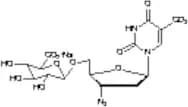

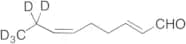
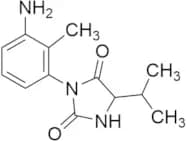
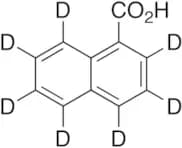


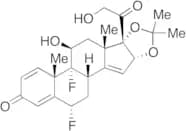
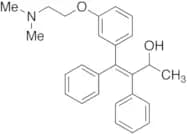
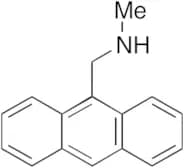
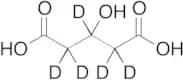
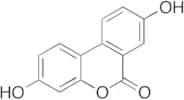

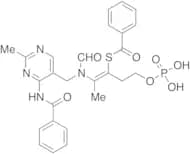
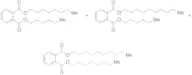
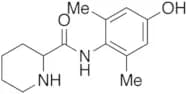
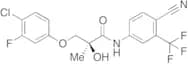
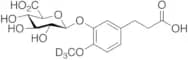
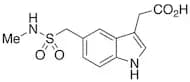
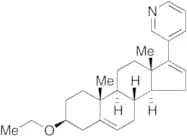
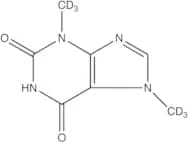
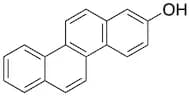
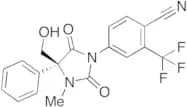
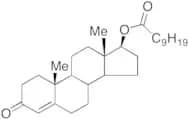
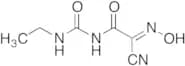
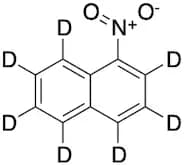
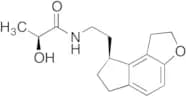

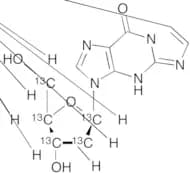
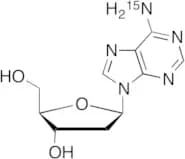
![1,3-Dimethyl 2-[4-(methoxycarbonyl)-2-nitrophenyl]propanedioate](/_next/image/?url=https%3A%2Fstatic.cymitquimica.com%2Fproducts%2FTR%2Fthumb-webp%2FD476668.webp&w=3840&q=75)
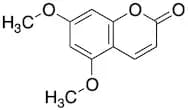
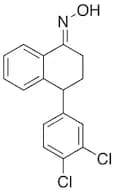
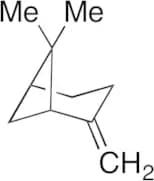
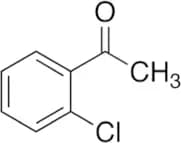
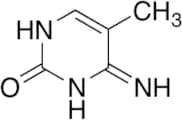
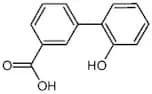
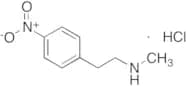

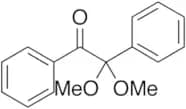
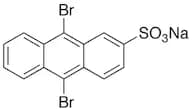
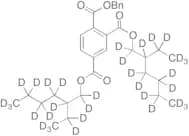
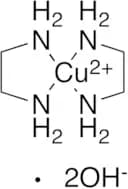
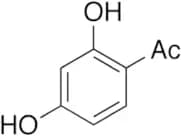
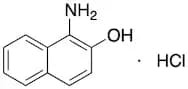
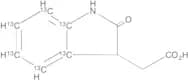
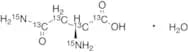
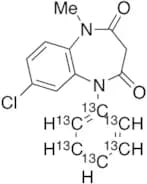
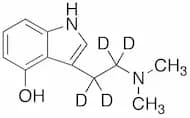
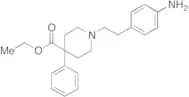
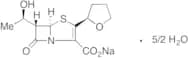
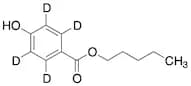
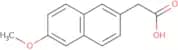

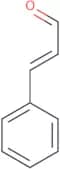
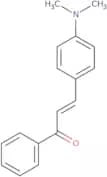

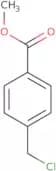
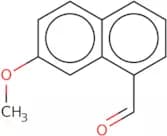
![(6S)-5,6,7,8-Tetrahydro-6-[propyl[2-(2-thienyl)ethyl]amino]-1-naphthalenol hydrochloride](/_next/image/?url=https%3A%2Fstatic.cymitquimica.com%2Fproducts%2F3D%2Fthumb-webp%2FFT27763.webp&w=3840&q=75)
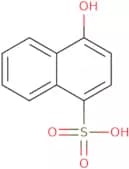
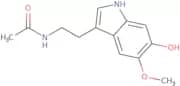

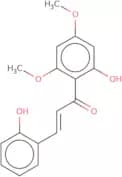
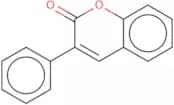
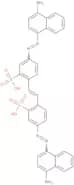

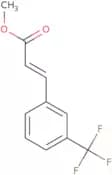
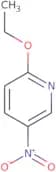
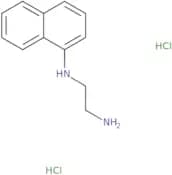
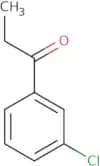
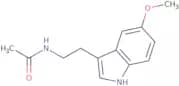

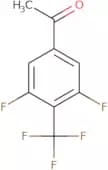

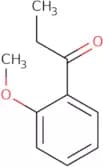


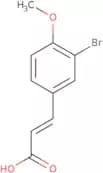

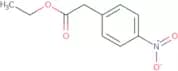
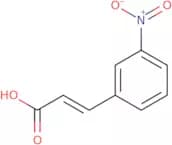
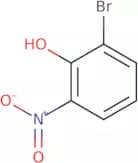
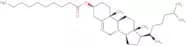

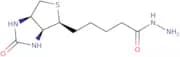
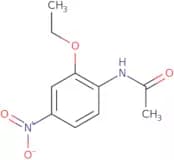
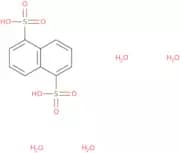
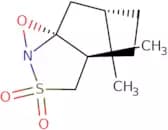
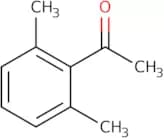
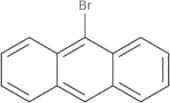
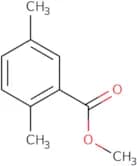

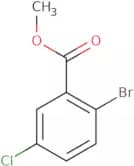
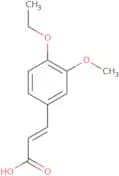
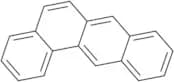
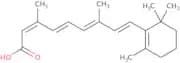
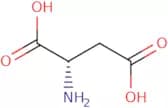
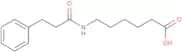

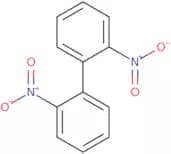
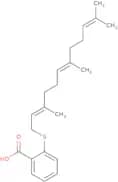
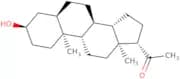
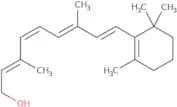


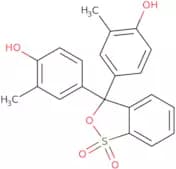
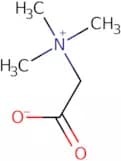
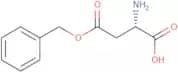
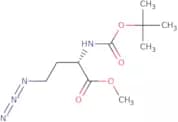
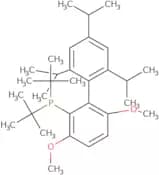

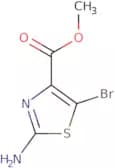
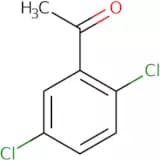
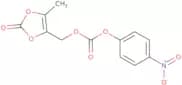

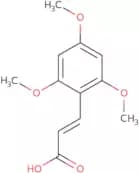
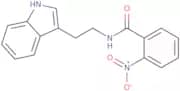
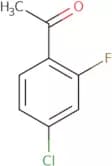
![Pigment Red 38;Diethyl 4,4'-[(3,3'-dichlOrO[1,1'-biphenyl]-4,4'-diyl)bis(azO)]bis[4,5-dihydrO-5-Ox…](/_next/image/?url=https%3A%2Fstatic.cymitquimica.com%2Fproducts%2F3D%2Fthumb-webp%2FFP43985.webp&w=3840&q=75)
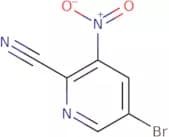
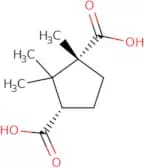
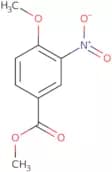
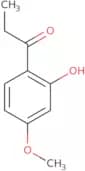
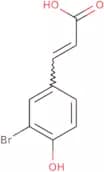

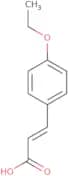
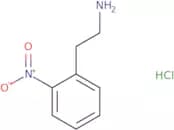
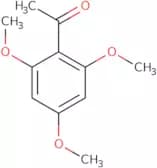
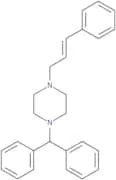
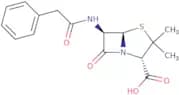
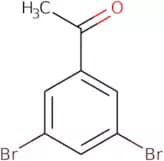
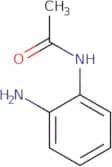
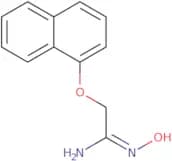
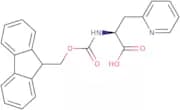
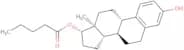
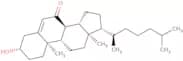
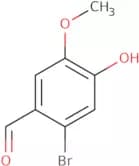
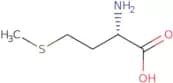

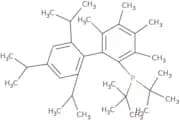
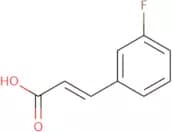
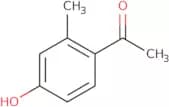
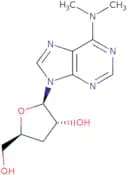
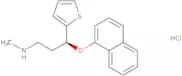
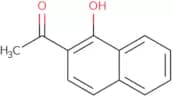
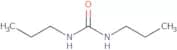
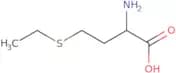
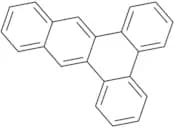
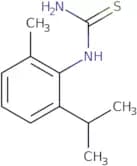
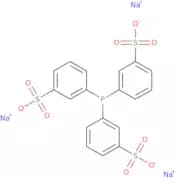
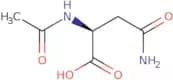
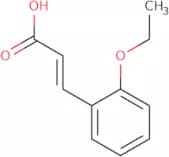
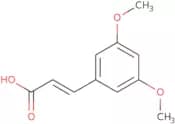
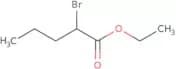
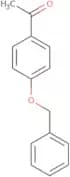

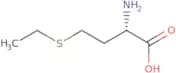
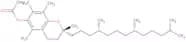
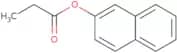
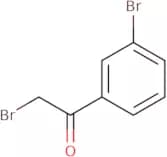
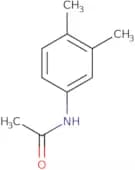
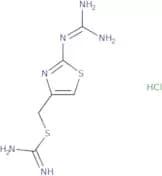
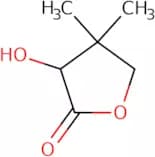
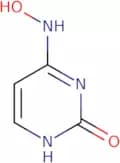
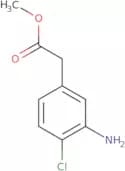
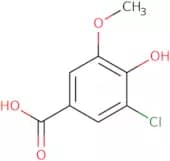
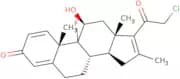
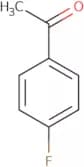
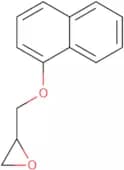

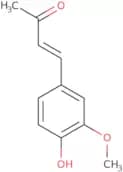
![6(R)-[2-(8(S)-Hydroxy]-2(S),6(R)-dimethyl-1,2,6,7,8,8a(R)-hexahydro-1(S)-naphthyl]ethyl-4(R)-hydro…](/_next/image/?url=https%3A%2Fstatic.cymitquimica.com%2Fproducts%2F3D%2Fthumb-webp%2FFH24175.webp&w=3840&q=75)


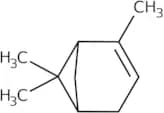
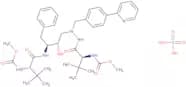
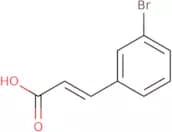
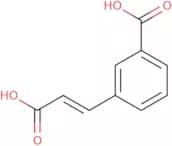
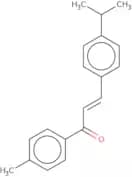
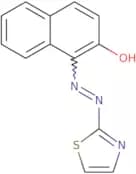

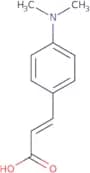

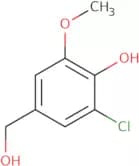

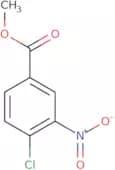
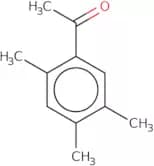
![3-(4-chlorophenyl)spiro[1,3-thiazolidine-2,3'-indoline]-4,7-dione](/_next/image/?url=https%3A%2Fstatic.cymitquimica.com%2Fproducts%2F3D%2Fthumb-webp%2FFC169673.webp&w=3840&q=75)