Standard farmaceutici
Sottocategorie di "Standard farmaceutici"
- APIs per la ricerca e le impurità(276.202 prodotti)
- Attivatori e inibitori enzimatici(2.829 prodotti)
- Nitrosamine(2.620 prodotti)
- Composti e metaboliti farmaceutici e veterinari(2.919 prodotti)
- Tossicologia(13.565 prodotti)
Trovati 7943 prodotti di "Standard farmaceutici"
2-Amino-5-bromothiazole-4-carboxylic acid methyl ester
CAS:2-Amino-5-bromothiazole-4-carboxylic acid methyl ester is a reagent that can be used as a building block for the synthesis of complex compounds. It is also an intermediate in the synthesis of other chemical compounds with therapeutic potential. 2-Amino-5-bromothiazole-4-carboxylic acid methyl ester is a fine chemical, which is useful for research purposes. The CAS number for this product is 850429-60-6.Formula:C5H5BrN2O2SPurezza:Min. 95%Colore e forma:PowderPeso molecolare:237.08 g/mol4-Methoxycinnamic acid
CAS:4-Methoxycinnamic acid is a derivative that is activated by light exposure. It has been shown to have antimicrobial activity against Gram-positive bacteria and yeast, but not Gram-negative bacteria. 4-Methoxycinnamic acid is an analytical reagent that can be used to measure the dry weight of skin cancer cells, as well as to study the genotoxic effects of human liver cells. The chemical has also been shown to be genotoxic in mouse bone marrow cells and human lymphocytes. 4-Methoxycinnamic acid has been found to cause synchronous fluorescence when exposed to UV light, which may be due to its ability to react with molecular oxygen. This reaction produces a linear model with two products: 4-hydroxybenzoic acid and 2,5-dihydroxybenzoic acid.Formula:C10H10O3Purezza:Min. 95%Colore e forma:PowderPeso molecolare:178.18 g/molomega-Benzoyloxy phloracetophenone
CAS:Omega-Benzoyloxy phloracetophenone is a fine chemical that is used as a building block in organic synthesis. It is also a versatile building block that can be used to synthesize many different types of compounds. This compound has been shown to react with alcohols, amines, and thiols to form esters, amides, and sulfones respectively. Omega-Benzoyloxy phloracetophenone is also a useful intermediate and scaffold in the synthesis of complex compounds.Formula:C15H12O6Purezza:Min. 95%Peso molecolare:288.25 g/mol3,5-Dimethoxycinnamic acid
CAS:3,5-Dimethoxycinnamic acid is a compound that belongs to the class of cinnamic acid derivatives. It is a synthetic substance obtained by demethylation of 3,5-dimethoxybenzoic acid. This substance has been shown to have an antifungal activity in vitro against filamentous fungi and many other microorganisms. The antimicrobial effect can be explained by the presence of functional groups such as hydroxyl and methoxyl on the aromatic ring. Hydroxide solution can be used as an analytical reagent for determining the formation rate of this compound.Formula:C11H12O4Purezza:Min. 95%Colore e forma:PowderPeso molecolare:208.21 g/molCholesterol linoleate
CAS:Prodotto controllatoCholesterol linoleate is a model system that is used to study the role of cholesterol in atherosclerosis. It consists of a cholesterol-based polymer and linoleic acid, which are chemically similar to the natural lipids found in human cells. In vitro studies have shown that this model system has an inhibitory effect on ATP binding cassette transporter A1 (ABCA1) and ABCG1. These proteins transport cholesterol from cellular membranes to other parts of the cell, where they are degraded by enzymes called lysosomes. Cholesterol linoleate also inhibits basic protein, an enzyme that breaks down cholesteryl, leading to reduced levels of cholesteryl esters in the atheromatous lesions. This model system has been shown to reduce disease activity in animals with atherosclerotic lesions.Formula:C45H76O2Colore e forma:White PowderPeso molecolare:649.08 g/mol2,6-Di-tert-butyl-p-cresol
CAS:2,6-Di-tert-butyl-p-cresol (BPC) is a phenolic compound that has been shown to scavenge anion radicals. It has also been shown to be nontoxic in acute toxicity studies using rats and mice. BPC is used as a model system for the study of polymerase chain reactions, as well as for the study of other biological processes. The rate constant for the reaction between BPC and squamous cell carcinoma cells is 0.0029 min−1, which is much higher than the rate constant for hydrogen peroxide (0.0004 min−1).
Formula:C15H24OPurezza:Min. 95%Colore e forma:White PowderPeso molecolare:220.35 g/mol1-(2,4-Dimethoxyphenyl)-2-nitropropene
CAS:1-(2,4-Dimethoxyphenyl)-2-nitropropene is a versatile building block that can be used in the synthesis of a wide range of compounds. It is a high quality chemical with a CAS number of 15804-78-1. This compound has been used as an intermediate to synthesize other compounds such as 2-amino-3,5,6-trimethylbenzaldehyde and 1-(2,4-dimethoxyphenyl)-2-(pyrrolidin-1-yl)propene. The compound is also useful as a reagent for reaction components in organic chemistry and biochemistry.
Formula:C11H13NO4Purezza:Min. 95%Colore e forma:PowderPeso molecolare:223.23 g/mol2-Methylanthracene
CAS:2-Methylanthracene is a diazonium salt that inhibits the growth of bacteria by binding to DNA, thereby preventing transcription and replication. 2-Methylanthracene has an inhibitory effect at pH 6.0 but no inhibitory effect at pH 8.0 due to its solubility data. The aromatic hydrocarbon is soluble in water and has a solute concentration of 1.5 g/L at pH 6.0 and 5 g/L at pH 8.0. 2-Methylanthracene binds to the DNA of bacteria in cell culture through steric interactions with the hydrophobic aromatic rings, inhibiting bacterial growth and causing cell death by interfering with protein synthesis and DNA replication.Formula:C15H12Purezza:Min. 95%Colore e forma:Off-White PowderPeso molecolare:192.26 g/mol3-Amino-3'-nitrobiphenyl hydrochloride
CAS:3-Amino-3'-nitrobiphenyl hydrochloride is a versatile intermediate that can be used in the synthesis of complex compounds. It is a white crystalline solid with a melting point of 178 °C. This product is soluble in water, methanol, ethanol, acetone and chloroform. 3-Amino-3'-nitrobiphenyl hydrochloride has many applications including research chemicals and speciality chemicals.Formula:C12H10N2O2·HClPurezza:Min. 95%Colore e forma:PowderPeso molecolare:250.68 g/mol4-Bromo-3,5-dimethoxybenzoic acid methyl ester
CAS:4-Bromo-3,5-dimethoxybenzoic acid methyl ester is a crystalline solid that can be obtained from the reaction of 4-bromo-3,5-dimethoxybenzoic acid and methyl iodide. It has been shown to undergo an intramolecular cyclization when irradiated with ultraviolet light. This transformation is characterized by an increase in the length of the C=C bond and the appearance of a new C=O bond. The skeleton of 4-bromo-3,5-dimethoxybenzoic acid methyl ester consists of four five membered rings and two six membered rings. The molecule interacts with ligands such as styrene, mesitylene, vinylated benzyl halides, or halides.Formula:C10H11BrO4Purezza:Min. 95%Colore e forma:PowderPeso molecolare:275.1 g/molβ-Naphthoylhydrazine
CAS:Beta-Naphthoylhydrazine is a chemical inhibitor that binds to the enzyme diacylglycerol, which is involved in the synthesis of cholesterol. It has been shown to inhibit the uptake of cholesterol by ovary cells and human serum lipase. Beta-Naphthoylhydrazine potently inhibits reactive oxygen species and may be used in the treatment of inflammation and cancer.
Formula:C11H10N2OPurezza:Min. 95%Colore e forma:PowderPeso molecolare:186.21 g/molEosin Y disodium salt
CAS:Eosin Y, a red xanthene dye, has been noted to reduce the affinity of Mg2+-ATPase for ATP and increase the enzyme affinity for Mg2+ at concentrations of 10-50 μM. At higher concentrations near 100 μM the affinity for Mg2+-ATPase for the ion-activator has been shown to be reduced. This compound has also been reported to be a photosensitizer that works as a molecular photoelectrode via catalyzation of the visible-light-driven electron-transfer reaction. Eosin Y has been used to stain structures such as muscle, cytoplasm, and collagen. This agent also enhances fluorescent quenching abilities by forming a complex with polyvinulpyrrolidone.
Formula:C20H6Br4Na2O5Purezza:Min. 95%Colore e forma:Brown PowderPeso molecolare:691.85 g/mol(2',4',6'-Trimethyl)acetophenone
CAS:(2',4',6'-Trimethyl)acetophenone is a precursor to 2,4,6-trimethylphenol. It is used in the synthesis of trifluoroacetic acid and trifluoromethanesulfonic acid as well as in the production of perfumes. Trifluoroacetic acid and trifluoromethanesulfonic acid are used for the manufacture of pharmaceuticals, plastics, pesticides, and solvents. This compound is also important for the manufacture of certain dyes, such as those used in textile dyeing.
The iodination reaction with 2',4',6'-trimethylacetophenone is catalyzed by potassium iodide and acetic acid. The reaction products include ethyl formate, acetaldehyde, water (H2O), hydrogen peroxide (H2O2), and iodine (I). The structural analysis showed that the carbonyl group was not involved in anyFormula:C11H14OPurezza:Min. 95%Colore e forma:Clear LiquidPeso molecolare:162.23 g/molDextromethorphan
CAS:Prodotto controllato9-alpha,-14-alpha-3-Methoxy-17-methylmorphinan (914) is a drug that is used in the treatment of bowel disease. It has been shown to inhibit the activity of enzymes such as polymerase chain, which is responsible for DNA replication and repair. 914 also inhibits dextromethorphan, an opioid that is used in cough suppressant medications. The effects of 914 on dextromethorphan are seen in human subjects who have been given the drug intravenously or orally. 914 binds to receptors that are found on cells in the brain and spinal cord, which explains its analgesic properties. This drug can be dangerous when taken with nonsteroidal anti-inflammatory drugs because it can cause kidney damage or failure.
Formula:C18H25NOPurezza:Min. 95%Colore e forma:PowderPeso molecolare:271.4 g/mol6-amino-3-methyl-4-(3-nitrophenyl)-4H-pyrano[3,2-d]pyrazole-5-carbonitrile
CAS:Please enquire for more information about 6-amino-3-methyl-4-(3-nitrophenyl)-4H-pyrano[3,2-d]pyrazole-5-carbonitrile including the price, delivery time and more detailed product information at the technical inquiry form on this pageFormula:C14H11N5O3Purezza:Min. 95%Colore e forma:PowderPeso molecolare:297.27 g/mol9-Fluoro-11β,17-Dihydroxy-16α-Methyl-3,20-Dioxopregna-1,4-Dien-21-Yl 2-[2-(2-Ethoxyethoxy)Ethoxy]Acetate
CAS:Prodotto controllatoMethylprednisolone is a corticosteroid that has been used for the treatment of many conditions, including asthma and arthritis. It is used to reduce inflammation and suppress the immune system. Methylprednisolone can be administered orally or as an injection. It is also used in the diagnosis of tumours, especially those that are difficult to diagnose by other means. Methylprednisolone may be given together with another drug called dexamethasone, which has synergistic effects. These drugs have been shown to cause death in animals with certain types of tumours. In humans, they can cause cutaneous lesions, such as follicle cysts and tnf-α expression in skin cells. This drug also causes a microsporum infection (a type of fungus) on the skin to grow more rapidly when it is applied topically, resulting in a larger diameter section than untreated areas.Formula:C30H43FO9Purezza:Min. 95%Peso molecolare:566.66 g/mol5-Chlorosalicylic acid
CAS:5-Chlorosalicylic acid is an inhibitor of the enzyme carbonic anhydrase. It is used for the treatment of gout, rheumatoid arthritis, and osteoarthritis. This compound has been shown to be a genotoxic agent, which may result in mutagenic or carcinogenic effects. 5-Chlorosalicylic acid inhibits the growth of probiotic bacteria. It also has anti-inflammatory properties and can be used as a proton donor in organic synthesis reactions. 5-Chlorosalicylic acid is a metabolite of acetylsalicylic acid (ASA) that forms when ASA undergoes oxidative deamination in the liver. 5-Chlorosalicylic acid is also formed during metabolism of nonsteroidal anti-inflammatory drugs (NSAIDs).Formula:C7H5ClO3Purezza:Min. 95%Colore e forma:White Off-White PowderPeso molecolare:172.57 g/mol(R)-(-)-3,3′-Bis(triphenylsilyl)-1,1′-binaphthyl-2,2′-diyl hydrogenphosphate
CAS:(R)-(-)-3,3′-Bis(triphenylsilyl)-1,1′-binaphthyl-2,2′-diyl hydrogenphosphate is a fine chemical that is a useful reagent and building block. It can be used as an intermediate in the synthesis of complex compounds. This chemical has a CAS number of 791616-55-2 and is classified as a speciality chemical. (R)-(-)-3,3′-Bis(triphenylsilyl)-1,1′-binaphthyl-2,2′-diyl hydrogenphosphate is also a versatile building block for the synthesis of reaction components with high quality.Formula:C56H41O4PSi2Purezza:Min. 94.5 Area-%Colore e forma:PowderPeso molecolare:865.07 g/molL-Methionine (R)-sulfoximine
CAS:L-Methionine [R]-sulfoximine is a molecule that has been isolated from the environment. It is an electron-deconvolution and paramagnetic resonance study of the molecule. The spectrum was obtained in the frequency range from 10 to 500 MHz, with a resolution of 0.03 ppm, and a sensitivity of 20 μT. L-Methionine [R]-sulfoximine is an imine nitrogen that can be coordinated by metal ions to form an iminium ion. This compound has two enantiomers, which are both shown in this study. L-Methionine [R]-sulfoximine is a synthetase that catalyzes the formation of the methylamino group and its amino nitrogen.Formula:C5H12N2O3SPurezza:Min. 95%Colore e forma:White to pale yellow solid.Peso molecolare:180.23 g/mol4-Chloro-3-nitroacetophenone
CAS:4-Chloro-3-nitroacetophenone is a phenothiazine drug that is used in the treatment of lung conditions. It binds to the active site of human cytochrome P450, which is an enzyme that metabolizes many drugs and other foreign substances. 4-Chloro-3-nitroacetophenone inhibits the reaction by binding to the chloride ion and preventing it from leaving the enzyme's active site, which is necessary for its function. The drug has been shown to have a high affinity for protozoan tetrahymena, an organism that has been widely used as a model system in biochemistry research. 4-Chloro-3-nitroacetophenone also inhibits biochemical reactions involving nucleophilic substrates such as quinoline derivatives. The reaction rate of these substrates is decreased by this drug due to its ability to compete with water molecules for the nucleophilic reaction intermediate.Formula:C8H6ClNO3Purezza:Min. 95%Colore e forma:PowderPeso molecolare:199.59 g/molO-Benzyl-L-threonine
CAS:O-Benzyl-L-threonine is a polymer that can be used to treat inflammatory diseases. It is an ionic polymer that reacts with calcium carbonate and forms nanosized architectures. O-Benzyl-L-threonine has been shown to cause the disassembly of inflammatory cells and induce cell death through necrosis factor. This polymer has been shown to have an optimal reaction when combined with a target cell in the presence of calcium carbonate. The phenolic group on the threonine molecule is responsible for this reaction's success.Formula:C11H15NO3Purezza:Min. 95%Colore e forma:White To Off-White SolidPeso molecolare:209.24 g/molGeranyl linalool
CAS:Geranyl linalool is a monoterpene that is found in plants. It has been shown to have significant cytotoxicity against some cancer cell lines and may be useful in the treatment of cancer. Geranyl linalool also displays antibacterial, antifungal, and antiviral properties. Geranyl linalool is soluble in organic solvents such as methanol and ethanol, but insoluble in water. The chemical ionization mass spectrum of geranyl linalool has been observed to produce water-vapor ions at m/z 94 and 95 with a retention time of 12.5 minutes. The molecular weight of geranyl linalool is 152 g/mol and it has a ph optimum between 5-8.Formula:C20H34OPurezza:Min. 95%Colore e forma:Clear LiquidPeso molecolare:290.48 g/mol3,6-Dihydroxy-2,4-dimethoxyacetophenone
CAS:3,6-Dihydroxy-2,4-dimethoxyacetophenone is an aromatic compound that has a molecular structure with hydrogen-bonded groups. It also contains both acetoxy and intramolecular substituents. 3,6-Dihydroxy-2,4-dimethoxyacetophenone is used in research as a starting material for the synthesis of other compounds. It is also used to study the dihedral angles in molecules due to the presence of two asymmetric carbon atoms.Formula:C10H12O5Purezza:Min. 95%Colore e forma:PowderPeso molecolare:212.2 g/molα-Cyclocitral
CAS:α-Cyclocitral is an organic compound that is used in the industrial production of lutein. It is a colorless liquid with a strong odor, soluble in organic solvents such as chloroform or alcohol. The compound can be obtained by reacting cyclopentanone with nitric acid to form the acid complex and then neutralizing it with an ethyl group. α-Cyclocitral also inhibits fungal endophytes from colonizing plant roots and has been shown to inhibit the growth of violacea (a type of fungus).Formula:C10H16OPurezza:Min. 95%Colore e forma:Clear LiquidPeso molecolare:152.23 g/mol21-(Fluoro-18F)-17-Hydroxypregna-1,4-Diene-3,11,20-Trione
Prodotto controllatoF-18-fluorohydroxypregna-1,4-diene-3,11,20-trione (FHP) is a positron emission tomography (PET) radiopharmaceutical that binds to estrogen receptors. It is used in the diagnosis of cancer and other diseases. FHP is synthesized by reduction of its carbonyl group with sodium borohydride and then converted to the desired radiolabeled form. The synthesis of FHP can be accomplished in a variety of ways, depending on the desired radionuclide and labeling technique. One such method uses an unlabeled precursor estrone or 17β-estradiol as the starting material. This precursor undergoes enzymatic conversion by testosterone 17β hydroxylase to yield FHP.Formula:C21H25FO4Purezza:Min. 95%Peso molecolare:360.42 g/molHomatropine methyl bromide
CAS:Homatropine methyl bromide is a drug that belongs to the class of anticholinergic drugs. It is used as a pharmaceutical preparation and is used in the treatment of glaucoma, diagnosis of myasthenia gravis, and as an antidote for organophosphate poisoning. Homatropine methyl bromide can be used to control diastolic pressure. This drug binds to acetylcholine receptors and increases the time needed for hydrochloric acid to break down propranolol hydrochloride. The binding constants for this drug are high, which means it has a strong affinity for acetylcholine receptors. Homatropine methyl bromide is chemically stable and does not react with fatty acids or other chemicals.Formula:C17H24NO3•BrPurezza:Min. 95%Peso molecolare:370.28 g/molTibolone
CAS:Prodotto controllatoTibolone is a synthetic steroidal estrogen with both estrogenic and progestogenic activity. It has been shown to be effective in the treatment of postmenopausal symptoms, especially those related to the breast. Tibolone is also used for prevention of osteoporosis and to prevent recurrence of hormone-dependent cancers such as breast cancer or endometrial cancer. Tibolone binds to both estrogen receptor subtypes (ERα and ERβ) and progesterone receptor (PR), but with higher affinity for ERβ. This leads to increased levels of circulating estradiol and progesterone when compared to other estrogens such as nomegestrol acetate or conjugated equine estrogen. The drug also decreases expression of genes that are regulated by the response element (RE) in ERβ-positive cells, which may contribute to its anti-cancer effects. Tibolone has been shown to be statistically more effective than nomegestrol acetate in reducing hot flashes
Formula:C21H28O2Purezza:Min. 95%Colore e forma:PowderPeso molecolare:312.45 g/mol3-Chloro-L-tyrosine
CAS:3-Chloro-L-tyrosine (3CT) is a reactive, nitrogen containing molecule that has been used as a model system to study oxidative injury in the heart. The molecule reacts with the air and oxygen in the environment, producing reactive oxygen species (ROS) that can cause oxidative injury. 3CT has been shown to inhibit ATP binding cassette transporter A1 (ABCA1), which is involved in cholesterol efflux from macrophages. 3CT also promotes the release of eosinophil peroxidase from eosinophils and induces tumor necrosis factor alpha (TNF-α). The analytical method for 3CT includes liquid chromatography-mass spectrometry/mass spectrometry (LC-MS/MS).Formula:C9H10NO3ClPurezza:Min. 95%Colore e forma:PowderPeso molecolare:215.63 g/moltrans-Chalcone
CAS:Trans-chalcone is a natural compound that has been shown to inhibit bacterial growth and dna synthesis in vitro. Trans-chalcone is an oxo-flavonoid with a chalcone skeleton and two hydroxyl groups. It has been shown to have inhibitory properties against the bacterial enzyme dinucleotide phosphate (DNP) synthase, which catalyzes the synthesis of DNP from nicotinamide mononucleotide (NMN) and 5-phospho-D-ribose 1-diphosphate. Trans-chalcone is also a potential anticancer agent due to its ability to bind to response elements in DNA. This binding inhibits the transcription of genes that regulate cell proliferation. Trans-chalcone also exhibits antiinflammatory activity, which may be due to inhibition of proinflammatory cytokines such as tumor necrosis factor alpha (TNFα).Formula:C15H12OPurezza:Min. 95%Colore e forma:PowderPeso molecolare:208.26 g/molAdouetine Y
CAS:Adouetine Y is a synthetic biochemical compound, designed as a highly specific inhibitor for targeted cellular processes. It is derived through advanced chemical synthesis techniques aimed at achieving optimal molecular precision. The mode of action of Adouetine Y involves binding to specific protein targets within the cell, modulating their activity and thereby influencing biochemical pathways critical to cellular function.Formula:C34H40N4O4Purezza:Min. 95%Peso molecolare:568.71 g/mol4-Hydroxy atorvastatin lactone
CAS:4-Hydroxy atorvastatin lactone is a prodrug that can be hydrolyzed to the active form, atorvastatin. It is an inhibitor of HMG-CoA reductase and has been shown to significantly lower cholesterol levels in humans. 4-Hydroxy atorvastatin lactone has been shown to have no significant drug interactions with other drugs metabolized by cytochrome P450 3A5 (CYP3A5). A pharmacokinetic study of healthy Chinese subjects showed that plasma concentrations of 4-hydroxy atorvastatin lactone increased with increasing doses. Linear ranges were observed for human liver validation studies. Pharmacokinetic parameters were determined using chromatographic science, including linearity, limit of detection, limit of quantification, and specificity. The validation study was completed using electrospray ionization mass spectrometry.Formula:C33H33FN2O5Purezza:Min. 95%Colore e forma:PowderPeso molecolare:556.62 g/molErgosterol acetate
CAS:Prodotto controllatoErgosterol acetate is a fatty acid that is derived from the fungus, Ganoderma lucidum. It has anti-oxidant properties and can inhibit cholesterol synthesis. Ergosterol acetate has been shown to inhibit the growth of prostate cancer cells in k562 cells and DU-145 cells, but not in Caco-2 cells. The mechanism of action for this effect may be due to its ability to inhibit epoxidase activity and transfer reactions with epoxides. Ergosterol acetate also has been shown to have physiological activities, such as increasing the viability of ganoderma lucidum spores and inhibiting cell proliferation in caco-2 cells.Formula:C30H46O2Purezza:Min. 97 Area-%Colore e forma:Slightly Yellow PowderPeso molecolare:438.69 g/mol17α-Estradiol 17-valerate
CAS:Please enquire for more information about 17α-Estradiol 17-valerate including the price, delivery time and more detailed product information at the technical inquiry form on this pageFormula:C23H32O3Purezza:Min. 95%Colore e forma:PowderPeso molecolare:356.5 g/molEcgonine ethyl ester
CAS:Prodotto controllatoEcgonine ethyl ester is a metabolite of cocaine that is found in the blood, urine, and cerebrospinal fluid of humans. It is used in drug assays to detect cocaine use. Ecgonine ethyl ester binds to the dopamine transporter and blocks dopamine uptake into cells, which leads to elevated levels of dopamine in the synapses. Ecgonine ethyl ester also inhibits serotonin reuptake and has been shown to induce apoptotic cell death in human cancer cells.
Formula:C11H19NO3Purezza:Min. 95%Colore e forma:Clear LiquidPeso molecolare:213.27 g/molN-Isovalerylglycine
CAS:N-Isovalerylglycine is a metabolite of the branched-chain amino acid leucine. It is found in the urine of patients with acidemia due to ethylmalonic aciduria, but not in healthy individuals. N-Isovalerylglycine has been shown to be an intermediate compound for the synthesis of acetoacetate and isovalerylglycine from acetyl-CoA. This metabolite can be used as a marker for diagnosing metabolic disorders such as diabetes mellitus, obesity, and polycystic ovary syndrome.Formula:C7H13NO3Purezza:Min. 95%Colore e forma:White PowderPeso molecolare:159.18 g/molN-Hydroxy-2-(1-naphthalenyloxy)ethanimidamide
CAS:Please enquire for more information about N-Hydroxy-2-(1-naphthalenyloxy)ethanimidamide including the price, delivery time and more detailed product information at the technical inquiry form on this pageFormula:C12H12N2O2Purezza:Min. 95%Colore e forma:PowderPeso molecolare:216.24 g/mol2-(2,2-dimethylpropanoyl)-3-(3-nitrophenyl)prop-2-enenitrile
CAS:Please enquire for more information about 2-(2,2-dimethylpropanoyl)-3-(3-nitrophenyl)prop-2-enenitrile including the price, delivery time and more detailed product information at the technical inquiry form on this pagePurezza:Min. 95%2-Ethoxycinnamic acid
CAS:2-Ethoxycinnamic acid is a metastable molecule that has been obtained by an asymmetric synthesis. It is unreactive, and its reaction products are polyvalent. 2-Ethoxycinnamic acid can be analyzed using analytical methods such as flow system, functional theory, and gas chromatography. 2-Ethoxycinnamic acid has been used in the preparation of cinnamates, which are used in perfumes and flavors. Polymorphs of this molecule have also been observed in crystalline form. There are two different forms of the molecule: α-form and β-form. The α-form is more stable than the β-form because it has a hydrogen bond with the methyl group on the left side of the molecule.
Formula:C11H12O3Purezza:Min. 95%Colore e forma:PowderPeso molecolare:192.21 g/molPenicillin G procaine
CAS:Prodotto controllatoPenicillin G procaine is a form of penicillin that is commonly used to treat bacterial infections. It is a prodrug that undergoes hydrolysis in the body to release penicillin, its active form. Penicillin G procaine has been shown to be effective against Streptococcus pyogenes, which causes streptococcal pharyngitis, and other bacteria that are sensitive to penicillin. Penicillin G procaine is less toxic than other forms of penicillin and has minimal side effects. The pharmacological effects of the drug are due primarily to the inhibition of bacterial cell wall synthesis by binding to peptidoglycan precursors and blocking their cross-linking. The concentration–time curve for penicillin G procaine shows that it has a long half-life in humans, making it suitable for continuous treatment in patients with chronic infections.Formula:C16H18N2O4S·C13H20N2O2Purezza:Min. 95%Peso molecolare:570.7 g/mol4-Acetoxycinnamic acid
CAS:4-Acetoxycinnamic acid is a staphylococcal bactericide that inhibits bacterial growth and is active against many gram-positive bacteria, including Staphylococcus aureus. It is also active against many gram-negative bacteria, such as Escherichia coli and Pseudomonas aeruginosa. 4-Acetoxycinnamic acid has been shown to inhibit the growth of Staphylococcus aureus in an in vitro experiment by interfering with membrane permeability and inhibiting lipid synthesis. 4-Acetoxycinnamic acid has been shown to have antimicrobial activity against gram-positive and gram-negative bacteria, including methicillin resistant S. aureus (MRSA).Formula:C11H10O4Purezza:Min. 97 Area-%Colore e forma:PowderPeso molecolare:206.19 g/mol4'-Chloro-2'-hydroxyacetophenone
CAS:4'-Chloro-2'-hydroxyacetophenone is a hydrazone compound that has been shown to have an inhibitory effect on the growth of cancer cells. The crystal structure was determined using X-ray diffraction data and the parameters were refined using a program called WITWIG. Hydrazones are classified as orthorhombic with space group Pbcn. The compound has been shown to be magnetic and it is soluble in organic solvents. 4'-Chloro-2'-hydroxyacetophenone has a molecular weight of 206.079 g/mol, which indicates that it is an organic molecule. It also contains a hydroxyl group and two chlorine atoms, one of which is attached to the acetophenone nucleus. This molecule can coordinate with metal ions to form complexes, such as mononuclear complexes, or polynuclear complexes with more than one metal ion.Formula:C8H7ClO2Purezza:Min. 95%Colore e forma:Clear LiquidPeso molecolare:170.59 g/mol7,8-Dihydroxy-4-phenylcoumarin
CAS:7,8-Dihydroxy-4-phenylcoumarin (7,8-DPC) is a coumarin derivative that inhibits human cytochrome P450 enzymes. It binds to the heme group of the enzyme and is reversible by hydroxylation. 7,8-DPC has been shown to inhibit catalytic activity in rat liver microsomes and recombinant human cytochrome P450 enzymes. This molecule has also been shown to be an irreversible inhibitor of human cytochrome P450 2C9. The carbonyl group found on the 7,8-DPC molecule's structure is responsible for its inhibitory activities.
Formula:C15H10O4Purezza:Min. 95%Colore e forma:PowderPeso molecolare:254.24 g/mol1-(2-Thiazolylazo)-2-naphthol
CAS:1-(2-Thiazolylazo)-2-naphthol is a fluorescent dye that is used in analytical chemistry, cell culture, and flow cytometry. It has been shown to be useful for the detection of cancer cells. The fluorescence of 1-(2-Thiazolylazo)-2-naphthol can also be used to measure the levels of high-sensitivity c-reactive protein (hsCRP) in serum or plasma. This dye has a strong absorption band at 460 nm, which is attributed to its aromatic heterocyclic ring. Hydrogen bonding interactions are the driving force behind this dye's fluorescence.Formula:C13H9N3OSPurezza:Min. 98%Colore e forma:PowderPeso molecolare:255.3 g/molOctakis(trimethylsiloxy)silsesquioxane
CAS:Octakis(trimethylsiloxy)silsesquioxane is a cross-linking agent that forms covalent bonds with ethylene diamine and aluminium ions. It has been shown to be active against bacterial species such as Staphylococcus aureus, Pseudomonas aeruginosa, and Escherichia coli. Octakis(trimethylsiloxy)silsesquioxane binds to the calcium carbonate of the cell wall, forming a complex that prevents the bacteria from adhering to surfaces. The fluidity of octakis(trimethylsiloxy)silsesquioxane particles allows them to penetrate the cell membrane and inhibit protein synthesis by binding to ribosomes. Octakis(trimethylsiloxy)silsesquioxane can also be used as an encapsulation agent for drugs in order to prevent their degradation by enzymes in the gastrointestinal tract.Formula:C24H72O20Si16Purezza:Min. 95%Colore e forma:Clear LiquidPeso molecolare:1,130.18 g/mol(2S)-N-Boc-2-amino-4-azido-butanoic acid methyl ester
CAS:(2S)-N-Boc-2-amino-4-azido-butanoic acid methyl ester is a high quality, reagent, complex compound, useful intermediate, fine chemical that is used as a building block in the synthesis of speciality chemicals.Formula:C10H18N4O4Purezza:Min. 95%Colore e forma:PowderPeso molecolare:258.27 g/mol2-Fluoro-1-naphthalenecarboxaldehyde
CAS:2-Fluoro-1-naphthalenecarboxaldehyde is a high quality, complex compound that can be used as a versatile building block in the synthesis of many different compounds. As a reagent, it is used for the conversion of alcohols to ketones, esters to acid chlorides and amides to nitriles. It is also an intermediate in the synthesis of other chemicals such as 2-fluoronaphthalene, 2-(2-fluoroethyl)naphthalene, 1H-indole-2-carboxylic acid, and 3-(2-fluoropropyl)benzothiazole.Formula:C11H7FOPurezza:Min. 95%Colore e forma:PowderPeso molecolare:174.17 g/mol3-Methoxy-4-nitrobenzoic acid methyl ester
CAS:3-Methoxy-4-nitrobenzoic acid methyl ester is a dianellidin, a type of natural product. It is an ionizing acid that catalyzes the reaction between carboxylic acids and hydroxyl compounds. This compound is used to produce some drugs, such as methyldopate, which is an antiarrhythmic drug that slows heart rate. The catalytic rate of 3-methoxy-4-nitrobenzoic acid methyl ester can be increased by buffers and solvents (e.g., methanol). These compounds increase the concentration of the reactants in solution and reduce the activation energy required for the reaction to take place. Uncatalyzed reactions are slow because there are no molecules to act as intermediates in the process.
Formula:C9H9NO5Purezza:95%NmrColore e forma:PowderPeso molecolare:211.17 g/molBiotin diacid
CAS:Biotin diacid is a versatile building block that can be used to synthesize many fine chemicals. It is an important intermediate in the synthesis of biologically active compounds and pharmaceuticals. Biotin diacid has been reported to be useful as a starting material for the preparation of other biologically active compounds, such as biotin-containing peptides and proteins. This product also has high quality properties that are necessary in research chemicals, speciality chemicals, and fine chemicals.
Formula:C11H16N2O5SPurezza:Min. 95%Colore e forma:PowderPeso molecolare:288.32 g/mol(1R)-(1S,2S,3R,5S)-Pinanediol-N-(N-pyrazinylphenylalaninoyl)-1-amino-3-methyl-butane-1-boronate
CAS:(1R)-(1S,2S,3R,5S)-Pinanediol-N-(N-pyrazinylphenylalaninoyl)-1-amino-3-methyl-butane-1-boronate is a boronic acid derivative that has been shown to have an antiproliferative effect on cancer cells. It is a biodegradable, water soluble drug with a low toxicity profile. The maximum tolerated dose has been established in vivo studies and it can be used as an imaging agent for diagnosis. (1R)-(1S,2S,3R,5S)-Pinanediol-N-(N-pyrazinylphenylalaninoyl)-1-amino-3-methyl-butane-1-boronate may be used to treat cancers such as breast cancer or leukemia. This drug targets the proteasome and inhibits its activity by binding to the active site of the 20sFormula:C29H39BN4O4Purezza:Min. 95%Colore e forma:SolidPeso molecolare:518.46 g/molBiotin hydrazide
CAS:Biotin hydrazide is a chromatographic analysis reagent that is used to modify biotin. It can be used as a model system for the study of the interactions between biotin and proteins. Biotin hydrazide reacts with α1-acid glycoprotein, which results in an increase of the conjugate's reactivity. It also has reactive properties and can catalyze oxidative reactions, making it suitable for analytical purposes. This reagent is used in electrochemical impedance spectroscopy to evaluate the effects of carbonylation on protein structure and function.Formula:C10H18N4O2SPurezza:Min. 95%Colore e forma:PowderPeso molecolare:258.34 g/mol2,2-Dimethoxy-2-phenylacetophenone
CAS:2,2-Dimethoxy-2-phenylacetophenone is a glycol ether substrate film that can be used to study the reaction mechanism of glycol ethers. It has been found that this substrate film reacts with oxygen in the air to form an organic peroxide and hydrogen peroxide. The product of the reaction is then identified by measuring the rate of thermal expansion. This method has been shown to be a useful tool for determining the kinetic constants of glycol ethers. The 2,2-dimethoxy-2-phenylacetophenone substrate film can also be used as a fluorescence probe for detecting radiation and wastewater treatment. The hydroxyl group on this substrate film is susceptible to degradation by acids, which may lead to its chemical instability.Formula:C16H16O3Purezza:Min. 95%Colore e forma:White To Off-White SolidPeso molecolare:256.3 g/mol5-Nitrovanillin
CAS:5-Nitrovanillin is a white crystalline solid with a molecular formula of C8H7NO2. It reacts with nucleophilic compounds, such as ammonia, in the presence of heat to produce a molecule containing an oxygen atom and two nitro groups. 5-Nitrovanillin has been found to undergo demethylation when heated in the presence of hydroxylamine. Reaction products include protocatechuic acid, nitromethane, and 5-nitrobenzoic acid. This compound can be identified by its characteristic nmr spectrum that includes a hydroxyl group and a hydrogen bond between the nitrogen atom and the hydroxyl group. The chemical ionization mass spectrometer can also be used to identify 5-nitrovanillin.
Formula:C8H7NO5Purezza:Min. 95%Colore e forma:Yellow PowderPeso molecolare:197.14 g/mol4'-Methoxy-3',beta-dimethyl-beta-nitrostyrene
4'-Methoxy-3',beta-dimethyl-beta-nitrostyrene is a fine chemical that belongs to the group of versatile building blocks. It is an intermediate for the synthesis of complex compounds, research chemicals, and speciality chemicals. 4'-Methoxy-3',beta-dimethyl-beta-nitrostyrene is a useful reagent in organic synthesis and can be used as a reaction component or scaffold. It has been shown to have high quality and it can be used as a useful building block.Formula:C11H13NO3Purezza:Min. 95%Colore e forma:PowderPeso molecolare:207.23 g/molLopinavir
CAS:Anti-viral; HIV protease inhibitorFormula:C37H48N4O5Purezza:Min. 97.5 Area-%Colore e forma:White Off-White PowderPeso molecolare:628.8 g/mol4,4' -Bis(N,N-dimethylamino)-2,2' -bipyridine
CAS:4,4' -Bis(N,N-dimethylamino)-2,2' -bipyridine (DMAB) is a ligand that is used in electrochemical studies. It has been shown to have ancillary properties, which means that it does not interact directly with the substrate but modifies its environment. DMAB can form a complex with the proton at the electrode surface and x-ray crystal structures have been obtained for this interaction. These structures demonstrate that DMAB binds to the tetrazole ring of pyridine and stabilizes the molecule by increasing its redox potentials.Formula:C14H18N4Purezza:Min. 95%Colore e forma:PowderPeso molecolare:242.32 g/mol5-Fluorosalicylic acid
CAS:5-Fluorosalicylic acid is a nonsteroidal anti-inflammatory drug that belongs to the group of 5-substituted salicylates. It has a strong affinity for human serum and can be used as an indicator in the determination of blood glucose. 5-Fluorosalicylic acid also binds to p-nitrophenyl phosphate with high affinity, which is involved in the regulation of cellular energy metabolism and plays a role in the production of ATP. The drug has been shown to form stable complexes with coumarin derivatives, which may have an effect on enzyme activities by modifying their conformational properties. 5-Fluorosalicylic acid has been shown to interact with other drugs, such as acetaminophen or ibuprofen, which may increase the risk of adverse effects.
Formula:C7H5FO3Purezza:Min. 95%Colore e forma:SolidPeso molecolare:156.11 g/mol2'-Hydroxy-2,4,4'-trimethoxychalcone
CAS:2'-Hydroxy-2,4,4'-trimethoxychalcone is a fine chemical that is used as a building block in research and development of pharmaceuticals. It is an intermediate for the production of drugs such as antibiotics, antiviral agents, and antifungals. 2'-Hydroxy-2,4,4'-trimethoxychalcone has also been shown to be useful for the synthesis of complex compounds with versatile applications.Formula:C18H18O5Purezza:Min. 95%Colore e forma:PowderPeso molecolare:314.33 g/molPigment Red 38;Diethyl 4,4'-[(3,3'-dichlOrO[1,1'-biphenyl]-4,4'-diyl)bis(azO)]bis[4,5-dihydrO-5-OxO-1-phenyl-1H-pyrazOle-3-carbOxyla te]
CAS:Pigment Red 38 is a red dye that is used in the production of magnetic particles, cross-linking agents, and fluorescent dyes. Pigment Red 38 has a hydroxyl group at the 4 position and a methyl ethyl group at the 2 position. It can be synthesized from diethyl 4,4'-(3,3'-dichlorobiphenyl)-4,4'-diylbisazolate. Pigment Red 38 is thermoreversible because it can be converted to its anhydrous form when heated or dissolved in water and then reconverted back to its original form when cooled or dried. The pigment was named for its ability to produce light emission when exposed to ultraviolet radiation. Pigment Red 38 has a diameter of 6 nm and reacts with coordination complexes to form particle clusters with diameters ranging from 10-200 nm.Purezza:Min. 95%2-Hydroxy-5-nitropyridine
CAS:2-Hydroxy-5-nitropyridine is a chemical compound that is used in the synthesis of other compounds. It can be used to synthesize nicotinic acetylcholine, which is an amine that binds to nicotinic acetylcholine receptors. 2-Hydroxy-5-nitropyridine has been shown to react with halides and hydroxy groups to form new compounds. 2-Hydroxypyridine can also be used to synthesize trifluoroacetic acid from chloroacetic acid and nitrous acid. This chemical has been used in the study of replicon cells, which are cells that contain a circular piece of DNA called a plasmid. Replicon cells are often found in bacteria, such as Trichomonas vaginalis, and viruses such as HPV. 2-Hydroxypyridine has been shown to cause high blood levels in humans when ingested orally or injected intravenously.Formula:C5H4N2O3Purezza:Min. 98 Area-%Colore e forma:Brown PowderPeso molecolare:140.1 g/molMagnesium aspartate dihydrate
CAS:Magnesium aspartate dihydrate is a chemical compound that is used to treat high blood pressure and heart disease. It is a salt of magnesium and L-aspartic acid, which are both active substances in the drug. Magnesium aspartate dihydrate has been shown to have a treatment effect on elevated levels of c-reactive protein (CRP) in men with normal kidney function. The drug has also been shown to be effective for the treatment of cavity, although it does not work for everyone. Magnesium aspartate dihydrate is chemically stable and can be used for diagnosis of magnesium deficiency, but it should not be given to women who are pregnant or breast-feeding. This drug may also inhibit the action of proton pumps, which are found in the body's cells that produce stomach acid.Formula:C8H12N2O8Mg·2H2OColore e forma:White PowderPeso molecolare:324.53 g/mol3'-Acetoxyacetophenone
CAS:3'-Acetoxyacetophenone is a chemical compound with the molecular formula C8H10O2. It has a melting point of 129-130°C, and a boiling point of 206°F. The compound is soluble in alcohols and ethers, but insoluble in water. 3'-Acetoxyacetophenone is an organic compound that can be synthesized by reaction of acetone with acetic acid followed by hydrolysis of the ester group.
3'-Acetoxyacetophenone can be used as an intermediate for synthesis, for example to produce amines via nucleophilic attack or ketones via elimination reactions with alcohols. This reactivity is due to the presence of a good leaving group on the oxygen atom (the hydroxyl group). This reactivity allows 3'-acetoxyacetophenone to function as both a catalyst and kinetic reagent.Formula:C10H10O3Purezza:Min. 95%Colore e forma:PowderPeso molecolare:178.18 g/molBoc-S-acetamidomethyl-L-cysteine 4-nitrophenyl ester
CAS:Please enquire for more information about Boc-S-acetamidomethyl-L-cysteine 4-nitrophenyl ester including the price, delivery time and more detailed product information at the technical inquiry form on this pageFormula:C17H23N3O7SPurezza:Min. 95%Colore e forma:PowderPeso molecolare:413.45 g/molN-Dihydrocinnamoylaminocaproic acid
CAS:Please enquire for more information about N-Dihydrocinnamoylaminocaproic acid including the price, delivery time and more detailed product information at the technical inquiry form on this pageFormula:C15H21NO3Purezza:Min. 95%Peso molecolare:263.33 g/mol1-(4,6-dimethylpyrimidin-2-yl)-3-benzoylthiourea
CAS:1-(4,6-dimethylpyrimidin-2-yl)-3-benzoylthiourea is a versatile compound that can be used in various research applications. It is commonly used as a condensation reagent in the synthesis of sulfonamide derivatives. This compound is also utilized in the development of research chemicals and reagents for various purposes.
Purezza:Min. 95%Fmoc-O-allyl-L-tyrosine
CAS:Please enquire for more information about Fmoc-O-allyl-L-tyrosine including the price, delivery time and more detailed product information at the technical inquiry form on this page
Formula:C27H25NO5Purezza:Min. 95%Colore e forma:PowderPeso molecolare:443.49 g/mol3,3'-Dimethoxybenzidine dihydrochloride
CAS:Prodotto controllato3,3'-Dimethoxybenzidine dihydrochloride is a fluorogenic probe that has been shown to have activity index in the range of 0.1-0.5, which makes it suitable for use as a fluorescent dye in biological samples such as human serum or cerebrospinal fluid. 3,3'-Dimethoxybenzidine dihydrochloride can be used in histological studies for the detection of cell lysis and cardiac disease activity. It has also been shown to cause liver lesions when administered orally to rats.
Formula:C14H16N2O2•(HCl)2Purezza:Min. 98 Area-%Colore e forma:PowderPeso molecolare:317.21 g/molMyrcene - 75%
CAS:Myrcene is a terpene that has been shown to have antibacterial efficacy against a number of bacteria. Myrcene inhibits bacterial growth by binding to the enzyme, synthase, which is responsible for the synthesis of fatty acids. This bound form of myrcene has been shown to be more effective than free myrcene in inhibiting bacterial growth. Myrcene also suppresses chronic cough and acts as an anti-inflammatory agent. Myrcene has not been shown to exhibit genotoxic activity or signal peptide inhibitory properties, but does show inhibitory properties against natural compounds and water vapor.Formula:C10H16Purezza:Min. 75 Area-%Colore e forma:Clear LiquidPeso molecolare:136.23 g/mol2-Bromo-4-chlorobenzoic acid methyl ester
CAS:2-Bromo-4-chlorobenzoic acid methyl ester is a versatile chemical that can be used as a building block in the synthesis of many complex chemical compounds. It is also a useful reagent, and can be used to synthesize speciality chemicals. 2-Bromo-4-chlorobenzoic acid methyl ester has a high quality that makes it useful for research purposes. It is also an important intermediate in the synthesis of other compounds and has been found to be an effective scaffold for drug discovery. This compound is also commercially available under CAS No. 57381-62-1.Formula:C8H6BrClO2Purezza:Min. 95%Colore e forma:Clear LiquidPeso molecolare:249.49 g/mol2,2'-Dihydroxy-6,6'-dinaphthyldisulphide
CAS:2,2'-Dihydroxy-6,6'-dinaphthyldisulphide (DIDS) is a potent surfactant that can be used to induce inflammation and tissue damage in an animal model. This compound is also reactive in the presence of histochemical stains. DIDS reacts with disulfides found in the cytoplasm of cells to produce sulfenic acid intermediates. These intermediates are then converted into sulphonic acid by oxidation, which results in histochemical staining of tissues. Abdominal tissue samples stained with DIDS show a decrease in the number of neutrophils and macrophages as well as an increase in mast cells. Histochemical staining has been shown to be useful for diagnosing autoimmune diseases such as Crohn's disease or ulcerative colitis.
Formula:C20H14O2S2Purezza:Min. 95%Colore e forma:PowderPeso molecolare:350.46 g/mol3-Fluoro-DL-tyrosine
CAS:3-Fluoro-DL-tyrosine is a model system for the study of tyrosine transfer reactions. It is used to study the reaction mechanism and kinetics of tyrosine transfer from a donor molecule to an acceptor molecule. 3-Fluoro-DL-tyrosine reacts with trifluoroacetic acid to form 3,4-dihydroxybenzoic acid, which is a chemical analog of tyrosine. The hydroxyl group on this molecule can react with the proton on the amino acid side chain, forming a covalent bond that does not break down under normal conditions. This reaction is reversible and has been shown to be catalyzed by polymerase chain reactions (PCR).
Formula:C9H10FNO3Purezza:Min. 95%Colore e forma:PowderPeso molecolare:199.18 g/mol4-Nitrocinnamaldehyde
CAS:4-Nitrocinnamaldehyde is a diazonium salt that is used as an efficient method for the synthesis of nitro compounds. Nitro compounds are used in the production of explosives, insecticides, and herbicides. 4-Nitrocinnamaldehyde reacts with hydrochloric acid to produce trifluoroacetic acid, which is then reacted with an organic compound to produce a nitro compound. This reaction has been shown to be irreversible and not sensitive to functional groups. 4-Nitrocinnamaldehyde binds to the enzyme cytochrome P450 reductase, inhibiting its function. The binding of 4-nitrocinnamaldehyde to enzymes such as pyruvate kinase and acetylcholinesterase has also been observed in binding experiments.
Formula:C9H7NO3Purezza:Min. 95%Colore e forma:PowderPeso molecolare:177.16 g/molGlucostrophanthidin
CAS:Glucostrophanthidin is a cardiac glycoside, which is derived from natural plant sources, specifically from species in the Apocynaceae family. This compound exerts its effects primarily through inhibition of the sodium-potassium ATPase enzyme, leading to an increase in intracellular sodium concentration. The downstream effect of this process involves an increase in intracellular calcium via the sodium-calcium exchange mechanism, ultimately enhancing the contractility of cardiac muscle fibers.
Formula:C29H42O11Purezza:Min. 95%Peso molecolare:566.64 g/molL-Aspartic acid b-methyl ester hydrochloride
CAS:L-Aspartic acid b-methyl ester hydrochloride is a high quality, versatile building block that can be used as a reaction component in the synthesis of complex compounds. L-Aspartic acid b-methyl ester hydrochloride is a useful scaffold for the preparation of novel fine chemicals and research chemicals with potential uses as pharmaceuticals, pesticides, and agricultural chemicals. It can also be used as an intermediate in the preparation of some natural products or industrial chemicals. L-Aspartic acid b-methyl ester hydrochloride has a CAS number of 16856-13-6.
Formula:C5H9NO4·HClColore e forma:White PowderPeso molecolare:183.59 g/molN-Acetyl-L-aspartyl-L-glutamic acid
CAS:N-Acetyl-L-aspartyl-L-glutamic acid is an amino acid that is used as a substrate in the biochemical assay for glutamate. It is also used to measure brain functions. NAAG is a low potency agonist of the NMDA receptor, which may contribute to neuronal death. NAAG is used as a model system to study bowel disease and eosinophil cationic protein. It has been shown to be effective in vitro against cancer cells and fungi. The structural analysis of NAAG has revealed that it contains an acidic group on its side chain, which can be detected with a pH indicator such as phenol red or bromocresol purple.Formula:C11H16N2O8Purezza:Min. 95 Area-%Colore e forma:White Off-White PowderPeso molecolare:304.25 g/molRetinamide
CAS:Retinamide is a synthetic retinoid that is used for the treatment of skin cancer. It has been shown to induce apoptosis by activation of the c-jun N-terminal kinase (JNK) and p38 pathways, as well as by suppression of signaling through the phosphatidylinositol 3-kinase (PI3K)/Akt pathway. Retinamide also inhibits proliferation of HL60 cells and induces mitochondrial membrane depolarization in colon carcinoma cells. This drug has been shown to be a potent inhibitor of squamous cell carcinoma growth in vitro and in vivo, especially when combined with other chemotherapeutic agents. Retinamide has also been found to be effective against group P2 carcinomas, which are characterized by mutations in the BRAF gene. Retinamide is metabolized by cytochrome P450 enzymes, leading to reactive metabolites that may cause toxic effects on cells. These metabolites can bind to DNA and cause strand breaksFormula:C20H29NOPurezza:Min. 95%Colore e forma:PowderPeso molecolare:299.45 g/mol2-Chloro-N-(2-chloro-5-nitrophenyl)propanamide
CAS:Please enquire for more information about 2-Chloro-N-(2-chloro-5-nitrophenyl)propanamide including the price, delivery time and more detailed product information at the technical inquiry form on this pageFormula:C9H8Cl2N2O3Purezza:Min. 95%Peso molecolare:263.08 g/molMethyltestosterone
CAS:Prodotto controllatoMethyltestosterone is an androgenic steroid that is used for the treatment of male hypogonadism, delayed puberty, breast cancer, and as a component of hormone therapy for transgender women. It has been shown to increase the concentration of testosterone in the blood by binding to the androgen receptor. Methyltestosterone has been found to be effective in controlling symptoms of low testosterone in men with prostate cancer or undergoing chemotherapy. The optimum concentration of methyltestosterone varies from individual to individual, but it has been found that doses greater than 0.5 mg/day are not more effective at treating symptoms than lower doses. Methyltestosterone does not bind to human serum albumin, which makes it more bioavailable than other forms of testosterone. Methyltestosterone also binds to rat liver microsomes with significant interactions with other drugs metabolized by these enzymes (e.g., warfarin). The matrix effect has also been observed when methyltFormula:C20H30O2Purezza:Min. 98 Area-%Colore e forma:PowderPeso molecolare:302.45 g/mol5β-Pregnane-3α,20α-diol
CAS:Prodotto controllato5β-Pregnane-3α,20α-diol is a human metabolite of estradiol that has been found to be an active inhibitor of the enzyme activity of GABA transaminase. It has been shown to have therapeutic potential in the prevention and treatment of cervical cancer, as well as other cancers. 5β-Pregnane-3α,20α-diol has also been found to inhibit ovarian activity. The diagnostic method for this metabolite is based on monoclonal antibody (MAb) reactivity with immunosorbent assay (ELISA) and gas chromatography/mass spectrometry (GC/MS). Women who have high values for this metabolite may be at risk for uterine cancer or breast cancer.Formula:C21H36O2Purezza:Min. 98 Area-%Colore e forma:White PowderPeso molecolare:320.51 g/molTestosterone benzoate
CAS:Prodotto controllatoTestosterone benzoate is a steroid that is used to produce testosterone. It is prepared by treating the sodium salt of testosterone with trifluoroacetic acid and then reacting it with benzoic acid. Testosterone benzoate has been used as an analytical marker for the presence of testosterone in biological samples. The use of this substance as an analytical reagent was first reported in 1955, when it was found to be more sensitive than the traditional means of detection (i.e., thin-layer chromatography). The matrix effect can significantly affect the results obtained using this test, so care must be taken to ensure that it is not present when testing for testosterone. Testosterone benzoate reacts with oestradiol or estradiol benzoate under acidic conditions to form anhydrous sodium carbonate and water. This reaction may be used to assay for oestradiol or estradiol benzoate in biological samples containing testosterone benzoate.Formula:C26H32O3Purezza:Min. 95%Colore e forma:PowderPeso molecolare:392.53 g/mol2,2'-(Methylimino)diquinolin-8-ol
CAS:Please enquire for more information about 2,2'-(Methylimino)diquinolin-8-ol including the price, delivery time and more detailed product information at the technical inquiry form on this pageFormula:C19H15N3O2Purezza:Min. 95%Peso molecolare:317.34 g/molMertansine
CAS:N2'-Deacetyl-N2'-(3-mercapto-1-oxopropyl)-maytansine is a thiol-containing derivative of maytansine. Maytansine and its derivatives kill cells by interfering with the formation of microtubules, and causing the depolymerisation of already formed microtubules. Antibody conjugates of N2'-Deacetyl-N2'-(3-mercapto-1-oxopropyl)-maytansine and the murine monoclonal antibody TA. 1, using linkers containing either a disulfide bond or a thioether bond, have been synthesised. These antibody conjugates bind to the HER-2/new oncogene protein that is expressed on human breast tumor cells.Formula:C35H48ClN3O10SPurezza:Min. 95%Colore e forma:White Off-White Yellow PowderPeso molecolare:738.29 g/molRivastigmine hydrochloride
CAS:Prodotto controllatoAcetylcholinesterase and butyrylcholinesterase inhibitor
Purezza:Min. 95%4-Iodo-2-methoxybenzoic acid methyl ester
CAS:4-Iodo-2-methoxybenzoic acid methyl ester is a high quality chemical that can be used as a versatile building block in chemical synthesis. It is a complex compound that has been shown to be an effective reagent for research, which can be used in the synthesis of new complex compounds. 4-Iodo-2-methoxybenzoic acid methyl ester is also useful as an intermediate or reaction component in organic syntheses. This chemical is available for purchase at a CAS number of 148490-97-5.Formula:C9H9IO3Purezza:Min. 95%Colore e forma:PowderPeso molecolare:292.07 g/mol22-Fluorovitamin D3
CAS:22-Fluorovitamin D3 is a synthetic analog of vitamin D3, which is derived from chemical synthesis involving fluorination at the C-22 position. This modification results in a compound that mimics the structure and activity of naturally occurring vitamin D3 but with altered pharmacokinetics and metabolic stability. The fluorine atom, due to its size and electronegativity, influences the binding affinity and activity of the compound at vitamin D receptors.Formula:C27H43FOPurezza:Min. 95%Peso molecolare:402.63 g/mol3'-Hydroxyquinophthalone
CAS:3'-Hydroxyquinophthalone is a fatty acid that is found in the seed oil of the African tree Acokanthera schimperi. It has shown to be reactive with alcohols and other organic chemicals and has been found to be an antimicrobial agent. 3'-Hydroxyquinophthalone is also a photosynthetic pigment, which means it will absorb light and use it to produce energy. This compound was observed to have a constant pressure of 0.5 atm (5 psi) when exposed to sunlight. The chemical structure of 3'-hydroxyquinophthalone consists of two long chains of alkanoic acid molecules that are linked together by polymeric matrixes. When this compound reacts with water, it forms hydrogen ions and hydroxide ions, which are absorbed by the alkanoic acid chains in the chemical structure, resulting in adsorption onto the surface of water droplets or onto other surfaces such as soil particles or clothing fibers.Formula:C18H11NO3Purezza:90%Colore e forma:Brown SolidPeso molecolare:289.29 g/molSaquinavir mesylate
CAS:Anti-viral; HIV protease inhibitorFormula:C38H50N6O5•CH4O3SPurezza:Min. 95%Colore e forma:PowderPeso molecolare:766.95 g/mol2-Amino-5-bromo-2'-chlorobenzophenone
CAS:2-Amino-5-bromo-2'-chlorobenzophenone (2ABPC) is an aniline derivative that induces a reversible inhibition of the NMDA receptor. This agent has been shown to inhibit glutamate binding and to have a high affinity for the NMDA receptor. 2ABPC is also able to inhibit cancer growth by binding and neutralizing the receptors that allow for ligand-mediated activation of the NMDA receptor. 2ABPC has been shown to be effective in preventing dorsal root ganglia from developing into cancerous cells, which may be due to its ability to bind receptors that are involved in cell proliferation.Formula:C13H9BrClNOPurezza:Min. 95%Colore e forma:SolidPeso molecolare:310.57 g/mol2-Methoxycinnamic acid methyl ester
CAS:2-Methoxycinnamic acid methyl ester is a monomer that can be used in the synthesis of magnetic nanoparticles. It has been shown to have high activity and can be used at temperatures between 20°C and 40°C. This reagent is also soluble in organic solvents, making it easy to purify. The size of the particles can be controlled by changing the diameter of the monomer, which can be determined using various techniques such as magnetic separation, filtration, or centrifugation. 2-Methoxycinnamic acid methyl ester was found to have a mesoporous structure when synthesized using an organometallic technique. This reagent is suitable for use in analytical methods such as gas chromatography-mass spectrometry (GC-MS) or liquid chromatography-mass spectrometry (LC-MS).Formula:C11H12O3Purezza:Min. 95%Colore e forma:PowderPeso molecolare:192.21 g/molN-Acetyl-L-methionine
CAS:N-Acetyl-L-methionine is a form of the amino acid methionine. It is an intermediate in the conversion of L-methionine to S-adenosylmethionine, which is involved in methylation reactions in cells. N-Acetyl-L-methionine has been shown to be effective against nitrite ion, a reactive nitrogen species that causes oxidative stress and damage to DNA, RNA, and proteins. It also has been shown to have biological properties for the prevention of ischemia reperfusion injury following cardiac arrest and liver transplantation. N-acetyl-L-methionine may also have benefits for individuals with high body mass index or rats with liver microsomes.Formula:C7H13NO3SPurezza:Min. 95%Colore e forma:White PowderPeso molecolare:191.25 g/molDL-Aspartic acid
CAS:Aspartic acid is an amino acid that belongs to the group of aspartates. It is synthesized in the human body and used in biochemical reactions. Aspartic acid has been shown to play a role in cancer, bowel disease, and fibrosis. The chemical properties of aspartic acid have been studied using various model systems such as polymerase chain reaction (PCR) and p-nitrophenyl phosphate assay. Aspartic acid is a substrate for the enzyme asparaginase, which converts it into asparagine, another amino acid that can be used by the body.
Formula:C4H7NO4Colore e forma:White Off-White PowderPeso molecolare:133.1 g/molFluvastatin
CAS:Fluvastatin is a statin that lowers blood cholesterol and triglycerides by inhibiting HMG-CoA reductase, an enzyme that plays a critical role in the synthesis of cholesterol. Fluvastatin has also been shown to reduce the incidence of myocardial infarction, and to reduce atherosclerotic lesions in animal models, reducing the incidence of cardiovascular disease. Fluvastatin also has been shown to inhibit the activation of toll-like receptor 4 (TLR4) by lipopolysaccharide (LPS), which may be related to its anti-inflammatory effects. Furthermore, through lowering blood cholesterol, Fluvastatin also inhibits tubulointerstitial injury and prevents renal damage caused by high concentrations of the lipid.
Formula:C24H26FNO4Purezza:Min. 95%Colore e forma:PowderPeso molecolare:411.47 g/molTriphenylphosphine-3,3',3''-trisulfonic acid trisodium salt
CAS:Triphenylphosphine-3,3',3''-trisulfonic acid trisodium salt is a cationic surfactant that has been used as a catalyst in organic synthesis. This drug has been shown to be effective in the treatment of hydrochloric acid and sodium carbonate bladder stones. It has also been used to treat orthoboric acid nephropathy, which is a type of kidney disease caused by exposure to high levels of boric acid. Triphenylphosphine-3,3',3''-trisulfonic acid trisodium salt is not readily absorbed into the bloodstream and exhibits low bioavailability.Formula:C18H12Na3O9PS3Purezza:Min. 90 Area-%Colore e forma:White PowderPeso molecolare:568.42 g/mol6-(3-(Adamantan-1-yl)-4-methoxyphenyl)-2-naphthoic acid
CAS:Prodotto controllatoAgonist of retinoic acid receptors (RAR-? and RAR-?); pro-apoptoticFormula:C28H28O3Purezza:Min. 95%Colore e forma:PowderPeso molecolare:412.52 g/mol(E)-3-[3'-(4''-fluorophenyl)-1'-(1''-methylethyl)-1H-indol-2''-yl]-2-propnal
CAS:(E)-3-[3'-(4''-Fluorophenyl)-1'-(1''-methylethyl)-1H-indol-2''-yl]-2-propnal is an amoebicidal agent that belongs to the class of indole derivatives. It has been shown to inhibit tumor growth in animal models, and thus may be a potential anti-cancer drug. The activity index of (E)-3-[3'-(4''-fluorophenyl)-1'-(1''-methylethyl)-1H-indol-2''-yl]-2-propnal was significantly lower than those of fenoldopam, a well known antihypertensive agent, for the treatment of liver cancer. The compound also inhibits the growth of bacteria by inhibiting protein synthesis in organisms such as amoeba.Formula:C20H18FNOPurezza:Min. 95%Colore e forma:Yellow PowderPeso molecolare:307.36 g/mol3-Nitrophenylguanidine nitrate
CAS:3-Nitrophenylguanidine nitrate is a drug that targets the enzyme kinases, which are involved in the regulation of cell growth and division. It has been shown to inhibit the activity of stromal tumor cells, as well as chronic myeloid leukemia cells. 3-Nitrophenylguanidine nitrate inhibits protein synthesis by inhibiting demethylation and efflux, which enables imatinib to bind to the target site. This drug also has a rapid onset of action and can be used for monitoring chronic myeloid leukemia patients without the need for positron emission tomography (PET) scanning.
Formula:C7H8N4O2•HNO3Purezza:Min. 95%Colore e forma:PowderPeso molecolare:243.18 g/mol3',4'-dimethylacetanilide
CAS:3',4'-Dimethylacetanilide is a chemical compound that is used as an intermediate for the production of other compounds. It is soluble in water and has a strong odor. 3',4'-Dimethylacetanilide can react with hydrochloric acid to form hydrogen chloride gas, which is a toxic gas. 3',4'-Dimethylacetanilide has been shown to have carcinogenic activity in rats and mice and has been classified as a carcinogen by the International Agency for Research on Cancer (IARC). This chemical also reacts with methyl groups to produce dimethylformamide, which may have neurotoxic effects.Purezza:Min. 95%6'-Hydroxy buspirone
CAS:6'-Hydroxy buspirone is a prodrug of buspirone, which is an antidepressant drug. It has been shown to have a matrix effect and profile similar to that of buspirone in humans. The compound has been found to be effective in the treatment of depression. 6'-Hydroxy buspirone has been shown to inhibit the dopamine D3 receptor with a potency similar to that of buspirone and other dopamine antagonists. This inhibition may be responsible for the antidepressant effects observed in clinical trials. The compound also inhibits serotonin reuptake, which may account for its antidepressant activity. 6'-Hydroxy buspirone is not metabolized by cytochrome P450 enzymes, making it more selective than some other drugs that are metabolized by this enzyme system.
Formula:C21H31N5O3Purezza:Min. 95%Colore e forma:PowderPeso molecolare:401.5 g/molGly-pro-4-methoxy-β-naphthylamide hydrochloride
CAS:Gly-pro-4-methoxy-β-naphthylamide hydrochloride is a fine chemical that is useful as a versatile building block and intermediate. It is a research chemical that has been used in the production of other compounds, such as drugs, pesticides, and dyes. This compound is also used to synthesize certain polymers and plastics. Gly-pro-4-methoxy-β-naphthylamide hydrochloride has CAS number 100929-90-6, but it can be found under many other names including 4-(2′,5′dimethylphenyl)-1-(2′hydroxyethyl)piperazine (CAS 105999).Formula:C18H22ClN3O3Purezza:Min. 95 Area-%Colore e forma:PowderPeso molecolare:363.84 g/molHydrocinnamic acid N-hydroxysuccinimide ester
CAS:Please enquire for more information about Hydrocinnamic acid N-hydroxysuccinimide ester including the price, delivery time and more detailed product information at the technical inquiry form on this pageFormula:C13H13NO4Purezza:Min. 95%Colore e forma:PowderPeso molecolare:247.25 g/mol3-(4-methoxy-1-naphthyl)acrylic acid
CAS:Please enquire for more information about 3-(4-methoxy-1-naphthyl)acrylic acid including the price, delivery time and more detailed product information at the technical inquiry form on this pagePurezza:Min. 95%D-Allocystathionine
CAS:D-Allocystathionine is a natural organic compound that contains a sulfur atom and two thiol groups. It is an intermediate in the synthesis of cysteine from methionine. D-Allocystathionine is also an inhibitor of fibrinogen, which can be used as a therapeutic agent for the treatment of cardiovascular disease. D-Allocystathionine binds to the active site of enzymes that contain disulfide bonds, such as phaeochromogenes and lysosomal enzymes. This binding prevents the oxidation of sulfhydryl groups to form disulfides, thereby inhibiting their activity.Formula:C7H14N2O4SPurezza:Min. 95%Colore e forma:PowderPeso molecolare:222.26 g/mol2,2'-Dimethylbenzophenone
CAS:2,2'-Dimethylbenzophenone (DMBP) is an organic compound that is used as a photoresist for semiconductor manufacturing. DMBP is soluble in many organic solvents and reacts with sodium hydroxide to form the sodium salt of 2,2'-dimethylbenzophenone. It has been shown that DMBP readily undergoes metathesis reactions with a variety of olefins. The metathesis reaction is an acid-catalyzed reaction that involves the transfer of two hydrogen atoms from the olefin to the double bond carbon atom of DMBP. The mechanism by which this occurs is not fully understood, but it may involve a one-step mechanism where the olefin binds to the carbonyl group and then reacts with one of the other groups on DMBP.Formula:C15H14OPurezza:Min. 95%Peso molecolare:210.27 g/molPigment Yellow 127
CAS:Please enquire for more information about Pigment Yellow 127 including the price, delivery time and more detailed product information at the technical inquiry form on this page
Purezza:Min. 95%2-Bromocinnamic acid
CAS:2-Bromocinnamic acid is a synthetic compound that inhibits the reactions of arylating agents with tissues. It has cytotoxic activity and can be used in the treatment of alzheimer's disease. The synthesis of 2-bromocinnamic acid begins with anhydrous acetonitrile, which is heated to form an anhydrous salt. This salt is then dissolved in water and treated with potassium iodide and sodium nitrite. The resultant mixture undergoes a series of reactions to produce 2-bromocinnamic acid, including the addition of molybdenum as a catalyst. The reaction also produces byproducts that are removed by extraction or distillation. Finally, it undergoes a chromophore change from yellow to red in the presence of air due to oxidation by atmospheric oxygen.
Formula:C9H7BrO2Purezza:Min. 95%Peso molecolare:227.05 g/mol7,12-Dimethylbenz[a]anthracene
CAS:Prodotto controllato7,12-Dimethylbenz[a]anthracene is a potent carcinogen that can cause skin tumor formation and cancer in various organs. It is a powerful inhibitor of protein synthesis. 7,12-Dimethylbenz[a]anthracene binds to the DNA polymerase enzyme and blocks the incorporation of nucleotides into the growing DNA strand. This prevents the synthesis of proteins from DNA templates, inhibiting protein synthesis and cell division. The compound also inhibits inflammation by blocking the production of prostaglandins.Formula:C20H16Purezza:Min. 98 Area-%Colore e forma:PowderPeso molecolare:256.34 g/mol3,4-Dibenzyloxycinnamic acid
CAS:3,4-Dibenzyloxycinnamic acid is a reagent that is used in the synthesis of complex compounds. It can be used as a useful intermediate in the production of fine chemicals and has been shown to be a useful scaffold or building block for research chemicals. This compound is versatile and can be utilized as a reaction component in the manufacture of speciality chemicals. 3,4-Dibenzyloxycinnamic acid is also classified as a speciality chemical because it has not been widely used commercially but is still highly sought after by researchers.Formula:C23H20O4Purezza:Min. 95%Colore e forma:PowderPeso molecolare:360.4 g/mol4-Bromocinnamic acid
CAS:4-Bromocinnamic acid is a plant metabolite that is found in the leaves of plants belonging to the family Capparaceae. It can be extracted from these leaves using methanol as a solvent and then purified by column chromatography. 4-Bromocinnamic acid has been shown to have antitumor properties and has been studied in a model system for prostate cancer cells. This molecule also has the ability to hydrogen bond with other molecules, including dopamine, which is important for its anti-cancer activity.Formula:C9H7BrO2Purezza:Min. 95%Colore e forma:PowderPeso molecolare:227.05 g/molLoxoprofen sodium
CAS:Inhibitor of prostaglandin production; non-steroidal COX inhibitorFormula:C15H17NaO3Purezza:Min. 98 Area-%Colore e forma:PowderPeso molecolare:268.28 g/mol(+)-Limonene oxide,mixture of cis/trans isomers
CAS:Limonene oxide is a mixture of cis/trans isomers that belongs to the group of aziridines. It can be produced by catalytic ring-opening polymerization, or by copolymerization with other monomers. Limonene oxides are obtained as a mixture of cis and trans isomers. The trans isomer has been reported to have a shorter reaction time and higher selectivity than the cis isomer. Limonene oxide can be used in the production of polycarbonates, which are used in many different products such as containers for food and drink, packaging materials, and electronics. Limonene oxide can also be used for the synthesis of epoxides and n-oxides. These compounds are used in medical applications such as anti-cancer drugs, antibiotics, antifungals, antivirals, contraceptives, and more.Formula:C10H16OPurezza:Min. 95%Peso molecolare:152.23 g/mol2,4,5-Trimethoxycinnamic acid
CAS:2,4,5-Trimethoxycinnamic acid is a phenolic acid that is found in plants. It is a precursor to many other compounds that are biologically active, such as the caffeic acids and their derivatives. 2,4,5-Trimethoxycinnamic acid has been shown to have anti-cancer effects on cervical cancer cells. It also exhibits biological properties and has been used as an ingredient in traditional Chinese medicine.Formula:C12H14O5Purezza:Min. 95%Colore e forma:PowderPeso molecolare:238.24 g/mol3-Bodipy-propanoic acid methyl ester
CAS:3-Bodipy-propanoic acid methyl ester is a fluorescent probe that binds to the endoplasmic reticulum. It has been used in cancer diagnosis, as well as for the detection of chloride and ligand binding. 3-BPA has been shown to be a useful tool in the study of protein synthesis and cell binding. This compound is unmodified and has a broad spectrum of applications.Formula:C15H17BF2N2O2Purezza:Min. 95%Peso molecolare:306.12 g/mol4-Methoxycoumarin
CAS:4-Methoxycoumarin is a type of coumarin derivative that contains a hydroxy group. It is synthesized by the reaction of methoxyphenol and acetoacetic acid in the presence of an acid catalyst. This compound has been used in the synthesis of other coumarin derivatives, such as benzocoumarins, which are used for their cytostatic effects against plant cells. 4-Methoxycoumarin is also found in plants and has been shown to be active against some viruses. 4-Methoxycoumarin can be converted into its monohydroxylated form, which reacts with hydrogen ions to produce a protonated cationic surfactant. The resulting flow system can be used for analytical purposes.Formula:C10H8O3Purezza:Min. 95%Peso molecolare:176.17 g/mol5-Chloroindole-2-carboxylic acid methyl ester
CAS:5-Chloroindole-2-carboxylic acid methyl ester is a potent inhibitor of the enzyme tyrosine kinase in cell culture, with an IC50 value of 0.5 nM. It has been shown to inhibit the growth of cancer cells (e.g., MDA-MB231, MCF-7) in vitro and in vivo. The IC50 values for inhibition of MDA-MB231 and MCF-7 cells are 0.1 and 10 nM, respectively. 5-Chloroindole-2-carboxylic acid methyl ester binds to the ATP binding site on tyrosine kinase, preventing ATP from binding and inhibiting phosphorylation of the receptor protein. This allows the receptor's downstream signaling pathways to be blocked, which leads to cell growth inhibition by arresting cell cycle progression at G0/G1 phase or inducing apoptosis.Formula:C10H8ClNO2Purezza:Min. 95%Peso molecolare:209.63 g/mol2'-Cyano-4-(dibromomethyl)biphenyl
CAS:2'-Cyano-4-(dibromomethyl)biphenyl is a reactive component that belongs to the group of speciality chemicals. It can be used as a building block in organic synthesis and as an intermediate in the production of fine chemicals. 2'-Cyano-4-(dibromomethyl)biphenyl has been used for the synthesis of various complex compounds, such as an anti-inflammatory drug, an anti-diabetic drug, and a chemotherapeutic agent.Formula:C14H9Br2NPurezza:Min. 97 Area-%Colore e forma:Off-White PowderPeso molecolare:351.04 g/molParoxetine HCl (hemihydrate)
CAS:Prodotto controllatoA serotonin reuptake inhibitor with anticholinergic activity and mild inhibitory activity on noradrenaline reuptake. Paroxetine has been used for the treatment of depression, anxiety disorders, post-traumatic stress disorder, premenstrual dysphoric disorder and obsessive-compulsive disorder. Also inhibits nitric oxide synthase and cytochrome isoenzyme P450 2D6.Formula:C19H20FNO3•HCl•(H2O)0Purezza:Min. 98 Area-%Colore e forma:White PowderPeso molecolare:374.83 g/mol7-Methoxycoumarin-4-acetic acid N-succinimidyl ester
CAS:7-Methoxycoumarin-4-acetic acid N-succinimidyl ester is a fluorescent probe for the detection of metalloproteinases. It has been used in assays to measure matrix metalloproteinase activity and to study the kinetics of these enzymes. This compound can be used as a fluorescence focus for the study of extracellular matrix regulation. 7-Methoxycoumarin-4-acetic acid N-succinimidyl ester inhibits matrix metalloproteinases by binding to their active site and blocking access to substrates, preventing the breakdown of extracellular matrix proteins.Formula:C16H13NO7Purezza:Min. 97 Area-%Colore e forma:Off-White PowderPeso molecolare:331.28 g/mol4-Benzyloxybenzoic acid methyl ester
CAS:4-Benzyloxybenzoic acid methyl ester is a chemical compound that is used as a ligand in analytical chemistry. It can be used to extract metals from samples by forming coordination complexes with them. 4-Benzyloxybenzoic acid methyl ester can also be used to synthesize arenes and other organic molecules. This compound has been shown to have anti-cancer effects, which may be due to its ability to inhibit the function of histone deacetylases and thereby suppress the expression of genes involved in cell proliferation.Formula:C15H14O3Purezza:Min. 95%Colore e forma:PowderPeso molecolare:242.27 g/mol(-)-Cholesterol NHS succinate
CAS:(-)-Cholesterol NHS succinate is a high-quality, complex chemical that can be used as a building block in the synthesis of other chemicals. It has been shown to be a useful intermediate in the production of drugs, such as lovastatin, and has been used as a reaction component in the synthesis of many compounds. (-)-Cholesterol NHS succinate is also versatile and can be used as an efficient scaffold for the synthesis of new compounds.Formula:C35H53NO6Purezza:Min. 95%Colore e forma:PowderPeso molecolare:583.8 g/mol4-Bromo-2-hydroxybenzoic acid methyl ester
CAS:4-Bromo-2-hydroxybenzoic acid methyl ester is a versatile building block that can be used as a research chemical, reagent, or speciality chemical. It is a high quality, versatile compound that can be used in the synthesis of complex compounds. CAS No. 22717-56-2 is an intermediate for the synthesis of other compounds and has been shown to be a useful scaffold for organic chemistry.Formula:C8H7BrO3Purezza:Min. 95%Colore e forma:PowderPeso molecolare:231.04 g/molDipotassium 7-hydroxynaphthalene-1,3-disulphonate
CAS:Dipotassium 7-hydroxynaphthalene-1,3-disulphonate is a drug that binds to basic proteins and inhibits the activity of the enzyme spermatocyte meiosis. It has been used in clinical trials for the treatment of male infertility, which have shown improved sperm motility and reduced sperm abnormalities. The drug also has an effect on the cells of acute lymphoblastic leukemia (ALL) patients, but these effects are dependent on radiation therapy. Dipotassium 7-hydroxynaphthalene-1,3-disulphonate slows down the growth of ALL cells by binding to their receptors and blocking DNA synthesis.
Formula:C10H6K2O7S2Purezza:Min. 98 Area-%Colore e forma:PowderPeso molecolare:380.48 g/mol5-Formyl nicotinic acid methyl ester
CAS:5-Formyl nicotinic acid methyl ester (5-FNA) is a derivative of nicotinic acid that is used in research to measure the level of nicotine in urine. The affinity of 5-FNA for nicotine is much stronger than the affinity of acetone. 5-FNA is detectable in urine samples from humans and animals, and it can be used to study the health effects of tobacco use. It has also been used for toxicology research on animals and detection methods for tobacco use among humans. 5-FNA binds to nicotine receptors on cells and antibodies are produced against these receptors. The antibodies can be detected by an immunosorbant assay or radioimmunoassay, which are two techniques that are often used in 5-FNA studies.Formula:C8H7NO3Purezza:(%) Min. 98%Colore e forma:PowderPeso molecolare:165.15 g/molN-Carbethoxy-4-nortropinone
CAS:N-Carbethoxy-4-nortropinone is a high quality, reagent grade chemical that is often used as a complexing agent. It has been shown to be an excellent building block for the synthesis of other compounds and has been used in the production of speciality chemicals. N-Carbethoxy-4-nortropinone is also a versatile building block that can be used in many different types of reactions, making it an excellent reaction component. This compound is available for purchase at Sigma Aldrich with CAS number 32499-64-2.
Formula:C10H15NO3Purezza:Min. 95%Peso molecolare:197.23 g/mol7-Oxo cholesterol 3-acetate
CAS:Prodotto controllato7-Oxo cholesterol 3-acetate is a cocatalyst for the oxidation of organic compounds. It is used to catalyze the oxidation of alcohols, carboxylic acids, and other organic compounds with hydrogen peroxide. 7-Oxo cholesterol 3-acetate has been shown to be a low energy catalyst that can be used in mild conditions. This compound has been shown to produce diacetyl, which is an important reaction product in the synthesis of vitamin D3 (cholecalciferol). 7-Oxo cholesterol 3-acetate has also been isolated from adipose tissue and shown to have anti-inflammatory properties.
Formula:C29H46O3Purezza:Min. 95%Colore e forma:PowderPeso molecolare:442.67 g/mol1-(3-Bromobenzoyl)-2-(2-naphthoyl)-hydrazine
CAS:1-(3-Bromobenzoyl)-2-(2-naphthoyl)-hydrazine is a building block with a high quality and versatile scaffold. It is used as a reaction component in the synthesis of complex compounds, fine chemicals and speciality chemicals. 1-(3-Bromobenzoyl)-2-(2-naphthoyl)-hydrazine has been shown to be an effective reagent for the preparation of polycyclic aromatic hydrocarbons. This chemical is also a useful intermediate in the production of pharmaceuticals, pesticides, dyes, and perfumes.Formula:C18H13BrN2O2Purezza:Min. 95%Colore e forma:PowderPeso molecolare:369.21 g/mol1-(4-Aminophenyl)ethanone oxime
CAS:4-Aminoacetophenone oxime is an organic compound that is soluble in water and methanol. It has a molecular weight of 169.17 g/mol, a melting point of 190 °C, and a boiling point of 260 °C. 4-Aminoacetophenone oxime has been shown to have antimicrobial activity against Gram-positive bacteria, such as Staphylococcus aureus, but not against Gram-negative bacteria. This compound can be used as a ligand for metal ions such as copper and zinc, which are important in biological processes. The magnetic properties of 4-aminoacetophenone oxime make it possible to detect the molecule using nuclear magnetic resonance spectroscopy.
4-Aminoacetophenone oxime can be synthesized by reacting 5-nitrosalicylaldehyde with ammonium acetate in the presence of hydrochloric acid:Formula:C8H10N2OPurezza:Min. 95%Colore e forma:PowderPeso molecolare:150.18 g/molEthyl 2-bromoisovalerate
CAS:Ethyl 2-bromoisovalerate is a chemical compound that is used as a vector for DNA. It has been proposed to be used as a means of introducing genes into bacteria, since it can be easily hydrolyzed by lipases. Ethyl 2-bromoisovalerate has been shown to provide efficient transformation rates in E. coli and other Gram-negative bacteria. This chemical compound also has the ability to form racemic mixtures with acrylic acid and thus can be used for the synthesis of optically pure products. The recombinant DNA sequences are synthesized from the desired amino acid sequence using this vector, which is then transformed into cells capable of expressing the protein product.Formula:C7H13BrO2Purezza:Min. 95%Colore e forma:Clear LiquidPeso molecolare:209.08 g/mol2,2'-Thenil
CAS:2,2'-Thenil is a radical anion that has potent inhibitory activity against radical anions. It can be used to stabilize radical anions and prevent them from undergoing reactions with other radicals or reactive molecules. 2,2'-Thenil binds to the active site of the enzyme by electron transfer and stabilizes it, preventing it from undergoing reactions with other radicals or reactive molecules. The kinetic parameters for this reaction are dose-dependent and can be determined by measuring the optical spectra of both 2,2'-thenil and hydroxyurea.Formula:C10H6O2S2Purezza:Min. 95%Colore e forma:White PowderPeso molecolare:222.29 g/mol(R)-Carprofen
CAS:(R)-Carprofen is a nonsteroidal anti-inflammatory drug that is used to treat pain and inflammation associated with arthritis, as well as other conditions. It is one of the most potent inhibitors of prostaglandin synthesis in human serum, but it has only moderate potency in bile and little or no affinity for fatty acids. The inhibition potential of carprofen has been shown to be stereoselective, with the (S)-enantiomer being up to 10 times more potent than the (R)-enantiomer. Carprofen is metabolized by conjugation with glucuronic acid and excreted in urine. Carprofen also has an inhibitory effect on endogenous substances such as diazepam, which may be due to its ability to inhibit CYP3A4.Formula:C15H12ClNO2Purezza:Min. 95%Colore e forma:White to off-white solid.Peso molecolare:273.71 g/moltrans-2-Hydroxycinnamic acid
CAS:Trans-2-hydroxycinnamic acid is a bioactive phytochemical that has been shown to inhibit the proliferation of 3T3-L1 preadipocytes. It also binds with 4-hydroxycinnamic acid, which is a compound found in coumarin derivatives. Trans-2-hydroxycinnamic acid is an analytical method for determining p-hydroxybenzoic acid, which is a metabolite of trans-2-hydroxycinnamic acid and can be used as an indicator for its presence in food products. Trans-2-hydoxycinnamic acid inhibits mitochondrial membrane potential and induces apoptosis in cancer cells. It also has drug interactions with etoac extract and structural analysis.
Formula:C9H8O3Colore e forma:PowderPeso molecolare:164.16 g/mol6α-Fluoro-17,21-Dihydroxy-16α-Methylpregna-4,9(11)-Diene-3,20-Dione 21-Acetate
CAS:Prodotto controllato6alpha-Fluoro-17,21-Dihydroxy-16alpha-Methylpregna-4,9(11)-Diene-3,20-Dione 21-Acetate is a synthetic angiostatic agent that inhibits the angiogenic process by affecting the growth of new blood vessels. It has been shown to inhibit proteolytic activity and to have an inhibitory effect on tumour necrosis factor-α (TNF-α) induced activation of endothelial cells and their proliferation. 6alpha-Fluoro-17,21-Dihydroxy-16alpha-Methylpregna-4,9(11)-Diene 3,20 Dione 21 Acetate also inhibits the growth of fetal bovine aortic endothelial cells in culture. The drug was also found to significantly reduce the monolayer cell viability after uptake by endothelial cells.Formula:C24H31FO5Purezza:Min. 95%Peso molecolare:418.5 g/molTiopronin
CAS:Tiopronin is a drug that binds to the GSH-Px enzyme, which is responsible for breaking down hydrogen peroxide and lipid hydroperoxides. It also inhibits the ATP-binding cassette transporter, which is an important protein in the cell membrane that regulates the passage of substances into and out of cells. Tiopronin has been shown to inhibit chemiluminescence reactions in bacteria, such as infectious diseases. This drug has also been shown to be effective against hepatic steatosis by reducing fatty acid synthesis and increasing fatty acid oxidation in rats. Tiopronin has been used for the treatment of patients with Wilson's disease, because it facilitates copper excretion from liver cells by inhibiting metal chelate formation.Formula:C5H9NO3SPurezza:Min. 95%Colore e forma:PowderPeso molecolare:163.2 g/mol3,3',5,5'-Tetra-tert-butyldiphenoquinone
CAS:3,3',5,5'-Tetra-tert-butyldiphenoquinone is a polymerized phenolic compound that is used as a dietary antioxidant. It has been shown to have hypochlorous and anion radical scavenging properties. It also acts as an oxidation catalyst and can be used for the preparation of oxidation products. 3,3',5,5'-Tetra-tert-butyldiphenoquinone stabilizes the formation of β-unsaturated aldehydes by acting as an oxidant. 3,3',5,5'-Tetra-tert-butyldiphenoquinone also has antioxidative activity by inhibiting lipid peroxidation in vitro. The antioxidant activity may be due to its ability to form hydrogen bonds with the lipid radicals produced during lipid peroxidation reactions.Formula:C28H40O2Purezza:Min. 95%Peso molecolare:408.62 g/mol3-Iodo-L-thyronine
CAS:3-Iodo-L-thyronine is a thyroid hormone that is synthesized from thyroxine. It has a high maximal response in humans and it may be useful for the treatment of hypothyroidism. 3-Iodo-L-thyronine is not active against rat liver microsomes because it is a noncompetitive inhibitor. The clinical relevance of this drug needs to be evaluated before it can be used as a therapeutic agent, but its analytical methods are similar to those used for other thyroid hormones, such as T3, T4, and 3,5,3'-triiodothyronine. This molecule has been successfully detected in human serum and tissues by using an analytical method based on iodoacetic acid.Formula:C15H14INO4Purezza:Min. 95%Colore e forma:PowderPeso molecolare:399.18 g/mol3-Amino-L-tyrosine dihydrochloride
CAS:Please enquire for more information about 3-Amino-L-tyrosine dihydrochloride including the price, delivery time and more detailed product information at the technical inquiry form on this page
Formula:C9H12N2O3•(HCl)2Purezza:Min. 95%Peso molecolare:269.12 g/mol4-(Hydroxymethyl)benzoic acid methyl ester
CAS:4-(Hydroxymethyl)benzoic acid methyl ester is a quinazolinone that has been used as an anticancer drug. It is synthesized by cross-coupling of 4-hydroxymethylbenzoic acid and methyl iodide with a cobaltic catalyst, followed by dehydrogenation. The synthesis can also be achieved using a molybdenum catalyst, leading to the same product. 4-(Hydroxymethyl)benzoic acid methyl ester is an efficient method for the synthesis of this compound and has shown anti-cancer activity in animal models. It inhibits serine proteases, including matrix metalloproteinases (MMPs) and cathepsin B, which are enzymes involved in cancer cell invasion and metastasis.Formula:C9H10O3Purezza:Min. 95%Colore e forma:PowderPeso molecolare:166.17 g/molSorbitan monolaurate
CAS:Sorbitan monolaurate is a natural compound that can be isolated from the seeds of the Cucurbitaceae family. It is used in sample preparation for biocompatible polymers, as well as for detergent compositions. Sorbitan monolaurate has been shown to act as an absorption enhancer, which may be due to its ability to form hydrogen bonds with other molecules and its capacity to interact with sodium citrate. Sorbitan monolaurate also has biological properties such as the inhibition of autoimmune diseases, malonic acid production, and bacterial growth.Formula:C18H34O6Purezza:Min. 95%Colore e forma:Slightly Yellow Clear LiquidPeso molecolare:346.46 g/mol2-Amino-3-nitrophenol
CAS:2-Amino-3-nitrophenol is an inhibitor of matrix metalloproteinases that is active against a broad spectrum of pro-inflammatory and destructive enzymes. It has been used to inhibit the activity of matrix metalloproteinases in vitro and in vivo, with a wide range of applications in the fields of biochemistry, cell biology, and medicine. This compound has been shown to be effective against type strain C. albicans and C. glabrata strains, as well as other fungi such as Aspergillus niger, A. fumigatus, A. terreus, and A. flavus. 2-Amino-3-nitrophenol may have antifungal activity due to its ability to inhibit the synthesis of hyaluronic acid by these fungi.Formula:C6H6N2O3Purezza:Min. 95%Colore e forma:PowderPeso molecolare:154.12 g/mol3-Methyl-L-tyrosine
CAS:3-Methyl-L-tyrosine is a natural amino acid that is important in the production of catecholamines, such as dopamine. 3-Methyl-L-tyrosine has been shown to inhibit enzymes that catalyze the oxidation of biogenic amines and polyunsaturated fatty acids. It also inhibits peroxidase activity by scavenging free radicals. This amino acid may be used as a therapeutic agent for depression, as it has been shown to activate the catecholamine system in the brain. 3-Methyl-L-tyrosine may also have applications in radical scavenging, methyltransferase and transfer mechanisms in biochemical reactions.Formula:C10H13NO3Purezza:Min. 95%Colore e forma:PowderPeso molecolare:195.22 g/mol(2-Indol-3-ylethyl)(2-naphthylsulfonyl)amine
CAS:Please enquire for more information about (2-Indol-3-ylethyl)(2-naphthylsulfonyl)amine including the price, delivery time and more detailed product information at the technical inquiry form on this pageFormula:C20H18N2O2SPurezza:Min. 95%Colore e forma:PowderPeso molecolare:350.43 g/molVitamin K1
CAS:Fat-soluble vitamin; Involved in blood coagulation; anti-tumoral
Formula:C31H46O2Purezza:Min. 98 Area-%Colore e forma:Yellow Clear Viscous LiquidPeso molecolare:450.7 g/mol4'-Fluoro-2'-hydroxyacetophenone
CAS:4'-Fluoro-2'-hydroxyacetophenone is a chemical that is used as an antibacterial agent. It inhibits the growth of bacteria by interfering with microbial metabolism and inhibiting the synthesis of proteins, DNA, RNA and cell wall components. 4'-Fluoro-2'-hydroxyacetophenone has been shown to be active against P. aeruginosa, Enterococci and other bacterial strains. The compound also reduces the number of viable cells in culture supernatants from these bacteria. The mechanism of action of 4'-fluoro-2'-hydroxyacetophenone is not known but may be related to its ability to form covalent bonds with carbonyl groups present in enzymes or protein structures. The compound can also spontaneously combust when heated to decomposition. This combustion releases fluorine gas which could cause environmental pollution if released into the atmosphere during its manufacture or use.Formula:C8H7FO2Purezza:Min. 95%Colore e forma:PowderPeso molecolare:154.14 g/mol1-(4-Fluorophenyl)-2-nitropropene
CAS:1-(4-Fluorophenyl)-2-nitropropene is a versatile building block that is used in the synthesis of a wide range of complex chemical compounds. This compound is also found to be useful as a key component in the synthesis of pharmaceuticals, research chemicals, and other fine chemicals. 1-(4-Fluorophenyl)-2-nitropropene can be used as a reagent for organic reactions, and it has been shown to react with amines to form nitrosoamines. This compound is an intermediate in the synthesis of 4-fluoroaniline, which has various industrial applications. The chemical formula for 1-(4-Fluorophenyl)-2-nitropropene is C8H6FO3N3O2.Formula:C9H8FNO2Purezza:Min. 95%Colore e forma:PowderPeso molecolare:181.16 g/mol2-Propylglutaric acid
CAS:2-Propylglutaric acid (2PGA) is a metabolic byproduct of the metabolism of branched chain amino acids. It is found in urine samples and has been shown to cause liver lesions in rats. 2PGA is metabolized to propionic acid, which can be detected in urine as a marker for renal dysfunction. 2PGA also increases gamma-aminobutyric acid levels in the brain and may have an effect on GABAergic neurotransmission. The elimination rate of 2PGA is slower than that of propionic acid, which means that it persists longer in the body than other metabolites. This chemical ionization technique can be used to measure the concentration of 2PGA and other fatty acids in biological fluids.
Formula:C8H14O4Purezza:Min. 95%Colore e forma:PowderPeso molecolare:174.19 g/mol5,6-Dibromoacenaphthene
CAS:5,6-Dibromoacenaphthene is a naphthalene derivative that has been used as a starting material for the synthesis of organometallic compounds. It can be synthesized by reacting butyllithium with 2-bromoacetophenone in presence of an organic acid such as ammonium salt or boronic acid. The reaction product can then be treated with allyl bromide to produce 5,6-dibromoacenaphthene. This compound has been used as a precursor for the production of diphenols and phosphines. 5,6-Dibromoacenaphthene interacts with strong bases such as alkali metals and amines.Formula:C12H8Br2Purezza:Min. 95%Colore e forma:PowderPeso molecolare:312 g/molL-Thyronine
CAS:L-Thyronine is a hormone that is synthesized in the thyroid gland and has a variety of biological functions. It is used to treat congestive heart failure, atherosclerosis, and other types of heart disease. L-Thyronine binds to receptors on cells and activates them, which stimulates production of energy for the cell. L-Thyronine also increases the number of mitochondria in cells and regulates the production of nitric oxide, which plays an important role in vascular relaxation. L-Thyronine can be administered orally or intravenously as a solution. The clinical response to treatment is evaluated by measurement of serum thyroxin levels before and after administration of L-Thyronine.Formula:C15H15NO4Purezza:Min. 95%Colore e forma:PowderPeso molecolare:273.28 g/molCrustacean Erythrophore Concentrating Hormone Pyr-Leu-Asn-Phe-Ser-Pro-Gly-Trp-NH2
CAS:Crustacean Erythrophore Concentrating Hormone Pyr-Leu-Asn-Phe-Ser-Pro-Gly-Trp-NH2 is a polypeptide hormone that belongs to the family of peptide hormones. It is a type of neurohormone that has been found in crustaceans. Crustacean Erythrophore Concentrating Hormone Pyr-Leu-Asn-Phe-Ser-Pro-Gly-Trp-NH2 shows high affinity for cardiac tissue and blocks the uptake of calcium ions into cells by binding to intracellular receptors. This peptide has been shown to have neurotrophic effects, which may be due to its ability to stimulate the production of nerve growth factor (NGF).Formula:C45H59N11O11Purezza:Min. 95%Peso molecolare:930.02 g/molN-(Dithiocarboxy)sarcosine diammonium salt
CAS:Dithiocarboxy-sarcosine is a chemical compound that has been used as a reaction component in organic synthesis. It is a fine chemical with CAS number 29664-09-3. Dithiocarboxy-sarcosine can be used as a versatile building block in the synthesis of complex compounds and pharmaceutical intermediates. It is also useful for the preparation of high quality reagents and research chemicals.
Formula:C4H13N3O2S2Purezza:Min. 95%Colore e forma:PowderPeso molecolare:199.3 g/mol3-Nitroacetophenone
CAS:3-Nitroacetophenone is a chemical compound that has been used in the synthesis of other organic compounds. It can be synthesized by reacting hydrogen chloride with 3-nitrobenzaldehyde in the presence of a dipole and particle. The reaction rate is dependent on the concentration of reactants and the presence of hydrogen bond donor or acceptor groups. 3-Nitroacetophenone has shown antimycobacterial activity, which is due to its ability to inhibit DNA synthesis and protein synthesis. This compound also has photocatalytic activity and may be used as a radiation shield. 3-Nitroacetophenone is soluble in organic solvents such as benzene, chloroform, ether, and acetone.Formula:C8H7NO3Purezza:Min. 95%Colore e forma:PowderPeso molecolare:165.15 g/mol1-(4-Aminophenyl)-2-nitropropane hydrochloride
CAS:1-(4-Aminophenyl)-2-nitropropane hydrochloride is a fine chemical that is used in the synthesis of various other organic compounds. It has been used as a building block for the synthesis of more complex substances, such as pharmaceuticals and pesticides. It is also used to produce research chemicals for use in experiments and teaching. 1-(4-Aminophenyl)-2-nitropropane hydrochloride is soluble in water and exhibits high quality when purified. This compound can be found under CAS No. 1332530-33-2 and is reagent grade.
Formula:C9H13ClN2O2Purezza:Min. 95%Colore e forma:PowderPeso molecolare:216.66 g/mol5'-Bromo-2'-chloroacetophenone
CAS:5'-Bromo-2'-chloroacetophenone is a chemical intermediate that is used in the synthesis of many organic compounds. It is a brominated ketone that has a variety of reactions and can be used as a building block or as an intermediate. 5'-Bromo-2'-chloroacetophenone is also used in research and development, as well as in high-quality chemical production.Formula:C8H6BrClOPurezza:Min. 95%Colore e forma:Clear LiquidPeso molecolare:233.49 g/mol2-Hydroxy-3-cyclohexyl-1,4-naphthoquinone
CAS:Parvaquone is a drug used in the diagnosis and treatment of rheumatoid arthritis. It is a synthetic naphthoquinone that inhibits the production of prostaglandins by inhibiting cyclooxygenase enzymes, which are involved in the biosynthesis of these compounds. Parvaquone also has antimicrobial effects against some bacteria, fungi, and viruses. The bioavailability of parvaquone is low due to its high lipophilicity and poor aqueous solubility. When it does enter the bloodstream, it binds to plasma proteins such as albumin or alpha-1-acid glycoprotein. Parvaquone binds to collagen and other macromolecules in tissues, where it inhibits the synthesis of DNA by binding to the polymerase chain reaction (PCR). This binding leads to inhibition of transcription factors that regulate cell growth, leading to decreased cell division and tissue proliferation. Parvaquone also has some anti-inflammatory properties dueFormula:C16H16O3Purezza:Min. 95%Colore e forma:Yellow PowderPeso molecolare:256.3 g/mol4-Chloro-3-methoxybenzoic acid methyl ester
CAS:4-Chloro-3-methoxybenzoic acid methyl ester is a chemical compound that is used as a reagent in organic synthesis. It can be used to produce high quality research chemicals, speciality chemicals, and fine chemicals. This compound has a wide variety of uses because it is versatile and can be used as a reaction component or building block. Its CAS number is 116022-18-5.Formula:C9H9ClO3Purezza:Min. 95%Colore e forma:SolidPeso molecolare:200.62 g/molRosuvastatin calcium
CAS:HMG-CoA reductase inhibitorFormula:(C22H27FN3O6S)2CaPurezza:Min. 95 Area-%Colore e forma:White PowderPeso molecolare:1,001.14 g/mol2,5-Dimethylbenzoic acid methyl ester
CAS:2,5-Dimethylbenzoic acid methyl ester is an organic compound that belongs to the class of diketones. It is a crystalline solid with a melting point of about 120 °C. The compound is used for the synthesis of other chemicals and as a precursor to pharmaceuticals. 2,5-Dimethylbenzoic acid methyl ester can be produced by photocycloaddition, which involves uv irradiation and heat. This reaction produces two isomers: trans-2,5-dimethylbenzoic acid methyl ester and cis-2,5-dimethylbenzoic acid methyl ester. Trans-2,5-dimethylbenzoic acid methyl ester has been shown to undergo conformational change when heated to 120 °C, while cis-2,5-dimethylbenzoic acid methyl ester does not show this effect.Formula:C10H12O2Purezza:Min. 95 Area-%Colore e forma:PowderPeso molecolare:164.2 g/molCatechin 7,4'-di-O-gallate
CAS:Catechin 7,4'-di-O-gallate is a naturally occurring flavonoid compound, which is derived from various plants, particularly those rich in catechins, such as tea leaves and certain fruits. As a member of the polyphenol class, it is known for its powerful antioxidant properties, which enable it to neutralize free radicals and mitigate oxidative stress. Additionally, its structure allows for strong anti-inflammatory effects by modulating signaling pathways and inhibiting the production of inflammatory mediators.Purezza:Min. 95%2-Methyl-3-nitrophenylacetic acid
CAS:2-Methyl-3-nitrophenylacetic acid is an alkali metal, which is obtained by the condensation of 2-methylphenol and nitric acid. The synthesis of this compound can be achieved through catalytic reduction of the nitro group with hydrogen in the presence of a nickel catalyst. This method has been shown to produce high yields. 2-Methyl-3-nitrophenylacetic acid is mildly toxic to humans and animals. It is a dopaminergic agent that has been used as a precursor for the production of ropinirole hydrochloride, which is used in the treatment of Parkinson's disease.Formula:C9H9NO4Purezza:Min. 95%Colore e forma:PowderPeso molecolare:195.17 g/mol4-Fluorocinnamaldehyde
CAS:4-Fluorocinnamaldehyde is a reactive molecule that can be used in the catalytic asymmetric synthesis of 4-fluoroalkylbenzenes, which are used as intermediates in the production of pharmaceuticals. It reacts with hydroxymethyl groups to form 4-fluoroalkylbenzene derivatives, which are substrates for asymmetric reactions. This compound has been shown to react with amines and thiols to form Michael acceptors and Michael donors respectively. The crystallographic data obtained from this molecule shows that it belongs to space group P2 and its crystal system is orthorhombic. It also has optical properties that make it suitable for use as an optical material or nanowires.
Formula:C9H7FOPurezza:Min. 80%Colore e forma:Clear LiquidPeso molecolare:150.15 g/mol3-(4-chlorophenyl)spiro[1,3-thiazolidine-2,3'-indoline]-4,7-dione
CAS:Please enquire for more information about 3-(4-chlorophenyl)spiro[1,3-thiazolidine-2,3'-indoline]-4,7-dione including the price, delivery time and more detailed product information at the technical inquiry form on this pageFormula:C16H11ClN2O2SPurezza:Min. 95%Colore e forma:PowderPeso molecolare:330.79 g/molNb-N-(benzhydryloxycarbonyl)cytosine)-1-acetic acid
CAS:Nb-N-(benzhydryloxycarbonyl)cytosine)-1-acetic acid is a speciality chemical that is used as a reagent, building block, and scaffold for organic synthesis. This compound can be used in various reactions to produce complex compounds with high purity. Nb-N-(benzhydryloxycarbonyl)cytosine)-1-acetic acid is an excellent starting material for the production of fine chemicals, research chemicals, and versatile building blocks. It is also a useful intermediate for the production of pharmaceuticals and other useful compounds.Formula:C20H17N3O5Purezza:Min. 98 Area-%Colore e forma:White PowderPeso molecolare:379.37 g/mol2-Acetoxyacetophenone
CAS:2-Acetoxyacetophenone is a liquid that is soluble in alcohols and ethers. It is obtained by oxidation of acetophenone with an oxidant such as potassium dichromate and sulfuric acid. This reaction also produces hydrogen peroxide as a byproduct. The product can be purified by distillation or extraction with organic solvents. 2-Acetoxyacetophenone is used to prepare acacetin, which is an aromatic ester that can be used as a solvent for paints and varnishes, lacquers, dyes, and other organic materials. Acetoxyacetophenone has been postulated to react with anthracene to form alkyl substituents via the acylation reaction. The carbonyl group present in 2-acetoxyacetophenone reacts with hydroxyacetophenone to produce 2-hydroxyacetophenone and carbon dioxide gas, which then reacts further with hydroxyacetophenone to produce 2
Formula:C10H10O3Purezza:Min. 95%Peso molecolare:178.18 g/mol2',6'-Dimethoxy-β-methyl-β-nitrostyrene
CAS:2',6'-Dimethoxy-beta-methyl-beta-nitrostyrene is a chemical building block that is useful for the synthesis of complex organic molecules. It is an intermediate in the manufacture of pharmaceuticals, pesticides and dyes. 2',6'-Dimethoxy-beta-methyl-beta-nitrostyrene is an important component in the production of research chemicals and speciality chemicals. The compound has been assigned CAS number 78904-44-6.Formula:C11H13NO4Purezza:Min. 95%Peso molecolare:223.23 g/mol2'-Ethoxycarbonylmethoxy-4'-(3-methyl-2-butenyloxy)acetophenone
CAS:2'-Ethoxycarbonylmethoxy-4'-(3-methyl-2-butenyloxy)acetophenone is a centrosymmetric molecule with a crystal structure. It has been shown to form dimers in the solid state.Formula:C17H22O5Purezza:Min. 95%Colore e forma:PowderPeso molecolare:306.35 g/molN-Benzoylthiourea
CAS:N-Benzoylthiourea (NBTA) is a fluorescent compound that has been used as an optical sensor for the detection of hydrogen. In addition, NBTA acts as an antimicrobial agent and can be used to treat autoimmune diseases. It has been shown to bind to human serum proteins and nucleic acids in sublethal doses, which may lead to its use in wastewater treatment. NBTA also has a stable complex with dyes such as fluorescein and rhodamine, making it a good choice for surface methodology applications. Pharmacokinetic properties of this drug have not been studied in humans.Formula:C8H8N2OSPurezza:Min. 95%Colore e forma:PowderPeso molecolare:180.23 g/molN-(Aminoethyl)-5-naphthylamine-1-sulfonic acid
CAS:The Michaelis-Menten kinetics of N-(Aminoethyl)-5-naphthylamine-1-sulfonic acid (NENSA) have been determined by studying the reaction of NENSA with a variety of acceptors. Basic fibroblasts were found to be a good substrate for this compound and it was shown that proteolytic activity is required for the hydrolysis of NENSA. The toxin is also reactive with the enzyme polymerase chain, which inhibits bacterial growth. In the presence of epidermal growth factor, NENSA has been shown to inhibit proliferation in fetal bovine retinal cells and human epidermal keratinocytes.Formula:C12H14N2O3SPurezza:Min. 97 Area-%Colore e forma:Yellow PowderPeso molecolare:266.32 g/mol2-Hydroxy-4,6-dimethoxyacetophenone
CAS:2-Hydroxy-4,6-dimethoxyacetophenone is a natural compound that has been shown to have significant cytotoxicity in vitro against human colon cancer cells. This compound may be used as an alternative treatment for bowel disease and other conditions by blocking the apoptosis pathway. 2-Hydroxy-4,6-dimethoxyacetophenone binds to DNA, preventing DNA from polymerizing into chromatin and halting the cell cycle. It also inhibits the production of xanthoxylin, which is involved in the formation of cell nuclei. The mechanism of action for this drug is similar to that of chemical pesticides and radiation treatment.Formula:C10H12O4Purezza:Min. 95%Colore e forma:PowderPeso molecolare:196.2 g/mol5-Chlorovanillic acid
CAS:5-Chlorovanillic acid is a weight compound that belongs to the group of methoxylated compounds. It is a precursor in the catabolic pathway of vanillic acid, which is synthesized from p-hydroxybenzoic acid. This compound can be found as one of the major phenolic acids in many plants and fruits, such as strawberries and apples. 5-Chlorovanillic acid has been shown to be an inhibitor for the growth of bacterial strains in culture, including C. perfringens. It has also been shown to have anti-inflammatory properties by inhibiting prostaglandin synthesis.
Formula:C8H7ClO4Purezza:80%Colore e forma:PowderPeso molecolare:202.59 g/mol6',7'-Dihydroxy bergamottin
CAS:Bergamottin is a naturally occurring flavonoid that is found in grapefruit and other citrus fruit. It has been shown to inhibit the activity of the P-glycoprotein (P-gp) transporter in human cells, which may lead to drug interactions. A number of analytical methods have been developed for the determination of bergamottin in biological samples such as humans, rat liver microsomes, and natural compounds. Bergamottin has been shown to be a potent inhibitor of cytochrome P450 enzymes and can inhibit skin cancer development in mice by inhibiting the growth of human keratinocytes (HK-2 cells). Bergamottin also inhibits tumorigenesis in mice by decreasing cell proliferation and inducing apoptosis in hk-2 cells.Formula:C21H24O6Purezza:Min. 95%Colore e forma:PowderPeso molecolare:372.41 g/molL-Aspartic acid
CAS:L-Aspartic acid is an amino acid that plays a role in the biochemical reactions of energy metabolism. This amino acid is also important for the synthesis of proteins, such as enzymes and structural proteins. L-Aspartic acid is synthesized from oxaloacetate by transamination. It can also be synthesized from glutamate by the action of aspartate aminotransferase using pyridoxal phosphate as a cofactor. L-Aspartic acid has been shown to play a role in neuronal death, particularly in primary sclerosing cholangitis, and may have potential therapeutic use for this condition. L-Aspartic acid has been used as a model system to study polymerase chain reaction (PCR) methods and analytical methods in biochemistry research.Formula:C4H7NO4Purezza:Min. 95%Colore e forma:White Off-White PowderPeso molecolare:133.1 g/mol1,6-Dihydroxy-naphthalene
CAS:1,6-Dihydroxy-naphthalene is a fluorescent compound that has been used as a cross-linking agent for proteins and as an analytical method for determining the concentration of naphthalene. It has been shown to inhibit protein synthesis by acting as an enzyme inhibitor, preventing the formation of peptide bonds in the ribosome. 1,6-Dihydroxy-naphthalene also has cationic surfactant properties and inhibits the growth of bacteria by binding to bacterial 16S ribosomal RNA, inhibiting protein synthesis. The chemical diversity of this molecule is due to intramolecular hydrogen bonding between its two hydroxyl groups. This bond can be broken by amines such as amino acids or ammonia, which are found in proteins.Formula:C10H8O2Purezza:Min. 98 Area-%Colore e forma:White Green PowderPeso molecolare:160.17 g/molRetinylaldehyde
CAS:Retinylaldehyde is a derivative of vitamin A that is important for visual health. It is an inhibitor of the chloride channel, which may be due to its ability to inhibit alcohol dehydrogenase and polymerase chain reaction (PCR). Retinylaldehyde has been shown to have a high affinity for nuclear DNA and can bind to guanine nucleotide-binding protein (G protein) in neural cells. This activity leads to chronic cough in mice. Retinylaldehyde also has been shown as having significant up-regulation in human monocytes when exposed to toll-like receptor ligands. The role of retinylaldehyde in the immune system is not fully understood, but it may play a role in modulating the response to bacterial infection by altering the production of cytokines such as interleukin-1β (IL-1β) and tumor necrosis factor alpha (TNFα).Formula:C20H28OPurezza:Min. 98 Area-%Colore e forma:PowderPeso molecolare:284.44 g/mol2,2'-Dihydroxy-4-methoxybenzophenone
CAS:2,2'-Dihydroxy-4-methoxybenzophenone (DHMB) is a chemical compound used in the manufacturing of sunscreens. It is also used as an antioxidant and antiinflammatory agent in topical preparations. The genotoxic effects of DHMB are well documented, but it is unclear whether these effects are due to UV radiation or other mechanisms. DHMB has been shown to be toxic to cells in vivo and in vitro. There have been reports of skin cancer developing on the ears of rats following chronic exposure to this chemical. DHMB binds to the estrogen receptor, which may be responsible for its genotoxic activity. This chemical has also been shown to inhibit the growth of bacteria such as Pseudomonas aeruginosa and Escherichia coli by binding with fatty acids on the cell membrane surface. DHMB is used for wastewater treatment because it can bind with heavy metals and remove them from water sources.Formula:C14H12O4Purezza:Min. 95%Colore e forma:Yellow To Dark Yellow SolidPeso molecolare:244.24 g/mol3,5-Diiodo-L-thyronine
CAS:3,5-Diiodo-L-thyronine (3,5DIT) is a thyroid hormone that has been shown to have a number of physiological effects. It is capable of altering the activity of target enzymes, such as growth factor β1 and 3,5-diiodo-L-thyronine 5'-deiodinase (DID). 3,5DIT can stimulate cardiac effects by binding to the nuclear receptor TRβ1. It also stimulates weight loss by regulating fat metabolism through its effect on adipose tissue. 3,5DIT has been shown to alter mitochondrial functions and mitochondrial energy metabolism. This hormone may be used as an analytical tool for measuring mitochondrial functions in living cells.
Formula:C15H13I2NO4Purezza:Min. 98 Area-%Colore e forma:White Off-White PowderPeso molecolare:525.08 g/molDihydro ferulic acid 4-O-sulfate sodium salt
CAS:Dihydroferulic acid is a chlorogenic acid that has been shown to have anti-inflammatory properties in vitro and in vivo. Dihydroferulic acid has been shown to inhibit the production of pro-inflammatory cytokines, such as tumor necrosis factor alpha (TNF-α) and interleukin 10 (IL-10), in monocytic cells. This compound also inhibits the activation of toll-like receptor 4 (TLR4) and TLR2, which are receptors on immune cells that bind to bacterial lipopolysaccharides. Dihydroferulic acid has been found to be present in human urine samples, suggesting it is absorbed from dietary sources. It can also be found in wine and tea, where it may contribute to the positive health effects seen with these beverages. Protocatechuic acid is a phenolic compound with similar activity as dihydroferulic acid.Formula:C10H10Na2O7SPurezza:Min. 95%Colore e forma:PowderPeso molecolare:320.23 g/mol(S)-2-Methoxy-2-(1-naphthyl)propanoic acid
CAS:(S)-2-Methoxy-2-(1-naphthyl)propanoic acid is a chiral molecule that can exist in two different forms, each of which has the same physical and chemical properties. The two enantiomers are not optically active, meaning they have the same degree of rotation when passed through a polarizing filter. It is an organic compound that is used as a flavoring agent in food chemistry and as a bioactive compound. (S)-2-Methoxy-2-(1-naphthyl)propanoic acid also has been shown to function as an attractant for hemipteran insects such as mosquitoes, although it is not clear if this property is due to its aromatic or enantiomeric structure.Formula:C14H14O3Purezza:Min. 95%Colore e forma:PowderPeso molecolare:230.26 g/mol1,2-Dioleoyl-sn-glycero-3-phosphatidylethanolamino (+)-biotin
CAS:This is a speciality chemical and is not intended for use in food, drug, or cosmetic applications. This fine chemical is a useful building block, which can be used to synthesize complex compounds. It has been shown to have high reactivity with a variety of reagents, making it an excellent research component.Formula:C51H92N3O10PSPurezza:Min. 95%Colore e forma:PowderPeso molecolare:970.33 g/molO-tert-Butyl-L-tyrosine
CAS:O-tert-Butyl-L-tyrosine is a biostable, low molecular weight, hydrophobic, and diffraction active compound. It can be used as a solvent for chiral and non-chiral compounds. O-tert-Butyl-L-tyrosine has been shown to have biological function in the synthesis of peptides, proteins, and amides. This compound also has an effect on gelation and is often used in organic solvents.
Formula:C13H19NO3Purezza:Min. 95%Colore e forma:SolidPeso molecolare:237.29 g/molPerylene
CAS:Perylene is a polycyclic aromatic hydrocarbon that is used in the synthesis of cationic polymers. It has excellent photochemical properties and a high value for the phase transition temperature (150 °C). Perylene is also chemically stable, with a polymerization chain length of at least 12. The molecule is composed of an acyl chain and an unsaturated group. It reacts with nucleophiles to form adducts and it can be cross-linked by intermolecular hydrogen bonding. Perylene can be synthesized from acetylene, benzene, and formaldehyde in the presence of nitric acid or peroxide. The molecule absorbs light at wavelengths below 300 nm and undergoes transfer reactions to release electrons when exposed to light.
Formula:C20H12Colore e forma:Yellow PowderPeso molecolare:252.31 g/molHederasaponin B
CAS:Hederasaponin B is a triterpenoid saponin found in Chinese herbs, such as Radix Astragali. The compound has been shown to have anti-inflammatory and anti-leishmanial activities in vitro and in vivo. Hederasaponin B also has neuroprotective properties, which may be due to its ability to inhibit the production of proinflammatory cytokines such as tumor necrosis factor-α (TNF-α) and nitric oxide (NO). Hederasaponin B has low bioavailability and must be administered orally for maximum effect.Formula:C59H96O25Purezza:Min. 95%Colore e forma:White PowderPeso molecolare:1,205.38 g/molDiosmetinidin chloride
CAS:Diosmetinidin chloride is a fine chemical that can be used as a versatile building block for the synthesis of complex compounds. Diosmetinidin chloride has been shown to have useful scaffolding properties and is useful as a reaction component in research chemicals and speciality chemicals. It reacts with alcohols, phenols, amines, thiols, sulfides, and carboxylic acid derivatives to form new compounds. This compound is also used as a reagent in organic synthesis.Formula:C16H13ClO5Purezza:Min. 95%Colore e forma:PowderPeso molecolare:320.72 g/mol1,5-Dinitronaphthalene
CAS:1,5-Dinitronaphthalene is a test compound that has been used in the analytical method to determine the presence of basophilic leukemia cells. This reaction mechanism involves hydrogen bonding interactions with naphthalene, which is a test sample. The results are then read by chromatographic science and solubility data are collected. The 1,5-dinitronaphthalene can be used as a test compound for steric interactions with other compounds. It can also be used to measure the solubility of other compounds in different solvents.
Formula:C10H6N2O4Purezza:Min. 97.0 Area-%Peso molecolare:218.17 g/mol2,2-Bis(hydroxymethyl)-2,2',2''-nitrilotriethanol
CAS:Bis-Tris is a Bis(2-hydroxyethyl) amine buffer that forms metal chelates and can be used with proteins and nucleic acids. This buffering agent has an optimal pH range of 5.8-7.2 and a pKa of 6.46.Formula:C8H19NO5Purezza:Min. 98%Colore e forma:PowderPeso molecolare:209.24 g/molbeta-Naphthylacetate
CAS:Beta-naphthylacetate is a chemical that is used in the synthesis of pharmaceuticals and pesticides. It is an ester of naphthalene and acetic acid. Beta-naphthylacetate has been shown to inhibit the enzyme activity of hydrogen fluoride, which is used in the production of polyester fibers. Beta-naphthylacetate has also been shown to have anti-inflammatory properties by inhibiting prostaglandin synthesis. This chemical also has epoxidase activity, which makes it useful in the conversion of dl-alpha-tocopherol to vitamin E. Beta-naphthylacetate is soluble in water and can be made into solid dispersions or cationic surfactant solutions with high concentrations of beta-naphthylacetate, making it useful for tissue culture. The optimum pH for beta-naphthylacetate is between 7 and 8, while the optimum temperature range is between 25
Formula:C12H10O2Purezza:Min. 95%Colore e forma:White PowderPeso molecolare:186.21 g/mol1,2'-Dinaphthylamine
CAS:1,2'-Dinaphthylamine is a β-lactam antibiotic that can be used as a substitute for ciprofloxacin. It inhibits the production of an enzyme called β-lactamase, which breaks down the antibiotic and makes it ineffective. 1,2'-Dinaphthylamine has been shown to be active against aerogenes and nitrocefin. This drug binds to periplasmic proteins in bacteria by means of an analogy with ciprofloxacin. The conjugates are resistant to efflux pumps and use of efflux inhibitors such as bafilomycin A1 can increase their efficacy.Formula:C20H15NPurezza:Min. 95%Colore e forma:PowderPeso molecolare:269.34 g/mol3,4-Dimethoxy-2-hydroxyacetophenone
CAS:3,4-Dimethoxy-2-hydroxyacetophenone is a natural product that has been shown to have significant activity against epidermoid carcinoma. The mechanism of action of 3,4-dimethoxy-2-hydroxyacetophenone is not fully understood but it has been shown to inhibit the growth of cancer cells through an unknown mechanism. This compound can be synthesized from coumarin derivatives and its fluorescence and cellular uptake are due to its flavonoid structure. 3,4-Dimethoxy-2-hydroxyacetophenone has also been shown to increase cisplatin sensitivity in nerve cells and has been used as a fluorescent probe for microscopy and magnetic resonance imaging (MRI).Formula:C10H12O4Purezza:Min. 98 Area-%Colore e forma:PowderPeso molecolare:196.2 g/molL-Asparagine anhydrous
CAS:L-Asparagine anhydrous is a guanine nucleotide-binding protein that binds to the response element of the human serum albumin gene. It has been shown to stimulate liver enzymes and increase the synthesis of low-density lipoprotein (LDL) cholesterol, which may lead to atherosclerosis. L-Asparagine anhydrous has been used in wastewater treatment as a nitrogen source for nitrification and denitrification. The enzyme activity of L-asparagine anhydrous has been shown to be high in tumour cells and is also present in solid tumours. This protein can be used as a model system for studying oligosaccharides because it is able to produce these molecules from glucose. L-Asparagine anhydrous is not active against carcinoma cell lines, but it does have some activity against solid tumours.Formula:C4H8N2O3Colore e forma:White Off-White PowderPeso molecolare:132.12 g/mol3',5'-Dichloro-2'-hydroxyacetophenone
CAS:3',5'-Dichloro-2'-hydroxyacetophenone is a hydrogen bond donor and has a crystal system of orthorhombic. It is soluble in water and insoluble in organic solvents. 3',5'-Dichloro-2'-hydroxyacetophenone binds to the progesterone receptor, which is a nuclear hormone receptor that regulates gene transcription by binding to specific DNA sequences called hormone response elements. There are two cleavage products of progesterone receptor, Malondialdehyde (MDA) and estradiol (E2). 3',5'-Dichloro-2'-hydroxyacetophenone also binds to estrogen receptors, which are proteins located inside or on the surface of cells that bind to hormones and regulate the activity of certain genes. The biochemical function of 3',5'-dichloro-2' hydroxyacetophenone is not well understood but it has been shown to have antioxidant properties.Formula:C8H6Cl2O2Purezza:Min. 95%Peso molecolare:205.04 g/mol4-Isobutylcinnamic acid
CAS:4-Isobutylcinnamic acid is an organic compound that is a derivative of the organic compound acrylic acid. It is an organic ester, which means it is formed by the reaction of an alcohol and an acid. Acrylic acid can be reacted with either ethyl alcohol or isobutyl alcohol to produce 4-isobutylcinnamic acid. The resulting product can be used in the production of polymers and plastics.Formula:C13H16O2Purezza:Min. 95%Colore e forma:PowderPeso molecolare:204.26 g/mol3,5-Di-tert-butyl-4'-hydroxyacetophenone
CAS:3,5-Di-tert-butyl-4'-hydroxyacetophenone is a phenol that is used in the synthesis of pharmaceuticals and other compounds. It has been shown to promote angiogenesis by stimulating vascular endothelial cells. The stereoisomers of 3,5-Di-tert-butyl-4'-hydroxyphenylacetic acid have been shown to inhibit tumour growth and induce apoptosis. This compound also has antiangiogenic effects, which may be due to its ability to inhibit vascular endothelial cell proliferation and migration. 3,5-Di-tert-butyl-4'-hydroxyacetophenone is metabolized through a number of metabolic transformations including tautomerization and hydration reactions.
Formula:C16H24O2Purezza:Min. 95%Colore e forma:White PowderPeso molecolare:248.36 g/molRitonavir
CAS:Ritonavir has an anti-retroviral activity as it inhibits the protease enzymes specific of both HIV-1 and HIV-2. As an added functionality, ritonavir also inactivates significantly the cytochrome P4503A4 (CYP3A4) thus increasing the bioavailability or half-life of other co-administered drugs.
Formula:C37H48N6O5S2Purezza:Min. 95%Colore e forma:White Off-White PowderPeso molecolare:720.95 g/mol2-Fluoro-5-iodobenzoic acid methyl ester
CAS:2-Fluoro-5-iodobenzoic acid methyl ester is a fine chemical that is useful as a building block for the synthesis of complex compounds. It is also used as an intermediate in organic syntheses, and in research and development as a reaction component or speciality chemical. 2-Fluoro-5-iodobenzoic acid methyl ester has been shown to be effective in the synthesis of high quality reagents.Formula:C8H6FIO2Purezza:Min. 95%Colore e forma:Off-White To Yellow SolidPeso molecolare:280.03 g/molFolic acid impurity F
CAS:Folic acid impurity F is a byproduct of the condensation reaction between folic acid and formaldehyde. This impurity is found in synthetic folic acid and is also present in small amounts in natural folates. It has been shown to be an antioxidant that can prevent the oxidation of vitamin B12, which can lead to cell damage. Folic acid impurity F can be isolated from a chromatographic column using acidic conditions, then hydrolyzed with dilute hydrochloric acid or sodium hydroxide to produce the desired product.Formula:C7H6ClN5OPurezza:Min. 95%Peso molecolare:211.61 g/mol6-Aminocoumarin HCl
CAS:Use as a positive control when detecting nitroreductase activityFormula:C9H7NO2·HClPurezza:Min. 95%Peso molecolare:197.62 g/mol4-Methoxycinnamylidene acetaldehyde
CAS:4-Methoxycinnamylidene acetaldehyde is a versatile building block with a CAS number of 27394-81-6. It is used in the research and production of fine chemicals, pharmaceuticals, and high quality reagents. 4-Methoxycinnamylidene acetaldehyde can be used as a useful scaffold for the synthesis of complex compounds. This building block is also a useful intermediate in organic chemistry reactions.
Formula:C12H12O2Purezza:Min. 95%Colore e forma:PowderPeso molecolare:188.22 g/mol4,4'-Diethyl-2,2'-bipyridine
CAS:Please enquire for more information about 4,4'-Diethyl-2,2'-bipyridine including the price, delivery time and more detailed product information at the technical inquiry form on this pageFormula:C14H16N2Purezza:Min. 95%Colore e forma:PowderPeso molecolare:212.29 g/mol5β-Pregnane-3α,11α,20β-triol
CAS:Prodotto controllato5-b-Pregnan-3-a,11-a-,20-b-triol is a high quality research chemical with CAS No. 55647-22-8. It is a complex compound that can be used as an intermediate in the synthesis of other compounds. 5-b-Pregnan-3-a,11-a-,20-b-triol is a speciality chemical that has many uses and is also a versatile building block for synthesis. This reagent can be used to create new compounds or to react in different ways with other chemicals to produce useful scaffolds or building blocks for reactions. 5 b pregna 3 a, 11 a, 20 b triol has been shown to have the ability to react with other chemicals in order to form useful reaction components.Formula:C21H36O3Purezza:Min. 95%Colore e forma:PowderPeso molecolare:336.51 g/mol3-(4'-Bromo[1,1'-biphenyl]-4-yl)-1,2,3,4-tetrahydro-1-naphthalenol
CAS:3-(4'-Bromo[1,1'-biphenyl]-4-yl)-1,2,3,4-tetrahydro-1-naphthalenol is a chemical compound that belongs to the group of bromonaphthalenes. It has been used as a reaction component in organic synthesis and as a reagent for detection of DNA binding. 3-(4'-Bromo[1,1'-biphenyl]-4-yl)-1,2,3,4-tetrahydro-1-naphthalenol can be used as a building block for complex compounds with speciality applications. The compound is an intermediate in the production of pharmaceuticals such as selective estrogen receptor modulators.Formula:C22H19BrOPurezza:Min. 95%Colore e forma:PowderPeso molecolare:379.29 g/mol4'-Ethylacetophenone
CAS:4'-Ethylacetophenone is an organic compound with the chemical formula C8H10O. It is a colorless liquid that has a spicy odor. This substance can be found in friedel-crafts reactions of capsicum annuum, as well as being one of the reaction products from surinamensis. It can be identified by FT-IR spectroscopy and shows an odorant receptor activity. 4'-Ethylacetophenone is used in the production of ethyl formate, which is used as a solvent and a chemical intermediate in the synthesis of other compounds. The kinetic data for this substance are available, and it has been shown to have functional groups such as chloride and magnetic resonance spectroscopy. 4'-Ethylacetophenone is expressed in Xenopus oocytes.END>Formula:C10H12OPurezza:Min. 95%Colore e forma:PowderPeso molecolare:148.2 g/molBenzoyl-L-tyrosine amide
CAS:Benzoyl-L-tyrosine amide is a reaction intermediate that is a competitive inhibitor of serine proteases. It binds to the active site of the enzyme and inhibits the breakdown of proteins by blocking the access of other reactants. Benzoyl-L-tyrosine amide has been shown to inhibit proteolytic activity in subtilis, an enzyme isolated from Bacillus licheniformis. The amino acid composition and binding properties are similar to those found in natural substrates. Benzoyl-L-tyrosine amide has been synthesized and its binding affinity towards histidine residues has been determined by titration calorimetry and fluorophosphate assay.Formula:C16H16N2O3Purezza:Min. 95%Colore e forma:PowderPeso molecolare:284.31 g/molAnthracene
CAS:Anthracene is a fluorescent probe that is used in the detection of hydrochloric acid. The fluorescence intensity of anthracene changes when it interacts with HCl, which makes it a good indicator for detecting this acid. Anthracene has been shown to bind to the bacterial cell wall skeleton and inhibit detoxification enzymes, such as beta-glucuronidase and beta-lactamase. This inhibition can be used to measure the activity of these enzymes. Anthracene has also been shown to have transport properties in inflammatory bowel disease (IBD). Protocatechuic acid has been shown to increase the solubility of anthracene in experimental conditions.Formula:C14H10Purezza:(Hplc) Min. 98.5%Colore e forma:PowderPeso molecolare:178.23 g/molIsopomiferin-3',4'-dimethyl ether
Isopomiferin-3',4'-dimethyl ether is a bioactive compound, which is a naturally-occurring flavonoid derivative. It is sourced from various plant species, often found in traditional medicinal plants, exhibiting diverse biological activities due to its complex chemical structure. The mode of action involves interaction with cellular pathways, potentially influencing enzymes and receptor signaling, offering valuable insight into its biochemical and pharmacological properties.Formula:C27H28O6Purezza:Min. 95%Colore e forma:PowderPeso molecolare:448.51 g/mol
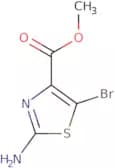

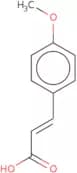
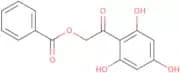
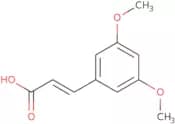
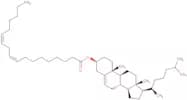
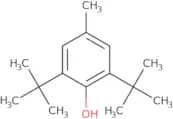
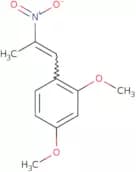
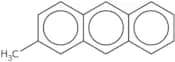

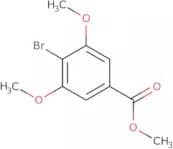
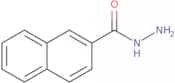
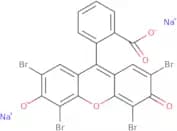

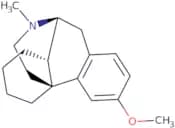
![6-amino-3-methyl-4-(3-nitrophenyl)-4H-pyrano[3,2-d]pyrazole-5-carbonitrile](/_next/image/?url=https%3A%2Fstatic.cymitquimica.com%2Fproducts%2F3D%2Fthumb-webp%2FFA169032.webp&w=3840&q=75)
![9-Fluoro-11β,17-Dihydroxy-16α-Methyl-3,20-Dioxopregna-1,4-Dien-21-Yl 2-[2-(2-Ethoxyethoxy)Ethoxy]A…](/_next/image/?url=https%3A%2Fstatic.cymitquimica.com%2Fproducts%2F3D%2Fthumb-webp%2FFF103016.webp&w=3840&q=75)
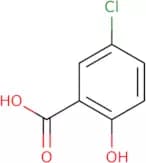
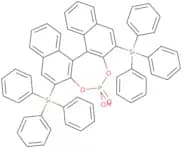
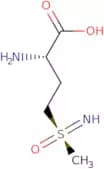
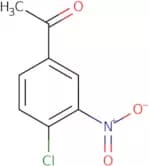
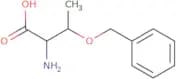
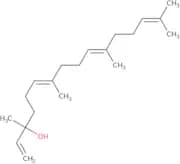
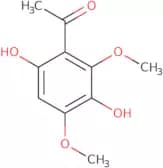
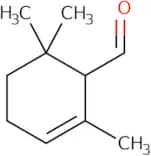
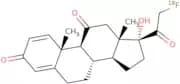
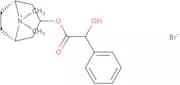
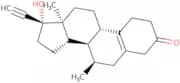
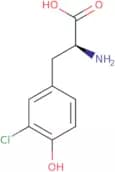
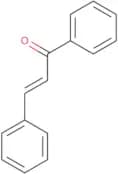
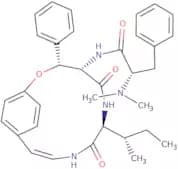
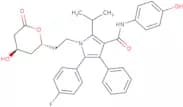
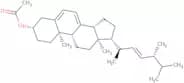

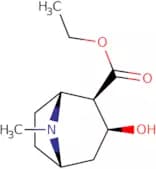
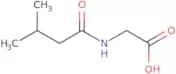
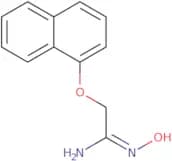

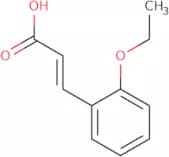
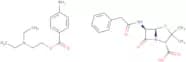
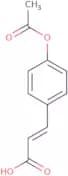
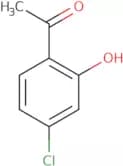
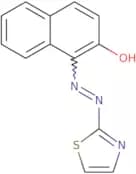
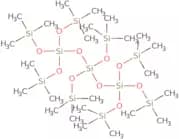
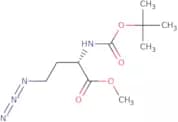
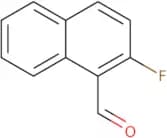
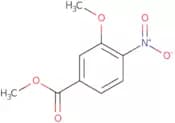
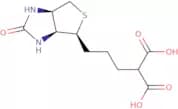
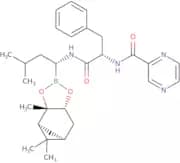
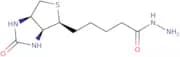
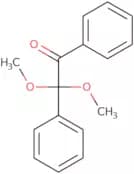
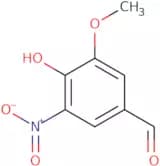
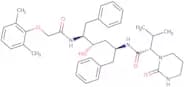
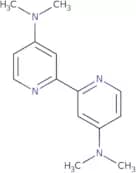
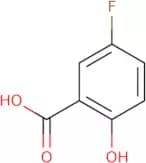

![Pigment Red 38;Diethyl 4,4'-[(3,3'-dichlOrO[1,1'-biphenyl]-4,4'-diyl)bis(azO)]bis[4,5-dihydrO-5-Ox…](/_next/image/?url=https%3A%2Fstatic.cymitquimica.com%2Fproducts%2F3D%2Fthumb-webp%2FFP43985.webp&w=3840&q=75)
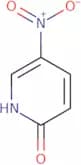
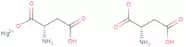
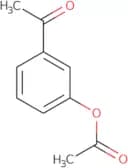
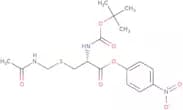
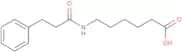
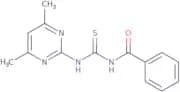
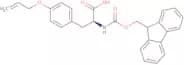
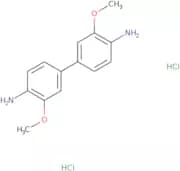
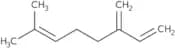
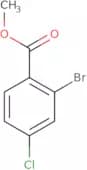
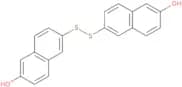
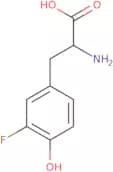
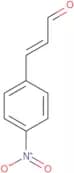
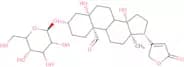
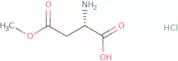
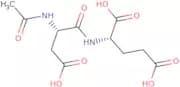
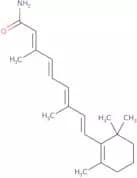
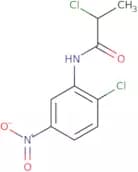
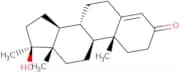
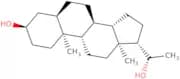
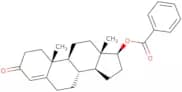
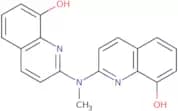
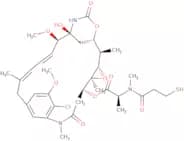

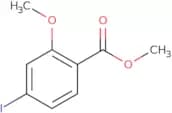
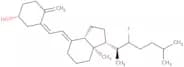
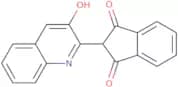
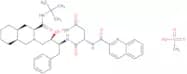
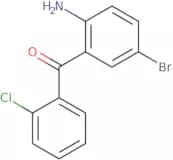
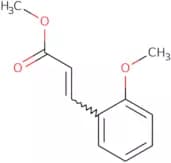

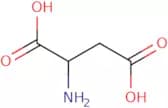
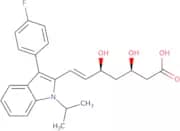
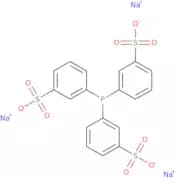

![(E)-3-[3'-(4''-fluorophenyl)-1'-(1''-methylethyl)-1H-indol-2''-yl]-2-propnal](/_next/image/?url=https%3A%2Fstatic.cymitquimica.com%2Fproducts%2F3D%2Fthumb-webp%2FFF37514.webp&w=3840&q=75)
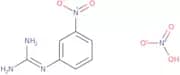
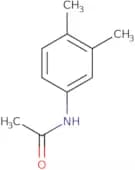
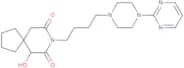
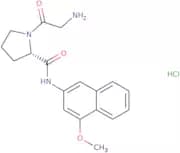
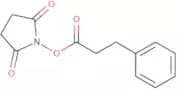

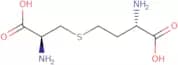
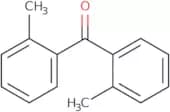
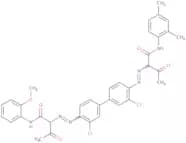
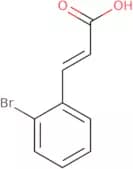
![7,12-Dimethylbenz[a]anthracene](/_next/image/?url=https%3A%2Fstatic.cymitquimica.com%2Fproducts%2F3D%2Fthumb-webp%2FFD22356.webp&w=3840&q=75)
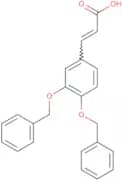
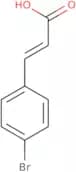
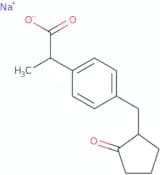

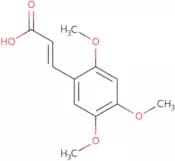
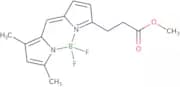
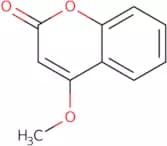
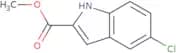

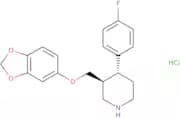
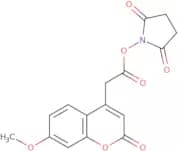
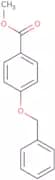
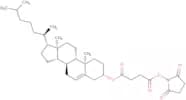
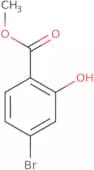

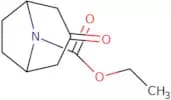
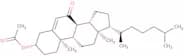


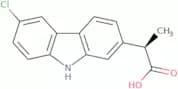
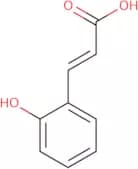
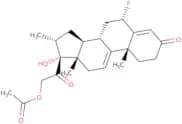
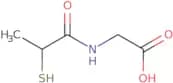
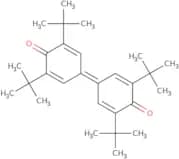
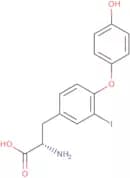
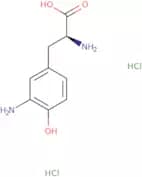
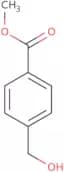

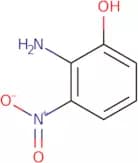
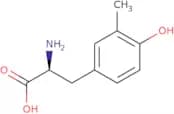
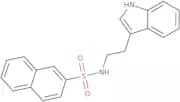
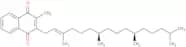
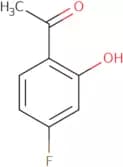
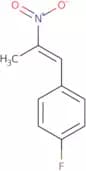
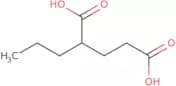
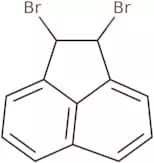
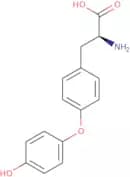
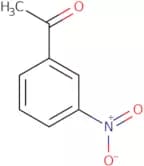
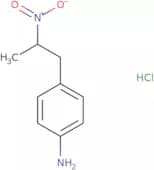
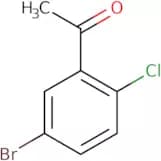
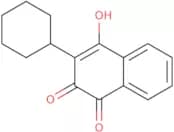
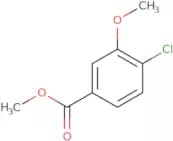
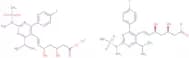
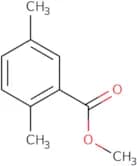
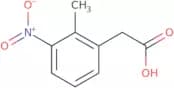
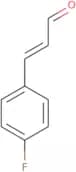
![3-(4-chlorophenyl)spiro[1,3-thiazolidine-2,3'-indoline]-4,7-dione](/_next/image/?url=https%3A%2Fstatic.cymitquimica.com%2Fproducts%2F3D%2Fthumb-webp%2FFC169673.webp&w=3840&q=75)
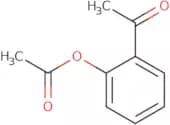

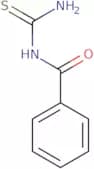
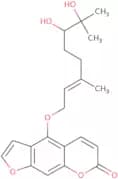
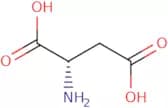
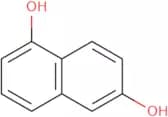

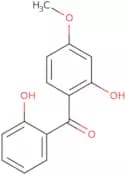
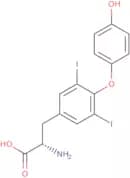
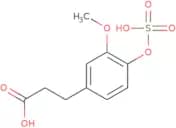
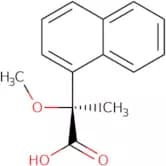
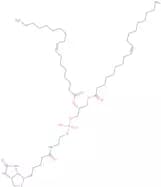
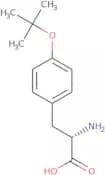
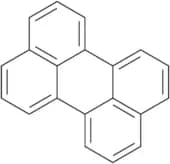
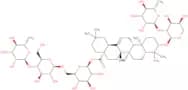
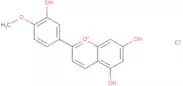
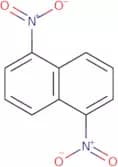

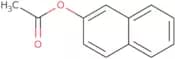
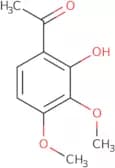
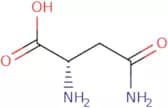

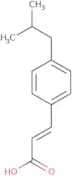
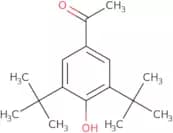
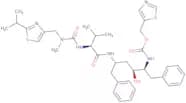
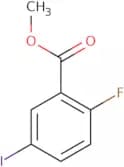
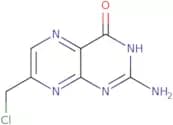
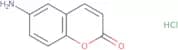
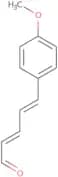
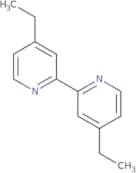
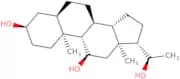
![3-(4'-Bromo[1,1'-biphenyl]-4-yl)-1,2,3,4-tetrahydro-1-naphthalenol](/_next/image/?url=https%3A%2Fstatic.cymitquimica.com%2Fproducts%2F3D%2Fthumb-webp%2FFB164965.webp&w=3840&q=75)