Glicoscienza
Sottocategorie di "Glicoscienza"
- Amminozucchero(108 prodotti)
- Glico-anticorpi(284 prodotti)
- Glicolipidi(46 prodotti)
- Glicosaminoglicani (GAGs)(55 prodotti)
- Glicosidi(419 prodotti)
- Monosaccaridi(6.622 prodotti)
- Oligosaccaridi(3.701 prodotti)
- Polisaccaridi(505 prodotti)
Trovati 11034 prodotti di "Glicoscienza"
N-Benzyl-3,5-dideoxy-3,5-imino-D-lyxofuranose
N-Benzyl-3,5-dideoxy-3,5-imino-D-lyxofuranose is a fluorinated sugar with a complex carbohydrate. It is synthesized by glycosylation of N-benzylglycine and D-lyxofuranose. This compound can be used for the synthesis of glycoproteins, polysaccharides and other complex carbohydrates. It has been modified using methylation and click chemistry to produce a wide range of derivatives. The compound can be used for research purposes in glycobiology, biochemistry, and materials science.
Purezza:Min. 95%L-Fucose
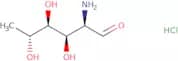
CAS:L-Fucose is a monosaccharide that is an important component of glycoproteins and glycolipids. L-Fucose is also found in the cell wall of bacteria. The most abundant sources of L-fucose are from the hydrolysis of lactose or sucrose by bacteria, or as a result of intestinal microbial fermentation. L-Fucose has been shown to be involved in the regulation of many metabolic processes, including the glomerular filtration rate and sephadex g-100 binding capacity in the kidney. It has also been shown to improve growth in infant rats with protein malnutrition. The enzyme that catalyzes the conversion of D-arabinose to L-fucose is known as fucokinase.
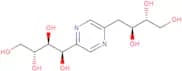
Formula:C6H12O5Purezza:Min. 98.0 Area-%Peso molecolare:164.16 g/mol2,5-Deoxyfructosazine
CAS:2,5-Deoxyfructosazine is a physiological agent that inhibits the growth of bacteria and fungi. 2,5-Deoxyfructosazine is active against Gram-positive and Gram-negative bacteria, as well as Candida albicans and other yeasts. This drug is effective in inhibiting water vapor loss in the lungs and has been shown to be an effective antimicrobial agent for the treatment of acute lung infections. 2,5-Deoxyfructosazine has been shown to reduce the development of antibiotic resistance in bacteria by preventing cell wall synthesis. The mechanism of action is thought to involve a matrix effect with cationic compounds, which are deposited on the surface of bacterial cells and destroy them by osmotic lysis. 2,5-Deoxyfructosazine also has antidiabetic effects due to its ability to inhibit glucose uptake into cells by binding to glucose transporters on the cell membrane. A reaction mechanism for this process involves hydrogen
Formula:C12H20N2O7Purezza:Min. 98 Area-%Colore e forma:PowderPeso molecolare:304.3 g/molRef: 3D-MD16678
Prodotto fuori produzione1-Deoxy- 6- O- tert.butyl dimethylsilyl]- 3, 4- O- isopropylidene-D- Psicofuranose
This complex carbohydrate is a modification of the 6-O-tert.butyl dimethylsilyl]psicofuranose. It is an Oligosaccharide that has been modified with methylation, glycosylation, and Click modification of the sugar moieties. The CAS number for this complex carbohydrate is 10963-29-3, and it has a purity of 99%.
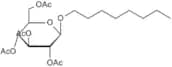
Purezza:Min. 95%Octyl 2,3,4,6-tetra-O-acetyl-b-D-glucopyranoside
CAS:Octyl 2,3,4,6-tetra-O-acetyl-b-D-glucopyranoside is an analog of 6-(trifluoromethyl)indoxyl beta-D-galactopyranoside. It is a potent antituberculosis agent that inhibits the growth of Mycobacterium tuberculosis and has been shown to be active against other bacteria in vitro. Octyl 2,3,4,6-tetra-O-acetyl-b-D-glucopyranoside inhibits bacterial growth by binding to DNA dependent RNA polymerase and prevents transcription and replication. This compound has been tested for its ability to inhibit neoplastic cell proliferation in humans.Formula:C22H36O10Purezza:(%) Min. 95%Colore e forma:PowderPeso molecolare:460.52 g/mol1,6-Anhydro-N,N’-diacetylchitobiose
CAS:1,6-Anhydro-N,N’-diacetylchitobiose is an anhydrosugar that can be used in the synthesis of oligosaccharides
Formula:C16H26N2O10Purezza:Min. 95%Colore e forma:PowderPeso molecolare:406.39 g/moln-Dodecyl-β-D-maltoside
CAS:Dodecyl maltoside (DDM) is a non-ionic detergent that consists of a hydrophilic maltose head and a hydrophobic long chain alkyl tail. It has a relatively low critical micelle concentration of 0.17 mM and is considered a gentle but powerful detergent. DDM is often the best tool for solubilising/crystallising membrane proteins. Membrane proteins usually have α-helical structures that are easily destroyed when the protein is released from its membrane environment. DDM can often preserve these structures during the solubilisation. In addition, membrane proteins can often be renatured when isolated with DDM.
Formula:C24H46O11Peso molecolare:510.63 g/molPhenyl 2,3,4-tri-O-acetyl-b-D-thioglucuronide methyl ester
CAS:Phenyl 2,3,4-tri-O-acetyl-b-D-thioglucuronide methyl ester is a custom synthesis. It is a complex carbohydrate with an Oligosaccharide and Polysaccharide structure. The modification of saccharides with Methylation, Glycosylation, or Carbohydrate changes the chemical properties of this compound. Phenyl 2,3,4-tri-O-acetyl-b-D-thioglucuronide methyl ester has a CAS No. 62812-42-2 and is also known as sugar. This compound is fluorinated at the phenolic hydroxyl group to produce a stable molecule with high purity.
Purezza:Min. 95%4-(3-(2,3-O-Isopropylidene-lyxofuranos-5-yl)propan-2-one-1-yl)piperidine-2,6-dione
4-(3-(2,3-O-Isopropylidene-lyxofuranos-5-yl)propan-2-one-1-yl)piperidine-2,6-dione is a high purity custom synthesis sugar. It is synthesized by Click modification, Fluorination, Glycosylation and Synthetic. 4-(3-(2,3-O-Isopropylidene-lyxofuranos-5-yl)propan-2-one 1 - yl)piperidine 2,6 dione has CAS No., Oligosaccharide and Carbohydrate as its properties. It is a saccharide which belongs to the class of complex carbohydrate.
Purezza:Min. 95%Phosphatidyl inositol - 10mg/ml solution in chloroform:methanol(4:1)
Phosphatidyl inositol-10mg/ml solution in chloroform:methanol(4:1) is a carbohydrate that is a complex carbohydrate. It is synthesized by the modification of the phosphatidyl inositol molecule with fluorination and methylation. The CAS number for this compound is 91228-52-5. This product can be custom synthesized as per customer's requirements. It has a high purity and excellent quality, and is available at competitive prices.
Formula:C47H83O13PPurezza:Min. 95%Colore e forma:PowderPeso molecolare:887.13 g/molD-Maltose monohydrate
CAS:Please enquire for more information about D-Maltose monohydrate including the price, delivery time and more detailed product information at the technical inquiry form on this page
Formula:C12H24O12Purezza:Min. 98 Area-%Peso molecolare:360.31 g/mol3,5-Dideoxy-N-(1-hexyl)-3,5-imino-D-xylopentitol
3,5-Dideoxy-N-(1-hexyl)-3,5-imino-D-xylopentitol is a synthetic monosaccharide that is used in the production of complex carbohydrates. It can be modified with fluorination and methylation to produce 3,5-dideoxy-N-(1-hexyl)-3,5-[(2-[(2,6-difluoro phenoxy)methyl]phenyl]imino)D-xylopentitol. The compound has been shown to have antiviral properties and has been used in the synthesis of glycosaminoglycans.
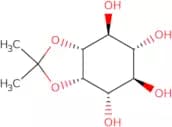
Purezza:Min. 95%1,2-Isopropylidene-D,L-myo-inositol
CAS:1,2-Isopropylidene-D,L-myo-inositol is a modification of the natural product myo-inositol. It is synthesized by methylation and glycosylation of inositol with methanol. This chemical compound has been modified to include fluorination and saccharide.
Formula:C9H16O6Purezza:Min. 95%Colore e forma:White PowderPeso molecolare:220.22 g/molRef: 3D-MI04760
Prodotto fuori produzione2,3,4,6-Tetra-O-acetyl-a-D-galactopyranosyl azide
CAS:Please enquire for more information about 2,3,4,6-Tetra-O-acetyl-a-D-galactopyranosyl azide including the price, delivery time and more detailed product information at the technical inquiry form on this page
Formula:C14H19N3O9Purezza:Min. 98 Area-%Colore e forma:PowderPeso molecolare:373.32 g/mol3-Acetamido-1-benzylazetidine-2R,4S-diyl bis(methylene) diacetate
CAS:This product is a custom synthesis. The chemical formula for this product is C8H11N2O4. This product has the molecular weight of 272.24 g/mol and the molecular formula is C8H11N2O4. This product is synthesized from 3-acetamido-1-benzylazetidine-2R,4S-diyl bis(methylene) diacetate monohydrate. It can be fluorinated, glycosylated, methylated, modified and oligosaccharide or monosaccharide saccharides. This product can be used in various fields such as pharmaceuticals, agrochemicals, food additives, cosmetics and so on.
Formula:C18H24N2O5Purezza:Min. 95%Peso molecolare:348.39 g/molLactose oleate
CAS:Lactose oleate is a fatty acid ester that can be used as an absorption enhancer. It has been shown to increase the absorption of drugs in both inorganic and organic forms. Lactose oleate can be used in assays to determine the profile and nucleophilic attack of fatty acids. Lactose oleate is lipophilic and biodegradable, making it suitable for use as an edible coating or as a membrane for cell culture. Lactose oleate can also be used as a substrate for immobilization studies, where it is immobilized on silica gel particles. This allows for its use in thermodynamic studies. Lastly, lactose oleate has been shown to have potential anti-inflammatory properties in caco-2 cells.
Formula:C18H34O2•(C12H22O11)xPurezza:Min. 95%Colore e forma:PowderPeso molecolare:624.76 g/mol3-Deoxy-L- threo- 2- hexulosaric acid
CAS:3-Deoxy-L-threo-2-hexulosaric acid is a sugar that is modified by the addition of a fluorine atom to one of its hydroxyl groups. 3-Deoxy-L-threo-2-hexulosaric acid is used in the synthesis of complex carbohydrates and oligosaccharides. It is also used in the modification of saccharides, sugars, and polysaccharides. 3-Deoxy-L-threo-2-hexulosaric acid can be custom synthesized according to your specifications. It can be synthesized with high purity at our labs.
Purezza:Min. 95%2-[(1E)-2-[6-(β-D-Galactopyranosyloxy)-2,3-dihydro-1H-xanthen-4-yl]ethenyl]-3,3-dimethyl-1-propyl-3H-indolium iodide
CAS:Please enquire for more information about 2-[(1E)-2-[6-(β-D-Galactopyranosyloxy)-2,3-dihydro-1H-xanthen-4-yl]ethenyl]-3,3-dimethyl-1-propyl-3H-indolium iodide including the price, delivery time and more detailed product information at the technical inquiry form on this page
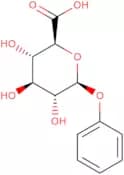
Formula:C34H40NO7•IPurezza:Min. 95%Peso molecolare:701.59 g/molPhenyl-beta-D-glucuronic acid monohydrate
CAS:Phenyl-beta-D-glucuronic acid monohydrate is a genotoxic agent that is metabolized to S-phenylmercapturic acid. This metabolite can be detected in urine as an indicator of exposure to the compound. Phenyl-beta-D-glucuronic acid monohydrate has been shown to have toxic effects on humans, such as decreasing the glomerular filtration rate and increasing reactive oxygen species levels. It also decreases antioxidant vitamin levels and causes blood disorders, including hemolytic anemia. Phenyl-beta-D-glucuronic acid monohydrate may also be used for the treatment of autoimmune diseases by inhibiting certain enzymes involved in inflammation and immune response.Formula:C12H16O8Purezza:Min. 98 Area-%Colore e forma:White PowderPeso molecolare:288.26 g/molVarenicline N-glucoside
CAS:Varenicline N-glucoside is a modification of varenicline, which is an antagonist of the nicotinic acetylcholine receptor. This compound has been synthesized using custom synthesis and glycosylation to obtain high purity. It has been methylated and fluorinated in order to remove any impurities. Varenicline N-glucoside is a carbohydrate with a molecular weight of 581.5 g/mol, consisting of one monosaccharide and one disaccharide. It also contains a complex carbohydrate with an oligosaccharide chain that is composed of glycosylation and saccharide units. The CAS number for this compound is 873302-31-9.
Formula:C19H23N3O5Purezza:Min. 95%Colore e forma:PowderPeso molecolare:373.4 g/molRef: 3D-MV16891
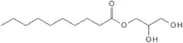
Prodotto fuori produzione1-Decanoyl-rac-glycerol
CAS:1-Decanoyl-rac-glycerol is a microbicide that has been shown to have a broad spectrum of activity against viruses and bacteria. It can be used in tissue culture as an antimicrobial agent, and inhibits the growth of human serum, hydroxyl group, and metal hydroxides. 1-Decanoyl-rac-glycerol has also been shown to cause cell lysis in cancer cells, but not normal cells. This drug is lipophilic and easily crosses biological membranes. In vivo models have shown that this compound is nontoxic to humans at doses up to 100 mg/kg body weight. In vitro tests have shown that 1-decanoyl-rac-glycerol does not inhibit the growth of bacteria or fungi at concentrations as high as 500 μg/mL.
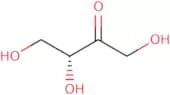
Formula:C13H26O4Purezza:Min. 95%Colore e forma:PowderPeso molecolare:246.34 g/molD-Erythrulose - 1M Aqueous solution
CAS:D-erythrulose is a monosaccharide with the chemical structure of erythrose. It is structurally related to glycolaldehyde, which is a precursor in the biosynthesis of ribose. D-Erythrulose has been used for diagnosis and identification of various bacteria, such as C. glutamicum and Brucella species, by serological tests, as well as for the detection of gene products in E. coli K-12 cells. The determination of ATP levels in Brucella species has also been performed using magnetic resonance spectroscopy (MRS) after incubation with D-erythrulose.
Formula:C4H8O4Purezza:Min. 90 Area-%Colore e forma:Clear LiquidPeso molecolare:120.1 g/molFleetamine
Fleetamine is a piperidine compound that has been shown to be an inhibitor of the enzyme glycosylation. Inhibitors of glycosylation are useful for treating diseases such as diabetes and Alzheimer's disease. It is thought that Fleetamine may inhibit human glycosylating enzymes, such as glucosyl transferase, which catalyzes the addition of a glucose molecule to a protein. This inhibition prevents the formation of oligosaccharides and glycoconjugates, which are necessary for proper functioning of cells.
Purezza:Min. 95%Chitin
CAS:Chitin forms the tough fibrous exoskeletons of insects, crustaceans and other arthropods, and, in addition to its presence in some fungi, it occurs in at least one alga. The structure of chitin is similar to that of cellulose but with glucose replaced with N-acetyl-D-glucosaminyl units linked β-D-(1,4) in a linear chain. Chitin is normally produced from the shells of lobster, crab or shrimp.
Formula:(C8H13NO5)nColore e forma:PowderD-Allose pentaacetate
CAS:D-Allose pentaacetate is a modified oligosaccharide that can be used as a synthetic intermediate in the production of complex carbohydrates. It has been shown to have high purity and is easily synthesized in a laboratory setting. D-Allose pentaacetate is a monosaccharide with five acetate groups that can be methylated or glycosylated, which makes it an ideal candidate for modification. D-Allose pentaacetate has CAS No. 144071-49-8 and can be found on PubChem CID: 1215965.
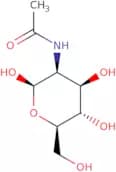
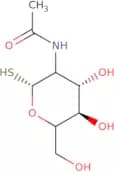
Formula:C16H22O11Purezza:Min. 95%Colore e forma:PowderPeso molecolare:390.34 g/mol2-Acetamido-2-deoxy-a-D-thiogalactopyranose
Please enquire for more information about 2-Acetamido-2-deoxy-a-D-thiogalactopyranose including the price, delivery time and more detailed product information at the technical inquiry form on this page
Formula:C8H15NO5SPurezza:Min. 95%Colore e forma:PowderPeso molecolare:237.27 g/molRef: 3D-MA12496
Prodotto fuori produzione1-Deoxy-D-psicose
1-deoxy-D-psicose is a deoxy sugar that can be used as a reagent for the conversion of 1-deoxy-d-fructose to d-psicose. It is useful in the synthesis of rhamnose, which is a precursor to pharmaceuticals and agrochemicals. 1-Deoxy-D-psicose can be used in the synthesis of l-rhamnose from d-psicose or vice versa. This process of converting one epimer to another isomerization is very efficient, with an 88% yield.
Purezza:Min. 95%6-Bromo-6-deoxy-a-cyclodextrin
CAS:Alpha-cyclodextrin (α-CD) derivative with a hydrophilic exterior and lipophilic cavity (smaller than β-CDs and γ-CDs) to allocate certain guest molecules. This structural characteristic enables applications in molecular encapsulation, solubility enhancement, and stabilization across multiple industries. In pharmaceuticals, it serves as a drug delivery vehicle, enhancing the bioavailability and stability of active ingredients. The food industry utilizes it as a stabilizer for flavors, colors, and nutrients, as well as a functional ingredient for its effects on lipid metabolism. In cosmetics, it acts as a complex agent for fragrances and active components. Its applications extend to analytical chemistry for chiral separation and to materials science for developing smart materials and nanosystems.
Formula:C36H54Br6O24Purezza:Min. 95%Peso molecolare:1,350.22 g/molL-Xylosamine
L-Xylosamine is a carbohydrate that has been modified with fluorine. It is a monosaccharide and is found in plant cell walls. L-Xylosamine can be custom synthesized and has a high purity level. It is also methylated and glycosylated, which makes it an ideal compound for click chemistry.
Formula:C5H11NO4Purezza:Min. 95%Peso molecolare:149.15 g/mol(2R,3S,4S,5R,6S)-3,4,5-Trihydroxy-2-hydroxymethyl-7,9-diaza-1-oxa-spiro[4,5]decane-10-one-8-thione
CAS:Glycogen phosphorylase inhibitor
Formula:C8H12N2O6SPurezza:Min. 95%Colore e forma:White solid.Peso molecolare:264.26 g/molRef: 3D-MT01649
Prodotto fuori produzioneOctanoyl D-glucopyranoside
CAS:Octanoyl D-glucopyranoside is a potent inhibitor of histidine-mediated endocytosis and the activation of NF-κB signaling in human osteoarthritic chondrocytes. It has also been shown to inhibit viral replication by adenovirus. Octanoyl D-glucopyranoside inhibits the activity of several enzymes, including protein kinase C (PKC), nf-kappa B (NF-κB), and photolyase, which are all involved in inflammation. This compound also inhibits transcription, polymerization, and genotype expression. Octanoyl D-glucopyranoside has been shown to be effective against necrosis factor alpha (TNFα) and interleukin 1 beta (IL1β).
Formula:C14H26O7Purezza:Min. 95%Colore e forma:White to off-white solid.Peso molecolare:306.35 g/molRef: 3D-DO00379
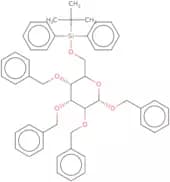
Prodotto fuori produzione1,2,3,4-Tetra-O-benzyl-6-O-tert-butyldiphenylsilyl-a-D-mannopyranose
CAS:1,2,3,4-Tetra-O-benzyl-6-O-tert-butyldiphenylsilyl-a-D-mannopyranose is a synthetic glycoside that can be used as a building block for the synthesis of complex carbohydrates. It is a fluorinated sugar that can be modified with methyl groups and other functional groups. This product is available in high purity and can be custom synthesized to meet your specific needs.
Formula:C50H54O6SiPurezza:Min. 95%Peso molecolare:779.07 g/molSophoricoside
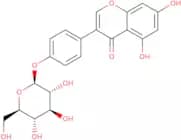
CAS:Sophoricoside is a natural compound present in the fructus of Sophora flavescens and is used as an anti-diabetic medicine. It has been shown to have genotoxic effects, which may be due to its ability to induce reactive oxygen species (ROS) and DNA damage. Sophoricoside also has a matrix effect on radiation. This effect has been shown in rat cardiac cells and human serum. Sophoricoside also exhibits hepatoprotective properties by reducing hepatic steatosis, which may be due to its ability to inhibit lipogenesis and stimulate fat oxidation. In addition, sophoricoside has been shown to have anti-inflammatory activities.
Formula:C21H20O10Purezza:Min. 95%Colore e forma:PowderPeso molecolare:432.38 g/molHepta-O-acetylrutinose
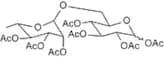
CAS:Hepta-O-acetylrutinose is a synthetic monosaccharide that is fluorinated. It can be used in the synthesis of oligosaccharides, polysaccharides, and glycosylations. Hepta-O-acetylrutinose has been shown to be useful in click chemistry and other modifications due to its reactive groups. The CAS number for this compound is 29202-64-0.
Formula:C26H36O17Purezza:(%) Min. 95%Colore e forma:White PowderPeso molecolare:620.57 g/molO-(2,3,4,6-Tetra-O-acetyl-a-D-mannopyranosyl)-L-serine benzyl ester
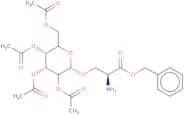
CAS:A protected mannose amino acid
Formula:C24H31NO12Purezza:Min. 95 Area-%Colore e forma:PowderPeso molecolare:525.5 g/molRef: 3D-FB156010
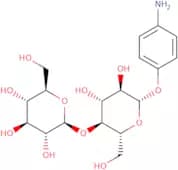
Prodotto fuori produzione4-Aminophenyl b-D-cellobioside
CAS:4-Aminophenyl b-D-cellobioside is a cyclopentadienyl cellobioside. The ocean and the timings of polymerization, as well as the use of catalysts, are crucial for the production of this compound. 4-Aminophenyl b-D-cellobioside is an important chemical intermediate used in the production of pharmaceuticals and other products with applications in various industries such as textiles, plastics, coatings, dyes and pigments. Metal complexes are widely used catalysts for olefin polymerization reactions. Indian chemists have developed a new catalyst that has shown high activity in olefin polymerization. The indian scientists have also found a new way to recycle cyclopentadiene.
Formula:C18H27NO11Purezza:Min. 95%Colore e forma:Off-White PowderPeso molecolare:433.41 g/molMethyl b-D-glucuronide sodium salt
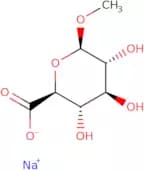
CAS:1-O-Methyl-β-D-glucuronic acid is a β-glucuronidase inducer.
Formula:C7H11NaO7Purezza:(Titration) Min 99.0%Colore e forma:White Slightly Yellow PowderPeso molecolare:230.15 g/molL-Iduronic acid sodium salt
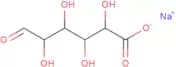
CAS:L-iduronic acid (IdoA) (Collins, 2006) is the major uronic acid component of the glycosaminoglycans dermatan sulfate, chondroitin sulfate and heparin. Iduronic acid is also present in heparan sulfate, although in a minor amount relative to glucuronic acid. Glycosaminoglycans represent a physiologically important group of molecules involved in a variety of biological functions, such as, cell proliferation, cell-to-cell communication, wound healing, coagulation, morphogenesis, and pathogenesis. Glycosaminoglycans present an intriguing target for the design of new approaches for diagnostic and therapeutic agents against various infectious diseases (Kamhi, 2013).
Formula:C6H9NaO7Purezza:Min. 95%Colore e forma:Slightly Yellow PowderPeso molecolare:216.12 g/molN-Acetylmuramyl-L-alanyl-D-isoglutamine hydrate
CAS:Muramyl dipeptide is a component of the bacterial cell wall and is found in mycobacteria, mycoplasmas, spirochetes, and gram-positive bacteria. Muramyl dipeptide has been shown to induce the activation of macrophages and other cells by stimulating toll-like receptor 4. It also has significant cytotoxicity against various cancer cells, as well as potent inducers of ubiquitin ligases. The use of muramyl dipeptide in vitro was shown to inhibit replication of HIV-1 virus in human lymphocytes. This agent has also been used for the treatment of bowel disease.Formula:C19H32N4O11·xH2OPurezza:Min. 96 Area-%Colore e forma:PowderPeso molecolare:492.48 g/molRef: 3D-MA58738
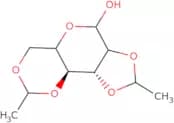
Prodotto fuori produzione2,3:5,6-Di-O-isopropylidene-D-talose
2,3:5,6-Di-O-isopropylidene-D-talose is a custom synthesis of methylated oligosaccharides. It is a complex carbohydrate that contains both a monosaccharide and a polysaccharide. 2,3:5,6-Di-O-isopropylidene-D-talose is a modification of the sugar D(+)-talose (a pentasaccharide), which has been fluorinated to make it more stable. This product has high purity, and can be used in many different applications such as click chemistry, oligosaccharide synthesis, or fluorination reactions.
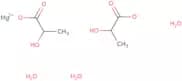
2,3:5,6-Di-O-isopropylidene-D-talose is an Oligosaccharide that is a Polysaccharide. It can be used as an inhibitor for DNA polymerase α and β enzymes in PCR reactionsFormula:C10H16O6Purezza:Min. 95%Peso molecolare:232.23 g/molMagnesium L-lactate
CAS:Magnesium L-lactate is a form of magnesium that is found in the human body, and it is often used to treat women with depressive disorders. This drug works by reducing the synthesis of cholesterol and increasing the level of serotonin in the brain. Magnesium L-lactate is not readily absorbed by the body, so it has low bioavailability. It also has an adverse effect on heart rate and cardiac rhythm, so people who have these conditions should avoid using this drug. The particle size of this drug is high, which can lead to low bioavailability.
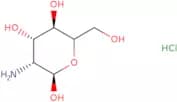
Formula:C6H10MgO6Purezza:Min. 95%Peso molecolare:202.45 g/molD-Galactosamine hydrochloride
CAS:D-Galactosamine (GalN) is an aldohexose (2-Amino-2-deoxygalactose) in which the hydroxyl group at position 2 is replaced by an amino group (Collins, 2006). Galactosamine (as the N-Acetyl derivative) forms a key part of both N- and O-linked glycoproteins, glycolipids and glycosaminoglycans. Treatment of experimental animals with D-galactosamine / lipopolysaccharide causes lethal liver injury characterized by apoptosis of the hepatocyte and it is used as a laboratory model to study the effect of therapeutic agents (Hirono, 2001).
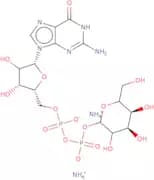
Formula:C6H14ClNO5Peso molecolare:215.63 g/molGDP-D-mannose diammonium salt
GDP-D-mannose diammonium salt is a custom synthesis. It has been modified with fluorination, methylation, and monosaccharide substitution. The structure of this compound consists of a glucose molecule bonded to a D-mannose molecule by an oxygen linkage at the 1-position. This product has been synthetically modified to include a click modification and oligosaccharides. GDP-D-mannose diammonium salt is used for the production of polysaccharides as well as glycosylation reactions.
Formula:C16H23N5O16P2·N2H8Purezza:Min. 95%Peso molecolare:639.4 g/mol2-Acetamido-2-deoxy-4-O-(b-D-galactopyranosyl)-D-glucopyranose
CAS:2-Acetamido-2-deoxy-4-O-(b-D-galactopyranosyl)-D-glucopyranose LacNAc isomer. This compound has been shown to inhibit pro-inflammatory cytokines in human bronchial epithelial cell lines, which may be helpful in treating inflammatory conditions. The compound can be analyzed using high-performance liquid chromatography (HPLC), which separates molecules based on their chemical properties. The acid residues present in the molecule make it an ideal target for antibodies and polymer-based drug delivery systems. In host cells, this compound is involved in various biological processes related to cell adhesion and signaling.
Formula:C14H25NO11Purezza:Min. 95%Colore e forma:PowderPeso molecolare:383.35 g/molRef: 3D-OA174826
Prodotto fuori produzionePhenyl 3-deoxy-3-fluoro-α-D-glucopyranoside
Phenyl 3-deoxy-3-fluoro-a-D-glucopyranoside is a modified oligosaccharide, which is synthesized by the glycosylation of 3,6-diaminohexanoic acid with phenyl boronic acid. This compound is also known as an anti-tuberculosis drug. It has been shown to inhibit bacterial growth by binding to DNA dependent RNA polymerase, thereby preventing transcription and replication. The high frequency of human activity has been shown using a patch clamp technique on human erythrocytes. Phenyl 3-deoxy-3-fluoro-a-D-glucopyranoside also specifically binds to markers expressed at high levels in Mycobacterium tuberculosis strains (e.g., ESX1 secretion system protein) and inhibits cell growth in culture.
Formula:C12H15FO5Purezza:Min. 95%Colore e forma:White to off-white solid.Peso molecolare:258.24 g/molN-Acetyl-D-mannosamine
CAS:N-Acetyl D-mannosamine (ManNAc) is an aldohexose (2-acetamido-2-deoxymannose) in which the axial hydroxyl group at position 2 is replaced by a N-acetyl group (Collins, 2006). It has been reported that N-acetyl D-mannosamine supplementation, may provide novel means to break the link between obesity and hypertension (Peng, 2019). N-Acetyl-D-mannosamine and N-acetyl-D-glucosamine are the essential precursors of sialic acid, the specific monomer of polysialic acid, a bacterial pathogenic determinant, for example, Escherichia coli K1 uses both amino sugars as carbon sources. It has been reported that ManNAc can be used as a treatment for hereditary inclusion body myopathy, an adult-onset, progressive neuromuscular disorder and also for renal disorders involving proteinuria and hematuria due to podocytopathy and/or segmental splitting of the glomerular basement membrane (Galeano, 2007).
Formula:C8H15NO6Purezza:Min. 98 Area-%Colore e forma:White PowderPeso molecolare:221.21 g/molRef: 3D-MA05269
Prodotto fuori produzione3-C-Methyl- 5, 6- O- isopropylidene)-D- mannonic acid g- lactone
3-C-Methyl- 5, 6- O- isopropylidene)-D- mannonic acid g- lactone is a modification of the natural sugar D-mannonic acid. It can be used as an intermediate for the synthesis of oligosaccharides and complex carbohydrates. 3-C-Methyl-5,6 -O-isopropylidene)-D -mannonic acid g -lactone is synthesized by methylation and glycosylation. This product is available in high purity and CAS No.
Purezza:Min. 95%D-Xylose
CAS:Xylose (Xyl) is an aldopentose also known as wood sugar (Collins, 2006). The main sources of xylose are hemicelluloses found in hardwood and perennial plants, such as, grasses, cereals, and herbs (Petzold-Welcke, 2014) and some algae. Xylose is used in the production of xylitol, a low calory sugar substitute. Xylose is used in glycosaminoglycan (GAG) biosynthesis, which is initiated by peptide O-xylosyltransferases, which transfer xylose onto selected serine residues in the core proteins. The first enzyme in the pathway, peptide O-xylosyltransferase, catalyzes the transfer of xylose from uridine diphosphate (UDP)-α-D-xylose onto serine and thus determines the site(s) of GAG attachment on the core protein (Briggs, 2018).
Formula:C5H10O5Purezza:Min. 98.0 Area-%Colore e forma:White PowderPeso molecolare:150.13 g/molRef: 3D-MX00355
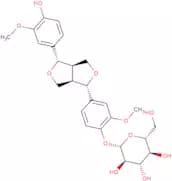
Prodotto fuori produzione(+)-pinoresinol-b-D-glucoside
CAS:(+)-Pinoresinol-b-D-glucoside is a fluorinated, monosaccharide that is synthetically produced by glycosylation. It can also be modified using methylation and click chemistry. The chemical formula for (+)-pinoresinol-b-D-glucoside is C10H14O8. It has a molecular weight of 288.24 g/mol and an empirical formula of (C10H14O8)2. The CAS number for this compound is 69251-963. This product is in the Carbohydrate family and has a purity level of >99%.
Formula:C26H32O11Purezza:Min. 95%Colore e forma:PowderPeso molecolare:520.53 g/molRef: 3D-MP74548
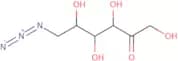
Prodotto fuori produzione6-Azido-6-deoxy-D-fructose
CAS:6-Azido-6-deoxy-D-fructose is a piperidine that condenses with glyceraldehyde in the presence of aldolase and produces D-glyceraldehyde. This reaction is stereospecifically catalyzed by aldolase, which converts the product to D-glyceraldehyde 3-phosphate. 6Azido-6deoxy-D-fructose has been shown to exhibit polyhydroxylated properties.
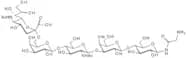
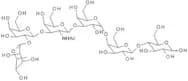
Formula:C6H11N3O5Purezza:Min. 95%Colore e forma:Clear LiquidPeso molecolare:205.17 g/molGlycyl-sialyllacto-N-tetraose c
Glycyl-sialyllacto-N-tetraose c is a custom synthesis of the carbohydrate polysaccharide glycyl-sialyllacto-N-tetraose. It is a complex carbohydrate that has been modified for use in biochemical research. Glycyl-sialyllacto-N-tetraose c contains four sugars, including erythrose and threose, and has been fluorinated at the C5 position. The modification of this carbohydrate was achieved through a click reaction. This product has been purified to be greater than 95% pure and is ready for use as an organic solvent or chemical reagent in laboratory experiments.
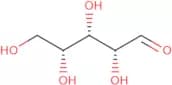
Formula:C39H66N4O29Purezza:Min. 95%Peso molecolare:1,054.95 g/molL-Xylose
CAS:L-Xylose is a monosaccharide that is found in many plants. It is used as a sweetener, and also has been shown to be beneficial in the treatment of diabetic neuropathy. L-Xylose can be metabolized by the enzyme xylitol dehydrogenase to produce energy for the cell. The enzyme catalyzes the conversion of xylitol to D-xylulose and then D-xylulose 1-phosphate, which can be converted into ATP for use by cells. L-Xylose is not metabolized by bacterial enzymes and does not affect blood sugar levels. L-Xylose has been shown to have an effect on taste perception, with a sweet taste at concentrations of 10 milligrams per liter (mg/L). This sweet taste is due to its hydroxymethyl group on the C2 position, which reacts with sodium ions in the mouth. The optimum pH for L-xylose
Formula:C5H10O5Purezza:Min. 99.0 Area-%Peso molecolare:150.13 g/molGlycogen - from oyster
CAS:Glycogen is a highly branched polysaccharide of glucose that serves as a form of energy storage in animals and fungi. It is the main storage form of glucose in the body. In humans, glycogen is made and stored primarily in liver and muscle cells and functions as the second most important energy storage molecule to fat which is held in adipose tissue. Glycogen is analogous to starch and has a structure similar to amylopectin, but is more extensively branched and compact than starch. It occurs as granules in the cytosol/cytoplasm in many cell types, and plays an important role in the glucose cycle.
Formula:C24H42O21Colore e forma:PowderPeso molecolare:666.58 g/molRef: 3D-YG40133
Prodotto fuori produzione1,2,3,4-Tetra-O-benzyl-6-O-tert-butyldimethylsilyl-b-D-galactopyranose
1,2,3,4-Tetra-O-benzyl-6-O-tert-butyldimethylsilyl-b-D-galactopyranose is a glycosylation product of 1,2,3,4 tetra O benzyl 6 O tert butyldimethylsilyl b D galactopyranose. It is a member of the class of complex carbohydrates and has a molecular weight of 582. The compound is soluble in methanol and acetone. It has been shown to be effective for methylation, click modification and fluorination reactions as well as other modifications such as polysaccharide synthesis and saccharide modification. This compound is custom synthesized by our company with high purity.
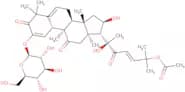
Formula:C40H50O6SiPurezza:Min. 95%Peso molecolare:654.93 g/mol2-O-b-D-Glucopyranosylcucurbitacin E
CAS:2-O-b-D-glucopyranosylcucurbitacin E is a natural product that has been isolated from the roots of Cucurbita maxima. This compound has been shown to have bioactive properties, including antioxidant and antimicrobial activity. The extract was tested on chronic cough patients with type 2 diabetes mellitus. The treatment group showed significant improvements in symptoms and bioactive phytochemical levels compared to the control group.
2-O-b-D-glucopyranosylcucurbitacin E is a white powder that is soluble in methanol and water but not in chloroform or ether. It can be analyzed by liquid chromatography, which separates the different components of a sample by passing it through a column filled with an adsorbent material that retains some components more than others.Formula:C38H54O13Purezza:Min. 95%Peso molecolare:718.83 g/molN-Acetylneuraminic acid sodium salt
CAS:N-Acetylneuraminic acid sodium salt is present in various natural sources, including glycoproteins and glycolipids found in animal tissues. As a sialic acid, N-Acetylneuraminic acid sodium salt plays a critical role in cellular recognition processes due to its involvement in the terminal position of glycan chains. This position allows it to participate in cellular communication, influencing processes like cell adhesion and pathogen interactions.The compound is extensively utilized in the fields of biochemistry and molecular biology, primarily for studies concerning cell surface glycoconjugates. Its ability to modulate interactions at the cell surface makes it invaluable for research into mechanisms of infection, immunity, and cell signaling. Additionally, N-Acetylneuraminic acid sodium salt finds applications in pharmaceutical research, particularly in the development of antiviral drugs where modulation of sialic acid interactions is key. The compound’s biochemical properties enable scientists to explore and elucidate complex biological phenomena, contributing to advances in therapeutic strategies and molecular pathology.
Formula:C11H18NO9NaPurezza:Min. 95%Peso molecolare:331.25 g/molEthyl cellulose viscosity 20cP
CAS:Ethyl cellulose is an organic compound that is soluble in alcohols, acetone and ethers. It is a viscous liquid that can be dissolved in water to form a gel. Ethyl cellulose can be modified with oligosaccharides, carbohydrates, complex carbohydrates, and other substances. Ethyl cellulose has been used for the production of edible films, as well as capsules and tablets. The viscosity of ethyl cellulose can be changed by adding different substances to it. This modification allows ethyl cellulose to be customized for various purposes such as creating high purity products or glycosylation.
Purezza:Min. 95%Colore e forma:PowderRef: 3D-YE182562
Prodotto fuori produzioneL-Idonic acid sodium
CAS:L-Idonic acid sodium is a plant hormone that regulates carbohydrate metabolism. It has been shown to regulate the synthesis of galacturonic acid and malic acid, which are important for the production of glucose. L-Idonic acid sodium also regulates the synthesis of fatty acids, which are important for cell membrane formation. L-Idonic acid sodium is an intermediate in the biosynthesis of l-tartaric acid, which is an enzyme substrate. The gene product that encodes this molecule has been characterized as a protein with a molecular weight of approximately 9,000 daltons and a hydroxyl group on C-3.
Formula:C6H11O7NaPurezza:Min. 95%Colore e forma:PowderPeso molecolare:218.15 g/molRef: 3D-MI170962
Prodotto fuori produzionea-Maltotetraosyl-a,a-trehalose
CAS:a-Maltotetraosyl-a,a-trehalose is a carbohydrate that is modified with fluorine. It is a complex carbohydrate with four maltotriose units linked by alpha,alpha-trehalose units. This compound can be custom synthesized and has high purity. It can also be methylated and glycosylated. Click modification can be done to the sugar in order to modify its properties.
Formula:C36H62O31Purezza:Min. 95%Peso molecolare:990.86 g/molLewis X trisaccharide
CAS:Milk oligosaccharide; antigen; expressed on gastric mucosa and cancer cells
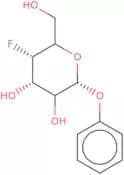
Formula:C20H35NO15Purezza:Min. 90 Area-%Colore e forma:PowderPeso molecolare:529.49 g/molPhenyl 4-deoxy-4-fluoro-α-D-glucopyranoside
Phenyl 4-deoxy-4-fluoro-a-D-glucopyranoside is a custom synthesis that can be modified with fluorination, methylation, monosaccharide and oligosaccharide. It has CAS No. and is a polysaccharide. Phenyl 4-deoxy-4-fluoro-a-D-glucopyranoside is a sugar that is glycosylated and complexed with carbohydrates.
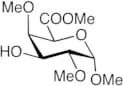
Formula:C12H15FO5Purezza:Min. 95%Colore e forma:White to off-white solid.Peso molecolare:258.24 g/molMethyl(methyl 2,4-di-O-methyl-α-D-galactopyranoside)uronate
CAS:A uronic acid analogue of galactose
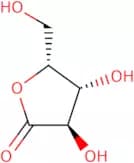
Formula:C10H18O7Purezza:Min. 95%Colore e forma:PowderPeso molecolare:250.25 g/molD-Xylonic-1,4-lactone
CAS:D-Xylonic acid-1,4-lactone is a substrate that participates in the synthesis of glyceric acid. It has been shown to be a synthetic substrate for benzyl groups and leukemia HL-60 cells. D-Xylonic acid-1,4-lactone can react with chloride ions to form D-xylose. The product of this reaction is an epimerization reaction that occurs when the hydroxyl group on the carbon atom adjacent to the carbonyl group (C1) reacts with a proton from water to form a double bond at C2. This conversion produces xylonic acid and lactone.
Formula:C5H8O5Purezza:Min. 97 Area-%Colore e forma:White PowderPeso molecolare:148.11 g/mol2-Azido-2-deoxy-3,5-O-benzylidene-D-xylono-1,4-lactone
2-Azido-2-deoxy-3,5-O-benzylidene-D-xylono-1,4-lactone is a synthetic sugar that is used in the synthesis of glycosylation, methylation and click modification reactions. It has been shown to be a potential precursor for polysaccharides and fluorinated saccharides. This product can be custom synthesized and is available at high purity.
Purezza:Min. 95%4-Aminophenyl β-D-glucuronide
CAS:4-Aminophenyl b-D-glucuronide sodium is a glycosylation reagent used in the synthesis of complex carbohydrates, polysaccharides and oligosaccharides.
Formula:C12H15NO7Purezza:Min. 95%Peso molecolare:285.25 g/mol(2R, 3S, 4S, 5S) - 2-Methyl- 3, 4, 5- piperidinetriol
CAS:D-Methylated pentaerythritol has been synthesized for the first time. The synthesis of D-methylated pentaerythritol was achieved via a modified version of the Click reaction, which is a three-component coupling reaction that involves an electrophilic carbonyl compound, an azide and a nucleophile. This product is suitable for use in the synthesis of oligosaccharides and polysaccharides. It can be used as a raw material for modification or as a sugar in the synthesis of complex carbohydrates, such as saccharides or carbohydrates.
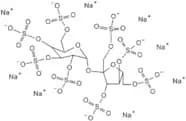
Formula:C6H13NO3Purezza:Min. 95%Peso molecolare:147.17 g/molSucrose octasulfate sodium salt
CAS:This compound is generally known as sucralfates and are medications primarily taken to treat active duodenal ulcers. They are also used for the treatment of gastroesophageal reflux disease (GERD) and stress ulcers. Sucralfate is a sucrose sulfate-aluminium complex that binds to the ulcer, creating a physical barrier that protects the gastrointestinal tract from stomach acid and prevents the degradation of mucus. It also promotes bicarbonate production and acts like an acid buffer with cytoprotective properties.
Formula:C12H14Na8O35S8Purezza:Min. 98 Area-%Colore e forma:White PowderPeso molecolare:1,158.66 g/mol5,6-O-Isopropylidene-D-mannofurano-1,4-lactone
5,6-O-Isopropylidene-D-mannofurano-1,4-lactone (5,6-OI) is a synthetic monosaccharide that is used in the synthesis of oligosaccharides and complex carbohydrates. This compound can be fluorinated to 5,6-OI(F) and methylated to 5,6-OMe. It also has a glycosylation site at C2. The CAS number for this compound is 218070-07-5.
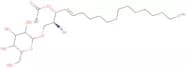
Purezza:Min. 95%b-D-Galactosylceramide
CAS:Inducer of cytochine and chemochine production in blood cells
Purezza:Min. 95%2-Azido-2-deoxy-2-C-methyl-3,5-di-O-tert.butyldimethylsilyl-D-ribono-1.4-lactone
2-Azido-2-deoxy-2-C-methyl-3,5-di-O-tert.butyldimethylsilyl-D-ribono-1.4-lactone is a custom synthesis that has been modified with a click chemistry reaction and fluorination. It is an oligosaccharide and polysaccharide, which are carbohydrates that contain multiple saccharides. This product also contains high purity, which means it's of the highest grade available on the market. The modification of this product is done through the use of a monosaccharide or sugar, which can be synthesized in the laboratory.
Purezza:Min. 95%(+)-syringaresinol-4,4'-bis-O-b-D-glucopyranoside
(+)-syringaresinol-4,4'-bis-O-b-D-glucopyranoside is a synthetic compound that is fluorinated with (2,2,2-trifluoroethyl)trimethylsilane. It is a sugar molecule that is an oligosaccharide. This compound has been synthesized from syringic acid and (+)-syringaresinol by glycosylation and methylation. It is insoluble in water and has a melting point of 129°C. The CAS number for this compound is 73987-07-8.
Purezza:Min. 95%L-Glycero-L-galacto-heptose
CAS:L-Glycero-L-galacto-heptose is a cyclitol that is structurally similar to glycerol and galactose. It has been found in the Australian sea urchin Strongylocentrotus franciscanus. L-Glycero-L-galacto-heptose can be synthesized by reacting methyl glycosides with calcium ions. This reaction produces an electrophoretic mobility that is greater than that of glycerol, which may be due to the greater degree of hydrogen bonding between methyl glycosides and calcium ions. The presence of hydroxyl groups on the sugar residue allows for the formation of hydrogen bonds with neighboring molecules. These interactions lead to a conformation that is different from other cyclitols, such as D-glycero-D-galactopyranose, which has no hydroxyl group on its sugar residue.
Formula:C7H14O7Purezza:Min. 95%Peso molecolare:210.2 g/mol1-Epi-adenophorine
1-Epi-adenophorine is a synthetic molecule that can inhibit the activity of enzymes. It is an epoxide that forms from the 1,2-epoxidation of cinnamic acid and has been shown to have many effects on various enzymes, including inhibiting enzyme activities. This drug has been used in the synthesis of miglustat, a macrocyclic molecule that inhibits a number of enzymes involved in protein folding and cell proliferation. 1-Epi-adenophorine is also effective as a cancer therapeutic agent by inhibiting glycosidases and cellular glycosylation.
Purezza:Min. 95%Hydroxyethyl cellulose - Viscosity 2400 to 2800(1% aqueous solution)
CAS:Water thickener; rheological control additive; has industrial appplications
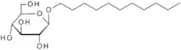
Purezza:Min. 95%Undecyl b-D-glucopyranoside
CAS:Undecyl b-D-glucopyranoside is a potentiometer that can be used in fields such as modification and implementation. This compound has been shown to be stable and efficient, with a result that is implemented.
Formula:C17H34O6Purezza:Min. 95%Colore e forma:White to off-white solid.Peso molecolare:334.45 g/molD-Quinovosamine hydrochloride
CAS:Quinovosamine hydrochloride (QNH) is a fatty acid that belongs to the group of galacturonic acid. It has been shown to be biologically active in wild-type strains and in some bacterial strains, including Pseudomonas aeruginosa. QNH has also been used for preparation of monoclonal antibodies directed against receptor activity, which are activated by QNH.
Formula:C6H13NO4·HClPurezza:Min. 95%Colore e forma:PowderPeso molecolare:199.63 g/mol5-Deoxy-L-arabonic acid 1,4-lactone
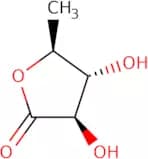
CAS:5-Deoxy-L-arabonic acid 1,4-lactone is a phytochemical present in the flowers of some plants. It has been shown to have anti-cancer properties in lung cancer cells by inhibiting the growth of these cells. 5-Deoxy-L-arabonic acid 1,4-lactone inhibits cell division and induces apoptosis by binding to DNA, preventing replication. This compound also inhibits the production of prostaglandins that promote inflammation, which may be related to its anti-cancer effects. 5-Deoxy-L-arabonic acid 1,4-lactone has been shown to inhibit the production of phenolic compounds such as vanillic acid and apigenin in lung cancer cell lines. These compounds have been shown to have chemopreventive activities against various cancers including breast cancer and colon cancer.
Formula:C5H8O4Purezza:Min. 95%Colore e forma:PowderPeso molecolare:132.12 g/mol1,2-a-1,2-a-L-Rhamnotriose
1,2-a-1,2-a-L-Rhamnotriose is a carbohydrate that can be modified to suit your needs. It has a CAS number of 57749-83-5. This oligosaccharide is a sugar made up of two monosaccharides joined by an alpha 1,2 glycosidic bond. The product can be custom synthesized and its purity is high. It can be fluorinated or methylated and it can also be glycosylated. Click modification is also possible with this product.
Formula:C18H32O13Purezza:Min. 95%Colore e forma:White PowderPeso molecolare:456.44 g/mol1,2:3,4:5,6-Tri-O-isopropylidene-D-gluconate
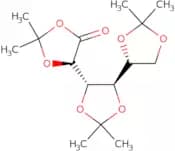
CAS:1,2:3,4:5,6-Tri-O-isopropylidene-D-gluconate is a chain sugar that is extracted from plant sources. It is a product of the methylenation of D-glucose and can be converted to D-mannitol. The reaction mixture yields dimethyl 2,3,4,5,6-tetra-O-methylene erythritol phosphate (DMEP) and diphosphate 1,2:3,4:5,6-tri-O-isopropylidene erythritol (DITEP). The DMEP can be hydrolyzed to form DME and phosphorylated to form DMPP. The crystal structure of this compound has been determined. In the elimination pathway for this compound, the gluconate group is eliminated as carbon dioxide and water with the release of energy in the form of heat. This
Formula:C15H24O7Purezza:Min. 95%Peso molecolare:316.35 g/mol1,3,4,6-Tetra-O-acetyl-N-propanoyl-D-mannosamine
CAS:1,3,4,6-Tetra-O-acetyl-N-propanoyl-D-mannosamine is a sugar that is used for the synthesis of novel glycosides. It is prepared by the methylation of D-mannose with acetic anhydride in the presence of sodium methoxide. This reaction can also be carried out on a variety of other sugars and carbohydrates, such as D-galactose, D-xylose, or L-arabinose. 1,3,4,6-Tetra-O-acetyl-N-propanoyl-D-mannosamine has been shown to react with 4-(pyridinium)butanoic acid to produce 4-(pyridinium)butanal (1), which reacts with glycine to produce 1-(pyridinium)butanediamide (2). The carbonyl group in 2 can
Formula:C17H25NO10Purezza:Min. 95%Peso molecolare:403.38 g/molRef: 3D-MT162101
Prodotto fuori produzioneNeoagaro oligosaccharides
Potential prebiotic oligosaccharides made from agar by enzymatic hydrolysis
Purezza:Min. 95%Raloxifene-4'-D-glucuronide D4 lithium salt
Prodotto controllatoRaloxifene-4'-D-glucuronide D4 lithium salt is a synthetic glycosylate drug, which belongs to the group of anti-estrogens. Raloxifene-4'-D-glucuronide D4 lithium salt is used for the treatment of postmenopausal osteoporosis and prevention of osteoporotic fractures in women with intact uterus. It has been shown to inhibit bone resorption, increase bone mineral density and reduce the incidence of vertebral fractures in postmenopausal women. Raloxifene-4'-D-glucuronide D4 lithium salt can be synthesized using a click chemistry reaction which involves the addition of an azide to an alkyne followed by copper catalysis and subsequent reduction with sodium borohydride. Synthesis of this compound can be achieved without any purification steps due to its high purity.
Formula:C34H30NO10SD4·LiPurezza:Min. 95%Peso molecolare:659.66 g/molN-Boc-1,5-imino-1,5-dideoxy-D-glucitol
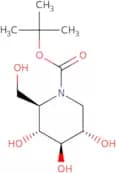
CAS:N-Boc-1,5-imino-1,5-dideoxy-D-glucitol is a custom synthesis product that is synthesized by methylation and click chemistry. The chemical name of N-Boc-1,5-imino-1,5-dideoxyglucitol is 1,5-(N′-(tertiary butyloxycarbonyl)-L-serine)-1,5-dideoxyglucitol. It has a CAS number of 1305391207 and molecular weight of 478.18 g/mol. It is a modified carbohydrate with the molecular formula C14H27NO8 and molecular weight of 478.18 g/mol. It has an Oligosaccharide with the molecular formula C14H27NO8 and molecular weight of 478.18 g/mol. It has a Polysaccharide with the molecular formula C14H27NO8 andFormula:C11H21NO6Purezza:Min. 95%Colore e forma:Beige solid.Peso molecolare:263.29 g/molGlobo-H hexaose
CAS:Cancer-associated carbohydrate antigen
Formula:C38H65NO30Purezza:Min. 90%Colore e forma:White PowderPeso molecolare:1,015.91 g/molRef: 3D-OG10692
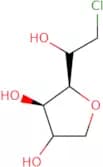
Prodotto fuori produzione1,4-Anhydro-6-chloro-6-deoxy-D-glucitol
1,4-Anhydro-6-chloro-6-deoxy-D-glucitol is a complex carbohydrate that has been fluorinated and modified with methyl groups. It can be custom synthesized to produce high purity compounds. 1,4-Anhydro-6-chloro-6-deoxy-D-glucitol is used in synthesis of saccharides and oligosaccharides. The compound has been modified with Click chemistry to produce glycosylation products. It can also be used as an intermediate for the synthesis of sugar derivatives.
1,4-Anhydro-6-chloro-6-deoxy--D--glucitol has the following chemical structure:Formula:C6H11ClO4Purezza:Min. 95%Peso molecolare:182.61 g/molD-Cellopentaose
CAS:Cellotriose is a bifunctional sugar that can be chemically converted to cellobiose and D-cellopentaose. Cellotriose is a component of cellulose, which is the most abundant biopolymer on Earth. Cellotriose is a source of chitin, which is a major component of the exoskeleton of insects and crustaceans. The molecule has been observed using atomic force microscopy to have an amphiphilic nature, in that it has both hydrophobic and hydrophilic regions. Cellotriose has been synthesized in the laboratory for use as an artificial sweetener, but it does not taste as good as sucrose because it lacks the sweetness profile. When heated, cellotriose undergoes a color change from yellow to blue-green due to its ability to form hydrogen bonds with oxygen molecules. This property can be used as a colorimetric test for cellulase activity in solutions.
Formula:C30H52O26Purezza:Min. 95%Colore e forma:White Off-White PowderPeso molecolare:828.72 g/molDi-O-isopropylidene psicose
Di-O-isopropylidene psicose is a synthetic sugar that is a modification of the natural compound, psicose. It can be used for the synthesis of oligosaccharides, polysaccharides and other complex carbohydrates. Di-O-isopropylidene psicose can be methylated and glycosylated to form other sugar derivatives or fluorinated to form fluoroquinolones. This sugar has been shown to have high purity and stability under a wide range of conditions.
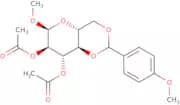
Purezza:Min. 95%Methyl 2,3-di-O-acetyl-4,6-O-(4-methoxybenzylidene)-a-D-glucopyranoside
CAS:Methyl 2,3-di-O-acetyl-4,6-O-(4-methoxybenzylidene)-a-D-glucopyranoside is a synthetic saccharide that has been modified with methylation and fluorination. It is an oligosaccharide derived from glucose that can be obtained through the custom synthesis of a polysaccharide. This product has CAS No. 52526-77-9 and is available in high purity. It can be used for the modification of monosaccharides or other carbohydrates.
Formula:C19H24O9Purezza:Min. 95%Peso molecolare:396.4 g/mol2,5-Anhydro- 3- deoxy-D- ribo- hexonic acid
2,5-Anhydro-3-deoxy-D-ribohexonic acid is a fluorinated monosaccharide. It is synthesized by the modification of 2,5-anhydro-3-deoxyglucose with N-(2'-fluoroethyl)trimethoxysilane (FETS). This synthetic compound can be used as a glycosylation or polysaccharide building block in the synthesis of complex carbohydrates. The FETS modification allows for the introduction of various functional groups on C1 and C2 while maintaining the high purity.
Purezza:Min. 95%6-a-D-Maltotriosyl-maltotriose
CAS:Derived from pullulan using pullulanase
Formula:C36H62O31Purezza:Min. 95%Colore e forma:PowderPeso molecolare:990.86 g/mol1-Deoxy-L-allitol
CAS:1-Deoxy-L-allitol is a naturally occurring compound found in human urine. It has been shown to have a role in the regulation of glucose metabolism, as it is catalysed by liver enzymes and can affect the synthesis of glycogen. 1-Deoxy-L-allitol also has been found to be an activator of t-cells, which are immune cells that help regulate the body's response to infection.
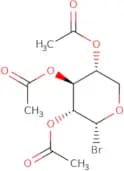
Formula:C6H14O5Purezza:Min. 95%Peso molecolare:166.17 g/mola-Acetobromo-D-xylose
CAS:a-Acetobromo-D-xylose is an oligosaccharide sugar used in glycosylation and polysaccharide modifications. It is synthesized by the fluorination of xylose with acetic acid, bromine, and a base. The product is purified by vacuum distillation and recrystallization. In addition to its use as a carbohydrate, this product can be modified using methylation or click chemistry to create derivatives.
Formula:C11H15BrO7Purezza:Min. 95%Peso molecolare:339.14 g/mol(2R, 3R) -3- [(3aR, 4R, 6aS) - 2, 2- Diethyltetrahydro- 5- (phenylmethyl) - 4H- 1, 3- dioxolo[4, 5- c] pyrrol- 4- yl] - 3- [[(1, 1- dimethylethyl) dimethylsilyl] oxy] - 1, 2- propanediol
(2R, 3R) -3- [(3aR, 4R, 6aS) - 2, 2- Diethyltetrahydro- 5- (phenylmethyl) - 4H- 1, 3- dioxolo[4, 5- c] pyrrol- 4- yl] - 3-[(1, 1-dimethylethyl) dimethylsilyl]oxy]-1, 2- propanediol is a synthetic carbohydrate that is used as a building block for saccharide synthesis. It can be modified with Click chemistry to introduce reactive groups on its molecules. This compound has been shown to react with oligosaccharides and polysaccharides by glycosylation and methylation reactions. The high purity of this product makes it suitable for use in pharmaceuticals and other chemical applications.
Purezza:Min. 95%2-Deoxy-D-ribose
CAS:Used in synthetic organic chemistry and natural product synthesis. Induces apoptosis by inhibiting the synthesis and increasing the efflux of glutathione. It is used for synthesis of optically active dipyrrolyl alkanols from pyrroles on the surface of montmorillonite KSF clay.
Formula:C5H10O4Purezza:Min. 99.0 Area-%Peso molecolare:134.13 g/molα-D-Cellobiose octaacetate
CAS:Fully acetylated cellohexoses, part of a polymer homologous series of oligosaccharides isolated from cellulose by acetolysis followed by chromatography.
Formula:C28H38O19Purezza:Min. 98 Area-%Peso molecolare:678.60 g/molArabinoxylan
CAS:Arabinoxylans consist of α-L-arabinofuranose residues attached as branch-points to β-(1,4)-linked D-xylopyranose main chains. These may be 2- or 3-substituted or 2- and 3- di-substituted. The arabinose residues may also be linked to other groups attached such as glucuronic acid residues, ferulic acid cross links and acetyl groups. Arabinoxylans generally consist of between 1500 - 5000 residues.
Purezza:Min. 95%Colore e forma:PowderPolysucrose 400
CAS:Water-soluble, nontoxic, enzyme-resistant polymer for biological applications
Colore e forma:White PowderPeso molecolare:400.0Galacturonan DP3 sodium salt
Sodium Trigalacturonate (α-1,4 sodium galacturonotriose) is derived from pectin or pectic acid, by enzymatic or partial acid hydrolysis (Combo, 2012). It is used inâ¯galacturonic acidâ¯metabolism research as a substrate to identify, differentiate, and characterize endo- and exopolygalacturonase(s), and gluconase(s) (Jayani, 2005). The addition of very short fragments of homogalacturonan, tri-galacturonate, and tetra-galacturonate oligosaccharides, restore development in dark-grown, de-etiolated seedling mutants, suggesting that they are unable to generate de-methylesterified pectin fragments. A model of spatiotemporally separated photoreceptive and signal-responsive cell types has been proposed, that contains overlapping subsets of the regulatory network of light-dependent seedling development (Sinclair, 2017).
Purezza:Min. 75 Area-%Colore e forma:PowderRef: 3D-OG46560
Prodotto fuori produzioneD-Galactose-1-phosphate disodium
CAS:D-Galactose-1-phosphate disodium is an organic compound that is used as a methylation and glycosylation reagent. It can be used in the synthesis of oligosaccharides, polysaccharides, and other complex carbohydrates. D-Galactose-1-phosphate disodium is a fluorinated saccharide that can be custom synthesized to order. It is also available in high purity and has CAS No. 147072-63-7.Formula:C6H13O9P•(Na)2Purezza:(31P-Nmr) Min. 98%Colore e forma:PowderPeso molecolare:304.1 g/mol2,5-Anhydro-D-mannitol
CAS:2,5-Anhydro-D-mannitol is a glucose analogue that is metabolized by the body to produce energy. It has been shown to inhibit the proliferation of HL-60 cells in vitro, and also inhibits glucose uptake and utilization in liver cells. 2,5-Anhydro-D-mannitol has been shown to have a direct effect on cellular metabolism and ATP levels. This molecule interacts with cell surface glycoproteins and nitrous oxide (NO) through hydrogen bonding interactions. 2,5-Anhydro-D-mannitol also appears to regulate peptide hormone production in the liver. The hydroxyl group on this molecule is responsible for its redox potential. In addition, 2,5-Anhydro-D-mannitol can induce cell lysis by interfering with protein synthesis due to its enzyme activities.
Formula:C6H12O5Purezza:Min. 98 Area-%Colore e forma:PowderPeso molecolare:164.16 g/mol


![1-Deoxy- 6- O- tert.butyl dimethylsilyl]- 3, 4- O- isopropylidene-D- Psicofuranose](/_next/image/?url=https%3A%2Fstatic.cymitquimica.com%2Fproducts%2F3D%2Fthumb-webp%2FMD170320.webp&w=3840&q=75)



![2-[(1E)-2-[6-(β-D-Galactopyranosyloxy)-2,3-dihydro-1H-xanthen-4-yl]ethenyl]-3,3-dimethyl-1-propyl-…](/_next/image/?url=https%3A%2Fstatic.cymitquimica.com%2Fproducts%2F3D%2Fthumb-webp%2FMG183953.webp&w=3840&q=75)





![(2R,3S,4S,5R,6S)-3,4,5-Trihydroxy-2-hydroxymethyl-7,9-diaza-1-oxa-spiro[4,5]decane-10-one-8-thione](/_next/image/?url=https%3A%2Fstatic.cymitquimica.com%2Fproducts%2F3D%2Fthumb-webp%2FMT01649.webp&w=3840&q=75)