Glicoscienza
La glicosienza è lo studio dei carboidrati e dei loro derivati, nonché delle interazioni e delle funzioni biologiche a cui partecipano. Questo campo di ricerca è cruciale per comprendere una vasta gamma di processi biologici, tra cui il riconoscimento cellulare, la segnalazione, la risposta immunitaria e lo sviluppo delle malattie. La glicosienza ha importanti applicazioni nella biotecnologia, nella medicina e nello sviluppo di nuovi farmaci e terapie. Presso CymitQuimica, offriamo un'ampia selezione di prodotti di alta qualità e purezza per la ricerca in glicosienza. Il nostro catalogo comprende monosaccaridi, oligosaccaridi, polisaccaridi, glicoconiugati e reagenti specifici, progettati per supportare i ricercatori nei loro studi sulla struttura, funzione e applicazioni dei carboidrati nei sistemi biologici. Queste risorse sono destinate a facilitare scoperte scientifiche e applicazioni pratiche in vari ambiti delle bioscienze e della medicina.
Sottocategorie di "Glicoscienza"
- Amminozucchero(108 prodotti)
- Glico-anticorpi(282 prodotti)
- Glicolipidi(46 prodotti)
- Glicosaminoglicani (GAGs)(55 prodotti)
- Glicosidi(419 prodotti)
- Monosaccaridi(6.624 prodotti)
- Oligosaccaridi(3.682 prodotti)
- Polisaccaridi(503 prodotti)
Trovati 11046 prodotti di "Glicoscienza"
Ordinare per
Purezza (%)
0
100
|
0
|
50
|
90
|
95
|
100
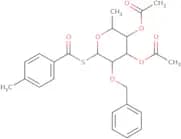
4-Toluoyl 3,4-di-O-acetyl-2-O-benzyl-a-L-thiofucopyranoside
CAS:<p>4-Toluoyl 3,4-di-O-acetyl-2-O-benzyl-a-L-thiofucopyranoside is a custom synthesis that has been modified with fluorination and methylation. It is a monosaccharide with a CAS No. 1632312-32-3. 4Toluoyl 3,4 di O acetyl 2 O benzyl A L thiofucopyranoside is an oligosaccharide and polysaccharide. The Carbohydrate complex has been glycosylated and saccharified with the addition of a sugar or carbohydrate to form glycoproteins or glycopeptides.</p>Purezza:Min. 95%1,2-Dideoxy-5-O-DMT-D-ribose
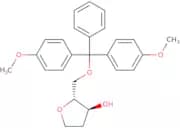
CAS:<p>1,2-Dideoxy-5-O-DMT-D-ribose is a methylation inhibitor that inhibits the transfer of a methyl group from S-adenosylmethionine to a substrate. This modification can be found in many biological systems, including DNA and RNA. It is also used as an intermediate in the synthesis of other compounds such as oligosaccharides and polysaccharides. 1,2-Dideoxy-5-O-DMT-D-ribose has been shown to inhibit the growth of bacteria by inhibiting bacterial cell wall synthesis. It is believed to work by binding to glycosidic bonds in bacterial cell walls, preventing the formation of new bonds and therefore inhibiting cell wall biosynthesis.<br>1,2 - Dideoxy - 5 - O - DMT - D - ribose can be used for fluorination reactions with various types of compounds, including sugars and other complex carbohydrates.</p>Formula:C26H28O5Purezza:Min. 97 Area-%Colore e forma:White PowderPeso molecolare:420.5 g/mola1-3[a1-6]a1-6[a1-3]Mannopentaose
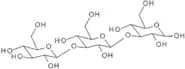
CAS:<p>Found in glycoproteins including ovalbumin and human immunoglobulin M</p>Formula:C30H52O26Purezza:Min. 95 Area-%Colore e forma:White PowderPeso molecolare:828.72 g/molChitotriose trihydrochloride
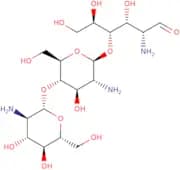
CAS:<p>Chitotriose trihydrochloride is a modification of chitin, an oligosaccharide. Chitotriose trihydrochloride is a synthetic carbohydrate which is used as a raw material for the production of fibers, films, and adhesives. It can be used in the synthesis of complex carbohydrates such as starch and glycogen. Chitotriose trihydrochloride is a high purity carbohydrate with CAS No. 41708-93-4 that can be used to produce glycosylated proteins or polysaccharides.</p>Formula:C18H35N3O13·3HClPurezza:Min. 95 Area-%Colore e forma:PowderPeso molecolare:610.87 g/mol4-Aminophenyl-α-D-glucopyranoside
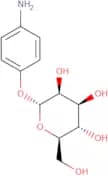
CAS:4-Aminophenyl-alpha-D-glucopyranoside is a natural product that has been found to be an antigen. The compound has been shown to have anticancer activity, which may be due to its ability to inhibit the growth of cells and induce apoptosis. 4-Aminophenyl-alpha-D-glucopyranoside also possesses magnetic properties. The chemical structure of this compound is characterized by an acrylate group, which is a small organic molecule with two carbon atoms and one oxygen atom. This compound is synthesized in a preparative manner using methoxy, ethyl bromoacetate, and mesitylene in the presence of irradiation. NMR spectroscopy can be used for the characterization of this compound as well as other compounds with similar structures that are catalytic in nature.Formula:C12H17NO6Purezza:Min. 98.0 Area-%Peso molecolare:271.27 g/molLaminaritriose
CAS:<p>Ex algal/bacterial polysaccharides-value in b1-3 glucanase assays & diagnostics</p>Formula:C18H32O16Purezza:Min. 97 Area-%Colore e forma:White PowderPeso molecolare:504.44 g/molSialylglycopeptide
CAS:<p>Starting material for semi-synthesis of N-glycans</p>Formula:C112H189N15O70Purezza:(Hplc) Min. 95%Colore e forma:White PowderPeso molecolare:2,865.76 g/molGala1-3Galb1-4Glc
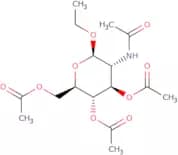
CAS:<p>Galacto-oligosaccharides (GOS) are a class of oligosaccharides that consist of galactose, galactose derivatives, and glucose. They are found in the human diet as a result of lactose breakdown by gut bacteria. GOS can bind to glycoconjugates in the human body, such as glycoproteins and glycolipids, and have been shown to be effective in preventing the growth of pathogens. Galacto-oligosaccharides are also synthetically produced, using a chromatographic method that separates them into individual sugars, where they can be used for research or diagnostic purposes. The biosynthesis of GOS is also known; it is an enzyme-catalyzed reaction involving calcium ions. This process is regulated by Ca2+ signaling, which leads to an increase in the production of GOS when there is a need for more immune cells or white blood cells.</p>Formula:C18H32O16Purezza:Min. 90 Area-%Colore e forma:White PowderPeso molecolare:504.44 g/molEthyl 2-acetamido-3,4,6-tri-O-acetyl-2-deoxy-β-D-glucopyranoside
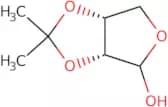
CAS:Ethyl 2-acetamido-3,4,6-tri-O-acetyl-2-deoxy-b-D-glucopyranoside is a compound with a molecular mass of 536.35 Da. It is an inhibitor of the enzyme catalase and has been shown to bind to monoclonal antibodies that are specific for human vascular endothelial growth factor (VEGF). This inhibition prevents the binding of VEGF to its receptor, which blocks the activation of the VEGF pathway. Ethyl 2-acetamido-3,4,6-tri-O-acetyl-2-deoxy--b D glucopyranoside has also been shown to inhibit HIV replication in vitro.Formula:C16H25NO9Purezza:Min. 95%Colore e forma:White To Off-White SolidPeso molecolare:375.37 g/mol2,3-O-Isopropylidene-D-erythrofuranose
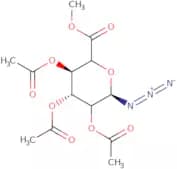
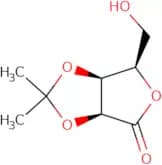
CAS:<p>2,3-O-Isopropylidene-D-erythrofuranose is a synthetic anticancer agent that inhibits the synthesis of proteins. It binds to the sulfhydryl group of cysteine, which is an amino acid that is essential for protein synthesis. 2,3-O-Isopropylidene-D-erythrofuranose has been shown to be potent in inhibiting cancer cells and has been used in the treatment of leukemia and other cancers. This drug can also be used as a means of treating lysosomal storage diseases such as Gaucher's disease. Its anticancer activity may be due to its ability to inhibit glutamate dehydrogenase and glutathione reductase enzymes, which are required for the synthesis of glutathione, an important antioxidant enzyme.<br>2,3-O-Isopropylidene-D-erythrofuranose has been synthesised from l -tartaric</p>Formula:C7H12O4Purezza:Min. 95%Peso molecolare:160.17 g/molMethyl 2,3,4-tri-O-acetyl-b-D-galactopyranuronosyl azide
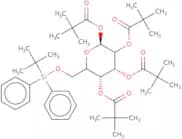
<p>This is a custom synthesis of a carbohydrate. It is a methylated, glycosylated, fluorinated, complex carbohydrate that can be synthesized to any desired degree of substitution. This product has been designed for use as a fluorescent tag or label in biochemistry and cell biology research. It is modified at the anomeric position with an acetyl group and an azide group. The acetyl group confers solubility in water, while the azide group confers fluorescence. The modifications also allow for click chemistry reactions, which are used in protein labeling and activation studies.</p>Formula:C13H17N3O9Purezza:Min. 95%Colore e forma:PowderPeso molecolare:359.29 g/mol1,2,3,4-Tetra-O-pivaloyl-6-O-(tert-butyldiphenylsilyl)-b-D-glucopyranose
<p>1,2,3,4-Tetra-O-pivaloyl-6-O-(tert-butyldiphenylsilyl)-b-D-glucopyranose is a custom synthesis of an oligosaccharide with a polysaccharide. The carbohydrate is modified with fluorination and methylation. This product has high purity and is synthesized using click chemistry. Monosaccharides are attached to the sugar backbone in order to form complex carbohydrates. This product can be used as a synthetic sugar or in the production of other oligosaccharides.</p>Formula:C42H62O10SiPurezza:Min. 95%Peso molecolare:755.04 g/mol3,4-O-Isopropylidene-D-mannitol
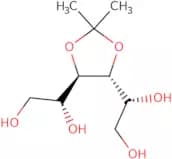
CAS:3,4-O-Isopropylidene-D-mannitol (IPM) is a d-mannitol that has been synthesized by an acid-catalyzed condensation reaction. It is a highly reactive compound with acidic properties and, as such, can be used as a buffer in acid environments. The product of this synthesis was also found to have anticancer activity in vitro, which may be due to its ability to induce apoptosis and inhibit cell proliferation. IPM possesses a hydroxyl group at the 3 position of the molecule and a hydrophilic nature. This makes it suitable for surface-enhanced Raman spectroscopy (SERS) studies and other detection methods.Formula:C9H18O6Purezza:Min. 95%Colore e forma:White Off-White PowderPeso molecolare:222.24 g/mol4, 6- O- [(R) - Phenylmethylene] -a- D-glucopyranose
CAS:<p>4,6-O- (R)- Phenylmethylene -a- D-glucopyranose is a modification of the sugar glycoside glucose. This compound is synthesized from glucose by methylation and fluorination. The synthesis process begins with the addition of sodium borohydride to a solution of glucose in methanol. The next step involves the treatment of this mixture with phenylmagnesium bromide followed by phenylmethylene bromine. The final step involves heating the reaction mixture at reflux for 10 hours. 4,6-O- (R)- Phenylmethylene -a- D-glucopyranose is extremely pure and offers a wide range of applications in the fields of biochemistry, medicinal chemistry, and polymer science.</p>Formula:C13H16O6Purezza:Min. 95%Peso molecolare:268.26 g/mol6-Sialylgalacto-N-biosyl-serine
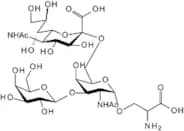
<p>6-Sialylgalacto-N-biosyl-serine is a custom synthesis product that has been fluorinated and modified. The material is an Oligosaccharide, Polysaccharide, saccharide, Carbohydrate, Fluorination, complex carbohydrate with a CAS number of 60919-07-2. It is highly pure with a purity of > 98% by HPLC analysis. The modification on the sugar molecule includes Click chemistry and Methylation. The monosaccharide sugar is the saccharide part of the molecule.</p>Formula:C28H47N3O21Purezza:Min. 95%Colore e forma:White/Off-White SolidPeso molecolare:761.68 g/mol3'-N-Glycolylneuraminyl-D-lactose sodium salt
<p>3'-N-Glycolylneuraminyl-D-lactose sodium salt is a carbohydrate that has been modified by the addition of glycosylation, methylation and fluorination. It belongs to the group of complex carbohydrates and is a monosaccharide. 3'-N-Glycolylneuraminyl-D-lactose sodium salt can be used for the synthesis of oligosaccharides and polysaccharides, such as cellulose, chitin and glycogen. This product is high purity, custom synthesis and synthetic.</p>Purezza:Min. 95%6-O-(a-D-Mannopyranosyl)-D-mannose
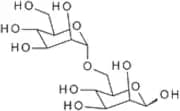
CAS:Produced by the reverse hydrolysis of a mannose substrate. Isolated from the partial hydrolysates of bakers' yeast (Saccharomyces cerevisiae) mannan. This disaccharide also forms the sugar portion of the phospholipid, phosphatidylinositodimannoside, of Mycobacterium tuberculosis.Formula:C12H22O11Purezza:Min. 95%Colore e forma:White PowderPeso molecolare:342.3 g/molD-Glucal
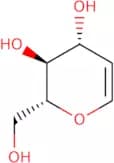
CAS:<p>D-Glucal is a protonated d-glucal, which is a simple sugar. It reacts with the electron acceptor oxygen to form an oxidized product. This product can be reduced back to the original molecule by using a reducing agent, such as sodium borohydride or sodium dithionite. D-Glucal has been shown to inhibit the growth of tumor cells in mice that are resistant to other anticancer drugs. D-Glucal inhibits transcription and replication of DNA by binding to the DNA-dependent RNA polymerase and blocking its ability to transcribe messenger RNA (mRNA). The enzyme is also inhibited by glycosidic bond architectures that prevent it from binding to the DNA template strand. D-Glucal also has an effect on protein synthesis because it binds to proteins and prevents them from performing their normal functions.<br>D-Glucal has been used as a model system for studying cellular processes in mammalian cells, such as oxidation</p>Formula:C6H10O4Purezza:Min. 98 Area-%Colore e forma:White Off-White PowderPeso molecolare:146.14 g/mol2,5-Di-O-acetyl-3-C-methyl-D-lyxono-1,4-lactone
<p>2,5-Di-O-acetyl-3-C-methyl-D-lyxono-1,4-lactone is a hydrogen bonded lactone. The crystal structure of the compound has been determined by X-ray crystallography and found to be a hydrogen bonded dimer with two molecules of water located between the two monomers. This compound is also known as 3,6,9,12,15,18,21 hexaoxahexacontane 1,4-lactone or DAL.</p>Formula:C10H14O7Purezza:Min. 95%Peso molecolare:246.21 g/molMethyl 6-O-tert-butyldimethylsilyl-2,3-O-isopropylidene-α-D-lyxo-hexopyranosid-4-ulose
<p>Methyl 6-O-tert-butyldimethylsilyl-2,3-O-isopropylidene-alpha-D-lyxo-hexopyranosid-4-ulose is a fluorinated sugar that can be used for the synthesis of oligosaccharides and carbohydrates. This sugar has been custom synthesized and has been modified with methylation and click chemistry. The CAS number for this product is 93558-18-7.</p>Purezza:Min. 95%2,3,5-Tri-O-benzyl-β-D-arabinofuranose
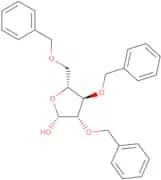
CAS:2,3,5-Tri-O-benzyl-b-D-arabinofuranose is a stereoselective analog that inhibits human maltase glucoamylase and acetylation. It is also a potent nucleophile that reacts with the hydroxyl group of dimethyl fumarate to form an acetal linkage. This compound is used in the stereoselective synthesis of oligosaccharides and carbohydrates.Formula:C26H28O5Purezza:Min. 99 Area-%Colore e forma:White PowderPeso molecolare:420.5 g/molEthyl 2-O-benzyl-b-D-thioglucopyranoside
<p>Ethyl 2-O-benzyl-b-D-thioglucopyranoside is a custom synthesis product. It is an oligosaccharide that contains a saccharide monomer unit with a carbohydrate chain containing between 3 and 10 monomer units. This product has been modified to include fluorine atoms, which confers resistance to degradation by enzymes. The product has been synthesized from ethyl 2-O-benzyl-b-D-thioglucopyranoside and 2,4,5,6-tetrafluoroethanol in the presence of sodium methoxide in methanol at 120 °C for 24 hours.</p>Purezza:Min. 95%3-Azido-3-deoxy-1,2:5,6-di-O-isopropylidene-α-D-allofuranose
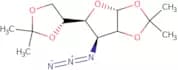
CAS:3-Azido-3-deoxy-1,2:5,6-di-O-isopropylidene-a-D-allofuranose is a custom synthesis. It is a polysaccharide that consists of repeating units of an alpha-(1->4) linked D-glucopyranose residue with a terminal alpha-(1->6) linked allose residue. 3-Azido-3-deoxy-1,2:5,6-di-O-isopropylidene--a--D--allofuranose has been modified by fluorination and methylation. It can be used in the synthesis of oligosaccharides or saccharides with different chemical structures and biological activities.Formula:C12H19N3O5Purezza:Min. 95%Peso molecolare:285.3 g/molD-Glucose - anhydrous
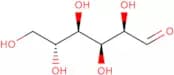
CAS:<p>D-Glucose is a monosaccharide that is used as an energy source. D-glucose is transported across the cell membrane by a sodium-dependent transporter. It has been shown to have antibacterial activity against Escherichia coli and staphylococcus in rat liver microsomes, as well as an inhibiting effect on the growth of squamous carcinoma cells in rats. D-glucose has also been shown to have hypoglycemic effects in diabetic rats, which may be due to its ability to stimulate insulin release from the pancreas.</p>Formula:C6H12O6Peso molecolare:180.16 g/molBlood Group H type I trisaccharide
CAS:<p>Core antigen fragment in ABO blood group system</p>Formula:C20H35NO15Purezza:Min. 90%Colore e forma:PowderPeso molecolare:529.49 g/mol4-Aminophenyl a-D-mannopyranoside
CAS:<p>4-Aminophenyl a-D-mannopyranoside is a compound that has been shown to have anti-inflammatory properties. It is also used as a starting material in the synthesis of other drugs. Rats with chronic kidney disease were given 4-aminophenyl a-D-mannopyranoside daily for three weeks, and it was found that this compound prevented the development of kidney injury markers. This drug has also been shown to be effective against mouse strains with nervous system diseases. 4-Aminophenyl a-D-mannopyranoside binds to lysine residues on proteins and prevents the interactions between these residues and the amino acid glutathione, which is required for glut1 uptake in brain cells. This uptake is essential for cellular function, and therefore 4-aminophenyl a-D-mannopyranoside may be useful as chemotherapeutic treatment for brain cancer.</p>Formula:C12H17NO6Purezza:Min. 95%Colore e forma:Off-White PowderPeso molecolare:271.27 g/mol5-O-tert-Butyldimethylsilyl-1-chloro-2,3-O-isopropylidene-b-D-ribofuranose
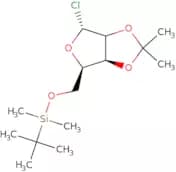
CAS:5-O-tert-Butyldimethylsilyl-1-chloro-2,3-O-isopropylidene-b-D-ribofuranose is a synthetic saccharide that can be used as a custom synthesis. It is an intermediate for the synthesis of glycosides and has been shown to be useful for the methylation of saccharides. This product is also known as 5,5'-dithiobis(2,4,6 trimethylphenyl) disulfide.Formula:C14H27ClO4SiPurezza:Min. 95%Peso molecolare:322.9 g/molCyclohexyl b-D-glucopyranoside
<p>Cyclohexyl b-D-glucopyranoside is a synthetic sugar that is modified with fluorine. Cyclohexyl b-D-glucopyranoside can be custom synthesized to meet your specific needs. This product has a high purity and is methylated and glycosylated. Cyclohexyl b-D-glucopyranoside's CAS number is 113488-25-8.</p>Purezza:Min. 95%3-Deoxy-3,3-difluoro-1,2-O-Di-O-isopropylidene-a-D-glucofuranose
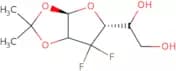
3-Deoxy-3,3-difluoro-1,2-O-Di-O-isopropylidene-a-D-glucofuranose is an alpha, beta unsaturated carbonyl sugar. It can be used as a building block to synthesize oligosaccharides or glycosylations. It has been shown that 3DG reacts with the amino group of proteins and peptides leading to the formation of methylated sugars. This compound can also be used to modify saccharides such as by converting them into click or substitution derivatives. 3DG is readily available in high purity and is stable under a variety of conditions.Formula:C9H14F2O5Purezza:Min. 95%Peso molecolare:240.2 g/mol1,2,3,4,5-Penta-O-acetyl-β-D-fructose
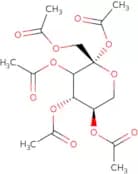
CAS:<p>1,2,3,4,5-Penta-O-acetyl-β-D-fructose is a synthetic oligosaccharide that is modified with fluorine to produce a variety of products. This product is used in the synthesis of complex carbohydrates and has been shown to have high purity. It is used for methylation reactions and can be found in saccharides and polysaccharides. The CAS number for this compound is 20764-61-8.</p>Formula:C16H22O11Purezza:Min. 95%Colore e forma:White PowderPeso molecolare:390.34 g/mol3-Aminopropyl α-D-glucopyranoside
CAS:<p>3-Aminopropyl α-D-glucopyranoside is a monomer that can be used to produce polymers. It has been shown to be effective in methylation, saccharide and oligosaccharide modifications. 3-Aminopropyl α-D-glucopyranoside is an alpha glucosidase inhibitor. The compound also inhibits the action of other enzymes, such as glycosidases, which are responsible for breaking down glycogen and starch. 3-Aminopropyl α-D-glucopyranoside is a white powder with a melting point of about 150°C and boiling point of about 300°C.</p>Formula:C9H19NO6Purezza:Min. 95%Colore e forma:PowderPeso molecolare:237.35 g/mol4-Methylphenyl 2,3,4,6-tetra-O-acetyl-β-D-thioglucopyranoside
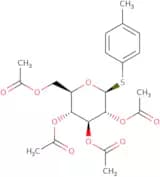
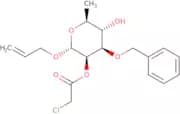
CAS:<p>4-Methylphenyl 2,3,4,6-tetra-O-acetyl-b-D-thioglucopyranoside is an antibiotic that is used to treat infections caused by a wide range of pathogens. This drug is active against Gram-negative and Gram-positive bacteria, including some resistant strains. 4MPTGA inhibits the growth of bacteria by binding to their ribosomes and preventing protein synthesis. It has been shown to have antimicrobial activity against E. coli and other Enterobacteriaceae species as well as other Gram negative bacteria such as Salmonella typhi and Proteus mirabilis. 4MPTGA has also been shown to be effective against the common animal health pathogen Staphylococcus aureus</p>Formula:C21H26O9SPurezza:Min. 95%Colore e forma:White PowderPeso molecolare:454.49 g/molAllyl 3-O-benzyl-2-O-chloroacetyl-a-L-rhamnopyranoside
CAS:<p>Allyl 3-O-benzyl-2-O-chloroacetyl-a-L-rhamnopyranoside is a carbohydrate that belongs to the group of modified saccharides. It is a synthetic monosaccharide that can be used in the synthesis of complex carbohydrates and oligosaccharides. The fluorination at C1 position gives this compound high water solubility and improved stability. CAS No. 943307-50-4, Custom synthesis, High purity, Methylation, Glycosylation, Click modification.</p>Formula:C18H23ClO6Purezza:Min. 95%Peso molecolare:370.83 g/molD-ido-Heptono-1,4-lactone
<p>D-ido-Heptono-1,4-lactone is a glycosylation product of heptose with d-ido-D-glucofuranose and is a synthetic sugar. It has an Oligosaccharide, sugar, Synthetic, Fluorination, Custom synthesis, Methylation, Monosaccharide, Polysaccharide, saccharide Click modification. It has CAS No., Modification.</p>Purezza:Min. 95%2-O-(2-Acetamido-2-deoxy-β-D-glucopyranosyl)-D-mannopyranose
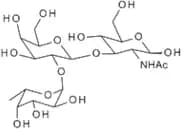
CAS:<p>2-O-(2-Acetamido-2-deoxy-b-D-glucopyranosyl)-D-mannopyranose is a disaccharide that contains two acetamides. It has a glycosidic bond and is classified as a glycoside. This compound has the same sequence of residues as D-mannose, but one less carbon atom. The acetamides form an ester linkage to the 2’ and 3’ hydroxyl groups on the sugar moiety.</p>Formula:C14H25NO11Purezza:Min. 95%Colore e forma:PowderPeso molecolare:383.35 g/molLS-tetrasaccharide c ammonium salt
CAS:Sialylated tetrasaccharide found in human milk, possible health benefits for the neonate by supporting resistance to pathogens, gut maturation, immune function, and cognitive development.Formula:C37H62N2O29•NH3Purezza:Min. 95 Area-%Colore e forma:White PowderPeso molecolare:1,015.88 g/molL-Xylonic acid-1,4-lactone
CAS:<p>L-Xylonic acid-1,4-lactone is an enzyme that functions as a glycolytic enzyme. It catalyzes the conversion of D-xylose to L-xylonic acid and L-xylonic acid-1,4-lactone. This enzyme is expressed in leukemia HL60 cells and is activated by acidic conditions. L-Xylonic acid-1,4-lactone has been shown to be catabolized by the enzyme xylanase. The kinetic properties of this reaction have been studied using mass spectrometric techniques and biochemical methods. The rate of the reaction was found to be dependent on the presence of divalent cations (Mg2+ or Ca2+) or monovalent ions (Na+ or K+). L-Xylonic acid 1,4 lactone also catabolizes glucose with a similar rate constant.</p>Formula:C5H8O5Purezza:Min. 95 Area-%Colore e forma:White PowderPeso molecolare:148.11 g/mol2-C-Azidomethyl-2,3-O-isopropylidene-L-erythrono-1,4-lactone
<p>2-C-Azidomethyl-2,3-O-isopropylidene-L-erythrono-1,4-lactone is a glycosylation agent that can be used in the synthesis of saccharide and oligosaccharide. It has been shown to react with various carbohydrates by methylation, click modification, and fluorination. 2CAS is also able to modify polysaccharides. This compound is synthesized from erythronolide B and azidomethane, which are both commercially available compounds. The high purity of this product makes it ideal for use in industries such as pharmaceuticals and biotechnology.</p>Purezza:Min. 95%6'-Sialylgalactose sodium salt
CAS:<p>Sialylated oligosaccharide with the ability to inhibit angiogenesis and tumour development by binding to the vascular endothelial growth factor receptor VEGFR-2. Moreover, sialylated N-glycans in intestinal epithelium of chickens were found to carry terminal sialylgalactose, which interacts with influenza viruses during early stages of infection.</p>Formula:C17H28NO14·NaPurezza:Min. 95%Colore e forma:PowderPeso molecolare:493.39 g/mol2a,3b,19a-trihydroxyurs-12-en-28-oic acid 28-b-D-glucopyranosyl ester
<p>2a,3b,19a-trihydroxyurs-12-en-28-oic acid 28-b-D-glucopyranosyl ester is a glycosylated complex carbohydrate that can be methylated, fluorinated, or custom synthesized. It is typically used as an intermediate in the synthesis of polysaccharides, saccharides and oligosaccharides.</p>Purezza:Min. 95%4-Aminophenyl 2-O-(a-D-mannopyranosyl)-a-D-mannopyranoside
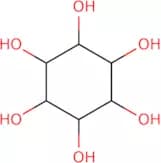
<p>4-Aminophenyl 2-O-(a-D-mannopyranosyl)-a-D-mannopyranoside is a fluorinated mannoside that is modified with methyl and glycosyl groups. It is used as a fluorescent probe for the detection of saccharides in organic solvents. The molecular weight of this compound is 687.</p>Purezza:Min. 95%cis-Inositol
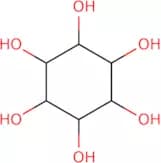
CAS:<p>Inositol is a member of the B-vitamin family and is classified as a sugar alcohol. It has a structural similarity to glucose and can be synthesized by plants, bacteria, and mammals. Inositol is found in high concentrations in the brain and liver. Inositol has been shown to inhibit guanine nucleotide-binding proteins (G proteins) and ryanodine receptor channels in HL-60 cells. It also inhibits cancer cell proliferation and suppresses ovarian activity. Inositol appears to work by binding to the inositol-1,4,5-trisphosphate receptor on the surface of cells, thereby inhibiting intracellular calcium release from its storage site within the endoplasmic reticulum. The effects of inositol are mediated by dinucleotide phosphate or p-nitrophenyl phosphate.</p>Formula:C6H12O6Purezza:Min. 90 Area-%Colore e forma:PowderPeso molecolare:180.16 g/mol2,3-O-Isopropylidene-D-lyxonic acid-1,4-lactone
CAS:2,3-O-Isopropylidene-D-lyxonic acid-1,4-lactone (2,3-OIPDL) is a fluorinated polysaccharide that is synthesized from glycosylation of 1,4-lactone with 2,3-O-isopropylidene D-lyxonic acid. This compound has been shown to have high purity and is used in the modification of carbohydrates.Formula:C8H12O5Purezza:Min. 98 Area-%Colore e forma:White Off-White PowderPeso molecolare:188.18 g/molN-Acetylneuraminic acid dimer 1-O-propylamine
<p>N-Acetylneuraminic acid dimer 1-O-propylamine is a synthetic N-acetylneuraminic acid (NANA) derivative that has been modified with an alkyl amine. This modification prevents the formation of NANA oligosaccharides and is used in the synthesis of complex carbohydrates. It is also used as a fluorinated building block for various saccharides, including monosaccharides, disaccharides, and polysaccharides. The purity of this product is greater than 99%.</p>Purezza:Min. 95%5-Deoxy-L-arabinose
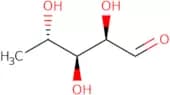
CAS:<p>5-Deoxy-L-arabinose is a tetramethylurea derivative that has been synthesized for the treatment of hyperphenylalaninemia, an atypical form of phenylketonuria. It is an analog of 5-deoxy-l-ribose and can be used to generate molybdate from ammonium molybdate. This product also has antiviral activity and can be used to inhibit the growth of filamentous fungi, such as Verticillium dahliae. 5-Deoxy-L-arabinose can be used as a phase separator in chromatography. It is stereoselective and does not react with acid catalysts.</p>Formula:C5H10O4Purezza:Min. 95%Colore e forma:Slightly Yellow Clear Viscous LiquidPeso molecolare:134.13 g/mol1,2,3,4,6-Penta-O-pivaloyl-α-D-glucopyranoside
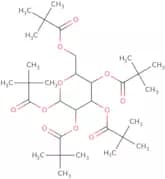
CAS:<p>1,2,3,4,6-Penta-O-pivaloyl-a-D-glucopyranoside is a synthetic carbohydrate that has been fluorinated and methylated. This product is a modification of the natural compound D-glucose. It is an oligosaccharide which contains six pivaloyl groups attached to the 1-, 2-, 3-, 4-, 6-, and 7-positions on the glucose molecule. This product can be used in the synthesis of polysaccharides and glycosylations.</p>Formula:C31H52O11Purezza:Min. 95%Peso molecolare:600.75 g/mol1,3-O-Benzylidene-4-O-trityl-D-threitol
CAS:<p>1,3-O-Benzylidene-4-O-trityl-D-threitol is a carbohydrate that is modified with fluorine and contains a trityl group. It is used as a reagent in oligosaccharide synthesis, sugar modification, and glycosylation reactions. The compound can be custom synthesized to meet the desired specifications, such as high purity and low cost. The compound can also be methylated or glycosylated for custom synthesis.</p>Formula:C30H28O4Purezza:Min. 95%Peso molecolare:452.54 g/mol4-Chloro-4-deoxy-D-galactitol
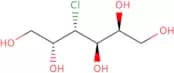
<p>4-Chloro-4-deoxygalactitol is a modified sugar. It is used in the synthesis of saccharides and oligosaccharides. This compound can be used to modify the glycosylation of proteins and polysaccharides. The 4-chloro group can be fluorinated, methylated, or click modified. The 4-deoxy group can also be modified to create 3,6-dideoxy-4-chloro-, 3,6-diiodo-, or 3,6-dimethoxy derivatives. This compound is known by CAS number 1877-19-0 and has a molecular weight of 270.06 g/mol with a melting point of 201 °C (410 °F).</p>Formula:C6H13ClO5Purezza:Min. 95%Peso molecolare:200.62 g/molN-Butyldeoxynojirimycin hydrochloride
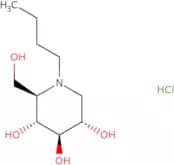
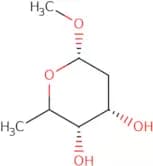
CAS:<p>Competitive inhibitor of ceramide-glycosyltransferase used for substrate reduction therapy in lysosomal storage disorders. It inhibits glucosylceramide synthase, which catalyses the initial step in glycosphingolipid biosynthetic pathway. This compound delays the onset of symptoms in type 1 Gaucher disease, Sandhoff disease and Tay-Sachs disease. It also reduces brain abnormalities in mucolipidosis type IV.</p>Formula:C10H21NO4•HClPurezza:Min. 95%Colore e forma:PowderPeso molecolare:255.74 g/molMethyl 2,6-dideoxy-a-D-glucopyranoside
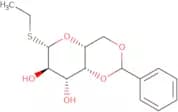
<p>Methyl 2,6-dideoxy-a-D-glucopyranoside is a custom synthesis of an oligosaccharide that is modified with fluorination. It is a saccharide, or carbohydrate, that has been methylated and glycosylated. The modification of this complex carbohydrate has been achieved through the use of the Click reaction. This product has been purified to high purity and is ready for use in research and development.</p>Formula:C7H14O4Purezza:Min. 95%Peso molecolare:162.18 g/molEthyl 4,6-O-benzylidene-β-D-thiogalactopyranoside
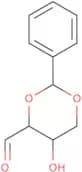
CAS:<p>Ethyl 4,6-O-benzylidene-b-D-thiogalactopyranoside is a synthetically produced carbohydrate typically used as a building block in oligo-saccharide synthesis.</p>Formula:C15H20O5SPurezza:Min. 95%Colore e forma:PowderPeso molecolare:312.39 g/mol2,4-O-Benzylidene-D-Threose
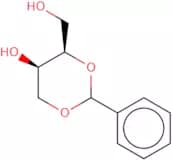
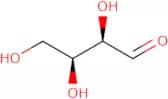
CAS:<p>2,4-O-Benzylidene-D-Threose is a chemical compound that is used as a reagent in the synthesis of glycosphingolipids. It is prepared by the Wittig reaction of 2,4-dibromobenzaldehyde with potassium azide and phytosphingosine. The compound has also been used as a tool in biological studies to study the biosynthesis of glycosphingolipids. This product can react with carbinols to produce acetylides or diphosphate esters. 2,4-O-Benzylidene-D-Threose can be used as a reagent for the synthesis of methylmagnesium chloride, which is a Grignard reagent.</p>Purezza:Min. 95%L-Threose - aqueous solution
CAS:<p>L-Threose is a sugar molecule that is used as a structural component of DNA and RNA. It is also an important part of the energy metabolism in cells. L-Threose can be enzymatically inactivated by glycosidases, which are enzymes that hydrolyze glycosidic bonds. The inhibition of glycosidases by L-threose may be useful for the prevention or treatment of diseases associated with enzyme activity, such as diabetes mellitus type II. L-Threose has been shown to have inhibitory properties against sephadex G-100, a membrane protein found in bacteria. L-Threose may be useful as a control agent for research into the response element of polymerase chain reaction (PCR).</p>Formula:C4H8O4Purezza:Min. 60 Area-%Colore e forma:Clear LiquidPeso molecolare:120.1 g/mol2-Keto-L-gulonic acid hydrate
CAS:<p>2-Keto-L-gluonic acid hydrate, also called 2-oxo-gulonic acid hydrate, L-xylo-2-hexulosonic acid hydrate (2-KLG) and D-sorbosonic acid hydrate, is an important intermediate in the synthesis of L-ascorbic acid (vitamin C) and can be produced by modified E. herbicola.</p>Formula:C6H10O7•(H2O)xPurezza:Min. 95%Colore e forma:PowderPeso molecolare:194.14 g/mol6-O-Malonylgenistin, free acid
CAS:<p>Genistin is an isoflavone found in soybeans and other plants. It has antioxidative properties, which may be due to its ability to scavenge free radicals. Genistin also has protein-binding activity, and it can inhibit the growth of certain insects by binding to their DNA. Genistin can also bind to a number of enzymes and affect their activities, including amylase, chymotrypsin, trypsin, and lipase. It is also involved in energy metabolism and protein synthesis. The physiological effects of genistin are not well understood but may be related to its ability to act as a phytoestrogen or mimic estrogen.</p>Formula:C24H22O13Purezza:Min. 95%Colore e forma:Slightly Brown PowderPeso molecolare:518.42 g/molHyaluronic acid sodium salt - Low molecular weight 40,000 - 50,000
CAS:Gycosaminoglycan in many organs; joint lubricant and shock absorberFormula:(C14H20NO11Na)nPurezza:Min. 90 Area-%Colore e forma:Powder3-O-Acetyl-4-O-methyl-D-glucuronic acid
<p>3-O-Acetyl-4-O-methyl-D-glucuronic acid is a custom synthesis that is used in the preparation of oligosaccharides and polysaccharides. It has been modified by fluorination, which increases its stability. 3-O-Acetyl-4-O-methylglucuronic acid can be used to synthesize saccharides and carbohydrates as well as to modify monosaccharides and sugars. This product is available at high purity with a CAS number.</p>Formula:C9H14O8Purezza:Min. 95%Colore e forma:White SolidPeso molecolare:250.2 g/molN-Acetyl-D-[1,2,3-¹³C3]neuraminic acid
CAS:<p>N-Acetyl-D-[1,2,3-¹³C3]neuraminic acid is a modification of the natural sugar N-acetylneuraminic acid. It can be synthesized by reacting 1,2,3-¹³C3]cytidine with sodium hydroxide and acetic anhydride in methanol. It is a carbohydrate that can be found in many plants and animals. This compound has been shown to inhibit glycosylation and methylation reactions. N-Acetyl-D-[1,2,3-¹³C3]neuraminic acid is also a monosaccharide that belongs to the group of sugars. Due to its high purity and availability, this substance can be used as a substitute for sialic acid in research experiments.</p>Formula:C3C8H19NO9Purezza:Min. 95%Colore e forma:PowderPeso molecolare:312.25 g/molD-Cellobial
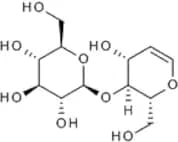
CAS:<p>This compound has been used in the study of cellulase kinetics</p>Formula:C12H20O9Purezza:Min. 95%Colore e forma:PowderPeso molecolare:308.28 g/mol4-O-(a-D-Galactopyranosyl)-D-glucopyranose
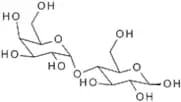
CAS:<p>Disaccharide is a carbohydrate with two simple sugars. It is soluble in water and has a density of 1.621 g/ml. Disaccharides are found in the tissues of many plants and animals, where they can be hydrolyzed by various enzymes to release monosaccharides. Disaccharides are also found in certain types of lichen and algae, where they are produced through photosynthesis. The most common disaccharides are sucrose, lactose, maltose, trehalose, and cellobiose. The simplest type of disaccharide is called a monosaccharide or sugar molecule. Monosaccarides have the same chemical formula but different physical forms that depend on their molecular mass (i.e., they may be a solid or liquid). Disaccharides can be classified as either sulfuric or organic solvent-soluble depending on whether they dissolve in sulfuric acid or an organic solvent such as ethanol or</p>Formula:C12H22O11Purezza:Min. 95%Colore e forma:PowderPeso molecolare:342.3 g/mol3'-Sialyllactose-sp-biotin
CAS:<p>3'-Sialyllactose-sp-biotin is a monosaccharide that is modified with fluorine. It has been used in the synthesis of glycosylated proteins and peptides. 3'-Sialyllactose-sp-biotin is also used to modify glycoproteins, which are proteins that contain carbohydrate chains. The modification with fluorine makes this product ideal for use in the synthesis of glycosylated proteins and peptides.</p>Formula:C42H71N5O22SPurezza:Min. 95%Colore e forma:White Off-White PowderPeso molecolare:1,030.1 g/mol2,3,4,6-Tetra-O-acetyl-D-mannopyranose
CAS:<p>2,3,4,6-Tetra-O-acetyl-D-mannopyranose is a glycosylated polysaccharide. It is a complex carbohydrate with a methylated D-mannopyranose backbone and an acetylated 2,3,4,6-tetraose sidechain. This product can be fluorinated or saccharified to make it more reactive for click chemistry. 2,3,4,6-Tetra-O-acetyl-D-mannopyranose has been custom synthesized in a high purity form that is suitable for use in various applications including polymeric materials and pharmaceuticals.</p>Formula:C14H20O10Purezza:Min. 95%Peso molecolare:348.3 g/mol1-Deoxytagatose
<p>1-Deoxytagatose is a fluorescent ketone that can be used as a chemical probe for the detection of protein synthesis. The fluorescence properties of 1-deoxytagatose are well suited for use as a marker in fluorometric assays and it has been used to measure ketone bodies in urine. The mechanism of 1-deoxytagatose is not fully understood, but it has been found to react with phosphate groups and form a phosphoric acid derivative.</p>Purezza:Min. 95%4-O-(β-D-Mannopyranosyl)-D-mannose
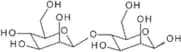
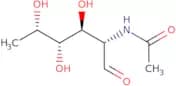
CAS:<p>One of the disaccharides produced during the acid reversion of D-mannose. This mannobiose is the major repeating unit in the mannose chains of plant mannans, galacto- and gluco-mannans. It has been isolated from partial acid hydrolysates of ivory-nut (Phytelephas, macrocarpa) mannan, guaran (Cyamopsis sp.), palmyra palm (Borassus flabelliferer), fenugreek (Trigonella foenum-graecum) and lucerne (Medicago saliva) galactomannans.</p>Formula:C12H22O11Purezza:Min. 95%Colore e forma:White PowderPeso molecolare:342.3 g/mol2-Acetamido-2,6-dideoxy-L-galactose
CAS:<p>2-Acetamido-2,6-dideoxy-L-galactose (ADG) is a sugar that belongs to the group of monosaccharides. It is produced by the enzyme synthase and is found in bacteria such as type strain S. mutans and P. aeruginosa. ADG has been shown to be an inhibitor of cell lysis and can be used for the treatment of staphylococcus infections. In addition, it has shown to have anti-inflammatory properties due to its ability to inhibit hydrogen fluoride induced inflammation in mice.</p>Formula:C8H15NO5Purezza:Min. 98 Area-%Colore e forma:PowderPeso molecolare:205.21 g/mol4-O-Methyl-D-glucose
CAS:4-O-Methyl-D-glucose is an acidic sugar that is found in the cell walls of plants. It has been shown to have structural studies on plant cells, with ion-exchange and ester linkages. 4-O-Methyl-D-glucose is metabolized by microorganisms, including bacteria, fungi, and yeast. This sugar can be oxidized to form acid or oligosaccharides as well as oxidation products such as methylglyoxal. 4-O-Methyl-D-glucose is also used in the synthesis of mucopolysaccharides which make up the connective tissue of tumor cells. This sugar can be synthesized from D-mannose by a diazonium salt reaction followed by oxidation with sodium hypochlorite. The hydroxyl group on this sugar can be acetylated to form acetylated 4-O methyl glucose.Formula:C7H14O6Purezza:Min. 95%Colore e forma:White PowderPeso molecolare:194.18 g/molCerebroside sulfate
CAS:<p>Myelin component; opioid receptor</p>Formula:C42H80NNaO11SPurezza:Min. 95%Colore e forma:White PowderPeso molecolare:830.14 g/molD-Glucose - anhydrous
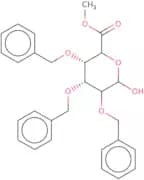
CAS:Glucose (Glu) is the most common carbohydrate on the planet, found in all living organisms and is the major source of metabolic energy for plants and animals. Glucose is a building block in numerous oligosaccharides and polysaccharides. It is present in blood and milk, in gangliosides and in N- and O-linked glycans (Collins, 2006). Glucose is wrongly called a simple sugar because in solution it exists in five forms: two six membered rings (α/β), two five membered rings (α/β) and a straight chain form, a system known as mutarotation (Robyt, 2012). The proportions of different glucose forms are dictated by temperature and pH. D-Glucose is optically active (dextrorotary) and L-Glucose is its enantiomer (Levorotary). Its hydroxyl groups are all equatorial, providing maximum stability, according to Hudsons rules (Hudson, 1948).Formula:C6H12O6Purezza:Min. 96 Area-%Colore e forma:White PowderPeso molecolare:180.16 g/mol2,3,4-Tri-O-benzyl-D-glucuronide methyl ester
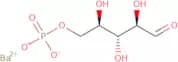
2,3,4-Tri-O-benzyl-D-glucuronide methyl ester is an organic compound that is structurally classified as a saccharide. It can be used as an intermediate in the synthesis of oligosaccharides and glycosylated proteins. This product has been modified with Click chemistry, which is a method for modifying chemical structures with a simple reaction between two groups. The modification is stable in acidic conditions and can be removed by treatment with base. 2,3,4-Tri-O-benzyl-D-glucuronide methyl ester also contains fluorine atoms that have been introduced during the synthetic process.Formula:C28H30O7Purezza:Min. 95%Colore e forma:White PowderPeso molecolare:478.53 g/molD-Ribose-5-phosphate barium salt hexahydrate
CAS:D-Ribose-5-phosphate barium salt hexahydrate is a Modification, Oligosaccharide, Carbohydrate, complex carbohydrate. It is a Custom synthesis, Synthetic, High purity, Monosaccharide, Methylation, Glycosylation and Polysaccharide. D-Ribose-5-phosphate barium salt hexahydrate has CAS No. 15673-79-7 and Fluorination. It is an saccharide sugar.Formula:C5H9BaO8P·6H2OPurezza:Min. 95%Colore e forma:White PowderPeso molecolare:473.51 g/molRutinose
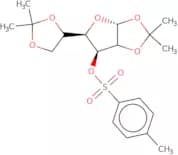
CAS:<p>Rutinose is a naturally occurring polyphenol found in many plants, including the leaves and bark of rue plants. It is a glycoside derivative that has been shown to inhibit human colorectal adenocarcinoma cells (HL-60) by binding to DNA and inhibiting RNA synthesis. Rutinose also has been shown to have anti-inflammatory effects and has been used in the treatment of metabolic disorders such as diabetes mellitus. Rutinose is a bioactive compound with antioxidant properties that may be related to its ability to bind metal ions, including calcium ions at physiological pH levels. Rutinose also has been shown to have a signal peptide sequence that targets it for secretion into the blood stream, where it may act on brain functions.</p>Formula:C12H22O10Purezza:Min. 90%Colore e forma:White PowderPeso molecolare:326.3 g/mol1,2:5,6-Di-O-isopropylidene-3-O-p-toluenesulfonyl-α-D-allofuranose
CAS:<p>1,2:5,6-Di-O-isopropylidene-3-O-p-toluenesulfonyl-a-D-allofuranose is a synthetic carbohydrate with a 5 carbon backbone. The methylation of the C1 and C2 carbon atoms is required to obtain this compound. It is used in the synthesis of complex carbohydrates. This product can be custom synthesized on request and has a purity of 99%.</p>Formula:C19H26O8SPurezza:Min. 95%Colore e forma:White To Off-White SolidPeso molecolare:414.47 g/mol1,2,3,4-Tetra-O-benzoyl-6-O-tert-butyldiphenylsilyl-b-D-glucopyranose
1,2,3,4-Tetra-O-benzoyl-6-O-tert-butyldiphenylsilyl-b-D-glucopyranose is a synthetic sugar that is used as an intermediate in the synthesis of a variety of saccharides. It is prepared by the benzoylation of glucose with 1,2,3,4 tetra O benzoyl chloride in the presence of tert butyldiphenylsilyl chloride. The product is then treated with hydrochloric acid to form the corresponding methyl ester. This compound has been shown to have high purity and excellent solubility in organic solvents.Formula:C50H46O10SiPurezza:Min. 95%Peso molecolare:835 g/molGD3-Ganglioside sodium
CAS:<p>GD3 (shown as sodium salt) has a core disaccharide structure (Galβ1,4Glc) with two sialic acids linked α2,3/α2,8 to the non-reducing galactose residue and ceramide linked β to position 1 on the reducing terminal glucose residue (Ledeen, 2009). GD3 is a minor ganglioside in most normal tissues but plays a crucial role in the development of the brain; it is significantly reduced in adults. However, expression of GD3 is increased in pathological conditions, such as, cancers and neurodegenerative disorders (Malisan, 2002). GD3 was the first cancer-associated ganglioside discovered that promotes adhesion and invasion of cancers. GD3 and GD2 are highly expressed in a various malignant tumours and have become potential targets for next-generation cancer therapy (Liu, 2018).</p>Formula:C70H125N3O29·xNaPurezza:One SpotColore e forma:White/Off-White SolidPeso molecolare:1,472.74 g/mol2-O-Benzyl-D-mannose
<p>2-O-Benzyl-D-mannose is a monosaccharide that is glycosylated with glucose in the 2-position. It is also known as benzylmannoside and can be methylated at the C6 position or fluorinated at the C2 position. It has been shown to be synthetically modified with benzaldehyde, nitrobenzene, or thioacetamide. The CAS number for this compound is 51179-25-4.</p>Purezza:Min. 95%1,2,3,4-Tetra-O-acetyl-6-O-(tert-butyldimethylsilyl)-b-D-glucopyranose
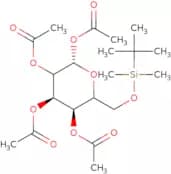
CAS:1,2,3,4-Tetra-O-acetyl-6-O-(tert-butyldimethylsilyl)-b-D-glucopyranose is a custom synthesis of an Oligosaccharide. It is a complex carbohydrate that has been modified with Methylation and Glycosylation. Carbohydrate Click chemistry has been used to modify the sugar molecule with Fluorination. This product is manufactured in high purity and can be used for pharmaceutical purposes.Formula:C20H34O10SiPurezza:Min. 95%Peso molecolare:462.57 g/mol2,4,7,8,9-Pentaacetyl-N- [(2- propyn- 1- yloxy) carbonyl] - b- neuraminic acid methyl ester
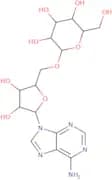
CAS:2,4,7,8,9-Pentaacetyl-N-[(2-propen-1-yloxy)carbonyl]-b-neuraminic acid methyl ester is a Glycosylation reagent that is used in the synthesis of oligosaccharide and polysaccharide. The product can be modified to produce Click modifications and complex carbohydrates. It has been shown to have high purity and can be custom synthesized.Formula:C24H31NO15Purezza:Min. 95%Peso molecolare:573.5 g/molAdenosine-5'-b-D-galactopyranoside
CAS:<p>Adenosine-5'-b-D-galactopyranoside is a complex carbohydrate, which is a glycoconjugate consisting of an adenosine molecule linked to the sugar galactose by an alpha (1→4) glycosidic linkage. It is a methylated, fluorinated, and saccharide-modified analogue of adenosine monophosphate. Adenosine-5'-b-D-galactopyranoside is also known as 5'-Deoxyadenosine 5'-b-D-galactopyranoside or 3',5'-Diadenylic acid 5'-b-D-galactopyranoside. The compound can be custom synthesized in high purity with the desired modifications.</p>Purezza:Min. 95%Methyl 2,3,4-tri-O-methyl-α-D-glucopyranoside
CAS:<p>Methyl 2,3,4-tri-O-methyl-α-D-glucopyranoside is a synthetic monosaccharide that has been fluorinated with bromine. The synthetic process for this compound is click chemistry, which involves the use of copper and a chiral ligand. Methyl 2,3,4-tri-O-methyl-α-D-glucopyranoside is an example of a carbohydrate modification. It is also an oligosaccharide that contains three monosaccharides.<br>Methyl 2,3,4-tri-O-methyl-α-D-glucopyranoside can be used in glycosylation or methylation reactions due to its high purity and custom synthesis. This compound can also be used as an Oligosaccharide due to its saccharide composition.</p>Formula:C10H20O6Purezza:Min. 95%Colore e forma:PowderPeso molecolare:236.26 g/mol3,6-Di-O-acetyl-γ-cyclodextrin
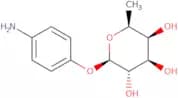
This gamma-cyclodextrin (γ-CD) derivative is a modified cyclic oligosaccharide composed of eight glucose units, featuring a larger cavity size than α- and β-cyclodextrins. This structural characteristic allows γ-CDs to form inclusion complexes with a wider range of guest molecules, making it particularly versatile in various industries. In the food sector, it is used as a carrier and stabilizer for flavors, fat-soluble vitamins, and polyunsaturated fatty acids, protecting volatile compounds from evaporation. In pharmaceuticals, it enhances the solubility and bioavailability of poorly water-soluble drugs and, thanks to its larger ring size, allows for the encapsulation of larger molecules or even entire drug molecules. γ-CDs and derivatives are also used for environmental remediation and, in analytical chemistry, for the extraction and concentration of target substances.Formula:C80H112O56Purezza:Min. 95%Peso molecolare:1,969.71 g/mol4-Aminophenyl b-L-fucopyranoside
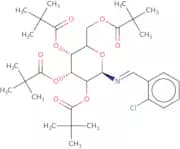
CAS:<p>4-Aminophenyl b-L-fucopyranoside is a synthetic, fluorinated carbohydrate with the CAS number 69936-58-9. It can be used in the synthesis of glycosides and oligosaccharides. This product is available for custom synthesis and modification.</p>Formula:C12H17NO5Purezza:Min. 97 Area-%Colore e forma:White Beige PowderPeso molecolare:255.27 g/molN-(2-Chlorobenzyliden)imino-2,3,4,6-tetra-O-pivaloyl-D-glucopyranoside
<p>N-(2-Chlorobenzyliden)imino-2,3,4,6-tetra-O-pivaloyl-D-glucopyranoside is an oligosaccharide that is synthesized by the reaction of benzaldehyde with 2,3,4,6-tetra-O-pivaloyl D-glucopyranose. This compound has been modified to include a fluorine atom at the 6 position of the glucose ring. N-(2-Chlorobenzyliden)imino-2,3,4,6-tetra-O-pivaloyl-D-glucopyranoside can be used as a synthetic sugar in glycosylation reactions and Click chemistry.</p>Formula:C33H48ClNO9Purezza:Min. 95%Peso molecolare:638.19 g/mol4-Methoxyphenyl 2,4,6-tri-O-benzoyl-a-D-mannopyranoside
<p>4-Methoxyphenyl 2,4,6-tri-O-benzoyl-a-D-mannopyranoside is a glycosylation product of mannose with 4-methoxybenzoic acid. It is a complex carbohydrate that has been modified by methylation and click modification. The fluorination increases the reactivity of the hydroxyl groups on the sugar ring. This product can be synthesized in high purity and custom synthesis.</p>Formula:C34H30O10Purezza:Min. 95%Peso molecolare:598.6 g/molmuco-Inositol
CAS:<p>Muco-Inositol is a compound that is involved in the metabolism of glucose, lipid and protein. It can be synthesized from myo-inositol and plays an important role in the synthesis of phosphatidylinositols. Muco-Inositol has been shown to inhibit enzyme activities in a wild type strain of E. coli. This inhibition may be due to its ability to bind to the active site of these enzymes, thereby inhibiting their activity. Muco-Inositol also inhibits the growth of ovarian cancer cells, as well as myo-inositol levels in maternal blood.</p>Formula:C6H12O6Purezza:Min. 95%Colore e forma:PowderPeso molecolare:180.16 g/molKojipentaose
CAS:<p>Kojipentaose is a glycosidic oligosaccharide that is synthesized by the enzyme phosphorylase. It is an important nutrient for many organisms, including bacteria and fungi. Kojipentaose has been found to be synthesized from the terminal sugars of teichoic acids in both Gram-positive and Gram-negative bacteria. The stereoselectivity of the synthesis may be due to enzymatic activity or the availability of chiral substrates.</p>Formula:C30H52O26Purezza:Min. 95%Peso molecolare:828.72 g/mol6-aminomethyl-6-deoxy-γ-cyclodextrin
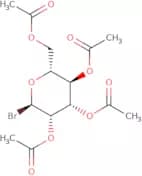
<p>This gamma-cyclodextrin (γ-CD) derivative is a modified cyclic oligosaccharide composed of eight glucose units, featuring a larger cavity size than α- and β-cyclodextrins. This structural characteristic allows γ-CDs to form inclusion complexes with a wider range of guest molecules, making it particularly versatile in various industries. In the food sector, it is used as a carrier and stabilizer for flavors, fat-soluble vitamins, and polyunsaturated fatty acids, protecting volatile compounds from evaporation. In pharmaceuticals, it enhances the solubility and bioavailability of poorly water-soluble drugs and, thanks to its larger ring size, allows for the encapsulation of larger molecules or even entire drug molecules. γ-CDs and derivatives are also used for environmental remediation and, in analytical chemistry, for the extraction and concentration of target substances.</p>Formula:C55H104N8O32Purezza:Min. 95%Peso molecolare:1,389.45 g/mol2,3,4,6-Tetra-O-acetyl-a-D-mannopyranosyl bromide - stabilised with 2% CaCO3
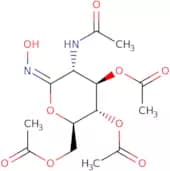
CAS:<p>Donor for Koenigs-Knorr type mannosylation and other anomeric substitutions</p>Formula:C14H19BrO9Purezza:Min. 95%Colore e forma:Yellow PowderPeso molecolare:411.2 g/mol2-Acetamido-3,4,6-tri-O-acetyl-2-deoxy-D-glucohydroximo-1,5-lactone
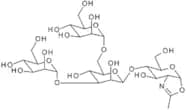
CAS:2-Acetamido-3,4,6-tri-O-acetyl-2-deoxy-D-glucohydroximo-1,5-lactone is a methylated sugar. It is a white to off white powder with a molecular weight of 518. The chemical formula for 2-Acetamido-3,4,6-tri-O-acetyl-2-deoxy--D--glucohydroximo--1,5--lactone is C16H26N2O8 and the structural formula is as follows:br>Formula:C14H20N2O9Purezza:Min. 95%Colore e forma:White PowderPeso molecolare:360.32 g/mol2-Methyl-(4-O-(3,6-di-O-a-D-mannopyranosyl)-b-D-mannopyrannosyl)-1,2-dideoxy-a-D-glucopyrano)-[2,1-d]-2-oxazoline
<p>This is a custom synthesis, modification, and fluorination of a polysaccharide. The monosaccharide units are methylated and then modified with a click reaction. The saccharides are glycosylated with 2-O-a-D-mannopyranosyl moieties for the purpose of increasing their water solubility. This saccharide has been synthesized by the modification of an oligosaccharide that has been modified to include a hydroxyl group. The carbohydrate is complex and contains many different types of sugars including glucose, mannose, and galactose.</p>Formula:C26H43NO20Purezza:Min. 95%Colore e forma:PowderPeso molecolare:689.61 g/molHeparin derived dp12 Saccharide ammonium salt
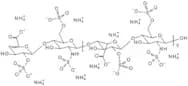
<p>Heparin is a carbohydrate that is derived from the mucopolysaccharide heparin. It is a complex carbohydrate that consists of a chain of alternating N-acetylglucosamine and glucuronic acid. Heparin is used as an anticoagulant to prevent blood clotting, which may occur due to injury or during surgery. Heparin's use in medicine has been limited by its low solubility and rapid clearance from the body. Recently, it has been modified with a fluorine atom on the sugar ring, which increases their solubility and bioavailability. Click chemistry can be used to attach other molecules to the saccharide ammonium salt in order to modify the properties of heparin. This modification can be done with methyl groups or glycosyl groups, and it can also be done with other sugars such as galactose or glucose.</p>Purezza:Min. 95%Colore e forma:PowderPeso molecolare:~3550 (Average)Galacto-PUGNAc
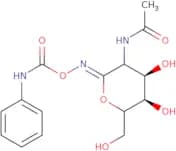
CAS:<p>Galacto-PUGNAc is an oligosaccharide with a complex carbohydrate structure. It is synthesized from galactose and pyranose, which are sugars that belong to the group of carbohydrates. Galacto-PUGNAc is modified by methylation, glycosylation, and fluorination. The chemical modification of this compound provides it with high purity and fluorescence properties. Click chemistry is also used in its synthesis, which involves the use of reactive species that contain azides or alkyne groups. This modification increases the stability of the compound, making it a useful tool for molecular biology and biochemistry research.</p>Formula:C15H19N3O7Purezza:Min. 75 Area-%Colore e forma:PowderPeso molecolare:353.33 g/molBlood Group B trisaccharide-(CH2)5COOH derivative
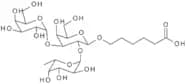
Blood group antigen with spacer armFormula:C24H42O17Purezza:Min. 95%Colore e forma:Brown LiquidPeso molecolare:602.58 g/mol2-O-Acetamido-1,6-di-O-acetyl-2-deoxy-4-O-(2-acetamido-3,4,6-tri-O-acetyl-2-deoxy-D-glucopyranosyl)muramic acid methyl ester
<p>The acetylation of the 2-O-acetamido-1,6-di-O-acetyl-2-deoxy-4-O-(2-acetamido-3,4,6-tri-O-acetyl)-2,3,4,5,6 tetra-, O-(2 acetamido 3,4,6 tri O acetyl) glucopyranoside in the presence of methyl iodide and potassium carbonate yields 2 O -Acetamido 1 6 di O acetyl 2 deoxy 4 0-(2 acetylamino 3 4 6 tri 0 acetyl) glucopyranoside methyl ester. The product is a modification of an oligosaccharide or complex carbohydrate.</p>Formula:C30H44O18N2Purezza:Min. 95%Colore e forma:PowderPeso molecolare:720.67 g/molCotinine-N-b-glucuronide-D3
Prodotto controllatoCotinine-N-b-glucuronide-D3 is a modification of the natural product cotinine, which is a methylated form of nicotine and can be synthesized from the plant Nicotiana tabacum. Cotinine-N-b-glucuronide-D3 is a complex carbohydrate that has been custom synthesized for the purpose of modifying an oligosaccharide. This modification will allow for the synthesis of high purity monosaccharides. Cotinine has been shown to have antiinflammatory properties, which may be due to its inhibition of prostaglandin synthesis.Formula:C16H17N2O7D3Purezza:Min. 95%Peso molecolare:355.36 g/mol1-Amino-2,4-O-benzylidene-D-butane-2,3,4-triol
<p>1-Amino-2,4-O-benzylidene-D-butane-2,3,4-triol is a custom synthesis. This compound is an oligosaccharide that has been modified with methylation, glycosylation, and click modification. Carbohydrate molecules are saccharides that have a sugar as their backbone. Saccharides can be classified as monosaccharides (simple sugars) or polysaccharides (complex carbohydrates). This compound is a high purity synthetic that has been fluorinated and has undergone glycose chemistry to produce a desired product.</p>Purezza:Min. 95%Lactosylsphingosine
CAS:<p>Intermediate degradation product of lyso-GM3</p>Formula:C30H57NO12Purezza:Min. 95%Colore e forma:PowderPeso molecolare:623.77 g/molCarboxymethyl-β-cyclodextrin
CAS:<p>This beta-cyclodextrin (β-CD) derivative is a functionalized cyclic oligosaccharide composed of seven glucose units, characterized by a hydrophilic exterior and a lipophilic cavity (bigger than α-CD and smaller than γ-CDs), which allows it to encapsulate various guest molecules. This structural feature facilitates its use in multiple applications, including pharmaceuticals, food enhancement, and cosmetics. In the pharmaceutical industry, it enhances the solubility and stability of poorly water-soluble drugs, improving their bioavailability and efficacy while also masking unpleasant tastes. The food sector utilizes it as a stabilizer for flavors, colors, and nutrients, extending shelf life by protecting sensitive ingredients from degradation. In cosmetics, it serves as a complexing agent for fragrances and active components, ensuring their stability and controlled release. Its use expands to many other fields, including nanotechnology for drug delivery systems, environmental remediation for extracting organic pollutants, textiles for slow-release fragrances, and analytical chemistry for chiral separation.</p>Formula:C56H84O49Purezza:Min. 95%Peso molecolare:1,541.24 g/mol6-Deoxy-D-lactose
CAS:<p>6-Deoxy-D-lactose is a custom synthesized, complex carbohydrate that is an Oligosaccharide. It is a polysaccharide with a CAS number of 52689-62-0. 6-Deoxy-D-lactose has been modified by methylation and glycosylation and can be used as a Modification of saccharides. 6-Deoxy-D-lactose has been fluorinated and it can be synthesized by Click modification of sugar or high purity. 6-Deoxy-D-lactose is a white, crystalline powder that is soluble in water, ethanol, and acetone.br><br>6 Deoxy Lactose (6DL) is an oligosaccharide that consists of one glucose molecule linked to one galactose molecule via alpha 1-->4 glycosidic linkage. The chemical formula for 6DL is C 12 H 22 O 11 . 6DL</p>Formula:C12H22O10Purezza:Min. 95%Colore e forma:Off-White PowderPeso molecolare:326.3 g/molD-myo-Inositol-2,4,5-triphosphate sodium salt
<p>D-myo-Inositol-2,4,5-triphosphate sodium salt is a phosphoinositide that is involved in the process of cell signaling. It mediates the release of intracellular calcium ions from the endoplasmic reticulum and is involved in a number of processes including protein synthesis and efflux. D-myo-Inositol-2,4,5-triphosphate sodium salt can be found in many cells and tissues, including the brain and gastrointestinal tract. The concentration of calcium ions affects the activity of this compound by enhancing or terminating its effects. In cells that are not stimulated by an agonist such as ionomycin, divalent cations can enhance the activity of this compound. When stimulated by an agonist like ionomycin, divalent cations will terminate its effects by binding to it more strongly than to guanosine residues. This dual effect on divalent cations enhances the specificity for D</p>Formula:C6H12O15P3·xNaPurezza:Min. 95%Peso molecolare:417.07 g/molPsyllium seed gum
CAS:<p>Psyllium seed gum comes from plants of the Plantago genus and is cultivated mainly in the Mediterranian and in India. Psyllium has been used for many years medical applications and more recently there has been a resurgency of interest because it has been seen as a soluble dietary fibre. The proposed structure is of a backbone of D-xylopyranosyl units linked (1,4) and (1,3) with the 4-linked units bearing side chains. The side chains consist of α-L-arabinofuranosyl units linked (1,3) and (1,2) and β-D-xylopyranosyl units linked (1,3) and (1,2) and the α-D-GalAρ-(1,2)-α-L-Rhaρ aldobiuronic acid units linked (1,2) to the main chain.</p>Formula:C33H66O2Purezza:Min. 95%Colore e forma:PowderPeso molecolare:494.90 g/mol

![a1-3[a1-6]a1-6[a1-3]Mannopentaose](/_next/image/?url=https%3A%2Fstatic.cymitquimica.com%2Fproducts%2F3D%2Fthumb-webp%2FOM05332.webp&w=3840&q=75)



![4, 6- O- [(R) - Phenylmethylene] -a- D-glucopyranose](/_next/image/?url=https%3A%2Fstatic.cymitquimica.com%2Fproducts%2F3D%2Fthumb-webp%2FMP163945.webp&w=3840&q=75)









![N-Acetyl-D-[1,2,3-¹³C3]neuraminic acid](/_next/image/?url=https%3A%2Fstatic.cymitquimica.com%2Fproducts%2F3D%2Fthumb-webp%2FMA182016.webp&w=3840&q=75)





![2,4,7,8,9-Pentaacetyl-N- [(2- propyn- 1- yloxy) carbonyl] - b- neuraminic acid methyl ester](/_next/image/?url=https%3A%2Fstatic.cymitquimica.com%2Fproducts%2F3D%2Fthumb-webp%2FMP168633.webp&w=3840&q=75)