Glicoscienza
La glicosienza è lo studio dei carboidrati e dei loro derivati, nonché delle interazioni e delle funzioni biologiche a cui partecipano. Questo campo di ricerca è cruciale per comprendere una vasta gamma di processi biologici, tra cui il riconoscimento cellulare, la segnalazione, la risposta immunitaria e lo sviluppo delle malattie. La glicosienza ha importanti applicazioni nella biotecnologia, nella medicina e nello sviluppo di nuovi farmaci e terapie. Presso CymitQuimica, offriamo un'ampia selezione di prodotti di alta qualità e purezza per la ricerca in glicosienza. Il nostro catalogo comprende monosaccaridi, oligosaccaridi, polisaccaridi, glicoconiugati e reagenti specifici, progettati per supportare i ricercatori nei loro studi sulla struttura, funzione e applicazioni dei carboidrati nei sistemi biologici. Queste risorse sono destinate a facilitare scoperte scientifiche e applicazioni pratiche in vari ambiti delle bioscienze e della medicina.
Sottocategorie di "Glicoscienza"
- Amminozucchero(108 prodotti)
- Glico-anticorpi(282 prodotti)
- Glicolipidi(46 prodotti)
- Glicosaminoglicani (GAGs)(55 prodotti)
- Glicosidi(419 prodotti)
- Monosaccaridi(6.624 prodotti)
- Oligosaccaridi(3.682 prodotti)
- Polisaccaridi(503 prodotti)
Trovati 11046 prodotti di "Glicoscienza"
Ordinare per
Purezza (%)
0
100
|
0
|
50
|
90
|
95
|
100
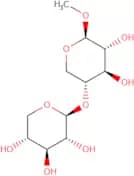
Methyl b1-4-D-xylobioside
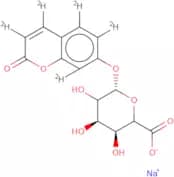
CAS:<p>Methyl b1-4-D-xylobioside is a bioreactor that binds to the carbohydrate binding domain of the enzyme. It has been shown to be reactive with galactose and other glycosides, and is used as a substrate for electrophotographic analysis. This product also has immobilized properties, which make it suitable for use in an acceptor column in order to purify oligosaccharides or gene products with similar sequences. Methyl b1-4-D-xylobioside is used as a selective inhibitor of tuberculosis by binding to the enzyme mycobactin synthase, which is involved in the biosynthesis of mycolic acids.</p>Formula:C11H20O9Purezza:Min. 95%Peso molecolare:296.27 g/mol7-Hydroxycoumarin D5-D-glucuronide sodium salt
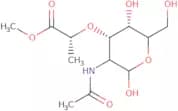
Prodotto controllato7-Hydroxycoumarin D5-D-glucuronide sodium salt is a synthetic, fluorinated, monosaccharide that is used in glycosylation reactions. It has been shown to be useful for the synthesis of complex carbohydrates and polysaccharides as well as click modification of proteins. 7-Hydroxycoumarin D5-D-glucuronide sodium salt can be used in the synthesis of glycosylations and polysaccharides or as a sugar donor in Click chemistry. This compound can also be methylated or modified by other methods. 7-Hydroxycoumarin D5-D-glucuronide sodium salt is available at high purity and CAS No.Formula:C15H8D5O9·NaPurezza:Min. 95%Colore e forma:White to off-white solid.Peso molecolare:365.28 g/molN-Acetylmuramic acid methyl ester
CAS:<p>N-Acetylmuramic acid methyl ester is a methylated form of saccharides that are used in the synthesis of polysaccharides. It is synthesized by the addition of methanol to N-acetylmuramic acid, and can be used as a raw material for glycosylation reactions. This compound has been shown to have high purity and can be custom synthesized. The fluorination of this compound has been reported to improve its reactivity and stability.</p>Formula:C12H21NO8Purezza:Min. 95%Peso molecolare:307.3 g/mol5-O-Benzyl-2,3-O-Isopropylidene-L-lyxonic acid-1,4-lactone
5-O-Benzyl-2,3-O-isopropylidene-L-lyxonic acid-1,4-lactone is a modification of the Oligosaccharide. It is an oligomeric sugar that has a complex carbohydrate structure. The 5-O-Benzyl group is a methylation of the hydroxyl group on C5 in the sugar. This compound has been synthetically prepared and is available for custom synthesis. It can also be found as a CAS No., which is assigned to a substance that has been assigned an International Chemical Identifier (CAS) number. The CAS number for 5-O-Benzyl-2,3-O-isopropylidene - L - lyxonic acid - 1,4 - lactone is 90160–28–9. The monosaccharide form of this compound is methylated at C5 and glycosylated at C6Purezza:Min. 95%Methyl 6-O-(b-D-galactopyranosyl)-b-D-galactopyranoside
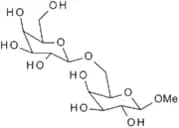
Methyl 6-O-(b-D-galactopyranosyl)-b-D-galactopyranoside is a white crystalline solid that belongs to the category of carbohydrates. It is a synthetic carbohydrate with a molecular weight of 496.06 and a CAS number of 3489-94-3. This product has been custom synthesized for research purposes, and can be purchased in high purity (>98%) from various suppliers. It is an oligosaccharide that contains a single sugar unit, which is galactose. This product has been modified with fluorination and methylation to prevent hydrolysis by esterases and glucuronidases, respectively. It also has glycosylation sites on the terminal glucose residues that allow for further modification with other carbohydrates or proteins. The methyl 6-O-(b-D-galactopyranosyl)-b-D-galactopyranoside can be used as an affinity ligandFormula:C13H24O11Purezza:Min. 95%Peso molecolare:356.32 g/mol(4-Chlorophenyl)methyl-β-D-glucopyranoside
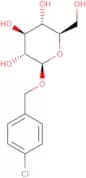
CAS:4-Chlorophenyl)methyl-beta-D-glucopyranoside is a modified saccharide that is used as a synthetic building block in the synthesis of complex carbohydrates. It is also possible to use 4-chlorophenyl)methyl-beta-D-glucopyranoside as an intermediate in the synthesis of oligosaccharides. The compound has been shown to be stable under acidic conditions, making it useful for the modification of polysaccharides.Formula:C13H17ClO6Purezza:Min. 95%Peso molecolare:304.72 g/mol1,2,3,6-Tetra-O-acetyl-4-O-(2,3,4,6-tetra-O-acetyl-b-D-mannopyranosyl)-D-glucopyranose
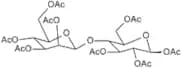
CAS:<p>1,2,3,6-Tetra-O-acetyl-4-O-(2,3,4,6-tetra-O-acetyl-b-D-mannopyranosyl)-D-glucopyranose is a synthetic sugar that has been modified by the methylation of the hydroxyl groups at C1 and C6 with acetaldehyde. This sugar is used in glycosylation reactions to modify proteins and other biomolecules. The product is a white crystalline solid that has a CAS number of 132341-46-9. It can be custom synthesized for research purposes or as a high purity material for commercial use.</p>Formula:C28H38O19Purezza:Min. 95%Peso molecolare:678.59 g/molD-Gluconic acid calcium salt monohydrate
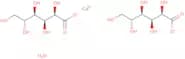
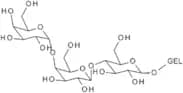
CAS:<p>D-Gluconic acid calcium salt monohydrate (DGC) is a metabolite of the digestion of glucose. It is a calcium salt that is usually formed in the gut due to the neutralization of acids by sodium bicarbonate. DGC has been shown to be effective for treatment of bowel diseases such as ulcerative colitis, but has not been tested for other conditions. DGC has been shown to have antioxidant properties, which may be responsible for its therapeutic effects in treating bowel disease. The structural analysis of DGC show that it can form stable complexes with many drugs and therefore may interfere with their absorption and distribution into tissue cells. It also can increase the risk of drug interactions because it inhibits P-glycoprotein, an efflux pump protein that pumps drugs out of cells. DGC also may cause metabolic disorders due to its ability to inhibit enzymes involved in glycolysis and gluconeogenesis, including pyruvate kinase, phosphofructokin</p>Formula:C12H22CaO14·H2OPurezza:Min. 95%Peso molecolare:448.39 g/molGlobotriose-GEL
<p>Immobilised on Fractogel with glycosylamine formation of the monosaccharide</p>Purezza:Min. 95%Colore e forma:White LiquidDifucosyllacto-N-neohexaose I
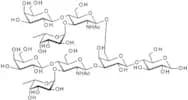
CAS:<p>Difucosyllacto-N-neohexaose I is a fluorinated oligosaccharide that was synthesized by click chemistry. The synthesis of this compound involved the addition of a methyl group to the penultimate carbon on the reducing end of a disaccharide. Fluorination was then performed to introduce a trifluoromethyl group onto the sugar ring, which is an important step in obtaining a high level of purity. This compound has been shown to be effective in inhibiting bacterial growth and can be used as an antibacterial agent for prevention and treatment of various infections.</p>Formula:C52H88N2O39Purezza:Min. 95%Peso molecolare:1,365.25 g/molGlucosamine sulfate potassium salt
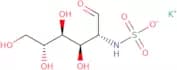
CAS:<p>Glucosamine sulfate potassium salt is a natural amino sugar that is synthesized by the body and can be found in animal tissue. Glucosamine sulfate potassium salt, as well as chondroitin sulfate, are important components of cartilage and synovial fluid. Both substances are necessary for the production of collagen, which provides strength and elasticity to connective tissues. Glucosamine sulfate potassium salt has been shown to be an efficient method for treating osteoarthrosis, alleviating pain and improving function. It has also been shown to reduce the symptoms of metabolic disorders such as diabetes mellitus type II by increasing insulin sensitivity, decreasing inflammation, and reducing oxidative stress. This product is often used in combination with other medicines such as vitamin D3 for adjuvant therapy.</p>Formula:C6H12KNO8SPurezza:Min. 95%Peso molecolare:297.33 g/molMethyl 3-O-(2-acetamido-2-deoxy-b-D-galactopyranosyl)-b-D-galactopyranoside
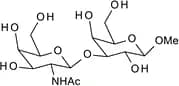
CAS:Methyl 3-O-(2-acetamido-2-deoxy-b-D-galactopyranosyl)-b-D-galactopyranoside is a modified sugar that can be used for synthesis of saccharides, oligosaccharides, and polysaccharides. This product has been custom synthesized to be a high purity compound with CAS No. 130234-66-1. It has been fluorinated and is available in the glycosylation form.Formula:C15H27NO11Purezza:Min. 95%Peso molecolare:397.36 g/molMethyl 2,3,5-tri-O-acetyl-D-arabinofuranoside
CAS:<p>Methyl 2,3,5-tri-O-acetyl-D-arabinofuranoside is a monosaccharide that is used in the synthesis of carbohydrates. It has been shown to inhibit the growth of Rhizopus stolonifer and other fungi. Methyl 2,3,5-tri-O-acetyl-D-arabinofuranoside has also been used for the quantitative analysis of deacetylated sugars. A chromatographic method was developed using an ion exchange resin and methyl glycosides as standards. The sugar was quantified by electron ionization mass spectrometry (EI) after conversion to its trimethylsilyl ether derivatives with triethylamine in methylene chloride. The spectrum obtained from EI analysis showed the presence of anomeric proton peaks at m/z 184 and 186, indicating that this sugar contains two anomeric hydroxyl groups on the same carbon atom.</p>Formula:C12H18O8Purezza:Min. 95%Peso molecolare:290.27 g/molMethyl 2,3,6-tri-O-benzoyl-a-D-glucopyranoside
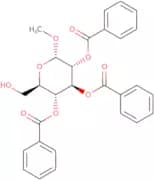
CAS:<p>Methyl 2,3,6-tri-O-benzoyl-a-D-glucopyranoside is a biodegradable polymer that can be used for the prevention of boron diffusion into a prosthesis. It is also resistant to corrosion. Methyl 2,3,6-tri-O-benzoyl-a-D-glucopyranoside has been shown to have a transition temperature of 232 °C and this property makes it suitable for use in high temperature applications. This material is resistant to refractory environments and can be used as an additive in thermodynamic systems.</p>Formula:C28H26O9Purezza:Min. 98 Area-%Colore e forma:PowderPeso molecolare:506.5 g/mol6'-Sulpho Lewisx-BSA
<p>6'-Sulpho Lewisx-BSA is a complex carbohydrate that contains a saccharide moiety with a sulfated Lewisx epitope. It has been synthesized using click chemistry and modified with methylation and fluorination to yield the desired structure. The carbohydrate is of high purity and can be used in research as a model for glycosylation and glycosidic linkage. The carbohydrate also has properties that are analogous to those observed in glycoconjugates, such as antibodies and lectins.</p>Purezza:Min. 95%2-Acetamido-3,4,6-tri-O-acetyl-N',N-cbz-epsilon-aminocaproyl-2-deoxy-b-D-glucopyranosyl amine
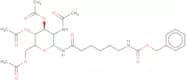
CAS:<p>2-Acetamido-3,4,6-tri-O-acetyl-N',N-cbz-epsilonaminocaproyl-2-deoxy-bDglucopyranosyl amine is a custom synthesis of an oligosaccharide. It is a complex carbohydrate that is synthesized by the modification of an acetamido group on the 2 position and a glycosylation at the 3' position. This product is also fluorinated at the 4' position and has been shown to have high purity with a CAS number of 56146-88-4. The structure of this compound has not been determined due to its complexity.</p>Formula:C28H39N3O11Purezza:Min. 95%Peso molecolare:593.62 g/mol3-[(2,3,4,6-Tetra-O-acetyl-b-D-galactopyranosyl)thio]-propanoic acid
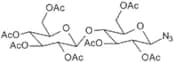
CAS:<p>3-[(2,3,4,6-Tetra-O-acetyl-b-D-galactopyranosyl)thio]-propanoic acid is a modified carbohydrate with the chemical formula (C14H12O4S). It is an oligosaccharide composed of a saccharide and a sugar. The saccharide portion of 3-[(2,3,4,6-Tetra-O-acetyl-b-D-galactopyranosyl)thio]-propanoic acid is classified as a carbohydrate and has CAS number 79360-05-7. The sugar portion of 3-[(2,3,4,6-Tetra-O-acetyl-b-D</p>Formula:C17H24O11SPurezza:Min. 95%Peso molecolare:436.43 g/mol2,3,6,2',3',4',6'-Hepta-O-acetyl-b-D-cellobiosyl azide
CAS:2,3,6,2',3',4',6'-Hepta-O-acetyl-b-D-cellobiosyl azide is a sugar that belongs to the group of carbohydrates. It is modified with fluorination and glycosylation. The CAS number for this compound is 33012-50-9. 2,3,6,2',3',4',6'-Hepta-O-acetyl-b-D-cellobiosyl azide has been synthesized and its chemical modification has been studied. This compound has an average degree of polymerization (DP) of 10. The molecular weight of 2,3,6,2',3',4',6'-Hepta-O-acetyl-b -D -cellobiosyl azide is 569.27 g/mol.Formula:C26H35N3O17Purezza:Min. 95 Area-%Colore e forma:PowderPeso molecolare:661.6 g/mol2-Acetamido-N-(e-aminocaproyl)-2-deoxy-b-D-glucopyranosyl amine
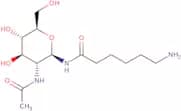
CAS:2-Acetamido-N-(e-aminocaproyl)-2-deoxy-b-D-glucopyranosyl amine (Km) is a compound that has been shown to have hexosaminidase activity. It is a human liver enzyme that catalyzes the cleavage of the terminal alpha-1,4 linkage between N-acetylglucosamine and D-glucose residues from the nonreducing end of the beta 1,4 linked N-acetylglucosamine molecule. The KM value for this enzyme is 3.2 mM. This compound also has affinity chromatography properties, which allows it to be used in affinity chromatography experiments as a ligand for concanavalin A. 2KA can be used in gel electrophoresis to separate polypeptides by their size or charge. The corresponding KM value for this process is 22.5 mM. Denaturing conditions are required toFormula:C14H27N3O6Purezza:Min. 95%Peso molecolare:333.38 g/mol4,6-O-Benzylidene-1,3-di-O-methyl-a-D-mannopyranoside
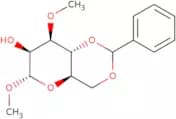
CAS:<p>4,6-O-Benzylidene-1,3-di-O-methyl-a-D-mannopyranoside is an antiviral agent that has been shown to inhibit the replication of a number of RNA and DNA viruses. The compound binds to the active site of the virus and reacts with nucleophilic groups on the sugar ring. This reaction leads to a nitro group being introduced into the sugar ring of the virus. This nitro group is then alkylated by nucleophilic groups in proteins and other cellular components. 4,6-O-Benzylidene-1,3-di-O-methyla D mannopyranoside has been shown to inhibit hepatitis A virus (HAV) infection in vitro and in vivo.</p>Formula:C15H20O6Purezza:Min. 95%Peso molecolare:296.32 g/mol1-Hydroxypyrene-d9
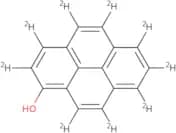
CAS:Prodotto controllato<p>1-Hydroxypyrene-d9 is a genotoxic aromatic hydrocarbon that can be found in the environment as a byproduct of combustion and cigarette smoke. It has been shown to cause DNA damage through oxidative stress and genotoxicity. This compound can be used for the detection of naphthalene in bile samples and urine samples. 1-Hydroxypyrene-d9 also has potential use in cancer research as it can be used to detect oxidative damage to DNA in cells. It has been shown to have synchronous fluorescence with DNA, which makes it useful for quantification of DNA. 1-Hydroxypyrene-d9 is analysed using analytical methods such as fluorescence spectrometry, synchronous fluorescence, and sample preparation.</p>Formula:C16HD9OPurezza:Min. 95%Colore e forma:PowderPeso molecolare:227.3 g/molLactulose - liquid
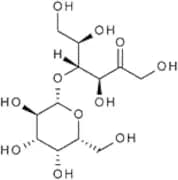
CAS:<p>Lactulose is a non-absorbable sugar used in the treatment of constipation and hepatic encephalopathy. It is used by mouth for constipation and either by mouth or in the rectum for hepatic encephalopathy. It generally begins working after 8-12 hours, but may take up to 2 days to improve constipation.</p>Formula:C12H22O11Purezza:Min. 95%Peso molecolare:342.3 g/mol4-O-Acetyl-3,6-di-O-(3,4,6-tri-O-acetyl-1,2-ethylidene-b-D-mannopyranosyl)-1,2-ethylidene-b-D-mannopyranose
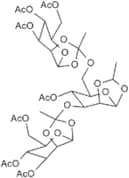
CAS:<p>Methylation of 4-O-acetyl-3,6-di-O-(3,4,6-tri-O-acetyl-1,2-ethylidene bDmannopyranosyl)-1,2-ethylidene bDmannopyranose with methyl iodide and potassium carbonate in the presence of sodium hydroxide leads to the formation of 4-O-acetyl 3,6 di O-(3,4,6 tri O acetyl 1 , 2 ethylene b D mannopyranosyl)-1 , 2 ethylene b D mannopyranose. This compound is a polysaccharide that is similar to cellulose. It is used in the synthesis of complex carbohydrates.</p>Formula:C38H52O25Purezza:Min. 95%Peso molecolare:908.8 g/mol1,2,4,6-Tetra-O-acetyl-3-O-allyl-b-D-glucopyranose
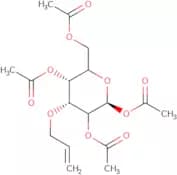
CAS:<p>1,2,4,6-Tetra-O-acetyl-3-O-allyl-b-D-glucopyranose is a high purity and custom synthesis compound. It is a synthetic monosaccharide with CAS number 39698-00-5. This product is methylated at the C1 and C6 positions. It can be used to modify natural or synthetic oligosaccharides and polysaccharides by click chemistry. The complex carbohydrate has also been fluorinated at the C2 position.</p>Formula:C17H24O10Purezza:Min. 95%Peso molecolare:388.37 g/mol3,4,6-Tri-O-acetyl-2-azido-2-deoxy-a-D-galactopyranosyl bromide - stabilised with 2% CaCO3
CAS:<p>3,4,6-Tri-O-acetyl-2-azido-2-deoxy-a-D-galactopyranosyl bromide - stabilised with 2% CaCO3 is a complex carbohydrate that is synthesized from 3,4,6-tri-O-acetylgalactose and 2-(bromoethyl) azide. This modification has been used to produce an oligosaccharide for use in the synthesis of glycoproteins. The modification was also used in the synthesis of a polysaccharide that is used as a reagent for the methylation of saccharides.</p>Formula:C12H16BrN3O7Purezza:Min. 95%Peso molecolare:394.18 g/molSilodosin b-D-glucuronide sodium salt
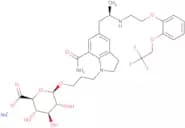
CAS:<p>Silodosin b-D-glucuronide sodium salt is a glycoconjugate of silodosin and glucuronic acid. It is a white to off-white crystalline powder that is soluble in water. Silodosin b-D-glucuronide sodium salt has been custom synthesized for the modification of saccharides and polysaccharides, which are an important part of our diet. The compound is used as a reagent for click chemistry, glycosylation, and oligosaccharide synthesis.</p>Formula:C31H39F3N3NaO10Purezza:Min. 95%Colore e forma:Off-White PowderPeso molecolare:693.64 g/molCyclopropylmethylbeta-D-glucopyranoside
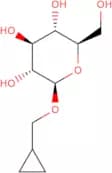
CAS:Cyclopropylmethylbeta-D-glucopyranoside is a custom synthesis of a fluorinated monosaccharide. It has been modified to include methyl groups at C3, C6 and C7 positions. The modification may lead to the loss of the glucose from the molecule, which can be replaced with other sugars such as mannose or galactose. Cyclopropylmethylbeta-D-glucopyranoside is an oligosaccharide that can be used in glycosylation reactions. This molecule also has saccharide units connected by glycosidic linkages, which are typically either alpha-linked or beta-linked.Formula:C10H18O6Purezza:Min. 95%Peso molecolare:234.25 g/mol1-O-(2R)-Glycerol-b-D-galactopyranoside
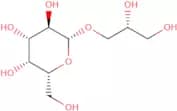
CAS:<p>1-O-(2R)-Glycerol-b-D-galactopyranoside is a biochemical that is produced by the hydrolysis of glycerol. It is found in fatty acid esterification and degradation processes, as well as in the synthesis of glycerin. It is also present in the skin tumor of cryptococcus neoformans. 1-O-(2R)-Glycerol-b-D-galactopyranoside may be used to diagnose or monitor diseases that affect the metabolism of lipids and carbohydrates, such as diabetes mellitus, obesity, or cardiovascular disease. This compound is also used in plant physiology to measure constant rates of photosynthesis.</p>Formula:C9H18O8Purezza:Min. 95%Colore e forma:Off-White PowderPeso molecolare:254.23 g/mol4-Methoxyphenyl 2-acetamido-4-O-[2-O-acetyl-3,6-di-O-(2,3,4,6-tetra-O-acetyl-a-D-mannopyranosyl)-4-O-benzyl-b-D-mannopyranosyl]-3,6- di-O-benzyl-2-deoxy-b-D-glucopyranoside
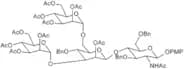
This product is a custom synthesis and modification of a natural product. The chemical name is 4-Methoxyphenyl 2-acetamido-4-O-[2-O-acetyl-3,6-di-O-(2,3,4,6-tetra-O-acetyl-aDmannopyranosyl)-4-ObenzylbDmannopyranosyl]-3,6diOBenzyl2deoxybDglucopyranoside. This molecule has been fluorinated with trifluoromethanesulfonic acid in the presence of polystyrene as an initiator to form the desired compound. The molecular weight of this molecule is 1,895.09 g/mol. This product was synthesized by methylation using methanol and ammonium chloride as reagents in the presence of tetrapropylammonium perruthenate as catalyst for the process.Formula:C72H87NO31Purezza:Min. 95 Area-%Colore e forma:PowderPeso molecolare:1,462.45 g/mol4-Methylphenyl 3,4,6-tri-O-acetyl-2-O-benzyl-b-D-thiogalactopyranoside
CAS:<p>4-Methylphenyl 3,4,6-tri-O-acetyl-2-O-benzyl-b-D-thiogalactopyranoside is a synthetically produced saccharide typically used as a building block in oligo-saccharide synthesis.</p>Formula:C26H30O8SPurezza:Min. 95%Peso molecolare:502.58 g/molMethyl 2-deoxy-a-L-ribofuranoside
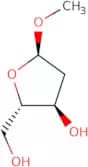
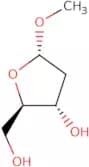
CAS:Methyl 2-deoxy-a-L-ribofuranoside is a modification of a monosaccharide. It is synthesized by reacting 2,3,4,6-tetra-O-methylglucose with sodium nitrite in the presence of hydrochloric acid. Methyl 2-deoxy-a-L-ribofuranoside is used to modify saccharides and polysaccharides.Formula:C6H12O4Purezza:Min. 95%Peso molecolare:148.16 g/mol3,6-Anhydro-D-galactose dimethylacetal
CAS:3,6-Anhydro-D-galactose dimethylacetal is a glycosylation intermediate that has been modified for use in synthetic chemistry. It can be used to synthesize complex carbohydrates, polysaccharides, or oligosaccharides. The product is custom-synthesized and available in high purity.Formula:C8H16O6Purezza:Min. 95%Peso molecolare:208.21 g/mol3,6-Di-O-tert-butyldimethylsilyl-D-glucal
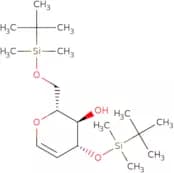
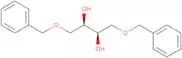
CAS:3,6-Di-O-tert-butyldimethylsilyl-D-glucal is a stereoselective synthetic compound that can be used as a glycosyl donor in the synthesis of glycosides. It is an intermediate in the synthesis of uridine, which is an important component of nucleic acids. 3,6-Di-O-tert-butyldimethylsilyl-D-glucal has been shown to inhibit the action of glycogen synthase and amylo-(1→4)-α-(1→2)-glycosidases. This inhibition prevents the breakdown of glycogen, which leads to a build up of glucose in the body and produces insulin resistance.Purezza:Min. 95%(+)-1,4-Di-O-benzyl-D-threitol
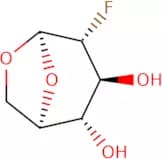
CAS:(+)-1,4-Di-O-benzyl-D-threitol is a carbohydrate which is an enantiomer of D-threitol. It has been used as a model membrane to investigate the interaction of divalent cations with the lipid bilayer. The (+) form of this compound has been shown to be catalytic in the desymmetrization of racemic mixtures of carbohydrates. This enantiomer can be readily chromatographically separated from its mirror image by chiral chromatography techniques.Formula:C18H22O4Purezza:Min. 95%Peso molecolare:302.36 g/mol1,6-Anhydro-2-deoxy-2-fluoro-b-D-glucopyranose
CAS:<p>1,6-Anhydro-2-deoxy-2-fluoro-b-D-glucopyranose is an analogue of 4-deoxy-4-fluoro-d-glucose that has been synthesized and characterised for the first time. The fluorine atoms on the sugar ring are replaced by hydrogen fluoride. 1,6-Anhydro-2,2,4,4,-tetraacetic acid is a dianhydride that can react with 1,6-anhydro 2,2,4,4,-tetraacetic acid to form an ester (1,6:1) or ether (1:1). It can be hydrolyzed by acids to form hydrogen fluoride and glycosyl.</p>Formula:C6H9FO4Purezza:Min. 95%Peso molecolare:164.13 g/mol3,7,7a-Triepicasuarine
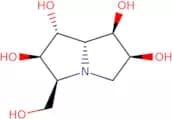
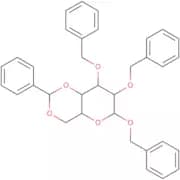
CAS:3,7,7a-Triepicasuarine is a synthetic compound that belongs to the group of polysaccharides. It can be used as a fluorinated reagent for the synthesis of complex carbohydrates and sugar molecules. 3,7,7a-Triepicasuarine is one of the most widely applied reagents in organic synthesis because it can be easily modified with various functional groups. This product has been shown to have high purity and may be used as an additive in other products.Formula:C8H15NO5Purezza:Min. 95%Peso molecolare:205.21 g/mol1,2,3-Tri-O-benzyl-4,6-O-benzylidene-b-D-glucopyranoside
CAS:1,2,3-Tri-O-benzyl-4,6-O-benzylidene-b-D-glucopyranoside is a triol with an O benzyl group on C1. It is a synthetic modification of the sugar glucose and has been used as a building block for the synthesis of glycosides and oligosaccharides. 1,2,3-Tri-O-benzyl-4,6-O-benzylideneb -D -glucopyranoside can be used in methylation reactions to produce saccharides with methyl groups at positions that are not normally present. This product is highly pure and can be used in Click chemistry reactions to modify oligosaccharides. This product does not have an CAS number listed.Formula:C34H34O6Purezza:Min. 95%Peso molecolare:538.63 g/mol2-Acetamido-2-deoxy-a-D-galactopyranosyl-(N-Fmoc)-L-threonine tert-butyl ester
CAS:<p>2-Acetamido-2-deoxy-a-D-galactopyranosyl-(N-Fmoc)-L-threonine tert-butyl ester is a fluorinated carbohydrate that is synthesized from 2,3,4,6-tetraacetylorthoquinone and L-threonine tert butyl ester. It has a purity of 99%.</p>Formula:C31H40N2O10Purezza:Min. 95%Peso molecolare:600.66 g/mol2,3,4,6-Tetra-O-acetyl-1-O-(2,3,4-tri-O-benzoyl-a-L-fucopyranosyl)-D-galactopyranoside
<p>2,3,4,6-Tetra-O-acetyl-1-O-(2,3,4-tri-O-benzoyl-a-L-fucopyranosyl)-D-galactopyranoside is a glycosylated polysaccharide that has been modified by methylation and fluorination. It is synthesized from the monosaccharide D galactopyranose with a 2,3,4,6 tetra O acetyl group at the 1 position.</p>Formula:C41H42O17Purezza:Min. 95%Peso molecolare:806.76 g/molMan-9-Glc N-Glycan
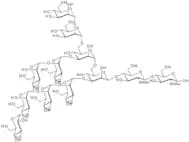
CAS:<p>Man-9-Glc N-Glycan is a synthetic carbohydrate that is a modification of the natural sugar, Man-9-GlcNAc. It can be used as an ingredient in pharmaceutical products, such as vaccines and other therapeutic agents. This product is a custom synthesis that can be produced to order.</p>Formula:C76H128N2O61Purezza:Min. 95%Peso molecolare:2,045.81 g/molMethyl b-D-altropyranoside
CAS:<p>Methyl b-D-altropyranoside is a methylated saccharide that can be used as a sugar substitute. It has the same sweetness as sugar and is also resistant to browning. Methyl b-D-altropyranoside is synthesized by treating an aldose or ketose with formaldehyde in the presence of sulfuric acid and an alkali. This product is water soluble, heat stable, and free from impurities such as glucose or fructose. Methyl b-D-altropyranoside can be used to modify polysaccharides and oligosaccharides, adding a methyl group to the carbon 2 position. In addition, it has been shown to have antioxidant properties due to its ability to quench reactive oxygen species (ROS).</p>Formula:C7H14O6Purezza:Min. 95%Peso molecolare:194.18 g/molSulindac-acyl-b-D-glucuronide
CAS:<p>Sulindac-acyl-b-D-glucuronide is a high purity, custom synthesis, synthetic sugar. It is a complex carbohydrate that contains saccharide, oligosaccharides, and monosaccharides. The CAS number for this compound is 60018-36-2.</p>Formula:C26H25FO9SPurezza:Min. 95%Peso molecolare:532.54 g/mol1,2,3-Tri-O-acetyl-4,6-O-benzylidene-a-D-mannopyranose
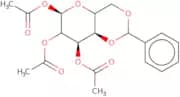
<p>1,2,3-Tri-O-acetyl-4,6-O-benzylidene-a-D-mannopyranose is a synthetic 1,2,3:4,6-di-O-(acetyloxy)-a-D-mannopyranose. It is a monosaccharide that has been selectively fluorinated at C1 and C2 positions. This sugar has been custom synthesized with high purity and methylated at the 3' and 4' positions of the ribose moiety. The synthesis of this carbohydrate is achieved by glycosylation using an acetal linker to attach the sugar fragment to a pentafluorophenyl ester and then click modification on the 4'-hydroxyl group.</p>Formula:C19H22O9Purezza:Min. 95%Peso molecolare:394.37 g/mol3-Amino-2,3-dideoxy-D-myo-inositol
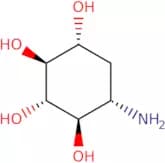
CAS:<p>3-Amino-2,3-dideoxy-D-myo-inositol (3ADMI) is a gene product that belongs to the class of chemical biology. It is an actuator that has been shown to be able to bind and activate enzymes. 3ADMI is used as a substrate in the calibration of enzyme kinetics and as an analog for aminoglycosides. The conjugates of 3ADMI have been shown to prevent viral replication by inhibiting the synthesis of DNA or RNA.</p>Formula:C6H13NO4Purezza:Min. 95%Colore e forma:White/Off-White SolidPeso molecolare:163.17 g/molRhein 1-D-glucuronide
CAS:<p>Rhein 1-D-glucuronide is a synthetic sugar that can be used in the synthesis of complex carbohydrates. It is a monosaccharide that has been modified with fluorination and has been shown to have high purity. Rhein 1-D-glucuronide is a methylated form of rhein, which is an oligosaccharide or polysaccharide found in plants. The modification of rhein 1-D-glucuronide allows for an increased resistance to hydrolysis by esterases or glucuronidases, allowing for its use as a synthetic intermediate in the production of saccharides.</p>Purezza:Min. 95%2-O-Benzyl-D-glucose
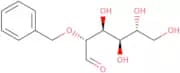
CAS:<p>2-O-Benzyl-D-glucose is a disaccharide that is an intermediate in the synthesis of benzoic acid. It is benzylated with benzaldehyde and then reacted with sodium hydroxide to form 2-O-benzylidene-D-glucose. Spectroscopy has shown that this product has an anomeric proton at δH 7.1 to 7.4 and a pyranoside group at δH 4.2 to 4.6, which are characteristic of 2-O-benzylidene-D-glucose. The sugar's molecular formula is C9H12O5, and its molecular weight is 230. The sugar has been shown to be acylated with acetate or benzoic acid as well as undergo glycosidation reactions in the presence of sulfuric acid or sodium hydroxide.</p>Formula:C13H18O6Purezza:Min. 95%Peso molecolare:270.28 g/molHyaluronate biotin - Molecular Weight - 250kDa
Hyaluronate biotin (HB) is a modified form of hyaluronic acid. It is produced by the methylation and glycosylation of hyaluronic acid and it has an average molecular weight of 250 kDa. HB is used in tissue engineering, cell culture, and as a contrast agent for magnetic resonance imaging. The modification of hyaluronate with biotin allows for the visualization of HB using immunofluorescence microscopy. Hyaluronate biotin is a synthetic product that can be custom-synthesized to customer specifications, such as purity level, oligosaccharide content, and monosaccharide content.Purezza:Min. 95%L-Fucal
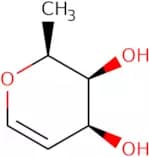
CAS:<p>L-Fucal is a chemical that belongs to the group of glycosidic bonds. It is synthesized by reacting ethyl diazoacetate with an activated hydroxyl group. L-Fucal has been shown to inhibit the growth of cancer cells and lymphocytic leukemia cells. It binds to the receptors on the surface of cancer cells and inhibits their growth by interfering with cellular metabolism and DNA synthesis.</p>Purezza:Min. 95%1,2:5,6-Dianhydrogalactitol
CAS:1,2:5,6-Dianhydrogalactitol is a drug that has been shown to reduce the growth of tumors in mice. It is an antitumor agent that inhibits the activity of enzymes such as protein kinase A and phosphorylase kinase. This drug also inhibits the activity of the mitochondrial membrane potential, which is necessary for normal cellular function. The structure of 1,2:5,6-dianhydrogalactitol was first determined by analytical methods on mouse tumor tissue and then verified by a preparative high performance liquid chromatography (HPLC) experiment. It has been shown to be effective against pediatric tumors and is currently being evaluated for use in other cancer models.Formula:C6H10O4Purezza:Min. 95%Colore e forma:PowderPeso molecolare:146.14 g/molGD2-Oligosaccharide-b-(N-acetyl-propargyl)
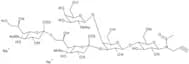
<p>The core trisaccharide of the ganglioside GD2,protected with a propargyl glycoside group, is the most prominent alkynyl glycoside used in oligosaccharide synthesis (Das, 2016). The structure (sodium salt) comprises (GalNAcβ1,4Galβ1,4Glc) of its two sialic acids linked α2,3/α2,8 to the central galactose residue (Ledeen, 2009). GD2 ganglioside is expressed at a low concentration in the central nervous system, nerves, skin melanocytes and stem cells in healthy adults. On the other hand, GD2 ganglioside is overexpressed in a number of tumors including neuroblastoma, melanoma, small cell lung carcinoma and brain tumors. Recently, GD2 ganglioside has been found in low concentrations on breast cancer stem cells (CSC) that possess: self-renewal properties (division without disrupting the undifferentiated state) and tumor-initiating capabilities. It has been suggested that GD2 ganglioside may be developed as an effective target antigen for CSC immunotherapy (Fleurence, 2017).</p>Formula:C47H72N4O32Na2Purezza:Min. 95%Peso molecolare:1,251.06 g/mol3-O-b-D-Galactosylsucrose
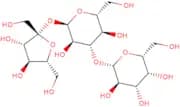
CAS:<p>3-O-b-D-Galactosylsucrose is a synthetic, fluorinated, high purity, oligosaccharide. It is a complex carbohydrate that contains an O-linked glycosylated monosaccharide. This product has been modified with a click modification. The CAS number for this product is 686717-73-7 and it can be synthesized to order.</p>Formula:C18H32O16Purezza:Min. 95%Colore e forma:PowderPeso molecolare:504.44 g/molD-Galactose-3-O-sulphate sodium salt
<p>A sulfated galactose analogue</p>Formula:C6H11NaO9SPurezza:Min. 95%Peso molecolare:282.19 g/molD-Glucose-1,6-diphosphate potassium salt
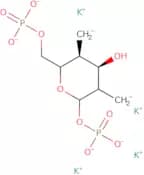
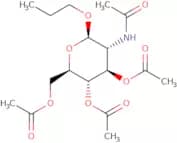
CAS:D-Glucose-1,6-diphosphate potassium salt is a white crystalline powder that has a molecular weight of 594.14 g/mol and a chemical formula of C₁₀H₁₅O₃P. It is used as an intermediate in the synthesis of saccharides. D-Glucose-1,6-diphosphate potassium salt is not known to be toxic to humans or animals.Formula:C6H10K4O12P2Purezza:Min. 95%Peso molecolare:492.48 g/molPropyl 2-acetamido-3,4,6-tri-O-acetyl-2-deoxy-b-D-glucopyranoside
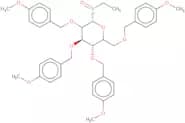
CAS:<p>Propyl 2-acetamido-3,4,6-tri-O-acetyl-2-deoxy-b-D-glucopyranoside is a synthetic glycosylamine that has been fluorinated at the C2 position and modified with a methyl group. It is used in the synthesis of complex carbohydrates for use as antigens or vaccines. This product can be custom synthesized to order and is available in high purity form.</p>Formula:C17H27NO9Purezza:Min. 95%Peso molecolare:389.4 g/molEthyl 2,3,4,6-tetra-O-(4-methoxybenzyl)-b-D-thiogalactopyranoside S-oxide
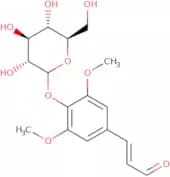
<p>Ethyl 2,3,4,6-tetra-O-(4-methoxybenzyl)-b-D-thiogalactopyranoside S-oxide is a custom synthesis product. It is an oligosaccharide with a saccharide structure that has been modified to include fluorine atoms. This modification makes the molecule more stable and resistant to degradation by enzymes. Ethyl 2,3,4,6-tetra-O-(4-methoxybenzyl)-b-D-thiogalactopyranoside S-oxide is a complex carbohydrate that can be used as an ingredient in food products or as a pharmaceutical agent for the treatment of cancer and other diseases.</p>Formula:C40H48O10SPurezza:Min. 95%Peso molecolare:720.87 g/molSinapaldehyde glucoside
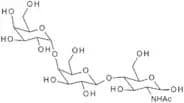
CAS:Sinapaldehyde glucoside is a phenolic compound found in the leaves of Sinapis alba. This compound has been shown to have antiviral and antibacterial properties. It has been shown to inhibit staphylococcal growth, with the most effective concentration being 0.5-2% w/v. The chemical structure of sinapaldehyde glucoside is similar to that of pomolic acid, which was also found to have anti-staphylococcal effects. Syringaresinol, a constituent of S. alba, may be responsible for the anti-staphylococcal activity due to its ability to inhibit bacterial protein synthesis. Sinapaldehyde glucoside can also be extracted from S. alba using ethanol or water as solvents and is soluble in both water and alcohols. Sinapaldehyde glucoside can also be extracted from eleutherococcus (Eleutherococcus senticosus) usingPurezza:Min. 95%P1-Antigen
CAS:<p>The P1-antigen is a blood group antigen that is encoded by the gene. It is synthesized as a precursor protein of approximately 150 amino acids that undergoes proteolytic processing to generate two peptides, A and B, which are attached to the cell surface. The P1-antigen has been shown to be involved in transcriptional regulation and antimicrobial activity. It has also been shown to be present in metastatic colorectal cancer cells and its expression can be induced by trypsin treatment. The P1-antigen is also one of the most frequently studied proteins for its role in immune responses against bacteria, viruses, and parasites. This protein has been found to have response elements for several transcription factors including NF-κB, AP-1, NFAT, SP-1, and STAT3. The basic structure of this protein contains a diode region with two negatively charged regions that are critical for its function.</p>Formula:C20H35NO16Purezza:Min. 95%Colore e forma:White Off-White PowderPeso molecolare:545.49 g/mol7,7a-Diepialexine
CAS:7,7a-Diepialexine is a molecule that has been shown to inhibit the replication of human immunodeficiency virus (HIV). This drug has been shown to inhibit the growth of bacteria in cell culture. It has been observed that 7,7a-diepialexine inhibits HIV integrase by binding to the enzyme's active site. In addition, this molecule inhibits cellular proliferation and induces apoptosis in animal models. 7,7a-Diepialexine is an enantiomer of 7,7b-diepialexine which is also a potent inhibitor of HIV integrase. The analytical method for separating these two enantiomers is not available at this time.Purezza:Min. 95%Phenyl 2,6-di-O-acetyl-3,4-O-isopropylidene-b-D-thiogalactopyranoside
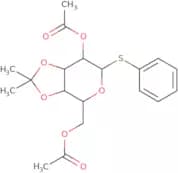
CAS:<p>Phenyl 2,6-di-O-acetyl-3,4-O-isopropylidene-b-D-thiogalactopyranoside is a fluorinated monosaccharide that exhibits high purity and custom synthesis. It is used as a building block for the synthesis of complex carbohydrates. This product is also used for glycosylation, polysaccharide modification, or click modification. Phenyl 2,6-di-O-acetyl-3,4-O-isopropylidene b -D thiogalactopyranoside has CAS number 12447699 and molecular weight of 390.38g/mol.</p>Formula:C19H24O7SPurezza:Min. 95%Peso molecolare:396.46 g/molMethyl 2,4,6-tri-O-acetyl-b-D-glucopyranoside
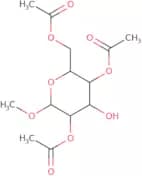
CAS:<p>Methyl 2,4,6-tri-O-acetyl-b-D-glucopyranoside is a modified sugar that is synthesized by a click reaction. This compound has been shown to be an efficient glycosylide donor for the synthesis of complex carbohydrates. Methyl 2,4,6-tri-O-acetyl-b-D-glucopyranoside has been used in the synthesis of oligosaccharides and glycosylated proteins.</p>Purezza:Min. 95%Sulfamethoxazole b-D-glucuronide
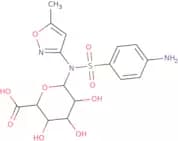
CAS:<p>Sulfamethoxazole b-D-glucuronide is a microbial conjugate that is used to treat bacterial infections. It binds to microbial cell surfaces through covalent bonds, which prevents the synthesis of proteins and DNA, leading to cell death. Sulfamethoxazole b-D-glucuronide has been shown to be activated by the enzyme acetyltransferase in bacteria and may be used as an indicator for the presence of sulfonamide resistance. This antibiotic also has a high affinity for thyroxine and analytes such as acetaminophen and sulfate.</p>Formula:C16H19N3O9SPurezza:Min. 95%Peso molecolare:429.41 g/molN-Desacetyl-N-formyl thiocolchicoside
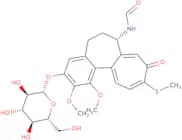
CAS:<p>N-Desacetyl-N-formyl thiocolchicoside is a methylated saccharide that has been modified with a click chemistry reaction. This modification allows for the addition of various functional groups to the saccharide, including fluorine and bromine. N-Desacetyl-N-formyl thiocolchicoside is an oligosaccharide that contains both glucose and mannose as its constituent sugars. It is synthesized in high purity and has a CAS No. of 219547-29-2. It can be used to create glycosidic linkages between amino acids in protein synthesis and carbohydrates in glycosylation reactions.</p>Formula:C26H31NO10SPurezza:Min. 95%Peso molecolare:549.59 g/molMoexiprilat acyl D-glucuronide
Moexiprilat acyl D-glucuronide is a modification of the parent drug moexipril. It is an oligosaccharide that is synthesized by custom synthesis and has a high purity. The CAS number for this substance is 59710-80-0. Moexiprilat acyl D-glucuronide is a modified form of moexipril. It is a carbohydrate that contains glycosyls, saccharides, and other organic compounds with a variety of chemical structures. The name "glycosyl" refers to the sugar at the end of glycosidic linkage. Moexiprilat acyl D-glucuronide can be synthesized by methylation, glycosylation, or fluorination reactions on either monosaccharides or polysaccharides.Purezza:Min. 95%(2S,5S)-Bishydroxymethyl-(3R,4R)-bishydroxypyrrolidine
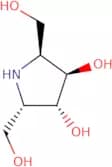
CAS:<p>(2S,5S)-Bishydroxymethyl-(3R,4R)-bishydroxypyrrolidine is a cytotoxic agent that can be used as a reagent to hydrogenolyze chloride. It is also a nucleophilic anion that can react with cisplatin to form the corresponding platinum complex. This anion has been shown to be cytotoxic against Mcf-7 cells in vitro and can inhibit DNA synthesis. (2S,5S)-Bishydroxymethyl-(3R,4R)-bishydroxypyrrolidine may also inhibit protein synthesis by reacting with anthraquinone or benzylidenation products of azasugar. The synthesis of the latter product is catalyzed by the enzyme benzylidene-pyridine dioxygenase which activates carbonyls and azasugars to form benzylic hydrazones. These reactions are sequential and have been shown to occur in</p>Formula:C6H13NO4Purezza:Min. 95%Peso molecolare:163.17 g/mol9-cis-Retinoyl b-D-glucuronide
CAS:Prodotto controllato9-cis-Retinoyl b-D-glucuronide is a complex carbohydrate that is synthesized by modification of an existing saccharide. It is synthesized through the use of click chemistry, which utilizes a copper catalyst to add fluorine and methyl groups to the sugar. The sugar is then glycosylated and carbamylated in order to produce the desired product. 9-cis-Retinoyl b-D-glucuronide has been shown to have high purity, as well as fluorescence properties when it is modified with fluorine groups.Formula:C26H36O8Purezza:Min. 95%Peso molecolare:476.56 g/mol1,4-b-D-Cellopentaitol
CAS:<p>1,4-B-D-Cellopentaitol is a high purity and custom synthesis sugar. It can be modified with fluorination, glycosylation, methylation, or modification. It has CAS No. 61473-65-2 and is an oligosaccharide with a saccharide backbone consisting of 1,4-linked D-glucopyranosyl units joined by alpha-(1,4) linkages and containing one or more monosaccharides (e.g., glucose) or disaccharides (e.g., cellobiose). The carbohydrate may be in the form of a complex carbohydrate.</p>Formula:C30H54O26Purezza:Min. 95%Peso molecolare:830.73 g/molRaloxifene 6-D-glucuronide D4
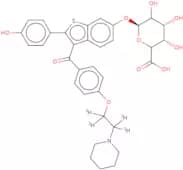
CAS:Prodotto controllato<p>Raloxifene 6-D-glucuronide D4 is a complex carbohydrate with a unique sugar modification. It is a custom synthesis that has been fluorinated, monosaccharide, and polysaccharide. It can be glycosylated and methylated as well. The desired purity level is high.</p>Formula:C34H31NO10SD4Purezza:Min. 95%Peso molecolare:653.73 g/molMethyl 2-deoxy-a-D-ribofuranoside
CAS:Methyl 2-deoxy-a-D-ribofuranoside is an atypical nucleoside, which is a component of the thiourea cofactors. It can be synthesized from chloroacetic acid and hydantoin, which are used as starting materials for the production of this compound. The methyl group in this compound is obtained from the methylation of glucose. Methyl 2-deoxy-a-D-ribofuranoside can be identified by its chromatographic properties, such as dimethylformamide (DMF) and chloride. It also contains anomeric substituents that are necessary for nucleosidation reactions. This nucleoside has been shown to have antiinflammatory activity against carrageenan in mice and rats.Formula:C6H12O4Purezza:Min. 95%Peso molecolare:148.16 g/molPhenyl 6-deoxy-6-fluoro-a-D-glucopyranoside
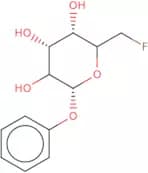
<p>Phenyl 6-deoxy-6-fluoro-a-D-glucopyranoside is a modification of the natural sugar, deoxyglucose. It is an oligosaccharide with a complex carbohydrate structure that has been modified by methylation and glycosylation. This product is synthesized from monosaccharides, and it can be fluorinated or saccharided. Phenyl 6-deoxy-6-fluoro-a-D-glucopyranoside is used in the synthesis of polysaccharides.</p>Formula:C12H15FO5Purezza:Min. 95%Peso molecolare:258.24 g/molD-Glucose hydrazon
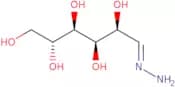
CAS:D-Glucose hydrazon is a custom synthesis of complex carbohydrate. It is made by the reaction of Methylation, Click modification, and Fluorination with saccharide and sugar. The product is a white crystalline solid that is soluble in water.Purezza:Min. 95%Difucosyl-para-lacto-N-neohexaose
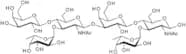
<p>Difucosyl-para-lacto-N-neohexaose is an extracellular, acidic oligosaccharide with a lactose backbone and two fucoses attached to the 2' position. Difucosyl-para-lacto-N-neohexaose is found in human milk and has been shown to be a potent inhibitor of the lectin anagyroides. Difucosyl-para-lacto-N-neohexaose is composed of tetraoses linked by α(1→4) glycosidic bonds. The linkage between the first two sugars of each tetraose can be either α(1→6) or β(1→3). The linkage between the second two sugars in each tetraose can be either β(1→4) or α(1→6). This linkage pattern restricts the possible structures to six different types,</p>Formula:C53H91N2O38Purezza:Min. 95%Peso molecolare:1,364.28 g/molGlycerone phosphate
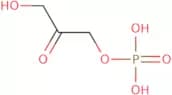
CAS:Glycerone phosphate is a cytosolic calcium (Ca2+) substrate molecule that is used to measure the activity of phospholipase A2, an enzyme that catalyzes the hydrolysis of membrane lipids. Glycerone phosphate has been shown to inhibit neuronal death and may be useful in treating neurodegenerative diseases such as Alzheimer's disease. Glycerone phosphate has also been shown to bind to monoclonal antibodies, which are proteins that bind specifically to antigens on the surface of cancer cells, thereby preventing them from binding to their corresponding receptors on healthy cells. This may limit the spread of tumor growth and increase their sensitivity to platinum-based chemotherapy.Formula:C3H7O6PPurezza:Min. 95%Peso molecolare:170.06 g/molHyaluronate fluorescein - Molecular Weight - 20kDa
<p>Hyaluronate fluorescein is a fluorinated carbohydrate that has been modified for use in the detection of methylation. It contains an oligosaccharide and polysaccharide that are attached to a 20kDa fluorinated saccharide. This product is available in high purity and is custom synthesized for your specific needs.</p>Purezza:Min. 95%trans-Zeatin-9-glucuronide
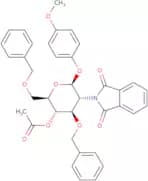
<p>trans-Zeatin-9-glucuronide is a cytokinin derivative, which is synthesized from the conjugation of trans-zeatin with glucuronic acid. It is sourced from plant metabolic processes where cytokinins play a pivotal role in promoting cell division and growth regulation. The mode of action of trans-Zeatin-9-glucuronide involves its capacity to modulate signal transduction pathways linked to cytokinin activity. This regulation influences various physiological processes such as cell proliferation, differentiation, and morphogenesis in plants.</p>Formula:C16H21N5O7Purezza:Min. 95%Peso molecolare:395.37 g/mol4-Methoxyphenyl 4-O-Acetyl-3,6-di-O-benzyl-2-deoxy-2-phthalimido-b-D-glucopyranoside
CAS:4-Methoxyphenyl 4-O-acetyl-3,6-di-O-benzyl-2-deoxy-2-phthalimido--b-D--glucopyranoside is a synthetic carbohydrate that has been modified with fluorine. It has the chemical formula of C24H21F7NO8P and a molecular weight of 592.56. This compound is used for the synthesis of glycosides and as an intermediate for the synthesis of saccharides and oligosaccharides.Formula:C37H35NO9Purezza:Min. 95%Peso molecolare:637.68 g/molPhenyl 4-azido-2,3,6-tri-O-benzyl-4-deoxy-b-D-thioglucopyranoside
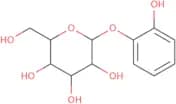
CAS:<p>Phenyl 4-azido-2,3,6-tri-O-benzyl-4-deoxy-b-D-thioglucopyranoside is a fluorinated monosaccharide that can be synthesized from commercially available starting materials. The compound has been shown to inhibit the glycosylation of proteins and is used in the synthesis of complex carbohydrates such as oligosaccharides and polysaccharides. Phenyl 4-azido-2,3,6-tri-O-benzyl -4 deoxy -b D thioglucopyranoside is a white crystalline solid that has a melting point of 155 ˚C and an assay of 99% purity.</p>Formula:C33H36N3O4SPurezza:Min. 95%Peso molecolare:570.72 g/molPyrocatechol monoglucoside
CAS:<p>Pyrocatechol monoglucoside is a phenolic compound that is found in many plants. It has an anti-thrombotic effect, inhibits bacterial growth, and has anticarcinogenic effects. Pyrocatechol monoglucoside is also hepatoprotective and can be used as a natural food preservative. It has a bitter taste and can be found in leuconostoc mesenteroides and mesenteroides strains of bacteria.</p>Purezza:Min. 95%Dimethylthexylsilyl 2,3,6-tri-O-benzyl-b-D-galactopyranoside
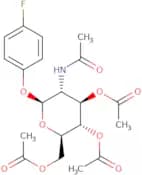
<p>Dimethylthexylsilyl 2,3,6-tri-O-benzyl-b-D-galactopyranoside is a synthetic oligosaccharide with a fluorinated benzene ring. It is an important intermediate for glycosylation and can be modified with methyl groups or click chemistry. This product is of high purity and has been custom synthesized. Dimethylthexylsilyl 2,3,6-tri-O-benzyl-b-D-galactopyranoside has CAS number 69422-24-2.</p>Purezza:Min. 95%4-Fluorophenyl 2-acetamido-3,4,6-tri-O-acetyl-2-deoxy-b-D-glucopyranoside
CAS:<p>4-Fluorophenyl 2-acetamido-3,4,6-tri-O-acetyl-2-deoxy-b-D-glucopyranoside is a custom synthesis of an Oligosaccharide, Monosaccharide and Fluorination. It is a water soluble white powder with high purity.</p>Formula:C20H24FNO9Purezza:Min. 95%Peso molecolare:441.4 g/molMethyl b-D-glucuronide
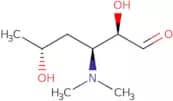
CAS:<p>Methyl b-D-glucuronide is a glucuronide compound, which is a derivative of D-glucuronic acid. It is typically sourced from the oxidation of glucose, which naturally occurs in plants and the human body. As a derivative, Methyl b-D-glucuronide is involved in the conjugation processes that aid in the detoxification and elimination of various compounds.The mode of action for Methyl b-D-glucuronide centers around its conversion by UDP-glucuronosyltransferases in the conjugation pathway, rendering xenobiotics and endogenous substances more water-soluble for excretion. This ability to facilitate glucuronidation makes it a valuable model compound in biochemical research and pharmacology, particularly in studying metabolism and pharmacokinetics of drugs.In terms of applications, Methyl b-D-glucuronide finds significant use in analytical chemistry and molecular biology. It serves as a reference or control compound in enzyme assays and studies investigating drug metabolism and transport. Additionally, its role in detoxification pathways offers insights into liver function and disease mechanisms, providing a foundation for developing therapeutic interventions. Such versatile uses make it an integral component in physiological and pharmacological research.</p>Purezza:Min. 95%Colore e forma:PowderD-Desosamine
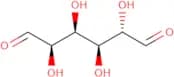
CAS:D-Desosamine is a chemical compound that has been isolated from human serum. It is an enzyme inhibitor that inhibits the activity of enzymes such as phosphatases, kinases, and proteases. D-Desosamine also has a matrix effect, which can be used to modify the properties of polymer matrices in order to improve their biocompatibility and mechanical properties. The molecular docking analysis indicated that desosamine can bind to bacterial serine/threonine protein kinase Streptococcus pyogenes phage T4 (SpyPK) and inhibit its activity. This inhibition may be due to the transfer reactions caused by desosamine binding to the enzyme's active site and blocking it. Structural analysis showed that D-desosamine forms hydrogen bonds with amino acids in SpyPK's active site, forming a covalent bond with cysteine residue Cys240. D-Desosamine has been shown to have anti-bacterial properties againstPurezza:Min. 95%D-Gluco-hexodialdose
CAS:D-Gluco-hexodialdose is a chiral intermediate useful for both research and industry.Formula:C6H10O6Purezza:Min. 90%Colore e forma:PowderPeso molecolare:178.14 g/molCellulose - Particle Size approx 50 um
CAS:<p>Cellulose is a linear polysaccharide of β 1-4 linked glucose residues. The polysaccharide chains are bundled as microfibrils in cell walls and provide the essential structural components within growing plants. Each microfibril exhibits a high degree of three-dimensional internal bonding resulting in a crystalline structure that is insoluble in water, resistant to reagents and very strong.</p>Purezza:Min. 95%Colore e forma:Powder4-Nitrophenyl 3-O-benzoyl-4,6-cyclohexylidene-b-D-mannopyranoside
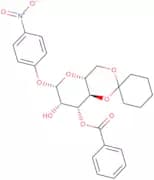
CAS:<p>4-Nitrophenyl 3-O-benzoyl-4,6-cyclohexylidene-b-D-mannopyranoside is a Custom synthesis. It is an Oligosaccharide that consists of a Polysaccharide with Modification. The CAS No. 102717-17-9 is Methylation and Glycosylation and Carbohydrate. Click modification and saccharide are sugar and High purity. Fluorination is Synthetic.</p>Formula:C25H27NO9Purezza:Min. 95%Peso molecolare:485.48 g/mol2-Bromoethyl a-L-fucopyranoside
<p>This compound is a modification of the 2-bromoethyl a-L-fucopyranoside. It is an oligosaccharide that is a carbohydrate. It is made up of many monosaccharides, which are sugar molecules linked together. This modified carbohydrate has been synthesized from other carbohydrates and then fluorinated to make it more stable.</p>Purezza:Min. 95%D-Fuculose
CAS:<p>D-Fuculose is a sugar that is used as a sweetener. It is produced by microbial fermentation of l-arabinose, which is an intermediate in the pentose phosphate pathway. D-Fuculose can be synthesized from glucose and fucose using enzymes such as sucrose isomerase or mutarotase. The conversion of glucose to D-fuculose proceeds at temperatures between 50 and 70 degrees Celsius, with optimal activity occurring at 60 degrees Celsius. D-Fuculose has been shown to have high catalytic activity and stability under acidic conditions, making it ideal for use as a food additive in acidic drinks or foods. It also has the highest sweetness intensity of all sugars tested to date.</p>Formula:C6H12O5Purezza:Min. 95%Peso molecolare:164.16 g/molNicotinic acid acyl-b-D-glucuronide
CAS:<p>Nicotinic acid acyl-b-D-glucuronide is a carbohydrate that is synthesized by the condensation of nicotinic acid with b-D-glucuronic acid. It can be modified by fluorination, methylation, glycosylation, or click modification. The CAS Number for this product is 24719-73-1 and it has a purity of >98%. It has been custom synthesized at our lab and it is available in high purity.</p>Formula:C12H13NO8Purezza:Min. 95%Peso molecolare:299.23 g/molHyaluronate biotin - Molecular Weight - 1000kDa
<p>Hyaluronate biotin (HB) is a modified form of hyaluronic acid. It is produced by the methylation and glycosylation of hyaluronic acid and it has an average molecular weight of 1000 kDa. HB is used in tissue engineering, cell culture, and as a contrast agent for magnetic resonance imaging. The modification of hyaluronate with biotin allows for the visualization of HB using immunofluorescence microscopy. Hyaluronate biotin is a synthetic product that can be custom-synthesized to customer specifications, such as purity level, oligosaccharide content, and monosaccharide content.</p>Purezza:Min. 95%N-Acetylneuraminic acid trimer disodium salt
<p>N-Acetylneuraminic acid trimer disodium salt is a methylated saccharide that is used in the synthesis of complex carbohydrates. It can be modified by Click chemistry to produce a variety of compounds, including oligosaccharides. N-Acetylneuraminic acid trimer disodium salt can also be fluorinated for use as an organic fluorinating agent in glycosylation reactions to make sugar derivatives. This compound has high purity and is custom synthesized to meet customer needs.</p>Formula:C33H50N3O25Na3Purezza:Min. 95%Colore e forma:White PowderPeso molecolare:957.72 g/mol4-Methoxyphenyl 3-O-benzyl-4,6-O-benzylidene-b-D-glucopyranoside
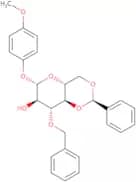
CAS:4-Methoxyphenyl 3-O-benzyl-4,6-O-benzylidene-b-D-glucopyranoside is a synthetic sugar. It is an oligosaccharide with a sugar that has been modified by fluorination. The synthesis of this compound can be customized to meet your needs and it is available in high purity. This compound has a CAS number of 303127-81-3.Formula:C27H28O7Purezza:Min. 95%Colore e forma:SolidPeso molecolare:464.1835Methyl 2,3-O-carbonyl-4,6-O-isopropylidene-a-D-mannopyranoside
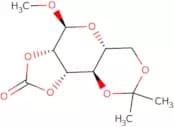
CAS:Methyl 2,3-O-carbonyl-4,6-O-isopropylidene-a-D-mannopyranoside is a custom synthesis of an oligosaccharide. It has a CAS No. 74948-73-5 and is a polysaccharide. The modification of the saccharide is methylation and glycosylation. Carbohydrate is the sugar in this compound. Click modification and fluorination are two synthetic modifications that have been done on the sugar molecule. This high purity product has a purity of 98% with a molecular weight of 587.Formula:C11H16O7Purezza:Min. 95%Peso molecolare:260.25 g/mol3,4-O-Isopropylidene-1,2-di-O-methyl-6-O-trityl-a-D-galactopyranoside
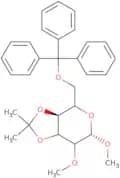
CAS:3,4-O-Isopropylidene-1,2-di-O-methyl-6-O-trityl-a-D-galactopyranoside is a modification of the oligosaccharide 3,4-O-isopropylidene -1,2,3,4,-tetra-,6-[(pentamethyleneglycol)trityl]a-,D-,galactopyranoside. It is synthesized by the methylation of the hydroxyl groups on 1 and 2 positions of the sugar of 3,4 O isopropylidene -1,2 di O methyl 6 O trityl a D galactopyranoside with methanol and methylamine in DMF. This product has high purity and can be used in glycosylation reactions to generate monosaccharides or polysaccharides. The CAS number for thisFormula:C30H34O6Purezza:Min. 95%Peso molecolare:490.6 g/molα-6⁴-6³-Di-galactosyl-mannopentaose
CAS:<p>α-6⁴-6³-Di-galactosyl-mannopentaose is a specialized oligosaccharide, which is a type of complex carbohydrate. This compound is derived from natural plant sources and its structure comprises a mannopentaose core linked with two galactose units. The mode of action involves specific interactions with gut microbiota, where it selectively enriches beneficial bacterial populations, such as Bifidobacteria and Lactobacilli. These interactions occur by serving as a fermentation substrate, promoting the growth of microbes that confer beneficial effects on host health.</p>Formula:C42H72O36Purezza:Min. 95%Peso molecolare:1,153 g/mol6-Bromo-6-deoxy-b-cyclodextrin
CAS:This beta-cyclodextrin (β-CD) derivative is a functionalized cyclic oligosaccharide composed of seven glucose units, characterized by a hydrophilic exterior and a lipophilic cavity (bigger than α-CD and smaller than γ-CDs), which allows it to encapsulate various guest molecules. This structural feature facilitates its use in multiple applications, including pharmaceuticals, food enhancement, and cosmetics. In the pharmaceutical industry, it enhances the solubility and stability of poorly water-soluble drugs, improving their bioavailability and efficacy while also masking unpleasant tastes. The food sector utilizes it as a stabilizer for flavors, colors, and nutrients, extending shelf life by protecting sensitive ingredients from degradation. In cosmetics, it serves as a complexing agent for fragrances and active components, ensuring their stability and controlled release. Its use expands to many other fields, including nanotechnology for drug delivery systems, environmental remediation for extracting organic pollutants, textiles for slow-release fragrances, and analytical chemistry for chiral separation.Formula:C42H63Br7O28Purezza:Min. 95%Colore e forma:White PowderPeso molecolare:1,575.26 g/molMethyl D-galactofuranoside
CAS:Methyl D-galactofuranoside is a derivative of galactose that is used as an intermediate in the synthesis of other carbohydrates. It can be obtained by trimethylation of methyl galactopyranoside, or by the stepwise reaction of hydrogen fluoride with 1,2-dihydroxyacetone. The product yields are largely dependent on the stereoisomeric form of the starting material. Methyl D-galactofuranoside crystallizes in a monoclinic form and can be synthesized from glucose.Formula:C7H14O6Purezza:Min. 95%Colore e forma:SolidPeso molecolare:194.18 g/molLaminarioctaose
CAS:Ex algal/bacterial polysaccharides-value in b1-3 glucanase assays & diagnosticsFormula:C48H82O41Purezza:Min. 95%Peso molecolare:1,315.14 g/molPhenyl a-L-thioglucopyranoside
<p>Phenyl a-L-thioglucopyranoside is an intermediate in the synthesis of glycosides. It is used as a fluorinating or methylating agent, and as a glycosylating or modifying agent. Phenyl a-L-thioglucopyranoside can be synthesized by the click modification of thioglycolic acid with phenol, followed by glycination. It has been shown to react with monosaccharides to form oligosaccharides and polysaccharides. Phenyl a-L-thioglucopyranoside can also react with saccharides to form complex carbohydrates.</p>Purezza:Min. 95%Peso molecolare:272.32 g/molThiotolyl b-D-ribofuranoside
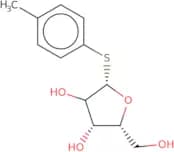
CAS:<p>Thiotolyl b-D-ribofuranoside is a carbohydrate that is modified with fluorine. It is synthesized from 2,3-dichloro-5,6-dicyano-1,4-benzoquinone and thioglycolic acid in the presence of sodium nitrite. The product is an oligosaccharide that contains a methyl group at C2 and a glycosylation at C6. Thiotolyl b-D-ribofuranoside has been used in the synthesis of polysaccharides with click chemistry reactions.</p>Formula:C12H16O4SPurezza:Min. 95%Peso molecolare:256.32 g/molMethyl 2,3,6-tri-O-acetyl-a-D-glucopyranoside
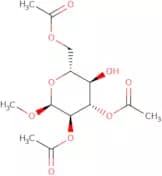
CAS:<p>Methyl 2,3,6-tri-O-acetyl-a-D-glucopyranoside is a fluorinated monosaccharide that can be used in the synthesis of oligosaccharides, polysaccharides and complex carbohydrates. This product is custom synthesized for customers with specific needs. The modification of Methyl 2,3,6-tri-O-acetyl-a-D-glucopyranoside can also be done to provide desired properties. The purity of this product is high and suitable for various applications.</p>Formula:C13H20O9Purezza:Min. 95%Peso molecolare:320.29 g/mol

![3-[(2,3,4,6-Tetra-O-acetyl-b-D-galactopyranosyl)thio]-propanoic acid](/_next/image/?url=https%3A%2Fstatic.cymitquimica.com%2Fproducts%2F3D%2Fthumb-webp%2FMT04253.webp&w=3840&q=75)