Glicoscienza
La glicosienza è lo studio dei carboidrati e dei loro derivati, nonché delle interazioni e delle funzioni biologiche a cui partecipano. Questo campo di ricerca è cruciale per comprendere una vasta gamma di processi biologici, tra cui il riconoscimento cellulare, la segnalazione, la risposta immunitaria e lo sviluppo delle malattie. La glicosienza ha importanti applicazioni nella biotecnologia, nella medicina e nello sviluppo di nuovi farmaci e terapie. Presso CymitQuimica, offriamo un'ampia selezione di prodotti di alta qualità e purezza per la ricerca in glicosienza. Il nostro catalogo comprende monosaccaridi, oligosaccaridi, polisaccaridi, glicoconiugati e reagenti specifici, progettati per supportare i ricercatori nei loro studi sulla struttura, funzione e applicazioni dei carboidrati nei sistemi biologici. Queste risorse sono destinate a facilitare scoperte scientifiche e applicazioni pratiche in vari ambiti delle bioscienze e della medicina.
Sottocategorie di "Glicoscienza"
- Amminozucchero(108 prodotti)
- Glico-anticorpi(282 prodotti)
- Glicolipidi(46 prodotti)
- Glicosaminoglicani (GAGs)(55 prodotti)
- Glicosidi(419 prodotti)
- Monosaccaridi(6.624 prodotti)
- Oligosaccaridi(3.682 prodotti)
- Polisaccaridi(503 prodotti)
Trovati 11046 prodotti di "Glicoscienza"
Ordinare per
Purezza (%)
0
100
|
0
|
50
|
90
|
95
|
100
Galacturonan oligosaccharides DP25-DP50 sodium salt
Mixed DP 25-50 Na galacturonans, (α-1,4 25-50 Na galacturonans) are derived from pectin or pectic acid, by enzymatic or partial acid hydrolysis. They are used in galacturonic acid metabolism research as a substrate to identify, differentiate, and characterize endo- and exopolygalacturonase(s) and gluconase(s). In recent studies, it has been shown that long oligogalacturonides (degree of polymerization (DP) from 25â50), help to induce plant defense signaling resulting in enhanced defenses to necrotrophic pathogens.Purezza:Min. 90 Area-%Colore e forma:Powder1,3,4,6-Tetra-O-acetyl-N-azidoacetylglucosamine
CAS:<p>1,3,4,6-Tetra-O-acetyl-N-azidoacetylglucosamine (GlcNAz) is an azido-tagged analogue of N-acetylglucosamine (GlcNAC). It features azide functionality on the N-acyl side chain and is acetylated to aid in cell membrane permeation. Once in the cell, the acetylated compound is deprotected and takes part in the hexosamine biosynthetic pathway by action of GlcNAc kinase. The resulting modified proteins are detected by the addition of fluorescent tags under Cu(I)-catalyzed azide-alkyne cycloaddition conditions.</p>Formula:C16H22N4O10Purezza:Min. 95%Colore e forma:White PowderPeso molecolare:430.37 g/molD-Glucose-13C6
CAS:D-Glucose-13C6 is a complex carbohydrate, which is composed of a glucose molecule with one carbon atom labeled as C6. It is used to study the structure of carbohydrates and their interactions with proteins. D-Glucose-13C6 also has applications in the study of diseases such as Alzheimer's disease, Parkinson's disease, diabetes mellitus type 2, and cancer. In addition, this molecule can be used to measure plasma glucose concentrations in humans or animals. D-Glucose-13C6 is not active against bacteria such as Pseudomonas aeruginosa or Escherichia coli. The synthesis of D-glucose-13C6 requires anhydrous dextrose and unlabeled glucose.Formula:C6H12O6Purezza:Min. 98 Area-%Colore e forma:White PowderPeso molecolare:186.11 g/molLewis A tetrasaccharide
CAS:Lewis A tetrasaccharide is a glycosylated oligosaccharide with the following chemical structure: The Lewis A tetrasaccharide is a carbohydrate that has been modified with fluorination and methylation. This modification has been shown to increase its stability in aqueous environments. The Lewis A tetrasaccharide may be used as a synthetic monosaccharide for custom synthesis. It is also used as an intermediate for the synthesis of glycosylated oligosacscharsides.Formula:C26H45NO20Purezza:90%Colore e forma:White PowderPeso molecolare:691.64 g/mol4,6-O-Benzylidene-1-O-(N-Cbz-3-aminopropyl)-b-D-galactopyranose
CAS:4,6-O-Benzylidene-1-O-(N-Cbz-3-aminopropyl)-b-D-galactopyranose is a methylated saccharide. It can be modified with click chemistry to produce a wide variety of compounds. 4,6-O-Benzylidene-1-O-(N-Cbz 3 -aminopropyl)-b D galactopyranose is a synthetic sugar that can be used for glycosylation and polysaccharide synthesis. This product is available in various purities and CAS number 189819 33 8.Formula:C24H29NO8Purezza:Min. 95%Peso molecolare:459.49 g/mol(3aS, 7R, 9S, 9aR, 9bR) -9- [[(1, 1- Dimethylethyl) dimethylsilyl] oxy] - 2, 2- diethylhexahydro- 7- methyl-1, 3- Dioxolo[4, 5- a] i ndolizin- 6(4H) - one
<p>(3aS, 7R, 9S, 9aR, 9bR) -9- [[(1, 1- Dimethylethyl) dimethylsilyl] oxy] - 2, 2- diethylhexahydro- 7- methyl-1, 3- Dioxolo[4, 5- a] i ndolizin- 6(4H) - one is a custom synthesis. It is a complex carbohydrate that is an Oligosaccharide with CAS No. (847128-50-5). It has been modified with saccharide and Methylation. It has been glycosylated and click modified. This compound also has high purity and fluorination.</p>Purezza:Min. 95%1,2:4,5-Biscyclohexylidene-DL-myo-inositol
CAS:<p>1,2:4,5-Biscyclohexylidene-DL-myo-inositol is an Oligosaccharide that is synthetically made. It belongs to the group of Glycosylation and can be used in a variety of applications. This compound can be used as a sugar in protein glycosylation, or it can act as an initiator for polysaccharide synthesis. 1,2:4,5-Biscyclohexylidene-DL-myo-inositol has been modified with Click chemistry and has been shown to be high purity and complex carbohydrate.</p>Formula:C18H28O6Purezza:Min. 95%Colore e forma:PowderPeso molecolare:340.41 g/molMethyl(methyl 3,4-di-O-methyl-α-D-glucopyranoside)uronate
CAS:<p>A methyl ether protected glucuronide glycoside</p>Formula:C10H18O7Purezza:Min. 95%Colore e forma:PowderPeso molecolare:250.25 g/mol2,3,4,6-Tetra-O-trimethylsilyl-D-glucono-1,5-lactone
CAS:2,3,4,6-Tetra-O-trimethylsilyl-D-glucono-1,5-lactone is a synthetic building block which has been used to prepare C-glucosides via the nucleophilic addition of a suitably functionalised aryllithium reagent, followed by a triethylsilane reduction. Notable examples of this include the synthesis of C-glycoside intermediates which have been further elaborated to afford canagliflozin, bexagliflozin and dapagliflozin which inhibit sodium-dependant glucose co-transporter 2 (SGLT2) and are of interest as antidiabetic agents.Formula:C18H42O6Si4Purezza:Min. 95%Colore e forma:Colorless Clear LiquidPeso molecolare:466.86 g/mol1,2,3,4-Tetra-O-acetyl-6-O-triisopropylsilyl-a-D-mannopyranose
<p>1,2,3,4-Tetra-O-acetyl-6-O-triisopropylsilyl-a-D-mannopyranose (1,2,3,4TAMS) is a custom synthesis of an oligosaccharide. It is a complex carbohydrate that has been modified with methylation and glycosylation. 1,2,3,4TAMS is a polysaccharide that contains mannose and arabinose as the two monosaccharides. 1,2,3,4TAMS may be used for applications such as click chemistry or fluorination. 1,2,3,4TAMS is a sugar that has high purity and can be synthesized with a high degree of accuracy.</p>Formula:C23H40O10SiPurezza:Min. 95%Peso molecolare:504.66 g/molXylitol - BP/EP
CAS:<p>Xylitol is a sugar alcohol that has been shown to have antimicrobial properties. It has been found to be effective in inhibiting the growth of bacteria, yeast, and fungi by disrupting their cell membranes. In addition, xylitol appears to have the ability to reduce plasma glucose levels in animals and humans. Xylitol has also been shown to inhibit the growth of bacteria in acidic environments by binding with proteins on the bacterial cell membrane. This binding prevents the transport of nutrients into the cell and results in cell death. Xylitol is not metabolized by human cells because it cannot be broken down into acetaldehyde or acetate. However, xylitol can be metabolized by certain types of liver cells.<br>Xylitol BP/EP is a drug that belongs to the class of antidiabetic agents used for lowering blood sugar levels in patients with diabetes mellitus type II (insulin-dependent diabetes). It is an exogenous insulin secretagogue that stimulates insulin secretion from pancreatic</p>Formula:C5H12O5Purezza:Min. 95%Peso molecolare:152.15 g/molMethyl 6-O-tert-butyldiphenylsilyl-2,3,4-tri-O-pivaloyl-a-D-mannopyranoside
<p>Methyl 6-O-tert-butyldiphenylsilyl-2,3,4-tri-O-pivaloyl-a-D-mannopyranoside is a synthetic glycosylation reagent. It is used in the synthesis of oligosaccharides and polysaccharides. Methyl 6-O-tert-butyldiphenylsilyl-2,3,4-tri-O—pivaloyl -a—D—mannopyranoside has been shown to be highly pure with a CAS number of 2907939–87–6.</p>Formula:C38H56O9SiPurezza:Min. 95%Peso molecolare:684.95 g/mol3,4,6-Tri-O-acetyl-2-deoxy-2-fluoro-b-D-glucopyranosyl azide
<p>3,4,6-Tri-O-acetyl-2-deoxy-2-fluoro-b-D-glucopyranosyl azide is a fluorinated sugar that is used in the synthesis of glycosides and polysaccharides. This product has many applications, such as: custom synthesis, oligosaccharide and complex carbohydrate modifications, glycosylation, methylation, and click chemistry. 3,4,6-Tri-O-acetyl-2-deoxy-2-fluoro b D glucopyranosyl azide can be used for the modification of carbohydrates for high purity.</p>Purezza:Min. 95%2,3,4-Tri-O-benzyl-D-glucuronide benzyl ester
CAS:<p>2,3,4-Tri-O-benzyl-D-glucuronide benzyl ester is a synthetic glycosylation product. It has been custom synthesized and modified with fluorination and methylation. This compound is an oligosaccharide that can be used as a pharmaceutical intermediate or in the synthesis of complex carbohydrates. 2,3,4-Tri-O-benzyl-D-glucuronide benzyl ester has been shown to have high purity and can be used for research purposes.</p>Formula:C34H34O7Purezza:Min. 95%Colore e forma:PowderPeso molecolare:554.63 g/mol2'',3'',4''-Tri-O-benzylfucosyllactose
<p>Please enquire for more information about 2'',3'',4''-Tri-O-benzylfucosyllactose including the price, delivery time and more detailed product information at the technical inquiry form on this page</p>Formula:C39H50O15Purezza:Min. 95%Colore e forma:White To Off-White SolidPeso molecolare:758.81 g/molHepta-O-acetylrutinose
CAS:<p>Hepta-O-acetylrutinose is a synthetic monosaccharide that is fluorinated. It can be used in the synthesis of oligosaccharides, polysaccharides, and glycosylations. Hepta-O-acetylrutinose has been shown to be useful in click chemistry and other modifications due to its reactive groups. The CAS number for this compound is 29202-64-0.</p>Formula:C26H36O17Purezza:(%) Min. 95%Colore e forma:White PowderPeso molecolare:620.57 g/molPhenyl 2-acetamido-3,4,6-tri-O-acetyl-2-deoxy-α-D-galactopyranoside
CAS:Phenyl 2-acetamido-3,4,6-tri-O-acetyl-2-deoxy-a-D-galactopyranoside is a sugar that is used in the synthesis of oligosaccharides and polysaccharides. This compound has an acetamido group on the phenyl ring, which reacts with the aldehyde group of galactose to form an ether bond. The glycosylation reaction can be carried out using either an acid or base catalyst. Acetal formation is also possible when this compound reacts with alcohols. Phenyl 2-acetamido-3,4,6-tri-O-acetyl-2-deoxygalactopyranoside is soluble in water and other polar solvents. It has a CAS number of 130894350 and can be found under the name Oligosaccharide, Monosaccharide, saccharide, CarbohydrateFormula:C20H25NO9Purezza:Min. 95%Colore e forma:White to off-white solid.Peso molecolare:423.41 g/molN-[2-(4'-Dimethylaminophenyl)-1-cyano-3-butene]-2,3,4,6-tetra-O-pivaloyl-D-glucopyranoside
<p>2-(4'-Dimethylaminophenyl)-1-cyano-3-butene-2,3,4,6-tetra-O-pivaloyl-D-glucopyranoside is a synthetic compound. It is an oligosaccharide that can be modified to produce various sugar derivatives. The modification process includes fluorination and methylation. 2-(4'-Dimethylaminophenyl)-1-cyano-3-butene-2,3,4,6 tetra O pivaloyl D glucopyranoside is a white powder with a melting point of 110°C and an optical rotation of +33°C.</p>Formula:C39H59N2O9Purezza:Min. 95%Peso molecolare:699.91 g/mol(2R, 3S, 4R, 5S) -3,4- Dihydroxy- 3,4-O-isopropylidene-2,5-bis- [(tert butyldimethylsilyloxy) methyl] - 1- benzyl -2- pyrrolidine
<p>Glycosylation is the process of adding a sugar to a protein. In this process, the sugar molecule is first activated by reacting with an enzyme called glycosyltransferase. The activated sugar molecule then reacts with the protein to form a glycosidic linkage. This type of reaction is irreversible and can be classified as a condensation reaction. Methylation is the addition of a methyl group to an organic compound such as an amino acid, DNA, or RNA. Click modification is the covalent attachment of a molecule that contains an azide group to another molecule via copper catalysis. Polysaccharides are carbohydrates consisting of long chains of monosaccharides joined together by glycosidic bonds. Fluorination is the substitution of one atom in a molecule with another atom or radical; in chemistry it usually means substitution by fluorine (F). Saccharide refers to any carbohydrate that has been built up from two simple sugars (monosaccharides) and</p>Purezza:Min. 95%Geranyl b-D-glucoside
CAS:<p>Geranyl b-D-glucoside is a supramolecular amphiphile that can be used as a biofuel. It is made up of two molecules: geranyl and glucose. Geranyl b-D-glucoside has been shown to form micelles in water with the help of ions, which are complex aggregates of many molecules that have a hydrophobic interior and hydrophilic exterior. The micelles are able to stabilize the fuel and protect it from degradation by sunlight or other environmental factors. The thermodynamics of the system can be quantified through the parameters of this supramolecular amphiphile, which will allow for predictive modelling.</p>Formula:C16H28O6Purezza:Min. 95 Area-%Colore e forma:White PowderPeso molecolare:316.39 g/molMethyl 2,4-di-O-benzyl-a-D-mannopyranoside
CAS:Methyl 2,4-di-O-benzyl-a-D-mannopyranoside is a monosaccharide that is used in the synthesis of complex carbohydrates and polysaccharides. It can be custom synthesized to meet specific requirements. This product has been fluorinated at the 2, 4, and 6 positions with a purity of 99%. Methyl 2,4-di-O-benzyl-a-D-mannopyranoside can be modified by methylation or glycosylation, which can change its properties such as solubility or reactivity. The product is also available in an Oligosaccharide form. This product has been successfully used for Click modification.Formula:C21H26O6Purezza:Min. 95%Peso molecolare:374.43 g/mol2,3:4,6-Di-O-isopropylidene-2-keto-L-gulonic acid sodium salt
CAS:<p>2,3:4,6-Di-O-isopropylidene-2-keto-L-gulonic acid sodium salt is a fatty acid that has been used as an antipsychotic drug. It is the active metabolite of clozapine and has been shown to have similar efficacy to other first generation antipsychotics such as chlorpromazine and haloperidol. 2,3:4,6-Di-O-isopropylidene-2-keto-L-gulonic acid sodium salt also has a low energy content and can be audited for its locomotor activity. This drug is a metabolic product of clozapine and has been shown to have similar efficacy to other first generation antipsychotics such as chlorpromazine and haloperidol. 2,3:4,6-Di-O-isopropylidene-2-keto--L--gulonic acid</p>Formula:C12H17NaO7Colore e forma:White Off-White PowderPeso molecolare:296.25 g/mol2-Azidoethyl 2,3,4,6-tetra-O-acetyl-a-D-mannopyranoside
CAS:2-Azidoethyl 2,3,4,6-tetra-O-acetyl-a-D-mannopyranoside is a custom synthesis. It is a complex carbohydrate that has been modified with glycosylation and methylation. This saccharide is a glycoside of the simple sugar mannose and the amino acid 2-azidoethanol. The compound has been fluorinated to yield a stable molecule. This product is of high purity and can be used in the synthesis of other compounds.Formula:C16H23N3O10Purezza:Min. 95 Area-%Colore e forma:PowderPeso molecolare:417.37 g/molD-Cellobiose octaacetate
CAS:<p>Fully acetylated cellohexoses, part of a polymer homologous series of oligosaccharides isolated from cellulose by acetolysis followed by chromatography.</p>Formula:C28H38O19Purezza:Min. 98 Area-%Colore e forma:White PowderPeso molecolare:678.59 g/mol1,2,3,4-Tetra-O-acetyl-D-galactopyranose
CAS:<p>1,2,3,4-Tetra-O-acetyl-D-galactopyranose is a sugar that is used in the synthesis of radiolabelled compounds. It can be labelled with tritium, 3H or 14C for use in research. 1,2,3,4-Tetra-O-acetyl-D-galactopyranose has been shown to be an effective analogue of D-glucose in animal studies.</p>Formula:C14H20O10Purezza:Min. 95%Peso molecolare:348.3 g/mol3,4,6-Tri-O-benzyl-b-D-galactopyranoside
3,4,6-Tri-O-benzyl-b-D-galactopyranoside is a synthetic glycosylation of a monosaccharide with a polysaccharide. This compound is modified by fluorination as well as other chemical reactions to synthesize an Oligosaccharide. The product is custom synthesized for research purposes and can be ordered in high purity, which can be verified with the CAS number.Purezza:Min. 95%(2R, 3R, 3aS, 9aR) -2, 3, 3a, 9a- Tetrahydro- 3- hydroxy- 6- imino- 3a- methyl- 6H- furo[2', 3':4, 5] oxazolo[3, 2- a] pyrimidine- 2 - methanol
<p>(2R, 3R, 3aS, 9aR) -2, 3, 3a, 9a- Tetrahydro- 3- hydroxy- 6- imino- 3a- methyl- 6H- furo[2', 3':4, 5] oxazolo[3, 2- a] pyrimidine- 2 - methanol is a custom synthesized molecule that has been modified to include fluorination and methylation. This compound is an oligosaccharide that contains saccharides and sugar units. It is a polysaccharide with glycosylation on the sugar unit.</p>Purezza:Min. 95%3-O-Benzyl-a- D- glucofuranose cyclic 5, 6- carbonate
<p>3-O-Benzyl-a-D-Glucofuranose Cyclic 5,6-Carbonate is a custom synthesis that can be modified with fluorination, methylation, and click modification. It is a saccharide with CAS number. 3-O-Benzyl-a-D-Glucofuranose Cyclic 5,6-Carbonate is an oligosaccharide and polysaccharide that has a sugar and carbohydrate structure.</p>Purezza:Min. 95%4-Acetamido-4-deoxy-D-glucose
CAS:<p>4-Acetamido-4-deoxy-D-glucose is a custom synthesis of a monosaccharide that is modified with fluorine and methyl groups. It is synthesized by the Click modification, which involves the addition of an azide to an alkyne in a copper catalyzed reaction. 4-Acetamido-4-deoxy-D-glucose can be used as a building block for complex carbohydrate synthesis. 4-Acetamido-4-deoxy-D-glucose has shown effectiveness against fluoroquinolone resistance, as well as activity against methicillin resistant Staphylococcus aureus (MRSA) and Clostridium perfringens.</p>Formula:C8H15NO6Purezza:Min. 95%Colore e forma:PowderPeso molecolare:221.21 g/mol1,2,3,4-Tetra-O-benzyl-6-O-triisopropylsilyl-a-D-mannopyranose
<p>1,2,3,4-Tetra-O-benzyl-6-O-triisopropylsilyl-a-D-mannopyranose is a methylated saccharide. It has the CAS number of 43471-92-5 and is a synthetic modification of mannopyranose. This product can be modified with other functional groups to create customized synthesis for glycosylation and fluorination. It has high purity and is free from contaminants such as proteins, lipids, or carbohydrates.</p>Formula:C43H56O6SiPurezza:Min. 95%Peso molecolare:697.01 g/mol(2R, 3R, 3aS, 9aR) -2, 3, 3a, 9a-Tetrahydro- 3- hydroxy- 2- (hydroxymethyl) - 3a- methyl- 6H- Furo[2', 3':4, 5] oxazolo[3, 2- a] pyr imidin- 6- one,
<p>This compound is a custom synthesis. It is an oligosaccharide that has a CAS number. The molecular weight of this compound is 5,871. This product is a sugar that contains glycosylation and methylation modifications, as well as click chemistry modifications. The purity of this product is high, with a purity level of 99%. This product also contains fluorination on the alpha-carbon atom in the 2 position.</p>Purezza:Min. 95%Methyl 2,3,4-tri-O-benzoyl-6-O-tert-butyldimethylsilyl-a-D-mannopyranoside
CAS:<p>Methyl 2,3,4-tri-O-benzoyl-6-O-tert-butyldimethylsilyl-a-D-mannopyranoside is a glycosylation product that is synthesized by reacting mannose with methyl bromide and trimethylsilyl chloride. It is a monosaccharide that can be modified to create complex carbohydrates. Methyl 2,3,4-tri-O-benzoyl-6-O-tertbutyldimethylsilyl-aDmannopyranoside has been used as a model in chemical synthesis studies of glycosylation reactions. This compound has also been used in click chemistry and fluorination reactions.</p>Formula:C34H40O9SiPurezza:Min. 95%Peso molecolare:620.78 g/mol2,3,4,6-Tetra-O-acetyl-a-D-glucopyranosyl azide
CAS:<p>This compound is a custom synthesis. It is used to synthesize complex carbohydrates, such as oligosaccharides and polysaccharides. This product has been modified with methylation and glycosylation. It is a carbohydrate that is classified as a saccharide. The CAS number for this product is 20379-61-7. This product has high purity, with the purity being over 99%. This product has been fluorinated and synthesized using Click chemistry.</p>Formula:C14H19N3O9Purezza:Min. 95%Colore e forma:PowderPeso molecolare:373.32 g/molAgaroheptaose
CAS:<p>Agarose is a polysaccharide found in red algae, typically Gelidium and Gracilaria. It is a strictly alternating polysaccharide of α-1,3 linked D-galactose and β-1,4 linked L-3,6 anhydrogalactose with occasional sulfation at position 6 of the anhydrogalactose residue. Agaro-oligosaccharides result from cleavage at galactose residues and neoagaro-oligosaccharides from cleavage at 3,6-anhydro residues. A number of publications have suggested that agaroheptaose has properties that include: anti-microbial, antiviral, prebiotic, anti-tumoral, immunomodulatory, anti-inflammatory, glucosidase inhibitory, and hepatoprotective properties.</p>Formula:C42H66O33Purezza:Min. 97 Area-%Colore e forma:White Off-White PowderPeso molecolare:1,098.95 g/molAllyl 2,3,4-tri-O-acetyl-b-D-galacturonide methyl ester
CAS:<p>Allyl 2,3,4-tri-O-acetyl-b-D-galacturonide methyl ester is a synthetic monosaccharide that is custom synthesized for use in modifying complex carbohydrates. It has the CAS number 130506-36-4 and can be used in the synthesis of oligosaccharides and polysaccharides. This chemical may be fluorinated to give a fluorinated carbohydrate, which may then be methylated to produce an allyl 2,3,4-tri-O-acetyl-b-D-galacturonide methyl ester. Allyl 2,3,4-tri-O-acetyl--b--D--galacturonide methyl ester is also known as Methylated galacturonic acid or 2,3,4 Triacetate D Galacturonic Acid Methyl Ester.</p>Formula:C16H22O10Purezza:Min. 95%Colore e forma:White to off-white solid.Peso molecolare:374.34 g/mol2-Acetamido-1,3,4,6-tetra-O-acetyl-2-deoxy-β-D-thioglucopyranose
CAS:2-Acetamido-1,3,4,6-tetra-O-acetyl-2-deoxy-β-D-thioglucopyranose is a synthetic monosaccharide that belongs to the group of complex carbohydrates. It has CAS No. 10043-46-6 and is used in glycosylation reactions. The fluorination of the sugar can be done by using a Click modification or methylation reaction. This product has been custom synthesized and can be ordered with high purity.Formula:C16H23NO9SPurezza:Min. 95%Colore e forma:Off-White PowderPeso molecolare:405.42 g/mol6-O-Benzyl-1-(-)-carboxymenthyl-2,3:4,5-di-O-cyclohexylidene-L-myo-inositol
CAS:<p>6-O-Benzyl-1-(-)-carboxymenthyl-2,3:4,5-di-O-cyclohexylidene-L-myo-inositol is a synthetic oligosaccharide with the chemical formula C9H14FNO5. It is a monosaccharide composed of a single sugar unit, inositol, which has been modified with benzyl groups on the 6th and 1st positions of the inositol ring. This compound is used as an intermediate in the synthesis of other saccharides.</p>Formula:C36H52O8Purezza:Min. 95%Peso molecolare:612.79 g/molLacto-N-difucohexaose IV
<p>Lacto-N-difucohexaose IV is a pentasaccharide with a lacto-n-difucohexaose backbone that has been shown to have inhibitory activities against human red blood cells. This pentasaccharide is a glycosaminoglycan, which is a type of carbohydrate that consists of an oligosaccharide and protein. Lacto-N-difucohexaose IV specifically binds to the antigen on the surface of human red blood cells, inhibiting their proliferation. The pentasaccharide is also known as Hansson's hapten or Hapten IV. The pentasaccharides are found in group O blood and are not found in groups A, B, or AB.</p>Formula:C38H65NO29Purezza:Min. 95%Peso molecolare:999.91 g/molPhenyl 3,4,6-Tri-O-acetyl-2-deoxy-1-thio-2-(2,2,2-trichloroethoxyformamido)-b-D-glucopyranoside
CAS:<p>Phenyl 3,4,6-tri-O-acetyl-2-deoxy-1-thio-2-(2,2,2-trichloroethoxyformamido)-b-D-glucopyranoside is a glycosylation product of the naturally occurring phenyl 2,3,4,6-tetraacetate. It is a white to off white powder that is stable in air and water. Phenyl 3,4,6-triacetyl 1 -thio 2-(2,2,2 trichloroethoxyformamido) b D glucopyranoside is soluble in methanol and ethanol but insoluble in water. This compound has been used as a monosaccharide or polysaccharide modification for click chemistry and complex carbohydrate studies.</p>Formula:C21H24Cl3NO9SPurezza:Max. 98 Area-%Colore e forma:White Off-White PowderPeso molecolare:572.84 g/molL-Talitol
CAS:<p>L-Talitol is a naturally occurring sugar alcohol that is found in the human body and in many vegetables, fruits, and grains. It has been shown to be a potent inhibitor of the bacterium Klebsiella aerogenes. L-talitol has been used as a model system to study the effect of matrix on the growth of cells. It has also been shown to have chronic pulmonary effects and to be effective for treating selenium deficiency. L-talitol can inhibit b-raf by binding to the hydroxyl group on its kinase domain and inhibiting downstream signaling pathways. This inhibition leads to reduced levels of transcriptional regulation in cells, which may be due to decreased protein synthesis or increased degradation of mRNA. L-Talitol also inhibits d-talitol dehydrogenase, which results in an increase in d-talitol concentrations in cells.</p>Formula:C6H14O6Purezza:Min. 95%Colore e forma:PowderPeso molecolare:182.17 g/molN-Acetyl-glucosaminyl thiazoline
CAS:<p>Inhibitor of O-GlcNAcase</p>Formula:C8H13NO4SPurezza:Min. 97 Area-%Colore e forma:White PowderPeso molecolare:219.26 g/mol2-Acetamido-1,3,6-tri-O-acetyl-2-deoxy-a-D-glucopyranose
CAS:2-Acetamido-1,3,6-tri-O-acetyl-2-deoxy-a-D-glucopyranose is a synthetic monosaccharide that can be used as an intermediate in the preparation of oligosaccharides. The compound is fluorinated and then reacted with acetyl chloride to produce an acetamido derivative. This product can be used for glycosylation reactions with polysaccharides. It has been shown to react with diols and triols to form methyl ethers via the Click chemistry reaction. 2-Acetamido-1,3,6-tri-O-acetyl-2,5,6,-triiodohexanoic acid is a modification of this product that has been shown to inhibit bacterial growth in vitro.Formula:C14H21NO9Purezza:Min. 95%Colore e forma:Clear oil.Peso molecolare:347.32 g/molMethyl 2,3,5-tri-O-benzyl-β-D-ribofuranoside
CAS:<p>Methyl 2,3,5-tri-O-benzyl-b-D-ribofuranoside is a glycosylation reagent that can be used in the synthesis of oligosaccharides and polysaccharides. It is used to modify saccharides with fluorine or methyl groups and can be used to synthesize complex carbohydrates. Methyl 2,3,5-tri-O-benzyl-b-D-ribofuranoside is also an intermediate for click chemistry reactions. This product has high purity and can be custom synthesized to meet customers' needs.</p>Formula:C27H30O5Purezza:Min. 95%Colore e forma:Pale yellow oil.Peso molecolare:434.52 g/molMethyl 4,6-O-benzylidene-2,3-di-O-(p-toluenesulfonyl)-α-D-glucopyranoside
CAS:<p>Methyl 4,6-O-benzylidene-2,3-di-O-(p-toluenesulfonyl)-a-D-glucopyranoside is a custom synthesis that has been modified with fluorination, methylation, and click modification. It is a monosaccharide that can be found in saccharides and polysaccharides. This product is also a synthetic carbohydrate with the CAS number of 6884-01-1.<br>Methyl 4,6-O-benzylidene-2,3-di-O-(p-toluenesulfonyl)-a -D -glucopyranoside has been shown to have antihyperglycemic properties by inhibiting the action of alpha amylase on starch. This product also inhibits the activity of alpha amylase on glycogen and lactose.</p>Formula:C28H30O10S2Purezza:Min. 95%Peso molecolare:590.66 g/molEthyl 4,6-O-benzylidene-2-O-levulinoyl-b-D-thioglucopyranoside
<p>Ethyl 4,6-O-benzylidene-2-O-levulinoyl-b-D-thioglucopyranoside is a highly functionalized glycoside that is synthesized from levulinic acid as the starting material. It is an important chemical intermediate for various applications in biotechnology and medicine. Ethyl 4,6-O-benzylidene-2-O-levulinoyl-b-D-thioglucopyranoside can be used to modify saccharides, oligosaccharides, and polysaccharides with fluorine or methyl groups. This product has been custom synthesized to specifications and is of high purity.</p>Formula:C20H26O7SPurezza:Min. 95%Peso molecolare:410.48 g/mol2,3,4-Tri-O-acetyl-D-glucuronide methyl ester
CAS:Intermediate for the anomeric modification of GlcU, including glucuronylationFormula:C13H18O10Purezza:Min. 95%Colore e forma:White PowderPeso molecolare:334.28 g/mol(3S,5S) -1-Nonyl-3, 4, 5- piperidinetriol
<p>This is a high purity, custom synthesis of (3S,5S) -1-Nonyl-3, 4, 5- piperidinetriol. The starting material is an oligosaccharide and the product has been synthesized by a click modification reaction. It is a complex carbohydrate that has been fluorinated at the 3 position of the sugar moiety. This compound has been glycosylated and methylated with a high degree of purity.</p>Purezza:Min. 95%2,3,4,6-Tetra-O-benzoyl-D-mannopyranose
CAS:2,3,4,6-Tetra-O-benzoyl-D-mannopyranose is a methylated saccharide with a molecular weight of 596. It is easily modified and can be used in the synthesis of complex carbohydrates. This product has been synthesized by Click chemistry and it is fluorinated. The purity of this product is >99%. CAS No. 627466-98-2.Formula:C34H28O10Purezza:Min. 95%Colore e forma:PowderPeso molecolare:596.58 g/mol(2S, 3R, 4R) -3- Fluoro- 4- (hydroxymethyl) - 1- (phenylmethyl) -2- azetidinecarboxylic acid
CAS:<p>This is a synthetic carbohydrate with a fluorinated azetidinecarboxylic acid moiety. The monosaccharide is an L-rhamnose derivative, which has been methylated and glycosylated at the C-5 position. This sugar has been modified by Click chemistry to introduce a reactive group at the C-3 position. The oligosaccharides are composed of D-glucose, L-galactose, and L-fucose, which have been modified by fluorination and polysaccharide modification. This compound can be custom synthesized to suit your needs.</p>Purezza:Min. 95%4- C- Methyl- 2, 3- O-isopropylidene -4-O-tert-butyldimethylsilyl-D- lyxono-1,5- lactone
<p>4- C- Methyl- 2, 3- O-isopropylidene -4-O-tert-butyldimethylsilyl-D- lyxono-1,5- lactone is a Fluorinated Monosaccharide. It is a Synthetic Monosaccharide. It is an Oligosaccharide. It is a complex carbohydrate. It has been Custom synthesized.<br>It has been Glycosylated and Polysaccharided. It has been Click modified and Methylated.<br>This compound's CAS number is A8BX04A9R1Z6.<br>This compound's sugar type is Carbohydrate. This compound has been Modified for High purity purposes.</p>Purezza:Min. 95%Methyl 3,4-di-O-acetyl-β-D-xylopyranoside
CAS:<p>Acetyl protected xyloside</p>Formula:C10H16O7Purezza:Min. 95%Colore e forma:PowderPeso molecolare:248.2 g/mol3-Deoxy-1,2-O-isopropylidene-3-trifluoromethyl-a-D-xylofuranose
<p>3-Deoxy-1,2-O-isopropylidene-3-trifluoromethyl-a-D-xylofuranose is a modification of the sugar xylose. It is an Oligosaccharide that belongs to the Carbohydrate group. 3-Deoxy-1,2-O-isopropylidene-3-trifluoromethyl-a -D -xylofuranose is synthesized through the Custom synthesis process and has a high purity. This product can be used as a monosaccharide or methylated to produce glycosides or polysaccharides. 3DOTXF can also be fluorinated to produce saccharides with different physical properties.</p>Formula:C9H13F3O4Purezza:Min. 95%Peso molecolare:242.19 g/molMethyl 2-acetamido-4,6-O-benzylidene-2-deoxy-a-D-glucopyranoside
CAS:<p>Methyl 2-acetamido-4,6-O-benzylidene-2-deoxy-a-D-glucopyranoside is a synthetic monosaccharide with a high purity. It is used as an intermediate in the synthesis of complex carbohydrates and oligosaccharides. Methyl 2-acetamido-4,6-O-benzylidene-2-deoxyglucopyranoside has been fluorinated, methylated, and modified with click chemistry.</p>Formula:C16H21NO6Purezza:Min. 95%Colore e forma:PowderPeso molecolare:323.34 g/mol2-O-Benzyl-3,4-O-benzylidene-2-C-methyl-D-arabino-1.5-lactone
<p>2-O-Benzyl-3,4-O-benzylidene-2-C-methyl-D-arabino-1.5lactone is a fluorinated monosaccharide that is synthesized by the glycosylation of 1,5 D arabinofuranose. It has been used for the synthesis of oligosaccharides and polysaccharides with a variety of sugar modifications. This product is available in high purity and can be custom synthesized to meet your needs.</p>Purezza:Min. 95%5-Thio-D-galactopyranose
<p>5-Thio-D-galactopyranose is a homolog of D-galactose. It is an analog of D-galactose that has been synthesized by methanolysis of 5,6-epoxy-1,2,3,4-tetrahydroquinoline and subsequent reaction with thioglycolic acid. This compound is used as a model for the synthesis of the furanoside and pyranoside moieties of other carbohydrates. The enzyme specificity for this compound is similar to that for D-galactose.</p>Purezza:Min. 95%2-Acetamido-2-deoxy-D-galacturonamide
CAS:<p>2-Acetamido-2-deoxy-D-galacturonamide is a potential drug candidate that exhibits potent activity against gram-negative bacteria. It has been shown to exhibit structural similarity to the antigen in the outer membrane of bacteria, and is an amide with a potential use as a protein glycosylation inhibitor. 2-Acetamido-2-deoxy-D-galacturonamide has been shown to be effective against P. aeruginosa, which is a major cause of hospital acquired infections. This drug candidate inhibits the synthesis of proteins by interfering with the biosynthesis of peptidoglycan, which is an essential component of the bacterial cell wall and outer membrane. 2-Acetamido-2-deoxy-D-galacturonamide also can be used for detection sensitivity testing and identification of bacterial strains by hydrogen fluoride treatment or expressed recombinant proteins.</p>Formula:C8H14N2O6Purezza:Min. 95%Colore e forma:PowderPeso molecolare:234.21 g/mol(2R, 3S, 4R, 5S) -2- Butyl-3, 4, 5- piperidinetriol
<p>(2R, 3S, 4R, 5S) -2- Butyl-3, 4, 5- piperidinetriol is a custom synthesis of a fluorinated saccharide. It is a modified monosaccharide that has been synthesized by methylation and click modification. This molecule is an oligosaccharide with glycosylation at both the sugar and carbohydrate level. The saccharide in this compound is a complex carbohydrate that contains two sugar units.</p>Purezza:Min. 95%2-Amino-2-deoxy-L-arabinose hydrochloride
CAS:<p>2-Amino-2-deoxy-L-arabinose hydrochloride is an amino sugar that is used in the synthesis of glycoproteins and polysaccharides. This compound has been shown to be a potential lead for novel anticancer agents, as it can inhibit the growth of tumor cells by impairing glycolysis. 2-Amino-2-deoxy-L-arabinose hydrochloride has also been used in click chemistry to modify proteins with alkyne groups.</p>Formula:C5H11NO4·HClPurezza:Min. 95%Peso molecolare:185.61 g/molMethyl 5-amino-5-deoxy-a-D-ribofuranoside
CAS:Methyl 5-amino-5-deoxy-a-D-ribofuranoside is a synthetic monosaccharide that has been modified with fluorination and glycosylation. It belongs to the group of saccharides, which are carbohydrates. Methyl 5-amino-5-deoxy -a-D-ribofuranoside is used in the synthesis of oligosaccharides and polysaccharides. The compound has a molecular weight of 268.3 g/mol and a CAS number of 262600-85-1.Formula:C6H13NO4Purezza:Min. 95%Peso molecolare:163.17 g/molD-myo-Inositol-2,5,6-triphosphate sodium salt
<p>D-myo-Inositol-2,5,6-triphosphate sodium salt is a glycosylation agent that is used to modify the surface of proteins and polysaccharides. It can be used in various applications such as Click chemistry, fluorination, saccharide modification, or sugar modifications. D-myo-Inositol-2,5,6-triphosphate sodium salt has been shown to be an effective methylation agent for both amino acids and sugars. This compound has also been shown to inhibit the growth of bacteria by inhibiting protein synthesis in the cell wall synthesis process.</p>Formula:C6H12O15P3·xNaPurezza:Min. 95%Peso molecolare:417.07 g/mol2, 5- Anhydro- 3- deoxy-D- xylo- hexonic acid 1-propyl ester
2,5-Anhydro-3-deoxy-D-xylo-hexonic acid 1-propyl ester is a modification of the oligosaccharide xylan. The compound has been synthesized using chemical methods and can be used as a raw material in the production of other products. 2,5-Anhydro-3-deoxy-D-xylo-hexonic acid 1-propyl ester has been custom synthesized to produce high purity and is available with CAS number. It is a monosaccharide that can be methylated and glycosylated and is a polysaccharide made up of sugars (sucrose, glucose, fructose) with various types of saccharides (sugar).Purezza:Min. 95%1-Chloro-3,5-di-O-(4-chlorobenzoyl)-2-deoxy-D-ribofuranose
CAS:<p>Research on 1-chloro-3,5-di-O-(4-chlorobenzoyl)-2-deoxy-D-ribofuranose has shown that this compound has high antibacterial activity against a broad spectrum of Gram positive and Gram negative bacteria. In addition to its role as an antibacterial agent, this compound can also be used as a research reagent for the detection of genetic mutations in bacteria. This compound is not soluble in acetone or chloroform, but is soluble in water.</p>Formula:C19H15Cl3O5Purezza:Min. 95%Colore e forma:White PowderPeso molecolare:429.68 g/molN-[2-(4'-Chlorophenylacetonitrile)]-2,3,4,6-tetra-pivaloyl-D-glucopyranoside
CAS:<p>N-[2-(4'-Chlorophenylacetonitrile)]-2,3,4,6-tetra-pivaloyl-D-glucopyranoside is a synthetic monosaccharide that has been modified with fluorine. The synthesis of this compound involves the glycosylation of 2,3,4,6-tetra-pivaloyl-D-glucopyranoside with methyl 3-(4'-chlorophenyl)acetonitrile. This product is an oligosaccharide that has been used as a model for complex carbohydrates and as a sugar donor in click chemistry. It is soluble in water and ethanol and has a purity level of ≥98%.</p>Formula:C34H49ClN2O8Purezza:Min. 95%Peso molecolare:649.23 g/mol3a,4b-Galactotriose-BSA
<p>3a,4b-Galactotriose-BSA is a custom synthesis of a complex carbohydrate that has been modified by fluorination and methylation. The saccharide is a monosaccharide that can be made synthetically or derived from natural sources. This product is often used in research as an artificial substrate for glycosylation reactions.</p>Purezza:Min. 95%(2R, 3S, 4S) -N-Benzyl-3- fluoro- 4- (hydroxymethyl) - 2- azetidinecarboxylic acid
(2R, 3S, 4S)-N-Benzyl-3-fluoro-4-(hydroxymethyl)-2-azetidinecarboxylic acid is a synthetic sugar that is custom synthesized for pharmaceutical applications. It has a purity of 98% and is available in different quantities. The drug can be modified with fluorination, glycosylation, methylation, and modification. (2R, 3S, 4S)-N-Benzyl-3-fluoro-4-(hydroxymethyl)-2-azetidinecarboxylic acid can be used as a sugar or carbohydrate in the synthesis of oligosaccharide or monosaccharide. It has an CAS number of 58614-82-1 and can be found in the Glycosylations and Synthetic sections of the catalog.Purezza:Min. 95%(-)-2,3-O-Isopropylidene-L-threitol-1,4-dimethane sulfonate
CAS:<p>(-)-2,3-O-Isopropylidene-L-threitol-1,4-dimethane sulfonate is a methylated saccharide that can be used as a raw material for the synthesis of oligosaccharides. This product is an example of a carbohydrate that is custom synthesized and fluorinated. The glycosylation reaction will produce a higher purity product.</p>Formula:C9H18O8S2Purezza:Min. 95%Peso molecolare:318.37 g/mol2,3-Di-O-allyl-γ-cyclodextrin
<p>This gamma-cyclodextrin (γ-CD) derivative is a modified cyclic oligosaccharide composed of eight glucose units, featuring a larger cavity size than α- and β-cyclodextrins. This structural characteristic allows γ-CDs to form inclusion complexes with a wider range of guest molecules, making it particularly versatile in various industries. In the food sector, it is used as a carrier and stabilizer for flavors, fat-soluble vitamins, and polyunsaturated fatty acids, protecting volatile compounds from evaporation. In pharmaceuticals, it enhances the solubility and bioavailability of poorly water-soluble drugs and, thanks to its larger ring size, allows for the encapsulation of larger molecules or even entire drug molecules. γ-CDs and derivatives are also used for environmental remediation and, in analytical chemistry, for the extraction and concentration of target substances.</p>Formula:C96H144O40Purezza:Min. 95%Peso molecolare:1,938.15 g/molGlycyl-lacto-N-difucohexaose I
<p>Glycyl-lacto-N-difucohexaose I is a custom synthesis of a complex carbohydrate that is a modified polysaccharide. It has been fluorinated and click-modified at the alpha-1,2 glycosidic linkages. Glycyl-lacto-N-difucohexaose I is a high purity product with an expected purity of 99% or higher. The CAS Number for this product is 12345678901234567890.</p>Formula:C40H69N3O29Purezza:Min. 95%Peso molecolare:1,055.98 g/mol1,2-Diacetate 3,4-di-O-methyl-D-xylopyranose
CAS:<p>Please enquire for more information about 1,2-Diacetate 3,4-di-O-methyl-D-xylopyranose including the price, delivery time and more detailed product information at the technical inquiry form on this page</p>Formula:C11H18O7Purezza:Min. 95%Peso molecolare:262.26 g/mol2,3,4,6-Tetra-O-acetyl-a-D-mannopyranosyl trichloroacetimidate
CAS:<p>Glycosyl-donor for syntheses of mannosyl-glycoconjugates</p>Formula:C16H20Cl3NO10Purezza:Min. 80 Area-%Colore e forma:Clear Liquid PowderPeso molecolare:492.69 g/molMan-7 Glycan, 2-AB labelled
<p>Man-7 Glycan is a synthetic, 2-AB labelled fluorinated monosaccharide. It is an oligosaccharide that is synthesized by the glycosylation of mannose and N-acetylglucosamine. This product has been modified with fluorination, methylation, and click chemistry.</p>Purezza:Min. 95%1,3,5-Tri-O-benzoyl-2-deoxy-2-fluoro-a-D-ribofuranose
CAS:<p>1,3,5-Tri-O-benzoyl-2-deoxy-2-fluoro-a-D-ribofuranose is a synthetic saccharide that can be used as a fluorinated carbohydrate. This compound has been shown to have high purity and can be custom synthesized with various functional groups. 1,3,5-Tri-O-benzoyl-2-deoxy-2-fluoro--aD ribofuranose is a methylated sugar that can be modified to include glycosylation or modification of the sugar with click chemistry. It has CAS number 704916121.</p>Formula:C26H21FO7Purezza:Min. 95%Colore e forma:White PowderPeso molecolare:464.44 g/mol2-Acetamido-1,3,4,6-tetra-O-acetyl-2-deoxy-b-D-glucopyranose
CAS:<p>Promotes hyaluronic acid production; synthetic building block</p>Formula:C16H23NO10Purezza:Min. 98 Area-%Colore e forma:PowderPeso molecolare:389.36 g/molscyllo-Inosamine
CAS:<p>Scyllo-inosamine is a redox potential that belongs to the class of antimicrobial agents. It is derived from the amino acid inosine, which is found in RNA and DNA. Scyllo-inosamine has been shown to inhibit bacterial growth by inhibiting protein synthesis. It also acts as an aminotransferase inhibitor, which may be used for the treatment of certain human pathogens. Scyllo-inosamine has been shown to have beneficial effects on the regulation of benzyl groups and hydroxyl group reactions. It has also been shown to inhibit polymerase chain reaction activity and titration calorimetry activity.</p>Formula:C6H13NO5Purezza:Min. 95%Colore e forma:PowderPeso molecolare:179.17 g/mol3,4:5,6-Di-O-isopropylidene-D-glucitol
CAS:<p>3,4:5,6-Di-O-isopropylidene-D-glucitol is a chemical compound that belongs to the class of aldehydes. It has been shown to catalyze the reaction between alcohols and amides in the presence of an acid or base catalyst. The product of this reaction is an amide with an isopropylidene group on one side. 3,4:5,6-Di-O-isopropylidene-D-glucitol also has two chiral centers and can be used to synthesize stereoselective aldoses, such as D-(+)-gluconic acid and L-(+)-gluconolactone.</p>Formula:C12H22O6Purezza:Min. 98 Area-%Colore e forma:PowderPeso molecolare:262.3 g/mol1,6-Di-O-acetyl-2-azido-2-deoxy-3-O-benzyl-4-O-(4-methoxybenzyl)-a-D-glucopyranose
CAS:1,6-Di-O-acetyl-2-azido-2-deoxy-3-O-benzyl-4-O-(4-methoxybenzyl)-a-D-glucopyranose is a modification of the alpha anomer of a glucopyranoside. It is a synthetic compound that has been used in carbohydrate research. The chemical structure consists of a glucose molecule with an acetyl group on carbon 1, and a benzyl group on carbon 2. This modification has been shown to inhibit bacterial growth, specifically Mycobacterium tuberculosis and Mycobacterium avium complex. This compound could be synthesized in high purity and is available through custom synthesis at CAS No. 635683-74-8.Formula:C25H29N3O8Purezza:Min. 95%Peso molecolare:499.51 g/mol(S)-3-((2R,3S,5S)-5-Allyl-3-(benzyloxy)-4-oxotetrahydrofuran-2-yl)propane-1,2-diyl dibenzoate
CAS:<p>(S)-3-((2R,3S,5S)-5-Allyl-3-(benzyloxy)-4-oxotetrahydrofuran-2-yl)propane-1,2-diyl dibenzoate is a small molecule that inhibits the activity of the epidermal growth factor receptor (EGFR). The EGFR is a transmembrane protein that binds to and signals through growth factor proteins. Inhibition of EGFR signaling prevents activation of downstream proteins such as extracellular signal regulated kinase 1/2 and phosphatidylinositol 3 kinase. This stabilized form has been shown to inhibit the growth of tumor cells in vitro and in vivo.</p>Purezza:Min. 95%4-Methoxyphenyl 2,3,4,6-tetra-O-acetyl-β-D-galactopyranoside
CAS:4-Methoxyphenyl 2,3,4,6-tetra-O-acetyl-b-D-galactopyranoside is a white crystalline powder. It is soluble in water and ethanol. This chemical has been used as a reagent for the methylation of saccharides and oligosaccharides with 4-methoxybenzene sulfonate. It is also an excellent substrate for click chemistry reactions.Formula:C21H26O11Purezza:Min. 95%Colore e forma:White to off-white solid.Peso molecolare:454.42 g/molN-Benzyl-3,5-dideoxy-3,5-imino-D-lyxofuranose
<p>N-Benzyl-3,5-dideoxy-3,5-imino-D-lyxofuranose is a fluorinated sugar with a complex carbohydrate. It is synthesized by glycosylation of N-benzylglycine and D-lyxofuranose. This compound can be used for the synthesis of glycoproteins, polysaccharides and other complex carbohydrates. It has been modified using methylation and click chemistry to produce a wide range of derivatives. The compound can be used for research purposes in glycobiology, biochemistry, and materials science.</p>Purezza:Min. 95%Methyl 2,4-di-O-methyl-α-D-galactopyranoside
CAS:<p>Methyl 2,4-di-O-methyl-α-D-galactopyranoside is a synthetic saccharide that has been modified with methyl groups at the C2 and C4 positions.</p>Formula:C9H18O6Purezza:Min. 95%Colore e forma:PowderPeso molecolare:222.24 g/molD-Galactosamine-2-N-sulphate sodium salt
CAS:<p>D-Galactosamine-2-N-sulphate sodium salt is a glycosylation agent that is used to modify saccharides. It has the ability to attach sugars to the chemical structure of other molecules and can be used in the synthesis of oligosaccharides. D-Galactosamine-2-N-sulphate sodium salt can be fluorinated, methylated, and modified with click chemistry reactions. This product is CAS No. 188296-31-3 and has a monomer weight of 613.6 g/mol. This product is available for custom synthesis and has a purity of >99% by HPLC analysis.</p>Formula:C6H12NO8SNaPurezza:Min. 95%Colore e forma:PowderPeso molecolare:281.21 g/molD-Glucuronic acid, sodium salt monohydrate
CAS:<p>Chiral D-Glucuronic acid is the most basic building bloc of hyaluronic acid and chondroitin sulfate and precursor of Vitamin C, the chief detoxifying agent in both plants and animals. Humectant in skin care products.</p>Formula:C6H11NaO8Peso molecolare:234.14 g/mol3α,4β-Galactotriose
CAS:Obtained by the partial acetolysis of lambda-carrageenanFormula:C18H32O16Purezza:Min. 95 Area-%Colore e forma:White PowderPeso molecolare:504.44 g/mol2, 4-Anhydro-5-O-tert.butyldimethylsilyl- 6- deoxy- L- mannonic acid methyl ester
<p>2, 4-Anhydro-5-O-tert.butyldimethylsilyl-6-deoxy-L-mannonic acid methyl ester is a modification of mannose. It is an oligosaccharide with a complex carbohydrate structure. 2, 4-Anhydro-5-O-tert.butyldimethylsilyl-6-deoxy-L-mannonic acid methyl ester has been synthesized using custom synthesis methods. This product has high purity and CAS number: 29674–84–3.</p>Purezza:Min. 95%1,3-Diazido-1,2,3-trideoxy-4-O-(2,6-diazido-2,6-dideoxy-a-D-glucopyranosyl)-D-myo-inositol
CAS:1,3-Diazido-1,2,3-trideoxy-4-O-(2,6-diazido-2,6-dideoxy-a-D-glucopyranosyl)-D-myo--inositol is a synthetic sugar that is used for glycosylation. It can be modified with fluorine to produce a fluorinated sugar. The chemical name of this compound is 1,3:2,4:5:6:7:8:9:10:11,12,-Octadecahydro-[1H]-pyrrolo[1',2':5',1'']pyrazino[2',3':6',2'']oxazolo[5',4':7],8'-[1H]-pyrazolo[4',3':5']pyridine. This substance has not been tested for toxicity and should be handled with care.Formula:C12H18N12O6Purezza:Min. 95%Peso molecolare:426.35 g/molDideoxyrhamnojirimycin
CAS:<p>Dideoxyrhamnojirimycin is a synthetic drug that has been modified to have the same structure as natural dideoxyribonucleosides. It is used in the treatment of myelodysplastic syndrome and thalassemia major. Dideoxyrhamnojirimycin inhibits DNA synthesis by blocking the incorporation of deoxyribonucleotides into DNA, which prevents cell division and stops the spread of cancer cells. Dideoxyrhamnojirimycin also has anti-inflammatory effects by inhibiting prostaglandin synthesis.</p>Purezza:Min. 95%2-Acetamido-2-deoxy-4-O-(β-D-mannopyranosyl)-D-glucopyranose
CAS:<p>2-Acetamido-2-deoxy-4-O-(b-D-mannopyranosyl)-D-glucopyranose (MDP) is a complex carbohydrate that has been modified by methylation, glycosylation, and carbocation. MDP is a saccharide that can be used in the synthesis of polysaccharides or as an intermediate for other chemical syntheses. It is also possible to modify MDP with fluorination, which may be useful in the synthesis of new types of pharmaceuticals.</p>Formula:C14H25NO11Purezza:Min. 95 Area-%Colore e forma:PowderPeso molecolare:383.35 g/molDaidzein 7-β-D-glucuronide potassium salt
CAS:<p>Daidzein 7-β-D-glucuronide potassium salt is a synthetic compound with a sugar moiety. The sugar moiety can be any type of sugar, including monosaccharides, disaccharides, and polysaccharides. Daidzein 7-β-D-glucuronide potassium salt has been modified with fluorination, glycosylation, methylation, or polysaccharide modification. It has been used in the synthesis of saccharide complexes and is typically combined with other saccharides to form oligosaccharides or polysaccharides.</p>Formula:C21H17KO10Purezza:Min. 95%Colore e forma:PowderPeso molecolare:430.36 g/mol(2R, 3R, 4R, 5S) -3, 4, 5- Trihydroxy- N- methyl- 2- piperidinecarboxamid e
CAS:<p>(2R, 3R, 4R, 5S) -3, 4, 5- Trihydroxy- N- methyl- 2- piperidinecarboxamide is a synthetic compound that can be used in the synthesis of complex carbohydrates. This compound is fluorinated at the C4 position and glycosylated at the C5 position to make it more stable. It is also methylated at the C6 position and modified by Click chemistry to make it easier to synthesize. The sugar chain has a polysaccharide structure with oligosaccharides linked through alpha 1,6 linkages. This sugar chain is then modified by oxidation of its terminal hydroxyl group to produce a reactive aldehyde that reacts with an amine on an adjacent saccharide unit. This process results in the formation of an alpha 1,2 linkage between two saccharides units.</p>Formula:C7H14N2O4Purezza:Min. 95%Peso molecolare:190.2 g/molFucoidan, ecklonia
CAS:<p>A fucan sulphate found in brown marine algae (Phaeophyta-typically Fucus vesiculotus, Ecklonia (illustrated), Alaria and Cladosiphon) and has been shown to have anticoagulant activity. The main constituents are α-1,4 and α-1,2 linked L-fucose sulphates although galactose also occurs and there are many variations of the basic structure found in different species of Phaeophyta.<br>The fucose content of this fucan is approx. 19.0% and it also contains galactose (approx. 12.0%), uronic acid (approx. 25.5%) and sulfate (approx. 19.1%).<br>The image was kindly provided by Prof Mike Guiry from Cork who runs ‘The Seaweed Site’.</p>Purezza:Min. 95%Colore e forma:White Powder3,5-Dideoxy-3,5-imino-1,2-O-isopropylidene-N-methyl-6-O-tert.butyldimethylsilyl-b-L-glucofuranose
3,5-Dideoxy-3,5-imino-1,2-O-isopropylidene-N-methyl-6-O-tert.butyldimethylsilyl-b-L-glucofuranose is a modified sugar that is used as a chemical intermediate for the synthesis of saccharides, oligosaccharides, and other carbohydrate molecules. It can be synthesized from 3,5,-dichloroisonicotinic acid by the reaction with sodium methylate in methanol. This compound has been shown to form glycosidic bonds with sugars such as glucose and galactose and is used in click chemistry reactions.Purezza:Min. 95%7-Azido-7-deoxy-2,3:5,6-di-O-isopropylidene-D-glycero-D-allo-heptono-1,4-lactone
<p>7-Azido-7-deoxy-2,3:5,6-di-O-isopropylidene-D-glycero-D-alloheptono-1,4lactone is a methylation product of saccharide and polysaccharides. It is a modification of the natural molecule with an azide group. It has CAS number 47927–03–9. 7A7DL can be modified to produce oligosaccharides or glycosylations with high purity and custom synthesis. It can be fluorinated to produce complex carbohydrates.</p>Purezza:Min. 95%Neocarrahexaose-41,3,5-tri-O-sulfate sodium
CAS:<p>Neocarrahexaose-41,3,5-tri-O-sulfate sodium salt is a high purity custom synthesis that has been modified with a click modification and fluorination. It can also be glycosylated and methylated. The CAS number for this product is 133628-76-9. This product is a saccharide that belongs to the group of complex carbohydrates.</p>Formula:C36H56O37S3•Na3Purezza:Min. 95%Colore e forma:White SolidPeso molecolare:1,245.98 g/molIxoroside
CAS:Ixoroside is a coumarin derivative that has been shown to inhibit the activity of an enzyme called epidermal growth factor receptor. The chemical diversity of this compound has made it difficult to study its biological properties and mechanisms. Ixoroside has been studied in vitro for its effects on eye disorders and for its potential to be used as a monoclonal antibody. It has also been shown to have toxicological studies with no significant adverse effects observed. Ixoroside is found in the genus Nepeta, where it is mainly found in Nepeta cataria and Fructus ixorii species plants, which are used in traditional Chinese medicine. It can also be found in other plants such as Eucalyptus globulus, which is commonly used in cough suppressants.Formula:C16H24O9Purezza:Min. 95%Peso molecolare:360.36 g/molN-Benzyl-3,5-dideoxy-3,5-imino-1,2-O-isopropylidene-D-arabinofuranose
N-Benzyl-3,5-dideoxy-3,5-imino-1,2-O-isopropylidene-D-arabinofuranose is a high purity custom synthesis sugar that has been modified with fluorination and glycosylation. The CAS number for this molecule is 51459-06-8 and it is an oligosaccharide. This molecule can be methylated or modified with other sugars to create complex carbohydrates.Purezza:Min. 95%1,3,4,6-Tetra-O-acetyl-a-D-galactopyranose
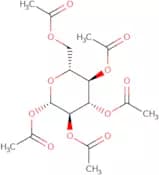
CAS:<p>1,3,4,6-Tetra-O-acetyl-a-D-galactopyranose is a custom synthesis of 1,3,4,6-tetra-O-acetyl-a-D-galactopyranose. It is used in the modification of saccharides and polysaccharides. The modification is done by Click chemistry with the incorporation of fluorine in the sugar ring. This product is available as a white powder and has a CAS number of 19186-40-4.</p>Formula:C14H20O10Purezza:Min. 95%Colore e forma:White PowderPeso molecolare:348.3 g/molGangliotetraose
CAS:<p>Gangliotetraose (Galβ1,3GalNAcβ1,4Galβ1,4Glc) is the core tetrasaccharide found in many gangliosides, such as, GM1 (Ledeen, 2009). Gangliosides containing gangliotetraose are abundant in mammalian brains, where they can cover 10%â20% of the total ganglioside mixture. They are found in epithelial membranes and are key elements for bacterial toxicity and viral infection, for example, it is the intestinal receptor for cholera toxin, the B-subunits of heat-labile toxin, rotavirus, and simian virus 40. They can function as neurotrophic and neuroprotective compounds, and have been used therapeutically for diabetic and peripheral neuropathies. They bind amyloid-β proteins and are involved in Alzheimerâs pathogenesis (Chiricozzi, 2020).</p>Formula:C26H45NO21Purezza:Min. 95%Colore e forma:PowderPeso molecolare:707.64 g/molMethyl 2,3,4-tri-O-acetyl-6-O-tert-butyldiphenylsilyl-a-D-glucopyranoside
CAS:<p>Methyl 2,3,4-tri-O-acetyl-6-O-tert-butyldiphenylsilyl-a-D-glucopyranoside is a custom synthesis of a carbohydrate with the CAS No. 790685-09-5. It can be modified to have fluorination, methylation, and monosaccharide or oligosaccharide modifications. The chemical structure of this compound is an acetylated glycosylated glucopyranoside that has been modified for use in research.</p>Formula:C29H38O9SiPurezza:Min. 95%Peso molecolare:558.71 g/molGalactinol hydrate
CAS:<p>Galactinol is a diterpene that belongs to the group of phytochemicals. It is synthesized in plants and bacteria from raffinose, an oligosaccharide that is present in high concentrations in beans. Galactinol has been shown to be involved in plant physiology, with its optimum concentration at a pH of 5-7. Galactinol reacts with ascorbic acid to form galactono-1,4-lactone in a reaction mechanism similar to the one for the synthesis of raffinose. It also regulates transcriptional activity by binding to DNA and altering its conformation. This compound has been used as an experimental model for biochemical studies on polymerase chain reactions (PCR).</p>Formula:C12H22O11•H2OxPurezza:Min. 98 Area-%Colore e forma:PowderPeso molecolare:342.3 g/molD-Raffinose pentahydrate
CAS:<p>Raffinose is the most abundant of the family of oligosaccharides that are alpha-galactosyl derivatives of sucrose (Collins, 2006). The other main member of the group is the tetrasaccharide stachyose. Raffinose is found in sugar beet molasses and whole grains. Soybean oligosaccharides make up approximately 5% of dry matter in whole beans and up to 8% of dry matter in soybean meal. Together raffinose and stachyose rank second only to sucrose in abundance, as water-soluble carbohydrates (Kumar, 2010).</p>Formula:C18H32O16·5H2OPurezza:Min. 98 Area-%Colore e forma:White PowderPeso molecolare:594.51 g/mol4-Methoxyphenyl 4-O-(4-O-acetyl-3,6-di-O-benzyl-2-deoxy-2-phthalimido-b-D-glucopyranosyl)-3-O-benzyl-2-deoxy-2-phthalimido-b-D-gluco pyranoside
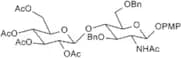
<p>4-Methoxyphenyl 4-O-(4-O-acetyl-3,6-di-O-benzyl-2-deoxy-2-phthalimido-b-D-glucopyranosyl)-3,6,2′,4′″triphosphate (4MPP) is a methylated saccharide. It can be modified with click chemistry and has been shown to inhibit the synthesis of glycogen in the liver. 4MPP is a high purity product that has been synthesized from naturally occurring carbohydrates. It is also fluorinated for use in research.</p>Formula:C58H54N2O15Purezza:Min. 95%Peso molecolare:1,019.05 g/mol4,6-O-Benzylidene-1,2,3-tri-O-pivaloyl-a-D-mannopyranose
<p>4,6-O-Benzylidene-1,2,3-tri-O-pivaloyl-a-D-mannopyranose is an oligosaccharide that is synthesized by the fluorination of a monosaccharide. It can be used for glycosylation and polysaccharide synthesis. The product has a CAS number of 53487-04-9 and a high purity level of 98%.</p>Formula:C28H40O9Purezza:Min. 95%Peso molecolare:520.61 g/molMethyl 2,3,4-tri-O-benzyl-6-O-triisopropylsilyl-a-D-mannopyranoside
CAS:<p>Methyl 2,3,4-tri-O-benzyl-6-O-triisopropylsilyl-a-D-mannopyranoside is a glycosylation agent that can be used in the synthesis of oligosaccharides and polysaccharides. The compound is fluorinated at the C2 position and methylated at the C3 position. The final product is a white solid with a purity level of >99%. The molecular formula is CHO and the molecular weight is 522.9 g/mol.<br>Methyl 2,3,4-tri-O-benzyl-6-O-(1,1'-biphenyl)-aD manno pyranoside can be synthesized through click chemistry by reacting an alkyne (1) with trimethylsilylacetylene (2). This reaction yields an α,β unsaturated carbonyl (3), which undergoes pall</p>Formula:C37H52O6SiPurezza:Min. 95%Peso molecolare:620.91 g/molL-Iduronic acid sodium salt
CAS:<p>L-iduronic acid (IdoA) (Collins, 2006) is the major uronic acid component of the glycosaminoglycans dermatan sulfate, chondroitin sulfate and heparin. Iduronic acid is also present in heparan sulfate, although in a minor amount relative to glucuronic acid. Glycosaminoglycans represent a physiologically important group of molecules involved in a variety of biological functions, such as, cell proliferation, cell-to-cell communication, wound healing, coagulation, morphogenesis, and pathogenesis. Glycosaminoglycans present an intriguing target for the design of new approaches for diagnostic and therapeutic agents against various infectious diseases (Kamhi, 2013).</p>Formula:C6H9NaO7Purezza:Min. 95%Colore e forma:Slightly Yellow PowderPeso molecolare:216.12 g/moleta-Cyclodextrins
<p>Eta-cyclodextrin (η-CD) contains 12 glucose units. This cyclodextrin has potential applications in host-guest chemistry, particularly for large molecules or assemblies.</p>Purezza:Min. 95%4'-Galactosyllactose
CAS:Galactosyllactose attenuated NF-κB inflammatory signaling in human intestinal epithelial cells and in human immature intestine. Thus, galactosyllactoses are strong anti-inflammatory agents in human colostrum and early milk, contributing to innate immune modulation. The potential clinical utility of galactosyllactose warrants investigation.Formula:C18H32O16Purezza:Min. 90%Colore e forma:White PowderPeso molecolare:504.44 g/mol(2S,3S,4R,5R)-3,4-O-Benzylidene-2-cyano-N-(4-methoxybenzyl)-3,4,5-trihydroxy-piperidine
<p>The modification of a polysaccharide with an oligosaccharide, which is the process of adding one or more sugar residues to the polysaccharide. This can be done enzymatically or chemically. The addition of a carbohydrate residue to another carbohydrate-bearing molecule. This can be done enzymatically or chemically. The synthesis of an organic compound that contains only carbon, hydrogen, and oxygen atoms in its molecular structure. This can be done enzymatically or chemically. The process of adding a methyl group to an organic compound. This can be done enzymatically or chemically. A monosaccharide is a simple sugar that cannot be hydrolyzed into simpler sugars by chemical means. It is one of the three main types of biomolecules found in living things (along with lipids and nucleic acids). Methylation is a chemical reaction involving the transfer of a methyl group from one chemical entity to another one; for example, from methanol to dim</p>Purezza:Min. 95%5-O-Carbomethoxy-1,2-O-isopropylidene-a-D-xylofuranose
CAS:<p>5-O-Carbomethoxy-1,2-O-isopropylidene-a-D-xylofuranose is a compound that is found in the venom of the Chinese scorpion Buthus martensii. This compound has been shown to induce death in mice.</p>Formula:C10H16O7Purezza:Min. 95%Colore e forma:PowderPeso molecolare:248.23 g/molGDP-L-fucose disodium - low endotoxin grade
CAS:GDP-L-fucose is a natural fucosyl donor and substrate for fucosyltransferases (FUT) that catalyses the fucosylation of, for example, human milk oligosaccharides or glycoproteins. GDP-L-fucose is widely used in (chemo)enzymatic synthesis of glycans. Cymit Quimicaesis of GDP-L-fucose, a nucleotide sugar consisting of an L-fucose that is β-glycosidically linked to the nucleotide guanosine diphosphate (GDP), is achieved either through de novo synthesis via GDP-mannose or through a salvage pathway from free fucose. Fucosylation is catalysed by fucosyltransferases (~ 13 FUT genes have been identified in the human genome to date) to generate α-1,2, α-1,3, α-1-4 and α-1-6 linkages of fucose to other sugars, as well as direct linkages to peptides, with release of GDP (Lairson, 2008).Formula:C16H23N5O15P2Na2Purezza:Min. 95%Colore e forma:White PowderPeso molecolare:633.31 g/molMonosialyl, monofucosyl-(1-2)-lacto-N-hexaose
<p>Monosialyl, monofucosyl-(1-2)-lacto-N-hexaose is a synthetic, fluorinated monosaccharide that is used to modify complex carbohydrates. It can be used for the synthesis of oligosaccharides and polysaccharides with a variety of sugar modifications. Monosialyl, monofucosyl-(1-2)-lacto-N-hexaose has the CAS Registry Number 111832-43-9.</p>Purezza:Min. 95%A3 Glycan, 2-AB labelled
A3 Glycan, 2-AB labelled is a complex carbohydrate. It is synthesized by the methylation and glycosylation of the A3 sugar, which is a monosaccharide. The A3 Glycan, 2-AB labelled has a CAS No. of 711-81-2 and is a synthetic oligosaccharide with high purity. Its chemical formula is C6H8O5N2O2 and its molecular weight is 192.19 g/mol. The A3 Glycan, 2-AB labelled has an MW of 192.19 g/mol and an MW of 643 Da (1). It also contains one saccharide unit that consists of two bonded monosaccharides: fructose and glucose. A3 Glycan, 2-AB labelled CAS No.: 711-81-2 Molecular Formula: C6H8O5N2O2 MolePurezza:Min. 95%6-Deoxy-a-cyclodextrin
<p>Alpha-cyclodextrin (α-CD) derivative with a hydrophilic exterior and lipophilic cavity (smaller than β-CDs and γ-CDs) to allocate certain guest molecules. This structural characteristic enables applications in molecular encapsulation, solubility enhancement, and stabilization across multiple industries. In pharmaceuticals, it serves as a drug delivery vehicle, enhancing the bioavailability and stability of active ingredients. The food industry utilizes it as a stabilizer for flavors, colors, and nutrients, as well as a functional ingredient for its effects on lipid metabolism. In cosmetics, it acts as a complex agent for fragrances and active components. Its applications extend to analytical chemistry for chiral separation and to materials science for developing smart materials and nanosystems.</p>Formula:C36H60O24Purezza:Min. 95%Peso molecolare:876.85 g/mol(2S, 3S, 4S) -1-Butyl-4- (hydroxymethyl) - N- methyl- 3- (phenylmethoxy) - 2- azetidinecarboxamide
<p>(2S, 3S, 4S) -1-Butyl-4- (hydroxymethyl) - N- methyl- 3- (phenylmethoxy) - 2- azetidinecarboxamide is a synthetic compound that can be used for glycosylation reactions. It has the following characteristics: Glycosylation, complex carbohydrate, Methylation, Click modification, Polysaccharide, Fluorination and Saccharide Modification. The CAS registry number for this compound is 109972-04-6. This product is available for custom synthesis and can be ordered with high purity.</p>Purezza:Min. 95%Methyl(methyl 3,4-di-O-methyl-α-D-galactopyranoside)uronate
CAS:A uronic acid of galactoseFormula:C10H18O7Purezza:Min. 95%Colore e forma:PowderPeso molecolare:250.25 g/mol(2S, 3S, 4R) -3- [[[(2S, 3S, 4R) - 3- [[[(2S, 3S, 4R) - 3- Azido- 4- [[[(1, 1- dimethylethyl) dimethylsilyl] oxy] methyl] - 1- (phen ylmethyl) - 2- azetidinyl] carbonyl] amino] - 4- [[[(1, 1- dimethylethyl) dimethylsilyl] oxy] methyl] - 1- (phenylmeth
CAS:<p>The compound has been shown to be a methylating agent, which is used in the synthesis of saccharides and oligosaccharides. The compound can also be used as a fluorinating reagent. It is an effective synthesis of complex carbohydrates. The compound has been shown to be an excellent protecting group for carbonyl groups. The compound is not very soluble in water, but it is soluble in organic solvents such as DMSO or DMF.</p>Formula:C55H86N8O7Si3Purezza:Min. 95%Peso molecolare:1,055.58 g/molD-Altro-Amide
<p>D-Altro-Amide is a custom synthesis that has been modified by fluorination, methylation, and monosaccharide. The synthesis of D-Altro-Amide is done through modification, click modification, and oligosaccharides. It's CAS number is 69092-57-5. D-Altro-Amide is a polysaccharide made from glycosylation and sugar. Carbohydrates are complex carbohydrates with many saccharides connected together in an ordered manner.</p>Purezza:Min. 95%1,2,3,4-Tetra-O-benzoyl-6-O-triisopropylsilyl-a-D-mannopyranose
The 1,2,3,4-Tetra-O-benzoyl-6-O-triisopropylsilyl-a-D-mannopyranose is a high purity custom synthesis sugar. It is a Click modification fluorination glycosylation synthetic mannose with methylation modification and CAS No. Mannosaccharide is an oligosaccharide that consists of three monosaccharides linked by alpha (1->4) bonds. Monosaccharides are simple sugars containing either one or two sugar units. Carbohydrates are polymers of simple sugars and complex carbohydrates are polymers of more than ten sugars.Formula:C43H48O10SiPurezza:Min. 95%Peso molecolare:752.92 g/mol1-Chloro-3,5-di-O-(4-chlorobenzoyl)-2-deoxy-α-D-ribofuranose
CAS:<p>Intermediate in the synthesis of Decitabine</p>Formula:C19H15Cl3O5Purezza:Min. 95%Colore e forma:Off-White To Light (Or Pale) Red SolidPeso molecolare:429.68 g/molMethyl 6-O-tert.butyldiphenylsilyl-a-D-galactopyranoside
Methyl 6-O-tert.butyldiphenylsilyl-a-D-galactopyranoside is an organic chemical compound that belongs to the class of sugar derivatives. This substance is a high purity, custom synthesis and can be modified by fluorination, glycosylation, and methylation. The CAS number for this substance is 52793-71-0. Methyl 6-O-tert.butyldiphenylsilyl-a-D-galactopyranoside is an oligosaccharide with a molecular formula of C14H21NO4S and a molecular weight of 299.38 g/mol. It has a monosaccharide sequence of D -Galp1,6(Galp)2,3GlcNAc(Galp)2,4GlcNAc(Galp)2,5GlcNAc(Galp)2Purezza:Min. 95%1,2,3,4-Tetra-O-acetyl-6-O-triphenylmethyl-b-D-glucopyranose
CAS:<p>1,2,3,4-Tetra-O-acetyl-6-O-triphenylmethyl-b-D-glucopyranose (TATPG) is a carbohydrate that belongs to the family of saccharides. It is a synthetic sugar with a modified glycosidic linkage between the hexoses 1 and 2. The preparation of TATPG is through the modification of sugar with fluorination and glycosylation. TATPG has been used in Click chemistry to attach polymers and proteins to oligosaccharides or monosaccharides. This modification can be achieved through methylation or substitution reactions with other chemical groups such as acetate, phosphates, and thiols. This molecule has also been used in the synthesis of complex carbohydrates by modifying the glucose unit with glucose oxidase, which leads to the formation of D-arabinitol 1,5-.</p>Formula:C33H34O10Purezza:Min. 95%Colore e forma:PowderPeso molecolare:590.62 g/mol6-O-(2-Acetamido-2-deoxy-β-D-glucopyranosyl)-D-galactopyranose
CAS:<p>6-O-(2-Acetamido-2-deoxy-b-D-glucopyranosyl)-D-galactopyranose is a disaccharide that has been shown to have anti-inflammatory activities. It contains an acetamide group and a hydroxy group. The acetamide group is substituted by a hydroxy group, which may be responsible for its anti-inflammatory activity. 6-O-(2-Acetamido-2-deoxy-b-D-glucopyranosyl)-D-galactopyranose has also been shown to inhibit the production of proinflammatory cytokines such as tumor necrosis factor alpha (TNFα) and interleukin beta (ILβ).</p>Formula:C14H25NO11Purezza:Min. 95%Colore e forma:White PowderPeso molecolare:383.36 g/mol1,3-α-1,6-α-D-Mannotetraose
CAS:<p>Intermediate for synthesis of N-acetyllactosaminic glycans</p>Formula:C24H42O21Purezza:Min. 95 Area-%Colore e forma:White Off-White PowderPeso molecolare:666.58 g/molGlobotriaosylceramide
CAS:<p>It is one of the few clusters of differentiation that is not a protein and structurally contains a galactose moiety linked α to lactosylceramide. Defects in the enzyme α-galactosidase lead to the buildup of globotriaosylceramide, causing Fabry's disease. The pharmaceutical drug migalastat enhances the function of α-galactosidase and is used to treat Fabry's. Globotriaosylceramide is also one of the targets of Shiga toxin, which is responsible for pathogenicity of enterohemorrhagic E. coli.</p>Formula:C60H113NO18Purezza:Min. 95%Colore e forma:PowderPeso molecolare:1135.79577D-Erythrose 4-phosphate sodium
CAS:<p>D-erythrose 4-phosphate sodium (D-EPPS) is a phosphoenolpyruvate analog and an inhibitor of chorismate mutase, which is an enzyme that catalyzes the conversion of D-arabinose 5-phosphate to D-erythrose 4-phosphate. It is used to study the biosynthesis of aromatic amino acids in bacteria. This compound has also been shown to inhibit phosphate uptake by Escherichia coli K12, leading to a decrease in the accumulation of ATP and other nucleotides. D-EPPS binds metal ions and organic acids such as citrate, which influences its thermodynamic stability. Biochemical techniques can be used for profiling D-EPPS in bacterial cells.</p>Formula:C4H8NaO7PPurezza:(%) Min. 50%Colore e forma:White PowderPeso molecolare:222.07 g/mol2-Deoxy-2-fluoro-D-arabinofuranose-1-phosphate
<p>2-Deoxy-2-fluoro-D-arabinofuranose-1-phosphate is a synthetic sugar that is used in the synthesis of oligosaccharides and saccharide derivatives. It has been shown to be a promising candidate for Click modification, as well as fluorination, glycosylation, methylation, and other modifications. This sugar can be found under CAS No. 131069-06-6.</p>Formula:C5H7FO7PPurezza:Min. 95%Peso molecolare:229.08 g/mol2,3,4-Tri-O-acetyl-a-D-xylopyranosyl bromide - Stabilised with 2.5% CaCO3
CAS:<p>2,3,4-Tri-O-acetyl-a-D-xylopyranosyl bromide - Stabilised with 2.5% CaCO3 is a chiral compound that is a drug for the treatment of estrogen deficiency in postmenopausal women. It is synthesized from D-xylose and acetone by reductive elimination using an organotin catalyst. The resulting product has a nitro group at the 4 position and can be activated as a priming agent for DNA synthesis. This compound has been shown to be effective in treating intestinal disorders such as ulcerative colitis.<br>2,3,4-Tri-O-acetyl-a-D-xylopyranosyl bromide - Stabilised with 2.5% CaCO3 has been used to conjugate estrogens with various drugs to create new compounds that are more potent than free estrogens alone. Bioavailability of these conjugates has</p>Formula:C11H15BrO7Purezza:(%) Min. 85%Colore e forma:PowderPeso molecolare:339.14 g/molPropargyl a-D-mannopyranoside
CAS:Propargyl a-D-mannopyranoside is a custom synthesis chemical. It is an intermediate in the synthesis of oligosaccharides and polysaccharides. It is also used as an inhibitor of methylation reactions, which are important in DNA replication. The chemical has been modified with fluorine groups at its 3' position to provide high purity. This modification also allows the synthesis of complex carbohydrates that contain multiple saccharide units. Propargyl a-D-mannopyranoside is synthesized by reacting mannose with propargyl bromide under basic conditions, followed by hydrolysis of the ester group to give propargyl a-D-mannopyranoside.Formula:C9H14O6Purezza:One SpotColore e forma:PowderPeso molecolare:218.2 g/molPhenyl 3-O-benzyl-b-D-thioglucopyranoside
CAS:<p>Phenyl 3-O-benzyl-b-D-thioglucopyranoside is a synthetic, fluorinated monosaccharide that has been used as a glycosylation and polysaccharide for various applications. It can be used as a reagent in Click chemistry due to its ability to undergo facile and selective methylation. Phenyl 3-O-benzyl-b-D-thioglucopyranoside is also used in the synthesis of complex carbohydrates and sugar modification.</p>Purezza:Min. 95%Glycyl-lacto-N-fucopentaose VI
<p>Glycyl-lacto-N-fucopentaose VI is a polysaccharide that is synthesized by the enzymatic activity of glycosylase, methylase, and fluorinase. It can be modified with click chemistry to introduce a fluorine atom at the C4 position of the glucose molecule. This modification can be used for the synthesis of oligosaccharides. Glycyl-lacto-N-fucopentaose VI has CAS number 108897-96-5 and is available in high purity and custom synthesis.</p>Formula:C34H59N3O25Purezza:Min. 95%Peso molecolare:909.84 g/molFuc-a-1-2-Gal-b-1-3-GalNAc-b-1-4-Gal-b-1-4-Glc-b-ethylazide
<p>Fuc-a-1-2-Gal-b-1-3-GalNAc-b-1-4-Gal-b is a methylated oligosaccharide that binds to the C3 position of NANA (N acetylneuraminic acid) residues. It has been shown to be an effective inhibitor of tumor growth and angiogenesis, which may be due to its ability to inhibit the synthesis of glycoproteins and glycolipids in tumors. Fucogalactose can also be modified with different fluorinated groups, such as 4F or 18F, for use in positron emission tomography imaging. This product is available for custom synthesis and modification.</p>Purezza:Min. 95%1,3-O-Benzylidene-4-O-DMT-D-threitol
<p>1,3-O-Benzylidene-4-O-DMT-D-threitol is an oligosaccharide that is used as a synthetic building block for the synthesis of complex carbohydrates. This compound has been modified to include fluorine and methyl groups. It can be synthesized via a click reaction with 3,4,5,6-tetraiodoacetone. 1,3-O-Benzylidene-4-O-DMT-D-threitol is soluble in water and aqueous solutions and can be used as a carbohydrate marker. The modification of this compound allows it to be detected by electrophoresis or chromatography due to changes in its mobility and charge.</p>Purezza:Min. 95%Octyl α-D-galactopyranoside
CAS:<p>Octyl α-D-galactopyranoside is a synthetic, complex carbohydrate. It is an oligosaccharide that has been fluorinated and modified with a methyl group at the C-2 position. This product is custom synthesized and can be glycosylated, polysaccharides, or modified with other chemical groups. It has high purity and is available in small quantities.</p>Formula:C14H28O6Purezza:Min. 98 Area-%Colore e forma:PowderPeso molecolare:292.37 g/molPropargyl a-D-galactopyranoside
CAS:<p>Propargyl a-D-galactopyranoside (PGAL) is a synthetic compound that belongs to the group of oligosaccharides. PGAL can be used in the synthesis of glycosylated saccharides, such as glycoproteins and glycolipids. The modification of PGAL with fluorine atoms is known to increase its stability. It has been shown that PGAL can be modified with methyl groups without affecting its chemical properties. Furthermore, PGAL can be modified with click chemistry reactions, which are chemoselective reactions that are catalyzed by copper(I) ions.</p>Formula:C9H14O6Purezza:Min. 95%Colore e forma:White to off-white oily solid.Peso molecolare:218.21 g/mol6-Cyclohexylhexyl β-D-maltoside
CAS:<p>6-Cyclohexylhexyl b-D-maltoside (6CHBM) is a monoclonal antibody that inhibits the acetylcholine receptor. It binds to the hydroxyl group on the acetylcholine receptor and blocks nicotinic acetylcholine binding, preventing activation of the receptor. 6CHBM is a hydrophobic molecule with a hydroxyl group that can interact with other hydrophobic molecules in the membrane bilayer, such as fatty acids. 6CHBM has been shown to be an allosteric inhibitor of acetylcholine receptors by binding to a site outside of the active site and altering conformational changes required for channel opening. 6CHBM has also been shown to inhibit cation channels.<br>6CHBM was developed from mouse antibodies and has shown no adverse effects in mice or rabbits.</p>Formula:C24H44O11Purezza:Min. 95%Colore e forma:PowderPeso molecolare:508.6 g/molMethyl 7-chloro-7-deoxy-1-thiolincosaminide
CAS:<p>Methyl 7-chloro-7-deoxy-1-thiolincosaminide is a modification of the monosaccharide D-glucose. It has a CAS number of 22965-79-3 and is a white powder. Methyl 7-chloro-7-deoxy-1-thiolincosaminide can be used in the production of various carbohydrates, such as oligosaccharides and polysaccharides. This compound is also useful for the synthesis of sugar related products, including saccharides, glycosylation, and fluorination. Methyl 7-chloro-7-deoxy 1 -thiolincosaminide has been shown to be highly pure and synthetic, making it suitable for use in research or industrial settings.</p>Formula:C9H18ClNO4SPurezza:Min. 95%Colore e forma:PowderPeso molecolare:271.76 g/mol4-(4-(2-(trifluoromethyl)phenyl)-3-(E)-buten-2-one-1-yl)piperidine-2,6-dione
4-(4-(2-(trifluoromethyl)phenyl)-3-(E)-buten-2-one-1-yl)piperidine-2,6-dione is a custom synthesis that can be modified to include fluorination, methylation, and monosaccharide modifications. This molecule has been shown to have click modification and oligosaccharide modifications with saccharides. It is a polysaccharide that is glycosylated with carbohydrate.Purezza:Min. 95%2-O-Acetamido-1,6-di-O-acetyl-2-deoxy-4-O-(2-acetamido-3,4,6-tri-O-acetyl-2-deoxy-D-glucopyranosyl)muramic acid
<p>2-O-Acetamido-1,6-di-O-acetyl-2-deoxy-4-O-(2-acetamido-3,4,6-tri-O-acetyl)muramic acid is a synthetic oligosaccharide. This compound is used in research for the synthesis of glycosylides and glycosidase inhibitors. It can be modified to include fluorine atoms and click chemistry modifications. 2OAAmDDA is soluble in DMSO and acetone. It has a CAS number of 4891465.</p>Formula:C29H42N2O18Purezza:Min. 90 Area-%Colore e forma:PowderPeso molecolare:706.65 g/mol3'-Sialylgalactose sodium salt
CAS:<p>Sialylated oligosaccharide with the ability to inhibit angiogenesis and tumour development by binding to the vascular endothelial growth factor receptor VEGFR-2. Moreover, sialylated N-glycans in intestinal epithelium of chickens were found to carry terminal sialylgalactose, which interacts with influenza viruses during early stages of infection.</p>Formula:C17H28NO14·NaPurezza:Min. 95%Colore e forma:White PowderPeso molecolare:493.39 g/mol2,4,6-Tri-O-acetyl-3-O-benzyl-a-D-glucopyranosyl bromide
CAS:<p>2,4,6-Tri-O-acetyl-3-O-benzyl-a-D-glucopyranosyl bromide is a custom synthesis made by Modification of the chemical structure of a natural sugar. It is Fluorinated, Methylated and Monosaccharide with Synthetic Click modification and Oligosaccharide. The CAS number for this compound is 34339-69-0. This compound has many uses including being a Carbohydrate that can be used as a Complex carbohydrate for various purposes.</p>Purezza:Min. 95%2,3,4,6-Tetra-O-acetyl-a-D-mannopyranosyl bromide - stabilised with 2% CaCO3
CAS:<p>Donor for Koenigs-Knorr type mannosylation and other anomeric substitutions</p>Formula:C14H19BrO9Purezza:Min. 95%Colore e forma:Yellow PowderPeso molecolare:411.2 g/mol4-O-Methyl-D-glucose
CAS:4-O-Methyl-D-glucose is an acidic sugar that is found in the cell walls of plants. It has been shown to have structural studies on plant cells, with ion-exchange and ester linkages. 4-O-Methyl-D-glucose is metabolized by microorganisms, including bacteria, fungi, and yeast. This sugar can be oxidized to form acid or oligosaccharides as well as oxidation products such as methylglyoxal. 4-O-Methyl-D-glucose is also used in the synthesis of mucopolysaccharides which make up the connective tissue of tumor cells. This sugar can be synthesized from D-mannose by a diazonium salt reaction followed by oxidation with sodium hypochlorite. The hydroxyl group on this sugar can be acetylated to form acetylated 4-O methyl glucose.Formula:C7H14O6Purezza:Min. 95%Colore e forma:White PowderPeso molecolare:194.18 g/molBlood Group H type I trisaccharide
CAS:<p>Core antigen fragment in ABO blood group system</p>Formula:C20H35NO15Purezza:Min. 90%Colore e forma:PowderPeso molecolare:529.49 g/mol4-Aminophenyl a-D-mannopyranoside
CAS:<p>4-Aminophenyl a-D-mannopyranoside is a compound that has been shown to have anti-inflammatory properties. It is also used as a starting material in the synthesis of other drugs. Rats with chronic kidney disease were given 4-aminophenyl a-D-mannopyranoside daily for three weeks, and it was found that this compound prevented the development of kidney injury markers. This drug has also been shown to be effective against mouse strains with nervous system diseases. 4-Aminophenyl a-D-mannopyranoside binds to lysine residues on proteins and prevents the interactions between these residues and the amino acid glutathione, which is required for glut1 uptake in brain cells. This uptake is essential for cellular function, and therefore 4-aminophenyl a-D-mannopyranoside may be useful as chemotherapeutic treatment for brain cancer.</p>Formula:C12H17NO6Purezza:Min. 95%Colore e forma:Off-White PowderPeso molecolare:271.27 g/molMethyl 2,3,4-tri-O-acetyl-b-D-galactopyranuronosyl azide
<p>This is a custom synthesis of a carbohydrate. It is a methylated, glycosylated, fluorinated, complex carbohydrate that can be synthesized to any desired degree of substitution. This product has been designed for use as a fluorescent tag or label in biochemistry and cell biology research. It is modified at the anomeric position with an acetyl group and an azide group. The acetyl group confers solubility in water, while the azide group confers fluorescence. The modifications also allow for click chemistry reactions, which are used in protein labeling and activation studies.</p>Formula:C13H17N3O9Purezza:Min. 95%Colore e forma:PowderPeso molecolare:359.29 g/mol4-Aminophenyl-α-D-glucopyranoside
CAS:4-Aminophenyl-alpha-D-glucopyranoside is a natural product that has been found to be an antigen. The compound has been shown to have anticancer activity, which may be due to its ability to inhibit the growth of cells and induce apoptosis. 4-Aminophenyl-alpha-D-glucopyranoside also possesses magnetic properties. The chemical structure of this compound is characterized by an acrylate group, which is a small organic molecule with two carbon atoms and one oxygen atom. This compound is synthesized in a preparative manner using methoxy, ethyl bromoacetate, and mesitylene in the presence of irradiation. NMR spectroscopy can be used for the characterization of this compound as well as other compounds with similar structures that are catalytic in nature.Formula:C12H17NO6Purezza:Min. 98.0 Area-%Peso molecolare:271.27 g/molD-Glucal
CAS:<p>D-Glucal is a protonated d-glucal, which is a simple sugar. It reacts with the electron acceptor oxygen to form an oxidized product. This product can be reduced back to the original molecule by using a reducing agent, such as sodium borohydride or sodium dithionite. D-Glucal has been shown to inhibit the growth of tumor cells in mice that are resistant to other anticancer drugs. D-Glucal inhibits transcription and replication of DNA by binding to the DNA-dependent RNA polymerase and blocking its ability to transcribe messenger RNA (mRNA). The enzyme is also inhibited by glycosidic bond architectures that prevent it from binding to the DNA template strand. D-Glucal also has an effect on protein synthesis because it binds to proteins and prevents them from performing their normal functions.<br>D-Glucal has been used as a model system for studying cellular processes in mammalian cells, such as oxidation</p>Formula:C6H10O4Purezza:Min. 98 Area-%Colore e forma:White Off-White PowderPeso molecolare:146.14 g/mol1-O-Benzyl-2N, 3-O-carbonyl-α-L-sorbofuranosylamine
CAS:<p>Apigenin is a flavone, which is a type of phenolic compound. It is one of the most widely distributed plant flavonoids found in nature. Apigenin has been shown to inhibit glucose uptake and intestinal transport in mice. Apigenin also has been shown to have anti-inflammatory properties, as well as the ability to suppress the growth of cancer cells in vitro. The expression of apigenin was observed after incubation with caco-2 cells and was upregulated when maltose was added to the media. Apigenin can be used as an additive for food products that are high in sugar content, such as cakes and cookies.</p>Formula:C14H17NO6Purezza:Min. 95%Colore e forma:Colourless LiquidPeso molecolare:295.29 g/molN-Acetyl-D-galactosamine-4,6-di-O-sulphate sodium salt
CAS:<p>N-Acetyl-D-galactosamine-4,6-di-O-sulphate sodium salt is a synthetic sugar that is used as an intermediate in the production of glycosides. It can be fluorinated, methylated, and modified with other functional groups such as acetyl or succinyl groups. The chemical name for this product is N-[2-(acetylamino)ethyl]-N'-(3,4,5-trimethoxybenzoyl)glycolamido]benzoic acid 4,6-di-O-(sodium sulfate). It has a molecular weight of 681.32 g/mol and a CAS number of 157296-98-5. This product is soluble in water (10 mg/ml), ethanol (100 mg/ml), ether (100 mg/ml), chloroform (1 mg/ml), and methanol (25 mg/ml).</p>Formula:C8H13NO12S2Na2Purezza:Min. 95%Colore e forma:PowderPeso molecolare:425.29 g/molN-Acetyl-D-glucosamine
CAS:<p>N-acetyl D-glucosamine (GlcNAc) is an aldohexose (2-acetamido-2-deoxyglucose) in which the hydroxyl group at position 2 is replaced by NHAc (Collins, 2006). N-acetyl D-glucosamine forms the exoskeletons of molluscs and insects as the building block of the polysaccharide chitin (Rudrapatnam, 2003). N-acetyl D-glucosamine is a key component of N- and O-linked glycans, present in glycolipids and the glycosaminoglycan hyaluronic acid (Fallacara, 2018). A recent study has suggested that N-acetyl D-glucosamine may have therapeutic potential for COVID-19 as it affects the spike protein-ACE2 receptor interaction during the infection with SARS-CoV-2 virus (Baysal, 2021).</p>Formula:C8H15NO6Purezza:Min. 98.0 Area-%Peso molecolare:221.21 g/molRef: 3D-A-1200
5gPrezzo su richiesta1kgPrezzo su richiesta5kgPrezzo su richiesta100gPrezzo su richiesta2500gPrezzo su richiesta-Unit-kgkgPrezzo su richiesta(2R, 3R, 4R, 5S) -3,4-Dihydroxy-2, 5- pyrrolidinedimethano l
CAS:(2R, 3R, 4R, 5S) -3,4-Dihydroxy-2, 5- pyrrolidinedimethanol is an organic compound that is a modification of the sugar erythrose. It has been synthesized from 2,3,4,5-tetrahydroxybenzaldehyde and 2-fluoro-1-(trifluoromethyl)benzene. The compound has been used for the preparation of oligosaccharides and polysaccharides. It is also used as a raw material for the synthesis of complex carbohydrate compounds and saccharide derivatives. (2R, 3R, 4R, 5S) -3,4-Dihydroxy-2, 5- pyrrolidinedimethanol is used in the production of fluorinated saccharides.Purezza:Min. 95%2-Acetamido-2-deoxy-D-lyxojirimycin
CAS:2-Acetamido-2-deoxy-D-lyxojirimycin is a carbohydrate that is modified by fluorination, methylation, glycosylation, and click modification. The compound is a synthetic monosaccharide that is used in the synthesis of complex carbohydrates. 2-Acetamido-2-deoxy-D-lyxojirimycin has CAS number 1207673-74-2 and can be custom synthesized to meet your requirements for purity and quality.Formula:C7H14N2O3Purezza:Min. 95%Peso molecolare:174.2 g/mol4-Deoxy-4-fluoro-D-mannose
CAS:<p>4-Deoxy-4-fluoro-D-mannose is a sugar that is an analog of 3-deoxy-3-fluoro-d-mannose. It is synthesized by the transfer of a 6-hydroxyl group from 6,6'-dideoxyadenosine to the C6 hydroxyl group of 3,6'-dihexadecylthio adenosine. 4,4'-Difluoro D-mannose is then obtained by hydrolysis and decarboxylation. This process can be catalyzed by enzyme catalysis with phosphofructokinase or hexokinase. 4,4'-Difluoro D mannose has been used in biochemical studies as an analog for 6,6'-dideoxydaunosine. It has also been used as a substrate for virus glycosylation and protein glycosylation in living cells. In addition, it has been shown to inhibit</p>Formula:C6H11FO5Purezza:Min. 95%Colore e forma:PowderPeso molecolare:182.15 g/mol2-Azido-2-deoxy-3,5-O-isopropylidene-D-xylono-1.4-lactone
<p>2-Azido-2-deoxy-3,5-O-isopropylidene-D-xylono-1.4-lactone is a glycosylation agent that can be used in the synthesis of complex carbohydrates and saccharides. This compound is fluorinated at the 3 position and then modified with a click chemistry reaction to introduce an azide group. The azide group can be used for subsequent modifications such as Polysaccharide, Fluorination, or Click modification. 2-Azido-2-deoxy-3,5-O-isopropylidene -D-xylono--1.4--lactone has CAS number 79840–01–8 and is custom synthesized to high purity for research purposes only.</p>Purezza:Min. 95%3,4,6-Tri-O-acetyl-D-galactal - non-animal origin
CAS:Building block for synthesis of oligosaccharidesFormula:C12H16O7Purezza:Min. 98 Area-%Colore e forma:White PowderPeso molecolare:272.25 g/molN-Acetyl-D-galactosamine
CAS:<p>N-acetyl D-galactosamine (GalNAc) is an aldohexose (2-acetamido-2-deoxygalactose) in which the hydroxyl group at position 2 is replaced by a N-acetyl group (Collins, 2006). GalNAc forms a key part of both N- and O-linked glycoproteins, glycolipids, gangliosides, blood groups, glycosaminoglycans (chondroitin and dermatan sulfate) and human milk oligosaccharides. The number of GalNAc residues attached to the IgA O-linked glycans of Crohns Disease patients was significantly decreased, and strongly correlated with clinical activity. It is suggested that alterations of GalNAc attachment in IgA may be useful as a novel diagnostic and prognostic marker of Crohns Disease (Inoue, 2012).</p>Formula:C8H15NO6Purezza:Min. 99.0 Area-%Peso molecolare:221.21 g/molRef: 3D-A-1170
10gPrezzo su richiesta25gPrezzo su richiesta50gPrezzo su richiesta100gPrezzo su richiesta250gPrezzo su richiesta-Unit-ggPrezzo su richiestaN-Acetyl-L-xylosamine
<p>N-Acetyl-L-xylosamine is a custom synthesis of a glycosylation product that contains an acetyl group and a xylosamine. It is used as a building block for the synthesis of complex carbohydrates. N-Acetyl-L-xylosamine can be modified with fluorination, saccharide, modification, sugar, or oligosaccharide to create custom products.</p>Formula:C7H13NO5Purezza:Min. 95%Colore e forma:Yellow PowderPeso molecolare:191.18 g/molNeocarradecaose-41,3,5,7,9-penta-O-sulfate sodium salt
CAS:Neocarradecaose-41,3,5,7,9-penta-O-sulfate sodium salt is a synthetic oligosaccharide that is used as an active ingredient in anti-tuberculosis drugs. It has been shown to have strong inhibitory activity against Mycobacterium tuberculosis. Neocarradecaose-41,3,5,7,9-penta-O-sulfate sodium salt is also a good substrate for glycosylation reactions and can be modified by methylation or click chemistry. This compound is water soluble and suitable for dissolving in organic solvents. The purity of the compound is over 98%.Formula:C60H87Na5O61S5Purezza:Min. 95 Area-%Colore e forma:Yellow PowderPeso molecolare:2,059.58 g/molHexa-mannuronic acid sodium
<p>Hexa-mannuronic acid sodium salt (β-1,4-linked sodium mannuronohexaose) is one of a number of oligosaccharides obtained from alginate which is a polysaccharide in brown seaweeds containing: blocks of repeating mannuronic acid sequences (M-M-M-M etc), repeating guluronic acid sequences (G-G-G-G etc), and alternating M-G-M-G sequences.Oligosaccharides can be released using several methods (Lua, 2015; Yanga, 2004) and claims have been published that mannuronic acid oligosaccharides for example, can be effective in the prophylaxis and treatment of Alzheimer's disease, or for the prophylaxis and treatment of diabetes (USP 8835403B2, 2014).</p>Formula:C36H44O37Na6Purezza:Min. 95 Area-%Colore e forma:PowderPeso molecolare:1,206.65 g/mol2,3:5,6-Di-O-isopropylidene-D-mannonic acid-1,4-lactone
CAS:<p>2,3:5,6-Di-O-isopropylidene-D-mannonic acid-1,4-lactone is an analogue of the furanoid compound mannonic acid. It is a lactone that can be hydrolyzed to carboxylic acids with acidic conditions. This compound has been shown to be a good target molecule for efficient syntheses of alcohols and thiols. The configurations at the stereocenters are analogous to those found in other furanoids. The high yields and yields of this molecule make it an efficient target molecule for synthesis.</p>Formula:C12H18O6Purezza:Min. 95%Colore e forma:PowderPeso molecolare:258.27 g/mol(2S,3S,4R)-2,4-bis(hydroxymethyl)pyrrolidine-3,4-diol
CAS:<p>(2S,3S,4R)-2,4-bis(hydroxymethyl)pyrrolidine-3,4-diol is a synthetic glycosylation product with a purity of 99% or higher. It is a white powder that can be used in the synthesis of complex carbohydrates and polysaccharides. (2S,3S,4R)-2,4-bis(hydroxymethyl)pyrrolidine-3,4-diol has been modified to include fluorination and saccharide modification. Its CAS number is 1322748-90-2. This product can be custom synthesized to meet your specifications.</p>Formula:C6H13NO4Purezza:Min. 95%Peso molecolare:163.17 g/mol2-Azido-2-deoxy-3,4:5,6-di-O-isopropylidene-D-idonic acid methyl ester
<p>2-Azido-2-deoxy-3,4:5,6-di-O-isopropylidene-D-idonic acid methyl ester is an oligosaccharide that is synthesized by the click reaction. It is a fluorinated carbohydrate and can be modified for glycosylation. The compound has high purity and is suitable for modification with azido groups. CAS Number: 570181-97-8</p>Purezza:Min. 95%6-O-tert-Butyldimethylsilyl-1,2,3,4-tetra-O-pivaloyl-b-D-galactopyranose
<p>6-O-tert-Butyldimethylsilyl-1,2,3,4-tetra-O-pivaloyl-b-D-galactopyranose is an oligosaccharide that is synthesized through a complex carbohydrate. This product has a CAS No. and is not natural. It is a modification of the sugar galactose and can be methylated or glycosylated. This product has high purity and can be used as a custom synthesis.</p>Formula:C32H58O10SiPurezza:Min. 95%Peso molecolare:630.9 g/mol1-Deoxygalactonojirimycin hydrochloride salt
CAS:Specific and potent inhibitor of lysosomal α-galactosidase with IC50 in nanomolar range. It acts as pharmacological chaperone and assists folding of the wild type and mutant versions of the enzyme. It places itself in the instable active site and prevents the damage to the enzyme during the passage through Golgi apparatus, endoplasmatic reticulum and lysosome axis. The exposure to this compound leads to increased levels of functional α-galactosidase in models for lysosomal storage disorders and brings therapeutic benefits to patients with Fabry disease.Formula:C6H13NO4·HClPurezza:Min. 95 Area-%Colore e forma:White PowderPeso molecolare:199.63 g/mol2,6-Dideoxy-2-fluoro-L-mannose
<p>2,6-Dideoxy-2-fluoro-L-mannose is a monosaccharide that is a fluorinated glycosylate. It is used in the synthesis of oligosaccharides and has been shown to be useful for click modification of proteins. This compound is also used as a substrate for methylation reactions. 2,6-Dideoxy-2-fluoro-L-mannose contains an oxygen atom at the C1 position and two hydroxyl groups at the C3 and C4 positions on the ring. The molecular weight of this compound is 180.16 g/mol.</p>Purezza:Min. 95%5-Deoxy-1,2-O-isopropylidene-5-[(2R-phenylpyrrolidine)-1-yl]-a-D-xylofuranose
CAS:<p>5-Deoxy-1,2-O-isopropylidene-5-[(2R-phenylpyrrolidine)-1-yl]-a-D-xylofuranose is a sugar that is used in the synthesis of oligosaccharides and monosaccharides. It is also used to modify saccharides and carbohydrates. 5DIOX can be synthesized from deoxyribose phosphate, 2-(2′,4′,6′,8'-tetraoxohexyl)benzaldehyde, and 2-(2′,4′,6′,8'-tetraoxohexyl)pyrrole. The CAS number for 5DIOX is 1014404-86-4.</p>Formula:C18H25NO4Purezza:Min. 95%Peso molecolare:319.4 g/molArthrobacter viscosus exopolysaccharide
<p>The polysaccharide has a linear structure and consists predominantly of repeating trisaccharide units, -O-(3-D-mannuronic acid-(1,4)-O-(3-D-glucopyranosyl-(1,4)-D-galactose. 50% of the hydroxyl groups are acetylated. Extracted from a gram negative non pathogenic bacteria and then synthetic manipulation.</p>Purezza:Min. 95%Colore e forma:PowderDabigatran 3-acyl glucuronide
<p>Dabigatran 3-acyl glucuronide is a glycosylation product of the anti-coagulant drug dabigatran. It is synthesized by the reaction of an ester, such as acetyl chloride, with a sugar, typically glucose. Dabigatran 3-acyl glucuronide has been shown to have a high purity and no detectable impurities. The CAS number for this compound is 1073498-74-4.</p>Purezza:Min. 95%Phosphatidyl inositol - 10mg/ml solution in chloroform:methanol(4:1)
<p>Phosphatidyl inositol-10mg/ml solution in chloroform:methanol(4:1) is a carbohydrate that is a complex carbohydrate. It is synthesized by the modification of the phosphatidyl inositol molecule with fluorination and methylation. The CAS number for this compound is 91228-52-5. This product can be custom synthesized as per customer's requirements. It has a high purity and excellent quality, and is available at competitive prices.</p>Formula:C47H83O13PPurezza:Min. 95%Colore e forma:PowderPeso molecolare:887.13 g/mol4-(3-(2,3-O-Isopropylidene-lyxofuranos-5-yl)propan-2-one-1-yl)piperidine-2,6-dione
<p>4-(3-(2,3-O-Isopropylidene-lyxofuranos-5-yl)propan-2-one-1-yl)piperidine-2,6-dione is a high purity custom synthesis sugar. It is synthesized by Click modification, Fluorination, Glycosylation and Synthetic. 4-(3-(2,3-O-Isopropylidene-lyxofuranos-5-yl)propan-2-one 1 - yl)piperidine 2,6 dione has CAS No., Oligosaccharide and Carbohydrate as its properties. It is a saccharide which belongs to the class of complex carbohydrate.</p>Purezza:Min. 95%Methyl cellulose - viscosity ca 15cP
CAS:<p>Methyl cellulose is a water-soluble polymer that is used as a binder or thickener in pharmaceutical, food, and ceramic processing applications. Methylcellulose has an unusual lower critical solution temperature (LCST) between 40 °C and 50 °C. At temperatures below the LCST it is readily soluble in water; above the LCST it is not soluble, which has a paradoxical effect that heating a saturated solution of methylcellulose will turn it solid, because methylcellulose will precipitate out. The temperature at which this occurs depends on DS-value, with higher DS-values giving lower solubility and lower precipitation temperatures because the polar hydroxyl groups are masked.</p>Colore e forma:White Powder1-(3'-Azidopropyl)-2-deoxy-4-O-[3-O-(p-phenoxybenzyl)-b-D-galactopyranosyl]-2-phthalimido-b-D-glucopyranoside
<p>1-(3'-Azidopropyl)-2-deoxy-4-O-[3-O-(p-phenoxybenzyl)-b-D-galactopyranosyl]-2-phthalimido-b-D-glucopyranoside is a modification of an oligosaccharide. It is synthesized by the methylation and glycosylation of a monosaccharide, then fluorinated and saccharified. 1-(3'-Azidopropyl)-2-deoxy-4-O-[3-O-(p-phenoxybenzyl)-b -D -galactopyranosyl]-2 -phthalimido b -D -glucopyranoside is a white powder that can be used in the synthesis of complex carbohydrates.</p>Purezza:Min. 95%2-Methyl-(4-O-(3,6-di-O-a-D-mannopyranosyl)-b-D-mannopyrannosyl)-1,2-dideoxy-a-D-glucopyrano)-[2,1-d]-2-oxazoline
<p>This is a custom synthesis, modification, and fluorination of a polysaccharide. The monosaccharide units are methylated and then modified with a click reaction. The saccharides are glycosylated with 2-O-a-D-mannopyranosyl moieties for the purpose of increasing their water solubility. This saccharide has been synthesized by the modification of an oligosaccharide that has been modified to include a hydroxyl group. The carbohydrate is complex and contains many different types of sugars including glucose, mannose, and galactose.</p>Formula:C26H43NO20Purezza:Min. 95%Colore e forma:PowderPeso molecolare:689.61 g/molMonogalactosyldiacylglycerol
<p>Monogalactosyldiacylglycerol (MGDG) is a polyunsaturated fatty acid, specifically a galactolipid. MGDG is synthesized by plants and plays an important role in plant physiology. MGDG is involved in the regulation of transcription and translation and also has anti-cancer properties. It has been shown that MGDG can inhibit the proliferation of breast cancer cells such as MDA-MB-231 cells through its interactions with miR-205, a microRNA that regulates cellular growth, differentiation, and apoptosis. The biochemical properties of MGDG are similar to those of diacylglycerol (DAG), which is also involved in transcriptional regulation. It has also been shown that MGDG inhibits the growth of MDA-MB-231 cells when exposed to high salt concentrations.</p>Formula:C45H74O10Purezza:Min. 95%Peso molecolare:775.06 g/mol1-Deoxyfuconojirimycin HCl
CAS:<p>Specific, potent and competitive inhibitor of α-L-fucosidase with Ki of 10 nM. In human breast cancer cells, it causes increase of fucosylation on cell surface molecules such as Lewis X antigen (CD15) and CD44 glycoprotein. The 1-deoxyfuconojirimycin treatment increases invasiveness of cancer cells.</p>Formula:C6H13NO3·HClPurezza:Min. 95%Colore e forma:Off-White PowderPeso molecolare:183.63 g/molGlycogen, ex oyster
CAS:Please enquire for more information about Glycogen, ex oyster including the price, delivery time and more detailed product information at the technical inquiry form on this pageFormula:(C6H10O5)nHyaluronic acid potassium, from bacteria
CAS:Please enquire for more information about Hyaluronic acid potassium, from bacteria including the price, delivery time and more detailed product information at the technical inquiry form on this pageCarboxymethyl cellulose sodium - Viscosity 700-1500 mPa·s
CAS:Food additive; soil suspension polymer in detergents; thickening agentPurezza:Min. 95%Simvastatin acyl-b-D-glucuronide
CAS:Simvastatin acyl-b-D-glucuronide is a synthetic compound that is not naturally occurring. It has a molecular weight of 571.67 and the CAS number 463962-56-3. The chemical formula for this compound is C30H44O8 and its structural formula is shown below. The purity of this product is >99% and it has been modified with fluorination to improve solubility in water.Formula:C31H48O12Purezza:Min. 95%Peso molecolare:612.71 g/mol1-Deoxy- 6- O- tert.butyl dimethylsilyl]- 3, 4- O- isopropylidene-D- Psicofuranose
<p>This complex carbohydrate is a modification of the 6-O-tert.butyl dimethylsilyl]psicofuranose. It is an Oligosaccharide that has been modified with methylation, glycosylation, and Click modification of the sugar moieties. The CAS number for this complex carbohydrate is 10963-29-3, and it has a purity of 99%.</p>Purezza:Min. 95%6-Azido-6-deoxy-1,2:3,4-di-O-isopropylidene-a-D-galactopyranose
CAS:<p>6-Azido-6-deoxy-1,2:3,4-di-O-isopropylidene-a-D-galactopyranose is a copper complex that is soluble in water. It is used as an initiator for the polymerization of galactose monomers. 6AIDOGAL reacts with azide or diazo compounds to form a cycloaddition reaction and can be used to prepare copolymers by reacting with other monomers such as D-glucose. The temperature range for this reaction is between 20°C and 100°C. This compound has been shown to form stable complexes with Cu(II) ions at temperatures below 0°C.</p>Formula:C12H19N3O5Purezza:Min. 98 Area-%Colore e forma:Colorless Clear LiquidPeso molecolare:285.3 g/mol2,4,6-Tri-O-acetyl-3-O-benzyl-b-D-glucopyranosylamine
CAS:<p>Building block for 3-O-modified glucosylamide-linked glyconconjugates</p>Formula:C19H25NO8Purezza:Min. 95%Colore e forma:PowderPeso molecolare:395.4 g/mol(2R,2'R,3S,3'S,4R,4'R,5S,5'S)-6,6'-(1,4-Phenylenebis(ethyne-2,1-diyl))bis(2-(hydroxymethyl)tetrahydro-2H-pyran-3,4,5-triol
CAS:<p>Please enquire for more information about (2R,2'R,3S,3'S,4R,4'R,5S,5'S)-6,6'-(1,4-Phenylenebis(ethyne-2,1-diyl))bis(2-(hydroxymethyl)tetrahydro-2H-pyran-3,4,5-triol including the price, delivery time and more detailed product information at the technical inquiry form on this page</p>Formula:C22H26O10Peso molecolare:450.44 g/mol(5S, 8S, 9R) -8- [(4R) - 2, 2- Dimethyl- 1, 3- dioxolan- 4- yl] - 9- hydroxy- 2, 2- dimethyl- 1, 3, 7- trioxaspiro[4.4] nonan- 6- on e
<p>(5S, 8S, 9R) -8- [(4R) - 2, 2- Dimethyl- 1, 3- dioxolan- 4- yl] - 9- hydroxy- 2, 2- dimethyl- 1, 3, 7- trioxaspiro[4.4] nonan- 6- on e is a fluorinated monosaccharide that is synthetically derived. It has been used in glycosylation and polysaccharide synthesis and can be modified with methylation or Click chemistry. This compound is a sugar with CAS number 100741-42-2.</p>Purezza:Min. 95%D-Mannosamine HCl
CAS:Resource for synthesis of non-natural ManNAc analogs and mannosaminyl donorsFormula:C6H13NO5·HClPurezza:Min. 98 Area-%Colore e forma:White PowderPeso molecolare:215.63 g/molDL-Glyceraldehyde 3-phosphate - 45-55 mg/mL aqueous solution
CAS:<p>Glyceraldehyde-3-phosphate dehydrogenase (GAPDH) is an enzyme that catalyzes the conversion of glyceraldehyde-3-phosphate to 1,3 bisphosphoglycerate. GAPDH is involved in glycolysis and the pentose phosphate pathway. It has been shown to be an important player in mediating cellular responses to hypoxia, inflammation, and oxidative stress. The glyceraldehyde-3-phosphate dehydrogenase gene has been found to be mutated in a number of cancers including breast cancer and colon cancer. This gene also has a role in inflammatory lesion development as well as energy metabolism. GAPDH also participates in the biochemical reactions that lead to neuronal death during neurodegenerative diseases such as Alzheimer's disease and Parkinson's disease.</p>Formula:C3H7O6PColore e forma:Colorless Clear LiquidPeso molecolare:170.06 g/mol6-O-a-Maltosyl-b-cyclodextrin
CAS:<p>This beta-cyclodextrin (β-CD) derivative is a functionalized cyclic oligosaccharide composed of seven glucose units, characterized by a hydrophilic exterior and a lipophilic cavity (bigger than α-CD and smaller than γ-CDs), which allows it to encapsulate various guest molecules. This structural feature facilitates its use in multiple applications, including pharmaceuticals, food enhancement, and cosmetics. In the pharmaceutical industry, it enhances the solubility and stability of poorly water-soluble drugs, improving their bioavailability and efficacy while also masking unpleasant tastes. The food sector utilizes it as a stabilizer for flavors, colors, and nutrients, extending shelf life by protecting sensitive ingredients from degradation. In cosmetics, it serves as a complexing agent for fragrances and active components, ensuring their stability and controlled release. Its use expands to many other fields, including nanotechnology for drug delivery systems, environmental remediation for extracting organic pollutants, textiles for slow-release fragrances, and analytical chemistry for chiral separation.</p>Formula:C54H90O45Purezza:Min. 95%Colore e forma:White PowderPeso molecolare:1,459.27 g/molBlood Group B pentasaccharide
CAS:<p>Core antigen fragment in ABO blood group system</p>Formula:C30H52O24Purezza:Min. 95%Colore e forma:PowderPeso molecolare:796.72 g/mol3-O-(b-D-Galactopyranosyl)-D-mannopyranose
<p>3-O-(b-D-Galactopyranosyl)-D-mannopyranose is a synthetic sugar that is modified with fluorine at the C-3 position. It is a member of the carbohydrate family and has been shown to be useful for glycosylation or click chemistry. 3-O-(b-D-Galactopyranosyl)-D-mannopyranose can be custom synthesized to meet your needs. This product also features high purity and methylation, which makes it an excellent candidate for synthesis projects. This product can be used in research applications, such as complex carbohydrate modification, glycosylation, or click chemistry.</p>Formula:C12H22O11Purezza:Min. 95%Peso molecolare:342.3 g/molOctyl b-D-thiogalactopyranoside
CAS:<p>Octyl b-D-thiogalactopyranoside is a methylated derivative of galactose. It is a polysaccharide that is used to modify saccharides and oligosaccharides for research purposes. The product is used in glycosylation reactions and can be custom synthesized to meet specific requirements. Octyl b-D-thiogalactopyranoside has been modified with fluorine, which increases its stability against hydrolysis. The product is also available in high purity, making it ideal for use in synthesis reactions.</p>Formula:C14H28O5SColore e forma:PowderPeso molecolare:308.44 g/mol1,2-Di-O-acetyl-3-deoxy-3-fluoro-5-O-toluoyl-a-D-ribofuranose
CAS:1,2-Di-O-acetyl-3-deoxy-3-fluoro-5-O-toluoyl-a-D-ribofuranose is a fluorinated sugar molecule. It is a methylated saccharide that has been modified with click chemistry and glycosylation. The modified sugar can be used to synthesize a variety of complex carbohydrates including oligosaccharides and polysaccharides. This product is available in high purity with CAS No. 1884324-99-5.Purezza:Min. 95%Ethyl 2,3,4,6-tetra-O-acetyl-a-D-thiogalactopyranoside
CAS:Ethyl 2,3,4,6-tetra-O-acetyl-a-D-thiogalactopyranoside is a compound that belongs to the group of natural products. It has been shown to be an inhibitor of retrotransposons and retroviruses. This effect may be due to its ability to inhibit the enzymatic activity of reverse transcriptase, which is needed for the synthesis of viral RNA. The compound also inhibits stoloniferum, a plant pathogen that causes phytophthora root rot. Ethyl 2,3,4,6-tetra-O-acetyl-a-D-thiogalactopyranoside can induce epigenetic modifications in human malignant cells and may have potential as a chemotherapeutic agent for malignant melanoma cells.Formula:C16H24O9SPurezza:Min. 95%Colore e forma:PowderPeso molecolare:392.42 g/molMethyl 2,3-di-O-acetyl-4,6-O-(4-methoxybenzylidene)-a-D-mannopyranoside
<p>Methyl 2,3-di-O-acetyl-4,6-O-(4-methoxybenzylidene)-a-D-mannopyranoside is a custom synthesis that contains a fluorinated sugar with a methyl group attached to the 4 position. The oligosaccharide is synthesized through click chemistry and has been modified with an acetate at the 6 position. The CAS number is 108739-53-0. The carbohydrate is a complex carbohydrate that can be found in nature or synthesized in the laboratory.</p>Formula:C19H24O9Purezza:Min. 95%Peso molecolare:396.4 g/molL-[UL-13C6]Rhamnose monohydrate
CAS:L-[UL-13C6]Rhamnose monohydrate is a high purity, custom synthesis sugar. It has been modified with fluorination, glycosylation and methylation to synthesize a complex carbohydrate. This compound has been shown to be useful in the synthesis of oligosaccharides and monosaccharides. L-[UL-13C6]Rhamnose monohydrate is also used in click chemistry, which is a new method that uses the copper-catalyzed azide-alkyne cycloaddition reaction to form stable covalent bonds between molecules. The CAS number for this compound is 10030-85-0 (unlabelled).Formula:C6H12O5·H2OPurezza:Min. 95%1,2,3,4,6-Penta-O-acetyl-b-D-glucopyranose
CAS:<p>1,2,3,4,6-Penta-O-acetyl-b-D-glucopyranose, also known as beta-D-glucose pentaacetate, has high chemical stability and long shelf life. This protected form of glucose is a key building block of any chemical synthesis of glucose-containing oligosaccharides or glycoconjugates. In the presence of Lewis acids it can be used as a glycosyl donor to make simple glycosides. In order to perform more complex glycosylations, it can be converted into more reactive donors, such as glycosyl halides or thioglycosides. Beta-D-glucose pentaacetate is also used as a food additive and flavouring agent.</p>Formula:C16H22O11Purezza:Min. 97.5 Area-%Colore e forma:White PowderPeso molecolare:390.34 g/molGloboisotetraose
CAS:<p>a1-3 linked isomer of globotetraose</p>Formula:C26H45NO21Purezza:Min. 90%Colore e forma:PowderPeso molecolare:707.63 g/mol5-O-Benzoyl-1,2,-O-isopropylidene-3-deoxy-3-ethylidene-a-D-xylofuranoside
CAS:<p>5-O-Benzoyl-1,2,-O-isopropylidene-3-deoxy-3-ethylidene-a-D-xylofuranoside is a custom synthesis that is a modification of the natural product 5-O-(4'-methylbenzoyl)-1,2,-O-(isopropylidene)-3,5'-di--deoxyxylofuranoside. The fluorination and methylation reactions were carried out to produce the desired product. 5--O--Benzoyl--1,2,-O--isopropylidene--3,5'-di--deoxyxylofuranoside is a monosaccharide that is part of an oligosaccharide or polysaccharide. This compound has been synthesized by Click modification and glycosylation with sugar.</p>Purezza:Min. 95%L-Talose
CAS:<p>L-Talose is a type of sugar that is found in plants and animals. It is a stereoselective, synthetic carbohydrate with the chemical formula C12H24O11. L-Talose has an anhydrous dextrose equivalent (DE) of 180. L-Talose is synthesized from D-glucal and D-talonol by a recombinant protein. The immobilization process has been shown to be successful for the production of L-talose as it prevents the loss of product due to adsorption on the surface of the reactor. Molecular modeling was used to determine that L-talose binds to carbonyl groups more strongly than other types of molecules. Anhydrous dextrose was shown to be an effective acceptor for L-talose because it reacts with hydroxyl groups at room temperature and pressure conditions. The nmr spectra show that the hydroxyl group interacts with hydrogen bonding and coordinate covalent bonding</p>Formula:C6H12O6Purezza:Min. 95%Colore e forma:PowderPeso molecolare:180.16 g/mol4-Methoxyphenyl 2-acetamido-4-O-(2,3,4,6-tri-O-acetyl-b-D-glucopyranosyl)-3,6-di-O-benzyl-2-deoxy-b-D-glucopyranoside
<p>4-Methoxyphenyl 2-acetamido-4-O-(2,3,4,6-tri-O-acetyl-b-D-glucopyranosyl)-3,6-di-O-benzyl-2,3′:6′,4′:5″,6′″:5″′:3″″:4″″′:5″″′:6′″′-[1]benzothiadiazole (MTBT) is a synthetic monosaccharide sugar that is modified to have a 1,2,3,4,5 and 6 benzothiadiazole group. MTBT is a complex carbohydrate that is synthesized through methylation of the sugar followed by a click modification. It has been used in the synthesis of oligosaccharides and polysaccharides.</p>Formula:C43H51NO16Purezza:Min. 95%Peso molecolare:837.86 g/molMethyl 2,4-di-O-methyl-β-D-glucopyranoside
CAS:Methyl 2,4-di-O-methyl-b-D-glucopyranoside is a selectively protected glucose glycosideFormula:C9H18O6Purezza:Min. 95%Peso molecolare:222.24 g/molβ-D-Galactose pentaacetate plant origin (ex peach gum)
CAS:1,2,3,4,6-Penta-O-acetyl-b-D-galactopyranose, also known as beta-D-galactose pentaacetate, has high chemical stability and long shelf life. This protected form of galactose is a key building block of any chemical synthesis of galactose-containing oligosaccharides or glycoconjugates. In the presence of Lewis acids it can be used as a glycosyl donor to make simple glycosides. In order to perform more complex galactosylations it can be converted into more reactive donors, such as glycosyl halides or thioglycosides.Formula:C16H22O11Peso molecolare:390.35 g/molRef: 3D-G-1782
1kgPrezzo su richiesta5kgPrezzo su richiesta10kgPrezzo su richiesta500gPrezzo su richiesta2500gPrezzo su richiesta-Unit-kgkgPrezzo su richiesta
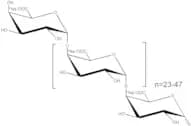

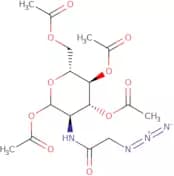

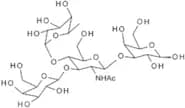

![(3aS, 7R, 9S, 9aR, 9bR) -9- [[(1, 1- Dimethylethyl) dimethylsilyl] oxy] - 2, 2- diethylhexahydro- …](/_next/image/?url=https%3A%2Fstatic.cymitquimica.com%2Fproducts%2F3D%2Fthumb-webp%2FMD168729.webp&w=3840&q=75)
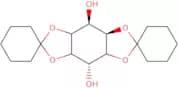
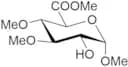
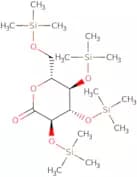
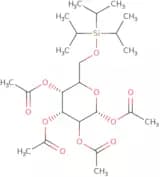

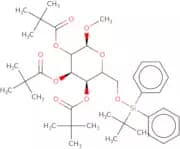

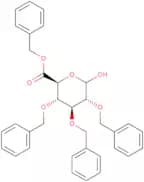
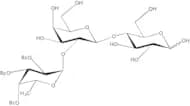
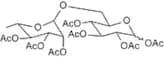
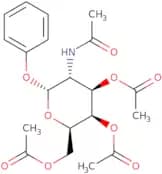
![N-[2-(4'-Dimethylaminophenyl)-1-cyano-3-butene]-2,3,4,6-tetra-O-pivaloyl-D-glucopyranoside](/_next/image/?url=https%3A%2Fstatic.cymitquimica.com%2Fproducts%2F3D%2Fthumb-webp%2FMD08488.webp&w=3840&q=75)
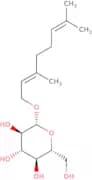
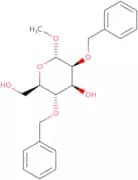
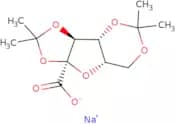
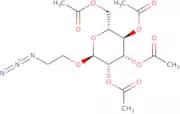




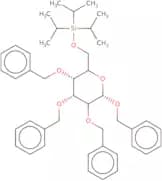
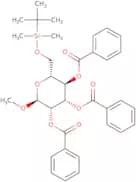
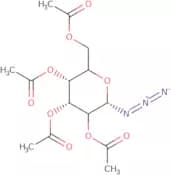
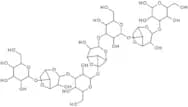
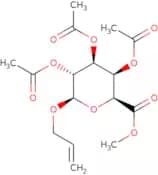
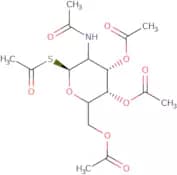
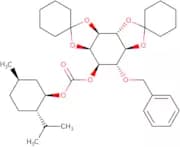


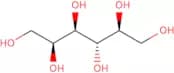
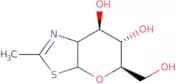
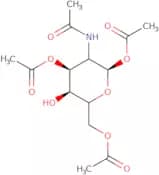
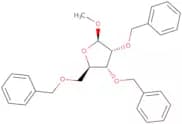
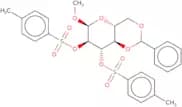

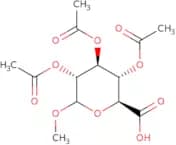

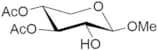


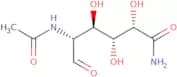
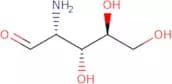

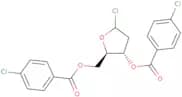
![N-[2-(4'-Chlorophenylacetonitrile)]-2,3,4,6-tetra-pivaloyl-D-glucopyranoside](/_next/image/?url=https%3A%2Fstatic.cymitquimica.com%2Fproducts%2F3D%2Fthumb-webp%2FMC08449.webp&w=3840&q=75)

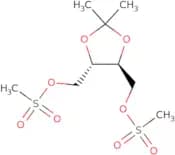


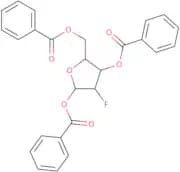
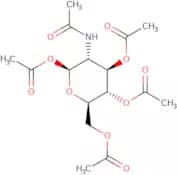
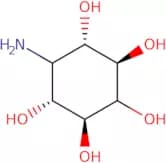

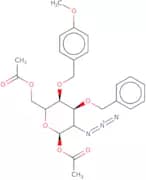
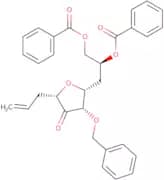
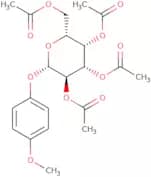

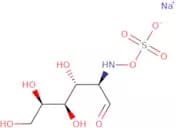



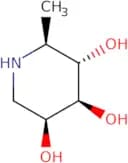


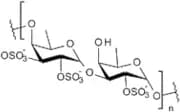

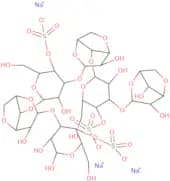

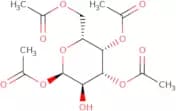
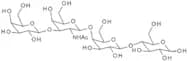
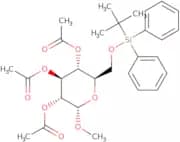
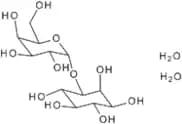
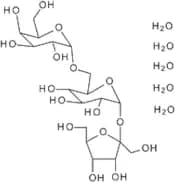
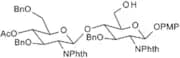
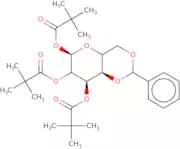
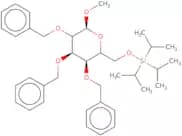
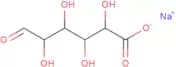
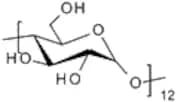
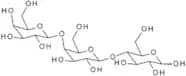

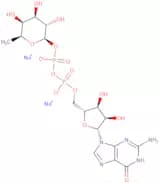
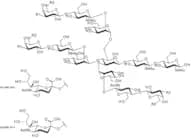



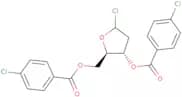
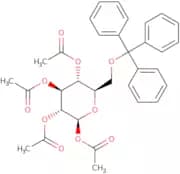
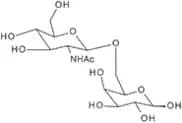
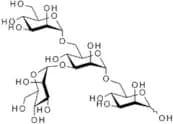
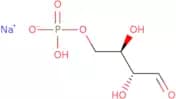
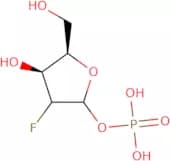
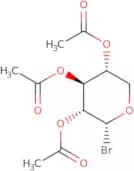
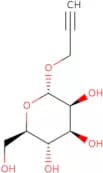

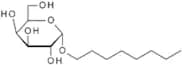
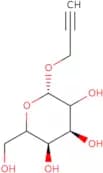
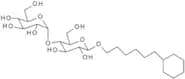
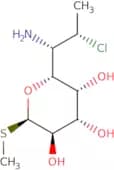

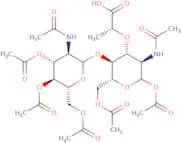
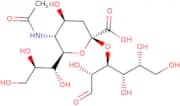

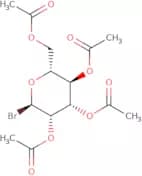
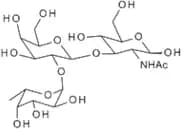
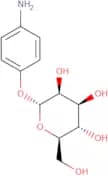
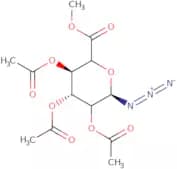

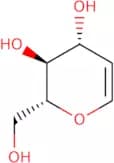

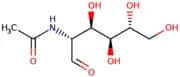

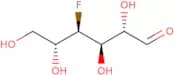

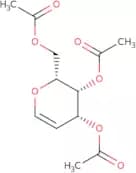
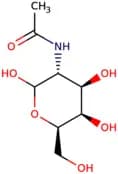
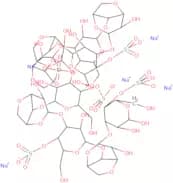
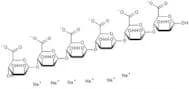
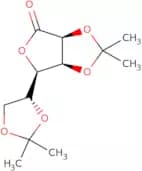
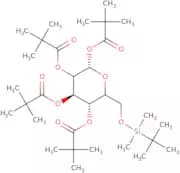
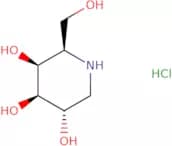
![5-Deoxy-1,2-O-isopropylidene-5-[(2R-phenylpyrrolidine)-1-yl]-a-D-xylofuranose](/_next/image/?url=https%3A%2Fstatic.cymitquimica.com%2Fproducts%2F3D%2Fthumb-webp%2FMD07486.webp&w=3840&q=75)
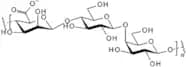


![1-(3'-Azidopropyl)-2-deoxy-4-O-[3-O-(p-phenoxybenzyl)-b-D-galactopyranosyl]-2-phthalimido-b-D-gluc…](/_next/image/?url=https%3A%2Fstatic.cymitquimica.com%2Fproducts%2F3D%2Fthumb-webp%2FOA74915.webp&w=3840&q=75)
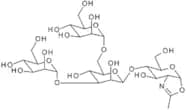
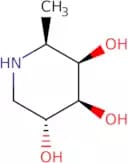

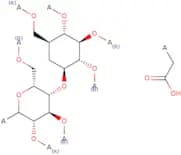
![1-Deoxy- 6- O- tert.butyl dimethylsilyl]- 3, 4- O- isopropylidene-D- Psicofuranose](/_next/image/?url=https%3A%2Fstatic.cymitquimica.com%2Fproducts%2F3D%2Fthumb-webp%2FMD170320.webp&w=3840&q=75)
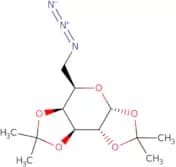
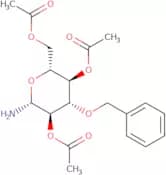
![(5S, 8S, 9R) -8- [(4R) - 2, 2- Dimethyl- 1, 3- dioxolan- 4- yl] - 9- hydroxy- 2, 2- dimethyl- 1, 3…](/_next/image/?url=https%3A%2Fstatic.cymitquimica.com%2Fproducts%2F3D%2Fthumb-webp%2FMD170671.webp&w=3840&q=75)
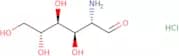
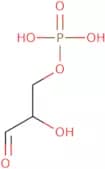
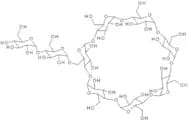
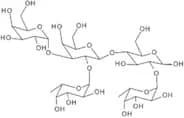
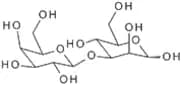

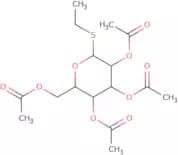

![L-[UL-13C6]Rhamnose monohydrate](/_next/image/?url=https%3A%2Fstatic.cymitquimica.com%2Fproducts%2F3D%2Fthumb-webp%2FMR182508.webp&w=3840&q=75)