Glicoscienza
La glicosienza è lo studio dei carboidrati e dei loro derivati, nonché delle interazioni e delle funzioni biologiche a cui partecipano. Questo campo di ricerca è cruciale per comprendere una vasta gamma di processi biologici, tra cui il riconoscimento cellulare, la segnalazione, la risposta immunitaria e lo sviluppo delle malattie. La glicosienza ha importanti applicazioni nella biotecnologia, nella medicina e nello sviluppo di nuovi farmaci e terapie. Presso CymitQuimica, offriamo un'ampia selezione di prodotti di alta qualità e purezza per la ricerca in glicosienza. Il nostro catalogo comprende monosaccaridi, oligosaccaridi, polisaccaridi, glicoconiugati e reagenti specifici, progettati per supportare i ricercatori nei loro studi sulla struttura, funzione e applicazioni dei carboidrati nei sistemi biologici. Queste risorse sono destinate a facilitare scoperte scientifiche e applicazioni pratiche in vari ambiti delle bioscienze e della medicina.
Sottocategorie di "Glicoscienza"
- Amminozucchero(108 prodotti)
- Glico-anticorpi(282 prodotti)
- Glicolipidi(46 prodotti)
- Glicosaminoglicani (GAGs)(55 prodotti)
- Glicosidi(419 prodotti)
- Monosaccaridi(6.624 prodotti)
- Oligosaccaridi(3.682 prodotti)
- Polisaccaridi(503 prodotti)
Trovati 11046 prodotti di "Glicoscienza"
Ordinare per
Purezza (%)
0
100
|
0
|
50
|
90
|
95
|
100
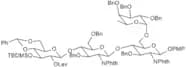
4-Methoxyphenyl 4-O-[4-O-(4,6-O-benzylidene-3-O-tert-butyldimethylsilyl- 2-O-levulinoyl-β-D-glucopyranosyl)-3,6-di-O-benzyl-2-deoxy-2 -phthalimid o-β-D-glucopyranosyl]-3-O-benzyl-6-O-(tri-O-benzyl-α-L-fucopyranosyl)-2- deoxy-2-phthalimido-β-D-glucopyranos
4-Methoxyphenyl 4-O-[4-O-(4,6-O-benzylidene-3-O-tert-butyldimethylsilyl-2-O -levulinoyl)-b,D,Glucopyranosyl]-3,6,-di-, Obenzyl 2deoxy 2phthalimido bDglucopyranosyl]-2deoxy 2phthalimido bDglucopyrano sugar is a complex carbohydrate that has been synthesized in a custom synthesis. It is composed of a glucose oligosaccharide with a methoxyphenol glycoside at the reducing terminus and an α-(1,6)-linked mannose at the nonreducing terminus. The carbohydrate has been modified by fluorination and methylation. The molecule contains an acetal bond between the carbonyl group of the terminal monosaccharide and theFormula:C107H114N2O25SiPurezza:Min. 95%Peso molecolare:1,856.13 g/molD-Turanose
CAS:Turanose is a reducing analog of sucrose that is not metabolized by higher plants, but rather acquired through the action of sucrose transporters for intracellular carbohydrate signaling. In addition to its involvement in signal transduction, D-(+)-turanose can also be used as a carbon source by many organisms including numerous species of bacteria and fungi.Formula:C12H22O11Purezza:Min. 98 Area-%Colore e forma:White PowderPeso molecolare:342.3 g/molLaminaribiose
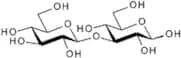
CAS:<p>Disaccharide; substrate for glucanases and laminaribiose phosphorylase</p>Formula:C12H22O11Purezza:Min. 95%Colore e forma:PowderPeso molecolare:342.3 g/molTrehalose-6-phosphate disodium salt
Trehalose-6-phosphate disodium salt is a complex carbohydrate that can be modified to create a variety of products. Trehalose-6-phosphate disodium salt is made by the methylation of sugar, which creates an alpha-D-glucopyranosyl unit. This product can be used in the synthesis of oligosaccharides and polysaccharides, as well as other carbohydrates. Trehalose-6-phosphate disodium salt is also fluorinated to produce trehalose 6 phosphate fluoride, which has properties similar to those of trehalose 6 phosphate.Formula:C12H21O14PNa2Purezza:Min. 95%Colore e forma:White PowderPeso molecolare:466.24 g/molD-Melezitose, monohydrate
CAS:Used to differentiate microorganisms based on their metabolic properties.Formula:C18H34O17Purezza:Min. 98.0 Area-%Peso molecolare:522.46 g/molRef: 3D-M-1520
25gPrezzo su richiesta50gPrezzo su richiesta100gPrezzo su richiesta250gPrezzo su richiesta500gPrezzo su richiesta-Unit-ggPrezzo su richiesta2-Iodoethyl α-L-fucopyranoside
<p>2-Iodoethyl a-L-fucopyranoside is an organic compound that belongs to the group of fluorinated saccharides. It is used in the synthesis of oligosaccharides, polysaccharides, and complex carbohydrates. 2-Iodoethyl a-L-fucopyranoside can be modified with click chemistry at the C4 position for the synthesis of monosaccharides or sugar derivatives. This modification leads to high purity and chemical stability.</p>Formula:C8H15IO5Purezza:Min. 95%Colore e forma:White to off-white solid.Peso molecolare:318.11 g/mol(-)-4-epi-Lyoniresinol-3a-O-b-D-glucopyranoside
<p>(-)-4-epi-Lyoniresinol-3a-O-b-D-glucopyranoside is a modification of the natural product, lyoniresinol, which is an Oligosaccharide. It is a Carbohydrate and its structure is complex due to the presence of a number of monosaccharides, including glucose. (-)-4-epi-Lyoniresinol-3a-O-b-D-glucopyranoside can be synthesized by methylating lyoniresinol with methanethiol in the presence of sodium methoxide to yield methyl lyoniresinolate. The methyl group is then removed by heating in boiling water to yield (-)-4-epi -lyoniresinol 3a -O -b -D -glucopyranoside. This compound has been shown to have antimicrobial activity against gram positive bacteria such as Mycob</p>Purezza:Min. 95%N-Propyl β-lactoside
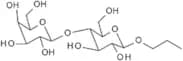
CAS:<p>N-Propyl b-lactoside is a synthetic sugar that belongs to the group of complex carbohydrates. It is a modification on the saccharide that is made by methylation, glycosylation and carbonylation. N-Propyl b-lactoside is synthesized from the monosaccharides glucose, galactose and fructose with the help of click chemistry. This product has high purity, fluorination and synthetic properties.</p>Formula:C15H28O11Purezza:Min. 95%Peso molecolare:384.38 g/molD-Talono-1,4-lactone
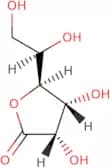
CAS:<p>D-Talono-1,4-lactone is a stereoselective drug that inhibits the synthesis of c-glycosides and is used to study the mechanisms of action of these compounds. It has been shown to have antibacterial activity against gram-negative pathogens such as Escherichia coli, Salmonella typhi, Klebsiella pneumoniae, and Acinetobacter baumannii. D-Talono-1,4-lactone also has inhibitory activities against gram negative bacteria. This compound may be a potential biomarker for the detection of gram negative bacteria in water samples. The mechanism of action of this drug is not known but it is likely due to its ability to inhibit bacterial growth.</p>Formula:C6H10O6Purezza:Min. 95%Colore e forma:PowderPeso molecolare:178.14 g/mol4-Methoxyphenyl 4-O-[2,6-di-O-acetyl-3-O-(2,3,4,6-tetra-O-acetyl-α-D-mannopyranosyl)-4-O-benzyl-β-D-mannopranosyl]-3,6-di-O-benzyl-2 -deoxy-2-phthalimido-β-D-glucopyranoside
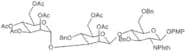
4-Methoxyphenyl 4-O-[2,6-di-O-acetyl-3-O-(2,3,4,6-tetra-O-acetyl-a-D-mannopyranosyl)-4-O-benzylbDmannopranosyl]-3,6diObenzyl 2 -deoxy2 -phthalimidoBglucopyranoside is a carbohydrate that belongs to the group of oligosaccharides. It is a saccharide that consists of an acetate ester and an acetal linkage. This carbohydrate has been custom synthesized for use in click chemistry. 4MPP4ODABAGMBZ is a synthetic monosaccharide with a methylation and glycosylation modification.Formula:C66H71NO24Purezza:Min. 95%Peso molecolare:1,262.26 g/molL-Fucose - non animal origin
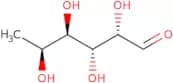
CAS:<p>L-Fucose is an aldohexose that is used as the building block for various glycoproteins and glycolipids. It is found in human serum and human pathogens. L-Fucose can be isolated from the hybridoma cell line by apical chromatography. The analytical method of L-fucose includes body formation, oligosaccharides, and glycan titration calorimetry. Structural analysis of L-fucose includes glycosylation, sugar analysis, and carbohydrate analysis. Fucose can also be used to produce oligosaccharides through enzymatic reactions with other sugars including glucose and galactose. This reaction produces a linkage between fucose and other sugars that are called glycosidic bonds.</p>Formula:C6H12O5Purezza:Min. 98 Area-%Colore e forma:PowderPeso molecolare:164.16 g/mola-D-Mannose-1-phosphate 3-LINKER-FITC
<p>a-D-Mannose-1-phosphate 3-LINKER-FITC is a custom synthesis, modification, and fluorination of the natural a-D-mannose monosaccharide. It is synthesized from a mixture of D-mannitol (1) and pyridine hydrochloride in the presence of triphenylphosphine (2). The methylation of 2,4,6 trichloroacetophenone with sodium methoxide in methanol yields the desired product 3. This product is then reacted with an excess of N-(3-dimethylaminopropyl)-N'-ethylcarbodiimide hydrochloride to yield 4. The reaction between 4 and 5 results in 6 which is then converted to 7 by treatment with diazomethane. 7 is then reacted with 8 to produce 9. The final product 10 is obtained by reacting 9 with three equivalents of N-(7-azab</p>Purezza:Min. 95%Glucosyl-C18-sphingosine
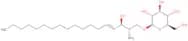
CAS:<p>Glucosyl-C18-sphingosine is a sphingolipid that has been shown to inhibit the activity of Gaucher's enzyme, which is responsible for the synthesis of glucosylceramide. It has been demonstrated in a model system that glucosyl-C18-sphingosine inhibits mitochondrial membrane potential and decreases ATP levels, leading to cell death. The molecular pathogenesis of Gaucher disease is not well understood but it is believed to be related to defective lysosomal function. Glucosyl-C18-sphingosine may be used as a diagnostic agent for Gaucher disease and other metabolic disorders involving glucosylceramide accumulation.</p>Formula:C24H47NO7Purezza:Min. 95%Colore e forma:PowderPeso molecolare:461.63 g/mol2,3,4-Tri-O-acetyl-D-glucuronide methyl ester
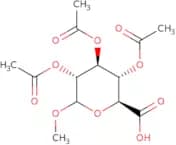
CAS:Intermediate for the anomeric modification of GlcU, including glucuronylationFormula:C13H18O10Purezza:Min. 95%Colore e forma:White PowderPeso molecolare:334.28 g/mol(3S,5S) -1-Nonyl-3, 4, 5- piperidinetriol
This is a high purity, custom synthesis of (3S,5S) -1-Nonyl-3, 4, 5- piperidinetriol. The starting material is an oligosaccharide and the product has been synthesized by a click modification reaction. It is a complex carbohydrate that has been fluorinated at the 3 position of the sugar moiety. This compound has been glycosylated and methylated with a high degree of purity.Purezza:Min. 95%Hyacinthine crystals
Hyacinthine is a sugar that is synthesized in the laboratory. It is modified with fluorine, methyl, and click chemistry. Hyacinthine has been shown to have antifungal, antiviral, and antitumour properties. It also has been shown to have anti-inflammatory effects. Hyacinthine can be used as a probe for the study of glycosylation reactions or as a model for the synthesis of complex carbohydrates.Purezza:Min. 95%Maltononaose
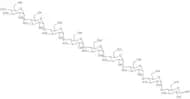
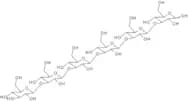
CAS:<p>α 1,4-glucononasaccharide derived from starch by hydrolysis and chromatography</p>Formula:C54H92O46Colore e forma:White PowderPeso molecolare:1,477.28 g/molGDP-D-mannose disodium salt
CAS:GDP-D-mannose is a natural mannosyl donor and substrate for mannosyltransferases that catalyses mannosylation, for instance during the synthesis of the trimannoside core of complex, high-mannose or hybrid N-glycans. GDP-D-mannose is widely used in (chemo)enzymatic synthesis of oligosaccharides and its biosynthesis occurs from glucose-6-phosphate over several steps. GDP-D-mannose consists of a D-mannose unit, α-glycosydically linked to the nucleotide guanosine diphosphate (GDP). Examples of this important reaction would be the transfer of mannosyl moieties onto the dolichol-P-P-GlcNAc2 precursor of N-glycans in the endoplasmatic reticulum, with release of GDP, or the mannosylation reactions during GPI-anchor (bio)synthesis. GDP-D-mannose has also been used for the in vitro synthesis of b-mannan oligosaccharides.Formula:C16H23N5O16P2Na2Purezza:Min. 90 Area-%Colore e forma:White PowderPeso molecolare:649.3 g/molD-Glucuronic acid
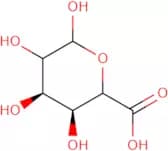
CAS:<p>D-Glucuronic acid (GlcA) is D-glucose with position six oxidised to a carboxyl group (Collins, 2006). It is a common component of a number of gums and mucilages structurally related to pectins, where it is can be present as a terminal non reducing end residue (Renard, 1999). Glucuronic acid is also found in bacterial polysaccharides, such as, xanthan gum produced by Xanthomonas campestris (Faria, 2011), and in glycosaminoglycans, such as, heparan sulfate (Casale, 2020).</p>Formula:C6H10O7Purezza:Min. 98%Colore e forma:White Off-White PowderPeso molecolare:194.14 g/molLewis Y tetrasaccharide-BSA
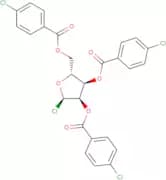
<p>Lewis Y tetrasaccharide-BSA is a synthetic oligosaccharide that contains Lewis Y, a sugar that is naturally found in human blood. It is used in glycoprotein research and can be modified with fluorination, methylation, or click chemistry to suit the needs of the researcher. This product has high purity and can be custom synthesized to meet specific requirements.</p>Colore e forma:Powder2,3,5-Tri-O-p-chlorobenzoyl-a-D-ribofuranosyl chloride
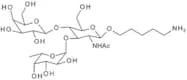
CAS:<p>2,3,5-Tri-O-p-chlorobenzoyl-a-D-ribofuranosyl chloride is a sugar derivatized with chlorine. It is a high purity product that can be custom synthesized to meet your needs. This compound has been used in the synthesis of saccharides and oligosaccharides with click modification, fluorination, glycosylation, methylation, and modification.<br>2,3,5-Tri-O-p-chlorobenzoyl-a-D-ribofuranosyl chloride is an important intermediate for the synthesis of complex carbohydrates. The chemical structure of this molecule consists of three parts: an aromatic ring (benzene), a glycosylation site (glycine), and a carboxylic acid group (carboxylic acid). The aromatic ring allows 2,3,5-Tri-O-p-chlorobenzoyl-a-D</p>Formula:C26H18Cl4O7Purezza:Min. 95%Colore e forma:PowderPeso molecolare:584.23 g/molLewis X 1-O-n-pentylamine
CAS:<p>Lewis X 1-O-n-pentylamine is a methylated saccharide that is used in the synthesis of polysaccharides and oligosaccharides. It has been shown to be an excellent glycosylant for complex carbohydrates, such as glycogen, starch, and cellulose. This product can be custom synthesized according to the customer's specification. The CAS number is 1159604-40-6.</p>Formula:C25H46N2O15Purezza:Min. 95%Colore e forma:White SolidPeso molecolare:614.64 g/mol3,4:5,6-Di-O-isopropylidene-L-gulonic acid methyl ester
3,4:5,6-Di-O-isopropylidene-L-gulonic acid methyl ester is a synthetic monosaccharide. It is fluorinated at the hydroxyl group on C2 and also has a methoxy group on C3. The compound is an Oligosaccharide with a sugar unit of D-gulonic acid at the reducing end of the molecule. This product can be custom synthesized for your specific needs. 3,4:5,6-Di-O-isopropylidene-L-gulonic acid methyl ester has been shown to have Click modification and also complex carbohydrate modifications.Purezza:Min. 95%Maltotetraose
CAS:<p>Maltotetraose is the shortest chain oligosaccharide that can be classified as a maltodextrin. It’s a component of liquid glucose (a commercial sweetener composed of glucose, maltose, maltotriose and maltotetraose), used in bread-making industry.</p>Formula:C24H42O21Purezza:Min. 95 Area-%Colore e forma:White PowderPeso molecolare:666.58 g/mol6-Deoxy- 3, 5- O- [(R) - benzylidene] -L- mannonic acid g- lactone
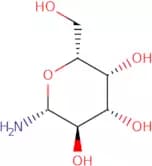
6-Deoxy- 3, 5- O- [(R) - benzylidene] -L- mannonic acid g- lactone is an intermediate in the synthesis of a polysaccharide. It is also used as a click modification agent and can be used to synthesize oligosaccharides with custom modifications. This compound has been shown to be stable under high temperatures and gives high purity products after synthesis. The synthesis of this product can be done using only two steps and can be modified for glycosylation or fluorination.Purezza:Min. 95%β-D-Galactopyranosyl amine
CAS:<p>Inhibitor of β-galactosidase</p>Formula:C6H13NO5Purezza:(¹H-Nmr) Min. 95 Area-%Colore e forma:White PowderPeso molecolare:179.17 g/mol4- C- Methyl- 2, 3- O-isopropylidene -4-O-tert-butyldimethylsilyl-D- lyxono-1,5- lactone
<p>4- C- Methyl- 2, 3- O-isopropylidene -4-O-tert-butyldimethylsilyl-D- lyxono-1,5- lactone is a Fluorinated Monosaccharide. It is a Synthetic Monosaccharide. It is an Oligosaccharide. It is a complex carbohydrate. It has been Custom synthesized.<br>It has been Glycosylated and Polysaccharided. It has been Click modified and Methylated.<br>This compound's CAS number is A8BX04A9R1Z6.<br>This compound's sugar type is Carbohydrate. This compound has been Modified for High purity purposes.</p>Purezza:Min. 95%Lumiracoxib acyl-β-D-glucuronide
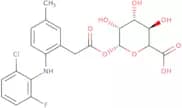
CAS:Prodotto controllatoLumiracoxib acyl-b-D-glucuronide is a synthetic compound that is a derivative of the nonsteroidal anti-inflammatory drug lumiracoxib. It has been shown to be effective as an inhibitor of inflammation and pain in animal models, with no significant toxic effects on the liver or kidney. Lumiracoxib acyl-b-D-glucuronide is a white powder that can be synthesized by glycosylation and modification of lumiracoxib. This compound is soluble in water and ethanol, but insoluble in ether.Formula:C21H21ClFNO8Purezza:Min. 95%Colore e forma:White To Yellow SolidPeso molecolare:469.84 g/molN-Acetylallolactosamine
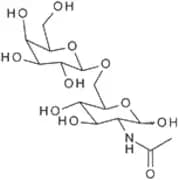
CAS:<p>N-Acetylallolactosamine is a lectin that has been shown to have an acceptor for the oligosaccharide, n-acetylllactosamine. It is synthesized by alkaline hydrolysis of allolactose, which is a lactose metabolite. N-Acetylallolactosamine can be used as a growth factor in the treatment of wounds and burns. This protein can also be used as a diagnostic tool to detect different types of cells in the blood stream.</p>Formula:C14H25NO11Purezza:Min. 95%Colore e forma:PowderPeso molecolare:383.35 g/mol(2R, 3R, 4R) -2- (Hydroxymethyl) - 2- methyl- 3, 4- pyrrolidinediol
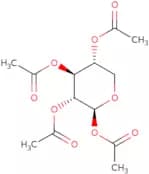
CAS:<p>(2R, 3R, 4R) -2- (Hydroxymethyl) - 2- methyl- 3, 4- pyrrolidinediol is a modification of oligosaccharides. It is synthesized from monosaccharides or disaccharides and can be modified with fluorine or methyl groups. This product has the highest purity available on the market and can be used in a variety of applications such as glycosylation, polysaccharide synthesis, sugar fluorination, saccharide click modification and more.</p>Formula:C6H13NO3Purezza:Min. 95%Peso molecolare:147.17 g/mol1,2,3,4-Tetra-O-acetyl-β-D-xylopyranose
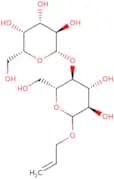
CAS:1,2,3,4-Tetra-O-acetyl-b-D-xylopyranose is a sugar that is used as a regulatory agent in the synthesis of other sugars. It has been shown to inhibit the activity of lipolytic enzymes in vitro and may be useful for controlling obesity. 1,2,3,4-Tetra-O-acetyl-b-D-xylopyranose is also able to disrupt the structure of bacterial membranes and has been shown to have an inhibitory effect on p. aeruginosa. The element analysis indicates that this compound contains carbon, hydrogen, oxygen, and nitrogen.Formula:C13H18O9Purezza:Min. 95%Colore e forma:PowderPeso molecolare:318.28 g/molAllyl-D-lactose
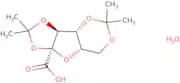
CAS:<p>1-O-Allyl-D-lactose is a fluorinated carbohydrate with the chemical formula C6H12O5. It is an oligosaccharide that can be synthesized in high purity and custom synthesis. 1-O-Allyl-D-lactose is a modified saccharide that has been fluorinated at the 1 position and methylated at the 2 position. It can be used as a substrate for glycosylation or click chemistry reactions.</p>Formula:C15H26O11Purezza:Min. 95%Colore e forma:White PowderPeso molecolare:382.36 g/mol2,3:4,6-Di-O-isopropylidene-2-keto-L-gulonic acid monohydrate
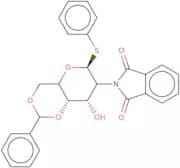
CAS:2,3:4,6-Di-O-isopropylidene-2-keto-L-gulonic acid monohydrate is a natural product that is produced in a bioreactor by the reaction of sorbose and lipase. It can be used as a precursor to industrial chemicals, such as epoxides and ethers. The synthetic pathway for 2,3:4,6-di-O-isopropylidene-2-keto-l gulonic acid monohydrate (DIG) starts with the condensation of glycerol with sorbose in the presence of an enzyme such as lipase. The resulting intermediate is then oxidized to form 2,3:4,6 dihydroxyacetone phosphate (DHAP). DHAP reacts with hydrogen peroxide to form the corresponding ketone. This ketone can then react with hydrochloric acid to form 2,3:4,6 dihydroxyFormula:C12H18O7·H2OPurezza:Min. 95%Colore e forma:White PowderPeso molecolare:292.28 g/molPhenyl 4,6-O-benzylidene-2-deoxy-2-phthalimido-b-D-thioglucopyranoside
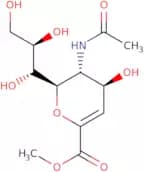
CAS:Phenyl 4,6-O-benzylidene-2-deoxy-2-phthalimido-b-D-thioglucopyranoside is a custom synthesis sugar that has been modified with fluorination, glycosylation, and carbamoylation. It is an oligosaccharide that contains a saccharide at the reducing end of the molecule. The CAS number for this compound is 79528-51-1.Formula:C27H23NO6SPurezza:Min. 95%Colore e forma:White PowderPeso molecolare:489.54 g/molN-Acetyl-2,3-dehydro-2-deoxyneuraminic acid methyl ester
CAS:<p>N-Acetyl-2,3-dehydro-2-deoxyneuraminic acid methyl ester (NAD) is a natural product that is produced by the human body. NAD has been shown to induce apoptosis in cancer cells and modulate gene expression. This compound also plays a role in the development of stem cells, which are important for tissue regeneration. NAD has been shown to have therapeutic effects on paraplegia and angiogenesis. It also has anti-inflammatory properties that may be related to its ability to regulate mesenchymal stem cells.</p>Formula:C12H19NO8Purezza:Min. 95%Colore e forma:PowderPeso molecolare:305.29 g/molLaminarihexaose
CAS:Ex algal/bacterial polysaccharides-value in b1-3 glucanase assays & diagnosticsFormula:C36H62O31Purezza:Min. 90 Area-%Colore e forma:White Off-White PowderPeso molecolare:990.86 g/mol2-Acetamido-4,6-O-benzylidene-2-deoxy-D-glucopyranose
CAS:2-Acetamido-4,6-O-benzylidene-2-deoxy-D-glucopyranose is an ether of d-glucosamine. It is formed by the reaction of benzyl alcohol and acetamidine with sodium methoxide in the presence of a catalyst. The stereoselectivity of this reaction can be tuned by using different alkali metals as catalysts. The nature and reactivity of the metal cation determines whether 2-acetamido-4,6-O-benzylidene-2,3,5,6,-tetraacetate or 2,3,5,6,-tetraacetate will be produced.Formula:C15H19NO6Purezza:Min. 95%Colore e forma:White PowderPeso molecolare:309.31 g/mol1,2-a-1,2-a-L-Rhamnotriose
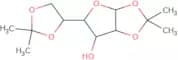
<p>1,2-a-1,2-a-L-Rhamnotriose is a carbohydrate that can be modified to suit your needs. It has a CAS number of 57749-83-5. This oligosaccharide is a sugar made up of two monosaccharides joined by an alpha 1,2 glycosidic bond. The product can be custom synthesized and its purity is high. It can be fluorinated or methylated and it can also be glycosylated. Click modification is also possible with this product.</p>Formula:C18H32O13Purezza:Min. 95%Colore e forma:White PowderPeso molecolare:456.44 g/mol(5R, 8S, 9R) -8- [(4R) - 2, 2- Dimethyl- 1, 3- dioxolan- 4- yl] - 9- hydroxy- 2, 2- dimethyl- 1, 3, 7- trioxaspiro[4.4] nonan- 6- on e
(5R, 8S, 9R) -8- [(4R) - 2, 2- Dimethyl- 1, 3- dioxolan- 4- yl] - 9- hydroxy- 2, 2- dimethyl- 1, 3, 7- trioxaspiro[4.4] nonan- 6- on e is a synthetic and fluorinated glycosylation product of an oligosaccharide with a methyl group at the C5 position. It has been shown to have excellent purity and stability in the presence of water.Purezza:Min. 95%3-Deoxy-1,2-O-isopropylidene-3-trifluoromethyl-a-D-xylofuranose
<p>3-Deoxy-1,2-O-isopropylidene-3-trifluoromethyl-a-D-xylofuranose is a modification of the sugar xylose. It is an Oligosaccharide that belongs to the Carbohydrate group. 3-Deoxy-1,2-O-isopropylidene-3-trifluoromethyl-a -D -xylofuranose is synthesized through the Custom synthesis process and has a high purity. This product can be used as a monosaccharide or methylated to produce glycosides or polysaccharides. 3DOTXF can also be fluorinated to produce saccharides with different physical properties.</p>Formula:C9H13F3O4Purezza:Min. 95%Peso molecolare:242.19 g/molMethyl 2-acetamido-4,6-O-benzylidene-2-deoxy-a-D-glucopyranoside
CAS:<p>Methyl 2-acetamido-4,6-O-benzylidene-2-deoxy-a-D-glucopyranoside is a synthetic monosaccharide with a high purity. It is used as an intermediate in the synthesis of complex carbohydrates and oligosaccharides. Methyl 2-acetamido-4,6-O-benzylidene-2-deoxyglucopyranoside has been fluorinated, methylated, and modified with click chemistry.</p>Formula:C16H21NO6Purezza:Min. 95%Colore e forma:PowderPeso molecolare:323.34 g/mol4-O-(2-Acetamido-2-deoxy-D-[UL-13C6]glucopyranosyl)-D-ribitol
<p>4-O-(2-Acetamido-2-deoxy-[UL-13C6]glucopyranosyl)-D-ribitol is a custom synthesis of an oligosaccharide, monosaccharide, and polysaccharide. It is a high purity and CAS No. custom synthesis with a high degree of modification. This product has been synthesized by methylation and glycosylation for use in the study of the structure and function of complex carbohydrates. The fluorination was done to the saccharide to give it the desired properties for use in various applications.</p>Formula:C713C6H25NO10Purezza:Min. 95%Peso molecolare:361.29 g/molParacetamol glucoside
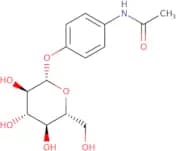
CAS:<p>Paracetamol glucoside is a prodrug that is hydrolyzed in vivo to paracetamol. It has an inhibitory effect on the uptake of photosynthetic pigments, and has been shown to have a chronic exposure inhibitory effect on the activity of enzymes such as catalase, peroxidase, and glutathione reductase. The uptake and toxic effects of paracetamol glucoside have been studied in vitro and also in vivo. In vitro studies have shown that animals are less sensitive to the toxicity of this compound than humans.</p>Formula:C14H19NO7Purezza:Min. 95%Colore e forma:PowderPeso molecolare:313.3 g/molMethyl 4-deoxy-4-fluoro-a-D-glucose
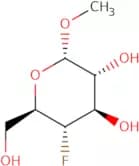
CAS:<p>Methyl 4-deoxy-4-fluoro-a-D-glucose is a synthetic and custom synthesis monosaccharide for use in glycosylation, polysaccharide modification, and click chemistry. It is a fluorinated sugar that can be used in the synthesis of oligosaccharides and complex carbohydrates. Methyl 4-deoxy-4-fluoro-a-D-glucose has CAS number 56926-53-5.</p>Formula:C7H13FO5Purezza:Min. 98 Area-%Colore e forma:PowderPeso molecolare:196.17 g/mol1,2:5,6-Di-O-isopropylidene-a-L-glucofuranose
CAS:<p>1,2:5,6-Di-O-isopropylidene-a-L-glucofuranose is a monosaccharide that is a component of the fatty acid biosynthesis pathway. It has been shown to be important in clinical relevance, because it can inhibit viral replication by binding to the virus as a nucleophile and attacking the glycosidic bond. This monosaccharide also inhibits the growth of liver cells by binding to a receptor on the cell surface. 1,2:5,6-Di-O-isopropylidene-a-L-glucofuranose binds specifically to nucleophilic sites on proteins and has been shown to have antiinflammatory properties through its inhibition of prostaglandin synthesis.</p>Formula:C12H20O6Purezza:Min. 95%Colore e forma:White PowderPeso molecolare:260.28 g/molG1F Glycan, 2-AB labelled
<p>G1F Glycan, 2-AB labelled is a complex carbohydrate that is modified by the addition of fluorine and saccharide. It can be custom synthesized to order with a purity of >98% and is available from Sigma-Aldrich.</p>Purezza:Min. 95%1,2-O-Isopropylidene - 5- O- (tert.butyldimethylsilyl) -β- D- glucofuranuronic acid γ-lactone
1,2-O-Isopropylidene - 5- O- (tert.butyldimethylsilyl) -beta- D- glucofuranuronic acid gamma-lactone is a synthetic compound that is used in the preparation of complex carbohydrates. This product can be methylated, glycosylated, or click modified to produce a wide range of products for use in the food and beverage industry. 1,2-O-Isopropylidene - 5- O- (tert.butyl dimethylsilyl) -beta- D- glucofuranuronic acid gamma lactone is also used in the production of polysaccharides and oligosaccharides with CAS No. 70690–05–4 and 70690–06–5 respectively. It has been shown to be fluorinated at various positions on the sugar ring with high purity and precision.Purezza:Min. 95%6-Aminohexyl 2-deoxy-5-O-DMT-a-D-riboside
6-Aminohexyl 2-deoxy-5-O-DMT-a-D-riboside is a glycosylation agent that can be used in synthetic approaches that require the incorporation of oligosaccharides. This product is also useful for fluoroalkylation reactions and methylations involving saccharides. It can be used to synthesize complex carbohydrates, such as polysaccharides or saccharide complexes, with high purity and CAS number. 6-Aminohexyl 2-deoxy-5-O-DMT-a-D-riboside has been modified using Click chemistry for click modification of proteins and peptides.Formula:C32H41N06Purezza:Min. 95%Peso molecolare:509.71 g/molL-Gulose
CAS:L-Gulose is a carbohydrate that is used in biochemical research. It can be found in plant sources such as sugar cane, sugar beet, and fruit, but it is not naturally present in mammals. L-Gulose has antioxidant properties and can act as an antiviral agent. It also has some structural similarities to vitamin C. L-Gulose can be synthesized from D-glucose by oxidation of the hydroxyl group with sodium hypochlorite or hydrogen peroxide. L-Gulose is a structural analog of D-mannitol, which has been shown to have transcriptional regulation activity. L-Gulose has been shown to inhibit the growth of tumor cells and induce apoptosis in vitro by increasing intracellular reactive oxygen species (ROS) levels.Formula:C6H12O6Purezza:Min. 98 Area-%Colore e forma:PowderPeso molecolare:180.16 g/mol3,7,7a-Triepicasuarine pentaacetate
CAS:3,7,7a-Triepicasuarine pentaacetate (TPA) is a modification of 3,7,7a-triepoxyheptanoic acid and has been synthesized by the addition of an acetate group to the free hydroxyl group. The synthesis was carried out on an automated synthesizer using a fluorous phase. TPA is a complex carbohydrate that is a monosaccharide with methylation and glycosylation. It can be hydrolysed to release 3,7-dihydroxyheptanoic acid (DHHA). This product has CAS number 910535-96-5.Purezza:Min. 95%






![6-Deoxy- 3, 5- O- [(R) - benzylidene] -L- mannonic acid g- lactone](/_next/image/?url=https%3A%2Fstatic.cymitquimica.com%2Fproducts%2F3D%2Fthumb-webp%2FMD163979.webp&w=3840&q=75)


![(5R, 8S, 9R) -8- [(4R) - 2, 2- Dimethyl- 1, 3- dioxolan- 4- yl] - 9- hydroxy- 2, 2- dimethyl- 1, 3…](/_next/image/?url=https%3A%2Fstatic.cymitquimica.com%2Fproducts%2F3D%2Fthumb-webp%2FMD170676.webp&w=3840&q=75)


![4-O-(2-Acetamido-2-deoxy-D-[UL-13C6]glucopyranosyl)-D-ribitol](/_next/image/?url=https%3A%2Fstatic.cymitquimica.com%2Fproducts%2F3D%2Fthumb-webp%2FOA44753.webp&w=3840&q=75)