Glicoscienza
La glicosienza è lo studio dei carboidrati e dei loro derivati, nonché delle interazioni e delle funzioni biologiche a cui partecipano. Questo campo di ricerca è cruciale per comprendere una vasta gamma di processi biologici, tra cui il riconoscimento cellulare, la segnalazione, la risposta immunitaria e lo sviluppo delle malattie. La glicosienza ha importanti applicazioni nella biotecnologia, nella medicina e nello sviluppo di nuovi farmaci e terapie. Presso CymitQuimica, offriamo un'ampia selezione di prodotti di alta qualità e purezza per la ricerca in glicosienza. Il nostro catalogo comprende monosaccaridi, oligosaccaridi, polisaccaridi, glicoconiugati e reagenti specifici, progettati per supportare i ricercatori nei loro studi sulla struttura, funzione e applicazioni dei carboidrati nei sistemi biologici. Queste risorse sono destinate a facilitare scoperte scientifiche e applicazioni pratiche in vari ambiti delle bioscienze e della medicina.
Sottocategorie di "Glicoscienza"
- Amminozucchero(108 prodotti)
- Glico-anticorpi(282 prodotti)
- Glicolipidi(46 prodotti)
- Glicosaminoglicani (GAGs)(55 prodotti)
- Glicosidi(419 prodotti)
- Monosaccaridi(6.624 prodotti)
- Oligosaccaridi(3.682 prodotti)
- Polisaccaridi(503 prodotti)
Trovati 11046 prodotti di "Glicoscienza"
Ordinare per
Purezza (%)
0
100
|
0
|
50
|
90
|
95
|
100
Isorhamnetin 3-O-galactoside
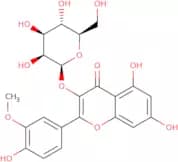
CAS:<p>Isorhamnetin 3-O-galactoside is a flavonoid derivative that is found in plant tissue. It has antioxidant properties and has been shown to inhibit leucaena seed germination, growth, and the production of reactive oxygen species (ROS). Isorhamnetin 3-O-galactoside can be extracted from fruit by using an aqueous solution of potassium hydroxide. It is also used as a dietary supplement for its potent inhibitory activity on ROS. Isorhamnetin 3-O-galactoside is found in plants with other flavonoids such as quercetin and kaempferol. The chemical structure of this compound consists of a hydroxyl group at the C3 position and an O-glycosidic linkage to galactose at the C2 position. This compound can be detected by mass spectrometric methods such as electron ionization or electrospray ionization because it</p>Formula:C22H22O12Purezza:Min. 95%Peso molecolare:478.4 g/mol3-(2,3,5-Tri-O-benzyl-1-b-D-ribofuranosyl)benzamide
CAS:<p>3-(2,3,5-Tri-O-benzyl-1-b-D-ribofuranosyl)benzamide is a sugar derivative with the chemical formula C14H19N5O6. This compound belongs to the group of saccharides and is a synthetic glycoside. 3-(2,3,5-Tri-O-benzyl-1-b-D-ribofuranosyl)benzamide is used in the synthesis of oligosaccharides and polysaccharides for use in medical applications. It can be custom synthesized and has a purity level of >99%.</p>Formula:C33H33NO5Purezza:Min. 95%Peso molecolare:523.62 g/molSuberoylanilide-D5 hydroxamic acid b-D-glucuronide
Prodotto controllatoSuberoylanilide-D5 hydroxamic acid b-D-glucuronide is a modification of sucrose. It is a complex carbohydrate that has been modified with an Oligosaccharide and Carbohydrate. This compound is synthesized with Custom synthesis, Synthetic, High purity, CAS No., Monosaccharide, Methylation, Glycosylation, Polysaccharide, sugar and Fluorination. Suberoylanilide-D5 hydroxamic acid b-D-glucuronide is a fluorinated saccharide that can be used as a sugar for glycosylation or methylation.Formula:C20H23N2O9D5Purezza:Min. 95%Colore e forma:White to off-white solid.Peso molecolare:445.47 g/mol2,3,4-Tri-O-benzyl-D-glucopyranose
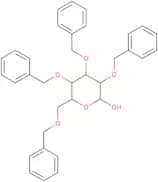
CAS:2,3,4-Tri-O-benzyl-D-glucopyranose is a thioglucoside that can be synthesized from D-glucose and benzyl bromide. This compound is a protonated nucleophile with a hydroxyl group that can interact with the sulfur of a thiol or disulfide group. The interaction between 2,3,4-tri-O-benzyl-D-glucopyranose and S. aureus has been shown to be dependent on the concentration of 2,3,4 tri O benzyl glucopyranose. The reaction between this compound and oligosaccharides led to the formation of dioxane ring structures that were hydrophobic.Formula:C27H30O6Purezza:Min. 95%Colore e forma:PowderPeso molecolare:450.52 g/mol1,2:5,6-Di-O-isopropylidene-a-D-allofuranose
CAS:<p>Synthetic building block</p>Formula:C12H20O6Purezza:Min. 95%Colore e forma:White PowderPeso molecolare:260.28 g/mol2,4,7,8-Tetra-O-acetyl-9-azido-9-deoxy-N-acetylneuraminic acid methyl ester
CAS:2,4,7,8-Tetra-O-acetyl-9-azido-9-deoxy-N-acetylneuraminic acid methyl ester is a high purity synthetic compound that has been modified for use in Click chemistry. It is a monosaccharide with an acetyl group on the 2' position and an azido group on the 9' position of the sugar. This compound is used in fluoroination reactions to modify sugars and oligosaccharides. It can also be used in glycosylation reactions to attach monosaccharides and saccharides to proteins or other molecules.Formula:C20H28N4O12Purezza:One SpotColore e forma:White PowderPeso molecolare:516.46 g/molD-Panose
CAS:<p>Used to determine composition and sequence of glucan-containing mixed linkages</p>Formula:C18H32O16Purezza:(%) Min. 95%Colore e forma:White PowderPeso molecolare:504.44 g/molMonoacetyl-b-cyclodextrin
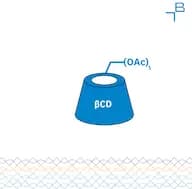
<p>This beta-cyclodextrin (β-CD) derivative is a functionalized cyclic oligosaccharide composed of seven glucose units, characterized by a hydrophilic exterior and a lipophilic cavity (bigger than α-CD and smaller than γ-CDs), which allows it to encapsulate various guest molecules. This structural feature facilitates its use in multiple applications, including pharmaceuticals, food enhancement, and cosmetics. In the pharmaceutical industry, it enhances the solubility and stability of poorly water-soluble drugs, improving their bioavailability and efficacy while also masking unpleasant tastes. The food sector utilizes it as a stabilizer for flavors, colors, and nutrients, extending shelf life by protecting sensitive ingredients from degradation. In cosmetics, it serves as a complexing agent for fragrances and active components, ensuring their stability and controlled release. Its use expands to many other fields, including nanotechnology for drug delivery systems, environmental remediation for extracting organic pollutants, textiles for slow-release fragrances, and analytical chemistry for chiral separation.</p>Purezza:(%) Min. 95%Colore e forma:Powder2,6-Anhydro-D-glycero-D-ido-heptonamide
CAS:<p>2,6-Anhydro-D-glycero-D-ido-heptonamide is a fluorinated carbohydrate that can be synthesized by the reaction of 2,6-anhydro-D-glycero-D-heptonic acid with N,N'-dicyclohexylcarbodiimide and ethyl bromoacetate. This compound is then modified with a methyl group at the C2 position or an acetyl group at the C3 position. The resulting product can be used in a wide variety of applications including biopharmaceuticals, diagnostic reagents, and inorganic chemicals.</p>Purezza:Min. 95%D-Mannose-6-phosphate sodium
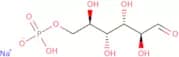
CAS:<p>D-Mannose-6-phosphate sodium salt (DMSP) is a phosphorylated sugar that is produced by the enzyme expressed in the yeast, Saccharomyces cerevisiae. DMSP has been shown to be involved in the synthesis of phosphatidylcholine and other lipids. Its solubilization and adsorption properties have been studied using dibutyryl camp, which is a lipid found in milk fat. The amino acid analysis of DMSP revealed that it contains both D-mannose residues and 6-phosphate groups. The 6-phosphate group is found only on one side of the molecule, which may contribute to its asymmetry.</p>Formula:C6H12NaO9PPurezza:Min. 98 Area-%Colore e forma:White PowderPeso molecolare:282.12 g/mol5-Deoxy-5-fluoro-1,2-O-isopropylidene-D-iduronic acid-3,6 lactone
<p>5-Deoxy-5-fluoro-1,2-O-isopropylidene-D-iduronic acid is a custom synthesis of oligosaccharide. It is a glycosylation that has been modified with fluorination, methylation, and click modification. This complex carbohydrate has an CAS number. The molecular weight of this polysaccharide is not determined. 5D5FIA3L is a saccharide sugar that has the ability to form glycosidic bonds with other saccharides and proteins in the body. This property makes it an important component in the human diet as well as in biochemistry and structural biology research.</p>Purezza:Min. 95%6-Deoxy-L-tallitol
6-Deoxy-L-tallitol is a sugar that is synthesized from the natural sugar, L-taloheptulose. This product is custom synthesized and can be modified to suit the needs of the customer. It can be fluorinated, glycosylated, or methylated as required. 6-Deoxy-L-tallitol can be used in a variety of applications such as pharmaceuticals, agrochemicals, and food products. This product has a CAS number, Oligosaccharide, Monosaccharide, saccharide Carbohydrate, complex carbohydrate.Purezza:Min. 95%β-Cyclodextrin
CAS:<p>Beta-Cyclodextrin is a cyclic oligosaccharide with 7 D-glucose residues which are alpha-1,4-linked. beta-cyclodextrin is used in the food industry to encapsulate flavours and fragrances. Beta-cyclodextrin can increase the water solubility of compounds, such as curcumin; further, the cyclodextrin-curcumin complex also allows for a controlled, sustainable release in a wound healing study.</p>Formula:C42H70O35Purezza:Min. 98.0 Area-%Peso molecolare:1,134.99 g/mol2,3,6-Tri-O-benzoyl-γ-cyclodextrin
<p>This gamma-cyclodextrin (γ-CD) derivative is a modified cyclic oligosaccharide composed of eight glucose units, featuring a larger cavity size than α- and β-cyclodextrins. This structural characteristic allows γ-CDs to form inclusion complexes with a wider range of guest molecules, making it particularly versatile in various industries. In the food sector, it is used as a carrier and stabilizer for flavors, fat-soluble vitamins, and polyunsaturated fatty acids, protecting volatile compounds from evaporation. In pharmaceuticals, it enhances the solubility and bioavailability of poorly water-soluble drugs and, thanks to its larger ring size, allows for the encapsulation of larger molecules or even entire drug molecules. γ-CDs and derivatives are also used for environmental remediation and, in analytical chemistry, for the extraction and concentration of target substances.</p>Formula:C216H176O64Purezza:Min. 95%Peso molecolare:3,795.67 g/mol[UL-2H7glc]Lactose monohydrate
<p>Custom synthesis, Modification, Fluorination, Methylation, Monosaccharide, Synthetic, Click modification.<br>Oligosaccharide. Saccharide. CAS No. Polysaccharide. Glycosylation. Sugar. Carbohydrate complex carbohydrate<br>Custom synthesis, Modification, Fluorination, Methylation, Monosaccharide Synthetic Click modification Oligosaccharide saccharide CAS No Polysaccharide Glycosylation sugar Carbohydrate complex carbohydrate</p>Purezza:Min. 95%Medicagenic acid 3,28-di-O-glucoside
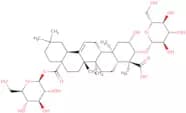
CAS:<p>Medicagenic acid 3,28-di-O-glucoside is a synthetic compound that is the product of a custom synthesis. It is a sugar with 1,2-linked glucose units. Medicagenic acid 3,28-di-O-glucoside is an intermediate in the synthesis of glycoconjugates. Medicagenic acid 3,28-di-O-glucoside can be modified to produce saccharides with various properties and functions. This compound has been modified by fluorination, methylation and click chemistry to produce medicagenic acid 3,28-di-O-[(2-(4′-[N′-(3′,5′'-dimethoxytrityl)-3H]thiophenyl)carbonyl]-6′-(4′-[N′-(3',5'-dimethoxytrityl)-3H]thiophenyl)methyl] glucopyranoside.</p>Formula:C42H66O16Purezza:Min. 95%Peso molecolare:826.96 g/mol2-Allyloxycarbonylamino-2-deoxy-D-galactose
<p>2-Allyloxycarbonylamino-2-deoxy-D-galactose is a monosaccharide that is synthetically modified for use as a synthetic building block in the synthesis of complex carbohydrates and saccharides. This compound is fluorinated at the 2 position to increase its water solubility, which makes it useful for chemical modifications. It has been shown to be methylated and glycosylated.</p>Purezza:Min. 95%a-D-Glucuronic acid-1-phosphate
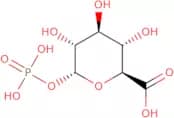
CAS:<p>a-D-Glucuronic acid-1-phosphate is a substrate for alkaline phosphatase. It hydrolyzes phosphate esters and modifies inorganic phosphate, including pyrophosphate. It also catalyzes the hydrolysis of nucleotide monophosphates such as NADPH and UDPglucose to their respective diphosphates. This enzyme is not inhibited by inorganic phosphate, phosphatase, NADP+, or UDP-.</p>Formula:C6H11O10PPurezza:Min. 95%Colore e forma:PowderPeso molecolare:274.12 g/mol1,2,3,4-Tetra-O-acetyl-6-O-(tert-butyldiphenylsilyl)-b-D-glucopyranose
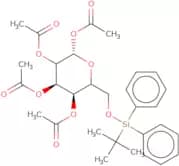
CAS:1,2,3,4-Tetra-O-acetyl-6-O-(tert-butyldiphenylsilyl)-b-D-glucopyranose is a synthetic oligosaccharide that has been modified by fluorination and methylation. It is used as a building block for the synthesis of complex carbohydrates. This product has a CAS number of 224778-57-8 and can be custom synthesized to meet your specifications.Formula:C30H38O10SiPurezza:Min. 95%Peso molecolare:586.72 g/molAmylose
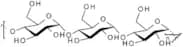
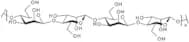
CAS:<p>Starch consists of two polysaccharides, amylose and amylopectin and represents approximately 20-25% of the total polysaccharide content in starch. Amylose molecules consist of single mostly unbranched chains of 500-20,000 α-(1->4)-D-glucose residues dependent on source (e.g. wheat, rice, potato, tapioca, etc). Amylose can form an extended shape (hydrodynamic radius 7-22 nm) but generally tends to wind up into a rather stiff left-handed single helix or form even stiffer parallel left-handed double helical junction zones. Hydrogen bonding between aligned chains causes retrogradation and releases some of the bound water (syneresis). The aligned chains may then form double stranded crystallites that are resistant to amylases. These possess extensive inter- and intra-strand hydrogen bonding, resulting in a fairly hydrophobic structure of low solubility. The amylose content of starches is thus the major cause of resistant starch formation.</p>Formula:(C6H10O5)nColore e forma:White Off-White PowderD-Talitol
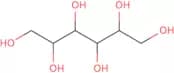
CAS:<p>D-Talitol is a drug that is used to treat eye disorders and chronic pulmonary diseases. It belongs to the class of drugs called xylitol dehydrogenase inhibitors. D-Talitol inhibits the enzyme xylitol dehydrogenase, which converts xylitol into a different sugar called sorbitol. Sorbitol accumulates in certain parts of cells, such as the mitochondria, and can disrupt cellular processes by inhibiting oxidative phosphorylation and glycolysis. In addition, there are other effects of sorbitol accumulation that may lead to mitochondrial dysfunction, including inhibition of protein synthesis, induction of apoptosis (cell death), and inhibition of cell proliferation. D-Talitol has been shown to inhibit the growth of chronic kidney cells in culture by interfering with cellular metabolism in mitochondria.<br>A kinetic study has also shown that D-Talitol inhibits b-raf activity at concentrations that are not cytotoxic. This suggests that D-Talitol may be useful for</p>Formula:C6H14O6Purezza:Min. 98 Area-%Colore e forma:White PowderPeso molecolare:182.17 g/mol5-Azido-5-deoxy-2,3-O-isopropylidene-D-gulono-1,4-lactone
5-Azido-5-deoxy-2,3-O-isopropylidene-D-gulono-1,4-lactone is a carbohydrate that has been modified by the addition of an azide group. Carbohydrates are complex carbohydrates that consist of monosaccharides linked together to form polysaccharides. They are sugar molecules that act as a source of energy for living organisms. 5-Azido-5-deoxy-2,3-O-isopropylidene -D gulono 1,4 lactone is a monosaccharide which can be methylated and glycosylated with other sugars to form a polysaccharide. It is also fluorinated and saccharide. This compound belongs to CAS No. 144948–71–8 and has the molecular formula C6H8N2O7F9O6.Purezza:Min. 95%2-Azido- 2- deoxy- 3, 4- O-benzylidene-D- ribonic acid d- lactone
<p>2-Azido-2-deoxy-3,4-O-benzylidene-D-ribonic acid d-lactone is a glycosylation product of 2,4,6 azido 2,3,4 O benzylidene D -ribose. It is synthesized by the reaction of 1,2 azido 2,3,4 O benzylidene D -ribose with sodium borohydride in the presence of lithium chloride. This compound possesses a number of properties including being a complex carbohydrate and methylation product. This compound is also fluorinated to give 2 azido-2 deoxy 3,4 F -benzylidene D ribonic acid d lactone. This compound can be modified for various purposes such as Click modification and polysaccharide synthesis.</p>Purezza:Min. 95%Dextran 3 - MW 2500 - 4000
CAS:<p>Dextran is α-(1,6)-linked α-D-glucan produced by fermentation of Leuconostoc mesenteroides via the action of the enzyme dextransucrase on sucrose. The main use for native dextran is as a blood plasma extender in blood transfusions. A complex of iron with dextran, known as iron dextran, is used as a source of iron to baby piglets which are often anaemic at birth.</p>Colore e forma:White Off-White Powder2-Methylphenyl 4-O-benzyl-a-L-thiorhamnopyranoside
<p>2-Methylphenyl 4-O-benzyl-a-L-thiorhamnopyranoside is a custom synthesis that can be modified to suit the needs of the customer. It is a fluorinated oligosaccharide with a complex carbohydrate structure. The product has been shown to have high purity and will be synthesized according to customer specifications. 2-Methylphenyl 4-O-benzyl-a-L-thiorhamnopyranoside is an oligosaccharide that contains a saccharide and monosaccharide unit, which are linked together by glycosidic bonds. This product is also known as methylated thioretinamide or MTT.</p>Purezza:Min. 95%Mannan (ex Ivory nut)
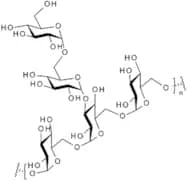
CAS:Ivory nut mannan occurs in members of the custard apple, ebony and palm families - Ivory nut. The polysaccharide contains more than 95% mannose units linked β-(1,4) with a few a-D-galactopyranosyl units linked (1,6). It is widely used in foods, pharmaceuticals paints and explosives.Purezza:Min. 95%Colore e forma:White Powder(2S, 3S, 4S, 5R) -3,4-Dihydroxy-2, 5- pyrrolidinedimethano l hydrochloride
CAS:<p>Glycosylation is a process that attaches a sugar molecule to an amino acid or protein in the form of a glycosidic linkage. The attachment of the sugar molecule can be accomplished by either an enzymatic or chemical process. The type of glycosylation determines the type of linkage, which can be alpha-N-glycosidic (α-N), beta-N-glycosidic (β-N), or N-acetyl--galactosamine (NAG). Methylation is a process that changes one or more hydroxyl groups on a compound into methyl groups. It is usually performed with compounds containing alcohol groups (-OH) on their molecules. Click modification is a chemical reaction used to attach two chemical compounds together. It usually involves the use of copper(I) chloride, copper(II) chloride, and other reagents such as tetrabutylammonium bromide and potassium bromide. Click modification has been</p>Purezza:Min. 95%Exopolysaccharide - from Flavobacterium
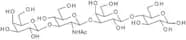
Bacterial exopolysaccharide from gram negative Flavobacterium spp.Purezza:Min. 95%Colore e forma:White To Yellow Or Brown SolidLacto-N-tetraose - mixture with Lacto-N-neotetraose
CAS:Neutral tetrasaccharide naturally present in human breast milkFormula:C26H45NO21Purezza:Min. 95 Area-%Colore e forma:White PowderPeso molecolare:707.63 g/mol2,3-Di-O-benzyl-b-cyclodextrin
<p>This beta-cyclodextrin (β-CD) derivative is a functionalized cyclic oligosaccharide composed of seven glucose units, characterized by a hydrophilic exterior and a lipophilic cavity (bigger than α-CD and smaller than γ-CDs), which allows it to encapsulate various guest molecules. This structural feature facilitates its use in multiple applications, including pharmaceuticals, food enhancement, and cosmetics. In the pharmaceutical industry, it enhances the solubility and stability of poorly water-soluble drugs, improving their bioavailability and efficacy while also masking unpleasant tastes. The food sector utilizes it as a stabilizer for flavors, colors, and nutrients, extending shelf life by protecting sensitive ingredients from degradation. In cosmetics, it serves as a complexing agent for fragrances and active components, ensuring their stability and controlled release. Its use expands to many other fields, including nanotechnology for drug delivery systems, environmental remediation for extracting organic pollutants, textiles for slow-release fragrances, and analytical chemistry for chiral separation.</p>Formula:C140H154O35Purezza:Min. 95%Peso molecolare:2,396.7 g/mol(-)-isolariciresinol-2a-O-b-D-xylopyranoside
<p>(-)-isolariciresinol-2a-O-b-D-xylopyranoside is a methylated saccharide that is used in the synthesis of complex carbohydrates. It is synthesized by reacting an aldehyde with an alcohol, and it has been modified using click chemistry. The product is purified to be at least 98% pure, and it can be custom synthesized to order. (-)-isolariciresinol-2a-O-b-D-xylopyranoside can be fluorinated for use as a fluorescent probe for various applications. It has a CAS number of 564964-92-1.</p>Purezza:Min. 95%N- [[(2S, 3S, 4R) - 4- [(Acetyloxy) methyl] - 3- (phenylmethoxy) - 1-acetamide
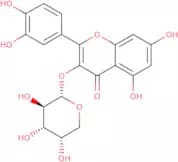
<p>N- [[(2S, 3S, 4R) - 4- [(Acetyloxy) methyl] - 3- (phenylmethoxy) - 1-acetamide is a synthetic glycoside. It has been modified for fluorination and methylation. The complex carbohydrate has been synthesized with high purity and it has a CAS No..</p>Purezza:Min. 95%Quercetin-3-O-a-L-arabinoside
CAS:<p>Quercetin-3-O-a-L-arabinoside is a flavonoid that has been shown to be active against human colorectal adenocarcinoma cells. Quercetin 3-O-a-L-arabinoside inhibits the proliferation of hl60 cells by inducing apoptosis and inhibiting protein synthesis. The biological properties of quercetin 3-O-a-L-arabinoside are not well understood, but it may work as an antioxidant due to its ability to scavenge free radicals. Quercetin 3-O-a-L-arabinoside has also been found to have antimicrobial activity against bacteria, fungi, and viruses. Quercetin 3 O a L arabinoside is able to inhibit the growth of various strains of Mycobacterium tuberculosis, including drug resistant strains. This compound is also shown to be effective in the treatment of platinum resistant</p>Formula:C20H18O11Purezza:Min. 98 Area-%Colore e forma:Yellow PowderPeso molecolare:434.35 g/mol1,2,3,6-Tetra-O-acetyl-4-O-{2,3,6-tri-O-acetyl-4-O-[2,3,6-tri-O-acetyl-4-O-(2,3,4,6-tetra-O-acetyl b-D-glucopyranosyl)-b-D-glucopyra nosyl]-b-D-glucopyranosyl}-b-D-thioglucopyranose
1,2,3,6-Tetra-O-acetyl-4-O-[2,3,6-tri-O-acetyl-4-O-(2,3,4,6 tetra-O-acetyl bDglucopyranosyl)-bDglucopyra nosyl]-bDthioglucopyranose (1) is a sugar with the chemical formula C36H62N8O24. It was first synthesized by the group of L. W. F. Heckel in 1956 and its structure was elucidated by X. Miettinen in 1957. 1 is a complex carbohydrate with a glycosidic linkage to 4 as well as an acetate ester at position 6. The compound has been modified with methyl groups at positions 2 and 3 to form 1,2,3,6 tetra O acetyl 4 O methyl 2 O methyl 3 O methyl 6 O ethFormula:C52H70O34SPurezza:Min. 95%Peso molecolare:1,271.16 g/molD-Gluconic acid zinc (II) salt
CAS:<p>D-Gluconic acid zinc salt is an inorganic compound that is used to treat deficiencies of D-gluconate. It is a salt of zinc and D-gluconic acid, which is a natural metabolite found in the human body. This compound can be used to maintain healthy levels of D-gluconate in the tissues and help control symptoms related to deficiencies. The efficiency of this method has been demonstrated by an in vitro test on human femur cells. A profile analysis showed that D-gluconic acid zinc salt was able to minimize the severity of symptoms associated with deficiencies caused by gluconate deficiency, such as tissue sensitivity and bone degradation.</p>Formula:C12H22O14ZnPurezza:Min. 95%Colore e forma:White PowderPeso molecolare:455.68 g/molMethyl 4,6-O-benzylidene-3-deoxy-α-D-glucopyranoside
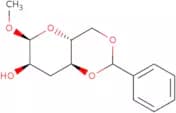
CAS:<p>Methyl 4,6-O-benzylidene-3-deoxy-a-D-glucopyranoside is a synthetically modified high purity carbohydrate. It is an oligosaccharide that can be custom synthesized to meet your requirements. This product can be used as a complex carbohydrate in the food industry.</p>Formula:C14H18O5Purezza:Min. 95%Colore e forma:PowderPeso molecolare:266.29 g/mol2,3,4,6-Tetra-O-benzyl-1-deoxynojirimycin hydrochloric acid salt
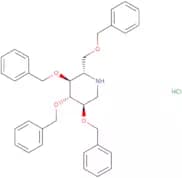
CAS:2,3,4,6-Tetra-O-benzyl-1-deoxynojirimycin hydrochloric acid salt is a synthetic monosaccharide. It was originally synthesized by the methylation of a native oligosaccharide before being subjected to click chemistry. The resulting product is a complex carbohydrate with an aromatic ring in place of the sugar alcohol moiety. 2,3,4,6-Tetra-O-benzyl-1-deoxynojirimycin hydrochloric acid salt has CAS number 72983-76-7 and is soluble in water. This product is also available as a custom synthesis service and can be modified to meet your needs.Formula:C34H38ClNO4Purezza:Min. 95 Area-%Colore e forma:PowderPeso molecolare:560.12 g/molMethyl 2,4-di-O-methyl-α-D-glucopyranoside
CAS:Methyl 2,4-di-O-methyl-α-D-glucopyranoside is a selectively protected glucose glycosideFormula:C9H18O6Purezza:Min. 95%Colore e forma:PowderPeso molecolare:224.24 g/molMan-9 N-Glycan
CAS:<p>Man-9 N-glycan is a glycoprotein that is found on the surface of many viruses. It has an oligosaccharide structure, which consists of a mannose and a glucose molecule linked by an alpha-1,3-glycosidic bond. The Man-9 N-glycan can be found in human serum and is involved in lectin binding to cells. It also has antiviral activity and may be used as a model system for studying glycosidic bonds. This glycan can be broken down into smaller components by methyl glycosides or titration calorimetry, which is a technique for determining the molecular weight of substances. The Man-9 N-Glycan binds to toll-like receptor 2 (TLR2) on the surface of human cells, which activates an antibody response.</p>Formula:C70H118N2O56Purezza:Min. 95%Colore e forma:PowderPeso molecolare:1,883.67 g/molPolyglycoplex
<p>PolyGlycopleX (PGX) is produced from a mixture containing proprietary proportions of three polysaccharides, konjac glucomannan, xanthan gum and sodium alginate. Recent hydrodynamic, rheological and analytical studies have shown that the unexpectedly high viscosity of solutions of PGX is consistent with an interaction between a konjac glucomannan, xanthan gum complex and sodium alginate to form a new, ternary complex in solution. Human and animal feeding studies have shown that PGX can be used to control weight, lower the glycaemic index of foods and postprandial glycaemia.</p>Purezza:Min. 95%Colore e forma:Powder(1S) -1- [(2R, 3S) -3- Hydroxy- 1- azetidinyl] -1, 2- ethanediol hydrochloride
<p>The tetrasaccharide 1,2-ethanediol is a synthetic compound that is used in pharmaceuticals and as an intermediate for other compounds. This product is a high purity custom synthesis that can be used for methylation or glycosylation reactions. The CAS number for this product is 615-86-1.</p>Purezza:Min. 95%Methyl 2,3,4-tri-O-methyl-β-D-xylopyranoside
CAS:<p>Fully protected xylopyranoside</p>Formula:C9H18O5Purezza:Min. 95%Colore e forma:PowderPeso molecolare:206.24 g/molChitosan
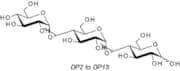
CAS:<p>Chitosan is the deacetylated form of chitin. The polysaccharide is deacetylated in order to render it soluble, which is then possible at pH values of less than 7 (normally in dilute acid). This then allows the material to be used in a number of industrial applications as a binder and film former.</p>Formula:C56H103N9O39Purezza:Min. 95%Colore e forma:White PowderMaltodextrin oligosaccharides - DP2 to DP15
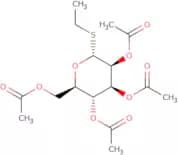
<p>Produced from starch; white hygroscopic spray-dried powder; easily digestible</p>Purezza:Min. 95%Colore e forma:White PowderEthyl 2,3,4,6-tetra-O-acetyl-D-thiomannopyranoside - min 80% a-anomer
CAS:<p>Ethyl 2,3,4,6-tetra-O-acetyl-D-thiomannopyranoside is a high purity custom synthesis sugar that can be modified with fluorination, glycosylation and methylation. This compound has CAS No. 79389-52-9. Ethyl 2,3,4,6-tetra-O-acetyl-D-thiomannopyranoside is a complex carbohydrate that is also an oligosaccharide and monosaccharide. It has many applications in the food industry as well as pharmaceuticals.</p>Formula:C16H24O9SPurezza:Min. 95%Colore e forma:PowderPeso molecolare:392.42 g/molLS-tetrasaccharide a sodium
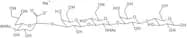
CAS:<p>Sialylated tetrasaccharide found in human milk.Possible health benefits for the neonate, by supporting resistance to pathogens, gut maturation, immune function, and cognitive development.</p>Formula:C37H61N2O29•NaHPurezza:Min. 95 Area-%Colore e forma:PowderPeso molecolare:1,020.87 g/mol3,4,6-Tri-O-acetyl-2-deoxy-2-fluoro-b-D-galactopyranosyl azide
<p>3,4,6-Tri-O-acetyl-2-deoxy-2-fluoro-β-D-galactopyranosyl azide is an oligosaccharide that has been modified by the introduction of an acetyl group at the 3 position and a fluorine atom at the 2 position. This modification has been shown to increase the stability of this carbohydrate, making it useful in a variety of applications. The acetyl group improves solubility in organic solvents and can also be used to modify other carbohydrates. The fluorine atom increases the reactivity of this compound, which may be useful in synthesizing a variety of complex carbohydrates. 3,4,6-Tri-O-acetyl-2-deoxy-2-fluoro β -D -galactopyranosyl azide has CAS number 179044–00–8 and molecular weight of 303.3 g/mol.</p>Purezza:Min. 95%NGA1F N-Glycan
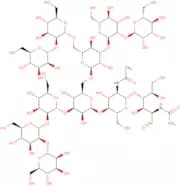
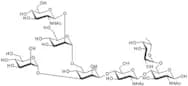
<p>NGA1F N-Glycan is a custom synthesis, modification, fluorination, methylation, monosaccharide, synthetic glycan with a CAS No. that has been modified by the click chemistry reaction. It is an oligosaccharide that is saccharide and polysaccharide that has been glycosylated with sugar and carbohydrate.</p>Purezza:Min. 95%N-[2-(4'-Fluorobenzylacetonitrile)]-2,3,4,6-tetra-O-pivaloyl-b-D-glucopyranoside
This product is a custom synthesis. It is a complex carbohydrate with a CAS No., Polysaccharide, Modification, saccharide, Methylation, Glycosylation, Click modification and Carbohydrate. It is a sugar with high purity and Fluorination. The product has been synthetically made.Formula:C34H49FN2O9Purezza:Min. 95%Peso molecolare:648.76 g/mol2,3,4,6-Tetra-O-benzyl-D-galactopyranose
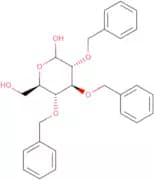
CAS:<p>2,3,4,6-Tetra-O-benzyl-D-galactopyranose is a building block which can be used as both a galactosyl donor and acceptor in the synthesis of saccharides. The benzyl protecting groups can be readily and selectively cleaved but are stable to a variety of reaction conditions allowing chemical manipulations to be carried out on the rest of the saccharide. 2,3,4,6-Tetra-O-benzyl-D-galactopyranose has been used in the synthesis of potential cholera toxin inhibitors, analogues of α-galactosyl ceramide (iNKT agonist) and more recently in the synthesis of Scleropentaside A.</p>Formula:C34H36O6Purezza:Min. 98 Area-%Colore e forma:White PowderPeso molecolare:540.65 g/mol






![[UL-2H7glc]Lactose monohydrate](/_next/image/?url=https%3A%2Fstatic.cymitquimica.com%2Fproducts%2F3D%2Fthumb-webp%2FOL16276.webp&w=3840&q=75)


![N- [[(2S, 3S, 4R) - 4- [(Acetyloxy) methyl] - 3- (phenylmethoxy) - 1-acetamide](/_next/image/?url=https%3A%2Fstatic.cymitquimica.com%2Fproducts%2F3D%2Fthumb-webp%2FMA163434.webp&w=3840&q=75)




![(1S) -1- [(2R, 3S) -3- Hydroxy- 1- azetidinyl] -1, 2- ethanediol hydrochloride](/_next/image/?url=https%3A%2Fstatic.cymitquimica.com%2Fproducts%2F3D%2Fthumb-webp%2FMH163386.webp&w=3840&q=75)


![N-[2-(4'-Fluorobenzylacetonitrile)]-2,3,4,6-tetra-O-pivaloyl-b-D-glucopyranoside](/_next/image/?url=https%3A%2Fstatic.cymitquimica.com%2Fproducts%2F3D%2Fthumb-webp%2FMF08491.webp&w=3840&q=75)