Glicoscienza
La glicosienza è lo studio dei carboidrati e dei loro derivati, nonché delle interazioni e delle funzioni biologiche a cui partecipano. Questo campo di ricerca è cruciale per comprendere una vasta gamma di processi biologici, tra cui il riconoscimento cellulare, la segnalazione, la risposta immunitaria e lo sviluppo delle malattie. La glicosienza ha importanti applicazioni nella biotecnologia, nella medicina e nello sviluppo di nuovi farmaci e terapie. Presso CymitQuimica, offriamo un'ampia selezione di prodotti di alta qualità e purezza per la ricerca in glicosienza. Il nostro catalogo comprende monosaccaridi, oligosaccaridi, polisaccaridi, glicoconiugati e reagenti specifici, progettati per supportare i ricercatori nei loro studi sulla struttura, funzione e applicazioni dei carboidrati nei sistemi biologici. Queste risorse sono destinate a facilitare scoperte scientifiche e applicazioni pratiche in vari ambiti delle bioscienze e della medicina.
Sottocategorie di "Glicoscienza"
- Amminozucchero(108 prodotti)
- Glico-anticorpi(282 prodotti)
- Glicolipidi(46 prodotti)
- Glicosaminoglicani (GAGs)(55 prodotti)
- Glicosidi(419 prodotti)
- Monosaccaridi(6.624 prodotti)
- Oligosaccaridi(3.682 prodotti)
- Polisaccaridi(503 prodotti)
Trovati 11046 prodotti di "Glicoscienza"
Ordinare per
Purezza (%)
0
100
|
0
|
50
|
90
|
95
|
100
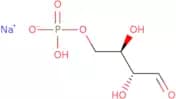
D-Erythrose 4-phosphate sodium
CAS:<p>D-erythrose 4-phosphate sodium (D-EPPS) is a phosphoenolpyruvate analog and an inhibitor of chorismate mutase, which is an enzyme that catalyzes the conversion of D-arabinose 5-phosphate to D-erythrose 4-phosphate. It is used to study the biosynthesis of aromatic amino acids in bacteria. This compound has also been shown to inhibit phosphate uptake by Escherichia coli K12, leading to a decrease in the accumulation of ATP and other nucleotides. D-EPPS binds metal ions and organic acids such as citrate, which influences its thermodynamic stability. Biochemical techniques can be used for profiling D-EPPS in bacterial cells.</p>Formula:C4H8NaO7PPurezza:(%) Min. 50%Colore e forma:White PowderPeso molecolare:222.07 g/molSialyllacto-N-fucopentaose VI
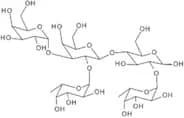
<p>Sialyllacto-N-fucopentaose VI is a synthetic, high-purity, complex carbohydrate that has been modified with methylation and fluorination. It is a glycosylate oligosaccharide with a molecular weight of about 4500. Sialyllacto-N-fucopentaose VI can be custom synthesized to order and is available in both powder and solid forms.</p>Formula:C43H72N2O33Purezza:Min. 95%Peso molecolare:1,145.03 g/mol1,3,5-Tri-O-benzoyl-2-O-methyl-D-ribofuranose
CAS:1,3,5-Tri-O-benzoyl-2-O-methyl-D-ribofuranose is a modified sugar with three benzoyl groups. It has a molecular weight of 498.18 g/mol and the chemical formula C32H32F6N8O8. The compound is synthesized by the condensation of 2,3,4,5-tetraacetylpyridine with 2,3,4,5-tetraacetylthiophene in the presence of potassium fluoride and sodium hydroxide in aqueous methanol at room temperature. This product is used to study glycosylation reactions and to modify oligosaccharides for research purposes. 1,3,5-Tri-O-benzoyl-2-O-methyl--D--ribofuranose is soluble in water and ethanol but insoluble in ether or chloroform.This product hasFormula:C27H24O8Purezza:Min. 85 Area-%Colore e forma:White PowderPeso molecolare:476.47 g/molPhenyl 3-O-benzyl-b-D-thioglucopyranoside
CAS:<p>Phenyl 3-O-benzyl-b-D-thioglucopyranoside is a synthetic, fluorinated monosaccharide that has been used as a glycosylation and polysaccharide for various applications. It can be used as a reagent in Click chemistry due to its ability to undergo facile and selective methylation. Phenyl 3-O-benzyl-b-D-thioglucopyranoside is also used in the synthesis of complex carbohydrates and sugar modification.</p>Purezza:Min. 95%D-Mannose - F
CAS:<p>Abundant and critical component of natural glycans and glycoproteins</p>Formula:C6H12O6Purezza:Min. 98 Area-%Colore e forma:PowderPeso molecolare:180.16 g/molO-(2,3,4,6-Tetra-O-acetyl-b-D-galactopyranosyl)-N-hydroxysuccinimide
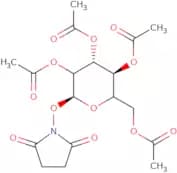
CAS:<p>O-(2,3,4,6-Tetra-O-acetyl-b-D-galactopyranosyl)-N-hydroxysuccinimide is a synthetic glycosylation reagent. It has the CAS number 896730-84-0 and is available for custom synthesis. O-(2,3,4,6-Tetra-O-acetyl-b-D-galactopyranosyl)-N-hydroxysuccinimide is used in the synthesis of oligosaccharides and saccharides. It is also used in click chemistry to modify proteins and other biomolecules. This product has a purity of 99% or higher and can be modified at any position with fluorination or methylation.</p>Formula:C18H23NO12Purezza:Min. 95%Peso molecolare:445.37 g/molPropargyl a-D-galactopyranoside
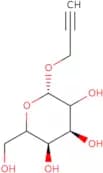
CAS:<p>Propargyl a-D-galactopyranoside (PGAL) is a synthetic compound that belongs to the group of oligosaccharides. PGAL can be used in the synthesis of glycosylated saccharides, such as glycoproteins and glycolipids. The modification of PGAL with fluorine atoms is known to increase its stability. It has been shown that PGAL can be modified with methyl groups without affecting its chemical properties. Furthermore, PGAL can be modified with click chemistry reactions, which are chemoselective reactions that are catalyzed by copper(I) ions.</p>Formula:C9H14O6Purezza:Min. 95%Colore e forma:White to off-white oily solid.Peso molecolare:218.21 g/mol2-O-(a-D-Galactopyranosyl)-a-L-fucopyranosyl propylamine
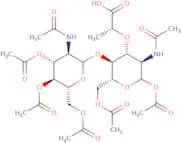
<p>Please enquire for more information about 2-O-(a-D-Galactopyranosyl)-a-L-fucopyranosyl propylamine including the price, delivery time and more detailed product information at the technical inquiry form on this page</p>Formula:C15H29NO10Purezza:Min. 95 Area-%Peso molecolare:383.39 g/mol2-O-Acetamido-1,6-di-O-acetyl-2-deoxy-4-O-(2-acetamido-3,4,6-tri-O-acetyl-2-deoxy-D-glucopyranosyl)muramic acid
<p>2-O-Acetamido-1,6-di-O-acetyl-2-deoxy-4-O-(2-acetamido-3,4,6-tri-O-acetyl)muramic acid is a synthetic oligosaccharide. This compound is used in research for the synthesis of glycosylides and glycosidase inhibitors. It can be modified to include fluorine atoms and click chemistry modifications. 2OAAmDDA is soluble in DMSO and acetone. It has a CAS number of 4891465.</p>Formula:C29H42N2O18Purezza:Min. 90 Area-%Colore e forma:PowderPeso molecolare:706.65 g/molN-Acetyl-D-[1,2,3-¹³C3]neuraminic acid
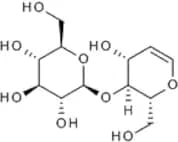
CAS:<p>N-Acetyl-D-[1,2,3-¹³C3]neuraminic acid is a modification of the natural sugar N-acetylneuraminic acid. It can be synthesized by reacting 1,2,3-¹³C3]cytidine with sodium hydroxide and acetic anhydride in methanol. It is a carbohydrate that can be found in many plants and animals. This compound has been shown to inhibit glycosylation and methylation reactions. N-Acetyl-D-[1,2,3-¹³C3]neuraminic acid is also a monosaccharide that belongs to the group of sugars. Due to its high purity and availability, this substance can be used as a substitute for sialic acid in research experiments.</p>Formula:C3C8H19NO9Purezza:Min. 95%Colore e forma:PowderPeso molecolare:312.25 g/molD-Cellobial
CAS:<p>This compound has been used in the study of cellulase kinetics</p>Formula:C12H20O9Purezza:Min. 95%Colore e forma:PowderPeso molecolare:308.28 g/molGala1-3Galb1-4Glc
CAS:<p>Galacto-oligosaccharides (GOS) are a class of oligosaccharides that consist of galactose, galactose derivatives, and glucose. They are found in the human diet as a result of lactose breakdown by gut bacteria. GOS can bind to glycoconjugates in the human body, such as glycoproteins and glycolipids, and have been shown to be effective in preventing the growth of pathogens. Galacto-oligosaccharides are also synthetically produced, using a chromatographic method that separates them into individual sugars, where they can be used for research or diagnostic purposes. The biosynthesis of GOS is also known; it is an enzyme-catalyzed reaction involving calcium ions. This process is regulated by Ca2+ signaling, which leads to an increase in the production of GOS when there is a need for more immune cells or white blood cells.</p>Formula:C18H32O16Purezza:Min. 90 Area-%Colore e forma:White PowderPeso molecolare:504.44 g/mol4-Aminophenyl-α-D-glucopyranoside
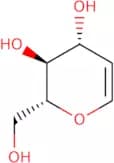
CAS:4-Aminophenyl-alpha-D-glucopyranoside is a natural product that has been found to be an antigen. The compound has been shown to have anticancer activity, which may be due to its ability to inhibit the growth of cells and induce apoptosis. 4-Aminophenyl-alpha-D-glucopyranoside also possesses magnetic properties. The chemical structure of this compound is characterized by an acrylate group, which is a small organic molecule with two carbon atoms and one oxygen atom. This compound is synthesized in a preparative manner using methoxy, ethyl bromoacetate, and mesitylene in the presence of irradiation. NMR spectroscopy can be used for the characterization of this compound as well as other compounds with similar structures that are catalytic in nature.Formula:C12H17NO6Purezza:Min. 98.0 Area-%Peso molecolare:271.27 g/molD-Glucal
CAS:<p>D-Glucal is a protonated d-glucal, which is a simple sugar. It reacts with the electron acceptor oxygen to form an oxidized product. This product can be reduced back to the original molecule by using a reducing agent, such as sodium borohydride or sodium dithionite. D-Glucal has been shown to inhibit the growth of tumor cells in mice that are resistant to other anticancer drugs. D-Glucal inhibits transcription and replication of DNA by binding to the DNA-dependent RNA polymerase and blocking its ability to transcribe messenger RNA (mRNA). The enzyme is also inhibited by glycosidic bond architectures that prevent it from binding to the DNA template strand. D-Glucal also has an effect on protein synthesis because it binds to proteins and prevents them from performing their normal functions.<br>D-Glucal has been used as a model system for studying cellular processes in mammalian cells, such as oxidation</p>Formula:C6H10O4Purezza:Min. 98 Area-%Colore e forma:White Off-White PowderPeso molecolare:146.14 g/molTiazofurin
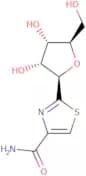
CAS:Tiazofurin is a novel anticancer agent that inhibits the activity of various enzymes, including dehydrogenase and acetyl-CoA carboxylase. Tiazofurin shows significant cytotoxicity against human leukemia cells in vitro. It also has an anti-infectious effect on hl-60 cells and k562 cells, which are carcinoma cell lines. Tiazofurin has been shown to have a higher inhibitory effect on dextran sulfate than on basic protein in vitro, suggesting that it may be more effective as an anticancer compound against cancerous tumors with high levels of glycolipids.Formula:C9H12N2O5SPurezza:Min. 95%Colore e forma:Off-White Slightly Brown PowderPeso molecolare:260.27 g/mol1-O-Methyl-α-D-galactopyranoside monohydrate
CAS:1-O-Methyl-α-D-galactopyranoside is a gratuitous α-galactosidase inducer.Formula:C7H16O7Peso molecolare:212.20 g/molRef: 3D-M-3590
10gPrezzo su richiesta25gPrezzo su richiesta50gPrezzo su richiesta100gPrezzo su richiesta250gPrezzo su richiesta-Unit-ggPrezzo su richiesta4-Azido-4,6-dideoxy-2,3-O-isopropylidene-D-talono-1,5-lactone
<p>4-Azido-4,6-dideoxy-2,3-O-isopropylidene-D-talono-1,5-lactone is an oligosaccharide that is synthesized using the Click chemistry. It is a modification of the natural product methylated L -rhamnosyl-(1→2)-D -talonolactone. 4-Azido-4,6-dideoxy-2,3-O-isopropylidene D -talono 1,5 lactone has been shown to inhibit the growth of Mycobacterium tuberculosis and Mycobacterium avium complex bacteria.</p>Purezza:Min. 95%1-Amino-D-butane-2,3,4-triol
<p>1-Amino-D-butane-2,3,4-triol is a custom synthesis of 1,2,3,4-1-amino butane. It has been modified with fluorination and methylation. This product has a CAS number of 20897-16-0. The molecular weight is 152.17 g/mol and the molecular formula is C6H11NO3. This product is a synthetic compound that consists of monosaccharides and oligosaccharides. The glycosylation is Oligosaccharide and saccharide. It can be found in the carbohydrate category as it contains complex carbohydrates.</p>Purezza:Min. 95%2,4,7,8,9-Pentaacetyl-N- [(2- propyn- 1- yloxy) carbonyl] - b- neuraminic acid methyl ester
CAS:2,4,7,8,9-Pentaacetyl-N-[(2-propen-1-yloxy)carbonyl]-b-neuraminic acid methyl ester is a Glycosylation reagent that is used in the synthesis of oligosaccharide and polysaccharide. The product can be modified to produce Click modifications and complex carbohydrates. It has been shown to have high purity and can be custom synthesized.Formula:C24H31NO15Purezza:Min. 95%Peso molecolare:573.5 g/molN-Acetyl-L-xylosamine
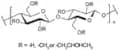
<p>N-Acetyl-L-xylosamine is a custom synthesis of a glycosylation product that contains an acetyl group and a xylosamine. It is used as a building block for the synthesis of complex carbohydrates. N-Acetyl-L-xylosamine can be modified with fluorination, saccharide, modification, sugar, or oligosaccharide to create custom products.</p>Formula:C7H13NO5Purezza:Min. 95%Colore e forma:Yellow PowderPeso molecolare:191.18 g/mol(Hydroxypropyl)methyl cellulose - Viscocity 40-60 cP, 2 % in H2O (20 °C)
CAS:<p>Hydroxypropyl methylcellulose (HPMC or hypromellose) is a semisynthetic, inert and viscoelastic polymer that is used as eye drops and as semi-synthetic substitute for tear-films. When applied, a hypromellose solution acts to swell and absorb water, by increasing the thickness of the tear-film, resulting in decreased eye irritation. In addition to its use in ophthalmic liquids, hypromellose has been used as an excipient in oral tablet and capsule formulations, where, depending on the grade, it functions as controlled-release agent. It is also used as a binder and as a component of tablet coatings. Hypromellose in aqueous solution, unlike methylcellulose, exhibits thermal gelation properties. HPMC is approved as a food additive, emulsifier, thickening and suspending agent, and as an alternative to animal gelatin (Codex Alimentarius code (E number) is E464).</p>Colore e forma:White Off-White PowderD-Maltose monohydrate
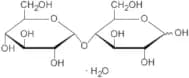
CAS:Maltose (or malt sugar) is produced by the action of α-and β-amylase on starch. Maltose is an intermediate in the intestinal digestion (i.e. hydrolysis) of glycogen and starch and is found in germinating grains (and other plants and vegetables). Maltose-containing syrups are used in the brewing, baking, soft drink, canning, confectionery, and other food industries (Collins, 2006). Maltose is also used in affinity purification of proteins using MBP-fused protein constructs. Herein, maltose is added to an elution buffer causing release of the MBP-fused protein from the resin.Formula:C12H24O12Peso molecolare:360.32 g/molRef: 3D-M-0940
5kgPrezzo su richiesta10kgPrezzo su richiesta25kgPrezzo su richiesta-Unit-kgkgPrezzo su richiestaGala1-3Galb1-4GlcNAc-O-L-serine
<p>Gala1-3Galb1-4GlcNAc-O-L-serine is a Custom synthesis, Modification, Fluorination, Methylation, Monosaccharide, Synthetic, Click modification, Oligosaccharide, saccharide. The CAS number for this product is . It has been created by the process of Glycosylation. This product is a Carbohydrate and a Polysaccharide. The molecular weight of this product is .</p>Purezza:Min. 95%2-Amino- 2- deoxy- 3, 6- di- O- methyl-D- glucose
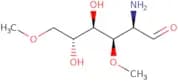
CAS:<p>2-Amino- 2-deoxy-3,6-di-O-methyl-D-glucose is a modified saccharide that is synthesized by the coupling of two amino acids: an alpha amino group and a beta hydroxyl group. It is also known as N-[2,6-bis(1,1-dimethylethyl)amino]-2,3,4,5,6 tetrahydrobenzofuran with the CAS number 25521-11-3. This compound can be custom synthesized to meet specific requirements. It has been used in research on glycosylation reactions and methylation reactions.</p>Formula:C8H17NO5Purezza:Min. 95%Peso molecolare:207.22 g/molD-Glucosamine-3,6-di-O-sulphate sodium
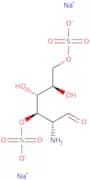
CAS:<p>D-Glucosamine-3,6-di-O-sulphate sodium salt is a synthetic, fluorinated, monosaccharide that is prepared by the modification of D-glucosamine. It can be synthesized by reacting D-glucosamine with sodium sulfite in the presence of hydrochloric acid. This product has been modified to contain a reactive group for click chemistry. The synthesis of this compound involves methylation, which is a process used to introduce methyl groups into organic compounds. This product is also an oligosaccharide and polysaccharide. The sugar molecule in this product is glucosamine, which is a carbohydrate that contains glucose and amino acids. Glucosamines are complex carbohydrates that play a role in the synthesis of glycoproteins and glycolipids in cells.</p>Formula:C6H13NO11S2•Na2Purezza:Min. 95%Colore e forma:PowderPeso molecolare:385.28 g/molD-Mannojirimycin hydrogensulfite
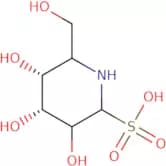
<p>D-Mannojirimycin hydrogensulfite, an iminosugar analogue of Mannose, is a potent inhibitor of alpha-mannosidase.</p>Formula:C6H13NO7SPurezza:Min. 95%Colore e forma:PowderPeso molecolare:243.24 g/mol2-Azido-2-deoxy-3,4:5,6-di-O-isopropylidene-D-idonic acid methyl ester
<p>2-Azido-2-deoxy-3,4:5,6-di-O-isopropylidene-D-idonic acid methyl ester is an oligosaccharide that is synthesized by the click reaction. It is a fluorinated carbohydrate and can be modified for glycosylation. The compound has high purity and is suitable for modification with azido groups. CAS Number: 570181-97-8</p>Purezza:Min. 95%6-O-tert-Butyldimethylsilyl-1,2,3,4-tetra-O-pivaloyl-b-D-galactopyranose
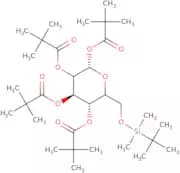
<p>6-O-tert-Butyldimethylsilyl-1,2,3,4-tetra-O-pivaloyl-b-D-galactopyranose is an oligosaccharide that is synthesized through a complex carbohydrate. This product has a CAS No. and is not natural. It is a modification of the sugar galactose and can be methylated or glycosylated. This product has high purity and can be used as a custom synthesis.</p>Formula:C32H58O10SiPurezza:Min. 95%Peso molecolare:630.9 g/molα-Chloralose (max. 20% β-anomer)
CAS:<p>Alpha-Chloralose (max. 20% beta-anomer) is a chemical compound primarily used as a sedative and for rodent control. It is synthesized through a chemical reaction involving glucose and chloral, creating a substance with unique physiological properties. Its mode of action primarily involves depressing the central nervous system, leading to reduced responsiveness and hypothermia in targeted organisms. Alpha-Chloralose induces symptoms that facilitate its application as a tranquilizer, particularly in small mammals and birds during scientific research. Additionally, due to its efficacy in lowering metabolic rates, it is utilized as a rodenticide. Within this context, it serves to humanely control rodent populations by inducing hypothermic conditions, leading to a humane death. Its dual functionality—both as a sedative and a rodenticide—makes it a versatile tool in scientific research and pest management. The specification of a maximum 20% beta-anomer content ensures a standardized formulation, enhancing its reliability and consistency for experimental and practical applications.</p>Formula:C8H11Cl3O6Peso molecolare:309.53 g/molRef: 3D-C-3305
1kgPrezzo su richiesta5kgPrezzo su richiesta10kgPrezzo su richiesta25kgPrezzo su richiesta2500gPrezzo su richiesta-Unit-kgkgPrezzo su richiestaL-Allose
CAS:L-Allose is a monosaccharide that has the chemical formula HOCH(OH)CH(OH)CHO. L-Allose is a stereoisomer of D-allose, which differs in the orientation of the hydroxyl group on its asymmetric carbon atom. L-Allose can be produced by condensation of glucose and galactose, or by hydrogenation of allulose. The enzyme immobilized on alumina catalyzes the synthesis in high yield. L-Allose has been used as a carbon source for molecular modeling studies and as an enzymatic reaction substrate in sugar alcohols production.Formula:C6H12O6Purezza:Min. 95%Colore e forma:White PowderPeso molecolare:180.16 g/molN-Acetylneuraminyl-(a2-3)-D-galactopyranosyl-(b1-3)-D-N-acetylgalactosaminyl serine
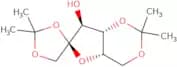
N-Acetylneuraminyl-(a2-3)-D-galactopyranosyl-(b1-3)-D-N-acetylgalactosaminyl serine is a custom synthesized carbohydrate with an average molecular weight of about 1,000. It has been modified with fluorination, methylation, and click chemistry. This polysaccharide has an acetamido group on the C6 position of N-acetylneuraminic acid and a glycosidic linkage at the C4 position of galactose. The saccharide units are composed of a 2,3-linked galactose residue and a b1,3 linked N-acetylgalactosamine residue. The CAS number for this carbohydrate is 116863-87-8.Formula:C28H47N3O21Purezza:Min. 95%Colore e forma:PowderPeso molecolare:761.68 g/mol1,2:4,6-Di-O-isopropylidene-α-L-sorbofuranose
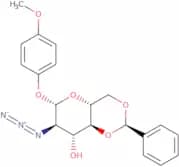
CAS:1,2:4,6-Di-O-isopropylidene-a-L-sorbofuranose is a synthetic glycoside that can be used as a carbohydrate in the synthesis of oligosaccharides and polysaccharides. It can be methylated at the C1 position to form 1,2:4,6-di-O-methylidene-a-L-sorbofuranose and then glycosylated with various saccharides at the O3 position. Fluorination of this compound at the C2 position yields 1,2:4,6-diO-(trifluoromethyl)idenea L sorbofuranose. This product has a melting point of 178°C.Formula:C12H20O6Purezza:Min. 95%Colore e forma:White To Off-White SolidPeso molecolare:260.28 g/mol4-Methoxyphenyl 2-azido-4,6-O-benzylidene-2-deoxy-β-D-glucopyranoside
CAS:<p>The objective of this study is to investigate the efficacy of 4-methoxyphenyl 2-azido-4,6-O-benzylidene-2-deoxy-b-D-glucopyranoside (MPAB) as a vaccine adjuvant for the prevention of esophageal candidiasis. MPAB was shown to induce antigen specific immune responses in vitro and in vivo. In addition, MPAB enhanced the protective efficacy of Covid® 19 pandemic influenza vaccine against gastrointestinal infection by Candida albicans. The results from this study provide proof of concept that MPAB can be used as a vaccine adjuvant for the prevention of esophageal candidiasis.</p>Formula:C20H21N3O6Purezza:Min. 95%Colore e forma:PowderPeso molecolare:399.41 g/mol4-(3-(2,3-O-Isopropylidene-lyxofuranos-5-yl)propan-2-one-1-yl)piperidine-2,6-dione
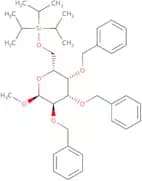
<p>4-(3-(2,3-O-Isopropylidene-lyxofuranos-5-yl)propan-2-one-1-yl)piperidine-2,6-dione is a high purity custom synthesis sugar. It is synthesized by Click modification, Fluorination, Glycosylation and Synthetic. 4-(3-(2,3-O-Isopropylidene-lyxofuranos-5-yl)propan-2-one 1 - yl)piperidine 2,6 dione has CAS No., Oligosaccharide and Carbohydrate as its properties. It is a saccharide which belongs to the class of complex carbohydrate.</p>Purezza:Min. 95%Methyl 2,3,4-tri-O-benzyl-6-O-triisopropylsilyl-a-D-galactopyranoside
CAS:Methyl 2,3,4-tri-O-benzyl-6-O-triisopropylsilyl-a-D-galactopyranoside is a synthetic oligosaccharide that has been modified with fluorination and methylation. It belongs to the class of carbohydrates and is used in custom synthesis. This product can be used to modify glycosylated proteins and nucleic acids.Formula:C37H52O6SiPurezza:Min. 95%Peso molecolare:620.89 g/mol1-(3'-Azidopropyl)-2-deoxy-4-O-[3-O-(p-phenoxybenzyl)-b-D-galactopyranosyl]-2-phthalimido-b-D-glucopyranoside
<p>1-(3'-Azidopropyl)-2-deoxy-4-O-[3-O-(p-phenoxybenzyl)-b-D-galactopyranosyl]-2-phthalimido-b-D-glucopyranoside is a modification of an oligosaccharide. It is synthesized by the methylation and glycosylation of a monosaccharide, then fluorinated and saccharified. 1-(3'-Azidopropyl)-2-deoxy-4-O-[3-O-(p-phenoxybenzyl)-b -D -galactopyranosyl]-2 -phthalimido b -D -glucopyranoside is a white powder that can be used in the synthesis of complex carbohydrates.</p>Purezza:Min. 95%Monoacetyl-a-cyclodextrin
<p>Alpha-cyclodextrin (α-CD) derivative with a hydrophilic exterior and lipophilic cavity (smaller than β-CDs and γ-CDs) to allocate certain guest molecules. This structural characteristic enables applications in molecular encapsulation, solubility enhancement, and stabilization across multiple industries. In pharmaceuticals, it serves as a drug delivery vehicle, enhancing the bioavailability and stability of active ingredients. The food industry utilizes it as a stabilizer for flavors, colors, and nutrients, as well as a functional ingredient for its effects on lipid metabolism. In cosmetics, it acts as a complex agent for fragrances and active components. Its applications extend to analytical chemistry for chiral separation and to materials science for developing smart materials and nanosystems.</p>Formula:C48H72O36Purezza:Min. 95%Peso molecolare:1,225.06 g/mol(2R, 3R, 4R, 5S) -3, 4- Dihydroxy- 5- (hydroxymethyl) - N- methyl-2- pyrrolidinecarboxami de
CAS:<p>Methylation of a saccharide with a methyl group is called methylation. The process is used in the synthesis of many important molecules, including biomedically-relevant compounds such as drugs and natural products. Methylation can be achieved by using various methods, such as by using an organometallic (e.g., Grignard reagent) or electrophilic reagent (e.g., dimethyl sulfate).</p>Purezza:Min. 95%3’-Sialyl lewis A intermediate
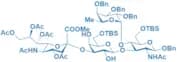
<p>It is a protected tetrasaccharide intermediate of 3-sialyl-lewis (3'-SLa or sLeA), a tumor-associated carbohydrate antigen.</p>Formula:C80H112N2O26Si2Peso molecolare:1,573.91 g/molN-Butyl-1-deoxy-2-fluoronojirimycin
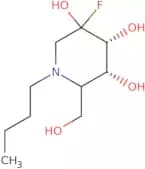
CAS:<p>N-Butyl-1-deoxy-2-fluoronojirimycin is a high purity, custom synthesis, sugar modified, fluorination and glycosylation compound. It is a synthetic compound that has been shown to have potential as a cancer therapeutic agent. It is also used as a reagent in the synthesis of glycosides and oligosaccharides. N-Butyl-1-deoxy-2-fluoronojirimycin's CAS number is 2200278-70-0.</p>Formula:C10H20FNO4Purezza:Min. 95%Colore e forma:PowderPeso molecolare:237.27 g/mola-D-Glucoheptonic acid sodium salt dihydrate
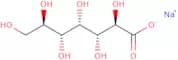
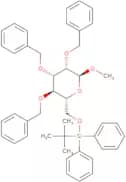
CAS:<p>a-D-Glucoheptonic acid sodium salt dihydrate is a diagnostic agent that can be used to diagnose myocardial infarct. It is a glycol ether with a molecular weight of 168, which is used in the preparation of diagnostic agents for the detection of cardiac lesions. The compound is also used as an excipient in pharmaceutical preparations. In addition, it has been shown to have anti-inflammatory properties due to its ability to inhibit prostaglandin synthesis.</p>Formula:C7H13O8NaPurezza:Min. 95%Colore e forma:White Off-White PowderPeso molecolare:248.16 g/molMethyl 2,3,4-tri-O-benzyl-6-O-tert-butyldiphenylsilyl-a-D-mannopyranoside
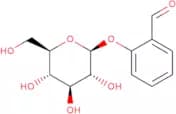
CAS:<p>Methyl 2,3,4-tri-O-benzyl-6-O-tert-butyldiphenylsilyl-a-D-mannopyranoside is a synthetic glycosylation product. It has a complex carbohydrate structure and is fluorinated at the O2 position of the sugar. Methylated at the C2 position of the sugar, this saccharide is modified with Click chemistry to attach polysaccharides and oligosaccharides. This product can be custom synthesized in high purity for various purposes.</p>Formula:C44H50O6SiPurezza:Min. 95%Peso molecolare:702.97 g/mol2-Formylphenyl b-D-glucopyranoside
CAS:<p>2-Formylphenyl b-D-glucopyranoside is a phenolic compound that has been shown to have high resistance to transport. It has been shown to possess surface methodology and this property can be used for the delivery of compounds. 2-Formylphenyl b-D-glucopyranoside has also been shown to inhibit plant enzyme activities such as detoxification enzymes and carbohydrate chemistry, which are important in the uptake of natural compounds. In addition, it is able to bind with amines and hydroxyl groups on cells, which may be due to its receptor cell properties. 2-Formylphenyl b-D-glucopyranoside can be synthesized by reacting trifluoroacetic acid with an amine and a hydroxyl group in the presence of glycol ethers or natural compounds.</p>Formula:C13H16O7Purezza:Min. 95%Colore e forma:PowderPeso molecolare:284.26 g/molBlood Group B pentasaccharide
CAS:<p>Core antigen fragment in ABO blood group system</p>Formula:C30H52O24Purezza:Min. 95%Colore e forma:PowderPeso molecolare:796.72 g/mol1-Cyano-1-methylethyl b-D-glucopyranosiduronic acid
CAS:<p>1-Cyano-1-methylethyl b-D-glucopyranosiduronic acid (1CMEG) is a synthetic monosaccharide that has been modified with fluorination. It is an oligosaccharide, which is a complex carbohydrate made up of many sugar molecules. The CAS number for 1CMEG is 78662-58-5. This product can be custom synthesized to meet customer specifications and needs. It has been shown to have glycosylation and polysaccharide properties, and it can be modified with methylation or sugar binding. This product's purity level is high, making it ideal for use in pharmaceuticals or other applications where purity matters.</p>Formula:C10H15NO7Purezza:Min. 98 Area-%Colore e forma:PowderPeso molecolare:261.23 g/moltert-Butyl 2-acetamido-3,4,6-tri-O-acetyl-2-deoxy-b-D-glucopyranoside
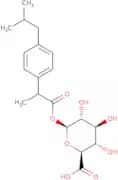
CAS:<p>Tert-butyl 2-acetamido-3,4,6-tri-O-acetyl-2-deoxy-b-D-glucopyranoside is a modification of the natural carbohydrate tertiary butyl 2,3,4,6 tetraacetyl beta D glucopyranoside. It is synthesized by the addition of acetamide to the 3 and 4 position on the glucose molecule. This product can be used as a reagent for glycosylation reactions. Tert-butyl 2 acetamido 3,4,6 tri O acetyl 2 deoxy b D glucopyranoside is an oligosaccharide with a molecular weight of 522.5 Da. The monomeric units are alpha glucose and beta glucose linked by glycosidic bonds. This product is also methylated at the 6 position on the glucose molecule and then fluorinated to create a hydrocarbon chain with one hydroxyl</p>Formula:C18H29NO9Purezza:Min. 95%Peso molecolare:403.42 g/molIbuprofen acyl-b-D-glucuronide
CAS:Ibuprofen acyl-b-D-glucuronide is a biologically active molecule. It is metabolized in humans by first being hydrolyzed to ibuprofen and then glucuronidated. The enzyme that catalyzes this reaction is uridine 5'-diphosphate glucuronosyltransferase 1A1 (UGT1A1). Ibuprofen acyl-b-D-glucuronide has been shown to have an inhibitory effect on inflammation in vitro assays, such as the rat paw edema assay. This drug also has a reactive and chromatographic profile that allows it to be used in wastewater treatment.Formula:C19H26O8Purezza:Min. 95%Colore e forma:White PowderPeso molecolare:382.4 g/mol4-Methoxyphenyl 2-acetamido-4-O-(2,3,4,6-tri-O-acetyl-b-D-glucopyranosyl)-3,6-di-O-benzyl-2-deoxy-b-D-glucopyranoside
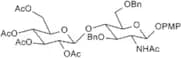
<p>4-Methoxyphenyl 2-acetamido-4-O-(2,3,4,6-tri-O-acetyl-b-D-glucopyranosyl)-3,6-di-O-benzyl-2,3′:6′,4′:5″,6′″:5″′:3″″:4″″′:5″″′:6′″′-[1]benzothiadiazole (MTBT) is a synthetic monosaccharide sugar that is modified to have a 1,2,3,4,5 and 6 benzothiadiazole group. MTBT is a complex carbohydrate that is synthesized through methylation of the sugar followed by a click modification. It has been used in the synthesis of oligosaccharides and polysaccharides.</p>Formula:C43H51NO16Purezza:Min. 95%Peso molecolare:837.86 g/mol5-O-tert-Butyldimethylsilyl-2,3-O-isopropylidene-L-lyxono-1,4-lactone
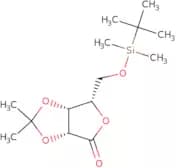
CAS:<p>5-O-tert-Butyldimethylsilyl-2,3-O-isopropylidene-L-lyxono-1,4-lactone is an oligosaccharide that is used as a building block for the synthesis of complex carbohydrates. It can be customized to suit your needs. 5-O-tert-Butyldimethylsilyl-2,3-O-isopropylidene-L-lyxono-1,4--lactone has been modified with fluorine atom and methyl group to form a glycosylation product. It is available in CAS No. 1044813 -00 -4 and can be synthesized in purity of > 95%.</p>Formula:C13H24O5SiPurezza:Min. 95%Peso molecolare:288.42 g/mol1,3,5-O-Methylidyne-myo-inositol
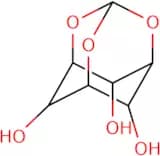
CAS:<p>1,3,5-O-Methylidyne-myo-inositol is a cyclic sugar alcohol, which is naturally derived from various plant sources, including certain fruits and grains. As a stereoisomer of inositol, it represents a specific structural form that contributes to its unique properties and potential biological activities. The compound operates through modulating cellular signaling pathways, particularly those related to phosphoinositide metabolism, influencing intracellular calcium levels, and affecting lipid signaling cascades.This compound is primarily explored for its potential role in neurological health and its capacity to influence insulin signaling pathways. It has been investigated for applications in managing conditions such as polycystic ovary syndrome (PCOS), mood disorders, and neurodegenerative diseases. Due to its intricate involvement in cellular signaling networks, 1,3,5-O-Methylidyne-myo-inositol holds promise in furthering understanding of complex biological processes and for therapeutic development in metabolic and neurological disorders. Research continues to explore its efficacy and mechanisms of action to better establish its role in health and disease.</p>Formula:C7H10O6Purezza:Min. 95%Colore e forma:PowderPeso molecolare:190.15 g/mol



![N-Acetyl-D-[1,2,3-¹³C3]neuraminic acid](/_next/image/?url=https%3A%2Fstatic.cymitquimica.com%2Fproducts%2F3D%2Fthumb-webp%2FMA182016.webp&w=3840&q=75)



![2,4,7,8,9-Pentaacetyl-N- [(2- propyn- 1- yloxy) carbonyl] - b- neuraminic acid methyl ester](/_next/image/?url=https%3A%2Fstatic.cymitquimica.com%2Fproducts%2F3D%2Fthumb-webp%2FMP168633.webp&w=3840&q=75)




![1-(3'-Azidopropyl)-2-deoxy-4-O-[3-O-(p-phenoxybenzyl)-b-D-galactopyranosyl]-2-phthalimido-b-D-gluc…](/_next/image/?url=https%3A%2Fstatic.cymitquimica.com%2Fproducts%2F3D%2Fthumb-webp%2FOA74915.webp&w=3840&q=75)