Glicoscienza
La glicosienza è lo studio dei carboidrati e dei loro derivati, nonché delle interazioni e delle funzioni biologiche a cui partecipano. Questo campo di ricerca è cruciale per comprendere una vasta gamma di processi biologici, tra cui il riconoscimento cellulare, la segnalazione, la risposta immunitaria e lo sviluppo delle malattie. La glicosienza ha importanti applicazioni nella biotecnologia, nella medicina e nello sviluppo di nuovi farmaci e terapie. Presso CymitQuimica, offriamo un'ampia selezione di prodotti di alta qualità e purezza per la ricerca in glicosienza. Il nostro catalogo comprende monosaccaridi, oligosaccaridi, polisaccaridi, glicoconiugati e reagenti specifici, progettati per supportare i ricercatori nei loro studi sulla struttura, funzione e applicazioni dei carboidrati nei sistemi biologici. Queste risorse sono destinate a facilitare scoperte scientifiche e applicazioni pratiche in vari ambiti delle bioscienze e della medicina.
Sottocategorie di "Glicoscienza"
- Amminozucchero(108 prodotti)
- Glico-anticorpi(282 prodotti)
- Glicolipidi(46 prodotti)
- Glicosaminoglicani (GAGs)(55 prodotti)
- Glicosidi(419 prodotti)
- Monosaccaridi(6.624 prodotti)
- Oligosaccaridi(3.682 prodotti)
- Polisaccaridi(503 prodotti)
Trovati 11046 prodotti di "Glicoscienza"
Ordinare per
Purezza (%)
0
100
|
0
|
50
|
90
|
95
|
100
2,6-Anhydro-D-glycero-D-gluo-heptonic acid methylamide
<p>2,6-Anhydro-D-glycero-D-gluo-heptonic acid methylamide is a synthetic sugar that is used as a building block for the synthesis of oligosaccharides and monosaccharides. The glycosylation of 2,6-Anhydro-D-glycero-D-gluo-heptonic acid methylamide can be catalyzed by any of the glycosylators that use saccharides as substrates. This modification can also be achieved by methylation to produce methylated 2,6-Anhydro-D-glycero-D-gluo heptonic acid methylamide. It has been shown to exhibit antiviral activity against herpes simplex virus type 1.</p>Purezza:Min. 95%(2S, 3S, 4R) -3- [[[(2S, 3S, 4R) - 3- Azido- 4- [[[(1, 1- dimethylethyl) dimethylsilyl] oxy] methyl] - 1- (phenylmethyl) - 2- azetid inyl] carbonyl] amino] - 4- [[[(1, 1- dimethylethyl) dimethylsilyl] oxy] methyl] - 1- (phenylmethyl) -2- azetidinecarb
<p>The synthesis starts with a commercially available, methyl-protected, phenyl-protected 2-azetidinecarboxylic acid. The carbonyl group is then converted to an amide by reaction with ammonia in the presence of a base (such as triethylamine) and an appropriate coupling agent (such as HOBt). The amide is then deprotected by treatment with hydrochloric acid to give the desired product. This compound has not been characterized fully yet but it is expected to be a complex carbohydrate.</p>Purezza:Min. 95%Methyl 2,3-di-O-acetyl-4,6-O-benzylidene-a-D-galactopyranoside
CAS:<p>Methyl 2,3-di-O-acetyl-4,6-O-benzylidene-a-D-galactopyranoside is a custom synthesis of a complex carbohydrate that can be modified with a methyl group on the C2 position. This compound has been fluorinated and glycosylated in the laboratory. This product has high purity and is insoluble in water.</p>Formula:C18H22O8Purezza:Min. 95%Peso molecolare:366.37 g/molGum karaya
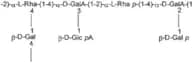
CAS:<p>Gum karaya is exuded from Sterculia urens, a bushy tree found in dry regions of North India. Due to its extensive swelling capacity in water it is used as a laxative and as a denture adhesive. The structure consists of D-galactose, D-glucuronic acid and L-rhamnose but the detailed molecular structure is still incompletely known.</p>Purezza:Min. 95%Colore e forma:Powder1,2,3,4-Tetra-O-acetyl-6-O-(2,3,4,6-tetra-O-acetyl-a-D-galactopyranosyl)-b-D-thioglucopyranose
CAS:<p>A tetra-O-acetyl-6-O-(2,3,4,6-tetra-O-acetyl-a-D-galactopyranosyl)-b-D-thioglucopyranose is a 1,2,3,4 tetraol. It is synthesized by the modification of a disaccharide that has been modified with fluorine and methyl groups on the C1 and C4 positions of the sugar. The complex carbohydrate is a glycosylated sugar that is composed of one monosaccharide and one oligosaccharide. This product is CAS No. 1820574-50-2.</p>Formula:C28H38O18SPurezza:Min. 95%Peso molecolare:694.66 g/mol2,4-Anhydro-3,5:6,7-di-O-isopropylidene-D-glycero-D-gulo-heptonic acid benzylamide
<p>2,4-Anhydro-3,5:6,7-di-O-isopropylidene-D-glycero-D-gulo-heptonic acid benzylamide is a glycosylation agent that is used in the synthesis of complex carbohydrate. It can be methylated and fluorinated to produce saccharides with desired properties. It also has a variety of chemical modifications for use as a synthetic sugar or oligosaccharide. 2,4-Anhydro-3,5:6,7-di-O-isopropylidene-D-glycero-D -gulo heptonic acid benzylamide is typically synthesized in high purity for use in pharmaceuticals or other applications requiring high purity.</p>Purezza:Min. 95%2-Azido-2-deoxy-3,5-O-isopropylidene-D-xylono-1,4-lactone
<p>2-Azido-2-deoxy-3,5-O-isopropylidene-D-xylono-1,4-lactone is a methylated saccharide that has been synthesized from D-xylonolactone. It has a CAS Number of 122758-81-6 and is available for custom synthesis. This molecule is a modified form of the natural product xyloglucan. It can be used as a glycosylation or fluorination reagent to create more complex carbohydrates.<br>2-Azido -2 deoxy -3,5 O -isopropylidene -D -xylono -1,4 lactone is prepared by the reaction of 2 moles of nitrous acid with 1 mole of D -xylonolactone in an organic solvent such as ethanol or acetone at room temperature. The product can then be purified by recrystallization from a mixture of</p>Purezza:Min. 95%2-Chloroethyl-b-D-fructopyranoside
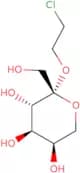
CAS:2-Chloroethyl-b-D-fructopyranoside is a stable reagent that is used to prepare 2,4-dichloroacetophenone (2,4-DAAP), which can be used as a crosslinking agent. This reagent is reactive and should be handled with care. It forms a hemoglobin adduct by reacting with the amino groups of hemoglobin. The reaction can be catalyzed by dialdehydes. Affinities for tissue proteins are created through stepwise reactions involving ring-opening reactions or methemoglobin formation. 2-Chloroethyl-b-D-fructopyranoside can be used to synthesize a polymerized affinity column by using the ring opening reaction in an affinity chromatography process.Formula:C8H15ClO6Purezza:Min. 95%Colore e forma:PowderPeso molecolare:242.65 g/mol4-O-(a-D-Galactopyranosyl)-D-galactopyranose
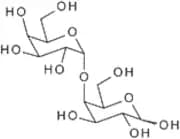
CAS:<p>Used as enzyme substrates, analytical standards and for in vitro diagnostics</p>Formula:C12H22O11Purezza:Min. 97 Area-%Colore e forma:White PowderPeso molecolare:342.3 g/molChitosan oligomer (Dp 3-7) hydrochloride - Molecular weight 1640
Chitosan oligomer (Dp 3-7) hydrochloride is a carbohydrate with a molecular weight of 1640. It is used as a sugar and an adjuvant in vaccine development. Chitosan oligomer (Dp 3-7) hydrochloride is synthesized by the reaction of chitosan with phosphoryl chloride and has been shown to have antiviral, antibacterial, and anti-inflammatory effects.Formula:(C6H13NO5•HCl)nPurezza:Min. 95 Area-%Colore e forma:PowderDiosmetin-3'-O-b-D-glucuronide
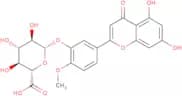
CAS:<p>Diosmetin-3'-O-b-D-glucuronide is a custom synthesis, complex carbohydrate, Oligosaccharide, Polysaccharide. It has been modified by Methylation and Glycosylation. This compound is a sugar (CAS No. 152503-50-9) that is a carbohydrate with a high purity and fluoroination. The modification of this compound includes Click chemistry.</p>Formula:C22H20O12Purezza:Min. 95%Colore e forma:PowderPeso molecolare:476.39 g/mol4-Methoxyphenyl 2,3,4,6-tetra-O-acetyl-α-D-mannopyranoside
CAS:4-Methoxyphenyl 2,3,4,6-tetra-O-acetyl-a-D-mannopyranoside is an extracellular calcium modulator that can be used to treat viral infections. It binds to the viral envelope and alters the virus's ability to fuse with cells. 4MPTAA also has antiviral activity against herpes simplex virus type 1 (HSV1) and influenza A virus (IAV). The compound also has anticancer activity by blocking the growth of cancer cells. 4MPTAA can be used for the treatment of microprocessor viruses such as tenella and myxoma. This drug also has a structural analysis profile that can be accessed using a variety of methodologies, including thermodynamic profiling and coagulation profiling.Formula:C21H26O11Purezza:Min. 95%Peso molecolare:454.42 g/mol1,2,3,4,6-Penta-O-acetyl-D-mannopyranose
CAS:1,2,3,4,6-Penta-O-acetyl-D-mannopyranose is an organic chemical compound that belongs to the group of sugars. It is a synthetic compound that can be used as an analytical reagent in hepg2 cells and chloride. 1,2,3,4,6-Penta-O-acetyl-D-mannopyranose has been shown to have a protective effect against adenosine receptors and phosphotungstic acid in brain cells. This sugar also has a strong affinity for lectins and can be used to study the binding of sugars to proteins by titration calorimetry.Formula:C16H22O11Purezza:Min. 98 Area-%Colore e forma:White PowderPeso molecolare:390.34 g/mol4-Methoxyphenyl 4-O-[4-O-(4,6-O-benzylidene-2-O-levulinoyl-β-D-glucopyranosyl)-3,6-di-O-benzyl-2-deoxy-2-phthalimido-β-D-glucopyrano syl]-3-O-benzyl-6-O-(2,3,4-tri-O-benzyl-α-L-fucopyranosyl)-2-deoxy-2-phthalimido-β-D-glucopyranoside
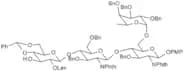
<p>4-Methoxyphenyl 4-O-[4-O-(4,6-O-benzylidene-2-O-levulinoyl-b-D-glucopyranosyl)-3,6-di-O-benzyl-2-deoxy -2 -phthalimido -b -D -glucopyranoside] (MMPS) is a synthetic compound that has been modified for use as a fluorescent probe for the detection of saccharides. MMPS can be used to detect glycosylation or sugar modifications in proteins and carbohydrates. This compound has been shown to bind to saccharides containing a terminal glucose residue. The MMPS molecule was synthesized and found to be effective in detecting oligosaccharides with a high degree of accuracy. The MMPS molecule was also found to be useful in detecting glucose modifications on proteins and other carbohydrate structures, such as polysaccharides.</p>Formula:C101H100N2O25Purezza:Min. 95%Peso molecolare:1,741.87 g/molβ,β-Trehalose
CAS:β,β-Trehalose is a carbohydrate that is synthesized by the expression of a trehalose synthase enzyme from the yeast Saccharomyces cerevisiae. β,β-Trehalose is an acidic sugar with two glucose subunits. It has been shown to have an enzymatic mechanism similar to that of glucose. β,β-Trehalose has been found to increase the solubility and stability of proteins in acidic phs (pHs) by binding to hydroxyl groups on protein surfaces. β,β-Trehalose also binds to alcohols such as ethanol and methanol, which may be due to its ability to form hydrogen bonds between oxygen atoms. This sugar also forms hexamers in solution, which may contribute to its effectiveness as a stabilizer for proteins and other molecules. The optimum ph for β,β-trehalose synthesis is around 5.5-6.0 and it can be used at higher phFormula:C12H22O11Purezza:Min. 99 Area-%Colore e forma:White Off-White PowderPeso molecolare:342.3 g/molTrehalose-6-phosphate dipotassium salt
CAS:<p>Trehalose-6-phosphate dipotassium salt is a natural sugar that is found in plants, animals, and fungi. It functions as a carbohydrate reserve and protects cells against osmotic stress. Trehalose-6-phosphate dipotassium salt can be synthesized by the enzyme trehalase from the sugar trehalose and 6-phosphate. It has been shown to protect cells from weevil infestation, which may be due to its ability to produce abiotic or biotic stress. Trehalose-6-phosphate dipotassium salt can be purified using hydrophilic interaction chromatography on an on-line system.</p>Formula:C12H21O14PK2Purezza:Min. 95%Colore e forma:White PowderPeso molecolare:498.46 g/mol6-Deoxy-b-cyclodextrin
<p>This beta-cyclodextrin (β-CD) derivative is a functionalized cyclic oligosaccharide composed of seven glucose units, characterized by a hydrophilic exterior and a lipophilic cavity (bigger than α-CD and smaller than γ-CDs), which allows it to encapsulate various guest molecules. This structural feature facilitates its use in multiple applications, including pharmaceuticals, food enhancement, and cosmetics. In the pharmaceutical industry, it enhances the solubility and stability of poorly water-soluble drugs, improving their bioavailability and efficacy while also masking unpleasant tastes. The food sector utilizes it as a stabilizer for flavors, colors, and nutrients, extending shelf life by protecting sensitive ingredients from degradation. In cosmetics, it serves as a complexing agent for fragrances and active components, ensuring their stability and controlled release. Its use expands to many other fields, including nanotechnology for drug delivery systems, environmental remediation for extracting organic pollutants, textiles for slow-release fragrances, and analytical chemistry for chiral separation.</p>Formula:C42H70O28Purezza:Min. 95%Peso molecolare:1,022.99 g/molD-Glucosamine-6-phosphate sodium salt
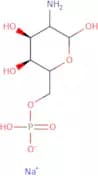
CAS:<p>D-Glucosamine-6-phosphate sodium salt is a custom synthesis of an oligosaccharide, polysaccharide, and carbohydrate. The chemical modification of this compound includes methylation, glycosylation, and carbamylation. This product has high purity with a fluorination level of 98%.</p>Formula:C6H14NO8P·NaPurezza:Min. 95%Colore e forma:White Yellow PowderPeso molecolare:282.14 g/molChitosan oligomer - Molecular weight 5000 - 15000 Da
CAS:<p>Chitosan is the deacetylated form of chitin. The polysaccharide is deacetylated in order to render it soluble, which is then possible at pH values of less than 7 (normally in dilute acid). This then allows the material to be used in a number of industrial applications as a binder and film former.</p>Colore e forma:PowderDeferiprone 3-O-β-D-glucuronide
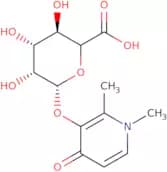
CAS:Deferiprone 3-O-b-D-glucuronide is a modification of deferiprone. It is synthesized by methylation, glycosylation, and polysaccharide modification with fluorine. Deferiprone 3-O-b-D-glucuronide is monosaccharide in nature and has high purity and custom synthesis.Formula:C13H17NO8Purezza:Min. 95%Colore e forma:Light (Or Pale) Yellow SolidPeso molecolare:315.28 g/molChondroitin sulfate A sodium salt - Average MW 10,000 - 30,000
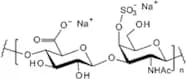
CAS:<p>The disaccharide repeating unit of chondroitin sulphate consists of N-acetyl galactosamine sulphate linked β1,4 to glucuronic acid. Each monosaccharide may be left unsulphated, sulphated once, or sulphated twice. The most common pattern has the hydroxyl groups of the 4 and 6 positions of the N-acetyl-galactosamine sulphated, with some chains having the position 2 of the glucuronic acid sulphated.</p>Purezza:Min. 90%Colore e forma:White Off-White PowderBenzyl-alpha-S-GalNAc
CAS:<p>Please enquire for more information about Benzyl-alpha-S-GalNAc including the price, delivery time and more detailed product information at the technical inquiry form on this page</p>Formula:C15H21NO5SPurezza:Min. 98 Area-%Peso molecolare:327.4 g/molLipid X
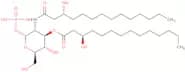
CAS:<p>Lipid X is a monosaccharide precursor of E. coli lipid A. It is an N-acyl-D-glucosamine 1-phosphate where the N-acyl group is (R)-3-hydroxytetradecanoyl and carrying an additional (R)-3-hydroxytetradecanoyl, and it is a component of the cell wall of Gram-negative bacteria. Due to its physiological functions and biological properties, Lipid X can be used to treat infectious diseases, autoimmune diseases, and HIV infection. It has also been shown to inhibit the production of inflammatory cytokines such as tumor necrosis factor alpha (TNF-α) and interleukin-1β (IL-1β). This effect is due to its ability to disrupt hydrogen bonds between lipids in the cell membrane. As a biosynthetic intermediate of Lipid A, it seems to play a role in bacterial virulence and can trigger an immune response in humans, and protect against endotoxins.</p>Formula:C34H66NO12PPurezza:Min. 95%Peso molecolare:711.86 g/molPeonidin-3-O-arabinoside chloride
CAS:<p>Peonidin-3-O-arabinoside chloride is a flavonol glycoside that is found in the plant peony and inhibits lipid absorption. It has inhibitory properties on fat absorption in vitro. Peonidin-3-O-arabinoside chloride also inhibits the activity of enzymes that break down dietary fats, such as pancreatic lipase, thereby preventing fat absorption. This compound has been shown to lower serum cholesterol levels and reduce blood pressure in vivo human trials. Peonidin-3-O-arabinoside chloride is extracted from the bark of the tree species Paeonia suffruticosa and is used as an ingredient in some weight loss supplements.</p>Formula:C21H21O10·ClPurezza:Min. 95%Colore e forma:White Off-White PowderPeso molecolare:468.84 g/molD-Mannose
CAS:<p>Used to differentiate microorganisms based on their metabolic properties.</p>Formula:C6H12O6Purezza:Min. 99.5 Area-%Peso molecolare:180.16 g/molRef: 3D-M-1000
1kgPrezzo su richiesta50gPrezzo su richiesta5kgPrezzo su richiesta500gPrezzo su richiesta2500gPrezzo su richiesta-Unit-kgkgPrezzo su richiesta(2R, 3S, 4R, 5S) -2-acetoxymethyl-4-acetoxy - 5- azido- 1,3-di-O-benzyl- piperidine
CAS:<p>(2R, 3S, 4R, 5S) -2-acetoxymethyl-4-acetoxy - 5- azido- 1,3-di-O-benzyl- piperidine is a synthetic carbohydrate modified with fluorination and methylation. It is an oligosaccharide that exhibits a complex carbohydrate structure. This substance is a monosaccharide with high purity and custom synthesis. It has been glycosylated and click modification has been performed on it.</p>Formula:C24H28N4O5Purezza:Min. 95%Peso molecolare:452.5 g/molVerbascose
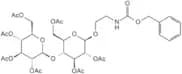
CAS:<p>Immunomodulatory pentasaccharide; prebiotic</p>Formula:C30H52O26Purezza:Min. 95 Area-%Colore e forma:White PowderPeso molecolare:828.72 g/mol[2-[[2,3,6-Tri- O- acetyl- 4- O- (2, 3, 4, 6- tetra- O- acetyl- b- D- glucopyranosyl) - b- D- glucopyranosyl] oxy] ethyl] - carbamic acid phenylmethyl ester
CAS:The conformation of the 2-[[2,3,6-tri-O-acetyl-4-O-(2,3,4,6-tetra-O-acetyl-βDglucopyranosyl)-βDglucopyranosyl]oxy]ethyl]carbamic acid phenylmethyl ester molecule has been studied by X-ray crystallography. The molecule adopts a chair conformation with the two acetyl groups occupying equatorial positions. The molecule is planar with an angle of 110° between the NH and CO axes. The calculated electron diffraction pattern was in good agreement with the experimental data. The analysis yielded a set of independent amplitudes for each reflection that were analysed to give structure constants and electron distributions.Purezza:Min. 95%4,6-O-Isopropylidene-D-mannopyranose
<p>4,6-O-Isopropylidene-D-mannopyranose is a custom synthesis of a polysaccharide that has been modified with fluorination, methylation, and click modification. This product can be used in the synthesis of oligosaccharides or saccharides. It may also be used in glycosylation reactions to produce complex carbohydrates.</p>Purezza:Min. 95%2-Keto-D-gluconic acid hemicalcium monohydrate
CAS:<p>Enhances dissolution of soil minerals; intermediate in L-ascorbic acid syntheses</p>Formula:C6H9O7•(Ca)•H2OPurezza:Min. 99 Area-%Colore e forma:White PowderPeso molecolare:231.19 g/molAllyl 2,3,4-tri-O-benzyl-a-D-glucopyranoside
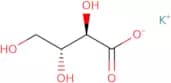
CAS:<p>Allyl 2,3,4-tri-O-benzyl-a-D-glucopyranoside is a sugar that is used in the synthesis of glycosides. It can be synthesized by a click modification reaction that yields an allyl ether from an allylic alcohol. This product has been shown to react with bromine in the presence of UV light and produce a monobenzylated product, which can be used as a fluorescent probe for labeling saccharides. Allyl 2,3,4-tri-O-benzyl-a-D-glucopyranoside can also be modified with methyl groups or glycosidic bonds to form complex carbohydrates.</p>Formula:C30H34O6Purezza:Min. 95%Colore e forma:PowderPeso molecolare:490.59 g/molPotassium D-erythronate
CAS:<p>Versatile resource for organic synthesis, e.g. of the inhibitor swainsonine</p>Formula:C4H7KO5Purezza:Min. 95%Colore e forma:White PowderPeso molecolare:174.19 g/molRobinose
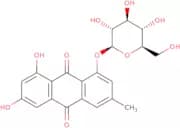
CAS:Robinose is a flavonoid derivative that is used as a conditioning agent in animal health products. It has been shown to increase the efficacy of an antigen by enhancing the immune response. Robinose also has enzyme activities and has been shown to work synergistically with other flavonoids such as quercetin. In addition, it can be used as an analytical method for glycan structures. Robinose is typically produced from the hydrolysis of flavonol glycosides found in plants such as raspberries, blackberries, and blueberries. It can also be extracted from sugar beet molasses or sugar cane molasses.Formula:C12H22O10Purezza:Min. 95%Peso molecolare:326.3 g/molEmodin 1-glucoside
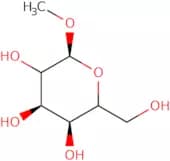
CAS:<p>Emodin 1-glucoside is a natural anthraquinone glycoside that is produced by plants and has been shown to have cytotoxic effects against human cells. Emodin 1-glucoside inhibits the function of enzymes, such as glycosidases, phosphatases, and proteases. This compound is activated by calcium ions and has been shown to disrupt mitochondrial membrane potential. Emodin 1-glucoside also inhibits sugar residues and has shown significant cytotoxicity against cultured human cells at higher concentrations. It may be used as a medicine for the treatment of inflammation or cancer.</p>Formula:C21H20O10Purezza:Min. 95%Colore e forma:PowderPeso molecolare:432.38 g/molMethyl a-D-mannopyranoside
CAS:<p>Methyl alpha-D-mannopyranoside is a methylated sugar used as an inhibitor of lectin-conjugate binding. It is commonly used in protein purification for eluting glycoproteins and other glycoconjugates from affinity chromatography columns of agarose lectin. In addition, Methyl alpha-D-mannopyranoside can be used in the mannosylation of lipid nanoparticles (LNPs) for vaccine or drug delivery which targets Antigen Presenting Cells (APCs) through mannose receptors. Methyl alpha-D-mannopyranoside is also known as Methyl alpha-D-mannoside or alpha-Methyl-D-mannoside.</p>Formula:C7H14O6Purezza:Min. 99 Area-%Colore e forma:White PowderPeso molecolare:194.18 g/mola,a-D-Trehalose dihydrate
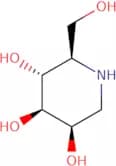
CAS:<p>Please enquire for more information about a,a-D-Trehalose dihydrate including the price, delivery time and more detailed product information at the technical inquiry form on this page</p>Formula:C12H26O13Purezza:Min. 98 Area-%Peso molecolare:378.33 g/mol1-Deoxymannojirimycin HCl
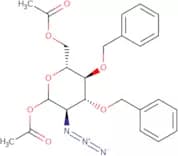
CAS:<p>Potent and specific inhibitor of α-mannosidase I. It is active against the Golgi isoform (GMI) of the enzyme and blocks carbohydrate branch elongation from immature to complex and hybrid N-glycans. Its anti-viral activity against HIV-1 is characterized by the alteration of N-glycan pattern and shift to high-mannose glycans on viral glycoprotein gp120, resulting in decreased infectivity of newly synthesized virions.</p>Formula:C6H13NO4·HClPurezza:Min. 98 Area-%Colore e forma:White Off-White PowderPeso molecolare:199.63 g/mol2-Azido-1,6-di-O-acetyl-3,4-di-O-benzyl-D-glucopyranoside
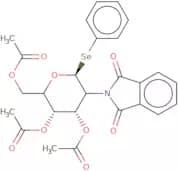
CAS:2-Azido-1,6-di-O-acetyl-3,4-di-O-benzyl-D-glucopyranoside is a modification of the glucopyranoside sugar. It has been synthesized by methylating and glycosyling an oligosaccharide. The chemical composition of this compound is C14H14N2O7. This product is available in high purity and monosaccharide form.Purezza:Min. 95%Phenyl 3,4,6-tri-O-acetyl-2-deoxy-2-phthalimido-b-D-selenoglucopyranoside
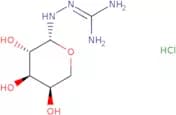
CAS:<p>Phenyl 3,4,6-tri-O-acetyl-2-deoxy-2-phthalimido b-D-selenoglucopyranoside is a chemical compound that is used in the synthesis of saccharides and oligosaccharides. It has been modified with the Click reaction to give it a reactive group. This modification can be used for glycosylation or for incorporation into polysaccharides such as starch. Phenyl 3,4,6-tri-O-acetyl-2-deoxy b -D selenoglucopyranoside is a high purity synthetic compound that is available in custom synthesis quantities.</p>Formula:C26H25NO9SePurezza:Min. 95%Peso molecolare:574.44 g/molN1-β-D-Arabinopyranosylamino-guanidine hydrochloride
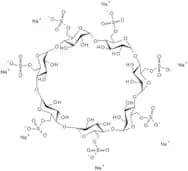
CAS:<p>N1-b-D-arabinopyranosylamino-guanidine HCl is a modified carbohydrate. It is a synthetic monosaccharide that is custom synthesized by methylation and glycosylation. This product has high purity and can be used for modification of saccharides or oligosaccharides to create new carbohydrates with desired properties.</p>Formula:C6H14N4O4•HClPurezza:Min. 95%Colore e forma:White to light beige solid.Peso molecolare:242.66 g/molb-Cyclodextrin hydrogen sulfate, sodium salt
CAS:<p>This beta-cyclodextrin (β-CD) derivative is a functionalized cyclic oligosaccharide composed of seven glucose units, characterized by a hydrophilic exterior and a lipophilic cavity (bigger than α-CD and smaller than γ-CDs), which allows it to encapsulate various guest molecules. This structural feature facilitates its use in multiple applications, including pharmaceuticals, food enhancement, and cosmetics. In the pharmaceutical industry, it enhances the solubility and stability of poorly water-soluble drugs, improving their bioavailability and efficacy while also masking unpleasant tastes. The food sector utilizes it as a stabilizer for flavors, colors, and nutrients, extending shelf life by protecting sensitive ingredients from degradation. In cosmetics, it serves as a complexing agent for fragrances and active components, ensuring their stability and controlled release. Its use expands to many other fields, including nanotechnology for drug delivery systems, environmental remediation for extracting organic pollutants, textiles for slow-release fragrances, and analytical chemistry for chiral separation.</p>Purezza:Min. 95%Colore e forma:Powder4,6-O-Benzylidene-D-glucal
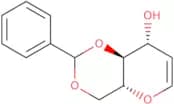
CAS:<p>Glucal is a carbohydrate that is used as a synthon in organic synthesis. It has been shown to be anomeric and can be synthesized by acetylation of the corresponding aldose, or by the glycosidic bond reaction with borohydride reduction. Glucal is not stable at high pH and can undergo ring-opening reactions with nucleophiles such as sodium borohydride. Glucal also reacts with glycoconjugates to form new molecules, which are called glycosidic products.</p>Formula:C13H14O4Purezza:Min. 95%Colore e forma:White PowderPeso molecolare:234.25 g/mol4,6-Dichloro-4,6-dideoxy-D-galactose
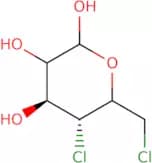
<p>4,6-Dichloro-4,6-dideoxy-D-galactose (4,6DDG) is a chlorinated sugar that is used as a precursor for the synthesis of glycosides. It has been shown to react with cellulose to form 4,6-dichloro-4,6-dideoxycellulose. Chlorination of 4,6DDG at the hydroxyl group leads to the formation of 4,6-dichloro-4,6-dideoxyhydroxyl chloride (4,6DDH). The chlorination process can be done in two ways: nonreducing and reducing. The nonreducing chlorination process occurs by reacting 4,6DDG with chlorine and dimethylformamide. The reducing chlorination process occurs by reacting 4,6DDG with hydrogen chloride and sodium borohydride or lithium aluminum hydride. An excess of hydrogen chloride</p>Formula:C6H10Cl2O4Purezza:Min. 95%Peso molecolare:217.05 g/molStachyose hydrate - 80%
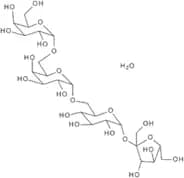
CAS:Non-reducing storage and transport sugar in woody plants; used as a sweetenerFormula:C24H42O21•(H2O)xPurezza:Min. 80 Area-%Colore e forma:PowderPeso molecolare:684.59 g/molMaltol glucoside
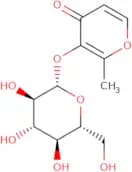
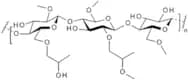
CAS:<p>Maltol is a polyhydric alcohol that is a natural product of plants. Maltol glucoside is an oligomer of maltol that is formed by the glycosylation of maltol with glucose. This compound has been used as a diagnostic agent to detect lymphocyte transformation and bound form in viruses. It has also been shown to inhibit cancer cell growth, which may be due to its ability to interact with complex enzyme systems. Maltol glucoside has been shown to have anti-inflammatory effects in humans, which may be due to its inhibition of inflammatory enzymes such as cyclooxygenase-2 (COX-2) and lipoxygenase (LOX).</p>Formula:C12H16O8Purezza:Min. 95%Colore e forma:PowderPeso molecolare:288.25 g/molHydroxypropyl cellulose - Average MW 50,000 - 1250,000
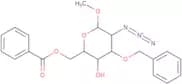
CAS:<p>In water, hydroxypropyl cellulose forms liquid crystals with many mesophases depending on concentration. These mesophases include isotropic, anisotropic, nematic and cholesteric, the latter resulting in many colors such as violet, green and red. Pharmaceutical applications include treatments for medical conditions such as dry eye syndrome (keratoconjunctivitis sicca), recurrent corneal erosions, decreased corneal sensitivity, exposure and neuroparalytic keratitis. It is also used as a binder in tablets. Hydroxypropylcellulose is also used as a thickener, a binder and emulsion stabiliser in foods with E number E463. HPC is used as a support matrix for DNA separations by capillary and microchip electrophoresis.</p>Purezza:Min. 95%Colore e forma:Clear LiquidMethyl 2-azido-2-deoxy-3-O-benzyl-6-O-benzoyl-a-D-glucopyranoside
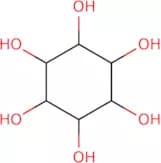
CAS:<p>Methyl 2-azido-2-deoxy-3-O-benzyl-6-O-benzoyl-a-D-glucopyranoside is a synthetic carbohydrate that can be used as a fluorescent probe. It has been used to study the glycosylation of proteins and saccharides, and also as an intermediate in the synthesis of oligosaccharides. The chemical structure of Methyl 2-azido-2-deoxy-3 -O -benzyl -6 -O -benzoyl -a -D -glucopyranoside is shown below:</p>Formula:C21H22N3O6Purezza:Min. 95%Peso molecolare:412.42 g/molneo-Inositol
CAS:<p>Neo-inositol is a type of inositol that is not found naturally in the body, but can be synthesized. It has been shown to inhibit the growth of cancer cells and have a physiological effect on ovarian cells. Neo-inositol has also been shown to inhibit certain types of cancer cells by interfering with their ability to produce energy. Neo-inositol was also shown to increase levels of cytosolic Ca2+ in a model system, which may contribute to its cytotoxic effects.</p>Formula:C6H12O6Purezza:Min. 95 Area-%Colore e forma:White PowderPeso molecolare:180.16 g/molIsomalto oligomers (Dp 4-8)
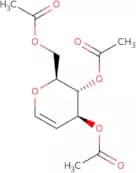
Isomalto oligomers are a custom synthesis of polysaccharide oligosaccharides. These compounds are modified with methylation, glycosylation, and fluorination to create a high purity product that is free of undesirable contaminants. Isomalto oligomers (DP 4-8) are synthesized from sugars and can be used in the modification of saccharide chains during glycosylation reactions. This product also has the ability to produce click chemistry modifications.Purezza:ReportedColore e forma:Powder3,4,6-Tri-O-acetyl-L-glucal
CAS:<p>Resource for the synthesis of 2-azido- and 2-deoxy-L-glucoses and 1,2-epoxides</p>Formula:C12H16O7Purezza:Min. 95%Colore e forma:White PowderPeso molecolare:272.25 g/mol

![(2S, 3S, 4R) -3- [[[(2S, 3S, 4R) - 3- Azido- 4- [[[(1, 1- dimethylethyl) dimethylsilyl] oxy] methy…](/_next/image/?url=https%3A%2Fstatic.cymitquimica.com%2Fproducts%2F3D%2Fthumb-webp%2FMA163462.webp&w=3840&q=75)