Glicoscienza
La glicosienza è lo studio dei carboidrati e dei loro derivati, nonché delle interazioni e delle funzioni biologiche a cui partecipano. Questo campo di ricerca è cruciale per comprendere una vasta gamma di processi biologici, tra cui il riconoscimento cellulare, la segnalazione, la risposta immunitaria e lo sviluppo delle malattie. La glicosienza ha importanti applicazioni nella biotecnologia, nella medicina e nello sviluppo di nuovi farmaci e terapie. Presso CymitQuimica, offriamo un'ampia selezione di prodotti di alta qualità e purezza per la ricerca in glicosienza. Il nostro catalogo comprende monosaccaridi, oligosaccaridi, polisaccaridi, glicoconiugati e reagenti specifici, progettati per supportare i ricercatori nei loro studi sulla struttura, funzione e applicazioni dei carboidrati nei sistemi biologici. Queste risorse sono destinate a facilitare scoperte scientifiche e applicazioni pratiche in vari ambiti delle bioscienze e della medicina.
Sottocategorie di "Glicoscienza"
- Amminozucchero(108 prodotti)
- Glico-anticorpi(282 prodotti)
- Glicolipidi(46 prodotti)
- Glicosaminoglicani (GAGs)(55 prodotti)
- Glicosidi(419 prodotti)
- Monosaccaridi(6.624 prodotti)
- Oligosaccaridi(3.682 prodotti)
- Polisaccaridi(503 prodotti)
Trovati 11046 prodotti di "Glicoscienza"
Ordinare per
Purezza (%)
0
100
|
0
|
50
|
90
|
95
|
100
L-Mannitol
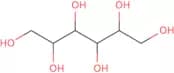
CAS:<p>L-Mannitol is a sugar alcohol that is an important component of pharmaceutical preparations. It is used as a preservative, diluent, and sweetener in many pharmaceutical products. L-Mannitol has been shown to have anti-inflammatory properties and may help prevent allergic reactions by inhibiting the production of prostaglandin D2. L-Mannitol also inhibits the activity of xylitol dehydrogenase, which prevents the conversion of xylitol to DHA, an intermediate metabolite that can cause tissue damage in animals and humans. L-Mannitol has been shown to have a laxative effect when taken orally or injected as an intravenous solution. This property may be due to its ability to stimulate chloride secretion from intestinal cells and increase water reabsorption from the colon. L-Mannitol is also used as a chromatographic matrix for saponins and conjugates with other amino acids.</p>Formula:C6H14O6Purezza:Min. 95%Colore e forma:PowderPeso molecolare:181.6 g/mol5-O-tert-Butyldimethylsilyl-N-cyanomethyl-1,4-dideoxy-1,4-imino-2,3-O-isopropylidene-D-ribitol
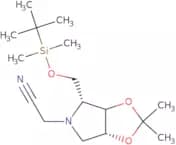
CAS:5-O-tert-Butyldimethylsilyl-N-cyanomethyl-1,4-dideoxy-1,4-imino-2,3-O-isopropylidene--D ribitol is a fluorinated glycosylation product of 5-(O-(tertbutyldimethylsilyl)cyanomethyl)-1,4 dihydroxy imino 2,3 O isopropylidene D ribitol. It is a high purity complex carbohydrate that can be synthesized by click modification of 5-(O-(tertbutyldimethylsilyl)cyanomethyl)-1,4 dihydroxy imino 2,3 O isopropylidene D ribitol with ethynyltrifluoroborate and osmium tetroxide. This compound has CAS No. 577978-59-7.Formula:C16H30N2O3SiPurezza:Min. 95%Peso molecolare:326.51 g/mol1,2-Di-O-acetyl-3-O-benzyl-4-C-(phenylmethoxy)methyl-L-Lyxofuranose 5-methanesulfonate
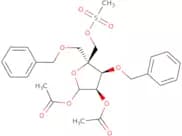
CAS:<p>1,2-Di-O-acetyl-3-O-benzyl-4-C-(phenylmethoxy)methyl-L-Lyxofuranose 5-methanesulfonate is a high purity, custom synthesis sugar that has been modified with fluorination, glycosylation and methylation. It is also a synthetic saccharide that can be used in the modification of oligosaccharides and monosaccharides. This product is available in a variety of different quantities.</p>Formula:C25H30O10SPurezza:Min. 95%Peso molecolare:522.57 g/molN-Glycolylneuraminic acid-OVA
<p>N-Glycolylneuraminic acid-OVA is a custom synthesis that is an Oligosaccharide. It is Polysaccharide and Modification, saccharide, Methylation, Glycosylation, Click modification, Carbohydrate, sugar. The product has a CAS No., has a purity of ≥ 95%, and is Fluorination, Synthetic.</p>Colore e forma:PowderEthyl β-D-glucuronide
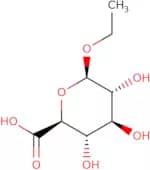
CAS:<p>Ethyl β-D-glucuronide (EBG) is a metabolite of ethanol that is formed by the conjugation of glucuronic acid to ethanol in the liver. EBG has been shown to be a potential biomarker for alcohol consumption, as it can be detected in urine and blood. The presence of this molecule has also been associated with an increased risk of developing type 2 diabetes mellitus, cardiovascular disease, and cancer. EBG may also have pharmacological effects as it has been shown to inhibit lipid oxidation and increase insulin sensitivity. This molecule can be extracted from human serum using solid phase microextraction</p>Formula:C8H14O7Purezza:Min. 98 Area-%Colore e forma:Slightly Brown PowderPeso molecolare:222.19 g/molD-Galactose non-animal origin
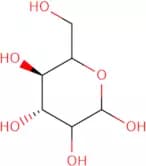
CAS:<p>Galactose from plant origin, animal free production</p>Formula:C6H12O6Purezza:Min. 99.0 Area-%Colore e forma:White PowderPeso molecolare:180.16 g/mol1-O-tert-Butyldimethylsilyl-5-O-DMT-2-O-methyl-D-ribose 3-CE-phosphoramidite
<p>1-O-tert-Butyldimethylsilyl-5-O-DMT-2-O-methyl-D-ribose 3-CE phosphoramidite is a methylated saccharide which can be used in the synthesis of polysaccharides. This product is custom synthesized and has high purity, with a CAS number of 138876-62-1. It is also fluorinated, and can be used for complex carbohydrate synthesis.</p>Formula:C42H61N2O8PSiPurezza:Min. 95%Peso molecolare:781 g/molFormononetin-β-D-glucuronide sodium
CAS:<p>Formononetin-b-D-glucuronide sodium salt is a synthetic compound that is commonly used as a building block in the synthesis of oligosaccharides and polysaccharides. Formononetin-b-D-glucuronide sodium salt is also known to be an inhibitor of human DNA polymerase alpha, which has been shown to inhibit the replication of human immunodeficiency virus (HIV) and herpes simplex virus type 1 (HSV1). Formononetin-b-D-glucuronide sodium salt has high purity, with a purity level of >99%.</p>Formula:C22H19O10NaPurezza:Min. 95%Colore e forma:White To Off-White SolidPeso molecolare:466.37 g/molN-Acetylneuraminic acid sodium salt
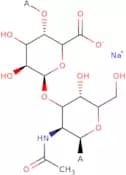
CAS:<p>N-Acetylneuraminic acid sodium salt is present in various natural sources, including glycoproteins and glycolipids found in animal tissues. As a sialic acid, N-Acetylneuraminic acid sodium salt plays a critical role in cellular recognition processes due to its involvement in the terminal position of glycan chains. This position allows it to participate in cellular communication, influencing processes like cell adhesion and pathogen interactions.The compound is extensively utilized in the fields of biochemistry and molecular biology, primarily for studies concerning cell surface glycoconjugates. Its ability to modulate interactions at the cell surface makes it invaluable for research into mechanisms of infection, immunity, and cell signaling. Additionally, N-Acetylneuraminic acid sodium salt finds applications in pharmaceutical research, particularly in the development of antiviral drugs where modulation of sialic acid interactions is key. The compound’s biochemical properties enable scientists to explore and elucidate complex biological phenomena, contributing to advances in therapeutic strategies and molecular pathology.</p>Formula:C11H18NO9NaPurezza:Min. 95%Peso molecolare:331.25 g/mol2,3,5-Tri-O-benzyl-L-ribonic acid-1,4-lactone
<p>2,3,5-Tri-O-benzyl-L-ribonic acid-1,4-lactone (2,3,5-TRBA) is a fluorinated monosaccharide that is synthesized from D-ribose and hexafluoroisopropanol. It is also an oligosaccharide that can be custom synthesized for the synthesis of complex carbohydrates. 2,3,5-TRBA can be modified with methylation or glycosylation to yield a range of desired products. The CAS number for this compound is 103514-06-1. This compound has a purity of >98%.</p>Formula:C26H26O5Purezza:Min. 95%Colore e forma:PowderPeso molecolare:418.48 g/molD-Lactose monohydrate
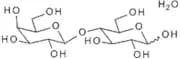
CAS:<p>Lactose is the principal sugar in human and most other mammalian milks, ( 4-O-(β-d-galactopyranosyl)-d-glucopyranose) (Collins, 2006). Lactose undergoes mutarotation; it is a reducing sugar and is significantly less soluble in water than sucrose. Lactose is much less sweet than sucrose (at ~1% about 0.15 (sucrose=1). The enzyme lactase (β-galactosidase), which is present in the small intestine, catalyzes hydrolysis of lactose to form glucose and galactose. Anhydrous lactose is an excipient, filler, diluent, and bulking agent in a wide variety of pharmaceutical tablets, capsules, powders and other preparations. Lactose also has applications as a nutrient and multi-functional ingredient in infant formulae, geriatric, dietetic and health foods (Linko, 1982).</p>Formula:C12H22O11·H2OPurezza:Min. 96 Area-%Colore e forma:White Off-White PowderPeso molecolare:360.31 g/molL-Arabinose diethyldithioacetal
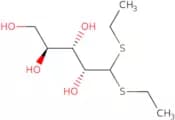
CAS:L-Arabinose diethyldithioacetal is a potassium carbonate derivative of L-arabinose that reacts with sulfur to form 1,2-dithioketals. These dithioketals are used as glycosyl donors in the synthesis of L-fucitol and d-xylose. This reaction is catalyzed by acetobacter, which converts L-arabinose and carbon dioxide into acetaldehyde and acetic acid. The reaction mechanism for this transformation includes an epimerization of the hydroxyl group on the C5 position of L-arabinose to a hydroxyl group on C6, followed by glycosidation with sulfuric acid. The glycosidic bond formed between the hydroxyl group on C6 and the carbonyl group at C1 (in this case, from L-arabinose) is called an acetal linkage. In addition to being antithromboticFormula:C9H20O4S2Purezza:Min. 95%Colore e forma:PowderPeso molecolare:256.38 g/mol11-Dehydroxygrevilloside B
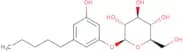
CAS:<p>11-Dehydroxygrevilloside B is a natural glycoside compound, which is primarily isolated from the plant genus Grevillea. This genus is known for its rich diversity of secondary metabolites with various biological activities. The mode of action of 11-Dehydroxygrevilloside B involves interactions with specific molecular targets, potentially influencing biochemical pathways associated with inflammation, oxidative stress, or other cellular processes. Its exact mechanism is still under research, aiming to unravel its potential therapeutic or protective effects. Applications of 11-Dehydroxygrevilloside B are mainly within the realm of biochemical and pharmacological research, where it serves as a subject for in vitro or in vivo experiments to explore its efficacy and safety profile. Its study contributes to understanding how plant-derived compounds can be harnessed for medicinal purposes and augments the exploration of novel drug candidates from natural sources.</p>Formula:C17H26O7Purezza:Min. 95 Area-%Colore e forma:PowderPeso molecolare:342.38 g/mol4-Methylphenyl 2-O-acetyl-3-O-benzyl-4-O-levulinoyl-b-D-thioglucuronide methyl ester
4-Methylphenyl 2-O-acetyl-3-O-benzyl-4-O-levulinoyl-b-D-thioglucuronide methyl ester is a high purity, custom synthesis, sugar modified, Click modification, fluorination, glycosylation, synthetic compound. CAS No. is 8072159–1. It is an Oligosaccharide, Monosaccharide and Carbohydrate with complex carbohydrate structure.Formula:C28H32O9SPurezza:Min. 95%Peso molecolare:544.62 g/molLocust bean gum
CAS:<p>Locust bean (carob) gum is the refined endosperm of the seed of the carob tree, an evergreen of the legume family (Ceretonia siliqua). The tree grows extensively in Spain and is cultivated in many other Mediterranean countries. Locust bean gum, like guar gum, is a galactomannan with a backbone of (1,4) β-D-mannopyranosyl units having branches of (1,6)-linked α-D-galactopyranosyl units. However, locust bean gum has substantially fewer side chains than guar gum and these are clustered in blocks leaving longer regions of unsubstituted mannosyl regions. The gum is only partially soluble in water and suspensions require heating before solubility is achieved. As with guar, the polysaccharide forms gels with other gums such as carrageenan and xanthan. Applications are in the food industry to enhance texture, in paper making and in the textile industry.</p>Purezza:Min. 95%Colore e forma:Off-White PowderBenzyl 2-acetamido-2-deoxy-4,6-O-isopropylidene-b-D-glucopyranoside
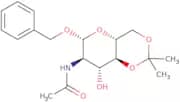
CAS:<p>Benzyl 2-acetamido-2-deoxy-4,6-O-isopropylidene-b-D-glucopyranoside is a surfactant that is used in the measurement of polymers. It is soluble in water and has a low concentration. This surfactant can be used as a copolymer with terephthalate to form polyurethane foam. Benzyl 2-acetamido-2-deoxy-4,6-O-isopropylidene b -D -glucopyranoside also has high concentrations for sedimentation and sulfonate properties.</p>Formula:C18H25NO6Purezza:Min. 95%Colore e forma:PowderPeso molecolare:351.39 g/molDL-Apiose - Aqueous solution
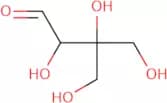
CAS:DL-Apiose, also known as D-apiose, is a carbohydrate that is found in the bark of the tree Dolichandrone. It can be synthesized from verbascoside, a product of the thermally and irradiation degradation of verbascoside. This compound has been shown to have anti-inflammatory properties. DL-Apiose has two stereoisomers: alpha and beta. Alpha-DL-apiose is an intramolecular hydrogen bond donor while beta-DL-apiose is an intramolecular hydrogen bond acceptor. The alpha form can be converted to the beta form by ring opening. The alpha form of this compound has a hydroxyl group at carbon 2 and the beta form does not have this group. The alpha form of DL-apiose is more soluble than the beta form and may be more biologically active than its counterpart.Formula:C5H10O5Purezza:Min. 95%Colore e forma:Clear LiquidPeso molecolare:150.13 g/molEthyl 2,3,4,6-tetra-O-acetyl-b-D-thiogalactopyranoside
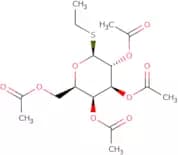
CAS:<p>Ethyl 2,3,4,6-tetra-O-acetyl-b-D-thiogalactopyranoside is a natural sugar that is used in the food industry as a flavoring agent.</p>Formula:C16H24O9SPurezza:Min. 95%Colore e forma:PowderPeso molecolare:392.42 g/molFucoidan - Laminaria japonica
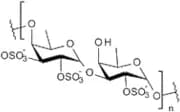
CAS:<p>A fucan sulphate found in brown marine algae (Phaeophyta-typically Fucus serratus, Ascophyllum nodosum, Laminaria japonica (illustrated) and Macrocystis pyrifyra) and has been shown to have anticoagulant activity. The main constituents are α-1,4 and α-1,2 linked L-fucose sulphates although galactose also occurs and there are many variations of the basic structure found in different species of Phaeophyta.<br>Fucoidan ≥ 95.0% Organic SO42- ≥ 20.0% Carbohydrate ≥ 70.0% L-Fucose ≥ 23.0% Alginic Acid ≤ 31.0% <br>The image was kindly provided by Prof Mike Guiry from Cork who runs ‘The Seaweed Site’.</p>Purezza:Min. 95%Colore e forma:Off-White Slightly Brown Powder6-Deoxy-6-fluoro-D-galactose
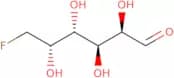
CAS:<p>6-Deoxy-6-fluoro-D-galactose is a fluorinated sugar that has been shown to inhibit the uptake of glucose by human liver cells. This sugar binds to the enzyme activity and inhibits its activity. 6-Deoxy-6-fluoro-D-galactose was found to be metabolized in a dose dependent manner, with higher doses leading to increased uptake of fluorescein and decreased uptake of glucose. 6FDG is also metabolized by chemical reactions, such as oxidation or hydration, which leads to a decrease in its inhibitory effect on glucose uptake. 6FDG has been shown to bind to sequences that are involved in sugar transport and cell culture studies have shown that this sugar can induce inhibition of cell growth at high concentrations.</p>Formula:C6H11FO5Purezza:Min. 95%Colore e forma:PowderPeso molecolare:182.15 g/mol4-O-Methyl-D-glucuronic acid
CAS:<p>Component of plant, especially grape, glucuronoxylans</p>Formula:C7H12O7Purezza:Min. 95%Colore e forma:Colorless PowderPeso molecolare:208.17 g/mol1,4-β-D-Xylotetraose
CAS:<p>1,4-β-D-Xylotetraose is a sugar that is found in the genus Talaromyces and is used as a sweetener. It is produced by plant cells and has been shown to have thermostability. 1,4-β-D-Xylotetraose has been found to have lipidomic activity, which may be related to its ability to bind lipids. It also has a dietary profile, which may contribute to its use as a supplement. 1,4-β-D-Xylotetraose can be used as an affinity agent for lipid profiling because it binds lipids with high affinity.</p>Formula:C20H34O17Purezza:Min. 95 Area-%Colore e forma:White Off-White PowderPeso molecolare:546.47 g/molDermatan sulphate hexasaccharide ammonium salt
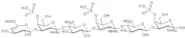
Dermatan sulphate hexasaccharide ammonium salt is a complex carbohydrate modified with an oligosaccharide. Dermatan sulfate hexasaccharide ammonium salt is a synthetic, high purity chemical produced by custom synthesis. This compound has CAS No. 849-27-6. It is a monosaccharide that can be methylated and glycosylated to form polysaccharides of different lengths and configurations. Dermatan sulfate hexasaccharide ammonium salt is a sugar that can be fluorinated or saccharified to produce compounds of varying molecular weights and properties.Purezza:Approx. 88%Colore e forma:PowderFuraneol beta-D-glucopyranoside
CAS:<p>Furaneol beta-D-glucopyranoside is a synthetic sugar that is used as an intermediate in the synthesis of complex carbohydrates. Furaneol beta-D-glucopyranoside has been modified by methylation and fluorination, which allows it to be used in click chemistry. Furaneol beta-D-glucopyranoside is also a high purity compound with a custom synthesis available for purchase.</p>Formula:C12H18O8Purezza:Min. 97 Area-%Colore e forma:PowderPeso molecolare:290.27 g/molChitosan - water soluble
CAS:<p>Chitosan is the deacetylated form of chitin. The polysaccharide is deacetylated in order to render it soluble, which is then possible at pH values of less than 7 (normally in dilute acid). This then allows the material to be used in a number of industrial applications as a binder and film former.MW typically 10-100kDa.</p>Colore e forma:Off-White Powder3-Azido-3-deoxy-1,2:5,6-di-O-isopropylidene-α-D-galactofuranose
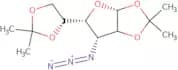
CAS:<p>3-Azido-3-deoxy-1,2:5,6-di-O-isopropylidene-a-D-galactofuranose is a synthetic sugar that can be used as a monosaccharide or oligosaccharide. It is a complex carbohydrate that can be modified with methylation, fluorination, and click chemistry. 3-Azido-3-deoxy-1,2:5,6-di-O-isopropylidene-a-D galactofuranose is an important compound in carbohydrate chemistry due to its ability to undergo glycosylation reactions. The chemical properties of 3ADGFP are comparable to those of other monosaccharides and carbohydrates.</p>Formula:C12H19N3O5Purezza:Min. 95%Colore e forma:Solidifying oil.Peso molecolare:285.3 g/molD-Glucarate monopotassium
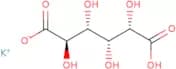
CAS:<p>D-Glucarate monopotassium is a pharmaceutical preparation that is used to inhibit the growth of bacteria. It inhibits the proliferation of cells by inhibiting fatty acid synthesis, which leads to decreased levels of cholesterol, and reduces the uptake of glucose. D-Glucarate monopotassium is also an oxidizing agent that converts uridine into uric acid and has been shown to have inhibitory properties against human cancer cells. D-Glucarate monopotassium can be used as an antioxidant for the prevention or treatment of chronic diseases such as atherosclerosis, diabetes, and cancer. This compound acts as an inhibitor for trypsin treatment on carbohydrates, preventing hydrolysis by this enzyme.</p>Formula:C6H9O8·KPurezza:Min. 95%Colore e forma:PowderPeso molecolare:248.23 g/mol4-O-(b-D-Ribofuranosyl)-L-rhamnopyranose
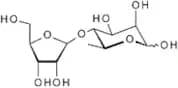
<p>4-O-(b-D-Ribofuranosyl)-L-rhamnopyranose is a custom synthesized monosaccharide that can be modified with fluorination and methylation. This sugar can be used for glycosylation reactions to form oligosaccharides or polysaccharides. The number of sugar molecules that are attached to the sugar determines the complexity of the carbohydrate. 4-O-(b-D-Ribofuranosyl)-L-rhamnopyranose is an example of a complex carbohydrate because it has four sugars attached to it.</p>Formula:C11H20O9Purezza:Min. 95%Peso molecolare:296.27 g/mol3,5-Di-O-benzoyl-2-deoxy-2,2-difluoro-D-ribonic acid-1,4-lactone
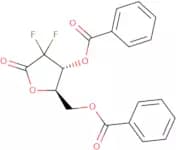
CAS:3,5-Di-O-benzoyl-2-deoxy-2,2-difluoro-D-ribonic acid-1,4-lactone (3DBR) is a nucleoside that has been shown to have antiaging properties. It has been found to be an effective scavenger of peroxyl radicals and reactive oxygen species (ROS). 3DBR also inhibits the formation of aluminum oxide and styrene by catalyzing the salt formation reaction. This compound also has anti-tumour activity and can be used as a chemotherapeutic agent for the treatment of cancer. It is heat resistant and can be combined with gemcitabine hydrochloride in chemotherapy.Formula:C19H14F2O6Purezza:Min. 95%Colore e forma:White PowderPeso molecolare:376.31 g/molD-Galactose - anhydrous
CAS:Galactose (Gal) is the C4 epimer of glucose with one hydroxyl group axial which by Hudsons rules makes it slightly less stable than glucose (Hudson, 1948). However, galactose is very common in plants and animals, and occurs in many polysaccharides, such as, galactomannans (e.g. Guar, Locust Bean Gum), Carrageenans , Agar (L-Galactose), Hemicellulose, Gum Arabic [link] and galactans (e.g. from Lupin) (Whistler, 1993). Galactose is one of the key mammalian monosaccharides (glucose, galactose, mannose, fucose, N-acetyl glucosamine, N-acetyl galactosamine and sialic acid) and it occurs in blood, milk, gangliosides, N- and O-linked glycans (Gabius, 2009). Like glucose, galactose exhibits mutarotation (Acree, 1968) and is optically active (dextrorotary) with L-galactose as its enantiomer (levorotary).Formula:C6H12O6Purezza:Min. 98 Area-%Colore e forma:White PowderPeso molecolare:180.16 g/molD-Galacturonic acid sodium
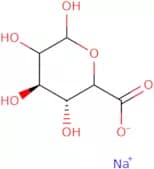
CAS:<p>D-Galacturonic acid sodium salt is a salt form of D-galacturonic acid. It is an extract from seaweed and has been shown to have the ability to be absorbed in the intestines. This compound can be used as a diagnostic tool, such as for detecting strontium or radioactive isotopes in urine samples. The esters of this compound have been shown to have chelating activity and may be useful as reagents in analytical chemistry.</p>Formula:C6H10O7•NaPurezza:Min. 95%Colore e forma:PowderPeso molecolare:217.13 g/mol2,3,4-Tri-O-acetyl-D-ribononitrile
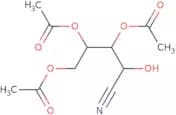
CAS:<p>2,3,4-Tri-O-acetyl-D-ribononitrile is a modification of the sugar ribose. It is used as a building block for oligosaccharides and polysaccharides. This chemical can be custom synthesized by modifying the sugar ribose with acetyl groups on the 2, 3 and 4 positions. The acetyl group on the 2 position can be removed through methylation to give tri-O-methyl-D-ribononitrile.</p>Formula:C11H15NO7Purezza:Min. 95%Peso molecolare:273.24 g/mol5-Deoxy-5-dimethylamino-1,2-O-isopropylidene-a-D-xylofuranose
CAS:<p>5-Deoxy-5-dimethylamino-1,2-O-isopropylidene-a-D-xylofuranose is a fluorinated monosaccharide that is used as a synthetic building block for the synthesis of oligosaccharides and polysaccharides. It is used in glycosylation reactions to introduce fluoride at the anomeric carbon. 5-Deoxy-5-dimethylamino-1,2-O-isopropylidene is also used in click modification reactions to modify methyl groups. The CAS number for 5DDAIWF is 14514743. 9. This product has high purity with a purity of greater than 99%.</p>Formula:C10H19NO4Purezza:Min. 95%Colore e forma:Colourless to pale yellow oil.Peso molecolare:217.27 g/molThymol-β-D-glucopyranoside
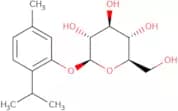
CAS:<p>Thymol-b-D-glucopyranoside is a bactericidal agent that is resistant to encapsulation. It has been shown to be effective against animals and typhimurium in an incubated population and endogenous deaminase inhibitor strategy. The porcine activated food chemistry and abattoir experiments show that thymol-b-D-glucopyranoside has the potential to reduce populations of bacteria in the gastrointestinal tract by inhibiting protein synthesis.</p>Formula:C16H24O6Purezza:Min. 95%Colore e forma:PowderPeso molecolare:312.36 g/mol3,4-O-Isopropylidene-L-arabinose
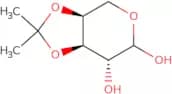
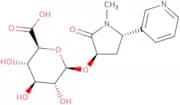
CAS:<p>3,4-O-Isopropylidene-L-arabinose (3,4-OIRA) is an isopropylidene derivative of L-arabinose. 3,4-OIRA has been shown to be a substrate for glycosylation reactions with various other sugars. It can also undergo methylation reactions and has been modified by fluorination. 3,4-OIRA is a food additive that belongs to the category of complex carbohydrates.</p>Formula:C8H14O5Purezza:Min. 98 Area-%Colore e forma:PowderPeso molecolare:190.19 g/mol1-O-(trans-3-Hydroxycotinine)-b-D-glucuronide ammonium salt
CAS:<p>The glucuronidation of 1-O-(trans-3-hydroxycotinine)-b-D-glucuronide ammonium salt is mediated by the enzyme UDP-glucuronosyltransferase. This reaction is catalyzed by the transfer of a glucuronic acid residue from UDP-glucuronic acid to a hydroxyl group on the side chain of 1-O-(trans-3-hydroxycotinine)-b-D-glucuronide ammonium salt. The kinetic analysis of human urine samples has shown that this reaction is significant. This metabolite can be detected in urine samples using next generation sequencing and its concentration can be used as an indicator for the consumption of tobacco or nicotine containing products. Epidemiological studies have shown that this metabolite has significant effects on cancer risk. Genotyping and genotype studies have shown that this metabolite is responsible for genetic polymorphisms that are associated with increased cancer risk.</p>Formula:C16H20N2O8•(NH3)xPurezza:Min. 97%Colore e forma:White PowderPeso molecolare:368.34 g/molGal-b-1-3-GalNAc-b-1-4-Gal-b-1-4-Glc-b-ethylazide
<p>Gal-b-1-3-GalNAc-b-1-4-Gal-b-1-4-Glc is a polysaccharide that is an important component of the outer membrane of Gram negative bacteria. It has been synthesized and modified with methylation, saccharide, Click modification, and glycosylation. The oligosaccharide has a high purity and is synthesized by custom synthesis. GalNAc is purified by HPLC and fluorinated to achieve complex carbohydrate.</p>Purezza:Min. 95%Ethyl 2-O-benzoyl-4-O-benzyl-3-O-levulinoyl-b-D-thioglucuronide methyl ester
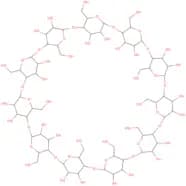
<p>Ethyl 2-O-benzyl-4-O-benzyl-3-O-levulinoyl-b-D-thioglucuronide methyl ester is a custom synthesis, modification, fluorination, methylation and glycosylation of an oligosaccharide. This compound is a synthetic derivative of the natural product bryostatin. The chemical structure contains a monosaccharide that is modified with two benzoyl groups and one levulinoyl group at the C2 position. Ethyl 2-O-benzoyl-4-O-benzyl-3-O-levulinoyl -b D thioglucuronide methyl ester has been shown to have antiviral properties and can be used as an antiinflammatory agent.</p>Purezza:Min. 95%zeta-Cyclodextrin
CAS:<p>Zeta-cyclodextrin (ζ-CD) consists of 11 glucose units. Its larger cavity size offers potential for encapsulating larger guest molecules or forming more complex inclusion compounds.</p>Formula:C66H110O55Purezza:Min. 95%Peso molecolare:1,783.55 g/molGlycogen - from bovine liver
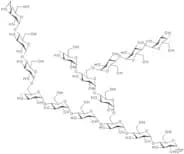
CAS:Glycogen is a highly branched polysaccharide of glucose that serves as a form of energy storage in animals and fungi. It is the main storage form of glucose in the body. In humans, glycogen is made and stored primarily in liver and muscle cells and functions as the second most important energy storage molecule to fat which is held in adipose tissue. Glycogen is analogous to starch and has a structure similar to amylopectin, but is more extensively branched and compact than starch. It occurs as granules in the cytosol/cytoplasm in many cell types, and plays an important role in the glucose cycle.Formula:(C6H10O5)nPurezza:Min. 95%Colore e forma:PowderPeso molecolare:162.05282Eugenol-β-D-glucuronide
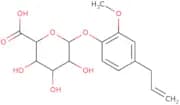
CAS:Eugenol-glucuronide is an indirubin analog that has been found to have potent anticancer properties. It acts as a kinase inhibitor, blocking the activity of proteins that are involved in cancer cell growth and proliferation. Eugenol-glucuronide induces apoptosis, a process by which damaged or abnormal cells are eliminated from the body. It has been shown to be effective against human and Chinese hamster ovary tumor cells in vitro. This medicinal compound is excreted in urine and has potential for use in cancer treatment as an inhibitor of tumor growth.Formula:C16H20O8Purezza:Min. 95%Peso molecolare:340.32 g/molScleroglucan
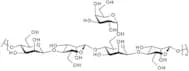
CAS:<p>Scleroglucan is produced by the fermentation of the fungus Sclerotium rolfsii. It is a glucan with a main chain of 1,3-linked β-D-glucopyranosyl units with every third unit having a single β-D-glucopyranosyl unit linked 1,6. Scleroglucan powders disperse in water and give very viscous shear thinning solutions. Applications are in the oil industry in enhanced oil recovery, in agriculture in sprays and in the food and pharmaceutical industries.<br>The image was kindly provided by Dr. Chris Lawson.</p>Purezza:Min. 90%Colore e forma:Slightly Yellow Powder2,3,5-Tri-O-benzyl-D-ribofuranose
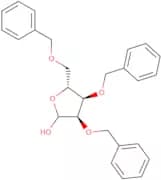
CAS:<p>2,3,5-Tri-O-benzyl-D-ribofuranose is a carbohydrate that can be synthesized through an efficient method. It is a glycoside with an oxotitanium (oxo) group. The synthesis of this compound requires magnesium as the activating agent and o-glycosylation. The glycoconjugates of this compound are found in organisms such as fungi, yeast, and bacteria. In addition to its carbohydrate function, 2,3,5-Tri-O-benzyl-D-ribofuranose has been shown to have antimicrobial properties. This sugar has also been shown to have antiviral properties due to its ability to inhibit the enzyme ribonucleotide reductase (RNR).</p>Formula:C26H28O5Purezza:Min. 95%Colore e forma:White PowderPeso molecolare:420.5 g/mol2,6-Dimethyl-a-cyclodextrin >70%
CAS:Alpha-cyclodextrin (α-CD) derivative with a hydrophilic exterior and lipophilic cavity (smaller than β-CDs and γ-CDs) to allocate certain guest molecules. This structural characteristic enables applications in molecular encapsulation, solubility enhancement, and stabilization across multiple industries. In pharmaceuticals, it serves as a drug delivery vehicle, enhancing the bioavailability and stability of active ingredients. The food industry utilizes it as a stabilizer for flavors, colors, and nutrients, as well as a functional ingredient for its effects on lipid metabolism. In cosmetics, it acts as a complex agent for fragrances and active components. Its applications extend to analytical chemistry for chiral separation and to materials science for developing smart materials and nanosystems.Formula:C48H84O30Purezza:Min. 95%Colore e forma:PowderPeso molecolare:1,141.16 g/molHyaluronic acid sodium - MW 30000-40000
CAS:<p>Gycosaminoglycan in many organs; joint lubricant and shock absorber</p>Formula:(C14H20NO11Na)nPurezza:Min. 95%Colore e forma:Powder6'-O-Sulfated Lewis X
<p>6'-O-Sulfated Lewis X is a synthetic, sulfated, monosaccharide that is modified with fluorine and methyl groups. It is used in the synthesis of oligosaccharides and polysaccharides. 6'-O-Sulfated Lewis X has been found to be effective in the prevention of glycosylation and sugar formation. This compound can also be used for click modification, as well as for modifying proteins or DNA. The CAS number is 59037-07-4.</p>Formula:C20H35NO18SPurezza:Min. 95%Colore e forma:PowderPeso molecolare:609.55 g/molXylitol
CAS:<p>Xylitol is a sugar alcohol that can be found in some plants, including berries and corn husks. It is also produced by the body during normal metabolism. Xylitol has been shown to have antimicrobial properties against aerobacter aerogenes, a bacterium that inhabits the human gastrointestinal tract. Xylitol inhibits bacterial growth by binding to glucose-6-phosphate dehydrogenase, which prevents the conversion of glucose into energy for cell growth and reproduction. Xylitol also affects the water balance of cells by inhibiting their ability to extract water vapor from their environment. Xylitol is metabolized by a number of bacteria strains, which leads to the production of hydrogen peroxide or xylose as an end product. The biochemical properties of xylitol are still being researched and it is not yet known how this compound interacts with other biological compounds.</p>Formula:C5H12O5Purezza:Min. 98.5 Area-%Peso molecolare:152.15 g/mol2-Deoxy-D-ribose
CAS:<p>High purity grade. Used in synthetic organic chemistry and natural product synthesis. Induces apoptosis by inhibiting the synthesis and increasing the efflux of glutathione. It is used for synthesis of optically active dipyrrolyl alkanols from pyrroles on the surface of montmorillonite KSF clay.Due to its integral role in the formation of DNA, 2-Deoxy-D-ribose is critical in studies of genetic expression, DNA repair mechanisms, and the synthesis of nucleotides. Researchers utilize it extensively in molecular biology and biochemistry to understand cell replication and gene function, and it serves as a standard in research pertaining to oxidative stress, where its degradation may indicate the presence of reactive oxygen species. Additionally, it is involved in the development of various pharmacological agents, particularly those targeting cancer and viral infections, where the synthesis and function of DNA are pivotal aspects of pathogenesis and treatment response.</p>Formula:C5H10O4Purezza:Min. 99.0 Area-%Peso molecolare:134.13 g/mol2,3,5-Tri-O-benzoyl-a-D-arabinofuranosyl bromide
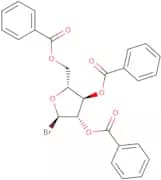
CAS:2,3,5-Tri-O-benzoyl-a-D-arabinofuranosyl bromide is a glycosylation reagent that can be used in the synthesis of polysaccharides and oligosaccharides. It is also used to modify sugars with methyl and fluorination reagents. 2,3,5-Tri-O-benzoyl-a-D-arabinofuranosyl bromide has CAS number 434868 9.Formula:C26H21BrO7Purezza:Min. 95%Colore e forma:PowderPeso molecolare:525.34 g/mol4'-Sulfated Lewis X methyl glycoside sodium
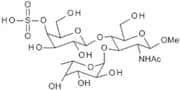
CAS:4'-Sulfated Lewis X methyl glycoside sodium is a synthetic monosaccharide. It is used in the synthesis of oligosaccharides and polysaccharides. This compound can be fluorinated to produce 4'-fluoro-4'-sulfated Lewis X methyl glycoside sodium. The sulfate group on this compound can be replaced with other groups such as carboxyl, cyano, nitro, and acetyl.Formula:C21H36NO18SNaPurezza:Min. 95%Colore e forma:PowderPeso molecolare:645.58 g/mol