Antimicrobici
Gli antimicrobici sono agenti che distruggono o inibiscono la crescita di microrganismi, inclusi batteri, virus, funghi e parassiti. Questi composti sono essenziali nella prevenzione e nel trattamento delle infezioni, svolgendo un ruolo cruciale nella medicina, nell'agricoltura e nell'industria alimentare. Presso CymitQuimica offriamo un'ampia gamma di antimicrobici di alta qualità e purezza, adatti a varie applicazioni scientifiche e industriali. Il nostro catalogo comprende antibiotici, antifungini, antivirali e disinfettanti, tutti progettati per soddisfare le esigenze della ricerca e dello sviluppo, nonché per applicazioni cliniche e di produzione. Con i nostri prodotti, i professionisti possono garantire l'efficacia e la sicurezza nel controllo delle infezioni e nella protezione della salute pubblica.
Sottocategorie di "Antimicrobici"
- Antibiotici(4.131 prodotti)
- Antimicotici(909 prodotti)
- Antiparassitari(702 prodotti)
- Antivirali(765 prodotti)
Trovati 2424 prodotti di "Antimicrobici"
Ordinare per
Purezza (%)
0
100
|
0
|
50
|
90
|
95
|
100
2-Bromo-6-methoxybenzene-1,4-diol
CAS:Prodotto controllatoFormula:C7H7BrO3Colore e forma:NeatPeso molecolare:219.036R,10R-Dimethyl-2-pentadecanone
CAS:Prodotto controllato<p>Applications 6R,10R-Dimethyl-2-pentadecanone is a byproduct in the synthesis of (+)-Phytone (P398050), which is an constituent of leaf essential oil of Lawsonia Inermis growing in Nepal with potential anti-microbial activities.<br>References Satyal, P., et al.: Pharmacol., 1, 31 (2012);<br></p>Formula:C17H34OColore e forma:NeatPeso molecolare:254.451[5-[(3aS,4S,6aR)-Hexahydro-2-oxo-1H-thieno[3,4-d]imidazol-4-yl]-1-oxopentyl]-3-(2-pyridinyldithio)-L-alanine
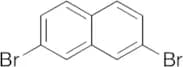
CAS:Prodotto controllato<p>Applications [5-[(3aS,4S,6aR)-Hexahydro-2-oxo-1H-thieno[3,4-d]imidazol-4-yl]-1-oxopentyl]-3-(2-pyridinyldithio)-L-alanine is an intermediate in the synthesis of Biotinyl Pyridinyldithio N-Hydroxysuccinimide Alanine Ester (B397300), which is an antimicrobial bisulfide prodrug.<br>References Ponpipom, et al.: J. Med. Chem., 24, 1388 (1981), Hausch, F., et al.: Bioconjug. Chem., 8, 885 (1997), Seelig, B., et al.: Chem. Biol., 6, 167 (1999),<br></p>Formula:C18H24N4O4S3Colore e forma:NeatPeso molecolare:456.62,7-Dibromonapthalene
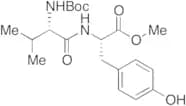
CAS:Prodotto controllato<p>Applications 2,7-Dibromonapthalene acts as a reagent for the expedient synthesis of aminopropoxy-functionalized bis(aryltriazoly) arylenes via click chemistry and their antimicrobial and hemolytic activity.<br> Not a dangerous good if item is equal to or less than 1g/ml and there is less than 100g/ml in the package<br>References Fu, T., et al.: ACS Med. Chem. Lett., 4, 841 (2013)<br></p>Formula:C10H6Br2Colore e forma:NeatPeso molecolare:285.96(S)-2-((S)-2-((tert-Butoxycarbonyl)amino)-3-methylbutanamido)-3-(4-hydroxyphenyl)propanoic Acid Methyl Ester
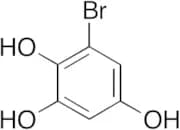
CAS:Prodotto controllato<p>Applications (S)-2-((S)-2-((tert-butoxycarbonyl)amino)-3-methylbutanamido)-3-(4-hydroxyphenyl)propanoic Acid Methyl Ester is an intermediate in the synthesis of Aureusimine A (A794560), a metabolite of non-ribosomal origin produced by Staphylococcus aureusan, formed by the fusion of two amino acids. Aureusimine A was shown to exert control over the virulence cascade responsible for Golden Staph infection.<br>References Archer, G., et al.: Clin. Infect. Dis., 26, 1179 (1998); Novick, R., et al.: Mol. Microbiol., 48, 1429 (2003); Liang, X., et al.: Infect. Immun., 74, 4655 (2006); Geiger, T., et al.: J. Bacteriol., 190, 3419 (2008);<br></p>Formula:C30H29N3O7SColore e forma:NeatPeso molecolare:575.6326-Bromobenzene-1,2,4-triol
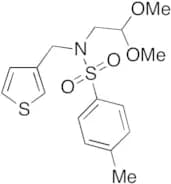
CAS:Prodotto controllatoFormula:C6H5BrO3Colore e forma:NeatPeso molecolare:205.01N-(2,2-Dimethoxyethyl)-4-methyl-N-(3-thienylmethyl)benzenesulfonamide
CAS:Prodotto controllatoFormula:C24H34O6Colore e forma:NeatPeso molecolare:418.5234,7-Difluoro-1,3-isobenzofurandione (Technical Grade, ~90%)
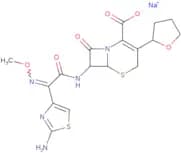
CAS:Prodotto controllato<p>Stability moisture sensitive<br>Applications 4,7-Difluoro-1,3-isobenzofurandione is used in the synthesis of phthalic compounds, phthalazines, and quinones with antimicrobial activity.<br>References Cardia, M. et al.: J. Hetero. Chem., 40, 1011 (2003); Krohn, K.. et al.: Sci. Synth., 28, 367 (2006); Vina, D. et al.: Tetrahedron, 65, 1574 (2009);<br></p>Formula:C8H2F2O3Purezza:~90%Colore e forma:NeatPeso molecolare:184.1Cefovecin Sodium
CAS:<p>Please enquire for more information about Cefovecin Sodium including the price, delivery time and more detailed product information at the technical inquiry form on this page</p>Formula:C17H18N5NaO6S2Peso molecolare:475.48 g/molThiacetazone
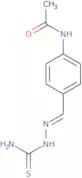
CAS:Thiacetazone is an antitubercular agent with action on mycolic acid synthesis in Mycobacterium tuberculosis and is used for treating tuberculosis in combination with other drugs.Formula:C10H12N4OSPurezza:Min. 95%Colore e forma:PowderPeso molecolare:236.29 g/molLanoconazole
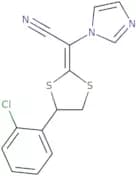
CAS:<p>Anti-fungal; sterol demethylase inhibitor</p>Formula:C14H10ClN3S2Purezza:Min. 98 Area-%Colore e forma:White PowderPeso molecolare:319.83 g/molCephalexin hydrate, Antibiotic for Culture Media Use Only
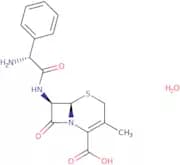
CAS:<p>Cephalexin hydrate is a first-generation cephalosporin antibiotic with action on bacterial cell wall synthesis and is used for treating respiratory tract infections, skin infections, and urinary tract infections.</p>Formula:C16H17N3O4S·H2OPurezza:Min. 95 Area-%Colore e forma:White PowderPeso molecolare:365.41 g/molAmpicillin trihydrate
CAS:<p>Antibiotic of penicillin class; inhibits bacterial cell wall biogenesis</p>Formula:C16H19N3O4S·3H2OColore e forma:White PowderPeso molecolare:403.45 g/molEnrofloxacin
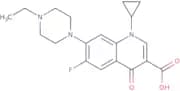
CAS:<p>Enrofloxacin is a fluoroquinolone antibiotic with action on bacterial DNA gyrase and topoisomerase IV and is used for treating bacterial infections in animals.</p>Formula:C19H22FN3O3Purezza:Min. 95%Colore e forma:White PowderPeso molecolare:359.39 g/molAzlocillin sodium salt
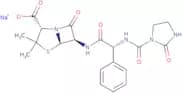
CAS:<p>Azlocillin sodium salt is a penicillin antibiotic and is used for the treatment of bacterial infections. It inhibits bacterial cell wall synthesis.</p>Formula:C20H23N5O6SNaPurezza:Min. 90 Area-%Colore e forma:White PowderPeso molecolare:484.48 g/molCeftiofur
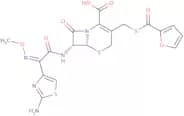
CAS:<p>Ceftiofur is a third-generation cephalosporin antibiotic with action on bacterial cell wall synthesis and is used for treating bacterial infections in veterinary medicine.</p>Formula:C19H17N5O7S3Purezza:Min. 95%Colore e forma:Off-White PowderPeso molecolare:523.57 g/molThiabendazole
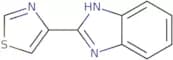
CAS:Thiabendazole is a benzimidazole anthelmintic with action on parasitic worms by inhibiting energy metabolism and is used for treating infections like threadworm and roundworm.Formula:C10H7N3SPurezza:Min. 95%Colore e forma:PowderPeso molecolare:201.25 g/molIsepamicin sulfate - 70%
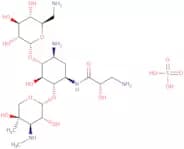
CAS:<p>Isepamicin sulfate - 70% is a semi-synthetic aminoglycoside antibiotic, which is derived from naturally occurring antibiotic compounds through chemical modifications. Its mode of action involves binding to the bacterial 30S ribosomal subunit, disrupting protein synthesis and consequently causing bacterial cell death. This mechanism of action is typical of aminoglycosides, characterized by their bactericidal properties against a broad spectrum of Gram-negative bacteria, with some efficacy against certain Gram-positive bacterial strains.</p>Formula:C22H45N5O16SPurezza:Min. 95%Colore e forma:White/Off-White SolidPeso molecolare:667.68 g/molLincomycin hydrochloride
CAS:<p>Lincomycin is active against gram-positive bacteria such as staphylococci, streptococci, pneumococci, diphtheria bacillus, and clostridia. It is used to treat severe bacterial infections including: sepsis, osteomyelitis, septic endocarditis, pneumonia, pulmonary abscess, infected wounds, purulent meningitis and severe pseudomembranous colitis. Lincomycin is an alternative antibiotic for penicillin-resistant gram-positive bacteria.</p>Formula:C18H35ClN2O6SPurezza:Min. 95%Colore e forma:Off-White PowderPeso molecolare:443 g/molDestomycin A
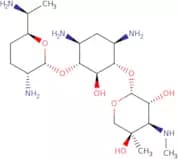
CAS:<p>Destomycin A is an antibiotic, which is derived from the bacterium Streptomyces species. This compound exhibits a broad-spectrum mode of action by inhibiting protein synthesis in bacterial cells, thus impeding their growth and proliferation. Destomycin A targets the ribosomal subunits within bacterial cells, leading to disruption in their ability to synthesize essential proteins, ultimately contributing to its bacteriostatic effects.</p>Formula:C20H37N3O13Purezza:Min. 97 Area-%Colore e forma:White PowderPeso molecolare:527.52 g/molTinidazole
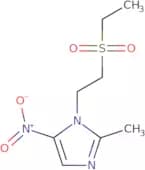
CAS:Tinidazole is a nitroimidazole antibiotic with action on DNA synthesis disruption in anaerobic bacteria and protozoa and is used for treating infections like giardiasis, amebiasis, and trichomoniasis.Formula:C8H13N3O4SPurezza:Min. 95%Colore e forma:PowderPeso molecolare:247.27 g/molGentamicin C2a
CAS:<p>Gentamicin C2a is an aminoglycoside antibiotic, which is a complex of compounds derived from the fermentation of the bacterium *Micromonospora purpurea*. Its mode of action involves binding to the bacterial 30S ribosomal subunit, thereby inhibiting protein synthesis and resulting in the bactericidal effect on susceptible strains. The disruption of protein synthesis prevents the growth and replication of bacteria, effectively killing them.</p>Purezza:Min. 95%Colore e forma:PowderSulopenem
CAS:<p>Sulopenem is a thiopenem antibiotic with action on bacterial cell wall synthesis and is used for treating uncomplicated urinary tract infections.</p>Formula:C12H15NO5S3Purezza:Min. 95%Colore e forma:Off-White Yellow PowderPeso molecolare:349.45 g/molAcetyl daclatasvir
CAS:<p>Acetyl daclatasvir is a direct-acting antiviral agent, which is chemically derived from a series of small-molecule inhibitors. The source of this compound lies in rational drug design, focusing on targeting specific viral proteins involved in the replication of hepatitis C virus (HCV). Its mode of action involves inhibiting the NS5A protein, a non-structural protein essential for HCV RNA replication and virion assembly. By binding to NS5A, acetyl daclatasvir disrupts the replication complex, effectively halting the virus's ability to multiply within the host cells.</p>Purezza:Min. 95%Abafungin
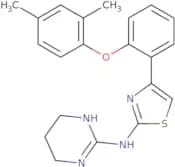
CAS:<p>Abafungin is an antifungal agent and is used for treating fungal infections.</p>Formula:C21H22N4OSPurezza:Min. 95%Colore e forma:PowderPeso molecolare:378.49 g/molAmikacin anhydrous
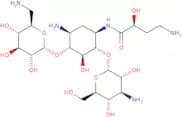
CAS:<p>Inhibitor of protein synthesis; aminoglycoside</p>Formula:C22H43N5O13Purezza:Min. 95 Area-%Colore e forma:White PowderPeso molecolare:585.6 g/mol(4''R)-4''-(Acetylamino)-4''-deoxyavermectin B1
CAS:(4''R)-4''-(Acetylamino)-4''-deoxyavermectin B1 (Eprinomectin) is a macrocyclic lactone that inhibits invertebrate nerve function. It is a derivative of avermectin B1 and has been used to control malaria-transmitting mosquitoes. Eprinomectin has veterinary uses for cattle and other livestock to treat mosquitoes, lice, mites, ticks and flies. The drug is effective against the larvae and adult stages of the mosquito life cycle, but not oviposition (egg laying) by adults.Formula:C50H75NO14Purezza:Min. 95%Colore e forma:White Slightly Yellow PowderPeso molecolare:914.13 g/molInpyrfluxam
CAS:Inpyrfluxam is a fungicide with a mode of action as a succinate dehydrogenase inhibitor (SDHI), disrupting mitochondrial respiration in fungi. It is used for controlling plant diseases like rust and blight in crops such as cereals and soybeans.Formula:C18H21F2N3OPurezza:Min. 95%Colore e forma:PowderPeso molecolare:333.4 g/molKitasamycin
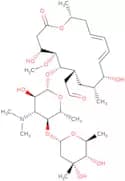
CAS:<p>Kitasamycin is a macrolide antibiotic with a mode of action that inhibits bacterial protein synthesis by binding to the 50S ribosomal subunit. It is used for treating bacterial infections in veterinary medicine.</p>Formula:C40H67NO14Purezza:Min. 95%Colore e forma:White PowderPeso molecolare:785.96 g/molLuliconazole
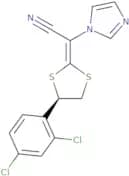
CAS:Broad spectrum imidazole antifungalFormula:C14H9Cl2N3S2Purezza:Min. 95%Colore e forma:Off-White To Yellow SolidPeso molecolare:352.9615Toltrazuril
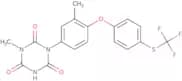
CAS:Toltrazuril is an anticoccidial agent with action on protozoal parasites by disrupting their intracellular development and is used for treating coccidiosis in livestock and poultry.Formula:C18H14F3N3O4SPurezza:Min. 95%Colore e forma:White PowderPeso molecolare:425.38 g/molAzamulin
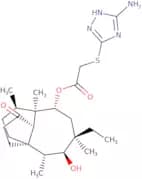
CAS:<p>Azamulin is a semi-synthetic antibiotic belonging to the class of pleuromutilins, which is derived from natural fermentation products of the basidiomycete fungi genus Clitopilus. Its mode of action involves potent selective inhibition of cytochrome P450 3A4 enzymes. This enzyme family is essential for the oxidation of organic substances, and Azamulin's role as an inhibitor makes it valuable for studying drug metabolism and interactions in vitro.</p>Formula:C24H38N4O4SPurezza:Min. 95%Colore e forma:SolidPeso molecolare:478.65 g/molSulfadoxine
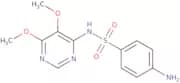
CAS:<p>Sulfadoxine is a long-acting sulfonamide antibiotic with action on bacterial folate synthesis inhibition and is used for treating malaria in combination with pyrimethamine.</p>Formula:C12H14N4O4SPurezza:Min. 95%Colore e forma:PowderPeso molecolare:310.33 g/molTenofovir diphosphate
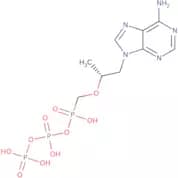
CAS:<p>Tenofovir diphosphate is an antiviral compound, which is a key active metabolite derived from the prodrugs tenofovir disoproxil fumarate and tenofovir alafenamide, both originating from chemical synthesis. Its mode of action involves inhibiting the activity of HIV-1 reverse transcriptase by competing with the natural substrate, deoxyadenosine 5’-triphosphate, and causing chain termination after incorporation into viral DNA. This mechanism effectively prevents the replication of retroviral DNA, thus halting the progression of the infection.</p>Formula:C9H16N5O10P3Purezza:Min. 95%Peso molecolare:447.17 g/molActinomycin V
CAS:<p>An analogue of Actinomycin D and an antitumor agent. Due to lower hepatotoxicity, Actinomycin V is more often used than Actynomycin D in chemotherapy and shows great efficiency against human breast cancer cells.</p>Formula:C62H84N12O17Purezza:Min. 95%Colore e forma:PowderPeso molecolare:1,269.4 g/molMyriocin
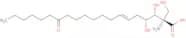
CAS:<p>Myriocin is a potent fungal metabolite that is an inhibitor of sphingolipid biosynthesis. It is originally sourced from the ascomycete fungus *Isaria* sinclairii. Myriocin functions by specifically inhibiting serine palmitoyltransferase, the key enzyme in the de novo sphingolipid biosynthesis pathway, effectively reducing the production of ceramides and sphingomyelins. This mechanism of action makes Myriocin a significant tool in the study of sphingolipid metabolism and signaling pathways.</p>Formula:C21H39NO6Purezza:Min. 95%Colore e forma:PowderPeso molecolare:401.54 g/molIonomycin calcium
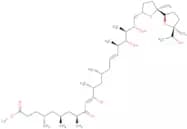
CAS:<p>Ionomycin calcium is a potent calcium ionophore, which is derived from natural sources such as certain Streptomyces species. Its primary mode of action involves facilitating the translocation of calcium ions (Ca^2+) across biological membranes, specifically transporting them from external environments or intracellular stores into the cytoplasm. This action significantly elevates intracellular calcium levels.</p>Formula:C41H70O9•CaPurezza:Min. 95%Peso molecolare:747.07 g/molDoxorubicin hydrochloride, 10 mg/ml aqueous solution
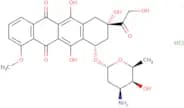
CAS:Doxorubicin hydrochloride, 10 mg/ml aqueous solution, is a chemotherapeutic agent, which is an anthracycline antibiotic derived from the bacterium *Streptomyces peucetius var. caesius*. Its mode of action involves the intercalation into DNA, disrupting the replication and transcription processes crucial for cancer cell proliferation. Additionally, it generates free radicals that cause further damage to cellular structures and inhibit topoisomerase II, thereby preventing the unwinding of DNA necessary for replication.Formula:C27H29NO11•HClPurezza:Min. 95%Colore e forma:PowderPeso molecolare:579.98 g/molMonensin methyl ester
CAS:<p>ester of Monensin. Monensin is a polyether antibiotic isolated from Streptomyces cinnamonensis. It is widely used in ruminant animal feeds.</p>Formula:C37H64O11Purezza:Min. 98 Area-%Peso molecolare:684.91 g/mol2,4-Dichloro-5-thiazolecarboxaldehyde
CAS:Prodotto controllato<p>Applications Used in the synthesis of some novel thiazolidine-2,4-dione derivatives having antimicrobial activity.<br>References Colca, J., et al.: J. Biol. Chem., 278, 21972 (2003), Galimand, M., et al.: Antimicrob. Agents Chemother., 47, 2565 (2003), Rostom, S., et al.: Bioorg. Med. Chem., 17, 882 (2009),<br></p>Formula:C4HCl2NOSColore e forma:NeatPeso molecolare:182.03(1R,2S,3R)-1-(2-Quinoxalinyl)-1,2,3,4-butanetetrol
CAS:Prodotto controllato<p>Applications (1R,2S,3R)-1-(2-Quinoxalinyl)-1,2,3,4-butanetetrol is an intermediate in the synthesis of 2-Quinoxalinecarboxylic Acid (Q765265), a residue of Carbadox (C175825) which is an antimicrobial drug.<br>References Harms, A.E., et al.: Org. Proc. Res. Develop., 8, 666 (2004);<br></p>Formula:C12H14N2O4Colore e forma:NeatPeso molecolare:250.25Indolicidin TFA Salt
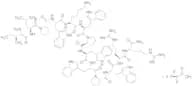
CAS:Prodotto controllato<p>Applications Indolicidin is an antimicrobial peptide containing multiple tryptophan residues.<br></p>Formula:C100H132N26O13•x(C2HF3O2)Colore e forma:NeatPeso molecolare:1906.2811402(2S)-2,6-Diisothiocyanato-Hexanoic Acid Ethyl Ester
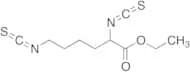
CAS:Prodotto controllatoFormula:C10H14N2O2S2Colore e forma:NeatPeso molecolare:258.36Di-2-(Hydroxyphenyl)acetamido Cefprozil (Mixture of E/Z isomers)
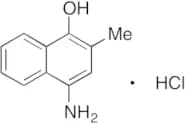
Prodotto controllato<p>Stability Light Sensitive<br>Applications Di-2-(Hydroxyphenyl)acetamido Cefprozil is an impurity in the synthesis of Cefprozil (C243910), semisynthetic oral cephalosporin consisting of approx. 90:10 Z/E isomeric mixture. Antibacterial.<br>References Jones, R.N., et al.: Diagn. Microb. Infect. Dis., 9, 11 (1988), Barbhaiya, R.H., et al.: Antimicrob. Agents Chemother., 34, 1204 (1990)<br></p>Formula:C26H26N4O7SColore e forma:NeatPeso molecolare:538.574-Amino-2-methyl-1-naphthalenol Hydrochloride
CAS:Prodotto controllato<p>Applications 4-Amino-2-methyl-1-naphthalenol Hydrochloride is used as a preservative for pharmaceuticals, foods, and beverages. It is also a strong antimicrobial agent, where gram-positive bacteria tend to be more susceptible than gram-negative bacteria.<br>References Pratt, R., et al.: J. Am. Pharmaceut. Assoc., 39(3), 127-134 (1950); Merrifield, L. S., et al.: Appl. Environ. Microbiol., 13(5), 766-770 (1965); Cornelius, J., et al.: J. Chromatogr. Sci., 5(6), 327-328 (1967)<br></p>Formula:C11H11NO·ClHColore e forma:NeatPeso molecolare:209.673-[Benzyl-(2-methoxycarbonylethyl)amino]propionic Acid Methyl Ester
CAS:Prodotto controllato<p>Applications 3-[BENZYL-(2-METHOXYCARBONYL-ETHYL)-AMINO]-PROPIONIC ACID METHYL ESTER (cas# 793-19-1) is a useful research chemical.<br></p>Formula:C15H21NO4Colore e forma:NeatPeso molecolare:279.33(+)-Phytone
CAS:Prodotto controllato<p>Applications (+)-Phytone is an constituent of leaf essential oil of Lawsonia Inermis growing in Nepal with potential anti-microbial activities.<br>References Satyal, P., et al.: Pharmacol., 1, 31 (2012);<br></p>Formula:C18H36OColore e forma:NeatPeso molecolare:268.48L-Psicose
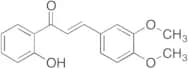
CAS:Prodotto controllato<p>Applications An epimer of L-Fructose that is a potential inhibitor of microbial activity in bovine lactoperoxidase system. A metabolite of Allitol.<br>References Al,-Baari, A.N. et al.: J. Food Prod., 74, 134 (2011); Carr, J.G. et al.: Phytochem., 7, 1 (1968);<br></p>Formula:C6H12O6Colore e forma:NeatPeso molecolare:180.162'-Hydroxy-3,4-dimethoxychalcone
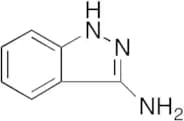
CAS:Prodotto controllatoFormula:C17H16O4Colore e forma:NeatPeso molecolare:284.311H-Indazol-3-amine
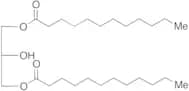
CAS:Prodotto controllato<p>Applications 1H-Indazol-3-amine is a reagent used in the preparation of indazole derivatives as potential antimicrobial and antitumor agents.<br>References Plescia, S., et al.: ARKIVOC, 10, 163 (2010)<br></p>Formula:C7H7N3Colore e forma:Light RedPeso molecolare:133.15a,a'-Dilaurin
CAS:Prodotto controllato<p>Stability Hygroscopic<br>Applications α,α'-Dilaurin is a possible antimicrobial agent against gram-posistive organisms.<br>References Kabara, J., et al.; Antimicrob. Agents Chemother., 2, 23 (1972); Conley, A., et al.: Antimicrob. Agents Chemother., 4, 501 (1973)<br></p>Formula:C27H52O5Colore e forma:NeatPeso molecolare:456.71,14-Tetradecanediol
CAS:Prodotto controllato<p>Applications 1,14-Tetradecanediol is a bioactive component of Hybanthus enneaspermus with anti-microbial activity against microbes.<br>References Anand, T., et al.: Int. J. Pharm. Pharm. Sci., 4, 646 (2012)<br></p>Formula:C14H30O2Colore e forma:NeatPeso molecolare:230.39(+)-Ledene
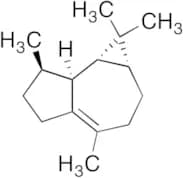
CAS:Prodotto controllato<p>Applications (+)-Ledene is an essential oil that is synthesized by viridiflorene synthase. It has been studied as an antioxidant, antimicrobial, antibiofilm and to treat various cancers.<br>References Negreiros, M.O., et al.: Pharm. Biol, 54, 3272-3279 (2016)<br></p>Formula:C15H24Colore e forma:NeatPeso molecolare:204.351,3-Dibenzyl-1H-benzo[d]imidazol-3-ium Chloride
CAS:Prodotto controllato<p>Stability Hygroscopic<br>Applications 1,3-Dibenzyl-1H-benzo[d]imidazol-3-ium Chloride is a useful reagent in the preparation of the antimicrobial benzimidazolium compounds via N-alkylation of benzimidazoles with benzyl chloride.<br>References Meng, J. P., et al.: Adv. Mat. Res., 554, 1686 (2012)<br></p>Formula:C21H19ClN2Colore e forma:NeatPeso molecolare:334.853,6-Dichlorophthalic Anhydride
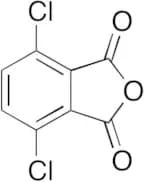
CAS:<p>Stability Moisture Sensitive<br>Applications 3,6-Dichlorophthalic Anhydride is an intermediate in the synthesis of phthalic compounds, phthalazines, and quinones with antimicrobial activity.<br>References Hansongnern, K., et al. Appl. Magnetic. Resonance., 23, 333 (2003);<br></p>Formula:C8H2Cl2O3Colore e forma:NeatPeso molecolare:217.0064-(Phenylthio)-1,2-benzenediamine
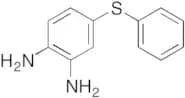
CAS:Prodotto controllato<p>Stability Air Sensitive<br>Applications 4-(Phenylthio)-1,2-benzenediamine is used in the synthesis of bis(2-chloroethyl)aminophosphoryl-containing compounds which are potential anticancer agents. It is also used in the synthesis of 2-substituted-2,3-dihyrdro-5-thiophenoxy-1H-1,3,2-benzodiazaphosphole 2-oxides which exhibit antimicrobial activity.<br>References Rao, L. N., et al.: Phosphorus Sulfur, 177, 399 (2002); Rao, L. N., et al.: Phosphorus Sulfur, 158, 39 (2000)<br></p>Formula:C12H12N2SColore e forma:NeatPeso molecolare:216.30Silver Bromide
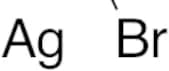
CAS:Prodotto controllato<p>Applications Silver Bromide is used in the spectroscopic study of silver halides in montmorillonite and their antibacterial activity, also used in the antimicrobial compositions for use in wound care products.<br>References Sohrabnezhad, S., et al.: J. Photochem. Photobiol., 163, 150 (2016); Adams, L. L., et al.: From U.S. Pat. Appl. Publ. (2016), US 20160220728 A1 20160804<br></p>Formula:AgBrColore e forma:NeatPeso molecolare:187.77(9Z,11R,12S,13S)-11,12,13-Trihydroxy-9-octadecenoic Acid
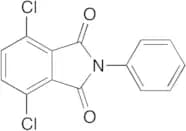
CAS:Prodotto controllatoFormula:C18H34O5Colore e forma:NeatPeso molecolare:330.464,7-Dichloro-2-phenyl-1H-isoindole-1,3(2H)-dione
CAS:Prodotto controllato<p>Applications 4,7-Dichloro-2-phenyl-1H-isoindole-1,3(2H)-dione is an intermediate in the synthesis of phthalic compounds, phthalazines, and quinones with antimicrobial activity.<br>References Marriott, G. J., et al.: J. Chem. Soc., 134 (1939); Katayama, H., et al.: Tetrahedron., 63, 6642 (2007);<br></p>Formula:C14H7Cl2NO2Colore e forma:NeatPeso molecolare:292.12K252a
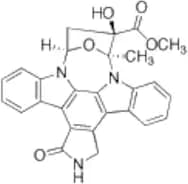
CAS:Prodotto controllato<p>Applications K252a is a protein kinase inhibitor. It is an analogue of staurosporine (S685000). It shows potent antitumor activity but no antimicrobial activity in vitro, or in vivo toxicity in rodents.<br>References Kase, H., et al.: J. Antibiot., 39, 1059 (1986); Yasuzawa, T., et al.; J. Antibiot., 39, 1072 (1986)<br></p>Formula:C27H21N3O5Colore e forma:NeatPeso molecolare:467.47Vaccenic Acid Ethyl Ester
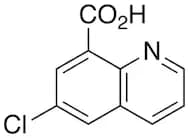
CAS:Prodotto controllatoFormula:C20H38O2Colore e forma:NeatPeso molecolare:310.516-Chloro-8-quinolinecarboxylic Acid
CAS:Prodotto controllato<p>Applications A 6-substituted 8-quinolinecarboxylic acid as antimicrobial and genotoxic agent.<br>References Weyer, R., et al.: Arzneim.-Forsch., 24, 269 (1974),<br></p>Formula:C10H6ClNO2Colore e forma:NeatPeso molecolare:207.61Dihydropyran
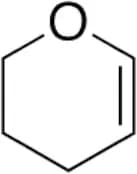
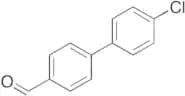
CAS:Prodotto controllato<p>Stability Volatile<br>Applications 2,3-Dihydropyran is used in the synthesis of potent and selective myeloperoxidase inhibitors useful as antimicrobial oxidants. Also is used to synthesize novel and selective σ1 receptor ligands.<br>References Soubhye, J. et al.: J. Med. Chem., 56, 3943 (2013); Diaz, J. et al.: J. Med. Chem., 56, 3656 (2013);<br></p>Formula:C5H8OColore e forma:NeatPeso molecolare:84.124'-Chlorobiphenyl-4-carbaldehyde
CAS:Prodotto controllatoFormula:C13H9ClOColore e forma:NeatPeso molecolare:216.66Ethyl 2-chloro-2-(2-(4-chlorophenyl)hydrazono)acetate
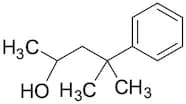
CAS:Prodotto controllato<p>Applications (Z)-Ethyl 2-chloro-2-(2-(4-chlorophenyl)hydrazono)acetate is a reagent used in the preparation of pyrimidine and pyrimidinone-based compounds for their use as antimicrobials.<br>References Abbas, I et al.: J. Hetero. Chem., 54, 3447 (2017);<br></p>Formula:C10H10Cl2N2O2Colore e forma:NeatPeso molecolare:261.1Dimethyl Phenylbutanol
CAS:Prodotto controllatoFormula:C12H18OColore e forma:ColourlessPeso molecolare:178.27Berberrubine Chloride
CAS:<p>Stability Hygroscopic<br>Applications Berberrubine Chloride is a novel alkaloid with novel nitric-oxide donating activity. Antitumor and an antimicrobial agent.<br>References Chen, J. et al.: Eur. J. Med. Chem., 132, 173 (2017); Jeyakkumar, P. et al.: Bioorg. Med. Chem. Lett., 27, 1737 (2017);<br></p>Formula:C19H16ClNO4Colore e forma:NeatPeso molecolare:357.792,3-Dichloro-6-nitroaniline
CAS:Prodotto controllato<p>Applications 2,3-Dichloro-6-nitroaniline is used as a reagent in the synthesis of 3-alkyl-, 3-halomethyl- and 3-carboxyethylquinoxaline-2-ones which have potential antimicrobial activity.<br> Not a dangerous good if item is equal to or less than 1g/ml and there is less than 100g/ml in the package<br>References Carta, A., et al.: Farmaco, 58, 1251 (2003)<br></p>Formula:C6H4Cl2N2O2Colore e forma:NeatPeso molecolare:207.013-Methyl-1-(triphenylphosphoranylidene)butan-2-one
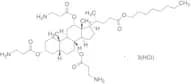
CAS:Prodotto controllatoFormula:C23H23OPColore e forma:NeatPeso molecolare:346.4Ceragenin CSA 44
CAS:<p>Applications CSA (cationic steroid antibiotics) is a class of facial amphiphiles with same mechanism of antimicrobial action as that of CPAs (cationic peptide antibiotics).<br>References Sundriyal, S., et al.: J. Mol. Model, 14, 265 (2008).<br></p>Formula:C41H71N3O8•3(HCl)Colore e forma:NeatPeso molecolare:734.02336461-Pyridin-2-yl-propan-2-one
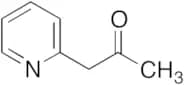
CAS:Prodotto controllato<p>Applications 1-Pyridin-2-yl-propan-2-one is an antimicrobial bioactive compound extracted from Lactarius vellereus fermenting liquor.<br>References Ji, H., et al.: Beijing Linye Daxue Xuebao, 30, 92 (2008); Song, R., et al.: From Faming Zhuanli Shenqing (2008), CN 101230368 A 20080730;<br></p>Formula:C8H9NOColore e forma:NeatPeso molecolare:135.17AWZ1066S
CAS:AWZ1066S is a synthetic analog, which is a chemically engineered compound designed to mimic or influence biological molecules. This product is derived from sophisticated organic synthesis techniques that enable the precise modification of its molecular structure to enhance its specificity and efficacy. AWZ1066S operates through targeted binding to specific biomolecules or receptors, thereby modulating their function or facilitating their detection in complex biological systems.Formula:C19H19F3N6OPurezza:Min. 95%Peso molecolare:404.4 g/molHomoembelin
CAS:Homoembelin is a chemical compound that is classified as a natural product alkaloid, which is derived from specific plant sources, notably the fruit of the plant Embelia ribes. It operates through a variety of biochemical interactions at the molecular level, including the inhibition of specific enzymes and modulation of signaling pathways. This mode of action has garnered interest due to its potential effects in various therapeutic contexts.Formula:C15H22O4Purezza:Min. 95%Peso molecolare:266.33 g/molFenpicoxamid-phenol
CAS:<p>Fenpicoxamid-phenol is a fungicide, which is a synthetic chemical compound primarily used in agriculture. It originates from advanced chemical synthesis methods that leverage specific molecular architectures to inhibit fungal growth effectively. The mode of action involves targeting and disrupting fungal respiration at the mitochondrial level, specifically inhibiting complex III of the electron transport chain. This selective interference curtails energy production in the fungal cells, thereby halting their growth and propagation.</p>Formula:C26H30N2O9Purezza:Min. 95%Peso molecolare:514.5 g/molCefotiam
CAS:<p>Cefotiam is a broad-spectrum cephalosporin antibiotic, which is a beta-lactam compound derived from the mold Acremonium. It functions by inhibiting bacterial cell wall synthesis, particularly by targeting penicillin-binding proteins, which leads to cell lysis and death in susceptible bacteria. This mechanism of action makes it effective against various Gram-positive and Gram-negative bacteria.</p>Formula:C18H23N9O4S3Purezza:Min. 95%Colore e forma:PowderPeso molecolare:525.62 g/mol6-[(1,1-Dimethylethyl)amino]-1,3,5-triazine-2,4(1H,3H)-dione,1,3,5-triazine-2,4(1H,3H)-dione
CAS:<p>6-[(1,1-Dimethylethyl)amino]-1,3,5-triazine-2,4(1H,3H)-dione, commonly known as Terbuthylazine, is a selective systemic herbicide, which is synthesized chemically and primarily sourced from the triazine group of compounds. It operates by inhibiting photosynthesis, specifically interfering with the electron transport in photosystem II. This disruption in the photosynthetic pathway effectively halts the growth of susceptible weed species.</p>Formula:C7H12N4O2Purezza:Min. 95%Peso molecolare:184.2 g/molSulfamethylphenazole
CAS:<p>Sulfamethylphenazole is a synthetic antibacterial compound, which is derived from sulfonamides. It functions by inhibiting bacterial dihydropteroate synthase, an enzyme crucial for the synthesis of folate in bacteria. This inhibition leads to the depletion of folate coenzymes, which are essential for DNA synthesis and cell replication in bacteria. As a result, Sulfamethylphenazole effectively halts bacterial growth by exploiting the reliance of bacteria on folate synthesis, a pathway absent in human cells, thereby offering selective toxicity.</p>Formula:C16H16N4O2SPurezza:Min. 95%Peso molecolare:328.4 g/molAcetophos
CAS:<p>Acetophos is an organophosphate insecticide, which is a synthetic chemical compound derived from phosphoric acid. It functions by inhibiting acetylcholinesterase, an essential enzyme in the nervous systems of insects. This inhibition leads to the accumulation of acetylcholine, causing continuous nerve impulses that result in the paralysis and eventual death of the pest.</p>Formula:C8H17O5PSPurezza:Min. 95%Peso molecolare:256.26 g/molNapyradiomycin A
CAS:<p>Napyradiomycin A is a secondary metabolite, classified as a type of antibiotic, which is derived from marine Streptomyces bacteria. This natural product is of considerable interest due to its unique biosynthetic origin, found specifically in marine ecosystems. Napyradiomycin A exhibits its mode of action primarily through the inhibition of bacterial RNA synthesis. This is achieved by interacting with bacterial enzymes, subsequently halting their reproductive and metabolic processes, which makes it a potent antibacterial agent.</p>Formula:C25H30Cl2O5Purezza:Min. 95%Peso molecolare:481.40 g/molSARS-CoV-IN-3
CAS:<p>SARS-CoV-IN-3 is a small-molecule inhibitor, which is derived through synthetic organic chemistry targeting SARS-CoV-2. It exhibits its mode of action by specifically inhibiting the viral RNA-dependent RNA polymerase (RdRp) enzyme. This enzyme is crucial for viral RNA synthesis, and by inhibiting its activity, SARS-CoV-IN-3 effectively suppresses viral replication within host cells.</p>Formula:C25H20ClFEN3OPurezza:Min. 95%Peso molecolare:469.74 g/molDescarbamylnovobiocin
CAS:<p>Descarbamylnovobiocin is a synthetic derivative of the antibiotic novobiocin, which is originally sourced from Streptomyces species. As a derivative, it modifies certain structural elements of the parent compound to potentially enhance or alter its antimicrobial properties. Its mode of action is primarily through the inhibition of bacterial DNA gyrase and topoisomerase IV, essential enzymes for DNA replication and cell division. By impeding these enzymes, descarbamylnovobiocin disrupts the supercoiling of bacterial DNA, thereby inhibiting bacterial growth and proliferation.</p>Formula:C30H35NO10Purezza:Min. 95%Peso molecolare:569.6 g/molDSHS00884
CAS:<p>DSHS00884 is a CRISPR-associated enzyme, which is a type of gene-editing tool derived from bacterial immune systems. This enzyme functions as a molecular scissor that targets specific DNA sequences and introduces breaks or modifications at defined loci. The mode of action involves recognizing specific guide RNA sequences that direct the enzyme to complementary DNA sites where it executes precise edits. This precision stems from its ability to form base-pair interactions with the targeted DNA, ensuring minimal off-target effects.</p>Formula:C12H12N4O2S2Purezza:Min. 95%Peso molecolare:308.4 g/molOmadacycline hydrochloride
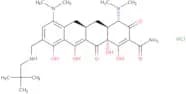
CAS:<p>Omadacycline hydrochloride is a modern tetracycline-class antibiotic, which is a synthetic derivative sourced from tetracycline compounds. The mode of action involves binding to the bacterial 30S ribosomal subunit, thereby inhibiting protein synthesis, which ultimately interferes with bacterial growth. Omadacycline exhibits a broad spectrum of activity, showing efficacy against a range of Gram-positive and Gram-negative bacterial strains, including those resistant to other tetracyclines and antibiotics.</p>Formula:C29H40N4O7·HClPurezza:Min. 95%Peso molecolare:593.11 g/molDihydrostreptomycin sesquisulfate
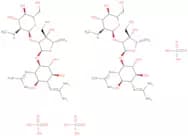
CAS:<p>Dihydrostreptomycin sesquisulfate is an aminoglycoside antibiotic, which is derived from the bacterium Streptomyces griseus. Its mode of action involves binding to the 30S subunit of the bacterial ribosome, leading to the disruption of protein synthesis. This binding interferes with the initiation complex formation, causing misreading of mRNA and ultimately inhibiting bacterial growth.</p>Formula:C21H41N7O12•(H2SO4)1Purezza:Min. 95%Peso molecolare:730.71 g/molAfabicin
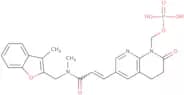
CAS:Afabicin is an antibiotic, which is a derivative of the natural product lipiarmycin. It acts by inhibiting the bacterial enzyme DNA-dependent RNA polymerase, crucial for bacterial growth and reproduction. This targeted action disrupts RNA synthesis, effectively halting the proliferation of susceptible bacterial strains.Formula:C23H24N3O7PPurezza:Min. 95%Peso molecolare:485.4 g/molMBX-4132
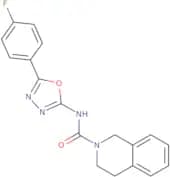
CAS:<p>Please enquire for more information about MBX-4132 including the price, delivery time and more detailed product information at the technical inquiry form on this page</p>Formula:C18H15FN4O2Purezza:Min. 95%Peso molecolare:338.3 g/mol1-(4-Pentyloxy-3-trifluoromethylphenyl)-3-(pyridine-3-carbonyl)thiourea
CAS:1-(4-Pentyloxy-3-trifluoromethylphenyl)-3-(pyridine-3-carbonyl)thiourea is a synthetic compound employed largely in biochemical research and potential medicinal applications. As a small molecule derivative, it is synthesized through meticulous organic chemistry protocols designed to yield compounds with specific biophysical properties. The compound acts primarily by modulating distinct biochemical pathways, interacting with molecular targets such as enzymes or receptors, thereby influencing biological processes at the cellular level.Formula:C19H20F3N3O2SPurezza:Min. 95%Peso molecolare:411.4 g/molTolnifanide
CAS:<p>Tolnifanide is a fungicidal product, which is a synthetic compound derived from chemical synthesis. It operates by interfering with the normal cellular function of fungi, inhibiting their growth and reproduction. This mode of action involves disrupting key processes within the fungal cells, rendering them unable to thrive in their host environment.</p>Formula:C15H15ClN2O4SPurezza:Min. 95%Peso molecolare:354.8 g/molCauloside A
CAS:Cauloside A is a steroidal saponin, a type of glycoside compound, which is primarily isolated from the plant Caulophyllum robustum or related species. Saponins are known for their diverse biological activities and the ability to interact with cell membranes due to their amphipathic nature, allowing them to disrupt lipid bilayers.Formula:C35H56O8Purezza:Min. 95%Peso molecolare:604.8 g/molAldicarb d3
CAS:<p>Aldicarb d3 is an isotopically labeled compound, categorized as a carbamate pesticide, which is derived from chemical synthesis using deuterium labeling. Its mode of action involves the inhibition of acetylcholinesterase, an enzyme essential for nerve function, leading to the disruption of neurological processes in pest organisms.</p>Formula:C7H14N2O2SPurezza:Min. 95%Peso molecolare:193.28 g/mol(1S,3R,6R,7R,10R,11R)-6-[(E,2R,5R)-5,6-Dimethylhept-3-en-2-yl]-7,11-dimethyl-2-oxapentacyclo[8.8.0.01,3.03,7.011,16]octadec-15-ene-1 4,17-dione
CAS:(E)-Parthenolide is a sesquiterpene lactone, which is a naturally occurring organic compound often extracted from plants such as feverfew (Tanacetum parthenium). This compound exerts its effects primarily through the modulation of NF-kB signaling pathways, which play crucial roles in the regulation of immune responses, cell proliferation, and survival. By inhibiting NF-kB, (E)-Parthenolide can interfere with the expression of genes that promote cell growth and inflammation. This action makes it a compound of interest in cancer research, particularly as a potential therapeutic agent that targets cancer stem cells and reduces chemoresistance. Its applications extend to studying its efficacy in inhibiting tumor growth and inducing apoptosis in various cancer cell lines. Moreover, due to its natural source, (E)-Parthenolide is also being explored for its potential as an anti-inflammatory agent in the treatment of inflammatory conditions.Formula:C28H40O3Purezza:Min. 95%Peso molecolare:424.6 g/molNocardicin G
CAS:<p>Nocardicin G is a monocyclic β-lactam antibiotic, which is sourced from certain strains of the soil-dwelling actinobacterium *Nocardia*. This organism is known for its ability to synthesize various bioactive compounds. The mode of action of Nocardicin G involves inhibiting bacterial cell wall synthesis by targeting penicillin-binding proteins, resulting in the bactericidal effect against susceptible bacterial strains. This compound specifically disrupts the formation of the peptidoglycan layer, which is essential for bacterial integrity and survival.</p>Formula:C19H19N3O6Purezza:Min. 95%Peso molecolare:385.4 g/molMafoprazine
CAS:<p>Mafoprazine is an experimental psychotropic drug, which is an organic compound synthetically derived from the azapirone family. It functions primarily as a serotonin receptor agonist, specifically targeting the 5-HT1A receptors, while also exhibiting moderate affinity for dopamine and adrenergic receptors. This dual action on neurotransmitter systems is thought to contribute to its therapeutic effects.</p>Formula:C22H28FN3O3Purezza:Min. 95%Peso molecolare:401.5 g/molNoracronycine
CAS:<p>Please enquire for more information about Noracronycine including the price, delivery time and more detailed product information at the technical inquiry form on this page</p>Formula:C19H17NO3Purezza:Min. 95%Peso molecolare:307.3 g/mol3-(2,4,6-Trimethylphenylsulfonyl)-1,2,4-triazole
CAS:<p>3-(2,4,6-Trimethylphenylsulfonyl)-1,2,4-triazole is a sulfonyl-triazole reagent, which is widely utilized in the field of organic chemistry. This compound is synthetically derived, serving as an important tool in the construction of sulfonyl-protected intermediates and heterocyclic structures. Its mode of action involves acting as a versatile electrophile in conditions favoring nucleophilic attack, facilitating the formation of carbon-nitrogen and carbon-sulfur bonds.</p>Formula:C11H13N3O2SPurezza:Min. 95%Peso molecolare:251.31 g/mol4-Epianhydrotetracycline hydrochloride
CAS:4-Epianhydrotetracycline hydrochloride is a chemically modified antibiotic derivative, originating from the structural transformation of tetracycline. It is derived through epimerization and dehydration processes, which alter the parent compound's structure.Formula:C22H23ClN2O7Purezza:Min. 95%Peso molecolare:462.9 g/molBAY-Y 3118
CAS:<p>BAY-Y 3118 is a synthetic compound specifically designed as a radiolabeled dopamine D4 receptor antagonist. It is sourced from chemical synthesis processes that enable modification of molecular structures to target specific biological receptors. The mode of action of BAY-Y 3118 involves binding to the D4 subtype of dopamine receptors, which are G protein-coupled receptors located in the central nervous system. This binding is typically labeled with a radiolabel to facilitate tracking and visualization in biological assays.</p>Formula:C20H21ClFN3O3Purezza:Min. 95%Peso molecolare:405.8 g/molThiamphenicol
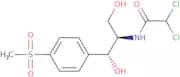
CAS:<p>Thiamphenicol is a semisynthetic derivative of chloramphenicol with action on bacterial protein synthesis inhibition and is used for treating bacterial infections, particularly in veterinary medicine.</p>Formula:C12H15Cl2NO5SPurezza:Min. 98 Area-%Colore e forma:PowderPeso molecolare:356.22 g/molClindamycin 3,4-isopropylidene
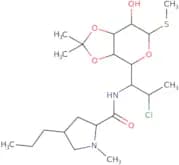
CAS:<p>Clindamycin 3,4-isopropylidene is a semi-synthetic antibiotic derivative of clindamycin, which is derived from the bacterial species Streptomyces lincolnensis. This compound is synthesized through chemical modification, specifically forming an isopropylidene group at positions 3 and 4 of the clindamycin molecule. The inclusion of the isopropylidene moiety alters its physicochemical properties, potentially enhancing its stability or spectrum of activity.</p>Formula:C21H37ClN2O5SPurezza:Min. 95%Peso molecolare:465 g/molCefmetazole lactone
CAS:<p>Cefmetazole lactone is an antibiotic, classified as a cephalosporin, which is a type of β-lactam antimicrobial compound. It is derived from the Cephalosporium fungus, known for its progenitor antimicrobial properties. As a second-generation cephalosporin, cefmetazole lactone operates by inhibiting bacterial cell wall synthesis, essentially interfering with the transpeptidation process of peptidoglycan, a critical component of the bacterial cell wall. This disruption leads to cell lysis and eventual bacterial death, mainly affecting Gram-positive and some Gram-negative bacteria.</p>Formula:C13H13N3O5S2Purezza:Min. 95%Peso molecolare:355.40 g/mol



![[5-[(3aS,4S,6aR)-Hexahydro-2-oxo-1H-thieno[3,4-d]imidazol-4-yl]-1-oxopentyl]-3…](/_next/image/?url=https%3A%2Fstatic.cymitquimica.com%2Fproducts%2FTR%2Fthumb-webp%2FH291770.webp&w=3840&q=75)












![3-[Benzyl-(2-methoxycarbonylethyl)amino]propionic Acid Methyl Ester](/_next/image/?url=https%3A%2Fstatic.cymitquimica.com%2Fproducts%2FTR%2Fthumb-webp%2FB130175.webp&w=3840&q=75)



![1,3-Dibenzyl-1H-benzo[d]imidazol-3-ium Chloride](/_next/image/?url=https%3A%2Fstatic.cymitquimica.com%2Fproducts%2FTR%2Fthumb-webp%2FD159141.webp&w=3840&q=75)






![6-[(1,1-Dimethylethyl)amino]-1,3,5-triazine-2,4(1H,3H)-dione,1,3,5-triazine-2,4(1H,3H)-dione](/_next/image/?url=https%3A%2Fstatic.cymitquimica.com%2Fproducts%2F3D%2Fthumb-webp%2FJMA92318.webp&w=3840&q=75)




![(1S,3R,6R,7R,10R,11R)-6-[(E,2R,5R)-5,6-Dimethylhept-3-en-2-yl]-7,11-dimethyl-2-oxapentacyclo[8.8.0…](/_next/image/?url=https%3A%2Fstatic.cymitquimica.com%2Fproducts%2F3D%2Fthumb-webp%2FQAC90820.webp&w=3840&q=75)