Antimicrobici
Gli antimicrobici sono agenti che distruggono o inibiscono la crescita di microrganismi, inclusi batteri, virus, funghi e parassiti. Questi composti sono essenziali nella prevenzione e nel trattamento delle infezioni, svolgendo un ruolo cruciale nella medicina, nell'agricoltura e nell'industria alimentare. Presso CymitQuimica offriamo un'ampia gamma di antimicrobici di alta qualità e purezza, adatti a varie applicazioni scientifiche e industriali. Il nostro catalogo comprende antibiotici, antifungini, antivirali e disinfettanti, tutti progettati per soddisfare le esigenze della ricerca e dello sviluppo, nonché per applicazioni cliniche e di produzione. Con i nostri prodotti, i professionisti possono garantire l'efficacia e la sicurezza nel controllo delle infezioni e nella protezione della salute pubblica.
Sottocategorie di "Antimicrobici"
- Antibiotici(4.131 prodotti)
- Antimicotici(909 prodotti)
- Antiparassitari(703 prodotti)
- Antivirali(766 prodotti)
Trovati 2424 prodotti di "Antimicrobici"
Ordinare per
Purezza (%)
0
100
|
0
|
50
|
90
|
95
|
100
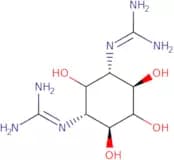
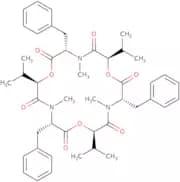
Kasugamycin
CAS:Kasugamycin is an aminoglycoside antibiotic, which is derived from the actinomycete Streptomyces kasugaensis. Its mode of action involves the inhibition of protein synthesis by interfering with the function of the 30S ribosomal subunit, ultimately preventing the growth and proliferation of sensitive organisms. In agricultural contexts, Kasugamycin is primarily utilized to control bacterial and fungal diseases in a variety of crops, including rice and fruit trees. It is particularly effective against Xanthomonas oryzae, which causes bacterial leaf blight in rice, and other pathogenic organisms detrimental to plant health. The application of Kasugamycin has been an important tool for integrated pest management programs focusing on sustainable agricultural practices. As a compound with a specific mode of activity, it helps to reduce the environmental impact typically associated with broader-spectrum antibiotics, while offering target-specific disease control. Its careful application supports the minimization of resistance development, ensuring continued efficacy in protecting crop yields.Formula:C14H25N3O9Purezza:Min. 95%Peso molecolare:379.36 g/molAspartocin D
CAS:Aspartocin D is a peptide antibiotic, which is derived from microbial fermentation of certain actinomycetes. Its mode of action involves disrupting the integrity of fungal cell membranes, leading to increased permeability and eventual cell death. Aspartocin D is specifically effective against a range of fungal pathogens, making it a useful tool in the study and potential treatment of fungal infections.Formula:C57H89N13O20Purezza:Min. 95%Peso molecolare:1,276.40 g/molLysostaphin, from staphylococcus staphylolyticus
CAS:<p>Lysostaphin, from Staphylococcus staphylolyticus is a zinc metalloenzyme with action on bacterial cell walls by cleaving polyglycine cross-links and is used for treating staphylococcal infections and in research applications.</p>Purezza:Min. 95%Colore e forma:PowderKanamycin A Related Compound 1
CAS:Kanamycin A Related Compound 1 is an analytical reference standard, which is derived from aminoglycoside antibiotics. Its source stems from the chemical structures related to the aminoglycoside class, primarily used to ensure precise identification and quantification of kanamycin residues or impurities in pharmaceutical formulations. The mode of action of Kanamycin A Related Compound 1 involves serving as a comparator or reference point in chromatographic and spectroscopic methods, facilitating accurate analysis by providing a consistent baseline for research laboratories.Formula:C12H25N3O7Purezza:Min. 95%Peso molecolare:323.34 g/molTetracycline hydrochloride, Antibiotic for Culture Media Use Only
CAS:<p>Tetracycline hydrochloride is a broad-spectrum antibiotic and is an electron transfer agent. It has been shown to be effective against bacterial infections in humans and has been used in cultures for the prevention of bacterial contamination. As an electron transfer agent, it is used in electron microscopy to study the surface of biological cells. Tetracycline hydrochloride enters bacterial cells by diffusion and interacts with the cytoplasmic membrane, where it induces a redox reaction that leads to cell death. The efficacy of tetracycline hydrochloride in treating candida albicans (yeast) was studied using in-vitro activity and showed that carboxymethyl chitosan nanoparticles were able to enhance the treatment efficiency.</p>Formula:C22H25ClN2O8Purezza:Min. 88.0 Area-%Peso molecolare:480.90 g/molRef: 3D-T-1961
1kgPrezzo su richiesta5kgPrezzo su richiesta10kgPrezzo su richiesta25kgPrezzo su richiesta2500gPrezzo su richiesta-Unit-kgkgPrezzo su richiestaMorinamide hydrochloride
CAS:<p>Morinamide hydrochloride is a synthetic antitubercular agent, which is derived from chemical synthesis processes. Its mode of action involves disrupting the synthesis of mycolic acids in the cell walls of Mycobacterium tuberculosis, thereby inhibiting bacterial growth and proliferation. The compound serves primarily as an antimicrobial agent targeting tuberculosis infections. In a laboratory setting, Morinamide hydrochloride is utilized in the study of bacterial resistance mechanisms and the development of novel therapeutic agents. Its specific action on mycolic acid synthesis makes it a valuable tool for researchers aiming to elucidate the pathways involved in mycobacterial cell wall construction and to develop more targeted chemotherapeutic interventions. Due to its crucial role, understanding the mechanisms and efficacy of Morinamide hydrochloride can greatly benefit scientific efforts in combating tuberculosis, especially in light of increasing drug resistance.</p>Formula:C10H15ClN4O2Purezza:Min. 95%Peso molecolare:258.7 g/molBPH715
CAS:<p>Please enquire for more information about BPH715 including the price, delivery time and more detailed product information at the technical inquiry form on this page</p>Formula:C17H31NO7P2Purezza:Min. 95%Peso molecolare:423.4 g/molClothianidin-urea
CAS:Clothianidin-urea is an insecticide, which is synthesized from chemical sources and belongs to the neonicotinoid class of compounds. Its mode of action involves binding to nicotinic acetylcholine receptors in the central nervous system of insects, disrupting normal nerve function and leading to paralysis and eventual death. This mode of action is selective to insects, offering a degree of safety to non-target species including humans and animals.Formula:C6H8ClN3OSPurezza:Min. 95%Peso molecolare:205.67 g/molCloxacillin benzathine
CAS:Cloxacillin benzathine is a beta-lactam antibiotic, which is synthesized from Penicillium fungi-derived penicillins. It acts by inhibiting bacterial cell wall synthesis. The mechanism involves the irreversible inhibition of penicillin-binding proteins (PBPs). This disruption in the bacterial cell wall structure ultimately leads to cell lysis and death.Formula:C54H56Cl2N8O10S2Purezza:Min. 95 Area-%Colore e forma:White PowderPeso molecolare:1,112.11 g/mol3-(2-(2,4-Dichlorophenyl)-2-hydroxyethyl)-3,4-imidazolidinedione
CAS:<p>3-(2-(2,4-Dichlorophenyl)-2-hydroxyethyl)-3,4-imidazolidinedione is a synthetic compound, which is a derivative of imidazolidinedione. It is primarily characterized as an antifungal agent with broad-spectrum activity against various fungal species. Its mode of action involves disrupting the synthesis of ergosterol, an essential component of fungal cell membranes. This disruption leads to increased membrane permeability and ultimately, cell death. The efficacy of this compound is attributed to its ability to inhibit the growth of pathogens by targeting critical pathways necessary for fungal survival.</p>Formula:C11H12Cl2N2O3Purezza:Min. 95%Peso molecolare:291.13 g/molSarecycline
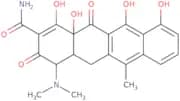
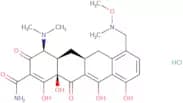
CAS:<p>Sarecycline is a tetracycline-class antibiotic, which is derived from naturally occurring tetracycline antibiotics. Its mode of action involves inhibition of bacterial protein synthesis by binding to the 30S ribosomal subunit, thereby preventing the addition of amino acids to nascent peptide chains. This specific mechanism disrupts bacterial growth, making Sarecycline effective against certain strains of bacteria implicated in dermatological conditions.</p>Formula:C24H29N3O8Purezza:Min. 95 Area-%Peso molecolare:487.5 g/molViolacein
CAS:<p>Violacein is a model system for studying the effects of hydroxyl groups on cell lysis. It is a fatty acid that contains nitrogen atoms and has antimicrobial properties. Violacein has been shown to cause the loss of mitochondrial membrane potential in HL-60 cells, which may be due to its ability to act as a multidrug efflux pump inhibitor. Violacein also exhibits antimicrobial activity against several bacterial strains, including MRSA and methicillin-sensitive Staphylococcus aureus (MSSA). In addition, violacein has been shown to induce cell lysis in vitro via the degradation of proteins and lipids in the cytoplasm.</p>Formula:C20H13N3O3Purezza:Min. 95%Colore e forma:PowderPeso molecolare:343.3 g/mol(-)-Actinonin
CAS:<p>Antibiotic peptide; inhibitor of aminopeptidase M and leucine aminopeptidase</p>Formula:C19H35N3O5Purezza:Min. 95%Peso molecolare:385.5 g/molGalidesivir dihydrochloride
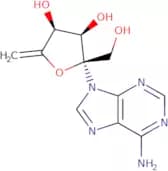
CAS:Galidesivir dihydrochloride is an investigational antiviral drug, which is a synthetic nucleoside analogue with broad-spectrum activity. It is derived from a modified adenosine analog structure, targeting viral RNA-dependent RNA polymerases. Galidesivir functions through the incorporation into viral RNA, leading to premature termination of RNA synthesis, effectively inhibiting viral replication. This mechanism aligns with its utility in combating various RNA viruses.Formula:C11H15N5O3•(HCl)2Purezza:Min. 95%Peso molecolare:338.19 g/molCEF3
CAS:<p>CEF3 is a cephalosporin-based antibacterial agent, which is derived from the fermentation of Streptomyces species. This compound functions by inhibiting bacterial cell wall synthesis, specifically targeting the transpeptidase enzyme involved in the cross-linking of peptidoglycan layers. The disruption of this process results in weakened bacterial cell walls, leading to cell lysis and death, particularly affecting Gram-positive and some Gram-negative bacteria.</p>Formula:C42H74N10O12Purezza:Min. 95%Peso molecolare:911.1 g/molPeramivir
CAS:<p>Selective and potent inhibitor of sialidases (neuraminidases) in influenza A and B viruses. The compound binds tightly to the viral neuraminidase active site in late stages of viral life-cycle. It inhibits shedding sialic acids from host cell surface glycans, which interact with viral hemagglutinin, and consequently prevents release of new viral particles from the host cell surface.</p>Formula:C15H28N4O4Purezza:Min. 95%Colore e forma:PowderPeso molecolare:328.41 g/molAqabamycin G
CAS:Aqabamycin G is a macrolactam antibiotic, which is derived from marine bacteria belonging to the genus Streptomyces. This compound is noted for its complex structure, featuring a macrolactam ring that is crucial for its biological activity. Aqabamycin G's mode of action involves inhibiting bacterial protein synthesis by binding to the bacterial ribosomal subunit, thereby disrupting peptide bond formation. This interference with the protein production machinery of bacterial cells results in effective bacteriostatic or bactericidal outcomes, depending on the concentration and specific bacterial target.Formula:C18H11N3O5Purezza:Min. 95%Peso molecolare:349.3 g/molBottromycin A2
CAS:<p>Bottromycin A2 is a peptide antibiotic, which is a natural product derived from the fermentation of certain Streptomyces strains. It operates by targeting the bacterial ribosome, specifically inhibiting protein synthesis. The mode of action involves binding to the A-site of the 50S ribosomal subunit, thereby preventing the correct positioning of transfer RNA (tRNA) during translation. This inhibition halts the growth of bacteria by disrupting essential protein production processes.</p>Formula:C42H62N8O7SPurezza:Min. 95%Peso molecolare:823.1 g/mol6'-N-Cbz-kanamycin A
CAS:<p>6'-N-Cbz-kanamycin A is a semi-synthetic aminoglycoside antibiotic derivative, specifically a Cbz (carbobenzyloxy) protected form of kanamycin A. It is derived from the natural product kanamycin, which is an antibiotic obtained from the bacterium *Streptomyces kanamyceticus*. The modification involves the introduction of a protective Cbz group at the 6' position, which can improve solubility, stability, or enable further chemical modifications.</p>Formula:C26H42N4O13Purezza:Min. 95%Peso molecolare:618.63 g/molDequalinium chloride
CAS:<p>Dequalinium chloride is a novel, broad spectrum antimicrobial agent with a mechanism of action that inhibits the mitochondria-dependent respiratory chain. Studies have shown that it inhibits the growth of resistant microorganisms in cell-based experiments and in bacterial infections. Dequalinium chloride also has cytopathic effects on thp-1 cells, which are specific for Mycobacterium tuberculosis. In addition to inhibiting mitochondria-dependent respiration, this compound also increases acetylcholine receptor sensitivity in A549 lung cancer cells. Dequalinium chloride is a quaternary ammonium cation and has been shown to be effective against clinical isolates and inhibitory concentrations of a variety of virus species, including human rhinovirus (HRV) and Coxsackie virus type B4 (CoxB4).</p>Formula:C30H40Cl2N4Purezza:Min. 95.0 Area-%Peso molecolare:527.57 g/molRef: 3D-W-105841
5gPrezzo su richiesta10gPrezzo su richiesta25gPrezzo su richiesta50gPrezzo su richiesta100gPrezzo su richiesta-Unit-ggPrezzo su richiesta1-Naphthol-o-sulfate potassium
CAS:<p>1-Naphthol-o-sulfate potassium is a sulfate ester, which is a derivative of naphthol. It is synthesized from 1-naphthol, a phenolic compound, through sulfation, typically using chlorosulfonic acid or oleum, followed by neutralization with potassium hydroxide to produce the potassium salt form. This particular compound is involved in various biochemical pathways, especially as a conjugated metabolite in phase II metabolism.</p>Formula:C10H8KO4SPurezza:Min. 95%Peso molecolare:263.33 g/molSisunatovir
CAS:<p>Sisunatovir is an antiviral agent, which is a small-molecule compound with specificity designed to inhibit the fusion process of the respiratory syncytial virus (RSV). This small-molecule inhibitor is synthetically derived, with its action targeting the F (fusion) protein of the virus. The mechanism of action involves preventing the viral fusion with host cell membranes, thereby blocking entry and subsequent replication within the host cells.</p>Formula:C23H22F4N4OPurezza:Min. 95%Peso molecolare:446.4 g/molSulbenicillin
CAS:<p>Sulbenicillin is a semi-synthetic penicillin antibiotic, which is derived from 6-aminopenicillanic acid, a natural precursor in the biosynthesis of penicillins. With its beta-lactam structure, Sulbenicillin disrupts bacterial cell wall synthesis by inhibiting penicillin-binding proteins, which are essential enzymes in the cross-linking of peptidoglycan layers. This disruption compromises the structural integrity of the bacterial cell wall, resulting in cell lysis and death, particularly in Gram-negative bacteria.</p>Formula:C16H18N2O7S2Purezza:Min. 95%Peso molecolare:414.46 g/molDimoxystrobin-5-benzoic acid
CAS:<p>Dimoxystrobin-5-benzoic acid is a chemical fungicide, which is a synthetic compound derived from the strobilurin class of fungicides. It functions by inhibiting mitochondrial respiration in fungi, specifically blocking the electron transfer at the Qo site of the cytochrome bc1 complex. This mode of action disrupts energy production in fungal cells, thereby curbing their growth and proliferation.</p>Formula:C19H20N2O5Purezza:Min. 95%Peso molecolare:356.4 g/mol4-Epitetracycline ammonium
CAS:4-Epitetracycline ammonium is a tetracycline analog, which is a derivative of the well-known antibiotic tetracycline. This compound is synthesized from naturally occurring tetracycline through chemical modification, involving the alteration of the hydroxyl group at the C-4 position. As a result, 4-Epitetracycline ammonium retains the fundamental characteristics of its parent compound.Formula:C22H27N3O8Purezza:Min. 95%Peso molecolare:461.5 g/molTridehydro pirlimycin
CAS:<p>Tridehydro pirlimycin is an antibiotic compound, which is a synthetic derivative with origins in the lincosamide family. It is characterized by its ability to inhibit bacterial protein synthesis by binding to the 50S ribosomal subunit, leading to a bacteriostatic effect. The compound is primarily developed for its use in veterinary medicine, particularly in the treatment and management of bacterial infections in animals.</p>Formula:C17H25ClN2O5SPurezza:Min. 95%Peso molecolare:404.91 g/molAmustaline dihydrochloride
CAS:Amustaline dihydrochloride is a chemical compound known for its alkylating properties, which is synthetically derived through chemical synthesis methods. The mode of action of Amustaline dihydrochloride involves the formation of covalent bonds with nucleophilic entities in DNA, leading to cross-linking and subsequent disruption of DNA function. This results in the inhibition of cellular replication, ultimately inducing apoptosis or programmed cell death in rapidly dividing cells.Formula:C22H27Cl4N3O2Purezza:Min. 95%Peso molecolare:507.3 g/molHCV-IN-31
CAS:HCV-IN-31 is a chemical inhibitor specifically designed for hepatitis C virus (HCV) research, which is synthesized through advanced organic chemistry techniques. It acts by interfering with the viral replication machinery, effectively reducing the replication rate of the virus in host cells. The inhibition mechanism primarily targets nonstructural proteins crucial for HCV RNA replication, thereby offering a potent blockade to viral proliferation.Formula:C12H17FN6O3Purezza:Min. 95%Peso molecolare:312.3 g/molAzoxystrobin-d4
CAS:<p>Azoxystrobin-d4 is a deuterated fungicide, which is a synthetic chemical compound designed for use in research, particularly within the field of agrochemical studies. It is a derivative of azoxystrobin, a well-known strobilurin fungicide, and is produced through isotope labeling, where hydrogen atoms are replaced with deuterium. This isotopic substitution does not alter the chemical activity of the compound but assists in analytical studies, such as mass spectrometry, by enabling precise tracking and quantification.</p>Formula:C22H17N3O5Purezza:Min. 95%Peso molecolare:407.4 g/molKanamycin sulfate
CAS:<p>Kanamycin sulfate is an aminoglycoside antibiotic, derived from the bacterium *Streptomyces kanamyceticus*. Its mode of action involves binding to the 30S subunit of the bacterial ribosome, thereby inhibiting protein synthesis and ultimately leading to bacterial cell death. This mechanism is particularly effective against gram-negative bacteria and certain gram-positive bacteria.</p>Formula:C18H40N4O16SPurezza:Min. 95%Peso molecolare:600.6 g/mol21-Norrapamycin
CAS:<p>21-Norrapamycin is a macrocyclic lactone antibiotic, which is derived from the bacterium Streptomyces hygroscopicus. Its chemical structure is closely related to that of rapamycin, a well-known immunosuppressant. The mode of action of 21-Norrapamycin involves the inhibition of the mechanistic target of rapamycin (mTOR) signaling pathway. By binding to the FK506-binding protein 12 (FKBP12), it forms a complex that then inhibits mTOR, a crucial regulator of cell growth, proliferation, and survival.</p>Formula:C50H77NO13Purezza:Min. 95%Peso molecolare:900.1 g/molLoracarbef monohydrate
CAS:<p>Loracarbef monohydrate is a synthetic antibiotic, which is derived from carbacephem compounds with a mode of action that involves inhibiting bacterial cell wall synthesis. This is achieved by binding to penicillin-binding proteins, thereby blocking the cross-linking of peptidoglycan chains which are crucial for bacterial cell wall structural integrity.</p>Formula:C16H16ClN3O4·H2OPurezza:Min. 95%Peso molecolare:367.78 g/molSulfadiazine
CAS:<p>Sulfadiazine is a sulfonamide antibiotic with action on bacterial folate synthesis inhibition and is used for treating toxoplasmosis and urinary tract infections.</p>Formula:C10H10N4O2SPurezza:Min. 95%Colore e forma:PowderPeso molecolare:250.28 g/molBacitracin B3
CAS:Bacitracin B3 is an antibacterial agent, which is derived from the bacterium Bacillus subtilis. Its mode of action involves the inhibition of bacterial cell wall synthesis. This is achieved by interfering with the dephosphorylation of bactoprenol, an essential carrier molecule in the transport of peptidoglycan precursors across the cytoplasmic membrane. The disruption of this process leads to a weakened cell wall, ultimately resulting in bacterial cell lysis and death.Formula:C65H101N17O16SPurezza:Min. 95%Peso molecolare:1,408.7 g/molPiericidin A
CAS:<p>Piericidin A is a microbial metabolite, specifically a type of polyketide, which is derived from the bacterium of the genus Streptomyces. This compound acts as an electron transport chain inhibitor by specifically binding to the ubiquinone binding site of complex I (NADH:ubiquinone oxidoreductase) in mitochondria. This mode of action results in the disruption of ATP production through oxidative phosphorylation.</p>Formula:C25H37NO4Purezza:Min. 95%Peso molecolare:415.57 g/molBaumycin C2
CAS:<p>Baumycin C2 is an anthracycline antibiotic, which is a type of chemotherapy agent used in cancer treatment. This compound is derived from the bacterium Streptomyces, known for producing specific metabolites that interfere with cellular processes. The mode of action of Baumycin C2 involves intercalating into DNA, thereby disrupting the enzyme topoisomerase II. This interference prevents proper DNA replication and transcription, ultimately leading to apoptosis in rapidly dividing cancer cells. The uses and applications of Baumycin C2 predominantly relate to its efficacy against various types of cancers, including leukemias, lymphomas, and solid tumors such as breast cancer. By targeting DNA replication, Baumycin C2 plays a crucial role in reducing tumor growth and proliferation, representing a significant tool in oncological pharmacotherapy. Researchers continue to explore its potential in combination therapies to enhance its effectiveness and mitigate resistance.</p>Formula:C28H31NO11Purezza:Min. 95%Peso molecolare:557.5 g/molTigemonam
CAS:<p>Tigemonam is a synthetic beta-lactam antibiotic, which is derived from chemical synthesis processes. This compound operates by inhibiting bacterial cell wall synthesis, specifically targeting the penicillin-binding proteins (PBPs). The disruption of the cell wall synthesis ultimately leads to cell lysis and death of the bacteria, making it effective primarily against gram-negative bacterial infections.</p>Formula:C12H15N5O9S2Purezza:Min. 95%Peso molecolare:437.41 g/molBleomycin acid
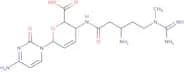
CAS:Bleomycin acid is a chemotherapeutic agent, which is a derivative of antibiotics isolated from the bacterium *Streptomyces verticillus*. This bioactive compound exhibits its mode of action primarily through binding to DNA and inducing strand breaks. The interaction of bleomycin acid with DNA leads to the formation of free radicals, which subsequently result in single and double-strand breaks. These actions disrupt the DNA synthesis and repair processes, ultimately inhibiting cancer cell proliferation.Formula:C50H72N16O22S2Purezza:Min. 95%Peso molecolare:1,313.3 g/molTigecycline hydrate
CAS:<p>Inhibitor of protein synthesis; glycylcycline class</p>Formula:C29H39N5O8Purezza:Min. 95%Peso molecolare:585.65 g/molNifursemizone
CAS:<p>Nifursemizone is an antimicrobial agent, which is a synthetic nitrofuran derivative. It is engineered from chemical precursors through targeted synthetic processes designed to maximize its antibacterial properties. The mode of action of Nifursemizone involves the inhibition of bacterial enzymes and interference with nucleic acid synthesis. This action disrupts essential bacterial functions, leading to the inhibition of bacterial growth and eventual cell death.</p>Formula:C8H10N4O4Purezza:Min. 95%Peso molecolare:226.19 g/molVirginiamycin - Complex of M1+S1
CAS:<p>Virginiamycin - Complex of M1+S1 is an antibiotic compound, which is derived from the actinobacterium Streptomyces virginiae. It functions through the inhibition of bacterial protein synthesis by binding to the 50S ribosomal subunit, thereby obstructing peptide bond formation and impeding microbial growth. The complex is composed of two major components: Virginiamycin M1 and Virginiamycin S1, which synergistically enhance antimicrobial efficacy.</p>Formula:C71H84N10O17Purezza:Min. 95%Peso molecolare:1,349.48 g/molEthyl 6-fluoro-7-benzofurancarboxylate
CAS:<p>Ethyl 6-fluoro-7-benzofurancarboxylate is a synthetic organic compound, belonging to the class of ester derivatives, which is primarily used in chemical research and potential pharmaceutical development. This compound is synthesized through a series of organic reactions involving fluorination and esterification processes, originating from precursors of benzofuran derivatives.</p>Formula:C11H9FO3Purezza:Min. 95%Peso molecolare:208.18 g/molClindamycin B hydrochloride
CAS:<p>Clindamycin B hydrochloride is a semi-synthetic antibiotic, which is derived from the parent compound, lincomycin, obtained from the bacterium *Streptomyces lincolnensis*. It exerts its antibacterial effects by binding to the 50S subunit of the bacterial ribosome, inhibiting protein synthesis by preventing peptide bond formation, which is essential for bacterial growth and survival.</p>Formula:C17H31ClN2O5S•HClPurezza:Min. 95%Colore e forma:White To Off-White SolidPeso molecolare:447.42 g/molIbafloxacin
CAS:<p>Ibafloxacin is an antibacterial agent, which is a synthetic fluoroquinolone derived from quinolone compounds. It functions by inhibiting bacterial DNA gyrase and topoisomerase IV, enzymes crucial for DNA replication and transcription in bacteria. By preventing the supercoiling and uncoiling of bacterial DNA, ibafloxacin disrupts essential DNA processes, leading to bacterial cell death.</p>Formula:C15H14FNO3Purezza:Min. 95%Peso molecolare:275.27 g/molN-(4-(4-Methylpiperidin-1-yl)-3-(trifluoromethyl)phenyl)-4-(morpholinomethyl)benzamide
CAS:<p>N-(4-(4-Methylpiperidin-1-yl)-3-(trifluoromethyl)phenyl)-4-(morpholinomethyl)benzamide is a sophisticated chemical compound, classified as a synthetic small molecule. It is synthesized through a series of organic reactions, showcasing the intricate art of modern chemical synthesis and design.</p>Formula:C25H30F3N3O2Purezza:Min. 95%Peso molecolare:461.5 g/molBA-53038B
CAS:<p>BA-53038B is a microbial-based insecticide, which is derived from a naturally occurring bacterium. It functions through a specific mode of action involving the disruption of the digestive processes in target insect larvae. Once ingested by the larvae, the bacterial spores produce endotoxins that bind to receptors in the gut of susceptible insect species, causing cell lysis and eventual death. This product is highly selective, targeting specific insect pests while minimizing harm to non-target organisms and beneficial insects.</p>Formula:C14H16ClNOPurezza:Min. 95%Peso molecolare:249.73 g/mol2-Methyl-4-isothiazolin-3-one
CAS:Prodotto controllato2-Methyl-4-isothiazolin-3-one or MIT is a powerful antimicrobial and antifungal agent which is widely used in personal care products. It is also used in industrial applications as a preservative and antifouling agent.Formula:C4H5NOSPurezza:Min. 96%Colore e forma:Yellow PowderPeso molecolare:115.15 g/molPyflubumide-des(2-methyl-1oxopropyl)
CAS:<p>Pyflubumide-des(2-methyl-1oxopropyl) is a selective miticide, which is synthesized through advanced chemical processes. Its mode of action involves inhibiting cellular respiration in spider mites, specifically targeting the activity of mitochondrial complex II. This disrupts the energy production pathway, leading to pest mortality.</p>Formula:C21H25F6N3O2Purezza:Min. 95%Peso molecolare:465.4 g/molNeosartoricin B
CAS:Neosartoricin B is a promising antibiotic compound, which is derived from fungal sources, specifically the genus *Neosartorya*. Its unique mode of action involves disrupting the cell wall synthesis of target fungal organisms, making it highly effective against a range of pathogenic fungi. This compound works by interfering with the biosynthesis of essential components required for cell wall integrity, ultimately leading to cell lysis and death of the fungal cells.Formula:C24H26O8Purezza:Min. 95%Peso molecolare:442.5 g/molDoxycycline hydrochloride hemiethanolate hemihydrate, Antibiotic for Culture Media Use Only
CAS:<p>Doxycycline is an antibiotic that inhibits bacterial growth by inhibiting protein synthesis, respiratory chain, DNA gyrase, DNA topoisomerase IV. Doxycycline inhibits papaverine by blocking the expression of both cytochrome P450 and epoxide hydrolase. Doxycycline is commonly found in studies for bacterial infections, drug therapy, histopathological studies, cell culture and chemometric analysis.</p>Formula:C22H24N2O8·HClH2OC2H6OPurezza:Min. 97.0 Area-%Peso molecolare:512.90 g/molRef: 3D-Q-201047
1kgPrezzo su richiesta100gPrezzo su richiesta250gPrezzo su richiesta500gPrezzo su richiesta2500gPrezzo su richiesta4-(4,5-Dihydroxy-3-methoxy-6-methyloxan-2-yl)oxy-2,5,7-trihydroxy-3-methoxy-2-methyl-3,4-dihydrotetracene-1,6,11-trione
CAS:<p>4-(4,5-Dihydroxy-3-methoxy-6-methyloxan-2-yl)oxy-2,5,7-trihydroxy-3-methoxy-2-methyl-3,4-dihydrotetracene-1,6,11-trione is an anthraquinone derivative, which is a specialized organic compound. This compound is typically derived from complex synthetic processes involving multi-step organic reactions starting from anthraquinone precursors. Its mode of action primarily involves the disruption of microbial cell walls and the inhibition of essential enzymatic pathways that are critical for microbial replication and survival.</p>Formula:C27H28O12Purezza:Min. 95%Peso molecolare:544.5 g/molClindamycin 2-palmitate sulfoxide
CAS:<p>Clindamycin 2-palmitate sulfoxide is a semisynthetic antibiotic, which is a derivative of clindamycin. It originates from lincomycin, a natural antibiotic produced by the bacterium *Streptomyces lincolnensis*. This compound functions as a prodrug, which is converted into its active form in the body. Its mode of action involves inhibiting bacterial protein synthesis by binding to the 50S subunit of the ribosome, thereby preventing the growth and replication of susceptible bacteria.</p>Formula:C34H64Cl2N2O7SPurezza:Min. 95%Peso molecolare:715.9 g/molNafcilllin sodium monohydrate
CAS:<p>Nafcillin sodium monohydrate is a beta-lactam antibiotic, which is derived from the penicillin class of antimicrobials. It is specifically a semi-synthetic penicillin and is commonly sourced through chemical synthesis to enhance its stability and spectrum of activity. Nafcillin primarily exerts its bactericidal effects by inhibiting bacterial cell wall synthesis. It achieves this through its strong affinity for penicillin-binding proteins (PBPs), which are essential for maintaining the bacterial cell wall structure. By disrupting the formation of peptidoglycan cross-links, nafcillin effectively weakens the bacterial cell wall, leading to cell lysis and death, especially in gram-positive bacteria such as Staphylococcus aureus, including methicillin-sensitive strains (MSSA).</p>Formula:C21H21N2O5SNa·H2OPurezza:Min. 95%Colore e forma:White to off-white solid.Peso molecolare:454.47 g/molML406
CAS:<p>ML406 is a synthetic small molecule compound, which is a chemically-engineered agent with a precise mode of action targeting specific biological pathways. It is synthesized through controlled laboratory processes to achieve high purity and specificity. The compound functions by modulating target proteins or receptors, thereby influencing cellular pathways of interest. Due to its high specificity, ML406 is utilized primarily within a research context to elucidate complex biological mechanisms and validate the roles of potential therapeutic targets.</p>Formula:C20H20N2O4Purezza:Min. 95%Peso molecolare:352.4 g/mol1-Ethyl-6-fluoro-7-(4-formylpiperazin-1-yl)-4-oxo-1,4-dihydroquinoline-3-carboxylic acid
CAS:<p>1-Ethyl-6-fluoro-7-(4-formylpiperazin-1-yl)-4-oxo-1,4-dihydroquinoline-3-carboxylic acid is an advanced fluoroquinolone antibiotic, which is synthetically derived. This compound operates by efficiently inhibiting bacterial DNA gyrase and topoisomerase IV, enzymes which are critical for bacterial DNA replication, transcription, and repair. The inhibition of these enzymes interferes with the DNA processes, ultimately leading to bacterial cell death.</p>Formula:C17H18FN3O4Purezza:Min. 95%Peso molecolare:347.34 g/molContezolid
CAS:Contezolid is an oxazolidinone antibiotic, which is a class of synthetic compounds primarily derived through chemical synthesis. It functions by inhibiting bacterial protein synthesis, specifically by binding to the 50S subunit of the bacterial ribosome. This action prevents the formation of the initiation complex, thereby hindering the growth and replication of bacteria.Formula:C18H15F3N4O4Purezza:Min. 95%Peso molecolare:408.3 g/mol2-(2-Methyl-4-nitro-1H-imidazol-1-yl)ethyl benzoate
CAS:<p>2-(2-Methyl-4-nitro-1H-imidazol-1-yl)ethyl benzoate is a synthetic chemical compound, classified as an organic ester. It originates from the reaction between benzoic acid and a derivative of nitroimidazole, a class of compounds known for their bioactivity. The molecular framework includes a benzoate ester linked to an imidazole ring, which is substituted with nitro and methyl groups, contributing to its unique characteristics.</p>Formula:C13H13N3O4Purezza:Min. 95%Peso molecolare:275.26 g/mol(+)-Oxanthromicin
CAS:<p>(+)-Oxanthromicin is a natural compound classified as a polyketide antibiotic, which is derived from certain strains of soil-dwelling actinomycetes. These microorganisms are known to produce a variety of biologically active secondary metabolites. The mode of action of (+)-Oxanthromicin involves the inhibition of specific bacterial enzymes, disrupting essential processes within the microbial cells. This interference can lead to growth inhibition or cell death, showcasing its potential as a therapeutic agent.</p>Formula:C36H30O12Purezza:Min. 95%Peso molecolare:654.6 g/molLedipasvir diacetone
CAS:Ledipasvir is a synthetic drug that inhibits the viral enzyme NS5A, which is necessary for viral replication. Ledipasvir has been shown to inhibit the growth of microorganisms such as bacteria and fungi. It also has antiviral properties, and is active against HIV-1. Ledipasvir can be used in chemotherapy to treat cancer and other diseases. This drug has high purity and is available at life science stores.Formula:C55H66F2N8O8Purezza:Min. 95%Peso molecolare:1,005.2 g/molMethyl N-[2-[[[1-(4-chlorophenyl)-1H-pyrazol-3-yl]oxy]methyl]phenyl]carbamate
CAS:Methyl N-[2-[[[1-(4-chlorophenyl)-1H-pyrazol-3-yl]oxy]methyl]phenyl]carbamate is a selective insecticide, which is primarily pyrazole-based in nature. It is synthetically derived, allowing for precise structural control over its active components. The compound functions through a specific mode of action targeting the skeletal muscle function of insects by interfering with calcium ion channels. This disruption leads to impaired muscle contractions and eventual paralysis of the target pests.Formula:C18H16ClN3O3Purezza:Min. 95%Peso molecolare:357.8 g/molOxpoconazole fumarate
CAS:<p>Oxpoconazole fumarate is a systemic antifungal agent, which is a synthetic compound derived from chemical synthesis. It functions by inhibiting the biosynthesis of ergosterol, a critical component of fungal cell membranes, ultimately disrupting cell growth and replication. This inhibition interferes with the integrity and functionality of the fungal cell membrane, leading to cell death.</p>Formula:C42H52Cl2N6O8Purezza:Min. 95%Peso molecolare:839.8 g/molClomocycline
CAS:<p>Clomocycline is an antibiotic, which is a derivative of tetracycline originating from Streptomyces species. The mechanism of action involves inhibition of bacterial protein synthesis by binding to the 30S ribosomal subunit. This action blocks the attachment of aminoacyl-tRNA to the acceptor site on the mRNA-ribosome complex, ultimately impeding the addition of amino acids to the growing peptide chain and thus hindering bacterial growth.</p>Formula:C23H25ClN2O9Purezza:Min. 95%Peso molecolare:508.9 g/mol3-Chloro-10,11-dihydro-5H-dibenzo[B,D]azepine
CAS:3-Chloro-10,11-dihydro-5H-dibenzo[B,D]azepine is a tricyclic compound, which is typically synthesized through organic chemical processes involving multiple reaction steps to introduce the chloro and dihydro functionalities. With its distinct azepine ring structure, it acts primarily on the central nervous system by modulating neurotransmitter pathways, specifically targeting neurotransmitter reuptake.Formula:C14H12ClNPurezza:Min. 95%Peso molecolare:229.7 g/molHexazinone metabolite C
CAS:<p>Hexazinone Metabolite C is a chemical compound that serves as a marker for the metabolic degradation of hexazinone, a systemic herbicide. This metabolite is derived from the biological and chemical transformation processes that hexazinone undergoes when applied to plants and soil environments.</p>Formula:C11H18N4O3Purezza:Min. 95%Peso molecolare:254.29 g/mol10, 11-Dehydrocurvularin
CAS:<p>10, 11-Dehydrocurvularin is a fungal phytotoxin with heat shock response and immune-modulatory activitie. Curvularins inhibit the expression of the inducible nitric oxide synthase (iNOS), thereby acting as anti-inflammatory agents and immune system modulators</p>Purezza:Min. 95%Colore e forma:PowderDicloxacillin sodium salt
CAS:<p>Dicloxacillin is a penicillin antibiotic that is used to treat bacterial infections of the gastrointestinal tract, skin, and urinary tract. It binds to the penicillin-binding proteins in bacterial cell walls by competitive inhibition. Dicloxacillin inhibits bacterial growth by binding to the enzyme cell wall synthesis that is required for cell wall biosynthesis, inhibiting protein synthesis and cell division. This drug also has a toxic effect on respiratory system cells, which may be due to its ability to induce apoptosis. Dicloxacillin sodium salt is available as tablets for oral administration or as an intravenous solution for injection. It can interact with other drugs, such as benzalkonium chloride and matrix effect; it also has analytical methods such as chromatographic analysis and rate constant.</p>Formula:C19H17Cl2N3O5S·NaPurezza:Min. 95%Peso molecolare:493.32 g/molDichlobentiazox
CAS:Dichlobentiazox is a fungicide, which is synthesized from synthetic chemical sources with a mode of action that targets specific fungal processes. It works by inhibiting the biosynthesis of essential cellular components in pathogenic fungi, thereby disrupting their growth and ability to proliferate.Formula:C11H6Cl2N2O3S2Purezza:Min. 95%Peso molecolare:349.2 g/molCefquinome sulfate
CAS:<p>Cefquinome sulfate is a cephalosporin antibiotic, which is a synthetic, broad-spectrum antimicrobial agent. It is derived from the beta-lactam family, specifically designed to combat Gram-positive and Gram-negative bacterial pathogens. The mode of action involves inhibiting bacterial cell wall synthesis. It achieves this by binding to penicillin-binding proteins (PBPs) within the bacterial cell wall, ultimately leading to cell lysis and death due to the interruption of necessary cell wall components.</p>Formula:C23H26N6O9S3Purezza:Min. 95%Colore e forma:White To Light (Or Pale) Yellow To Beige To Light Brown SolidPeso molecolare:626.69 g/molCarbazomycin B
CAS:<p>Carbazomycin B is a bioactive compound which is an antibiotic derived from the soil bacterium Streptomyces. This compound exhibits its mode of action by interfering with the synthesis of bacterial cell walls, which ultimately restricts the growth and proliferation of bacterial cells. The unique chemical structure of Carbazomycin B allows it to target specific pathways within bacterial organisms, making it an important tool in combating resistant strains.</p>Formula:C15H15NO2Purezza:Min. 95%Peso molecolare:241.28 g/molAqabamycin A
CAS:Aqabamycin A is an antibiotic compound, which is derived from marine microorganisms, specifically actinomycetes. These marine bacteria are known for producing a wide array of bioactive compounds, including antibiotics, due to their unique metabolites shaped by the oceanic environment. Aqabamycin A operates by inhibiting bacterial RNA polymerase, thereby disrupting the transcription process essential for bacterial protein synthesis. This specific mode of action targets the growth and replication of bacteria, making it a potent agent against pathogenic strains.Formula:C16H11NO3Purezza:Min. 95%Peso molecolare:265.26 g/molLevofloxacin
CAS:<p>Levofloxacin is a fluoroquinolone antibiotic with a mode of action that inhibits bacterial DNA gyrase and topoisomerase IV. It is used for treating bacterial infections like pneumonia and urinary tract infections.</p>Formula:C18H20FN3O4Purezza:Min. 95%Colore e forma:PowderPeso molecolare:361.37 g/molTyrothricin
CAS:<p>Tyrothricin is a peptide antibiotic, which is derived from the bacterium Bacillus brevis. This compound comprises a mixture of polypeptides, primarily gramicidin and tyrocidine, both of which are instrumental in its antimicrobial activity. The mode of action of tyrothricin involves disrupting bacterial cell membranes, leading to cell lysis and death. Gramicidin increases the permeability of the bacterial membrane to ions, while tyrocidine promotes disruption of membrane integrity, which together exert bactericidal and bacteriostatic effects.</p>Formula:C65H85N11O13Purezza:Min. 95%Peso molecolare:1,228.44 g/molFormycin A
CAS:<p>Formycin A is a nucleoside analog, which is an antibiotic product derived from certain Streptomyces species. Its mode of action involves mimicking adenosine, one of the four nucleosides in RNA. By doing so, it interferes with the RNA processing of certain microorganisms, ultimately disrupting their ability to synthesize proteins effectively. This interference results in the inhibition of bacterial and parasitic growth.</p>Formula:C10H13N5O4Purezza:Min. 95%Peso molecolare:267.24 g/mol7-Ethyl-10-(4-amino-1-piperidino)carbonyloxycamptothecin-d3
CAS:7-Ethyl-10-(4-amino-1-piperidino)carbonyloxycamptothecin-d3 is a synthetic chemical compound, which is a deuterated derivative of irinotecan. Deuteration involves the substitution of deuterium for hydrogen atoms, which is often utilized to enhance the metabolic stability and pharmacokinetic properties of compounds in research applications. The compound is derived from camptothecin, a natural alkaloid sourced from the Chinese tree Camptotheca acuminata.Formula:C28H30N4O6Purezza:Min. 95%Peso molecolare:521.6 g/molLobucavir
CAS:<p>Lobucavir is an antiviral compound with a mode of action that inhibits viral DNA polymerase. It is used for treating infections caused by herpesviruses and hepatitis B virus.</p>Formula:C11H15N5O3Purezza:Min. 95%Peso molecolare:265.27 g/molPazufloxacin
CAS:<p>Pazufloxacin is an antibacterial agent, which is a synthetic derivative originating from the fluoroquinolone class of compounds. This source categorizes it alongside a group of broad-spectrum antibiotics known for their efficacy against a wide variety of bacterial pathogens. The mode of action of pazufloxacin involves the inhibition of bacterial DNA gyrase and topoisomerase IV. These are essential enzymes for bacterial DNA replication, transcription, repair, and recombination processes. By inhibiting these enzymes, pazufloxacin disrupts the bacterial DNA processes, ultimately leading to cell death.</p>Formula:C16H15FN2O4Purezza:Min. 95%Peso molecolare:318.3 g/molVancomycin hydrochloride from streptomyces orientalis
CAS:Vancomycin hydrochloride is a glycopeptide antibiotic, derived from the bacterium *Streptomyces orientalis*. This compound functions by inhibiting bacterial cell wall synthesis, specifically targeting the D-alanyl-D-alanine termini in peptidoglycan chains. It disrupts transglycosylation and transpeptidation, critical steps in cell wall biosynthesis, ultimately leading to cell lysis.Formula:C66H75Cl2N9O24·HClPurezza:Min. 95%Peso molecolare:1,485.71 g/molVineomycin B2
CAS:<p>Vineomycin B2 is an antitumor antibiotic, which is derived from the fermentation of Streptomyces bacteria. The compound functions through a DNA-binding mode of action, specifically intercalating into the DNA double helix, thus disrupting essential replication and transcription processes. This interference with DNA dynamics inhibits the proliferation of cancerous cells, making it a potent compound in oncology research.</p>Formula:C49H58O18Purezza:Min. 95%Peso molecolare:935.00 g/molCPFX2090
CAS:<p>CPFX2090 is a sophisticated software platform designed for advanced data analytics and visualization, which is developed by a team of computational scientists utilizing cutting-edge algorithms and machine learning techniques. It operates through a dynamic interface that enables automated data processing, multidimensional analysis, and real-time visualization. The platform's mode of action involves ingesting large datasets, performing parallel computations, and visualizing results with interactive graphical tools.</p>Formula:C28H28ClNO6Purezza:Min. 95%Peso molecolare:510 g/molDimethenamid-ethane sulfonic acid (esa) sodium
CAS:<p>Dimethenamid-ethane sulfonic acid (ESA) sodium is a herbicide metabolite, which is derived from Dimethenamid, an active ingredient in pre-emergent herbicides used for controlling grass and broadleaf weeds. The compound is formed through the metabolic degradation of the parent herbicide in soil and plants, largely influenced by microbial activity and environmental conditions.</p>Formula:C12H18NNaO5S2Purezza:Min. 95%Peso molecolare:343.4 g/molN-Acetyl glyphosate-13C2,15N
CAS:<p>N-Acetyl glyphosate-13C2,15N is a stable isotope-labeled analog of the well-known herbicide glyphosate. This product is synthesized using isotopically enriched carbon and nitrogen sources. Its mode of action involves inhibiting the shikimate pathway by targeting the enzyme 5-enolpyruvylshikimate-3-phosphate synthase (EPSPS), crucial for aromatic amino acid biosynthesis in plants. This pathway is not present in animals, making it a valuable target for selective herbicidal action.</p>Formula:C5H10NO6PPurezza:Min. 95%Peso molecolare:214.09 g/mol3-(Dichloroacetyl)-2,2,5-trimethyloxazolidine
CAS:<p>3-(Dichloroacetyl)-2,2,5-trimethyloxazolidine is an oxazolidine derivative, which is a synthetic compound primarily used in the agricultural industry. It is derived through a chemical synthesis process involving the condensation of dichloroacetic acid with trimethyloxazolidine under controlled conditions. This compound functions as a pre-emergent herbicide by inhibiting the biosynthesis of essential enzymes in target plant species.</p>Formula:C8H13Cl2NO2Purezza:Min. 95%Peso molecolare:226.1 g/molAntimicrobial compound 1
CAS:<p>Antimicrobial Compound 1 is a broad-spectrum antimicrobial agent, which is derived from natural sources, specifically from marine bacteria with known potent antimicrobial properties. This compound acts by targeting and disrupting the synthesis of bacterial cell walls, specifically inhibiting peptidoglycan cross-linking, which ultimately leads to cell lysis and death due to osmotic instability. Such a mechanism offers a robust approach to tackling Gram-positive and Gram-negative bacteria.</p>Formula:C18H30BrNO2Purezza:Min. 95%Peso molecolare:372.3 g/molPC 190723
CAS:<p>PC 190723 is a synthetic chemical compound, which is derived through targeted chemical synthesis processes involving precise organic reactions. Its mode of action involves disrupting cellular division by inhibiting specific protein functions essential for the mitotic process. This molecular interaction results in potent effects on cell division, making it a valuable tool for studying cellular mechanics and developing therapeutic strategies.</p>Formula:C14H8ClF2N3O2SPurezza:Min. 95%Peso molecolare:355.75 g/molCaerulomycin A
CAS:<p>Caerulomycin A is a bioactive compound classified as a natural broad-spectrum antibiotic, which is derived from various Streptomyces species found in soil. Its mode of action involves inhibiting fungal and bacterial growth by interfering with essential cellular processes, effectively curbing the proliferation of pathogenic microorganisms. This potent molecule achieves its effects by binding to specific cellular targets, thereby disrupting cell wall synthesis and other critical metabolic pathways.</p>Formula:C12H11N3O2Purezza:Min. 95%Peso molecolare:229.23 g/molRibocil-C (R enantiomer)
CAS:<p>Ribocil-C (R enantiomer) is a synthetic small molecule, which is designed as an antibacterial agent specifically targeting the bacterial riboflavin synthesis pathway. This compound is derived from chemical synthesis methodologies, tailored to exploit the protonation state and steric configuration unique to the R enantiomer. Ribocil-C functions by selectively inhibiting riboswitch-mediated regulation in the flavin mononucleotide (FMN) riboswitch, disrupting the synthesis of riboflavin in bacteria. This targeted inhibition disrupts essential metabolic processes, critically hampering bacterial growth and viability.</p>Formula:C21H21N7OSPurezza:Min. 95%Peso molecolare:419.5 g/molAcetyl-pepstatin
CAS:Acetyl-pepstatin is a potent protease inhibitor, which is synthesized from a naturally occurring peptide source. Its primary mode of action involves the inhibition of aspartic proteases, a class of enzymes responsible for protein digestion and processing within biological systems. By specifically targeting these enzymes, Acetyl-pepstatin effectively halts the hydrolytic activity, which makes it an invaluable tool in the study of protease function and the regulation of proteolytic pathways.Formula:C31H57N5O9Purezza:Min. 95%Peso molecolare:643.8 g/molBorrelidin
CAS:<p>Borrelidin is a potent antibiotic of the polyketide class, which is isolated from various Streptomyces species. Its mode of action is characterized by its inhibition of threonyl-tRNA synthetase, effectively disrupting protein synthesis within bacteria. Additionally, Borrelidin is known for its unique anti-angiogenic properties, which result from the inhibition of endothelial cell proliferation, making it a compound of interest in cancer research.</p>Purezza:Min. 95%3'-N-Desmethyl-3'-N-tosyl azithromycin
CAS:3'-N-Desmethyl-3'-N-tosyl azithromycin is a semi-synthetic macrolide antibiotic analog, which is a derivative of azithromycin, a well-known member of the macrolide class of antibiotics. This compound is synthesized through chemical modifications of the parent molecule, azithromycin, to potentially enhance its pharmacokinetic and pharmacodynamic properties.Formula:C44H76N2O14SPurezza:Min. 95%Peso molecolare:889.15 g/molPPA-904
CAS:PPA-904 is an organophosphate compound, which is a chemically synthesized product. It functions as an additive, often utilized in industrial applications due to its unique chemical properties. As an organophosphate, PPA-904 acts through phosphorylation processes, interacting with various substrates to alter their chemical and physical characteristics. This mechanism is utilized to enhance material properties such as stability, functionality, or resistance to environmental conditions.Formula:C28H42BrN3SPurezza:Min. 95%Peso molecolare:532.6 g/molRSV-IN-1
CAS:RSV-IN-1 is a small molecule inhibitor, which is a synthetic compound with potent antiviral activity against Respiratory Syncytial Virus (RSV). Its primary source is chemical synthesis, designed to specifically target and inhibit the function of RSV’s viral polymerase complex. The mode of action involves the interruption of viral RNA synthesis, thereby preventing the replication and proliferation of RSV within host cells.Formula:C20H21N5O4SPurezza:Min. 95%Peso molecolare:427.5 g/molAzabon
CAS:<p>Azabon is a synthetic terpenoid compound, which is derived from renewable natural sources through a series of hydrogenation and isomerization processes. Its mode of action involves inhibiting specific enzymatic pathways, potentially interfering with cellular processes that are dependent on those enzymes. Primarily, Azabon is investigated for its applications in biochemical research, particularly for its effects on metabolic pathways that involve terpenoid interactions.</p>Formula:C14H20N2O2SPurezza:Min. 95%Peso molecolare:280.39 g/molAlthiomycin
CAS:<p>Althiomycin is a macrolide antibiotic, which is derived from Actinobacteria, specifically the genus Streptomyces. Its mode of action involves binding to the 50S subunit of the bacterial ribosome, thereby inhibiting protein synthesis. This mechanism effectively suppresses bacterial growth by interfering with the translation process, ultimately leading to pathogen elimination.</p>Formula:C16H17N5O6S2Purezza:Min. 95%Peso molecolare:439.50 g/molMomfluorothrin
CAS:Momfluorothrin is a synthetic pyrethroid insecticide, which is a man-made derivative based on the natural pyrethrins. It functions primarily as a neurotoxic agent, targeting the sodium channels in the nervous system of insects, leading to paralysis and eventual death. This specific mode of action involves delaying the closing of the sodium channels, resulting in prolonged nerve impulses.Formula:C19H19F4NO3Purezza:Min. 95%Peso molecolare:385.4 g/molSP187
CAS:<p>Please enquire for more information about SP187 including the price, delivery time and more detailed product information at the technical inquiry form on this page</p>Formula:C16H33NO5Purezza:Min. 95%Peso molecolare:319.44 g/molIohexol
CAS:<p>Iohexol is a non-ionic, water-soluble radiopaque contrast agent, which is synthesized from iodinated organic compounds. With its high iodine content, Iohexol acts as an excellent medium for absorbing X-rays, thereby enhancing the contrast in radiographic images. The compound’s mode of action involves the attenuation of X-ray beams, with its iodine atoms providing the requisite density to create a contrast between different structures and fluids within the body.</p>Formula:C19H26I3N3O9Purezza:Min. 98 Area-%Peso molecolare:821.14 g/molRef: 3D-Q-101936
25gPrezzo su richiesta50gPrezzo su richiesta100gPrezzo su richiesta250gPrezzo su richiesta500gPrezzo su richiestaEnzaplatovir
CAS:Enzaplatovir is a novel antiviral agent, which is a synthetic compound developed through advanced medicinal chemistry techniques. It functions as an inhibitor of RNA-dependent RNA polymerase, a critical enzyme in the replication cycle of various RNA viruses. By targeting this enzyme, Enzaplatovir effectively impedes viral RNA synthesis, thus disrupting viral replication.Formula:C20H19N5O3Purezza:Min. 95%Peso molecolare:377.4 g/molCefotaxime sodium - Sterile grade
CAS:<p>Cefotaxime sodium - Sterile grade is a cephalosporin antibiotic, which is derived from the beta-lactam class of antibacterial agents. It effectively disrupts bacterial cell wall synthesis by binding to and inhibiting penicillin-binding proteins, leading to cell lysis and death. This mechanism of action is potent against a variety of Gram-positive and Gram-negative bacteria, making it a valuable tool in clinical settings.</p>Formula:C16H17N5O7S2·NaPurezza:Min. 95%Peso molecolare:478.46 g/molFosravuconazole L-lysine ethanolate
CAS:<p>Fosravuconazole L-lysine ethanolate is an antifungal prodrug, which is a derivative of the widely used antifungal agent ravuconazole. This compound is synthesized through chemical modification to enhance its bioavailability and aqueous solubility, addressing limitations found in its parent compound. Fosravuconazole is designed to undergo in vivo conversion to ravuconazole, its active form, by enzymatic processes within the body.</p>Formula:C31H40F2N7O8PSPurezza:Min. 95%Peso molecolare:739.7 g/molSulfadiazine-d4
CAS:<p>Sulfadiazine-d4 is an isotopically labeled antibiotic, which is a derivative of sulfadiazine containing four deuterium atoms. This compound is synthesized using advanced chemical techniques to replace hydrogen atoms with deuterium in the molecular structure. The mechanism of action involves inhibition of bacterial dihydropteroate synthase, an enzyme critical in the folate synthesis pathway. By preventing the production of folic acid, sulfadiazine-d4 effectively halts bacterial growth and replication.</p>Formula:C10H6D4N4O2SPurezza:Min. 95%Peso molecolare:254.3 g/mol4-Epitetracycline hydrochloride
CAS:<p>4-Epitetracycline hydrochloride is a tetracycline antibiotic derivative, which is a secondary metabolite derived from bacterial sources, particularly Streptomyces species. It functions primarily by inhibiting protein synthesis in bacteria through binding to the 30S ribosomal subunit, preventing the attachment of aminoacyl-tRNA to the RNA-ribosome complex. This action hinders bacterial growth by interfering with vital processes necessary for bacterial survival and replication.</p>Formula:C22H25ClN2O8Purezza:Min. 95%Colore e forma:PowderPeso molecolare:480.9 g/molBephenium
CAS:Bephenium is an anthelmintic agent, which is a type of product used to treat infections caused by parasitic worms. It originates from synthetic chemical processes specifically designed to combat nematode infestations. The mode of action involves disrupting the neuromuscular activity of susceptible parasitic worms, such as hookworms and roundworms, leading to their paralysis and eventual expulsion from the host organism.Formula:C17H22NOPurezza:Min. 95%Peso molecolare:256.36 g/molMagainin 2
CAS:<p>Magainin 2 is an antimicrobial peptide, which is derived from the skin of the African clawed frog, *Xenopus laevis*. This peptide is renowned for its membrane-disrupting mode of action, where it integrates into lipid bilayers of microbial cell membranes, ultimately leading to disruption and cell lysis. The mode of action is primarily through the formation of pores in the membrane, causing a loss of cellular contents and death of the microbial cell.</p>Formula:C114H180N30O29SPurezza:Min. 95%Peso molecolare:2,466.9 g/molValidamycin C
CAS:Validamycin C is an aminoglycoside antifungal antibiotic, which is derived from the soil bacterium Streptomyces hygroscopicus. It functions primarily by inhibiting the synthesis of trehalase, an enzyme crucial for the breakdown of trehalose into glucose monomers. This inhibition disrupts the cellular function of fungi, particularly affecting their osmotic balance and cellular integrity, ultimately leading to the control of fungal growth.Formula:C26H45NO18Purezza:Min. 95%Peso molecolare:659.6 g/molPyrasulfotole-desmethyl
CAS:<p>Pyrasulfotole-desmethyl is a metabolite of pyrasulfotole, which is an herbicidal compound derived synthetically. It operates as a 4-hydroxyphenylpyruvate dioxygenase (HPPD) inhibitor, effectively disrupting the biosynthesis of carotenoids. This disruption leads to a depletion in essential pigments necessary for plant growth, ultimately causing chlorosis and plant death.</p>Formula:C13H11F3N2O4SPurezza:Min. 95%Peso molecolare:348.3 g/molCycloheximide, Antibiotic for Culture Media Use Only
CAS:Cycloheximide, Antibiotic for Culture Media Use Only, is an antifungal agent derived from the Streptomyces griseus bacterium. Its primary mode of action involves the inhibition of eukaryotic protein synthesis by interfering with the translocation step on the 80S ribosome. This leads to rapid arrest of protein assembly, effectively limiting fungal and certain yeast growth in culture.Formula:C15H23NO4Peso molecolare:281.35 g/molRef: 3D-C-9217
10gPrezzo su richiesta25gPrezzo su richiesta50gPrezzo su richiesta100gPrezzo su richiesta250gPrezzo su richiesta-Unit-ggPrezzo su richiestaAmidithion
CAS:Amidithion is an insecticidal and acaricidal compound, which is a derivative of organophosphorus chemistry. This compound is chiefly synthesized through the complex chemical manipulation of phosphoryl groups, rendering it a potent inhibitor of enzymatic activity in target organisms.Formula:C7H16NO4PS2Purezza:Min. 95%Peso molecolare:273.3 g/molZiresovir
CAS:<p>Respiratory syncytial virus (RSV) fusion (F) protein inhibitor</p>Formula:C22H25N5O3SPurezza:Min. 95%Colore e forma:PowderPeso molecolare:439.53 g/molELQ-300
CAS:ELQ-300 is a potent antimalarial compound, which is a synthetic quinolone derivative. As a product of chemical synthesis and medicinal chemistry, it targets the electron transport chain in the mitochondrial cytochrome bc1 complex. This compound acts by selectively inhibiting the cytochrome bc1 complex, a critical component of the parasite's mitochondrial respiratory chain, thus preventing ATP synthesis and ultimately leading to the death of the parasite.Formula:C24H17ClF3NO4Purezza:Min. 95%Peso molecolare:475.8 g/molN-(4-(tert-Butyl)phenyl)-N-(2-(cyclohexylamino)-2-oxo-1-(pyridin-3-yl)ethyl)-1H-imidazole-4-carboxamide
CAS:<p>N-(4-(tert-Butyl)phenyl)-N-(2-(cyclohexylamino)-2-oxo-1-(pyridin-3-yl)ethyl)-1H-imidazole-4-carboxamide is a synthetic small molecule, which is a product of advanced organic synthesis. This compound is a derivative of imidazole carboxamides, primarily sourced through intricate organic reactions involving selective functionalization and cyclization processes to achieve its precise molecular architecture.</p>Formula:C27H33N5O2Purezza:Min. 95%Peso molecolare:459.6 g/molNSC-60339
CAS:<p>NSC-60339 is a synthetic antineoplastic agent derived from laboratory synthesis known for its targeted inhibition of specific cancer cell pathways. The compound operates by interfering with crucial cellular processes such as DNA replication or protein synthesis, depending on its exact mode of action.</p>Formula:C26H23ClN6O2Purezza:Min. 95%Peso molecolare:487 g/molCefixime methyl ester
CAS:<p>Cefixime methyl ester is a chemical compound often used in the development of antibiotics, specifically as a semi-synthetic cephalosporin derivative. It is derived from Cephalosporium acremonium, a type of fungus, which serves as a source for the initial cephalosporin structure. The compound functions as a beta-lactam antibiotic by inhibiting bacterial cell wall synthesis. It achieves this through the acylation of penicillin-binding proteins, effectively halting the transpeptidation or cross-linking of the peptidoglycan layer, which is crucial for bacterial survival and division.</p>Formula:C17H17N5O7S2Purezza:Min. 95%Peso molecolare:467.50 g/molDDD107498 succinate
CAS:<p>DDD107498 succinate is a potent antimalarial agent, which is a synthetic compound discovered through target-based drug screening. This compound is derived from intensive research initiatives focusing on eliminating malaria by disrupting a unique biochemical pathway in the parasite. It primarily acts by inhibiting the translation elongation factor 2, a critical protein that facilitates protein synthesis within the Plasmodium species responsible for malaria. By targeting this specific mechanism, the compound effectively halts the growth and replication of the parasite within the human bloodstream.</p>Formula:C31H37FN4O6Purezza:Min. 95%Peso molecolare:580.6 g/molKanamycin A
CAS:<p>Inhibitor of protein synthesis; aminoglycoside</p>Formula:C18H36N4O11Purezza:Min. 95%Colore e forma:White Clear LiquidPeso molecolare:484.5 g/molFervenulin
CAS:<p>Fervenulin is a synthetic compound, which is a chemically designed product developed for laboratory use. It is synthesized through a series of organic reactions, allowing for precise control over its molecular structure and properties. The mode of action for Fervenulin involves altering microbial growth pathways, particularly targeting specific enzymes and cellular processes critical for microbial proliferation. This mode of action effectively inhibits or modifies the activity of these cellular components, providing a tool for microbiologists to investigate microbial behavior under controlled conditions.</p>Formula:C7H7N5O2Purezza:Min. 95%Peso molecolare:193.16 g/molAcetyllovastatin
CAS:Acetyllovastatin is a semi-synthetic derivative of lovastatin, which is a member of the statin class of pharmaceuticals. It is derived from the natural product lovastatin, originally isolated from the mold Aspergillus terreus, through acetylation to enhance its pharmacological properties. The mode of action of acetyllovastatin involves the inhibition of HMG-CoA reductase, a key enzyme in the mevalonate pathway responsible for cholesterol biosynthesis. By competitively inhibiting this enzyme, acetyllovastatin effectively reduces intracellular cholesterol levels, leading to upregulation of LDL receptors and increased clearance of low-density lipoprotein (LDL) from the bloodstream.Formula:C26H38O6Purezza:Min. 95%Peso molecolare:446.6 g/molEquisetin
CAS:<p>Equisetin is a secondary metabolite, which is produced by the fungus *Fusarium equiseti*. It operates predominantly through the inhibition of protein synthesis and interference with cellular processes within target organisms. Equisetin exhibits potent antibacterial and antifungal activities primarily by interfering with cell wall synthesis in bacteria and disrupting key pathways in fungi.</p>Purezza:Min. 95%3-Phenanthrenebutyric acid
CAS:<p>3-Phenanthrenebutyric acid is a synthetic compound that serves as an analogue of phenanthrene derivatives, commonly utilized in biochemical and pharmacological research. Its source lies in laboratory synthesis, designed to mimic the structural properties of naturally occurring phenanthrene compounds, which are typically found in fossil fuels and plant sources.</p>Formula:C18H16O2Purezza:Min. 95%Peso molecolare:264.3 g/molMiloxacin
CAS:Miloxacin is an antibacterial agent, which is sourced as a synthetic derivative of quinolone compounds. It exhibits its mode of action through the inhibition of bacterial DNA gyrase and topoisomerase IV, enzymes pivotal for DNA replication, transcription, and repair processes. This interference disrupts bacterial cell division, leading to cell death in susceptible organisms.Formula:C12H9NO6Purezza:Min. 95%Peso molecolare:263.2 g/mol3,4,5-Trichlorophenol acetate
CAS:3,4,5-Trichlorophenol acetate is a chlorinated aromatic compound, which is a derivative of trichlorophenol. It is typically sourced from chemical synthesis involving the chlorination and acetylation of phenolic compounds. The mode of action involves its interaction and potential binding with biological molecules, making it a subject of interest for biochemical studies.Formula:C8H5Cl3O2Purezza:Min. 95%Peso molecolare:239.5 g/molLincomycin B hydrochloride
CAS:<p>Inhibitor of protein synthesis; lincosamide</p>Formula:C17H33ClN2O6SPurezza:Min. 95%Peso molecolare:428.97 g/molRestanza
CAS:<p>Restanza is an antibiotic, which is derived from novel sources to combat resistant bacterial strains. It functions through the inhibition of bacterial protein synthesis by binding to the 50S ribosomal subunit, effectively halting the translation process. This mechanism of action is designed to disrupt the proliferation of bacteria, making it a powerful tool in the fight against various infections.</p>Formula:C42H59N3O10Purezza:Min. 95%Peso molecolare:765.9 g/molGatifloxacin hydrochloride
CAS:Gatifloxacin hydrochloride is a synthetic antibacterial agent, which is derived from the fourth-generation fluoroquinolone class of antibiotics. It exhibits a broad-spectrum bactericidal activity by targeting bacterial DNA gyrase and topoisomerase IV enzymes, essential for bacterial DNA replication, transcription, and repair processes.Formula:C19H24FN3O5Purezza:Min. 95%Peso molecolare:393.4 g/molCefoselis hydrochloride
CAS:<p>Cefoselis hydrochloride is a broad-spectrum antibiotic, which is a synthetic cephalosporin derived from a semi-synthetic process involving modifications of naturally occurring cephalosporin C. Its mode of action involves inhibiting bacterial cell wall synthesis by binding to specific penicillin-binding proteins, leading to cell lysis and death.</p>Formula:C19H23ClN8O6S2Purezza:Min. 95%Peso molecolare:559 g/molCephradine monohydrate
CAS:<p>Cephradine monohydrate is a first-generation cephalosporin antibiotic, which is derived from the fungus Acremonium. It operates by inhibiting bacterial cell wall synthesis, a critical process necessary for bacterial growth and replication. This inhibition occurs through the binding of the antibiotic to penicillin-binding proteins, leading to cell lysis and subsequent bacterial death.</p>Formula:C16H19N3O4S·H2OPurezza:Min. 95%Peso molecolare:367.42 g/mol1,3''-Di-HABA kanamycin A
CAS:1,3''-Di-HABA kanamycin A is a chemically modified antibiotic derivative. It is derived from kanamycin A, a well-known aminoglycoside antibiotic that is originally sourced from the bacterium *Streptomyces kanamyceticus*. The modification with 1,3''-Di-HABA alters its pharmacodynamic properties, potentially influencing its specificity and interaction with biological targets.Formula:C26H50N6O15Purezza:Min. 95%Peso molecolare:686.71 g/molMepanipyrim-2-hydroxypropyl
CAS:Mepanipyrim-2-hydroxypropyl is a fungicide, which is synthesized from chemical sources, specifically targeting pathogens by inhibiting their metabolic processes. Its mode of action involves the disruption of enzymatic activities crucial for fungal cell survival, leading to halted growth and eventual death of the fungus.Formula:C14H17N3OPurezza:Min. 95%Peso molecolare:243.3 g/molCeftobiprole medocaril
CAS:<p>Ceftobiprole medocaril is a prodrug of the cephalosporin class, which is a beta-lactam antibiotic. It is synthetically derived, designed to combat Gram-positive and Gram-negative bacteria. The mode of action involves binding to penicillin-binding proteins (PBPs), crucial for bacterial cell wall synthesis, ultimately leading to bacterial cell lysis and death.</p>Formula:C26H26N8O11S2Purezza:Min. 95%Peso molecolare:690.66 g/molCarbovir triphosphate triethylamine
CAS:<p>Carbovir triphosphate triethylamine is a nucleotide analog, which is a derivative of nucleoside analogs designed for antiviral applications. It is synthesized through chemical modification of guanosine analogs, resulting in its active triphosphate form. This compound functions as a potent antiretroviral agent by mimicking natural nucleotides and interfering with viral DNA synthesis. The active triphosphate impedes the action of viral reverse transcriptase by incorporating itself into the viral DNA chain, causing premature termination and effectively halting viral replication.</p>Purezza:Min. 95%Macranthoside B
CAS:<p>Macranthoside B is a natural iridoid glycoside, which is derived primarily from the roots of certain plants, such as Rehmannia species. This compound is known for its biological activity, which includes potential anti-inflammatory and antioxidant effects. The mode of action of macranthoside B involves modulation of various cellular pathways, possibly through the inhibition of inflammatory mediators and free radical scavenging.</p>Formula:C53H86O22Purezza:Min. 95%Peso molecolare:1,075.24 g/molPeplomycin sulfate
CAS:<p>Peplomycin sulfate is an anticancer antibiotic, which is a derivative of the bleomycin family of glycopeptide antibiotics produced by the bacterium *Streptomyces verticillus*. This antibiotic operates through a mode of action that involves the induction of DNA strand breaks by forming a complex with iron and oxygen, leading to the generation of free radicals. These radicals cleave DNA strands, thereby inhibiting DNA synthesis and inducing apoptosis in cancerous cells.</p>Formula:C61H90N18O25S3Purezza:Min. 95%Peso molecolare:1,571.67 g/molCephalosporin 87/359(cefoxitin impurity H)
CAS:<p>Cephalosporin 87/359 (cefoxitin impurity H) is an analytical reference standard, which is a secondary metabolite that can arise during the synthesis or degradation of the cephalosporin antibiotic, cefoxitin. It is sourced from chemical synthesis processes where isolation and purification of impurities are essential for ensuring the efficacy and safety of pharmaceutical products. The mode of action of this impurity is not therapeutic but crucial for analytical purposes, serving as a comparator to detect and quantify potential contaminants in cefoxitin production.</p>Formula:C15H15N3O6S2Purezza:Min. 95%Peso molecolare:397.40 g/molCyclopentylalbendazole
CAS:<p>Cyclopentylalbendazole is an anthelmintic compound, which is a synthetic derivative of benzimidazole, originally sourced from chemical synthesis processes. Its mode of action involves the selective binding to beta-tubulin, disrupting the polymerization of microtubules within the parasites. This inhibition of microtubule formation is crucial for cellular processes such as nutrient uptake and intracellular transport, eventually leading to immobilization and subsequent death of the parasites.</p>Formula:C14H17N3O2SPurezza:Min. 95%Peso molecolare:291.37 g/molGanciclovir hydrate
CAS:<p>Ganciclovir hydrate is an antiviral compound, which is a synthetic analogue of 2'-deoxy-guanosine derived from chemical synthesis. It functions through selective inhibition of viral DNA polymerase, specifically by incorporating into the viral DNA during replication. This incorporation leads to chain termination, effectively impeding the synthesis of viral DNA and curbing viral proliferation.</p>Formula:C9H15N5O5Purezza:Min. 95%Peso molecolare:273.25 g/molPlazomicin sulfate
CAS:<p>An aminoglycoside antibiotic. Found applications in treatment of UTi's as it decreases the ability of bacteria to make protein.</p>Formula:C25H48N6O10·XH2SO4Purezza:Min. 85%Colore e forma:PowderPeso molecolare:592.69 g/molSilthiofam-des(trimethylsilyl)
CAS:<p>Silthiofam-des(trimethylsilyl) is a synthetic fungicidal compound, serving as a crucial component in the agricultural sector. It originates as a derivative from organic chemistry processes, designed to enhance the fungicide silthiofam by modifying its chemical structure to improve its stability and activity.</p>Formula:C10H13NOSPurezza:Min. 95%Peso molecolare:195.28 g/molAAI101
CAS:<p>Please enquire for more information about AAI101 including the price, delivery time and more detailed product information at the technical inquiry form on this page</p>Formula:C11H14N4O5SPurezza:Min. 95%Peso molecolare:314.32 g/molent NAP 226-90
CAS:ent NAP 226-90 is an organic compound functioning as an antibacterial agent, which is derived from a biologically active natural product. Its mode of action involves the inhibition of essential bacterial enzymes, leading to the disruption of cellular processes within susceptible microorganisms. This compound is particularly effective against a broad spectrum of gram-positive bacteria, making it valuable in medical microbiology research for understanding bacterial resistance mechanisms.Formula:C10H15NOPurezza:Min. 95%Peso molecolare:165.23 g/molOligomycin B
CAS:<p>Oligomycin B is an antibiotic compound, which is derived from Streptomyces species. It is an inhibitor of the mitochondrial ATP synthase complex, specifically targeting the F₀ subunit of ATP synthase. This action obstructs the proton channel, preventing the flow of protons across the mitochondrial membrane. As a result, Oligomycin B effectively halts ATP synthesis by oxidative phosphorylation, which is crucial for the survival of aerobic organisms.</p>Formula:C45H72O12Purezza:Min. 95%Colore e forma:PowderPeso molecolare:805.05 g/mol(S)-4-(((R)-6-(2-Chloro-4-fluorophenyl)-5-(methoxycarbonyl)-2-(thiazol-2-yl)-3,6-dihydropyrimidin-4-yl)methyl)morpholine-3-carboxyli c acid
CAS:<p>(S)-4-(((R)-6-(2-Chloro-4-fluorophenyl)-5-(methoxycarbonyl)-2-(thiazol-2-yl)-3,6-dihydropyrimidin-4-yl)methyl)morpholine-3-carboxylic acid is a selective chemical inhibitor, derived from synthetic organic chemistry methodologies. This compound is engineered for precise interaction with a target protein, modulating cellular pathways involved in disease progression. Its unique structure, including the chlorofluorophenyl and thiazolyl moieties, confers high binding affinity and specificity, making it a valuable tool in biochemical research.</p>Formula:C21H20ClFN4O5SPurezza:Min. 95%Peso molecolare:494.9 g/molOxysanguinarine
CAS:<p>Oxysanguinarine is an alkaloid compound, which is derived from the plant species of the Papaveraceae family. As a benzophenanthridine alkaloid, it is predominantly extracted from plants such as Sanguinaria canadensis. Its mode of action involves disrupting microbial cell membranes and interfering with enzyme systems, leading to antimicrobial and antifungal effects. This compound exhibits potential in inhibiting the growth of various pathogens, making it a subject of interest in pharmaceutical and microbiological research. Applications of oxysanguinarine extend to studying its efficacy in antimicrobial treatments, exploring its potential as a natural pesticide, and investigating its role in traditional medicine. Due to its complex biochemical interactions, ongoing research aims to better understand its mechanisms and potential therapeutic uses.</p>Formula:C20H13NO5Purezza:Min. 95%Peso molecolare:347.3 g/molQuilseconazole
CAS:<p>Please enquire for more information about Quilseconazole including the price, delivery time and more detailed product information at the technical inquiry form on this page</p>Formula:C22H14F7N5O2Purezza:Min. 95%Peso molecolare:513.4 g/molBRD-K98645985
CAS:<p>BRD-K98645985 is a synthetic biochemical reagent, likely developed through chemical synthesis or natural product isolation. It functions as a modulator of specific biochemical pathways, potentially acting as an enzyme inhibitor, receptor agonist, or antagonist. This compound interacts with targeted proteins or cellular mechanisms, altering physiological responses or signaling cascades. The precise mode of action often involves binding to active sites, thereby influencing molecular conformation and activity.</p>Formula:C33H43N5O4Purezza:Min. 95%Peso molecolare:573.7 g/mol7-Descarbamoyl 17-amino geldanamycin
CAS:7-Descarbamoyl 17-amino geldanamycin is a semi-synthetic derivative of the benzoquinone ansamycin antibiotic geldanamycin, which is naturally produced by the bacterium *Streptomyces hygroscopicus*. As an inhibitor of the Heat Shock Protein 90 (Hsp90), it targets this molecular chaperone crucial for the stability and function of numerous oncoproteins. By inhibiting Hsp90, 7-Descarbamoyl 17-amino geldanamycin disrupts protein folding processes, leading to the degradation of client proteins and subsequent disruption of cell signaling pathways involved in tumor growth and survival.Formula:C27H38N2O7Purezza:Min. 95%Peso molecolare:502.6 g/molThiostrepton
CAS:<p>Thiostrepton is a thiopeptide antibiotic with action on bacterial protein synthesis by binding to the ribosome and is used for treating bacterial infections in veterinary medicine and research applications.</p>Formula:C72H85N19O18S5Purezza:Min. 95%Colore e forma:White To Light (Or Pale) Yellow SolidPeso molecolare:1,664.89 g/molCefsulodin Sodium Salt Hydrate
CAS:<p>Cefsulodin Sodium Salt Hydrate is an antibiotic compound, which is derived from synthetic chemical processes, specifically designed as a third-generation cephalosporin. It exhibits a mode of action by inhibiting bacterial cell wall synthesis, effectively targeting certain Gram-negative bacteria, particularly Pseudomonas aeruginosa, through the binding of penicillin-binding proteins. This binding disrupts the transpeptidation process essential for peptidoglycan cross-linking, compromising bacterial cell wall integrity and leading to cell lysis.</p>Formula:C22H19N4NaO8S2·xH2OPurezza:Min. 95%Peso molecolare:554.52 g/molSTAADIUM™ PeptiZide L-Pyr
CAS:<p>STAADIUM⢠PeptiZide L-Pyr is a targeted inhibitor for pyroglutamyl-aminopeptidase-producing bacteria. The antibacterial activity of STAADIUM⢠PeptiZide L-Pyr is triggered by the enzyme pyroglutamyl aminopeptidase (a.k.a. pyrase or pyrrolidonyl peptidase) that is present, not only in bacteria, but also in archaea, plants and animals. STAADIUM⢠PeptiZide can be used to suppress the growth of Citrobacter freundii on diagnostic agar plates for Salmonella. L-pyrrolidonyl peptidase activity has also been exploited to distinguish Enterococcus species and Streptococcus pyogenes from other Streptococaceae species. More details in the application notes document.</p>Formula:C17H17N3O3SPurezza:Min. 95 Area-%Peso molecolare:343.41 g/molRef: 3D-Z-4005_P00
1gPrezzo su richiesta5gPrezzo su richiesta250mgPrezzo su richiesta500mgPrezzo su richiesta2500mgPrezzo su richiesta41-Oxo-rapamycin
CAS:<p>41-Oxo-rapamycin is a synthetic derivative of rapamycin, which is a macrocyclic lactone. It is derived from Streptomyces hygroscopicus, a gram-positive bacterium known for producing various bioactive compounds. The mode of action of 41-Oxo-rapamycin involves binding to the FK506-binding protein (FKBP12), forming a complex that subsequently inhibits the mammalian target of rapamycin (mTOR) pathway. This inhibition results in the suppression of T-cell proliferation and modulation of immune responses.</p>Formula:C51H77NO13Purezza:Min. 95%Peso molecolare:912.2 g/molTrovafloxacin mesylate
CAS:<p>Trovafloxacin mesylate is a synthetic antibiotic belonging to the fluoroquinolone class, which is derived from chemical synthesis processes rather than natural sources. The mode of action of trovafloxacin mesylate involves the inhibition of bacterial enzymes DNA gyrase and topoisomerase IV. These enzymes are essential for DNA replication, repair, and transcription within the bacterial cell. By inhibiting these enzymes, trovafloxacin mesylate disrupts bacterial DNA processes, leading to cell death and exerting its antibacterial effects.</p>Formula:C21H19F3N4O6SPurezza:Min. 95%Peso molecolare:512.46 g/molPerfluidone
CAS:Perfluidone is a systematic herbicide, which is a synthetic chemical compound with a specific mode of action targeting pre-emergent weed growth. It functions by inhibiting the synthesis of carotenoids, essential pigments in photosynthesis, thereby disrupting the cellular processes required for plant growth. This inhibition leads to an accumulation of toxic intermediates, causing the bleaching and eventual death of susceptible plant tissues.Formula:C14H12F3NO4S2Purezza:Min. 95%Peso molecolare:379.4 g/molNarasin
CAS:<p>Narasin is an ionophore antibiotic, which is a fermentation product derived from certain strains of the bacterium *Streptomyces aureofaciens*. It functions by disrupting the ion gradients across cell membranes, specifically facilitating the transport of sodium and potassium ions. This action interferes with the energy metabolism of certain pathogenic microorganisms, rendering them unable to proliferate effectively.</p>Formula:C43H72O11Purezza:Min. 95%Peso molecolare:765.03 g/molPentabromopseudilin
CAS:<p>Pentabromopseudilin is a brominated natural product, which is isolated from marine bacteria, specifically the genus *Pseudomonas*. It operates by inhibiting the enoyl-acyl carrier protein reductase enzyme, interrupting fatty acid biosynthesis essential for bacterial and fungal cell membrane construction. As a halogenated phenol derivative, its unique mechanism of action makes it an interesting candidate for antimicrobial research.</p>Formula:C10H4Br5NOPurezza:Min. 95%Peso molecolare:553.7 g/mol25-O-Deacetyl rifabutin
CAS:<p>25-O-Deacetyl rifabutin is an antibiotic derivative, which is sourced from the semi-synthetic modification of rifabutin, a compound originally derived from the fermentation of the bacterium Amycolatopsis mediterranei. This derivative works by inhibiting bacterial RNA synthesis. It achieves this by specifically targeting the DNA-dependent RNA polymerase enzyme, which is essential for bacterial transcription. The mechanism involves binding to the beta-subunit of the polymerase, thereby blocking the elongation of the RNA chain, which ultimately leads to the death of the bacterial cell.</p>Formula:C44H60N4O10Purezza:Min. 95%Colore e forma:Purple PowderPeso molecolare:804.97 g/molNeomycin B
CAS:<p>Neomycin B is an aminoglycoside antibiotic, which is derived from the bacterium *Streptomyces fradiae*. It exerts its antibacterial effects by binding to the 30S subunit of bacterial ribosomes, leading to the inhibition of protein synthesis. This binding disrupts the translation process, thereby preventing the growth and proliferation of bacteria. Neomycin B is effective against a wide range of Gram-negative and some Gram-positive bacteria, making it a valuable tool in both medical and research settings.</p>Formula:C23H46N6O13Purezza:Min. 95%Peso molecolare:614.64 g/molGSK 3532795
CAS:GSK 3532795 is an investigational antiretroviral compound, which is a synthetic small molecule designed to inhibit HIV-1 capsid function. The source of this compound is GlaxoSmithKline, a pharmaceutical company actively engaged in the development of novel therapeutic agents. GSK 3532795 functions by disrupting the HIV-1 capsid, an essential protein shell that encases the viral RNA and associated enzymes. By targeting this structure, the compound interferes with numerous stages of the viral replication cycle, including disassembly, nuclear import, and encapsidation—thereby effectively inhibiting viral replication.Formula:C42H62N2O4SPurezza:Min. 95%Peso molecolare:691 g/molβ-Lactoglobulin A from bovine milk
CAS:<p>β-Lactoglobulin A is a whey protein found predominantly in bovine milk, characterized as a globular protein. It is sourced from the milk of cows and serves as a major component of whey, the liquid by-product of cheese production. The structure of β-Lactoglobulin A allows it to bind hydrophobic molecules, such as fatty acids and vitamins, which may facilitate their transport and absorption in the digestive tract.</p>Purezza:Min. 95%Potassium clavulanate - 1:1 mixture with cellulose, Antibiotic for Culture Media Use Only
CAS:Potassium clavulanate is a beta-lactamase inhibitor and an antibacterial agent. The presence of potassium clavulanate in culture media inhibits the activity of beta-lactamases, which are enzymes that confer resistance to penicillin and other beta-lactam antibiotics. It also has been shown to be active against bacterial infections such as tuberculosis, sepsis, and pneumonia, where it can inhibit the growth of bacteria by interfering with their ability to form cell walls.Formula:C8H8KNO5Purezza:Min. 95.0 Area-%Peso molecolare:237.25 g/molRef: 3D-W-105420
10gPrezzo su richiesta25gPrezzo su richiesta50gPrezzo su richiesta100gPrezzo su richiesta250gPrezzo su richiesta(3aR,4R,5R,7S,8S,9R,9aS,12R)-8-Hydroxy-4,7,9,12-tetramethyl-3-oxo-7-vinyldecahydro-4,9a-propanocyclopenta[8]annulen-5-yl 2-((7-fluor o-1-hydroxy-1,3-dihydrobenzo[C][1,2]-oxaborol-6-yl)oxy)acetate
CAS:(3aR,4R,5R,7S,8S,9R,9aS,12R)-8-Hydroxy-4,7,9,12-tetramethyl-3-oxo-7-vinyldecahydro-4,9a-propanocyclopenta[8]annulen-5-yl 2-((7-fluoro-1-hydroxy-1,3-dihydrobenzo[C][1,2]-oxaborol-6-yl)oxy)acetate is a novel antifungal compound derived from boron chemistry, representing a new class of therapeutic agents in the field of antifungal treatments. The compound primarily originates from the synthesis and refinement of boron-based molecular scaffolds, yielding a structure capable of disrupting fungal growth through a unique mode of action. It functions by inhibiting the fungal enzyme leucyl-tRNA synthetase, which is crucial in protein synthesis and thus vital for fungal cell survival and proliferation. By targeting this specific enzyme, the compound effectively halts the production of essential proteins, leading to the cessation of fungal growth and eventual cell death. The primary application of this compound is in the treatment of a range of fungal infections, particularly those that are resistant to conventional antifungal drugs, offering a potent alternative in clinical settings. The application of this compound spans both topical and systemic treatments, addressing a critical need for more effective antifungal therapies.Formula:C29H38BFO7Purezza:Min. 95%Peso molecolare:528.4 g/molTriclosan methyl-d3 ether
CAS:Triclosan methyl-d3 ether is a labeled compound, which is a derivative of triclosan, commonly sourced from synthetic chemical synthesis involving deuterium incorporation. It serves as a stable isotope-labeled analog, specifically created to aid in the study of triclosan's metabolic pathways. The incorporation of deuterium atoms allows for precise tracking within biological systems using analytical techniques such as mass spectrometry. This approach enables researchers to differentiate the labeled compound from its naturally occurring counterpart effectively.Formula:C13H9Cl3O2Purezza:Min. 95%Peso molecolare:306.6 g/molBeauveriolide III
CAS:Beauveriolide III is a cyclic depsipeptide, which is a specialized class of natural products. It is derived from the fungal species Beauveria, known for producing various biologically active compounds. The mode of action of Beauveriolide III involves the inhibition of acyl-CoA:cholesterol acyltransferase (ACAT), an enzyme crucial for cholesterol esterification in cells. This inhibition can lead to reduced cholesterol accumulation, making it a molecule of interest in the study of cholesterol metabolism.Formula:C27H41N3O5Purezza:Min. 95%Peso molecolare:487.6 g/molN-[[(5S)-3-(4-Methylsulfinylphenyl)-2-oxo-1,3-oxazolidin-5-yl]methyl]acetamide
CAS:N-[[(5S)-3-(4-Methylsulfinylphenyl)-2-oxo-1,3-oxazolidin-5-yl]methyl]acetamide is a synthetic compound, which is derived from the oxazolidinone class of molecules known for their antimicrobial properties. Its mechanism of action involves the inhibition of bacterial protein synthesis by binding to the 50S subunit of the bacterial ribosome, thereby preventing the formation of a functional 70S initiation complex. This effectively disrupts the growth and replication of susceptible bacterial strains.Formula:C13H16N2O4SPurezza:Min. 95%Peso molecolare:296.34 g/molElsulfavirine
CAS:<p>Elsulfavirine is a non-nucleoside reverse transcriptase inhibitor (NNRTI), which is derived from advanced medicinal chemistry efforts targeting specific interactions with the HIV-1 reverse transcriptase enzyme. The mode of action of Elsulfavirine involves the inhibition of reverse transcriptase activity by binding to an allosteric site on the enzyme, thereby preventing the transcription of viral RNA into DNA, a critical step in the HIV replication process.</p>Formula:C24H17BrCl2FN3O5SPurezza:Min. 95%Peso molecolare:629.3 g/molDanofloxacin d3 (methyl d3)
CAS:<p>Danofloxacin d3 (methyl d3) is a synthetic fluoroquinolone antibiotic, which is derived from the parent compound, danofloxacin, incorporating stable isotope labeling with deuterium. The presence of three deuterium atoms in the methyl group offers an isotopic variation that is utilized in precise quantitative studies. The mechanism of action of danofloxacin d3 involves the inhibition of bacterial DNA gyrase and topoisomerase IV, which are crucial enzymes for bacterial DNA replication, transcription, and repair.</p>Formula:C19H20FN3O3Purezza:Min. 95%Peso molecolare:360.4 g/molVanoxonin
CAS:<p>Please enquire for more information about Vanoxonin including the price, delivery time and more detailed product information at the technical inquiry form on this page</p>Formula:C18H25N3O9Purezza:Min. 95%Peso molecolare:427.40 g/molLenampicillin
CAS:Lenampicillin is a semi-synthetic antibiotic, which is derived from ampicillin, a widely used beta-lactam antibiotic. It originates from the penicillin group of compounds, which are produced by the Penicillium fungi. This group of antibiotics is characterized by their bactericidal properties, which function through the inhibition of bacterial cell wall synthesis. Specifically, Lenampicillin targets and binds to penicillin-binding proteins present in susceptible bacteria. This action inhibits the transpeptidation step of peptidoglycan synthesis, weakening the cell wall and eventually causing cell lysis and death.Formula:C21H23N3O7SPurezza:Min. 95%Peso molecolare:461.5 g/molMacrolactin Z
CAS:Please enquire for more information about Macrolactin Z including the price, delivery time and more detailed product information at the technical inquiry form on this pageFormula:C29H40O8Purezza:Min. 95%Peso molecolare:516.6 g/molTCA1
CAS:<p>TCA1 is a synthetic small molecule, which is specifically derived from complex organic synthesis processes, designed to target bacterial metabolic pathways. It operates primarily by inhibiting essential enzymatic functions, thereby disrupting normal metabolic activity within bacterial cells. This inhibitory action results in weakened or halted protein synthesis, directly affecting bacterial growth and proliferation.</p>Formula:C16H13N3O4S2Purezza:Min. 95%Peso molecolare:375.4 g/molNITD-916
CAS:NITD-916 is an antiviral compound, which is a synthetic molecule designed for therapeutic purposes. Its source lies in medicinal chemistry, where it was developed through a detailed process of molecular optimization and testing to enhance its efficacy and pharmacokinetic properties. The mode of action of NITD-916 involves inhibiting viral replication by targeting specific non-structural proteins essential for the replication process of certain RNA viruses.Formula:C20H25NO2Purezza:Min. 95%Peso molecolare:311.4 g/molAsukamycin
CAS:<p>Asukamycin is an antibiotic, which is a secondary metabolite derived from the bacterium *Streptomyces nodosus*. Its mode of action involves the inhibition of cell wall synthesis in susceptible bacteria by interfering with peptidoglycan polymerization, which is essential for maintaining bacterial cell integrity. Additionally, asukamycin exhibits the ability to interfere with the biosynthesis of important cellular components in certain pathogens, contributing to its antimicrobial efficacy.</p>Formula:C31H34N2O7Purezza:Min. 95%Peso molecolare:546.6 g/molCefteram
CAS:<p>Cefteram is a third-generation cephalosporin antibiotic, which is synthesized through chemical processes starting from cephalosporin C, a compound derived from the fungus Acremonium. As a cephalosporin, it functions by inhibiting bacterial cell wall synthesis. This is achieved through the binding to penicillin-binding proteins (PBPs), which are critical in the formation of the bacterial cell wall. By disrupting this process, Cefteram leads to the lysis and death of the bacteria.</p>Formula:C16H17N9O5S2Purezza:Min. 95%Colore e forma:White To Off-White SolidPeso molecolare:479.5 g/molBombinin-like peptide (blp-1)
CAS:<p>Bombinin-like peptide (blp-1) is an antimicrobial peptide, which is derived from the skin secretion of certain amphibians, specifically the *Bombina* species of frogs. This peptide functions by disrupting microbial cell membranes, leading to cell lysis and death. Its ability to compromise the integrity of the cell membrane makes it effective against a range of pathogenic microorganisms, including bacteria and fungi.</p>Formula:C115H194N34O33Purezza:Min. 95%Peso molecolare:2,581 g/molStreptidine dihydrochloride
CAS:<p>Streptidine dihydrochloride is a biochemical compound, specifically a derivative of streptomycin, which is obtained through chemical modification of the aminoglycoside antibiotic streptomycin. It is composed of streptidine, a constituent sugar derivative, that is integral to the structure of streptomycin, rendered as a hydrochloride salt to enhance solubility and stability.</p>Formula:C8H18N6O4·2HClPurezza:Min. 95%Chaetoglobosin A - From chaetomium globosum
CAS:<p>Chaetoglobosin A is a mycotoxin, which is a secondary metabolite produced by the fungus Chaetomium globosum. This compound exhibits its mode of action by disrupting the cytoskeletal elements within cells, primarily affecting actin polymerization. This interference leads to alterations in cell morphology and can induce apoptosis in certain cell lines.</p>Formula:C32H36N2O5Purezza:Min. 95%Peso molecolare:528.64 g/molDuocarmycin analog
CAS:Duocarmycin analog is a chemotherapeutic compound, which is a synthetic analog derived from natural products originally isolated from Streptomyces bacteria. These analogs operate through a unique mode of action by binding to the minor groove of DNA and subsequently alkylating adenine bases. This process results in DNA strand scission, preventing replication and leading to cell death, particularly in rapidly dividing cancer cells.Formula:C34H31ClN4O5Purezza:Min. 95%Peso molecolare:611.1 g/molRifamdin
CAS:<p>Rifamdin is an antibiotic, which is a chemical substance derived from the source compound rifampicin. Its mode of action involves the inhibition of bacterial DNA-dependent RNA polymerase, which effectively suppresses bacterial RNA synthesis, leading to cell death. This mechanism primarily targets Mycobacterium tuberculosis, the causative agent of tuberculosis.</p>Formula:C46H64N4O12Purezza:Min. 95%Peso molecolare:865.02 g/molPhthivazid
CAS:Phthivazid is an antibiotic, which is a synthetic derivative of isonicotinic acid hydrazide. It functions by inhibiting the synthesis of mycolic acids in the mycobacterium cell wall, which are essential components for the survival of the bacteria. This disruption in the cell wall synthesis results in bactericidal activity against Mycobacterium tuberculosis.Formula:C14H13N3O3Purezza:90% MinColore e forma:PowderPeso molecolare:271.27 g/mol7,10-Dihydroxy-8(E)-octadecenoic acid
CAS:<p>7,10-Dihydroxy-8(E)-octadecenoic acid is a hydroxylated fatty acid, which is derived from the microbial transformation of oleic acid by certain bacterial species, particularly Pseudomonas aeruginosa. This compound features a unique structure characterized by its dihydroxy modifications and a cis double bond. The compound's mode of action involves modulating bacterial growth and metabolic pathways, possessing antimicrobial properties that result from its ability to interfere with cell membrane integrity and function.</p>Formula:C18H34O4Purezza:Min. 95%Peso molecolare:314.50 g/molErythromycin iactobionate
CAS:<p>Erythromycin lactobionate is a macrolide antibiotic, which is derived from the bacterium *Saccharopolyspora erythraea*. Its mode of action involves binding to the 50S subunit of the bacterial ribosome, thereby inhibiting protein synthesis and leading to the suppression of bacterial growth. This mechanism effectively targets gram-positive bacteria and some gram-negative bacteria, making it a crucial agent in the fight against various bacterial infections.</p>Formula:C49H87NO24Purezza:Min. 95%Colore e forma:White To Off-White SolidPeso molecolare:1,074.21 g/molNorfloxacin methyl ester
CAS:<p>Norfloxacin methyl ester is a synthetic derivative of the fluoroquinolone antibiotic, norfloxacin, which is sourced from chemical synthesis. Its mode of action involves inhibiting bacterial DNA gyrase and topoisomerase IV, enzymes crucial for DNA replication, transcription, repair, and recombination. This specific mechanism disrupts bacterial replication and cell division, leading to bacterial cell death.</p>Formula:C17H20FN3O3Purezza:Min. 95%Peso molecolare:333.36 g/molBeauvericin
CAS:<p>Beauvericin is a cyclic peptide that is isolated from the fungus Fusarium. It has been shown to have antimicrobial activity against bacteria, as well as a variety of other biological properties. Beauvericin has been shown to inhibit mitochondrial membrane potential and induce toxicity in some animal models. Beauvericin also inhibits protein synthesis and causes cell death by inhibiting DNA polymerase activity. This compound is active against cancer cells, including HL-60 cells, which are derived from human lymphocytes and are used as a model for leukemia. Beauvericin can be extracted from an ETOA extract of the fungus Fusarium oxysporum; this extract has shown anti-cancer effects in vitro assays.</p>Formula:C45H57N3O9Purezza:Min. 95%Peso molecolare:783.95 g/molTrans-tetradecenyl acetate
CAS:<p>Trans-tetradecenyl acetate is a synthetic pheromone, which is an analog of a naturally occurring insect sex pheromone. It is derived from synthetic organic chemistry processes that aim to replicate the molecular structure of pheromones produced by insects. The mode of action involves mimicking the natural pheromone signals used by female insects to attract males. By dispersing trans-tetradecenyl acetate into the environment, it disrupts the mating communication between the sexes, leading to a reduction in successful mating events and, consequently, a decrease in pest population over time.</p>Formula:C16H30O2Purezza:Min. 95%Peso molecolare:254.41 g/molCefazolin, Antibiotic for Culture Media Use Only
CAS:Cefazolin is a semi-synthetic, non-beta lactam antibiotic used for the treatment of a variety of bacterial infections. It inhibits cell wall synthesis by binding to one or more of penicillin-binding proteins (PBPs), which are bacterial transpeptidases that crosslink peptidoglycan strands. Cefazolin binds to PBPs present on the surface of all Gram-negative bacteria as well as many Gram-positive bacteria. It is not effective against methicillin-resistant staphylococcus and MRSA unless combined with another antibiotic such as vancomycin or flucloxacillin. A study showed that cefazolin can decrease inflammation and tumor necrosis factor-beta levels in pregnant women with systemic inflammatory disease. It has been tested in the development of an anti-inflammatory agent for use in patients with autoimmune diseases such as rheumatoid arthritis and lupus erythe.Formula:C14H14N8O4S3Peso molecolare:454.51 g/molRef: 3D-W-107209
1kgPrezzo su richiesta250gPrezzo su richiesta500gPrezzo su richiesta-Unit-ggPrezzo su richiesta(3R,4R)-A2-32-01
CAS:(3R,4R)-A2-32-01 is an innovative insecticide, which is a synthetic product derived from intensive research in entomology and organic chemistry. It operates by targeting the neurological pathways of specific insect pests, leading to rapid cessation of feeding and, ultimately, death. This mode of action is highly selective, affecting only targeted pest species while minimizing impact on non-target organisms such as beneficial pollinators.Formula:C19H27NO2Purezza:Min. 95%Peso molecolare:301.4 g/molDuocarmycin sa
CAS:<p>Duocarmycin SA is an antitumor antibiotic, which is derived from the natural products of Streptomyces bacteria. This compound exhibits its mode of action through the alkylation of DNA, specifically binding within the minor groove. The alkylation process preferentially targets adenine-thymine-rich regions, leading to irreversible DNA damage and subsequent inhibition of DNA replication. Such interaction results in the induction of apoptosis in rapidly dividing cells.</p>Formula:C25H23N3O7Purezza:Min. 95%Peso molecolare:477.5 g/mol7,8-Didemethyl-8-hydroxy-5-deazariboflavin
CAS:<p>7,8-Didemethyl-8-hydroxy-5-deazariboflavin is a cofactor often referred to as a deazaflavin. It is a derivative of riboflavin and is primarily sourced from methanogenic archaea. These microorganisms are found in anaerobic environments and play a crucial role in the process of methanogenesis.</p>Formula:C16H17N3O7Purezza:Min. 95%Peso molecolare:363.32 g/molPNU 103017
CAS:PNU 103017 is an experimental neuroprotective compound, which is a derivative of pharmacological agents developed for neurological research. It is sourced through synthetic modification processes aimed at enhancing specific receptor interactions in the central nervous system. Its mode of action involves targeting and modulating specific neurotransmitter receptors, such as the sigma receptors, which play a crucial role in neuronal signaling and protection against excitotoxicity.Formula:C28H28N2O5SPurezza:Min. 95%Peso molecolare:504.6 g/molTadalafil-N-ethyl
CAS:Tadalafil-N-ethyl is a synthetic compound derived from Tadalafil, a well-known phosphodiesterase type 5 (PDE5) inhibitor. This product is chemically synthesized through pharmaceutical processes involving ethylation, enhancing its pharmacological profile for research purposes. Its mode of action primarily involves the selective inhibition of the PDE5 enzyme, leading to an increased concentration of cyclic guanosine monophosphate (cGMP) in the corpus cavernosum. This results in vasodilation and increased blood flow, facilitating penile erection.Formula:C23H21N3O4Purezza:Min. 95%Peso molecolare:403.4 g/molMarbofloxacin hydrochloride
CAS:Marbofloxacin hydrochloride is a synthetic, broad-spectrum antibacterial agent. It is derived from the fluoroquinolone class, which is known for its potent activity against a variety of bacterial pathogens. The mode of action of marbofloxacin hydrochloride involves the inhibition of bacterial DNA gyrase and topoisomerase IV, enzymes critical for DNA replication, transcription, and repair processes. This inhibition disrupts bacterial cell division and ultimately leads to cell death.Formula:C17H20ClFN4O4Purezza:Min. 95%Peso molecolare:398.8 g/molPF 1022A
CAS:<p>PF 1022A is a cyclooctadepsipeptide, which is a type of cyclic peptide composed of amino acids and hydroxy acids. It is derived from the fermentation products of the fungus *Mycelia sterilia*, a member of the *Rosellinia* genus. Its mode of action involves disrupting glutamate-gated chloride channels in parasitic nematodes, which leads to paralysis and eventual death of the parasite.</p>Formula:C52H76N4O12Purezza:Min. 95%Peso molecolare:949.18 g/molValidamycin (technical)
CAS:<p>Validamycin (technical) is an antifungal agent, which is a natural product derived from the actinomycete Streptomyces hygroscopicus. This compound functions through a specific mode of action by inhibiting the enzyme trehalase, crucial for the breakdown of trehalose into glucose. Consequently, this disruption in the carbohydrate metabolism weakens fungal structure and growth.</p>Formula:C20H35NO13Purezza:Min. 95%Peso molecolare:497.5 g/molBafilomycin C1
CAS:<p>Bafilomycin C1 is a macrolide antibiotic, which is derived from the bacterium Streptomyces sp. Its mode of action involves the inhibition of vacuolar H+-ATPase (V-ATPase), an enzyme complex responsible for acidifying various intracellular compartments. This inhibition disrupts pH regulation within cells, affecting numerous cellular processes such as protein degradation and trafficking.</p>Formula:C39H60O12Purezza:Min. 95%Peso molecolare:720.9 g/molSartorypyrone B
CAS:Sartorypyrone B is a secondary metabolite, which is isolated from certain fungal species, including those in the genus **Aspergillus**. This compound is part of a class of natural products known as polyketides, characterized by their diverse structural complexity and bioactivity. The mode of action of Sartorypyrone B involves the inhibition of microbial growth and disruption of cellular processes, making it a compound of interest in antibacterial and anticancer research.Formula:C30H42O7Purezza:Min. 95%Peso molecolare:514.6 g/mol4-Epianhydrotetracycline
CAS:<p>4-Epianhydrotetracycline is a chemical compound that is a derivative of tetracycline, a well-known antibiotic. It is primarily a byproduct arising from the chemical degradation of tetracycline antibiotics, occurring under acidic or basic conditions. The source of this compound is the structural transformation of tetracycline, resulting in an altered molecular configuration.</p>Formula:C22H22N2O7Purezza:Min. 95%Peso molecolare:426.4 g/molCephamycin C
CAS:<p>Cephamycin C is a cephalosporin antibiotic, which is a type of β-lactam antibiotic. It is derived from the fermentation process of certain Streptomyces species and other actinomycetes. Its mode of action involves inhibiting bacterial cell wall synthesis by binding to penicillin-binding proteins (PBPs). This inhibition disrupts the structural integrity of the bacterial cell wall, leading to cell lysis and death.</p>Formula:C16H22N4O9SPurezza:Min. 95%Colore e forma:PowderPeso molecolare:446.4 g/molEgcg octaacetate
CAS:Please enquire for more information about Egcg octaacetate including the price, delivery time and more detailed product information at the technical inquiry form on this pageFormula:C38H34O19Purezza:Min. 95%Peso molecolare:794.7 g/molFludazonium chloride
CAS:<p>Fludazonium chloride is a quaternary ammonium compound, which is chemically synthesized. It functions primarily as an antibacterial agent by disrupting microbial cell membranes, leading to cell lysis and death. This compound is particularly effective against a broad spectrum of bacteria due to its ability to interact with phospholipid bilayers.</p>Formula:C26H20Cl5FN2O2Purezza:Min. 95%Peso molecolare:588.7 g/molBlasticidin S
CAS:Blasticidin S is an antibiotic, which is derived from the bacterium *Streptomyces griseochromogenes*. It operates by inhibiting protein synthesis in both prokaryotic and eukaryotic cells. This inhibition is achieved by interfering with the peptide bond formation in the ribosome, thus preventing the elongation of the polypeptide chain. Blasticidin S is particularly useful in molecular biology and cell culture applications, where it is employed to selectively kill non-transformed cells. This allows for the maintenance and expansion of cells that have been stably transfected with a blasticidin resistance gene, thereby ensuring the selection and propagation of cells with the desired genetic modifications. Its precise mechanism and specific action make Blasticidin S a valuable tool for researchers working on gene expression studies, recombinant protein production, and other genetic engineering endeavors.Formula:C17H26N8O5Purezza:Min. 95%Peso molecolare:422.4 g/molDecoyinine
CAS:Decoyinine is an antibiotic compound, which is derived from the bacterium *Streptomyces hygroscopicus*. Its mode of action involves the inhibition of guanine nucleotide synthesis. By targeting the biosynthesis pathway of nucleotides, Decoyinine effectively impedes the growth and proliferation of bacterial cells.Formula:C11H13N5O4Purezza:Min. 95%Peso molecolare:279.25 g/molSarecycline Hydrochloride
CAS:Sarecycline Hydrochloride is a narrow-spectrum tetracycline antibiotic with action on bacterial protein synthesis inhibition and is used for treating moderate to severe acne vulgaris.Formula:C24H30ClN3O8Purezza:Min. 95%Colore e forma:PowderPeso molecolare:523.96 g/mol
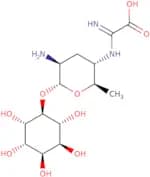

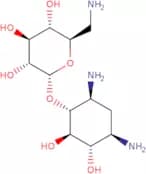


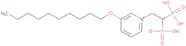
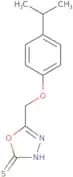

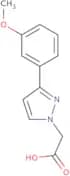
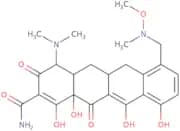


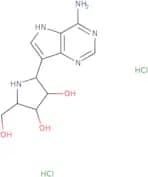

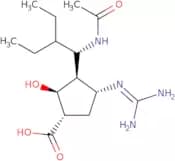

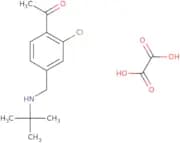
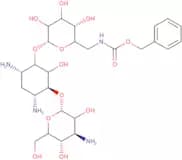

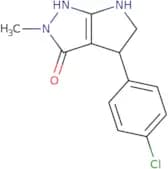
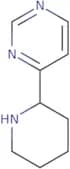

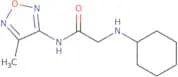
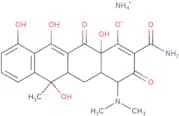
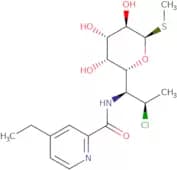
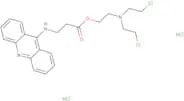

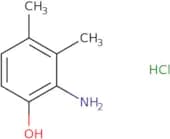

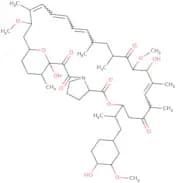


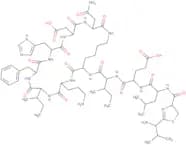
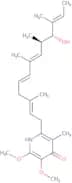
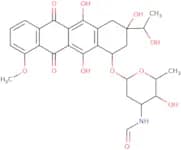
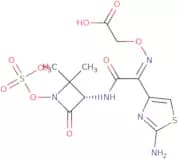
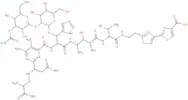
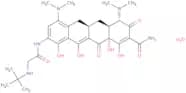
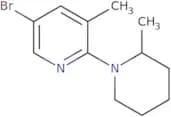
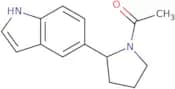
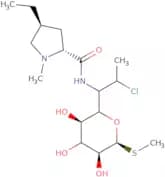
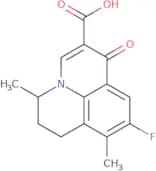
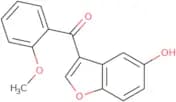
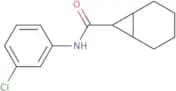
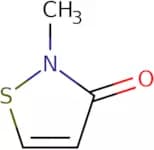
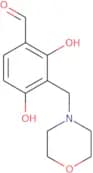
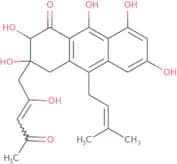

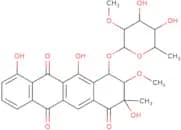


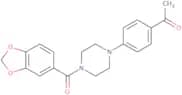
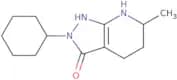
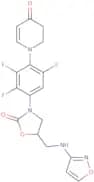
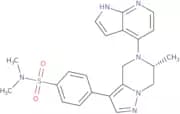
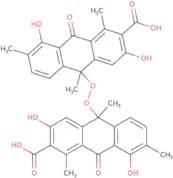
![Methyl N-[2-[[[1-(4-chlorophenyl)-1H-pyrazol-3-yl]oxy]methyl]phenyl]carbamate](/_next/image/?url=https%3A%2Fstatic.cymitquimica.com%2Fproducts%2F3D%2Fthumb-webp%2FMVA16596.webp&w=3840&q=75)


![3-Chloro-10,11-dihydro-5H-dibenzo[B,D]azepine](/_next/image/?url=https%3A%2Fstatic.cymitquimica.com%2Fproducts%2F3D%2Fthumb-webp%2FPBA60790.webp&w=3840&q=75)

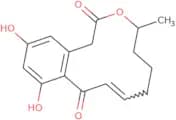


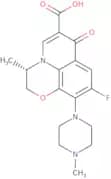
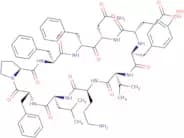
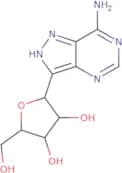
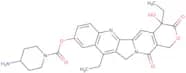
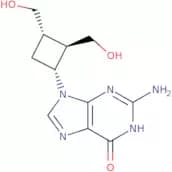
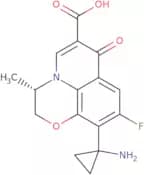


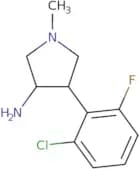
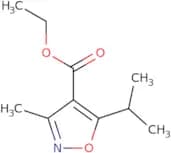

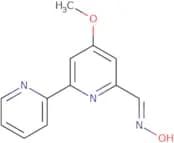
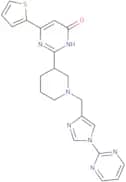
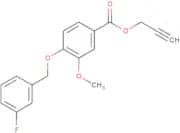
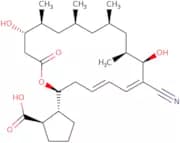

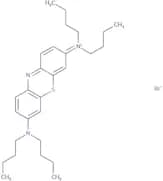




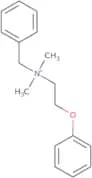




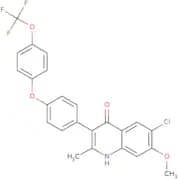
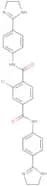
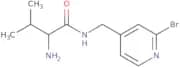

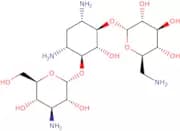
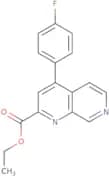

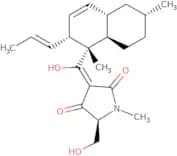
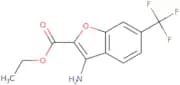


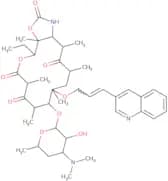
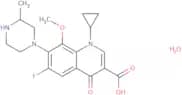
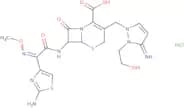
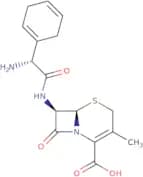
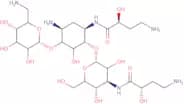
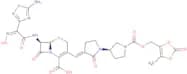

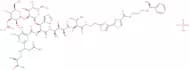
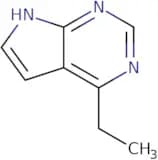
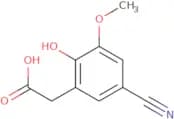
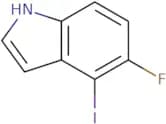


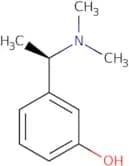

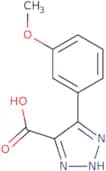
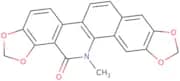

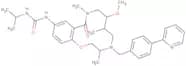
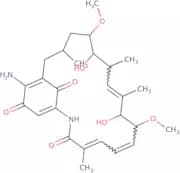
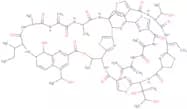
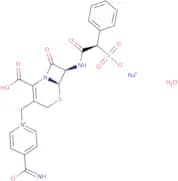

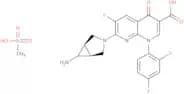
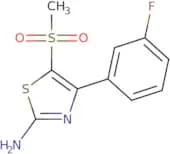
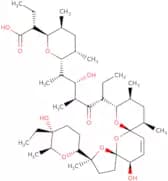


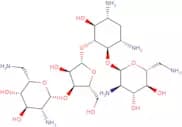
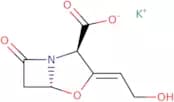

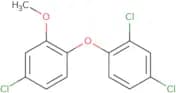
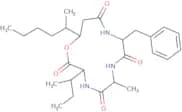
![N-[[(5S)-3-(4-Methylsulfinylphenyl)-2-oxo-1,3-oxazolidin-5-yl]methyl]acetamide](/_next/image/?url=https%3A%2Fstatic.cymitquimica.com%2Fproducts%2F3D%2Fthumb-webp%2FWDA80041.webp&w=3840&q=75)