Nucleotidi
I nucleotidi sono composti organici che fungono da mattoni per la costruzione degli acidi nucleici, essenziali per la formazione del DNA e dell'RNA. Ogni nucleotide è composto da una base azotata, una molecola di zucchero e uno o più gruppi fosfato. Questi nucleotidi si uniscono per formare lunghe catene, creando il materiale genetico che porta e trasmette informazioni genetiche in tutti gli organismi viventi. In questa sezione, troverai una vasta gamma di nucleotidi cruciali per la ricerca in genetica, biologia molecolare e biochimica. Sono fondamentali per studiare i processi genetici, sintetizzare acidi nucleici e sviluppare strumenti diagnostici e terapeutici. Da CymitQuimica, offriamo nucleotidi di alta qualità per supportare la tua ricerca scientifica e applicazioni, garantendo precisione e affidabilità nei tuoi esperimenti.
Sottocategorie di "Nucleotidi"
Trovati 2634 prodotti di "Nucleotidi"
Ordinare per
Purezza (%)
0
100
|
0
|
50
|
90
|
95
|
100
8-Aminoadenosine
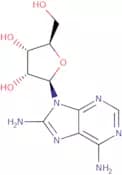
CAS:8-Aminoadenosine can be used to study the mitochondrial membrane potential, a critical cellular function in which ATP levels are maintained by oxidative phosphorylation. 8-Aminoadenosine is one of the few drugs that have been shown to increase ATP levels in cells. It does this by increasing the permeability of mitochondria membranes and the rate of electron transport from complex I to complex II. The reaction mechanism is thought to involve an intramolecular hydrogen transfer from NADH to 8-aminoadenosine, forming an unstable intermediate that undergoes a conformational change that enables it to react with oxygen. 8-Aminoadenosine has been shown as an effective treatment for certain autoimmune diseases and resistant breast cancer. It also has anti-inflammatory effects, as well as receptor activity against HIV infection and Toll-like receptors.Formula:C10H14N6O4Purezza:Min. 95%Colore e forma:PowderPeso molecolare:282.26 g/molL-Thymidine
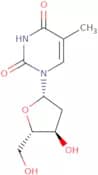
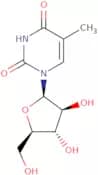
CAS:L-Thymidine is an antiviral drug that is used in the treatment of chronic hepatitis. It has been shown to be active against a range of viruses, including HIV, HSV, and HBV. L-Thymidine can also be used to treat patients with cancer as an anti-cancer agent. L-Thymidine is a prodrug that is converted into thymidine triphosphate (TTP), which inhibits viral DNA polymerase by competitive inhibition. The antiviral activity of L-Thymidine may be due to its ability to inhibit the synthesis of viral proteins required for viral replication by interfering with the protein production process or by inhibiting the formation of dsDNA during reverse transcription.Formula:C10H14N2O5Purezza:Min. 95%Colore e forma:PowderPeso molecolare:242.23 g/mol9-(b-D-Arabinofuranosyl)isoguanine
CAS:<p>9-(b-D-Arabinofuranosyl)isoguanine is a modified nucleoside that has antiviral activity. It is synthesized by substituting the 2'-hydroxyl group of deoxyribose with an arabinofuranose, which can be phosphorylated to form 9-(b-D-arabinofuranosyl)isoguanine 5'-monophosphate. This novel antiviral agent inhibits the synthesis of viral DNA and RNA, and is effective against a wide range of viruses in vitro. The drug was shown to have anticancer activities in animal models and has been patented for use as a chemotherapeutic agent against leukemia, lymphoma, and other cancers.</p>Formula:C10H13N5O5Purezza:Min. 95%Colore e forma:White PowderPeso molecolare:283.25 g/mol8-(Allyloxy)guanosine
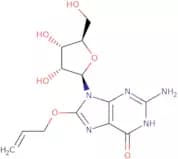
CAS:<p>8-(Allyloxy)guanosine is a nucleoside analog. It is an antiviral and anticancer drug that inhibits DNA synthesis by inhibiting the enzyme DNA polymerase. 8-AOG also inhibits the expression of genes involved in inflammatory responses, such as lipoxygenase, cyclooxygenase 2, and 5-lipoxygenase. This compound has been shown to be effective against herpes simplex virus types 1 and 2, cytomegalovirus, Epstein-Barr virus, adenovirus type 3, and human immunodeficiency virus type 1 (HIV-1). 8-(Allyloxy)guanosine can be used to inhibit the tumor growth of human cancer cells in vitro.<br>8-(Allyloxy)guanosine has been shown to have a low toxicity to healthy cells in vitro and when administered in vivo.</p>Formula:C13H17N5O6Purezza:Min. 95%Colore e forma:PowderPeso molecolare:339.3 g/mol2'-Deoxy-2'-fluorocytidine-5'-triphosphate tetralithium
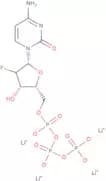
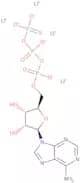
CAS:2'-Deoxy-2'-fluorocytidine-5'-triphosphate tetralithium is a modified nucleoside analog where the base is cytosine, the sugar is deoxyribose with a fluoro modification at the 2' position, and the molecule is phosphorylated at the 5' position with a triphosphate group.Formula:C9H11FLi4N3O13P3Purezza:Min. 95%Colore e forma:White Off-White PowderPeso molecolare:508.88 g/mol1-(2'-Deoxy-2'-fluoro-β-D-arabinofuranosyl)uracil
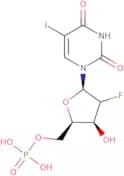
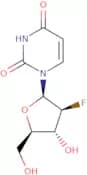
CAS:<p>Antineoplastic prodrug</p>Formula:C9H11FN2O5Purezza:Min. 95%Colore e forma:PowderPeso molecolare:246.2 g/mol3'-O-Benzoyl-2'-deoxy-N2-isobutyrylguanosine
CAS:3'-O-Benzoyl-2'-deoxy-N2-isobutyrylguanosine is a new antiviral nucleoside, which has been synthesized by reacting benzoyl chloride with 2'-deoxy-N2-isobutyrylguanosine monophosphate. It is also a novel DNA and RNA phosphoramidite monomer that can be used for the synthesis of oligonucleotides and oligoribonucleotides. 3'-O-Benzoyl-2'-deoxy-N2-isobutyrylguanosine is an activator of HIV reverse transcriptase, which leads to inhibition of viral replication.Formula:C21H23N5O6Purezza:Min. 95%Colore e forma:White PowderPeso molecolare:441.44 g/molAdenosine-2'-monophosphate
CAS:<p>Adenosine-2'-monophosphate is a nucleotide that contains two adenine bases. It is an important precursor in the synthesis of ATP, which is the main source of energy for cells. Adenosine-2'-monophosphate has been shown to inhibit phosphatase and lysine residues, as well as GSH-Px activities in kidney cells, leading to increased glomerular filtration rate. It also activates microglia cells and induces oxidative injury in rat brain tissue. The kinetic data for this molecule suggests that it binds to the enzyme ternary complex formation with a neutral pH optimum.</p>Formula:C10H14N5O7PPurezza:Min. 95%Colore e forma:PowderPeso molecolare:347.22 g/molS-Adenosylmethione-1,4-butanedisulfonate
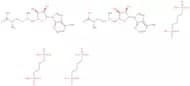
CAS:<p>S-adenosylmethionine is a compound that is naturally produced in the body and has been shown to be involved in many biochemical reactions. It can be found as a supplement at health food stores, but also is available as a prescription for the treatment of certain liver diseases such as hepatitis. S-adenosylmethionine may have some drug transporter function and can affect the metabolism of other drugs.</p>Formula:C42H74N12O28S8Purezza:Min. 95 Area-%Colore e forma:White PowderPeso molecolare:1,451.63 g/mol2'-Azido-2'-deoxycytidine
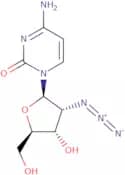
CAS:<p>2'-Azido-2'-deoxycytidine is a nucleoside analog derived from cytidine, in which the 2'-hydroxyl group of the ribose is replaced by an azido group (–N₃), while the cytosine base and remaining sugar structure are preserved. This substitution imparts the molecule with bioorthogonal reactivity, enabling its use in chemical biology applications such as nucleic acid labeling via azide-alkyne "click" chemistry. The azido group also sterically and electronically alters sugar conformation and enzymatic recognition, which can affect its incorporation into DNA or RNA by polymerases. Consequently, 2'-azido-2'-deoxycytidine is a useful research tool.</p>Formula:C9H12N6O4Purezza:Min. 95 Area-%Colore e forma:Slightly Yellow PowderPeso molecolare:268.2 g/molGuanosine 5'-triphosphate disodium salt
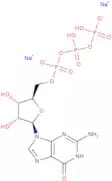
CAS:Guanosine 5'-triphosphate disodium salt is a nucleotide that is involved in energy metabolism and intracellular Ca2+ levels. It also has been shown to be an important regulator of guanine nucleotide-binding, enzyme activities, and receptor activity. This compound is a substrate for the polymerase chain reaction, which can be used to amplify DNA sequences. Guanosine 5'-triphosphate disodium salt has been shown to inhibit the growth of bacterial cells by binding to the antibiotic thiostrepton. The inhibition of bacterial growth is due to the prevention of antibiotic binding to bacterial ribosomes.Formula:C10H14N5O14P3Na2Purezza:Min. 85 Area-%Colore e forma:White Off-White PowderPeso molecolare:567.14 g/molAdenosine - Endotoxin level below 100 EU/g
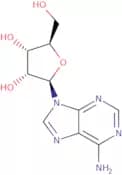
CAS:<p>Adenosine is a nucleoside that interacts with adenosine receptors in the central nervous system. It is found in most body tissues and fluids, including blood, cerebrospinal fluid, and synovial fluid. Adenosine has been shown to inhibit uptake of glucose and other substances in the brain. The uptake of adenosine by neurons is inhibited by solute transport inhibitors such as nevirapine, which prevents the accumulation of toxic levels of adenosine during excitotoxic injury. Adenosine also has thermodynamic properties that promote its removal from solution by binding to water molecules and forming crystals or precipitates. This property may be useful in the treatment of cerebral edema following traumatic brain injury.</p>Formula:C10H13N5O4Purezza:Min. 99.0 Area-%Colore e forma:White PowderPeso molecolare:267.24 g/molAcetyl coenzyme A sodium salt
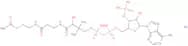
CAS:<p>Acetyl-coenzyme A is an important intermediate in the metabolism of carbohydrates, fats, and proteins. It is a cytosolic molecule that is synthesized from Acetyl-CoA and ATP. The Michaelis–Menten kinetics describe the relationship between the concentration of acetyl-coenzyme A and the rate of its consumption. Acetyl co-enzyme A is found in many different tissues, including plants, animals, and humans. It has an important role in regulating cellular growth and differentiation by activating various enzymes involved in metabolic pathways. Acetyl CoA can be acetylated to form acetyl CoA carboxylic acid (ACC) which then turns into malonyl CoA through a series of reactions. Malonyl CoA then enters the Krebs cycle as a key intermediate for generating energy from fatty acids.</p>Formula:C23H38N7O17P3S·xNaPurezza:Min. 95%Colore e forma:PowderPeso molecolare:809.57 g/molN6-Benzoyl-2'-deoxy-2'-fluoroadenosine
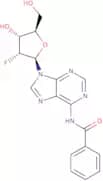
CAS:<p>N6-Benzoyl-2'-deoxy-2'-fluoroadenosine is an oligonucleotide that can be used to modulate the expression of survivin. It inhibits the expression of this protein by binding to its mRNA and preventing translation. N6-Benzoyl-2'-deoxy-2'-fluoroadenosine has shown potential for use in cancer treatment due to its ability to inhibit tumor growth and metastasis. It may also be used in the treatment of autoimmune diseases, such as rheumatoid arthritis, where it can inhibit the production of inflammatory cytokines.</p>Formula:C17H16FN5O4Purezza:Min. 95%Colore e forma:White PowderPeso molecolare:373.34 g/mol5-Acetoxymethyl-2'-deoxyuridine
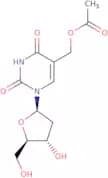
CAS:5-Acetoxymethyl-2'-deoxyuridine (5-AOMUdR) is a nucleoside analog that inhibits the synthesis of DNA. It is phosphorylated to 5-acetoxymethyl uridine monophosphate, which inhibits DNA polymerase by competitive inhibition. This compound has been shown to induce apoptosis in vitro and inhibit HIV replication in cells. 5-AOMUdR has also been shown to be an effective anti-viral agent against influenza A virus.Formula:C12H16N2O7Purezza:Min. 95%Colore e forma:PowderPeso molecolare:300.26 g/mol3'-O-Acetyl-2'-deoxyadenosine
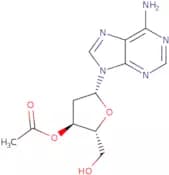
CAS:<p>Please enquire for more information about 3'-O-Acetyl-2'-deoxyadenosine including the price, delivery time and more detailed product information at the technical inquiry form on this page</p>Formula:C12H15N5O4Purezza:Min. 95%Colore e forma:White PowderPeso molecolare:293.29 g/molCytidine 2',3'-cyclic monophosphate monosodium
CAS:Cytidine 2',3'-cyclic monophosphate monosodium salt is a nucleotide that is used in the synthesis of DNA and RNA. It has antiviral and anticancer properties. Cytidine 2',3'-cyclic monophosphate monosodium salt is a high purity, high quality nucleotide with strong activator properties. It is also an excellent substrate for DNA polymerases, which may be due to its ability to bind to the phosphate groups on the enzyme's active site. This product can be used as a phosphoramidite during DNA synthesis or as an antiviral agent that inhibits viral replication by inhibiting the formation of viral DNA.Formula:C9H11N3O7P•NaPurezza:Min. 95%Colore e forma:PowderPeso molecolare:327.16 g/molN4-Acetyl-2'-deoxy-5'-O-DMT-cytidine
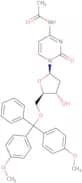
CAS:N4-Acetyl-2'-deoxy-5'-O-DMT-cytidine is a potent and selective inhibitor of the receptor tyrosine kinases Cck-A, which is overexpressed in certain tumour cells. N4-Acetyl-2'-deoxy-5'-O-DMT-cytidine blocks the activation of Cck-A by endothelin, thereby inhibiting the proliferation of tumour cells. This compound also has affinity for other protein kinases including receptor tyrosine kinase (RTK)s, which may be due to its tautomeric equilibrium.Formula:C32H33N3O7Purezza:Min. 95%Colore e forma:White PowderPeso molecolare:571.62 g/molN6-Benzoyl-2'-deoxy-5'-O-DMT-adenosine
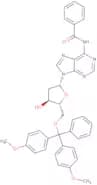
CAS:<p>N6-Benzoyl-2'-deoxy-5'-O-DMT-adenosine is a versatile nucleoside building block.</p>Formula:C38H35N5O6Purezza:Min. 98 Area-%Colore e forma:White PowderPeso molecolare:657.72 g/molAbacavir sulfate
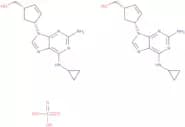
CAS:<p>Anti-viral; reverse transcriptase inhibitor</p>Formula:C14H18N6OH2SO4Purezza:Min. 98 Area-%Colore e forma:PowderPeso molecolare:670.75 g/molN4-Acetyl-5'-O-DMT-2'-O-methylcytidine
CAS:N4-Acetyl-5'-O-DMT-2'-O-methylcytidine is a cytidine analogue that has been synthesized to be used as an enzyme-linked probe. It is labelled with biotin and can be detected by binding to an antibody which has been labelled with a fluorescent tag. Cytidine analogues are synthesized on a solid phase and then cleaved from the support material. The spacer arm is added to the 5' end of the nucleotide and the 3'-OH group is modified with 2'-O-methyl groups. N4-Acetyl-5'-O-DMT-2'-O-methylcytidine has been shown to be sensitive in techniques such as solid phase synthesis, nucleic acid research, and immunoassays.Formula:C33H35N3O8Purezza:Min. 95%Colore e forma:Off-White PowderPeso molecolare:601.65 g/mol5-Aminoimidazole-4-carboxamide-1-b-D-ribofuranose
CAS:Acadesine is a purine nucleoside analogue that inhibits the synthesis of ATP in cells. Acadesine blocks phosphorylation of adenosine monophosphate (AMP) to adenosine triphosphate (ATP) by inhibiting the activity of kinase-3, an enzyme involved in the production of ATP. Acadesine also inhibits the release of ATP from muscle cells into the blood stream and preferentially targets kidney cells, thereby reducing renal injury. Acadesine has been shown to be effective at reducing proteinuria and improving renal function in rats with acute kidney injury. Acadesine also has anti-inflammatory properties due to its ability to inhibit proteins that are involved in inflammation.Formula:C9H14N4O5Purezza:Min. 98 Area-%Colore e forma:PowderPeso molecolare:258.23 g/mol2'-Deoxy-5-fluorouridine
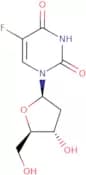
CAS:2'-Deoxy-5-fluorouridine is a nucleoside analog that inhibits the enzyme ribonucleotide reductase, which is involved in the synthesis of DNA. It has been shown to inhibit the growth of cancer cells and induce apoptosis in vivo. 2'-Deoxy-5-fluorouridine has also been shown to inhibit tumor growth in animal models by inhibiting the production of reactive oxygen species and upregulating tumor suppressor genes, such as p53. This drug also has inhibitory effects on enzymes that are involved in cell proliferation, such as protein kinase C and tyrosine kinases. 2'-Deoxy-5-fluorouridine is metabolized by water vapor, so it must be administered with a humidifier or nebulizer. 2'-Deoxy-5-fluorouridine may cause side effects such as nausea, vomiting, and diarrhea.Formula:C9H11FN2O5Purezza:Min. 98 Area-%Colore e forma:White Off-White PowderPeso molecolare:246.2 g/mol5-Methylcytidine-5'-triphosphate sodium salt - 100mM aqueous solution
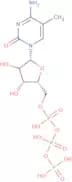
CAS:5-Methylcytidine-5'-triphosphate sodium salt is a nucleoside diphosphate that is used as an activator in the synthesis of DNA. It is also used as a building block in the synthesis of anticancer agents, such as 5-methylcytosine monophosphate and phosphoramidites. The chemical name for this product is 5-methylcytidine-5'-triphosphate sodium salt and its CAS number is 327174-86-7. This product is available for purchase at Sigma Aldrich with a purity of 99%.Formula:C10H18N3O14P3·xNaPurezza:Min. 95%Colore e forma:PowderPeso molecolare:497.18 g/molAdenosine 5'-diphosphate monosodium salt
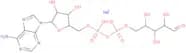
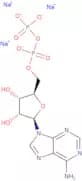
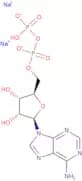
CAS:Used for energy storage and in nucleic acid metabolismFormula:C10H14N5NaO10P2Purezza:Min. 98 Area-%Colore e forma:White Off-White PowderPeso molecolare:449.18 g/molAbacavir
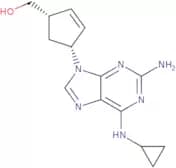
CAS:<p>Abacavir is a carbocyclic 2'-deoxyguanosine nucleoside reverse transcriptase (RT) inhibitor with anti-retroviral activity against HIV. Good oral bioavailability, high aqueous solubility and good cerebrospinal fluid penetrance. Synergistic with other nucleoside RT inhibitors such as AZT.</p>Formula:C14H18N6OPurezza:Min. 98 Area-%Colore e forma:White PowderPeso molecolare:286.33 g/mol2-Amino-2'-deoxyadenosine
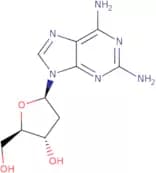
CAS:<p>2-Amino-2'-deoxyadenosine is a modified nucleoside, closely related to adenosine in which the 2'-hydroxyl group is replaced by an amino group. This compound has potential research applications</p>Formula:C10H14N6O3Purezza:Min. 98 Area-%Colore e forma:White PowderPeso molecolare:266.26 g/molAdenylyl-3'-5'-cytidine
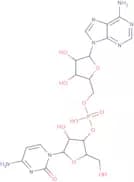
CAS:Adenylyl-3'-5'-cytidine (3'-5'-CYT) is a postulated naturally occurring dinucleoside that has been shown to be involved in many metabolic processes. It has been found to interact with serum albumin, which may be related to the molecule's ability to bind with the ligand and form a complex. 3'-5'CYT can be synthesized from cytidine using an enzyme called adenosine deaminase. This process is known as deamination. The product of this reaction can either be uracil or thymine, depending on the enzyme used. 3'-5'CYT is also a component of recombinant human polypeptides that have been shown to have anti-cancer properties.Formula:C19H25N8O11PPurezza:Min. 95%Colore e forma:PowderPeso molecolare:572.42 g/molRibavirin 5'-triphosphate tetrasodium salt - 10mM aqueous solution
CAS:Ribavirin triphosphate is the biologically active metabolite of antiviral nucleoside analog ribavirin. In cells, the prodrug ribavirin gets triphosphorylated and in it inhibits viral RNA polymerases, interfering with the synthesis of newly formed RNA.Formula:C8H15N4O14P3·Na4Purezza:Min. 95 Area-%Colore e forma:PowderPeso molecolare:576.1 g/molp-Coumaryl-coenzyme A
CAS:<p>Please enquire for more information about p-Coumaryl-coenzyme A including the price, delivery time and more detailed product information at the technical inquiry form on this page</p>Formula:C30H42N7O18P3SPurezza:Min. 95%Colore e forma:PowderPeso molecolare:913.68 g/mol5'-Azido-5'-deoxyguanosine
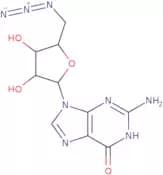
CAS:<p>5'-Azido-5'-deoxyguanosine is an analog of guanosine that can be synthesized in a solid-phase reaction. It can also be enzymatically generated from 5'-azido-5'-deoxyadenosine. This molecule is reactive and has been shown to be an effective inhibitor of DNA synthesis in vivo assays. The use of 5'-azido-5'-deoxyguanosine has been explored as a potential treatment for leishmaniasis, a disease caused by the protozoan parasite Leishmania donovani.</p>Formula:C10H12N8O4Purezza:Min. 95 Area-%Colore e forma:PowderPeso molecolare:308.25 g/molN4-Benzoyl-5'-O-DMT-cytidine
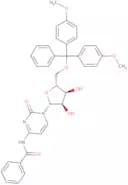
CAS:N4-Benzoyl-5'-O-DMT-cytidine is a novel modified nucleoside that can be phosphorylated by T4 kinase to form 5'-O-DMT-N4-benzoyl cytidine, which is an antiviral agent. This active compound is also an activator of DNA polymerases and has anticancer properties. N4-Benzoyl-5'-O-DMT cytidine has been shown to inhibit the replication of HIV in human cells and inhibit tumor growth in animal models. It has been synthesized with high quality and high purity, and has been assigned CAS No. 81246-76-6.Formula:C37H35N3O8Purezza:Min. 95 Area-%Colore e forma:White PowderPeso molecolare:649.69 g/molAlloxan hydrate
CAS:A pyrimidine derivative, widely used for the induction of diabetes in experimental animals. It preferentially accumulates in pancreatic β cells in Langerhans islets via glucose transporter GLUT2. In the presence of intracellular thiols such as glutathione, it gets involved in a cyclic redox reaction with its reduction product, dialuric acid. This triggers the production of toxic levels of reactive oxygen species (ROS) and directs the cells in necrosis. Alloxan also inhibits glucokinase, which regulates glucose-induced insulin secretion.Formula:C4H2N2O4•xH2OPurezza:Min. 95%Peso molecolare:142.07 g/mol5-Carboxy-2'-deoxyuridine
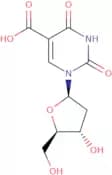
CAS:5-Carboxy-2'-deoxyuridine is a nucleoside analogue that inhibits herpes simplex virus type 1 (HSV-1) and 2 (HSV-2) replication. It is used to treat genital herpes infections caused by HSV-1 or HSV-2. 5-Carboxy-2'-deoxyuridine has been shown to inhibit the growth of human cancer cells in culture, and is currently being investigated as a potential anticancer drug. This drug binds with high affinity to the viral DNA polymerase, forming a covalent bond with the uracil base in the viral DNA chain. This prevents further elongation of the chain, inhibiting viral replication. 5-Carboxy-2'-deoxyuridine also inhibits cellular protein synthesis and cell division, which may be due to its ability to bind with aldehyde groups on surfactant proteins.END>Formula:C10H12N2O7Purezza:Min. 95%Colore e forma:PowderPeso molecolare:272.21 g/molAdenosine-5'-O-(1-thiotriphosphate) lithium salt - 100 mM aqueous solution
CAS:<p>Adenosine-5'-O-(1-thiotriphosphate) lithium salt is an inhibitor of the guanine nucleotide-binding protein that is reversibly inhibited by adenosine triphosphate. It has been shown to inhibit HIV infection by binding to the Ryanodine receptor and blocking the release of calcium ions from intracellular stores. This prevents the activation of caspases, which are enzymes that cause cell lysis. Adenosine-5'-O-(1-thiotriphosphate) lithium salt also blocks transcription and polymerase chain reactions, and may inhibit the growth of cancer cells by inhibiting epidermal growth factor receptors on the cell surface.</p>Formula:C10H12Li4N5O12P3SPurezza:Min. 95%Colore e forma:PowderPeso molecolare:546.98 g/molN6-Benzyl-2-deoxyadenosine
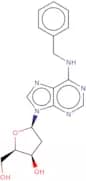
<p>N6-Benzyl-2-deoxyadenosine is a modified nucleotide that can be incorporated into DNA during replication. The compound has antiviral properties and can act as an activator for the transcription of genes involved in the immune response. It is synthesized by coupling two phosphate groups to adenosine monophosphate, which is then modified with a benzyl group. This modification prevents N6-benzyl-2-deoxyadenosine from being phosphorylated and degraded to adenosine monophosphate, resulting in a stable molecule that can be incorporated into DNA.</p>Formula:C17H19N5O3Purezza:Min. 95%Colore e forma:PowderPeso molecolare:341.36 g/mol9-(2'-Deoxy-2'-fluoro-β-D-arabinofuranosyl)adenine
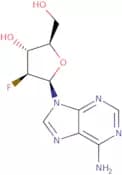
CAS:9-(2'-Deoxy-2'-fluoro-b-D-arabinofuranosyl)adenine (9dFdA) is a potent inhibitor of the enzyme s-adenosylhomocysteine hydrolase, which is involved in the synthesis of adenosine. 9dFdA inhibits the growth of Trichomonas vaginalis and has shown good activity against other pathogens, such as Staphylococcus aureus and Mycobacterium tuberculosis. It also has been shown to have potent inhibitory activity against adenosine deaminase, which prevents an immune response by preventing cells from producing the amino acid adenosine. This compound also inhibits uridine phosphorylase, which is involved in nucleotide biosynthesis.Formula:C10H12FN5O3Purezza:Min. 95%Colore e forma:PowderPeso molecolare:269.24 g/molCytidine 5'-triphosphate disodium dihydrate
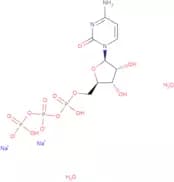
CAS:<p>Cytidine 5'-triphosphate (CTP) disodium dihydrate prevents the action of aspartate carbamoyltransferase, an enzyme involved in pyrimidine biosynthesis. CTP serves as a molecule of high energy and acts as a coenzyme in glycerophospholipid biosynthesis and protein glycosylation.</p>Formula:C9H16N3O14P3•(H2O)2•Na2Purezza:Min. 95%Colore e forma:PowderPeso molecolare:565.17 g/mol2'-Deoxy-2-fluoroadenosine
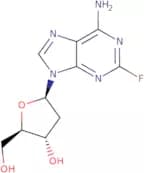
CAS:<p>2'-Deoxy-2-fluoroadenosine is an adenosine member and an organofluorine compound</p>Formula:C10H12FN5O3Purezza:Min. 98 Area-%Colore e forma:White PowderPeso molecolare:269.23 g/molCytidine-5-carboxylic acid sodium
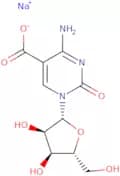
CAS:Cytidine-5-carboxylic acid sodium salt is a nucleoside that is used as an activator for the synthesis of phosphoramidites. It is also used in anticancer and antiviral research as a component of DNA. Cytidine-5-carboxylic acid sodium salt is available in high purity, with a monophosphate form and diphosphate forms available.Formula:C10H13N3O7•NaPurezza:Min. 95%Colore e forma:PowderPeso molecolare:310.21 g/mol9-(2'-Deoxy-2'-fluoro-β-D-arabinofuranosyl)guanine
CAS:<p>9-(2'-Deoxy-2'-fluoro-b-D-arabinofuranosyl)guanine is a nucleoside phosphorylase inhibitor that is used to treat inflammatory bowel disease. It has been shown to be effective in treating women with inflammatory bowel disease, and has no significant side effects. 9-(2'-Deoxy-2'-fluoro-b-D-arabinofuranosyl)guanine inhibits the bacterial enzyme nucleoside phosphorylase, which is responsible for the conversion of guanosine triphosphate (GTP) to guanosine diphosphate (GDP). This inhibition prevents the synthesis of DNA and RNA by blocking the conversion of GTP and GDP into AMP and GMP. The drug binds to the active site of nucleoside phosphorylase, which is located in the bacterial cytoplasmic membrane. 9-(2'-Deoxy-2'-fluoro</p>Formula:C10H12FN5O4Purezza:Min. 97 Area-%Colore e forma:PowderPeso molecolare:285.24 g/mol2'-Amino-2'-deoxyadenosine-5'-triphosphate sodium salt - aqueous solution
CAS:<p>2'-Amino-2'-deoxyadenosine-5'-triphosphate sodium salt - aqueous solution is a modified ATP analog, where the ribose has a 2'-amino substitution. This compound has potential research applications</p>Formula:C10H17N6O12P3·xNaPurezza:Min. 95 Area-%Colore e forma:PowderPeso molecolare:506.2 g/molAdenosine 5'-diphosphate disodium salt
CAS:<p>Adenosine 5'-diphosphate disodium salt is a sodium salt of adenosine 5'-diphosphate. It is found in the extract of plants such as salvianolic acid and rhizoma gastrodiae, as well as in dinucleotide phosphate. This product has been shown to have cardioprotective effects against ischemia reperfusion injury in animal models. It also has congestive heart failure activity, which may be due to its ability to relax vascular smooth muscle and increase the diameter of lymphatic vessels. Adenosine 5'-diphosphate disodium salt has been shown to inhibit the binding of serotonin (5-hydroxytryptamine) to 5-HT2 receptors, which are present in heart tissue.</p>Formula:C10H13N5Na2O10P2Purezza:Min. 95 Area-%Colore e forma:White PowderPeso molecolare:471.16 g/molAzathioprine
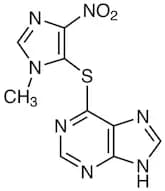
CAS:Formula:C9H7N7O2SPurezza:>98.0%(T)(HPLC)Colore e forma:Light yellow to Yellow to Green powder to crystalPeso molecolare:277.268-Chloro-2'-deoxyadenosine
CAS:<p>8-Chloro-2'-deoxyadenosine is a nucleoside analogue and a disinfectant that inhibits the synthesis of DNA. It has been used to control active viruses and to induce apoptotic cell death in cancer cells. 8-Chloro-2'-deoxyadenosine binds to viral RNA and DNA, preventing viral replication by inhibiting the activity of reverse transcriptase, which is an enzyme that copies the virus's genetic information from RNA into DNA. This drug has also been shown to be effective for the treatment of HIV infection. 8-Chloro-2'-deoxyadenosine disrupts DNA synthesis and cellular metabolism by blocking transcription and protein synthesis.</p>Formula:C10H12ClN5O3Purezza:Min. 95%Colore e forma:PowderPeso molecolare:285.69 g/mol7-Methyl-6-thioguanosine inner salt
CAS:<p>7-Methyl-6-thioguanosine inner salt is a compound that inhibits the activity of creatine kinase and phosphatase, which are enzymes involved in energy metabolism. It also binds to actin filaments and prevents their depolymerization. The binding mechanism of 7-methyl-6-thioguanosine inner salt is believed to be due to its ability to form disulfide bonds with cysteine residues on the surface of the enzyme. This inhibition has been shown to reduce the ATP production in mammalian cells and has been used as a model system for studying cellular processes.</p>Formula:C11H15N5O4SPurezza:Min. 95 Area-%Colore e forma:White PowderPeso molecolare:313.33 g/mol1-(β-D-Arabinofuranosyl)thymine
CAS:<p>1-(β-D-Arabinofuranosyl)thymine is a nucleoside analog. It has a similar structure to thymidine. It has possible applications in research into the specificity and kinetics of thymidine kinases and has demonstrated antiviral activity against some viruses.</p>Formula:C10H14N2O6Purezza:Min. 95%Colore e forma:White PowderPeso molecolare:258.23 g/mol5-Aza-7-deazaguanosine
CAS:<p>5-Aza-7-deazaguanosine is a nucleoside analogue that has antiviral activity against herpes simplex virus, influenza, and other DNA viruses. 5-Aza-7-deazaguanosine is an analog of guanosine with the addition of a 7-deaza group on the nitrogen atom. This drug inhibits viral replication by inhibiting the polymerase function of the viral NS5B protein, which is essential for DNA synthesis. The structure activity relationship studies have shown that this compound has anti-hepatitis B virus activity, but not against hepatitis C virus. 5-Aza-7-deazaguanosine has been shown to be effective in animal models as well as in humans without any significant toxicity issues.</p>Formula:C10H13N5O5Purezza:Min. 95%Colore e forma:PowderPeso molecolare:283.24 g/mol6-Methyl-5-nitrouracil
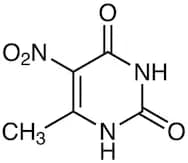
CAS:Formula:C5H5N3O4Purezza:>95.0%(T)(HPLC)Colore e forma:Light orange to Yellow to Green powder to crystalPeso molecolare:171.11β-Nicotinamide Adenine Dinucleotide oxidized form [for Biochemical Research]
CAS:Formula:C21H27N7O14P2Purezza:>95.0%(T)(HPLC)Colore e forma:White to Almost white powder to crystalPeso molecolare:663.432',3'-O-Isopropylidenecytidine
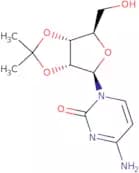
CAS:<p>2',3'-O-Isopropylidenecytidine is a nucleoside for use in research applications</p>Formula:C12H17N3O5Purezza:Min. 95%Colore e forma:PowderPeso molecolare:283.28 g/molUridine
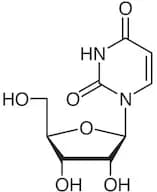
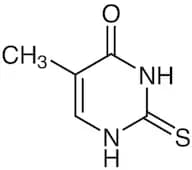
CAS:Formula:C9H12N2O6Purezza:>98.0%(T)(HPLC)Colore e forma:White powder to crystalPeso molecolare:244.205-Methyl-2-thiouracil
CAS:Formula:C5H6N2OSPurezza:>98.0%(T)(HPLC)Colore e forma:White to Almost white powder to crystalPeso molecolare:142.182'-Deoxy-L-uridine
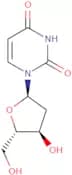
CAS:<p>2'-Deoxy-L-uridine is a nucleoside that is found in the human body. It phosphorylates l-thymidine, which is a natural substrate, and this reaction prevents the formation of diphosphate from d-ribose 5'-monophosphate. 2'-Deoxy-L-uridine is an exogenous substance that inhibits cell growth by affecting protein synthesis and DNA replication. 2'-Deoxy-L-uridine has been shown to be more efficient than wild type uridine in inhibiting cell growth in vitro at concentrations of 1 mM or greater. The enantiomers of 2'-deoxy-L-uridine affect cell growth differently, with the (R)-enantiomer being more potent than the (S)-enantiomer.</p>Formula:C9H12N2O5Purezza:Min. 95%Colore e forma:White PowderPeso molecolare:228.2 g/mol2'-Deoxycytidine-5'-diphosphate trisodium salt hydrate
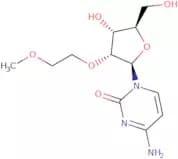
CAS:2'-Deoxycytidine-5'-diphosphate trisodium salt hydrate is a nucleoside that is used as an antiviral agent in the treatment of herpes zoster and varicella zoster. This drug also has anticancer properties, which may be due to its ability to inhibit DNA synthesis. 2'-Deoxycytidine-5'-diphosphate trisodium salt hydrate is a novel nucleotide analogue that has been modified to improve its stability, solubility and bioavailability. It can be used as a starting material for the synthesis of phosphoramidites by reacting with phosphorous pentoxide at elevated temperatures and pH. CAS No. 151151-32-5Formula:C9H12N3O10P2·Na3Purezza:Min. 95%Colore e forma:White Off-White PowderPeso molecolare:453.12 g/mol2'-O-(2-Methoxyethyl)cytidine
CAS:<p>2'-O-(2-Methoxyethyl)cytidine is a nutrient that is used to maintain the dry weight of Lactobacillus acidophilus cultures. It is also used as a texturizing agent in food products. 2'-O-(2-Methoxyethyl)cytidine has been shown to increase the rate of lactose hydrolysis and reduce the viscosity of yogurt by activating L. acidophilus. 2'-O-(2-Methoxyethyl)cytidine is also used as a dietary supplement for people with intestinal disorders, such as irritable bowel syndrome. It can be found in sodium salts and n-methyl-d-glucamine.</p>Formula:C12H19N3O6Purezza:Min. 95%Colore e forma:PowderPeso molecolare:301.3 g/mol2-Chloroadenosine hemihydrate
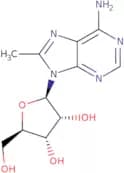
CAS:<p>2-Chloroadenosine hemihydrate is a synthetic purine nucleoside analog, closely related to adenosine, with a chlorine atom substituted at the 2-position on the adenine ring. This molecule has potential application in research.</p>Formula:C10H12ClN5O4H2OPurezza:Min. 95%Colore e forma:PowderPeso molecolare:310.69 g/mol8-Methyladenosine
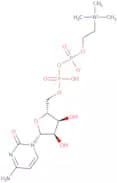
CAS:<p>8-Methyladenosine is an acid conjugate that can be found in the urine of healthy people. It is a protonated molecule that binds to a p2 subtype of the G protein-coupled receptor, which is activated by adenosine and 8-methyladenosine. This drug has been used in clinical trials for the treatment of herpes simplex virus and cervical cancer. The intramolecular hydrogen bond between the methyl group and the adenosine ring is responsible for its high binding affinity for this receptor. The glycosidic bond is formed when an 8-methyladenosine molecule attaches to a receptor on a cell surface, forming an intramolecular hydrogen bond with the receptor's amino acid side chain. This bond is broken when a protonated molecule of 8-methyladenosine enters the cell and interacts with the receptor, resulting in activation of this receptor.</p>Formula:C11H15N5O4Purezza:Min. 95%Colore e forma:White PowderPeso molecolare:281.27 g/molCytidine 5'-diphosphocholine
CAS:<p>Cytidine 5'-diphosphocholine is a nucleotide that is a precursor of uridine 5'-triphosphate and cytidine 5'-monophosphate, which are important for DNA synthesis. Cytidine 5'-diphosphocholine is used in the preparation of samples for experiments. This compound has been shown to induce neuronal death in an experimental model. It has also been shown to inhibit polymerase chain reactions and affect the activity of enzymes such as alpha-7 nicotinic acetylcholine receptors and glutamate decarboxylase. Cytidine 5'-diphosphocholine has been found to have no effect on basic fibroblast cells, but it does have physiological effects on human erythrocytes.</p>Formula:C14H26N4O11P2Purezza:Min. 98 Area-%Colore e forma:White PowderPeso molecolare:488.32 g/moldNTP bundle, 4 x 100mM aqueous solution
CAS:Each dNTP supplied in a separate vialPurezza:Min. 99 Area-%Colore e forma:Clear Liquid4-[(1Z)-2-(4-Chlorophenyl)vinyl]pyridine
CAS:<p>4-[(1Z)-2-(4-Chlorophenyl)vinyl]pyridine is a modified nucleoside that is used in anticancer drugs. It has shown antiviral and antitumor effects. 4-[(1Z)-2-(4-Chlorophenyl)vinyl]pyridine is synthesized by condensing 4-chlorobenzaldehyde and 2,3-dichloropyridine. The nucleoside has been modified to be phosphorylated at the 5′ position and contains a ribonucleotide moiety and a deoxyribonucleotide moiety. This product is of high purity and quality, with an activator group at the 5′ position.</p>Formula:C13H10ClNPurezza:Min. 95%Peso molecolare:215.68 g/mol5-Carboxymethylaminomethyluridine
CAS:5-Carboxymethylaminomethyluridine is a nucleoside analogue that is used in molecular modeling studies to investigate the role and interactions of uridine in the mitochondrial ribosome. It has been shown to bind to the mitochondrial ribosome, which may be due to hydrogen bonding interactions with adenine. 5-Carboxymethylaminomethyluridine also inhibits protein synthesis at the level of translation by inhibiting group P2 of eukaryotic cytosolic ribosomes. This inhibition results in decreased production of proteins necessary for mitochondrial biogenesis.Formula:C12H17N3O8Purezza:Min. 95 Area-%Colore e forma:White Off-White PowderPeso molecolare:331.28 g/molN6-Cyclopentyladenosine
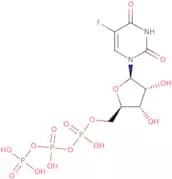
CAS:<p>N6-Cyclopentyladenosine is a nucleoside analog that binds to the kappa-opioid receptor. The physiological effects of this drug are mediated through its interaction with the kappa-opioid receptor, which is found in the central nervous system and mediates many of the effects of morphine. N6-Cyclopentyladenosine has been shown to increase blood flow and heart rate in humans. This drug also inhibits tetrazolium dye uptake by papillary muscle cells, suggesting that it may have cardiotonic effects. N6-Cyclopentyladenosine has been used as an analytical probe for adenosine, which is metabolized by cyclic AMP and cyclic GMP phosphodiesterases into adenosine 3',5'-cyclic monophosphate (cAMP).</p>Formula:C15H21N5O4Purezza:Min. 95%Colore e forma:PowderPeso molecolare:335.36 g/mol5-Fluorouridine-5'-triphosphate sodium salt
CAS:<p>5-Fluorouridine-5'-triphosphate sodium salt is an analog of uridine that has been used in the treatment of metastatic colorectal cancer. It is a prodrug that is metabolized to 5-fluorouracil, its active form. 5-Fluorouridine-5'-triphosphate sodium salt inhibits the synthesis of thymidylate, one of the precursors to DNA, and blocks the production of nucleotides. This results in cell lysis and death by apoptosis. The drug also inhibits epidermal growth factor receptor (EGFR), which may contribute to its antitumor effects.</p>Formula:C9H14N2O15P3FPurezza:Min. 95%Peso molecolare:502.13 g/mol2'-Deoxyadenosine 5'-O-thiophosphate sodium salt
CAS:2'-Deoxyadenosine 5'-O-thiophosphate sodium salt is a synthetic nucleotide that has antiviral, anticancer and antitumor properties. It is a modified deoxyribonucleoside and it activates the synthesis of DNA by acting as an activator. This drug is not found in nature and it has shown to inhibit the growth of human breast cancer cells in cell culture.Formula:C10H14N5O5PSPurezza:Min. 95%Peso molecolare:347.29 g/mol2'-O-Methylinosine
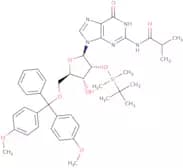
CAS:<p>2'-O-Methylinosine is a nucleoside that is structurally related to inosine. It has been shown to induce apoptotic cell death in HIV-infected cells by inhibiting the synthesis of rRNA and by inhibiting the activity of the transcriptase enzyme. 2'-O-Methylinosine has also been shown to inhibit the replication of RNA viruses, such as herpes simplex virus and cytomegalovirus, and it can be used as an experimental model for studying apoptosis. 2'-O-Methylinosine can be synthesized from inosine using a chromatographic method that utilizes hydroxylamine. The chemical structure of this nucleoside is amphipathic, which allows it to bind both DNA and RNA strands.</p>Formula:C11H14N4O5Purezza:Min. 99 Area-%Colore e forma:White PowderPeso molecolare:282.25 g/mol2'-O-(tert-Butyldimethylsilyl)-5'-O-DMT-N2-isobutyryl-guanosine
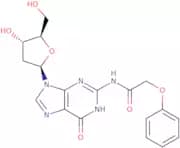
CAS:2'-O-(tert-Butyldimethylsilyl)-5'-O-DMT-N2-isobutyryl-guanosine is a synthetic nucleoside that has been modified with a tert-butyldimethylsilyl group. This modification is used to improve the efficiency of coupling reactions between nucleosides and phosphoramidites in oligonucleotide synthesis. The 2'-O-(tert-Butyldimethylsilyl)-5'-O-DMT-N2-isobutyryl guanosine is also used as a chromophore in spectroscopy experiments and as a ligand in metal coordination chemistry.Formula:C41H51N5O8SiPurezza:Min. 98 Area-%Colore e forma:Off-White PowderPeso molecolare:769.96 g/mol2'-Deoxy-N2-phenoxyacetylguanosine
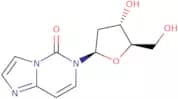
CAS:<p>2'-deoxy-N2-phenoxyacetylguanosine is a synthetic nucleoside that is used as a substrate in experiments to study the properties of guanine. The compound can be synthesized by the reaction of 2'-deoxy-N2-phenoxyacetaldehyde with guanine. The synthesis starts with the condensation of 2'-deoxyribose and N2-phenoxyacetaldehyde, followed by the oxidation of the resulting anhydride to give aldehyde, which reacts with guanine to form a Schiff base. This then undergoes hydrolysis to yield 2'-deoxy-N2-phenoxyacetylguanosine.</p>Formula:C18H19N5O6Purezza:Min. 95%Peso molecolare:401.38 g/mol4-(b-D-Ribofuranosyl)-vic-triazolo[4,5-b]pyridin-5-one
CAS:<p>Ribonucleosides, Deoxyribonucleosides and Activator are a group of synthetic compounds that are used in the synthesis of DNA. Ribonucleosides and Deoxyribonucleosides are nucleotides that contain ribose or deoxyribose as the sugar moiety. Activator is an activator for DNA polymerase, which catalyses the formation of a phosphodiester bond between two adjacent 3'-5' phosphate groups on a single strand of DNA. Ribonuclesides, Deoxyribonucleosides and Activator are used in recombinant DNA technology to synthesize DNA molecules containing modified bases. The CAS number for Ribonuclesides, Deoxyribonucleosides and Activator is 59892-40-9.</p>Formula:C10H12N4O5Purezza:Min. 95%Peso molecolare:268.23 g/mol2,4-Diamino-6-hydroxypyridine sulphate
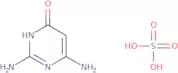
CAS:2,4-Diamino-6-hydroxypyridine sulphate is a nucleoside for use in research applicationsFormula:C4H6N4O•(H2SO4)xPurezza:Min. 95%Colore e forma:PowderPeso molecolare:224.2 g/molQueuosine
CAS:Queuosine is a modified nucleoside found in the tRNA of both eukaryotic and prokaryotic organisms. It is primarily sourced from the gut microbiota and obtained through dietary intake, as humans lack the biosynthetic machinery to produce it endogenously. Queuosine plays a crucial role in cellular processes by contributing to the accuracy of protein synthesis, impacting cellular growth and maintenance. Its importance extends to understanding the molecular mechanisms underpinning various physiological processes and the potential for dysregulation in diseases. Ongoing research is exploring queuosine's implications in cellular metabolism, including its role in cancer biology and neurobiology. Understanding the pathways and effects of queuosine incorporation into tRNA may provide insights into novel therapeutic avenues for targeting metabolic disorders and diseases associated with translational fidelity.Formula:C17H23N5O7Purezza:Min. 95 Area-%Colore e forma:PowderPeso molecolare:409.39 g/mol3'-Azido-3'-deoxythymidine-b-D-glucuronide sodium salt
CAS:<p>3'-Azido-3'-deoxythymidine-b-D-glucuronide sodium salt is an antiviral and anticancer agent that inhibits the synthesis of DNA, RNA, and protein. It has shown to be effective against a variety of viruses including HIV-1, herpes simplex virus type 1, influenza A virus, vaccinia virus, and vesicular stomatitis virus. 3'-Azido-3'-deoxythymidine-b-D-glucuronide sodium salt also inhibits the growth of cancer cells in vitro. This drug is a modified nucleoside with a phosphoramidite backbone and a 3'-azido group at one end. The other end contains a beta D glucuronic acid moiety. The modifications allow for the inhibition of DNA synthesis by blocking the incorporation of deoxyribonucleotides into DNA chains.</p>Formula:C16H20N5NaO10Purezza:Min. 95%Colore e forma:PowderPeso molecolare:465.35 g/mol8-Amino[1''-(N''-dansyl)-4''-aminobutyl]-5'-(1-aziridinyl)-5'-deoxy adenosine
CAS:<p>8-Amino-[1''-(N''-dansyl)-4''-aminobutyl]-5'-(1-aziridinyl)-5'-deoxyadenosine is a novel nucleoside phosphoramidite that has antiviral and anticancer activity. It is currently under development as a potential treatment for Hepatitis C, HIV and cancer. 8-Amino-[1''-(N''-dansyl)-4''-aminobutyl]-5'-(1-aziridinyl)-5'-deoxyadenosine is an activator of the enzyme ribonucleotide reductase, which converts ribonucleotides to deoxyribonucleotides. It also inhibits the synthesis of DNA and RNA by inhibiting the enzyme DNA gyrase and topoisomerase IV. 8-Amino-[1''-(N''-dansyl)-4''-aminobutyl</p>Formula:C28H37N9O5SPurezza:Min. 95%Colore e forma:PowderPeso molecolare:611.72 g/mol2'-Deoxy-4-thiouridine
CAS:<p>2'-Deoxy-4-thiouridine is a pyrimidine nucleoside for a range of applications</p>Formula:C9H12N2O4SPurezza:Min. 98 Area-%Colore e forma:PowderPeso molecolare:244.27 g/mol2'-Deoxyinosine-5'-monophosphate disodium salt
CAS:<p>2'-Deoxyinosine-5'-monophosphate disodium salt is a synthetic nucleoside, phosphoramidite, and diphosphate that is used in the synthesis of DNA. It has been shown to have antiviral effects against HIV and herpes simplex virus type 2 (HSV-2). This drug also has anticancer activity and is an activator of novel nucleosides.</p>Formula:C10H11N4Na2O7PPurezza:Min. 98 Area-%Colore e forma:White PowderPeso molecolare:376.17 g/molN3-Methylthymidine
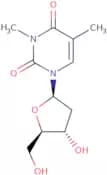
CAS:<p>N3-Methylthymidine is a metalloprotease inhibitor that has been shown to inhibit the activity of epidermal growth factor (EGF). N3-Methylthymidine is also an effective inhibitor of HIV infection. The inhibitory effect on HIV infection is due to the competitive inhibition of viral protease and subsequent degradation of viral proteins. N3-Methylthymidine inhibits the synthesis and release of infectious herpes simplex virus particles. This drug also inhibits the growth of human tumor cells in culture by inhibiting cell proliferation, most likely due to its ability to inhibit EGF. An analytical method for determining the concentration of this drug in plasma using chemical ligation has been developed.</p>Formula:C11H16N2O5Purezza:Min. 95%Colore e forma:White PowderPeso molecolare:256.26 g/molGuanosine 5'-monophosphate disodium salt
CAS:Guanosine 5'-monophosphate disodium salt (GMPDS) is an antiviral agent that inhibits the synthesis of viral nucleic acids by competitive inhibition of the enzyme ribonucleotide reductase. GMPDS has been shown to inhibit the replication of a number of RNA viruses, including influenza A and B, herpes simplex virus type 1, and human immunodeficiency virus type 1. This drug also has been shown to decrease cyclic adenosine monophosphate (cAMP) levels in cells by inhibiting phosphodiesterase activity. GMPDS is used for treatment of infectious diseases such as influenza A, herpes, and HIV-1.Formula:C10H12N5Na2O8PPurezza:Min. 98 Area-%Colore e forma:White Off-White PowderPeso molecolare:407.18 g/molGuanosine 3',5'-bisdiphosphate lithium salt - 100mM aqueous solution
CAS:Regulates gene transcription; inhibits the synthesis of tRNA and rRNAFormula:C10H17N5O17P4·xLiPurezza:Min. 85 Area-%Colore e forma:Colorless PowderPeso molecolare:602.16 g/molPolycytidylic acid
CAS:<p>Polycytidylic acid is a single stranded RNA analog which is combined with Polyinosinic acid to form a stable duplex structure known as Polyinosinic acid-polycytidylic acid (Poly I:C). PolyI:C stimulates the secretion of pro-inflammatory cytokines and type I interferon through its interaction with endosomal Toll-like receptor 3 (TLR-3) and the cytoplasmic receptors melanoma differentiation-associated gene 5 (MDA-5) and retinoic acid-inducible gene I (RIG-I). This immunostimulant activity makes Poly I:C a useful vaccine adjuvant and is used in vaccine formulations. Poly I:C and its stabilized analogs (e.g., poly-ICLC) are also being actively researched for their dual role in oncology: directly targeting tumors and acting as immune potentiators. For example Poly I:C can induce apoptosis in tumor cells and stimulate immunogenic cell death and is therefore being explored alongside chemotherapy, radiotherapy, and checkpoint inhibitors, helping to overcome resistance mechanisms and strengthen treatment outcomes. We can supply PolyI:C to all stages of your project - from R&D and preclinical phases right up to GMP commercial manufacture. Contact our team for custom Poly I:C products.<br>For more on poly I:C read out blog 'Poly I:C: A Vaccine Adjuvant With Oncological Potential.'</p>Purezza:Min. 95%4-Bromo-3,5-dichloropyridine
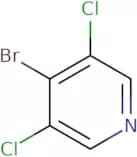
CAS:<p>4-Bromo-3,5-dichloropyridine is a reactive intermediate that is used as a reagent in organic synthesis. It has low basicity and reacts with lithium to form the lithium salt. The salt can be deprotonated to form the bromide anion, which is more reactive than the chloride anion. 4-Bromo-3,5-dichloropyridine can also be used for the selective isomerization of ketones and related compounds. Bromine is added to prevent side reactions with oxygen. The intermediates are generated at the site of reaction by using an excess of diisopropylamide over bromination agent.</p>Formula:C5H2BrCl2NPurezza:Min. 95%Peso molecolare:226.89 g/mol5'-O-DMT-N2-isobutyrylguanosine
CAS:<p>5'-O-DMT-N2-isobutyrylguanosine is a novel phosphoramidite monophosphate, which has been modified with an isobutyryl group. This compound was synthesized in order to be used as a nucleoside analogue and antimetabolite for the treatment of cancer. It also has antiviral properties and inhibits the replication of DNA by inhibiting transcription. 5'-O-DMT-N2-isobutyrylguanosine is an anticancer agent that can be used to treat tumors that are resistant to other chemotherapy drugs. It also inhibits the growth of cells by preventing the synthesis of proteins needed for cell division.</p>Formula:C35H37N5O8Purezza:Min. 95%Colore e forma:White PowderPeso molecolare:655.7 g/mol2'-O-Methyluridine
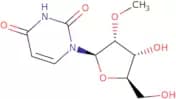
CAS:<p>2'-O-Methyluridine is a chemical compound that is used in the synthesis of RNA. It is an analog of uridine and has been shown to have antiviral and anticancer properties. 2'-O-Methyluridine inhibits protein synthesis by competing with uridine for the active site of the enzyme ribonucleotide reductase, which converts ribonucleotides to dNMPs. This compound also inhibits RNA synthesis by disrupting the pairing of adenine and cytosine residues in RNA strands. 2'-O-Methyluridine has been shown to inhibit growth in some types of cancer cells, including colorectal adenocarcinoma cells. It may also be useful as a chemotherapeutic agent against HIV, as it inhibits virus replication by inhibiting reverse transcription and DNA synthesis.</p>Formula:C10H14N2O6Purezza:Min. 98 Area-%Colore e forma:White Off-White PowderPeso molecolare:258.23 g/moldNTP pre-mixes, 10 mM aqueous solution
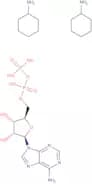
CAS:<p>dATP, dTTP, dCTP and dGTP pre-mixed in a single vial</p>Formula:C10H16N5O12P3Purezza:Min. 95%Colore e forma:Clear LiquidPeso molecolare:491.18 g/molAdenosine 5'-diphosphate bis(cyclohexylammonium) salt
CAS:<p>Adenosine 5'-diphosphate bis(cyclohexylammonium) salt is a novel antiviral agent that has been shown to be an activator of the adenylate cyclase enzyme. It also inhibits DNA and RNA synthesis in viruses, which prevents viral replication. Adenosine 5'-diphosphate bis(cyclohexylammonium) salt is active against cancer cells and has been shown to inhibit tumor growth and prolong survival in animal models. This compound can be synthesized by reacting the monophosphate with phosphoramidites or deoxyribonucleosides.</p>Formula:C10H15N5O10P2·2C6H13NPurezza:Min. 98 Area-%Colore e forma:PowderPeso molecolare:625.55 g/mol2'-Deoxy-a-guanosine
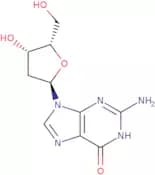
CAS:2'-Deoxy-a-guanosine is a nucleoside that is modified by the substitution of its ribose sugar with deoxyribose. It is used in anticancer and antiviral research. This chemical has been shown to inhibit DNA synthesis and RNA polymerase activity. 2'-Deoxy-a-guanosine has also been shown to have an anti-inflammatory effect, which may be due to its inhibition of prostaglandin synthesis.Formula:C10H13N5O4Purezza:Min. 95%Colore e forma:PowderPeso molecolare:267.25 g/molUridine 3'-monophosphate disodium salt
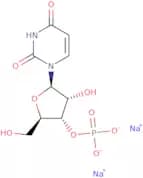
CAS:Uridine 3'-monophosphate disodium salt is a nucleotide that is part of the pyrimidine family. It is synthesized from uridine and phosphoric acid in a reaction that requires hydrogen bonding and the presence of an enzyme. Uridine 3'-monophosphate disodium salt has been shown to inhibit the production of eosinophil cationic protein, which may be due to its ability to denature proteins. This drug also has an effect on the synthesis of proteins by inhibiting enzymes such as acetylcholinesterase and catalase. The synthesis of glycosidic bonds is also inhibited, which may lead to an increase in body mass index (BMI).Formula:C9H11N2Na2O9PPurezza:Min. 95%Colore e forma:White PowderPeso molecolare:368.15 g/mol4-Amino-2,6-dihydroxy-5-nitrosopyrimidine
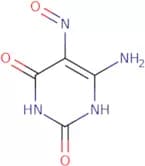
CAS:<p>4-Amino-2,6-dihydroxy-5-nitrosopyrimidine is a molecule that has been shown to be an effective inhibitor of the enzyme tyrosinase in the oxidation of tyrosine to DOPA, which is a precursor of melanin. It is believed that vibrational and structural changes during these reactions are responsible for the inhibitory effects. 4-Amino-2,6-dihydroxy-5-nitrosopyrimidine has also been shown to have anti cancer effects on glioma cells. This molecule binds to copper ions, forming a chelate ring that can stabilize reactive intermediates and terminate free radicals. The chlorine atom on this molecule may be responsible for its cytotoxic effects by reacting with nucleophilic sites on proteins. The functional groups on this molecule react with acid catalysts, such as protonation or dehydration reactions.</p>Formula:C4H4N4O3Purezza:Min. 98 Area-%Colore e forma:PowderPeso molecolare:156.1 g/molN4-Etheno 2'-deoxycytidine
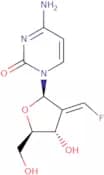
CAS:N4-Etheno 2'-deoxycytidine is an aromatic hydrocarbon that has been shown to be a potent inhibitor of DNA synthesis. It binds covalently with the N4 position of deoxycytidine in DNA, thereby inhibiting transcription and replication. This drug has been shown to be a potent inhibitor of DNA synthesis in human cells when it is added to the culture medium, but it does not inhibit protein synthesis. N4-Etheno 2'-deoxycytidine can also react with hydrogen bonds in cellular proteins and nucleosides that are involved in DNA repair mechanisms. This drug is reactive and may cause oxidative damage to cellular components, which may lead to carcinogenesis.Formula:C11H13N3O4Purezza:Min. 95%Colore e forma:White PowderPeso molecolare:251.24 g/mol(E)-2'-Deoxy-2'-(fluoromethylene)cytidine
CAS:<p>(E)-2'-Deoxy-2'-(fluoromethylene)cytidine is a cytostatic compound that inhibits DNA synthesis in tumor cells. It has been shown to be more potent than tezacitabine and hl-60 cells, as well as being less toxic than benzimidazole compounds. This analog of cytosine has been shown to have potent antitumor activity against carcinoma cell lines and myeloid leukemia cell lines. The oral prodrug form of this drug has been shown to be an effective treatment for myeloid leukemia in mice.</p>Formula:C10H12FN3O4Purezza:Min. 95%Peso molecolare:257.22 g/molNicotinic acid adenine dinucleotide sodium
CAS:<p>Nicotinic acid adenine dinucleotide sodium (NAAD) is a novel anticancer and antiviral agent. NAAD is an analog of nicotinamide adenine dinucleotide (NAD) that has been modified to include a sodium ion. This modification inhibits the synthesis of DNA and RNA, which are required for cell division and replication. It has been shown to inhibit the growth of cancer cells in vitro and in vivo. In addition, NAAD suppresses viral replication by inhibiting protein synthesis in cells infected with HIV-1 or influenza virus. NAAD has also been shown to be a potent inhibitor of ribonucleoside reductase, which converts ribonucleosides into deoxyribonucleosides. This inhibition prevents the conversion of diphosphate nucleotides into monophosphate nucleotides, which are necessary for DNA synthesis.</p>Formula:C21H26N6O15P2•NaPurezza:Min. 95%Peso molecolare:687.4 g/molCyclic inosine diphosphate ribose
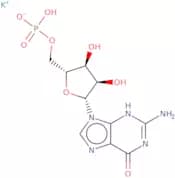
CAS:<p>Cyclic inosine diphosphate ribose is a synthetic, fluorescent compound that can be used as a probe for assays. It has been synthesized by the solid-phase synthesis of a specific antibody and is bioconjugated with an oligo(ethylene glycol) moiety. Cyclic inosine diphosphate ribose can be used to measure lymphocyte activation, which is important for the study of autoimmune diseases and cancer. Cyclic inosine diphosphate ribose has also been shown to bind to the ryanodine receptor, which causes an increase in intracellular calcium concentration.</p>Formula:C15H20N4O14P2Purezza:Min. 95%Peso molecolare:542.29 g/molPolyguanylic acid potassium
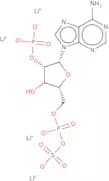
CAS:Polyguanylic acid potassium salt is a guanosine analog that is used as a probe for studying the interaction of cellular and target tissue. It has been found to be taken up by cells, with high affinity constants, and to be immobilized on cell surfaces. Polyguanylic acid potassium salt can also be used as an anticancer agent against epidermoid carcinoma cells with high affinity constants. The compound interacts with DNA and inhibits the growth of the tumor cells by interfering with the uptake of nucleic acids.Formula:(C10H14N5O8P)x•KxPurezza:Min. 95%Colore e forma:Powder2'-Phosphoadenosine 5'-phosphosulfate tetralithium salt (mixture with 3'-isomer)
CAS:<p>2'-Phosphoadenosine 5'-phosphosulfate tetralithium salt (mixture with 3'-isomer) is a novel, modified nucleoside. It has antiviral properties and can be used for the treatment of cancer. 2'-Phosphoadenosine 5'-phosphosulfate tetralithium salt (mixture with 3'-isomer) inhibits viral replication by inhibiting the synthesis of viral DNA and RNA. This compound also inhibits cancer cell proliferation by inhibiting deoxyribonucleic acid (DNA) and ribonucleic acid (RNA) synthesis.</p>Formula:C10H11N5O13P2S·4LiPurezza:Min. 95%Colore e forma:SolidPeso molecolare:531 g/molN6-Hydroxymethyladenosine
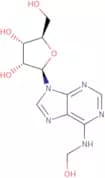
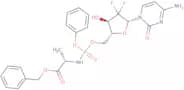
CAS:Please enquire for more information about N6-Hydroxymethyladenosine including the price, delivery time and more detailed product information at the technical inquiry form on this pageFormula:C11H15N5O5Purezza:Min. 95%Colore e forma:PowderPeso molecolare:297.27 g/molN-(2'-Deoxy- 2', 2'- difluorocytidine 5'-P- phenyl phosphate) L- alanine benzyl ester
CAS:<p>N-(2'-Deoxy- 2', 2'- difluorocytidine 5'-P- phenyl phosphate) L- alanine benzyl ester, also known as Acelarin, is primarily used in cancer treatment, including leukemia and solid tumors.</p>Formula:C25H27F2N4O8PPurezza:Min. 98 Area-%Colore e forma:PowderPeso molecolare:580.47 g/molγ-[(6-Azidohexyl)-imido]-ATP sodium
Please enquire for more information about γ-[(6-Azidohexyl)-imido]-ATP sodium including the price, delivery time and more detailed product information at the technical inquiry form on this pageFormula:C16H28N9O12P3•NaxPurezza:Min. 95%Adenosine 5′-diphosphoribose monosodium
CAS:Adenosine 5′-diphosphoribose monosodium is a novel nucleotide that can be used in the synthesis of antiviral, anticancer, and anti-inflammatory drugs. Adenosine 5′-diphosphoribose monosodium is a modified form of adenosine 5′-triphosphate (ATP) with an added phosphate group at the 5′ position on the ribose sugar. It is synthesized from ATP by phosphoramidite chemistry. The CAS number for this product is 68414-18-6. Adenosine 5′-diphosphoribose monosodium has been shown to inhibit replication of human immunodeficiency virus type 1 (HIV-1) and herpes simplex virus type 1 (HSV-1).Formula:C15H23N5O14P2•NaPurezza:Min. 95%Peso molecolare:582.31 g/mol5-Methoxyuridine 5′-triphosphate sodium, 85mM/L aqueous solution
CAS:Please enquire for more information about 5-Methoxyuridine 5′-triphosphate sodium, 85mM/L aqueous solution including the price, delivery time and more detailed product information at the technical inquiry form on this pageFormula:C10H17N2O16P3•NaxPurezza:Min. 95%2',3'-Dideoxycytidine-5'-triphosphate N,N-diethylethanamine
CAS:Please enquire for more information about 2',3'-Dideoxycytidine-5'-triphosphate N,N-diethylethanamine including the price, delivery time and more detailed product information at the technical inquiry form on this pageFormula:C9H16N3O12P3•(C6H15N)xPurezza:Min. 95%Fialuridine 5'-monophosphate
CAS:Fialuridine 5'-monophosphate is an analog of fialuridine, a drug used to treat HIV. Fialuridine 5'-monophosphate inhibits mitochondrial DNA synthesis by inhibiting hepg2 in the mitochondria and blocks the conversion of uracil to thymine in nuclear DNA. The inhibition of these two processes prevents viral replication and cell division. Fialuridine 5'-monophosphate also has antioxidant properties that protect cells from oxidative damage induced by reactive oxygen species. This drug may be beneficial for cancer treatment as well as hepatitis C or herpes simplex virus infection.Formula:C9H11FIN2O8PPurezza:Min. 95%Peso molecolare:452.07 g/mol















![β-Nicotinamide Adenine Dinucleotide oxidized form [for Biochemical Research]](/_next/image/?url=https%3A%2Fstatic.cymitquimica.com%2Fproducts%2F3B%2Fthumb-webp%2FD0919.webp&w=3840&q=75)



![4-[(1Z)-2-(4-Chlorophenyl)vinyl]pyridine](/_next/image/?url=https%3A%2Fstatic.cymitquimica.com%2Fproducts%2F3D%2Fthumb-webp%2FNC65881.webp&w=3840&q=75)




![4-(b-D-Ribofuranosyl)-vic-triazolo[4,5-b]pyridin-5-one](/_next/image/?url=https%3A%2Fstatic.cymitquimica.com%2Fproducts%2F3D%2Fthumb-webp%2FNR04971.webp&w=3840&q=75)


![8-Amino[1''-(N''-dansyl)-4''-aminobutyl]-5'-(1-aziridinyl)-5'-deoxy adenosine](/_next/image/?url=https%3A%2Fstatic.cymitquimica.com%2Fproducts%2F3D%2Fthumb-webp%2FNA16503.webp&w=3840&q=75)








![γ-[(6-Azidohexyl)-imido]-ATP sodium](/_next/image/?url=https%3A%2Fstatic.cymitquimica.com%2Fproducts%2F3D%2Fthumb-webp%2FNA183120.webp&w=3840&q=75)