Nucleosidi
I nucleosidi sono building blocks fondamentali degli acidi nucleici, composti da una base azotata legata a una molecola di zucchero. In questa sezione, puoi trovare una vasta gamma di nucleosidi essenziali per la ricerca in biologia molecolare, biochimica e farmacologia. Questi composti svolgono ruoli cruciali nella sintesi del DNA e dell'RNA e sono vitali in vari processi metabolici. I nucleosidi vengono utilizzati per studiare il materiale genetico, sviluppare terapie antivirali e antitumorali e comprendere i meccanismi cellulari. Da CymitQuimica, forniamo nucleosidi di alta qualità per supportare le tue esigenze di ricerca e sviluppo, garantendo purezza e affidabilità per le tue applicazioni sperimentali.
Trovati 3569 prodotti di "Nucleosidi"
Ordinare per
Purezza (%)
0
100
|
0
|
50
|
90
|
95
|
100
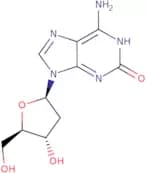
2'-Deoxyadenosine 3'-O-L-valinyl ester
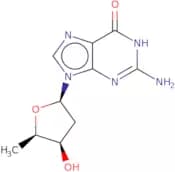
2'-Deoxyadenosine 3'-O-L-valinyl ester is a novel nucleoside phosphoramidite that is synthesized by activating the 2'-deoxyribose phosphate with an L-valyl chloride. This synthetic nucleoside analog can be used as a substitute for dATP in DNA synthesis and has antiviral as well as anticancer activities.Purezza:Min. 95%2',5'-Dideoxyguanosine
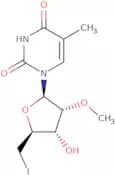
CAS:<p>2',5'-Dideoxyguanosine is a modified nucleoside analog of guanosine, one of the four natural nucleosides found in RNA and DNA. This synthetic molecule has hydroxyl groups removed from the 2' and 5' positions of the sugar component, which alters its ability to participate in nucleic acid synthesis.</p>Formula:C10H13N5O3Purezza:Min. 97 Area-%Colore e forma:White PowderPeso molecolare:251.25 g/mol5’-Deoxy-5’-iodo-2’-O-methyl-5-methyluridine
CAS:<p>5’-Deoxy-5’-iodo-2’-O-methyl-5-methyluridine is a monophosphate nucleoside. It is an antiviral and anticancer agent that inhibits viral replication by inhibiting the synthesis of viral DNA. It also has been shown to have antitumor activity, but it can only be used in cancer treatments when combined with other drugs such as 5FU. The chemical formula for 5’-Deoxy-5’-iodo-2’O methyl -5 methyl uridine is C10H14N4O8P.</p>Purezza:Min. 95%5-Amino-2’-deoxy-2’-O-methyluridine HCl
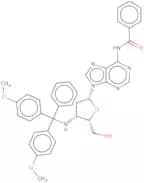
<p>5-Amino-2’-deoxy-2’-O-methyluridine HCl is a novel nucleoside analog that has been modified with an O-methyl group at the 5′ position of the ribose moiety. This modification inhibits phosphorylation by inhibiting DNA polymerase and thus, preventing DNA synthesis. 5-Amino-2’-deoxy-2’-O-methyluridine HCl has also been shown to inhibit viral replication by inhibiting viral RNA and protein synthesis, while not affecting human RNA and protein synthesis. 5AADMUT is an activator of diphosphate metabolism in cells which may be due to its ability to inhibit enzymes involved in nucleotide metabolism (e.g., adenosine kinase).</p>Purezza:Min. 95%N6-Benzoyl-2',3'-dideoxy-3'-N-DMT-adenosine
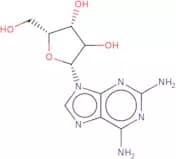
N6-Benzoyl-2',3'-dideoxy-3'-N-DMT-adenosine is a novel nucleoside that can be used as an antiviral agent. It is a phosphoramidite and has been shown to inhibit replication of HIV, HSV, and CMV. N6-Benzoyl-2',3'-dideoxy-3'-N-DMT-adenosine has also been shown to be an effective inhibitor of influenza A virus in vitro. This drug inhibits viral DNA synthesis by competing with natural nucleosides for incorporation into the viral DNA chain and by inhibiting viral DNA polymerase activity.Formula:C38H36N6O5Purezza:Min. 95%Peso molecolare:656.75 g/mol2-Aminoadenosine
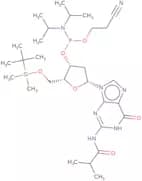
CAS:<p>2-Aminoadenosine is a synthetic nucleoside analog of adenosine in which the purine base is 2,6-diaminopurine, featuring an additional amino group at the C2 position. This modification enhances hydrogen bonding potential and alters base-pairing specificity, allowing it to form three hydrogen bonds with uracil or thymine, in contrast to adenine's two. As a result, 2-aminoadenosine has been studied for its impact on nucleic acid stability, replication fidelity, and enzymatic recognition. It has also shown potential in antiviral and anticancer research due to its ability to disrupt normal RNA and DNA metabolism.</p>Formula:C10H14N6O4Purezza:Min. 98 Area-%Colore e forma:White PowderPeso molecolare:282.26 g/mol5'-O-tert-Butyldimethsilyl-2'-Deoxy-N2-isobutyrylguanosine 3'-CE phosphoramidite
5'-O-tert-Butyldimethsilyl-2'-Deoxy-N2-isobutyrylguanosine 3'-CE phosphoramidite is a novel nucleoside analog with antiviral and anticancer properties. It is a modified nucleoside that is synthesized by reacting 5'-O-tert-butyldimethylsilyl guanosine with 2'-deoxyisobutyryl chloride in the presence of triethylamine. The resulting 5'-O-tert-butyldimethylsilyl-2'-deoxyisobutyrylguanosine 3'-CE phosphoramidite has been shown to be cytotoxic to tumor cells without affecting normal cells.Formula:C29H50N7O6PSiPurezza:Min. 95%Peso molecolare:651.82 g/molBBQ-650-DT CEP
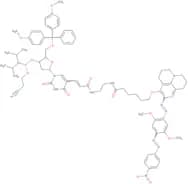
CAS:<p>BBQ-650-DT CEP is an antiviral compound that is a phosphoramidite derivative of cytidine. BBQ-650-DT CEP has been shown to inhibit the replication of human immunodeficiency virus type 1 (HIV-1) and other retroviruses in vitro, and to inhibit tumor cell proliferation in vivo. BBQ-650-DT CEP also inhibits the synthesis of RNA and DNA, which may have anticancer properties. This compound has been shown to be active against leukemia cells, lymphoma cells, and various breast cancer cell lines. It has also been shown to induce apoptosis in leukemia cells.</p>Formula:C76H89N12O15PPurezza:Min. 95%Peso molecolare:1,441.6 g/molN4-Benzoyl-5'-O-benzoyl-2'-O-tert-butyldimethylsilylcytidine 3'-CE phosphoramidite
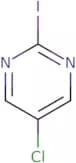
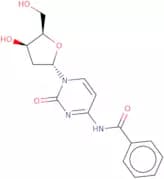
N4-Benzoyl-5'-O-benzoyl-2'-O-tert-butyldimethylsilylcytidine 3'-CE phosphoramidite is a novel nucleoside that has been modified by the addition of a benzoyl group to the 5' position of the ribonucleotide moiety. N4-Benzoyl-5'-O-benzoyl-2'-O-tert-butyldimethylsilylcytidine 3'-CE phosphoramidite is an anticancer and antiviral agent that inhibits viral replication by competitive inhibition of DNA polymerase. N4-Benzoyl-5'-O-benzoyl -2'-O -tert -butyldimethylsilylcytidine 3'-CE phosphoramidite is active against HIV, herpes virus, and cytomegalovirus. This compound also inhibits the synthesisFormula:C38H52N5O8PSiPurezza:Min. 95%Peso molecolare:765.93 g/mol5-Chloro-2-iodopyrimidine
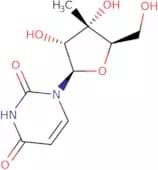
CAS:<p>5-Chloro-2-iodopyrimidine is an organic molecule that belongs to the class of trifluoromethylated molecules. It was discovered by a team of chemists in 2006 and has been used as a reagent for the efficient trifluoromethylation of organic molecules. 5-Chloro-2-iodopyrimidine can be catalyzed with copper, which is responsible for its unique reactivity. The synthesis of this molecule has been shown to be efficient in organic chemistry.<br>END></p>Formula:C4H2ClIN2Purezza:Min. 95%Colore e forma:PowderPeso molecolare:240.43 g/mol3’-b-C-Methyluridine
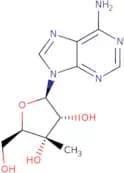
CAS:<p>3’-b-C-Methyluridine (3′-b-CMU) is an analog of uridine. It inhibits the activity of viral and bacterial nucleases by attacking the phosphate group. 3′-b-CMU inhibits syncytial formation in cell cultures, which may be due to its ability to inhibit RNA synthesis. This drug has a hydroxyl group that can react with free radicals and may have some inhibitory effect on deoxyribonucleoside triphosphate hydrolysis. 3′-b-CMU is not widely used clinically because it is not readily available, but it is being reinvestigated for use in corynebacterium infections.</p>Purezza:Min. 95%4-Thiothymidine
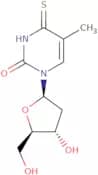
CAS:<p>4-Thiothymidine is a nucleoside analog that is converted to thymidine by the enzyme thymidine kinase. It has been shown to inhibit the growth of human skin cancer cells by binding to DNA duplexes and inhibiting the synthesis of new DNA strands. 4-Thiothymidine has also been shown to be effective against radiation-induced damage in cultured human cells and inhibits tumor growth in mice bearing a transplantable mouse skin cancer. 4-Thiothymidine can be used as an inhibitor for chemotherapy or radiation therapy for cancer patients. It is active on both site-specific and cell-specific gene targets, with a reactive hydrogen bond that helps stabilize its formation.</p>Formula:C10H14N2O4SPurezza:Min. 98 Area-%Colore e forma:Yellow PowderPeso molecolare:258.3 g/mol5,6-Dichlorobenzimidazole-1-b-D-ribofuranoside
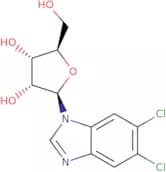
CAS:5,6-Dichlorobenzimidazole-1-b-D-ribofuranoside is a chemical compound that has been shown to be neurotoxic in vitro. It has significant cytotoxicity against human leukemia cells (HL60) and induces neuronal death. This drug also inhibits the production of neurotrophic factors, which are vital for the normal development of neurons. 5,6-Dichlorobenzimidazole-1-b-D-ribofuranoside inhibits transcriptional regulation of genes that encode for receptors and enzymes. The compound is chemically stable and does not degrade easily by hydrolysis or oxidation. It can bind to polymerase chain reaction (PCR) primers and inhibit DNA synthesis. 5,6-Dichlorobenzimidazole-1-b-D-ribofuranoside also affects cell nuclei by inhibiting DNA synthesis and enzyme activities.Formula:C12H12Cl2N2O4Purezza:Min. 98 Area-%Colore e forma:White PowderPeso molecolare:319.15 g/molN4-Benzoyl-5-methylcytidine
CAS:N4-Benzoyl-5-methylcytidine is a labile chemical that can be uniquely prepared using biochimie. It has been shown to have anticodon activity in assays and is synthesized chemically. The nucleoside is phosphoramidite, which is methylated and reproducible. N4-Benzoyl-5-methylcytidine has been shown to inhibit the growth of cells by blocking the synthesis of purines and pyrimidines. It may also have biophysical properties that are related to its ability to bind to DNA.Formula:C17H19N3O6Purezza:Min. 95%Colore e forma:PowderPeso molecolare:361.35 g/mol2’,3’-Bis-O-tert-butyldimethylsilyl-5’-O-DMT-uridine
CAS:2’,3’-Bis-O-tert-butyldimethylsilyl-5’-O-DMT-uridine is a high purity, novel nucleoside that has antiviral properties. It is a phosphoramidite monophosphate that is synthesized by reacting 5’-O-DMT uridine with bis(2,2,2-trichloroethyl)dimethylsilane and 2,6,8,-trioxabicyclo[3.3.1]nonane in the presence of triethylamine. This product can be used as an activator for DNA synthesis or to synthesize deoxyribonucleosides.Purezza:Min. 95%6-Amino-4-hydrazino-2-(b-D-ribofuranosyl)-2H-pyrazolo[3,4-d]pyrimidine
6-Amino-4-hydrazino-2-(b-D-ribofuranosyl)-2H-pyrazolo[3,4-d]pyrimidine is a modified nucleoside which has been shown to be active against HIV and other viruses. It is a phosphoramidate of 2'-deoxyadenosine 5'-monophosphate with an amino group at the 2' position. This compound inhibits the replication of DNA by binding to the enzyme reverse transcriptase and prevents the synthesis of viral DNA. 6-Amino-4-hydrazino-2-(b-D-ribofuranosyl)-2H-pyrazolo[3,4-d]pyrimidine also has anticancer properties, as it inhibits cell proliferation in vitro and in vivo.Purezza:Min. 95%2’,3’,5’-Tri-O-benzoyl-5-hydroxymethyl-2’C-methyluridine
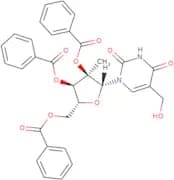
CAS:<p>2’,3’,5’-Tri-O-benzoyl-5-hydroxymethyl-2’C-methyluridine is an analogue of 5-hydroxymethyluridine. The 2’,3’,5’-tri-O-benzoyl group is used to protect the hydroxyl group and prevent oxidation. It has been shown to inhibit replication of DNA in vitro and in vivo against human leukemia cells. This product is synthesized by phosphoramidite chemistry from 2′,3′,5′triphosphate and 5′hydroxymethyluridine. The purity of this product is >99%.<br>2’,3’,5’-Tri-O-benzoyl-5-(hydroxymethyl)uridine can be used as a nucleoside or nucleotide analog for anticancer treatments or other therapeutic purposes.</p>Purezza:Min. 95%2'-Deoxy-2',2'-difluorocytidine 5'-triphosphate triethylammonium salt - Aqueous solution
CAS:<p>2'-Deoxy-2',2'-difluorocytidine 5'-triphosphate triethylammonium salt - Aqueous solution is a nucleoside analog for research purposes</p>Formula:C9H14F2N3O13P3·C24H60N4Colore e forma:Colorless PowderPeso molecolare:907.9 g/mol3’-Azido-3’-deoxy-5-fluoro-b-L-uridine
CAS:3’-Azido-3’-deoxy-5-fluoro-b-L-uridine is a novel, activator ribonucleoside that is an analog of the natural nucleoside uridine. It has high quality and purity. This compound is used to synthesize deoxyribonucleosides, diphosphate, phosphoramidites, modified, anticancer and antiviral agents.Purezza:Min. 95%2'-Deoxy-2'-fluoroguanosine
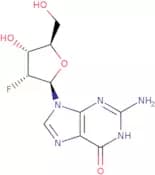
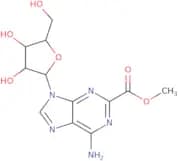
CAS:<p>2'-Deoxy-2'-fluoroguanosine is a modified nucleoside analog where the base is guanine, the sugar is deoxyribose, and a fluoro group is attached to the 2' position of the sugar ring. This modification potnetially enhances the stability and nuclease resistance of the nucleoside, making it a useful tool in molecular biology and drug development.</p>Formula:C10H12FN5O4Purezza:Min. 98 Area-%Colore e forma:White PowderPeso molecolare:285.23 g/mol2-Methoxycarbonyl adenosine
CAS:2-Methoxycarbonyl adenosine is a modified nucleoside and nucleotide. It is an antiviral agent that has been shown to be effective against herpes simplex virus type 1 (HSV-1) and varicella zoster virus (VZV). 2-Methoxycarbonyl adenosine also has anticancer activity, which may be due to its ability to inhibit DNA synthesis. This agent can also be used as a phosphoramidite for the synthesis of oligonucleotides and as a monophosphate for the synthesis of ribonucleosides. 2-Methoxycarbonyl adenosine is also available in high purity and high quality with CAS No. 70255-70-8.Purezza:Min. 95%2,8-Dimethyladenosine
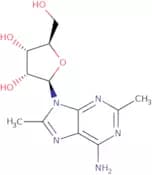
CAS:2,8-Dimethyladenosine is a methylated derivative of the purine nucleoside adenosine, in which methyl groups are added at the 2-position and 8-position of the adenine base.Formula:C12H17N5O4Purezza:Min. 95%Colore e forma:White PowderPeso molecolare:295.29 g/mol2'-Deoxy-5-methylcytidine
CAS:<p>2'-Deoxy-5-methylcytidine is a nucleoside analogue that inhibits the synthesis of DNA. It prevents methylation of guanine, which disrupts the binding of guanine nucleotide-binding proteins to the dna template and prevents polymerase chain reactions. 2'-Deoxy-5-methylcytidine has been shown to inhibit colon cancer cells in vitro, and may be a potential biomarker for bowel disease. This drug is also a methyltransferase inhibitor, which means it blocks the enzyme responsible for adding methyl groups to cytosine molecules.</p>Formula:C10H15N3O4Purezza:Min. 98 Area-%Colore e forma:White PowderPeso molecolare:241.25 g/molThymidine-3',5'-diphosphate sodium salt
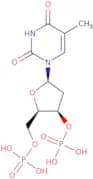
CAS:<p>Thymidine-3',5'-diphosphate sodium salt is a nucleoside that is used in the synthesis of oligonucleotides. It is an antiviral and anticancer agent. Thymidine-3',5'-diphosphate sodium salt has been shown to inhibit DNA synthesis, leading to cell death. It also has been shown to be effective against Hepatitis B virus and HIV-1.</p>Formula:C10H16N2O11P2·xNaPurezza:Min. 98 Area-%Colore e forma:White PowderPeso molecolare:402.19 g/mol3'-Deoxythymidine
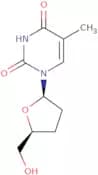
CAS:<p>3'-Deoxythymidine (3DT) is a nucleoside analog that has high resistance to HIV. It is an analogue of the human insulin-like growth factor-1 (IGF-1), which binds to the IGF-1 receptor and inhibits the binding of IGF-1 to its receptor, thereby inhibiting the growth of cells. 3DT has been shown to have a protective effect against radiation in mice, with an LD50 at a dose of 5.0 mg/kg for radiation exposure. 3DT also has antiviral activity against murine sarcoma virus, as well as other biological properties such as enzyme activities and disease activity. This drug may be used in future research on polymerase chain reactions (PCRs) and DNA sequencing, since it is chemically stable and can be easily synthesized.</p>Formula:C10H14N2O4Purezza:Min. 95%Colore e forma:White PowderPeso molecolare:226.23 g/molN4-Benzoyl-2'-deoxy-a-cytidine
CAS:<p>N4-Benzoyl-2'-deoxy-a-cytidine is a novel, modified nucleoside that has shown anticancer and antiviral activity. It is synthesized by the enzymatic oxidation of 2'-deoxyadenosine with benzoyl chloride and sodium bicarbonate. N4-Benzoyl-2'-deoxy-a-cytidine has been shown to activate transcription, increase DNA synthesis, and inhibit virus replication. It also inhibits bacterial growth, but does not appear to have any effect on mammalian cells.</p>Formula:C16H17N3O5Purezza:Min. 95%Colore e forma:PowderPeso molecolare:331.32 g/mol5'-O-p-Anisoyl-3'-fluoro-2',3'-dideoxyuridine
<p>5'-O-p-Anisoyl-3'-fluoro-2',3'-dideoxyuridine (5-FAU) is a deoxynucleoside that is synthesized by the phosphoramidite method, and it has been used as an antiviral agent. 5-FAU is a novel nucleoside analog with anticancer activity. It inhibits replication of herpes simplex virus type 1 and 2, varicella zoster virus, and Epstein Barr virus in cell culture. 5-FAU also inhibits HIV replication in vitro and in animal models. The antiviral activity of 5-FAU is due to its inhibition of viral DNA polymerase, which prevents the synthesis of viral DNA from viral RNA templates.</p>Formula:C17H17FN2O6Purezza:Min. 95%Peso molecolare:364.33 g/mol2,4-Dithiothymidine
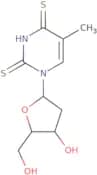
CAS:<p>2,4-Dithiothymidine (DT) is a chemotherapeutic that has been shown to be clinically effective in the treatment of hematopoietic malignancies. It is an oligothymidylate analogue that contains a pyrimidine heterocycle and an ethylthio group. DT is not a nucleoside analog, but it inhibits DNA synthesis by binding to the enzyme thymidylate synthase and preventing the formation of thymine from uracil. DT also binds to single-stranded DNA with high affinity and alters its conformation, which may inhibit transcription and replication. The photophysical properties of this molecule are studied theoretically using quantum mechanics and population analysis theory. The reagent DT can be used to focus attention on other molecules or conformation states of proteins that might have improved biological activity.</p>Formula:C10H14N2O3S2Purezza:Min. 95%Peso molecolare:274.36 g/mol4'-Thiothymidine
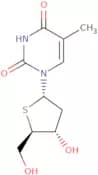
CAS:<p>4'-Thiothymidine is a nucleoside analog that is used in antiviral therapy against herpes simplex virus. It inhibits the viral DNA polymerase, which prevents the virus from duplicating its genetic material. 4'-Thiothymidine has been shown to inhibit the uptake of 4-thiouracil by cells and to have anti-inflammatory properties. The drug has been found to be effective in inhibiting human adenocarcinoma cell lines in vitro and in vivo.</p>Formula:C10H14N2O4SPurezza:Min. 95%Peso molecolare:258.30 g/molN4-Benzoyl-5'-O-DMT-2'-O-(2-methoxyethyl)cytidine 3'-CE phosphoramidite
<p>Nucleoside phosphoramidite used in oligonucleotide synthesis</p>Formula:C49H58N5O10PPurezza:Min. 95%Peso molecolare:907.99 g/molN6-Succinyl adenosine
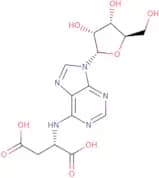
CAS:N6-Succinyl adenosine is a biochemical that is involved in the transfer of fatty acids across membranes. It has been shown to be effective in transfection experiments, where it can be used to increase the expression of genes. N6-Succinyl adenosine has also been shown to be an important substrate for various dehydrogenases. Deficiency of these enzymes leads to orotic aciduria, which is characterized by elevated levels of orotic acid in blood and urine and may lead to mental retardation. A linear calibration curve was generated for diagnosis purposes, with the enzyme activities being determined using a logistic regression model.Formula:C14H17N5O8Purezza:Min. 95%Colore e forma:White PowderPeso molecolare:383.31 g/molN-Succinyl-5-aminoimidazole-4-carboxamide ribose disodium salt
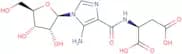
CAS:<p>N-Succinyl-5-aminoimidazole-4-carboxamide ribose disodium salt is a novel modified nucleoside with anticancer activity. The compound is a monophosphate, which activates DNA and RNA synthesis. This agent also has antiviral and antifungal effects. N-Succinyl-5-aminoimidazole-4-carboxamide ribose disodium salt is synthesized from diphosphate and deoxyribonucleosides. It was first patented in 1979 and has been approved by the US Food and Drug Administration (FDA) for use as a pharmaceutical agent. N-Succinyl-5-aminoimidazole-4-carboxamide ribose disodium salt can be used to produce phosphoramidites, which are synthetic DNA building blocks that are used in the production of DNA and RNA synthesis.</p>Formula:C13H16N4O9Na2Purezza:Min. 95 Area-%Colore e forma:Off-White PowderPeso molecolare:418.27 g/mol3’,5’-Di-O-acetyl-2’-azido-2’-deoxy-5-methyluridine
CAS:Please enquire for more information about 3’,5’-Di-O-acetyl-2’-azido-2’-deoxy-5-methyluridine including the price, delivery time and more detailed product information at the technical inquiry form on this pagePurezza:Min. 95%Adenosine 5'-difluoromethylene-5'-triphosphate triethylammonium salt
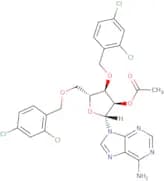
<p>Adenosine 5'-difluoromethylene-5'-triphosphate triethylammonium salt is a novel nucleotide activator that has antiviral, anticancer, and ribonucleoside activities. This activator is a phosphoramidite monomer with an adenine base. The pharmaceutical industry uses this activator as a starting material in the synthesis of anticancer drugs and antiviral drugs. It is also used as a reagent in the production of modified DNA and RNA molecules for use in gene therapy and drug discovery.</p>Purezza:Min. 95%2’-O-Acetyl-3,5-bis-O-(2,4-dichlorobenzyl)adenosine
CAS:<p>2’-O-Acetyl-3,5-bis-O-(2,4-dichlorobenzyl)adenosine (OAAD) is a novel nucleoside that has been modified to be phosphorylated by the enzyme ribonucleotide kinase. It is an antiviral and anticancer agent that affects the synthesis of DNA. OAAD inhibits viral replication in vitro and in vivo by inhibiting DNA synthesis.</p>Formula:C26H23Cl4N5O5Purezza:Min. 95%Peso molecolare:627.3 g/mol3',5'-O-(1,1,3,3-Tetraisopropyl-1,3-disiloxanediyl)guanosine
CAS:Used as a protected guanosine nucleoside in RNA synthesis. The 1,1,3,3-tetraisopropyl-1,3-disiloxanediyl (TIPDS or TBDPSi2) group acts as a bulky and selectively acid-labile protecting group for the 3' and 5' hydroxyl groups of the guanosine ribonucleoside during RNA oligonucleotide synthesis.Formula:C22H39N5O6Si2Purezza:Min. 97 Area-%Colore e forma:PowderPeso molecolare:525.76 g/mol2’-Deoxyisoguanosine
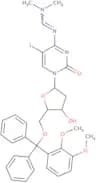
CAS:<p>Incorporated in DNA/RNA hybrids and mismatch pairs to analyse helix stability</p>Formula:C10H13N5O4Purezza:Min. 95%Colore e forma:PowderPeso molecolare:267.24 g/mol5-o-(Dimethoxytrityl)-N4-dimethylaminomethylidene-5-iodo-2'-deoxycytidine
CAS:<p>Dimethoxytrityl-5-iodo-2'-deoxycytidine is a novel, modified nucleoside that has anticancer and antiviral properties. It is synthesized by reacting 5-iodo-2'-deoxycytidine with dimethoxytrityl chloride in the presence of triethylamine. This compound can be used to synthesize oligonucleotide phosphoramidites, ribonucleosides, and diphosphates.</p>Formula:C33H35IN4O6Purezza:Min. 95%Peso molecolare:710.6 g/mol2'(3')-O-(4-Benzoyl)benzoyladenosine-5'-triphosphate triethylammonium salt
CAS:<p>2'(3')-O-(4-Benzoyl)benzoyladenosine-5'-triphosphate triethylammonium salt is a nucleoside analog of Adenosine-5'-triphosphate (ATP), a key player in cellular energy transfer. 2'(3')-O-(4-Benzoyl)benzoyl has been added to this molecule as well as a triethylammonium salt which helps to increase the stability of the molecule in solutions. 2'(3')-O-(4-Benzoyl)benzoyladenosine-5'-triphosphate triethylammonium salt has potential use as a tool for understanding how cells use ATP and how changes to ATP affect cellular processes. Other possible uses are in the study of how ATP interacts with enzymes.</p>Formula:C24H24N5O15P3·C6H15NPurezza:Min. 75 Area-%Colore e forma:White PowderPeso molecolare:816.58 g/mol5'-Amino-N-Boc-5'-deoxy-2',3'-O-isopropylideneadenosine
5'-Amino-N-Boc-5'-deoxy-2',3'-O-isopropylideneadenosine is a novel nucleoside that has antiviral activity. It is an activator of the ribonucleotide reductase enzyme and inhibits the synthesis of DNA, RNA and proteins. 5'-Amino-N-Boc-5'-deoxy-2',3'-O-isopropylideneadenosine has shown anticancer activity in several animal models.Purezza:Min. 95%3-beta-D-Ribofuranosyl-1H-pyrimido[5,4-b][1,4]benzoxazin-2(3H)-one
CAS:<p>3-beta-D-Ribofuranosyl-1H-pyrimido[5,4-b][1,4]benzoxazin-2(3H)-one is a phosphoramidite that can be used for the synthesis of DNA. It has antiviral activity and has been shown to inhibit the growth of cancer cells. 3-beta-D-Ribofuranosyl-1H-pyrimido[5,4-b][1,4]benzoxazin-2(3H)-one is a novel nucleoside that is modified with a fluoroquinolone moiety. This modification inhibits viral replication by interfering with viral DNA polymerase. The novel nucleoside has also been shown to have anticancer activity in vitro and in vivo.</p>Formula:C15H15N3O6Purezza:Min. 95%Colore e forma:PowderPeso molecolare:333 g/mol5'-Ethylcarboxamidoadenosine
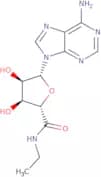
CAS:<p>5'-Ethylcarboxamidoadenosine (5-ECA) is an adenosine receptor antagonist that is used as a radioligand to study the binding of adenosine and other nucleotides to their receptors. 5-ECA binds to the A3 receptor, which is a member of the G protein-coupled receptor family. This compound also inhibits platelet aggregation and has been shown to have anti-inflammatory effects in mice with colon cancer. 5-ECA was found to inhibit tumor growth in a mouse model system by suppressing IL-2 production and reducing levels of PGE2, an effect that may be due to inhibition of cyclase activity. 5-ECA can be used in vitro for studies on pluripotent cells because it does not affect their ability to differentiate.</p>Formula:C12H16N6O4Purezza:Min. 95%Colore e forma:White PowderPeso molecolare:308.29 g/mol3’-O-tert-butyldimethylsilyl-5’-O-DMT-N1-methylpseudouridine
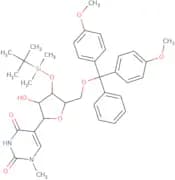
CAS:<p>3′-O-tert-butyldimethylsilyl-5′-O-DMT-N1-methylpseudouridine is a synthetic nucleoside that is used in the synthesis of deoxyribonucleosides. It is an activator nucleoside that has antiviral activity and provides high purity, novel monophosphate nucleosides, and modified nucleosides. 3′-O-tert-butyldimethylsilyl-5′-O-DMT-N1 methylpseudouridine has CAS No. 875302–43–5 and can be used for the synthesis of phosphoramidites or ribonucleotides.</p>Purezza:Min. 95%5'-O-DMT-2'-O-methyl-N6-phenoxyacetyladenosine 3'-CE phosphoramidite
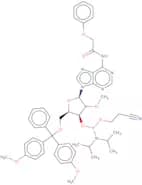
5'-O-DMT-2'-O-methyl-N6-phenoxyacetyladenosine 3'-CE phosphoramidite is a monophosphate, which is a phosphate group that is attached to the 5' carbon on the ribose ring of RNA. This monophosphate has been modified with a 2'-O-methyl group at the 6 position of the adenosine moiety. It has also been modified with a phenoxyacetyl group at the 2 position of the adenosine moiety. The phosphoramidite backbone is an ester bond between phosphorus and nitrogen atoms, and it can be used to make DNA or RNA in vitro. This compound has anticancer properties and antiviral activities against HIV, HSV, and HBV. 5'-O-DMT-2'-O-methyl-N6-phenoxyacetyladenosine 3'-CE phosphoramidite has novel properties that have notFormula:C49H56N7O9PPurezza:Min. 95%Colore e forma:White PowderPeso molecolare:918.01 g/mol5’-Deoxy-5’-iodo-2’-O-methyluridine
CAS:<p>5’-Deoxy-5’-iodo-2’-O-methyluridine is a nucleoside that is modified with the substitution of an iodine atom for a hydrogen atom on the 5′ carbon. It has antiviral and anticancer properties. The high purity and novel structure make this compound useful in DNA synthesis. This product can also be used as a phosphoramidite or deoxyribonucleoside building block in DNA synthesis.</p>Purezza:Min. 95%3'-Amino-3'-deoxyadenosine
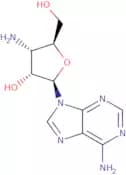
CAS:<p>3'-Amino-3'-deoxyadenosine, also known as spalgomycin, is a natural enediyne antibiotic with potent antibacterial and, more notably, antitumor activity observed in research settings. Its primary use is as a tool to study the mechanisms of enediyne-mediated DNA damage and as a lead compound in the search for novel anticancer therapeutics.</p>Formula:C10H14N6O3Colore e forma:White Off-White PowderPeso molecolare:266.26 g/molUridine 5'-monophosphate
CAS:Uridine 5'-monophosphate (UMP) is a nucleotide that is synthesized from uridine. Uridine 5'-monophosphate has been shown to have anticancer activity in vitro and in vivo, as well as antiviral activity against herpes viruses. UMP has been shown to inhibit the protein synthesis of cells by inhibiting the enzyme activities of DNA polymerase and RNA polymerase. It also inhibits the synthesis of p2y receptors, which are involved in cell proliferation and differentiation. Further studies suggest that UMP may be an effective anti-inflammatory agent due to its ability to decrease prostaglandin production.Formula:C9H13N2O9PPurezza:Min. 95%Colore e forma:White Off-White PowderPeso molecolare:324.18 g/mol2’-Deoxy-2’-fluoroadenosine 5’-monophosphate triethyl ammonium salt
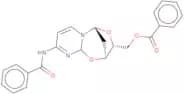
<p>2’-Deoxy-2’-fluoroadenosine 5’-monophosphate triethyl ammonium salt is a nucleoside phosphoramidite that acts as an antiviral agent. It is used to treat influenza and herpes simplex virus infections. 2’-Deoxy-2’-fluoroadenosine 5’-monophosphate triethyl ammonium salt also inhibits the growth of cancer cells, but has not been shown to be effective against bacterial or fungal infections.</p>Purezza:Min. 95%2,3'-Anhydro-5'-O-benzoyl-N4-benzoyl-2'-deoxycytidine
<p>2,3'-Anhydro-5'-O-benzoyl-N4-benzoyl-2'-deoxycytidine is a novel nucleoside analog that has been shown to have anticancer, antiviral and antiretroviral activities. It binds to the ribonucleotide reductase enzyme and inhibits deoxyribonucleoside synthesis in cells. 2,3'-Anhydro-5'-O-benzoyl-N4-benzoyl-2'-deoxycytidine is also an activator of ribonucleotide reductase. This drug has been shown to be effective in treating leukemia, lymphoma, and breast cancer cells.</p>Formula:C23H21N3O5Purezza:Min. 95%Peso molecolare:419.44 g/mol5-Bromo-2'-deoxy-5'-O-DMT-uridine
<p>5-Bromo-2'-deoxy-5'-O-DMT-uridine is an antiviral nucleoside that is a monophosphate analog of deoxyuridine. 5-Bromo-2'-deoxy-5'-O-DMT-uridine can be used to treat patients with leukemia and other cancers. 5-Bromo-2'-deoxy-5'-O-DMT-uridine has been shown to induce tumor cell apoptosis in vitro and in vivo, as well as inhibit the proliferation of tumor cells by blocking the synthesis of DNA. This drug also has anticancer properties, which are due to its ability to block RNA synthesis.</p>Formula:C30H29BrN2O7Purezza:Min. 95%Colore e forma:Off-white to beige solid.Peso molecolare:609.48 g/mol4’,5’-Didehydro-2’,5’-dideoxyuridine
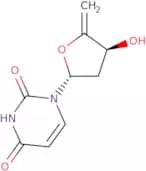
CAS:4’,5’-Didehydro-2’,5’-dideoxyuridine (ddU) is a monophosphate of deoxyribonucleosides. It is an antiviral drug that was originally synthesized in the 1960s to combat viral infections. It has been used as a potential anticancer agent and as an activator for complex DNA synthesis. ddU has also been used in synthesis of phosphoramidites for DNA and RNA analogues.Purezza:Min. 95%2'-O-Acetyl-3'-azido-3'-deoxy-5'-O-(p-toluoyl)-6-azauridine
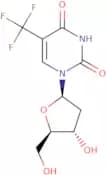
2'-O-Acetyl-3'-azido-3'-deoxy-5'-O-(p-toluoyl)-6-azauridine is a novel, modified nucleoside. It has antiviral activity and can be used as a building block for the synthesis of oligonucleotide analogues. 2'-O-Acetyl-3'-azido-3'-deoxy-5'-O-(p-toluoyl)-6-azauridine is a monophosphate that is phosphorylated to form an active ribonucleoside. It can be used in high purity as a building block for the synthesis of oligonucleotide analogues. This compound has been shown to have anticancer effects and DNA binding activities.Purezza:Min. 95%Trifluorothymidine
CAS:<p>Treats herpes-associated keratitis and keratoconjunctivitis; antineoplastic</p>Formula:C10H11F3N2O5Purezza:Min. 95%Colore e forma:PowderPeso molecolare:296.2 g/mol2'-O-(2-Methoxyethyl)guanosine
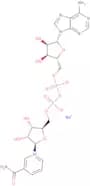
CAS:2'-O-(2-Methoxyethyl)guanosine is a guanosine derivative isolated from the reaction of 2-aminoadenosine with methylsulfonyl chloride. This compound has been shown to react with aromatic hydrocarbons to form a reagent that is useful for the alkylation of nucleophilic groups in organic synthesis.Formula:C13H19N5O6Purezza:Min. 95%Colore e forma:PowderPeso molecolare:341.32 g/molβ-Nicotinamide adenine dinucleotide sodium dihydrate
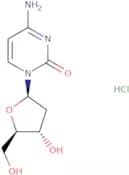
CAS:<p>Coenzyme and regenerating electron donor in catabolic processes</p>Formula:C21H26N7NaO14P2•(H2O)2Purezza:Min. 95%Colore e forma:White PowderPeso molecolare:721.44 g/mol2'-Deoxycytidine HCl
CAS:2'-Deoxycytidine HCl is a nucleoside analogue that is used as a radiation sensitizer in the treatment of tumors. It is converted into 2'-deoxycytidine-5'-triphosphate by incorporation into DNA during replication and inhibits DNA synthesis. This compound has been shown to have anti-leukemic activity against murine leukemia virus (MLV) and murine sarcoma virus (MSV) in mice, although it does not inhibit the proliferation of Swiss-Webster mice. The protonated form of 2'-deoxycytidine HCl has been observed using nuclear magnetic resonance spectroscopy, with a cyclohexane ring as the proton acceptor. The monosodium salt also forms a stable complex with amino groups, which may be due to its acidic ph.Formula:C9H13N3O4·HClPurezza:Min. 98 Area-%Colore e forma:White PowderPeso molecolare:263.68 g/molN1,N2,N2-Trimethyl-psi-isocytidine
<p>N1,N2,N2-Trimethylpsi-isocytidine is a novel nucleoside analog that has antiviral, anticancer, and immunosuppressive activities. It is an activator of diphosphate kinase and inhibits the formation of deoxyribonucleotides in DNA synthesis. N1,N2,N2-Trimethylpsi-isocytidine is a modified form of cytidine that contains three methyl groups. This agent has been shown to be active against human leukemic cells and can be used for the treatment of cancer and HIV infections.</p>Purezza:Min. 95%5-Iodo-2’-C-methylcytidine
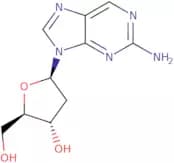
CAS:<p>5-Iodo-2’-C-methylcytidine is a synthetic nucleoside that is an activator of DNA polymerases. It has been shown to be an anticancer agent and antiviral agent, with potential applications in the treatment of HIV and HBV infections. 5-Iodo-2’-C-methylcytidine is a novel monophosphate nucleoside that has been modified to improve its stability. This product is sold as a high purity, high quality, NMR grade material that can be used in research or in the manufacture of pharmaceuticals.</p>Formula:C10H14IN3O5Purezza:Min. 95%Peso molecolare:383.14 g/mol2-Amino-9-(2'-deoxy-β-D-ribofuranosyl)purine
CAS:<p>2-Amino-9-(2'-deoxy-b-D-ribofuranosyl)purine is a nucleoside analog that has been found to be effective in the treatment of leukemia.</p>Formula:C10H13N5O3Purezza:(Hplc) Min. 98.00%Colore e forma:PowderPeso molecolare:251.24 g/mol3,5-Bis-O-(4-methylbenzoyl)-2-C-methyl-D-ribonic acid gama-lactone
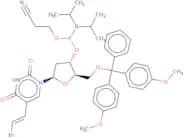
CAS:3,5-Bis-O-(4-methylbenzoyl)-2-C-methyl-D-ribonic acid gama-lactone is a novel synthetic nucleoside. It is an activation agent that releases 2'-deoxyuridine 5'-triphosphate from ribonucleotides. This nucleoside has been shown to have antiviral and anticancer properties, as well as the ability to inhibit HIV replication in vitro. It is also used for the preparation of oligonucleotide analogs for use in molecular biology research and molecular medicine.Purezza:Min. 95%2'-Deoxy-5'-DMT(2-E-bromoethenyl)uridine 3'-CE phosphoramidite
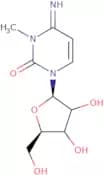
CAS:2'-Deoxy-5'-DMT(2-E-bromoethenyl)uridine 3'-CE phosphoramidite is a synthesized nucleoside used for the preparation of oligonucleotides. It is used in the synthesis of oligonucleotides as an activator, monophosphate, or nucleotide. 2'-Deoxy-5'-DMT(2-E-bromoethenyl)uridine 3'-CE phosphoramidite is a novel and high quality chemical that has not been previously reported. It is typically stored at -20℃. 2'-Deoxy-5'-DMT(2-E-bromoethenyl)uridine 3'-CE phosphoramidite may be incompatible with strong oxidizing agents, strong acids, strong bases, and metal ions.Purezza:Min. 95%N3-Methylcytidine
CAS:<p>N3-Methylcytidine is a synthetic analog of uridine. It is used for the treatment of syncytial virus infection, which is a group of diseases caused by viruses that have an RNA genome and replicate by forming syncytia—large groups of infected cells. N3-Methylcytidine inhibits the synthesis of proteins in cells and inhibits the growth of bacteria. This drug has been shown to inhibit actin polymerization and prevents cell spreading. N3-Methylcytidine also binds to RNA polymerase II and blocks its interaction with DNA, inhibiting protein synthesis at the ribosome level. N3-Methylcytidine is metabolized in vivo into methylated cytidine, which can be detected in urine samples using chemical biology methods or fluorescence resonance energy transfer (FRET) analysis. Synonyms: N3-methyluridine; 3-methyluridine</p>Formula:C10H15N3O5Purezza:Min. 95%Colore e forma:White PowderPeso molecolare:257.24 g/molN4-Benzoyl-5'-O-DMT-2'-O-(2-methoxyethyl)cytidine 3'-O succinate TEA
<p>N4-Benzoyl-5'-O-DMT-2'-O-(2-methoxyethyl)cytidine 3'-O succinate TEA salt (BEDOT) is a novel nucleoside analogue that is a phosphoramidite for DNA synthesis. BEDOT has shown anticancer and antiviral activity in vitro.</p>Purezza:Min. 95%2'-Deoxy-5'-O-DMT-N4-isobutyryl-5-methylcytidine
CAS:The chemical compound 2'-deoxy-5'-O-dimethyltryptophan 4-isobutyryl-5-methylcytidine is an antiviral and anticancer agent. It is a nucleoside analog that inhibits the synthesis of DNA, RNA, and proteins by inhibiting the activity of various enzymes in the cell. This agent also acts as an activator that binds to DNA, preventing transcription of genes. The modified nucleotide has been used in research to study the effects on cancer cells and HIV cells.Purezza:Min. 95%5'-O-[Bis(4-methoxyphenyl)(phenyl)methyl]-2'-deoxy-N-isobutyrylguanosine
CAS:5'-O-[Bis(4-methoxyphenyl)(phenyl)methyl]-2'-deoxy-N-isobutyrylguanosine is a synthetic nucleoside that is used as a building block in the synthesis of oligonucleotides. This chemical has an electronegativity value of 1.7, which means that it is more electronegative than guanine (1.0). It also has a conjugated system and is stable under a range of conditions. 5'-O-[Bis(4-methoxyphenyl)(phenyl)methyl]-2'-deoxy-N-isobutyrylguanosine reacts with tetrazole in the presence of phosphoramidite, yielding the corresponding 5'-O-(4,4'-dimethoxytrityl)-2'-deoxy-N-isobutyrylguanosine, which can then be used toFormula:C35H37N5O7Purezza:Min. 98 Area-%Colore e forma:White PowderPeso molecolare:639.71 g/mol2'-Deoxy-5-fluorouridine
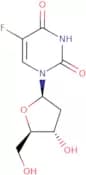
CAS:2'-Deoxy-5-fluorouridine is a nucleoside analog that inhibits the enzyme ribonucleotide reductase, which is involved in the synthesis of DNA. It has been shown to inhibit the growth of cancer cells and induce apoptosis in vivo. 2'-Deoxy-5-fluorouridine has also been shown to inhibit tumor growth in animal models by inhibiting the production of reactive oxygen species and upregulating tumor suppressor genes, such as p53. This drug also has inhibitory effects on enzymes that are involved in cell proliferation, such as protein kinase C and tyrosine kinases. 2'-Deoxy-5-fluorouridine is metabolized by water vapor, so it must be administered with a humidifier or nebulizer. 2'-Deoxy-5-fluorouridine may cause side effects such as nausea, vomiting, and diarrhea.Formula:C9H11FN2O5Purezza:Min. 98 Area-%Colore e forma:White Off-White PowderPeso molecolare:246.2 g/molN3-Cyanoethyl-5’-O-DMT-2’-O-methyluridine
<p>N3-Cyanoethyl-5’-O-DMT-2’-O-methyluridine is a nucleoside that is synthesized from 5'-O-DMT-2’-O-methyluridine. It has antiviral and anticancer properties, as well as an inhibitory effect on DNA synthesis. N3-Cyanoethyl-5’-O-DMT-2’-O methyluridine is a novel nucleoside with DMT and methylated uracil at the 3' position of the sugar moiety. Synthesis may be achieved by using phosphoramidites or modified nucleosides such as N3-(cyanoethyl)-5'-0-(dimethoxytrityl)thymidine. This product meets high purity standards, with a CAS number of 68719–77–8.</p>Purezza:Min. 95%7-[3,5-Bis-O-[(-2,4-dichlorophenyl)methyl]-2-C-methyl-b-D-ribofuranosyl]-4-chloro-5-iodo-7H-pyrrolo[2,3-d]pyrimidine
CAS:<p>7-[3,5-Bis-O-[(-2,4-dichlorophenyl)methyl]-2-C-methyl-b-D-ribofuranosyl]-4-chloro-5-iodo-7H-pyrrolo[2,3-d]pyrimidine is a synthetic nucleoside that inhibits viral DNA synthesis by interfering with the viral enzyme polymerase. It has been shown to be active against HIV and HSV and may have potential therapeutic use in antiviral therapy. 7-[3,5-Bis-O-[(-2,4-dichlorophenyl)methyl]-2-C--methyl--b--D--ribofuranosyl]-4--chloro--5--iodo--7H--pyrrolo[2,3--d]pyrimidine has been synthesized for the first time by a novel process involving deoxyribonucleosides and phosphor</p>Purezza:Min. 95%3’-deoxy-3’-fluorotoyocamycin
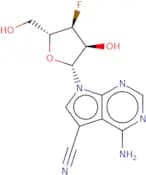
CAS:<p>3’-deoxy-3’-fluorotoyocamycin is a nucleoside, ribonucleoside and antiviral agent. It inhibits the replication of DNA viruses by inhibiting the viral enzyme RNA polymerase. This drug also has anticancer activity and can be used to treat leukemia and other cancers. 3’-deoxy-3’-fluorotoyocamycin can be used as a monophosphate or diphosphate activator for phosphoramidites in the synthesis of modified DNA. It is also a novel drug that has been modified to contain an additional phosphate group at position 3' on the sugar moiety. The CAS number for this compound is 847649-44-9.</p>Purezza:Min. 95%5'-O-p-Anisoyl-N6-benzoyl-2'-deoxyadenosine
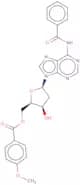
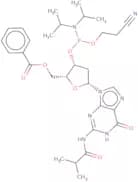
5'-O-p-Anisoyl-N6-benzoyl-2'-deoxyadenosine is a novel nucleoside analog with anticancer, antiviral, and antimalarial activities. It is synthesized by the condensation of 2'-deoxyadenosine with anisic acid in the presence of phosphoramidites. The compound is a potent inhibitor of DNA synthesis in cultured cells, and has been shown to inhibit replication of human immunodeficiency virus type 1 (HIV-1) in vitro. 5'-O-p-Anisoyl-N6-benzoyl-2'-deoxyadenosine also exhibits antiinflammatory activity against carrageenan induced paw edema in rats.Formula:C25H23N5O6Purezza:Min. 95%Peso molecolare:489.48 g/mol5'-O-Benzoyl-2'-deoxy-N2-isobutyrylguanosine 3'-CE phosphoramidite
<p>5'-O-Benzoyl-2'-deoxy-N2-isobutyrylguanosine 3'-CE phosphoramidite is a novel nucleoside phosphoramidite. It is an activator that can be used in the synthesis of oligonucleotide analogues, such as ribonucleosides and deoxyribonucleosides. 5'-O-Benzoyl-2'-deoxy-N2-isobutyrylguanosine 3'-CE phosphoramidite has shown anticancer activity.</p>Formula:C30H40N7O7PPurezza:Min. 95%Peso molecolare:641.67 g/mol2,2'-Anhydrocytidine HCl
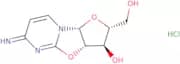
CAS:<p>2,2'-Anhydrocytidine HCl is a nucleoside for use as a DNA synthesis inhibitor</p>Formula:C9H11N3O4·HClPurezza:Min. 98 Area-%Colore e forma:White PowderPeso molecolare:261.66 g/mol2’C-Methyl-2-thiouridine
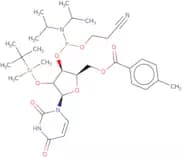
CAS:<p>2’C-Methyl-2-thiouridine is a novel nucleoside phosphoramidite that has been synthesized to serve as an activator for DNA polymerases. 2’C-Methyl-2-thiouridine is a potent antiviral agent that inhibits the replication of the hepatitis C virus in vitro. It also has antiproliferative effects against certain cancer cells and can be used as an anticancer drug. 2’C-Methyl-2-thiouridine contains a methylated thiol group, which confers a high degree of resistance to degradation by thiols, including glutathione (GSH). This compound is stable to hydrolysis and may be used in the synthesis of deoxyribonucleosides or monophosphate nucleotides.</p>Purezza:Min. 95%2'-O-tert-Butyldimethylsilyl-5'-O-toluoyluridine 3'-CE phosphoramidite
<p>2'-O-tert-Butyldimethylsilyl-5'-O-toluoyluridine 3'-CE phosphoramidite is a modified ribonucleotide that can be used as an activator in oligonucleotide synthesis. 2'-O-tert-Butyldimethylsilyl-5'-O-toluoyluridine 3'-CE phosphoramidite is a novel nucleoside that has antiviral and anticancer properties. It has been shown to inhibit the growth of cells by inhibiting DNA synthesis, which may be due to its ability to bind to DNA and inhibit DNA polymerase. The CAS number for this product is 126214-01-3.</p>Formula:C32H49N4O8PSiPurezza:Min. 95%Peso molecolare:676.83 g/mol2'-Deoxy-L-cytidine 3'-O-L-valinyl ester 2HCl
CAS:<p>2'-Deoxy-L-cytidine 3'-O-L-valinyl ester 2HCl is a nucleoside analog that is converted to its active form by intracellular dephosphorylation. It inhibits viral DNA polymerase, thereby preventing the replication of the virus. This drug has been shown to be effective against hepatitis B virus and influenza A virus. The triphosphate form of 2'-deoxy-3'-O-L-valinyl cytidine 2HCl is used as an antiviral agent in the treatment of chronic hepatitis and for prophylaxis against influenza A.</p>Formula:C14H22N4O5·2HClPurezza:Min. 95%Colore e forma:Off-White PowderPeso molecolare:399.27 g/mol2'-Deoxy-5'-O-DMT-cytidine
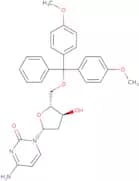
CAS:<p>2'-Deoxy-5'-O-DMT-cytidine is an organic compound. It is a synthetic, combinational and amine nitrogen containing heterocyclic compound that is used in organic synthesis. This chemical is also used as a building block for the synthesis of heterocyclic compounds with other functional groups such as thionyl, formulae, chlorides and hydrogen atoms.</p>Formula:C30H31N3O6Purezza:Min. 95 Area-%Colore e forma:White PowderPeso molecolare:529.58 g/molAcetyl coenzyme A sodium salt
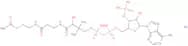
CAS:Acetyl-coenzyme A is an important intermediate in the metabolism of carbohydrates, fats, and proteins. It is a cytosolic molecule that is synthesized from Acetyl-CoA and ATP. The Michaelis–Menten kinetics describe the relationship between the concentration of acetyl-coenzyme A and the rate of its consumption. Acetyl co-enzyme A is found in many different tissues, including plants, animals, and humans. It has an important role in regulating cellular growth and differentiation by activating various enzymes involved in metabolic pathways. Acetyl CoA can be acetylated to form acetyl CoA carboxylic acid (ACC) which then turns into malonyl CoA through a series of reactions. Malonyl CoA then enters the Krebs cycle as a key intermediate for generating energy from fatty acids.Formula:C23H38N7O17P3S·xNaPurezza:Min. 95%Colore e forma:PowderPeso molecolare:809.57 g/mol3'-O-Acetyl-5'-tert-butyldiphenylsilyl-2'-deoxy-2'-fluoro-5-methyluridine
<p>3'-O-Acetyl-5'-tert-butyldiphenylsilyl-2'-deoxy-2'-fluoro-5-methyluridine is a synthetic nucleoside that has antiviral activity. It is a modified nucleoside that contains a monophosphate group, which makes it an activator of DNA polymerase. 3'-O-Acetyl-5'-tert-butyldiphenylsilyl-2'-deoxy-2'-fluoro-5-methyluridine is novel because it contains an acetyl group at the 3' position and a silyl ether on the 2' oxygen atom. 3'-O-Acetyl-5'-tert-butyldiphenylsilyl-2'-deoxy-2'-fluoro -5 -methyluridine has CAS No. 62768‑36‑3 and is available in high purity.</p>Purezza:Min. 95%5-Bromocytidine
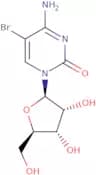
CAS:<p>5-Bromocytidine is a pyrimidine nucleoside that has been shown to inhibit the replication of influenza virus in cell culture. It stabilizes the ribonucleotide reductase enzyme, which is responsible for converting ribonucleosides to deoxyribonucleosides. This inhibition prevents the production of viral RNA and protein synthesis, leading to inhibition of viral growth. 5-Bromocytidine has also been shown to have antiviral effects against HIV and herpes simplex virus type 1 (HSV1) in cell cultures.</p>Formula:C9H12BrN3O5Purezza:Min. 95%Colore e forma:White PowderPeso molecolare:322.11 g/mol2'-O-Acetyl-3'-deoxy-3'-fluoro-5-methoxy-5'-O-toluoyluridine
CAS:<p>2'-O-Acetyl-3'-deoxy-3'-fluoro-5-methoxy-5'-O-toluoyluridine is a modified nucleoside that has antiviral, anticancer and antimalarial activities. This compound has been synthesized as a monophosphate derivative of the natural nucleoside uridine. It is an activator of DNA polymerase, which helps to synthesize DNA in cells. 2'-O-Acetyl-3'-deoxy-3'-fluoro-5-methoxy-5'-O-toluoyluridine also has anticancer activity due to its ability to inhibit the replication of the human tumor virus KSHV.</p>Purezza:Min. 95%3’-Deoxy-3’-fluoro-6-thioinosine
CAS:<p>Please enquire for more information about 3’-Deoxy-3’-fluoro-6-thioinosine including the price, delivery time and more detailed product information at the technical inquiry form on this page</p>Purezza:Min. 95%9-(2'-O-Acetyl-3'-deoxy-3'-fluoro-5'-O-toluoyl-b-D-ribofuranosyl)-6-phenylpurine
<p>9-(2'-O-Acetyl-3'-deoxy-3'-fluoro-5'-O-toluoyl-b-D-ribofuranosyl)-6-phenylpurine (FTC) is a novel antiviral nucleoside analog that inhibits the synthesis of DNA by inhibiting the enzyme DNA polymerase. It has been shown to be effective against HIV in vitro. FTC exhibits anticancer activity through inhibition of DNA synthesis and induction of apoptosis. FTC also has high purity and quality, as it is synthesized chemically without any purification steps.</p>Purezza:Min. 95%N4-Acetyl-3'-deoxy-3'-C-methylcytidine
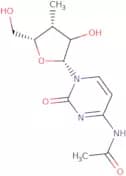
<p>N4-Acetyl-3'-deoxy-3'-C-methylcytidine is a novel antiviral drug that is modified from cytidine. It is an activator of the monophosphate pathway of DNA synthesis, which causes the incorporation of N4-acetyl-3'-deoxy-3'-C-methylcytidine into ribonucleosides and deoxyribonucleosides. This compound has been shown to be active against a variety of cancers, including leukemia, colon cancer, breast cancer, and prostate cancer.</p>Formula:C12H17N3O5Purezza:Min. 95%Peso molecolare:283.28 g/mol2'-Deoxy-5'-O-DMT-N2-isobutyryl-a-guanosine
CAS:<p>2'-Deoxy-5'-O-DMT-N2-isobutyryl-a-guanosine is a nucleoside that is synthesized from 2'-deoxyribonucleosides and activated with diphosphate. It is an antiviral and anticancer agent that inhibits viral DNA polymerases, leading to the inhibition of viral replication. 2'-Deoxy-5'-O-DMT-N2-isobutyryl-a-guanosine has also been shown to inhibit cancer cell growth in vitro by inhibiting the synthesis of cellular DNA. This nucleoside has high purity and quality as it is made synthetically and has novel properties because it contains modified groups.</p>Formula:C35H37N5O7Purezza:Min. 95%Colore e forma:White to off-white solid.Peso molecolare:639.71 g/mol2'-tert-Butyldimethylsilyl-5'-DMT-N6-methyladenosine
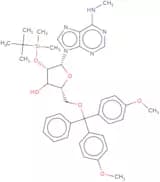
CAS:2'-tert-Butyldimethylsilyl-5'-DMT-N6-methyladenosine is an antiviral monophosphate nucleoside. It is a novel and structurally modified analog of adenosine, which inhibits viral DNA polymerase by competitive inhibition. 2'-tert-Butyldimethylsilyl-5'-DMT-N6-methyladenosine is a high purity and high quality nucleotide that can be used in the synthesis of DNA or RNA. This product has been shown to be an anticancer agent with potential therapeutic effects against leukemia, lymphoma, and breast cancer.Formula:C38H47N5O6SiPurezza:Min. 95%Peso molecolare:697.9 g/molN-Boc-5'-chloro-5'-deoxy-2,3-O-isopropylideneadenosine
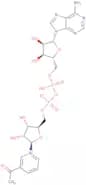
<p>N-Boc-5'-chloro-5'-deoxy-2,3-O-isopropylideneadenosine is a novel nucleoside phosphoramidite. It is synthesized by the reaction of 5'-chloro-5'-deoxyadenosine with 2,3-O-isopropylideneadenosine in the presence of tetrazole and triethylammonium tetrafluoroborate. This compound has been shown to be an activator against the ribonucleotide reductase enzyme, which is involved in the synthesis of DNA. N-Boc-5'-chloro-5'-deoxyadenosine also has antiviral activity against human cytomegalovirus and influenza A virus.</p>Purezza:Min. 95%3-Acetylpyridine adenine dinucleotide
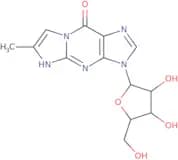
CAS:<p>A non-physiological analog of nicotinamide adenine dinucleotide (NAD+) in biochemical research, particularly as a tool to study the mechanisms of NAD+-dependent enzymes.</p>Formula:C22H28N6O14P2Purezza:Min. 92 Area-%Colore e forma:White Off-White PowderPeso molecolare:662.44 g/mol4-Demethylwyosine
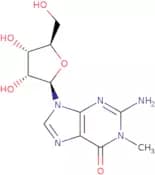
CAS:<p>4-Demethylwyosine is a metabolite found in the bacterium Pyrococcus furiosus. It is an intermediate in the biosynthesis of 2-amino-3,5-dimethyoxybenzoic acid. 4-Demethylwyosine has been shown to inhibit cancer cell proliferation by inhibiting the synthesis of lysine residues and base formation. This inhibition may be due to its methyl transferase activity, which leads to decreased levels of methionine, or it may be due to its ability to act as a carboxylate group donor. 4-Demethylwyosine has also been shown to bind with DNA and RNA, regulating posttranscriptional processes such as protein translation and transcription.</p>Formula:C13H15N5O5Purezza:Min. 80 Area-%Colore e forma:PowderPeso molecolare:321.29 g/molN1-Methylguanosine
CAS:Prodotto controllato<p>N1-Methylguanosine is a methylated nucleotide that is incorporated into the growing DNA chain during protein synthesis. The incorporation of N1-methylguanosine into the growing DNA chain can cause frameshifting, which creates an unusual amino acid sequence. This effect has been shown in model organisms, such as Saccharomyces cerevisiae and Escherichia coli. In these organisms, N1-methylguanosine has been shown to induce cancer when added to the growth medium. It is also found in urine samples from people with bladder cancer and has been used to identify urinary tract cancers. Titration calorimetry studies have shown that N1-methylguanosine binds to a chelate ligand and forms a disulfide bond with cysteine residues on proteins or peptides, which may lead to mitochondrial dysfunction by interfering with hydrogen bonding interactions. Messenger RNA studies show that N1-methylguanosine inhibits translation of mRNA by binding to</p>Formula:C11H15N5O5Purezza:Min. 95%Colore e forma:White PowderPeso molecolare:297.27 g/mol5'-O-Benzoyl-2'-deoxyinosine 3'-CE phosphoramidite
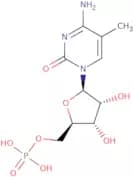
<p>5'-O-Benzoyl-2'-deoxyinosine 3'-CE phosphoramidite is an anticancer and antiviral agent. It is a nucleoside analogue that inhibits the synthesis of DNA by competitive inhibition of ribonucleotide reductase, which converts ribonucleotides to deoxyribonucleotides. The monophosphate form also inhibits viral replication by inhibiting reverse transcriptase. This compound has been shown to be active against herpes simplex virus type 1 and 2, adenovirus, influenza A virus, and vaccinia virus.</p>Formula:C26H33N6O6PPurezza:Min. 95%Peso molecolare:556.56 g/mol5-Methylcytidine-5'-monophosphate
CAS:<p>5-Methylcytidine-5'-monophosphate is a nucleotide that is an intermediate in the synthesis of DNA. It is a neutral form and has been sequenced. 5-Methylcytidine-5'-monophosphate is found in cellular components, such as mitochondria and nuclei. The biochemical properties of this molecule are dependent on its methylation state. This molecule also plays a role in mitochondrial functions and nuclear DNA modifications.</p>Formula:C10H16N3O8PPurezza:Min. 95%Colore e forma:White Off-White PowderPeso molecolare:337.22 g/mol1-(2’-Deoxy-2’-fluoro-b-D-arabinofuranosyl)-N3-(2S)-(2-amino-3-carbonyl]propyluracil
CAS:1-(2’-Deoxy-2’-fluoro-β-D-arabinofuranosyl)-N3-(2S)-(2-amino-3-carbonyl]propyluracil is a novel, anticancer drug. It is active against both RNA and DNA viruses, such as HIV, influenza virus and herpes virus. 1-(2’-Deoxy-2’-fluoro-β-D-arabinofuranosyl)-N3-(2S)-(2-amino-3-carbonyl]propyluracil has been shown to be an activator for phosphoramidites in aqueous solution. This compound is of high purity with CAS No. 2072145–25–4. It is also a synthesized, monophosphate nucleoside that can be used in the production of modified nucleosides for therapeutic purposes or as antiviral agentsPurezza:Min. 95%Adenosine 2',3'-cyclic monophosphate sodium
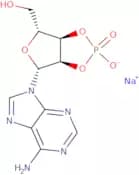
CAS:Adenosine 2',3'-cyclic monophosphate sodium (AMP-Na) is a chemical compound that is found in Streptomyces coelicolor. It has been shown to have an active role in the biotechnology industry for research and development. AMP-Na inhibits the synthesis of carbohydrates by binding to enzymes such as adenosyl-l-methionine peroxidase, which is involved in the metabolism of carbohydrates. Adenosine 2',3'-cyclic monophosphate sodium also has a long half-life, which makes it useful for therapeutic purposes.Formula:C10H11N5NaO6PPurezza:Min. 95%Colore e forma:PowderPeso molecolare:351.19 g/mol6-Amino-4-hydrazino-1-(b-D-ribofuranosyl)-1H-pyrazolo[3,4-d]pyrimidine
<p>6-Amino-4-hydrazino-1-(b-D-ribofuranosyl)-1H-pyrazolo[3,4-d]pyrimidine is a nucleoside phosphoramidite which is used in the synthesis of oligonucleotides. It is a novel modified nucleoside and has antiviral and anticancer activities. 6-Amino-4-hydrazino-1-(b-D ribofuranosyl)-1H pyrazolo[3,4 d]pyrimidine can be used as an activator for 2'-deoxyribonucleotide synthesis and an inhibitor of ribonucleotide synthesis.</p>Purezza:Min. 95%3’-b-C-Methyladenosine
CAS:3’-b-C-Methyladenosine is a novel antiviral and anticancer agent that is synthetically derived from deoxyribonucleosides. 3’-b-C-Methyladenosine has been shown to have antiviral activity against HIV, influenza, herpes simplex virus type 1 and type 2, and vaccinia virus. It also has anticancer activity against leukemia cells. 3’-b-C-Methyladenosine can be used as a phosphoramidite in the synthesis of oligonucleotides. It may be useful as an activator for nucleophilic substitution reactions with phosphorus halides.Purezza:Min. 95%1-(2'-Deoxy-5'-O-DMT-2'-fluoro-β-D-arabinofuranosyl)thymine 3'-O-succinate triethylammonium
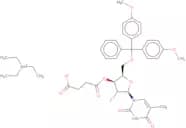
1-(2'-Deoxy-5'-O-DMT-2'-fluoro-b-D-arabinofuranosyl)thymine 3'-O-succinate triethylammonium salt is a compound used in the synthesis of oligonucleotides. The synthesis of such compounds often involves the use of protecting groups, such as the 4,4'-dimethoxytrityl (DMT) group, to prevent unwanted reactions during the synthesis process. The 2'-fluoro modification is of particular interest due to its potential to alter the chemical and biological properties of the resulting oligonucleotides. Fluorinated nucleosides and their analogs have been extensively studied for their antiviral and anticancer activitiesFormula:C35H34FN2O10•C6H16NPurezza:Min. 95%Peso molecolare:763.87 g/mol3-Deaza-2'-O-methyluridine
CAS:<p>3-Deaza-2'-O-methyluridine is a nucleoside that is used as an antiviral agent and in the treatment of leukemia. It has been shown to inhibit the growth of L1210 cells in a dose-dependent manner. 3-Deaza-2'-O-methyluridine also inhibits the synthesis of DNA, RNA, and proteins. The compound is eliminated by renal excretion with a plasma elimination half life of 9 hours. This drug can be administered intramuscularly or intravenously at a dosage of 10 mg/kg every 8 hours, but should not be given more than 5 days without interruption due to accumulation in tissues.</p>Formula:C11H15NO6Purezza:Min. 95%Peso molecolare:257.24 g/mol5-b-D-Glucopyranosyl-5-thio-thymine
<p>5-b-D-Glucopyranosyl-5-thio-thymine is a novel, synthetic nucleoside that has antiviral activity. It is deoxyribonucleosides and ribonucleosides, which are the building blocks of DNA and RNA respectively. 5-b-D-Glucopyranosyl-5-thio-thymine can be used as an activator for phosphoramidites, which are used in the synthesis of DNA and RNA. This modified nucleotide also has anti cancer properties as it inhibits the growth of tumor cells.</p>Purezza:Min. 95%Fluorescein-5(6)-carboxamidocaproyl-[5(3-aminoallyl)2-deoxyuridine-5-tr
<p>Fluorescein-5(6)-carboxamidocaproyl-[5(3-aminoallyl)2-deoxyuridine-5-triphosphate] is a modified nucleoside analog that is used as an antiviral agent against herpesviruses. This compound is phosphorylated by the virus encoded thymidine kinase, which converts it to the monophosphate form. Fluorescein-5(6)-carboxamidocaproyl-[5(3-aminoallyl)2-deoxyuridine-5-triphosphate] inhibits DNA synthesis by inhibiting viral DNA polymerase and has been shown to be active against human papillomavirus type 16 (HPV16) in vitro. It has also been shown to inhibit tumor cell proliferation and induce apoptosis in some types of cancer cells.</p>Purezza:Min. 95%Queuine hydrochloride
CAS:<p>Queuine is a modified nucleoside found in tRNA. It is synthesized from guanosine by the enzyme queuine tRNA-ribosyltransferase, which converts guanosine to queuosine. Queuine hydrochloride is a synthetic form of queuine that can be used for research purposes to examine the anticodon loop and other structural features of the molecule. The prokaryotic and eukaryotic organisms studied showed different levels of synthesis of queuine, with bacteria synthesizing more than mammals. Bacteria were found to have a greater affinity for queuine than eukaryotes, which may be due to modification of the trna anticodon loop or to differences in ribosomal proteins.</p>Formula:C12H15N5O3·HClPurezza:(%) Min. 90%Colore e forma:Light (Or Pale) Beige To Light (Or Pale) Purple SolidPeso molecolare:313.74 g/mol






![6-Amino-4-hydrazino-2-(b-D-ribofuranosyl)-2H-pyrazolo[3,4-d]pyrimidine](/_next/image/?url=https%3A%2Fstatic.cymitquimica.com%2Fproducts%2F3D%2Fthumb-webp%2FNA162981.webp&w=3840&q=75)










![3-beta-D-Ribofuranosyl-1H-pyrimido[5,4-b][1,4]benzoxazin-2(3H)-one](/_next/image/?url=https%3A%2Fstatic.cymitquimica.com%2Fproducts%2F3D%2Fthumb-webp%2FNR180574.webp&w=3840&q=75)










![5'-O-[Bis(4-methoxyphenyl)(phenyl)methyl]-2'-deoxy-N-isobutyrylguanosine](/_next/image/?url=https%3A%2Fstatic.cymitquimica.com%2Fproducts%2F3D%2Fthumb-webp%2FND02998.webp&w=3840&q=75)

![7-[3,5-Bis-O-[(-2,4-dichlorophenyl)methyl]-2-C-methyl-b-D-ribofuranosyl]-4-chloro-5-iodo-7H-pyrrol…](/_next/image/?url=https%3A%2Fstatic.cymitquimica.com%2Fproducts%2F3D%2Fthumb-webp%2FNB14088.webp&w=3840&q=75)








![1-(2’-Deoxy-2’-fluoro-b-D-arabinofuranosyl)-N3-(2S)-(2-amino-3-carbonyl]propyluracil](/_next/image/?url=https%3A%2Fstatic.cymitquimica.com%2Fproducts%2F3D%2Fthumb-webp%2FND162854.webp&w=3840&q=75)
![6-Amino-4-hydrazino-1-(b-D-ribofuranosyl)-1H-pyrazolo[3,4-d]pyrimidine](/_next/image/?url=https%3A%2Fstatic.cymitquimica.com%2Fproducts%2F3D%2Fthumb-webp%2FNA162943.webp&w=3840&q=75)