Nucleosidi
I nucleosidi sono building blocks fondamentali degli acidi nucleici, composti da una base azotata legata a una molecola di zucchero. In questa sezione, puoi trovare una vasta gamma di nucleosidi essenziali per la ricerca in biologia molecolare, biochimica e farmacologia. Questi composti svolgono ruoli cruciali nella sintesi del DNA e dell'RNA e sono vitali in vari processi metabolici. I nucleosidi vengono utilizzati per studiare il materiale genetico, sviluppare terapie antivirali e antitumorali e comprendere i meccanismi cellulari. Da CymitQuimica, forniamo nucleosidi di alta qualità per supportare le tue esigenze di ricerca e sviluppo, garantendo purezza e affidabilità per le tue applicazioni sperimentali.
Trovati 3569 prodotti di "Nucleosidi"
Ordinare per
Purezza (%)
0
100
|
0
|
50
|
90
|
95
|
100
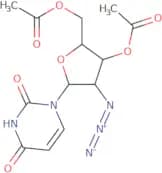
3’,5’-Di-O-acetyl-2’-azido-2’-deoxyuridine
CAS:Please enquire for more information about 3’,5’-Di-O-acetyl-2’-azido-2’-deoxyuridine including the price, delivery time and more detailed product information at the technical inquiry form on this pagePurezza:Min. 95%2,6-Dichloro-9-(β-D-ribofuranosyl)purine
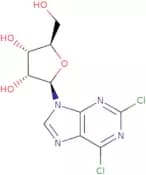
CAS:<p>2,6-Dichloro-9-(β-D-ribofuranosyl)purine is a nucleoside analog composed of a modified purine base and a ribose sugar. It has possible applications as an intermediate in nucleoside chemistry, particularly for the synthesis of functionalized purine nucleosides used in biological and pharmaceutical research.</p>Formula:C10H10Cl2N4O4Purezza:Min. 95%Colore e forma:PowderPeso molecolare:321.12 g/mol2'-O-tert-Butyldimethylsilyl-5'-O-DMT-N3-methylcytidine 3'-CE phosphoramidite
<p>2'-O-tert-Butyldimethylsilyl-5'-O-DMT-N3-methylcytidine 3'-CE phosphoramidite is a modified nucleoside that is synthesized by the reaction of 2'-deoxycytidine with bis(2,4,6-trichlorophenyl)carbonate in the presence of a base. 2'-O-tert-Butyldimethylsilyl-5'-O-DMT-N3 methylcytidine 3'-CE phosphoramidite has been shown to have anticancer activity and is used as an activator in the synthesis of oligonucleotides. This product is available as a white powder and can be used for research purposes only.</p>Purezza:Min. 95%2'-Deoxy-5-(2-iodoethyl)uridine
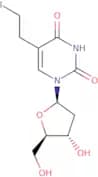
CAS:2'-Deoxy-5-(2-iodoethyl)uridine is a nucleoside analog with antiviral and anticancer activity. It has been shown to be an activator of DNA replication, as well as inhibiting the synthesis of deoxyribonucleotides. This drug also has a novel structure that is modified from the natural nucleosides found in DNA and RNA. 2'-Deoxy-5-(2-iodoethyl)uridine can be synthesized using phosphoramidites, which are activated by iodine and sulfurizing agents. The purity of this compound is high and it is available at high quality.Purezza:Min. 95%5-Fluorocytidine
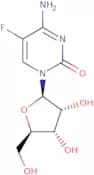
CAS:<p>5-Fluorocytidine (5FC) is an antiviral drug that inhibits the synthesis of DNA. 5FC is a prodrug that is converted to cytosine in vivo, and then incorporated into viral DNA by polymerase chain reactions. The incorporation of 5FC into viral DNA prevents replication and transcription, which can lead to the death of cells infected with HIV. In addition, 5FC has been shown to be effective in treating chronic viral hepatitis and bowel diseases such as Crohn's disease. It also has potential use as a drug target for cancer treatments.<br>5FC has been shown to inhibit transcription activators in murine hepatoma cells and inhibit the growth of tumors in transfection experiments using human colon cancer cells. This antiviral agent has also been shown to have antimicrobial activity against Gram-positive bacteria, including Clostridium difficile, Staphylococcus aureus, Streptococcus pyogenes and Enterococcus faec</p>Formula:C9H12FN3O5Purezza:Min. 99 Area-%Colore e forma:White PowderPeso molecolare:261.21 g/molN4-Acetylcytidine
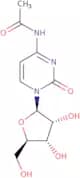
CAS:N4-Acetylcytidine is a modified nucleoside and endogenous urinary nucleoside product of the degradation of tRNA. N4-Acetylcytidine is a biological marker for various cancers with elevated concentrations present in urine. N4-Acetylcytidine is also a partially protected cytidine and therefore can be used as a synthetic building block to prepare further derivatized nucleosides such as 2’,3’-dideoxycytidine.Formula:C11H15N3O6Purezza:Min. 95%Colore e forma:White PowderPeso molecolare:285.25 g/molInosine 5'-diphosphate disodium salt
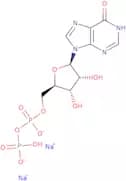
CAS:<p>Inosine-5'-diphosphate disodium salt (IDPS) is a nitro compound that is used in the synthesis of antibacterial drugs. It is also used in the production of polymers and as a precursor to other organic compounds. IDPS has been shown to have antibacterial activity against halogeno bacteria, such as buprestidae, and many Gram-positive bacteria, including encapsulated strains. IDPS has been shown to be effective against both damaged cells and healthy cells in culture. The mechanism of action may involve inhibition of protein synthesis by blocking the ribosomes or by interfering with DNA replication. This drug also inhibits growth rate of japonica rice and heterocycles.</p>Formula:C10H12N4Na2O11P2Purezza:Min. 90.0 Area-%Colore e forma:White PowderPeso molecolare:472.15 g/mol2'-O-tert-Butyldimethylsilyl-5'-O-DMT-N2-isobutyrylguanosine 3'-CE phosphoramidite
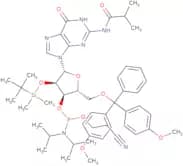
CAS:The 2'-O-tert-Butyldimethylsilyl-5'-O-DMT-N2-isobutyrylguanosine 3'-CE phosphoramidite is an oligomer with a modified nucleoside. The modification of the nucleoside has been shown to be more efficient than other modifications, such as fluorine or bromine substitutions. This product is used in the synthesis of DNA and RNA oligomers. The coupling efficiency is high and can be used for ligand binding studies.Formula:C50H68N7O9PSiPurezza:Min. 98 Area-%Colore e forma:White PowderPeso molecolare:970.18 g/mol1-(2'-Deoxy-5'-O-DMT-2'-fluoro-β-D-arabinofuranosyl)thymine
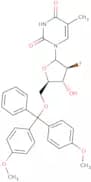
CAS:1-(2'-Deoxy-5'-O-DMT-2'-fluoro-b-D-arabinofuranosyl)thymine is a chemically modified nucleoside that contains a fluorinated sugar moiety and a thymine base, with a dimethoxytrityl (DMT) protecting group on the 5'-hydroxyl of the sugar.Formula:C31H31FN2O7Purezza:Min. 95%Peso molecolare:562.6 g/mol9-(b-D-Arabinofuranosyl)isoguanine
CAS:<p>9-(b-D-Arabinofuranosyl)isoguanine is a modified nucleoside that has antiviral activity. It is synthesized by substituting the 2'-hydroxyl group of deoxyribose with an arabinofuranose, which can be phosphorylated to form 9-(b-D-arabinofuranosyl)isoguanine 5'-monophosphate. This novel antiviral agent inhibits the synthesis of viral DNA and RNA, and is effective against a wide range of viruses in vitro. The drug was shown to have anticancer activities in animal models and has been patented for use as a chemotherapeutic agent against leukemia, lymphoma, and other cancers.</p>Formula:C10H13N5O5Purezza:Min. 95%Colore e forma:White PowderPeso molecolare:283.25 g/mol5’(R)-C-Methyluridine
CAS:<p>5’(R)-C-Methyluridine is a synthetic nucleoside that is an antiviral agent. It inhibits the enzyme RNA polymerase and thereby prevents the production of viral RNA. The compound can be used as a potential anticancer drug because it inhibits the synthesis of DNA in tumor cells. 5’(R)-C-Methyluridine has been shown to inhibit the growth of some bacterial species, such as Mycobacterium tuberculosis, but not other bacteria, such as Escherichia coli.</p>Purezza:Min. 95%2,4-Dithiothymidine
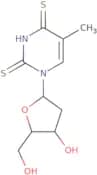
CAS:<p>2,4-Dithiothymidine (DT) is a chemotherapeutic that has been shown to be clinically effective in the treatment of hematopoietic malignancies. It is an oligothymidylate analogue that contains a pyrimidine heterocycle and an ethylthio group. DT is not a nucleoside analog, but it inhibits DNA synthesis by binding to the enzyme thymidylate synthase and preventing the formation of thymine from uracil. DT also binds to single-stranded DNA with high affinity and alters its conformation, which may inhibit transcription and replication. The photophysical properties of this molecule are studied theoretically using quantum mechanics and population analysis theory. The reagent DT can be used to focus attention on other molecules or conformation states of proteins that might have improved biological activity.</p>Formula:C10H14N2O3S2Purezza:Min. 95%Peso molecolare:274.36 g/mol4-Thiothymidine
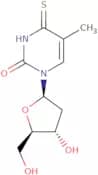
CAS:<p>4-Thiothymidine is a nucleoside analog that is converted to thymidine by the enzyme thymidine kinase. It has been shown to inhibit the growth of human skin cancer cells by binding to DNA duplexes and inhibiting the synthesis of new DNA strands. 4-Thiothymidine has also been shown to be effective against radiation-induced damage in cultured human cells and inhibits tumor growth in mice bearing a transplantable mouse skin cancer. 4-Thiothymidine can be used as an inhibitor for chemotherapy or radiation therapy for cancer patients. It is active on both site-specific and cell-specific gene targets, with a reactive hydrogen bond that helps stabilize its formation.</p>Formula:C10H14N2O4SPurezza:Min. 98 Area-%Colore e forma:Yellow PowderPeso molecolare:258.3 g/molN6-Benzoyl-2'-deoxy-5'-O-DMT-adenosine 3'-O-succinate triethylammonium salt
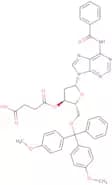
CAS:<p>N6-Benzoyl-2'-deoxy-5'-O-DMT-adenosine 3'-O-succinate triethylammonium salt is a novel nucleoside analog that has antiviral and anticancer properties. It is a ribonucleotide with an N6-(benzoyl)-2'-deoxyadenosine base linked to the 3' position of the sugar through an acetyl group, with a succinic acid moiety at the 5' position. This drug inhibits DNA synthesis and has been shown to block HIV replication in vitro. It also has activity against human papillomavirus type 16 (HPV16) infections in vivo.</p>Formula:C42H39N5O9·C6H15NPurezza:Min. 95%Colore e forma:PowderPeso molecolare:858.98 g/mol5-Hydroxymethylcytidine
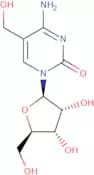
CAS:5-Hydroxymethylcytidine is a nucleoside that has been shown to inhibit the activity of RNA polymerase by forming hydrogen bonds with the enzyme. It is used in vitro to study the role of messenger RNA in regulating gene expression, and also as a probe for transcriptase activity. 5-Hydroxymethylcytidine has also been shown to have a biological function in solid tumours and may be an analytical method for detecting cancer.Formula:C10H15N3O6Purezza:Min. 95 Area-%Colore e forma:White PowderPeso molecolare:273.24 g/molTrifluorothymidine
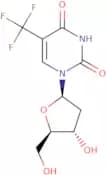
CAS:<p>Treats herpes-associated keratitis and keratoconjunctivitis; antineoplastic</p>Formula:C10H11F3N2O5Purezza:Min. 95%Colore e forma:PowderPeso molecolare:296.2 g/molβ-Nicotinamide adenine dinucleotide sodium dihydrate
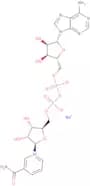
CAS:<p>Coenzyme and regenerating electron donor in catabolic processes</p>Formula:C21H26N7NaO14P2•(H2O)2Purezza:Min. 95%Colore e forma:White PowderPeso molecolare:721.44 g/molMorpholino C monomer
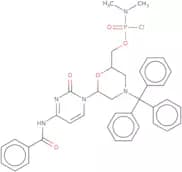
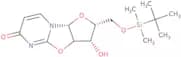
CAS:<p>Morpholino C monomer is a nucleoside amidite used to prepare morpholino oligomers</p>Formula:C37H37ClN5O5PPurezza:Min. 98 Area-%Colore e forma:White PowderPeso molecolare:698.15 g/mol5'-O-tert-Butyldimethylsilyl-2,2'-anhydrouridine
<p>5'-O-tert-Butyldimethylsilyl-2,2'-anhydrouridine is a modified nucleoside that has been used as an anticancer agent and antiviral and antifungal agent. It has been shown to inhibit the growth of tumor cells in animal models by inhibiting DNA synthesis and repair. 5'-O-tert-Butyldimethylsilyl-2,2'-anhydrouridine is also able to bind to RNA with high affinity, making it a potential candidate for use as an antiviral agent against HIV. This compound does not occur naturally in cells and can be synthesized from other nucleosides.</p>Formula:C15H24N2O5SiPurezza:Min. 95%Peso molecolare:340.45 g/mol5-Fluorocytosine
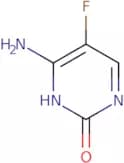
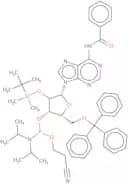
CAS:Flucytosine is an antifungal agent that inhibits the synthesis of DNA by preventing the conversion of deoxyuridine monophosphate to uracil monophosphate. It is used as an antiretroviral therapy in combination with other drugs, such as zidovudine and dideoxyinosine, to treat HIV infections. Flucytosine has been shown to have a strong antitumor response in a model system involving mice with sarcoma 180. This drug can cause serious side effects, including drug interactions and resistance mutations in microorganisms. These side effects are often observed in patients undergoing cancer chemotherapy or immunosuppressive therapy.Formula:C4H4FN3OPurezza:Min. 95%Colore e forma:White PowderPeso molecolare:129.09 g/molN6-Benzoyl-2'-O-tert-butyldimethylsilyl-5'-O-trityladenosine 3'-CE phosphoramidite
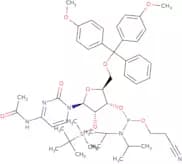
<p>N6-Benzoyl-2'-O-tert-butyldimethylsilyl-5'-O-trityladenosine 3'-CE phosphoramidite is a novel modified nucleoside. It is an antiviral and anticancer agent that has been shown to inhibit the replication of DNA in vitro. It also inhibits the synthesis of RNA and protein, which may contribute to its anti-cancer properties. N6-Benzoyl-2'-O-tert-butyldimethylsilyl-5'-O-trityladenosine 3'-CE phosphoramidite is synthesized from 2,6,8 trichloroquinoline and 2,3,4 trimethoxybenzaldehyde via a novel process with high purity.</p>Formula:C51H62N7O6PSiPurezza:Min. 95%Peso molecolare:928.17 g/molN4-Acetyl-2'-O-tert-butyldimethylsilyl-5'-O-DMT-cytidine 3'-CE phosphoramidite
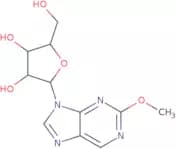
CAS:<p>N4-Acetyl-2'-O-tert-butyldimethylsilyl-5'-O-DMT-cytidine 3'-CE phosphoramidite is a novel nucleoside analogue with antiviral and anticancer potential. It is a modified nucleoside that contains an acetyl group at the 4' position. The 3'-OH group has been replaced by a tertiary butyldimethylsilyl group, which renders the compound resistant to deamination by nucleases. N4-Acetyl-2'-O-tert-butyldimethylsilyl-5'-O-DMT-cytidine 3'-CE phosphoramidite also shows high purity and high quality.</p>Formula:C47H64N5O9PSiPurezza:Min. 98 Area-%Colore e forma:White PowderPeso molecolare:902.11 g/mol2-Methoxy-9-(b-D-ribofuranosyl)purine
CAS:<p>2-Methoxy-9-(b-D-ribofuranosyl)purine (2MeO) is a nucleoside that is structurally similar to adenosine. It has antiviral and anticancer activities, as well as the ability to activate phosphoramidites. The 2MeO molecule consists of a modified 9-mer ribofuranose phosphate, which can be synthesized from 2-deoxyribofuranose phosphate by selective oxidation. 2MeO has been shown to inhibit the growth of tumor cells in vitro and in vivo, and also inhibits the replication of DNA and RNA viruses. This drug is considered novel because it does not exist naturally in any organism.</p>Purezza:Min. 95%Cyclopentenyl cytosine 5'-triphosphate sodium salt
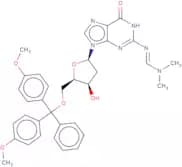
Cyclopentenyl cytosine 5'-triphosphate sodium salt is a synthetic, activator diphosphate. It is used as a phosphoramidite in the synthesis of DNA and RNA. Cyclopentenyl cytosine 5'-triphosphate sodium salt has been shown to have anticancer and antiviral properties.Purezza:Min. 95%2'-Deoxy-N2-DMF-5'-O-DMT-guanosine
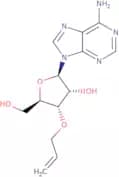
CAS:<p>2'-Deoxy-N2-DMF-5'-O-DMT-guanosine is a monophosphate nucleoside that has antiviral, anticancer, and high purity properties. It is synthesized by the phosphoramidite method from 2'-deoxy-N2-DMF and 5'-O-DMT guanosine. This compound has been shown to inhibit the growth of human cancer cells in vitro and in vivo. It also inhibits HIV replication in vitro and is not toxic to normal cells.</p>Formula:C34H36N6O6Purezza:Min. 95%Colore e forma:White PowderPeso molecolare:624.7 g/mol3'-O-Allyladenosine
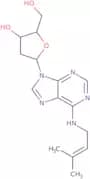
CAS:<p>3'-O-Allyladenosine is an antiviral agent that inhibits the replication of DNA and RNA viruses. It has been shown to have anticancer properties, and is a novel nucleoside analog with potential as an antitumor agent. 3'-O-Allyladenosine is a modified nucleoside analog that can be synthesized with high purity and quality. This compound has shown antiviral activity against influenza virus and herpes simplex virus type 1. In addition, 3'-O-Allyladenosine has been found to inhibit tumor growth in mice without any significant side effects.</p>Formula:C13H17N5O4Purezza:Min. 95%Colore e forma:PowderPeso molecolare:307.31 g/mol2’-Deoxy-N6-isopentenyladenosine
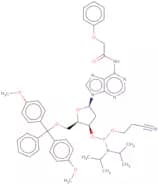
CAS:<p>2’-Deoxy-N6-isopentenyladenosine (2’-DIA) is a monophosphate nucleoside that has antiviral properties. It activates DNA polymerase and inhibits tumor proliferation by inhibiting the synthesis of RNA and DNA. 2’-DIA is an analog of adenosine, which is used in the anticancer drug gemcitabine. 2’-DIA is synthesized through the condensation of 6-(2'-deoxyisopentenyl)adenosine with diphosphate. This compound also functions as a ribonucleotide, meaning it can be incorporated into RNA chains to form new proteins.</p>Purezza:Min. 95%2'-Deoxy-5'-O-DMT-N6-phenoxyacetyladenosine 3'-CE phosphoramidite
CAS:<p>Amidite designed to withstand prolonged exposure to strongly alkaline conditions during heating with ammonium hydroxide solution.</p>Formula:C48H54N7O8PPurezza:Min. 95%Colore e forma:PowderPeso molecolare:887.98 g/mol2’C-Methyl-5-methoxyuridine
CAS:<p>2’-C-Methyl-5-methoxyuridine is a nucleoside analog that inhibits viral replication by inhibiting DNA synthesis. It is also used in the treatment of cancer, as it inhibits the growth of tumor cells by altering their genetic material. This drug is a phosphorothioate and can be activated with an activator to form its active form, which is incorporated into DNA during replication. 2’-C-Methyl-5-methoxyuridine has been shown to be effective against many viruses, including human immunodeficiency virus (HIV), herpes simplex virus type 1 (HSV1), and herpes simplex virus type 2 (HSV2). This drug has been shown to cause death of tumor cells via apoptosis or cell cycle arrest at the G0/G1 phase.</p>Purezza:Min. 95%1-Methylpseudouridine
CAS:1-Methylpseudouridine is a substitute for uridine in modified mRNA. This substitution has shown to increase transfection by reducing immuogenicity. The 1-methylpseudouridine substituted mRNA increases protein expression due to low immune stimulation as it evades detection by the edosomal Toll-like receptor (TLR3).Formula:C10H14N2O6Purezza:Min. 98.0 Area-%Peso molecolare:258.23 g/molRef: 3D-M-4320
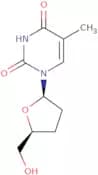
1gPrezzo su richiesta5gPrezzo su richiesta250mgPrezzo su richiesta500mgPrezzo su richiesta2500mgPrezzo su richiesta-Unit-ggPrezzo su richiesta3'-Deoxythymidine
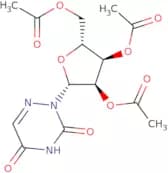
CAS:<p>3'-Deoxythymidine (3DT) is a nucleoside analog that has high resistance to HIV. It is an analogue of the human insulin-like growth factor-1 (IGF-1), which binds to the IGF-1 receptor and inhibits the binding of IGF-1 to its receptor, thereby inhibiting the growth of cells. 3DT has been shown to have a protective effect against radiation in mice, with an LD50 at a dose of 5.0 mg/kg for radiation exposure. 3DT also has antiviral activity against murine sarcoma virus, as well as other biological properties such as enzyme activities and disease activity. This drug may be used in future research on polymerase chain reactions (PCRs) and DNA sequencing, since it is chemically stable and can be easily synthesized.</p>Formula:C10H14N2O4Purezza:Min. 95%Colore e forma:White PowderPeso molecolare:226.23 g/mol2',3',5'-Tri-O-acetyl-6-azauridine
CAS:<p>2',3',5'-Tri-O-acetyl-6-azauridine is a nucleoside analog for research purposes. The replacement of a carbon atom with a nitrogen atom on the uracil base affects how the molecule interacts with cellular processes. It has the potential to interfere with normal metabolic processes within cells, particularly those related to RNA synthesis. Due to its ability to disrupt cell growth, it could be studied for any potential antiviral or antitumor properties.</p>Formula:C14H17N3O9Purezza:Min. 95%Colore e forma:PowderPeso molecolare:371.3 g/molN6-Benzoyl-2'-C-methyladenosine
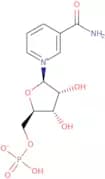
N6-Benzoyl-2'-C-methyladenosine is synthetic and has antiviral properties. It is a nucleoside that belongs to the group of modified nucleosides. This compound can be used as an activator for DNA synthesis and as a novel monophosphate, diphosphate, or triphosphate. N6-Benzoyl-2'-C-methyladenosine is also available in high purity, with CAS No., and at a competitive price.Purezza:Min. 95%b-Nicotinamide mononucleotide
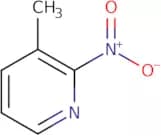
CAS:b-Nicotinamide mononucleotide, or NMN, is a precursor to nicotinamide adenine dinucleotide (NAD+), a coenzyme found in all living cells that is essential for various metabolic processes. NAD+ is involved in critical functions such as DNA repair, gene expression, and cellular stress responses.Formula:C11H15N2O8PPurezza:Min. 95 Area-%Colore e forma:PowderPeso molecolare:334.22 g/mol3-Methyl-2-nitropyridine
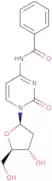
CAS:<p>3-Methyl-2-nitropyridine is a high yield byproduct of formamide, which can be activated to form an intermediate for the synthesis of nucleosides. The kinetics and labeling of this intermediate were studied using a transfer experiment. 3-Methyl-2-nitropyridine is acidic, with a pKa value of 3.6, and is reactive towards nucleophiles. It is also catalytic, yielding methyl groups and dioxane as products when heated at temperatures between 180°C and 220°C. In addition, it undergoes nucleophilic substitutions at methoxy groups.</p>Formula:C6H6N2O2Purezza:Min. 95%Colore e forma:PowderPeso molecolare:138.12 g/molN4-Benzoyl-2'-deoxycytidine
CAS:N4-Benzoyl-2'-deoxycytidine is a fluorescent nucleoside that has been used to study the molecular interactions between sugar residues and the phosphate groups of nucleic acids. It is used as a reagent for glycosidation, which involves the formation of a glycosidic linkage between an alcohol group in a saccharide or oligosaccharide and the hydroxyl group in an aromatic acid. N4-Benzoyl-2'-deoxycytidine has also been synthesized by solid-phase techniques. This synthetic method is based on phosphoramidite chemistry and uses an automated DNA synthesizer to produce oligonucleotides with specific sequences. The synthesis of this nucleoside relies on the use of fluorescent dyes such as fluorescein, rhodamine, and coumarin to monitor progress during synthesis.Formula:C16H17N3O5Purezza:Min. 95%Colore e forma:White PowderPeso molecolare:331.33 g/molInosine 5'-triphosphate lithium salt
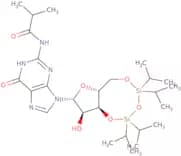
<p>Inosine 5'-triphosphate lithium salt is a nucleoside that is used as an activator for DNA polymerase in the synthesis of deoxyribonucleotides. It has been shown to have anticancer properties and can be used to treat leukemia, lymphoma, and ovarian cancer. Inosine 5'-triphosphate lithium salt has also been shown to inhibit the growth of bacteria by inhibiting RNA synthesis.</p>Formula:C10H15N4O14P3FPurezza:Min. 95%Peso molecolare:527.16 g/molN2-Isobutyryl-3',5'-O-(1,1,3,3-tetraisopropyl-1,3-disiloxanediyl)guanosine
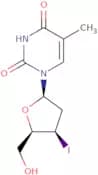
CAS:<p>N2-Isobutyryl-3',5'-O-(1,1,3,3-tetraisopropyl-1,3-disiloxane-diyl)guanosine is a nucleoside that is activated by phosphorylation. It has been shown to be an inhibitor of cancer cell growth and proliferation in vitro. This compound was also found to inhibit the expression of two oncogenes (c-MYC and c-Ki67) and induce the expression of the tumor suppressor gene p53. This nucleoside is synthesized from 2'-deoxyadenosine monophosphate (2'-DAMP) with a modified DNA synthesis protocol.</p>Formula:C26H45N5O7Si2Purezza:Min. 95 Area-%Colore e forma:White Off-White PowderPeso molecolare:595.84 g/mol3'-Deoxy-3'-iodothymidine
CAS:<p>3'-Deoxy-3'-iodothymidine is a nucleoside that is found in DNA. It has a constant of -1.5 and can be protonated to form the anion. The molecule has a reactive radical anion, which is stabilized by electron delocalization with the aromatic rings. 3'-Deoxy-3'-iodothymidine has been studied for use as a medicine for cancer treatment, but it also has applications in biology and chemistry. This compound can be used in conductometry and electron spectroscopy, as well as other chemical experiments that require ionic compounds or radiation.</p>Formula:C10H13IN2O4Purezza:Min. 95%Colore e forma:PowderPeso molecolare:352.13 g/mol2’-Amino-2’-deoxy-β-D-arabinouridine
CAS:<p>2’-Amino-2’-deoxy-β-D-arabinouridine is a modified nucleoside based on uridine, in which the 2'-hydroxyl group of the sugar has been replaced with an amino group, and the sugar itself is arabinose (a stereoisomer of ribose). This compound is of possible interest in nucleic acid chemistry and antisense or RNA-interference research.</p>Formula:C9H13N3O5Purezza:Min. 95%Colore e forma:solid.Peso molecolare:243.22 g/mol2’-Deoxy-2’-fluoroadenosine 5’-monophosphate triethyl ammonium salt
<p>2’-Deoxy-2’-fluoroadenosine 5’-monophosphate triethyl ammonium salt is a nucleoside phosphoramidite that acts as an antiviral agent. It is used to treat influenza and herpes simplex virus infections. 2’-Deoxy-2’-fluoroadenosine 5’-monophosphate triethyl ammonium salt also inhibits the growth of cancer cells, but has not been shown to be effective against bacterial or fungal infections.</p>Purezza:Min. 95%4-Amino-5-chloro-2,6-dimethylpyrimidine
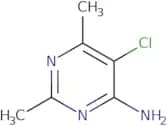
CAS:<p>4-Amino-5-chloro-2,6-dimethylpyrimidine is a supramolecular complex that is characterized by the coordination geometry of its metal ion and the donor atoms. It has been proposed as a potential drug for the treatment of bacterial infections, such as tuberculosis. The 4-Amino-5-chloro-2,6,dimethylpyrimidine is structurally similar to nucleobases and may be able to form hydrogen bonds with water molecules. This molecule also has a high melting point and is not soluble in water. It can be protonated at different pH values and forms complexes with hydroxyl groups found in nucleic acids.</p>Formula:C6H8ClN3Purezza:Min. 95%Colore e forma:PowderPeso molecolare:157.6 g/mol(2R,3R,4S,5R)-2-(4-Aminothieno[3,4-d]pyrimidin-7-yl)-5-(hydroxymethyl)tetrahydrofuran-3,4-diol
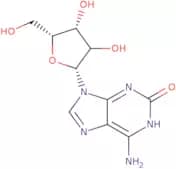
CAS:(2R,3R,4S,5R)-2-(4-Aminothieno[3,4-d]pyrimidin-7-yl)-5-(hydroxymethyl)tetrahydrofuran-3,4-diol is a nucleoside analog for research purposesFormula:C11H13N3O4SPurezza:Min. 95%Colore e forma:PowderPeso molecolare:283.3 g/mol5'-Azido-5'-deoxyguanosine
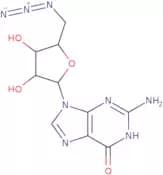
CAS:5'-Azido-5'-deoxyguanosine is an analog of guanosine that can be synthesized in a solid-phase reaction. It can also be enzymatically generated from 5'-azido-5'-deoxyadenosine. This molecule is reactive and has been shown to be an effective inhibitor of DNA synthesis in vivo assays. The use of 5'-azido-5'-deoxyguanosine has been explored as a potential treatment for leishmaniasis, a disease caused by the protozoan parasite Leishmania donovani.Formula:C10H12N8O4Purezza:Min. 95 Area-%Colore e forma:PowderPeso molecolare:308.25 g/mol2'-Deoxyisocytidine
CAS:2'-deoxyisocytidine is a nucleoside that is used in biochemical research. It can be synthesized by two methods: solid-phase synthesis and depyrimidination. 2'-deoxyisocytidine has been shown to be more efficient than other fluorescent nucleosides when used with the excimer laser technique. The stability of this compound has also been shown to be greater than other fluorescein-based compounds, which makes it an appropriate substitute when using phosphoramidite chemistry.Formula:C9H13N3O4Purezza:Min. 95%Colore e forma:PowderPeso molecolare:227.22 g/mol3'-O-Methyl-2'-O-acetyl-5'-O-benzoyluridine
CAS:3'-O-Methyl-2'-O-acetyl-5'-O-benzoyluridine is a nucleoside that has antiviral and anticancer properties. It is a monophosphate analogue of the natural uridine, which is found in RNA. 3'-O-Methyl-2'-O-acetyl-5'-O-benzoyluridine is modified by substituting a methyl group at the 3' position and an acetyl group at the 2' position with benzoyl groups. The substitution of these groups prevents the conversion of the monophosphate to a diphosphate, meaning that it can only be incorporated into RNA during transcription. This limits its use as an intermediate in DNA synthesis to some extent, but it also makes it more difficult for viruses to replicate their genetic material. 3'-O-Methyl-2'-O-acetyl-5'-O-benzoyluridine has been shownPurezza:Min. 95%N2-Isobutyryl-2'-O-methylguanosine
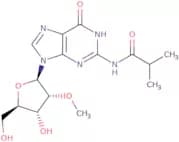
CAS:<p>N2-Isobutyryl-2'-O-methylguanosine (IBOG) is a modified nucleoside that can be used as an activator for DNA synthesis. IBOG is a high purity, high quality chemical with CAS No. 63264-29-9 and has antiviral and anticancer properties.</p>Formula:C15H21N5O6Purezza:Min. 95%Colore e forma:White To Yellow SolidPeso molecolare:367.36 g/mol2'-O-tert-Butyldimethylsilyl-N2-isobutyryl-5'-O-MMT-guanosine 3'-CE phosphoramidite
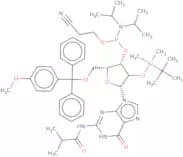
<p>2'-O-tert-Butyldimethylsilyl-N2-isobutyryl-5'-O-MMT-guanosine 3'-CE phosphoramidite is a novel modified ribonucleoside that has been synthesized to mimic the natural nucleotide. It has been shown to activate DNA synthesis, inhibit cancer cell division and proliferation, and inhibit viral replication. 2'-O-tert-Butyldimethylsilyl-N2-isobutyryl-5'-O-MMTguanosine 3'-CE phosphoramidite is a monophosphate nucleotide with an anticancer activity. It has also showed antiviral effects against HIV and Hepatitis B virus. This novel modified ribonucleoside is highly pure and can be used for the synthesis of high quality DNA, RNA, or phosphoramidites.</p>Formula:C49H66N7O8PSiPurezza:Min. 95%Peso molecolare:940.17 g/molUDP-N-azidoacetylgalactosamine triethylamine
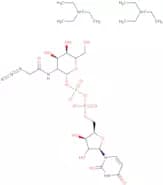
CAS:UDP-N-azidoacetylgalactosamine (UDP-GlcNAz) is an analogue of UDP-GalNAc, bearing an azido group on the N-acyl side chain. It acts as an unnatural substrate for the polypeptide N-R-acetylgalactosaminyltransferases (ppGalNAcTs) which are enzymes that play a role in mucin-type O-linked glycoprotein biosynthesis. UDP-GlcNAz is accepted as a nucleotide-sugar donor, appending an azidosugar onto its native substrates, which can then be detected using azide-reactive chemical probes. The azide group can be detected by the conjugation with phosphine probes via the Staudinger ligation, or alkyne probes via cycloaddition reactions.Formula:C17H26N6O17P2Purezza:Min. 90 Area-%Colore e forma:PowderPeso molecolare:848.73 g/mol











![(2R,3R,4S,5R)-2-(4-Aminothieno[3,4-d]pyrimidin-7-yl)-5-(hydroxymethyl)tetrahydrofuran-3,4-diol](/_next/image/?url=https%3A%2Fstatic.cymitquimica.com%2Fproducts%2F3D%2Fthumb-webp%2FFA165910.webp&w=3840&q=75)