Carboidrati e Glicoconiugati
I carboidrati sono composti organici costituiti da carbonio, idrogeno e ossigeno, con una struttura di base formata da monosaccaridi. Questi possono unirsi per formare disaccaridi, oligosaccaridi o polisaccaridi, a seconda del numero di unità monomeriche. I carboidrati svolgono un ruolo fondamentale nell’immagazzinamento dell’energia, nella struttura cellulare e nella comunicazione cellulare. I loro derivati sono utilizzati nei prodotti farmaceutici, come dolcificanti ed eccipienti.
Presso CymitQuimica, offriamo un’ampia varietà di carboidrati e loro derivati per la ricerca e le applicazioni industriali.
Trovati 5010 prodotti di "Carboidrati e Glicoconiugati"
Ordinare per
Purezza (%)
0
100
|
0
|
50
|
90
|
95
|
100
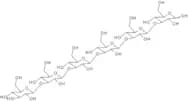
Maltopentadecaose
CAS:<p>Produced from starch by transglycosylation-15 a-(1,4) linked glucose residues</p>Formula:C90H152O76Purezza:Min. 85 Area-%Colore e forma:White PowderPeso molecolare:2,450.12 g/mol4-Methoxyphenyl 4-O-{4-O-[[3-O-[2,4-di-O-(3,4,6-tri-O-acetyl-2-deoxy-2-phthalimido-β-D-glucopyranosyl)-3,6-di-O-benzyl-α-D-mannopyra nosyl]-4,6-O-benzylidene-2-O-levulinoyl-β-D-glucopyranosyl]]-3,6-di-O-benzyl-2-deoxy-2-phthalimido-β-D-glucopyranosyl}
<p>4-Methoxyphenyl 4-O-{4-O-[3,6-di-O-(3,4,6-tri-O-acetyl-2-deoxy-2-phthalimido-bDglucopyranosyl)-2,4,6-trihydroxybenzylidene]-aDmannopyra nosyl} -3,6diO(benzyl) -2deoxy2phthalimido -bDglucopyranoside is a high purity synthetic oligosaccharide. It is a complex carbohydrate with a high degree of polymerization. This product has been synthesized by Click modification and fluorination. The product contains an acetate group at the reducing end of the sugar chain and may be glycosylated. The CAS number for this product is</p>Formula:C161H160N4O48Purezza:Min. 95%Peso molecolare:2,918.99 g/molGloboisotetraose
CAS:<p>a1-3 linked isomer of globotetraose</p>Formula:C26H45NO21Purezza:Min. 90%Colore e forma:PowderPeso molecolare:707.63 g/mol6-O-Sulfated Lewis A
<p>6-O-sulfated Lewis A is a high purity oligosaccharide with a custom synthesis and click modification. This product has been shown to be useful in glycosylation, methylation, and saccharide modification. It is a versatile carbohydrate that can be used in the synthesis of complex carbohydrates. 6-O-Sulfated Lewis A has CAS number 70520-34-5 and an Oligo/Mono Saccharide content of >95%.</p>Formula:C20H35NO18SPurezza:Min. 95%Colore e forma:PowderPeso molecolare:609.55 g/molMethyl 2-O-(a-D-galactopyranosyl)-b-D-galactopyranoside
<p>Methyl 2-O-(a-D-galactopyranosyl)-b-D-galactopyranoside is a custom synthesis that is fluorinated at the 2 position. It is an oligosaccharide, polysaccharide, and carbohydrate. The product has been modified with the Click modification and has high purity. It is also a monosaccharide sugar or synthetic sugar. Methyl 2-O-(a-D-galactopyranosyl)-b-D-galactopyranoside can be used in complex carbohydrates and fluorination reactions.</p>Formula:C13H24O11Purezza:Min. 95%Peso molecolare:356.32 g/molNGA3 N-Glycan
CAS:<p>NGA3 N-Glycan is a high purity, custom synthesis, sugar-containing glycoprotein. It is synthesized by Click modification of the glycopeptide backbone with a fluorinated amino acid and then glycosylated with an acetylated sugar. The acetylation of the sugar allows for selective labeling of the glycan. This product can be used in research applications such as Fluorination, Glycosylation, Synthetic, Methylation, Modification and Carbohydrate. It has CAS No. 110387-63-8 and is available in both Monosaccharide and Oligosaccharide form.</p>Formula:C58H97N5O41Purezza:Min. 90 Area-%Colore e forma:PowderPeso molecolare:1,520.4 g/molBlood Group B pentasaccharide
CAS:<p>Core antigen fragment in ABO blood group system</p>Formula:C30H52O24Purezza:Min. 95%Colore e forma:PowderPeso molecolare:796.72 g/molMethyl 3-O-(a-D-mannopyranosyl)-a-D-mannopyranoside
CAS:<p>Used for structural and conformational studies and as enzyme substrates</p>Formula:C13H24O11Purezza:Min. 95%Colore e forma:PowderPeso molecolare:356.32 g/mol2-Acetamido-6-O-(a-2-N-acetylneuraminyl)-2-deoxy-a-D-galactopyranosyl serine
CAS:<p>2-Acetamido-6-O-(a-2-N-acetylneuraminyl)-2-deoxy-a-D-galactopyranosyl serine is a monosaccharide sugar that is the terminal sugar at the nonreducing end of the glycosidic linkage in gangliosides. It has been shown to be a marker for colorectal adenocarcinoma and may be used as a prognostic marker. 2-Acetamido-6-O-(a-2-N-acetylneuraminyl)-2-deoxy--aDgalactopyranosyl serine, along with other gangliosides, has been found to be elevated in maternal blood and human serum during bowel diseases such as ulcerative colitis. This molecule has also been shown to have structural similarities to antigens that are associated with infectious diseases such as malaria.</p>Formula:C22H37N3O16Purezza:Min. 95 Area-%Colore e forma:White PowderPeso molecolare:599.54 g/molDifucosyllacto-N-tetraose
<p>Difucosyllacto-N-tetraose is a lacto-n-fucopentaose that has been shown to be secreted by human milk. The index of this oligosaccharide is not significantly different between breastfed and formula-fed infants, which indicates that it is not influenced by the type of infant feed. Difucosyllacto-N-tetraose can be used as a marker for the frequency of infections in neonates and infants, because its levels are decreased in cases of infection. This oligosaccharide is also related to the diversity of oligosaccharides in colostrum, as it is one component of a subset found only in colostrum samples from healthy mothers.</p>Formula:C38H65NO29Purezza:Min. 95%Peso molecolare:999.92 g/mol4-Methoxyphenyl 2-O-(3,4,6-tri-O-acetyl-2-deoxy-2-phthalimido-a-D-glucopyranosyl)-3,4,6-tri-O-benzyl-a-D-mannopyranoside
CAS:<p>Methylation of saccharides is a chemical process whereby the hydroxyl groups on the sugar are replaced with methyl groups. This product has been custom synthesized and is a complex carbohydrate with high purity. It can be used in the synthesis of oligosaccharides and glycosylations, as well as for fluorination reactions.</p>Formula:C54H55NO16Purezza:Min. 95%Peso molecolare:974.01 g/mol3'-Sialylgalacto-N-biosyl-serine
<p>3'-Sialylgalacto-N-biosyl-serine is a custom synthesis of a high purity, complex carbohydrate with the following modifications: fluorination and click modification. This product is a monosaccharide sugar that has many applications in biomedical research. 3'-Sialylgalacto-N-biosyl-serine is an important component of glycolipids and glycoproteins, which are major constituents of the outer leaflet of the plasma membrane. It also plays a role in cell signaling, binding to receptors on the surface of cells to activate them. In addition, this product can be used for the methylation reaction and has been used as an intermediate for other oligosaccharides and polysaccharides.</p>Formula:C28H47N3O21Purezza:Min. 95 Area-%Colore e forma:PowderPeso molecolare:761.68 g/mol2-Acetamido-2-deoxy-4-O-([4-O-b-D-galactopyranosyl]-b-D-galactopyranosyl)-D-glucopyranose
CAS:<p>2-Acetamido-2-deoxy-4-O-[(4-O-[b-(D)-galactopyranosyl]-b-(D)-galactopyranosyl)-D-glucopyranosyl]-D-glucopyranose is a trisaccharide that has been shown to be an inhibitor of the bacterial enzyme UDP-N-acetylglucosamine pyrophosphorylase, which is involved in the synthesis of UDP-N-acetylglucosamine. This inhibition leads to a decrease in D-mannose production, which decreases the ability of bacteria to produce cell walls. 2ACPDG has also been shown to inhibit the growth of Mycobacterium tuberculosis and Mycobacterium avium complex.</p>Formula:C20H35NO16Purezza:Min. 95%Peso molecolare:545.5 g/molGlycyl-chitobiose
<p>Glycyl-chitobiose is an oligosaccharide that can be synthesized from glycerol and chitobiose. This product is often used as a building block for the synthesis of complex carbohydrate molecules. The purity of Glycyl-chitobiose is greater than 98% and it has been modified with fluorine, methyl, and click chemistry. The CAS number for this product is 627-14-1.</p>Formula:C18H32N4O11Purezza:Min. 95%Peso molecolare:480.47 g/molCarboxymethyl-dextran sodium 20-30% COOH, average molecular weight 150000
CAS:<p>Drug carrier for cancer therapy & imaging, biocompatible, soluble, biodegradable</p>Colore e forma:PowderMethyl 4-O-(2-acetamido-2-deoxy-β-D-galactopyranosyl)-β-D-galactopyranoside
CAS:<p>Methyl 4-O-(2-acetamido-2-deoxy-b-D-galactopyranosyl)-b-D-galactopyranoside is a glycosylated, fluorinated oligosaccharide. The product has been modified with acetamidomethyl and 2,3,4,6'-tetraacetyl bromoacetate to produce the desired structure. This compound is used in synthesis of glycoproteins and carbohydrates for medical purposes. It is synthesized from high purity monosaccharides and custom synthesis for specific applications.</p>Formula:C15H27NO11Purezza:Min. 95%Colore e forma:PowderPeso molecolare:397.38 g/mol2-O-β-D-Galactopyranosyl-D-galactose
CAS:<p>Please enquire for more information about 2-O-β-D-Galactopyranosyl-D-galactose including the price, delivery time and more detailed product information at the technical inquiry form on this page</p>Formula:C12H22O11Purezza:Min. 95%Peso molecolare:342.30 g/mol4-Aminobutyl 6-O-(a-D-mannopyranosyl)-a-D-mannopyranoside
<p>4-Aminobutyl 6-O-(a-D-mannopyranosyl)-a-D-mannopyranoside is a synthetic saccharide that can be used as a substituent in the synthesis of complex carbohydrates. It is an aminobutyric acid methyl ester derivative of D-mannose with a pyranose ring. 4-Aminobutyl 6-O-(a-D-mannopyranosyl)-a-D-mannopyranoside has been shown to react with acetic anhydride and diazomethane to yield methylated derivatives of D-glucal, D-sorbitol, and DMPG. It is also used for the synthesis of oligosaccharides, glycosylations, and fluorinations.</p>Purezza:Min. 95%Tridecyl β-D-maltopyranoside
CAS:<p>Tridecyl beta-D-maltopyranoside is a synthetic saccharide that has been modified with fluorination and methylation. The carbohydrate can be used in the synthesis of glycosylated proteins. The product is available for custom synthesis, and it is offered in high purity form.</p>Formula:C25H48O11Purezza:Min. 97 Area-%Peso molecolare:524.64 g/molRef: 3D-W-204093
1gPrezzo su richiesta5gPrezzo su richiesta10gPrezzo su richiesta2500mgPrezzo su richiesta-Unit-ggPrezzo su richiestaGlycyl-sialyllacto-N-tetraose c
<p>Glycyl-sialyllacto-N-tetraose c is a custom synthesis of the carbohydrate polysaccharide glycyl-sialyllacto-N-tetraose. It is a complex carbohydrate that has been modified for use in biochemical research. Glycyl-sialyllacto-N-tetraose c contains four sugars, including erythrose and threose, and has been fluorinated at the C5 position. The modification of this carbohydrate was achieved through a click reaction. This product has been purified to be greater than 95% pure and is ready for use as an organic solvent or chemical reagent in laboratory experiments.</p>Formula:C39H66N4O29Purezza:Min. 95%Peso molecolare:1,054.95 g/molBlood Group H type III trisaccharide-PAA-biotin
<p>Blood group antigen conjugated to spacer and biotin</p>Purezza:Min. 95%Colore e forma:White Off-White PowderPeso molecolare:586.6 g/molSucrose heptasulfate potassium
CAS:<p>Used to treat duodenal ulcers, GERD, stress ulcers; acid buffer; cytoprotective</p>Formula:C12H15K7O32S7Purezza:Min 80%Colore e forma:White PowderPeso molecolare:1,169.38 g/molTrehalulose
CAS:<p>Trehalulose is a sugar that is found in plants, animals, and fungi. It is a reaction product of glucose with the enzyme trehalase, which cleaves off two molecules of water to form one molecule of glucose and one molecule of trehalulose. Trehalulose has been shown to be an inhibitor of phosphofructokinase, an enzyme involved in glycolysis. This inhibition can be reversed by the addition of ATP or pyruvate kinase. Trehalulose also has been shown to inhibit the growth of cells by interfering with protein synthesis. Trehalulose may have biological functions including dietary uses as a replacement for sucrose or lactose due to its low calorie content and high level of sweetness.br>br> Trehalulose is structurally similar to sucrose because it has both a glucose part and a fructose part and it will react with hydrogen fluoride (HF) in dry weight reactions, forming trehalo-s</p>Formula:C12H22O11Purezza:Min. 90 Area-%Colore e forma:Clear Viscous LiquidPeso molecolare:342.3 g/mol4-Methoxyphenyl 2-acetamido-3,6-di-O-acetyl-4-O-{2,4-di-O-acetyl-3-O-[3,6-di-O-acetyl-2,4-di-O-(3,4,6-tri-O-acetyl-2-acetamido-2-deo xy-b-D-glucopyranosyl)-a-D-mannopyranosyl]-6-O-[3,4-di-O-acetyl-2,6-di-O-(3,4,6-tri-O-acetyl-2-acetamido-2-deoxy-b-D-g
<p>4-Methoxyphenyl 2-acetamido-3,6-di-O-acetyl-4-O-[2,4-di-O-(3,6,9)-triacetyldi-O-(3,4,6)-triacetyldiacetamido]-bDglucopyranoside (MPPA) is a modification of the natural oligosaccharide 3,6,-di-O-(2,4-di-O-(3,6,9)-triacetyldiacyl)-bDmannopyranosyl. MPPA is synthesized by methylation and glycosylation of glucose residues in the backbone of the natural oligosaccharide. The methylated glycosidic linkages are substituted for acetamido groups in order to confer water solubility to the molecule. MPPA has been shown to be an effective inhibitor of influenza virus replication in vitro.</p>Formula:C105H143N5O62Purezza:Min. 95%Peso molecolare:2,467.26 g/molChitopentaose hydrochloride
CAS:<p>Pentasaccharide derived from chitin</p>Formula:C30H57N5O21·5HClPurezza:Min. 95 Area-%Colore e forma:White PowderPeso molecolare:1,006.01 g/mol4-Methoxyphenyl 4-O-{4-O-[[2-O-Ac-3-O-[2,4-di-O-(3,4 ,6-tri-O-Ac-2-PhthN-β-D-Glc)-3,6-di-O-Bn-α-D-Man]-6-O-[3,4-di-O-Ac-2 ,6-di-O-(3,4 ,6-tri-O-Ac-2-PhthN-β-D-Glc)-α-D-Man]-β-D-Man]]-3,6-di-O-Bn -2-PhthN-β-D-Glc}-3-O-Bn-6-O-(tri-O-Bn-α-L-Fuc)-2-PhthN-β-D-
CAS:<p>This compound is a synthetic glycosylation reagent that is used for the modification of proteins and polysaccharides. It can be used to introduce various sugars and oligosaccharides to proteins, such as Methylation, Click modification, Polysaccharide, Fluorination, saccharide, Modification, sugar, Oligosaccharide. The compound has a CAS No. 946164-26-7 and is available for custom synthesis with high purity.</p>Formula:C201H204N6O72Purezza:Min. 95%Peso molecolare:3,855.77 g/mol4'-O-(a-D-Galactopyranosyl)-D-lactose
<p>4'-O-(a-D-Galactopyranosyl)-D-lactose is a synthetic and fluorinated glycoside that belongs to the class of oligosaccharides. It has a molecular weight of 474.07 Da and a chemical formula of C12H23NO8. This product is available in custom synthesis in order to meet the needs of customers. It also has been modified with methylation, monosaccharide, polysaccharide, saccharide, click modification, and complex carbohydrate modifications. This product is available at high purity with CAS No. 834-02-4 and can be ordered from our website.</p>Purezza:Min. 95%3-O-(b-D-Galactopyranosyl)-D-galactopyranose
CAS:<p>Used as enzyme substrates, analytical standards and for in vitro diagnostics</p>Formula:C12H22O11Purezza:Min. 95%Colore e forma:White PowderPeso molecolare:342.3 g/molFructooligosaccharide
CAS:<p>Fructooligosaccharide is a natural carbohydrate that is used in dietary supplements and as an additive to food products. It is a prebiotic, meaning it stimulates the growth of beneficial bacteria in the colon. Fructooligosaccharide has been shown to be effective against bowel disease by up-regulating protein genes and enzyme activities. Fructooligosaccharide also has significant anti-inflammatory properties. The anti-inflammatory effects may be due to its ability to inhibit prostaglandin synthesis.</p>Purezza:Min. 95 Area-%Colore e forma:White Powder2'-Fucosyllactose - Synthetic
CAS:<p>2'-Fucosyllactose (2'-FL) is the most abundant human milk oligosaccharide (HMO) with multiple functions including: acting as a prebiotic, protecting against infections and inflammation, modulating the immune system, supporting brain development, and reducing the risk of necrotizing enterocolitis. The commercial availability of synthetic fucosyllactose is important because HMOs were previously only found at significant levels in human milk, however they are now available in several infant formulas. It has been given Generally Recognized As Safe (GRAS) status and the European Union has approved the use of 2'-Fucosyllactose in infant formula products (Reverri, 2018).</p>Formula:C18H32O15Purezza:(2'-Fucosyllactose) Min. 94.0%Colore e forma:White PowderPeso molecolare:488.44 g/molLacDiNAc dimer ethylazide
<p>LacDiNAc dimer ethylazide is a modified form of LacdiNAc that has been iodinated. It is synthesized by the reaction of two molecules of LacdiNAc with ethylazide. The product has an average molecular weight of 2,000 and is the most highly purified synthetic carbohydrate available. It can be used in a wide range of applications, including click chemistry, glycosylation reactions, and fluorination synthesis.</p>Formula:C34H57N7O21Purezza:Min. 95%Peso molecolare:899.85 g/molN-[2-Acetamido-2-deoxy-6-O-(a-L-fucopyranosyl)-D-glucopyranosyl]-L-asparagine
CAS:<p>N-[2-Acetamido-2-deoxy-6-O-(a-L-fucopyranosyl)-D-glucopyranosyl]-L-asparagine is a custom synthesis methylated oligosaccharide with a molecular weight of 732.13 Da. It has been fluorinated, modified and saccharide methylated. N-[2-Acetamido-2-deoxy-6-O-(a-L-fucopyranosyl)-D-glucopyranosyl]-L asparagine is soluble in water and has a purity of >98%. The chemical name for this compound is 2-[(5Z,6E)-5,6,7,8,9,10,11,12,13,14,15,16] -octadecahydro--[1H] -indeno[1',3':4',5]pyrrol</p>Formula:C18H31N3O12Purezza:Min. 95%Peso molecolare:481.45 g/molBlood group A-BSA
<p>A-BSA is an antibody that competes with the blood group antigen for binding to erythrocytes. The A-BSA is immobilized on a microtitre plate and incubated with the blood group antigen and human blood group antiserum. The concentration of A-BSA in the solution is determined by measuring the enzyme-linked immunosorbent assay (ELISA) signal using a spectrophotometer. This measurement is used to determine the concentration of blood group antigen in the sample.</p>Purezza:Min. 95%Colore e forma:PowderGlycyl-disialyllacto-N-tetraose
<p>Glycyl-disialyllacto-N-tetraose is a complex carbohydrate that contains a glycosidic bond between two monosaccharides. It has the molecular formula C9H18O4N2O8 and CAS number 327977-92-3. This compound can be modified with methylation, glycosylation, or fluorination to increase solubility and stability. Glycyl-disialyllacto-N-tetraose is also known as Oligosaccharide, CAS No., Polysaccharide, Modification, saccharide, Methylation, Glycosylation, Click modification and Carbohydrate.</p>Formula:C50H83N5O37Purezza:Min. 95%Peso molecolare:1,346.21 g/mol6-a-D-Maltotriosyl-maltotriose
CAS:<p>Derived from pullulan using pullulanase</p>Formula:C36H62O31Purezza:Min. 95%Colore e forma:PowderPeso molecolare:990.86 g/mol6-O-(a-D-[6,6'-2H2]Glucopyranosyl)-D-glucopyranose
Prodotto controllato<p>6-O-(a-D-[6,6'-2H2]Glucopyranosyl)-D-glucopyranose is a synthetic glycosylation product of 6,6'-dihydroxy-[1,1'-biphenyl]-2H-glycine and D-glucose. The compound is used for the synthesis of oligosaccharides and complex carbohydrates. This product is custom synthesized to meet specific needs and can be modified with methyl groups and fluorination. It has a high purity (≥98%) and CAS number.</p>Formula:C12H20O11D2Purezza:Min. 95%Peso molecolare:344.31 g/molNeoagarotetraose
CAS:<p>Agarose is a polysaccharide found in red algae, typically Gelidium and Gracilaria. It is a strictly alternating polysaccharide of α-1,3 linked D-galactose and β-1,4 linked L-3,6 anhydrogalactose with occasional sulfation at position 6 of the anhydrogalactose residue. Agaro-oligosaccharides result from cleavage at galactose residues and neoagaro-oligosaccharides from cleavage at 3,6-anhydro residues. Neoagarotetraose is reported to have potential for novel cosmeceuticals.</p>Formula:C24H38O19Purezza:Min. 98 Area-%Colore e forma:White PowderPeso molecolare:630.55 g/mol6-O-(b-D-Galactopyranosyl)-D-glucopyranose
CAS:<p>6-O-(b -D-Galactopyranosyl)-D-glucopyranose, also called allolactose, is a glucose disaccharide with β1-6 glycosidic link, similar to lactose (glucose β1-4 linked). Allolactose is an inducer of the lac operon in E. coli and many other enteric bacteria.</p>Formula:C12H22O11Purezza:Min. 90 Area-%Colore e forma:White PowderPeso molecolare:342.3 g/molN-Acetylneuraminyl-(a2-3)-D-galactopyranosyl-(b1-3)-[N-acetylneuraminyl-(a2-6)]-D-N-acetylgalactosamine
<p>N-Acetylneuraminyl-(a2-3)-D-galactopyranosyl-(b1-3)-[N-acetylneuraminyl-(a2-6)]-D-N-acetylgalactosamine is a synthetic modified N-acetyllactosamine. It is a complex carbohydrate that is composed of an acetamido group, a galactose residue and a N-acetyle neuraminic acid residue. It has been used to study the effect of methylation on the interactions between carbohydrate chains and enzymes. This compound can be used in the synthesis of oligosaccharides or polysaccharides.</p>Purezza:Min. 95%4-Methoxyphenyl 4-O-{4-O-[[2-O-Ac-3-O-[2,4-di-O-(3,4,6-tri-O-Ac-2-deoxy-2-PhthN-β-D-Glc)-3,6-di-O-Bn-α-D-Man]-β-D-Man]]-3,6-di-O-Bn- 2-deoxy-2-PhthN-β-D-Glc}-3-O-Bn-6-O-(tri-O-Bn-α-L-Fuc)-2-deoxy-2-PhthN-β-D-Glc
<p>4-Methoxyphenyl 4-O-{4-O-[[2-O-Ac-3-O-[2,4-di-O-(3,4,6-tri-O-Ac-2'-deoxy-[2,3]-Bn] -b'-DGlc]-3,6'-di-'O-[(3',4',6'-tri-'O-'Ac)-2'-deoxy-[2'', 3''] -Bn]-a'-DMan]] -b'-DMan]] -3,6'-di-'O-[(3',4',6'--tri-'O-'Ac)-2' ',' 3'' ',' 6'' '--Deoxy-[2' ', 3' ',' 4'' ', 6'' '--Bn] -a'-DMan]] -b' DMan]] -6'-Octaacetate], is a complex carbohydrate that has been modified with a methyl</p>Formula:C151H152N4O47Purezza:Min. 95%Peso molecolare:2,774.82 g/mol4-O-(2-Acetamido-2-deoxy-D-[UL-13C6]glucopyranosyl)-D-ribitol
<p>4-O-(2-Acetamido-2-deoxy-[UL-13C6]glucopyranosyl)-D-ribitol is a custom synthesis of an oligosaccharide, monosaccharide, and polysaccharide. It is a high purity and CAS No. custom synthesis with a high degree of modification. This product has been synthesized by methylation and glycosylation for use in the study of the structure and function of complex carbohydrates. The fluorination was done to the saccharide to give it the desired properties for use in various applications.</p>Formula:C713C6H25NO10Purezza:Min. 95%Peso molecolare:361.29 g/mol1,4-b-D-Mannotriose
CAS:<p>Isolated from the partial acid and enzymic hydrolysates of several of the mannans, galactomannans and glucomannans. While the trisaccharide has been isolated from all of these sources the tetrasaccharide has only been isolated from ivory-nut mannan, white spruce (Picea glauca) and Pinus strobus glucomannans. Crystalline penta- and hexa-saccharides have been isolated from ivory-nut mannan hydrolysates.</p>Formula:C18H32O16Purezza:Min. 95 Area-%Colore e forma:White PowderPeso molecolare:504.44 g/mol4-Methoxyphenyl 4-O-{2-O-acetyl-3-O-[2,4-di-O-(3,4,6-tri-O-acetyl-2-deoxy-2-phthalimido-β-D-glucopyranosyl)-3,6-di-O-benzyl-β-D-mann opyranosyl]-6-O-tert-butyldimethylsilyl-β-D-mannopyranosyl}-3,6-di-O-benzyl-2-deoxy-2-phthalimido-β-D-glucopyranoside
<p>4-Methoxyphenyl 4-O-{2-O-acetyl-3-O-[2,4-di-O-(3,4,6-tri-O-acetyl-2,6 glycoside)-bDglucopyranosyl]-3,6 di -Obenzyl - bDmannopyranosyl} - 3,6 di -Obenzyl 2 deoxy 2 phthalimido bDglucopyranoside is a synthetic compound that belongs to the group of oligosaccharides. It is a modification of a monosaccharide with methylation and fluorination. The synthesis of this compound includes the use of Click chemistry for glycosylation. The CAS number is 766913–30–8.</p>Formula:C109H119N3O37SiPurezza:Min. 95%Peso molecolare:2,091.19 g/molChitoheptaose 7HCl
CAS:<p>Chitoheptaose 7HCl is a synthetic, complex carbohydrate with a CAS number of 68232-35-9. This product is custom synthesized to order and can be modified according to your specifications. It is available in high purity.</p>Formula:C42H79N7O29·7HClPurezza:Min. 95 Area-%Colore e forma:PowderPeso molecolare:1,401.34 g/molβ-Gentiobiose octaacetate
CAS:<p>Beta-gentiobiose octaacetate is a macrocyclic structure that is glycosidated with an antigen. It has a neutralizing effect on the biological properties of the antigen. Beta-gentiobiose octaacetate has shown antitumour activity in animals, which may be due to its ability to inhibit tumor cell proliferation. Beta-gentiobiose octaacetate also has high fluidity and can be used as an oligosaccharide antigen in biological research. The molecule has a constant molecular weight of 400 Da and is conjugated with proton, which makes it useful for electron microscopy.</p>Formula:C28H38O19Purezza:Min. 95%Colore e forma:White PowderPeso molecolare:678.59 g/molLewis X 1-O-n-pentylamine
CAS:<p>Lewis X 1-O-n-pentylamine is a methylated saccharide that is used in the synthesis of polysaccharides and oligosaccharides. It has been shown to be an excellent glycosylant for complex carbohydrates, such as glycogen, starch, and cellulose. This product can be custom synthesized according to the customer's specification. The CAS number is 1159604-40-6.</p>Formula:C25H46N2O15Purezza:Min. 95%Colore e forma:White SolidPeso molecolare:614.64 g/molGlycyl-Oligosaccharidesmannose 1
<p>Glycyl-Oligosaccharidesmannose 1 is a monosaccharide that has been modified with methylation, glycosylation, and fluorination. It is a complex carbohydrate that is synthesized to produce high purity, custom synthesis, and synthetic. It is also a sugar. Glycyl-Oligosaccharidesmannose 1 has CAS No. 1022-98-8 and is found in the Monosaccharide category of Glycosylations (CAS No. 1022-98-8). It also comes under the Carbohydrate classification of Polysaccharides (CAS No. 1022-98-8).</p>Formula:C24H42N4O16Purezza:Min. 95%Peso molecolare:642.61 g/molTrigalacturonic acid
CAS:<p>Trigalacturonic acid, (α-1,4 galacturonotriose) is derived from pectin or pectic acid by enzymatic or partial acid hydrolysis (Combo, 2012). It is used inâ¯galacturonic acidâ¯metabolism research as a substrate to identify, differentiate, and characterize endo- and exopolygalacturonase(s), and gluconase(s) (Jayani, 2005). The addition of very short fragments of homogalacturonan, tri-galacturonate, and tetra-galacturonate oligosaccharides, restores development in dark-grown, de-etiolated seedling mutants, suggesting that they are unable to generate de-methylesterified pectin fragments. A model of spatiotemporally separated photoreceptive and signal-responsive cell types has been proposed, that contains overlapping subsets of the regulatory network of light-dependent seedling development (Sinclair, 2017).</p>Formula:C18H26O19Purezza:Min. 90 Area-%Colore e forma:White Off-White PowderPeso molecolare:546.39 g/mol2-Acetamido-2-deoxy-4-O-(b-D-galactopyranosyl)-D-galactopyranose
CAS:<p>2-Acetamido-2-deoxy-4-O-(b-D-galactopyranosyl)-D-galactopyranose is a glycan that binds to human lymphocytes and induces their death. It is a glycan that has been shown to be sialylated, which may be due to its high degree of homology with other glycan structures. The 2-acetamido group confers the ability to bind to sialyltransferases, which are enzymes that catalyze the transfer of sialic acid from glucose onto complex carbohydrates. This binding inhibits the enzymatic activity of these enzymes and prevents the addition of sialic acid onto oligosaccharides, preventing antigen presentation. 2-Acetamido-2-deoxy-4-O-(b-D-galactopyranosyl)-D-galactopyranose is also known as "sialic acid" or "</p>Formula:C14H25NO11Purezza:Min. 90 Area-%Colore e forma:PowderPeso molecolare:383.35 g/molHyaluronic acid disaccharide sodium salt
CAS:<p>The hyaluronic acid discaccharide and other enzymatically produced polymer homologs from hyaluronic acid have been of value in the study of hyaluronic acid metabolism in healthy and diseased tissues (Hascall, 2019). Hyaluronic acid is a polysaccharide containing repeating disaccharide units of β-1,3-N-acetyl glucosamine and β-1, 4-glucuronic acid. The unsaturated disaccharide hyalobiuronic acid is released from hyaluronic acid by the action of hyaluronidase on umbilical cord (Weissman, 1954).</p>Formula:C14H20NNaO11Purezza:Min. 95 Area-%Colore e forma:PowderPeso molecolare:401.3 g/molLacto-N-tetraose - 90%
CAS:<p>Core human milk oligosaccharide</p>Formula:C26H45NO21Purezza:Min. 90 Area-%Colore e forma:White PowderPeso molecolare:707.63 g/molDextran 2000 - MW: 1,500,000 to 3,500,000
CAS:<p>Dextran 2000 is a high molecular weight biocompatible polymer with transport properties. It is used in a variety of medical applications, such as red blood cell transfusions and the prevention of post-surgical adhesions. Dextran 2000 has been shown to be a safe and effective means of preventing hemolysis during red blood cell transfusion. This agent binds to amine groups on the surface of erythrocytes, which prevents complement activation and subsequent lysis. Additionally, dextran 2000 has been shown to exhibit low cytotoxicity against neuronal cells in vitro.</p>Purezza:Min. 95%Colore e forma:White Off-White PowderChondroitin disaccharide di-diSD trisodium salt
CAS:<p>Chondroitin disaccharide di-diSD trisodium salt is a synthetic, high purity chondroitin sulfate with a molecular weight of about 1 million. It is custom synthesized and modified to include a Click modification on the sugar, fluorination, glycosylation and methylation. The CAS number for this product is 149368-03-6. This product can be used as an ingredient in pharmaceuticals or in cosmetics.</p>Formula:C14H18NO17S2Na3Purezza:Min. 95%Colore e forma:PowderPeso molecolare:605.39 g/molNeocarrabiose
CAS:<p>Neocarrabiose is a low-energy, hydrogen-bonded sugar that has an optimum concentration of 0.5 M. It is found in the basic structure of oligosaccharides and belongs to group p2. Structural analysis has revealed that Neocarrabiose has a denaturation temperature of 98 °C. Clinical studies have shown that Neocarrabiose may be effective in treating influenza virus, although it is not currently approved for this use. Neocarrabiose can be used as a molecule to form intramolecular hydrogen bonds in organic synthesis and magnetic resonance spectroscopy.</p>Formula:C12H20O10Purezza:Min. 95%Colore e forma:White Off-White PowderPeso molecolare:324.28 g/mol3-Aminopropyl b-D-lactose
CAS:<p>Synthetic building block for oligosaccharide synthesis</p>Formula:C15H29O11NPurezza:Min. 95 Area-%Colore e forma:White PowderPeso molecolare:399.39 g/molPentagalacturonic Acid
CAS:<p>Pentagalacturonic acid (α-1,4 galacturonopentaose) is derived from pectin or pectic acid, by enzymatic or partial acid hydrolysis (Combo, 2012). It is used in galacturonic acid metabolism research as a substrate to identify, differentiate and characterize endo- and exopolygalacturonase(s) and gluconase(s) (Jayani, 2005). The addition of very short fragments of homogalacturonan, tri-galacturonate, tetra-galacturonate, and penta-galacturonate oligosaccharides, restores development in dark-grown, de-etiolated seedling mutants, suggesting that they are unable to generate de-methylesterified pectin fragments. A model of spatiotemporally separated photoreceptive and signal-responsive cell types has been proposed that contains overlapping subsets of the regulatory network of light-dependent seedling development (Sinclair, 2017).</p>Formula:C30H42O31Purezza:Min. 95%Colore e forma:PowderPeso molecolare:898.64 g/molSialyllacto-N-fucopentaose VI
<p>Sialyllacto-N-fucopentaose VI is a synthetic, high-purity, complex carbohydrate that has been modified with methylation and fluorination. It is a glycosylate oligosaccharide with a molecular weight of about 4500. Sialyllacto-N-fucopentaose VI can be custom synthesized to order and is available in both powder and solid forms.</p>Formula:C43H72N2O33Purezza:Min. 95%Peso molecolare:1,145.03 g/molD-Cellotriose
CAS:<p>Energy source for cellulose-metabolising bacteria</p>Formula:C18H32O16Purezza:Min. 95 Area-%Colore e forma:White Off-White PowderPeso molecolare:504.44 g/mol2,3,6-Tri-O-acetyl-γ-cyclodextrin
CAS:<p>2,3,6-Tri-O-acetyl-gamma-cyclodextrin is a custom synthesis of a cyclodextrin. This compound is fluorinated with trifluoromethanesulfonic acid to give the desired product. The methylation of the saccharide is accomplished by reacting it with methyl iodide and sodium hydroxide in an alcoholic solution. The sugar molecule is then glycosylated by reacting it with glycosylation reagent, such as cyanuric chloride or thionyl chloride. Click modification is achieved through the reaction of a glycosylated sugar molecule with azides. Polysaccharides are synthesized by combining glycosylated sugars and polymers into one molecule.BR> CAS No: 30786-38-0BR> Modification: Fluorination, Methylation, Monosaccharide, Synthetic, Click modificationBR> Oligosacchar</p>Formula:C96H128O64Purezza:Min. 95%Colore e forma:PowderPeso molecolare:2,306.01 g/molGD3-Ganglioside sodium
CAS:<p>GD3 (shown as sodium salt) has a core disaccharide structure (Galβ1,4Glc) with two sialic acids linked α2,3/α2,8 to the non-reducing galactose residue and ceramide linked β to position 1 on the reducing terminal glucose residue (Ledeen, 2009). GD3 is a minor ganglioside in most normal tissues but plays a crucial role in the development of the brain; it is significantly reduced in adults. However, expression of GD3 is increased in pathological conditions, such as, cancers and neurodegenerative disorders (Malisan, 2002). GD3 was the first cancer-associated ganglioside discovered that promotes adhesion and invasion of cancers. GD3 and GD2 are highly expressed in a various malignant tumours and have become potential targets for next-generation cancer therapy (Liu, 2018).</p>Formula:C70H125N3O29·xNaPurezza:One SpotColore e forma:White/Off-White SolidPeso molecolare:1,472.74 g/molLS-tetrasaccharide C -sp-biotin
<p>LS-tetrasaccharide C -sp-biotin is a custom synthesis of an oligosaccharide with modifications. It is a high purity, synthetic biotinylated polysaccharide. LS-tetrasaccharide C -sp-biotin has been fluorinated and glycosylated. This product is a complex carbohydrate that has been modified with methylation and click chemistry.</p>Purezza:Min. 95%Glycyl-6'-sialyllactose
<p>Glycyl-6'-sialyllactose is a custom synthesis that modifies glycyl 6'-sialyllactose. It has been fluorinated, methylated and then monosaccharide and synthetic. This product has been Click modified, which is an oligosaccharide. The CAS number for this product is 1040391-14-8. Glycyl-6'-sialyllactose is a saccharide with a complex carbohydrate structure. It is a sugar that contains the carbohydrates glucose, galactose and sialic acid.</p>Formula:C25H43N3O19Purezza:Min. 95%Peso molecolare:689.62 g/mol1,1,1,1-Kestohexose
CAS:<p>Non-reducing sucrose analog containing glucose and fructose</p>Formula:C36H62O31Purezza:Min. 90%Colore e forma:White PowderPeso molecolare:990.86 g/molXyloglucan nonasaccharide
CAS:<p>Xyloglucan is a non-cellulosic polysaccharide polymer that is important in plant cell walls. Xyloglucan nonasaccharide (XN) is a linear molecule with an average molecular weight of 10,000 Da and consists of xylose monomers. The XN molecule has a basic structure, which may be due to the presence of amino acid residues, although the exact function of these amino acids is not known. XN has been shown to inhibit colony-stimulating factor (CSF) production and induce CSF release in mouse bone marrow cells. This inhibition may be due to the binding of XN to the monoclonal antibody CD45R on the surface of mouse bone marrow cells.</p>Formula:C51H86O43Purezza:Min. 95%Colore e forma:PowderPeso molecolare:1,387.2 g/molHyaluronic acid tetrasaccharide
CAS:<p>Hyaluronic acid is a polysaccharide containing repeating disaccharide units of 1,3-N-acetyl glucosamine and 1, 4-glucuronic acid. This tetrasaccharide and other enzymatically produced polymer homologs have been of value in the study of hyaluronic acid metabolism in both healthy and diseased tissues (Hascall, 2019).</p>Formula:C28H44N2O23Purezza:Min. 95%Colore e forma:White PowderPeso molecolare:776.65 g/molN-Acetyl-D-lactosamine
CAS:<p>N-Acetyl-D-lactosamine (LacNAc) is a natural structural element in a variety of glycoconjugates, found in milk, urine, meconium and glyciproteins. It’s a substrate for galactosidases, fucosyltransferases, and sialyltransferases. This LacNAc is also useful as a lectin inhibitory sugar and for characterizing lectins.</p>Formula:C14H25NO11Purezza:Min. 98 Area-%Colore e forma:White PowderPeso molecolare:383.35 g/molIsomaltitol
CAS:<p>Bulk sweetener; viscosity/bodying agent; humectant; cryoprotectant</p>Formula:C12H24O11Purezza:Min. 95%Colore e forma:White SolidPeso molecolare:344.31 g/molBlood Group A pentasaccharide
CAS:<p>Core antigen fragment in ABO blood group system</p>Formula:C32H55NO24Purezza:Min. 95%Colore e forma:White PowderPeso molecolare:837.77 g/mol3'-Sialyl Lewis A-sp-biotin
CAS:<p>3'-Sialyl Lewis A-sp-biotin is a biotinylated oligosaccharide</p>Formula:C50H84N6O26SPurezza:Min. 95%Colore e forma:White PowderPeso molecolare:1,217.29 g/molMethyl 2-acetamido-4-O-(2-acetamido-2-deoxy-b-D-glucopyranosyl)-2-deoxy-6-O-(a-L-fucopyranosyl)-b-D-glucopyranoside
CAS:<p>Methyl 2-acetamido-4-O-(2-acetamido-2,3-dideoxy-b-D-glucopyranosyl)-2,6O-(a,L-fucopyranosyl)-b-D-glucopyranoside is a synthetic carbohydrate. It is a high purity and custom synthesis product with CAS No. 97242-84-7. This product has been fluorinated and methylated as well as glycosylated and click modified to increase its stability.</p>Formula:C23H40N2O15Purezza:Min. 95 Area-%Colore e forma:White Off-White PowderPeso molecolare:584.57 g/mol4'-(D-[UL-13C6]Galactosyl)lactose
CAS:<p>Galactosyllactose attenuated NF-κB inflammatory signaling in human intestinal epithelial cells and in human immature intestine. Thus, galactosyllactoses are strong anti-inflammatory agents in human colostrum and early milk, contributing to innate immune modulation. The potential clinical utility of galactosyllactose warrants investigation.</p>Formula:C6C12H32O16Purezza:Min. 95%Colore e forma:PowderPeso molecolare:510.39 g/molLacto-N-fucopentaose II
CAS:<p>Major milk pentasaccharide; reduces respiratory and gastrointestinal pathologies</p>Formula:C32H55NO25Purezza:Min. 95 Area-%Colore e forma:White PowderPeso molecolare:853.77 g/mol2'-O-Fucosyllactulose
CAS:<p>2'-O-Fucosyllactulose is a modified carbohydrate that has been synthesized from a natural source. It is an oligosaccharide that contains the monosaccharide, fucose. This product can be used in the synthesis of polysaccharides and glycosylation reactions. 2'-O-Fucosyllactulose has been methylated, fluorinated, and glycosylated, which makes it suitable for use as a sugar in biotechnology applications.</p>Formula:C18H32O15Purezza:Min. 90 Area-%Colore e forma:PowderPeso molecolare:488.44 g/molMaltodextrin, dextrose equivalent 10-15
CAS:<p>Ex starch-partial hydrolysis,food ingredient, moderatly sweet, easily digested</p>Colore e forma:Powder4-O-(b-D-Ribofuranosyl)-L-rhamnopyranose
<p>4-O-(b-D-Ribofuranosyl)-L-rhamnopyranose is a custom synthesized monosaccharide that can be modified with fluorination and methylation. This sugar can be used for glycosylation reactions to form oligosaccharides or polysaccharides. The number of sugar molecules that are attached to the sugar determines the complexity of the carbohydrate. 4-O-(b-D-Ribofuranosyl)-L-rhamnopyranose is an example of a complex carbohydrate because it has four sugars attached to it.</p>Formula:C11H20O9Purezza:Min. 95%Peso molecolare:296.27 g/molD-Maltose monohydrate - Low endotoxin
CAS:<p>D-Maltose monohydrate is a glycosylation product of maltose. It is a complex carbohydrate that has been methylated, fluorinated, and modified with Click chemistry. D-Maltose monohydrate has the CAS number of 3647-20-3 and can be custom synthesized to meet your specifications. This product is free from endotoxins and can be made in high purity.</p>Purezza:Min. 95%1,3-α-1,6-α-D-Mannotriose
CAS:<p>Intermediate for synthesis of N-acetyllactosaminic glycans</p>Formula:C18H32O16Purezza:Min. 95 Area-%Colore e forma:White Off-White PowderPeso molecolare:504.44 g/molp-Lacto-N-hexaose
CAS:<p>Neutral hexasasaccharide naturally present in human breast milk</p>Formula:C40H68N2O31Purezza:Min. 95%Colore e forma:PowderPeso molecolare:1,072.96 g/mol2,3,6,2',3',6',2'',3'',4'',6''-Deca-O-acetyl-a-D-cellotriosyl bromide
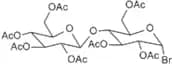
<p>2,3,6,2',3',6',2'',3'',4'',6''-Deca-O-acetyl-a-D-cellotriosyl bromide is a glycosylation reagent that can be used in the synthesis of polysaccharides and oligosaccharides. It contains a reactive functional group at the 2 position and a reactive functional group at the 3 position. This product can be custom synthesized to meet your needs. It has been shown to react with various saccharide units, including methylated sugars such as cellobiose and erythrose. The purity of this compound is >99%.</p>Purezza:Min. 95%Lewis Y hexasaccharide
CAS:<p>A human milk oligosaccharide</p>Formula:C38H65NO29Purezza:Min. 95%Colore e forma:PowderPeso molecolare:999.91 g/molGM1-Pentasaccharide labelled by biotin
<p>GM1 pentasaccharide biotin (sodium salt) has a core tetrasaccharide structure (Galβ1,3GalNAcβ1,4Galβ1,4Glc) with sialic acid linked α2,3 to the inner galactose residue and biotin linked β to position 1 on the reducing glucose moiety (Ledeen, 2009). The parent ganglioside GM1 is abundant in all mammalian brains, where it covers 10%-20% of the total ganglioside mixture. It is found in epithelial membranes and is a key element for bacterial toxicity and viral infection as it is the intestinal receptor for cholera toxin the B-subunits of heat-labile toxin, rotavirus, and simian virus 40. GM1 ganglioside functions as a neurotrophic and neuroprotective compound and has been used therapeutically for diabetic and peripheral neuropathies. GM1 ganglioside also has the ability to bind amyloid-β proteins and is involved in Alzheimerâs pathogenesis (Chiricozzi, 2020).</p>Formula:C50H83N5O31SPurezza:Min. 95%Colore e forma:White PowderPeso molecolare:1,282.28 g/molMethyl 2-acetamido-2-deoxy-3-O-(a-D-galactopyranosyl)-a-D-galactopyranoside
<p>Methyl 2-acetamido-2-deoxy-3-O-(a-D-galactopyranosyl)-a-D-galactopyranoside is a synthetic, fluorinated glycoside that is used as a building block for the synthesis of complex carbohydrates. Methyl 2-acetamido-2-deoxy-3-O-(a-D-galactopyranosyl)-a-D-galactopyranoside can be used in either Click or Fluorination reactions to synthesize oligosaccharides and monosaccharides. It has been shown to react with ethylene glycol to form methyl 2,6 -O-[(3,4,5,6 -tetra‑O‑acetyl‑β‑D‑galactopyranosyl)α -L‑idopyranosyl]-α -L‑idopyranose. Methyl 2,6 -</p>Purezza:Min. 95%1,4-β-D-Xylobiitol
CAS:<p>1,4-β-D-Xylobiitol is a monosaccharide that is synthesized by the glycosylation of β-D-xylose. It is an important component of complex carbohydrates found in plants and animals. Xylobiitol can be modified with methylation or Click chemistry to produce 1,4-β-D-xylopyranosiduronic acid and 1,4-β-D-xylopyranuronic acid respectively. In addition, it can be fluorinated to create 1,4-β-D-fluoroxylobiitol and modified with saccharide or oligosaccharides to produce 1,4-[α]-,1,3-[α]- or 1,3-[β]-linked xylobiitols. Xylobiitol can also be modified with polysaccharides to form xylanolybioside conjugates in which GlcUA residues are linked</p>Formula:C10H20O9Purezza:Min. 95%Colore e forma:PowderPeso molecolare:284.26 g/molLewis Y-NHCOCH2NH-biotin
<p>Lewis Y-NHCOCH2NH-biotin is a custom synthesis that contains an Oligosaccharide, CAS No., Polysaccharide, Modification, saccharide, Methylation, Glycosylation, Click modification and Carbohydrate. Lewis Y-NHCOCH2NH-biotin is a high purity product that has been fluorinated and synthesized.</p>Formula:C38H63N5O21SPurezza:Min. 95%Peso molecolare:957.99 g/molGlycyl-Oligosaccharidesmannose 5
<p>Glycyl-Oligosaccharidesmannose 5 is a high purity, custom synthesis sugar that is fluorinated and glycosylated. It is an oligosaccharide with a mannose backbone and a glycyl group attached to the first mannose. The methylation of the glycyl group on Glycyl-Oligosaccharidesmannose 5 can be modified to produce different derivatives. This carbohydrate has been synthesized and has CAS Number: 68149-46-1.</p>Formula:C48H82N4O36Purezza:Min. 95%Peso molecolare:1,291.17 g/molMaltodextrin oligosaccharides - DP2 to DP15
<p>Produced from starch; white hygroscopic spray-dried powder; easily digestible</p>Purezza:Min. 95%Colore e forma:White Powder6'-Galactosyllactose
CAS:<p>Galactosyllactose attenuated NF-κB inflammatory signaling in human intestinal epithelial cells and in human immature intestine. Thus, galactosyllactoses are strong anti-inflammatory agents in human colostrum and early milk, contributing to innate immune modulation. The potential clinical utility of galactosyllactose warrants investigation.</p>Formula:C18H32O16Purezza:Min. 95 Area-%Colore e forma:White PowderPeso molecolare:504.43 g/molMonosialyl, difucosyllacto-N-hexaose I
<p>Monosialyl, difucosyllacto-N-hexaose I is a high purity, custom synthesized fluorinated monosaccharide that is modified with a methyl group at the C6 position. This oligosaccharide has been glycosylated to yield a complex carbohydrate. Monosialyl, difucosyllacto-N-hexaose I is also a polysaccharide with a molecular weight of 1281. The CAS number for this product is 133701-13-4. Monosialyl, difucosyllacto-N-hexaose I has an Oligomeric Index of 1 and can be used in the synthesis of glycoproteins and glycolipids.</p>Formula:C63H105N3O47Purezza:Min. 95%Peso molecolare:1,656.5 g/molGlobotriose
CAS:<p>an important cell surface epitope that acts as the receptor for Shiga-like toxin</p>Formula:C18H32O16Purezza:Min. 95%Colore e forma:PowderPeso molecolare:504.44 g/mol2,3,4,6,1',3',4',6'-Octa-O-benzoyl-D-sucrose
CAS:<p>Sucrose octabenzoate is a practically colorless, odorless, transparent, glass-like material which is compatible with a number of synthetic resins, such as polyvinyl chloride, vinyl chloride-vinyl acetate copolymer, polyvinyl acetate and cellulose acetate. Sucrose octabenzoate improves the hardness and gloss of these products and has also been found to be useful as a component of inks, adhesives, coatings and plastic objects.</p>Formula:C68H54O19Purezza:Min. 95%Colore e forma:White/Off-White SolidPeso molecolare:1,175.14 g/mol1,6:2,3-Dianhydro-4-O-(2,3-di-O-benzyl-4,6-O-benzylidene-b-D-glucopyranosyl)-b-D-mannopyranose
CAS:<p>1,6:2,3-Dianhydro-4-O-(2,3-di-O-benzyl-4,6-O-benzylidene-b-D-glucopyranosyl)-b-D-mannopyranose is a complex carbohydrate that is synthesized from 1,6:2,3 dianhydro 4 O-(2,3 di O benzyl 4 6 O benzylidene b D glucopyranosyl) b D mannopyranose and has a molecular weight of 576. It contains two monosaccharides that are bound together by a glycosidic linkage. The monosaccharides are ribose and mannose. The structure of this compound includes modifications such as methylation, click modification, fluorination and sulfonation. This compound can be used in the synthesis of oligosaccharides and polysaccharides. This</p>Formula:C33H34O9Purezza:Min. 95%Peso molecolare:574.62 g/mol4-Methoxyphenyl 4-O-[2-O-acetyl-3,4-di-O-(2,3,4,6-tetra-O-acetyl-α-D-mannopyranosyl)-6-O-benzyl-β-D-mannopyrannosyl]-3,6-di-O-acetyl -2-deoxy-2-phthalimido-β-D-glucopyranoside
<p>This compound is a glycosylation product of 4-methoxyphenol, 4-O-[2-O-acetyl-3,4-di-O-(2,3,4,6-tetra-O-acetyl-aD-mannopyranosyl)-6-O-benzyl -bD -mannopyrannoside]-, 3,6 -di -O -acetyl-. It has been custom synthesized for your order. This product is offered at high purity and with low background fluorescence.</p>Formula:C68H79NO34Purezza:Min. 95%Peso molecolare:1,454.34 g/molLewis Y pentasaccharide-sp-biotin
<p>Lewis Y pentasaccharide-sp-biotin is a custom synthesis of an oligosaccharide with a complex carbohydrate. It can be produced by Click modification, fluorination, glycosylation, or methylation and has CAS No. 447-19-1. Lewis Y pentasaccharide-sp-biotin is a high purity product that can be used in research applications such as the study of Lewis Y antigen and its role in human immunity and cancer.</p>Formula:C55H92N8O29SPurezza:Min. 95%Colore e forma:PowderPeso molecolare:1,361.42 g/molGalacturonan DP5 sodium salt
<p>Sodium Pentagalacturonate, (β-1,4 sodium Pentagalacturonate) is derived from pectin or pectic acid, by enzymatic or partial acid hydrolysis (Combo, 2012). It is used inâ¯galacturonic acidâ¯metabolism research as a substrate to identify, differentiate, and characterize endo- and exopolygalacturonase(s), and gluconase(s) (Jayani, 2005). The addition of very short fragments of homogalacturonan, tri-galacturonate, tetra-galacturonate, and penta-galacturonate oligosaccharides, restore development in dark-grown, de-etiolated seedling mutants, suggesting that they are unable to generate de-methylesterified pectin fragments. A model of spatiotemporally separated photoreceptive and signal-responsive cell types has been proposed, that contains overlapping subsets of the regulatory network of light-dependent seedling development (Sinclair, 2017).</p>Purezza:(Hpaec-Pad) Min. 65%Colore e forma:PowderNA2 Glycan, 2-AB labelled
<p>N-Acetylneuraminic acid (NA2) is a glycan that is found in the human body, and is important for brain function. NA2 Glycan, 2-AB labelled, is a high purity custom synthesis sugar with Click modification and fluorination. The glycans are made of monosaccharides or saccharides linked together by glycosidic bonds. Carbohydrates are classified according to their number of sugar units: simple carbohydrates contain one or two sugar units; complex carbohydrates have three or more. This product is an oligosaccharide that contains nine sugar units: three monosaccharides and six saccharides. It can be used as a substrate for methylation, glycosylation, and modification reactions.</p>Formula:C69H112N6O46Purezza:Min. 95%Peso molecolare:1,761.64 g/mol2-Methyl-(4-O-(3,6-di-O-a-D-mannopyranosyl)-b-D-mannopyrannosyl)-1,2-dideoxy-a-D-glucopyrano)-[2,1-d]-2-oxazoline
<p>This is a custom synthesis, modification, and fluorination of a polysaccharide. The monosaccharide units are methylated and then modified with a click reaction. The saccharides are glycosylated with 2-O-a-D-mannopyranosyl moieties for the purpose of increasing their water solubility. This saccharide has been synthesized by the modification of an oligosaccharide that has been modified to include a hydroxyl group. The carbohydrate is complex and contains many different types of sugars including glucose, mannose, and galactose.</p>Formula:C26H43NO20Purezza:Min. 95%Colore e forma:PowderPeso molecolare:689.61 g/mol2-Acetamido-3-O-(2,3,4,6-tetra-O-acetyl-b-D-galactopyranosyl)-4,6-di-O-acetyl-2-deoxy-a-D-galactopyranosyl-Fmoc-L-serine tert-butyl ester
CAS:<p>The 2-acetamido-3-O-(2,3,4,6-tetra-O-acetyl-b-D-galactopyranosyl)-4,6-di-O-acetyl-2 deoxy -a D galactopyranosyl Fmoc L serine tert butyl ester is a custom synthesis of an oligosaccharide. It is a saccharide with a polysaccharide that is glycosylated and has a sugar at the end. This carbohydrate can be used for Modification, Fluorination, Methylation, Monosaccharide, Synthetic purposes.</p>Formula:C48H60N2O21Purezza:Min. 95%Peso molecolare:1,000.99 g/mol4-Methoxyphenyl 4-O-[4-O-(4,6-O-benzylidene-3-O-tert-butyldimethylsilyl- 2-O-levulinoyl-β-D-glucopyranosyl)-3,6-di-O-benzyl-2-deoxy-2 -phthalimid o-β-D-glucopyranosyl]-3-O-benzyl-6-O-(tri-O-benzyl-α-L-fucopyranosyl)-2- deoxy-2-phthalimido-β-D-glucopyranos
<p>4-Methoxyphenyl 4-O-[4-O-(4,6-O-benzylidene-3-O-tert-butyldimethylsilyl-2-O -levulinoyl)-b,D,Glucopyranosyl]-3,6,-di-, Obenzyl 2deoxy 2phthalimido bDglucopyranosyl]-2deoxy 2phthalimido bDglucopyrano sugar is a complex carbohydrate that has been synthesized in a custom synthesis. It is composed of a glucose oligosaccharide with a methoxyphenol glycoside at the reducing terminus and an α-(1,6)-linked mannose at the nonreducing terminus. The carbohydrate has been modified by fluorination and methylation. The molecule contains an acetal bond between the carbonyl group of the terminal monosaccharide and the</p>Formula:C107H114N2O25SiPurezza:Min. 95%Peso molecolare:1,856.13 g/mol2-Acetamido-2-deoxy-4-O-(β-D-[UL-13-C-6]-galactopyranosyl)-D-glucopyranose 6-sulfate
<p>2-Acetamido-2-deoxy-4-O-(beta-D-[UL-13-C-6]-galactopyranosyl)-D-glucopyranose 6-sulfate is an oligosaccharide that has been fluorinated and methylated. This compound has a CAS number and can be custom synthesized, as well as modified with a click reaction. It is a high purity, complex carbohydrate that can be modified with a variety of modifications.</p>Formula:C6C8H25NO14SPurezza:Min. 95%Peso molecolare:469.37 g/molα1,2-Galactobiosyl β-methyl glycoside
<p>a1,2-Galactobiosyl b-methyl glycoside is a methylated galactose monosaccharide that is covalently bound to the terminal amino group of b-methyl glycosides. The fluorination of the methyl group can be achieved by reacting with hydrogen fluoride in the presence of a palladium catalyst. This modification increases the stability of the compound and reduces its susceptibility to hydrolysis. The synthesis of this product is carried out using custom synthesis by clicking reaction with an azide moiety on a benzyl alcohol derivative. The resulting product has CAS No., Oligosaccharide, Polysaccharide, saccharide, Carbohydrate, Fluorination, complex carbohydrate, High purity, Modification, Monosaccharide, sugar Synthetic properties.</p>Formula:C13H24O11Purezza:Min. 95%Colore e forma:White/Off-White SolidPeso molecolare:356.32 g/molChitotriose trihydrochloride
CAS:<p>Chitotriose trihydrochloride is a modification of chitin, an oligosaccharide. Chitotriose trihydrochloride is a synthetic carbohydrate which is used as a raw material for the production of fibers, films, and adhesives. It can be used in the synthesis of complex carbohydrates such as starch and glycogen. Chitotriose trihydrochloride is a high purity carbohydrate with CAS No. 41708-93-4 that can be used to produce glycosylated proteins or polysaccharides.</p>Formula:C18H35N3O13·3HClPurezza:Min. 95 Area-%Colore e forma:PowderPeso molecolare:610.87 g/mol1,6-Anhydro-b-D-cellopentose
CAS:<p>1,6-Anhydro-b-D-cellopentose is a synthetic cello-oligomer</p>Formula:C30H50O25Purezza:Min. 95%Colore e forma:PowderPeso molecolare:810.7 g/mol4-Methoxyphenyl 4-O-(b-D-galactopyranosyl)-b-D-glucopyranoside
CAS:<p>4-Methoxyphenyl 4-O-(b-D-galactopyranosyl)-b-D-glucopyranoside is a carbohydrate with the CAS number 150412-80-9. It is an Oligosaccharide that is synthesized from monosaccharides and saccharides. This product can be custom synthesized to produce high purity, methylated, glycosylated and fluorinated products. There are many modifications that can be made to this carbohydrate using Click chemistry.</p>Formula:C19H28O12Purezza:Min. 95%Colore e forma:PowderPeso molecolare:448.42 g/molLacto-N-triose I
CAS:<p>Lacto-N-triose I is a carbohydrate antigen that is used as an acceptor in the synthesis of trisaccharides. Lacto-N-triose I has been shown to have acidic hydrolysis and gel permeation chromatography. It can be used for the synthesis of oligosaccharides, which are important for glycosylation reactions. Lacto-N-triose I also has a glycosylation reaction that can be activated by desulfurization.</p>Formula:C20H35NO16Purezza:Min. 95%Peso molecolare:545.49 g/mol2,4,6-Tri-O-(3,4,6-tri-O-benzyl-2-deoxy-2-phthalimido-β-D-glucopyranosyl)-3-O-benzyl-α-D-mannopyranose
<p>2,4,6-Tri-O-(3,4,6-tri-O-benzyl-2-deoxy-2-phthalimido-b-D-glucopyranosyl)-3-O-benzyl a -D -mannopyranose is a synthetic oligosaccharide that is synthesized by the click chemistry reaction. It is an example of a glycosylation reaction, in which the sugar is conjugated to an amine group on the triphosphate moiety of uridine diphosphate glucose. The product has been modified with fluorination and methylation to improve its stability.</p>Formula:C118H111N3O24Purezza:Min. 95%Peso molecolare:1,955.15 g/mol4-O-Methyl-α-D-glucurono-β-D-xylan
CAS:<p>4-O-Methyl-alpha-D-glucurono-beta-D-xylan is produced by the hydrolysis of xylan. It can be used in studies to find new soluble chromogenic substrates for the assay of xylanases and glucanases.</p>Colore e forma:PowderGA1-Ganglioside
CAS:<p>GA1-ganglioside is also known as asialo-GM1 ganglioside. Autoimmune responses to GA1 ganglioside and high titers of anti-GA1 antibodies have been associated with neuromotor disorders, such as, motor neuron disease, multifocal motor neuropathy, and Guillain-Barré syndrome (Kolter, 2006). Anti-GA1 antibodies are also associated withâ¯Borrelia burgdorferiâ¯infection and Lyme disease (Djellaoui, 2016).</p>Formula:C62H114N2O23Purezza:Min. 95%Colore e forma:PowderPeso molecolare:1,255.57 g/molGala1-3Galb1-4Glc
CAS:<p>Galacto-oligosaccharides (GOS) are a class of oligosaccharides that consist of galactose, galactose derivatives, and glucose. They are found in the human diet as a result of lactose breakdown by gut bacteria. GOS can bind to glycoconjugates in the human body, such as glycoproteins and glycolipids, and have been shown to be effective in preventing the growth of pathogens. Galacto-oligosaccharides are also synthetically produced, using a chromatographic method that separates them into individual sugars, where they can be used for research or diagnostic purposes. The biosynthesis of GOS is also known; it is an enzyme-catalyzed reaction involving calcium ions. This process is regulated by Ca2+ signaling, which leads to an increase in the production of GOS when there is a need for more immune cells or white blood cells.</p>Formula:C18H32O16Purezza:Min. 90 Area-%Colore e forma:White PowderPeso molecolare:504.44 g/molMethyl 3-O-(2-acetamido-2-deoxy-b-D-galactopyranosyl)-a-D-galactopyranoside
CAS:<p>Methyl 3-O-(2-acetamido-2-deoxy-b-D-galactopyranosyl)-a-D-galactopyranoside is a sugar that is synthesized by the Click modification of 3,4,6-trihydroxybenzoic acid and 2,3,6,7,8-pentahydroxyacetophenone. This sugar is used in glycosylation reactions to modify proteins or peptides.</p>Formula:C15H27NO11Purezza:Min. 95%Colore e forma:White PowderPeso molecolare:397.38 g/molLactobionate hydrazide
<p>Lactobionate hydrazide is a custom synthesis of an oligosaccharide. It is a complex carbohydrate with CAS No. that has been modified by glycosylation, methylation and fluorination. Lactobionate hydrazide is a polysaccharide which has been synthesized by click chemistry and contains high purity with a sugar content of over 99%. This oligosaccharide is not saccharide-bound and can be modified to produce different chemical structures. Lactobionate hydrazide has been used for glycogen storage disorders, as well as for the synthesis of oligosaccharides for the treatment of cancer cells.</p>Purezza:Min. 95%GM1b-Oligosaccharide
<p>GM1b pentasaccharide (sodium salt) has a core tetrasaccharide structure (Galβ1,3GalNAcβ1,4Galβ1,4Glc) with a single sialic acid residue linked α2,3 to the terminal galactose residue (Ledeen, 2009). GM1b oligosaccaharide is the carbohydrate moiety in GM1b ganglioside, which is a minor component of human brain monosialoganglioside fraction. GM1b ganglioside and especially anti-GM1b IgG antibodies are associated with axonal Guillain-Barré syndrome, which develops followingâ¯C. jejuniâ¯infection (Yuki, 1999).</p>Formula:C37H61N2O29NaPurezza:Min. 90 Area-%Colore e forma:PowderPeso molecolare:1,020.87 g/molGangliosides
<p>Sialic acid-containing glycosphingolipids-important component of neuronal cells</p>Purezza:Min. 95 Area-%Colore e forma:PowderChitobiose octaacetate
CAS:<p>Octacetylated chitobiose derivative</p>Formula:C28H40N2O17Purezza:Min. 95%Colore e forma:White PowderPeso molecolare:676.62 g/molk-Carrahexaitol trisulfate trisodium salt
<p>k-carrageenan derived hexasaccharide alcohol trisulfate+(3-6 anhydrogalactose)</p>Formula:C36H55O37S3Na3Purezza:Min. 95%Peso molecolare:1,244.97 g/mol4-Methoxyphenyl 4-O-(3,6-di-O-benzyl-2-deoxy-2-phthalimido-b-D-glucopyranosyl)-3-O-benzyl-2-deoxy-6-O-(4-methoxybenzyl)-2-phthalimid o-b-D-glucopyranoside
<p>4-Methoxyphenyl 4-O-(3,6-di-O-benzyl-2-deoxy-2-phthalimido-b-D-glucopyranosyl)-3-O-benzyl-2-deoxy -6-(4methoxybenzyl)-2 phthalimid (4) is a carbohydrate compound with the molecular formula C27H32N2O9. It is a white to off white powder that has a molecular weight of 565.5 and an empirical formula of C27H32N2O9.</p>Formula:C64H60N2O15Purezza:Min. 95%Peso molecolare:1,097.17 g/mol6-Deoxy-6-fluoro-D-lactosylamine
<p>6-Deoxy-6-fluoro-D-lactosylamine (6DFDLA) is a Custom synthesis, Modification, Fluorination, Methylation, Monosaccharide, Synthetic, Click modification, Oligosaccharide, saccharide. It is a polysaccharide that contains a glycosyl linkage between two or more monosaccharides. The carbons of 6DFDLA are derived from glucose and galactose. 6DFDLA is a carbohydrate that can be classified as either simple or complex carbohydrates.</p>Purezza:Min. 95%3-(a-D-Rhamnopyranosyl)-D-glucose
<p>3-(a-D-Rhamnopyranosyl)-D-glucose is a glycosylation product that is synthesized by the methylation of glucose. It is a complex carbohydrate with a high purity, CAS number and custom synthesis. 3-(a-D-Rhamnopyranosyl)-D-glucose has been modified by fluorination and click chemistry to produce a versatile reagent for glycosylation reactions.</p>Purezza:Min. 95%GD1a-Ganglioside sodium
CAS:<p>GD1a (shown as sodium salt) is one of the major gangliosides in neuronal and glial membranes. It has a core tetrasaccharide structure (Galβ1,3GalNAcβ1,4Galβ1,4Glc) with sialic acids linked α2,3/α2,8 to the inner galactose residue, α2,3 to the outer galactose residue and ceramide linked β to position 1 on the reducing terminal glucose residue (Ledeen, 2009). It interacts with myelin-associated glycoprotein (MAG) and is essential for long-term axon-myelin stability. It plays a role in viral infection as it is a receptor for viral glycoproteins in rotavirus and paramyxovirus 1. The hexasaccharide GD1a moiety was also found on a glycoprotein that acts as a receptor for adenovirus type 37. GD1a ganglioside also interacts with botulinum neurotoxin and is crucial for its entry into cells (Kolter, 2012).</p>Formula:C84H148N4O39·xNaPurezza:Min. 95%Colore e forma:White PowderPeso molecolare:1,838.08 g/molLactose 6'-sulfate
CAS:<p>Lactose 6'-sulfate is a custom synthesis of a complex carbohydrate and an oligosaccharide. It is modified by methylation and glycosylation, which can be altered to create other saccharides such as galactose. Lactose 6'-sulfate has been fluorinated in the alpha position and contains a sulfate group that is attached with a click chemistry reaction. Lactose 6'-sulfate has CAS number 1015758-24-3 and is high purity.</p>Formula:C12H22O14SPurezza:Min. 95%Colore e forma:PowderPeso molecolare:422.36 g/mol2-Methyl-(4-O-β-D-glucopyranosyl)-1,2-dideoxy-α-D-glucopyrano)-[2,1-d]-2-oxazoline
CAS:<p>2-Methyl-(4-O-b-D-glucopyranosyl)-1,2-dideoxy-a-D-glucopyrano)-[2,1-d]-2-oxazoline is a custom synthesis of a carbohydrate. It can be modified by fluorination, methylation, and monosaccharide modification. It has been synthesized from a saccharide with a molecular weight of 803. This molecule has the CAS number 91433-96-7.</p>Formula:C14H23NO10Purezza:Min. 95%Colore e forma:PowderPeso molecolare:365.33 g/mol2-O-(a-D-Mannopyranosyl)-D-mannopyranose
CAS:<p>Synthesized by the action of zinc chloride on tetra-O-acetylmannose and 1-chloro-3,4,6- tri-0-acetylmannose. Isolated from partial acetolysates of baker's yeast mannan and Saccharomyces rouxii mannan.</p>Formula:C12H22O11Purezza:Min. 95 Area-%Colore e forma:White PowderPeso molecolare:342.3 g/molGD1b-Ganglioside sodium
CAS:<p>GD1b (shown as sodium salt) is one of the major gangliosides in neuronal and glial membranes. It has a core tetrasaccharide structure (Galβ1,3GalNAcβ1,4Galβ1,4Glc) with itâs two sialic acids linked α2,3/α2,8 to the inner galactose residue and ceramide linked β to position 1 on the reducing terminal glucose residue (Ledeen, 2009). GD1b acts as a receptor for BK virus as well as for heat-labile LTII-a toxin, produced by enteropathogenicâ¯E. coli. GD1b ganglioside also interacts with tetanus neurotoxin (TeNT) and is crucial for its entry into cells (Kolter, 2012).</p>Purezza:Min. 95%Colore e forma:PowderMethyl protodioscin
CAS:<p>Methyl protodioscin is a natural compound that has been shown to have a promising therapeutic effect on autoimmune diseases. Methyl protodioscin is derived from soybean extract and it is known to inhibit the translocation of bacteria across the gut wall, which could be due to its ability to regulate mucin gene expression. In vitro assays show that methyl protodioscin has an effect on mitochondrial membrane potential, which may be related to its anti-inflammatory properties. The effects of methyl protodioscin on mitochondrial functions were studied in C. glabrata, and it was shown that this compound can be used as a therapeutic agent for balloon injury.<br>Methyl protodioscin also inhibits the growth of Candida albicans and other fungi in vivo, suggesting that this compound might have antifungal activity.</p>Formula:C52H86O22Purezza:Min. 95%Peso molecolare:1,063.23 g/molCarboxymethyl cellulose sodium - Viscosity 400-800cps
CAS:<p>Food additive; soil suspension polymer in detergents; thickening agent</p>Formula:C28H30Na8O27Purezza:Min. 95%Colore e forma:White To Light Brown SolidPeso molecolare:982.44Disialyl-TF
CAS:<p>Disialyl-TF is a monoclonal antibody that binds to the CD33 antigen on the surface of all types of cancer cells, including breast cancer cells. Disialyl-TF has been shown to reduce the growth and spread of prostate cancer cells in mice, reducing tumor size and weight. Disialyl-TF is also active against infectious diseases such as HIV, which may be due to its ability to inhibit the expression of glycan receptors. The mechanism by which it works is not yet known. Disialyl-TF has been shown to bind with high affinity to erythrocytes bearing A or B blood group antigens, making it an excellent diagnostic tool for detecting these antigens in patients with acute myeloid leukemia or other cancers.</p>Formula:C36H59N3O27Purezza:Min. 95%Peso molecolare:965.86 g/molMaltoheptaose
CAS:<p>α 1,4-glucoheptasaccharide derived from starch by hydrolysis and chromatography</p>Formula:C42H72O36Purezza:Min. 60%Colore e forma:White PowderPeso molecolare:1,153.02 g/mol1,4-b-D-Xylotetraose decasulfate sodium salt
<p>1,4-b-D-Xylotetraose decasulfate sodium salt is a highly purified and custom synthesized carbohydrate. It is used as a reagent in biochemical research. 1,4-b-D-Xylotetraose decasulfate sodium salt can be modified with various reagents to produce desired properties for use in various applications. Modifications can include methylation, saccharide, Polysaccharide, Click modification, or Modification. Carbohydrate modifications can include Oligosaccharide or Custom synthesis. Fluorination of 1,4-b-D-Xylotetraose decasulfate sodium salt is an available modification that produces the product with high purity and reduced viscosity. <br>1,4-b-D-Xylotetraose decasulfate sodium salt has a CAS number of 52878-68-9 and is available for custom synthesis at</p>Purezza:Min. 95%2-O-(2-Acetamido-2-deoxy-β-D-glucopyranosyl)-D-mannopyranose
CAS:<p>2-O-(2-Acetamido-2-deoxy-b-D-glucopyranosyl)-D-mannopyranose is a disaccharide that contains two acetamides. It has a glycosidic bond and is classified as a glycoside. This compound has the same sequence of residues as D-mannose, but one less carbon atom. The acetamides form an ester linkage to the 2’ and 3’ hydroxyl groups on the sugar moiety.</p>Formula:C14H25NO11Purezza:Min. 95%Colore e forma:PowderPeso molecolare:383.35 g/molThiocellotetraose
<p>Thiocellotetraose is a glycosylation product of cellulose. It is a complex carbohydrate that is similar to other saccharides. Thiocellotetraose can be obtained by methylation, click modification, and fluorination. The monosaccharide units in thiocellotetraose are glucose and mannose. This product can be custom synthesized to meet your specific requirements for purity and CAS number.</p>Formula:C24H42O18S3Purezza:Min. 95%Peso molecolare:714.78 g/molMan-6 Glycan, 2-AB labelled
<p>Man-6 Glycan, 2-AB labelled is a custom synthesis of mannose-6-phosphate, a monosaccharide. The molecule contains six carbons and one phosphate group. It can be modified with fluorination, methylation, or click modification. This glycan is synthesized by the addition of an oligosaccharide to a polysaccharide. Mannose-6-phosphate is an Oligosaccharide that carries out glycosylation reactions in the body. It is used as a precursor for other glycans such as N-Acetylglucosamine and N-Acetylgalactosamine.</p>Purezza:Min. 95%4-O-(2-Acetamido-2-deoxy-a-D-glucopyranosyl)-D-galactopyranose
CAS:<p>4-O-(2-Acetamido-2-deoxy-a-D-glucopyranosyl)-D-galactopyranose is a disaccharide that contains two acetamido groups. It is an acceptor for the receptor activity and has been shown to have biological properties. This compound can be synthesized using lactam and glycosylation with the use of sodium cyanoborohydride. 4-O-(2-Acetamido-2-deoxy-a-D-glucopyranosyl)-D-galactopyranose can also be used in the synthesis of oligosaccharides, which are important for cellular function. 4O-(2 Acetamido 2 deoxy a D glucopyranosyl) D galactopyranose shows high affinity for pertussis bacteria and bordetella pertussis. It binds to the surface of these bacteria,</p>Formula:C14H25NO11Purezza:Min. 95 Area-%Colore e forma:PowderPeso molecolare:383.35 g/molGQ1b-Ganglioside sodium
CAS:<p>GQ1b ganglioside (sodium salt) has a core tetrasaccharide structure (Galβ1,3GalNAcβ1,4Galβ1,4Glc) with two sialic acids (NeuAc) linked α2,3/α2,8 to the inner galactose residue, two sialic acids (NeuAc) linked α2,3/α2,8 to the terminal galactose residue and ceramide linked β to position 1 on the reducing terminal glucose residue (Ledeen, 2009). Anti-GQ1b ganglioside antibody is associated with Miller Fisher syndrome and is also found in patients with related conditions that may share the same pathogenic mechanism, such as, Bickerstaff brainstem encephalitis. Thus, the measurement of the anti-GQ1b antibody in suspected cases of Miller Fisher syndrome is a useful diagnostic marker (Paparounas, 2004). It has been found that GQ1b ganglioside contributes to synaptic transmission and synapse formation. Low concentrations of GQ1b ganglioside, evoked dopamine (DA) release from laboratory tissues (Chen, 2018).</p>Formula:C106H182N6O56·4NaPurezza:Min. 95%Colore e forma:White PowderPeso molecolare:2,528.55 g/molD-Cellobiose
CAS:<p>D-Cellobiose, also known as cellose, is a reducing disaccharide consisting of two β(1-4)-linked glucopyranose units. It is produced by the hydrolysis of cellulose, a homopolysaccharide of glucose with β(1-4)-linkages. Cellobiose constitutes the polar part of cellobiose lipids (CLs) that are secreted by yeasts and mycelia fungi. Their various biological activities have led to a range of applications in the food industry, pharmaceutical industry and in medicine. Cellobiose itself has been used as an indicator carbohydrate for Crohn's disease and malabsorption syndrome. In biotechnology, cellobiose is one of the sugars explored for the synthesis of biotensides.</p>Formula:C12H22O11Purezza:Min. 97 Area-%Colore e forma:White Off-White Crystalline PowderPeso molecolare:342.30 g/molMethyl syringate 4-O-β-D-gentiobiose
<p>Methyl syringate 4-O-beta-D-gentiobiose is a modification, which is an oligosaccharide carbohydrate complex. It is synthesized by custom synthesis and has a high purity. It is a CAS number and has the molecular formula C12H20O9. This compound can be found in nature as a monosaccharide or polysaccharide sugar. The methylation of this compound can produce methyl syringate 4-O-beta-D-gentiobiose.</p>Formula:C22H22O15Peso molecolare:526.4 g/molIsomalto oligomers (Dp 4-8)
<p>Isomalto oligomers are a custom synthesis of polysaccharide oligosaccharides. These compounds are modified with methylation, glycosylation, and fluorination to create a high purity product that is free of undesirable contaminants. Isomalto oligomers (DP 4-8) are synthesized from sugars and can be used in the modification of saccharide chains during glycosylation reactions. This product also has the ability to produce click chemistry modifications.</p>Purezza:ReportedColore e forma:Powder4-Methoxyphenyl 4-O-(3,6-di-O-benzyl-2-deoxy-4-O-levulinoyl-2-phthalimido-β-D-glucopyranosyl)-3-O-benzyl-6-O-(2,3,4-tri-O-benzyl-α-L -fucopyranosyl)-2-deoxy-2-phthalimido-β-D-glucopyranoside
<p>The compound 4-Methoxyphenyl 4-O-(3,6-di-O-benzyl-2-deoxy-4-O-levulinoyl)-2,3,4,6-tetra‑O‑benzyl‑a‑L -fucopyranosyl)-2,3,4,6‑tetra‑O‑benzyl‑a‑L -fucopyranoside is a glycoside of the monosaccharide 2,3,4,6 tetra O benzyl a L fucopyranose. It is prepared by the reaction of methyl 4 methoxyphenol with 2 deoxy 4 levulinoyl 2 phthalimido b D glucopyranoside in the presence of an acid catalyst. The compound has been shown to have anti inflammatory and anti allergic effects.</p>Formula:C88H86N2O20Purezza:Min. 95%Peso molecolare:1,491.63 g/molBlood Group A tetrasaccharide type V
CAS:<p>Core antigen fragment in ABO blood group system</p>Formula:C26H45NO20Purezza:Min. 90%Colore e forma:White PowderPeso molecolare:691.63 g/molD-Melezitose, monohydrate
CAS:<p>Used to differentiate microorganisms based on their metabolic properties.</p>Formula:C18H34O17Purezza:Min. 98.0 Area-%Peso molecolare:522.46 g/molRef: 3D-M-1520
25gPrezzo su richiesta50gPrezzo su richiesta100gPrezzo su richiesta250gPrezzo su richiesta500gPrezzo su richiesta-Unit-ggPrezzo su richiestaMonofucosyl (1-2)-iso-lacto-N-octaose II
<p>Monofucosyl (1-2)-iso-lacto-N-octaose II is an oligosaccharide that is found in human milk</p>Purezza:Min. 95%Globo-H hexaose
CAS:<p>Cancer-associated carbohydrate antigen</p>Formula:C38H65NO30Purezza:Min. 90%Colore e forma:White PowderPeso molecolare:1,015.91 g/molMaltohexaose eicosaacetate
CAS:<p>CO2-philic compound; used in pharmaceuticals and CO2-based processes</p>Formula:C76H102O51Purezza:Min. 90.0 Area-%Colore e forma:White PowderPeso molecolare:1,831.59 g/mol1,4-β-D-Mannopentaose
CAS:<p>Isolated from ivory-nut mannan hydrolysates</p>Formula:C30O26H52Purezza:Min. 95%Colore e forma:PowderPeso molecolare:828.72 g/molIsoprimeverose
CAS:<p>Isoprimeverose is a covalently linked polysaccharide with a molecular weight of about 5,000. It has been shown to have an optimum pH at around 7.5 and is soluble in water. Isoprimeverose was found to be highly immunogenic in rats and mice, producing high levels of polyclonal antibodies against the protein target. The carbohydrate moiety of isoprimeverose contains galacturonic acid, which may play a role in its uptake by mammalian cells. The hydroxyl group on the sugar molecule may also play a role in this process. Isoprimeverose can be used as an artificial sweetener because it does not contain any sugars or carbohydrates that can cause tooth decay or other dental problems.</p>Formula:C11H20O10Purezza:Min. 95%Colore e forma:White PowderPeso molecolare:312.27 g/molGlycyl-sialyllacto-N-tetraose α
<p>Glycyl-sialyllacto-N-tetraose a is a custom synthesis that is an oligosaccharide with a molecular weight of 471. It has the CAS No. of 882859-14-6 and can be modified by methylation, glycosylation, and fluorination. This saccharide is a polysaccharide that can be modified by glycosylation, methylation, and click modification. The carbohydrate has a high purity and can be synthesized using organic chemistry or biochemistry techniques. Glycyl-sialyllacto-N-tetraose a is an Oligosaccharide with a sugar composition of (1) D-Glyceraldehyde 3-phosphate (2) D-Sorbitol 3 phosphate (3) Lactose (4) Glycyl-(1→4)-β--D--Galactopyranosyl-(1→3)-α</p>Formula:C39H66N4O29Purezza:Min. 95%Colore e forma:White to off-white solid.Peso molecolare:1,054.95 g/molChitotetraose tetrahydrochloride
CAS:<p>Tetraose composed of four glucosamine residues</p>Formula:C24H46N4O17•(HCl)4Purezza:Min. 95%Colore e forma:White PowderPeso molecolare:808.48 g/molD-Cellobiose octaacetate
CAS:<p>Fully acetylated cellohexoses, part of a polymer homologous series of oligosaccharides isolated from cellulose by acetolysis followed by chromatography.</p>Formula:C28H38O19Purezza:Min. 98 Area-%Colore e forma:White PowderPeso molecolare:678.59 g/mol3a,4b,3a-Galactotetraose
CAS:<p>The acetolysis of carrageenan produces a polymer homologous series of oligosaccharides, [Gal α1,3 Gal, Gal β1,4 Gal], [Gal α1,3 Gal β1,4 Gal, Gal β14, Gal α1,3 Gal], [Gal α1,3 Gal β1,4 Gal α1,3 Gal, Gal β1,4Gal α1,3Gal β1,4Gal] etc. (Lawson, 1968). This is significant as it provides an entry to the α-gal series or Galili antigens due to the fact that the disaccharide Galα1,3 Gal can be isolated in quantity. The distribution of the full α-gal epitope (Galα1-3Galβ1-4GlcNAc-R) is unique in mammals, being abundantly expressed on glycoconjugates of non-primate mammals, prosimians and New World monkeys. In contrast, the α-gal epitope is not expressed on glycoconjugates of Old World monkeys, apes and humans; instead, they produce the natural anti-Gal antibody that specifically binds the α-epitope. Anti-Gal mediates the rejection of pig xenograft organs in humans and monkeys by binding α-gal epitopes on the pig cells, inducing complement mediated destruction and antibody dependent cell mediated destruction. This barrier to xenotransplantation has been eliminated by producing α1,3 glycosyltransferase to knockout pigs. Since anti-Gal is ubiquitous in humans, the α-gal epitope has clinical potential in the production of vaccines expressing α-epitopes that can be targeted to antigen presenting cells (APC), thereby increasing the immunogenicity of viral and other microbial vaccines (Macher, 2008).</p>Formula:C24H42O21Purezza:Min. 95 Area-%Colore e forma:White Off-White PowderPeso molecolare:666.58 g/mol6'-a-Sialyl-N-acetyllactosamine sodium salt
CAS:<p>Sialylated trisaccharide found in human urine</p>Formula:C25H41N2NaO19Purezza:Min. 95%Colore e forma:PowderPeso molecolare:696.6 g/mol1,2,3,6,2',3',6'-Hepta-O-acetyl-4'-O-(2-acetamido-3,4,6-tri-O-acetyl-2-deoxy-a-D-galactopyranosyl)-b-D-lactopyranoside
<p>This is an oligosaccharide that has been modified with a fluorinated saccharide. It is a complex carbohydrate that has been synthesized through custom synthesis and is high purity with a CAS No. This monosaccharide has been methylated and glycosylated, and it can be used in the synthesis of polysaccharides.</p>Purezza:Min. 95%3-Galactosyl-N-acetyl-D-lactosamine
<p>3-Galactosyl-N-acetyl-D-lactosamine is a custom synthesis of an oligosaccharide. The complex carbohydrate is composed of a saccharide and its modification. 3-Galactosyl-N-acetyl-D-lactosamine is a polysaccharide that contains saccharides with methylation, glycosylation, and click modification. The carbohydrate has high purity and is fluorinated. It has been synthesized using the Click chemistry method to modify the saccharides in the glycan.</p>Purezza:Min. 95%4-Methoxyphenyl 2,4,6-tri-O-(3,4,6-tri-O-benzyl-2-deoxy-2-phthalimido-β-D-glucopyranosyl)-3-O-benzyl-α-D-mannopyranoside
<p>4-Methoxyphenyl 2,4,6-tri-O-(3,4,6-tri-O-benzyl-2-deoxy-2-phthalimido-b-D-glucopyranosyl)-3-O-(benzyl)aDmannopyranoside is a custom synthesis of an oligosaccharide. It is an acetal derivative of 4methoxyphenyl 2,4,6tri O-(3,4,6tri Obenzyl 2deoxy2 phthalimido b D glucopyranosyl) 3 O (benzyl) ad mannopyranoside with a methoxymethyl group at the C5 position and a benzyl ether moiety at the C6 position. The molecule contains a methylated sugar as well as fluorine modification on the ring oxygen atom. This molecule has a high purity and is offered in both monos</p>Formula:C125H117N3O25Purezza:Min. 95%Peso molecolare:2,061.27 g/mol4-Methoxyphenyl 2,3,6-tri-O-acetyl-4-O-[2,4,6-tri-O-acetyl-3-O-(3,4,6-tri-O-acetyl-2-deoxy-2-phthalimido-β-D-glucopyranosyl)-β-D-gal actopyranosyl]-β-D-glucopyranoside
<p>4-Methoxyphenyl 2,3,6-tri-O-acetyl-4-O-[2,4,6-tri-O-acetyl-3-O-(3,4,6-tri-O-acetyl-2-deoxy-2-phthalimido)-bDgalactopyranosyl]-bDglucopyranoside is a modification of an oligosaccharide that has been synthesized by the Oligosaccharide Synthesis and Custom Synthesis Department at Acetech. This product is a complex carbohydrate with a high purity and CAS No. The carbohydrate chain is composed of a monosaccharide methylated at the 4 position and glycosylated with two polysaccharides (sugar) at the 1 and 3 positions. The saccharides are esterified with acetate moieties at the 2 positions. It contains fluorine atoms in the form of flu</p>Formula:C51H59NO27Purezza:Min. 95%Peso molecolare:1,118 g/molIsomaltotetraose
CAS:<p>Produced from high maltose syrup by treatment with transglucosidase</p>Formula:C24H42O21Purezza:Min. 95%Colore e forma:White PowderPeso molecolare:666.58 g/molFA2B Glycan, 2-AB labelled
<p>This is a monosaccharide with 2-AB labelled. It is a modification of the oligosaccharide, carbohydrate, complex carbohydrate, and custom synthesis. This product has high purity and CAS No. It is methylated and glycosylated. The product is fluorinated and saccharide.</p>Purezza:Min. 95%Dextran 750 - MW: 500,000 to 1,000,000
CAS:<p>Dextran is a polysaccharide that is used as an antimicrobial agent and as a volume expander in the treatment of bowel disease, myocardial infarct, and other diseases. Dextran sulfate is a linear polymer with a molecular weight of 500,000 to 1,000,000. It has minimal toxicity and does not interfere with iron homeostasis or cause fluid overload. Dextran sulfate can be used for the treatment of bowel disease because it has been shown to have anti-inflammatory effects in experimental models. The mechanism by which dextran sulfate inhibits inflammation is unknown, but may involve its ability to bind to macrophages and neutrophils in the gut wall. Dextran sulfate also binds to bacteria and prevents their growth. This binding may prevent bacterial penetration into epithelial cells or block bacterial attachment to cell surfaces. The efficacy of dextran sulfate against pathogenic mechanisms such as inflammation has been demonstrated in experimental models.</p>Purezza:Min. 95%Colore e forma:White Powdera,a-D-Trehalose dihydrate endotoxin free
CAS:<p>Trehalose is a non-reducing sugar that is naturally found in some plants and animals. It is a disaccharide formed by two glucose molecules linked together with an alpha,alpha glycosidic bond. Trehalose has been shown to inhibit the growth of bacteria through the inhibition of fatty acid biosynthesis and the production of lactic acid. Trehalose has also been shown to have excipients that are used as lubricants or suspending agents in pharmaceuticals, cosmetics, food products, and animal feed. Trehalose can be used as a substitute for propionate in order to create endotoxin-free aqueous solutions.</p>Formula:C12H22O11·2H2OPurezza:Min. 98 Area-%Colore e forma:White PowderPeso molecolare:378.33 g/molGalactosyl-Tn-antigen
<p>Galactosyl-Tn-antigen is an antigen that is found in the urine of patients with bladder cancer. It is a glycoprotein that has been shown to be present in the urine of patients with bladder cancer and not in the urine of healthy individuals. Galactosyl-Tn-antigen was detected using a monoclonal antibody against an epitope on the Tn antigen and can be used for diagnosis of bladder cancer. The level of galactosyl-Tn-antigen in the serum varies with age and glomerular filtration rate, suggesting that it may be involved in renal function. Galactosyl-Tn-antigen has also been shown to have a role in cell adhesion and skin reactions, as well as autoimmune diseases such as cancer.</p>Formula:C17H30N2O13Purezza:Min. 95%Colore e forma:PowderPeso molecolare:470.43 g/molHeparin disaccharide II-S trisodium salt
CAS:<p>Heparin breakdown product</p>Formula:C12H16NNa3O16S2Purezza:Min. 95 Area-%Colore e forma:White Off-White PowderPeso molecolare:563.35 g/molNeoagarobiose
CAS:<p>Agarose is a polysaccharide found in red algae, typically Gelidium and Gracilaria. It is a strictly alternating polysaccharide of α-1,3 linked D-galactose and β-1,4 linked L-3,6 anhydrogalactose, with occasional sulfation at position 6 of the anhydrogalactose residue. Agaro-oligosaccharides result from cleavage at galactose residues and neoagaro-oligosaccharides from cleavage at 3,6-anhydro residues. Neoagarobiose is reported to exhibit skin moisturising and whitening properties.</p>Formula:C12H20O10Purezza:Min. 98 Area-%Colore e forma:PowderPeso molecolare:324.28 g/mola,a-D-Trehalose dihydrate
CAS:<p>Please enquire for more information about a,a-D-Trehalose dihydrate including the price, delivery time and more detailed product information at the technical inquiry form on this page</p>Formula:C12H26O13Purezza:Min. 98 Area-%Peso molecolare:378.33 g/molLinear B-2 trisaccharide
CAS:<p>Linear B-2 trisaccharide is a human serum glycoprotein that belongs to the group of glycoconjugates. It has been shown to have clinical relevance in the detection of cancer and infectious diseases, as well as for use in the treatment of cancer. Linear B-2 trisaccharide can be used in combination with monoclonal antibodies for diagnosis and treatment of cancer. This molecule is also an inhibitor of both influenza virus hemagglutinin and HIV gp120, which may be due to its ability to react with specific carbohydrate structures on these proteins. Linear B-2 trisaccharide is biocompatible and can be used in the development of biodegradable polymers. The linearity of this molecule makes it more stable than other related molecules, such as glycopeptides.</p>Formula:C20H35NO16Purezza:Min. 95%Colore e forma:PowderPeso molecolare:545.49 g/molBlood group A trisaccharide-APE-HSA
<p>Core antigen ABO trisaccharide conjugated to HSA via an aminophenyl ethyl spacer</p>Purezza:Min. 95%D-Leucrose
CAS:<p>Leucrose (5-O-a-d-glucopyranosyl-D-fructose) is formed by enzymatic synthesis using Leuconostoc mesenteroides in the presence of sucrose.</p>Formula:C12H22O11Purezza:Min. 95%Colore e forma:PowderPeso molecolare:342.3 g/molMaltotriitol
CAS:<p>Bulk sweetener; viscosity/bodying agent; humectant; cryoprotectant</p>Formula:C18H34O16Purezza:(%) Min. 95%Colore e forma:White PowderPeso molecolare:506.45 g/mol2-Acetamido-3-O-(2-acetamido-2-deoxy-a-D-galactopyranosyl)-2-deoxy-D-galactopyranose
CAS:<p>2-Acetamido-3-O-(2-acetamido-2-deoxy-a-D-galactopyranosyl)-2-deoxy-D-galactopyranose is a glycan that is found in human serum and maternal blood. The wild type strain of 2,3,4,6,7,8<br>diacetylgalactosaminyltransferase (GnTIII) gene has been shown to be essential for the synthesis of this glycan. This glycan is also found in the carcinoma cell lines HT1080 and SW480. Structural analysis of the glycan has revealed that it contains a hydroxyl group on the C1 position and an acetamido group on the C2 position. Glycans are polymers that play roles in many biological functions such as cell recognition, immune responses, and carbohydrate metabolism. The structure of this glycan was studied using titration calorim</p>Formula:C16H28N2O11Purezza:Min. 95%Colore e forma:PowderPeso molecolare:424.40 g/mol4-Aminobutyl 2-O-(a-D-mannopyranosyl)-a-D-mannopyranoside
<p>4-Aminobutyl 2-O-(a-D-mannopyranosyl)-a-D-mannopyranoside is a custom synthesis that has been fluorinated, methylated, and modified with a click modification. The product is a glycosylation that is an oligosaccharide sugar. It is an Oligosaccharide saccharide CAS No. Carbohydrate complex carbohydrate.</p>Purezza:Min. 95%Chondroitin sulphate octasaccharide ammonium salt
<p>Chondroitin sulphate octasaccharide ammonium salt is a synthetic, fluorinated glycosaminoglycan. It is a synthetic, fluorinated glycosaminoglycan that has been synthesized from chondroitin sulfate and 2-amino-2-deoxy-D-glucose. Chondroitin sulphate octasaccharide ammonium salt has the CAS number 93860-92-7. It can be modified to make it more complex, such as methylation or click modification to give it different properties. This product is offered in high purity with a custom synthesis service available on request.</p>Purezza:Min. 95%4-O-(β-D-Galactopyranosyl)-D-galactopyranose
CAS:<p>Used as enzyme substrates, analytical standards and for in vitro diagnostics</p>Formula:C12H22O11Purezza:Min. 95%Colore e forma:White Off-White PowderPeso molecolare:342.29 g/molErlose
CAS:<p>Erlose is a trisaccharide (b-D-fructofuranosyl-a-D-glucopyranosyl-(1,4)-a-D-glucopyranoside) found in royal jelly and honeys. Erlose has the same sweetening power as sucrose but is less cariogenic.</p>Formula:C18H32O16Purezza:Min. 95 Area-%Colore e forma:White PowderPeso molecolare:504.44 g/mol6'-Fucosyllactose
CAS:<p>6'-Fucosyllactose is a fucosylated form of lactose, which is a complex carbohydrate. It is a custom synthesis and has been synthesized in high purity. 6'-Fucosyllactose has CAS No. 80756-86-1 and can be found as an oligosaccharide or polysaccharide. 6'-Fucosyllactose is a monosaccharide that has been methylated and glycosylated to increase its stability. The saccharides are modified with fluorination to make it more soluble in water and to improve its solubility in organic solvents.</p>Formula:C18H32O15Purezza:Min. 95%Colore e forma:PowderPeso molecolare:488.44 g/molGalNAcb(1-3)Gala(1-3)Galb(1-4)Glc-b-pNP
<p>GalNAcb(1-3)Gala(1-3)Galb(1-4)Glc-b-pNP is a synthetic glycoconjugate that is a glycosylated complex carbohydrate. It has been modified by Click chemistry and fluorination, and contains the monosaccharides galactose, galactosamine, glucose, and glucuronic acid. GalNAcb(1-3)Gala(1-3)Galb(1-4)Glc-b-pNP is used as a substrate for enzyme assays to study the activity of glycosyltransferases such as galactosyltransferase. This product can be used for research purposes in immunology, molecular biology, biochemistry and other fields.</p>Formula:C32H48N20O23Purezza:Min. 95%Peso molecolare:1,080.84 g/molLS-tetrasaccharide b
CAS:<p>Sialylated tetrasaccharide found in human milk, possible health benefits for the neonate by supporting resistance to pathogens, gut maturation, immune function, and cognitive development.</p>Formula:C37H61N2O29•NH4Purezza:Min. 95 Area-%Colore e forma:White PowderPeso molecolare:1,015.92 g/molMaltodextrin oligosaccharides - DP10 to DP40
<p>Produced from starch; white hygroscopic spray-dried powder; easily digestible</p>Colore e forma:Powder1,2,3,6-Tetra-O-acetyl-4-O-[2,4,6-tri-O-acetyl-3-O-(2-acetamido-3,4,6-tri-O-acetyl-2-deoxy-b-D-glucopyranosyl)-b-D-galactopyranosyl] -b-D-glucopyranose
<p>Tetracose is a complex carbohydrate that is composed of 1,2,3,6-tetra-O-acetyl-4-O-[2,4,6-tri-O-acetyl-3-O-(2 acetamido)-β-D-galactopyranosyl]-β-D-glucopyranose and β--D--galactopyranosyl. Tetracose is a high purity custom synthesis sugar. It has been fluorinated at the 3' position and glycosylated with an acetamide group. Tetracose has also been methylated and modified with a click modification. Tetracose has CAS No.: 145925-75-5</p>Formula:C40H55NO26Purezza:Min. 95%Peso molecolare:965.86 g/mol3α,4β-Galactotriose
CAS:<p>Obtained by the partial acetolysis of lambda-carrageenan</p>Formula:C18H32O16Purezza:Min. 95 Area-%Colore e forma:White PowderPeso molecolare:504.44 g/mol2-O-(2-O-(a-D-Mannopyranosyl)-a-D-mannopyranosyl)-a-D-mannopyranose
<p>2-O-(2-O-(a-D-Mannopyranosyl)-a-D-mannopyranosyl)-a-D-mannopyranose is an oligosaccharide that is synthesized by the glycosylation of a D-mannose with 2,3,4,6-tetra‑O‑benzoyl‑beta‑D‑glucuronic acid. This product is available in custom synthesis and can be modified to order. It has been shown to be highly pure and can be used for a variety of applications including glycosylation reactions, methylations, fluorinations, click modifications, and complex carbohydrate studies.</p>Purezza:Min. 95%a1-3-Galactobiose-biotin
<p>a1-3-Galactobiose-biotin is a synthetic, fluorinated oligosaccharide that has been modified with 3 biotin molecules. It is synthesized by the glycosylation of 1,3-galactobiose and is used as an intermediate in the synthesis of carbohydrates. The sugar moiety can be modified with different chemical groups and reactions such as methylation or click modification to change its properties.</p>Formula:C22H36N2O13SPurezza:Min. 95%Colore e forma:PowderPeso molecolare:568.59 g/mol8-Methoxycarbonyloctyl 2-acetamido-2-deoxy-4-(a-L-fucopyranosyl)-3-O-(b-D-galactopyranosyl)-b-D-glucopyranoside
CAS:<p>8-Methoxycarbonyloctyl 2-acetamido-2-deoxy-4-(a-L-fucopyranosyl)-3-O-(b-D-galactopyranosyl)-b-D-glucopyranoside is a custom synthetic compound that was created using click chemistry. It is an oligosaccharide, polysaccharide, saccharide, and carbohydrate. It is fluorinated and has been modified with methyl groups.</p>Purezza:Min. 95%2'-Fucosyllactose - min 90%
CAS:<p>Substrate for fucosidase; used in infant formula; improves health in infants</p>Formula:C18H32O15Purezza:Min. 90%Colore e forma:White PowderPeso molecolare:488.44 g/molChitooctaose octahydrochloride
CAS:<p>Chitooctaose 8HCl is an antiviral agent that inhibits the replication of viruses. It blocks the virus from entering and infecting cells by binding to its receptor, which prevents cell-to-cell transmission. Chitooctaose 8HCl has a hydrolysable form and can be acetylated to increase its potency. This drug also interacts with ligands such as oligosaccharides, which are molecules consisting of several monomers linked together in a chain. The structural changes in these oligosaccharides are important for the interaction with chitooctaose 8HCl. Chitooctaose 8HCl has been shown to inhibit the replication of RNA viruses such as influenza A virus, human immunodeficiency virus type 1 (HIV-1), and rotavirus. This antiviral agent also inhibits the replication of DNA viruses such as herpes simplex type 2 (HSV-2) and hepatitis B virus (</p>Formula:C48H90N8O33•(HCl)8Purezza:Min. 85 Area-%Colore e forma:White PowderPeso molecolare:1,598.95 g/mol3-O-(2-Acetamido-2-deoxy-a-D-galactopyranosyl)-D-galactopyranose
CAS:<p>3-O-(2-Acetamido-2-deoxy-a-D-galactopyranosyl)-D-galactopyranose is an endothelial cell growth factor that is generated by the enzymatic activity of galactosyltransferase. It binds to lectin, glycan, and monoclonal antibodies. This molecule has been shown to have biological properties that are related to cancer and immunology. 3-O-(2-Acetamido-2-deoxy-a-D-galactopyranosyl)-D-galactopyranose may be used as a glycolipid marker in blood group typing and in the detection of cervical cancer cells.</p>Formula:C14H25NO11Purezza:Min. 95%Colore e forma:White PowderPeso molecolare:383.33 g/mol3-O-(a-L-Fucopyranosyl)-D-galactopyranose
CAS:<p>3-O-(a-L-fucopyranosyl)-D-galactopyranose is a glycosidic residue that is part of the β-D-Galactoside. It is an amino acid that is used to form carbohydrates. The chemical formula for 3-O-(a-L-fucopyranosyl)-D-galactopyranose is C 12 H 18 O 11 . The molecular weight of 3-O-(a-L-fucopyranosyl)-D-galactopyranose is 308.</p>Formula:C12H22O10Purezza:Min. 95 Area-%Colore e forma:PowderPeso molecolare:326.3 g/mol6'-Sialylgalactose sodium salt
CAS:<p>Sialylated oligosaccharide with the ability to inhibit angiogenesis and tumour development by binding to the vascular endothelial growth factor receptor VEGFR-2. Moreover, sialylated N-glycans in intestinal epithelium of chickens were found to carry terminal sialylgalactose, which interacts with influenza viruses during early stages of infection.</p>Formula:C17H28NO14·NaPurezza:Min. 95%Colore e forma:PowderPeso molecolare:493.39 g/molMaltotriose monohydrate
CAS:<p>Shortest chain oligosaccharide that can be classified as a maltodextrin. A component of liquid glucose (a commercial sweetener composed of glucose, maltose, maltotriose and maltotetrose).</p>Formula:C18H32O16·H2OPurezza:Min. 90 Area-%Colore e forma:White Off-White PowderPeso molecolare:522.45 g/molHeparin disaccharide IV-A, sodium
CAS:<p>Heparin disaccharide IV-A, sodium (HDS) is a complex carbohydrate. It is an oligosaccharide that consists of a number of sugar molecules linked together to form a polysaccharide. HDS can be modified by methylation and glycosylation as well as fluorination and click modification. HDS has high purity and is synthetic.</p>Formula:C14H20NO11•NaPurezza:Min. 95%Colore e forma:PowderPeso molecolare:401.3 g/mol2-Acetamido-2-deoxy-4-O-(6-sulfo-β-D-galactopyranosyl)-β-D-glucopyranose sodium
<p>2-Acetamido-2-deoxy-4-O-(6-sulfo-b-D-galactopyranosyl)-b-D-glucopyranose sodium salt (6F3G) is a synthetic, fluorinated monosaccharide that has been used as a probe for the study of glycosylation and polysaccharide synthesis. 6F3G has been shown to be an effective inhibitor of the enzyme D-glycerate kinase, which catalyzes the conversion of D-glycerate to phosphoenolpyruvate. This inhibition leads to a decrease in the formation of ATP and NADH, which provides evidence that 6F3G binds to the active site of this enzyme.</p>Formula:C14H25NO14S•NaPurezza:Min. 95%Colore e forma:White PowderPeso molecolare:486.39 g/molMonofucosyl (1-3)-iso-lacto-N-octaose
CAS:<p>Monofucosyl (1-3)-iso-lacto-N-octaose is an HMO oligosaccharide.</p>Formula:C60H101N3O45Purezza:Min. 95%Colore e forma:PowderPeso molecolare:1,584.44 g/molBlood group H type I tetrasaccharide
<p>The H type I tetrasaccharide is a glycosylated molecule that belongs to the class of complex carbohydrates. It is an oligosaccharide with a high purity and high degree of methylation. The H Type I Tetrasaccharide is an important component in immunoglobulin G and can be used in the modification of proteins and other compounds, such as oligosaccharides. The H Type I Tetrasaccharide has been shown to have anti-inflammatory properties due to its ability to inhibit the release of pro-inflammatory cytokines from mast cells.</p>Formula:C26H45NO20Purezza:Min. 95%Colore e forma:PowderPeso molecolare:691.63 g/molk-Carratetraitol disulfate disodium salt
<p>k-carrageenan derived tetrasaccharide alcohol disulfate+(3-6 anhydrogalactose)</p>Formula:C24H38O25S2Na2Purezza:Min. 95%Peso molecolare:836.66 g/molGlobo H pentenyl glycoside
CAS:<p>GloboH-pentanyl backbone for incorporation onto peptide or conjugated to protein</p>Purezza:Min. 95%Dermatan sulphate tetrasaccharide ammonium salt
<p>Dermatan sulphate tetrasaccharide ammonium salt is a synthetic, high purity oligosaccharide that is also known as Dermatan sulfate. Dermatan sulfate is a complex carbohydrate that is composed of a repeating sequence of three monosaccharides: glucuronic acid, N-acetylgalactosamine and N-acetylglucosamine. Dermatan sulfate has been shown to have an inhibitory effect on the growth of bacteria such as Staphylococcus aureus and Mycobacterium tuberculosis. This molecule can be modified to include fluorination or methylation for custom synthesis.</p>Purezza:Min. 95%D-Galactopyranosyl-(b1-3)-[N-acetylneuraminyl-(a2-6)]-D-N-acetylgalactosaminyl serine-biotin
<p>D-Galactopyranosyl-(b1-3)-[N-acetylneuraminyl-(a2-6)]-D-N-acetylgalactosaminyl serine-biotin is a Glycosylation, complex carbohydrate. It is a Methylation, Click modification, Polysaccharide. This product is Fluorinated.</p>Purezza:Min. 95%1,2,3,6-Tetra-O-acetyl-4-O-(2,3,6-tri-O-acetyl-4-O-(2,3,4,6-tetra-O-acetyl-a-D-glucopyranosyl)-a-D-glucopyranosyl)-b-D-thioglucopyra nose
<p>1,2,3,6-Tetra-O-acetyl-4-O-(2,3,6-tri-O-acetyl-4-O-(2,3,4,6-tetra-O-acetylaDglucopyranosyl)-aDglucopyranosyl)-bDthioglucopyra nose is a sugar with the chemical formula C27H42O14. This compound is synthesized by the glycosylation of 1,2,3,6 tetra O acetyl 4 O (2 3 6 tri O acetyl 4 O (2 3 4 6 tetra O acetyl a D glucopyranosyl) a D glucopyranosyl) b D thioglucopyrazine with 2 3 6 tri O acetate 4 O (2 3 4 6 tetra O acetate a D glucopyranoside a D glucopyranoside</p>Formula:C40H54O26SPurezza:Min. 95%Peso molecolare:982.91 g/molHyaluronate rhodamine - Molecular Weight - 10kDa
<p>Hyaluronate rhodamine is a fluorescent dye that is used in molecular biology to visualize the distribution of intracellular glycoconjugates. It is a water-soluble, cationic dye that binds to negatively charged saccharides and glycosaminoglycans. The dye fluoresces when bound to these molecules, making it useful for detecting the distribution of glycoproteins in cells. Hyaluronate rhodamine can be used as a marker for carbohydrate-rich tissues such as cartilage, synovial fluid, and vitreous humor. This dye can also be used to detect glycoconjugates on the surface of cells and in extracellular spaces.</p>Purezza:Min. 95%2,3,6,2',3',4',6'-Hepta-O-acetyl-a-D-cellobiosyl bromide
CAS:<p>2,3,6,2',3',4',6'-Hepta-O-acetyl-a-D-cellobiosyl bromide is a naturally occurring trisubstituted steroidal glycoside. It is insoluble in water and activated by chloride ions. 2,3,6,2',3',4',6'-Hepta-O-acetyl-a-D-cellobiosyl bromide has been shown to have antiviral properties in mammalian tissue cultures. This compound also has potential use as an ingredient in skin care products due to its ability to inhibit the production of fatty acids that are essential for the replication of viruses.<br>2,3,6,2',3',4',6'-Hepta-O-acetyl-a-D-cellobiosyl bromide can be found in microalgae and food composition as a nutrient.</p>Formula:C26H35BrO17Purezza:Min. 95%Colore e forma:White PowderPeso molecolare:699.45 g/molDi-N-acetyl-D-lactosamine
<p>Di-N-acetyl-D-lactosamine (DNL) is a sugar that is found in the mammalian tissues and can be used as a lectin to specifically bind to glycoproteins. It has been shown to have specificities for enteritis, and can be used to detect or analyze the sequences of oligosaccharides. DNL has been immobilized on silica gel, which was then reacted with lectins, such as concanavalin A, wheat germ agglutinin, and soybean agglutinin. This process allows for the detection of high-mannose-type oligosaccharides.</p>Formula:C28H48N2O21Purezza:Min. 95%Colore e forma:PowderPeso molecolare:748.68 g/molGlycyl-lacto-N-neodifucohexaose I
<p>Glycyl-lacto-N-neodifucohexaose I is a synthetic carbohydrate that has been modified to include a fluorine atom. Glycyl-lacto-N-neodifucohexaose I is an oligosaccharide that belongs to the class of carbohydrates and is composed of glycosylated and methylated monosaccharides. This product can be custom synthesized for your specific needs.</p>Formula:C40H69N3O29Purezza:Min. 95%Peso molecolare:1,055.98 g/molChitosan oligomer (Dp 12-20)
<p>Chitosan oligomer (Dp 12-20) is a modification of chitin, a polysaccharide. It can be synthesized by treating chitin with sodium hydroxide in an alkaline environment. Chitosan oligomer (Dp 12-20) has a high degree of saccharide modification and exhibits a variety of functions, including complex carbohydrate, custom synthesis, synthetic, high purity, CAS No., and monosaccharide methylation. This compound has been shown to inhibit the growth of bacteria such as Staphylococcus aureus and Clostridium perfringens.</p>Formula:(C6H11NO4)nColore e forma:Beige PowderLaminarihexaose
CAS:<p>Ex algal/bacterial polysaccharides-value in b1-3 glucanase assays & diagnostics</p>Formula:C36H62O31Purezza:Min. 90 Area-%Colore e forma:White Off-White PowderPeso molecolare:990.86 g/molGD2-Oligosaccharide-sp-biotin
<p>The structure of GD2-oligosaccharide-sp-biotin (sodium salt) comprises (GalNAcβ1,4Galβ1,4Glc) with two sialic acids linked (β-2,3/β-2,8) to the central galactose residue and biotin attached to position 1 of the reducing glucose moiety. GD2 ganglioside is expressed at a low concentration in the central nervous system, nerves, skin melanocytes and stem cells in healthy adults. On the other hand, GD2 ganglioside is overexpressed in a number of tumors, including: neuroblastoma, melanoma, small cell lung carcinoma and brain tumors. Recently, it has been found in low concentrations on breast cancer stem cells (CSC) that possess: self-renewal properties (division without disrupting the undifferentiated state) and tumor-initiating capabilities. It has been suggested that GD2 ganglioside may be developed as an effective target antigen for CSC immunotherapy.</p>Formula:C65H104N10O37S·2NaPurezza:One SpotColore e forma:White PowderPeso molecolare:1,695.61 g/mol


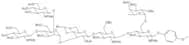
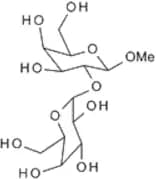
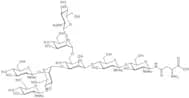
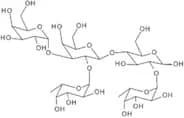
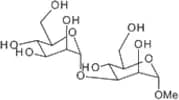
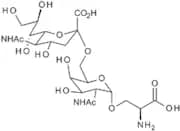
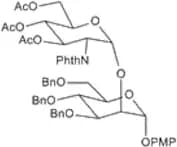
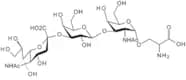
![2-Acetamido-2-deoxy-4-O-([4-O-b-D-galactopyranosyl]-b-D-galactopyranosyl)-D-glucopyranose](/_next/image/?url=https%3A%2Fstatic.cymitquimica.com%2Fproducts%2F3D%2Fthumb-webp%2FOA07925.webp&w=3840&q=75)
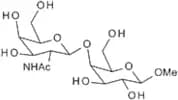

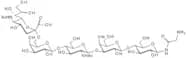

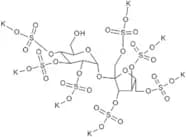
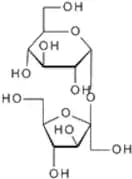
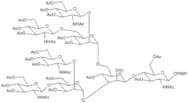

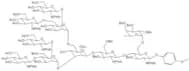
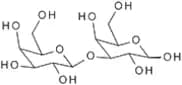
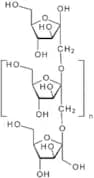
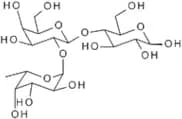
![N-[2-Acetamido-2-deoxy-6-O-(a-L-fucopyranosyl)-D-glucopyranosyl]-L-asparagine](/_next/image/?url=https%3A%2Fstatic.cymitquimica.com%2Fproducts%2F3D%2Fthumb-webp%2FOA29849.webp&w=3840&q=75)


![6-O-(a-D-[6,6'-2H2]Glucopyranosyl)-D-glucopyranose](/_next/image/?url=https%3A%2Fstatic.cymitquimica.com%2Fproducts%2F3D%2Fthumb-webp%2FOG11200.webp&w=3840&q=75)
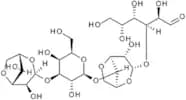
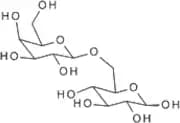
![N-Acetylneuraminyl-(a2-3)-D-galactopyranosyl-(b1-3)-[N-acetylneuraminyl-(a2-6)]-D-N-acetylgalactos…](/_next/image/?url=https%3A%2Fstatic.cymitquimica.com%2Fproducts%2F3D%2Fthumb-webp%2FOA61439.webp&w=3840&q=75)
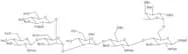
![4-O-(2-Acetamido-2-deoxy-D-[UL-13C6]glucopyranosyl)-D-ribitol](/_next/image/?url=https%3A%2Fstatic.cymitquimica.com%2Fproducts%2F3D%2Fthumb-webp%2FOA44753.webp&w=3840&q=75)
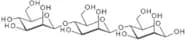
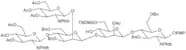

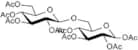
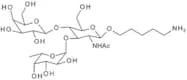
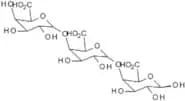
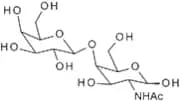
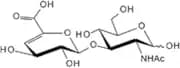
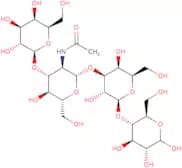
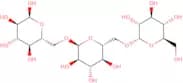
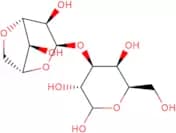
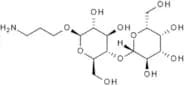
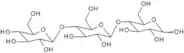


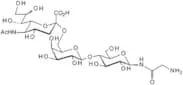

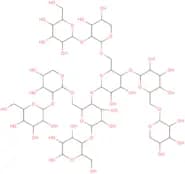

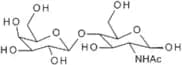
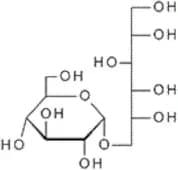
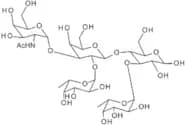
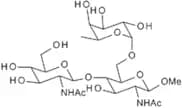
![4'-(D-[UL-13C6]Galactosyl)lactose](/_next/image/?url=https%3A%2Fstatic.cymitquimica.com%2Fproducts%2F3D%2Fthumb-webp%2FOG159775.webp&w=3840&q=75)
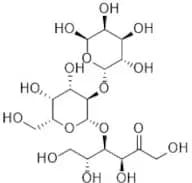
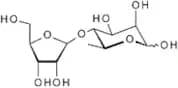





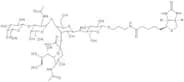
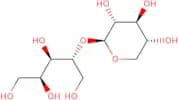
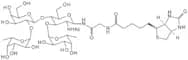
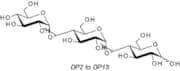
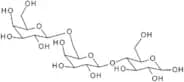

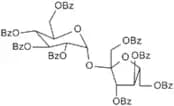
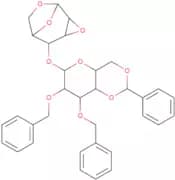
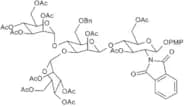
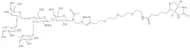
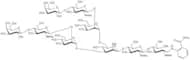
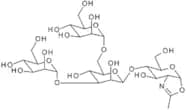

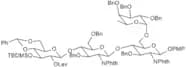
![2-Acetamido-2-deoxy-4-O-(β-D-[UL-13-C-6]-galactopyranosyl)-D-glucopyranose 6-sulfate](/_next/image/?url=https%3A%2Fstatic.cymitquimica.com%2Fproducts%2F3D%2Fthumb-webp%2FOA08512.webp&w=3840&q=75)

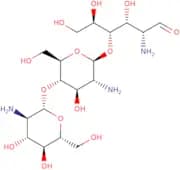
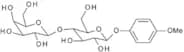


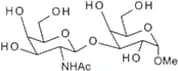




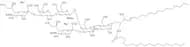

![2-Methyl-(4-O-β-D-glucopyranosyl)-1,2-dideoxy-α-D-glucopyrano)-[2,1-d]-2-oxazoline](/_next/image/?url=https%3A%2Fstatic.cymitquimica.com%2Fproducts%2F3D%2Fthumb-webp%2FOM10959.webp&w=3840&q=75)
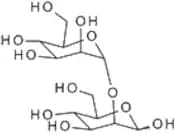

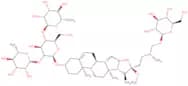
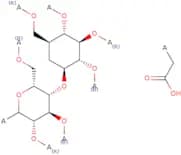





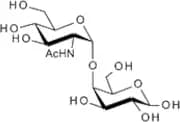
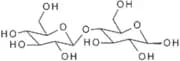


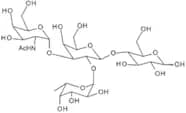

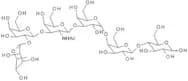
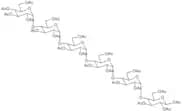



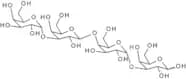
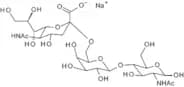
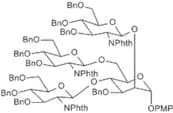
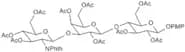

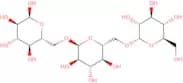
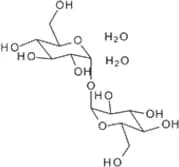


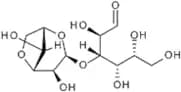

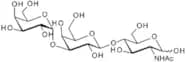
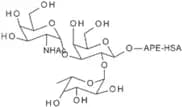

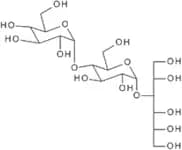
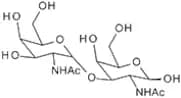
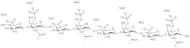

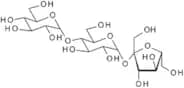


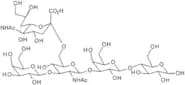
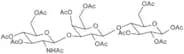

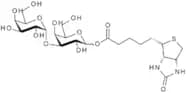
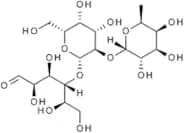


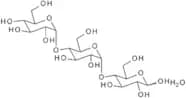
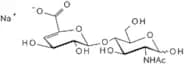
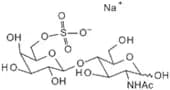



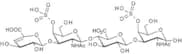
![D-Galactopyranosyl-(b1-3)-[N-acetylneuraminyl-(a2-6)]-D-N-acetylgalactosaminyl serine-biotin](/_next/image/?url=https%3A%2Fstatic.cymitquimica.com%2Fproducts%2F3D%2Fthumb-webp%2FOG15984.webp&w=3840&q=75)