Fonte botanica
Trovati 498 prodotti per "Fonte botanica".
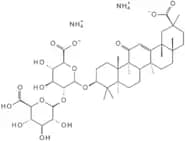
Diammonium glycyrrhizinate
CAS:Diammonium glycyrrhizinate is a bioactive compound, which is derived from the licorice root, Glycyrrhiza glabra. This product functions primarily as an anti-inflammatory agent by modulating the body's immune response and inhibiting enzymes that promote inflammation, such as cyclooxygenase and lipoxygenase. Its mode of action involves the suppression of pro-inflammatory cytokines, which can lead to reduced inflammation and relief from related symptoms.Formula:C42H68N2O16Purezza:Min. 95%Colore e forma:PowderPeso molecolare:856.99 g/molMomordin 2e
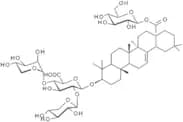
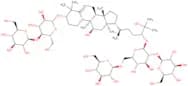
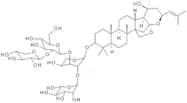
CAS:Momordin 2e is a cucurbitane triterpenoid compound, which is derived from natural plant sources, particularly within the gourd family, Cucurbitaceae. This product has garnered attention due to its bioactive properties, primarily identified in plants such as bitter melon (Momordica charantia).
Formula:C52H82O22Purezza:Min. 95%Peso molecolare:1,059.19 g/molNaringin dihydrochalcone
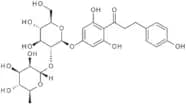
CAS:Naringin dihydrochalcone, sometimes abbreviated to naringin DC, is an artificial sweetener derived from naringin, a bitter compound found in citrus. Naringin dihydrochalcone is a phloretin glycoside, 500 - 700 times sweeter than sucrose.Formula:C27H34O14Purezza:Min. 95%Colore e forma:White PowderPeso molecolare:582.55 g/molDulcoside A
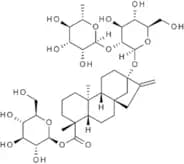
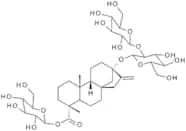
CAS:Dulcoside A is a natural sweetening agent, which is a type of steviol glycoside. It is derived from the leaves of the Stevia rebaudiana plant, a perennial shrub native to regions in Paraguay and Brazil. The mode of action of Dulcoside A involves its interaction with taste receptors on the human tongue, particularly the T1R2/T1R3 sweet taste receptor, to produce a sensation of sweetness.Formula:C38H60O17Purezza:Min. 93 Area-%Colore e forma:PowderPeso molecolare:788.87 g/molRebaudioside I
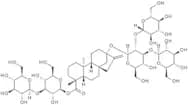
CAS:Rebaudioside I is a steviol glycoside, which is a high-intensity sweetener derived from the leaves of the Stevia rebaudiana plant. As a natural compound, it is extracted and purified through a water or alcohol-based process from the plant’s leaves, which have been traditionally used for their sweetening properties.
Formula:C50H80O28Purezza:Min. 95%Colore e forma:White PowderPeso molecolare:1,129.15 g/molKaempferol 3-O-gentiobioside
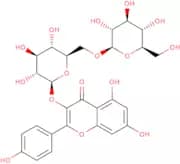
CAS:Kaempferol 3-O-gentiobioside is a flavonoid glycoside, which is a naturally occurring compound commonly found in a variety of plant sources, including fruits, vegetables, and herbs. It is specifically derived from plants such as the Ginkgo biloba and other botanical sources that synthesize kaempferol derivatives as secondary metabolites.
Formula:C27H30O16Purezza:Min. 95%Colore e forma:SolidPeso molecolare:610.52 g/molRebaudioside M
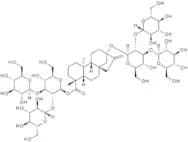
CAS:Rebaudioside M is a high-potency sweetener, which is derived from the Stevia rebaudiana plant. It is one of the glycosides found in the leaves of this plant, often extracted and purified for use in a variety of applications. The mode of action for Rebaudioside M involves interacting with taste receptors on the tongue to produce a sweet sensation, without contributing calories or affecting blood glucose levels. This makes it particularly appealing for use in low-calorie and diabetic-friendly products.Formula:C56H90O33Purezza:Min. 95%Colore e forma:White PowderPeso molecolare:1,291.29 g/molNaringin 4'-O-glucoside
Naringin 4'-O-glucoside is a flavonoid glucoside, which is a metabolite derived from citrus fruits, particularly grapefruit. It is characterized by the attachment of a glucose molecule to the naringin flavonoid structure, which enhances its water solubility and absorption in biological systems.Formula:C33H42O19Purezza:Min. 95%Peso molecolare:742.68 g/molChonglou Saponin VII
CAS:Chonglou Saponin VII is a bioactive glycoside, which is derived from the rhizomes of traditional Chinese medicinal plants, often sourced from the species Paris polyphylla. As a steroidal saponin, its mechanism of action involves altering cellular activities by interacting with cell membranes and signaling pathways, leading to a range of pharmacological effects.
Formula:C51H82O21Purezza:Min. 95%Colore e forma:PowderPeso molecolare:1,031.18 g/molStevioside - min 75%
CAS:Stevioside - min 75% is a high-purity glycoside compound that functions as a natural sweetener. It is derived from the leaves of the Stevia rebaudiana plant, a member of the Asteraceae family, which is native to Paraguay and Brazil. This compound works by interacting with the sweet receptors on the tongue, specifically the TAS1R2 and TAS1R3 receptors, to provide a sweet taste sensation that is several hundred times sweeter than sucrose, without contributing to caloric intake.Formula:C38H60O18Purezza:(%) Min. 75%Colore e forma:White PowderPeso molecolare:804.87 g/molQuercetin 3-O-(4''-O-acetyl)-a -L-rhamnopyranoside
Quercetin 3-O-(4''-O-acetyl)-α-L-rhamnopyranoside is a specialized flavonoid glycoside, which is a derivative of the flavonoid quercetin. It is primarily sourced from various plant species known for their high flavonoid content. The compound is characterized by its unique glycosylation pattern, where an acetyl group is esterified to the 4'' position of the rhamnose moiety.
Purezza:Min. 95%Rebaudioside G
CAS:Rebaudioside G is a steviol glycoside, which is a natural sweetening compound derived from the leaves of the plant Stevia rebaudiana. This compound is one of several glycosides responsible for the sweet taste of stevia, which is native to South America and has been used for centuries for its sweetness.
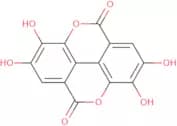
Formula:C38H60O18Purezza:Min. 95 Area-%Colore e forma:White PowderPeso molecolare:804.87 g/molEllagic acid
CAS:Derived from berries and grapes; antioxidant; antiproliferativeFormula:C14H6O8Purezza:(Hplc) Min. 95.0%Colore e forma:PowderPeso molecolare:302.19 g/molGinsenoside Rg6
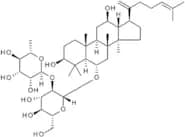
CAS:Ginsenoside Rg6 is a saponin compound, which is a naturally occurring glycoside found in the plant species Panax ginseng. Ginsenosides are the active pharmacological components of ginseng, recognized for their diverse bioactive properties. Ginsenoside Rg6 specifically acts by modulating multiple signaling pathways, exhibiting effects such as anti-inflammatory and antioxidant actions. It interacts with cellular mechanisms to inhibit the production of pro-inflammatory cytokines and reactive oxygen species.Formula:C42H70O12Purezza:Min. 95%Colore e forma:White PowderPeso molecolare:767 g/molTyphaneoside
CAS:Typhaneoside is a flavonoid glycoside, which is a type of naturally occurring compound found primarily in plants such as those belonging to the genus Typha. Its structure includes a flavonoid backbone linked to one or more sugar molecules, which is typical of glycosides. The source of typhaneoside is generally botanical, deriving from specific plant extracts, particularly those used in traditional medicine.Formula:C34H42O20Purezza:Min. 95%Colore e forma:PowderPeso molecolare:770.69 g/molGinsenoside Rh1
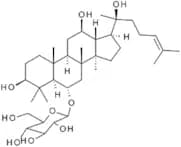
CAS:Ginsenoside Rh1 is a bioactive compound, which is a type of ginsenoside. It is derived from the root of Panax ginseng, a plant that has been used in traditional medicine for centuries. Ginsenoside Rh1 modulates various cellular pathways, including those involved in anti-inflammatory and antioxidative responses. This is achieved through its interaction with cellular receptors and enzymes, influencing signaling pathways that regulate cell function and stress responses.Formula:C36H62O9Purezza:Min. 96 Area-%Colore e forma:White PowderPeso molecolare:638.89 g/molTroxerutin
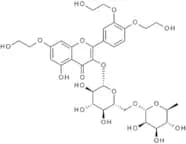
CAS:Troxerutin is a flavonoid compound, which is derived from the natural bioflavonoid rutin, typically sourced from plants such as Sophora japonica. Its mode of action is primarily through its vasoprotective, antioxidant, and anti-inflammatory properties. Troxerutin acts by stabilizing vascular endothelial cells, reducing capillary permeability, and enhancing microcirculation. It also scavenges free radicals and inhibits lipid peroxidation, which helps in mitigating oxidative stress.Formula:C33H42O19Purezza:Min. 95%Colore e forma:Yellow PowderPeso molecolare:742.68 g/molEmpagliflozin 6-O-b-D-glucuronide
Empagliflozin 6-O-β-D-glucuronide is a metabolite of the drug empagliflozin, which is a type of product known as a sodium-glucose co-transporter 2 (SGLT2) inhibitor. This compound is derived from the in vivo metabolism of empagliflozin, originally sourced from synthetic pathways designed to enhance the management of type 2 diabetes mellitus. Its mode of action involves the facilitation of glucose excretion through the kidneys by inhibiting renal reabsorption of glucose, thus lowering blood glucose levels.
Formula:C29H35ClO13Purezza:Min. 95%Peso molecolare:627.03 g/molIsomogroside V
CAS:Isomogroside V is a natural non-caloric sweetener, which is extracted from the fruit of Siraitia grosvenorii, commonly known as monk fruit or luo han guo. This compound belongs to the family of mogrosides, which are glycosylated triterpenoids. The mode of action of Isomogroside V is primarily through its interaction with the sweet taste receptors on the human tongue, specifically the TAS1R2/TAS1R3 receptor complex, where it induces a perception of sweetness with a potency significantly higher than sucrose.Formula:C60H102O29Purezza:Min. 95%Peso molecolare:1,287.45 g/molJujuboside B
CAS:Jujuboside B is a bioactive compound, which is a triterpenoid saponin derived from the seeds of Ziziphus jujuba, known as the jujube plant. This compound is primarily found in the plant’s seeds and is extracted using various chromatography techniques. Jujuboside B exhibits its mode of action through modulation of neurotransmitter systems and antioxidative defense mechanisms, which contribute to its neuroprotective and anxiolytic effects. Additionally, it influences the GABAergic system, enhancing gamma-aminobutyric acid (GABA) neurotransmission.
Formula:C52H84O21Purezza:Min. 95%Colore e forma:PowderPeso molecolare:1,045.21 g/mol