Monosaccaridi
I monosaccaridi sono la forma più semplice dei carboidrati e fungono da blocchi fondamentali per zuccheri più complessi e polisaccaridi. Queste singole molecole di zucchero svolgono ruoli critici nel metabolismo energetico, nella comunicazione cellulare e nei componenti strutturali delle cellule. In questa sezione troverai una vasta gamma di monosaccaridi essenziali per la ricerca in biochimica, biologia molecolare e glicoscienza. Questi composti sono cruciali per studiare le vie metaboliche, i processi di glicosilazione e lo sviluppo di agenti terapeutici. Da CymitQuimica, offriamo monosaccaridi di alta qualità per supportare le tue esigenze di ricerca, garantendo precisione e affidabilità nelle tue indagini scientifiche.
Sottocategorie di "Monosaccaridi"
- Alloses(11 prodotti)
- Arabinosi(21 prodotti)
- Eritrosio(11 prodotti)
- Fruttosio(9 prodotti)
- Fucosio(36 prodotti)
- Galactosamina(41 prodotti)
- Galattosio(261 prodotti)
- Glucosio(365 prodotti)
- Acidi glucuronici(51 prodotti)
- Glicosubstrati per enzima(77 prodotti)
- Gulosio(6 prodotti)
- Idosio(4 prodotti)
- Inositoli(15 prodotti)
- Lixosio(4 prodotti)
- Mannosio(65 prodotti)
- O-Glicani(48 prodotti)
- Psicosi(3 prodotti)
- Rhamnosio(10 prodotti)
- Ribosi(61 prodotti)
- Acidi Sialici(100 prodotti)
- Sorbosio(4 prodotti)
- Zuccheri(173 prodotti)
- Tagatosio(4 prodotti)
- Talosio(8 prodotti)
- Xyloses(20 prodotti)
Mostrare 17 più sottocategorie
Trovati 6090 prodotti di "Monosaccaridi"
Ordinare per
Purezza (%)
0
100
|
0
|
50
|
90
|
95
|
100
4-Methylphenyl 2,3,4-tri-O-benzyl-β-L-thiofucopyranoside
4-Methylphenyl 2,3,4-tri-O-benzyl-b-L-thiofucopyranoside is a custom synthesis of an oligosaccharide. It is a complex carbohydrate with CAS No. that belongs to the class of saccharide and sugar. Polysaccharides are made up of several monosaccharides linked together by glycosidic bonds, which are formed by the action of enzymes called glycosyltransferases or glycosidases. Glycosylation is the process in which a sugar molecule (usually glucose) is added to another molecule by means of a glycosidic bond. Carbohydrates are one type of macromolecule and they are important sources of energy in living things. They also play important roles in cell walls and as structural components in plants and animals. The chemical modification carried out on this compound is methylation, which refers to the addition of one or more methylFormula:C34H36O4SPurezza:Min. 95%Peso molecolare:540.71 g/molPropargyl β-D-glucopyranoside
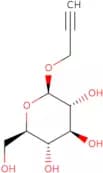
CAS:<p>A beta glycoside with an alkyne handle suitable to click chemistry</p>Formula:C9H14O6Purezza:Min. 95%Colore e forma:PowderPeso molecolare:218.2 g/molMethyl 2,3,4-tri-O-benzyl-α-D-glucuronide benzyl ester
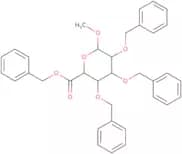
CAS:Methyl 2,3,4-tri-O-benzyl-α-D-glucuronide benzyl ester is a Carbohydrate. It is soluble in water and insoluble in alcohol. The molecular weight of Methyl 2,3,4-tri-O-benzyl-α-D-glucuronide benzyl ester is 584.1 g/mol. The CAS Registry Number for Methyl 2,3,4-tri-O-benzyl-α-D-glucuronide benzyl ester is 14279733.Formula:C35H36O7Purezza:Min. 95%Colore e forma:Colorless Clear LiquidPeso molecolare:568.66 g/mol1,2,3,4-Tetra-O-acetyl-α-L-fucopyranose
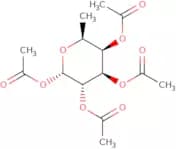
CAS:1,2,3,4-Tetra-O-acetyl-α-L-fucopyranose is a chiral compound and it has been used as a biocatalyst in the industrial production of L-amino acids. The enantiomers are obtained by enzymatic hydrolysis of the racemic mixture with lipases. It has been shown that 1,2,3,4-Tetra-O-acetyl-α-L-fucopyranose is an enantioselective substrate for lipolytic enzymes. Lipolytic enzymes are also screened for lipase activity using this compound as a surrogate.Formula:C14H20O9Purezza:Min. 95%Colore e forma:White Off-White PowderPeso molecolare:332.3 g/mol1,6-Anhydro-β-D-glucopyranose
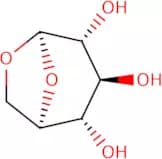
CAS:Used for preparation of biologically active compoundsFormula:C6H10O5Purezza:Min. 98 Area-%Colore e forma:White PowderPeso molecolare:162.14 g/molD-Ribopyranosyl amine
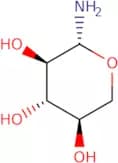
CAS:D-Ribopyranosyl amine is a heterocyclic compound that can be synthesized from ethyl formate and thiourea. The synthesis of this compound has been studied using techniques such as hydrogen bonding, high yield, and optical rotation. D-Ribopyranosyl amine is an aminoimidazole derivative with a decarboxylation reaction to produce uridine. This process can be carried out in acetone or dimethylformamide solvent, which produces the α-form of the molecule. The 1H NMR spectra of D-ribopyranosyl amine have peaks at 3.8 ppm, 2.5 ppm, and 2.0 ppm, while the 13C NMR spectrum peaks are found at 79.2 ppm and 131.9 ppmFormula:C5H11NO4Purezza:Min. 95%Colore e forma:PowderPeso molecolare:149.15 g/molD-Glucuronic acid, sodium salt monohydrate
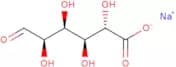
CAS:<p>Custom synthesis of D-glucuronic acid, sodium salt monohydrate.</p>Purezza:Min. 95%2,3,4,6-Tetra-O-acetyl-β-D-mannopyranosyl azide
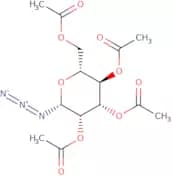
CAS:<p>2,3,4,6-Tetra-O-acetyl-β-D-mannopyranosyl azide is a crystallographic technique that can be used to determine the structure of molecules. This technique involves the use of x-ray diffraction analysis to produce images of crystal structures. The technique is useful for determining the three dimensional structure of molecules that are too small to be seen with other techniques such as electron microscopy.</p>Formula:C14H19N3O9Purezza:Min. 98 Area-%Colore e forma:White Off-White PowderPeso molecolare:373.32 g/molMethyl L-fucopyranoside
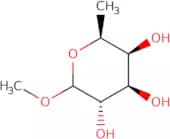
CAS:<p>Methyl L-fucopyranoside is a saponin glycoside that has been shown to have anti-tumor effects. It acts by binding to the nucleophilic sites on the cancer cells and inhibits their growth. The molecule is chiral, which means that it can exist in two different forms, or enantiomers. The structure of this compound has been determined using vibrational spectroscopy and nuclear magnetic resonance (NMR) spectroscopy. It is also a synthetic product that can be made from an acid catalyst and an oligosaccharide molecule. Methyl L-fucopyranoside has been shown to inhibit glycoconjugates and muscari alkylation, as well as having liquid chromatographic properties.</p>Formula:C7H14O5Purezza:Min. 95%Colore e forma:White To Off-White SolidPeso molecolare:178.18 g/molMethyl 2-deoxy-2-phthalimido-β-D-glucopyranoside
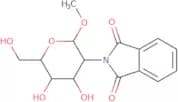
CAS:Methyl 2-deoxy-2-phthalimido-b-D-glucopyranoside is a synthetic sugar that has been modified with fluorine. It is an important building block for the synthesis of complex carbohydrates. Methyl 2-deoxy-2-phthalimido-b-D-glucopyranoside can be used to modify saccharides and oligosaccharides, as well as to add fluorine atoms to glycosyl units. This modification can be done using a click chemistry reaction with azide functionalized molecules. The chemical structure of Methyl 2-deoxy-2-phthalimido-b-D-glucopyranoside is shown below:Formula:C15H17NO7Purezza:Min. 95%Colore e forma:White to off-white solid.Peso molecolare:323.3 g/molSalicylic acid 2-O-β-D-glucoside
CAS:<p>Predominant glycosylated metabolite of Salicylic Acid</p>Formula:C13H16O8Purezza:Min. 95%Colore e forma:PowderPeso molecolare:300.26 g/mol6-Methyldiosgenin Acetate
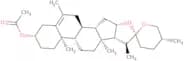
CAS:6-Methyldiosgenin acetate is a saponin that is found in the plant Balanites aegyptiaca. It has been shown to have anti-inflammatory and anti-tumor effects, as well as antioxidant properties. 6-Methyldiosgenin acetate also has been shown to stimulate the production of nitric oxide (NO) in endothelial cells, which may contribute to its anti-inflammatory effects. The chemical structure of 6-methyldiosgenin acetate is similar to that of furostanol and spirostanol, which are both saponins found in plants that can be used for the treatment of cancer. In addition, sapogenols are known to have a variety of therapeutic activities including antidiabetic, antiviral and anticancer activity.Formula:C30H46O4Purezza:Min. 95%Peso molecolare:470.68 g/molPregnanediol 3α-O-β-D-glucuronide
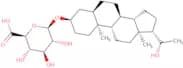
CAS:<p>Pregnanediol 3α-O-β-D-glucuronide is a glucuronide metabolite of progesterone, which is a key steroid hormone in the reproductive system. This compound is derived from the metabolic conversion of progesterone, primarily within the liver, where it undergoes glucuronidation. This process involves the addition of glucuronic acid, mediated by the enzyme UDP-glucuronosyltransferase, enhancing the compound’s solubility for renal excretion.</p>Formula:C27H44O8Purezza:Min. 95%Colore e forma:PowderPeso molecolare:496.63 g/mol2,3,5-Tri-O-benzyl-D-ribofuranose
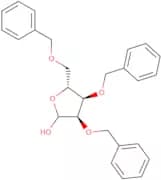
CAS:2,3,5-Tri-O-benzyl-D-ribofuranose is a carbohydrate that can be synthesized through an efficient method. It is a glycoside with an oxotitanium (oxo) group. The synthesis of this compound requires magnesium as the activating agent and o-glycosylation. The glycoconjugates of this compound are found in organisms such as fungi, yeast, and bacteria. In addition to its carbohydrate function, 2,3,5-Tri-O-benzyl-D-ribofuranose has been shown to have antimicrobial properties. This sugar has also been shown to have antiviral properties due to its ability to inhibit the enzyme ribonucleotide reductase (RNR).Formula:C26H28O5Purezza:Min. 95%Colore e forma:White PowderPeso molecolare:420.5 g/mola-D-Glucose-1,6-diphosphate tetra(cyclohexylammonium) salt hydrate
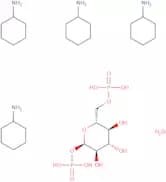
CAS:<p>a-D-Glucose-1,6-diphosphate tetra(cyclohexylammonium) salt hydrate is a synthetic sugar that can be used as a building block for polymer synthesis. It is an oligosaccharide that is synthesized by the click reaction of methylated glucose and cyclohexane diamine. This compound has been shown to be effective in the synthesis of polysaccharides and glycoproteins.</p>Formula:C6H14O12P2·4C6H13N·H2OPurezza:Min. 95%Colore e forma:PowderPeso molecolare:754.83 g/mol2-Acetamido-2-deoxy-a-D-galactopyranosyl serine
CAS:2-Acetamido-2-deoxy-a-D-galactopyranosyl serine (2AGPS) is a naturally occurring glycosaminoglycan. It has been shown to inhibit the growth of cancer cells and to reduce the size of mouse tumors in vivo. This compound also inhibits viral replication in vitro, and its antiviral properties have been shown to work on several different types of viruses, including herpes simplex virus type 1, human cytomegalovirus, and influenza A virus. 2AGPS is also a potent inducer of toll-like receptor 4 signaling pathways in macrophages and dendritic cells. 2AGPS can be synthesized by using a polymerase chain reaction (PCR) technique with synthetic oligosaccharides as a template.Formula:C11H20N2O8Purezza:Min. 90 Area-%Colore e forma:Off-White Yellow PowderPeso molecolare:308.29 g/molα-D-Glucosamine pentaacetate
CAS:Alpha-D-glucosamine pentaacetate is a carbohydrate that is a member of the glycoconjugates family. It is an acetylated form of alpha-D-glucosamine and is used in the synthesis of glycoproteins and glycosaminoglycans. Alpha-D-Glucosamine pentaacetate has been shown to be an effective inhibitor of methylation reactions. It can also be used as a fluorinating agent in organic synthesis or Click chemistry, which involves the reaction between an azide group and an alkyne group. Alpha-D-Glucosamine pentaacetate has been shown to be a potent antiviral agent against herpes simplex virus 1 (HSV1) by blocking viral adsorption and penetration into cells, inhibiting DNA replication, and reducing viral titers.Formula:C16H23NO10Peso molecolare:389.36 g/molRef: 3D-G-2960
25gPrezzo su richiesta50gPrezzo su richiesta100gPrezzo su richiesta250gPrezzo su richiesta500gPrezzo su richiesta-Unit-ggPrezzo su richiestaValidamine acetate
CAS:Inhibitor of beta-glucosidaseFormula:C17H25NO9Purezza:Min. 95%Peso molecolare:387.38 g/mol2,3-O-Isopropylidene-L-ribofuranose
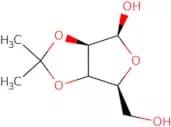
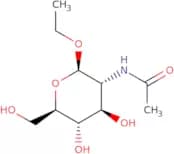
CAS:2,3-O-Isopropylidene-L-ribofuranose is a chiral building block for the synthesis of α-amino acids. This compound can be obtained from l-arabinose and l-rhamnose by kinetic resolution reactions with reagents such as (R)-1,2,3,4,5,6-hexahydrobenzo[b]thiophene or (S)-1,2,3,4,5,6-hexahydrobenzo[b]thiophene. The product is an enantiospecifically pure mixture of 2,3-O-isopropylidene L-ribofuranose and its antipode. The use of acid catalysts such as sulfuric acid or hydrochloric acid will yield a higher yield of the desired product.Formula:C8H14O5Purezza:Min. 95 Area-%Colore e forma:PowderPeso molecolare:190.19 g/molEthyl 2-acetamido-2-deoxy-β-D-glucopyranoside
CAS:Ethyl 2-acetamido-2-deoxy-β-D-glucopyranoside is an anomeric sugar that contains a substituent at C4. It is used in the synthesis of oxazolidinones and thiazolidinones.Formula:C10H19NO6Purezza:Min. 98 Area-%Colore e forma:PowderPeso molecolare:249.26 g/molMethyl 4-azido-2,3-di-O-benzoyl-4-deoxy-6-O-trityl-α-D-glucopyranoside
CAS:<p>Methyl 4-azido-2,3-di-O-benzoyl-4-deoxy-6-O-trityl-a-Dglucopyranoside is a synthetic carbohydrate. It is used in the synthesis of complex carbohydrates. Methyl 4-azido-2,3-diObenzoyl4deoxy6OtritylAglucopyranoside is an intermediate in the chemical synthesis of oligosaccharides and polysaccharides. This product is custom synthesized to meet customer specifications.</p>Formula:C40H35N3O7Purezza:Min. 95%Colore e forma:White to off-white solid.Peso molecolare:669.72 g/mol1-O-Methyl-α-D-mannopyranoside
CAS:Methyl alpha-D-mannopyranoside is a methylated sugar used as an inhibitor of lectin-conjugate binding. It is commonly used in protein purification for eluting glycoproteins and other glycoconjugates from affinity chromatography columns of agarose lectin. In addition, Methyl alpha-D-mannopyranoside can be used in the mannosylation of lipid nanoparticles (LNPs) for vaccine or drug delivery which targets Antigen Presenting Cells (APCs) through mannose receptors. Methyl alpha-D-mannopyranoside is also known as Methyl alpha-D-mannoside or alpha-Methyl-D-mannoside.Formula:C7H14O6Purezza:Min. 99.0 Area-%Peso molecolare:194.18 g/molRef: 3D-M-4150
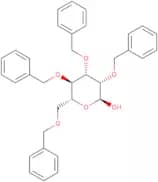
1kgPrezzo su richiesta100gPrezzo su richiesta250gPrezzo su richiesta500gPrezzo su richiesta2500gPrezzo su richiesta-Unit-kgkgPrezzo su richiesta2,3,4,6-Tetra-O-benzyl-D-mannopyranose
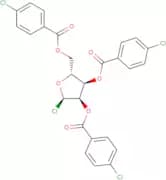
CAS:2,3,4,6-Tetra-O-benzyl-D-mannopyranose is a trisaccharide that consists of two covalently linked glycosyl acceptors and one galacto moiety. This molecule is synthesized by chemoenzymatic synthesis and can be found in the biosynthesis of trehalose. 2,3,4,6-Tetra-O-benzyl-D-mannopyranose is an anomeric form of D-glucopyranose. The anomeric form is determined by the orientation of the hydroxyl group at C1' with respect to the anomeric carbon atom at C2'. This molecule has been isotopically labelled with 13C and 15N for use in studies on carbohydrate metabolism.Formula:C34H36O6Purezza:90%Colore e forma:Yellow PowderPeso molecolare:540.65 g/mol2,3,5-Tri-O-p-chlorobenzoyl-a-D-ribofuranosyl chloride
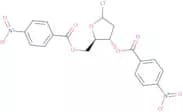
CAS:<p>2,3,5-Tri-O-p-chlorobenzoyl-a-D-ribofuranosyl chloride is a sugar derivatized with chlorine. It is a high purity product that can be custom synthesized to meet your needs. This compound has been used in the synthesis of saccharides and oligosaccharides with click modification, fluorination, glycosylation, methylation, and modification.<br>2,3,5-Tri-O-p-chlorobenzoyl-a-D-ribofuranosyl chloride is an important intermediate for the synthesis of complex carbohydrates. The chemical structure of this molecule consists of three parts: an aromatic ring (benzene), a glycosylation site (glycine), and a carboxylic acid group (carboxylic acid). The aromatic ring allows 2,3,5-Tri-O-p-chlorobenzoyl-a-D</p>Formula:C26H18Cl4O7Purezza:Min. 95%Colore e forma:PowderPeso molecolare:584.23 g/mol1-Chloro-2-deoxy-3,5-di-O-p-nitrobenzoyl-D-ribofuranose
CAS:1-Chloro-2-deoxy-3,5-di-O-p-nitrobenzoyl-D-ribofuranose is a fluorinated sugar that can be used as a probe for the study of glycosylation and methylation reactions. It is also a complex carbohydrate with an Oligosaccharide modification. It is available for custom synthesis and has high purity. This product can be methylated, glycosylated, or modified using Click chemistry. 1-Chloro-2-deoxy-3,5-di-O-p nitrobenzoyl D ribofuranose is also an oligosaccharide sugar that contains one Monosaccharide unit.Formula:C19H15ClN2O9Purezza:Min. 95%Colore e forma:White to beige solid.Peso molecolare:450.78 g/mol1-Bromo-2,3,4-tri-O-acetyl-a-D-glucuronide methyl ester - 1% CaCO3
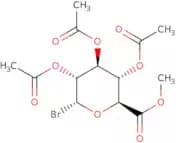
CAS:1-Bromo-2,3,4-tri-O-acetyl-a-D-glucuronide methyl ester is a protected D-glucoronic acid with an alpha bromide at the anomeric position ready to undergo glycosylation reactions with suitable glycoside acceptors. Pharmaceutically active compounds have been used as acceptors to form β-linked D-glucuronide prodrugs which can be used to modify pharmacokinetics, improve solubility and lower the toxicity of the drug.Formula:C13H17BrO9Purezza:Min. 98 Area-%Colore e forma:White Off-White PowderPeso molecolare:397.17 g/mol2,6-Dideoxy-2-fluoro-L-mannose
<p>2,6-Dideoxy-2-fluoro-L-mannose is a monosaccharide that is a fluorinated glycosylate. It is used in the synthesis of oligosaccharides and has been shown to be useful for click modification of proteins. This compound is also used as a substrate for methylation reactions. 2,6-Dideoxy-2-fluoro-L-mannose contains an oxygen atom at the C1 position and two hydroxyl groups at the C3 and C4 positions on the ring. The molecular weight of this compound is 180.16 g/mol.</p>Purezza:Min. 95%1,2,3,5-Tetra-O-acetyl-D-xylofuranose
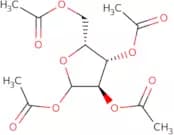
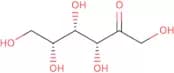
CAS:1,2,3,5-Tetra-O-acetyl-D-xylofuranose is a lectin that has been shown to have an affinity for bacterial cells. It has been shown to be effective against Gram-positive and Gram-negative bacteria, with the exception of mycobacteria. 1,2,3,5-Tetra-O-acetyl-D-xylofuranose binds to the terminal sugar of the cell wall carbohydrate chains of these cells by means of its oligosaccharide side chain. The binding causes conformational changes in the bacterial membrane and disrupts the ion gradient across it. This leads to an influx of water into the cell and subsequent death.Formula:C13H18O9Purezza:Min. 95%Colore e forma:Colorless PowderPeso molecolare:318.28 g/molL-Ribulose
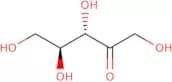
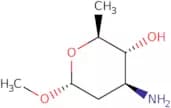
CAS:<p>Valuable chiral building block; rare sugar applied in wood preservation</p>Formula:C5H10O5Purezza:Min. 97 Area-%Colore e forma:Slightly Yellow Clear LiquidPeso molecolare:150.13 g/molMethyl α-L-acosamine
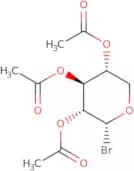
CAS:Methyl a-L-acosamine is a glycosylation agent that can be used to modify complex carbohydrates. It can also be used in the methylation of saccharides, polysaccharides, and sugars. Methyl a-L-acosamine is made by reacting acetic anhydride with L-a-D-galactopyranosyl chloride. The CAS number for this product is 54623-23-3. This product can be custom synthesized to meet your specifications and has high purity.Formula:C7H15NO3Purezza:Min. 95%Colore e forma:White To Off-White SolidPeso molecolare:161.2 g/mol2,3,4-Tri-O-acetyl-a-D-xylopyranosyl bromide - Stabilised with 2.5% CaCO3
CAS:<p>2,3,4-Tri-O-acetyl-a-D-xylopyranosyl bromide - Stabilised with 2.5% CaCO3 is a chiral compound that is a drug for the treatment of estrogen deficiency in postmenopausal women. It is synthesized from D-xylose and acetone by reductive elimination using an organotin catalyst. The resulting product has a nitro group at the 4 position and can be activated as a priming agent for DNA synthesis. This compound has been shown to be effective in treating intestinal disorders such as ulcerative colitis.<br>2,3,4-Tri-O-acetyl-a-D-xylopyranosyl bromide - Stabilised with 2.5% CaCO3 has been used to conjugate estrogens with various drugs to create new compounds that are more potent than free estrogens alone. Bioavailability of these conjugates has</p>Formula:C11H15BrO7Purezza:(%) Min. 85%Colore e forma:PowderPeso molecolare:339.14 g/mol1,3,5-Tri-O-benzoyl-2-O-methyl-D-ribofuranose
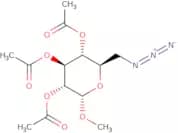
CAS:1,3,5-Tri-O-benzoyl-2-O-methyl-D-ribofuranose is a modified sugar with three benzoyl groups. It has a molecular weight of 498.18 g/mol and the chemical formula C32H32F6N8O8. The compound is synthesized by the condensation of 2,3,4,5-tetraacetylpyridine with 2,3,4,5-tetraacetylthiophene in the presence of potassium fluoride and sodium hydroxide in aqueous methanol at room temperature. This product is used to study glycosylation reactions and to modify oligosaccharides for research purposes. 1,3,5-Tri-O-benzoyl-2-O-methyl--D--ribofuranose is soluble in water and ethanol but insoluble in ether or chloroform.This product hasFormula:C27H24O8Purezza:Min. 85 Area-%Colore e forma:White PowderPeso molecolare:476.47 g/molMethyl 2,3,4-tri-O-acetyl-6-azido-6-deoxy-a-D-glucopyranoside
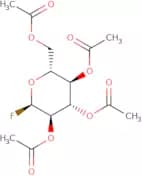
CAS:Methyl 2,3,4-tri-O-acetyl-6-azido-6-deoxy-a-D-glucopyranoside is a modification of the sugar glucose. It is a synthetically modified oligosaccharide that is used in the synthesis of complex carbohydrates and polysaccharides. Methyl 2,3,4-tri-O-acetyl-6-azido-6-deoxyglucopyranoside has been used for the fluorination and saccharide methylation reactions.Formula:C13H19N3O8Purezza:Min. 95%Colore e forma:White PowderPeso molecolare:345.31 g/mol2,3,4,6-Tetra-O-acetyl-α-D-glucopyranosyl fluoride
CAS:2,3,4,6-Tetra-O-acetyl-a-D-glucopyranosyl fluoride is a halide with the chemical formula of F. It has an axial conformation and is a crystalline solid at room temperature. 2,3,4,6-Tetra-O-acetyl-a-D-glucopyranosyl fluoride reacts with water to form hydrofluoric acid (HF). This compound is an important reagent in carbohydrate analysis because its presence or absence can be used to distinguish between the two anomers of maltose: α-(1→2) and β-(1→4). It also reacts with sodium chloride to give the chloride salt sodium tetrafluoroborate. The molecule has three substituents: a hydroxymethyl group (-OH), a glycosidic oxygen atom (O), and a glucosyl group (-CHO). Watanabe's numbering system forFormula:C14H19FO9Purezza:Min. 95%Colore e forma:PowderPeso molecolare:350.29 g/molL-Lyxonic acid potassium
CAS:<p>L-Lyxonic acid potassium salt is a synthetic, fluorinated sugar that can be modified with a variety of functional groups. It is an excellent starting material for the synthesis of glycosylations, oligosaccharides, and sugar derivatives. L-Lyxonic acid potassium salt is typically used as a sugar substitute in food products. L-Lyxonic acid potassium salt is also used in the synthesis of complex carbohydrates and saccharides. L-Lyxonic acid potassium salt has been modified to include Click chemistry or other modifications to improve its properties.</p>Formula:C5H9KO6Purezza:Min. 95%Colore e forma:PowderPeso molecolare:204.22 g/molL-Arabinaric acid dipotassium salt
CAS:<p>L-Arabinaric acid dipotassium salt is a custom synthesis of an L-arabinaric acid, which is a monosaccharide that is found in the cell wall of bacteria. This compound has been modified to be resistant to fluorination, methylation, and click chemistry. The modification process includes the use of Oligosaccharides, saccharides, and polysaccharides as well as glycosylation and sugar. L-Arabinaric acid dipotassium salt can also be used for the synthesis of complex carbohydrates.</p>Formula:C5H6K2O7Purezza:Min. 98 Area-%Colore e forma:PowderPeso molecolare:256.29 g/mol2-(3,4-Dihydroxyphenyl)ethyl b-D-glucopyranoside
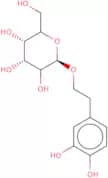
CAS:2-(3,4-Dihydroxyphenyl)ethyl b-D-glucopyranoside (2,3,4-DHPEB) is a naturally occurring phenolic acid. It has been shown to have antidepressant activity in mice and rats. 2,3,4-DHPEB inhibits the growth of Streptococcus faecalis by inhibiting fatty acid biosynthesis. This compound also has anti-inflammatory properties that may be due to its ability to inhibit prostaglandin synthesis. 2,3,4-DHPEB is a ligand for PPAR receptors and activates their transcriptional activity in cells. It has been shown to have chemopreventive effects against colon cancer cell lines and is able to induce apoptosis in tumor cells.Formula:C14H20O8Purezza:Min. 95%Colore e forma:PowderPeso molecolare:316.3 g/mol1,2,3,4-Tetra-O-acetyl-b-D-glucuronide
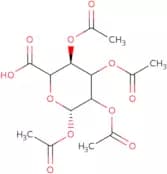
CAS:<p>1,2,3,4-Tetra-O-acetyl-b-D-glucuronide is a chemical compound that is used as an acetylating agent in organic synthesis. It is produced by the reaction of pyridine and acetic anhydride with sodium hydroxide as a catalyst. The acetylation process takes place in two steps: first, the pyridine reacts with the acetic anhydride to form 4-(pyridinium) acetate; second, this intermediate reacts with sodium hydroxide to form 1,2,3,4-tetra-O-acetyl-b-D-glucuronide. Acetylation reactions are important because they can be used to introduce functional groups onto molecules that would not otherwise have them. Acetylated compounds are also often more soluble in water than nonacetylated compounds. This product is used in medicines and other chemical processes.</p>Formula:C14H18O11Purezza:Min. 95 Area-%Colore e forma:White Clear LiquidPeso molecolare:362.29 g/molN-Propanoyl mannosamine
CAS:<p>N-Propanoyl mannosamine is a biochemical that belongs to the group of glycoconjugates. It is an intracellular messenger that modulates the concentration of intracellular calcium and controls the release of gamma-aminobutyric acid (GABA). N-Propanoyl mannosamine has been shown to stimulate axonal growth in cell culture, which is mediated by the polysialic acid receptor. This molecule also has a role in human osteoblast differentiation and bone formation.<br>N-Propanoyl mannosamine can be synthesized from dopamine and erythrose via a series of reactions involving acidification, oxidation, reduction, and decarboxylation. The synthesis of this molecule requires blood group O as an acceptor.</p>Formula:C9H17NO6Purezza:Min. 95%Colore e forma:White To Off-White SolidPeso molecolare:235.23 g/molDiethyl stilbestrol β-D-glucuronide
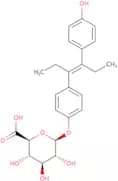
CAS:<p>Diethylstilbestrol (DES) is an endogenous substance that has been shown to be a potent estrogen. It is metabolized in the body to form stilbestrol glucuronide, which is excreted in the urine. Radiolabeling studies have shown that DES has a chemical structure similar to estradiol, although its pharmacologic effects are not as potent. Diethylstilbestrol glucuronide can be used for the diagnosis of cancer and other diseases by using nuclear medicine techniques such as positron emission tomography (PET) and single-photon emission computed tomography (SPECT). Studies have also demonstrated that DES can induce erythropoietic protoporphyria in animals.</p>Formula:C24H28O8Purezza:Min. 95%Colore e forma:White to off-white powder.Peso molecolare:444.47 g/molD-Sorbose
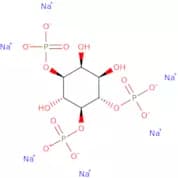
CAS:<p>D-Sorbose is a monosaccharide that belongs to the group of sugar alcohols. It is a reducing sugar that can be used as an alternative for sugar in food and pharmaceutical industries. D-Sorbose has been shown to have potential industrial applications due to its high solubility, low melting point, and resistance to crystallization. The enzyme ribitol dehydrogenase from Escherichia coli was found to be active with D-sorbitol, but not with l-sorbitol. This indicates that D-sorbitol is a better substrate for this enzyme than L-sorbitol.</p>Formula:C6H12O6Purezza:Min. 95%Colore e forma:White PowderPeso molecolare:180.16 g/molD-myo-Inositol 1,4,5-triphosphate sodium salt
CAS:D-myo-Inositol 1,4,5-triphosphate sodium salt is a diacylglycerol that is involved in intracellular signaling. It is synthesized by the hydrolysis of phosphatidylinositol 4,5-bisphosphate and dephosphorylation of inositol 1,4,5-trisphosphate. D-myo-Inositol 1,4,5-triphosphate sodium salt has been shown to be a potent agonist at the ryanodine receptor and can protect against neuronal death induced by glutamate or NMDA. It also has been shown to have beneficial effects on bowel disease and cytosolic Ca2+ levels.Formula:C6H9Na6O15P3Purezza:Min. 95%Colore e forma:Orange To Red SolidPeso molecolare:551.99 g/molL-Lyxono-1,4-lactone
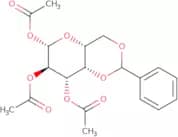
CAS:L-Lyxono-1,4-lactone is a dehydrogenase that synthesizes hydroxamic acids from aldonic acids. Hydroxamic acids are used as herbicides and insecticides. L-Lyxono-1,4-lactone has been shown to be active against ochrobactrum and branched-chain bacteria. The enzyme catalyzes the cleavage of an aldonic acid to form an alcohol and an alpha,beta unsaturated ketone. This reaction is stereoselective, with the product being the same chiral center in both cases. The enzyme also shows chemometric properties by being able to measure salinity levels in water samples.Formula:C5H8O5Purezza:Min. 95%Colore e forma:PowderPeso molecolare:148.11 g/mol1,2,3-Tri-O-acetyl-4,6-O-benzylidene-b-D-galactopyranose
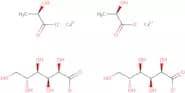
CAS:1,2,3-Tri-O-acetyl-4,6-O-benzylidene-b-D-galactopyranose is a high purity and custom synthesis sugar. This product has been modified with fluorination, glycosylation, methylation, and modifications. It is also known by the CAS number 78962-43-3. 1,2,3-Tri-O-acetyl-4,6-O-benzylidene b -D -galactopyranose is an oligosaccharide that can be used as a monosaccharide or saccharide. It is a complex carbohydrate that has many uses in the food industry.Formula:C19H22O9Purezza:Min. 95%Colore e forma:White PowderPeso molecolare:394.37 g/molCalcium lactate gluconate
CAS:<p>Calcium lactate gluconate is an antacid and a calcium supplement. It is a salt of calcium with lactic acid, which is often used to treat or prevent kidney stones and periodontal disease. Calcium lactate gluconate also helps to form new bone by stimulating osteoblasts, the cells responsible for bone formation. This drug can be used therapeutically to increase bone growth in people with osteoporosis or to repair bones after injury. It also helps heal fractures, relieves pain from arthritis, and treats cancer by preventing cell proliferation. Calcium lactate gluconate is a white powder that dissolves in water and can be mixed with other liquids such as fruit juice or milk.</p>Formula:(C3H5O3)2Ca•(C6H11O7)2CaPurezza:Min. 95%Colore e forma:PowderPeso molecolare:648.59 g/molQuercetin 3-b-galactoside-2'-O-gallate
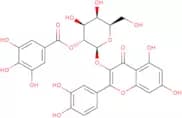
CAS:Quercetin 3-b-galactoside-2'-O-gallate is a compound that has been shown to have hepatoprotective effects, inhibiting the mitochondrial membrane potential and microbial infection. Quercetin 3-b-galactoside-2'-O-gallate also has anti-inflammatory properties and reduces the production of inflammatory cells, such as hepg2 cells. The mechanism of action for its protective effect is due to the inhibition of mapk activation, which leads to decreased necrosis factor and interleukin (IL) production. Quercetin 3-b-galactoside-2'-O-gallate can be used in the treatment of acute liver injury induced by LPS.Formula:C28H24O16Purezza:Min. 95%Colore e forma:Yellow PowderPeso molecolare:616.48 g/mol2,3,4,6-Tetra-O-acetyl-b-D-glucopyranosyl amine
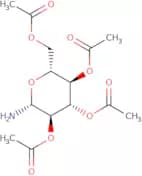
CAS:2,3,4,6-Tetra-O-acetyl-b-D-glucopyranosyl amine is an artificial carbohydrate with a fluorinated sugar. It is synthesized by reacting 2,3,4,6-tetra-O-acetyl-b-D-glucopyranosyl chloride with ammonia and methyl iodide. The compound can be used to modify the sugar residues of glycosides or polysaccharides. It has been shown to have high purity and can be used in the synthesis of complex carbohydrates.Formula:C14H21NO9Purezza:Min. 98 Area-%Colore e forma:White PowderPeso molecolare:347.32 g/molBenzyl 3,4-O-(2',3'-dimethoxybutane-2',3'-diyl)-a-D-mannopyanoside
CAS:<p>Benzyl 3,4-O-(2',3'-dimethoxybutane-2',3'-diyl)-a-D-mannopyanoside is a modification of an oligosaccharide. It is a complex carbohydrate that has been synthesized from a monosaccharide and methylated on the 3' hydroxyl group. This product is available as a custom synthesis and is offered in high purity. The CAS number for this compound is 1423035-45-3.<br>br><br>Benzyl 3,4-O-(2',3'-dimethoxybutane-2',3'-diyl)-a-D-mannopyanoside can be used as a sugar or fluorinated saccharide in glycosylation reactions with other molecules. It can also be used to produce polysaccharides by glycosylation with other molecules such as glucose, mannose, or sucrose.</p>Formula:C19H28O8Purezza:Min. 95%Peso molecolare:384.42 g/molDecyl glucoside
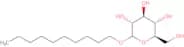
CAS:<p>Decyl Glucoside is an alkylglycoside non-ionic surfactant and emulsifier. It is commonly used in foaming and cleansing products, often by natural personal care companies due to being plant derived and biodegradable. Decyl glucoside, also known as capryl/caprylyl glucoside, is derived from combination of coconut fatty alcohols and corn starch glucose.</p>Formula:C16H32O6Purezza:Min. 95%Colore e forma:Yellow Clear LiquidPeso molecolare:320.42Methyl-2,3,4-tri-O-benzoyl-6-bromo-6-deoxy-α-D-glucopyranoside
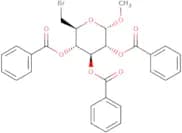
CAS:Methyl-2,3,4-tri-O-benzoyl-6-bromo-6-deoxy-alpha-D-glucopyranoside is a sugar that belongs to the group of monosaccharides. It is a custom synthesis product that can be synthesized and modified according to customer's requirements. Methylation, fluorination and saccharide modification are possible and highly pure methylated products can be produced with high purity.Formula:C28H25BrO8Purezza:Min. 95%Peso molecolare:569.4 g/mol