Monosaccaridi
Sottocategorie di "Monosaccaridi"
- Alloses(11 prodotti)
- Arabinosi(21 prodotti)
- Eritrosio(11 prodotti)
- Fruttosio(9 prodotti)
- Fucosio(36 prodotti)
- Galactosamina(41 prodotti)
- Galattosio(261 prodotti)
- Glucosio(365 prodotti)
- Acidi glucuronici(52 prodotti)
- Glicosubstrati per enzima(78 prodotti)
- Gulosio(6 prodotti)
- Idosio(4 prodotti)
- Inositoli(15 prodotti)
- Lixosio(4 prodotti)
- Mannosio(65 prodotti)
- O-Glicani(48 prodotti)
- Psicosi(3 prodotti)
- Rhamnosio(10 prodotti)
- Ribosi(60 prodotti)
- Acidi Sialici(100 prodotti)
- Sorbosio(4 prodotti)
- Zuccheri(173 prodotti)
- Tagatosio(4 prodotti)
- Talosio(8 prodotti)
- Xyloses(20 prodotti)
Trovati 6083 prodotti di "Monosaccaridi"
L-Xylose
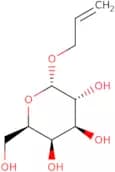
CAS:Chiral-pool resource for organic synthesisFormula:C5H10O5Purezza:Min. 99 Area-%Colore e forma:White PowderPeso molecolare:150.13 g/molAllyl α-D-galactopyranoside
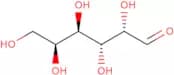
CAS:Allyl α-D-galactopyranoside is a colorimetric reagent that reacts with the polysaccharides to form a colored product. The reaction is based on the transfer of an allyl group from the reagent to the polysaccharide. This reaction can be performed using atomic force microscopy and microscopy techniques, as well as using light and UV-visible spectroscopy. The reaction can also be used to measure glycopolymer concentrations. A titration procedure has been developed for this purpose, in which an excess of allyl α-D-galactopyranoside is added to a solution containing galactose and ammonium sulfate. Allyl α-D-galactopyranoside reacts with galactose to produce an insoluble precipitate that can be measured by weighing or using optical density measurements at a certain wavelength.Formula:C9H16O6Purezza:Min. 97 Area-%Colore e forma:White Off-White PowderPeso molecolare:220.22 g/molL-Galactose
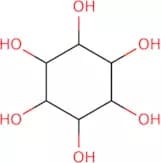
CAS:L-Galactose is a glycol ether that has been shown to have antibacterial efficacy against Gram-positive bacteria. It acts by inhibiting the synthesis of p-hydroxybenzoic acid, which is required for the synthesis of bacterial cell walls and their components. L-Galactose also has an inhibitory effect on the growth of Gram-negative bacteria by preventing methyl glycoside formation. L-Galactose has been used in polymerase chain reaction assays as a competitive inhibitor in analytical methods. It can be used at concentrations up to 5% and does not affect x-ray diffraction data or pluripotent cells. L-galactose can be used as a preservative in cosmetics such as lotions, creams, and ointments due to its mildness and lack of toxicity. The use of L-galactose in these products may prevent spoilage due to microbial contamination.Formula:C6H12O6Purezza:Min. 99 Area-%Colore e forma:White PowderPeso molecolare:180.16 g/molmyo-Inositol
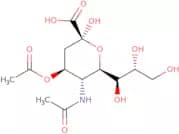
CAS:Vitamin added to plant cell culture medium to promote growth. Used to differentiate microorganisms based on their metabolic properties.Formula:C6H12O6Purezza:Min. 99.0 Area-%Peso molecolare:180.16 g/mol4-O-Acetyl-N-acetyl-neuraminic acid
CAS:4-O-Acetyl-N-acetyl-neuraminic acid is a derivative of sialic acid, which is an important component of the human cell membrane. It has been found to have inhibitory properties against influenza virus and other viruses. 4-O-Acetyl-N-acetyl-neuraminic acid inhibits viral activity by irreversible inhibition of the α subunit on the surface glycoprotein, preventing it from binding to host cells. This compound has been shown to be effective against hepatitis B virus and galleria mellonella (a type of wax moth). 4-O-Acetylneuraminic acid has also been shown to be effective in inhibiting the replication of Influenza A virus strains that are resistant to neuraminidase inhibitors such as zanamivir and oseltamivir.Formula:C13H21NO10Purezza:Min. 95 Area-%Colore e forma:PowderPeso molecolare:351.31 g/molDihydrozeatin-O-glucoside riboside
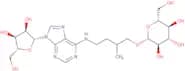
CAS:Dihydrozeatin-O-glucoside riboside is a plant hormone that is found in the roots of Eucomis species. It has been shown to interact with indole-3-acetyl-L-aspartic acid and inhibit the growth of plantlets. The interaction between dihydrozeatin and indole-3-acetyl-L-aspartic acid has been shown to be due to the formation of an intermediate, which is also metabolized by rhizobia. Dihydrozeatin also interacts with ammonium formate and profiles have been obtained for its metabolic products. This molecule also inhibits the production of growth regulators such as abscisic acid, alnifolia, and salicylic acid.Formula:C21H33N5O10Purezza:Min. 95 Area-%Colore e forma:PowderPeso molecolare:515.51 g/molAllyl α-D-Glucopyranoside
CAS:Allyl alpha-D-glucopyranoside is an optical isomer of D-glucose that is used in the synthesis of a number of synthetic trisaccharides, including maltotriose. Allyl alpha-D-glucopyranoside is also a potent antibacterial agent and has been shown to be active against Escherichia coli, Staphylococcus aureus, and Pseudomonas aeruginosa. Allyl alpha-D-glucopyranoside has hydrophilic and hydrophobic properties, which makes it soluble in both water and organic solvents. This compound can also form stable complexes with metal cations such as sodium and potassium, making it useful for tissue culture experiments.
Formula:C9H16O6Peso molecolare:220.22 g/molRef: 3D-W-203706
10gPrezzo su richiesta25gPrezzo su richiesta50gPrezzo su richiesta100gPrezzo su richiesta250gPrezzo su richiesta-Unit-ggPrezzo su richiestan-Octyl-β-D-thiogalactopyranoside
CAS:n-Octyl-beta-D-thiogalactopyranoside is a modification of the sugar Galactose. It is a mono saccharide that can be found in the form of an oligosaccharide or polysaccharide. The modification of the sugar is done by methylation, glycosylation and fluorination. n-Octyl-beta-D-thiogalactopyranoside has CAS No. 42891-16-7 and can be found on PubChem CID: 5135624.
Formula:C14H28O5SPeso molecolare:308.44 g/molRef: 3D-O-2700
5gPrezzo su richiesta10gPrezzo su richiesta25gPrezzo su richiesta50gPrezzo su richiesta100gPrezzo su richiesta-Unit-ggPrezzo su richiestaD-Fructose 6-phosphate, disodium salt dihydrate
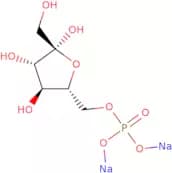
CAS:D-Fructose 6-phosphate, disodium salt dihydrate (DFP) is a compound that is used as an extender in the preparation of semen extenders and as a plasma membrane stabilizer in cryopreserved spermatozoa. It has shown to preserve fertility in bubalus, which may be due to its ability to maintain mitochondrial transmembrane potential. DFP also has been shown to protect against acrosome reactions. This drug also has been found to increase sperm motility and maintain supravitality of spermatozoa.Formula:C6H15Na2O11PPurezza:Min. 97.0 Area-%Peso molecolare:340.14 g/mol2-O-Benzyl-2,4-di-C-methyl-L-arabinopyranose
2-O-Benzyl-2,4-di-C-methyl-L-arabinopyranose is a high purity, complex carbohydrate that is custom synthesized for use in glycosylation reactions. It is a synthetic compound that is sold by the CAS number. 2-O-Benzyl-2,4-di-C-methyl-L-arabinopyranose is a carbohydrate that has been modified with fluorination and methylation to provide an active site for glycosylation reactions. This product can be used to synthesize oligosaccharides and polysaccharides.Purezza:Min. 95%Allyl D-glucuronate
CAS:Used for the synthesis of 1β-O-acyl glucuronidesFormula:C9H14O7Purezza:Min. 95 Area-%Colore e forma:White PowderPeso molecolare:234.2 g/molMethyl (E)-2-(a-D-ribosfuranosyl)acrylate
Methyl (E)-2-(a-D-ribosfuranosyl)acrylate is a synthetic monomer that undergoes glycosylation to form a complex carbohydrate. It is used in the synthesis of saccharides and oligosaccharides, as well as the modification of proteins and nucleic acids. This product is highly pure with low impurity levels.Purezza:Min. 95%2,3,4-Tri-O-benzyl-L-fucopyranose
CAS:2,3,4-Tri-O-benzyl-L-fucopyranose is a synthetic compound that activates the selectin receptor on the surface of white blood cells. It has been shown to activate the cell surface receptors for the lectin mannose and mannose-binding protein which are involved in the recognition of pathogens. 2,3,4-Tri-O-benzyl-L-fucopyranose is also able to inhibit magnesium ion binding to its target site on the bacterial surface. This inhibition prevents bacteria from attaching themselves to host tissues or other cells by binding with these sites. The compound was synthesized by a stereoselective method using silver trifluoromethanesulfonate as an activating reagent and can be used as an antimicrobial agent in mammals.Formula:C27H30O5Purezza:Min. 95%Colore e forma:White PowderPeso molecolare:434.52 g/mol3,4,6-Tri-O-acetyl-2-deoxy-2-phthalimido-D-glucopyranose
CAS:3,4,6-Tri-O-acetyl-2-deoxy-2-phthalimido-D-glucopyranose is a modified sugar that belongs to the group of carbohydrates. It is a monosaccharide that has been synthesized by the modification of 2,3,4,6-tetraacetyl glucose with 3,4,6-trihydroxybenzaldehyde. The compound is an off white powder and can be used in glycosylation reactions. This product has been shown to have high purity and can be custom synthesized to meet your needs.Formula:C20H21NO10Purezza:Min. 95%Peso molecolare:435.38 g/mol2,3,4,6-Tetra-O-acetyl-β-D-glucopyranosyl trichloroacetimidate
CAS:Gadolinium is a magnetic, paramagnetic metal that is used to enhance the contrast in magnetic resonance imaging (MRI) and has been shown to be effective in ectopic expression of gene products. Gadolinium-enhanced MRI has been shown to be a more sensitive method for detection of pancreatic cancer cells than CT scans. Gadolinium also binds to monoclonal antibodies and can be detected using immunohistochemical staining. Gadolinium is a prohormone that is converted into its active form by cleavage of the glycosidic bond between carbons 2 and 3 in the 6-phosphate position. The gadolinium ion is chemically neutral, which may account for its lack of toxicity in vivo.Formula:C16H20Cl3NO10Purezza:Min. 98 Area-%Colore e forma:PowderPeso molecolare:492.69 g/molMethyl (phenyl 2,3-di-O-benzyl-1-thio-b-D-glucopyranoside)uronate
CAS:Methyl (phenyl 2,3-di-O-benzyl-1-thio-b-D-glucopyranoside)uronate is a synthetic glycosylation product. It is the methyl ester of 2,3,4,6-tetra-O-benzylated glucuronic acid. This product can be used for the modification of polysaccharides and saccharides with click chemistry. The synthesis of this compound can be customized to meet your needs.Purezza:Min. 95%1,2:4,5-Biscyclohexylidene-DL-myo-inositol
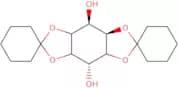
CAS:1,2:4,5-Biscyclohexylidene-DL-myo-inositol is an Oligosaccharide that is synthetically made. It belongs to the group of Glycosylation and can be used in a variety of applications. This compound can be used as a sugar in protein glycosylation, or it can act as an initiator for polysaccharide synthesis. 1,2:4,5-Biscyclohexylidene-DL-myo-inositol has been modified with Click chemistry and has been shown to be high purity and complex carbohydrate.Formula:C18H28O6Purezza:Min. 95%Colore e forma:PowderPeso molecolare:340.41 g/mol1- Deoxy- 2, 3:4, 5:6, 7- Tris- O- (1- methylethylidene) -D- glycero- D- gulo- heptitol
CAS:1-Deoxy-2,3:4,5:6,7-Tris-O-(1-methylethylidene)-D-glycero-D-guloheptitol is a high purity custom synthesis sugar that can be modified with fluorination and glycosylation. This product is synthesized from monosaccharides and saccharides. It has the CAS No. 1801528-80-2 and molecular weight of 354.25 g/mol. 1,2,3,4,5,6,7 -Tris (1 methylethylidene) -D glycero D gulo heptitol is a complex carbohydrate that is used in the synthesis of oligosaccharides and monosaccharides.Purezza:Min. 95%Raloxifene-6-D-glucuronide D4 lithium salt
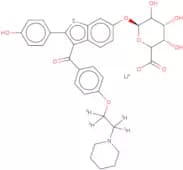
Prodotto controllatoThis is a custom synthesis of an oligosaccharide with a 6-D-glucuronide D4 lithium salt. It is a complex carbohydrate that has been modified with methylation and glycosylation. This compound can be used as a synthetic intermediate for the production of other compounds or it can be used as a pharmaceutical agent.Formula:C34H30NO10SD4·LiPurezza:Min. 95%Peso molecolare:659.66 g/mol4-O-Acetyl-2,5-anhydro-1,3-isopropylidene-D-glucitol
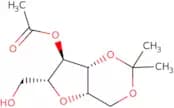
CAS:4-O-Acetyl-2,5-anhydro-1,3-isopropylidene-D-glucitol (4AIG) is a modification of glucose. 4AIG is a white to light yellow crystalline solid that melts with decomposition at 150°C. It is soluble in water and acetone but insoluble in ether. 4AIG can be used as a raw material for the synthesis of oligosaccharides and polysaccharides.Formula:C11H18O6Purezza:Min. 95%Peso molecolare:246.26 g/mol3,5-((R)-Benzylidene)-6-deoxy-L-glucono-1,4-lactone
3,5-((R)-Benzylidene)-6-deoxy-L-glucono-1,4-lactone is a synthesized sugar that can be modified to include fluorination, glycosylation, methylation and other modifications. It is an oligosaccharide with a saccharide backbone made up of glucose units. The monosaccharides are galactose and glucuronic acid. 3,5-(R) Benzylidene)-6-deoxy-L-glucono-1,4-lactone is used in the synthesis of complex carbohydrates for research purposes.Purezza:Min. 95%Methyl 2,3-di-O-benzoyl-4,6-O-benzylidene-a-D-glucopyranoside
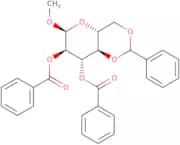
CAS:Methyl 2,3-di-O-benzoyl-4,6-O-benzylidene-a-D-glucopyranoside is a synthetic compound that has been shown to be an inhibitor of the receptor for the proinflammatory cytokine TNF. It has been proposed as a possible treatment for chronic kidney disease, acute phase, and neurodegenerative diseases such as chronic pain. Methyl 2,3-di-O-benzoyl-4,6-O-benzylidene-a-D-glucopyranoside is an inhibitor of factor receptors and inhibits the activation of NFκB in a dose dependent manner. This inhibition leads to decreased production of proinflammatory cytokines such as TNF.Formula:C28H26O8Purezza:Min. 95%Colore e forma:PowderPeso molecolare:490.5 g/molMethyl 2,3-di-O-acetyl-4,6-O-(4-methoxybenzylidene)-a-D-mannopyranoside
Methyl 2,3-di-O-acetyl-4,6-O-(4-methoxybenzylidene)-a-D-mannopyranoside is a custom synthesis that contains a fluorinated sugar with a methyl group attached to the 4 position. The oligosaccharide is synthesized through click chemistry and has been modified with an acetate at the 6 position. The CAS number is 108739-53-0. The carbohydrate is a complex carbohydrate that can be found in nature or synthesized in the laboratory.
Formula:C19H24O9Purezza:Min. 95%Peso molecolare:396.4 g/mol2C-Hydroxymethyl-2,3:5,6-di-O-isopropylidene-D-mannono-1,4-lactone
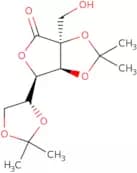
CAS:2C-Hydroxymethyl-2,3:5,6-di-O-isopropylidene-D-mannono-1,4-lactone is a synthetic monosaccharide with a CAS number of 70147-48-7. This compound has been modified to include the hydroxymethyl group and the 2C designation. It is used as an ingredient in the synthesis of complex carbohydrates.Formula:C13H20O7Purezza:Min. 95%Colore e forma:PowderPeso molecolare:288.29 g/molD-Xylose - Syrup
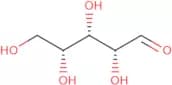
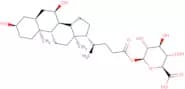
CAS:Xylose (Xyl) is an aldopentose also known as wood sugar (Collins, 2006). The main sources of xylose are hemicelluloses found in hardwood and perennial plants, such as, grasses, cereals, and herbs (Petzold-Welcke, 2014) and some algae. Xylose is used in the production of xylitol, a low calory sugar substitute. Xylose is used in glycosaminoglycan (GAG) biosynthesis, which is initiated by peptide O-xylosyltransferases, which transfer xylose onto selected serine residues in the core proteins. The first enzyme in the pathway, peptide O-xylosyltransferase, catalyzes the transfer of xylose from uridine diphosphate (UDP)-α-D-xylose onto serine and thus determines the site(s) of GAG attachment on the core protein (Briggs, 2018).Formula:C5H10O5Purezza:Min. 95%Peso molecolare:150.13 g/molChenodeoxycholic acid 24-acyl-b-D-glucuronide
CAS:Chenodeoxycholic acid 24-acyl-b-D-glucuronide (CDCA) is a drug that is used to treat gallstones and primary biliary cirrhosis. CDCA has been shown to be effective in treating gallstones by reducing the amount of cholesterol and other bile salts in the bile. It is also prescribed for patients with primary biliary cirrhosis, which is an autoimmune disease that causes inflammation of the small intestine. CDCA has been shown to decrease cholesterol levels and improve liver function in clinical studies. It also has a low toxicity profile, making it safe for long-term treatment. The major side effects are nausea, vomiting, headache, and diarrhea. CDCA binds to fatty acids in the liver cells and prevents their uptake into the cells by blocking fatty acid transporters such as LPL or FATP4 receptors. This increases the amount of free fatty acids available for oxidation by increasing β-oxidation rates within the cellFormula:C30H48O10Purezza:Min. 95%Colore e forma:White Off-White PowderPeso molecolare:568.7 g/molEthyl 4,6-O-benzylidene-β-D-thioglucopyranoside
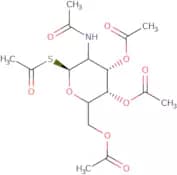
CAS:A protected thioglucose sugarFormula:C15H20O5SPurezza:Min. 95%Colore e forma:PowderPeso molecolare:312.38 g/mol2-Acetamido-1,3,4,6-tetra-O-acetyl-2-deoxy-β-D-thioglucopyranose
CAS:2-Acetamido-1,3,4,6-tetra-O-acetyl-2-deoxy-β-D-thioglucopyranose is a synthetic monosaccharide that belongs to the group of complex carbohydrates. It has CAS No. 10043-46-6 and is used in glycosylation reactions. The fluorination of the sugar can be done by using a Click modification or methylation reaction. This product has been custom synthesized and can be ordered with high purity.Formula:C16H23NO9SPurezza:Min. 95%Colore e forma:Off-White PowderPeso molecolare:405.42 g/molIsosaccharinic acid-1,4-lactone
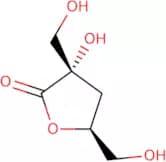
CAS:Isosaccharinic acid-1,4-lactone is an organic compound that is found in human urine. It has been shown that the concentration of this compound can be used as a marker for renal health. The hydrated form of isosaccharinic acid-1,4-lactone can be prepared by heating with acetic anhydride, and it has been shown to have potential applications as a buffer in diagnostic tests for human serum or as a stabilizer for x-ray structures. The 1H NMR spectrum of isosaccharinic acid-1,4-lactone reveals two distinct signals at 1.6 and 2.0 ppm, which are assigned to the two isomers of this compound. The second order rate constant was measured to be 0.025 s−1 at pH 7 and 22 °C using acetate extract from human urine. This technique was also applied to measure rates constant for other organic acids such as formic acidFormula:C6H10O5Purezza:Min. 98 Area-%Colore e forma:White PowderPeso molecolare:162.14 g/molMethyl 4,6-O-isopropylidene-a-D-glucopyranoside
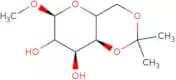
Methyl 4,6-O-isopropylidene-a-D-glucopyranoside is a glycosylation reagent that is used in the synthesis of oligosaccharides and polysaccharides. It is used as an intermediate for the production of active pharmaceutical ingredients and in the production of modified sugars. Methyl 4,6-O-isopropylidene-a-D-glucopyranoside can be custom synthesized to meet specific requirements such as purity, fluorination, and complex carbohydrate. This product is available with high purity and has been shown to be stable under a wide range of conditions. Methyl 4,6-O-isopropylidene-a-D-glucopyranoside is not compatible with strong acids or bases.Formula:C10H18O6Purezza:Min. 95%Peso molecolare:234.25 g/molHexahydro- 1, 2, 8- trihydroxy- [1S- (1a, 2a, 8a, 8ab) ]-5(1H) -indolizinone
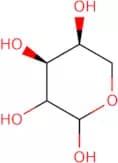
CAS:Hexahydro-1,2,8-trihydroxy-[1S-(1a,2a,8a,8ab)]-5(1H)-indolizinone is a custom synthesis of a complex carbohydrate. It is an Oligosaccharide and Polysaccharide. The saccharide Methylation and Glycosylation are the Modification of this molecule. This product has CAS No. 96625-36-4 and Click modification is Carbohydrate sugar. This product is highly pure with Fluorination SyntheticFormula:C8H13NO4Purezza:Min. 95%Peso molecolare:187.19 g/molα-Chloralose
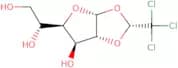
CAS:Anesthetic used in laboratory animal studies; pesticideFormula:C8H11Cl3O6Purezza:Min. 95%Colore e forma:PowderPeso molecolare:309.53 g/mol4-N-Trifluoroacetamidophenyl 2-azido-2-deoxy-a-D-galactopyranoside
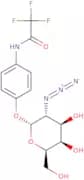
CAS:4-N-Trifluoroacetamidophenyl 2-azido-2-deoxy-a-D-galactopyranoside is a custom synthesis. It is a complex carbohydrate that can be modified with glycosylation, methylation, and fluorination. The chemical formula for 4-N-Trifluoroacetamidophenyl 2-azido-2-deoxy-a-D-galactopyranoside is C12H22FN3O8. The CAS number for 4Ntrifluoroacetamidophenyl 2azido2deoxyadgalactopyranose is 2104260323. This product has high purity and is synthetic.Formula:C14H15F3N4O6Purezza:Min. 95%Peso molecolare:392.29 g/molD-myo-Inositol 1,4,5-triphosphate sodium salt
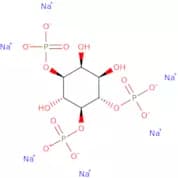
CAS:D-myo-Inositol 1,4,5-triphosphate sodium salt is a diacylglycerol that is involved in intracellular signaling. It is synthesized by the hydrolysis of phosphatidylinositol 4,5-bisphosphate and dephosphorylation of inositol 1,4,5-trisphosphate. D-myo-Inositol 1,4,5-triphosphate sodium salt has been shown to be a potent agonist at the ryanodine receptor and can protect against neuronal death induced by glutamate or NMDA. It also has been shown to have beneficial effects on bowel disease and cytosolic Ca2+ levels.Formula:C6H9Na6O15P3Purezza:Min. 95%Colore e forma:Orange To Red SolidPeso molecolare:551.99 g/molCotinine-N-b-glucuronide-D3
Prodotto controllatoCotinine-N-b-glucuronide-D3 is a modification of the natural product cotinine, which is a methylated form of nicotine and can be synthesized from the plant Nicotiana tabacum. Cotinine-N-b-glucuronide-D3 is a complex carbohydrate that has been custom synthesized for the purpose of modifying an oligosaccharide. This modification will allow for the synthesis of high purity monosaccharides. Cotinine has been shown to have antiinflammatory properties, which may be due to its inhibition of prostaglandin synthesis.Formula:C16H17N2O7D3Purezza:Min. 95%Peso molecolare:355.36 g/mol3-Deoxy-D-fructose
CAS:3-Deoxy-D-fructose is a neutral sugar that is found in the human liver and has been shown to be metabolized by cells in the target tissue. 3-Deoxy-D-fructose is used as a marker for diabetic patients, as it is present in high quantities in their blood plasma. 3-Deoxy-D-fructose can be detected with liquid chromatography coupled with mass spectrometry (LC/MS) methods. It has been shown to induce necrotic cell death, which may be due to its ability to produce reactive oxygen species. 3-Deoxy-D-fructose also inhibits protein synthesis by inhibiting the activity of polymerase chain reaction and hydroxylation reactions.
Formula:C6H12O5Purezza:Min. 95%Colore e forma:Off-White Beige PowderPeso molecolare:164.16 g/mol1,2,3,4-Tetra-O-benzoyl-6-O-triisopropylsilyl-b-D-glucopyranose
1,2,3,4-Tetra-O-benzoyl-6-O-triisopropylsilyl-b-D-glucopyranose is a synthetic compound that belongs to the class of carbohydrates. It is a high purity custom synthesis that can be modified with fluorination, glycosylation, methylation, and modification. This product has CAS number 541087-49-0. 1,2,3,4-Tetra-O-benzoyl-6-O-triisopropylsilyl-b -D -glucopyranose is used in the synthesis of oligosaccharides and monosaccharides.Formula:C46H54O10SiPurezza:Min. 95%Peso molecolare:795.02 g/molMethyl 2,3-di-O-benzoyl-4,6-O-(4-methoxybenzylidene)-a-D-galactopyranoside
Methyl 2,3-di-O-benzoyl-4,6-O-(4-methoxybenzylidene)-a-D-galactopyranoside is a fluorinated and methylated synthetic carbohydrate. It is an oligosaccharide that is synthesized from galactose and glucose by glycosylation and click modification. Methyl 2,3-di-O-benzoyl-4,6-O-(4-methoxybenzylidene)-a-D-galactopyranoside has CAS number: 6079410.Formula:C29H28O9Purezza:Min. 95%Peso molecolare:520.54 g/molN-Butyldeoxygalactonojirimycin
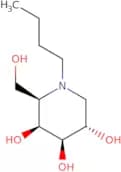
CAS:Competitive inhibitor of glucosylceramidase (GlcCer), which catalyses the first step in glycosphingolipid (GSL) synthesis. This compound is a promising candidate for substrate reduction therapy in Sandhoff disease, where it decreases the rate of GSL biosynthesis and counterbalances the impaired rate of ganglioside catabolism.
Formula:C10H21NO4Purezza:Min. 95%Colore e forma:PowderPeso molecolare:219.28 g/molMethyl a-D-thiomannopyranoside
CAS:Methyl a-D-thiomannopyranoside is a synthetic, fluorinated carbohydrate. It is an intermediate in the synthesis of complex carbohydrates that contain saccharide and oligosaccharide moieties. Methyl a-D-thiomannopyranoside can be modified by glycosylation or methylation reactions to produce desired products.
Formula:C7H14O5SPurezza:Min. 95%Colore e forma:PowderPeso molecolare:210.25 g/molL-Gulono-γ-lactone
CAS:L-Gulono-gamma-lactone is a natural vitamin C metabolite that is synthesized from L-ascorbic acid in the liver. It has been shown to inhibit the oxidase and other enzymes involved in ascorbic acid metabolism, which may be due to its ability to bind to iron. L-Gulono-gamma-lactone also inhibits polymerase chain reactions in rat liver microsomes and inhibits the activities of ascorbic acid and glutathione reductase in rat hepatic tissues. This compound is not active against humans, but it has been shown to have antioxidation properties.
Formula:C6H10O6Peso molecolare:178.14 g/molRef: 3D-G-8500
1kgPrezzo su richiesta100gPrezzo su richiesta250gPrezzo su richiesta500gPrezzo su richiesta2500gPrezzo su richiesta-Unit-kgkgPrezzo su richiesta3,6-Dideoxy-3,6-imino-1,2-O-isopropylidene-a-D-glucofuranose
3,6-Dideoxy-3,6-imino-1,2-O-isopropylidene-a-D-glucofuranose is an oligosaccharide that has been modified to contain fluorine. This sugar is a complex carbohydrate that can be custom synthesized for use in glycosylation reactions. It can be used to modify polysaccharides and has been shown to have a high purity.Purezza:Min. 95%N-Methyl-L-glucosamine
CAS:N-Methyl-L-glucosamine is a monosaccharide that is used as a building block for glycosaminoglycans. It can be synthesized by the enzyme glucoamylase from glucose and UDP-N-acetylglucosamine, or supplied exogenously as a dietary supplement. N-Methyl-L-glucosamine is stable in the presence of light and resistant to microbial degradation. This agent has been shown to be effective in inhibiting skin cancer in mice when combined with other agents such as hydroquinone, retinoic acid, and tretinoin. N-Methyl-L-glucosamine has been shown to have antiangiogenic properties on tubule cells, which may be due to its ability to inhibit the production of vascular endothelial growth factor (VEGF) in these cells.Formula:C7H15NO5Purezza:Min. 95%Peso molecolare:193.2 g/molDucheside A pentaacetate
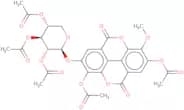
Ducheside A pentaacetate is a fluorescent sugar that can be used as a fluorescent probe to study the glycosylation of proteins. This compound has been shown to be effective in inhibiting the growth of Gram-positive bacteria such as Mycobacterium tuberculosis, Clostridium perfringens, and Streptococcus pyogenes. Ducheside A pentaacetate is synthesized from duchesidin I and an acetyl group, which is then fluorinated with N-fluorobenzenesulfonamide. The product can be modified through methylation or click chemistry reactions. Ducheside A pentaacetate is soluble in water and has a molecular weight of 585.5 g/mol. It has CAS number 314965-07-8 and purity greater than 99%.Purezza:Min. 95%1,3,5-Tri-O-benzoyl-a-L-ribofuranose
CAS:1,3,5-Tri-O-benzoyl-a-L-ribofuranose is a synthetic sugar with a complex carbohydrate structure. It is synthesized by the sequential addition of benzoyl groups to the alditol acetal of ribose. The molecular weight of this compound is 598.6 g/mol and its CAS number is 171866-30-1. 1,3,5-Tri-O-benzoyl-a-L-ribofuranose has been shown to be an excellent substrate for glycosylation and methylation reactions due to the presence of three reactive hydroxyl groups that can react with nucleophiles such as amines or thiols. Methylation reactions are typically carried out in the presence of sodium methoxide in methanol at room temperature for several hours. Glycosylation reactions require the use of activated glycosyl donors such as UDP glucose, UDP galactose
Formula:C26H22O8Purezza:Min. 97 Area-%Colore e forma:PowderPeso molecolare:462.45 g/molDeferiprone 3-O-β-D-glucuronide
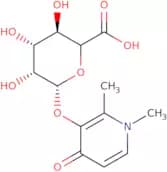
CAS:Deferiprone 3-O-b-D-glucuronide is a modification of deferiprone. It is synthesized by methylation, glycosylation, and polysaccharide modification with fluorine. Deferiprone 3-O-b-D-glucuronide is monosaccharide in nature and has high purity and custom synthesis.Formula:C13H17NO8Purezza:Min. 95%Colore e forma:Light (Or Pale) Yellow SolidPeso molecolare:315.28 g/mol3,4-O-Isopropylidene-L-arabinose
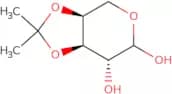
CAS:3,4-O-Isopropylidene-L-arabinose (3,4-OIRA) is an isopropylidene derivative of L-arabinose. 3,4-OIRA has been shown to be a substrate for glycosylation reactions with various other sugars. It can also undergo methylation reactions and has been modified by fluorination. 3,4-OIRA is a food additive that belongs to the category of complex carbohydrates.
Formula:C8H14O5Purezza:Min. 98 Area-%Colore e forma:PowderPeso molecolare:190.19 g/molPalatinose hydrate
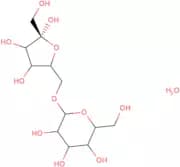
CAS:Palatinose hydrate is a polyol that is produced by the hydrolysis of inulin. It has been shown to have antibacterial activity against Lactococcus lactis, an important probiotic bacteria. Palatinose hydrate also has an amine group that can react with the carbonyl group of other compounds. This makes it effective against bacteria such as Echinocandin, which contains a reactive carbonyl group. Palatinose hydrate is used in food products and has been shown to have anti-viral properties. The viscosity of this compound can be increased by mixing with glycerol or sorbitol.Formula:C12H22O11·xH2OPurezza:Min. 95%Colore e forma:PowderPeso molecolare:342.3 g/mol2-Amino- 2- deoxy- 3, 4- di- O- methyl-D- glucose
CAS:2-Amino- 2-deoxy-3,4-di-O-methyl-D-glucose is a sugar that belongs to the group of carbohydrates. It has been custom synthesized and modified with fluorine and methyl groups. This product is available in high purity, which can be used as a building block for glycosylation or click modification.Formula:C8H17NO5Purezza:Min. 95%Peso molecolare:207.22 g/mol2,3,4,6-Tetra-O-acetyl-a-D-galactopyranosyl fluoride
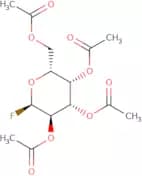
CAS:2,3,4,6-Tetra-O-acetyl-a-D-galactopyranosyl fluoride is a custom synthesis of Monosaccharide, Oligosaccharide and Polysaccharides. The product can be modified by Fluorination, Methylation and Click modification. It has CAS No. 4163-44-4. It is used as a Modification in saccharides and Carbohydrates.Formula:C14H19O9FPurezza:Min. 95%Colore e forma:PowderPeso molecolare:350.29 g/mol








![Hexahydro- 1, 2, 8- trihydroxy- [1S- (1a, 2a, 8a, 8ab) ]-5(1H) -indolizinone](/_next/image/?url=https%3A%2Fstatic.cymitquimica.com%2Fproducts%2F3D%2Fthumb-webp%2FMH163920.webp&w=3840&q=75)