Peptidi
I peptidi sono catene corte di amminoacidi legate da legami peptidici, che svolgono ruoli chiave come molecole biologiche importanti nei processi cellulari. Funzionano come ormoni, neurotrasmettitori e molecole di segnalazione, e sono ampiamente utilizzati in applicazioni terapeutiche e diagnostiche. I peptidi sono anche cruciali nella ricerca per lo studio delle interazioni proteiche, delle attività enzimatiche e dei percorsi di segnalazione cellulare. Presso CymitQuimica, offriamo una vasta selezione di peptidi di alta qualità per supportare le vostre esigenze di ricerca e sviluppo in biotecnologia e farmacologia.
Sottocategorie di "Peptidi"
Trovati 30433 prodotti di "Peptidi"
Ordinare per
Purezza (%)
0
100
|
0
|
50
|
90
|
95
|
100
Gly-Pro-pNA • Tos [GPNT]
CAS:<p>Gly-Pro-pNA • Tos is a peptide that is derived from the sequence of the human beta2 adrenergic receptor. It can be used as a research tool for studying receptor-ligand interactions and for identifying ligands for other receptors. Gly-Pro-pNA • Tos may also be used as an inhibitor of ion channels.</p>Formula:C13H16N4O4•C7H8O3SPurezza:Min. 95%Peso molecolare:464.49 g/molFmoc-OSu
CAS:<p>Fmoc-OSu is a synthetic amino acid that is used in the synthesis of peptides and other biomolecules. It can be synthesized by solid-phase peptide synthesis using Fmoc chemistry, which involves an acid-labile protecting group. Fmoc-OSu has been shown to inhibit cancer cell growth, although its mechanism is not known.<br>Fmoc-OSu has been shown to have anti-inflammatory effects by inhibiting the proinflammatory cytokine TNFα.<br>Fmoc-OSu has also been shown to have glycan binding properties, which may be due to its ability to bind with sialic acid residues on glycoproteins or glycolipids.</p>Formula:C19H15NO5Purezza:Min. 98.0 Area-%Peso molecolare:337.33 g/molAzido-dPEG®8-Alcohol
CAS:<p>Azido-dPEG®8-Alcohol is a PEG polymer categorised as monofunctional (OH-PEG-X). Used as a linker, azido-dPEG®8-Alcohol is used to attached PEG to proteins, peptides, oligonucleotides, nanoparticles and small molecules via pegylation, a bioconjugation technique.</p>Purezza:Min. 95%Peso molecolare:395.45 g/molCCK-Octapeptide (26-33) (Non-Sulfated Form)
CAS:<p>CCK-Octapeptide (26-33) is a peptide that is a member of the cholecystokinin family of peptides. CCK-Octapeptide (26-33) is an activator of the CCK receptor and can be used for research purposes. This peptide has been shown to inhibit ion channels, which are proteins that regulate the flow of ions across cell membranes, and may be used as a pharmacological tool or research tool.</p>Formula:C49H62N10O13S2Purezza:Min. 95%Peso molecolare:1,063.2 g/molBis-dPEG®7-NHS Ester
CAS:<p>Bis-dPEG®7-NHS Ester is a PEG polymer categorised as homobifunctional PEG (X-PEG X). Used as a linker, bis-dPEG®7-NHS Ester is used to attached PEG to proteins, peptides, oligonucleotides, nanoparticles and small molecules via pegylation, a bioconjugation technique.</p>Formula:C26H40N2O15Purezza:Min. 95%Peso molecolare:620.6 g/molLys-Ala-AMC
CAS:<p>Lys-Ala-AMC is an activator of ion channels and a ligand for receptors. It is used in research as a tool to study protein interactions, receptor pharmacology, and ion channel pharmacology. Lys-Ala-AMC binds to the α-subunit of voltage gated calcium channels and can activate these channels by increasing the rate of opening. This peptide also inhibits receptor binding by competing with the natural ligand. It has been shown to be an antagonist at the NMDA receptor and can inhibit the binding of glycine to this receptor.</p>Formula:C19H26N4O4Purezza:Min. 95%Peso molecolare:374.43 g/molm-dPEG®24-Azide (Azido-m-dPEG®24)
CAS:<p>m-dPEG®24-Azide (Azido-m-dPEG®24) is a PEG compound with two different functional groups (also known as heterobifunctional). Unlike homobifunctional PEG compounds (same functional group on both ends), this type of compounds are more versatile as have two different anchor points. m-dPEG®24-Azide (Azido-m-dPEG®24) is used as a linker and spacer to add a PEG moiety, via pegylation (a bioconjugation technique) to proteins, peptides, oligonucleotides, small molecules and nanoparticles.</p>Formula:C32H44F4N2O13Purezza:Min. 95%Peso molecolare:740.69 g/molMAL-dPEG®24-Acid
CAS:<p>MAL-dPEG®24-Acid is a PEG compound with two different functional groups (also known as heterobifunctional). Unlike homobifunctional PEG compounds (same functional group on both ends), this type of compounds are more versatile as have two different anchor points. MAL-dPEG®24-Acid is used as a linker and spacer to add a PEG moiety, via pegylation (a bioconjugation technique) to proteins, peptides, oligonucleotides, small molecules and nanoparticles.</p>Formula:C58H108N2O29Purezza:Min. 95%Peso molecolare:1,297.47 g/moldPEG®4 SATA (S-Acetyl-dPEG®4 NHS Ester)
CAS:<p>dPEG®4 SATA (S-Acetyl-dPEG®4 NHS Ester) is a PEG compound with two different functional groups (also known as heterobifunctional). Unlike homobifunctional PEG compounds (same functional group on both ends), this type of compounds are more versatile as have two different anchor points. dPEG®4 SATA (S-Acetyl-dPEG®4 NHS Ester) is used as a linker and spacer to add a PEG moiety, via pegylation (a bioconjugation technique) to proteins, peptides, oligonucleotides, small molecules and nanoparticles.</p>Formula:C17H27NO9SPurezza:Min. 95%Peso molecolare:421.46 g/molFmoc-N-Lys-(dPEG®4-Biotin)-OH-(Acid)
CAS:<p>Fmoc-N-Lys-(dPEG®4-Biotin)-OH-(Acid) is an ion channel activator with a molecular weight of 921.5 Da. It has been shown to activate the voltage-gated potassium channels Kv1.2 and Kv1.3 in rat cortical neurons, and inhibit the activity of the voltage-gated sodium channels Nav1.6, Nav1.7, and Nav1.8 in rat dorsal root ganglia neurons. In addition, Fmoc-N-Lys-(dPEG®4-Biotin)-OH-(Acid) has been shown to activate the calcium release activated calcium channels (CRACs) in human erythrocytes and induce the release of arachidonic acid from human platelets. It is a high purity reagent for research purposes only, not for use in humans or animals for any reason other than scientific research</p>Formula:C89H163F4NO39S2Purezza:Min. 95%Peso molecolare:2,011.35 g/molm-dPEG®4-Azide (Azido-m-dPEG®4)
CAS:<p>m-dPEG®4-Azide (Azido-m-dPEG®4) is a PEG compound with two different functional groups (also known as heterobifunctional). Unlike homobifunctional PEG compounds (same functional group on both ends), this type of compounds are more versatile as have two different anchor points. m-dPEG®4-Azide (Azido-m-dPEG®4) is used as a linker and spacer to add a PEG moiety, via pegylation (a bioconjugation technique) to proteins, peptides, oligonucleotides, small molecules and nanoparticles.</p>Formula:C72H145N3O36Purezza:Min. 95%Peso molecolare:1,628.92 g/molAmyloid β-Protein (Human, 25-35)
CAS:<p>Amyloid beta-Protein (Human, 25-35) is the shortest amyloid fragment that forms β-sheet fibrils, while retaining toxicity, and may also induce the aggregation of N-tau protein and N-tau peptide 1/2R. Consequently this peptide may play a role in the pathogenesis of Alzheimer's disease, a neurodegenerative disorder that affects memory and cognitive function.<br>This product is available as a trifluoroacetate salt and as a 0.5mg vial.</p>Formula:C45H81N13O14SPurezza:Min. 95%Peso molecolare:1,060.3 g/molSARS CoV-2 IgG S1
<p>CoV-2 IgG S1 antibody binds to both SARS-CoV and SARS-CoV-2 (COVID-19) with high affinity at amino acids 318-510 in the S1 domain of the Spike protein and can be used in ELISA assays. SARS Coronavirus is an enveloped virus containing three outer structural proteins, namely the membrane (M), envelope (E), and spike (S) proteins. Spike (S)-glycoprotein of the virus interacts with a cellular receptor and mediates membrane fusion to allow viral entry into susceptible target cells. Accordingly, S-protein plays an important role in virus infection cycle and is the primary target of neutralizing antibodies. It has recently been shown that SARS is caused by a human coronavirus. Human coronaviruses are the major cause of upper respiratory tract illness in humans, such as the common cold. Coronaviruses are positive-stranded RNA viruses, featuring the largest viral RNA genomes known to date (27-31 kb). The first step in coronavirus infection is binding of the viral spike protein, a 139-kDa protein, to certain receptors on host cells. The spike protein is the main surface antigen of the coronavirus. The most prominent protein in the culture supernatants infected with SARS virus is a 46 kDa nucleocapsid protein. This suggests that the nucleocapsid protein is a major immunogen that may be useful for early diagnostics.<br>Recombinant Anti Human SARS CoV-2 IgG1 Kappa Spike S1 is a recombinant monoclonal antibody derived from HEL293 cells, which recognizes the SARS-CoV and SARS-CoV-2 Spike glycoprotein. CoV-2 IgG S1 Antibody binds to both SARS-CoV and SARS-CoV-2 with high affinity at amino acids 318-510 (RBD, Receptor Binding Domain) in the S1 subunit of the Spike protein. The native monoclonal antibody was generated by sequencing peripheral blood lymphocytes of a patient exposed to the SARS-CoV. The ELISA Plate was coated with the target proteins at 5 µg/ml. Primary antibodies were titrated on a 3-fold serial dilution starting at 125 ng/ml, CoV-2 IgG S1 antibody recognises SARS-CoV-2 spike protein subunit 1 (aa 1-674), or 41.6 ng/ml CoV-2 IgG S1 antibody recognised spike protein from SARS-CoV (subunit 1, aa 1-666) and SARS-CoV-2 (subunit 1, aa 1-674). Secondary antibody anti-human IgG conjugated to HRP used in the assay, at 1:4000 concentration. This product was purified through Protein A affinity and avaiable in the formulation: 1mg/ml in PBS and 0.02% Proclin 300F.</p>Purezza:Min. 95%NHS-m-dPEG® (MW = 509)
CAS:<p>NHS-m-dPEG® (MW = 509) is a PEG compound with two different functional groups (also known as heterobifunctional). Unlike homobifunctional PEG compounds (same functional group on both ends), this type of compounds are more versatile as have two different anchor points. NHS-m-dPEG® (MW = 509) is used as a linker and spacer to add a PEG moiety, via pegylation (a bioconjugation technique) to proteins, peptides, oligonucleotides, small molecules and nanoparticles.</p>Purezza:Min. 95%Peso molecolare:509.54 g/molBoc-Phe-Ser-Arg-AMC
CAS:<p>Boc-Phe-Ser-Arg-AMC is a peptide that can be used as a research tool in the study of protein interactions, receptor activation and ligand binding. It is an inhibitor of ion channels and has been shown to be an antagonist of nicotinic acetylcholine receptors. This product may be used as a research tool for studying cell biology, pharmacology, and life sciences.</p>Formula:C33H43N7O8Purezza:Min. 95%Peso molecolare:665.74 g/molSomatostatin
CAS:<p>Somatostatin is a peptide hormone that is produced by the hypothalamus and inhibits the release of growth hormones, stimulates the release of insulin from the pancreas, and inhibits the release of glucagon from the pancreas. Somatostatin also has biological properties that inhibit neuronal death in combination therapy groups. It has been shown to have cell factor activity which may contribute to its antitumor activity. Somatostatin also has pro-apoptotic properties in vitro assays at physiological levels, making it an excellent target for cancer therapy.</p>Formula:C76H104N18O19S2Purezza:Min. 95%Peso molecolare:1,637.9 g/molBiotin-dPEG®3-MAL
CAS:<p>Biotin-dPEG®3-MAL is a PEG compound with two different functional groups (also known as heterobifunctional). Unlike homobifunctional PEG compounds (same functional group on both ends), this type of compounds are more versatile as have two different anchor points. Biotin-dPEG®3-MAL is used as a linker and spacer to add a PEG moiety, via pegylation (a bioconjugation technique) to proteins, peptides, oligonucleotides, small molecules and nanoparticles.</p>Formula:C15H32N2O5Purezza:Min. 95%Peso molecolare:320.43 g/molMAL-dPEG®4-Acid
CAS:<p>MAL-dPEG®4-Acid is a PEG compound with two different functional groups (also known as heterobifunctional). Unlike homobifunctional PEG compounds (same functional group on both ends), this type of compounds are more versatile as have two different anchor points. MAL-dPEG®4-Acid is used as a linker and spacer to add a PEG moiety, via pegylation (a bioconjugation technique) to proteins, peptides, oligonucleotides, small molecules and nanoparticles.</p>Purezza:Min. 95%Peso molecolare:416.42 g/molt-Boc-N-Amido-dPEG®3-Amine
CAS:<p>t-Boc-N-Amido-dPEG®3-Amine is a PEG compound with two different functional groups (also known as heterobifunctional). Unlike homobifunctional PEG compounds (same functional group on both ends), this type of compounds are more versatile as have two different anchor points. t-Boc-N-Amido-dPEG®3-Amine is used as a linker and spacer to add a PEG moiety, via pegylation (a bioconjugation technique) to proteins, peptides, oligonucleotides, small molecules and nanoparticles.</p>Purezza:Min. 95%Peso molecolare:320.43 g/molSuc-Gly-Pro-Leu-Gly-Pro-AMC
CAS:<p>Suc-Gly-Pro-Leu-Gly-Pro-AMC is a high purity, monoclonal antibody that can be used as a research tool or as an inhibitor. It has been shown to inhibit ion channels and protein interactions. Suc-Gly-Pro-Leu-Gly-Pro-AMC is also known as a ligand for the receptor. It has been shown to activate the receptor and cause a change in the cell membrane permeability by increasing calcium flux, which leads to an increase in intracellular calcium levels. Suc-Gly-Pro-Leu-Gly-Pro-AMC is found in Cell Biology and Pharmacology research studies.</p>Formula:C34H44N6O10Purezza:Min. 95%Peso molecolare:696.75 g/molMAL-dPEG®4- NHS Ester
CAS:<p>MAL-dPEG®4- NHS Ester is a PEG compound with two different functional groups (also known as heterobifunctional). Unlike homobifunctional PEG compounds (same functional group on both ends), this type of compounds are more versatile as have two different anchor points. MAL-dPEG®4- NHS Ester is used as a linker and spacer to add a PEG moiety, via pegylation (a bioconjugation technique) to proteins, peptides, oligonucleotides, small molecules and nanoparticles.</p>Purezza:Min. 95%Peso molecolare:513.5 g/molAzido-dPEG®8-NHS ester
CAS:<p>Azido-dPEG®Sub>8-NHS Ester is a PEG compound with two different functional groups (also known as heterobifunctional). Unlike homobifunctional PEG compounds (same functional group on both ends), this type of compounds are more versatile as have two different anchor points. Azido-dPEG®Sub>8-NHS Ester is used as a linker and spacer to add a PEG moiety, via pegylation (a bioconjugation technique) to proteins, peptides, oligonucleotides, small molecules and nanoparticles.</p>Formula:C23H40N4O12Purezza:Min. 95%Peso molecolare:564.58 g/molß-Casomorphin-5 (Bovine)
CAS:<p>Beta-casomorphin-5 (BCM-5) is a peptide that is released from the digestion of casein in milk. It is an analog of casomorphin-7, which has been shown to have opioid activity. BCM-5 has been found to inhibit the proliferation of cells and induce apoptosis by binding to P21, a protein that controls the cell cycle. BCM-5 also binds to the mu-opioid receptor and inhibits gastric acid secretion. The conformational properties of BCM-5 have been determined with analytical methods such as LC/MS/MS, NMR, and FTIR. These studies have shown that BCM-5 adopts a ß-sheet conformation when bound to mucin glycoprotein or other proteins.</p>Formula:C30H37N5O7•2H2OPurezza:Min. 95%Peso molecolare:615.67 g/molSer-Gln-Asn-Tyr-Pro-Ile-Val
CAS:<p>Ser-Gln-Asn-Tyr-Pro-Ile-Val is a synthetic peptide. It has been shown to act as a competitive inhibitor of the GABA receptor, specifically in the alpha3 subunit. This inhibition has been found to be competitive with respect to GABA and benzodiazepine binding. Additionally, Ser-Gln-Asn-Tyr-Pro-Ile-Val has been shown to inhibit ion channels that are activated by extracellular potassium ions, such as KV7.1 and KV7.2 potassium channels.</p>Formula:C37H57N9O12Purezza:Min. 95%Peso molecolare:819.9 g/molNPY (Porcine, Bovine)
CAS:<p>NPY is a peptide that belongs to the family of neuropeptides. It is an endogenous regulator of appetite and energy expenditure in the central nervous system, which has been shown to act as a neurotransmitter and neuromodulator. NPY is also an activator of ion channels, such as potassium channels, sodium channels, and calcium channels. NPY has been shown to bind with high affinity to receptors in the brain, heart, lungs, kidneys, and intestines. The binding of NPY to its receptor leads to activation of protein interactions. This process can lead to changes in cell physiology or regulation of physiological functions by altering gene expression or changing the concentration of ions in the blood. NPY has also been shown as an inhibitor for many different ligands and receptors including dopamine D1 receptors and serotonin 5-HT2A/C receptors.</p>Formula:C190H287N55O57Purezza:Min. 95%Peso molecolare:4,253.6 g/molMOCAc-Tyr-Val-Ala-Asp-Ala-Pro-Lys(Dnp)-NH₂
<p>MOCAc-Tyr-Val-Ala-Asp-Ala-Pro-Lys(Dnp)-NH₂ is a protein inhibitor with a molecular weight of 1405.8 g/mol. It has a CAS number of 129857-88-6 and is available at high purity. MOCAc-Tyr-Val-Ala-Asp-Ala-Pro-Lys(Dnp)-NH₂ is used in research as an inhibitor, activator, or ligand for proteins. This product has been used in the study of ion channels, receptor binding, and cell biology.</p>Formula:C53H65N11O18Purezza:Min. 95%Peso molecolare:1,144.1 g/molMSH-Release Inhibiting Factor
CAS:<p>MSH-Release Inhibiting Factor (MRIF) has been shown to be a potent inhibitor of the release of proinflammatory cytokines. It is derived from the acid methyl ester of mouse serum, and has been shown to inhibit the release of tumor necrosis factor-α (TNF-α) in animal studies. MRIF has also been shown to have anti-diabetic effects in mice. MRIF inhibits the production of inflammatory cytokines by blocking TNF-α at a molecular level. This protein binds to progesterone receptor and prevents it from interacting with its ligand, which is necessary for cancer cell growth. The expression system for this protein is E. coli, and it can be used as an immunosuppressant in animal studies.<br>MRIF also blocks TNF-α activity by inhibiting transcriptional activation of NFκB and AP-1, which are proteins that regulate gene expression.</p>Formula:C13H24N4O3H2OPurezza:Min. 95%Peso molecolare:293.36 g/molMethionine-Enkephalin (Human, Porcine, Bovine, Rat, Mouse)
CAS:<p>Methionine-Enkephalin is a peptide that is derived from the amino acid methionine. It has been shown to act on ion channels and the receptor, as well as having a number of other biological effects. Methionine-Enkephalin can be used in research for pharmacology and protein interactions. This product is an antibody against methionine-enkephalin. It can be used for cell biology and immunology research, as it recognizes the peptide sequence of methionine-enkephalin. This antibody can also be used to inhibit the activity of this peptide.</p>Formula:C27H35N5O7SPurezza:Min. 95%Peso molecolare:573.66 g/molm-dPEG®8-MAL
CAS:<p>m-dPEG®8-MAL is a PEG compound with two different functional groups (also known as heterobifunctional). Unlike homobifunctional PEG compounds (same functional group on both ends), this type of compounds are more versatile as have two different anchor points. m-dPEG®8-MAL is used as a linker and spacer to add a PEG moiety, via pegylation (a bioconjugation technique) to proteins, peptides, oligonucleotides, small molecules and nanoparticles.</p>Formula:C56H111NO28Purezza:Min. 95%Peso molecolare:1,246.47 g/molCoV-2 S1 (1-681)
<p>A human infecting coronavirus (viral pneumonia) called 2019 novel coronavirus, 2019-nCoV was found in the fish market at the city of Wuhan, Hubei province of China on December 2019.The 2019-nCoV shares an 87% identity to the 2 bat-derived severe acute respiratory syndrome 2018 SARS-CoV-2 located in Zhoushan of eastern China. 2019-nCoV has an analogous receptor-BD-structure to that of 2018 SARS-CoV, even though there is a.a. diversity so thus the 2019-nCoV might bind to ACE2 receptor protein (angiotensin-converting enzyme 2) in humans.While bats are probably the host of 2019-nCoV, researchers suspect that animal from the ocean sold at the seafood market was an intermediate host. RSCU analysis proposes that the 2019-nCoV is a recombinant within the viral spike glycoprotein between the bat coronavirus and an unknown coronavirus. The HEK293-derived recombinant protein contains the Coronavirus 2019-nCoV Spike Glycoprotein S1, Wuhan-Hu-1 strain, amino acids 1-681 fused to Fc tag at C-terminal having a M.W. of 76 kDa. PNTA Sepharose-Affinity Purification was used to purify the product which is avaiable as the formulation: CoV-2 S1 protein solution is supplied PBS pH 7.4.</p>Purezza:Min. 95%PACAP27 (Human, 1-27 Amide)
CAS:<p>PACAP27 is a peptide that is used as a research tool. PACAP27 binds to the receptor for pituitary adenylate cyclase-activating polypeptide (PACAP). The binding of PACAP27 to the receptor leads to activation of adenylyl cyclase, which increases intracellular levels of cAMP. This increase in cAMP may lead to cellular responses such as increased ion channel activity and increased protein synthesis.</p>Formula:C142H224N40O39SPurezza:Min. 95%Peso molecolare:3,147.6 g/molAdrenomedullin (Human)
CAS:<p>Adrenomedullin (human) is a research tool that has been shown to activate the ligand receptor. It is a member of the vasoactive peptide family, which includes adrenalin and noradrenaline. Adrenomedullin binds to the cell surface receptors on smooth muscle cells and endothelial cells and activates ion channels. This research tool is also known as AM.</p>Formula:C264H406N80O77S3Purezza:Min. 95%Peso molecolare:6,028.7 g/molm-dPEG®4-MAL
CAS:<p>m-dPEG®4-MAL is a PEG compound with two different functional groups (also known as heterobifunctional). Unlike homobifunctional PEG compounds (same functional group on both ends), this type of compounds are more versatile as have two different anchor points. m-dPEG®4-MAL is used as a linker and spacer to add a PEG moiety, via pegylation (a bioconjugation technique) to proteins, peptides, oligonucleotides, small molecules and nanoparticles.</p>Formula:C32H63NO61Purezza:Min. 95%Peso molecolare:717.84 g/molNeuroendocrine Regulatory Peptide-1 (Human)
CAS:<p>This Neuroendocrine Regulatory Peptide-1 (human) product can be used as an endogenous suppressor of vasopressin release and is available as a 0.1mg vial. The neuroendocrine regulatory peptide-1 (NERP1) is derived from VGF and it colocalizes with vasopressin in the hypothalamus and it has been found that NERPs prevent vasopressin release from the hypothalamus. Thus NERP1 is involved in body fluid homeostasis through modulating the release of vasopressin.</p>Formula:C113H192N36O39Purezza:Min. 95%Peso molecolare:2,679 g/molThiol-dPEG®8-Acid
CAS:<p>Thiol-dPEG®8-Acid is a PEG compound with two different functional groups (also known as heterobifunctional). Unlike homobifunctional PEG compounds (same functional group on both ends), this type of compounds are more versatile as have two different anchor points. Thiol-dPEG®8-Acid is used as a linker and spacer to add a PEG moiety, via pegylation (a bioconjugation technique) to proteins, peptides, oligonucleotides, small molecules and nanoparticles.</p>Purezza:Min. 95%Peso molecolare:322.39 g/molAmastatin
CAS:<p>Amastatin is a natural protease inhibitor that has been shown to bind to the active site of serine proteases, such as trypsin and chymotrypsin. It also binds to other peptide substrates, such as angiotensin II, vasopressin and bradykinin. Amastatin is used in research as a tool for the study of protein interactions, receptor-ligand binding and ion channel activity. Amastatin is an activator of the high-affinity state of the beta-adrenergic receptor.</p>Formula:C21H38N4O8Purezza:Min. 95%Peso molecolare:474.55 g/molAc-Val-Glu-Ile-Asp-H (aldehyde)
CAS:<p>Ac-Val-Glu-Ile-Asp-H (aldehyde) is a synthetic peptide that is used as an inhibitor to study the effects of protein interactions. Ac-Val-Glu-Ile-Asp-H (aldehyde) binds to the active site of the enzyme, which prevents the enzyme from functioning and can be used as a research tool. Ac-Val-Glu-Ile-Asp-H (aldehyde) has been shown to activate some receptors and ligands, such as ion channels and antibodies.</p>Formula:C22H36N4O9Purezza:Min. 95%Peso molecolare:500.54 g/molZ-Gly-Phe-NH2
CAS:<p>Z-Gly-Phe-NH2 is a peptide that inhibits protein synthesis by binding to the ribosome. It has been shown to inhibit enzyme preparations containing peptides and proteins, such as hydrogen bond formation, phase transition temperature, uptake, and inhibitory effect. This molecule may be used in biochemical or molecular studies of protein synthesis. The uptake of Z-Gly-Phe-NH2 can be inhibited by ouabain binding. Z-Gly-Phe-NH2 also has a ca2+ response when calcium ionophores are applied to Xenopus oocytes.</p>Formula:C19H20N2O5Purezza:Min. 95%Peso molecolare:355.39 g/molOrexin-B (Human)
CAS:<p>Orexin B, also known as hypocretin-2, is a neuropeptide that is produced by a small group of neurons in the hypothalamus, a region of the brain that plays a critical role in regulating various physiological functions, including sleep, appetite, and energy balance.<br>Orexin B plays a role in promoting wakefulness and arousal and studies have shown that disruptions in the orexin system are associated with various sleep disorders, including narcolepsy and insomnia. In addition, orexin B has been shown to be involved in the regulation of appetite and energy metabolism, and is being explored as a potential target for the treatment of obesity and other metabolic disorders. Therefore, orexin B is an important neuropeptide and is an active area of research in neuroscience and medicine. This product is available as a 0.1mg vial</p>Formula:C123H212N44O35SPurezza:Min. 95%Peso molecolare:2,899.3 g/molNHS-dPEG®24-Biotin
CAS:<p>NHS-dPEG®24-Biotin is a PEG compound with two different functional groups (also known as heterobifunctional). Unlike homobifunctional PEG compounds (same functional group on both ends), this type of compounds are more versatile as have two different anchor points. NHS-dPEG®24-Biotin is used as a linker and spacer to add a PEG moiety, via pegylation (a bioconjugation technique) to proteins, peptides, oligonucleotides, small molecules and nanoparticles.</p>Formula:C9H20O4SPurezza:Min. 95%Peso molecolare:224.32 g/molFibronectin Active Fragment (RGDS)
CAS:<p>Fibronectin is an extracellular matrix protein that plays a critical role in cell adhesion, migration, and differentiation. Fibronectin subunits are composed of repeating units of three types of modules: type I, type II, and type III. The active fragment of fibronectin refers to a small peptide sequence within the type III modules of fibronectin that has been shown to have potent biological activity.<br>The fibronectin active fragment, also known as the cell-binding domain or RGD domain, is a short peptide sequence consisting of the amino acid sequence Arg-Gly-Asp (RGD). This peptide sequence interacts with cell surface receptors known as integrins, which are important for mediating cell adhesion, migration, and signaling.<br>The fibronectin active fragment has been extensively studied as a research tool to investigate the mechanisms of cell adhesion and migration. It has also been used in tissue engineering applications to promote cell attachment and proliferation on synthetic biomaterials.</p>Formula:C15H27N7O8CH3COOH•2H2OPurezza:Min. 95%Peso molecolare:499.48 g/molUrotensin II (Human)
CAS:<p>A potent vasoconstrictor, available in the hydrochloride form with disulfide bonds between Cys5-Cys10 and as a 0.5mg vial.<br>Urotensin II (UT-II) is a peptide that is found in humans and other vertebrates and is involved in biological systems such as the nervous, endocrine, cardiovascular and renal.<br>Like that of urotensin II-related peptide, urotensin II contains the hexapeptide -CYS-TYR-LYS-TRP-PHE-CYS- known as the core and this is crucial to its biological function. Urotensin II can also increase the concentration of intercellular calcium through binding to its G protein coupled receptor: urotensin-II receptor which causes the activation of Protein kinase C followed by the activation of Phospholipase C.<br>UT-II is widely distributed throughout the body, with highest concentrations found in the cardiovascular system, particularly in the heart and blood vessels. UT-II has been shown to have a wide range of physiological effects in humans, including vasoconstriction, modulation of blood pressure, and stimulation of the release of aldosterone and vasopressin. <br>In addition to its physiological effects, UT-II has also been implicated in the pathogenesis of various cardiovascular and metabolic disorders, including hypertension, heart failure, and diabetes. Inhibition of UT-II signaling has been suggested as a potential therapeutic target for these conditions.</p>Formula:C64H85N13O18S2Purezza:Min. 95%Peso molecolare:1,388.6 g/molm-dPEG®36-Amine
CAS:<p>m-dPEG®36-Amine is a PEG compound with two different functional groups (also known as heterobifunctional). Unlike homobifunctional PEG compounds (same functional group on both ends), this type of compounds are more versatile as have two different anchor points. m-dPEG®36-Amine is used as a linker and spacer to add a PEG moiety, via pegylation (a bioconjugation technique) to proteins, peptides, oligonucleotides, small molecules and nanoparticles.</p>Formula:C73H149NO36Purezza:Min. 95%Peso molecolare:1,616.95 g/molParathyroid Hormone (Human, 39-68)
CAS:<p>Amino acids 39-68 of the Parathyroid Hormone (PTH) which is a peptide hormone that is secreted from the parathyroid gland in the event of abnormal serum calcium levels and it ultimately regulates calcium and phosphate levels in the body. The PTH exerts its activity through binding to the G-protein coupled receptor type 1 PTH receptor, which activates adenylate cyclase or phospholipase C thus activating pathways involved in the mediation of bone resorption and bone formation. This product is suitable for life science applications and is available as a 0.5mg vial.</p>Formula:C139H234N46O46Purezza:Min. 95%Peso molecolare:3,285.6 g/molNeuromedin S (Rat)
CAS:<p>Neuromedin S (Rat) is a peptide that is a potent inhibitor of protein interactions. It binds to the extracellular domain of the receptor and blocks its interaction with the ligand. This can be used as a research tool for studying the role of proteins in cell biology, pharmacology, or ion channels. Neuromedin S (Rat) is a high-purity peptide with CAS No. 843782-19-4 that has been shown to inhibit ligand binding to receptors in vitro and in vivo. Neuromedin S (Rat) also inhibits agonist-induced activation of ion channels at micromolar concentrations and blocks voltage-gated sodium currents at nanomolar concentrations. It has been used to study the role of neurexins in transmission at synapses between neurons by blocking their interaction with neuroligins.</p>Formula:C193H307N57O49SPurezza:Min. 95%Peso molecolare:4,241.9 g/molAdrenomedullin (Human, 22-52)
CAS:<p>This product is an antagonist of adrenomedulin which is a vasodilator peptide hormone and also plays a role in the stimulation of angiogenesis which can be seen as a negative to human health as it helps tumors to extend their blood supply.<br>This product is available as a 0.5mg vial.</p>Formula:C159H252N46O48Purezza:Min. 95%Peso molecolare:3,576 g/molAzido-dPEG®12-acid
CAS:<p>Azido-dPEG®12-acid is a PEG compound with two different functional groups (also known as heterobifunctional). Unlike homobifunctional PEG compounds (same functional group on both ends), this type of compounds are more versatile as have two different anchor points. Azido-dPEG®12-acid is used as a linker and spacer to add a PEG moiety, via pegylation (a bioconjugation technique) to proteins, peptides, oligonucleotides, small molecules and nanoparticles.</p>Formula:C73H147N3O36Purezza:Min. 95%Peso molecolare:1,642.95 g/molNHS-dPEG®4-Biotinidase Resistant Biotin
CAS:<p>NHS-dPEG®4-Biotinidase Resistant Biotin is a PEG compound with two different functional groups (also known as heterobifunctional). Unlike homobifunctional PEG compounds (same functional group on both ends), this type of compounds are more versatile as have two different anchor points. NHS-dPEG®4-Biotinidase Resistant Biotin is used as a linker and spacer to add a PEG moiety, via pegylation (a bioconjugation technique) to proteins, peptides, oligonucleotides, small molecules and nanoparticles.</p>Formula:C15H32N2O5Purezza:Min. 95%Peso molecolare:160.21 g/molm-dPEG®7-Tosylate
CAS:<p>m-dPEG®7-Tosylate is a PEG compound with two different functional groups (also known as heterobifunctional). Unlike homobifunctional PEG compounds (same functional group on both ends), this type of compounds are more versatile as have two different anchor points. m-dPEG®7-Tosylate is used as a linker and spacer to add a PEG moiety, via pegylation (a bioconjugation technique) to proteins, peptides, oligonucleotides, small molecules and nanoparticles.</p>Formula:C27H45NO12Purezza:Min. 95%Peso molecolare:575.65 g/molBis-dPEG®25-NHS Ester
CAS:<p>Bis-dPEG®25-NHS Ester is a PEG polymer categorised as homobifunctional PEG (X-PEG X). Used as a linker, bis-dPEG®25-NHS Ester is used to attached PEG to proteins, peptides, oligonucleotides, nanoparticles and small molecules via pegylation, a bioconjugation technique.</p>Formula:C62H112N2O33Purezza:Min. 95%Peso molecolare:1,413.55 g/molBiotin-dPEG®11-Lipoamide
CAS:<p>Biotin-dPEG®11-Lipoamide is a PEG compound with two different functional groups (also known as heterobifunctional). Unlike homobifunctional PEG compounds (same functional group on both ends), this type of compounds are more versatile as have two different anchor points. Biotin-dPEG®11-Lipoamide is used as a linker and spacer to add a PEG moiety, via pegylation (a bioconjugation technique) to proteins, peptides, oligonucleotides, small molecules and nanoparticles.</p>Formula:C42H78N4O14SPurezza:Min. 95%Peso molecolare:959.28 g/molß-Casomorphin-7 (Bovine)
CAS:<p>β-Casomorphin-7 (Bovine) is an opioid peptide that belongs to the class of casomorphins. It is a fragment of the larger ß-casomorphin molecule, which is derived from the breakdown of proline-rich proteins in cow milk. β-Casomorphin-7 has been shown to have potent bronchial and renal proximal effects in rats, as well as analgesic properties. It also inhibits aminopeptidase activity in lung explants and muscle tissues, which may be due to its ability to act on opioid receptors. β-Casomorphin-7 also has been shown to inhibit growth factor production and increase the production of factor β1 in a rat model of pulmonary fibrosis. This may be due to its ability to inhibit inflammation by acting on inflammatory cells such as macrophages or neutrophils.</p>Formula:C41H55N7O9•4H2OPurezza:Min. 95%Peso molecolare:861.98 g/molProlactin-Releasing Peptide (Rat)
CAS:<p>Prolactin-Releasing Peptide (Rat) is a cyclic 18-amino acid peptide that is an inhibitor of the prolactin releasing hormone. It has been shown to have a high specificity for the prolactin releasing hormone receptor and has been used as a research tool in cell biology and pharmacology. This peptide can be used to study protein interactions, which may be due to its ability to act as an activator or ligand for receptors. Prolactin-Releasing Peptide (Rat) is also able to inhibit ion channels, such as voltage-gated potassium channels and calcium channels. This peptide can also be used to generate antibodies against the prolactin releasing hormone receptor.</p>Formula:C156H242N54O43SPurezza:Min. 95%Peso molecolare:3,594 g/molBis-dPEG®7-PFP Ester
CAS:<p>Bis-dPEG®7-PFP Ester is a PEG polymer categorised as homobifunctional PEG (X-PEG X). Used as a linker, bis-dPEG®7-PFP Ester is used to attached PEG to proteins, peptides, oligonucleotides, nanoparticles and small molecules via pegylation, a bioconjugation technique.</p>Formula:C30H32F10O11Purezza:Min. 95%Peso molecolare:758.55 g/molCRF (Ovine)
CAS:<p>Corticotropin Releasing Factor (CRF) is a peptide hormone involved in the regulation of the neuroendocrine system, the hypothalamic-pituitary-adrenal (HPA) axis. The hypothalamus releases CRF during stress and in turn CRF stimulates the production of stress hormones such as glucocorticoids and adrenocorticotropin (ACTH). A negative feedback loop is created as glucocorticoids then prevents further endocrine activity exhibited by the pituitary gland and hypothalamus. Interestingly in patients with depression, it has been found that the hypothalamic-pituitary adrenal axis is over stimulated thus increased production of CRF occurs resulting in depression symptoms. Furthermore studies have shown the expression of CRF receptors in glial cells and T-cells and elevated levels of CRF and glucocorticoids prevent T-cell proliferation. During stress cytokines can also stimulate the secretion of CRF. However CRF can also regulate these cytokines. CRF has the potential to be used in the research into depression treatments. <br>This product is available as a 0.1mg vial.</p>Formula:C205H339N59O63SPurezza:Min. 95%Peso molecolare:4,670.3 g/molMargatoxin
CAS:<p>Margatoxin is a research tool that has been shown to activate the nicotinic acetylcholine receptor. It binds to the ligand-binding site of the receptor and blocks ion channel activity. Margatoxin is a small molecule with high purity that can be used as a tool to study protein interactions and biological functions. This compound is also an inhibitor of peptide binding, which can be used in pharmacology studies.</p>Formula:C178H286N52O50S7Purezza:Min. 95%Peso molecolare:4,178.9 g/molCoV-2 N (127 a.a.)
<p>A human infecting coronavirus (viral pneumonia) called 2019 novel coronavirus, 2019-nCoV was found in the fish market at the city of Wuhan, Hubei province of China on December 2019. The 2019-nCoV shares an 87% identity to the 2 bat-derived severe acute respiratory syndrome 2018 SARS-CoV-2 located in Zhoushan of eastern China. 2019-nCoV has an analogous receptor-BD-structure to that of 2018 SARS-CoV, even though there is a.a. diversity so thus the 2019-nCoV might bind to ACE2 receptor protein (angiotensin-converting enzyme 2) in humans. While bats are possibly the host of 2019-nCoV, researchers suspect that animal from the ocean sold at the seafood market was an intermediate host. RSCU analysis proposes that the 2019-nCoV is a recombinant within the viral spike glycoprotein between the bat coronavirus and an unknown coronavirus. The E. coli derived recombinant protein contains the Coronavirus 2019 C-terminal region 127 a.a. from the Nucleocapsid protein and fused to GST-6xHis tag at N-terminal and having a M.W. of 39.4 kDa. It has been purified using PNTA Sepharose-Affinity Purification. The CoV-2 Nucleocapsid protein solution is supplied in 50mM Tris-HCl pH 8, 1M Urea, and 50% Glycerol.</p>Purezza:Min. 95%β-Neo-Endorphin (Porcine)
CAS:<p>Beta-Neo-Endorphin is an opioid peptide which binds with high affinity to μ, δ and κ-receptors and has been found to be involved in the modulation of pain, epidermal nerve fiber regulation and skin homeostasis. It is further demonstrated the ability to in human keratinocytes, stimulate wound healing. Beta-neoendorphin is derived from prodynorphin when it is proteolytically cleaved.<br>This product is available as a 0.5mg vials and is sourced from Porcine.</p>Formula:C54H77N13O12Purezza:Min. 95%Peso molecolare:1,100.3 g/molGIP (Human)
CAS:<p>GIP is a peptide that is produced by the cells of the small intestine. GIP has been shown to be an inhibitor of insulin secretion and, in turn, may help regulate glucose levels. It also regulates growth hormone release in response to food intake. GIP acts as a ligand for the receptor known as the “gastric inhibitory polypeptide receptor” which is found on pancreatic beta cells and duodenal L-cells. This protein has been shown to activate ion channels and regulate their activity. The GIP receptor is also expressed on certain types of cancer cells, including breast cancer and colorectal cancer. Antibodies have been generated against this protein for use in research tools such as Western blotting or immunohistochemistry.</p>Formula:C226H338N60O66SPurezza:Min. 95%Peso molecolare:4,983.5 g/molIL 1 α Human
<p>IL-1α is a cytokine protein that has been shown to be involved in the immune system. IL-1α is an activator of the receptor and is also a ligand for it. The protein has been shown to activate ion channels, which are proteins that allow ions to pass through either by diffusion or by facilitated transport. This activation causes cells to produce more hydrogen ions, which leads to an increase in the acidity of the cell. IL-1α has also been shown to inhibit cell proliferation and induce apoptosis.</p>Purezza:Min. 95%Suc-Ala-Ala-Ala-pNA
CAS:<p>Suc-Ala-Ala-Ala-pNA is a peptide that binds to the acetylcholine receptor and activates it. This peptide has been shown to have potential as a research tool for studying the pharmacology of acetylcholine receptors in vitro. It has also been used as an inhibitor of neuronal ion channels, such as potassium channels, that are involved in the transmission of nerve impulses. Suc-Ala-Ala-Ala-pNA is not suitable for use in humans because it would be broken down by proteases before it could reach its target, but this peptide has applications in cell biology and neuroscience.</p>Formula:C19H25N5O8Purezza:Min. 95%Peso molecolare:451.43 g/molMAL-dPEG®4-Acid
CAS:<p>MAL-dPEG®4-Acid is a PEG compound with two different functional groups (also known as heterobifunctional). Unlike homobifunctional PEG compounds (same functional group on both ends), this type of compounds are more versatile as have two different anchor points. MAL-dPEG®4-Acid is used as a linker and spacer to add a PEG moiety, via pegylation (a bioconjugation technique) to proteins, peptides, oligonucleotides, small molecules and nanoparticles.</p>Formula:C18H28N2O9Purezza:Min. 95%Peso molecolare:315.39 g/molLys-AMC
CAS:<p>Lys-AMC is a potent and selective activator of the TRPM2 ion channel. It binds to the extracellular loop of the TRPM2 receptor, which is located in the membrane of cells. Lys-AMC activates TRPM2 by binding to its extracellular loop and opening it, allowing calcium ions to enter the cell. This leads to a change in cellular activity, such as increased production of reactive oxygen species or altered gene expression. Lys-AMC can be used for research purposes or as an inhibitor of TRPM2 channels.br>br><br>Lys-AMC is a high purity product with a CAS number of 92605-76-0. It has been shown to bind specifically and selectively to TRPM2 receptors without any cross reactivity with other proteins, making it an ideal tool for research purposes. Lys-AMC can be used as an antibody or cell biology reagent that can inhibit TRPM2 channels.br>br></p>Formula:C16H21N3O3Purezza:Min. 95%Peso molecolare:303.36 g/molLH-RH (Human)
CAS:Prodotto controllato<p>Luteinizing hormone-releasing hormone (LH-RH), also known as Gonadotropin-Releasing Hormone (GnRH), stimulates the pituitary gland’s production and secretion of luteinizing hormone and follicle-stimulating hormone. LHRH is a decapeptide and is itself secreted by the hypothalamus. It is crucial for human reproduction and is heavily involved in the regulation of ovulation, sexual development and the onset of puberty.<br>When secreted, GNRH binds to the G-protein coupled receptor, gonadotropin-releasing hormone receptor (GNRHR) located on pituitary gonadotrophic cells in the anterior pituitary.<br>Medically, the understanding of GnRH is paramount, due to its involvement in the pathogensis of central hypogonadism. Any obstructions to its function in the reproductive system can result in the development of human pathologically conditions. It is important to note that analogs of GnRH can be used in pharmacology, in the treatment of gynaecological diseases, through blocking the secretion of estrogen secretion from the ovary. Additional GNRH analogs can be used to treat ovarian cancer, hormone-dependent cancers, endometriosis and modality in infertility. Therefore this product is a useful research tool.</p>Formula:C55H75N17O13•2CH3COOHPurezza:Min. 95%Peso molecolare:1,302.4 g/molAc-Ile-Glu-Thr-Asp-H (aldehyde)
CAS:<p>Ac-Ile-Glu-Thr-Asp-H (aldehyde) is a peptide fragment of the human calcitonin gene. It is a research tool used in immunology and cell biology. Ac-Ile-Glu-Thr-Asp-H (aldehyde) binds to different types of ion channels, including ligand gated ion channels, voltage gated ion channels, and receptor activated ion channels. Ac-Ile-Glu-Thr-Asp-H (aldehyde) can also bind to membrane receptors such as the muscarinic acetylcholine receptor and the alpha adrenergic receptor. Acetylcholine is a neurotransmitter that activates the muscarinic acetylcholine receptor, which leads to an increase in intracellular levels of cyclic AMP. Alpha adrenergic receptors are located on the surface of blood vessels and activate vasoconstriction by inhibiting adenylyl cyclase activity.</p>Formula:C21H34N4O10Purezza:Min. 95%Peso molecolare:502.52 g/molAmino-dPEG®36-t-Butyl Ester
CAS:<p>Amino-dPEG®36-t-Butyl Ester is a PEG compound with two different functional groups (also known as heterobifunctional). Unlike homobifunctional PEG compounds (same functional group on both ends), this type of compounds are more versatile as have two different anchor points. Amino-dPEG®36-t-Butyl Ester is used as a linker and spacer to add a PEG moiety, via pegylation (a bioconjugation technique) to proteins, peptides, oligonucleotides, small molecules and nanoparticles.</p>Formula:C79H159NO38Purezza:Min. 95%Peso molecolare:1,731.09 g/molAc-Arg-OMe • HCl
CAS:<p>Ac-Arg-OMe • HCl is a labile peptide that has been shown to be homologous to the human Arg-Gly-Asp (RGD) sequence. Ac-Arg-OMe • HCl is activated by trypsin and trypsin-like proteases, but inactivated by hemolytic activity and conformation. Ac-Arg-OMe • HCl is an enzyme substrate for peptidases such as trypsin and trypsin like proteases. It has been shown to be a molecule that interacts with various proteins, including hemoglobin.</p>Formula:C9H18N4O3•HCIPurezza:Min. 95%Peso molecolare:266.72 g/molAc-Phe-OEt
CAS:<p>Ac-Phe-OEt is a covalently conjugated bifunctional peptide that has been synthesized by linking the amino acid phenylalanine to the amino acid ethyl ester of oleic acid. Ac-Phe-OEt exhibits a high affinity for bacterial serine proteases (Km=0.1 μM) and lysine residues (Ki=4 μM). This peptide also binds to immobilized cytochalasin, which prevents the formation of amyloid fibrils. Ac-Phe-OEt can be used in enzyme catalysis as an inhibitor or competitive inhibitor, as well as being immobilized on surfaces. The kinetic data suggests that Ac-Phe-OEt competes with lysine residues for binding to bacterial serine proteases and inhibits their activity.</p>Formula:C13H17NO3Purezza:Min. 95%Peso molecolare:235.28 g/molBiotin-dPEG®7-NH2
CAS:<p>Biotin-dPEG®7-NH2 is a PEG compound with two different functional groups (also known as heterobifunctional). Unlike homobifunctional PEG compounds (same functional group on both ends), this type of compounds are more versatile as have two different anchor points. Biotin-dPEG®7-NH2 is used as a linker and spacer to add a PEG moiety, via pegylation (a bioconjugation technique) to proteins, peptides, oligonucleotides, small molecules and nanoparticles.</p>Formula:C26H50N4O9SPurezza:Min. 95%Peso molecolare:594.76 g/molGRP (Human)
CAS:<p>GRP (Human) is a protein that belongs to the group of peptides. It is an activator of G-protein coupled receptors. GRP (Human) has been shown to be a ligand for the receptor GPVI, which is involved in the activation of platelets and megakaryocytes. GRP (Human) can also inhibit ion channels, such as voltage-gated sodium channels or calcium channels. This protein is used in research for studying cell biology and pharmacology. GRP (Human) is purified at high purity by a process involving chromatography and gel filtration.</p>Formula:C130H204N38O31S2Purezza:Min. 95%Peso molecolare:2,859.4 g/molDeoxyribonuclease I Bovine
CAS:<p>Deoxyribonuclease I Bovine is an enzyme extracted from pancreas, thymus, or bovine tissue culture. It may be used to digest proteins in order to remove damaged linkages and produce a soluble protein-free extract. Deoxyribonuclease I Bovine can also be used for the removal of DNA from cells, tissues, and organs for biochemical methods such as biochemical assays, immunoassays, and nucleic acid amplification.</p>Purezza:Min. 95%Fmoc-N-Amido-dPEG®8-NHS Ester
CAS:<p>Fmoc-N-Amido-dPEG®8-NHS Ester is a PEG compound with two different functional groups (also known as heterobifunctional). Unlike homobifunctional PEG compounds (same functional group on both ends), this type of compounds are more versatile as have two different anchor points. Fmoc-N-Amido-dPEG®8-NHS Ester is used as a linker and spacer to add a PEG moiety, via pegylation (a bioconjugation technique) to proteins, peptides, oligonucleotides, small molecules and nanoparticles.</p>Formula:C38H52N2O14Purezza:Min. 95%Peso molecolare:760.82 g/mol[D-Ala2,D-Leu5]-Enkephalin
CAS:<p>[D-Ala2,D-Leu5]-Enkephalin is a peptide that has been shown to activate certain opioid receptors and inhibit ion channels. It is also known to be an antagonist of the D2 receptor. This compound has a high purity and can be used as a research tool for studies in cell biology, pharmacology, and life sciences.</p>Formula:C29H39N5O7Purezza:Min. 95%Peso molecolare:569.65 g/molAmino-dPEG®8-OH
CAS:<p>Amino-dPEG®8-OH is a PEG polymer categorised as monofunctional (OH-PEG-X). Used as a linker, amino-dPEG®8-OH is used to attached PEG to proteins, peptides, oligonucleotides, nanoparticles and small molecules via pegylation, a bioconjugation technique.</p>Formula:C16H35NO8Purezza:Min. 95%Peso molecolare:369.45 g/molDes-Arg9-[Leu8]-Bradykinin
CAS:Prodotto controllato<p>Bradykinin is a peptide hormone that can be formed from the breakdown of kininogen. It works by binding to specific receptors found on the surface of cells and activating a G-protein coupled receptor. Bradykinin stimulates the secretion of gastric acid, increases the permeability of capillaries in the lungs, and causes contraction of smooth muscle in many organs. Bradykinin also has an important role in regulating blood pressure and heart rate. Des-Arg9-[Leu8]-Bradykinin (D-BK) is a potent inhibitor of this activity and is used as an antihypertensive agent. D-BK prevents the activation of G-proteins by binding to receptors with high affinity and specificity. When it binds to its receptor, it inhibits cyclic AMP production, which leads to decreased cell activity and vasodilation. This inhibition reduces blood pressure by reducing cardiac output and increasing systemic vascular resistance.</p>Formula:C41H63N11O10•CH3COOH•3H2OPurezza:Min. 95%Peso molecolare:984.11 g/moldPEG®48-Biotin Acid
CAS:<p>dPEG®48-Biotin Acid is a PEG compound with two different functional groups (also known as heterobifunctional). Unlike homobifunctional PEG compounds (same functional group on both ends), this type of compounds are more versatile as have two different anchor points. dPEG®48-Biotin Acid is used as a linker and spacer to add a PEG moiety, via pegylation (a bioconjugation technique) to proteins, peptides, oligonucleotides, small molecules and nanoparticles.</p>Formula:C112H218N4O53SPurezza:Min. 95%Peso molecolare:2,500.99 g/molAzido-dPEG®23-Amine
CAS:<p>Azido-dPEG®23-Amine is a PEG compound with two different functional groups (also known as heterobifunctional). Unlike homobifunctional PEG compounds (same functional group on both ends), this type of compounds are more versatile as have two different anchor points. Azido-dPEG®23-Amine is used as a linker and spacer to add a PEG moiety, via pegylation (a bioconjugation technique) to proteins, peptides, oligonucleotides, small molecules and nanoparticles.</p>Formula:C48H98N4O23Purezza:Min. 95%Peso molecolare:1,099.3 g/molZ-Gly-Leu
CAS:<p>Z-Gly-Leu is a monoclonal antibody that inhibits the enzyme protease. It binds to the active site of the enzyme and prevents it from cleaving peptides into smaller fragments. The antibody also binds to casein, a protein found in milk, and soybean trypsin inhibitor. This prevents these enzymes from degrading other proteins in the body. The antibody is reactive at phase transition temperatures and has been shown to be effective on wild-type mice.</p>Formula:C16H22N2O5Purezza:Min. 95%Peso molecolare:322.36 g/molSomatostatin (Human, Ovine, Porcine, Rat, Mouse)
CAS:<p>Somatostatin is a peptide hormone that is widely expressed throughout the body; in the gastrointestinal (GI) tract, hypothalamus, pancreas and the central nervous system. It has been found to inhibit pituitary growth hormone release as well as endocrine, pancreatic and GI secretions. In the central nervous system somatostatin plays a role in neurotransmission modification and it has also demonstrated to be effective against a number of cancers such as squamous carcinoma. This product contains disulfide bonds between Cys3-Cys14.</p>Formula:C76H104N18O19S2•2CH3COOH•6H2OPurezza:Min. 95%Peso molecolare:1,866.1 g/molBis-dPEG®7-Acid
CAS:<p>Bis-dPEG®7-Acid is a PEG polymer categorised as homobifunctional PEG (X-PEG X). Used as a linker, bis-dPEG®7-Acid is used to attached PEG to proteins, peptides, oligonucleotides, nanoparticles and small molecules via pegylation, a bioconjugation technique.</p>Formula:C22H39NO12Purezza:Min. 95%Peso molecolare:509.54 g/molAc-Tyr-NH2
CAS:<p>Ac-Tyr-NH2 is a rotameric peptide that has been shown to inhibit the growth of bacteria. It is a neutral compound and does not have any detectable effect on human serum. Ac-Tyr-NH2 has been shown to react with tryptophan, which may be due to its acid hydrolysis. This peptide also has an active role in the production of reaction products and the formation of model proteins. Ac-Tyr-NH2 has been shown to have an optical property of fluorescence, which can be used for skin reactions or uv absorption.</p>Formula:C11H14N2O3Purezza:Min. 95%Peso molecolare:222.24 g/molBis-dPEG®5-PFP Ester
CAS:<p>Bis-dPEG®5-PFP Ester is a PEG polymer categorised as homobifunctional PEG (X-PEG X). Used as a linker, bis-dPEG®5-PFP Ester is used to attached PEG to proteins, peptides, oligonucleotides, nanoparticles and small molecules via pegylation, a bioconjugation technique.</p>Formula:C26H24F10O9Purezza:Min. 95%Peso molecolare:670.45 g/molMAL-dPEG®12-Tris (dPEG®12-Tris (m-dPEG®11)3)3
CAS:<p>MAL-dPEG®12-Tris (dPEG®12-Tris (m-dPEG®11)3)3 is a PEG compound with two different functional groups (also known as heterobifunctional). Unlike homobifunctional PEG compounds (same functional group on both ends), this type of compounds are more versatile as have two different anchor points. MAL-dPEG®12-Tris (dPEG®12-Tris (m-dPEG®11)3)3 is used as a linker and spacer to add a PEG moiety, via pegylation (a bioconjugation technique) to proteins, peptides, oligonucleotides, small molecules and nanoparticles.</p>Formula:C10H11NO5Purezza:Min. 95%Peso molecolare:225.2 g/molAnti Secretin (Porcine) Serum (50 ul)
CAS:<p>Anti-Secretin (Porcine) Serum is a high purity, serum-based protein that is used in research and cell biology experiments. It contains a variety of proteins including antibodies, activators, inhibitors, and peptides. Anti-Secretin (Porcine) Serum is used to study the function of ions channels and ligands. This product also has a wide range of applications in pharmacology and cell biology. The CAS number for this product is 109376-05-8.</p>Formula:C32H49N11O8Purezza:Min. 95%Peso molecolare:715.8 g/molAmyloid β-Protein (Human, 1-38)
CAS:<p>Amyloid β-Protein (Human, 1-38) is a peptide that is a major constituent of the amyloid plaques found in the brains of people with Alzheimer's disease. It has been shown to inhibit ion channels and ligand-activated ion channels. The receptor for this protein is unknown, but it may be involved in cell signaling or neurotransmitter release. Amyloid β-Protein (Human, 1-38) can be used as a research tool to study proteins and their interactions with other proteins, as well as to study how these interactions affect the function of cells. It can also be used to study how antibody molecules bind to specific proteins and how these antibodies interact with other molecules.</p>Formula:C184H277N51O56SPurezza:Min. 95%Peso molecolare:4,131.5 g/molAzido-dPEG®11-amine
CAS:<p>Azido-dPEG®11-amine is a PEG compound with two different functional groups (also known as heterobifunctional). Unlike homobifunctional PEG compounds (same functional group on both ends), this type of compounds are more versatile as have two different anchor points. Azido-dPEG®11-amine is used as a linker and spacer to add a PEG moiety, via pegylation (a bioconjugation technique) to proteins, peptides, oligonucleotides, small molecules and nanoparticles.</p>Formula:C49H99N3O24Purezza:Min. 95%Peso molecolare:1,114.32 g/mol[Pyr11]-Amyloid β-Protein (Human,11-40) (0.5 mg Vial)
CAS:[Pyr11]-Amyloid β-Protein (Human,11-40) is a peptide fragment of amyloid beta protein that is found in the brain. It has been shown to bind to receptors and activate ion channels. The binding of amyloid beta to these receptors may play a role in Alzheimer's disease and other neurological disorders. This product is for research purposes only, not for use in diagnostic procedures.Formula:C143H226N38O39SPurezza:Min. 95%Peso molecolare:3,133.6 g/mol[D-Arg1,D-Trp7,9,Leu11]-Substance P
CAS:<p>This product is a Substance P antagonist in the Hydrochloride salt from and as a 0.5mg vial. Substance P is a neuropeptide that acts as a neurotransmitter and neuromodulator. It is best known for its role in nociception or pain perception. Substance P is also involved in other biological processes such as the regulation of gastrointestinal motility and the inflammatory response. As a tachykinin neuropeptide, substance P acts through binding to its specific neurokinin 1 receptor (NK-1R). NK-1R is present in neurons and on glial cell types. Substance P is also involved in: increased inflammation in the lungs, gastrointestinal tract and the skin and neuroinflammation. Interestingly the levels of Substance P are raised in inflammatory bowel diseases and through its involvement in cytokine release, it contributes to asthma pathology. These diverse selection of functions makes substance P a target for therapeutic research.</p>Formula:C75H108N20O13Purezza:Min. 95%Peso molecolare:1,497.8 g/molm-dPEG®12-Amine
CAS:<p>m-dPEG®12-Amine is a PEG compound with two different functional groups (also known as heterobifunctional). Unlike homobifunctional PEG compounds (same functional group on both ends), this type of compounds are more versatile as have two different anchor points. m-dPEG®12-Amine is used as a linker and spacer to add a PEG moiety, via pegylation (a bioconjugation technique) to proteins, peptides, oligonucleotides, small molecules and nanoparticles.</p>Purezza:Min. 95%Peso molecolare:559.69 g/molTuftsin
CAS:<p>Tuftsin is a ligand with the ability to activate specific receptors. It is also known as Activator, and is a reagent that can be used in research for cell biology and pharmacology. Tuftsin has been shown to bind to ion channels and act as an inhibitor of these channels. This activity leads to the inhibition of calcium influx into cells, which may be important for regulating cellular processes such as apoptosis, cytoskeletal rearrangement, or protein synthesis. It may also play a role in immune response pathways.</p>Formula:C21H40N8O6Purezza:Min. 95%Peso molecolare:500.6 g/moldPEG®12-diol
CAS:<p>dPEG®12-diol is a synthetic compound that has high purity, an excellent shelf life, and can be used as a research tool or as a pharmaceutical. The synthesis of dPEG®12-diol involves the coupling of two molecules of 12-deoxyphosphatidylcholine with 1,2-di(2′-ethylhexyl)-glycerol (DEHG). This process results in the formation of dPEG®12-diol. dPEG®12-diol is a potent inhibitor of ion channels and has been shown to affect cellular metabolism. It has also been shown to have anti-inflammatory effects in vitro and in vivo.</p>Formula:C17H37NO8Purezza:Min. 95%Peso molecolare:383.48 g/molDNP-dPEG®12-NHS Ester
CAS:<p>DNP-dPEG®12-NHS Ester is a PEG compound with two different functional groups (also known as heterobifunctional). Unlike homobifunctional PEG compounds (same functional group on both ends), this type of compounds are more versatile as have two different anchor points. DNP-dPEG®12-NHS Ester is used as a linker and spacer to add a PEG moiety, via pegylation (a bioconjugation technique) to proteins, peptides, oligonucleotides, small molecules and nanoparticles.</p>Formula:C60H110N6O28Purezza:Min. 95%Peso molecolare:1,363.54 g/molNeuromedin U (Rat)
CAS:<p>Neuromedin U is a peptide that is found in the brain and has been shown to have a variety of effects on the body. It can be used as an activator or inhibitor of ion channels and has been shown to inhibit ligand-gated ion channels. Neuromedin U can also act as a ligand for G-protein coupled receptors, which are involved in many physiological processes. The high purity of this product makes it suitable for use in research tools such as antibodies.</p>Formula:C124H180N34O31Purezza:Min. 95%Peso molecolare:2,643 g/molCoV-2 N (329 a.a.)
<p>SARS-CoV is a coronavirus that causes SARS. This protein is the nucleocapsid protein of SARS-CoV and is encoded by the ORF2 gene. This protein is a component of the viral nucleocapsid, which contains the viral genomic RNA. Antibodies against this protein are used in serological tests to detect recent infection with SARS-CoV or SARS-CoV/SARS-CoV-2. COVID-19 (also known as 3C8) is an antibody that specifically binds to this protein and can be used as a diagnostic marker for SARS.</p>Purezza:Min. 95%MOCAc-Pro-Leu-Gly-Leu-A2pr(Dnp)-Ala-Arg-NH₂
CAS:<p>MOCAc-Pro-Leu-Gly-Leu-A2pr(Dnp)-Ala-Arg-NH₂ is a peptide that is used as a research tool in cell biology. It can be used to study the interactions between proteins, receptors and ion channels. MOCAc-Pro-Leu-Gly-Leu-A2pr(Dnp)-Ala-Arg-NH₂ has been shown to activate the G protein receptor, which is involved in the transmission of signals by cells. The peptide is also an inhibitor for ligand binding to the receptor.</p>Formula:C49H68N14O15Purezza:Min. 95%Peso molecolare:1,093.10 g/molAmyloid β-Protein (Human, 1-40) (TFA Form)
CAS:<p>Amyloid beta-protein (Aβ) is a peptide that is believed to play an important role in the development of Alzheimer's disease. Aβ is produced by proteolytic cleavage from the amyloid precursor protein and is released into the extracellular space, where it can interact with other cells. The protein has been shown to activate ion channels and inhibit cell proliferation. It also binds to receptors on cells, which leads to downstream effects such as inhibition of ligand binding and activation of G-protein coupled receptor signaling pathways.</p>Formula:C194H295N53O58SPurezza:Min. 95%Peso molecolare:4,329.8 g/molNHS-dPEG®4 Biotin
CAS:<p>NHS-dPEG®4 Biotin is a PEG compound with two different functional groups (also known as heterobifunctional). Unlike homobifunctional PEG compounds (same functional group on both ends), this type of compounds are more versatile as have two different anchor points. NHS-dPEG®4 Biotin is used as a linker and spacer to add a PEG moiety, via pegylation (a bioconjugation technique) to proteins, peptides, oligonucleotides, small molecules and nanoparticles.</p>Purezza:Min. 95%Peso molecolare:588.67 g/molGlu-Glu
CAS:<p>Glu-Glu is a mouse monoclonal antibody (IgG2a) that inhibits the activity of human leukocyte elastase. Glu-Glu has been shown to inhibit the production of inflammatory cytokines, such as IL-8 and TNF-α, in human serum obtained from patients with chronic cough. It also blocks the formation of disulfide bonds in peptides and proteins, which are important for their function. Glu-Glu has been used to study pathogenic mechanisms of chronic obstructive pulmonary disease and metabolic disorders, as well as its effects on polymerase chain reactions and enzyme activities in vitro.</p>Formula:C9H14N4O3Purezza:Min. 95%Peso molecolare:226.23 g/molCbz-N-Amido-dPEG®6-Acid
CAS:<p>Cbz-N-Amido-dPEG®6-Acid is a PEG compound with two different functional groups (also known as heterobifunctional). Unlike homobifunctional PEG compounds (same functional group on both ends), this type of compounds are more versatile as have two different anchor points. Cbz-N-Amido-dPEG®6-Acid is used as a linker and spacer to add a PEG moiety, via pegylation (a bioconjugation technique) to proteins, peptides, oligonucleotides, small molecules and nanoparticles.</p>Purezza:Min. 95%Peso molecolare:487.54 g/molParathyroid Hormone (Human, 1-44)
CAS:<p>Amino acids 1-44 of the Parathyroid Hormone (PTH) which is a peptide hormone that is secreted from the parathyroid gland in the event of abnormal serum calcium levels and it ultimately regulates calcium and phosphate levels in the body. The PTH exerts its activity through binding to the G-protein coupled receptor type 1 PTH receptor, which activates adenylate cyclase or phospholipase C thus activating pathways involved in the mediation of bone resorption and bone formation. This product is suitable for life science applications and is available as a 0.5mg vial.</p>Formula:C225H366N68O61S2Purezza:Min. 95%Peso molecolare:5,063.9 g/molPHM-27 (Human)
CAS:<p>PHM-27 is a peptide that is used as a research tool in the fields of cell biology, pharmacology and immunology. It is also used to study protein interactions and receptor/ligand interactions.</p>Formula:C135H214N34O40SPurezza:Min. 95%Peso molecolare:2,985.4 g/molPhysalaemin
CAS:<p>Physalaemin is a peptide that has been found to be an activator of the G-protein coupled receptor. Physalaemin has been shown to inhibit ion channels, such as potassium channels and calcium channels. Physalaemin may also inhibit the activity of certain ligands, such as bradykinin and substance P. This peptide can also act as a research tool for pharmacology and cell biology.</p>Formula:C58H84N14O16SPurezza:Min. 95%Peso molecolare:1,265.4 g/molt-boc-N-Amido-dPEG®36-Acid
CAS:<p>t-boc-N-Amido-dPEG®36-Acid is a PEG compound with two different functional groups (also known as heterobifunctional). Unlike homobifunctional PEG compounds (same functional group on both ends), this type of compounds are more versatile as have two different anchor points. t-boc-N-Amido-dPEG®36-Acid is used as a linker and spacer to add a PEG moiety, via pegylation (a bioconjugation technique) to proteins, peptides, oligonucleotides, small molecules and nanoparticles.</p>Formula:C80H159NO40Purezza:Min. 95%Peso molecolare:1,775.1 g/molLipoamido-dPEG®4-TFP Ester
CAS:<p>Lipoamido-dPEG®4-TFP Ester is a PEG molecule conjugated with a lipid moiety. Lipoamido-dPEG®4-TFP Ester, conjugated to this lipid constituent, is very important especially in drug delivery and vaccine development as it helps improve the stability and circulation time of lipid nanoparticles (LNPs) and liposomes.</p>Formula:C31H62O15Purezza:Min. 95%Peso molecolare:674.81 g/molSuc(OMe)-Ala-Ala-Pro-Val-AMC
CAS:<p>Suc(OMe)-Ala-Ala-Pro-Val-AMC is an activator ligand that binds to the receptor. It is a research tool and is used in cell biology, antibody production, ion channels and pharmacology. This compound can be used as an inhibitor for protein interactions. Suc(OMe)-Ala-Ala-Pro-Val-AMC has high purity and is a peptide. The CAS number of this compound is 72252-90-5.</p>Formula:C31H41N5O9Purezza:Min. 95%Peso molecolare:627.69 g/molAzido-dPEG® 8-NHS ester
CAS:<p>Azido-dPEG® 8-NHS ester is a PEG compound with two different functional groups (also known as heterobifunctional). Unlike homobifunctional PEG compounds (same functional group on both ends), this type of compounds are more versatile as have two different anchor points. Azido-dPEG® 8-NHS ester is used as a linker and spacer to add a PEG moiety, via pegylation (a bioconjugation technique) to proteins, peptides, oligonucleotides, small molecules and nanoparticles.</p>Purezza:Min. 95%Peso molecolare:564.58 g/molAmino-dPEG®4-t-boc-hydrazide
CAS:<p>Amino-dPEG®4-t-boc-hydrazide is a PEG compound with two different functional groups (also known as heterobifunctional). Unlike homobifunctional PEG compounds (same functional group on both ends), this type of compounds are more versatile as have two different anchor points. Amino-dPEG®4-t-boc-hydrazide is used as a linker and spacer to add a PEG moiety, via pegylation (a bioconjugation technique) to proteins, peptides, oligonucleotides, small molecules and nanoparticles.</p>Formula:C16H33N3O7Purezza:Min. 95%Peso molecolare:379.45 g/molZ-Gly-Pro-Arg-AMC
CAS:<p>Z-Gly-Pro-Arg-AMC is a synthetic peptide that can inhibit the activity of various enzymes. It has been shown to be an inhibitor of protein interactions, activator of ligand, and receptor. This peptide is used as a research tool in cell biology and pharmacology studies. Z-Gly-Pro-Arg-AMC is also used in high purity applications (e.g., ion channels) and antibody production.</p>Formula:C31H37N7O7Purezza:Min. 95%Peso molecolare:619.67 g/mol[D-Ala2,Met5]-Enkephalin
CAS:<p>[D-Ala2,Met5]-Enkephalin is a peptide. It is a potent and specific activator of opioid receptors. It has been used to study the effects of opioid peptides on ion channels and receptor interactions, as well as for research into protein interactions and pharmacology.</p>Formula:C28H37N5O7SPurezza:Min. 95%Peso molecolare:587.69 g/molTFP-dPEG®4-( m-dPEG®24)3-Ester
CAS:<p>TFP-dPEG®4-( m-dPEG®24)3-Ester is a research tool that can be used as an activator or ligand for cell biology, antibody characterization, ion channels, and protein interactions. This product may also be used in pharmacology and peptide synthesis. TFP-dPEG®4-( m-dPEG®24)3-Ester is also an inhibitor of CAS No. 1108750-59-9.</p>Formula:C31H56N4O16Purezza:Min. 95%Peso molecolare:740.79 g/molAmino-dPEG®2-t-butyl ester
CAS:<p>Amino-dPEG®2-t-butyl ester is a PEG compound with two different functional groups (also known as heterobifunctional). Unlike homobifunctional PEG compounds (same functional group on both ends), this type of compounds are more versatile as have two different anchor points. Amino-dPEG®2-t-butyl ester is used as a linker and spacer to add a PEG moiety, via pegylation (a bioconjugation technique) to proteins, peptides, oligonucleotides, small molecules and nanoparticles.</p>Formula:C42H65NO16Purezza:Min. 95%Peso molecolare:839.96 g/molCbz-N-Amido-dPEG®12-Acid
CAS:<p>Cbz-N-Amido-dPEG®12-Acid is a PEG compound with two different functional groups (also known as heterobifunctional). Unlike homobifunctional PEG compounds (same functional group on both ends), this type of compounds are more versatile as have two different anchor points. Cbz-N-Amido-dPEG®12-Acid is used as a linker and spacer to add a PEG moiety, via pegylation (a bioconjugation technique) to proteins, peptides, oligonucleotides, small molecules and nanoparticles.</p>Purezza:Min. 95%Peso molecolare:751.86 g/molMorphine Tolerance Peptide
CAS:<p>Morphine tolerance peptide is a cyclic peptide analog of morphine. It has been shown to have an affinity for the kappa-opioid receptor that is similar to that of morphine, but it has a higher potency and a longer duration of action. The molecular modeling study indicates that the analog interacts with the receptor in a similar manner as morphine and exhibits high selectivity for this receptor. The analog also shares many of the same features as morphine in terms of depressant effect and locomotor activity, but does not produce any kind of withdrawal syndrome.</p>Formula:C8H14N2O2Purezza:Min. 95%Peso molecolare:170.21 g/molAzido-dPEG®7-Amine
CAS:<p>Azido-dPEG®7-Amine is a PEG compound with two different functional groups (also known as heterobifunctional). Unlike homobifunctional PEG compounds (same functional group on both ends), this type of compounds are more versatile as have two different anchor points. Azido-dPEG®7-Amine is used as a linker and spacer to add a PEG moiety, via pegylation (a bioconjugation technique) to proteins, peptides, oligonucleotides, small molecules and nanoparticles.</p>Purezza:Min. 95%Peso molecolare:394.46 g/mol[Met(O)12]-ANP (Human, 1-28)
CAS:<p>[Met(O)12]-ANP (Human, 1-28) is a peptide that activates the guanylate cyclase. It has been shown to bind to the receptor for ANP, which is present in many cell types. The binding of [Met(O)12]-ANP (Human, 1-28) to its receptor leads to an increase in intracellular cGMP levels and consequently an increase in intracellular cAMP levels. This product is a research tool for protein interactions and can be used as an inhibitor or activator. The purity of this product is >98%.</p>Formula:C127H203N45O40S3Purezza:Min. 95%Peso molecolare:3,096.4 g/molm-dPEG®12-Lipoamide
CAS:<p>m-dPEG®12-Lipoamide is a PEG molecule conjugated with a lipid moiety. m-dPEG®12-Lipoamide, conjugated to this lipid constituent, is very important especially in drug delivery and vaccine development as it helps improve the stability and circulation time of lipid nanoparticles (LNPs) and liposomes.</p>Purezza:Min. 95%[Nle8,18,Tyr34]-Parathyroid Hormone (Human, 1-34)
CAS:<p>Peptide product related to the 1-34 amino acids of the Parathyroid Hormone (PTH) and available as a 0.5mg vial.<br>PTH is a peptide hormone that is secreted from the parathyroid gland in the event of abnormal serum calcium levels and it ultimately regulates calcium and phosphate levels in the body. The PTH exerts its activity through binding to the G-protein coupled receptor type 1 PTH receptor, which activates adenylate cyclase or phospholipase C thus activating pathways involved in the mediation of bone resorption and bone formation. This product is suitable for life science applications.</p>Formula:C183H295N55O52Purezza:Min. 95%Peso molecolare:4,097.6 g/moldPEG®12 Biotin Acid
CAS:<p>dPEG®12 Biotin Acid is a PEG compound with two different functional groups (also known as heterobifunctional). Unlike homobifunctional PEG compounds (same functional group on both ends), this type of compounds are more versatile as have two different anchor points. dPEG®12 Biotin Acid is used as a linker and spacer to add a PEG moiety, via pegylation (a bioconjugation technique) to proteins, peptides, oligonucleotides, small molecules and nanoparticles.</p>Purezza:Min. 95%Peso molecolare:844.02 g/molm-dPEG®12-TFP Ester
CAS:<p>m-dPEG®12-TFP Ester is a PEG compound with two different functional groups (also known as heterobifunctional). Unlike homobifunctional PEG compounds (same functional group on both ends), this type of compounds are more versatile as have two different anchor points. m-dPEG®12-TFP Ester is used as a linker and spacer to add a PEG moiety, via pegylation (a bioconjugation technique) to proteins, peptides, oligonucleotides, small molecules and nanoparticles.</p>Formula:C60H118O32Purezza:Min. 95%Peso molecolare:1,395.61 g/molEndothelin-3 (Human)
CAS:<p>Endothelin-3 (ET-3) is a protein that belongs to the large family of endothelin peptides which activate the G-protein coupled receptors ETA and ETB. However ET-3 has lower affinity for the ETA receptors compared to Endothelin-1 (ET-1) and Endothelin-2 (ET-2), whereas all three endothelins have similar affinity for ETB receptors. As ETB receptors make up around 90% of the endothelin receptors found in the cerebral cortex in humans, ET-3 can be nicknamed the ‘brain endothelin’. Also through ET-3’s activation of ETB receptors, ET-3 is involved in the development of the enteric nervous system which controls within the gut, blood flow, secretion and intestinal motility. This product has disulfide bonds between Cys1-Cys and Cys3-Cys11, is sourced from Porcine, Rat and Rabbit and is available as a 0.5mg vial</p>Formula:C121H168N26O33S4Purezza:Min. 95%Peso molecolare:2,643 g/molBNP-32 (Rat)
CAS:<p>BNP-32 is a peptide that is an activator of the B2 receptor. It has been shown to inhibit the ion channels in cells, which may be due to its binding to the ligand-binding site on the receptor. BNP-32 has also been shown to bind to antibodies and can be used as a research tool for cell biology or other areas of life science. BNP-32 is a high purity product with CAS No. 123337-89-3.</p>Formula:C146H239N47O44S3Purezza:Min. 95%Peso molecolare:3,452.9 g/molBradykinin-Potentiator B
CAS:<p>Bradykinin-potentiator B is a peptide that belongs to the group of activators. It has been shown to activate ion channels and is used as a research tool for studying protein interactions, receptor pharmacology, and ligand binding. Bradykinin-potentiator B can be used in cell biology for studying protein interactions with antibodies or receptors. Bradykinin potentiator B binds to the receptor site and activates it by changing its conformation. This leads to changes in the cell's behavior, such as increased secretion of hormones or neurotransmitters.</p>Formula:C56H91N15O13Purezza:Min. 95%Peso molecolare:1,182.4 g/molE-64-c
CAS:<p>E-64-c is a research tool that is used to activate the receptor of a cell. This ligand can bind to the receptor and form a complex, which will then be able to interact with other proteins in the cell. This process can lead to changes in ion channel activity, protein synthesis, or gene expression. E-64-c has been shown to inhibit the activity of ion channels such as calcium channels and potassium channels, as well as protein synthesis. It also binds to antibodies and blocks their binding sites on cells.br><br>E-64-c is a high purity ligand that can be used for studying protein interactions or pharmacological purposes. The potency of this ligand has been tested by measuring its ability to inhibit the binding of various peptides such as vasopressin and angiotensin II.</p>Formula:C15H26N2O5Purezza:Min. 95%Peso molecolare:314.38 g/mol[Asn1,Val5]-Angiotensin II
CAS:<p>[Asn1,Val5]-Angiotensin II is a peptide that is used as a research tool to study the effects of angiotensin II on ion channels, ligand-receptor interactions and protein interactions. It is also used as an antibody to measure the level of angiotensin II in cells. This peptide has been shown to be an activator of potassium channels and inhibits calcium channels. The high purity of this product makes it suitable for use in pharmacology and cell biology research.</p>Formula:C49H70N14O11Purezza:Min. 95%Peso molecolare:1,031.2 g/molMAL-dPEG®4-(m-dPEG®24)3
CAS:<p>MAL-dPEG®4-(m-dPEG®24)3 is a PEG compound with two different functional groups (also known as heterobifunctional). Unlike homobifunctional PEG compounds (same functional group on both ends), this type of compounds are more versatile as have two different anchor points. MAL-dPEG®4-(m-dPEG®24)3 is used as a linker and spacer to add a PEG moiety, via pegylation (a bioconjugation technique) to proteins, peptides, oligonucleotides, small molecules and nanoparticles.</p>Formula:C23H40N4O12Purezza:Min. 95%Peso molecolare:564.58 g/molZ-Gly-Phe
CAS:<p>Z-Gly-Phe is a peptide that inhibits protein synthesis by binding to the reactive site of a pancreatic enzyme. This site is normally occupied by a hydrogen bond and the compound binds to it by occupying this space, resulting in the inhibition of enzyme activity. Z-Gly-Phe has been shown to inhibit insulin-stimulated glucose uptake in rats, which may be due to its ability to bind with sodium carbonate. The binding constants of Z-Gly-Phe and its inhibitors have been determined using an analytical method that measures changes in pH. The optimum pH for Z-Gly-Phe is 8.5, which corresponds with the optimal pH for human pancreatic enzymes.</p>Formula:C19H20N2O5Purezza:Min. 95%Peso molecolare:356.37 g/molß-Alanyl-L-Histidine [Carnosine]
CAS:<p>ß-Alanyl-L-Histidine is a dipeptide that is naturally occurring in the human body and is involved in many biochemical processes. It is a precursor of carnosine, which can be found in muscle and brain tissue. Carnosine has been shown to have antioxidant properties and has been used as a supplement for those who are at risk of developing diabetes. Carnosine supplementation has also been shown to improve exercise performance by increasing muscle strength and improving the function of muscle cells. ß-Alanyl-L-Histidine may also have metal chelate properties due to its ability to bind metals such as iron and copper.</p>Formula:C9H14N4O3Purezza:Min. 95%Peso molecolare:226.23 g/molFmoc-N-Amido-dPEG®4-NHS Ester
CAS:<p>Fmoc-N-Amido-dPEG®4-NHS Ester is a PEG compound with two different functional groups (also known as heterobifunctional). Unlike homobifunctional PEG compounds (same functional group on both ends), this type of compounds are more versatile as have two different anchor points. Fmoc-N-Amido-dPEG®4-NHS Ester is used as a linker and spacer to add a PEG moiety, via pegylation (a bioconjugation technique) to proteins, peptides, oligonucleotides, small molecules and nanoparticles.</p>Formula:C30H36N2O10Purezza:Min. 95%Peso molecolare:584.24 g/molm-dPEG®-Acid (MW = 412)
CAS:<p>m-dPEG®-Acid (MW = 412) is a PEG compound with two different functional groups (also known as heterobifunctional). Unlike homobifunctional PEG compounds (same functional group on both ends), this type of compounds are more versatile as have two different anchor points. m-dPEG®-Acid (MW = 412) is used as a linker and spacer to add a PEG moiety, via pegylation (a bioconjugation technique) to proteins, peptides, oligonucleotides, small molecules and nanoparticles.</p>Purezza:Min. 95%Peso molecolare:412.47 g/molAzido-dPEG®4-Alcohol
CAS:<p>Azido-dPEG®4-Alcohol is a PEG polymer categorised as monofunctional (OH-PEG-X). Used as a linker, azido-dPEG®4-Alcohol is used to attached PEG to proteins, peptides, oligonucleotides, nanoparticles and small molecules via pegylation, a bioconjugation technique.</p>Purezza:Min. 95%Peso molecolare:219.24 g/molδ Sleep-Inducing Peptide (DSIP)
CAS:<p>The Delta Sleep-Inducing Peptide (DSIP) is a neuropeptide which is found in plasma, peripheral organs and neurons. It has been found to induce delta sleep in mammals and have the ability to cross the blood-brain barrier as well as be absorbed from the gut. Studies have shown that DSIP plasma concentration and the human circadian rhythm are correlated and that DSIP concentrations are dependent on the initiation of sleep. DSIP has also demonstrated its ability to affect levels of hormones, neurotransmitters and psychological performance. In patients with schizophrenia and depression levels of DSIP in the cerebrospinal fluid and plasma were found to be lower compared to healthy controls. Clinically DFSIP has already been used to treat opioid and alcohol withdrawal in reducing symptoms felt by patients.<br>This product is available as a 0.5mg vial.</p>Formula:C35H48N10O15Purezza:Min. 95%Peso molecolare:848.81 g/mol[Tyr8]-Substance P (0.5 mg vial)
CAS:<p>Substance P is a neuropeptide that is synthesized from the precursor protein pro-opiomelanocortin (POMC). Substance P has been shown to be a potent inhibitor of the synthesis of proteins that are necessary for cell division. It also stimulates the release of inflammatory mediators and has been shown to have an activator effect on receptors. This product is used as a research tool in cell biology, biochemistry, and pharmacology.</p>Formula:C63H98N18O14SPurezza:Min. 95%Peso molecolare:1,363.6 g/molβ-Casomorphin-7 (Bovine)
CAS:<p>Beta-Casomorphin-7 is a research tool that is used in the study of cell biology and pharmacology. It is an activator of the opioid receptor and a ligand for the receptor. The Beta-Casomorphin-7 (Bovine) antibody can be used to identify receptors on cells involved in protein interactions, ion channels, and high purity. It's CAS number is 72122-62-4.</p>Formula:C41H55N7O9Purezza:Min. 95%Peso molecolare:789.92 g/molAc-Asp-Asn-Leu-Asp-H (aldehyde)
CAS:<p>Ac-Asp-Asn-Leu-Asp-H (aldehyde) is a peptide that is an agonist of the ion channels. It can be used as a research tool in studies on protein interactions and receptor pharmacology. Ac-Asp-Asn-Leu-Asp-H (aldehyde) binds to the ligand binding site of ion channels, which activates or inhibits their function. This peptide has been shown to inhibit the activity of potassium channels and glutamate receptors, and it can be used as an antibody for cell biology and immunology experiments.</p>Formula:C20H31N5O10Purezza:Min. 95%Peso molecolare:501.49 g/molBis-dPEG®13-NHS Ester
CAS:<p>Bis-dPEG®13-NHS Ester is a PEG polymer categorised as homobifunctional PEG (X-PEG X). Used as a linker, bis-dPEG®13-NHS Ester is used to attached PEG to proteins, peptides, oligonucleotides, nanoparticles and small molecules via pegylation, a bioconjugation technique.</p>Formula:C38H64N2O21Purezza:Min. 95%Peso molecolare:884.92 g/molFmoc-N-Amido-dPEG®36-Acid
CAS:<p>Fmoc-N-Amido-dPEG®36-Acid is a PEG compound with two different functional groups (also known as heterobifunctional). Unlike homobifunctional PEG compounds (same functional group on both ends), this type of compounds are more versatile as have two different anchor points. Fmoc-N-Amido-dPEG®36-Acid is used as a linker and spacer to add a PEG moiety, via pegylation (a bioconjugation technique) to proteins, peptides, oligonucleotides, small molecules and nanoparticles.</p>Formula:C90H161NO40Purezza:Min. 95%Peso molecolare:1,897.22 g/molAmino-dPEG®12-OH
CAS:<p>Amino-dPEG®12-OH is a PEG polymer categorised as monofunctional (OH-PEG-X). Used as a linker, amino-dPEG®12-OH is used to attached PEG to proteins, peptides, oligonucleotides, nanoparticles and small molecules via pegylation, a bioconjugation technique.</p>Formula:C24H51NO12Purezza:Min. 95%Peso molecolare:545.66 g/molAzido-dPEG®8-Acid
CAS:<p>Azido-dPEG®8-Acid is a PEG compound with two different functional groups (also known as heterobifunctional). Unlike homobifunctional PEG compounds (same functional group on both ends), this type of compounds are more versatile as have two different anchor points. Azido-dPEG®8-Acid is used as a linker and spacer to add a PEG moiety, via pegylation (a bioconjugation technique) to proteins, peptides, oligonucleotides, small molecules and nanoparticles.</p>Formula:C72H146N4O35Purezza:Min. 95%Peso molecolare:1,627.94 g/molAmino-dPEG®4-(m-dPEG®8)3
CAS:<p>Amino-dPEG®4-(m-dPEG®8)3 is a PEG compound with two different functional groups (also known as heterobifunctional). Unlike homobifunctional PEG compounds (same functional group on both ends), this type of compounds are more versatile as have two different anchor points. Amino-dPEG®4-(m-dPEG®8)3 is used as a linker and spacer to add a PEG moiety, via pegylation (a bioconjugation technique) to proteins, peptides, oligonucleotides, small molecules and nanoparticles.</p>Formula:C178H346N6O86Purezza:Min. 95%Peso molecolare:3,946.64 g/molArg-Arg-Leu-Ile-Glu-Asp-Ala-Glu-Tyr-Ala-Ala-Arg-Gly
CAS:<p>Arg-Arg-Leu-Ile-Glu-Asp-Ala-Glu-Tyr-Ala-Ala-Arg-Gly is a peptide with the molecular formula C14H20N4O2. It is an inhibitor of protein interactions, activator of ligands and receptor, and has a CAS number of 2382-80-1. This product is used in research to study ion channels and antibodies.</p>Formula:C64H106N22O21•2CH3COOH•4H2Purezza:Min. 95%Peso molecolare:1,711.86 g/molDes-Arg9-Bradykinin
CAS:<p>Des-Arg9-bradykinin is a peptide that is a potent activator of the B2 receptor. It is a potent inhibitor of ion channels, including Ca2+, K+ and Na+ channels. Des-Arg9-bradykinin has been used as a research tool in cell biology, particularly to investigate the role of bradykinins in signal transduction pathways. This chemical is highly purified and can be obtained from Sigma-Aldrich with CAS No. 15958-92-6.</p>Formula:C44H61N11O10Purezza:Min. 95%Peso molecolare:904.02 g/mol4,7,8,9-Ac4-Neu5Troc(2→O)-O-C(CF3)=NPh Methyl Ester
CAS:<p>4,7,8,9-Ac4-Neu5Troc(2→O)-O-C(CF3)=NPh Methyl Ester is a glycosylated peptide that is conjugated with an acetate ester. This compound is a member of the Acetyl Neu5Ac family of glycoconjugates that are found on the surface of cells and are involved in cell-cell interactions and immune responses. 4,7,8,9-Ac4-Neu5Troc(2→O)-O-C(CF3)=NPh Methyl Ester has been shown to inhibit bacterial growth by interfering with the synthesis of bacterial cell walls.</p>Formula:C29H32N2O14Cl3F3Purezza:Min. 95%Peso molecolare:795.92 g/molBoc-Leu-Ser-Thr-Arg-AMC
CAS:<p>Boc-Leu-Ser-Thr-Arg-AMC is a fluorescent peptide used as a research tool to study protein interactions. It can be used to activate or inhibit ion channels. Boc-Leu-Ser-Thr-Arg-AMC is a high purity, water soluble peptide that has been purified by HPLC and characterized for its purity and integrity by mass spectrometry and amino acid analysis.</p>Formula:C34H52N8O10Purezza:Min. 95%Peso molecolare:732.82 g/molGly-Gly
CAS:<p>Gly-Gly is a natural compound that belongs to the group of esters. It has been shown to have an antioxidative effect in vitro and in vivo. Gly-Gly has been shown to inhibit the growth of carcinoma cells by binding with hydrogen bonding interactions, which leads to cell death. This compound also has a strong antibacterial efficacy against Gram-positive bacteria, such as methicillin-resistant Staphylococcus aureus (MRSA). In addition, gly-gly has been shown to be effective against Mycobacterium tuberculosis and Mycobacterium avium complex. This compound may be useful for treating infectious diseases caused by Gram-positive bacteria such as MRSA or methicillin resistant Staphylococcus aureus (MRSA).</p>Formula:C4H8N2O3Purezza:Min. 95%Peso molecolare:132.12 g/molDNP-dPEG®4-Acid
CAS:<p>DNP-dPEG®4-Acid is a PEG compound with two different functional groups (also known as heterobifunctional). Unlike homobifunctional PEG compounds (same functional group on both ends), this type of compounds are more versatile as have two different anchor points. DNP-dPEG®4-Acid is used as a linker and spacer to add a PEG moiety, via pegylation (a bioconjugation technique) to proteins, peptides, oligonucleotides, small molecules and nanoparticles.</p>Formula:C18H36O9Purezza:Min. 95%Peso molecolare:396.47 g/mol[D-Trp8]-Somatostatin
CAS:<p>This product contains disulfide bonds between Cys3-Cys14. Somatostatin is a hormone that regulates the release of growth hormones, insulin, and glucagon from the pancreas. It is widely expressed throughout the body for example in the gastrointestinal (GI) tract, hypothalamus, pancreas and the central nervous system. In the central nervous system somatostatin plays a role in neurotransmission modification and it has also demonstrated to be effective against a number of cancers such as squamous carcinoma.</p>Formula:C76H104N18O19S2Purezza:Min. 95%Peso molecolare:1,637.9 g/molHis-Leu
CAS:<p>His-Leu is a signal peptide that contains the amino acid sequence His-Leu. It is used in a variety of diagnostic tests and has been shown to bind to the p-hydroxybenzoic acid inhibitor binding site on the enzyme histone H1. This peptide has also been shown to inhibit the activity of histone H1 enzymes, which are involved in the regulation of DNA replication and transcription. In addition, His-Leu has been shown to inhibit specific enzymes that regulate human serum albumin synthesis, such as preparative high performance liquid chromatography (Hplc) and terminal residues. His-Leu can be used for diagnosis or as an inhibitor for infectious diseases.</p>Formula:C12H20N4O3Purezza:Min. 95%Peso molecolare:268.31 g/molMotilin (Human, Porcine)
CAS:<p>Motilin is a peptide that is used as a research tool in the fields of cell biology, pharmacology, and biochemistry. It is an activator of the motilin receptor and has been shown to bind to ligand-gated ion channels. Motilin has also been shown to inhibit the activity of high-voltage activated calcium channels.</p>Formula:C120H188N34O35SPurezza:Min. 95%Peso molecolare:2,699 g/molPlatelet Factor-4 (Human, 58-70)
CAS:<p>Platelet Factor-4 (PF4) is an activator of G protein coupled receptors that belongs to the group of peptides. PF4 binds to the CXCR1 receptor and activates it, which causes a change in the ion channels. It has been shown that PF4 can activate other G protein coupled receptors such as CXCR2 and CXCR3. This protein is used in research as a ligand for antibody production or as a research tool for studying the interactions between proteins. Platelet Factor-4 has been shown to inhibit ATPase activity in cell membranes and may be useful in pharmacological studies.</p>Formula:C76H133N17O18Purezza:Min. 95%Peso molecolare:1,573 g/molCGRP (Rat)
CAS:<p>CGRP (Rat) product with the disulfide Bonds: Cys2-Cys7 and available as a 0.5mg vial. CGRP is the calcitonin gene-related peptide (CGRP), a neuropeptide that plays an important role in the regulation of vascular tone and blood flow, as well as pain perception, inflammation, and neurogenic inflammation. It is a potent vasodilator and has been implicated in a wide range of physiological and pathophysiological processes.<br>This product has the potential for use in the study of the physiological and pathological roles of CGRP and to investigate the effects of CGRP on blood vessels, neurons, and other tissues. It has also been used to develop models of migraine headaches and other conditions associated with CGRP dysfunction.</p>Purezza:Min. 95%BNP Human
<p>BNP Human is a peptide with a molecular weight of 5.5 kDa. It is the human form of brain natriuretic peptide (BNP) and is used for research purposes in cell biology, immunology, pharmacology, and life science. BNP Human is an activator of ion channels and inhibits protein interactions. BNP Human has been shown to have effects on receptors and ligands. It has CAS number: 60714-06-2.</p>Purezza:Min. 95%SPDP-dPEG®36-Acid
CAS:<p>SPDP-dPEG®36-Acid is a PEG compound with two different functional groups (also known as heterobifunctional). Unlike homobifunctional PEG compounds (same functional group on both ends), this type of compounds are more versatile as have two different anchor points. SPDP-dPEG®36-Acid is used as a linker and spacer to add a PEG moiety, via pegylation (a bioconjugation technique) to proteins, peptides, oligonucleotides, small molecules and nanoparticles.</p>Formula:C83H158N2O39S2Purezza:Min. 95%Peso molecolare:1,872.26 g/molChromogranin A (Human)-EIA Kit (1ea)
<p>Chromogranin A (CgA) is a peptide hormone found in the human body that is released from the cells of the pancreas and stomach. The CgA-EIA Kit is a solid phase enzyme immunoassay that can be used to measure CgA levels in human serum or plasma. Antibodies against CgA are coated onto a microtiter plate, and samples are added to the wells. After incubation, any CgA in the sample binds to the antibodies on the plate. The bound CgA is then detected using specific antibodies conjugated with horseradish peroxidase. The color reaction is measured at 450 nm with a reference wavelength of 630 nm.</p>Purezza:Min. 95%Mannose Binding Lectin Light Tryptic Peptide Standard (4 nmol)
<p>Mannose binding lectin is a host defense protein which has the ability to recognize a variety of infectious agents. This Mannose Binding Lectin Light Tryptic Peptide Standard can be used in protein identification and quantitation studies.</p>Purezza:Min. 95%Anti P2X4 (370-388) (Rat) Serum
<p>Anti P2X4 (370-388) (Rat) Serum is a research tool that can be used to measure the activation of P2X4 receptors. It is suitable for use in antibody-based applications, such as Western blotting and immunohistochemistry. Anti P2X4 (370-388) (Rat) Serum is a high purity product that has been extensively characterized by NMR spectroscopy, mass spectrometry, and amino acid analysis. The purified peptide is supplied at a concentration of 1 mg/mL in phosphate buffered saline with 0.02% sodium azide as preservative and 50% glycerol as cryoprotectant. The product is sold under reference number CAS No. 74941-79-6 and has the molecular weight of 3199.87 Da. Anti P2X4 (370-388) (Rat) Serum can be used to study protein interactions, receptor ligand pharmacology, ion</p>Purezza:Min. 95%CGRP, humanAntiserum
<p>CGRP, humanAntiserum is a peptide that is the major peptide in the calcitonin gene-related peptide family. CGRP inhibits the activation of certain ion channels, which are proteins in cell membranes that allow ions to cross the membrane. It is also known to be an activator of certain G protein-coupled receptors, as well as a ligand for some receptor types. CGRP has been shown to play a role in vascular smooth muscle contraction and pain regulation.</p>Purezza:Min. 95%m-dPEG®24-Amido-dPEG®24-DSPE
<p>m-dPEG®24-Amido-dPEG®24-DSPE is a PEG compound with two different functional groups (also known as heterobifunctional). Unlike homobifunctional PEG compounds (same functional group on both ends), this type of compounds are more versatile as have two different anchor points. m-dPEG®24-Amido-dPEG®24-DSPE is used as a linker and spacer to add a PEG moiety, via pegylation (a bioconjugation technique) to proteins, peptides, oligonucleotides, small molecules and nanoparticles.</p>Formula:C142H281N2O58PPurezza:Min. 95%Peso molecolare:2,975.7 g/molGLP-2 (Rat)-EIA Kit (1ea)
<p>GLP-2 (Rat)-EIA Kit is a kit for the qualitative detection of GLP-2 in rat plasma. GLP-2 is a peptide hormone that regulates glucose levels and insulin secretion from the pancreas. This kit can be used to measure the presence of GLP-2 in plasma samples. It is designed for use in conjunction with an ELISA reader.</p>CH3O-PEG-NH2
<p>CH3O-PEG-NH2 is a PEG compound with two different functional groups (also known as heterobifunctional). Unlike homobifunctional PEG compounds (same functional group on both ends), this type of compounds are more versatile as have two different anchor points. CH3O-PEG-NH2 is used as a linker and spacer to add a PEG moiety, via pegylation (a bioconjugation technique) to proteins, peptides, oligonucleotides, small molecules and nanoparticles.</p>Purezza:Min. 95%DBCO-Acid
<p>Please enquire for more information about DBCO-Acid including the price, delivery time and more detailed product information at the technical inquiry form on this page</p>Purezza:Min. 95%Peso molecolare:319.35 g/molGastrin Related Peptide
<p>Gastrin-related peptide is a peptide that is involved in the regulation of the growth of cells. It has been shown to promote cancer cell growth, and may be involved in other cancers such as prostate cancer and neurological disorders. Gastrin related peptide is not active against normal cells, which makes it a potential therapeutic target for cancer treatment.</p>Formula:C35H46N6O8SPurezza:Min. 95%Peso molecolare:710.84 g/molAnti PTHrP (1-34)-NH₂, humanSerum
<p>Anti PTHrP (1-34)-NH₂ is a peptide that belongs to the group of research tools. It is an activator of ion channels and has been shown to inhibit protein interactions. The CAS number is 6078-00-3, and the molecular weight is 7.5 kDa. Anti PTHrP (1-34)-NH₂ can be used as a pharmacological tool for studying the function of receptors and ligands, including those associated with cell biology and immunology.</p>Purezza:Min. 95%TentaGel® B NH2 / Boc Resin (130 um)
<p>TentaGel B resins represent a line of bifunctional resins that are useful for orthogonal synthesis. TentaGel is a gelatinous resin, an important support for solid phase synthesis. TentaGel resins are constructed with a backbone of low crosslinked polystyrene grafted with polyoxyethylene (polyethylene glycol). The typical chain length of POE (n) is approximately 68 ethylene oxide units or an average MW of 3000. This long chain creates a spacer that effectively separates the reactive site (X) from the crosslinked backbone matrix.<br>Particle size 130 µm; capacity: 02-03 meq/g Inside: NH2 Outside: Boc</p>Purezza:Min. 95%CA-125 Light Tryptic Peptide Standard (4nmol)
<p>Cancer antigen 125 (CA 125) light tryptic peptide standard for proteomics studies. CA 125 is an antigenic tumor marker which can be used to diagnose epithelial ovarian cancers. It is expressed by epithelial ovarian neoplasms and cells lining the fallopian tubes, endometrium, pericardium, peritoneum and pleura.</p>Purezza:Min. 95%Gly-Gly-His
<p>Gly-Gly-His is a peptide that binds to copper and forms a complex. It has been shown to have antimicrobial properties in a model system using human serum. Gly-Gly-His is a diazonium salt that reacts with histidine, leading to the formation of an amide bond. The histidine residue can be replaced by other amino acids, such as lysine, arginine, or asparagine. This peptide also has calcium binding properties and has been shown to have biological properties in the femoral vein of rats.</p>Formula:C10H15N5O4Purezza:Min. 95%Peso molecolare:269.26 g/molSuc-Ala-Glu-AMC
<p>Suc-Ala-Glu-AMC is a synthetic molecule that is used as a research tool to study protein interactions, ion channels, and other cell biology. Suc-Ala-Glu-AMC binds to specific receptors and activates them. This compound can also be used to isolate ligand/receptor complexes. Suc-Ala-Glu-AMC is a high purity compound with an analytical purity of 98%. It has been shown in pharmacological studies to inhibit the activity of peptides such as vasopressin and oxytocin at the receptor level.</p>Formula:C22H25N3O9Purezza:Min. 95%Peso molecolare:475.45 g/molTentaGel® Macrobead-NH2 Resin (Particle size: 200 - 250 µm)
<p>TentaGel; is a gelatinous resin, an important support for solid phase synthesis. TentaGel; resins are constructed with a backbone of low crosslinked polystyrene grafted with polyoxyethylene (polyethylene glycol) as shown below. The typical chain length of POE (n) is approximately 68 ethylene oxide units or an average MW of 3000. This long chain creates a spacer that effectively separates the reactive site (X) from the crosslinked backbone matrix. particle size: 200 - 250 µmcapacity: 0.2 - 0.3 mmol/g1.5 nmol/bead; 160 000 beads/g.<br>These resins are designed for single bead synthesis and single bead analysis (mean particle size 200-250 µm: capacity 02-03 meq/g).</p>Purezza:Min. 95%Histatin 5, human
CAS:<p>As a member of the Histatin family, Histatin 5 is a 24 amino acid, antimicrobial peptide rich in histidine. The Histatin family’s large histidine presence allow Histatins to associate with metal ions through the histidine side chains.Histatin 5 is found naturally in human saliva, and is a proteolytic fragment of Histatin 3. It exhibits antifungal properties and is thus useful in inhibiting the growth of yeast and C. albicans.<br>Histatin 5 contains a functional domain located at amino acids 11 to 24 and this is where the antimicrobial activity of Histatin 5 takes place. It also has a random secondary structure with α-helices which are believed to allow it to enter the cytoplasm of the pathogenic cell. Once it has gained entry into the cells of pathogens, it is known to induce an ATP influx and the production of reactive oxygen species.However it is important to note that while Histatin 5 displays potent antifungal activity, this is reduced when in saliva due to the exposure to interfering metals, proteins and salts.</p>Formula:C133H195N51O33Purezza:Min. 95%Peso molecolare:3,036.3 g/mol[D-Ala2,D-Leu5]-Enkephalin
CAS:Prodotto controllato<p>Enkephalins are endogenous opioid peptides that inhibit pain and have a variety of other physiological effects. They bind to specific receptors on the surface of neurons, which are called opioid receptors. Enkephalin is a peptide consisting of two amino acids, D-Ala2,D-Leu5. Enkephalins can be produced by linking two amino acids together with an amide bond or by modifying one of the amino acids in the sequence. This drug has been shown to induce mitochondrial membrane depolarization in hippocampal cells and autophagy in neuronal cells. It also has antinociceptive properties and is able to penetrate the blood-brain barrier due to its absorption enhancer property. The drug is also able to induce locomotor activity in mice and cause neuronal death in vivo models.</p>Formula:C29H39N5O7•CH3COOH•H2OPurezza:Min. 95%Peso molecolare:647.72 g/molPentraxin-3, human, recombinant
<p>Pentraxin-3 is a peptide that is an inhibitor of the activator protein. It is used in pharmacology and cell biology research to identify ligands, receptors, and ion channels. Pentraxin-3 has shown to be a useful research tool for learning about the activation of various types of ion channels, including nicotinic acetylcholine receptors, glutamate receptors, and voltage-gated potassium channels. It can also be used as an antibody to identify cells that have been activated by specific ligands or signaling pathways.</p>Purezza:Min. 95%t-boc-NH-dPEG®24-Tris (-TFP Ester)3
<p>t-boc-NH-dPEG®24-Tris (-TFP Ester)3 is a PEG compound with two different functional groups (also known as heterobifunctional). Unlike homobifunctional PEG compounds (same functional group on both ends), this type of compounds are more versatile as have two different anchor points. t-boc-NH-dPEG®24-Tris (-TFP Ester)3 is used as a linker and spacer to add a PEG moiety, via pegylation (a bioconjugation technique) to proteins, peptides, oligonucleotides, small molecules and nanoparticles.</p>Formula:C87H132F12N2O36Purezza:Min. 95%Peso molecolare:2,009.97 g/molParathyroid Hormone (Human, 39-84)
<p>Parathyroid hormone (PTH) is a peptide hormone that regulates the calcium and phosphate levels in the blood. It is produced by the parathyroid glands, located near the thyroid gland in the neck. PTH increases blood calcium levels by increasing bone breakdown, stimulating bone formation, and increasing reabsorption of calcium. This protein also stimulates phosphaturia to increase serum phosphate levels.</p>Formula:C211H357N67O72Purezza:Min. 95%Peso molecolare:4,984.5 g/molAnti PTH (1-15) (Rat) Serum
<p>Anti PTH (1-15) (Rat) Serum is a research tool that is used to study the activity of the parathyroid hormone. This product can be used as an activator or ligand in cell biology experiments. It has been shown to have a high affinity for the parathyroid hormone receptor and can be used to study protein interactions. Anti PTH (1-15) (Rat) Serum can also be used in pharmacological studies and may inhibit ion channels. This product has been shown to bind with peptides, which are small proteins, as well as antibodies and it may also inhibit protein synthesis.</p>Purezza:Min. 95%m-dPEG®24-Propionaldehyde
<p>m-dPEG®24-Propionaldehyde is a PEG compound with two different functional groups (also known as heterobifunctional). Unlike homobifunctional PEG compounds (same functional group on both ends), this type of compounds are more versatile as have two different anchor points. m-dPEG®24-Propionaldehyde is used as a linker and spacer to add a PEG moiety, via pegylation (a bioconjugation technique) to proteins, peptides, oligonucleotides, small molecules and nanoparticles.</p>Formula:C63H113N3O29S2Purezza:Min. 95%Peso molecolare:1,440.7 g/molIL 5 Mouse
<p>IL-5 is a mouse monoclonal antibody that is used as a research tool. This antibody binds to the IL-5 receptor and is an activator of the receptor. IL-5 has been shown to activate ion channels and inhibit protein interactions, among other things. IL-5 has been shown to inhibit the binding of Ligand to Receptor, which may be due to its ability to bind to both Ligand and Receptor simultaneously.</p>Purezza:>97% By Sds-Page And Rp-Hplc.PDGFD Human
<p>PDGFD is a potent inhibitor of protein interactions. PDGFD has been shown to inhibit the interaction between Kv1.2 and its ligand, as well as inhibit the activation of potassium channels by ATP. PDGFD has also been used in research as a tool to study receptor-ligand interactions and ion channels. This product is a recombinant human protein that has been expressed in E. coli cells with an N-terminal hexahistidine tag for easy purification, and is >95% pure.</p>Purezza:Min. 95%FGF13 Human
<p>FGF13 is a protein that belongs to the FGF family of growth factors. It is a ligand for FGFR1 and FGFR2, two receptors that are involved in bone and cartilage formation. FGF13 also has been shown to be an activator of the receptor tyrosine kinase MET, which is important for cell proliferation and differentiation. This protein shows no activity against FGFR3 or FGFR4.<br>FGF13 can be used as a research tool for studying protein interactions and as an antibody for immunoprecipitation or Western blotting. It can also be used to block certain cellular pathways by inhibiting the activation of different receptors, such as the EGFR receptor.</p>Purezza:Min. 95%Peroxiredoxin-2, human, recombinant
<p>Peroxiredoxin-2 is a protein that belongs to the peroxidase family of enzymes. It has been shown to be an activator of ion channels, which suggests that it may play a role in cell regulation. Peroxiredoxin-2 has also been shown to bind to peptides and antibodies, with potential therapeutic applications.</p>Purezza:Min. 95%Glutathione Synthetase , human, recombinant
<p>Glutathione synthetase is an enzyme that catalyzes the synthesis of glutathione from gamma-glutamylcysteine and glycine. It is a homodimeric protein composed of two identical subunits with a molecular weight of about 30 kDa. Each subunit contains one active site for the catalysis. The recombinant human glutathione synthetase has been shown to be stable in different pH buffers and can be used as a research tool or an inhibitor in cell biology experiments.</p>Purezza:Min. 95%TentaGel® TOPPA
<p>TentaGel based resin for protected peptide amides; particle size: 90 µmcapacity: 0.18 - 0.25 mmol/g</p>Purezza:Min. 95%DBCO-TFP Ester
<p>Please enquire for more information about DBCO-TFP Ester including the price, delivery time and more detailed product information at the technical inquiry form on this page</p>Purezza:Min. 90%Peso molecolare:467.41 g/molIL 17A/F Human
<p>IL 17A/F Human is a recombinant protein that activates the IL-17 receptor, which is a member of the IL-1 family. It can be used as a research tool in pharmacology and cell biology to study protein interactions. IL 17A/F Human is also an inhibitor of IL-17 and can be used for the treatment of autoimmune diseases.</p>Purezza:Min. 95%Anti Galanin (1-15) (Rat) Serum
<p>Anti Galanin (1-15) (Rat) Serum is a peptide that is expressed in the rat brain and has an inhibitory effect on the release of galanin from neurons. The peptide interacts with high affinity to receptors for galanin, which are present in many tissues, including the central nervous system. Anti Galanin (1-15) (Rat) Serum is used as a research tool for the study of ion channels and ligands. This product can be used as an inhibitor for various activities such as receptor binding, enzyme inhibition, and cell signaling.</p>Purezza:Min. 95%Fmoc Gly TentaGel® S RAM resin (particle size: 90 µm capacity: 0.2 - 0.25 mmol/g)
<p>Please enquire for more information about Fmoc Gly TentaGel® S RAM resin (particle size: 90 µm capacity: 0.2 - 0.25 mmol/g) including the price, delivery time and more detailed product information at the technical inquiry form on this page</p>Purezza:Min. 95%C-Peptide II (Mouse)-EIA Kit (1ea)
<p>C-Peptide II (Mouse)-EIA Kit is a Mouse C-Peptide II (C-PEPTIDE) ELISA Kit. This kit is designed to measure the level of C-peptide in mouse serum by using a sandwich enzyme immunoassay. The assays are carried out in microtiter plates coated with monoclonal antibodies specific for mouse C-peptide. After incubation, unbound material is removed and the wells are washed. The amount of bound mouse C-peptide is then determined by adding an enzyme conjugate that reacts with the mouse C-peptide and measuring the degree of color development with a spectrophotometer.</p>Purezza:Min. 95%Anti Bombesin Serum
<p>Anti Bombesin Serum is a research tool that can be used to study the interactions of proteins with receptors and ion channels. Anti Bombesin Serum may also be used to study the inhibition of peptide receptor activity, for example, by bombesin or other ligands. This product is made from high-quality antibodies that have been selected for their ability to bind bombesin.</p>Purezza:Min. 95%IL 4 Mouse
<p>IL-4 is a protein that regulates the proliferation, differentiation, and activation of cells in the immune system. IL-4 is an activator of the receptor on T cells, B cells, monocytes, macrophages, and mast cells. It also has the potential to regulate ion channels and may have a role in cell biology. The IL-4 Mouse is a Research Tool that can be used to study IL-4 interactions with other proteins. This mouse model has been engineered to produce high levels of human IL-4 in order for research studies to be conducted on the effects of IL-4 on various cell types. This mouse model can also be used for pharmacology studies as well as peptide and antibody production.</p>Purezza:>96% By Sds-Page And Rp-Hplc.ProTx-I
<p>ProTx-I is a research tool that can be used in cell biology, pharmacology and biochemistry. It has been shown to block the activation of Ligands by Receptors and is an inhibitor of Cell Biology. ProTx-I binds to the receptor and inhibits ion channels, which are responsible for the transmission of nerve impulses. ProTx-I also binds to antibodies in order to inhibit the activity of Protein interactions. The compound is high purity with a CAS number (534963-97-7).</p>Formula:C171H245N53O47S6Purezza:Min. 95%Peso molecolare:3,987.5 g/molL17E Cytosolic Delivery Peptide
CAS:<p>Synthetic peptide toxin derivative of; M-lycotoxin from the Carolina wolf spider, Hogna carolinensis. This peptide can be used for transport into the cytoplasma and is available as a 0.5mg vial.</p>Formula:C134H220N38O31Purezza:Min. 95%Peso molecolare:2,859.4 g/molP-selectin, human, recombinant
<p>P-selectin is a protein that belongs to the group of selectins, which are receptors found on the surfaces of cells. P-selectin is a receptor for phosphatidylserine (PS) and binds to PS on the surface of activated platelets, neutrophils, and macrophages. P-selectin is also an activator of the complement system, which is a series of proteins that work together in sequence to attack and destroy foreign materials such as bacteria or viruses. The recombinant human P-selectin is a research tool that can be used in cell biology experiments. It has been shown to be an excellent inhibitor of ion channels and ligands.</p>Purezza:Min. 95%Follicle Stimulating Hormone, human, recombinant
<p>Follicle stimulating hormone (FSH) is a glycoprotein that is secreted by the anterior pituitary gland. FSH stimulates follicular growth in the ovary and regulates the production of estrogen and progesterone. FSH can be used to treat infertility in women, as well as male hypogonadism. It can also be used for assisted reproduction techniques such as in vitro fertilization, gamete intrafallopian transfer, testicular sperm extraction, and ovarian hyperstimulation. FSH is synthesized from human recombinant DNA and is chromatographically purified with a freeze-dried process. Additives may include antibiotics to prevent bacterial contamination during production or storage. FSH has been shown to act synergistically with estradiol to promote follicular growth in ovaries of immature rats.</p>Purezza:Min. 95%monobiotin RLN2
Monobiotin is a monovalent cation that inhibits the binding of ATP. It is also a potent activator of the potassium ion channels, and has been used as a research tool for studying the effects of ion channels on cell growth and protein synthesis. Monobiotin has been shown to inhibit the binding of ATP to its receptor, thereby inhibiting protein synthesis in cells. Monobiotin is also an inhibitor of peptidases and can be used as an inhibitor in pharmacology studies. Monobiotin RLN2 is a high-purity monobiotin that does not contain any impurities or other proteins.Purezza:Min. 95%Low-Density Lipoprotein Human
<p>Low-density lipoprotein (LDL) is a type of lipoprotein that contains a high proportion of cholesterol and triglycerides. It is called "low-density lipoprotein" because it has less protein and more fat than "high-density lipoproteins", which are the other major group of lipoproteins. LDL is the main carrier of cholesterol in the blood, and carries about 25% of all the body's cholesterol. The LDL receptor is the cellular receptor for LDL, which is located on the surface of liver cells. The binding site for LDL on its receptor is called LDL Receptor Related Protein 1 or LRP1. LRP1 binds to apolipoprotein E on LDL particles and facilitates their uptake into cells by endocytosis.</p>Purezza:Min. 95%KGF Human
<p>KGF Human is a peptide that belongs to the group of activators. It is a heparin-binding growth factor that belongs to the TGF-β family. KGF Human stimulates cell proliferation, differentiation, and survival in vitro. The binding of KGF Human to its receptor inhibits the activity of ion channels and ligand-gated ion channels, which are involved in the transmission of nerve impulses. KGF Human has been shown to have anti-inflammatory effects in vivo. This peptide can activate erythropoietin production from cultured human erythroleukemia cells and stimulate osteoblast differentiation from human bone marrow stromal cells.</p>Purezza:Min. 95%Protein Kinase C (530-558)
CAS:<p>Please enquire for more information about Protein Kinase C (530-558) including the price, delivery time and more detailed product information at the technical inquiry form on this page</p>Formula:C148H220N34O51S2CEF4
CAS:<p>Portion of Influenza NP</p>Formula:C53H93N15O13Purezza:Min. 95%Peso molecolare:1,148.4 g/molCalcitonin, rat
CAS:<p>Please enquire for more information about Calcitonin, rat including the price, delivery time and more detailed product information at the technical inquiry form on this page</p>Formula:C148H228N40O46S3Charybdotoxin
CAS:<p>Charybdotoxin is a peptide toxin that is found in scorpion venom. It acts as a potent inhibitor of the adenylyl cyclase, which is an enzyme that catalyzes the formation of cAMP from ATP. Charybdotoxin binds to the cavity of the enzyme and blocks access to ATP, preventing the accumulation of cAMP. This inhibition leads to a decrease in calcium ions in cells, and thus causes relaxation of smooth muscle tissue. Charybdotoxin has been shown to cause relaxation of bowel disease in mice by inhibiting contraction of intestinal muscle tissue. Charybdotoxin also has been shown to have therapeutic effects on pluripotent cells such as miapaca-2 cells by increasing their ability to form new blood vessels.</p>Formula:C176H277N57O55S7Purezza:Min. 95%Peso molecolare:4,295.9 g/mol
![Gly-Pro-pNA • Tos [GPNT]](/_next/image/?url=https%3A%2Fstatic.cymitquimica.com%2Fproducts%2F3D%2Fthumb-webp%2FSGP-3074-V.webp&w=3840&q=75)


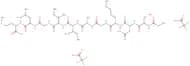


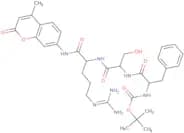
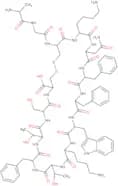



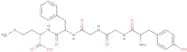




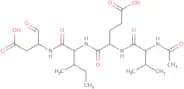


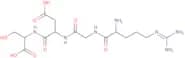











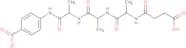

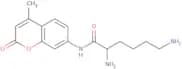
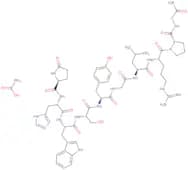


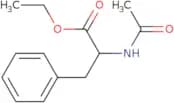



![[D-Ala2,D-Leu5]-Enkephalin](/_next/image/?url=https%3A%2Fstatic.cymitquimica.com%2Fproducts%2F3D%2Fthumb-webp%2FPEK-4115-V.webp&w=3840&q=75)

![Des-Arg9-[Leu8]-Bradykinin](/_next/image/?url=https%3A%2Fstatic.cymitquimica.com%2Fproducts%2F3D%2Fthumb-webp%2FPBK-4065.webp&w=3840&q=75)


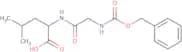


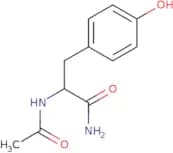




![[Pyr11]-Amyloid β-Protein (Human,11-40) (0.5 mg Vial)](/_next/image/?url=https%3A%2Fstatic.cymitquimica.com%2Fproducts%2F3D%2Fthumb-webp%2FPAB-4493-V.webp&w=3840&q=75)
![[D-Arg1,D-Trp7,9,Leu11]-Substance P](/_next/image/?url=https%3A%2Fstatic.cymitquimica.com%2Fproducts%2F3D%2Fthumb-webp%2FPSP-4173-V.webp&w=3840&q=75)
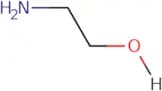
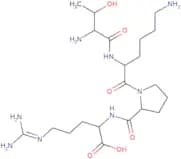



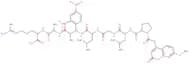


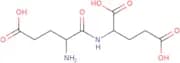


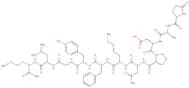


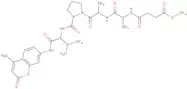


![[D-Ala2,Met5]-Enkephalin](/_next/image/?url=https%3A%2Fstatic.cymitquimica.com%2Fproducts%2F3D%2Fthumb-webp%2FPEK-4116-V.webp&w=3840&q=75)


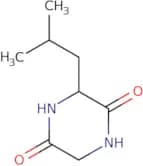

![[Met(O)12]-ANP (Human, 1-28)](/_next/image/?url=https%3A%2Fstatic.cymitquimica.com%2Fproducts%2F3D%2Fthumb-webp%2FPAF-4145-V.webp&w=3840&q=75)

![[Nle8,18,Tyr34]-Parathyroid Hormone (Human, 1-34)](/_next/image/?url=https%3A%2Fstatic.cymitquimica.com%2Fproducts%2F3D%2Fthumb-webp%2FPTH-4129-V.webp&w=3840&q=75)


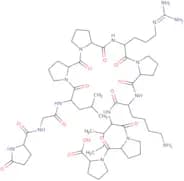
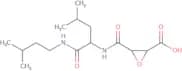
![[Asn1,Val5]-Angiotensin II](/_next/image/?url=https%3A%2Fstatic.cymitquimica.com%2Fproducts%2F3D%2Fthumb-webp%2FPAN-4036-V.webp&w=3840&q=75)

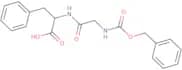
![ß-Alanyl-L-Histidine [Carnosine]](/_next/image/?url=https%3A%2Fstatic.cymitquimica.com%2Fproducts%2F3D%2Fthumb-webp%2FOAH-3085.webp&w=3840&q=75)



![[Tyr8]-Substance P (0.5 mg vial)](/_next/image/?url=https%3A%2Fstatic.cymitquimica.com%2Fproducts%2F3D%2Fthumb-webp%2FPSP-4059-V.webp&w=3840&q=75)
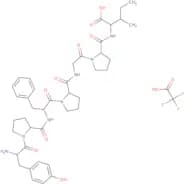





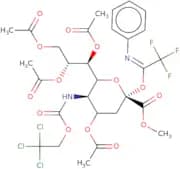


![[D-Trp8]-Somatostatin](/_next/image/?url=https%3A%2Fstatic.cymitquimica.com%2Fproducts%2F3D%2Fthumb-webp%2FPSI-4101-V.webp&w=3840&q=75)
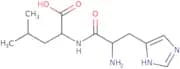


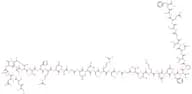







![[D-Ala2,D-Leu5]-Enkephalin](/_next/image/?url=https%3A%2Fstatic.cymitquimica.com%2Fproducts%2F3D%2Fthumb-webp%2FPEK-4115.webp&w=3840&q=75)