Peptidi
Sottocategorie di "Peptidi"
Trovati 29887 prodotti di "Peptidi"
H-YGGFMTSEKSQTPLVTLFKNAIIK^NAHKKGQ-OH
Peptide H-YGGFMTSEKSQTPLVTLFKNAIIK^NAHKKGQ-OH is a Research Peptide with significant interest within the field academic and medical research. This peptide is available for purchase at Cymit Quimica in multiple sizes and with a specification of your choice.SLC6A14 Blocking Peptide
A synthetic peptide for use as a blocking control in assays to test for specificity of SLC6A14 antibody, catalog no. 70R-6568Purezza:Min. 95%H-Glu[Cyclo(Arg-Ala-Asp-D-Phe-Lys)]2
H-Glu[Cyclo(Arg-Ala-Asp-D-Phe-Lys)]2 is a peptide macrocycle with a cyclic structure. It belongs to the group of biologically active peptides and biochemicals. The peptide macrocycle has an RGD sequence that binds to integrin receptors on cells, which are involved in cell adhesion, migration, and proliferation. This peptide can be used as an agent for cancer research or as a drug to treat cardiovascular diseases.Formula:C61H91N19O16Purezza:Min. 95%Peso molecolare:1,346.52 g/molα-1 antitrypsin fragment 235-243 [Homo sapiens]/[Papio hamadryas]/[Cercopithecus aethiops]
Custom research peptide; min purity 95%. For different specs please use the Peptide Quote Tool
Formula:C51H85N11O12SPeso molecolare:1,076.35 g/molZ-Ile-Ser-OH
CAS:Z-Ile-Ser-OH is a fine chemical that belongs to the group of useful scaffolds and versatile building blocks. It is a useful intermediate in research and as a reaction component in speciality chemicals. Z-Ile-Ser-OH has been shown to be an excellent reagent for complex compounds. This compound is used as a building block for pharmaceuticals, agrochemicals, and other chemicals. Z-Ile-Ser-OH has high quality and can be used as a research chemical or as an intermediate for other chemical syntheses.Formula:C17H24N2O6Purezza:Min. 95 Area-%Colore e forma:PowderPeso molecolare:352.38 g/mol1,2-Dimyristoyl-rac-glycerol
CAS:1,2-Dimyristoyl-rac-glycerol (1,2-DMG) is a monomolecular fatty acid that has been found to inhibit the replication of herpes simplex virus. It binds to the surface glycoprotein and inhibits the release of diacylglycerol from the lipid membrane. 1,2-DMG also inhibits the activity of acyl chain enzymes, which are necessary for the synthesis of fatty acids in trypanosomes. This inhibition prevents the growth and proliferation of lung fibroblasts and may be beneficial in treating cancer. The ionisation mass spectrum shows that 1,2-DMG has a molecular weight of 270 Da. The binding affinity between 1,2-DMG and water is 9 x 10 M at room temperature.Formula:C31H60O5Purezza:Min. 90%Colore e forma:White PowderPeso molecolare:512.81 g/molH-LCL-OH
H-LCL-OH is a custom research peptide; min purity 95%, TFA salt. For different specs please use the Peptide Quote Tool
rec IL-2 (human)
CAS:Please enquire for more information about rec IL-2 (human) including the price, delivery time and more detailed product information at the technical inquiry form on this pagePurezza:Min. 95%Ac-Asp-pNA
CAS:Ac-Asp-pNA is a carboxy, serine protease that is used as an antigen in bactericidal and antibacterial assays. It also has been shown to be effective against neutral ph organisms such as E. coli and Pseudomonas aeruginosa. Ac-Asp-pNA elutes from the column when it is inactivated under neutral ph conditions, which can be seen by the presence of reactive peaks. The protonation of Ac-Asp-pNA at high pH results in a loss of reactivity, which can be detected by the diminazene peak at low pH. This protein is activated by potassium ions and cellular proteins, which can be seen by the presence of peaks at m/z 816 and 806 respectively.Formula:C12H13N3O6Purezza:Min. 98 Area-%Colore e forma:PowderPeso molecolare:295.25 g/molFmoc4-Lys2-Lys-ß-Ala-Wang Resin (100-200 mesh) 1% DVB
Fmoc4-Lys2-Lys-ß-Ala-Wang resin is a resin that is used as an activator for the synthesis of peptides. It has been used in research to study the interactions between proteins, as well as other cell biology and pharmacology studies. The resin is also used to prepare antibodies with high purity. Fmoc4-Lys2-Lys-ß-Ala-Wang resin can be used to purify ligands and receptors, including those that are difficult to purify by conventional methods.Purezza:Min. 95%3-Mercaptopropionyl-Phe-Cha-Cha-Arg-Lys-Pro-Asn-Asp-Lys-NH2
The peptide is a synthetic peptide that has been shown to have a binding affinity for the Protease-Activated Receptor 2 (PAR2). It is a PAR2 antagonist, and has been shown to reduce blood pressure in hypertensive rats. The peptide also inhibits the activity of thrombin, which may be due to its ability to inhibit the activation of PAR1.Formula:C61H100N16O13SPurezza:Min. 95%Peso molecolare:1,297.64 g/molAc-Gly-D-Arg-Gly-Asp-Ser-Pro-Ala-Ser-Ser-Lys-(Gly)4-Ser-D-Arg-(Leu)6-D-Arg-NH2
This synthetic peptide is a hydrophobic RGD Fibronectin Peptide which enhances cell attachment and adhesion. This is due to it containing the Arg-Gly-Asp (RGD) sequence, is a highly conserved integrin recognition sequence within fibronectin. As a result it can promote the adhesion of cells to fibronectin, a protein found in the extracellular matrix and also promotes adhesin of cells to collagen and laminin. One-Letter Formula: Ac-GrGDSPASSKGGGGSrLLLLLLr-AmideFormula:C98H174N34O30Purezza:Min. 95%Peso molecolare:2,308.69 g/molH-Phe-Ile-Arg-Val-Val-Met-Tyr-Glu-Gly-Lys-Lys-OH
H-Phe-Ile-Arg-Val-Val-Met-Tyr-Glu-Gly-Lys-Lys is a biologically active peptide that has been shown to have angiogenic and cardiovascular properties. It has also been demonstrated to inhibit thrombospondin, which is a protein that promotes the formation of blood clots. This peptide is a member of the group of peptides and biochemicals, which are molecules that regulate the processes in living organisms.Formula:C64H104N16O15SPurezza:Min. 95%Peso molecolare:1,369.7 g/molH-RF^F-OH
Peptide H-RF^F-OH is a Research Peptide with significant interest within the field academic and medical research. This peptide is available for purchase at Cymit Quimica in multiple sizes and with a specification of your choice.
H3 native 6-peptide mixture
H-STQAAIDQINGK-OHH-STQAAIDQISGK-OHH-SDAPIGK-OHH-DEALNNR-OHH-EFSEVEGR-OHH-TITNDR-OHPeptide purity: >98%AAA: Concentration - Duplicate100 aliquots/pack total to equal 1nmol/peptide/vial dry aliquotsRetatrutide
CAS:GLP-1, GIP, and GCGR2 mimic; Obesity research
Formula:C221H342N46O68Purezza:Min. 99 Area-%Peso molecolare:4,731.33 g/molEpitope2-S133-A145-A
Research peptide matching Epitope2-S133-A145-AFormula:C76H114N20O23SColore e forma:PowderPeso molecolare:1,725.92 g/molH-Cit-AMC·HBr
CAS:Please enquire for more information about H-Cit-AMC·HBr including the price, delivery time and more detailed product information at the technical inquiry form on this pageFormula:C16H20N4O4·HBrPurezza:Min. 95%Colore e forma:SolidPeso molecolare:413.27 g/molInterferon-Inducible T Cell a-Chemoattractant (human)
CAS:Please enquire for more information about Interferon-Inducible T Cell a-Chemoattractant (human) including the price, delivery time and more detailed product information at the technical inquiry form on this pageFormula:C368H619N107O98S6Purezza:Min. 95%Peso molecolare:8,302.91 g/molAngiotensin
Please enquire for more information about Angiotensin including the price, delivery time and more detailed product information at the technical inquiry form on this pagePurezza:Min. 95%Z-Tyr-Ala-OH
CAS:Z-Tyr-Ala-OH is an inactivating agent that irreversibly inactivates the zymogens of porcine pancreatic proteinase. It has been shown to be a liquid chromatography and high-performance liquid chromatography substrate for the separation of peptides. Z-Tyr-Ala-OH is also catalytic, which means it can react with other substances without being changed. This chemical has been shown to irreversibly inactivate both acidic and basic proteolytic enzymes, such as pepsin and trypsin respectively. Additionally, this substance also reacts with calcium ions to form a thioether bond with cysteine residues on proteins, including those found in bacterial cell walls.Formula:C20H22N2O6Purezza:Min. 95%Colore e forma:PowderPeso molecolare:386.40 g/molSuc-Gly-Pro-Leu-Gly-Pro-AMC
CAS:Suc-Gly-Pro-Leu-Gly-Pro-AMC (SGLP) is a synthetic substrate that is hydrolyzed by proteases and has been used as a model substrate in protease studies. It has been shown to be cleaved by a number of enzymes, including chymotrypsin, trypsin, elastase, and cathepsin D. The hydrolysis products are sucrose glycolate, glycerol phosphate, leucine amino acid ester, and proline amino acid ester. SGLP has been shown to have low bioavailability in human liver cells and heart tissue. Studies have also shown that SGLP can stimulate the production of myelocytic cells in vitro. This activity may be due to its ability to act as an immunomodulator or by targeting tissue enzyme activities.
Formula:C34H44N6O10Purezza:Min. 98 Area-%Colore e forma:PowderPeso molecolare:696.75 g/molDansyl-Gly-Cys-Val-Leu-Ser-OH
CAS:Dansyl-Gly-Cys-Val-Leu-Ser-OH is an α subunit of the enzyme farnesyl diphosphate synthase. Dansyl-Gly-Cys-Val-Leu-Ser-OH is a substrate for this enzyme, which catalyzes the conversion of prenyl pyrophosphates to farnesyl pyrophosphate. The biological function of this peptide is not well understood, but it may be involved in cholesterol synthesis or cellular signaling. This peptide binds to cell membranes and has been shown to have a fluorescent property. Dansyl-Gly-Cys-Val-Leu-Ser OH can also bind to peptides and proteins, including the protein receptor for the HIV virus (CD4).
Formula:C31H46N6O9S2Purezza:Min. 95%Colore e forma:PowderPeso molecolare:710.86 g/molH-Leu-Glu-OH
CAS:24-Epibrassinolide is a synthetic molecule that has an optical rotation of +19.4° at 20°C. It is also known as H-Leu-Glu-OH and is a product of the reaction between epibatidine and L-glutamic acid. This molecule has been synthesized to study the role of 24-epibrassinolide in photosynthesis, chlorophyll synthesis, and membrane stability. The phosphate group is attached to the amino group on the n-terminal amino acid. 24-Epibrassinolide has an amino acid composition consisting of leucine, glutamate, glutamine, glycine, proline, serine, cysteine, tyrosine, asparagine, histidine and lysine. 24-Epibrassinolide was first isolated from chloroplasts using refluxing water with ammonium chloride as a solvent. This molecule can be found in nature as well.Formula:C11H20N2O5Purezza:Min. 95 Area-%Colore e forma:PowderPeso molecolare:260.29 g/molZ-Phe-Tyr-aldehyde
CAS:Z-Phe-Tyr-aldehyde is a natural compound that inhibits the activity of cathepsin, an enzyme associated with cancer and bowel disease. The compound also inhibits the expression of covid-19, which is a protein that regulates cell death. Z-Phe-Tyr-aldehyde has been shown to cause caspase-independent cell death in human leukemia cells. This compound also blocks the TLR4 receptor, which is thought to play a role in infectious diseases such as SARS and Covid-2. It has been found to inhibit protein synthesis in bacteria, which may be due to its ability to inhibit ribosomal function.Formula:C26H26N2O5Purezza:Min. 95%Peso molecolare:446.5 g/molAc-Gly-Lys-OMe acetate
CAS:Prodotto controllatoAc-Gly-Lys-OMe acetate salt is a reactive chemical compound that is used in the synthesis of peptides. This salt is synthesized by reacting glycine with lysine and formaldehyde. Ac-Gly-Lys-OMe acetate salt has been shown to have hemolytic activity and can be used as a synthetic substrate for kinetic studies. It has also been found to activate complement, which may be due to its disulfide bond formation. Ac-Gly-Lys-OMe acetate salt has been shown to inhibit fibrinogen and nitrosylation, which may result in thrombotic disorders.Formula:C11H21N3O4•C2H4O2Purezza:Min. 95%Colore e forma:PowderPeso molecolare:319.35 g/molisoDTB
IsoDTB (Isotopically labeled Desthoibiotin Azide) probes take advantage of the mass shift of stable heavy isotope labels (SHLs) to enable mass-independent chemical proteomics platform that helps to address unique challenges of the proteome characterization. In this approach a unique isotopic signature is embedded exclusively into the peptides and it serves as a computationally recognizable full-scan MS reporter. By using desthiobiotin, these probes circumvented the need to use cleavable linkers for peptide elution and thus simplifies the chemoproteomic protocol, while allowing quantification of the proteome. IsoTDB pack contains 2 mg of light (IsoDTB-L) and heave (IsoDTB) probe.Purezza:Min. 95%1-Acetyl-5-bromo-6-chloro-1H-indol-3-ol
CAS:Please enquire for more information about 1-Acetyl-5-bromo-6-chloro-1H-indol-3-ol including the price, delivery time and more detailed product information at the technical inquiry form on this pageFormula:C10H7BrClNO2Purezza:Min. 95 Area-%Colore e forma:PowderPeso molecolare:288.52 g/molZ-Val-Ala-DL-Asp-fluoromethylketone
CAS:Z-Val-Ala-DL-Asp-fluoromethylketone is a drug that is used for the treatment of cancer. It can be used in combination with other chemotherapeutic drugs, such as z-vad-fmk, to induce apoptosis in cancer cells. Z-Val-Ala-DL-Asp-fluoromethylketone also inhibits autophagy and neuronal death by inhibiting caspase activation, which prevents the release of proapoptotic proteins from mitochondria into the cytosol. This drug has been shown to have antiinflammatory effects on IL2 receptor signaling pathways and inhibits the production of proinflammatory cytokines by binding to IL2.Formula:C21H28FN3O7Purezza:Min. 95%Colore e forma:PowderPeso molecolare:453.46 g/molSubstance P acetate salt
CAS:The Substance P acetate salt is a white or off-white crystalline powder. It is soluble in ethanol and methanol, sparingly soluble in water, and insoluble in ether. The Substance P acetate salt has been widely used as a research chemical and building block for the synthesis of complex compounds. The CAS number for the substance is 137348-11-9.Formula:C63H98N18O13S·C2H4O2Purezza:Min. 95 Area-%Colore e forma:PowderPeso molecolare:1,407.68 g/molH-Pro-Arg-OH acetate salt
CAS:H-Pro-Arg-OH acetate salt is a synthetic, antioxidative molecule that has been shown to lower blood pressure in animals. It is also an effective inhibitor of the oxidation of diploid cells and has been shown to be safe for long-term use. H-Pro-Arg-OH acetate salt is used as a structural probe for studies on the binding of fibrinogen to plasminogen. This compound has also been shown to reduce protamine's ability to inhibit fibrinolysis, which may lead to improved blood clotting times.Formula:C11H21N5O3Purezza:Min. 95%Colore e forma:PowderPeso molecolare:271.32 g/molHead Activator
CAS:Head activator Pyr-Pro-Pro-Gly-Gly-Ser-Lys-Val-Ile-Leu-Phe-OH is a synthetic peptide, which is modeled after bioactive peptides found in certain biological systems. It is derived from the head activator peptides naturally occurring in organisms like hydra and is believed to play a role in neurochemical signaling pathways.The mode of action of this peptide involves the modulation of neuronal activity and proliferation through specific interactions with cellular receptors, influencing processes such as cell growth and differentiation. These interactions may contribute to neuroprotection and support neural regeneration, making it a subject of interest in neurobiological research.Given its role in cellular signaling, Head activator Pyr-Pro-Pro-Gly-Gly-Ser-Lys-Val-Ile-Leu-Phe-OH is primarily used in research contexts, especially in studies focusing on neurobiology, regenerative medicine, and the molecular mechanisms underlying neural development. Its ability to mimic certain endogenous signaling processes allows scientists to explore the regulation of neural cell behavior and the potential therapeutic applications for neurodegenerative conditions.Formula:C54H84N12O14Purezza:Min. 95%Peso molecolare:1,125.32 g/molH-Tyr-Val-Met-Gly-His-Phe-Arg-D-Trp-Asp-Arg-Phe-Gly-OH
H-Tyr-Val-Met-Gly-His-Phe-Arg-D-Trp-Asp-Arg-Phe-Gly-OH is a peptide that has been shown to bind to the melanocortin receptor. It is a selective agonist that binds to the melanocortin 2 receptor, but not the melanocortin 1 receptor. This peptide has no effect on body weight in mice, but it does cause an increase in food intake and fat mass. H-Tyr-Val-Met gly His Phe Arg D Trp Asp Arg Phe Gly OH also has been shown to be an effective analgesic for chronic pain in rats.Formula:C74H99N21O16SPurezza:Min. 95%Peso molecolare:1,570.81 g/molH-Arg-Glu(Edans)-Glu-Val-Asn-Leu-Asp-Ala-Glu-Phe-Lys(Dabcyl)-Arg-OH
H-Arg-Glu(Edans)-Glu-Val-Asn-Leu-Asp-Ala-Glu-Phe-Lys(Dabcyl)-Arg-OH is a peptide that is a substrate for the enzyme beta secretase. It has been observed to inhibit γ secretase activity in cell culture. This product can be used as an enzyme substrate or biochemicals, such as memapsin.Formula:C91H129N25O25SPurezza:Min. 95%Peso molecolare:2,005.26 g/molAc-CASPLHHISN-OH
Peptide Ac-CASPLHHISN-OH is a Research Peptide with significant interest within the field academic and medical research. This peptide is available for purchase at Cymit Quimica in multiple sizes and with a specification of your choice.
Cyclin-A2 Human Recombinant
Please enquire for more information about Cyclin-A2 Human Recombinant including the price, delivery time and more detailed product information at the technical inquiry form on this pagePurezza:>90% By Sds-Page.Cyclo(-Leu-Trp)
CAS:Cyclo(-Leu-Trp) is a sweetener that has been used in the food industry for many years. Cyclo(-Leu-Trp) is able to bind with quinine and form a complex that can be detected using analytical methods. Cyclo(-Leu-Trp) has been investigated as a ligand that may be able to bind to receptors on cancer cells, which could lead to new treatments for cancer. Cyclo(-Leu-Trp) also has amphipathic properties and can form liposomes at high concentrations. This molecule has also been studied for its ability to induce transduction of DNA into bacterial cells and cellular thermogenesis.Formula:C17H21N3O2Purezza:Min. 98 Area-%Colore e forma:PowderPeso molecolare:299.37 g/molH-Trp-Trp-Trp-OH
CAS:H-Trp-Trp-Trp-OH is a protonated tripeptide that has hydrophobic properties. It is highly soluble in water, but not in organic solvents. The protonation of the amino acid residues in H-Trp-Trp-Trp-OH has been shown to be pH dependent. This compound is synthesized by reacting an amino acid with a carboxylic acid, which gives the product a bitter taste. The synthesis of this compound also yields reaction products that are acidic and exhibit anti tumor effects. This product can be used as a prebiotic to promote the growth of beneficial bacteria in the gastrointestinal tract.
Formula:C33H32N6O4Purezza:Min. 95%Colore e forma:PowderPeso molecolare:576.65 g/molPeptide M trifluoroacetate
Please enquire for more information about Peptide M trifluoroacetate including the price, delivery time and more detailed product information at the technical inquiry form on this page
Formula:C81H141N21O31•(C2HF3O2)xPurezza:Min. 95 Area-%Colore e forma:Powder(Tyr0)-Prepro-Atrial Natriuretic Factor (104-123) (human) H-Tyr-Ser-Ser-Asp-Arg-Ser-Ala-Leu-Leu-Lys-Ser-Lys-Leu-Arg-Ala-Leu-Leu-Thr- Ala-Pro-Arg-OH
CAS:(Tyr0)-Prepro-Atrial Natriuretic Factor (104-123) (human) H-Tyr-Ser-Ser-Asp-Arg-Ser-Ala-Leu-Leu-Lys-Ser-Lys-Leu-Arg-Ala-Leu-(OH)) is a fine chemical that is used as a building block in research and as a reagent. It has been shown to be an intermediate in the synthesis of various complex organic compounds, including pharmaceuticals. This compound also has many uses in organic synthesis, including as a building block for peptides and proteins. The CAS number for this compound is 309245-24 7.Formula:C103H180N32O30Purezza:Min. 95%Colore e forma:White PowderPeso molecolare:2,346.73 g/molZ-Val-Val-OH trifluoroacetic acid
CAS:Z-Val-Val-OH trifluoroacetic acid is a gelator that belongs to the group of amides. It has long chain and intermolecular hydrogen bonding and can be used in the treatment of bacterial infections. Z-Val-Val-OH trifluoroacetic acid has been shown to have thermodynamic parameters for liquids that are more favorable than those for gels, which may account for its ability to form a gel at room temperature. This compound is not electron-micrographable in the solid state but can be tracked by electron microscopy when in solution.Formula:C18H26N2O5•C2HF3O2Purezza:Min. 95%Colore e forma:PowderPeso molecolare:464.43 g/mol3-O-Hexadecyl-sn-glycerol
CAS:3-O-Hexadecyl-sn glycerol (3OHG) is a neutral, high molecular weight glycol ether that is used for the preparation of zirconium oxide. 3OHG has been shown to be a substrate for carbohydrate chemistry and as an inhibitor of enzymes, such as hexokinase and phosphoglycerate kinase. 3OHG has minimal toxicity when administered orally to rats and does not cause any hemolysis in human erythrocytes. This compound is also a monoclonal antibody that binds to the surface glycoprotein on the HL-60 cell line and inhibits its growth. 3OHG is not cytotoxic at concentrations up to 10 mM in cultured cells, but it can induce Ca2+ release from the cytosol in HL-60 cells with minimal toxicity. The structure of 3OHG appears closely related to benzalkonium chloride (BAC).Formula:C19H40O3Purezza:Min. 95%Peso molecolare:316.52 g/molHippuryl-Arg-OH
CAS:Hippuryl-arginine is a peptide hormone that is released by the hypothalamus and stimulates the pituitary gland to release other hormones. It has been shown to increase chemotactic activity in human serum, although it has no effect on carboxypeptidase or soybean trypsin activity. Hippuryl-arginine binds with basic proteins, such as albumin and immunoglobulins, and increases their enzymatic activities. This hormone also inhibits enzymes such as carboxy terminal phosphatases and aminopeptidases that are responsible for degrading amino acids. Activation of hippuryl-arginine may be due to its carboxy terminal group, which is susceptible to cleavage by proteolytic enzymes.Formula:C15H21N5O4Purezza:(%) Min. 97%Colore e forma:PowderPeso molecolare:335.36 g/molDabcyl-Lys-Thr-Ser-Ala-Val-Leu-Gln-Ser-Gly-Phe-Arg-Lys-Met-Glu(Edans)-NH2
This substrate contains the nsp4/nsp5 cleavage sequence, GVLQ↓SG19, and works as a generic peptide substrate for several coronavirus. The main protease (Mpro), also called endopeptidase C30 or 3C-like proteinase (3CLpro), controls viral replication activities, and is a prime therapeutical target. It also contains SARS-CoV2 Replicase pp1ab (3235-3246). It can be used as a Fluorogenic Substrate for SARS-CoV/SARS-CoV-2 Main Protease (Mpro) and is avaiable in as a Trifluoroacetate Salt.Purezza:Min. 95%α-2-Gliadin (57-89)
Alpha-2-Gliadin (57-89) is a peptide with an antigenic function. It is part of a larger protein that can be found in wheat and other cereal grains, such as barley and rye. Alpha-2-Gliadin (57-89) has been shown to be biologically active in celiac disease patients.Formula:C190H273N43O47Purezza:Min. 95%Peso molecolare:3,911.55 g/molOvalbumin (257-264) (chicken) acetate salt
CAS:Ovalbumin (257-264) is an acetate salt of a fragment of the protein ovalbumin.Formula:C45H74N10O13Purezza:Min. 95%Colore e forma:SolidPeso molecolare:963.13 g/molLys18[(AEEA)2-5-FITC]-Hepcidin (Human)
Lys18[(AEEA)2-5-FITC]-Hepcidin (Human) is a FITC-Labeled Hepcidin for cell detection by flow cytometry and by fluorescent or confocal microscopy. Human Hepcidiin is a peptide hormone that is produced by the liver and is heavily involved in iron homeostasis through binding to and preventing ferroportin from exporting iron. Hepcidin has also demonstrated its capabilites as an anti-microbial peptide, preventing the amount of iron available to invading pathogens. This product consists of the following disulfide Bonds: Cys7-Cys23, Cys10-Cys13, Cys11-Cys19, and Cys14- Cys22 One-Letter Formula: DTHFPICIFCCGCCHRSK(AEEA-AEEA-5-FITC)-CGMCCKTFormula:C146H203N37O42S10Purezza:Min. 95%Peso molecolare:3,469.11 g/molH-Asp(2-ClTrt-Resin)-OtBu (α Ester)
H-Asp(2-ClTrt-Resin)-OtBu (α Ester) is a building block that is used in peptide synthesis. It can be resubstituted with the amino acid, aspartic acid, and used in the formation of peptides. This resin is insoluble in water and soluble in dichloromethane and dimethylformamide. The H-Asp(2-ClTrt-Resin)-OtBu (α Ester) can also be used to form disulfides or thioethers.Purezza:Min. 95%IL 6 Mouse
IL-6 Mouse is a recombinant protein that belongs to the cytokine family. It has been shown to activate IL-6 receptor. This receptor is a member of the GPCR family and possesses seven transmembrane domains with a large extracellular loop between TM2 and TM3. The extracellular domain contains binding sites for two different classes of ligands, including peptides and proteins. IL-6 Mouse is an antibody against IL-6 receptor that can be used as a research tool in pharmacology, protein interactions, cell biology, or immunology. IL-6 Mouse is produced by high purity process and it contains no detectable levels of endotoxin or pyrogens.Purezza:>96% By Sds-Page And Rp-Hplc.Fmoc-Gly-Arg(Pbf)-OH
Fmoc-Gly-Arg(Pbf)-OH is a dipeptide building block that can be used in the synthesis of peptides. It is an analogue of Gly-Pro and Arg(Pbf)-OH, which are also dipeptide building blocks. The properties of Fmoc-Gly-Arg(Pbf)-OH make it suitable for peptide synthesis through solid phase chemistry. Dipeptides are important tools for the synthesis of peptides, as they are easy to handle and modify. They are also used as building blocks for constructing more complex molecules such as proteins or nucleic acids.Formula:C36H43N5O8SPurezza:Min. 95%Peso molecolare:705.84 g/molTylotoin
Tylotoin is a peptide that has been shown to have a proliferative effect on endothelial cells. It also acts as an inhibitor of cell proliferation in keratinocytes and fibroblasts, without affecting the proliferation of other cell types. Tylotoin is structurally similar to the disulfide-rich peptides from the salamander Tylototriton verrucosus, which are known for their wound healing properties. The proliferative effects of tylotoin are thought to be due to its ability to inhibit the proteolytic enzymes that degrade extracellular matrix proteins in endothelial cells.Formula:C59H108N24O16S2Purezza:Min. 95%Peso molecolare:1,473.8 g/molPurotoxin-1
CAS:Purotoxin-1 is a peptide that belongs to the group of activators. It is an inhibitor of potassium channels which are involved in the regulation of excitability and repolarization of cells. Purotoxin-1 has been shown to block the binding of calcium ions to the N-type voltage-gated calcium channels, leading to decreased intracellular calcium levels and reduced neurotransmitter release. Purotoxin-1 has been shown to inhibit tumor growth in vivo, which may be due to its ability to inhibit protein interactions with cell surface receptors.Formula:C155H248N50O48S8Purezza:Min. 95%Peso molecolare:3,836.5 g/molAbz-Ser-Pro-Tyr(NO2)-OH
Abz-Ser-Pro-Tyr(NO2)-OH is a peptide that has been shown to be an angiotensin I converting enzyme II (ACE) substrate and an inhibitor of ACE. It also inhibits the release of renin from the juxtaglomerular apparatus, which is needed for the production of angiotensin II. This peptide is used in biochemical research and as a standard for measuring enzymatic activity.Formula:C24H27N5O9Purezza:Min. 95%Peso molecolare:529.51 g/molFmoc-Asp(OtBu)-Rink-Amide MBHA Resin
Fmoc-Asp(OtBu)-Rink-Amide MBHA Resin is a building block for peptides. It is an acid labile resin that can be cleaved with TFA to provide amine-protected dipeptides and tripeptides. This product is used as a building block for peptide synthesis.
Purezza:Min. 95%Fmoc-Met-Wang Resin (100-200 mesh) 1% DVB
Fmoc-Met-Wang Resin (100-200 mesh) 1% DVB is a resin that has been synthesized by the Fmoc group. The resin is used to attach peptides, proteins and other organic molecules to a solid support for use in research. The resin is also an activator of ligands and can be used as a receptor for the binding of antibodies. The resin has high purity and is made from methacrylate polymer. It contains no detectable levels of hydroquinone and 4-Vinylpyridine. Fmoc-Met-Wang Resin (100-200 mesh) 1% DVB can be used as a research tool in cell biology, immunology, pharmacology, protein interactions, receptor binding, ion channel activation and more. CAS No.: 58897-27-6Purezza:Min. 95%Ac-His-D-Phe(p-Iodo)-Arg-Trp-NH2
Ac-His-D-Phe(p-Iodo)-Arg-Trp-NH2 is a peptide that binds to the melanocortin receptor. It is a potent antagonist of MSH and related peptides and has been shown to be effective in the treatment of cancer, including melanoma.
Formula:C34H42N11O5IPurezza:Min. 95%Peso molecolare:811.69 g/molH-Asp-[Pen-Phe-Trp-Lys-Tyr-Cys]-Val-OH
H-Asp-[Pen-Phe-Trp-Lys-Tyr-Cys]-Val-OH is a peptide that belongs to the class of biochemicals. It is a disulfide-rich peptide that is found in the brain, and has been shown to increase blood flow and activate the hypothalamic pituitary adrenal axis in animals. Urotensin II and related peptides are also found in the brain, but have not been shown to have any effect on blood flow or hormone levels.Formula:C52H68N10O12S2Purezza:Min. 95%Peso molecolare:1,089.31 g/molFmoc-Asn(Trt)-Rink-Amide MBHA Resin
Fmoc-Asn(Trt)-Rink-Amide MBHA Resin is an ion channel blocker and a research tool that can be used to study the effects of peptides and other small molecules on ion channels. It is a high purity resin with a CAS number of 47794-33-4. The Fmoc-Asn(Trt)-Rink-Amide MBHA Resin is an inhibitor of the Ca2+ channel and the K+ channel and it can be used in pharmacology, cell biology, and immunology research.Purezza:Min. 95%1-Myristoyl-rac-glycerol
CAS:1-Myristoyl-rac-glycerol is a fatty acid with a hydroxyl group and an antimicrobial effect. It has been shown to have clinical properties and is used in pharmaceutical preparations as an antimicrobial agent. 1-Myristoyl-rac-glycerol has been found to be active against gram negative bacteria such as E. coli, Pseudomonas aeruginosa, and Klebsiella pneumoniae, while being inactive against gram positive bacteria such as Staphylococcus aureus or Bacillus subtilis. The antimicrobial activity of this compound is due to its ability to disrupt the integrity of bacterial cell membranes by acting on lipid synthesis. 1-Myristoyl-rac-glycerol also has hemolytic activity and can cause death in fungi and yeast cells. 1-Myristoyl-rac-glycerol is not metabolized by humans but may be metabolized by microbes such as CandidaFormula:C17H34O4Purezza:Min. 95%Colore e forma:PowderPeso molecolare:302.45 g/molH-Ser-Leu-Ile-Gly-Arg-NH2
Hypertension is a condition that affects the heart and blood vessels. It is caused by a number of factors, including increased blood pressure, high levels of cholesterol, diabetes, and genetics. Hypertension can lead to stroke, kidney disease, heart failure, or death. This drug was designed to target hypertension by activating protease-activated receptor (PAR) peptides in the body. PAR peptides are found in many tissues throughout the body and are involved in inflammation and coagulation. PAR2 has been shown to be involved in cardiovascular diseases such as atherosclerosis and coronary artery disease. The drug was designed for use as an oral treatment for hypertension and related conditions.Formula:C23H45N9O6Purezza:Min. 95%Peso molecolare:543.67 g/molH-Ala-Phe-Lys-AMC trifluoroacetate salt
CAS:H-Ala-Phe-Lys-AMC trifluoroacetate salt is a chemical compound that can be used as an intermediate in the synthesis of peptides, peptidomimetics, and other organic compounds. This reagent is a high quality, versatile building block that can be used in the synthesis of complex compounds. H-Ala-Phe-Lys-AMC trifluoroacetate salt is a fine chemical that has been assigned CAS No. 120928-02-1. It is a useful scaffold for the synthesis of novel compounds with potential pharmaceutical value.
Formula:C28H35N5O5•C2HF3O2Purezza:Min. 95 Area-%Colore e forma:PowderPeso molecolare:635.63 g/molMca-Ala-Pro-Lys(Dnp)-OH trifluoroacetate salt
CAS:Mca-Ala-Pro-Lys(Dnp)-OH trifluoroacetate salt is a high quality, versatile, and speciality chemical that is used as an intermediate in the synthesis of complex compounds. Mca-Ala-Pro-Lys(Dnp)-OH trifluoroacetate salt is also a useful scaffold for building block molecules and a versatile building block for peptide synthesis. This compound can be utilized in the manufacture of research chemicals and speciality chemicals.Purezza:Min. 98 Area-%Colore e forma:PowderPeso molecolare:696.66 g/molGO-CoA-Tat (Rat, Mouse)
GO-CoA-Tat is a cell-penetrating peptide that inhibits ghrelin O-acyltransferase, a key enzyme in the production of ghrelin. GO-CoA-Tat has been shown to reduce body weight and improve glucose tolerance in animal models of obesity. It has also been shown to be an effective inhibitor of cell proliferation.Formula:C146H245N54O47P3SPurezza:Min. 95%Peso molecolare:3,633.92 g/molH-Nle-2-ClTrt-Resin (200-400 mesh) 1% DVB
H-Nle-2-ClTrt-Resin (200-400 mesh) 1% DVB is a resin that is used as a building block for peptide synthesis. It is an alcohol resin that contains amines, thiols, and alcohols. This resin has been shown to be useful in the synthesis of peptides and proteins.Purezza:Min. 95%H-D-Glu(Gly-OH)-OH
CAS:H-D-Glu(Gly-OH)-OH is a peptide that is used to study the mechanism of glutamate receptors. It has been shown to have an excitatory effect on mouse hippocampal and cerebellar purkinje neurons, with affinity values for membrane channels. It also has been shown to reduce gamma-aminobutyric acid (GABA) levels in the hippocampus and striatum, which may be due to its ability to inhibit glutamic acid decarboxylase. H-D-Glu(Gly-OH)-OH is a potent antagonist of glutamate, binding competitively at the glutamate site on ionotropic receptors. It also inhibits acidic pH and calcium ion concentrations, which are necessary for ionotropic receptor activation.Formula:C7H12N2O5Purezza:Min. 98 Area-%Colore e forma:White PowderPeso molecolare:204.18 g/molSIVmac239 - 93
Custom research peptide; min purity 95%. For different specs please use the Peptide Quote ToolPeso molecolare:1,522.8 g/molMOCAc-Pro-Cha-Gly-Nva-His-Ala-Dap(Dnp)-NH2
MOCAc-Pro-Cha-Gly-Nva-His-Ala-Dap(Dnp)-NH2 is a peptide that inhibits the activity of various proteases, including collagenase, MMPs and stromelysin. It has been shown to inhibit cancer cells in vitro and to reduce tumor growth in vivo. MOCAc-Pro-Cha-Gly-Nva-His-Ala-Dap(Dnp)-NH2 may be useful for the treatment of angiogenesis and metastasis, which are hallmarks of cancer. MOCAc is an inhibitor of matrix metalloproteinases (MMPs), which are enzymes that break down the extracellular matrix and basement membrane during tissue remodeling. MOCAc inhibits both type I (collagenases) and type II (gelatinases) collagenase activity, as well as other proteolytic activities such as stromelysin or elastFormula:C51H65N8O13Purezza:Min. 95%Peso molecolare:1,100.16 g/molH-Ser(tBu)-2-ClTrt-Resin (100-200 mesh) 1% DVB
H-Ser(tBu)-2-ClTrt-Resin (100-200 mesh) 1% DVB is a resin that is designed for the synthesis of peptides. It can be used as a building block and has been shown to react with thiols, alcohols, amines, and other building blocks.Purezza:Min. 95%Fmoc-Glu(OtBu)-Rink-Amide MBHA Resin
Fmoc-Glu(OtBu)-Rink-Amide MBHA Resin is a high purity, ion channel ligand that is used in research as a pharmacological tool. It is an activator of Kv1.3 channels and inhibits the function of Kv1.2 channels. This product can be used for the study of protein interactions and receptor pharmacology. Fmoc-Glu(OtBu)-Rink-Amide MBHA Resin also has been found to inhibit the binding of antibodies to cells and can be used for immunoprecipitation experiments. This product has CAS number 188476-46-4 and is available in 1 g and 5 g sizes.Purezza:Min. 95%Fmoc-β-(7-methoxy-coumarin-4-yl)-Ala-OH
CAS:Fmoc-b-(7-methoxy-coumarin-4-yl)-Ala-OH is a reagent with the CAS No. 524698-40-6, which is used in organic synthesis. It is a versatile building block and useful intermediate that can be used to synthesize other organic compounds. Fmoc-b-(7-methoxy-coumarin-4-yl)-Ala-OH is also used as a reaction component in the synthesis of peptides and proteins, as well as in the preparation of polymers. It has been shown to be an effective building block for complex compounds.Formula:C28H23NO7Purezza:Min. 95%Colore e forma:PowderPeso molecolare:485.48 g/mol2-Furoyl-LIGRLO-amide trifluoroacetate salt
CAS:Potent agonist of proteinase-activated receptor-2 (PAR2)Formula:C36H63N11O8Colore e forma:PowderPeso molecolare:777.96 g/molMelittin [Cy5]
Melittin is a 26-residue cationic, haemolytic peptide isolated from honeybee venom. Melittin lowers the surface tension at the plasma membrane and causes cell lysis. It also exhibits potent anti-inflammatory and antimicrobial activity. Melittin has been extensively used as a model peptide for observing membrane lipid-protein interaction. In Melittin [Cy5] the fluorophore Cy5, a member of the Cy-Dye fluorescent molecule group which are most commonly used in DNA-related applications is added to the melittin peptide.Colore e forma:PowderPeso molecolare:3,712 g/molTregitope 289
T regulatory cell epitopes (Tregitopes) are a set of natural T cell epitopes derived from immunoglobulin G. These peptides are Treg-activating and show some promise in prophylactic and therapeutic studies in type 1 diabetes mellitus: which is associated with effector T cell (Teff) destruction of insulin-producing pancreatic β-islet cells. In non-diabetics, self-reactive T cells are deleted during thymic development, rendered anergic, or converted into natural regulatory T cells (Tregs) that suppress autoimmune responses.Tregitopes are processed and presented by MHC class II molecules. They can suppress effector T cell responses, and up-regulate Treg-associated cytokines and chemokines. Tregitopes help stimulate 'antigen-specific adaptive tolerance induction' (ASATI) to modulate antigen-specific transplant rejection and to reduce immune responses to allergens in vitro and in vivo.Peso molecolare:2,564.3 g/molBiotin-Desmoglein-3 DSG3 (50-79)
Desmoglein-3 DSG3 (50-79) is derived from the pemphigus vulgaris antigen DSG3 and is involved in cell-cell adhesion. It can exist as non-junctional and junctional and is one of the desmosomal cadherins. Within the epithelial cells non-junctional DSG3 takes part in E-cadherin signalling.The overexpression of DSG3 has been observed in squamous cell carcinoma and can be used as a biomarker for cervical sentinel lymph nodes. DSG3 in tumours is considered as being pro-metastatic through DSG3 ability to activate AP-1 and the PKC/Ezrin pathway.Biotin (B7) has been added to the N-terminus.Colore e forma:PowderPeso molecolare:3,705.9 g/molPTD-p65-P1 Peptide
The nuclear transcription factor NF-kappaB up regulates gene expression during inflammation and has critical roles in carcinogenesis, anti-apoptosis, invasion, and metastasis. This has led to the search for specific inhibitors of NF-kappaB to help study NF-kappaB for possible treatments for inflammatory diseases and cancer in the future.NF-kappaB is held in an inactive state in the cytoplasm as a heterodimer containing a p65 subunit. Signalling leads to revealing of a hidden nuclear localisation sequence within p65, phosphorylation of p65, and translocation to the nucleus. p65 binds to DNA and ultimately transcription of specific genes. Therefore, finding an inhibitor of the nuclear localisation sequence and phosphorylation of the p65 subunit is an attractive target.A peptide named PTD-p65-P1 was generated from the p65 DNA binding domain mimicking the phosphorylated state, attached to a membrane-translocating peptide sequence generated from antennapedia (PTD). PTD-p65-P1 has been shown to inhibit NF-kappaB binding to DNA in a dose dependent manner. This activity was also known to be specific for NF-kappaB inhibition. The inhibition of NF-kappaB activity by PTD p65-P1 was shown to be effective against a range of stimuli including cigarette smoke, interleukin 1 and hydrogen peroxide which suggests the inhibitor acts on a common step against these stimuli. The presence of PTD p65-P1 inhibits the cytoplasmic p65 subunit phosphorylation or translocation. The reporter genes tested for NF-kappaB activity showed down regulation of gene expression in the presence of PTD-p65-P1 peptide. The evidence is compelling that this peptide could be a suitable model for a selective specific inhibitor of NF-kappaB activity for therapeutic use in the future.
Colore e forma:PowderPeso molecolare:3,827.1 g/molNeuropeptide Y (3-36) Human,Rat
Neuropeptide Y (NPY) is a peptide involved in the gut-brain axis. Neurons express it in both the brain and the gut. However, expression is significantly increased upon nerve injury. NPY is the most abundant neuropeptide within the brain and is expressed by many neuronal systems, and several important pathways utilising NPY as a neurotransmitter have been identified. Mammalian NPY acts as a vasoconstrictor by affecting blood pressure around peripheral nerves, while it also acts on food intake and emotional regulation.The primary receptor subtypes on which NPY acts in the brain are the Y1 and Y2 receptors but also include Y4, Y5 and y6 (a human pseudogene). Y1 and Y2 increase blood pressure, Y1 and Y5 increase food intake, and Y2 and Y4 decrease food intake.NPY has been linked to psychiatric disorders such as anxiety and depression. Low levels of NPY have been observed in patients with major depressive disorder. Rodent models are used to understand better NPY and its receptors' role in emotional regulation.Peso molecolare:4,271.69 g/molKisspeptin 14 human
The biologically active C-terminal region of Kisspeptin. Kisspeptin, is cleaved from a 145 amino acid precursor to a 54 amino acid peptide in humans and a 52 amino acid peptide in mice. Smaller isoforms of 14, 13 and 10 amino acids have also been isolated in humans, each sharing the common C-terminal sequence. Kisspeptin-14 (KP-14) has equivalent receptor binding efficiency and potency to full length Kisspeptin.Kisspeptin, a product of the KISS1 gene, is a hypothalamic neuropeptide that stimulates gonadotropin-releasing hormone (GNRH) neurons and drives fertility. When energy balance is severely altered (either negatively or positively), Kiss1 expression and fertility are compromised. Kisspeptin neurons are responsible for the transmission of key homeostatic information to GNRH neurons, which is likely to mediate the link between energy balance and fertility. Leptin, ghrelin, pro-opiomelanocortin (POMC), and neuropeptide Y (NPY) have been suggested as modulators of this process.Kisspeptin binds specifically to the G-protein-coupled receptor-54, now known as Kiss1r, which is expressed in almost all GNRH neurons. Kisspeptin plays an essential role in reproduction, and Kiss1r mutations have been isolated in cases of defects in sexual development. Kiss1r is also expressed in other areas of the brain and periphery, highlighting other possible roles for kisspeptin outside of reproduction. Due to kisspeptins importance in reproduction it is synthesized in excess to ensure reproductive success.Colore e forma:PowderPeso molecolare:1,740.8 g/molH-CYPYDVPDYASLRSL-OH
Peptide H-CYPYDVPDYASLRSL-OH is a Research Peptide with significant interest within the field academic and medical research. This peptide is available for purchase at Cymit Quimica in multiple sizes and with a specification of your choice.
Formula:C80H114N18O24SPeso molecolare:1,761.95 g/molEKSQDGGR
Peptide EKSQDGGR is a Research Peptide with significant interest within the field academic and medical research. This peptide is available for purchase at Cymit Quimica in multiple sizes and with a specification of your choice.Formula:C33H55N13O14Peso molecolare:875.88 g/molH-GTCACTC-OH
Peptide H-GTCACTC-OH is a Research Peptide with significant interest within the field academic and medical research. This peptide is available for purchase at Cymit Quimica in multiple sizes and with a specification of your choice.
Formula:C22H37N7O9S3Peso molecolare:657.78 g/molH-LEKPAKYDDIK-OH
Peptide H-LEKPAKYDDIK-OH is a Research Peptide with significant interest within the field academic and medical research. This peptide is available for purchase at Cymit Quimica in multiple sizes and with a specification of your choice.Formula:C60H96N14O18Peso molecolare:1,319.5 g/molH-QELGKYEQYIKWPWY-OH TFA salt
Peptide H-QELGKYEQYIKWPWY-OH is a Research Peptide with significant interest within the field academic and medical research. This peptide is available for purchase at Cymit Quimica in multiple sizes and with a specification of your choice.Formula:C100H133N21O24Peso molecolare:2,031.27 g/molH-IPFAMQMAY-OH
Peptide H-IPFAMQMAY-OH is a Research Peptide with significant interest within the field academic and medical research. This peptide is available for purchase at Cymit Quimica in multiple sizes and with a specification of your choice.Formula:C50H72N10O11S2Peso molecolare:1,071.31 g/molBLf tryptic digestion peptide
BLf tryptic digestion peptide is a Research Peptide with significant interest within the field academic and medical research. This peptide is available for purchase at Cymit Quimica in multiple sizes and with a specification of your choice.Formula:C35H57N7O9Peso molecolare:737.88 g/molH-GLLSKSLVF-OH
Peptide H-GLLSKSLVF-OH is a Research Peptide with significant interest within the field academic and medical research. This peptide is available for purchase at Cymit Quimica in multiple sizes and with a specification of your choice.Formula:C46H76N10O11Peso molecolare:963.17 g/molH-GVLTESNKK-OH
Peptide H-GVLTESNKK-OH is a Research Peptide with significant interest within the field academic and medical research. This peptide is available for purchase at Cymit Quimica in multiple sizes and with a specification of your choice.Formula:C41H72N12O14Peso molecolare:975.1 g/molH-PGPSDTPILPQ-OH TFA salt
Peptide H-PGPSDTPILPQ-OH is a Research Peptide with significant interest within the field academic and medical research. This peptide is available for purchase at Cymit Quimica in multiple sizes and with a specification of your choice.Formula:C50H78N12O16Peso molecolare:1,121.24 g/molH-FADLSEAANR-OH
Peptide H-FADLSEAANR-OH is a Research Peptide with significant interest within the field academic and medical research. This peptide is available for purchase at Cymit Quimica in multiple sizes and with a specification of your choice.Formula:C46H70N14O16Peso molecolare:1,093.15 g/molFibrin knob B mimic peptide
Fibrin knob B mimic peptide is a Research Peptide with significant interest within the field academic and medical research. This peptide is available for purchase at Cymit Quimica in multiple sizes and with a specification of your choice.Formula:C41H62N14O9Peso molecolare:913.03 g/molΒ-sheet peptide monomer
Β-sheet peptide monomer is a synthetic β-sheet forming peptides show promise as anti-microbials. This peptide is available for purchase at Cymit Quimica in multiple sizes and with a specification of your choice.Formula:C34H44N10O4Peso molecolare:674.79 g/molH-AGIGILTV-OH
Peptide H-AGIGILTV-OH is a Research Peptide with significant interest within the field academic and medical research. This peptide is available for purchase at Cymit Quimica in multiple sizes and with a specification of your choice.Formula:C34H60N8O9Peso molecolare:742.9 g/molH-RGFFYTPM-OH TFA salt
Peptide H-RGFFYTPM-OH is a Research Peptide with significant interest within the field academic and medical research. This peptide is available for purchase at Cymit Quimica in multiple sizes and with a specification of your choice.Formula:C49H65N11O10SPeso molecolare:1,018.19 g/molH-SLGGLLTMV-OH
Peptide H-SLGGLLTMV-OH is a Research Peptide with significant interest within the field academic and medical research. This peptide is available for purchase at Cymit Quimica in multiple sizes and with a specification of your choice.Formula:C39H69N9O11SPeso molecolare:890.1 g/molH-LQPRTFLL-OH
Peptide H-LQPRTFLL-OH is a Research Peptide with significant interest within the field academic and medical research. This peptide is available for purchase at Cymit Quimica in multiple sizes and with a specification of your choice.Formula:C47H76N12O10Peso molecolare:987.2 g/molH-STRDPLSKI-OH
Peptide H-STRDPLSKI-OH is a Research Peptide with significant interest within the field academic and medical research. This peptide is available for purchase at Cymit Quimica in multiple sizes and with a specification of your choice.
Formula:C43H75N13O14Peso molecolare:1,016.15 g/molH-MVAGMLGLR-OH TFA salt
Peptide H-MVAGMLGLR-OH is a Research Peptide with significant interest within the field academic and medical research. This peptide is available for purchase at Cymit Quimica in multiple sizes and with a specification of your choice.Formula:C40H72N12O9S2Peso molecolare:947.22 g/molH-KKKKKKKKKKKKKKKK-OH
Peptide H-KKKKKKKKKKKKKKKK-OH is a Research Peptide with significant interest within the field academic and medical research. This peptide is available for purchase at Cymit Quimica in multiple sizes and with a specification of your choice.Formula:C96H192N32O16Peso molecolare:2,068.77 g/molParathyroid Hormone (PTH) (4-34), human
Custom research peptide; min purity 95%. For different specs please use the Peptide Quote ToolFormula:C170H272N52O46S2Peso molecolare:3,844.43 g/molH-RLTDQSRWSW-OH
Peptide H-RLTDQSRWSW-OH is a Research Peptide with significant interest within the field academic and medical research. This peptide is available for purchase at Cymit Quimica in multiple sizes and with a specification of your choice.
Formula:C59H85N19O16Peso molecolare:1,334.44 g/molbeta-Amyloid (1-12) Human
Amyloid β-peptide (Aβ) has been identified as the key subunit of the extracellular plaques found in the brains of patients with Alzheimer's disease (AD) and Down's syndrome (DS). Aβ has therefore been extensively studied as a potential target for treatment of AD. Aβ is formed from the cleavage of the large, transmembrane protein- APP (amyloid precursor protein). Cleavage of APP by β- and then γ-secretases results in the formation of Aβ. Aβ can aggregate to produce amyloid-β oligomers, which are thought to be highly neurotoxic. Over time Aβ can further aggregate to produce the characteristic senile plaques present in AD and DS. Aβ can be degraded by enzymes such as neprilysin, insulin degrading enzyme or endothelin converting enzyme. At physiological levels Aβ may be involved in controlling synaptic activity and neuronal survival.
Peso molecolare:1,424.43 g/molH-TGREIVDLMCHATFT-OH
Peptide H-TGREIVDLMCHATFT-OH is a Research Peptide with significant interest within the field academic and medical research. This peptide is available for purchase at Cymit Quimica in multiple sizes and with a specification of your choice.Formula:C72H114N20O22S2Peso molecolare:1,693.94 g/molH-LLGAEEK-OH
Peptide H-LLGAEEK-OH is a Research Peptide with significant interest within the field academic and medical research. This peptide is available for purchase at Cymit Quimica in multiple sizes and with a specification of your choice.Formula:C33H56N8O11Peso molecolare:758.86 g/molPTHrP-specific tryptic peptide
Peptide H-YLTQETNK-OH is a Research Peptide with significant interest within the field academic and medical research. This peptide is available for purchase at Cymit Quimica in multiple sizes and with a specification of your choice.Formula:C43H67N11O15Peso molecolare:996.07 g/molH-NSLYLQMNSLR-OH TFA salt
Peptide H-NSLYLQMNSLR-OH is a Research Peptide with significant interest within the field academic and medical research. This peptide is available for purchase at Cymit Quimica in multiple sizes and with a specification of your choice.Formula:C57H93N17O17SPeso molecolare:1,338.53 g/molH-KLAELFTSW-OH TFA salt
Peptide H-KLAELFTSW-OH is a Research Peptide with significant interest within the field academic and medical research. This peptide is available for purchase at Cymit Quimica in multiple sizes and with a specification of your choice.Formula:C53H77N11O13Peso molecolare:1,094.26 g/molH-RVDPVNF-OH TFA salt
Peptide H-RVDPVNF-OH is a Research Peptide with significant interest within the field academic and medical research. This peptide is available for purchase at Cymit Quimica in multiple sizes and with a specification of your choice.Formula:C38H57N11O10Peso molecolare:845.94 g/molH-HLIPAANTGESK-OH TFA salt
Peptide H-HLIPAANTGESK-OH is a Research Peptide with significant interest within the field academic and medical research. This peptide is available for purchase at Cymit Quimica in multiple sizes and with a specification of your choice.Formula:C53H86N16O17Peso molecolare:1,237.36 g/molH-LFDLVDGFAESTK-OH
Peptide H-LFDLVDGFAESTK-OH is a Research Peptide with significant interest within the field academic and medical research. This peptide is available for purchase at Cymit Quimica in multiple sizes and with a specification of your choice.
Formula:C66H98N14O21Peso molecolare:1,441.58 g/molH-TELLPGDR-OH
Peptide H-TELLPGDR-OH is a Research Peptide with significant interest within the field academic and medical research. This peptide is available for purchase at Cymit Quimica in multiple sizes and with a specification of your choice.Formula:C38H63N11O13Peso molecolare:899.99 g/molH-LLAHAFPPG-OH
Peptide H-LLAHAFPPG-OH is a Research Peptide with significant interest within the field academic and medical research. This peptide is available for purchase at Cymit Quimica in multiple sizes and with a specification of your choice.
Formula:C45H65N11O9Peso molecolare:922.08 g/molH-HAAAAA-OH
Peptide H-HAAAAA-OH is a Research Peptide with significant interest within the field academic and medical research. This peptide is available for purchase at Cymit Quimica in multiple sizes and with a specification of your choice.Formula:C21H32N8O6Peso molecolare:510.54 g/molH-LPPLLTDEM-OH
Peptide H-LPPLLTDEM-OH is a Research Peptide with significant interest within the field academic and medical research. This peptide is available for purchase at Cymit Quimica in multiple sizes and with a specification of your choice.Formula:C46H75N9O14SPeso molecolare:1,028.22 g/molH-SCDTPPPCPR-OH TFA salt
Peptide H-SCDTPPPCPR-OH is a Research Peptide with significant interest within the field academic and medical research. This peptide is available for purchase at Cymit Quimica in multiple sizes and with a specification of your choice.Formula:C43H67N13O14S2Peso molecolare:1,072.22 g/molΒ-sheet amyloid aggregate peptide
Β-sheet amyloid aggregate peptide is a short peptide that has been shown to form β-sheet amyloid aggregates in vitro. Proteins that contain such sequences are likely to be problematic for a cell, due to their potential to aggregate into toxic structures. This peptide is available for purchase at Cymit Quimica in multiple sizes and with a specification of your choice.
Formula:C43H76N14O13Peso molecolare:1,015.16 g/molH-LQEEDAGEYGCMVDGAR-NH2 TFA salt
Peptide H-LQEEDAGEYGCMVDGAR-NH2 is a Research Peptide with significant interest within the field academic and medical research. This peptide is available for purchase at Cymit Quimica in multiple sizes and with a specification of your choice.Formula:C74H113N21O29S2Peso molecolare:1,842.96 g/molH-REPLACE-OH
Peptide H-REPLACE-OH is a Research Peptide with significant interest within the field academic and medical research. This peptide is available for purchase at Cymit Quimica in multiple sizes and with a specification of your choice.
Formula:C33H54N10O11SPeso molecolare:816.92 g/molPhosphorylated CHKtide
CHKtide is a synthetic peptide substrate for checkpoint-kinase-1 and 2 (CHK1/CHK2) as well as salt-inducible kinase (SIKs) for use in kinase assays. CHKtide has been derived from CDC25C which is phosphorylated by CHK1/CHK2 in one of the DNA repair pathways. SIKs are serine/threonine kinases that are part of a complex network that regulate sodium homeostasis and blood pressure.The serine residue at position 5 of this peptide has been phosphorylated.
Colore e forma:PowderPeso molecolare:2,779.4 g/molCyclo[Arg-Gly-Asp-D-Phe-Lys(H-Ser)]
Cyclo[Arg-Gly-Asp-D-Phe-Lys(H-Ser)], is a peptide that mimics the amino acid sequence of the RGD motif found in fibronectin, which has been shown to be involved in cell attachment and proliferation. Cyclo[Arg-Gly-Asp-D-Phe-Lys(H-Ser)] binds to integrin receptors and inhibits tumor growth. It also shows potential as a targeting agent for anticancer drugs. Cyclo[Arg-Gly-Asp-D-Phe-Lys(H-Ser)] is a cyclic peptide that can be derivatized with reactive groups such as azides, alcohols, esters, haloalkanes, and isocyanates.Formula:C30H46N10O9Purezza:Min. 95%Peso molecolare:690.76 g/molGalanin (3-13)-Biotin
Galanin is a neuropeptide synthesised and released by the brainstem locus coeruleus (LC). Galanin is expressed in most LC neurons in rodents and humans. Galanin has been shown to inhibit LC activity by hyperpolarising LC neurons, suppressing their spontaneous firing rate, and enhancing alpha2-adrenergic receptor-mediated negative feedback. Galanin is also a potent trophic and neuroprotective factor throughout the nervous system.Galanin is widely distributed in the central nervous, peripheral, and endocrine systems. Galanin's overarching function is as an inhibitory, hyper-polarizing neuromodulator for classical neurotransmitters like acetylcholine and serotonin. Galanin interacts with 3 receptor subtypes, GalR1-3, which are G protein-coupled receptors inserted into the plasma membrane. GalR1 is believed to activate a Gβγ pathway to regulate MAPK activation. GalR2 can also activate the MAPK pathway, but unlike GalR1, there is detectable inositol phosphate production. GalR3 is associated with the Galphai/o pathway. Activation of the receptor leads to a cellular influx of K+. Each receptor has been associated with neurological diseases such as GalR3 and epilepsy.N-terminal fragments are naturally occurring in vivo but their relevance is not clear. Some N-terminal fragments reduce metabolic and functional disorders in experimental heart damage. Using N-terminal fragments such as galanin (3-13) can clarify the function of full-length galanin during myocardial ischemia and reperfusion injury. This may highlight new agonists/antagonists for the galanin GalR receptors that can be putative therapeutic targets.A C-terminal biotin tag for easy detection and purification has been added to the galanin (3-13) fragment. Cymit Quimica Laboratories Ltd is a custom peptide provider. If you desire an alternate tag, please contact us to request a custom synthesis.
Colore e forma:PowderPeso molecolare:1,372.7 g/molACTH (1-24) Human
Amino acids 1-24 of human adrenocorticotropic hormone (ACTH), induces glucocorticoid production by adrenal cells with the same potency as full length ACTH. ACTH, also known as corticotropin, is a tropic hormone produced and secreted by the anterior pituitary gland and member of the melanocortins peptide family. ACTH is cleaved from the precursor proopiomelanocortin (POMC). ACTH is an important component of the hypothalamic-pituitary-adrenal (HPA) axis and is often produced in response to biological stress. ACTH acts to increase the production and release of cortisol via its interaction with the ACTH receptor- ACTHR, also known as melanocortin type 2 receptor (MC2R). Receptor activation increases the intracellular concentration of cAMP via adenylyl cyclase.Abnormal ACTH levels in the body has been linked to primary adrenal insufficiency/Addison's disease, Cushing's disease and secondary adrenal insufficiency.
Peso molecolare:2,933.44 g/molhumanized anti-Tac (HAT) binding peptide
Affinity chromatography and protein purification are more successful with highly selective ligands such as short peptides. Phage libraries have been utilised to identify novel peptides for target proteins. IgG1 monoclonal antibody is traditionally purified using protein A but is not ideal due to cost and methodology. EPIHRSTLTALL was found via phage library screening as the most selective ligand possible IgG1, and also highly stable. It binds to the constant region of IgG1 known as humanized anti-Tac (HAT). HAT is a humanized monoclonal antibody against the low-affinity p55 subunit of the interleukin IL-2 receptor.
Peso molecolare:1,349.8 g/molPeptide5
Connexin43 mimetic peptide which can reduce swelling, astrogliosis, neuroinflammation and neuronal cell death following spinal cord injury ex vivo and in vivo. Reduces mechanical pain hypersensitivity by specifically targeting the NLRP3 inflammasome in the spinal cord. Possesses analgesic effects in mouse neuropathic pain models.
Peso molecolare:1,394.7 g/molIDR-1
As an antimicrobial peptide (AMP), IDR-1 acts indirectly on pathogenic bacterial infections. IDR-1 is proposed to function by upregulating monocyte cytokines (interleukins) while also reducing a pro-inflammatory cytokine. IDR-1 has been tested for its ability to aid against the rise of multi-drug resistant bacteria. In mouse models, IDR-1 is protective against Gram-positive and Gram-negative pathogens. Supply of IDR-1 can also attenuate methicillin-resistant staphylococcus aureus (MRSA)-induced pneumonia. The IDR-1 sequence is being studied as a template to hopefully generate more potent synthetic versions.Peso molecolare:1,391.74 g/molCilengitide (Linear)
Cilengitide is a cyclic arginine-glycine-aspartic acid (RGD) motif containing peptide that selectively inhibits the integrin alphav subunit. Integrins are cell adhesion molecules which mediate cell-cell and cell-matrix interactions and creating a scaffold for tissue organisation. Integrins also act to regulate cell attachment, proliferation, differentiation, apoptosis and motility.Integrin alphav can form heterodimers with integrin subunits subunits β1, β3, β5, β6, or β8. Cilengitide is a highly specific antagonist of alphavβ3 and alphavβ5 integrins. It also and shows anti-angiogenic effects and inhibits growth and promotes apoptosis of tumour cells that express integrins, such as glioblastoma.Cilengitide has gone on to phase II trials for cancers such as glioblastoma, melanoma, prostate, breast, lung and head and neck cancers.
Peso molecolare:592.3 g/molMART-1 Fragment
Tumour antigens recognised by cytotoxic T cells (CTLs) are a keen area of research to develop antigen-specific cancer therapies. However, hurdles are weak immunogenicity and high rates of degradation in vivo. In the search for a melanoma vaccine, the human tumour antigen Melan-A/MART-1 (27-35) has been used as a model to design peptides with improved characteristics for use in anti-tumour vaccines. The MART-1 fragment provided here has an alanine substituted at position one from MART-1 (27-35) this is a natural variant of MART-1 found in the population. Melan-A specific CTL assays showed this MART-1 fragment A27L to be a superagonist with higher affinity than the parent peptide. Also, the MART-1 fragment is a more stable complex with HLA-A*0201 than the parent peptide as determined by degradation experiments using a functional cytolytic assay. The superagonist activity of the MART-1 fragment and the stability of the peptide may be a considerable step towards an anti-melanoma vaccine.
Peso molecolare:855.5 g/mol[5-FAM]-C7
Selective peptide ligand for FRalpha, demonstrating specific binding to FRalpha expression cells and tumour targeting ability in vivo. It contains 5-carboxyfluorescein (5-FAM), a widely used green fluorescent tag.Peso molecolare:1,732.7 g/molPD-1 (21-35)
PD-1 (21-35) peptide is derived from the programmed cell death-1 (PD-1) which interacts with its ligand, PD-L1 to regulate immune homeostasis. PD-1 and its ligand PD-L1 are critical in regulating T cell activation, tolerance and immuno-pathology. PD-1 is an immune checkpoint and guards against autoimmunity through two mechanisms. First, it promotes apoptosis of antigen-specific T-cells in lymph nodes. Second, it reduces apoptosis in regulatory T cells.Several types of cancer cells overexpress PD-L1 in order to escape from the PD-1/PD-L1 immuno-surveillance mechanism. Consequently PD-1 inhibitors and PD-L1 inhibitors could be used as a therapeutic in the treatment of cancers.
Colore e forma:PowderPeso molecolare:1,778.9 g/molB-peptide
B-peptide is an arginine-rich cell-penetrating peptide which can be used in a chimeric fusion peptide which includes a morpholino oligomer (PMO). B-peptide enables the convalently conjugated PMOs or peptides to be transported across cell membranes and can therefore be a useful tool in delivering targeted therapies.
Peso molecolare:1,861.2 g/molbeta-Amyloid (1-11) Biotin
β-Amyloid 1-11 (Aβ1-11) is one of many short Aβ species found in vivo and is formed by the cleavage of amyloid β precursor protein by β- and α-secretase. Amyloid β-protein (Aβ) has been identified as the key subunit of the extracellular plaques found in the brains of patients with Alzheimer disease (AD) and Down syndrome (DS). Aβ has therefore been extensively studied as a potential target for treatment of AD.Aβ is formed from the cleavage of the large, transmembrane protein- APP (amyloid precursor protein). Cleavage of APP by β- and then &γ--secretases results in the formation of Aβ. Aβ can aggregate to produce amyloid-β oligomers, which are thought to be highly neurotoxic. Over time Aβ can further aggregate to produce the characteristic senile plaques present in AD and DS. Aβ can be degraded by enzymes such as neprilysin, insulin degrading enzyme or endothelin converting enzyme. At physiological levels Aβ may be involved in controlling synaptic activity and neuronal survival.Biotin is C-terminally linked to the peptide via ethylenediaminefor convenient detection and purification. Alternative β-Amyloid fragments and labels are also available, please refer to our peptide catalogue for availability.Peso molecolare:1,592.7 g/molUbiquitin Carboxyl-Terminal Esterase L5 , human, recombinant
Ubiquitin carboxyl-terminal esterase L5 is a peptide that belongs to the ubiquitin carboxyl-terminal hydrolase family. It is expressed in humans as an approximately 20 kDa protein. Ubiquitin carboxyl-terminal esterase L5 is an activator of the ion channel TRPM4 and also inhibits the protein interactions of SH2 domain proteins. This enzyme has been used as a research tool for studying ion channels, cell biology, and pharmacology.Purezza:Min. 95%Histone H3 (32-38) K36Me2
Histone H3 (32-38) K36Me2 is derived from Histone 3 (H3) which is one of the four core histones (H2A, H2B, H3 and H4) fundamental in compacting eukaryotic DNA into the nucleosome. The nucleosome arises when 147 base pairs of DNA wrap around a H3-H4 tetramer and two H2A-H2B dimers, forming the histone octamer core. Both H4 and H3 are highly conserved and perform roles in binding to segments of DNA which enter and leave the nucleosome and in chromatin formation. Similar to the other core histone, H3 has a globular domain and a flexible N-terminal domain, 'histone tail' which can undergo modifications such as acetylation, methylation, phosphorylation and ubiquitination. Due to histones containing a large number of lysine and arginine residues they have a positive net charge which interacts in an electrostatic manner with the negatively charged phosphate groups in DNA. The transcriptional activation or silencing of the chromatin is controlled by ATP-dependent chromatin remodelling factors and histone modifying enzymes which target histone proteins. Both processes function to alter to change the positioning of the nucleosome, allowing the DNA it to be either available to the transcription machinery or inaccessible.The Histone H3 (32-38) lysine 36 has been dimethylated.
Peso molecolare:713.4 g/molHSA (55-66)
The HSA (55-66) peptide is derived from human serum albumin (HSA), a protein present in the blood plasma. It is involved in the transportation of compounds through the blood stream, the maintenance of osmotic blood pressure and could be used to improve drug delivery.
Colore e forma:PowderPeso molecolare:1,455.7 g/molSBP2
Truncated version of SBP1, the fragment of the angiotensin-converting enzyme 2 (ACE2) peptidase domain (PD) alpha1 helix important for the interaction of ACE2 with the severe acute respiratory syndrome (SARS coronavirus receptor binding domain (SARS-CoV-2-RBD). Unlike SBP1, SBP2 does not associate with the spike RBD protein.
Temporin A
Temporin A is a short, linear, basic and highly hydrophobic anti-microbial peptide (AMP) isolated from the frog, Rana temporaria. Temporin A is particularly active against Gram-positive bacteria including those arranged in biofilms. Temporin A is also active against some Gram-negative bacteria and Leishmania parasites.Temporin A adopts an alpha-helical conformation in a membrane-mimicking environment and is able to perturb the membrane of microbial cells. Temporin A is practically non-haemolytic up to concentrations five-times higher than their minimum inhibitory concentration (MIC) against Gram-positive bacteria.Peso molecolare:1,396.76 g/molClick Arg9
Cell penetrating peptides (CPP) are a keen area of molecule design to create the ideal vector for transporting macromolecule cargo into the cell. There is also a crossover of CPP acting as antimicrobial peptides (AMP) due to their ability to permeabilise the lipid membrane. AMPs are now being considered as a tool against the rise of antibiotic-resistant bacteria. CPPs and AMPS tend to be 10 - 30 amino acids long, cationic, and rich in arginine (R) and tryptophan (W). The presence of R and W in the backbone have been used to generate de novo CPP/AMP peptides with improved functions. Of these, nonarginine (R9) was shown to have the highest cellular uptake against other CPPs tested, lowest cytotoxicity and significant antimicrobial activity.R9 is provided here with a N-terminal alkyne attachment. Two of the most regularly encountered functional groups for click chemistry are azides and alkynes, and the azide-alkyne cycloaddition has become the most popular click reaction. The use of click chemistry with alkyne-R9 allows a wide variety of applications and has already been used for conjugation, modification and peptide design.
Colore e forma:PowderPeso molecolare:1,502 g/molSARS-CoV-2 NSP13 (326-340)
The SARS-CoV-2 non-structural protein 13 (NSP13) has been identified as a target for anti-viral therapeutics due to its highly conserved sequence and is essential for viral replication. NSP13 is part of the helicase superfamily 1B. As an NTPase and RNA helicase, NSP13 binds to RNA-dependent RNA polymerase and acts in concert with the replication-transcription complex to stimulate backtracking and further activate NSP13 helicase activity. These factors make NSP13 a good target for developing new antiviral drugs. In addition, the identification of epitopes within the NSP13 sequence can help design more effective SARS-CoV-2 vaccines.Models have predicted epitopes exhibiting antigenicity, stability and interactions with MHC class-I and class-II molecules. NSP13 (326-340) is an epitope candidate with various HLA restrictions. This epitope can be used to better vaccine design for more durable CD4+ and CD8+ T cell responses for long-lasting immunity.Peso molecolare:1,694 g/molFAM49B (190-198) Mouse
Fragment of Family with sequence similarity 49 member B (FAM49B), a mitochondria-localized protein that regulates mitochondrial fission and cancer progression. Within tumour environments, such as those seen in pancreatic ductal adenocarcinoma, the expression of FAM49B is reduced. The ability of FAM49B to control redox reactions in the mitochondria allows it to suppress cancer cell proliferation.
Colore e forma:PowderPeso molecolare:1,041.5 g/moldfTAT
Cell-penetrating peptides (CPP) conjugated to biomolecular cargo can provide targeted molecular treatments. This could be revolutionary for numerous conditions such as cancer, muscular dystrophy and many more. CPP often use the endosomal system to enter the cell. Still, they vary in their ability to escape the endosome allowing the cargo to reach its intended area within the cell. Most CPP activity escaping the endosome is weak, and the method is unclear.Dimeric fluorescent TAT (dfTAT) is a CPP composed of 2 TAT peptides with an N-terminal fluorophore tetramethylrhodamine. When incubated with cells, it shows a cytosolic localisation. A simple co-incubation method of dfTAT with a cargo results in efficient endosomal leakage and release of the cargo to the cytosol. dfTAT has been shown to efficiently deliver a wide variety of cargos to the cell, including transcription factors, antibodies, and metal-organic framework (MOF) nanoparticles. One of the significant advantages of using dfTAT is that the co-incubation method of delivery allows dfTAT, and the cargo can be added as separate entities. This enables the controlled titration of material into cells through the modulation of cargo concentration independent of dfTAT.
Peso molecolare:4,074.3 g/molGlucagon , human, recombinant
Glucagon, human recombinant is a protein that is used to treat low blood sugar levels in people with diabetes. It is a hormone that triggers the release of glucose from the liver and other stored sources of energy. Glucagon, human recombinant can be reconstituted with sterile water for injection and then freeze-dried. This product is calibrated to contain 1 mg of glucagon per milliliter (1 mg/mL) with an n-terminal amino acid sequence that has been determined by Edman degradation to be methionine, valine, threonine, alanine, glutamic acid, proline, lysine and serine. Glucagon, human recombinant is prepared in a chromatographic purification process that utilizes dna replication and biochemical assays for quality control.br> Glucagon, human recombinant is used to treat low blood sugar levels in people with diabetes. It should not be used to treat type 1Purezza:>98% By Sds-Page And Rp-Hplc AnalysisFmoc-Lys(Alloc)-Wang Resin (100-200 mesh)
Fmoc-Lys(Alloc)-Wang Resin (100-200 mesh) is a research tool that is used in the study of protein interactions. It has been shown to be an effective inhibitor for ion channels and cell biology. This resin can also be used to identify ligands and receptors, as well as their binding affinities. Fmoc-Lys(Alloc)-Wang Resin (100-200 mesh) is a high purity product that can be used in pharmacology and peptide synthesis.Purezza:Min. 95%Anoplin
Antimicrobial and cytolytic peptide isolated from the venom of the spider wasp Anoplius samariensis. Anoplin has potent and board-spectrum antimicrobial activity against both Gram-positive and Gram-negative bacteria, antifungal properties against some plant pathogenic fungi, and no haemolytic activity against human erythrocytes. At 10 amino acids long, anoplin is the smallest naturally occurring antimicrobial and cytolytic peptide, its small size may have advantages for chemical manipulation and medical application.Peso molecolare:1,153.5 g/molAzhx-Penetratin
Identification of cell penetrating conjugates has aided numerous areas of scientific development. The Drosophila transcription factor Antennapedia contains a homeodomain that can be internalised by cells to the cytoplasm and to the nucleus in a receptor-independent mechanism. The key residues for internalisation have been sequenced (RQIKIWFQNRRMKWKK), named penetratin, and used in several studies to aid entry of fusion proteins into cells.The full 60 amino acid homeodomain was fused to a T cell epitope of the influenza nucleoprotein and successfully internalised into T cells for presentation. The fragment known as penetratin was fused to a ligand for Grb-2 resulting in inhibition of downstream Grb-2 signalling events.- Penetratin has also been used in vivo to prime cytotoxic T lymphocytes by conjugating short antigenic peptides to the CPP. This penetratin has been synthesised with an N-terminal 6-azidohexanoic acid (Azhx) which can be used for various applications as a linker.Colore e forma:PowderPeso molecolare:2,384.4 g/molJelleine 2
Jelleines are a family of very small (8-9 amino acid residues long) host defence peptides (HDPs) isolated from the royal jelly of honey bees (Apis mellifera). Jelleines do not present any similarity with other HDPs from other honeybees and are produced by the workers and secreted into Royal Jelly (RJ), providing abroad-spectrum protection of the bee hive against microbial infections. The Jelleines are not considered cytolytic or directly involved with inflammatory effects. Jelleine-II may be a product of a tryptic digestion of MRJP-1, which is produced in the hypopharyngeal glands of the worker honeybee and secreted into the RJ- an exoproteinase action either on N-or on C-terminal positions of the tryptic fragment could result in the formation of the Jelleines-I and -IV, respectively. Possess antimicrobial properties against yeast, fungi, gram-positive and gram-negative bacteria.PLEASE NOTE that in several published articles the sequence of Jelleine-2 has been printed as TPFKISLHL-NH2-NH2, due to a mistake in the original reference: Fontana et al., (2004). The correct sequence, is TPFKISIHL-NH2.
Peso molecolare:1,053.6 g/mol[5-FAM]-DAG peptide
Cyclic DAG peptide targets connective tissue growth factor (CTGF/CCN2), present in the extracellular matrix, endothelial cells and overexpressed in several brain diseases. CTGF is a matricellular protein that acts as a regulator of several cellular functions, including cell adhesion, migration, mitogenesis, differentiation, and survival. CTGF is up regulated in Alzheimer's disease, Parkinson's disease, brain injury, glioblastoma, and cerebral infarction.DAG peptide has been shown to home to the brain in mouse models of glioblastoma, traumatic brain injury, and Parkinson's disease when exogenously delivered, making it an attractive target for the treatment of glioblastoma and other brain disorders. DAG may be of use as a tool to enhance delivery of therapeutics and imaging agents to sites of brain diseases.Peptide is labelled with an N-terminal 5-carboxyfluorescein (5-FAM), a widely used green fluorescent tag.Peso molecolare:1,363.5 g/molLL-17-32
This peptide represents the anti-microbial domain of the LL-37 peptide. LL-37 is a member of the large cationic family of anti-microbial peptides called cathelicidins which have broad-spectrum anti-microbial activity and are expressed in many species. The only cathelicidin found in humans is LL-37- this is produced in epithelial cells, by proteolytic cleavage from the C-terminal of the hCAP-18 protein. LL-37 can be processed into different forms of anti-microbial peptides. As well as its anti-microbial properties LL-37 also has anti-cancer properties and regulates many aspects of the innate immune system, overexpression of LL-37 has been linked to autoimmune diseases such as asthma and psoriasis.Peso molecolare:2,044.2 g/molOrexin A (monkey)
Orexin A is one of two closely related peptides- the orexins (also known as hypocretins). These small neuropeptides are secreted from orexin-containing neurons, located mainly in the lateral hypothalamus (LH). Orexins function via the binding and activation of two G-protein-coupled receptors (GPCRs)- orexin receptor type 1 (OX1R) and 2 (OX2R).Orexins play several vital roles in a range of physiological activities, including: circadian rhythm, feeding behaviour, energy balance, glucose metabolism, neuroendocrine functions, stress-adaptive responses and reward and addiction. Orexins have also been linked to the pathological processes of neurological diseases such as: narcolepsy- depression- ischemic stroke- drug addiction and Alzheimer's disease.This Orexin A peptide contains two disulphide bridges, one between cysteine 7 and cysteine 13, and the other between cysteine 8 and 15. Orexin-A appears to be the isoform most important for the feeding response.Peso molecolare:3,813 g/molBiotin-Jak2 substrate
This peptide is phosphorylated by Janus kinase 2 and 3 (JAK2 and JAK3) and is an ideal substrate for use in kinase assays. The JAK family of kinases is essential for the signalling of a host of immune modulators in tumour, stromal, and immune cells where they are highly expressed. JAK family proteins mediate the signalling of the interferon (IFN), IL-6, and IL-2 families of cytokines.JAK kinases are associated with cytokine receptors. Cytokine binding to these receptors results in activation of JAK kinases and receptor phosphorylation. Phosphorylated cytokine receptors recruit STAT proteins, which are then phosphorylated by the activated JAK kinases. Phosphorylated STAT proteins form homo- and hetero-dimers that translocate into the nucleus and function as transcription factors.This peptide contains an N-terminal biotin tag for easy detection and purification.
Colore e forma:PowderPeso molecolare:1,782.96 g/molH-Gly-Tyr-Pro-Gly-Gln-Val-NH2
H-Gly-Tyr-Pro-Gly-Gln-Val-NH2 is a peptide that belongs to the PAR4 family of protease-activated receptors. PAR4 is a G protein coupled receptor, which activates intracellular signaling pathways and has been identified as an important regulator of cardiovascular function. This peptide binds to PAR4 and stimulates the production of cAMP in human platelets. It also has an effect on the coagulation cascade by inhibiting thrombin formation, suggesting that it may be useful for treating hypertension or coagulopathies.
PAR4 is expressed in various tissues including heart, kidney, lung, liver, pancreas and brain. The expression pattern varies with age and sex.Formula:C28H42N8O8Purezza:Min. 95%Peso molecolare:618.7 g/molRink-Amide-AM-Resin (200-400 mesh) 1% DVB
Rink-amide is a type of resin that is used in the synthesis of peptides. It is a resin that can be used as a building block for solid phase synthesis. The Rink-amide-AM-resin (200-400 mesh) 1% DVB is available in a variety of sizes and molecular weights.Purezza:Min. 95%TentaGel® S RAM Resin (90 µm), Rink-type
This resin can be used for preparation of peptide amides (Rink-type) (90 µm) 0.2-0.27 meq/g. TentaGel is a gelatinous resin, an important support for solid phase synthesis. TentaGel resins are constructed with a backbone of low crosslinked polystyrene grafted with polyoxyethylene (polyethylene glycol) as shown below. The typical chain length of POE (n) is approximately 68 ethylene oxide units or an average MW of 3000. This long chain creates a spacer that effectively separates the reactive site (X) from the crosslinked backbone matrix.Purezza:Min. 95%H-Arg(Pbf)-2-ClTrt-Resin (200-400 mesh) 1% DVB
H-Arg(Pbf)-2-ClTrt-Resin (200-400 mesh) 1% DVB is an alcohol resin that is used as a building block in peptide synthesis. It can be used with other alcohol resins, amines and thiols to synthesize peptides. The resin is also compatible with a variety of functional groups including carboxylic acids, amino acids and thiols. H-Arg(Pbf)-2-ClTrt-Resin (200-400 mesh) 1% DVB has been shown to be effective in the synthesis of peptides containing Arg, Lys, Trp and Tyr. This resin is soluble in organic solvents such as dichloromethane and ether.Purezza:Min. 95%ANP (9-22)
ANP (9-22) is derived from the atrial natriuretic peptide (ANP) which is a cardiac hormone involved in maintaining cardio-renal homeostasis. This occurs through the activation of the guanylyl cyclase-coupled receptor, resulting in the increased concentration of cyclic guanylate monophosphate. Moreover its function in the processes of anti-proliferation and anti-angiogenesis allow it to take part in the cardiovascular remodelling process.ANP is a member of the natriuretic peptide family and it is encoded by the NPPA gene, located on chromosome 1. Once synthesized from the 151 amino acid pre-prohormone into its biologically active form, ANP is secreted by the atrial cardiomyocytes in the circulating forms: ANP (1-98) and ANP (99-126). This synthesis process involves the signal peptide being removed from the pre-prohormone resulting in proANP (1-126) which is converted into the circulating forms by the type II transmembrane serine protease Corin.
Colore e forma:PowderPeso molecolare:1,373.7 g/molFmoc-Thr(tBu)-OH
CAS:Fmoc-Thr(tBu)-OH is an amino acid that is used for the synthesis of amides and esters. It is prepared by the solid-phase synthesis of 2,6-dichloroacetic acid and Fmoc-protected thiomorpholine. The product can be purified by a combination of saponification and trifluoroacetic acid hydrolysis. This amino acid has acidic properties, which may be due to its ability to form ester or amide bonds with other compounds in the presence of a base.
Formula:C23H27NO5Purezza:Min. 98.0 Area-%Peso molecolare:397.48 g/molMyelin PLP (57-70)
Myelin PLP (57-70) is a peptide that is immunogenic and biochemically active. It has been shown to have immunogenic properties and can be used as an adjuvant for vaccines. Myelin PLP (57-70) is a peptide fragment of myelin basic protein that has been shown to be immunogenic in animal models. It induces an antibody response against myelin basic protein, which can be used for the treatment of multiple sclerosis. 6-Fluoro-3-indoxyl-beta-D-galactopyranoside Tilmicosin 3-Desacetylcefotaxime potassium Gatifloxacin Myelin PLP (57-70)Formula:C87H122N18O22Purezza:Min. 95%Peso molecolare:1,772.05 g/molSkeletal muscle-targeted peptide MSP
Gene therapy is potentially an ideal treatment for muscle tissue myopathies but targeting remains an issue. The large volume of muscle in the body versus the requirement for tissue-specificity is of particular concern. This heptapeptide has been shown to preferentially bind skeletal myofibers and thus can be used to study targeting of peptide/gene-delivery to muscle tissue. Research into gene therapy of Duchenne muscular dystrophy (DMD) and spinal muscular atrophy (SMA) has been of particular interest with muscle targeting peptides. This product already shows ideal placement to continue that research to overcome some of these issues.Peso molecolare:674.4 g/molL17E
CAS:L17E is an endosomolytic peptide derived from the cationic and membrane-lytic spider venom peptide M-lycotoxin and contains a substitution of leucine by glutamic acid at position 17. L17E is able to promote the endocytic uptake and cytosolic delivery of exosome-encapsulated proteins.A major obstacles to intracellular targeting by antibodies is the limited release of the antibodies into the cytosol, once inside endosomes. L17E can achieve an enhanced cellular uptake via the induction of micropinocytosis. Once inside the endosome, positively charged L17E is able to preferentially disrupt negatively charged endosomal membranes to enable a marked cytosolic liberation of antibodies (immunoglobulins G (IgGs)) from endosomes.L17E had little pH dependence and no enhanced helical structure is needed for L17E-mediated membrane lysis.Formula:C134H219N37O32Colore e forma:PowderPeso molecolare:2,857.7 g/molDNA Topoisomerase-I , human, recombinant
This enzyme belongs to the family of isomerases, and is a type of glycosylated enzyme. The recombinant DNA topoisomerase-I has been expressed in E. coli cells, purified through chromatography and characterized by mass spectroscopy. It is an enzyme that catalyzes the breakage and rejoining of one DNA strand in order to relieve torsional strain between two strands. In addition to its function as an enzyme, it can be used as a food additive or a technique for molecular biology.Purezza:Min. 95%Beta-2 Microglobulin Human
Beta-2 Microglobulin Human is a research tool that can be used to study the activation of receptors, ion channels, and protein interactions. It is a ligand that binds to cell surface receptors. It is also an inhibitor that blocks the formation of antibodies by binding to human immunoglobulin G (IgG) and prevents it from binding to antigens. Beta-2 Microglobulin Human is a high purity protein with a CAS number of 1768-01-7.Purezza:Min. 95%Shepherdin (79 - 87)
Shepherdin is an antagonist of the interaction between the apoptosis protein, survivin, and the molecular chaperone, heat shock protein 90 (Hsp90). The sequence of shepherdin corresponds to the site where Hsp90 binds to survivin. Shepherdin therefore has high affinity for Hsp90 and thus disrupts survivin binding and acts as an inhibitor of Hsp90 ATPase function by competing with ATP.The survivin-Hsp90 complex is a regulator of cell proliferation and cell viability in cancer tissue. Shepherdin has anti-cancer properties and can significantly suppress the growth of lung cancer cell lines and acute myeloid leukaemia (AML) by inducing apoptosis.Colore e forma:PowderPeso molecolare:948.4 g/molAc-Pro-Arg-Thr-Lys-Acc-NH2
Ac-Pro-Arg-Thr-Lys-Acc-NH2 is a peptide that is used as a substrate for enzymes. This product is a specific substrate of tryptase, which is an enzyme that cleaves proteins in the pancreas. The rate of hydrolysis of Ac-Pro-Arg-Thr-Lys-Acc-NH2 by tryptase is affected by pH and temperature. The kinetic constants at 25°C are Km = 0.096 mM and Vmax = 1.073 μM/min.Formula:C34H50N10O9Purezza:Min. 95%Peso molecolare:742.84 g/molAmyloid Beta-Protein (Human, 37-43) Antiserum
This product is an antiserum targeting amino acids 37-43 of the amyloid beta-protein which is a key component of extracellular plaques found in the brains of patients with Alzheimer’s disease (AD). It may also be involved in the pathogenesis of other neurodegenerative diseases such as Huntington’s disease and Parkinson’s disease. Targeting this protein may be key to drug discovery and the treatment of AD and other diseases this protein is associated with. Furthermore amyloid beta peptides located in the cerebrospinal fluid are well known biomarkers used to diagnose AD. Although AD is not yet curable, an early diagnosis can be useful in that patients can be treated to delay or improve symptoms. This product may also be used to detect amyloid beta protein in cell cultures, tissues, or fluids by immunohistochemistry or ELISA. It is suitable for use in life sciences, cell biology, and pharmacology studies.Purezza:Min. 95%SUAM-14746
CAS:SUAM-14746 is a peptide that inhibits the interactions between proteins. It has been shown to be an activator of the receptor for nerve growth factor, and it may also inhibit the activity of ion channels. SUAM-14746 is a research tool for studying protein interactions and antibody binding. It is a high purity product with CAS number 126898-09-7.Formula:C26H30N2O4SPurezza:Min. 95%Peso molecolare:466.59 g/molARF peptide
ARF peptide, is the alternative frame (ARF) tumour suppressor protein which is expressed on the occurrence of oncogenic stimuli. It functions to prevent abnormal cell proliferation through inhibiting the p53 ubiquitin ligase protein Mdm2 from degrading p53. This results in the increased stability of the p53 tumour suppressor causing G1 cell cycle arrest. Additionally mouse ARF proteins can localise E2F1 and c-Myc transcriptions factors to the nucleolus therefore they are no longer able to activate S-phase promoting target gene. Again this results in cell cycle arrest, ultimately preventing tumour cell growth. It is evident that if the expression of the ARF peptide is inhibited tumour formation is more likely to occur.Colore e forma:PowderPeso molecolare:1,867.1 g/molIGF1 N15 Human
IGF1 N15 Human is a desiccated, freeze-dried protein that is stable isotope and suitable for use in metabolic studies. IGF1 N15 Human has the same amino acid sequence as human insulin-like growth factor 1 (IGF1). IGF1 N15 Human can be used to study cell proliferation, sulfation, and sulfate conjugation. This protein is also used in Cytokines research as an alternative to recombinant human IGF1. Reconstitute with water or buffer prior to use.Purezza:>97% By Sds-Page And Rp-Hplc.VP2 (70-86)
VP2 (70-86) is a peptide that is associated with the viral protein VP2. It has been shown to be immunogenic and may be used in the treatment of experimental autoimmune encephalomyelitis (EAE). VP2 (70-86) is a Biologically Active Peptide and can be used for research purposes.
Formula:C93H138N26O25Purezza:Min. 95%Peso molecolare:2,020.3 g/molNesfatin-1 (Human)
Nesfatin-1 is a peptide hormone that is synthesized in the brain, pancreas, and gut. It can be found in human plasma and cerebrospinal fluid. Nesfatin-1 has been shown to decrease food intake through its effects on the hypothalamus. This peptide hormone also stimulates insulin secretion from pancreatic beta cells, which may be due to its ability to inhibit the release of glucagon. Nesfatin-1 has been shown to have a strong effect on glucose homeostasis and may be used as an adjunct therapy for diabetes mellitus type 2 patients who are resistant to metformin treatment.Formula:C427H691N113O134Purezza:Min. 95%Peso molecolare:9,551.95 g/molTau Conotoxin CnVA
CAS:Tau Conotoxin CnVA is a peptide toxin derived from the venom of the cone snail. It has been shown to be a receptor agonist and to cause pain. Tau Conotoxin CnVA is a disulfide-rich peptide that has been shown to have neurotoxic effects in mammalian cells.Formula:C72H116N24O17S4Purezza:Min. 95%Peso molecolare:1,718.13 g/molSMRT peptide
BCL6 encodes a transcription factor that represses genes necessary for the terminal differentiation of lymphocytes within germinal centers, and the misregulated expression of this factor is strongly implicated in several types of B cell lymphoma. The homodimeric BTB domain of BCL6 (also known as the POZ domain) is required for the repression activity of the protein and interacts directly with the SMRT and N-CoR corepressors that are found within large multiprotein histone deacetylase-containing complexes.
Peso molecolare:1,875.1 g/molN-formylated PSMalpha2
Pathogenic Staphylococcus aureus strains produce N-formylmethionyl containing peptides. Peptides starting with an N-formylated methionyl group constitute a unique hallmark of bacterial as well as mitochondrial metabolism, and professional phagocytes of our innate immune system recognise this microbial/mitochondrial pattern as a danger signal that guides innate immune cells.All PSMα peptides have the same basic functions and promote virulence through effects on discrete neutrophil functions (i.e. chemotaxis) and by being cytotoxic at higher concentrations. PSMα2 and PSMα3 can both bind to FPR2 and trigger superoxide release in neutrophils at low nanomolar concentrations. In addition, at high nanomolar concentrations they display cytotoxicity selectively on apoptotic neutrophil membranes and this occurs in an FPR2 independent manner.Colore e forma:PowderPeso molecolare:2,304.4 g/molH-Leu-Ser-Ile-Gly-Arg-Leu-NH2
H-Leu-Ser-Ile-Gly-Arg-Leu-NH2 is a peptide that has been shown to have coagulation and cardiovascular effects. It also has protease-activated receptor (PAR) and PAR2 activity, which may be the mechanism for its observed antihypertensive effects. H-Leu-Ser-Ile-Gly-Arg-Leu NH2 is a biologically active peptide that belongs to the group of protease activated receptor (PAR) peptides. It has been shown to activate PAR2 in human endothelial cells and stimulate vasodilation and nitric oxide production.Formula:C29H56N10O7Purezza:Min. 95%Peso molecolare:656.83 g/molTetanus Toxin P30 (947-967)
Tetanus Toxin P30 (947-967) is a protein that is derived from the single-chain polypeptide neurotoxin produced by Clostridium tetani. The neurotoxins produced by Clostridium tetani are among the most potent molecules known to humankind. Once in the body, the toxin binds to the basal lamina at the neuromuscular junction. From here, the toxin is transported to inhibitory interneurons in the spinal cord, where it prevents the release of neurotransmitters, which causes spastic paralysis.
Peso molecolare:2,477.3 g/mol3x FLAG peptide
The synthetic canonical Flag sequence has been shown to be most effective with the Asp-Tyr-Lys-Xaa-Xaa-Asp motif triplicated for applications in protein analysis followed by the eight amino acids at the C-terminus of the classic FLAG sequence (Asp-Tyr-Lys-Asp-Asp-Asp-Asp-Lys). Due to the hydrophilic nature of the peptide the Flag tag typically resides on the surface of the recombinant protein thus minimising any effects on the function or transport of the fusion protein. The tag can be used in conjunction with other tags such as HA or myc depending on the application. FLAG is an artificial antigen to which high affinity monoclonal antibodies have been raised, therefore allowing for highly effective protein purification by affinity chromatography as well as accurate localisation of FLAG tagged proteins within living cells, or Western blots. FLAG peptide can be used to effectively purify complexes with multiple proteins as its mild purification procedure tends not to disrupt such complexes. It can be used to obtain proteins of sufficient purity for x-ray crystallography. The 3 x Flag peptide provides powerful detection and purification of recombinant proteins that has been characterised in numerous applications including affinity chromatography, binding assays and structural analysis.Peso molecolare:3,649.8 g/molGSS tripeptide
GSS-acid is a tripeptide consisting of a glycine residue followed by two serine residues. GSS-acid was synthesised from the dipeptide glycyl-L-serine (GS-acid)- the dipeptide GS-acid is also available in our catalogue. GSS-acid has a net charge of 0 and has diverse biological and chemical uses.
Peso molecolare:249.1 g/molKinetensin
Kinetensin was originally isolated from pepsin-treated plasma, and it shares some sequence homology with the C-terminal end of neurotensin (NT), having four of its nine amino acids in common with NT. Kinetensin is a potent histamine releaser and therefore may serve as an inflammatory mediator, it also has a role as a human metabolite and can increases vascular permeability. Kinetensin can be cleaved by ACE2.
Peso molecolare:661.4 g/mol[5-FAM] Histone H3 (1-14) K4Me3
Histone H3 (1-14) K4Me3 is derived from Histone 3 (H3) which is one of the four core histones (H2A, H2B, H3 and H4) fundamental in compacting eukaryotic DNA into the nucleosome. The nucleosome arises when 147 base pairs of DNA wrap around a H3-H4 tetramer and two H2A-H2B dimers, forming the histone octamer core. Both H4 and H3 are highly conserved and perform roles in binding to segments of DNA which enter and leave the nucleosome and in chromatin formation. Similar to the other core histone, H3 has a globular domain and a flexible N-terminal domain, 'histone tail' which can undergo modifications such as acetylation, methylation, phosphorylation and ubiquitination. Due to histones containing a large number of lysine and arginine residues they have a positive net charge which interacts in an electrostatic manner with the negatively charged phosphate groups in DNA. The transcriptional activation or silencing of the chromatin is controlled by ATP-dependent chromatin remodelling factors and histone modifying enzymes which target histone proteins. Both processes function to alter to change the positioning of the nucleosome, allowing the DNA it to be either available to the transcription machinery or inaccessible.The Histone H3 (1-14) lysine 4 has been trimethylated and contains 5-Carboxyfluorescein (5-FAM), a widely used green fluorescent tag.Colore e forma:PowderPeso molecolare:1,888 g/molIL 13 Human
IL-13 is a cytokine that belongs to the IL-4 family of cytokines. IL-13 is an activator of B cells and mast cells. It binds to the IL-4 receptor and can activate lymphocytes, macrophages, eosinophils, basophils, and neutrophils. This cytokine has been shown to inhibit ion channels in airway epithelium cells and also bind to the alpha1 subunit of the N-methyl d-aspartate receptor. IL-13 is also a ligand for the IL-4 receptor, which may be important for its function as a regulator of other cytokines such as TNFα or IFNγ.Purezza:>95% By Sds-Page And Rp-Hplc.ANP (7-23)
ANP (7-23) is derived from the atrial natriuretic peptide (ANP) which is a cardiac hormone involved in maintaining cardio-renal homeostasis. This occurs through the activation of the guanylyl cyclase-coupled receptor, resulting in the increased concentration of cyclic guanylate monophosphate. Moreover its function in the processes of anti-proliferation and anti-angiogenesis allow it to take part in the cardiovascular remodelling process.ANP is a member of the natriuretic peptide family and it is encoded by the NPPA gene, located on chromosome 1. Once synthesized from the 151 amino acid pre-prohormone into its biologically active form, ANP is secreted by the atrial cardiomyocytes in the circulating forms: ANP (1-98) and ANP (99-126). This synthesis process involves the signal peptide being removed from the pre-prohormone resulting in proANP (1-126) which is converted into the circulating forms by the type II transmembrane serine protease Corin.Colore e forma:PowderPeso molecolare:1,724.8 g/molGLP-1 (1-37)
CAS:Glucagon-like peptide (GLP) 1 is a post-translationally modified version of proglucagon. GLP-1 (1-37) is a naturally produced analog of GLP-1. Unlike truncated GLP-1, GLP-1 (1-37) does not alter food intake in rat models or pancreatic insulin secretion. GLP-1 (1-37) can induce insulin production in developing adult intestinal cells via upregulation of the ngn3 gene and its downstream targets. This can restore glucose homeostasis when implanted into diabetic mice. GLP-1 (1-37) may offer a future treatment for diabetes mellitus. GLP-1 (1-37) can also inhibit chemokine-induced migration of human CD4-positive lymphocytes, an early step in atherogenesis. This raises the possibility that GLP-1 (1-37) is part of a novel mechanism to modulate vascular disease.Peso molecolare:4,169.54 g/molHyp-Gly dipeptide
A hydroxyproline glycine peptide in acid form. This peptide is a substrate for prolyl dipeptidase. Ingestion of the Hyp-Gly dipeptide can improve skin conditions. Hyp-Gly ingestion improves facial skin moisture and elasticity and reduces facial aging. Additionally, Hyp-Gly enhances fibroblast proliferation.Peso molecolare:188.1 g/molHiGom
HiGom is a venom that belongs to the group of proteins that can produce reactive oxygen species. It has been shown to inhibit mitochondrial membrane potential, cellular viability, and the production of reactive oxygen species. HiGom has also been shown to inhibit the production of inflammatory cytokines and chemokines in response to chronic pain. This protein may be useful for cancer treatment as it has been shown to inhibit tumor growth by inducing apoptosis and inhibiting angiogenesis.Formula:C92H150N38O23S4Purezza:Min. 95%Peso molecolare:2,284.72 g/molProTx-II
CAS:ProTx-II is a synthetic peptide that activates the TRPV1 receptor, a member of the capsaicin receptor family. ProTx-II has been shown to inhibit NGF-induced neurite outgrowth, and can be used as a research tool in studying the structure and function of TRPV1 receptors. ProTx-II is also an inhibitor of protein interactions with the TNF receptor, and has been shown to selectively inhibit NFκB activation by inhibiting IKK kinase activity.Formula:C168H250N46O41S8Purezza:Min. 95%Peso molecolare:3,826.6 g/molBiotin Steroid Receptor Coactivator-1 (SRC-1) (676-700)
There are three members of the p160 family of steroid receptor coactivators, SRC-1, SRC-2, and SRC-3. These steroid receptor coactivators control the functional output of numerous genetic programs and serve as pleiotropic rheostats for diverse physiological processes. Coactivator proteins interact with nuclear receptors in a ligand-dependent manner and augment transcription.This peptide contains a covalently bonded N-terminal Biotin tag that can be used for detection and purification.
Peso molecolare:3,024.5 g/molCyclo(Arg-Gly-Asp-D-Tyr-Lys)
CAS:Cyclo(Arg-Gly-Asp-D-Tyr-Lys) is a new synthetic peptide with anticancer activity. It has been shown to inhibit the growth of bladder cancer cells in vitro and in vivo, with no evidence of toxicity to normal bladder cells. Cyclo(Arg-Gly-Asp-D-Tyr-Lys) is a light sensitive molecule that can be delivered by an injection or as a pill. The peptide has been shown to have synergistic anticancer effects when combined with epirubicin, a chemotherapeutic drug used for the treatment of solid tumours, such as glioma and other cancers. Cyclo(Arg-Gly-Asp-D-Tyr-Lys) is also taken up by cells and causes DNA damage at the cellular level, leading to apoptosis.Formula:C27H41N9O8Purezza:Min. 95%Peso molecolare:619.68 g/molGhrelin Rat, Mouse
Ghrelin is involved in several physiological processes, including feeding and lipid accumulation, stress response, anxiety, cardiac performance, immunity and inflammation, taste sensation, reward-seeking behaviour, regulation of glucose metabolism and thermogenesis, memory, motivation and learning.Ghrelin is a peptide hormone that typically has a serine at the third residue and relies on modification with a fatty acid to give ghrelin its functional activity. In its modified form, ghrelin is an endogenous ligand for the pituitary gland's growth hormone receptor (GHS-R) and stimulates growth hormone release. Rat/mouse ghrelin differs from the human form at positions 11 and 12 (RV) in rats to (KA) in humans.Ghrelin acts on the hypothalamic arcuate nucleus as an orexigenic agent to stimulate appetite. Ghrelin is produced in the stomach as a precursor peptide preproghrelin, cleaved to ghrelin. Ghrelin circulates in the blood and can cross the blood-brain barrier. Levels of ghrelin respond to fasting conditions and allow signals about the energy status to be transmitted from the peripheral organs to the central nervous system to maintain energy homeostasis.Ghrelin is a valuable target for treating conditions such as anorexia, cachexia, sarcopenia, cardiopathy, neurodegenerative disorders, renal and pulmonary disease, gastrointestinal disorders, inflammatory disorders and metabolic syndrome.Colore e forma:PowderPeso molecolare:3,314.8 g/molTransportan
Transportan is an amphipathic 27 amino acid peptide that was generated from 12 functional amino acids of galanin and 14 amino acids of mastoparan connected via a lysine residue. Transportan has been functionally characterised as a cell penetrating peptide (CPP) that does not appear to be mediated by endocytosis. All cell types tested were permeated by transportan, initially localising to the outer membrane it then travels to cytoplasmic membrane structures and eventually perfuses to the nucleoli. This CPP has been used for numerous applications and assays to great effect including indirect immunofluorescence and drug delivery.TP reveals some characteristic features of both galanin and mastoparan since it inhibits the binding of galanin to GALR-1 receptor as well as modulates the activity of G proteins due to the inhibition of GTPase activity.Colore e forma:PowderPeso molecolare:2,180.4 g/mol[5-FAM]-(RFR)4XB
(RXR)4XB is a cationic membrane-penetrating peptide and is effective in delivering phosphorodiamidate morpholino oligonucleotides (PMOs) into eukaryotic cells such as Escherichia coli. It contains 5-carboxyfluorescein (5-FAM), a widely used green fluorescent tag.Peso molecolare:2,396.3 g/molSAMS peptide
SAMS peptide was originally designed as a selective substrate for mammalian 5' adenosine monophosphate-activated protein kinase (AMPK) for use in kinase assays. However it is also able to be phosphorylated by the yeast AMP homologue- sucrose non-fermenting 1 kinase (SNF1) and SNF1-related kinases (SnRK1) in plants.The conserved family of kinases containing SnRK1, SNF1 and AMPK plays an important role in regulating cellular energy homeostasis.
Colore e forma:PowderPeso molecolare:1,779.15 g/molTfR targeting sequence
Binds to human transferrin receptor (TfR). This 12-amino acid peptide does not compete with transferrin for receptor binding and is able to internalise into TfR expressing cells.
Peso molecolare:1,490.73 g/molSARS-CoV-2 Membrane protein (172-188)
SARS-CoV-2 Membrane protein (172-188)
Colore e forma:PowderPeso molecolare:1,900 g/molSyntide 2
Syntide-2 is a substrate peptide which was specifically designed to be homologous to site 2 in glycogen synthase. Syntide-2 is therefore phosphorylated by Ca2+ calmodulin-dependent protein kinase II as well as other calcium dependant kinases and protein kinase C. Synthase-2 can also be phosphorylated by CAMP-dependent protein kinase and to a lesser extent- phosphorylase kinase, but not by myosin light chain kinase.
Colore e forma:PowderPeso molecolare:1,506.9 g/molNangibotide
Nangibotide, also referred as LR12, is an antagonist of triggering receptor expressed on myeloid cells (TREM)-1, and was derived from residues 94 to 105 of TREM-like transcript-1 (TLT-1).TREM-1 plays a crucial role in the onset of sepsis by amplifying the host immune response. TLT-1- and TLT-1-derived peptides therefore exhibit anti-inflammatory properties by dampening TREM-1 signalling. LR12 blocks TREM-1 by binding to the TREM-1 ligand and provides protective effects during sepsis such as inhibiting hyper-responsiveness, organ damage, and death, without causing deleterious effects. The protective effects of modulating TREM-1 signalling are also evident in other models of inflammation such as: pancreatitis- haemorrhagic shock- inflammatory bowel diseases and inflammatory arthritis.Colore e forma:PowderPeso molecolare:1,342.5 g/molH-Gly-Gly-Gly-Gly-Arg-Gly-Asp-Ser-Pro-OH
Gly-Gly-Gly-Gly-Arg-Gly-Asp-Ser-Pro is a peptide used as an activator in research. It can be used to study protein interactions and the effects of ligands on ion channels and receptors. Gly residues are able to form hydrogen bonds, which is why they are often used as spacers in proteins. This peptide has a high purity and CAS number.
Formula:C28H46N12O13Purezza:Min. 95%Peso molecolare:758.75 g/molXenin
Leptin and melanocortin are well characterised for their roles in energy balance and the regulation of feeding. However, xenin was subsequently isolated from human gastric mucosa and identified as a gastrointestinal peptide hormone. Evidence shows xenin plasma levels rise after meals while administration of xenin leads to feelings of satiation. Unfortunately, the mechanism of xenin regulation on food uptake is still not fully understood. Work has shown xenin negatively effects food intake by a dose dependent manner, the hypothalamus seems to have a key role in this. Furthermore, the signally pathways activated by xenin is independent of those used by leptin or melanocortins. Further work with xenin could provide vital answers to the inhibitory mechanism of this gastrointestinal hormone. It would provide more data to help tackle the ongoing obesity crisis and rise in the number of diabetic patients.Colore e forma:PowderPeso molecolare:2,969.7 g/molTachyplesin III
Tachyplesin is a type of cationic β-hairpin antimicrobial peptide (AMP) discovered from horseshoe crab hemocytes. This product has disulfide bonds between Cys3-Cys16, Cys7-Cys12 and is available as a trifluoroacetate salt. One letter code: H-KWCFRVCYRGICYRKCR-NH2Formula:C99H151N33O19S4Purezza:Min. 95%Peso molecolare:2,235.77 g/molH-Asn-2-ClTrt-Resin (100-200 mesh) 1% DVB
H-Asn-2-ClTrt-Resin (100-200 mesh) 1% DVB is a building block for the synthesis of peptides. It is a resin that contains amines, thiols, and alcohols. The resin has a particle size of 100 to 200 mesh and contains 1% DVB.Purezza:Min. 95%XL 13m
Inhibits the epigenetic reader YEATS domain of the Eleven-nineteen leukemia (ENL) protein and perturbs the recruitment of ENL onto chromatin. Induces downregulation of a set of genes that are essential for leukemogenesis and leukaemia maintenance.Peso molecolare:509.3 g/molHuman Influenza Hemagglutinin (HA) Tag (YPYDVPDYA)
Haemagglutinin (HA) peptide YPYDVPDYA – HA Tag
Peso molecolare:1,101.5 g/mol

![H-Glu[Cyclo(Arg-Ala-Asp-D-Phe-Lys)]2](/_next/image/?url=https%3A%2Fstatic.cymitquimica.com%2Fproducts%2F3D%2Fthumb-webp%2FPCI-3979-PI.webp&w=3840&q=75)
![α-1 antitrypsin fragment 235-243 [Homo sapiens]/[Papio hamadryas]/[Cercopithecus aethiops]](/_next/image/?url=https%3A%2Fstatic.cymitquimica.com%2Fproducts%2F3D%2Fthumb-webp%2FPP50166.webp&w=3840&q=75)
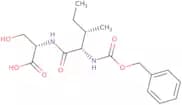


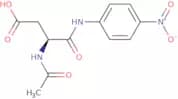


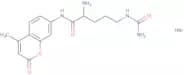
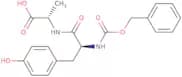
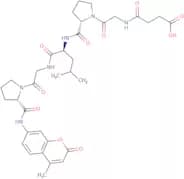
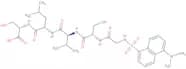
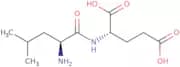
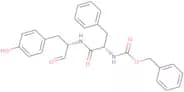
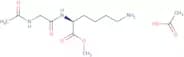
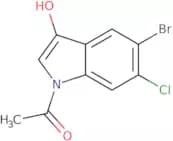
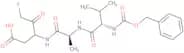
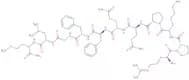
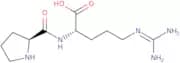
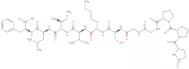

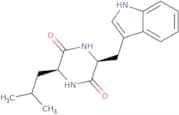
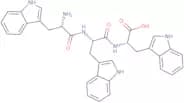

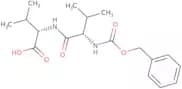

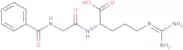


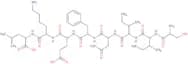
![Lys18[(AEEA)2-5-FITC]-Hepcidin (Human)](/_next/image/?url=https%3A%2Fstatic.cymitquimica.com%2Fproducts%2F3D%2Fthumb-webp%2FPLP-3793-PI.webp&w=3840&q=75)


![H-Asp-[Pen-Phe-Trp-Lys-Tyr-Cys]-Val-OH](/_next/image/?url=https%3A%2Fstatic.cymitquimica.com%2Fproducts%2F3D%2Fthumb-webp%2FPUT-3640-PI.webp&w=3840&q=75)



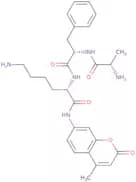
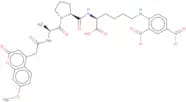


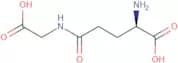


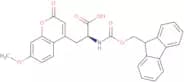

![Melittin [Cy5]](/_next/image/?url=https%3A%2Fstatic.cymitquimica.com%2Fproducts%2F3D%2Fthumb-webp%2FCRB1130465.webp&w=3840&q=75)




![Cyclo[Arg-Gly-Asp-D-Phe-Lys(H-Ser)]](/_next/image/?url=https%3A%2Fstatic.cymitquimica.com%2Fproducts%2F3D%2Fthumb-webp%2FPCI-3898-PI.webp&w=3840&q=75)
![[5-FAM]-C7](/_next/image/?url=https%3A%2Fstatic.cymitquimica.com%2Fproducts%2F3D%2Fthumb-webp%2FCRB1101183.webp&w=3840&q=75)

![[5-FAM]-DAG peptide](/_next/image/?url=https%3A%2Fstatic.cymitquimica.com%2Fproducts%2F3D%2Fthumb-webp%2FCRB1100887.webp&w=3840&q=75)











![[5-FAM] Histone H3 (1-14) K4Me3](/_next/image/?url=https%3A%2Fstatic.cymitquimica.com%2Fproducts%2F3D%2Fthumb-webp%2FCRB1100800.webp&w=3840&q=75)




![[5-FAM]-(RFR)4XB](/_next/image/?url=https%3A%2Fstatic.cymitquimica.com%2Fproducts%2F3D%2Fthumb-webp%2FCRB1101021.webp&w=3840&q=75)