Peptidi
Sottocategorie di "Peptidi"
Trovati 29598 prodotti di "Peptidi"
Bis-dPEG®17-PFP Ester
CAS:Bis-dPEG®17-PFP Ester is a PEG polymer categorised as homobifunctional PEG (X-PEG X). Used as a linker, bis-dPEG®17-PFP Ester is used to attached PEG to proteins, peptides, oligonucleotides, nanoparticles and small molecules via pegylation, a bioconjugation technique.Formula:C50H72F10O21Purezza:Min. 95%Peso molecolare:1,199.08 g/molL-685,458
CAS:L-685,458 is a peptide that is used as a research tool to study protein interactions and the role of ion channels in cell biology. It binds to the receptor site and inhibits the binding of natural ligands. L-685,458 is an inhibitor of ion channels and acts by blocking the voltage-dependent activation of sodium channels. It also blocks potassium channels, which are responsible for regulating membrane potentials and controlling nerve impulses. L-685,458 has been shown to inhibit protein interactions in pharmacology studies with receptor binding assays.Formula:C39H52N4O6Purezza:Min. 95%Peso molecolare:672.85 g/molCl-Ac-(OH)Leu-Ala-Gly-NH2
CAS:Cl-Ac-(OH)Leu-Ala-Gly-NH2 is a peptide with an amino acid composition of Cl-Ac-(OH)Leu-Ala-Gly. It is synthesized by the chemical reaction of hydrochloric acid and L-alanine. This peptide has been shown to be an irreversible inhibitor of metalloendopeptidase, preventing the breakdown of proteins in the stomach. The pH profile for this peptide is acidic and its molecular weight is approximately 1296 daltons.Formula:C13H23N4O5ClPurezza:Min. 95%Peso molecolare:350.8 g/molMelanin-Concentrating Hormone (Human)
CAS:Melanin-concentrating hormone (MCH) is a neuropeptide that is used to study the regulation of food intake and body weight. MCH binds to its receptor, the melanocortin-4 receptor (MC4R), which is coupled to an ion channel. This binding causes the release of potassium ions from cells, leading to depolarization and increased neuronal excitability. It has been shown that MCH can be used as a research tool for studying ion channels, ligand-receptor interactions, and cell biology.
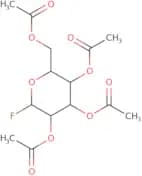
Formula:C105H160N30O26S4Purezza:Min. 95%Peso molecolare:2,386.8 g/mol2,3,4,6-Tetra-O-Acetyl-α-D-Mannopyranosyl Fluoride
CAS:2,3,4,6-Tetra-O-acetyl-α-D-mannopyranosyl fluoride is a fluorinated glycoside that is used as a reagent in organic synthesis to fluorinate alcohols and amines. It selectively reacts with primary and secondary alcohols to give the corresponding fluorides. The product can be used for the synthesis of carboxylic acids and esters. 2,3,4,6-Tetra-O-acetyl-α-D-mannopyranosyl fluoride is also used in biochemistry research as a substrate for oligosaccharide synthesis. This product has been shown to react with proteins to form peptides and with DNA to form nucleosides.Formula:C14H19O9FPurezza:Min. 95%Peso molecolare:350.29 g/molSecretin (Human)
CAS:Secretin (human) is a peptide hormone that is produced in the duodenum and is involved in the regulation of pancreatic bicarbonate, gastric acid and osmoregulation. Secretin binds to secretin receptors which are G-protein coupled receptors and are expressed in pancreatic centroacinar cells. Secretin binds to these receptors and activates adenylate cyclase which converts ATP into cAMP which results in the secretion of bicarbonate from the pancreas. Secretin plays a role in osmoregulation through its effects on the kidney, pituitary gland and the hypothalamus. This product is available as a 0.5mg vial.
Formula:C130H220N44O40Purezza:Min. 95%Peso molecolare:3,039.4 g/molSomatostatin (Human, Ovine, Porcine, Rat, Mouse)
CAS:Somatostatin is a peptide hormone that has been found to inhibit pituitary growth hormone release as well as endocrine, pancreatic and GI secretions. It is widely expressed throughout the body for example in the gastrointestinal (GI) tract, hypothalamus, pancreas and the central nervous system. In the central nervous system somatostatin plays a role in neurotransmission modification and it has also demonstrated to be effective against a number of cancers such as squamous carcinoma. This product contains disulfide bonds between Cys3-Cys14 and is available as a 0.5mg vial.
Formula:C76H10N18O19S2Purezza:Min. 95%Peso molecolare:1,637.9 g/molAngiotensin IV acetate
CAS:Angiotensin IV (Human) is a peptide hormone and peptidase inhibitor that belongs to the family of angiotensins. It is produced by the renin-angiotensin system and inhibits the action of angiotensin converting enzyme, an enzyme that converts angiotensin I into angiotensin II. Angiotensin IV has been used for research purposes as well as for therapeutic applications in cardiovascular diseases, hypertension, and congestive heart failure. Angiotensin IV is a high purity product with a purity greater than 99%.
Formula:C40H54N8O8Purezza:Min. 95%Peso molecolare:774.91 g/molAc-Gly-Lys-OMe • AcOH [AGLME]
CAS:Ac-Gly-Lys-OMe • AcOH is a synthetic substrate that is used in enzymatic reactions. This product is a peptide that contains an amide bond and a disulfide bond. It has been shown to be inactive when exposed to human serum for up to 30 minutes. Ac-Gly-Lys-OMe • AcOH has been shown to have inhibitory effects on the activity of monoclonal antibodies as well as dodecyl, which belongs to the group of lipids found in blood plasma. The rate of this reaction increases with increasing temperature and pH, but decreases with increasing concentrations of AGLME or dodecanol.Formula:C11H21N3O4•CH3COOHPurezza:Min. 95%Peso molecolare:319.35 g/molLipoamido-dPEG®8-Acid
CAS:Lipoamido-dPEG®8-Acid is a PEG molecule conjugated with a lipid moiety. Lipoamido-dPEG®8-Acid, conjugated to this lipid constituent, is very important especially in drug delivery and vaccine development as it helps improve the stability and circulation time of lipid nanoparticles (LNPs) and liposomes.
Formula:C41H67F4NO15S2Purezza:Min. 95%Peso molecolare:954.09 g/molAmyloid Beta-Protein (42-1)
CAS:Amyloid Beta-Protein (42-1) is a recombinant form of the protein, amyloid beta-protein, that is relevant to Alzheimer's disease. It is used as a research tool and for pharmacological studies. Amyloid Beta-Protein (42-1) has been shown to bind to ion channels and activate them. This product can be used as an antibody or cell biology research tool.
Formula:C203H311N55O60SPurezza:Min. 95%Peso molecolare:4,514 g/molSARS-CoV-2 Spike (996-1004)
The SARS-CoV-2 spike protein is present on the outside of the virus particles and can bind to angiotensin-converting enzyme II (ACE2) present on the host cells. The C-terminal receptor binding domain (RBD) of the spike protein binds to the N-terminal peptidase M2 domain of ACE2. This receptor binding results in the internalisation of the virus-receptor complex and is, therefore the mechanism of entry of SARS-CoV-2 into host cells.The spike protein residues LITGRLQSL (996-1004) from C have been identified as a T-cell epitope with a predicted HLA restriction. Immune targeting of confirmed epitopes may potentially offer protection against SARS-CoV-2 and help the development of vaccines for long-lasting immunity.Peso molecolare:999.6 g/molBoc-Leu-Gly-Arg-AMC
CAS:Boc-Leu-Gly-Arg-AMC is a peptide that binds to the receptor for N-methyl-D-aspartate (NMDA) and inhibits the ion channel. It has been used as a research tool to study NMDA receptor interactions, as well as in cell biology and pharmacology. Boc-Leu-Gly-Arg-AMC is a high purity, ionic analog of glutamate that binds to the NMDA receptor without activating it, thereby inhibiting ion flow through the channel. This inhibition can be reversed by adding excess glutamate or glycine. The binding of this compound to the NMDA receptor has been shown to block activation of voltage gated calcium channels and reduce neuronal excitation, which may provide an alternative therapeutic strategy for controlling seizures or other neurological disorders.
Formula:C29H43N7O7Purezza:Min. 95%Peso molecolare:601.69 g/molm-dPEG®12-Azide (Azido-m-dPEG®12)
CAS:m-dPEG®12-Azide (Azido-m-dPEG®12) is a PEG compound with two different functional groups (also known as heterobifunctional). Unlike homobifunctional PEG compounds (same functional group on both ends), this type of compounds are more versatile as have two different anchor points. m-dPEG®12-Azide (Azido-m-dPEG®12) is used as a linker and spacer to add a PEG moiety, via pegylation (a bioconjugation technique) to proteins, peptides, oligonucleotides, small molecules and nanoparticles.Purezza:Min. 95%Peso molecolare:585.69 g/molDCCD (Redistilled for Solid-Phase Synthesis)
CAS:DCCD is a chemical inhibitor of the enzyme pyruvate dehydrogenase kinase that is used to study metabolic pathways. It inhibits the activity of this enzyme by binding reversibly to its active site, thereby blocking its phosphorylation of pyruvate dehydrogenase and thus inhibiting the conversion of pyruvate into acetyl-CoA. DCCD also has been shown to have antidiabetic effects in an experimental model. This drug has been used as a reagent for polymyxin B and other chemical inhibitors in vitro experiments.Formula:C13H22N2Purezza:Min. 95%Peso molecolare:206.33 g/molCCK-Octapeptide (26-33) (Sulfated Form)
CAS:CCK-Octapeptide (26-33) (Sulfated Form) is a peptide that has been shown to have a variety of biological effects. It has been found to enhance the activity of rifampicin against tuberculosis by increasing the activity of the kinase protein. CCK-Octapeptide (26-33) (Sulfated Form) also has natriuretic peptide-like activity, which means it can regulate blood pressure and fluid balance in the body. In addition, it has been shown to inhibit tumor growth and metastasis in animal models, possibly through its ability to modulate guanosine triphosphate-binding proteins. CCK-Octapeptide (26-33) (Sulfated Form) also exhibits trypsin inhibitory activity and thymidine uptake inhibition. Furthermore, it has been studied as a potential treatment for cancer and as an alternative to vasopressin or nesiritide in certain medical conditions where natriuretic peptides are used therFormula:C49H62N10O16S3Purezza:Min. 95%Peso molecolare:1,143.3 g/mol2-NBDG
CAS:2-NBDG is a fluorescent dye that exhibits high affinity for nucleic acid and protein. It has been used as an inhibitor of protein interactions, activator of ligands, and research tool in the study of ion channels. 2-NBDG has also been used as an antibody to identify receptors, and can be used to measure the concentration of proteins, lipids, and carbohydrates. 2-NBDG is listed by CAS No. 186689-07-6.
Formula:C12H14N4O8Purezza:Min. 95%Peso molecolare:342.26 g/molDnp-Gln-Gly-Ile-Ala-Gly-Gln-D-Arg
CAS:Dnp-Gln-Gly-Ile-Ala-Gly-Gln-D-Arg is a peptide that has been shown to be an inhibitor of protein interactions. It has been shown to activate the G protein and inhibit the enzyme phospholipase C, which may provide a potential treatment for Alzheimer's Disease. Dnp-Gln-Gly-Ile-Ala-Gly-Gln-D-Arg also has a high purity and is used as a research tool in life science.
Formula:C35H54N14O14Purezza:Min. 95%Peso molecolare:894.89 g/molDnp-Pro-Gln-Gly-Ile-Ala-Gly-Gln-D-Arg
CAS:Dnp-Pro-Gln-Gly-Ile-Ala-Gly-Gln-D-Arg is a synthetic peptide that is used as a research tool, an activator, and an inhibitor. This peptide is not expected to have any adverse effects on the environment or on animal or human health. It can be used in antibody production and has been shown to inhibit the activity of ion channels. Dnp-Pro-Gln-Gly-Ile-Ala-Gly-Gln-D-Arg binds to receptors and ligands, which may be involved in protein interactions.Formula:C40H61N15O15Purezza:Min. 95%Peso molecolare:992 g/molDynorphin A (Human)
CAS:Dynorphin A is a peptide that belongs to the dynorphin family and has affinity for all three of the opioid receptors. However it has been found that Dynorphin A favors kappa-opioid receptors which are expressed in the brain, peripheral tissues and the spinal cord and are located in areas involved in pain. For example when Dynorphin A binds to kappa-opioid receptors, dopamine is inhibited in areas of the brain prevalent in drug addiction, thus demonstrated Dynorphin A to have antagonistic effects on the brain reward circuit. Dynorphin A could be a useful research tool for studying analgesia, reward and addiction. This product is available as a 0.5mg vial.Formula:C99H155N31O23Purezza:Min. 95%Peso molecolare:2,147.5 g/molAcetyl-Arg9
Acetyl-(Arg)9, derived from (Arg)9 is a cationic cell-penetrating peptide consisting of 9 arginines. Arginine rich CPPs enter cells in a passive manner through membrane multilamellarity and fusion. Evidently as a CPP, (Arg)9 can function to deliver specific molecules to target cells and can be used for drug delivery purposes.Peso molecolare:1,463.9 g/molKisspeptin-10 (Rat) / Metastin (Rat, 43-52)
CAS:Prodotto controllatoKisspeptin-10 (Rat) / Metastin (Rat, 43-52) is a Research Tool that belongs to the group of Activators and Ligands. It is an agonist for G protein coupled receptor 54 (GPR54). Kisspeptin-10 (Rat) / Metastin (Rat, 43-52) has been shown to inhibit ion channels and act as a potent inhibitor of phosphoinositide 3-kinase. This compound has high purity and can be used in pharmacological research.Formula:C63H83N17O15Purezza:Min. 95%Peso molecolare:1,318.4 g/mol...Amyloid Beta-Protein (Human, 1-42)
CAS:Amino acids 1-42 of the Amyloid beta-protein (Aβ), a major plaque component in Alzheimer's Disease, a neurodegenerative disorder that affects memory and cognitive function. It is thought that these Aβ peptides can aggregate to form insoluble fibrils that are a hallmark of Alzheimer's disease and may contribute to neurodegeneration and cognitive decline.
Research is ongoing to better understand the mechanisms underlying Aβ-induced neurodegeneration and to develop therapies that target Aβ to prevent or treat Alzheimer's disease. Aβ peptides, particularly Aβ(1-42), are commonly used in research as a model for Alzheimer's disease to investigate the pathogenesis and potential therapeutic approaches.
This product is available in the trifluoroacetate salt form and as a 0.5mg vial.Formula:C203H311N55O60SPurezza:Min. 95%Peso molecolare:4,514 g/molHydroxy-dPEG®12-t-Butyl Ester
CAS:Hydroxy-dPEG®12-t-Butyl Ester is a PEG polymer categorised as monofunctional (OH-PEG-X). Used as a linker, hydroxy-dPEG®12-t-Butyl Ester is used to attached PEG to proteins, peptides, oligonucleotides, nanoparticles and small molecules via pegylation, a bioconjugation technique.Formula:C73H148O37Purezza:Min. 95%Peso molecolare:1,617.93 g/molFGF 22 Human
Fibroblast growth factor 22 (FGF22) is a cytokine that belongs to the FGF family. FGF22 has been shown to play a role in the modulation of glucose homeostasis and the regulation of insulin secretion. FGF22 is produced by pancreatic β cells, liver, kidney, muscle, and fat tissue. It has been shown to be involved in the regulation of cellular proliferation and apoptosis, as well as the control of inflammation and immune response.Purezza:Min. 95%Apamin
CAS:Small Conductance Ca2+-Activated K+ Channel Blocker derived from bee venom (Honeybee, Apis mellifera). This product has disulfide bonds between Cys1-Cys11 and Cys3-Cys15 and is available as a 0.5mg vial.Formula:C79H131N31O24S4Purezza:Min. 95%Peso molecolare:2,027.3 g/molAPP, A4, AD1 MS Calibrator (25nmol)
This is a Biologically Active Peptides, Short=PN-II, Proteomics, Amyloid Precursor Protein, New England Peptide calibrated to 25nmol. This peptide has been shown to be a major component of amyloid plaques in Alzheimer's Disease. It is one of the most abundant proteins in the brain and is found in association with beta-amyloid protein (A4). The precursor protein for APP is encoded by the gene on chromosome 21. APP and its products are involved in many cellular processes such as signal transduction, cell proliferation, apoptosis and inflammation. APP can be cleaved by Beta-secretase or Gamma secretase to release A4 and N-APP.
Purezza:Min. 95%Nucleolar Protein 3, human, recombinant
Nucleolar Protein 3 (NOP3) is a human protein that belongs to the nucleolar-enriched phosphoproteins. NOP3 is an activator of RNA polymerase II and is involved in the regulation of ribosomal RNA transcription. The ligand for NOP3 has been identified as a peptide corresponding to the C-terminal domain of the protein. NOP3 also interacts with Ion channels and may be involved in the regulation of ion channel activity, including voltage-gated potassium channels.Purezza:Min. 95%Anti Amyloid B-Protein (1-40), Human Serum
Anti Amyloid B-Protein (1-40), human serum is a recombinant inhibitor of amyloid beta protein (Aβ) that inhibits the formation of amyloid plaques in Alzheimer's disease. This product is used as a research tool for studying the mechanism of Aβ toxicity. It is also used as a reagent for antibody detection and other research purposes.Purezza:Min. 95%FRETS-25Gln (1 umol) (1umol)
FRETS-25Gln is a peptide that can be used as a research tool in the fields of pharmacology and protein interactions. FRETS-25Gln binds to ion channels and activates them, which makes it useful for researching ligand-receptor interactions. The peptide has been shown to bind to the receptor P2X7 and activate the receptor, which may be useful for treating various diseases including arthritis and cancer. FRETS-25Gln also binds to the receptor P2Y1 and inhibits its activity, which may be useful for studying how activation of this receptor leads to increased vascular permeability.
Purezza:Min. 95%Carboxyl-dPEG®4-(m-dPEG®24)3
CAS:Carboxyl-dPEG®4-(m-dPEG®24)3 is a PEG compound with two different functional groups (also known as heterobifunctional). Unlike homobifunctional PEG compounds (same functional group on both ends), this type of compounds are more versatile as have two different anchor points. Carboxyl-dPEG®4-(m-dPEG®24)3 is used as a linker and spacer to add a PEG moiety, via pegylation (a bioconjugation technique) to proteins, peptides, oligonucleotides, small molecules and nanoparticles.
Formula:C11H21N3O6Purezza:Min. 95%Peso molecolare:291.3 g/molRFamide-Related Peptide-1, human
RFamide-Related Peptide-1, human is a protein that belongs to the family of G-protein coupled receptors. It is activated by RFamide-related peptides and has been shown to be involved in the regulation of ion channels, such as potassium channels. The activation of these channels leads to the inhibition of neuronal excitation and can affect many other biological functions, such as cell proliferation or differentiation. RFamide-Related Peptide-1, human has been used as a pharmacological research tool for studying its ligand binding properties and protein interactions.Formula:C195H304N52O51S2Purezza:Min. 95%Peso molecolare:4,256.9 g/molAc-Tyr-OEt • H2O
CAS:Ac-Tyr-OEt • H2O is a peptide with biological properties. It is used as a signal peptide, which is a short sequence of amino acids that directs the protein to the endoplasmic reticulum. Ac-Tyr-OEt • H2O has been shown to have colony stimulating factor activity and can be used in the treatment of diseases such as anemia and cancer. The solid state structure of Ac-Tyr-OEt • H2O was determined by X-ray crystallography and found to be a dimer with two molecules bound together through hydrogen bonding. This peptide interacts with enzymes in the proteolytic pathway, inhibiting their ability to function. Ac-Tyr-OEt • H2O also has inhibitory properties against transfer reactions, which are reactions in which one molecule transfers a part of its chemical group or atoms from one molecule to another. Ac-Tyr-OEt •Formula:C13H17NO4•H2OPurezza:Min. 95%Peso molecolare:269.3 g/molAnti GRF/GH-RH (Rat) Serum
Anti GRF/GH-RH (Rat) Serum is a research tool that is used to detect the presence of GH and GRF receptors. This antibody can be used for the study of GH and GRF receptor interactions and their roles in cell biology. Anti GRF/GH-RH (Rat) Serum can also be used as an inhibitor to block protein interactions.Purezza:Min. 95%Alpha-Conotoxin GI
CAS:A synthetic cone snail toxin, sourced from the marine snail, Conus geographus and can be applied as a blocker for the nicotinic acetylcholine receptor. This product is available as a 0.5mg vial with disulfide bonds between Cys2-Cys7 and Cys3-Cys13 and in the hydrochloride salt form.Formula:C55H80N20O18S4Purezza:Min. 95%Peso molecolare:1,437.6 g/molInsulin Los Angeles, human
Insulin is a peptide hormone that regulates the metabolism of carbohydrates, fats, and proteins. Insulin has been shown to bind to insulin receptors in the cell membrane. When insulin binds to the receptor, it triggers a series of biochemical reactions that lead to increased glucose uptake by cells and increased synthesis of glycogen in the liver. Insulin also activates ion channels, which leads to an increase in calcium influx into cells. Insulin is involved in many other functions within the body, such as promoting growth and development, regulating protein synthesis, and controlling lipid storage.
Insulin is used as a research tool for studying carbohydrate metabolism or as an antidiabetic drug for people who have diabetes mellitus. The most common form of insulin used today is human recombinant insulin (H-insulin). Human recombinant insulin can be synthesized from genetically engineered bacteria or yeast cultures.Purezza:Min. 95%Ac-Abu-D-Tyr-Leu-Gln-VS
Ac-Abu-D-Tyr-Leu-Gln-VS is a synthetic peptide that can be used as a research tool, an activator, or an inhibitor. It is a high purity product that has been extensively tested for its use in ion channels and receptor pharmacology.Purezza:Min. 95%Big Endothelin-1 (Human, 22-38) Antiserum
Big endothelin-1 (ET-1) is a peptide with a molecular weight of 37.7 kDa that belongs to the class of endothelin peptides. ET-1 is an activator of ion channels and has been implicated in many physiological and pathological processes, including vasoconstriction, angiogenesis, cellular proliferation, and inflammation. The antibody reacts with human ET-1 with a high degree of specificity. It has been used as an immunological reagent for Western blotting and immunoprecipitation experiments.Purezza:Min. 95%D-Amino Acid Oxidase, human, recombinant
D-Amino Acid Oxidase is an enzyme that catalyzes the conversion of D-amino acid to alpha keto acid and ammonia. It is also known as DAAO or DAO.
Purezza:Min. 95%Arg-MCA
CAS:Arg-MCA is a synthetic peptide that activates the receptor for bradykinin. It is used as a research tool in cell biology and pharmacology to study the interactions of peptides with various receptors and ion channels. Arg-MCA has been shown to inhibit the activity of ligand-gated ion channels, such as nicotinic acetylcholine receptors and glutamate receptors.Formula:C16H21N5O3Purezza:Min. 95%Peso molecolare:331.37 g/molAnti GIP (18-42) (Rat) Serum
Anti GIP (18-42) (Rat) Serum is a research tool used to activate the Ligand, Receptor, Cell Biology, Antibody, Ion channels, High purity, Protein interactions, Pharmacology, Peptides, Life Science. It can be used in the inhibition of GIP receptor and is an excellent choice for pharmacological studies.Purezza:Min. 95%Der P1 Protein (recombinant)
Der P1 Protein is a recombinant protein that inhibits the activity of the protease dermaseptin-1. This protein is mainly found in the skin and is an important regulator of epidermal permeability barrier function. Der P1 Protein binds to the protease and prevents it from degrading other proteins, which are essential for maintaining skin integrity. Der P1 Protein can also be used as a research tool to study protein interactions, activators, ligands, receptors, ion channels, and antibodies.Purezza:Min. 95%Flt3 Ligand Mouse
Flt3 ligand is a peptide that functions as an inhibitor of the receptor tyrosine kinase, Flt3. It is used in cell biology research to study protein interactions and receptor signaling pathways. Flt3 ligand binds to the extracellular domain of Flt3 and can activate the receptor by binding to it. This activation leads to phosphorylation of a number of proteins that regulate cellular processes such as ion channels, transcription factors, and other protein kinases.Purezza:Min. 95%Midkine (Human, 1-59) Antiserum
Midkine is a protein that belongs to the group of proteoglycans. It is expressed in many tissues, and its function is unknown. Midkine has been shown to have ion channel activity, and it may be involved in receptor binding and ligand-receptor interactions. It may also play a role in cell growth and differentiation due to its ability to activate various cells types. The midkine 1-59 peptide, which corresponds to amino acids 1-59 of the midkine protein sequence, can be used as an inhibitor of this protein. This antibody can also be used as a research tool for investigating protein interactions or studying the effects of peptides on proteins.Purezza:Min. 95%Anti GLP-2 (Rat) Serum
Anti GLP-2 (Rat) Serum is a high purity and potent activator of the GLP-2 receptor. It is a peptide that binds to the GLP-2 receptor and activates it. The GLP-2 receptor is a G protein coupled receptor that belongs to the class of receptors for peptides. Activation of this receptor leads to an increase in intracellular calcium ions and increased cell proliferation, differentiation, and survival. This product can be used as a research tool for Cell Biology, Pharmacology, or Biochemistry studies.Purezza:Min. 95%Uroguanylin (Rat)
Uroguanylin is a peptide that activates the guanylate cyclase receptor. It is composed of 8 amino acids and has a molecular weight of 1036.5 Da. Uroguanylin is an agonist for the GUCY1A2 receptor, which is responsible for mediating the release of urinary and gastrointestinal hormones such as vasopressin, renin, and gastrin. Uroguanylin binds to one or more other receptors in the kidney or intestine. It can be used as a research tool in cell biology and biochemistry to study ion channels and ligands.br>br> br>br> Uroguanylin is also known by its CAS number 71405-27-8.BR>BR>Formula:C60H96N16O25S4Purezza:Min. 95%Peso molecolare:1,569.8 g/molAcid-dPEG®9-NHS Ester
Acid-dPEG®9-NHS Ester is a PEG compound with two different functional groups (also known as heterobifunctional). Unlike homobifunctional PEG compounds (same functional group on both ends), this type of compounds are more versatile as have two different anchor points. Acid-dPEG®9-NHS Ester is used as a linker and spacer to add a PEG moiety, via pegylation (a bioconjugation technique) to proteins, peptides, oligonucleotides, small molecules and nanoparticles.Formula:C26H45NO15Purezza:Min. 95%Peso molecolare:611.64 g/molBig Endothelin-2 (Human, 1-37)
CAS:Amino acids 1-37 of the Human Big Endothelian-2 peptide formed as a result of furin cleavage of proendothelin which in turn is produced from EDN2 gene transcription. Due to the actions of the Endothelin-Converting Enzymes: ECE-1 and ECE-2, Big Endothelin-2 is converted into Endothelin-2 (ET-2) peptide. ET-2 has affinity for ETA and ETB G-protein coupled receptors which are found in a variety of tissues, including lungs, heart, kidneys, uterus and vasculature. It is believed that ET-2 is a potent vasoconstrictor and may play a role in cancer, immunology and heart failure. This product has is available as a 0.1mg vial and has disulfide bonds between Cys1-Cys15 and Cys3-Cys11.Formula:C188H269N45O56S4Purezza:Min. 95%Peso molecolare:4,183.7 g/molAngiotensin I (Human)
CAS:Angiotensin I (Human) is a protein that is found in the blood and other tissues. It is a peptide hormone, which acts on the kidneys to increase blood pressure and on the heart to increase cardiac output. This protein has been detected in several biological samples such as plasma, serum, or urine. Angiotensin I (Human) can be used as an enzyme form of angiotensin 1-converting enzyme (ACE). ACE catalyzes the conversion of angiotensin I to its active form, angiotensin II. Angiotensin II has been shown to reduce the production of inflammatory cytokines such as tumor necrosis factor-alpha and interleukins. It also stimulates vascular smooth muscle cells and increases the production of nitric oxide by these cells, leading to vasodilation. The measurement of this enzyme form in a sample may help determine disease activity in patients with bowel disease or squamous cell cancer of the skin.Formula:C62H89N17O14•2CH3COOH•4H2OPurezza:Min. 95%Peso molecolare:1,488.66 g/mol(Z-Leu-Leu-NHCH2)2CO
CAS:(Z-Leu-Leu-NHCH2)2CO is a research tool that activates the receptor. It is a ligand which binds to the receptor and can be used as an inhibitor of ion channels or as a reagent for protein interactions. The molecular weight is 584.8 g/mol and the chemical formula is C10H16N4O3. (Z-Leu-Leu-NHCH2)2CO has been shown to bind to antibodies, ion channels, and cell biology. This product has high purity and can be used in pharmacology, peptides, and life science research.
Formula:C43H64N6O9Purezza:Min. 95%Peso molecolare:809 g/mol




![Ac-Gly-Lys-OMe • AcOH [AGLME]](/_next/image/?url=https%3A%2Fstatic.cymitquimica.com%2Fproducts%2F3D%2Fthumb-webp%2FSGK-3058.webp&w=3840&q=75)