Peptidi
Sottocategorie di "Peptidi"
Trovati 29595 prodotti di "Peptidi"
Histone H3.2 (1-44)
Histone H3.2 is a highly common variant of the core histone H3 which is found in all eukaryotes except budding yeast. H3.2 is replication-dependent and is associated with gene silencing. Histone variants can replace canonical histones in certain cells or stages of development and help regulate numerous nuclear processes including transcription, DNA repair and chromosome segregation.Histone 3 (H3) which is one of the four core histones (H2A, H2B, H3 and H4) fundamental in compacting eukaryotic DNA into the nucleosome. Both H4 and H3 are highly conserved and perform roles in binding to segments of DNA which enter and leave the nucleosome and in chromatin formation. Similar to the other core histone, H3 has a globular domain and a flexible N-terminal domain, 'histone tail' which can undergo modifications such as acetylation, methylation, phosphorylation and ubiquitination.Peso molecolare:4,668.7 g/molHead Activator
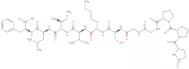
CAS:Head activator Pyr-Pro-Pro-Gly-Gly-Ser-Lys-Val-Ile-Leu-Phe-OH is a synthetic peptide, which is modeled after bioactive peptides found in certain biological systems. It is derived from the head activator peptides naturally occurring in organisms like hydra and is believed to play a role in neurochemical signaling pathways.The mode of action of this peptide involves the modulation of neuronal activity and proliferation through specific interactions with cellular receptors, influencing processes such as cell growth and differentiation. These interactions may contribute to neuroprotection and support neural regeneration, making it a subject of interest in neurobiological research.Given its role in cellular signaling, Head activator Pyr-Pro-Pro-Gly-Gly-Ser-Lys-Val-Ile-Leu-Phe-OH is primarily used in research contexts, especially in studies focusing on neurobiology, regenerative medicine, and the molecular mechanisms underlying neural development. Its ability to mimic certain endogenous signaling processes allows scientists to explore the regulation of neural cell behavior and the potential therapeutic applications for neurodegenerative conditions.Formula:C54H84N12O14Purezza:Min. 95%Peso molecolare:1,125.32 g/molAIP-I
Auto-inducing peptide (AIP) is a cyclic thiolactone quorum sensing peptide from Staphylococcus aureus which is responsible for activating the agr response. AIP is released from the bacteria and its extracellular concentration is then sensed by a two-component system on the bacterial surface, AgrC and AgrA. AgrC is the membrane histidine kinase receptor and AgrA is a response regulator- upon binding of AIP, AgrC phosphorylates AgrA.AIP accumulates during growth activating an AgrC and AgrA cascade when it reaches a critical signal level. This cascade activates P2 and P3 promoters which autoactivate the agr system and upregulate RNAIII transcription. RNAIII regulates the expression of virulence factors including toxins, super-antigens, and exo-enzymes. Extensive research to identify AIP:AgrC inhibitors aims to find therapeutics against pathogens.AgrD is the precursor peptide of AIP, and AgrB is an integral membrane endopeptidase essential to biosynthesize AIP. This AIP system is conserved among many Gram-positive bacteria. S. aureus strains are categorized into four groups (I-IV) according to their AIP signal and cognate extracellular receptor, AgrC. AIP-I has the characteristic five-residue thiolactone ring with a short N-terminal extension. AIP-I has been used to generate a biosensor for the detection of S. aureus in nanomolar range for use in hospital settings.
Formula:C43H60N8O13S2Colore e forma:PowderPeso molecolare:961.11 g/molACTH (7-39) human
C- terminal fragment of adrenocorticotropic hormone (ACTH) also known as corticotropin, and competitive antagonist of ACTH receptor (ACTHR), also known as melanocortin type 2 receptor (MC2R).ACTH is a member of the melanocortins-peptide family, this tropic hormone is produced and secreted by the anterior pituitary gland. ACTH is an important component of the hypothalamic-pituitary-adrenal (HPA) axis and is often produced in response to biological stress. ACTH acts to increase the production and release of cortisol via its interaction with ACTHR. Receptor activation increases the intracellular concentration of cAMP via adenylyl cyclase. Abnormal ACTH levels in the body have been linked to primary adrenal insufficiency/Addison's disease, Cushing's disease and secondary adrenal insufficiency.Colore e forma:PowderPeso molecolare:3,804 g/molCyclin-D2 Human Recombinant
Please enquire for more information about Cyclin-D2 Human Recombinant including the price, delivery time and more detailed product information at the technical inquiry form on this pagePurezza:>85% By Sds-Page.Cyclin-B1 Human Recombinant
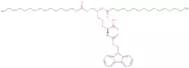
Please enquire for more information about Cyclin-B1 Human Recombinant including the price, delivery time and more detailed product information at the technical inquiry form on this pagePurezza:>85% By Sds-Page.Fmoc-Cys((S)-2,3-di(palmitoyloxy)-propyl)-OH
CAS:Fmoc-Cys((S)-2,3-di(palmitoyloxy)-propyl)-OH is a reagent used in the synthesis of complex compounds. It is also a useful scaffold for the synthesis of speciality chemicals and versatile building blocks. This compound is an intermediate that can be used in the preparation of fine chemicals and pharmaceuticals. Fmoc-Cys((S)-2,3-di(palmitoyloxy)-propyl)-OH has a CAS number of 139573-78-7 and can be purchased as a high quality chemical.Formula:C53H83NO8SPurezza:Min. 95 Area-%Colore e forma:Slightly Yellow PowderPeso molecolare:894.29 g/molFmoc-Cys((R)-2,3-di(palmitoyloxy)-propyl)-OH
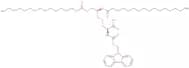
CAS:Fmoc-Cys((R)-2,3-di(palmitoyloxy)-propyl)-OH is a versatile building block that is useful for the synthesis of complex compounds. This compound has been shown to be a useful intermediate in the synthesis of pharmaceuticals, organic dyes and research chemicals. Fmoc-Cys((R)-2,3-di(palmitoyloxy)-propyl)-OH is a fine chemical that is used as a reagent in organic synthesis. It has CAS No. 139573-77-6 and can be used as a speciality chemical or reaction component.
Formula:C53H83NO8SPurezza:Min. 95 Area-%Colore e forma:White PowderPeso molecolare:894.29 g/mol(Des-Glu22)-Amyloid β-Protein (1-40) trifluoroacetate
CAS:The Aβ E22delta mutant (Osaka mutation) is more resistant to degradation by two major Aβ-degrading enzymes, neprilysin and insulin-degrading enzyme. It also shows unusual aggregation properties with enhanced oligomerization but no fibrilization.
Formula:C189H288N52O55SPurezza:Min. 95 Area-%Colore e forma:PowderPeso molecolare:4,200.69 g/molFmoc-Thr(tBu)-Thr(Psi(Me,Me)pro)-OH
CAS:Fmoc-Thr(tBu)-Thr(Psi(Me, Me)pro)-OH is a versatile building block that can be used as a starting material for the synthesis of a wide range of compounds. It is often used as an intermediate in organic chemistry reactions and can be converted to a variety of other compounds with different functional groups. This compound has been shown to be useful in the production of pharmaceuticals and research chemicals. Fmoc-Thr(tBu)-Thr(Psi(Me, Me)pro)-OH is also important for generating high-quality chemical products, such as speciality chemicals and reagents that are difficult to synthesize. The CAS number for this compound is 1676104-73-6.Formula:C30H38N2O7Purezza:Min. 98 Area-%Colore e forma:PowderPeso molecolare:538.63 g/molAngiotensin IV Trifluoroacetate
CAS:Angiotensin-IV is primarily produced from angiotensin-III by the removal of an arginine residue from the N-terminal by membrane alanyl aminopeptidase N (AP-N). Ang-IV can however also be formed by the action of aminopeptidases on Ang-I directly.Ang-IV has been shown to enhance cognitive functions, although how it does this in still unclear. It has been suggested that Ang-IV is able to inhibit the insulin-regulated aminopeptidase (IRAP) receptor in the brain (originally defined as the AT(4) receptor). IRAP is a single-spanning transmembrane zinc-metallopeptidase that belongs to the M1 family of aminopeptidases and its substrates include vasopressin, somatostatin, and cholecystokinin. The half-life of these compounds are prolonged when IRAP is inhibited by Ang-IV, and this may result in the enhanced cognitive abilities seen with Ang-IV treatment. c-Met, a tyrosine kinase receptor that binds hepatocyte growth factor (HGF) has also been proposed as an Ang IV targets. c-Met is associated with memory and learning consolidation.
Peso molecolare:774.4 g/molACTH (7-39) Cys
C-terminal fragment of adrenocorticotropic hormone (ACTH), also known as corticotropin, with a C-terminal cysteine residue for conjugation. ACTH (7-39) is a competitive antagonist of ACTH receptor (ACTHR), also known as melanocortin type 2 receptor (MC2R).ACTH is a member of the melanocortins-peptide family, this tropic hormone is produced and secreted by the anterior pituitary gland. ACTH is an important component of the hypothalamic-pituitary-adrenal (HPA) axis and is often produced in response to biological stress. ACTH acts to increase the production and release of cortisol via its interaction with ACTHR. Receptor activation increases the intracellular concentration of cAMP via adenylyl cyclase. -Abnormal ACTH levels in the body have been linked to primary adrenal insufficiency/Addison's disease, Cushing's disease and secondary adrenal insufficiency.Peso molecolare:3,906 g/molGRGD-acid
CAS:GRGD-acid is a cell adhesive peptide containing the RGD motif. This enables it the ability to increase cell adhesion and rates of cell growth, differentiation and proliferation. When immobilised onto a Poly(etheretherketone) (PEEK) surface it has been shown to increase cell adhesion and proliferation in MC3T3-E1 cells. GRGD could therefore be used in dental implants.Formula:C14H25N7O7Colore e forma:PowderPeso molecolare:403.39 g/mol[Ala144]-PLP (139-151)
[Ala144]-PLP (139-151) is the Ala 144 form of Proteolipid protein (PLP), an epitope of immunodominant encephalitogenic PLP and is involved in promoting encephalomyelitis.
Colore e forma:PowderPeso molecolare:1,405.6 g/mol[5-TAMRA]-LPETAG N-terminal Sortagging
This peptide is recognised and cleaved by the enzyme Sortase A (SrtA) from-Staphylococcus aureus. The catalytic cysteine residue in the active site of SrtA, serves as a nucleophile to cleave the peptide bond between threonine and glycine. Cleavage results in the formation of a thioacyl intermediate between the peptide and SrtA. This intermediate is then resolved by the N-terminus of an (oligo)glycine nucleophile, resulting in the creation of a new peptide bond that links the peptide and its-nucleophile, resulting in the creation of a new peptide bond that links the peptide and its fluorescent- to the incoming nucleophile.- This method of protein labelling is known as sortagging5-Carboxytetramethylrhodamine (5-TAMRA) is a widely used fluorescent dye which excites at 546 nm and emits at 579 nm
Colore e forma:PowderPeso molecolare:997.5 g/molC105Y
CAS:C105Y is a cell penetrating peptide aiding in the delivery of DNA into cells.Formula:C97H148N20O23SPeso molecolare:1,994.4 g/mol[Biotin]-GLP-1
Glucagon-like peptide (GLP)-1 is a gastrointestinal peptide hormone with multiple roles in relation to metabolism. The primary role of GLP-1 is increasing insulin secretion in the presence of high plasma glucose levels, in addition, GLP-1 also suppresses glucagon secretion from the pancreas. GLP-1 slows down gastric emptying and regulates appetite, both valuable in reducing food intake and body weight. These roles of GLP-1 make it a useful target in the management of type 2 diabetes mellitus (T2DM).GLP-1 exerts its effects by binding to and activating the class B G protein-coupled receptor (GPCR): GLP-1 receptor (GLP-1R). Receptor activation in turn activates signalling pathways which culminates in insulin secretion via CAMP and Ca2+ signalling.Recently evidence has increased for GLP-1 playing a cardio-protective role as well as regulating immune responses and even in kidney function. GLP-1 may also exert neuroprotective and neurotropic effects as it can decrease endogenous levels of amyloid-β (Aβ) and prevent Aβ-induced cell death.This peptide contains an N-terminal Biotin tag for simple detection and purification.
Colore e forma:PowderPeso molecolare:4,335.1 g/mol2-Furoyl-LIGRL-amide
PAR2 plays a particular role in protecting the gastric mucosa mediated by capsaicin-sensitive sensory neurons. PAR2 also serves to aid in gut smooth muscle motility- colon inflammation pathway- hyperalgesia and is also anti-inflammatory in other circumstances.Development of selective agonists for PAR2 are crucial for research. (2-Furoyl)-LIGRL-amide is a far more potent agonist than the native PAR2 activating peptide SLIGRL-NH2. In mice, oral administration conferred cytoprotection from gastrointestinal lesions. However, it was inhibited by capsaicin pre-treatment.
Peso molecolare:663.4 g/molGluten Exorphin A5
CAS:Gluten Exorphin A5 is a δ opioid that has been synthetically produced. It binds to the μ-opioid receptor, which is found on cells in the gastrointestinal tract, and can be used to treat inflammatory diseases and autoimmune diseases. Gluten Exorphin A5 also has anti-cancer properties, as it inhibits cell proliferation and induces apoptosis in colon cancer cells by binding to their surface. Gluten Exorphin A5 is orally active and can be used for the treatment of infectious diseases. This drug also binds to bacterial surfaces and blocks the pain response induced by naloxone. The molecular weight of Gluten Exorphin A5 has been determined using a spectrometer after purification.Formula:C29H37N5O9Purezza:Min. 95%Colore e forma:White PowderPeso molecolare:599.63 g/molAcetyl-ccbeta
The ccβ peptide has been used to study conformational changes in response to stimuli such as temperature and salt. The ccβ peptide adopts a three-stranded alpha-helical coiled-coil structure at low temperature and changes to an amyloid conformation with increasing temperature. The ccβ peptide can be used as a model for prion diseases and in amyloid studies.Peso molecolare:2,093.2 g/mol1-Myristoyl-rac-glycerol
CAS:1-Myristoyl-rac-glycerol is a fatty acid with a hydroxyl group and an antimicrobial effect. It has been shown to have clinical properties and is used in pharmaceutical preparations as an antimicrobial agent. 1-Myristoyl-rac-glycerol has been found to be active against gram negative bacteria such as E. coli, Pseudomonas aeruginosa, and Klebsiella pneumoniae, while being inactive against gram positive bacteria such as Staphylococcus aureus or Bacillus subtilis. The antimicrobial activity of this compound is due to its ability to disrupt the integrity of bacterial cell membranes by acting on lipid synthesis. 1-Myristoyl-rac-glycerol also has hemolytic activity and can cause death in fungi and yeast cells. 1-Myristoyl-rac-glycerol is not metabolized by humans but may be metabolized by microbes such as CandidaFormula:C17H34O4Purezza:Min. 95%Colore e forma:PowderPeso molecolare:302.45 g/molOxidised Alpha-synuclein (1-13)
Alpha-synuclein (1-13) is derived from the alpha-synuclein intrinsically disordered protein which is found in the neurons and presynaptic terminals. Encoded by the SNCA1/PARK1 gene alpha-synclein is structurally composed of 140 amino acids, making up the three domains: N-terminal membrane binding domain, a hydrophobic non-amyloid-β component domain and a hydrophilic C-terminal domain. Usually alpha-synuclein plays a role in protecting neurons from apoptotic stimuli and is involved in synaptic vesical trafficking.Accumulation of alpha-synuclein aggregates can lead to neurodegenerative diseases such as Parkinson disease, dementia with Lewy bodies and multiple system atrophy. It is further involved in the fibrilisation of amyloid-b and tau which play a major role in Alzheimer disease. Amyloid fibrils are formed from alpha synuclein monomers within the cytosol and when bound to membranes these monomers can undergo conformational changes to form protofibrils and then ring like oligomers. This can result in the formation of transmembrane pores which disrupts the membrane, calcium homeostasis and signalling.In familial Parkinson disease the SNCA1 gene, can be subjected to point mutations such as A30P, E46K and A53T, or over expression. These can result in the increased aggregation of alpha-synuclein.The methionine at position 5 is oxidised and the oxidation of methionine is common in neurodegenerative diseases and promotes the accumulation of altered α-synuclein. Furthermore when these methionine residues are oxidised, methionine sulfoxides are produced.
Colore e forma:PowderPeso molecolare:1,498.8 g/molT peptide
Cell permeable peptide where the amyloid forming sequence is homologous to a nucleating sequence from the human Tau protein (306VQIVYK311). Forms long lived oligomers that are taken up by endocytosis and is cytotoxic in multiple cell lines.- Co-localizes with pathological hyperphosphorylated forms of Tau in vitro.
Peso molecolare:2,194.4 g/molP1A antigen
P1A was the first tumour antigen identified to be recognised by cytotoxic T cells. Tumour antigens are highly expressed on tumour cells however, they are also expressed during early embryogenesis then largely silenced in adulthood thus termed onco-fetal antigens. Targetting tumours expressing these antigens is possible due to their absence in adult tissue (apart from within the testes and placenta). The immune response to the P1A antigen is the major component of the tumour rejection response observed in normal mice. P1A antigen has been tested as a vaccine for tumours to induce P1A-specific CD8+ tumour-infiltrating lymphocytes (TILs). Therefore, the P1A antigen is a useful tool in the search in new cancer immunotherapies using targeted tumour-specific antigens.Peso molecolare:1,105.6 g/molL-Seryl-L-tyrosine 7-amido-4-methylcoumarin
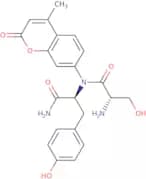
CAS:L-Seryl-L-tyrosine 7-amido-4-methylcoumarin is a fine chemical that is used as a versatile building block in the synthesis of more complex compounds. It is a reagent and speciality chemical that can be used in research, detection, and analytical chemistry. L-Seryl-L-tyrosine 7-amido-4-methylcoumarin has been shown to be an excellent reaction component with high quality and purity. This product can also be used as a scaffold for the preparation of new compounds with desired properties.Formula:C22H23N3O6Colore e forma:PowderPeso molecolare:425.43 g/molH-GLPSSIEK^-OH
Peptide H-GLPSSIEK^-OH is a Research Peptide with significant interest within the field academic and medical research. This peptide is available for purchase at Cymit Quimica in multiple sizes and with a specification of your choice.Diprotin A
CAS:Dpp-iv is a serine protease enzyme that is important for the production of vasoactive peptides and inflammatory mediators. It is involved in the regulation of heart function, blood pressure, and vascular tone. Inhibitors of Dpp-iv have been shown to be useful in the treatment of a variety of diseases including hypertension, coronary artery disease, myocardial infarction, and stroke. Diprotin A is a synthetic inhibitor that has been shown to prevent adenoviral vector-mediated heart damage in neonatal animals. This drug also inhibits the production of vasoactive peptides and inflammatory mediators by blocking Dpp-iv activity, preventing cardiac dysfunction following an infarction.Formula:C17H31N3O4Purezza:Min. 95%Peso molecolare:359.47 g/molNictide
LRRK2 is a leucine rich repeat kinase 2. Increase in LRRK2 kinase activity due to mutation has been linked to numerous forms of Parkinson disease (PD). Theoretically, identification of suitable inhibitors of LRRK2 could be the basis for treatments of PD. Markers of LRRK2 activity and function are available that may be clinically relevant in the future as prognostic indicators. Nictide is a substrate model peptide for LRRK2 activity in in vitro kinase assay analysis. -LRRK2 phosphorylates Rab GTPases and alters their association with effector proteins leading to changes in a vast array of cellular functions including the immune response. The use of in vitro kinase assays with small molecules substrates makes screening for LRRK2 inhibitors possible. Alongside nictide, LRRKtide is also used in the same in vitro assays as a substrate model peptide for LRRK2.- Nictide and LRRKtide are available in our catalogue.Peso molecolare:2,748.5 g/molAcetyl-Alpha-synuclein (1-13)
Acetylated α-synuclein (1-13) is derived from the alpha-synuclein intrinsically disordered protein which is found in the neurons and presynaptic terminals. Encoded by the SNCA1/PARK1 gene alpha-synclein is structurally composed of 140 amino acids, making up the three domains: N-terminal membrane binding domain, a hydrophobic non-amyloid-β component domain and a hydrophilic C-terminal domain. Usually alpha-synuclein plays a role in protecting neurons from apoptotic stimuli and is involved in synaptic vesical trafficking.However it has been found that the accumulation of alpha-synuclein aggregates can lead to neurodegenerative diseases such as Parkinson disease, dementia with Lewy bodies and multiple system atrophy. It is further involved in the fibrilisation of amyloid-b and tau which play a major role in Alzheimer disease. Amyloid fibrils are formed from alpha synuclein monomers within the cytosol and when bound to membranes these monomers can undergo conformational changes to form protofibrils and then ring like oligomers. This can result in the formation of transmembrane pores which disrupts the membrane, calcium homeostasis and signalling.Alpha-synuclein can be subjected to the post-translational modifications of phosphorylation and N-terminal acetylation. When acetylation occurs at the N-terminus of an alpha-synuclein monomer, the intramolecular hydrogen bonds are altered thus reducing the rate of alpha-synuclein aggregation and the strength at which it interacts with the membrane is increased.
Peso molecolare:1,524.8 g/molBid BH3 Peptide
The Bid BH3 Peptide is derived from the pro-apoptotic proteins Bid (BH3-interacting domain death agonist) and BH3, which are both members of the BCL-2 family proteins and activate the BAX and BAK proteins to promote apoptosis.The process of apoptosis can be activated by the intrinsic or extrinsic pathways, the former is activated by stress stimuli such as DNA damage and nutrient deficiency, while the latter is induced through activation of the death receptors FAS and TRAIL.The BCL-2 family's transmembrane anchor at the C-terminus allows them to locate at the mitochondrial outer membrane and play a vital role in apoptosis.Within the mitochondria BH3 molecules, containing the members BID, BIM, PUMA and NOXA, can be activated by the intrinsic pathway. These in turn can initiate the homo-oligomerisation of BAX and BAK which induce mitochondrial outer membrane permeabilisation (MOMP) and the release of cytochrome c into the cytosol. Here cytochrome c associates with APAF-1 and dATP, ultimately activating effector caspase3/7 and apoptosis.In addition to Bid's role in apoptosis, it also plays a role within a mitosis checkpoint and genomic stability maintenance. Bid's main role is in the extrinsic pathway of apoptosis. When the death receptors are activated Caspase-8 generates tBid through the cleavage of Bid. This then locates to and targets Bax to the outer mitochondrial membrane (OMM) where it induces permeabilisation and hence apoptosis.Colore e forma:PowderPeso molecolare:2,308.2 g/molMacropin 2
This anti-microbial peptide (AMP) has been shown to cause lysis of several human cancer cell lines. Macropin-2 is most potent against CCRF-CEM T lymphoblastoid (human acute lymphoblastic leukemia) cells. At higher concentrations Macropin-2 also causes lysis of human umbilical vein endothelial cells (HUVEC), rat intestinal epithelial cells (IEC), human cervix carcinoma (HeLa) cells and human colon adenocarcinoma (SW480). Macropin-1 is also available in our catalogue.
Peso molecolare:2,007.53 g/molPap12-6
Broad-spectrum antibacterial, active against multidrug-resistant Gram-negative bacteria. Acts though permeabilizing the bacterial membrane and also shows anti-inflammatory activity via a TLR4-mediated NF-KB signaling pathway. Significantly improves survival in a mouse sepsis model.
Peso molecolare:1,644.1 g/mol2-Furoyl-LIGRLO-amide trifluoroacetate salt
CAS:Potent agonist of proteinase-activated receptor-2 (PAR2)Formula:C36H63N11O8Colore e forma:PowderPeso molecolare:777.96 g/molHuman Lysozyme (107-115)
Human Lysozyme (107-115) is derived from human lysozyme, a glycosidase enzyme which can kill both gram-positive and gram-negative bacteria. This can be carried out in a catalytic manner through the hydrolysis of peptidoglycan in the cell wall or alternatively in a non-catalytic manner. Due to the surface of bacteria being negatively charged, they are vulnerable to be targeted by the human lysozyme which is cationic. These antimicrobial properties can be used therapeutically as an anti-pseudomonal agent.Structurally the human lysozyme is comprised of four intramolecular disulphide bonds, four alpha helices within an alpha domain and β-sheets within a β-domain. Human lysozyme (107-115) is found within the α-domain.Peso molecolare:1,212.7 g/molTemporin SHF
Temporin-SHf is a broad spectrum anti-microbial peptide (AMP) with activity against Gram-positive and Gram-negative bacteria and yeasts, which displays no haemolytic activity. Temporin-SHf was first isolated from the skin of the frog Pelophylax saharica and is a member of the temporin family of AMPs. Temporins are a large family of short, linear, AMPs produced in the skin of frogs belonging to Rana species, but are also found in wasp venom. Temporin-SHf is the smallest natural linear AMP found to date and has a highly hydrophobic sequence (75%) plus the highest percentage of phenylalanine residues of any known peptide (50%).Temporin-SHf works by disrupting the acyl chain packing of anionic lipid bilayers, causing cracks and microbial membrane disintegration through a detergent-like effect. Temporin-SHf is a promising candidate for the development of a new class of anti-microbial drugs.Colore e forma:PowderPeso molecolare:1,075.3 g/molTAT-CHN9 (C-ter)
Trans-activator of transcription protein (Tat) (47-57) is a cell penetrating cationic peptide derived from the N-terminus of the Tat protein from the human immunodeficiency virus (HIV). Chimerin 1, (CHN1) is a GTPase activating protein specific for RAC GTP-binding proteins, expressed primarily in the brain. CHN1 is involved in signal transduction and is a direct effector of proteins involved in axon guidance. CHN1 is transferred to the plasma membrane and negatively regulates Rho-family small GTPases RAC1 and CDC42, to cause morphological changes to axons by pruning the ends of axon dendrites. As a cell penetrating peptide (CPP) TAT aids in the cellular uptake of molecules. TAT (47-57) can be used to deliver proteins, fluorophores, chelators and DNA to target cells.Peso molecolare:2,644.6 g/molGIP (1-42)-[C] human
Peptide derived from the Gastric inhibitory polypeptide (GIP), an inhibiting hormone of the secretin family of hormones. While GIP is a weak inhibitor of gastric acid secretion, its main role is to stimulate insulin secretion - in a glucose-dependent mechanism. Therefore, GIP is referred to as a glucose-dependent insulinotropic peptide.GIP is derived from a 153-amino acid pro-protein encoded by the GIP gene and circulates as a biologically active 42-amino acid peptide. It is synthesised by K cells, which are found in the mucosa of the duodenum and the jejunum of the gastrointestinal tract. GIP receptors are seven-transmembrane proteins found on β-cells in the pancreas. These β-cells are those that are able to simultaneously detect glucose and release insulin as a result to GIP binding.The clinical relevance of GIP is related to type 2 diabetes mellitus (T2DM)- studies have found that T2DM diabetics are unresponsive to GIP and have lower levels of GIP secretion after a meal when compared to non-diabetics. In research involving knockout mice, it was found that absence of the GIP receptors correlates with resistance to obesity.
Peso molecolare:1,234.5 g/molH-CYPYDVPDYASLRSL-OH
Peptide H-CYPYDVPDYASLRSL-OH is a Research Peptide with significant interest within the field academic and medical research. This peptide is available for purchase at Cymit Quimica in multiple sizes and with a specification of your choice.
Formula:C80H114N18O24SPeso molecolare:1,761.95 g/molEKSQDGGR
Peptide EKSQDGGR is a Research Peptide with significant interest within the field academic and medical research. This peptide is available for purchase at Cymit Quimica in multiple sizes and with a specification of your choice.Formula:C33H55N13O14Peso molecolare:875.88 g/molH-GTCACTC-OH
Peptide H-GTCACTC-OH is a Research Peptide with significant interest within the field academic and medical research. This peptide is available for purchase at Cymit Quimica in multiple sizes and with a specification of your choice.
Formula:C22H37N7O9S3Peso molecolare:657.78 g/molH-SAPHGVVFL-OH TFA salt
Peptide H-SAPHGVVFL-OH is a Research Peptide with significant interest within the field academic and medical research. This peptide is available for purchase at Cymit Quimica in multiple sizes and with a specification of your choice.Formula:C44H65N11O10Peso molecolare:926.07 g/molKRASᴳ¹²ᴰ peptide
KRASᴳ¹²ᴰ peptide is a Research Peptide with significant interest within the field academic and medical research. This peptide is available for purchase at Cymit Quimica in multiple sizes and with a specification of your choice.Formula:C38H67N11O10SPeso molecolare:888.09 g/molH-FLHVTYVPAQEKNFT-OH
Peptide H-FLHVTYVPAQEKNFT-OH is a Research Peptide with significant interest within the field academic and medical research. This peptide is available for purchase at Cymit Quimica in multiple sizes and with a specification of your choice.Formula:C85H122N20O22Peso molecolare:1,794.01 g/molHLA-E binding peptide
HLA-E binding peptide is a Research Peptide with significant interest within the field academic and medical research. This peptide is available for purchase at Cymit Quimica in multiple sizes and with a specification of your choice.Formula:C44H78N12O11Peso molecolare:969.18 g/molCreolimax secretome peptide fragment
Creolimax secretome is a collection of proteins secreted by marine organism Creolimax fragrantissima. This peptide is available for purchase at Cymit Quimica in multiple sizes and with a specification of your choice.Formula:C46H80N10O15Peso molecolare:1,031.2 g/molH-LPDPSKPSKRSFIED-OH
Peptide H-LPDPSKPSKRSFIED-OH is a Research Peptide with significant interest within the field academic and medical research. This peptide is available for purchase at Cymit Quimica in multiple sizes and with a specification of your choice.
Formula:C76H120N20O24Peso molecolare:1,715.9 g/molH-DVDAAYMNK-OH
Peptide H-DVDAAYMNK-OH is a Research Peptide with significant interest within the field academic and medical research. This peptide is available for purchase at Cymit Quimica in multiple sizes and with a specification of your choice.Formula:C43H65N11O15SPeso molecolare:1,026.12 g/molKeap1 peptide fragment
Keap1 peptide fragment is a Research Peptide with significant interest within the field academic and medical research. This peptide is available for purchase at Cymit Quimica in multiple sizes and with a specification of your choice.Formula:C66H94N18O18SPeso molecolare:1,477.64 g/molH-LQPRTFLL-OH
Peptide H-LQPRTFLL-OH is a Research Peptide with significant interest within the field academic and medical research. This peptide is available for purchase at Cymit Quimica in multiple sizes and with a specification of your choice.Formula:C47H76N12O10Peso molecolare:987.2 g/molH-STRDPLSKI-OH
Peptide H-STRDPLSKI-OH is a Research Peptide with significant interest within the field academic and medical research. This peptide is available for purchase at Cymit Quimica in multiple sizes and with a specification of your choice.Formula:C43H75N13O14Peso molecolare:1,016.15 g/mol




![[Ala144]-PLP (139-151)](/_next/image/?url=https%3A%2Fstatic.cymitquimica.com%2Fproducts%2F3D%2Fthumb-webp%2FCRB1000329.webp&w=3840&q=75)
![[5-TAMRA]-LPETAG N-terminal Sortagging](/_next/image/?url=https%3A%2Fstatic.cymitquimica.com%2Fproducts%2F3D%2Fthumb-webp%2FCRB1100658.webp&w=3840&q=75)
![[Biotin]-GLP-1](/_next/image/?url=https%3A%2Fstatic.cymitquimica.com%2Fproducts%2F3D%2Fthumb-webp%2FCRB1000881.webp&w=3840&q=75)





![GIP (1-42)-[C] human](/_next/image/?url=https%3A%2Fstatic.cymitquimica.com%2Fproducts%2F3D%2Fthumb-webp%2FCRB1000509.webp&w=3840&q=75)