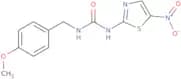
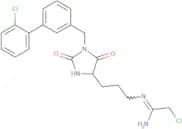
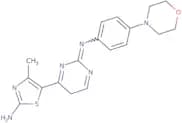
Modulatori enzimatici
Sottocategorie di "Modulatori enzimatici"
Trovati 693 prodotti di "Modulatori enzimatici"
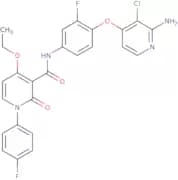
BMS 777607
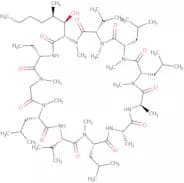
CAS:A potent Met kinase inhibitor (IC50 = 3.9 nM). Also inhibits Axl, Ron, and Tyro-3 (IC50 = 1.1, 1.8 and 4.3 nM, respectively). Anti-proliferative in Met-driven tumors in vitro and in vivo. Induces polyploidy in breast cancer cells and thereby chemoresistance.Formula:C25H19ClF2N4O4Purezza:Min. 95%Peso molecolare:512.10629Dihydrocyclosporin A
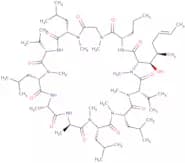
CAS:Dihydrocyclosporin A is an immunosuppressant, which is a cyclic undecapeptide derived from fungal metabolites, specifically from the soil fungus Tolypocladium inflatum. This compound functions through the inhibition of calcineurin, which is a crucial phosphatase involved in the activation of T-cells. By binding to the intracellular protein cyclophilin, Dihydrocyclosporin A forms a complex that inhibits calcineurin activity, subsequently blocking the transcription of interleukin-2 and other cytokines essential for T-cell proliferation.
Formula:C62H113N11O12Purezza:Min. 95 Area-%Colore e forma:PowderPeso molecolare:1,204.63 g/molSU11652
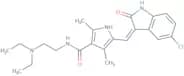
CAS:Inhibitor of FLT3 kinase and acid sphingomyelinase
Formula:C22H27ClN4O2Purezza:Min. 95%Peso molecolare:414.93 g/molPemetrexed - Bio-X ™
CAS:Pemetrexed is a chemotherapy drug that belongs to the class of drugs called folate antimetabolites. It is used for the treatment of various cancers such as non-small cell lung cancer and pleural mesothelioma. Pemetrexed targets the enzymes thymidylate synthase, dihydrofolate reductase and glycinamide ribonucleotide formyltransferase. The drug works by inhibiting those enzymes so that the formation of DNA and RNA is prevented.Formula:C20H21N5O6Purezza:Min. 95%Colore e forma:PowderPeso molecolare:427.41 g/molAS 2863619
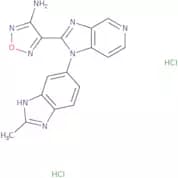
CAS:Cyclin-dependent kinase 8 (CDK8) and CDK19 inhibitor
Formula:C16H14Cl2N8OPurezza:Min. 95%Peso molecolare:405.24 g/molLapatinib ditosylate monohydrate
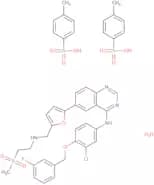
CAS:Inhibitor of EGFR (ErbB1) and HER2 (ErbB2) receptor tyrosine kinases. Used for sensitization of HER2-overexpressing cancer cells to radiation as well as chemotherapy to tamoxifen- and trastuzumab-resistant cell lines. The compound blocks signalling via Akt and mitogen-activated protein kinase (MAPK) pathways leading to reduced cell survival. In trastuzumab resistant cancer cells, it inhibits HER2 phosphorylation, prevents receptor ubiquitination and causes accumulation of inactive HER2 dimers on the cell surface.Formula:C29H26ClFN4O4S•(C7H8O3S)2•H2OPurezza:Min. 95%Peso molecolare:943.48 g/molGI 254023X
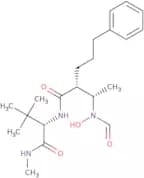
CAS:Inhibitor of ADAM10 metalloproteaseFormula:C21H33N3O4Purezza:Min. 95%Peso molecolare:391.5 g/molCalpain Inhibitor III
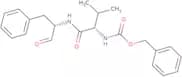
CAS:Inhibitor of calpain and cathepsin BFormula:C22H26N2O4Purezza:Min. 95%Colore e forma:PowderPeso molecolare:382.45 g/molSimvastatin Na
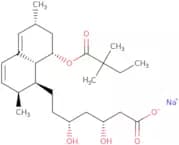
CAS:Simvastatin Na is the salt form of Simvastatin. It acts as HMG-CoA reductase inhibitor and suppresses TNF-mediated NF-kappaB activation.Formula:C25H39O6NaPurezza:Min. 95%Colore e forma:Beige To Brown SolidPeso molecolare:458.56 g/molLifirafenib
CAS:Lifirafenib is a targeted anticancer therapy, which is a small molecule inhibitor sourced through pharmaceutical development processes. Its mode of action involves the selective inhibition of the RAF kinase family, including B-RAF, which plays a critical role in the MAPK/ERK signaling pathway. By targeting these kinases, Lifirafenib effectively disrupts the aberrant signaling that contributes to tumor growth and survival in certain cancers with mutations such as BRAF V600E.
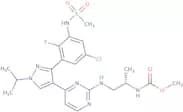
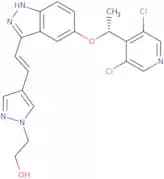
Formula:C25H17F3N4O3Purezza:Min. 95%Peso molecolare:478.42 g/molLGX 818
CAS:Inhibitor of B-Raf mutant (V600E); anti-neoplasticFormula:C22H27ClFN7O4SPurezza:Min. 95%Colore e forma:White/Off-White SolidPeso molecolare:540.01 g/molTPPB
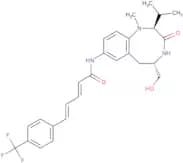
CAS:TPPB is a small molecule inhibitor, which is synthetically derived for targeted biochemical studies. It functions by selectively modulating G-protein-coupled receptor (GPCR) signaling pathways through the inhibition of specific protein-protein interactions. This mode of action makes TPPB an insightful tool for dissecting the complex mechanisms by which G-proteins relay extracellular signals to intracellular responses.
Formula:C27H30F3N3O3Purezza:Min. 95 Area-%Colore e forma:PowderPeso molecolare:501.54 g/molTegafur - Bio-X ™
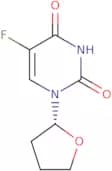
CAS:Tegafur is an antineoplastic agent that is used for the treatment of gastric and colorectal cancers in combination with other medications. This drug is a prodrug of 5-fluorouracil and has anticancer properties by inhibiting thymidylate synthase during DNA synthesis. Additionally, Tegafur causes disruptions of RNA functions.
Tegafur is part of our Bio-X ™ Range. These products are aimed at life science researchers who need high quality ready-to-use products for assay development, screening or other R&D work. With a solubility datasheet and convenient vials, all of our Bio-X ™ products are in stock across our global warehouses for rapid delivery and ease of use.Formula:C8H9FN2O3Purezza:Min. 95%Colore e forma:PowderPeso molecolare:200.17 g/molTolcapone - Bio-X ™
CAS:Prodotto controllatoTolcapone is a catechol-O-methyltransferase (COMT) inhibitor that is used as adjunct therapy to manage symptoms of Parkinson’s disease. Although its precise mechanism is unknown, it is thought to be an inhibitor of COMT and allows for a greater reduction in the symptoms of Parkinson’s.Formula:C14H11NO5Purezza:Min. 95%Colore e forma:PowderPeso molecolare:273.24 g/molOdevixibat
CAS:Odevixibat is a pharmacological agent that functions as an ileal bile acid transport inhibitor, which is synthesized through complex organic chemistry methods to create a specific molecular structure targeting bile acid transport mechanisms. It works by inhibiting the apical sodium-dependent bile acid transporter (ASBT) in the terminal ileum. This action reduces the reabsorption of bile acids from the small intestine back into the liver, thereby reducing overall bile acid levels in the body.Formula:C37H48N4O8S2Purezza:Min. 95%Colore e forma:PowderPeso molecolare:740.93 g/molTizoxanide
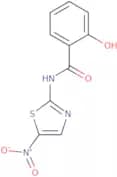
CAS:Anti-parasitic; pyruvate ferredoxin oxidoreductase inhibitorFormula:C10H7N3O4SPurezza:Min. 95%Colore e forma:PowderPeso molecolare:265.25 g/molFlavopiridol hydrochloride
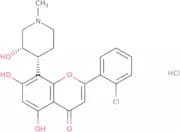
CAS:Inhibitor of CKD1, CDK2, and CDK4 serine/threonine kinases
Formula:C21H21Cl2NO5Purezza:Min. 95%Colore e forma:Light (Or Pale) Tan SolidPeso molecolare:438.3 g/molNeostigmine methyl sulfate
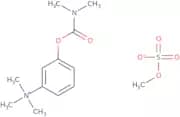
CAS:Inhibitor of acetylcholinesteraseFormula:C13H22N2O6SPurezza:Min. 95%Colore e forma:PowderPeso molecolare:334.39 g/molCanertinib dihydrochloride
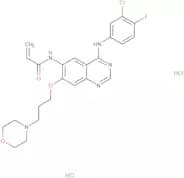
CAS:Inhibitor of EGFR, HER2 and HER4 tyrosine kinasesFormula:C24H25ClFN5O3·2HClPurezza:Min. 95%Peso molecolare:558.86TDZD 8
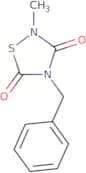
CAS:TDZD 8 is a selective, non-ATP competitive inhibitor of the glycogen synthase kinase GSK3β. TDZD 8 inhibits GSK3β with IC50 of 2 μM and was reported to not significantly affect Cdk-1/cyclin B, casein kinase CK-II, protein kinase A and C (PKA, PKC) activities. TDZD 8 was also identified as an inhibitor of the main protease in coronaviruses. In an in vitro study, TDZD 8 was characterised as an aggregate-based inhibitor as the presence of Triton-X decreased the inhibitory potency to Mpro protease of the SARS-CoV-2 virus (IC50 without Triton-X: 2.15 μM).Formula:C10H10N2O2SPurezza:Min. 98 Area-%Colore e forma:PowderPeso molecolare:222.26 g/molWM 1119
CAS:Selective and potent inhibitor of lysine acetyltransferases KAT6A and KAT6B with IC50 values in low nanomolar range. The compound is a reversible competitor of acetyl coenzyme A domain of KAT6A/B enzymes. It inhibits MYST-catalysed histone acetylation and was shown to arrest lymphoma progression in mice models. The compound opened the door to a new class of cancer therapeutics that could potentially direct the cancer cells in senescence or permanent dormancy.
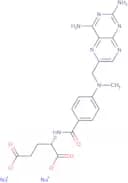
Formula:C18H13F2N3O3SPurezza:Min. 95%Colore e forma:White/Off-White SolidPeso molecolare:389.38 g/molMethotrexate disodium
CAS:Methotrexate is a drug that suppresses the immune system by inhibiting the production of white blood cells. It is used in the treatment of a number of diseases, including some cancers and autoimmune diseases such as rheumatoid arthritis and psoriasis. Methotrexate is metabolized to its active form, methotrexate, by an enzyme called dihydrofolate reductase (DHFR). The DHFR inhibitor activity of methotrexate blocks the synthesis of folate-dependent enzymes and prevents DNA synthesis in rapidly dividing cells. Methotrexate has been used in combination with other drugs to treat cancer. Methotrexate has also been shown to have antifungal properties against opportunistic fungal infections.Formula:C20H20N8Na2O5Purezza:Min. 95%Colore e forma:PowderPeso molecolare:498.4 g/molDoramapimod
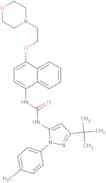
CAS:p38α MAP kinase inhibitor; JNK2α2 protein kinase inhibitorFormula:C31H37N5O3Purezza:Min. 95%Colore e forma:PowderPeso molecolare:527.66 g/molGKA 50
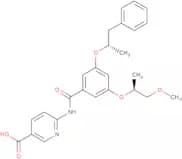
CAS:Glucokinase activatorFormula:C26H28N2O6Purezza:Min. 95%Colore e forma:White PowderPeso molecolare:464.51 g/molMLN 8237
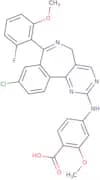
CAS:Antagonist of Aurora A serine/threonine protein kinase; antineoplastic
Formula:C27H20ClFN4O4Purezza:Min. 95%Colore e forma:PowderPeso molecolare:518.92 g/molSildenafil
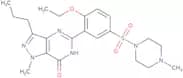
CAS:Sildenafil is a pharmaceutical compound, which is a synthetic product derived from chemical processes. It functions as a selective inhibitor of the enzyme phosphodiesterase type 5 (PDE5). By inhibiting PDE5, sildenafil increases cyclic guanosine monophosphate (cGMP) levels within the smooth muscle cells of the corpus cavernosum. This leads to smooth muscle relaxation and vasodilation, allowing increased blood flow and facilitating penile erection in the presence of sexual stimulation.Formula:C22H30N6O4SPurezza:Min. 95%Colore e forma:PowderPeso molecolare:474.58 g/molRosuvastatin
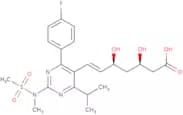
CAS:Rosuvastatin is a synthetic lipid-lowering agent, which is a product of pharmaceutical manufacturing derived from extensive research in cardiovascular pharmacology. It functions as an HMG-CoA reductase inhibitor, effectively blocking the enzyme responsible for cholesterol biosynthesis in the liver. By inhibiting this enzyme, Rosuvastatin reduces the production of cholesterol, especially low-density lipoprotein (LDL) cholesterol, which is known to contribute to atherosclerosis.Formula:C22H28FN3O6SPurezza:Min. 95%Peso molecolare:481.54 g/molL 690330
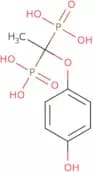
CAS:Inositol monophosphatase (IMPase) inhibitorFormula:C8H12O8P2Purezza:Min. 95%Peso molecolare:298.12 g/molCyclosporine U
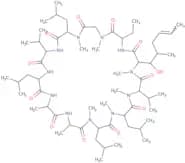
CAS:Cyclosporine U is a cyclic polypeptide immunosuppressant, which is a derivative of the natural product Cyclosporine A, produced by the fermentation process involving the filamentous fungus *Tolypocladium inflatum*. It primarily acts by inhibiting the activity of calcineurin, a phosphatase enzyme, which in turn blocks the transcription of interleukin-2 and other cytokines. This mechanism suppresses the activation of T-lymphocytes, a crucial component in the immune response.
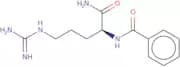
Formula:C61H109N11O12Purezza:Min. 95%Peso molecolare:1,188.58 g/molN-alpha-Benzoyl-L-argininamide
CAS:N-alpha-Benzoyl-L-argininamide is a synthetic compound that is used as an enzyme inhibitor. It binds to the active site of proteases, thereby inhibiting their activity. This drug has been shown to inhibit the activities of phosphodiesterase and phosphatase enzymes in vitro. N-alpha-Benzoyl-L-argininamide also inhibits the proteolytic degradation of hippuric acid and casein in vitro. The binding affinity for this drug is due to its structural similarity with substrates such as glutamate and rhizosphere exudates.
Formula:C13H19N5O2Purezza:Min 98%Colore e forma:White PowderPeso molecolare:277.32 g/molCyclosporin G
CAS:Cyclosporin G is an immunosuppressive agent, which is derived from fungal sources with a specific mode of action that involves inhibiting calcineurin. The source of Cyclosporin G is primarily from the fermentation of the fungus *Tolypocladium inflatum*. Its mode of action involves binding to the cytosolic protein cyclophilin in T-lymphocytes, which subsequently inhibits the phosphatase activity of calcineurin. This inhibition prevents the dephosphorylation and nuclear translocation of the nuclear factor of activated T-cells (NFAT), thereby reducing the transcription of interleukin-2 and other cytokines critical for T-cell activation.Formula:C63H113N11O12Purezza:Min. 95%Peso molecolare:1,216.64 g/mol(+/-)-Blebbistatin
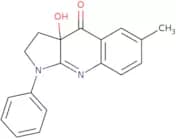
CAS:Inactive enantiomer of the inhibitor of myosin II-ATPaseFormula:C18H16N2O2Purezza:Min. 95%Peso molecolare:292.33 g/molABT 494
CAS:Inhibitor of Janus kinase JAK-1Formula:C17H19F3N6OPurezza:Min. 95%Peso molecolare:380.37 g/molLY 294002
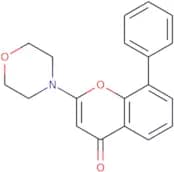
CAS:First generation PI 3-kinase inhibitor
Formula:C19H17O3NPurezza:Min. 95%Colore e forma:White To Off-White SolidPeso molecolare:307.12084AR-AO 14418
CAS:Inhibitor of GSK3β kinaseFormula:C12H12N4O4SPurezza:Min. 95%Colore e forma:PowderPeso molecolare:308.31 g/molN-(5-Aminopentyl) methotrexate amide-LC-biotin
N-(5-Aminopentyl) methotrexate amide-LC-biotin is a specialized bioconjugate, derived through the conjugation of methotrexate, an established antifolate drug, with an LC-biotin moiety. This product is synthesized by covalently linking methotrexate, which is known for its role in cancer therapy through the inhibition of dihydrofolate reductase (DHFR), to a biotin moiety via a long-chain spacer. The resultant bioconjugate retains the therapeutic effects of methotrexate, particularly in its ability to interrupt nucleotide synthesis, thereby affecting cell division in rapidly proliferating cancer cells.The inclusion of biotin in the structure allows for facile attachment to avidin or streptavidin-labeled systems, facilitating targeted delivery and enhanced detection in molecular and cellular studies. The primary application of N-(5-Aminopentyl) methotrexate amide-LC-biotin lies in the realm of targeted drug delivery and advanced research into methotrexate metabolism. By leveraging the high affinity of biotin-streptavidin interactions, researchers can effectively study the biodistribution and cellular uptake of methotrexate, advancing cancer therapeutic strategies and providing insights into antifolate drug mechanisms at the molecular level.Formula:C41H59N13O7SPurezza:Min. 95%Colore e forma:PowderPeso molecolare:878.06 g/molCAY10727
CAS:CAY10727 is a potent biochemical inhibitor, which is derived from synthetic sources with specific action targeting cyclooxygenase-2 (COX-2) enzymes. It functions by selectively blocking the enzymatic activity of COX-2, which plays a critical role in the biosynthesis of prostaglandins involved in inflammatory responses. This targeted inhibition allows the study of COX-2-related pathways without interference from COX-1, which is significant for maintaining gastrointestinal integrity.The use and applications of CAY10727 are primarily in research settings where understanding the pathways involved in inflammation, pain, and cancer progression are critical. This compound is utilized in various in vitro experiments to delineate the role of COX-2 in cellular and molecular contexts, enabling scientists to dissect complex signaling networks. Given its specificity, CAY10727 is instrumental in the development of new therapeutic approaches where selective COX-2 inhibition might offer benefits over non-selective inhibitors.Formula:C21H22Cl2N4O2Purezza:Min. 95%Peso molecolare:433.3 g/molUNC 0379
CAS:Inhibitor of the histone methyltransferase SETD8 that supresses methylation of the K20 residue in histone 4. UNC 0379 treatment of human glioma reduced recruitment of 53BP1 protein to double strand breaks and sensitised cells to radiotherapy without altering cell cycle kinetics.
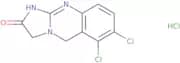
Formula:C23H35N5O2Purezza:Min. 95%Colore e forma:SolidPeso molecolare:413.56 g/molAnagrelide HCl - Bio-X ™
CAS:Anagrelide is a thrombocytopenic drug that is used to treat thrombocythemia and related conditions. This drug works by decreasing the platelet count by suppressing transcription factors that are necessary for the maturation of platelets. This drug is also a phosphodiesterase III inhibitor.Formula:C10H7Cl2N3O•HClPurezza:Min. 95%Colore e forma:PowderPeso molecolare:292.55 g/molGSK 583
CAS:A potent and selective inhibitor of cell death-inducing kinase RIP2 (IC50 = 5 nM). Reduces release of pro-inflammatory cytokines. Inhibits production of TNF-α and IL-6 in intestinal explants from patients with Crohn's disease and ulcerative colitis.
Formula:C20H19FN4O2SPurezza:Min. 95%Colore e forma:PowderPeso molecolare:398.46 g/molRef: 3D-BG163813
Prodotto fuori produzioneHER-2 substrate peptide
Human epidermal growth factor receptor 2 (HER-2)/epidermal growth factor receptor-2 (ErbB-2), is a key receptor linked to metastasis in tumours. The oncogenic ErbB-2 receptor has intrinsic receptor tyrosine kinase (RTK) activity. The receptor is activated by ligand binding which induces receptor dimerization. These RTK complexes can activate mitogen-activated protein kinase (MAPK) and phosphoinositol 3'-kinase (PI3K)/Akt pathways. This peptide has been identified as a substrate for HER-2/ErbB-2 as it is phosphorylated upon receptor activation and therefore acts as a marker for receptor activation in kinases assays.
Purezza:Min. 95%Peso molecolare:1,836.14 g/molRef: 3D-CRB1000259
Prodotto fuori produzioneLY 2874455
CAS:Inhibitor of FGFR kinase
Formula:C21H19Cl2N5O2Purezza:(%) Min. 98%Peso molecolare:443.09158PKI 587
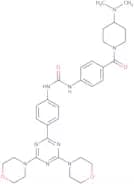
CAS:PI3K/mTOR kinase inhibitor; anti-neoplastic
Formula:C32H41N9O4Purezza:Min. 95%Colore e forma:White To Off-White SolidPeso molecolare:615.73 g/molGlasstide
A protein kinase G selective substrate for use in kinases assays, with a preference for PKG Ialpha over PKG II. PKG is a serine/threonine-specific protein kinase activated by cyclin guanosine monophosphate (cGMP). PKG is involved in several signalling pathways including: smooth muscle relaxation, platelet function, cell division, nucleic acid synthesis and sperm metabolism.
Purezza:Min. 95%Peso molecolare:901.5 g/mol(S)-(-)-Blebbistatin
CAS:Inhibitor of myosin?II?specific ATPase which blocks the myosin heads in an actin-detached state, disrupts contractility of myosin-actin filaments and stabilizes super-relaxed state of muscle fibres. It inhibits skeletal muscle myosin, non-muscle myosin II and heart muscle myosin.
Formula:C18H16N2O2Purezza:Min. 98 Area-%Colore e forma:Yellow PowderPeso molecolare:292.3 g/molRuxolitinib
CAS:Ruxolitinib is a janus tyrosine kinase inhibitor active specifically on sub-types JAK1 and JAK2 with IC50 values in the nanomolar range. JAK1 and JAK2 are kinases involved in the regulation of hematopoiesis. Clinically applied to the treatment of intermediate and high-risk myelofibrosis, ruxolitinib is usually well tolerated by patients.
Formula:C17H18N6Purezza:Min. 95%Colore e forma:White PowderPeso molecolare:306.37 g/molPhosphorylated EGFR peptide substrate
Phosphorylated EGFR peptide substrate.
Purezza:Min. 95%Peso molecolare:1,700.8 g/mol740 Y-P
Cell permeable peptide which is able to activate phosphoinositide 3- kinase, for which it binds with high affinity to the p85 subunit. 740 Y-P also has mitogenic activity as it is able to induce mitosis in muscle cells, and promotes cell survival in neurones. PI 3- kinase's are a family of enzymes involved in many cellular pathways including cell proliferation, growth, differentiation, survival, motility, and intracellular trafficking. PI 3 Kinases are therefore also involved in many cancers.
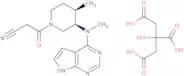
Purezza:Min. 95%Colore e forma:PowderPeso molecolare:3,268.6 g/molTofacitinib citrate
CAS:Inhibits Jak kinases; immunosuppressive; anti-inflammatory
Formula:C16H20N6O·C6H8O7Purezza:Min. 98 Area-%Colore e forma:White PowderPeso molecolare:504.49 g/mol