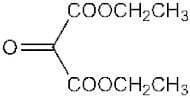
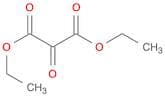
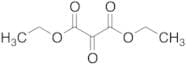
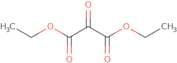
CAS 609-09-6
:Dietil cetomalonato
- 1,3-Diethyl 2-oxopropanedioate
- 2-Oxomalonic acid diethyl ester
- Carbonyl diethyl malonate
- Diethyl 2-oxomalonate
- Diethyl 2-oxopropane-1,3-dioate
- Diethyl Oxopropanedioate
- Diethyl mesoxalate
- Diethyl oxomalonate
- Diethyloxomalonate
- Ethoxycarbonyl ethoxycarbonyl ketone
- Ethyl ketomalonate
- Ethyl mesoxalate
- Ethyl oxomalonate
- Mesoxalic acid, diethyl ester
- NSC 53478
- Oxopropanedioic acid diethyl ester
- Propanedioic acid, 2-oxo-, 1,3-diethyl ester
- Propanedioic acid, oxo-, diethyl ester
- DIETHYL MESOXYLATE
- KETOMALONIC ACID DIETHYL ESTER
- 2-Oxopropanedioic acid diethyl
- Diethyl ketomalonate 97%
- DIETHYL KETOMALONATE
- DiethylKetomaloante
- Diethylmesoxalate=Diethyloxomalonate
- Diethyl ketomalonate, (Diethyl mesoxalate
- Diethyl ketomalonate, Ketomalonic acid diethyl ester
- oxo-propanedioicacidiethylester
- Diethyl mesoxalate, Ketomalonic acid diethyl ester
- Diethyl mesoxalate~Diethyl oxomalonate~Oxopropanedioic acid diethyl ester
- Ver mais sinónimos
Diethyl ketomalonate, 95%
CAS:Diethyl ketomalonate, reagent employed in Wittig and Aza-Wittig reactions for synthesis of triazoles, and 2-azadienes, respectively. This Thermo Scientific Chemicals brand product was originally part of the Alfa Aesar product portfolio. Some documentation and label information may refer to the legacFórmula:C7H10O5Pureza:95%Cor e Forma:Clear colorless to yellow, LiquidPeso molecular:174.15Ref: IN-DA0034QE
5kgA consultar10kgA consultar1g21,00€5g25,00€10g29,00€25g37,00€50g57,00€100g83,00€250g148,00€500g181,00€1kg289,00€Diethyl 2-oxomalonate
CAS:Diethyl 2-oxomalonateFórmula:C7H10O5Pureza:97%Cor e Forma: clear. yellow liquidPeso molecular:174.1513g/molDiethyl Mesoxalate
CAS:Fórmula:C7H10O5Pureza:>94.0%(GC)Cor e Forma:White to Yellow to Green clear liquidPeso molecular:174.15Diethyl Ketomalonate
CAS:Produto ControladoApplications Diethyl Ketomalonate (cas# 609-09-6) is a compound useful in organic synthesis.
Fórmula:C7H10O5Cor e Forma:NeatPeso molecular:174.15Diethyl ketomalonate
CAS:Diethyl ketomalonate is an organic compound that is a derivative of malonic acid. It is used as a potent and selective inhibitor of the enzyme protease. Diethyl ketomalonate has been shown to inhibit the activity of a wide range of enzymes, including aminopeptidases, carboxypeptidases, dipeptidases, endopeptidases, esterases, glycosidases, lipase, metalloprotease, peptidase A1, peptidase A2, peptidase M1 and urease. The mechanism of action for this class of compounds involves the formation of an intramolecular hydrogen bond between diethyl ketomalonate and a hydroxyl group in the enzyme's active site. This inhibits catalysis by blocking access to the substrate-binding site.
Fórmula:C7H10O5Pureza:Min. 95%Cor e Forma:Clear LiquidPeso molecular:174.15 g/mol