Corantes, Pigmentos, Tinturas, Imagens Fluorescentes
Corantes, colorações e tinturas são ferramentas essenciais na biologia molecular, cruciais para visualizar e estudar o DNA, cromossomos e núcleos celulares. Esses compostos permitem que os pesquisadores destaquem componentes celulares específicos, facilitando a observação e análise detalhadas ao microscópio. Nesta categoria, você encontrará uma ampla gama de corantes e colorações de alta qualidade usados em várias técnicas de coloração, incluindo corantes fluorescentes para análise de DNA e cromossomos, colorações histológicas para amostras de tecido e corantes específicos para estruturas celulares. Essas ferramentas são indispensáveis em pesquisas genéticas, citologia, histologia e diagnósticos, proporcionando clareza e contraste em amostras biológicas. Na CymitQuimica, oferecemos uma seleção abrangente de corantes, colorações e tinturas para apoiar sua pesquisa em biologia molecular e garantir resultados precisos e confiáveis em seus estudos.
Subcategorias de "Corantes, Pigmentos, Tinturas, Imagens Fluorescentes"
- Corantes Ácidos(49 produtos)
- Azobenzenos(270 produtos)
- Corantes azóicos(7 produtos)
- Corantes básicos(27 produtos)
- Corantes de Cumarina(71 produtos)
- Corantes de cianina, corantes de Squarylium(53 produtos)
- Corantes de DCM(4 produtos)
- Diariletenos(12 produtos)
- Corantes de Dipirrometeno(26 produtos)
- Corantes directos(17 produtos)
- Corantes dispersos(2 produtos)
- Sensibilizadores de corantes(12 produtos)
- Corantes(416 produtos)
- Corantes e pigmentos(911 produtos)
- Geração de corantes insolúveis(14 produtos)
- Geração de corantes solúveis(11 produtos)
- Hexaarilbiimidazol(4 produtos)
- Indicadores(575 produtos)
- Corantes Mordente(10 produtos)
- Corantes de Infravermelhos-próximo (NIR)(28 produtos)
- Corantes a óleo(15 produtos)
- Outros Pigmentos e Corantes(2 produtos)
- Corantes de Perileno(17 produtos)
- Corantes fotocrómicos(40 produtos)
- Corantes de Ftalocianina, Corantes de Porfirina(101 produtos)
- Corantes de Quinacridona(8 produtos)
- Espiropirano(16 produtos)
- Pigmentos e Corantes(243 produtos)
- Pigmentos e Corantes para Microscopia(5 produtos)
- Corantes Vat(5 produtos)
- Corante Xanteno(65 produtos)
Exibir 23 mais subcategorias
Foram encontrados 755 produtos de "Corantes, Pigmentos, Tinturas, Imagens Fluorescentes"
Ordenar por
Pureza (%)
0
100
|
0
|
50
|
90
|
95
|
100
Pigment Blue 10
CAS:<p>Pigment Blue 10 is a cationic dye that belongs to the class of quaternary ammonium compounds. It is often used in textile and leather processing as a cross-linking agent and as an auxiliary agent for pigmenting. Pigment Blue 10 has good light resistance, high solubility in organic solvents, and low toxicity. It is also used in radiation curing processes, such as epoxy resin, acrylate resin, polyester resin, and silicone rubber. Pigment Blue 10 can be used with salt compounds or aliphatic hydrocarbons to form a film on surfaces or objects. It has been shown to have biodegradable properties when mixed with other substances.</p>Pureza:Min. 95%Bromocresol green, sodium salt
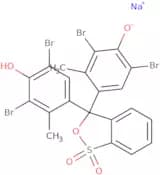
CAS:<p>Bromocresol green is a dye that is used in biological assays to measure the kinetics of fluorescence. It is a type of tryptophan-releasing compound that releases a yellowish-green light when it absorbs light at wavelengths between 350 and 450 nm. Bromocresol green has been quantified by measuring the intensity of the fluorescence emission as a function of time. This can be done visually or using an instrument called a fluorometer, which detects changes in light intensity over time. Bromocresol green can be used to detect the presence of amino acid residues in proteins through protonation reactions with their tryptophan residues and subsequent quenching with acetonitrile. The bromocresol green dye is also used in lithographic printing, where it serves as an acceptor for electrons from an arene (aromatic hydrocarbon). This process generates energy for lithography and also provides contrast between regions with different electron densities.</p>Fórmula:C21H14Br4O5SNaCor e Forma:PowderPeso molecular:721 g/molDirect Black 22
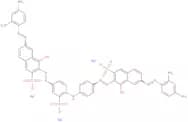
CAS:<p>Direct Black 22 is a carbon-based nanomaterial that can be used for wastewater treatment. This material is photoelectrochemical and has been shown to have the ability to mineralize organic matter and other pollutants in wastewater. Direct Black 22 is biodegradable, which means it will break down into carbon dioxide and water. Direct Black 22 also has an affinity for estrogen and hydrogen peroxide, which makes it a good candidate for removing these substances from wastewater. Direct Black 22 has been shown to be efficient in treatments of high salinity wastewaters.</p>Fórmula:C44H32N13Na3O11S3Cor e Forma:Brown PowderPeso molecular:1,083.97 g/molC.I.Disperse Orange 32
CAS:<p>Please enquire for more information about C.I.Disperse Orange 32 including the price, delivery time and more detailed product information at the technical inquiry form on this page</p>Pureza:Min. 95%Brilliant blue FCF
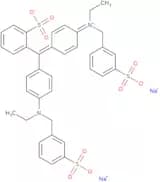
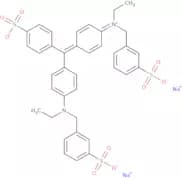
CAS:<p>Brilliant blue FCF is a water-soluble dye that has been used for many purposes, including as a food coloring and in wastewater treatment. It is an intensely blue powder that is soluble in water and reactive to acids. The toxicity of this substance has been extensively studied, with long-term studies showing no significant negative effects on the liver or other organs. In addition, it does not cause any toxic effects when tested on human serum. The adsorption of brilliant blue FCF onto activated carbon or silica gel beads has been shown to be reversible and time-dependent. This dye can also be quantified using an analytical method involving surface methodology coupled with electrochemical impedance spectroscopy.</p>Fórmula:C37H34N2Na2O9S3Cor e Forma:PowderPeso molecular:792.85 g/molPhenol red sodium salt
CAS:<p>Phenol red is a pH indicator that finds broad applications from chemistry to microbiology. Colour varies from yellow at pH<6.8 (lmax 443nm) through to light red/pink at 6.8<pH<8.2 (lmax 570 nm) to vivid purple/red at pH>8.2. It is widely used in cell culture to monitor pH and for colorimetric titration. For example, phenol red can be used to quantify Br- content in sea or fresh water. It is added to VTM as pH indicator, at the concentration of 10mg/ml, maintaining a pink colour at neutral pH.</p>Fórmula:C19H13NaO5SCor e Forma:Slightly Brown Red PowderPeso molecular:376.36 g/molAcridine orange base
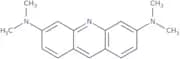
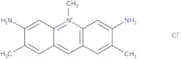
CAS:<p>Acridine orange is a fluorescent dye that can pass through the cell membrane and bind to the cytoplasmic structures of cells. It can be used as a probe for determining the presence of cell nuclei, mitochondria, and other organelles. Acridine orange is also used in experiments to determine mitochondrial membrane potential. In this type of experiment, acridine orange is added to cells and its uptake into mitochondria is observed. The dye changes color from orange to green when it binds with the mitochondria because it emits green fluorescence at higher excitation wavelengths than red fluorescence. Acridine orange has been shown to increase fatty acid synthesis by binding with fatty acid synthase, which is an enzyme involved in fatty acid biosynthesis. Acridine orange also increases ATP levels by inhibiting oxidative phosphorylation in mitochondria.</p>Fórmula:C17H19N3Cor e Forma:Orange PowderPeso molecular:265.35 g/molSolvent Red 149
CAS:<p>Solvent Red 149 is an organic solvent that is used in the development of photographic emulsions. It has a low average particle diameter, high thermal expansion, and low volatility. Solvent Red 149 has been used as a sensor for environmental pollution. This compound has been shown to inhibit polymerization reactions by acting as an inhibitor of an essential step in the process. The hydroxyl group on the molecule can be used for authenticating purposes because it reacts with sulfuric acid to form a red dye.</p>Fórmula:C23H22N2O2Pureza:Min. 95%Cor e Forma:PowderPeso molecular:358.43 g/molAcid red 128
CAS:<p>Acid Red 128 is a red dye that is used as a food colorant and as a pharmaceutical drug. Acid Red 128 is used in the diagnosis of bacterial strains, viruses, and human proteins. It has been shown to have antiviral activity against influenza virus and HIV. The hydroxyl group on the molecule reacts with the amino group of an amino acid or protein to form an ester bond, which links two molecules together. This reaction product is called a cross-link. Acid Red 128 can also be used as a growth factor by increasing cellular protein synthesis.</p>Pureza:Min. 95%Acid Black 60, Technical grade
CAS:<p>Please enquire for more information about Acid Black 60, Technical grade including the price, delivery time and more detailed product information at the technical inquiry form on this page</p>Pureza:Min. 95%Weak Acid Yellow 3G
CAS:<p>Weak Acid Yellow 3G is a benzyl ester of an aliphatic polyhydric alcohol. It is a clear, amber liquid with a pH of 6.5-7.5 and can be used in the production of microspheres and monomers for organic solvent extraction and surface treatment. When diluted with water, it has an alkaline reaction system. This product is soluble in aliphatic hydrocarbons, alcohols and ethers, but insoluble in water and most other common solvents. Weak Acid Yellow 3G can be used as a surfactant and surface active agent to simplify reactions systems by removing the need for additional reagents or solvents.</p>Fórmula:C39H26Cl4N8Na2O8S2Pureza:Min. 95%Peso molecular:986.6 g/molSolvent green 5
CAS:<p>Solvent green 5 is an acylation reaction product of a polymeric matrix with a hydroxyl group. The polymer film is developed from the cavity, encapsulation, and section of magnesium oxide. It has a skeleton that consists of a polymeric matrix with functional groups. Solvent green 5 emits light in the visible spectrum when subjected to heat or ultraviolet rays. This product can be used as a dye that absorbs ultraviolet radiation and converts it into visible light.</p>Fórmula:C30H28O4Cor e Forma:PowderPeso molecular:452.54 g/molC.I.Reactive Orange 13
CAS:<p>C.I.Reactive Orange 13 is a reactive dye that can be used for the detection of bacterial strains, including Legionella pneumophila and Pseudomonas aeruginosa. The dye reacts with metal ions to form a precipitate, which can be detected by measuring the viscosity or turbidity of the solution. C.I.Reactive Orange 13 has been shown to bind to biomass from fungi and bacteria, which is why it is often used for monitoring water quality in wastewater treatment plants and for detecting microbial contamination in food products. C.I.Reactive Orange 13 is also an effective metal chelator that can be used for kinetic studies on borohydride reduction reactions involving iron and other transition metals.</p>Fórmula:C24H15ClN7O10S3·3NaPureza:Min. 95%Peso molecular:762.04 g/molFuchsin, for flagella staining, certified
CAS:<p>Please enquire for more information about Fuchsin, for flagella staining, certified including the price, delivery time and more detailed product information at the technical inquiry form on this page</p>Fórmula:C20H20ClN3Pureza:Min. 95%Cor e Forma:PowderPeso molecular:337.8 g/molC.I.Acid Yellow 19
CAS:<p>Please enquire for more information about C.I.Acid Yellow 19 including the price, delivery time and more detailed product information at the technical inquiry form on this page</p>Pureza:Min. 95%Pigment Blue 1
CAS:<p>Pigment Blue 1 is a reactive dye that is used for optical sensing in biological samples. This dye changes its color depending on the redox potential of the environment. It has been shown to bind to amines, which can be useful in drug interactions. Pigment Blue 1 has also been shown as an optical sensor for choroidal neovascularization and synchronous fluorescence.<br>!--</p>Pureza:Min. 95%C.I.Vat green 17
CAS:<p>Please enquire for more information about C.I.Vat green 17 including the price, delivery time and more detailed product information at the technical inquiry form on this page</p>Pureza:Min. 95%Reactive Blue 19, Technical grade
CAS:<p>Reactive Blue 19 is a chemical compound that has been used extensively in biological, biochemical, and clinical research. It is a reactive dye with the chemical formula C20H14N2Na4O8S4. The molecule's structure consists of two benzene rings linked by two amine groups, which are connected to an aromatic ring with four sulfonic acid side chains. Reactive Blue 19 has been shown to inhibit the activity of enzymes such as hydroxylase and nitrite reductase. This compound also reacts with protocatechuic acid to form an intense blue-colored complex that can be detected using electrochemical detection.</p>Fórmula:C22H16N2Na2O11S3Pureza:Min. 95%Cor e Forma:PowderPeso molecular:626.55 g/molC.I.Reactive Red 250
CAS:<p>C.I. Reactive Red 250 is a versatile dye that has been widely used in various experiments. It belongs to the category of Other Dyes, Stains, Indicators & Probes. This dye has shown potential in inhibiting glycogen synthase kinase-3β (GSK-3β), an enzyme involved in various signaling pathways. Additionally, C.I. Reactive Red 250 has been studied for its effects on HIV infection and autoimmune diseases.</p>Pureza:Min. 95%Pigment Yellow 168
CAS:<p>Pigment Yellow 168 is a synthetic organic pigment that is used in paints and varnishes. It is an oil-soluble, reactive dye that can be used as a colorant in plastics. Pigment Yellow 168 has been shown to be stable under UV radiation and light exposure, which makes it ideal for use in outdoor paints.</p>Fórmula:C32H24CaCl2N8O14S2Pureza:Min. 95%Peso molecular:919.69 g/molPigment Yellow 127
CAS:<p>Please enquire for more information about Pigment Yellow 127 including the price, delivery time and more detailed product information at the technical inquiry form on this page</p>Pureza:Min. 95%Acid Black ATT
CAS:<p>Acid Black ATT is a chemical compound that is used to adjust the pH and remove organic matter in wastewater. It is a mixture of trimethyl, collagen, sodium carbonate, calcium carbonate, and sodium chloride. Acid Black ATT can be used as an additive for the treatment of wastewater because it has been shown to inhibit enzymes. This product should be added slowly to water in order to avoid inhaling the vaporized acid. The use of this chemical must be carefully monitored because it can cause corrosion and damage to pipes.</p>Pureza:Min. 95%C.I.Solvent Yellow 51
CAS:<p>Please enquire for more information about C.I.Solvent Yellow 51 including the price, delivery time and more detailed product information at the technical inquiry form on this page</p>Pureza:Min. 95%Fast Violet B - Dye content 85%
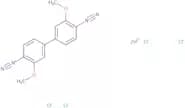
CAS:<p>Fast Violet B is a diazonium salt that reacts with an amine, such as phosphatase, to release hydrogen. This reaction can be used to measure the activity of phosphatases. The emission of light in the visible range depends on the concentration and pH of the solution. Fast Violet B is soluble in water, alcohol, acetone, ether and chloroform. It has a particle size that ranges from 0.1-0.2 microns in diameter and will not dissolve in most solvents. Fast Violet B can be used to detect zearalenone in animal feed samples using a sample preparation technique called thin layer chromatography (TLC). It has shown clinical utility for determining antibody response in humans by measuring fatty acid synthesis activity during the inflammatory response. Fast Violet B also reacts with hydrogen bonds between nucleotides on DNA molecules and it binds to human mitochondrial DNA because it contains many phosphate groups and several intramolecular hydrogen bonds can form between neighboring</p>Fórmula:C15H16N2O2Pureza:Min. 95%Cor e Forma:PowderPeso molecular:256.3 g/molC.I.Solvent Blue 13
CAS:<p>Please enquire for more information about C.I.Solvent Blue 13 including the price, delivery time and more detailed product information at the technical inquiry form on this page</p>Pureza:Min. 95%Fast blue B salt
CAS:<p>For visualizing enzymatic activity</p>Fórmula:C14H12N4O2Cl2·ZnCl2Cor e Forma:PowderPeso molecular:475.46 g/molLight green SF yellowish
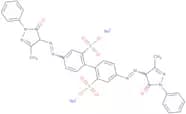
CAS:<p>Sodium salts are colloidal gold particles that are dispersed in aqueous solution and have a light green SF yellowish color. This type of salt is used for plant physiology studies, due to their ability to provide an accurate measurement of the surface area of leaves. Sodium salts can be used as biological samples, such as liver lesions or langmuir adsorption isotherm, to investigate kinetic data. They also have been shown to be useful in the study of human serum and particle interactions. The sodium salts form a thin layer on the surface of the particle, which makes it possible to measure the concentration of fatty acids or basic proteins on its surface. Sodium salts are also commonly used in toxicology studies and histological analyses.</p>Fórmula:C37H34N2O9S3Na2Pureza:(%) Min. 80%Cor e Forma:PowderPeso molecular:792.85 g/molC.I.Basic Yellow 5
CAS:<p>Basic Yellow 5 is a dye that belongs to the group of organic pigments. It is used in textile and leather production, as well as in food coloring. Basic Yellow 5 has been shown to bind to lectins on the surface of bacteria, which is how it exerts its antibacterial effects. This dye inhibits protein synthesis by binding to the ribosome and preventing amino acid incorporation into proteins. Basic Yellow 5 also inhibits bacterial growth by binding to the ribosome, interfering with protein synthesis and cell division.END></p>Pureza:Min. 95%Acid Red 357
CAS:<p>Acid Red 357 is a basic dye, which is used in the treatment of wastewater. It binds to the surface of particles and reacts with sodium carbonate to form a hydroxide precipitate. This reaction leads to removal of colorants from the water. Acid Red 357 is also reactive, nucleophilic, and has high values for both kinetic data and transfer mechanism.</p>Pureza:Min. 95%Disperse blue 60, technical grade dye content
CAS:<p>Disperse Blue 60 is a stilbene-based dye that absorbs ultraviolet light and emits red fluorescent light. It is used in wastewater treatment, biological treatment, and supercritical water oxidation processes. Disperse Blue 60 is activated by fatty acid, alkanoic acid, or polymeric matrix to form an antimicrobial agent that can be used in radiation sterilization of food products. This dye also has the ability to absorb radiation in the range of 200 - 300 nm and emit fluorescence at 590 nm. The oxidation catalyst provides stability for the dye molecule under conditions of high temperature or pressure.</p>Fórmula:C20H17N3O5Pureza:Min. 95%Cor e Forma:PowderPeso molecular:379.37 g/molBis(5-bromo-6-chloro-3-indoxyl)pyrophosphoric acid, disodium salt
<p>Bis(5-bromo-6-chloro-3-indoxyl)pyrophosphoric acid, disodium salt is a versatile building block that can be used to synthesize complex compounds. This compound is a reagent for research and also has many uses in the pharmaceutical industry as a useful intermediate and scaffold. Bis(5-bromo-6-chloro-3-indoxyl)pyrophosphoric acid, disodium salt is an excellent high quality product that can be used in many reactions.</p>Fórmula:C16H8Br2Cl2N2Na2O7P2Peso molecular:678.90 g/molRef: 3D-B-3370
1gA consultar5gA consultar10gA consultar500mgA consultar2500mgA consultar-Unit-ggA consultarIohexol
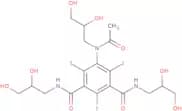
CAS:<p>a contrast agent used in medical imaging such as angiography, CT scans, and MRI.</p>Fórmula:C19H26I3N3O9Pureza:98.0 To 102.0%Cor e Forma:White PowderPeso molecular:821.14 g/molC.I.Reactive Red 223
CAS:<p>Please enquire for more information about C.I.Reactive Red 223 including the price, delivery time and more detailed product information at the technical inquiry form on this page</p>Pureza:Min. 95%Pigment Yellow 13
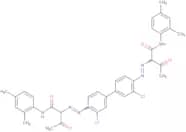
CAS:<p>Pigment Yellow 13 is a yellow pigment that can be used in wastewater treatment. Pigment Yellow 13 is an organic compound that contains the reactive group glycol ether, which reacts with alcohol residue to form glycol esters. This reaction mechanism is similar to the reaction of glycols with water. The structure of Pigment Yellow 13 is a bound form and it has been found to have thermal expansion properties. Pigment Yellow 13 also has intramolecular hydrogen bonding between the carbon and oxygen atoms, which allows it to act as a stabilizer for polymers such as polyester and nylon. Pigment Yellow 13 also exhibits intermolecular hydrogen bonding, causing it to be resistant to radiation and laser ablation.</p>Fórmula:C36H34Cl2N6O4Cor e Forma:Yellow PowderPeso molecular:685.60 g/molOrange G, Technical grade
CAS:<p>Orange G is a quaternary ammonium salt that can be used for the treatment of wastewater. It has been shown to adsorb to the surface of bacterial cells and inhibit their growth by preventing enzyme activity. Orange G has also been shown to have carcinogenic potential in experimental models, although it is less potent than dimethylhydrazine or N-nitrosodiethylamine. Orange G has genotoxic effects on human serum, as seen by increased DNA fragmentation and chromosomal aberrations. The kinetic and redox properties of Orange G are still being investigated.</p>Fórmula:C16H10N2Na2O7S2Pureza:Min. 95 Area-%Cor e Forma:Orange PowderPeso molecular:452.37 g/molDisperse Orange 3
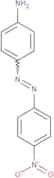
CAS:<p>Disperse Orange 3 is a diazonium salt that has been used in the textile industry as a dye, but has also been used as a reagent for the synthesis of organic compounds. Disperse Orange 3 is synthesized by reacting an azobenzene with a fatty acid, which yields an unstable intermediate. The intermediate undergoes photochemical reactions when exposed to ultraviolet light or moisture. This reaction produces benzalkonium chloride and ft-ir spectroscopy, which confirms the identity of Disperse Orange 3. Disperse Orange 3 is used in biological treatment and binding constants experiments to measure the strength of interactions between molecules. It has clinical relevance in magnetic resonance spectroscopy because it can be used to probe molecular interactions with proteins or nucleic acids. It also has solubility data that can be used to determine its solubility in water and other solvents.<br>Disperse Orange 3 is soluble in supercritical carbon dioxide at high temperatures, but insoluble at room temperature</p>Fórmula:C12H10N4O2Pureza:Min. 65%Cor e Forma:PowderPeso molecular:242.23 g/mol6-Carboxy-X-rhodamine
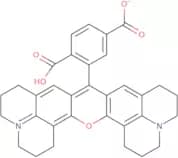
CAS:<p>Single isomer of 5(6)-ROX. It is a fluorescent dye used in RT-PCR methods as an internal reference to determine fluorescence variation that is not associated with the amplification process (plastic of the wells, small differences in concentration or volume, instrument measurements). It produces a constant fluorescence emission signal during the PCR process that is used to normalise the emission produced by the reporter. The fluorescence signal is compatible with most reporters. It is used to label the 5â end of oligonucleotides as a reporter in the presence of a quencher at the 3â end (dual labelled probe). During the amplification, the dye is cleaved, and the fluorescence increases proportionally with the amount of the specific sequence amplified during the PCR process. The development of the fluorescence signal is therefore specifically related to the amplification of the target sequence. 6-ROX with NHS-activated carboxylic acids reacts with primary amines.</p>Fórmula:C33H30N2O5Pureza:Min. 95%Cor e Forma:Red PowderPeso molecular:534.6 g/molDirect Yellow 96, Technical grade
CAS:<p>Direct Yellow 96 is a Direct Fast to Light dye (DFL) also known as diphenyl Brilliant Flavine 7GFF, direct Yellow 7GFF, Solophenyl Flavine 7GFE and Solophenyl Flavine 7GFE 500. Direct Yellow 96 is ideal for application on cellulosic fibres, making it suitable for textile and paper colouring. Solophenyl Flavine 7GFE 500 has been described as useful dye of fungal cell walls. The dye yields fluorescently stained material generally in the blue to green wavelengths and provides an excellent alternative to the more commonly used fluorophore, Calcofluor White M2R.</p>Fórmula:C39H34N10O13S4Cor e Forma:PowderPeso molecular:979.01 g/molC.I.Reactive Yellow 162
CAS:<p>Please enquire for more information about C.I.Reactive Yellow 162 including the price, delivery time and more detailed product information at the technical inquiry form on this page</p>Pureza:Min. 95%Acid Red 266
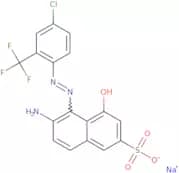
CAS:<p>Acid Red 266 is a hydroxyl-containing polymeric dye that is used in the textile and paper industries as a colorant, pigment, or dye. It has been shown to be an efficient control agent for the polymerization of polyvinyl acetate. Acid Red 266 can also be used to form films with high light stability and good mechanical properties. The hydroxyl group present in this molecule causes it to have a polarizing effect on UV absorption. Acid Red 266 is made of particles that are soluble in water and alcohols, but insoluble in oils. This acid dye is also sensitive to heat, so it should not be exposed to temperatures over 60°C.</p>Fórmula:C17H10ClF3N3O4S•NaPureza:Min. 95%Peso molecular:467.78 g/molC.I.Acid Orange 171
CAS:<p>Please enquire for more information about C.I.Acid Orange 171 including the price, delivery time and more detailed product information at the technical inquiry form on this page</p>Pureza:Min. 95%Bromocresol green
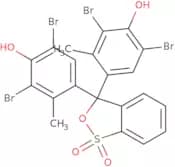
CAS:<p>Bromocresol green is a cationic surfactant that is used as a fluorescent indicator dye. It binds to proteins and can be detected with an optical sensor. Bromocresol green has been shown to react with hydrochloric acid, which may be due to the protonation of the cationic group. This reaction is reversible and depends on pH. The binding of bromocresol green to serum proteins results in a decrease in fluorescence intensity due to quenching by adsorption at the protein-protein interface. The kinetic data for this dye have been found to depend on α1-acid glycoprotein concentration.</p>Fórmula:C21H14Br4O5SCor e Forma:PowderPeso molecular:698.01 g/molC.I.Acid Yellow 42
CAS:<p>C.I.Acid Yellow 42 is a reactive dye that belongs to the class of chromatic compounds. It is used in photolithography and as a pH indicator, but is also an environmental pollutant. C.I.Acid Yellow 42 is hydrated and has radical mechanism of photodecomposition, which makes it subject to radiation and mineralization. C.I.Acid Yellow 42 can be used in assays for detecting ions such as copper, iron, zinc, or mercury at efficiencies greater than other dyes in the same class. It can also be synthesized from organic materials or biodegradable substances such as dyes from natural sources or phenol-formaldehyde resins with low toxicity to humans and the environment.>>END>></p>Fórmula:C32H26N8O8S2•Na2Pureza:Min. 95%Cor e Forma:PowderPeso molecular:760.71 g/mol5-Cyano-2,3-di-(p-tolyl)tetrazolium chloride
CAS:<p>5-Cyano-2,3-di-(p-tolyl)tetrazolium chloride is a tetrazolium dye used as an indicator of eukaryotic cells in a range or media including waste water resulting in a cyan color. It is commonly used in microbiology laboratories to measure the viability of cells. The redox potentials of 5-Cyano-2,3-di-(p-tolyl)tetrazolium chloride are reduced by the presence of active respiratory cells, resulting in fluorescent formazan.</p>Fórmula:C16H14ClN5Cor e Forma:PowderPeso molecular:311.77 g/molC.I.Mordant Orange 6
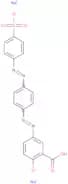
CAS:<p>C.I. Mordant Orange 6 is an alkanoic acid with a hydroxyl group and a sodium carbonate counter ion in the form of a coordination complex that is chemically stable in the presence of light and heat. The synthesis of this compound involves the reaction of 2-nitrobenzaldehyde with sodium hydroxylsulfonate followed by hydrolysis of the product with sodium carbonate. This synthetic process is used to produce C.I. Mordant Orange 6 in large quantities, which are then purified using chromatography or recrystallization techniques.<br>The biological studies on C.I. Mordant Orange 6 have shown that it has antimicrobial properties, but it does not show cytotoxic effects against human cells in culture at concentrations up to 10 µg/mL, making it a potential candidate for use as an antimicrobial agent for applications such as food packaging materials.br>br>C.I. Mordant Orange 6 also has been shown to</p>Fórmula:C19H14N4O6S·2NaPureza:Min. 95%Peso molecular:472.38 g/molC.I.Solvent Yellow 189
CAS:<p>C.I. Solvent Yellow 189 is a monomer that is used in coatings, paints, and printing inks. It is a polymeric dye with high activity and excellent light resistance. The hydrophobic nature of this dye makes it ideal for use in coatings that require water-repellent or weatherproof properties. C.I. Solvent Yellow 189 has been shown to be reactive with formamide as well as styryl dyes to form copolymers with high crosslinked content for high-performance devices such as light barriers and filters.</p>Pureza:Min. 95%Naphthol Green B
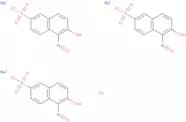
CAS:<p>Naphthol Green B is a highly fluorescent dye that is used in organic light-emitting diodes. It can be synthesized to form nanosheets that are stable and of high quality. The sodium salt of Naphthol Green B has been shown to stabilize the structure of liposomes and increase their stability. This product is also able to cross-link collagen, which may have bifunctional properties. Naphthol Green B can be used as a surfactant or a membrane stabilizer, as well as for its coordination chemistry.</p>Fórmula:C30H15FeN3O15S3·3NaPureza:Min. 95%Cor e Forma:Dark Green To Black SolidPeso molecular:878.47 g/molC.I.Leuco Sulphur Blue 15
CAS:<p>C.I. Leuco Sulphur Blue 15 is a versatile research chemical that can be used as an inhibitor, dye, stain, indicator, or probe. It has a wide range of applications in various industries including chemistry, biology, and pharmaceuticals. This compound contains hydroxyl and dopamine groups which make it highly reactive and suitable for derivatization reactions. C.I. Leuco Sulphur Blue 15 is known for its ability to form stable complexes with chloride and cyanide ions, making it useful in analytical chemistry. It can also be used as a clavulanic acid mimic or an aluminum complexing agent. Additionally, this compound can be employed as an electrode modifier in electrochemical studies. Its acidic nature allows it to interact with fatty acids and methanol, making it valuable for lipid analysis or solvent extraction processes. Whether you need a powerful research tool or a reliable chemical reagent, C.I. Leuco Sulphur Blue 15 is the perfect choice for your</p>Pureza:Min. 95%Pergascript Red 16
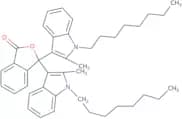
CAS:<p>Pergascript Red 16 is a bright red pigment that has been used in ink, paint, and plastics. It has an optical density of 1.5 at 595 nanometers. Pergascript Red 16 is also used in imaging and recording applications.</p>Fórmula:C42H52N2O2Pureza:Min. 98.0 Area-%Cor e Forma:Off-White PowderPeso molecular:616.87 g/molC.I.Vat Orange 4
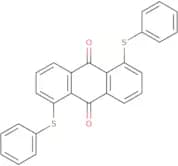
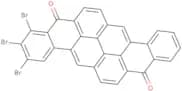
CAS:<p>C.I. Vat Orange 4 is a synthetic organic compound that is used as a pigment and a coating. It is soluble in organic solvents and can be used as an additive to polyethylene glycols, monomers, and coatings. C.I. Vat Orange 4 has been shown to react with radiation and metal hydroxides to form the polymerization inhibitor propionate. This polymerization inhibitor prevents polymerization reactions from occurring at high temperatures or when exposed to thermal energy.</p>Pureza:Min. 95%