Compostos Policiclícos
Subcategorias de "Compostos Policiclícos"
- Acridinas(98 produtos)
- Antraquinonas(537 produtos)
- Ácidos antraquinonasulfónicos(16 produtos)
- Azobenzenos(270 produtos)
- Azonaftalenos(98 produtos)
- Azoxibenzenos(12 produtos)
- Azulenos(11 produtos)
- Benzimidazóis(1.476 produtos)
- Benzodioxanos(27 produtos)
- Benzofuranos(928 produtos)
- Benzotiofenos(701 produtos)
- Benzotriazóis(438 produtos)
- Binaftil(133 produtos)
- Carbazóis(464 produtos)
- Cromanos, Cromenos(482 produtos)
- Cumarinas(1.138 produtos)
- Ciclofanos(11 produtos)
- Fluorenos e Fluorenonas(384 produtos)
- Imidazopiridinas(10 produtos)
- Indans(118 produtos)
- Indazóis(2.043 produtos)
- Indenos(22 produtos)
- Indóis(4.022 produtos)
- Indolinas(119 produtos)
- Isatinas(234 produtos)
- Isobenzofuranos(17 produtos)
- Ftalimidas N-Substituída(154 produtos)
- Naftalenos(2.440 produtos)
- Naftiridina(17 produtos)
- Naftoquinona(2 produtos)
- Perilenos(36 produtos)
- Fenazinas(25 produtos)
- Ftalazinas(33 produtos)
- Ftalimida(154 produtos)
- Hidrocarbonetos aromáticos policíclicos (PAHs)(566 produtos)
- Polifenol(270 produtos)
- Pteridinas(52 produtos)
- Pireno(87 produtos)
- Quinuclidina(1 produtos)
- Tetracenos(7 produtos)
Foram encontrados 4585 produtos de "Compostos Policiclícos"
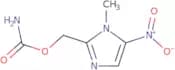
1-Methyl-5-nitro-1H-imidazole-2-methanol 2-carbamate
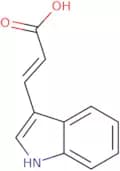
CAS:1-Methyl-5-nitro-1H-imidazole-2-methanol 2-carbamate is an antimicrobial agent that has been shown to be active against a number of bacteria, including Gram negative and Gram positive bacteria. It was shown to have a matrix effect in vivo and its kinetic energy was found to be reactive. The 1NIMC has been shown to inhibit the growth of bacteria by interfering with DNA replication and RNA synthesis. This drug has also been shown to have an analytical method that is linear in calibrations curves, which makes it suitable for quantitative analysis. It also has chemical stability, as it decomposes slowly at room temperature.Fórmula:C6H8N4O4Pureza:Min. 98.5%Cor e Forma:White PowderPeso molecular:200.15 g/moltrans-3-Indoleacrylic acid
CAS:Trans-3-indoleacrylic acid (TIAA) is a metabolite that is produced by the degradation of tryptophan. TIAA has been shown to have a matrix effect on cells, which influences their energy production and regulation. TIAA has also been shown to be involved in the synthesis of proteins, such as the signal peptide and polymerase chain reaction (PCR). TIAA may also be involved in transcription activators and metabolic disorders. The effects of TIAA are most likely due to its ability to inhibit synthetase activity.Fórmula:C11H9NO2Cor e Forma:PowderPeso molecular:187.19 g/mol4,4',6,6'-Tetramethyl-2,2'-bipyridine
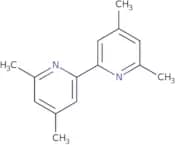
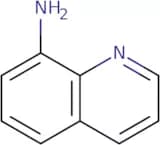
CAS:4,4',6,6'-Tetramethyl-2,2'-bipyridine (TMTB) is a small molecule that can be used as an efficient and cost-effective catalyst for the production of hydrogen from water. TMTB is able to transform solar energy into chemical energy by converting light absorbed in a semiconductor material to an electric current. TMTB has been shown to improve the efficiency of solar cells by boosting the performance of the catalysts that drive chemical reactions in the devices. This effect was found to be synergistic with other materials such as graphene oxide and tungsten disulfide. In addition, TMTB nanoparticles were shown to have a normalizing effect on the charge density in photoelectrochemical cells, which may lead to improved stability and durability.Fórmula:C14H16N2Pureza:Min. 95 Area-%Cor e Forma:PowderPeso molecular:212.30 g/mol8-Aminoquinoline
CAS:8-Aminoquinoline is a fluorescent probe that is used to detect the presence of nitrite ions in biological samples. It is used in electron paramagnetic resonance (EPR) experiments and can be used as a chemical inhibitor of cytochrome P450 enzymes. 8-Aminoquinoline has been shown to have minimal toxicity in animal models. It has been shown to inhibit the growth of Leishmania, an organism that causes leishmaniasis, by arresting protein synthesis at the ribosome level. The drug interactions of 8-aminoquinoline have not been well studied, but it may be necessary for patients to avoid other drugs that are metabolized by cytochrome P450 enzymes when taking this agent.
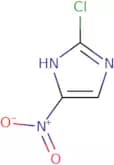
Fórmula:C9H8N2Pureza:Min. 95%Cor e Forma:Slightly Yellow PowderPeso molecular:144.17 g/mol2-Chloro-4-nitroimidazole
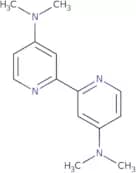
CAS:Radiosensitiser in hypoxic tumoursFórmula:C3H2ClN3O2Pureza:Min. 95%Cor e Forma:PowderPeso molecular:147.52 g/mol4,4' -Bis(N,N-dimethylamino)-2,2' -bipyridine
CAS:4,4' -Bis(N,N-dimethylamino)-2,2' -bipyridine (DMAB) is a ligand that is used in electrochemical studies. It has been shown to have ancillary properties, which means that it does not interact directly with the substrate but modifies its environment. DMAB can form a complex with the proton at the electrode surface and x-ray crystal structures have been obtained for this interaction. These structures demonstrate that DMAB binds to the tetrazole ring of pyridine and stabilizes the molecule by increasing its redox potentials.Fórmula:C14H18N4Pureza:Min. 95%Cor e Forma:PowderPeso molecular:242.32 g/molBenzo[c]phenanthrene
CAS:Benzo[c]phenanthrene is a polycyclic aromatic hydrocarbon that has been shown to have carcinogenic properties in rats. It is also a potential mutagen and can cause DNA damage by forming intramolecular hydrogen bonds with guanine residues in DNA duplexes. These adducts are detected in tumor cells of rats treated with benzo[c]phenanthrene, as well as in human liver cells and mouse liver tumor cells. Benzo[c]phenanthrene can be activated by cytochrome P450 enzymes to form reactive metabolites, which bind covalently to DNA, proteins, and other cellular macromolecules. Benzo[c]phenanthrene has been shown to cause cancer in mice when given orally or injected into the peritoneal cavity. This chemical has also been found to cause liver cell necrosis in rats, at doses of 25 mg/kg body weight.
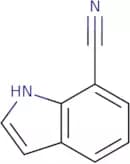
Fórmula:C18H12Pureza:Min. 95%Cor e Forma:PowderPeso molecular:228.29 g/mol7-Cyanoindole
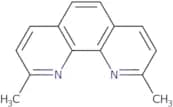
CAS:7-Cyanoindole is a synthetic compound that can be synthesized from amino-acids. The synthesis of 7-cyanoindole starts with the hydration of cyanamide, which yields cyanogen chloride. This reaction is followed by the dehydration of this molecule to produce 7-cyanoindole. The fluorescence properties and lifetimes are dependent on the hydration and dehydrations states. Synthetically, 7-cyanoindole is used as a fluorescent probe for amino acids in solution. This probe has been shown to bind to amino acids at acidic pHs and fluoresce brightly at wavelengths around 400 nm. Industrialized methods for synthesis include reacting cyanoacetylene with ammonia or methylamine in the presence of silicane or silicon dioxide as a catalyst. Reaction yield is dependent on the method used and ranges from 10% to 100%.Fórmula:C9H6N2Pureza:Min. 95%Cor e Forma:Off-White PowderPeso molecular:142.16 g/mol2,9-Dimethyl-1,10-phenanthroline
CAS:Chelating agent used to detect aqueous copper ions by electrochemiluminescenceFórmula:C14H12N2Pureza:Min. 98 Area-%Cor e Forma:Yellow PowderPeso molecular:208.26 g/mol2-(3,5-Dimethyl-1H-pyrazol-1-yl)quinolin-8-amine
CAS:2-(3,5-Dimethyl-1H-pyrazol-1-yl)quinolin-8-amine is a fine chemical that belongs to the group of versatile building blocks. It can be used as a reagent or as a speciality chemical in research and development. 2-(3,5-Dimethyl-1H-pyrazol-1-yl)quinolin-8-amine is also a useful scaffold for the synthesis of complex compounds and has been shown to be an effective inhibitor of protein tyrosine kinases.Fórmula:C14H14N4Pureza:Min. 95%Cor e Forma:PowderPeso molecular:238.29 g/molRef: 3D-M-3330
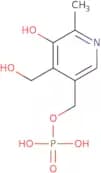
-Unit-ggA consultar25gA consultar50gA consultar100gA consultar250gA consultar500gA consultarPyridoxine-5'-phosphate
CAS:Pyridoxine-5'-phosphate is a cofactor of the enzyme pyridoxal kinase, which catalyzes the conversion of pyridoxine to pyridoxal. Pyridoxine-5'-phosphate is also an essential cofactor for the enzyme transketolase, which catalyzes the transfer of a sugar phosphate group from erythrose 4-phosphate to dihydroxyacetone phosphate. Pyridoxine-5'-phosphate is involved in many reactions in the body, including protein synthesis and metabolism. It is required for glucocorticoid receptor activation and transcriptional regulation. It may also play a role in growth factor-β1 production and its role in cell signaling pathways. The deficiency of this vitamin causes symptoms such as weakness, irritability, depression, apathy, memory loss, hallucinations or convulsions.
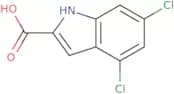
Fórmula:C8H12NO6PPureza:Min. 90 Area-%Cor e Forma:PowderPeso molecular:249.16 g/mol4,6-Dichloroindole-2-carboxylic acid
CAS:4,6-Dichloroindole-2-carboxylic acid (DCI) is a potential drug candidate for the treatment of neurological disorders. DCI binds to glutamate receptors, which are involved in many neurological diseases. It has been shown to inhibit glutamate dehydrogenase and thus block the production of glutamate from glucose. DCI also prevents neuronal death caused by excessive levels of glutamate and inhibits the activation of N-methyl-D-aspartate (NMDA) receptors. This drug is currently being investigated as a therapy for inflammatory diseases such as multiple sclerosis and Alzheimer's disease. One study has shown that DCI may be useful for treating cerebellar granule cells in a model system. It has been found to inhibit glycogen synthase kinase 3, which is an enzyme involved in signaling pathways that regulate cell growth and survival.Fórmula:C9H5Cl2NO2Pureza:Min. 95%Cor e Forma:White PowderPeso molecular:230.05 g/mol5-Methylindole-3-acetic acid
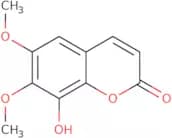
CAS:5-Methylindole-3-acetic acid (5MI3A) is a molecule that has been shown to have antiproliferative properties in bladder cancer cells. 5MI3A binds to the receptor for GABA, which is an inhibitory neurotransmitter. It also inhibits the production of proinflammatory mediators and reactive oxygen species in cancer cells. 5MI3A has anticancer activity in prostate cancer cells and may act by inducing apoptosis and inhibiting cell proliferation. Consumption of 5MI3A may reduce the risk of cancer development by preventing DNA damage from carcinogens, suppressing inflammation, and regulating cell growth through its antagonistic properties.Fórmula:C11H11NO2Pureza:Min. 95%Cor e Forma:PowderPeso molecular:189.21 g/molFraxidin
CAS:Fraxidin is a naturally occurring compound, specifically an O-methylated coumarin, which is derived from certain plant sources such as the fruits of the ash tree. It is primarily obtained through the processing of various plant materials within the Rutaceae family. The mode of action of Fraxidin involves the inhibition of oxidative damage due to its capacity to scavenge free radicals, thus leading to potential antioxidant properties in biological systems.Fórmula:C11H10O5Pureza:Min. 98 Area-%Cor e Forma:PowderPeso molecular:222.19 g/molIndole-3-acetyl-L-tryptophan
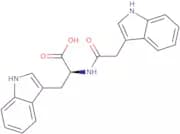
CAS:Indole-3-acetyl-L-tryptophan is a water soluble anion that can be used as a recovery agent in the analysis of salicylic acid. It has been shown to quantitatively recover ammonium formate, which is an indicator for the presence of salicylic acid in a sample. Indole-3-acetyl-L-tryptophan also has been shown to quantitatively recover indole-3-acetyl-l -aspartic acid, which is another indicator for the presence of salicylic acid in a sample. Indole-3-acetyl L tryptophan can also be used to quantify and identify indoles. This compound has been proposed as a possible regulatory molecule for abscisic acid, which regulates plant growth and seed germination. Indole 3 acetyl tryptophan can also be used to measure the level of salicylic acid in plants and plant extracts by using UV spectroscFórmula:C21H19N3O3Pureza:Min. 98 Area-%Cor e Forma:White Slightly Brown PowderPeso molecular:361.39 g/molL(+)-Amethopterin hydrate
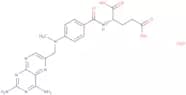
CAS:L(+)-Amethopterin hydrate is an immunosuppressant that suppresses the immune system by inhibiting RNA synthesis. It is a structural analogue of folic acid and has been shown to be effective in treating autoimmune diseases, such as rheumatoid arthritis. L(+)-Amethopterin hydrate is a neutral compound that is soluble in water and microsomal membranes, making it more easily absorbed through the gut than other compounds of this class. It also has been shown to have no toxic effects on cardiac cells at therapeutic concentrations. These properties make L(+)-Amethopterin hydrate an attractive candidate for treating autoimmune diseases when other treatments have failed.Fórmula:C20H22N8O5·xH2OPureza:Min. 98 Area-%Cor e Forma:Yellow PowderPeso molecular:454.44 g/mol7-Methoxy-4-methylcoumarin
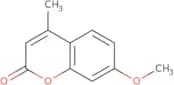
CAS:7-Methoxy-4-methylcoumarin is a synthetic organic compound, which is a derivative of coumarins—a class of compounds widely found in plants. This compound is primarily synthesized through organic chemical reactions rather than extracted directly from natural sources. Its mode of action involves exhibiting fluorescence, which makes it a valuable probe in various scientific studies.Fórmula:C11H10O3Pureza:Min. 95%Cor e Forma:PowderPeso molecular:190.2 g/mol(11β,16β)-9-Fluoro-11,21-dihydroxy-16-methyl-17-((1-oxopentyl)oxy)-Pregna-1,4-diene-3,20-dione mixt. with 5-chloro-7-iodo-8-qu inolinol
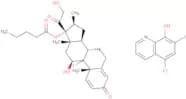
CAS:Produto ControladoClioquinol is a topical corticosteroid that is used to treat skin disorders such as pemphigoid, psoriasis, and eczema. It is also used to treat the inflammation associated with acne. Clioquinol has been shown to be effective in treating bacterial infections of the skin by inhibiting the growth of bacteria. This drug also has anti-inflammatory properties and can be used for the treatment of various inflammatory skin conditions. Clioquinol is not absorbed through the skin and does not affect the blood's ability to clot.
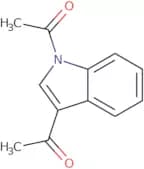
Fórmula:C36H42ClFINO7Pureza:Min. 95%Peso molecular:782.08 g/mol1,3-Diacetylindole
CAS:1,3-Diacetylindole is an alkene that belongs to the class of organic compounds. It can be prepared by Friedel-Crafts acylation of cyclopentenone with formaldehyde and hydrogen chloride gas. The molecule has a molecular electrostatic potential of -0.8 eV and a molecular weight of 126.1 g/mol. 1,3-Diacetylindole has been shown to react with Grignard reagent in an electrochemical study. Additionally, it has been used as a starting material for the synthesis of other molecules such as 2-methylquinoline and 1,2-dihydroquinoline. The vibrational and spectral data for 1,3-diacetylindole have been obtained using both experimental and computational methods. These data are useful for understanding the structure and reactivity of this compound at the molecular level.br>br> br>br>Fórmula:C12H11NO2Pureza:Min. 95%Peso molecular:201.22 g/mol2,6-Dichloro-7-deazapurine
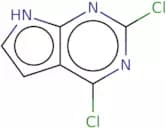
CAS:Intermediate in the synthesis of tofacitinibFórmula:C6H3Cl2N3Pureza:Min. 95%Cor e Forma:Off-White PowderPeso molecular:188.02 g/mol2-(6-Benzyloxyindolyl)acetonitrile
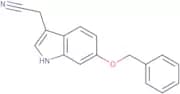
CAS:Please enquire for more information about 2-(6-Benzyloxyindolyl)acetonitrile including the price, delivery time and more detailed product information at the technical inquiry form on this page
Fórmula:C17H14N2OPureza:Min. 95%Peso molecular:262.31 g/mol6-Fluoroindole
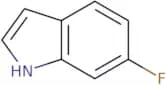
CAS:6-Fluoroindole is an aromatic organic compound that has been shown to have anti-inflammatory and antioxidant properties in vitro and in vivo. 6-Fluoroindole is a 5-methoxyindole and can be synthesized from the amino acid tryptophan, which is a precursor of serotonin. 6-Fluoroindole has also been shown to be active against plant pathogens, human protein, and human pathogens. It can produce hemolytic activity at high concentrations and its chemical stability was tested by incubating it with various acids such as hydrochloric acid or acetic acid. 6-Fluoroindole showed no reaction with either of these acids. The vibrational spectra of 6-fluoroindole was measured using dipolar coupling constants and found to have a dipole moment of 0.01 D for the molecule.
Fórmula:C8H6FNPureza:Min. 98 Area-%Cor e Forma:White Yellow PowderPeso molecular:135.14 g/molEthyl indole-6-carboxylate
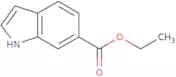
CAS:Ethyl indole-6-carboxylate is a chiral compound with nitrogen atoms. It has a topology and substituents, so it can be substituted in several positions. It also has nitrate, which is an ion that can carry an electric charge. This molecule can form channels and crystals with a single-crystal x-ray diffraction pattern. The hydrocarbon part of the molecule has a crystal system and framework, making it porous. The x-ray diffraction pattern of ethyl indole-6-carboxylate shows its chemistry as well.
Fórmula:C11H11NO2Pureza:Min. 95%Peso molecular:189.21 g/molIndole-3-butyric acid
CAS:Plant hormone; auxin; inducer of root development; used in plant rooting
Fórmula:C12H13NO2Pureza:Min 98%Cor e Forma:White Yellow PowderPeso molecular:203.24 g/mol7-Bromoindole
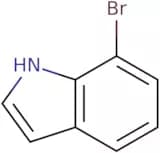
CAS:7-Bromoindole is a synthetic compound that has been used as an analog for indole. It has been shown to have some biological activity in vivo, but it is not known if this activity is due to the drug itself or its breakdown products. 7-Bromoindole can be decarboxylated under acid conditions and saponified with sodium hydroxide. The isolated yield of this reaction is about 2 grams per mole of reactant. 7-Bromoindole shows hemolytic activity against human pathogens such as Staphylococcus aureus and Escherichia coli, but not against Bacillus subtilis or Pseudomonas aeruginosa.Fórmula:C8H6BrNCor e Forma:PowderPeso molecular:196.04 g/mol(3-Formyl-1-indolyl)acetic acid
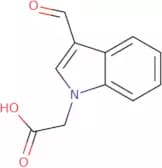
CAS:(3-Formyl-1-indolyl)acetic acid is a small molecule that has been shown to inhibit the activity of various enzymes, including acetylcholinesterase (AChE), butyrylcholinesterase (BChE), and histamine N-methyltransferase (HNMT). The crystal structure of (3-formyl-1-indolyl)acetic acid was determined by X-ray crystallography. The active conformation of the molecule was found to be a nonplanar chair conformation with a hydrogen bond acceptor at C8. This conformation is stabilized by a hydrogen bond donor at C7, which also creates an additional hydrogen bond acceptor at O2. These interactions stabilize the molecule in its active form. The docking studies showed that the ligand binds to AChE with high affinity, while binding to BChE and HNMT with lower affinity. The inhibition effects on theseFórmula:C11H9NO3Pureza:Min. 95%Cor e Forma:Off-White PowderPeso molecular:203.19 g/mol2-Azabicyclo[2.2.1]hept-5-en-3-one
CAS:2-Azabicyclo[2.2.1]hept-5-en-3-one is a carbocyclic nucleoside that is synthesized from cyclopentyl and organic solvent, imine, lactam, and fluorine. It has been shown to have potential as a prodrug for the treatment of cancer when it is converted to 2-azabicyclo[2.2.1]heptane by an enzyme called lactamase in the body. Molecular modeling studies show that this compound has a high level of fluidity and can be used in liquid chromatography methods. The enantiomer of this molecule has also been identified and is being studied as a possible drug candidate for the treatment of malaria.
Fórmula:C6H7NOPureza:Min. 95%Cor e Forma:PowderPeso molecular:109.13 g/mol4,4'-Dinitro-2,2'-bipyridine
CAS:4,4'-Dinitro-2,2'-bipyridine is a dihedral molecule that is used in biosensors to detect nitro compounds. It is synthesized by the reaction of osmium tetroxide with pyridine. The transfer of electrons from the pyridine ring to the osmium atom results in an oriented molecule with a positive charge on one end and a negative charge on the other end. This orientation can be reversed by oxidation. 4,4'-Dinitro-2,2'-bipyridine has been shown to react with monoalcohols and nucleophiles such as water to form covalent bonds. It also reacts with radiation, which may account for its use in dosimeters for measuring radiation exposure.Fórmula:C10H6N4O4Pureza:Min. 95%Cor e Forma:Yellow PowderPeso molecular:246.18 g/mol2-Methylindole-3-acetic acid
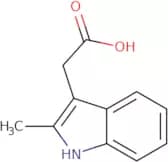
CAS:2-Methylindole-3-acetic acid is a molecule that has been shown to interact with membrane lipids and induce lipid peroxidation. It also interacts with the molecule creatinine, which is excreted in urine, and has been shown to increase urinary levels of creatinine. 2-Methylindole-3-acetic acid has been shown to have antioxidant activity by scavenging radicals and inhibiting lipid peroxidation. The mechanism for this activity is due to its ability to form hydrogen bonds with radicals and react with them, thereby removing them from the cell membrane. 2-Methylindole-3-acetic acid also interacts with receptor protein within the cell, targeting intracellular targets such as DNA and RNA molecules. This compound is an endogenous hormone that may reduce cholesterol levels in cells. 2-Methylindole-3-acetic acid was first isolated from the bark of "Indocalamus latifolius" (Fórmula:C11H11NO2Pureza:Min. 95%Peso molecular:189.21 g/mol2,2'-Bipyridine-6,6'-dicarboxylic acid
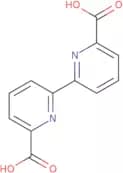
CAS:2,2'-Bipyridine-6,6'-dicarboxylic acid is a molecule that has an acidic functional group. It has been found to have a molecular weight of 220.2 g/mol and is soluble in water at elevated temperatures. 2,2'-Bipyridine-6,6'-dicarboxylic acid has been shown to be photoprocessable in the presence of sodium carbonate as a catalyst. The reaction rate can be increased by adding a diluent to the solution or by using linear models.Fórmula:C12H8N2O4Pureza:Min. 95%Cor e Forma:Off-White PowderPeso molecular:244.21 g/molDecursin
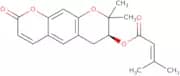
CAS:MAO inhibitor; neuro-protective and cognitive enhancement effects
Fórmula:C19H20O5Pureza:Min. 98 Area-%Cor e Forma:White PowderPeso molecular:328.36 g/mol5-Fluoro-N,N-Dimethyl-1H-Indole-3-Ethanamine
CAS:Produto Controlado5-Fluoro-N,N-Dimethyl-1H-Indole-3-Ethanamine is a psychedelic drug with affinity for the serotonin 5HT2A receptor. It has been shown to interact with a diversity of ion channels and transporters. The affinity of 5FEDME for the 5HT2C receptor may also be normalizing. This drug has been shown to be an agonist at the 5HT2A receptor, which may contribute to its psychedelic effects.Fórmula:C12H15FN2Pureza:Min. 95%Peso molecular:206.26 g/mol7-Methylindole-2-carboxylic acid
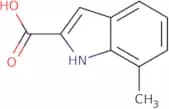
CAS:7-Methylindole-2-carboxylic acid (7MICA) is an indole that can be synthesized by the condensation of phenylhydrazine and pyruvic acid. It has been used as a precursor in the synthesis of styphnates, picrates, and ethyl pyruvate. 7MICA is also known to have antimicrobial activity against gram positive bacteria.Fórmula:C10H9NO2Pureza:Min. 95%Cor e Forma:PowderPeso molecular:175.18 g/mol3-Carbethoxyquinuclidine
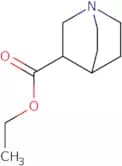
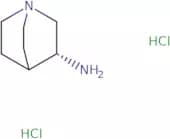
CAS:3-Carbethoxyquinuclidine is an antihistaminic drug that belongs to the class of quinuclidines. It is used in research and has been shown to have a pharmacological effect on the central nervous system, including inhibition of histamine release. 3-Carbethoxyquinuclidine has been found to be anti-inflammatory and analgesic. It also inhibits prostaglandins and other mediators of inflammation, such as leukotrienes, thromboxanes, and platelet activating factor. 3-Carbethoxyquinuclidine is hydrolyzed by acid or alkaline conditions, but can be recrystallized from boiling methanol or ethanol.Fórmula:C10H17NO2Pureza:Min. 95%Cor e Forma:PowderPeso molecular:183.25 g/mol(R)-(+)-3-Aminoquinuclidine dihydrochloride
CAS:A building block; used for synthesis tryptophan 2,?3-?dioxygenase inhibitorsFórmula:C7H14N2•(HCl)2Pureza:Min. 95%Cor e Forma:PowderPeso molecular:199.12 g/molN-Acetyl-3-hydroxyindole
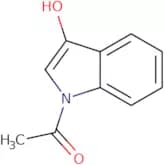
CAS:N-Acetyl-3-hydroxyindole is a colorless liquid that inhibits the activity of enzymes such as butyric acid, active methylene, and acyl halides. It is also used to inhibit the enzyme eosinophil peroxidase in clinical tests. N-Acetyl-3-hydroxyindole has been shown to be an efficient method for high-throughput analysis of enzymatic reactions. This chemical can be immobilized on porous supports and used to measure enzyme activities. N-Acetyl-3-hydroxyindole has been shown to have therapeutic effects in clinical data with a potent inhibitor of eosinophil peroxidase.
Fórmula:C10H9NO2Pureza:Min. 95%Cor e Forma:Orange PowderPeso molecular:175.18 g/mol2,2'-Bipyridine-5,5'-dicarboxylic acid
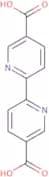
CAS:2,2'-Bipyridine-5,5'-dicarboxylic acid is an algal metabolite that has been shown to have a glucose sensor function. It is synthesized by Chlorella and other green algae in response to light and high concentrations of glucose. This compound can be used as a linker for the immobilization of fluorescent probes or luminescent probes. It also has a catalytic subunit that can be used in oxidation reactions at low temperatures with chloride as the oxidant. 2,2'-Bipyridine-5,5'-dicarboxylic acid is chemically stable and does not react with chloride or ligands. It can also be used as an oxidation catalyst for reactions at high temperatures.Fórmula:C12H8N2O4Cor e Forma:White PowderPeso molecular:244.2 g/mol6-Chloro-5-fluoroindole
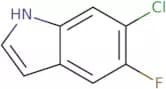
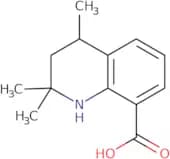
CAS:6-Chloro-5-fluoroindole is a chemical compound that has been shown to be an effective inhibitor of 5-HT2C receptors. 6-Chloro-5-fluoroindole was synthesized in 1972 by the reaction of formamide with chloroacetyl chloride, and it was found to have anti-cancer effects in 1979. 6-Chloro-5-fluoroindole binds to 5HT2C receptors and prevents the activation of G proteins. This inhibition leads to cancer cell death because the receptor is involved in many important signalling pathways. 6CI5FI is used as a research tool for studying the function of this receptor.Fórmula:C8H5ClFNPureza:Min. 95%Cor e Forma:PowderPeso molecular:169.58 g/mol2,2,4-Trimethyl-1,2,3,4-tetrahydroquinoline-8-carboxylic acid
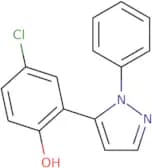
CAS:2,2,4-Trimethyl-1,2,3,4-tetrahydroquinoline-8-carboxylic acid is a versatile building block that can be used as a reagent or speciality chemical in research and development. It is also an intermediate for the synthesis of complex compounds with various properties. This compound has been shown to be useful as a building block for the synthesis of new compounds with potential pharmaceutical applications.Fórmula:C13H17NO2Pureza:Min. 95%Cor e Forma:White Off-White PowderPeso molecular:219.28 g/mol5-(5-Chloro-2-hydroxyphenyl)-1-phenylpyrazole
CAS:5-(5-Chloro-2-hydroxyphenyl)-1-phenylpyrazole is a useful intermediate for the synthesis of complex compounds. It is also used as a reagent and a speciality chemical in research. 5-(5-Chloro-2-hydroxyphenyl)-1-phenylpyrazole has a CAS number of 36124-03-5. This chemical is soluble in organic solvents such as benzene, chloroform, dichloromethane, tetrahydrofuran, and toluene.Fórmula:C15H11ClN2OPureza:Min. 95%Cor e Forma:PowderPeso molecular:270.71 g/molAngelicin
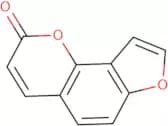
CAS:Angelicin is a furanocoumarin compound, which is derived from various plant sources, particularly within the Apiaceae family. The source of angelicin is often linked to traditional medicinal plants, where it is extracted and subsequently isolated for scientific investigation. Angelicin's mode of action involves intercalating within DNA strands, thereby affecting transcription and replication processes. This action is understood to be primarily photoactivated, leading to the formation of covalent bonds with DNA upon exposure to ultraviolet light, which can result in cross-linking.
Fórmula:C11H6O3Pureza:Min. 95%Cor e Forma:PowderPeso molecular:186.16 g/molMethyl indole-5-carboxylate
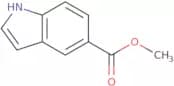
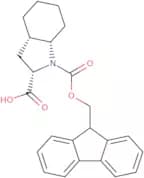
CAS:Methyl indole-5-carboxylate is a hdac inhibitor that has been shown to have anticancer activity. It has been shown to inhibit the growth of hCT116 cells and xenograft tumors in mice. Methyl indole-5-carboxylate is also an active analog for other anticancer agents, such as 5-azacytidine and 5-aza-2'-deoxycytidine. The drug is cytotoxic to L6 cells and increases the expression of p21 protein, which inhibits tumor cell proliferation. This compound is metabolized by cytochrome P450 enzymes into methyl indole carboxylate, which can be further converted into a reactive intermediate that binds DNA.Fórmula:C10H9NO2Cor e Forma:PowderPeso molecular:175.18 g/molFmoc-L-octahydroindole-2-carboxylic acid
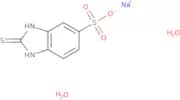
CAS:Fmoc-L-octahydroindole-2-carboxylic acid is a synthetic amino acid that is used in the synthesis of peptides and proteins. It has been shown to be an agonistic ligand for the acetylcholine receptor and may be used as an anti-inflammatory drug. Fmoc-L-octahydroindole-2-carboxylic acid is synthesized by combining piperidine and fmoc-glycine, followed by condensation with iminoacetic acid. The synthesis of this compound can be achieved through solid phase synthesis or chemical methods. The removal of the FMOC group requires acidic conditions such as trifluoroacetic acid or hydrochloric acid.Fórmula:C24H25NO4Pureza:Min. 98 Area-%Cor e Forma:White PowderPeso molecular:391.46 g/mol2-Mercapto-5-benzimidazole sulfonic acid sodium salt dihydrate
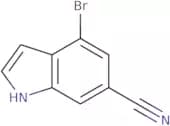
CAS:2-Mercapto-5-benzimidazole sulfonic acid sodium salt dihydrate is a molecule that can be used in devices. It has been shown to reversibly change the morphology of a monolayer and to generate asymmetric structures. 2-Mercapto-5-benzimidazole sulfonic acid sodium salt dihydrate can be used to generate fluorescent emulsions, which are systems where the magnetic particles are suspended in an oil droplet and illuminated by light of an appropriate wavelength. The molecules that make up 2-Mercapto-5-benzimidazole sulfonic acid sodium salt dihydrate have been shown to function as acceptors for molecular orbitals, which are wave functions that describe electron distribution around the atomic nucleus. These properties make it a promising candidate for use in microscopy techniques, such as scanning tunneling microscopy (STM) or atomic force microscopy (AFM).Fórmula:C7H5N2NaO3S2·2H2OPureza:Min. 95%Cor e Forma:PowderPeso molecular:288.28 g/mol4-Bromo-1H-indole-6-carbonitrile
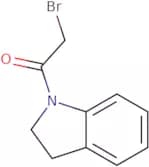
CAS:4-Bromo-1H-indole-6-carbonitrile is a versatile building block that can be used in the synthesis of complex compounds and research chemicals. 4-Bromo-1H-indole-6-carbonitrile is a reagent in the production of speciality chemicals, and is also used as an intermediate to produce other compounds. This compound is useful as a starting material for the synthesis of pharmaceuticals, agrochemicals, and perfumes. It has been shown to be an effective scaffold for the construction of heterocycles.Fórmula:C9H5BrN2Pureza:Min. 95 Area-%Cor e Forma:White Off-White PowderPeso molecular:221.05 g/mol1-(Bromoacetyl)indoline
CAS:1-(Bromoacetyl)indoline is a chemical compound that can be used as a reaction component, reagent, or high-quality research chemical. It is a speciality chemical used in the production of fine chemicals and other organic compounds. 1-(Bromoacetyl)indoline is a versatile building block for synthesis of complex compounds with potential applications in pharmaceuticals, agrochemicals, and specialty chemicals.Fórmula:C10H10BrNOPureza:Min. 95%Cor e Forma:SolidPeso molecular:240.1 g/mol5-Iodoindole
CAS:5-Iodoindole is an organic compound that is used as a nematicide. It has been shown to have cytostatic effects on the growth of human pathogens, juveniles, and model systems. 5-Iodoindole inhibits the production of reactive amines and pyridine in vivo. It also inhibits glutamine metabolism by competitive inhibition at the glutamate dehydrogenase enzyme. 5-Iodoindole also has hemolytic activity and is able to induce transcriptomic changes in P. aeruginosa cells.
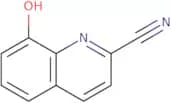
Fórmula:C8H6NIPureza:Min. 95%Cor e Forma:PowderPeso molecular:243.04 g/mol8-Hydroxy-2-quinolinecarbonitrile
CAS:8-Hydroxy-2-quinolinecarbonitrile is an uncomplexed ligand that can be used for the synthesis of metal complexes. 8-Hydroxy-2-quinolinecarbonitrile is insoluble in most solvents, including water, and has a high melting point. This compound can be synthesized from acetonitrile and primary amines by condensing with formaldehyde. It is not possible to catalyze this reaction, as it does not undergo homolysis or heterolysis reactions. The uncomplexed ligand has been shown to bind to metal ions such as copper and silver. Its diffraction pattern was found to have a polynuclear nature with a number of diffraction peaks within the range of 5–9 Å.Fórmula:C10H6N2OPureza:Min. 95%Cor e Forma:PowderPeso molecular:170.17 g/mol7-Hydroxycoumarin
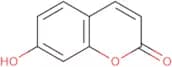
CAS:7-Hydroxycoumarin is a fluorescent compound, known as a coumarin derivative, which is a naturally occurring chemical found in many plants. Derived from the umbelliferone compound family, it exhibits strong blue fluorescence under UV light due to its unique structural properties. This fluorescence is a result of its molecular conjugation and the electron-donating nature of the hydroxyl group, allowing it to absorb and emit light efficiently.
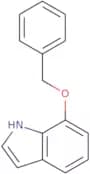
Fórmula:C9H6O3Pureza:90%Cor e Forma:Off-White PowderPeso molecular:162.14 g/mol7-Benzyloxyindole
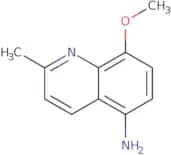
CAS:7-Benzyloxyindole is a regulatory compound that is used to study the interactions between transcription factors and chromatin. 7-Benzyloxyindole has been shown to induce caspase-independent cell death in human pathogens. 7-Benzyloxyindole induces reactive oxygen species and alters the expression of genes involved in the immune system and inflammation, suggesting an interaction with transcriptional regulation. 7-Benzyloxyindole's hemolytic activity may be due to its enantiomer, which binds to carotenoids such as β-carotene or retinol and forms a complex that is more reactive than the parent molecule. This reactive form of 7-benzyloxyindole has been shown to induce cell death in staphylococcus, suggesting a possible use for this drug as an antibacterial agent against opportunistic fungal infections.Fórmula:C15H13NOPureza:90%Cor e Forma:PowderPeso molecular:223.27 g/mol8-Methoxy-2-methylquinolin-5-amine monohydrochloride
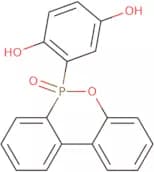
CAS:8-Methoxy-2-methylquinolin-5-amine monohydrochloride is a fine chemical that is used as a versatile building block in the synthesis of complex compounds. 8-Methoxy-2-methylquinolin-5-amine monohydrochloride is an intermediate for the production of research chemicals and pharmaceuticals. It can be used to synthesize speciality chemicals, useful scaffolds, and reagents. It also has a wide range of applications as a reaction component in synthetic organic chemistry. 8-Methoxy-2-methylquinolin-5-amine monohydrochloride has high purity and quality.Fórmula:C11H12N2O•HClPureza:Min. 95 Area-%Cor e Forma:PowderPeso molecular:224.73 g/mol10-(2,5-Dihydroxyphenyl)-10H-9-oxa-10-phospha-phenanthrene-10-oxide
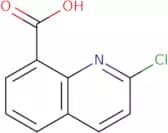
CAS:10-(2,5-Dihydroxyphenyl)-10H-9-oxa-10-phospha-phenanthrene-10-oxide is a synthetic compound that has an orange color and a molecular weight of 568. It is soluble in chloroform, ethanol, acetone, ether and benzene. The compound does not react with water or hydrochloric acid. It has been shown to have synergistic interactions with chloride and glycol ethers. 10-(2,5-Dihydroxyphenyl)-10H-9-oxa-10-phospha phenanthrene 10 oxide can be synthesized using a polymeric matrix as the reaction medium.Fórmula:C18H13O4PPureza:Min. 95%Cor e Forma:White Off-White PowderPeso molecular:324.27 g/mol2-Chloroquinoline-8-carboxylic acid
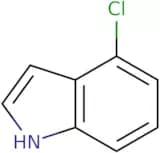
CAS:2-Chloroquinoline-8-carboxylic acid is a fine chemical that is useful as a scaffold for the synthesis of other compounds. It is a versatile building block and can be used in the production of the drug chloroquine. 2-Chloroquinoline-8-carboxylic acid has been used as an intermediate in research chemicals, reaction components in speciality chemical and complex compound. This compound has high quality and can be used as a reagent.Fórmula:C10H6ClNO2Pureza:Min. 95 Area-%Cor e Forma:White Off-White PowderPeso molecular:207.61 g/mol4-Chloroindole
CAS:4-Chloroindole is an indole compound that is a derivative of salicylic acid. It is used in the production of ethylene and casein, as well as being a major metabolite of anthranilic acid. 4-Chloroindole is also found in environmental pollutants and has been shown to be active against plant pathogens such as Pseudomonas syringae. It has been shown to inhibit the growth of Bacillus cereus by binding to its ribosomal RNA and inhibiting protein synthesis. In addition, it inhibits the biosynthesis of methylindole, which may be due to its ability to inhibit the enzyme tryptophan synthase.
Fórmula:C8H6ClNPureza:Min. 98 Area-%Cor e Forma:Clear LiquidPeso molecular:151.59 g/mol6-Chloro-9-(tetrahydro-2H-pyran-2-yl)purine
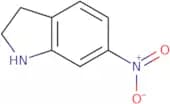
CAS:6-Chloro-9-(tetrahydro-2H-pyran-2-yl)purine is a nucleoside analog that is used to treat various types of cancer. It is a c–h bond regiospecific nucleophile that forms the 6-chloro 9-(tetrahydro-2H-pyran-2-yl)purine intermediate. The chloride ion acts as a nucleophile in the first step of this process, which results in the formation of an organocuprate and glyoxylate. 6CPP binds to DNA and inhibits RNA synthesis, leading to cell death by apoptosis or necrosis. This drug has been shown to be effective for treating human cell lines. 6CPP is also known for its antitumor effects, which may be due to its ability to inhibit phosphonates and cross-coupling reactions.Fórmula:C10H11ClN4OPureza:Min. 95%Cor e Forma:SolidPeso molecular:238.67 g/mol6-Nitroindoline
CAS:6-Nitroindoline is a nitro compound that inhibits the polymerization of nitrite. It is an acidic acceptor and has been used as an agrochemical to inhibit nitrification in soil. 6-Nitroindoline has been shown to be mutagenic, which may be due to its ability to form covalent bonds with DNA bases or alkylate DNA bases. 6-Nitroindoline can also undergo borohydride reduction, which is the conversion of a compound into a more reduced form by reaction with borohydride.Fórmula:C8H8N2O2Pureza:Min. 95%Cor e Forma:PowderPeso molecular:164.16 g/mol7-Chloro-2H-pyrido[3,2-B]-1,4-oxazin-3(4H)-one
CAS:7-Chloro-2H-pyrido[3,2-B]-1,4-oxazin-3(4H)-one is a chemical which is used as a reagent and building block in the synthesis of more complex compounds. It has been reported to be an intermediate for the production of pharmaceuticals and agrochemicals. The compound can also be used as an intermediate for the synthesis of other valuable chemicals such as pesticides and dyes. 7-Chloro-2H-pyrido[3,2-B]-1,4-oxazin-3(4H)-one has a CAS number of 205748-05-6.
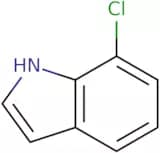
Fórmula:C7H5ClN2O2Pureza:Min. 96 Area-%Cor e Forma:PowderPeso molecular:184.58 g/mol7-Chloroindole
CAS:7-Chloroindole is a potent compound that inhibits bacterial growth. It has been shown to inhibit the growth of tumour cell lines at submicromolar concentrations, with an IC50 of 0.5 µM. 7-Chloroindole also strongly inhibits the growth of Staphylococcus aureus, with an IC50 of 0.1 µM. This compound does not cause cell death by caspase-independent pathways, but rather induces a dry weight increase and surface methodology changes in cells treated with this compound. 7-Chloroindole belongs to the class of compounds known as carotenoids and has been shown to have a neutral pH optimum. It is formed through an enzymatic reaction involving two molecules of malonyl-CoA and one molecule each of acetate and chlorophyllide a.
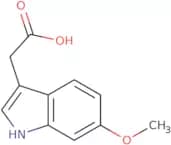
Fórmula:C8H6ClNCor e Forma:PowderPeso molecular:151.59 g/mol6-Methoxyindole-3-acetic acid
CAS:Please enquire for more information about 6-Methoxyindole-3-acetic acid including the price, delivery time and more detailed product information at the technical inquiry form on this pageFórmula:C11H11NO3Pureza:Min. 95%Cor e Forma:PowderPeso molecular:205.21 g/molEsculetin
CAS:Esculetin is a naturally occurring coumarin compound, which is predominantly derived from various plant sources, such as the bark and leaves of certain trees and shrubs. As a member of the coumarin family, it is characterized by its benzopyrone structure and is often isolated from botanicals through organic solvent extraction methods.
Its mode of action primarily involves its ability to scavenge free radicals and chelate metal ions, contributing to its notable antioxidant capacity. Furthermore, Esculetin exerts anti-inflammatory effects by inhibiting the activity of enzymes such as cyclooxygenase and lipoxygenase, which are integral to the inflammatory pathway.
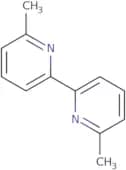
Common applications of Esculetin are found in scientific research where it is utilized for its potential therapeutic properties. Studies have investigated its role in modulating oxidative stress, its protective effects in neurodegenerative disorders, and its capability to inhibit the proliferation of certain cancer cell lines. Additionally, it serves as a useful biochemical tool in elucidating the pathways of inflammation and oxidative stress within cellular models. Scientists continue to explore its potential as a lead compound in drug discovery and development.Fórmula:C9H6O4Pureza:Min. 98.0 Area-%Peso molecular:178.15 g/mol6,6'-Dimethyl-2,2'-bipyridine
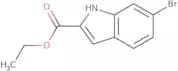
CAS:6,6'-Dimethyl-2,2'-bipyridine (DMBP) is a bidentate ligand that is used in the functional theory of antibacterial activity. The bond cleavage of DMBP is believed to be due to its high oxidation potential and its ability to form hydrogen bonds with the bacteria cell wall. DMBP has been shown to have an antibacterial effect on both Gram-positive and Gram-negative bacteria. The mechanism of action may be due to its ability to release hydroxyl radicals when exposed to ultraviolet light. This compound also has a boronic acid group that can form a complex with 4-methoxyphenylboronic acid (MPA) which can inhibit bacterial growth.Fórmula:C12H12N2Pureza:Min. 98%Cor e Forma:PowderPeso molecular:184.24 g/molEthyl 6-Bromoindole-2-carboxylate
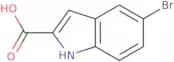
CAS:Please enquire for more information about Ethyl 6-Bromoindole-2-carboxylate including the price, delivery time and more detailed product information at the technical inquiry form on this pageFórmula:C11H10BrNO2Pureza:Min. 95%Peso molecular:268.11 g/mol5-Bromoindole-2-carboxylic acid
CAS:5-Bromoindole-2-carboxylic acid is an indole derivative that has been shown to inhibit the expression of MMP-13, a matrix metalloproteinase that is involved in tumor invasion and metastasis. This compound also inhibits the transcriptional activity of RNA polymerases I and II, which is important for preventing cancer cell proliferation. 5-Bromoindole-2-carboxylic acid may be used as a treatment for cancer by inhibiting collagen synthesis. This would reduce the size of a tumor by preventing it from expanding in size.
Fórmula:C9H6BrNO2Pureza:Min. 95%Cor e Forma:PowderPeso molecular:240.05 g/mol2-[1-(Methylamino)ethyl]indole
CAS:Please enquire for more information about 2-[1-(Methylamino)ethyl]indole including the price, delivery time and more detailed product information at the technical inquiry form on this page
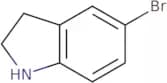
Fórmula:C11H14N2Pureza:Min. 95%Cor e Forma:PowderPeso molecular:174.24 g/mol5-Bromo-2,3-dihydro-1H-indole
CAS:Please enquire for more information about 5-Bromo-2,3-dihydro-1H-indole including the price, delivery time and more detailed product information at the technical inquiry form on this page
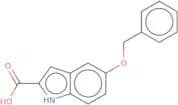
Fórmula:C8H8BrNPureza:Min. 95%Cor e Forma:PowderPeso molecular:198.06 g/mol5-Benzyloxyindole-2-carboxylic acid
CAS:5-Benzyloxyindole-2-carboxylic acid is a versatile compound that has been used as a building block for the synthesis of diverse chemical compounds. It has been shown to be useful in the synthesis of natural products and pharmaceuticals, such as anticancer drugs, antibiotics, and analgesics. 5-Benzyloxyindole-2-carboxylic acid is also used as an intermediate in the production of other chemical compounds. It has a CAS number of 6640-09-1 and is classified as a research chemical.
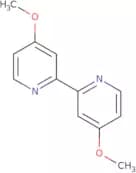
Fórmula:C16H13NO3Pureza:Min. 95%Cor e Forma:PowderPeso molecular:267.28 g/mol4,4'-Dimethoxy-2,2'-bipyridine
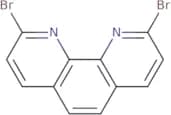
CAS:4,4'-Dimethoxy-2,2'-bipyridine (DMBP) is a reactive compound that can undergo nucleophilic attack on protonated molecules. DMBP has a high value for protonation and is able to react with water vapor in the air to form hydroxide. It has been used as a model protein to study the redox potential of biomolecules and the biological properties of halides. The crystal structure of DMBP has been studied by X-ray crystallography and is found to be related to technetium.Fórmula:C12H12N2O2Pureza:Min. 95%Cor e Forma:PowderPeso molecular:216.24 g/mol2,9-Dibromo-1,10-phenanthroline
CAS:2,9-Dibromo-1,10-phenanthroline is a molecule that has been shown to be an effective sensitizer for the photochemical conversion of chlorine dioxide to ozone. It has been used as a model compound in molecular orbital calculations and has been shown to enhance the yield of ozone by up to 3%. The emission spectrum of 2,9-dibromo-1,10-phenanthroline displays a peak at 362 nm, which lies in the ultraviolet region. The molecule is orthorhombic and crystallizes in space group P2/c with cell dimensions a = 17.8 Å and c = 18.7 Å.Fórmula:C12H6Br2N2Pureza:Min. 95%Cor e Forma:White PowderPeso molecular:338 g/mol2-Acetamido-6-chloropurine
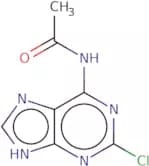
CAS:2-Acetamido-6-chloropurine (2ACAP) is a nucleophilic agent that inhibits cancer cells by binding to the enzyme cholinesterase. It is used in the treatment of T-cell leukemia and herpes simplex virus. 2ACAP binds to the amine group of cholinesterase, which prevents it from breaking down acetylcholine. This inhibition leads to accumulation of acetylcholine, which has been shown to induce apoptosis in k562 cells. The molecular modeling study showed that 2ACAP binds to both chlorine atom and benzyl groups in the active site of cholinesterase. 2ACAP also has a potent inhibitory effect on cancer cell proliferation and can be used as an anti-cancer agent for many types of cancers including colon, breast, and prostate cancer.
Fórmula:C7H6ClN5OPureza:Min. 97 Area-%Cor e Forma:Yellow PowderPeso molecular:211.61 g/mol7-[(Dimethylamino)methyl]-2,2,4-trimethyl-1,2-dihydroquinolin-6-ol
CAS:7-[(Dimethylamino)methyl]-2,2,4-trimethyl-1,2-dihydroquinolin-6-ol is a chemical compound that belongs to the group of fine chemicals. It is a versatile building block and useful intermediate for research chemicals. 7-[(Dimethylamino)methyl]-2,2,4-trimethyl-1,2-dihydroquinolin-6-ol is also a speciality chemical with high purity and quality. CAS No. 300690-44-2Fórmula:C15H22N2OPureza:Min. 95 Area-%Cor e Forma:PowderPeso molecular:246.35 g/mol5-Methylindole-3-carboxaldehyde
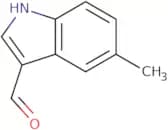
CAS:5-Methylindole-3-carboxaldehyde (5MI) is a β-unsaturated aldehydes that is used as an analyte in assays for the detection of α,β-unsaturated aldehydes. It has been shown to be effective in degranulation of cells and induces cellular degranulation. 5MI has also been shown to be an analog of other β-unsaturated aldehydes and acts competitively with these compounds.
Fórmula:C10H9NOPureza:Min. 95%Cor e Forma:PowderPeso molecular:159.18 g/mol3-(2,6,6-Trimethyl-4-oxo-5,6,7-trihydroindolyl)benzoic acid
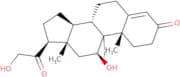
CAS:Please enquire for more information about 3-(2,6,6-Trimethyl-4-oxo-5,6,7-trihydroindolyl)benzoic acid including the price, delivery time and more detailed product information at the technical inquiry form on this pageFórmula:C18H19NO3Pureza:Min. 95%Cor e Forma:PowderPeso molecular:297.35 g/mol(8S,10S,11S,13S,14S,17S)-9-Fluoro-11-Hydroxy-17-(2-Hydroxyacetyl)-10,13-Dimethyl-2,6,7,8,11,12,14,15,16,17-Decahydro-1H-Cyclopenta[a ]Phenanthren-3-One
CAS:Produto Controlado(8S,10S,11S,13S,14S,17S)-9-Fluoro-11-hydroxy-17-(2-hydroxyacetyl)-10,13-dimethyl-2,6,7,8,11,12,14,15,16,17-decahydrocyclopenta[a]phenanthren-3-one (fluorometholone) is a corticosteroid that is used in the treatment of asthma and other respiratory diseases. Fluorometholone has been shown to have strong antiinflammatory activity and inhibit the production of inflammatory cytokines. It also has mineralocorticoid activity and can be used to treat adrenal insufficiency. This drug has potent potencies structurally similar to glucocorticoids and mineralocorticoids.Fórmula:C21H29FO4Pureza:Min. 95%Peso molecular:364.45 g/mol4-Fluoroisoquinoline
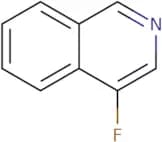
CAS:4-Fluoroisoquinoline is a synthetic compound that can be produced by the reduction of an acetonitrile-chlorinated isoquinoline compound. It is also possible to produce 4-fluoroisoquinoline by the reaction of chlorinating agents with an aldehyde, followed by the addition of phosphorus oxychloride and fluorine. The reductive sulfonation of 4-fluoroisoquinoline can be achieved by reacting it with sulfur trioxide, which is in turn generated from phosphorous oxychloride and sulfur dioxide. This process produces the desired product in good yields.
Fórmula:C9H6FNPureza:Min. 95%Cor e Forma:Brown PowderPeso molecular:147.15 g/molN-(1R,8S,9s)-Bicyclo[6.1.0]non-4-yn-9-ylmethyloxycarbonyl-1,8-diamino-3,6-dioxaoctane
CAS:N-(1R,8S,9s)-Bicyclo[6.1.0]non-4-yn-9-ylmethyloxycarbonyl-1,8-diamino-3,6-dioxaoctane is a polymerase that has been developed for use in vaccines and as an agrochemical for the control of plant diseases. This enzyme has been shown to have high activity against cancer cells, including lung cancer cells and breast cancer cells. It is also autofluorescent and can be used as a cell marker in flow cytometry experiments. N-(1R,8S,9s)-Bicyclo[6.1.0]non-4-yn-9-ylmethyloxycarbonyl-1,8-diamino-3,6-dioxaoctane also has antiinflammatory effects on macrophages by inhibiting the production of proinflammatory cytokines such as IL 12pFórmula:C17H28N2O4Pureza:Min. 95%Cor e Forma:Colorless Clear LiquidPeso molecular:324.42 g/molHypoxanthine
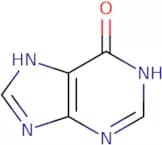
CAS:Hypoxanthine is a nucleoside that is found in human cells. It is synthesized from guanine by the enzyme, xanthine oxidoreductase. Hypoxanthine is also produced from xanthine by adenosine deaminase and converted back to xanthine, which can then be reused for DNA synthesis. Hypoxanthine has been shown to inhibit the growth of photosynthetic bacteria, such as Rhodopseudomonas viridis and Rhodobacter sphaeroides. This inhibition may be due to an equilibrative nucleotide effect on the folate receptor. The x-ray diffraction data collected from the chrysanthemum flower (a source of hypoxanthine) showed that hypoxanthine has a calcium salt structure.
Fórmula:C5H4N4OPureza:Min. 95%Cor e Forma:White PowderPeso molecular:136.11 g/molIndole-3-acetamide
CAS:Indole-3-acetamide is an organic compound that is a component of the natural amino acid tryptophan. Indole-3-acetamide has been shown to be a potential anti-cancer drug. It inhibits prostate cancer cells and wild-type strains by inhibiting fatty acid synthase, which is an enzyme that catalyzes the synthesis of fatty acids. Indole-3-acetamide is also able to increase the production of monoclonal antibodies in mice with antigenic stimulation.
Fórmula:C10H10N2OPureza:Min. 98 Area-%Cor e Forma:PowderPeso molecular:174.2 g/molPiperacillin
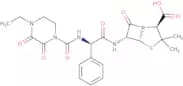
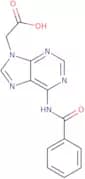
CAS:Piperacillin is a β-lactam antibiotic that inhibits the synthesis of bacterial cell walls by binding to penicillin-binding proteins. It is used for the treatment of serious infections caused by gram-negative organisms such as Aerogenes, Enterobacter, and Klebsiella. Piperacillin has a high MIC90 value against Staphylococcus and other gram-positive bacteria, but it is not active against β-lactamase producing strains of bacteria such as E. coli or Klebsiella pneumoniae. The MIC90 values are determined through an analytical method on different strains of bacteria and validated with a sample preparation before use in clinical trials.Fórmula:C23H27N5O7SPureza:Min. 95 Area-%Cor e Forma:White PowderPeso molecular:517.56 g/mol6-Benzoylamino-9H-purine-9-acetic acid
CAS:6-Benzoylamino-9H-purine-9-acetic acid (BAPAA) is a high quality reagent that is used in the synthesis of complex compounds. It is also a useful intermediate in the preparation of fine chemicals, speciality chemicals, and research chemicals. 6-Benzoylamino-9H-purine-9-acetic acid is a versatile building block for the synthesis of novel compounds with desired biological activity. This compound is an excellent reaction component because it can be used to synthesize various chemical structures.Fórmula:C14H11N5O3Pureza:Min. 95%Cor e Forma:PowderPeso molecular:297.27 g/molColumbianadin
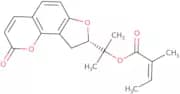
CAS:Columbianadin is a coumarin derivative, which is a natural compound primarily extracted from plants in the Apiaceae family, such as Angelica species. This natural product possesses a unique molecular structure characterized by the presence of a coumarin skeleton, which is responsible for its diverse biological activities.
Fórmula:C19H20O5Pureza:Min. 98 Area-%Cor e Forma:PowderPeso molecular:328.36 g/mol8-Aza-2,6-diaminopurine sulfate (1:x)
CAS:8-Aza-2,6-diaminopurine sulfate (1:x) is a sulfate salt that is soluble in water. The molecular mass of the compound is 581.10 g/mol and it has a molecular formula of C5H7N3O4S. The crystal structure of the compound consists of an asymmetric unit containing one molecule. The 8-aza-2,6-diaminopurine monohydrate salt has a solubility of 1 g/100 mL in water at 25°C. It also has a melting point of 190°C and a boiling point of 340°C.
Fórmula:C4H5N7·xH2SO4Pureza:Min. 95%Cor e Forma:Slightly Yellow PowderPeso molecular:151.13 g/mol2,4-Dihydroxyquinoline
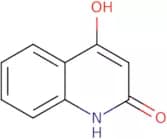
CAS:2,4-Dihydroxyquinoline is a malonic acid derivative that is used as an antimicrobial agent. It is a diazonium salt that can be synthesized from 2-chloro-4-nitrobenzene and malonic acid. The reaction mechanism for this compound involves the formation of a diazo intermediate, which reacts with the amine to form a quinoline. This compound has been shown to have antibiotic properties and is able to inhibit the growth of bacteria such as Salmonella typhi, Mycobacterium tuberculosis, Escherichia coli, and Staphylococcus aureus. 2,4-Dihydroxyquinoline has also been shown to have anticancer activity in vitro on human liver cells (HepG2) and human hepg2 cells.Fórmula:C9H7NO2Pureza:Min. 95%Cor e Forma:White PowderPeso molecular:161.16 g/mol5-Ethylindole-2-carboxylic acid
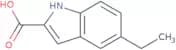
CAS:5-Ethylindole-2-carboxylic acid is an organic compound that is a decarboxylation product of indole. It can be obtained by catalytic dehydrogenation of ethyl ester or 5-ethylindole-2-carboxylic acid. It has been shown to inhibit the growth of bacteria and fungi, as well as to have anti-inflammatory properties.
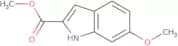
Fórmula:C11H11NO2Pureza:Min. 95%Peso molecular:189.21 g/mol6-Methoxyindole-2-carboxylic acid methyl ester
CAS:6-Methoxyindole-2-carboxylic acid methyl ester is a pyrroloquinoline alkaloid with cytotoxic and antiproliferative activities. It inhibits the growth of cancer cells in culture by inducing apoptosis and cell cycle arrest. 6-Methoxyindole-2-carboxylic acid methyl ester has been shown to be effective against breast cancer cell lines in vitro and to inhibit the proliferation of breast cancer cells in vivo. This compound also inhibits the growth of a number of other cancer cell lines such as prostate, colon, lung, liver, stomach, and leukemia. The mechanism of action for this compound is thought to be due to its ability to act as an intramolecular quencher of reactive oxygen species (ROS) or as an inhibitor of DNA synthesis through inhibition of ribonucleotide reductase activity.
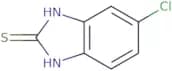
Fórmula:C11H11NO3Pureza:Min. 95%Cor e Forma:PowderPeso molecular:205.21 g/mol5-Chloro-2-mercaptobenzimidazole
CAS:5-Chloro-2-mercaptobenzimidazole is an inorganic base that is used as a microscopy reagent. It has been shown to have a transfer mechanism that is similar to the hydrogen ion transfer mechanism. 5-Chloro-2-mercaptobenzimidazole has been used in vivo assays and has functional groups that are important for its use in coatings and aluminum oxide. The molecule also contains chlorine atoms, which are important for its use in chlorination reactions. 5-Chloro-2-mercaptobenzimidazole can be used in voltammetry to test samples of organic compounds (e.g., casein) and has been shown to be effective against the Gram positive bacterium Staphylococcus aureus.Fórmula:C7H5ClN2SPureza:Min. 98.5 Area-%Cor e Forma:Off-White PowderPeso molecular:184.65 g/mol7-[4-[4-(4-Fluorobenzoyl)Piperidin-1-Yl]Butyl]-1,3-Dimethylpurine-2,6-Dione
CAS:Produto Controlado7-[4-[4-(4-Fluorobenzoyl)Piperidin-1-Yl]Butyl]-1,3-Dimethylpurine-2,6-Dione is a drug that belongs to the group of adenosine receptor antagonists. It has been shown to inhibit phosphodiesterase activity and is used as a pharmaceutical dosage. 7-[4-[4-(4-Fluorobenzoyl)Piperidin-1-Yl]Butyl]-1,3-Dimethylpurine-2,6-Dione has been shown to bind to the 5HT2C receptor in vitro. This drug may have therapeutic potential for obesity and type 2 diabetes mellitus treatment.Fórmula:C23H28FN5O3Pureza:Min. 95%Peso molecular:441.5 g/molD,L-3-Indolylglycine
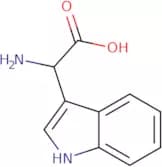
CAS:D,L-3-Indolylglycine is a fine chemical that is a versatile building block in organic synthesis. It is used as a reagent and reaction component in the manufacture of pharmaceuticals and other useful compounds. D,L-3-Indolylglycine has been shown to be useful for the synthesis of beta-carbolines, indole alkaloids and cyclic peptides. This compound has also been found to have anti-inflammatory properties.Fórmula:C10H10N2O2Pureza:Min. 95%Cor e Forma:PowderPeso molecular:190.2 g/molN-(4-Hydroxyphenyl)-5-methyl-2-1H-pyridone
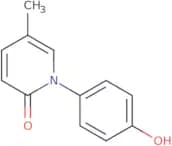
CAS:N-(4-Hydroxyphenyl)-5-methyl-2-1H-pyridone is a molecule that is found in plasma samples and has been shown to inhibit the growth of cells. It is a potent inhibitor of tubulointerstitial injury, which is the most common type of kidney disease. The mechanism of this drug has been shown to involve the inhibition of primary amino acid uptake. This compound also inhibits urea synthesis and decreases plasma concentrations by increasing the rate of elimination. In addition, it has been shown to have an inhibitory effect on growth factors such as EGF, bFGF, IGF-1, and PDGF. N-(4-Hydroxyphenyl)-5-methyl-2-1H-pyridone can be synthesized by heating at high temperatures (thermally activated).Fórmula:C12H11NO2Pureza:Min. 95%Cor e Forma:Off-White PowderPeso molecular:201.22 g/molFerene disodium salt
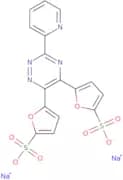
CAS:Ferene is an iron chelate that has been shown to have a number of beneficial effects on iron homeostasis. Ferene has been used in the treatment of chronic viral hepatitis, and it has also been shown to be effective against galleria mellonella. Ferene is a metal chelate, which means that it is a type of molecule that contains two metal ions. The metal ions are usually connected by a central atom, such as oxygen or nitrogen. Ferene disodium salt can be synthesized in the lab using the chemiluminescence method and polymerase chain reaction (PCR). It is also possible to isolate ferene from human serum or from a model system.Fórmula:C16H8N4Na2O8S2Pureza:Min. 95 Area-%Cor e Forma:Yellow PowderPeso molecular:494.37 g/mol5-Methoxyindole-3-acetonitrile
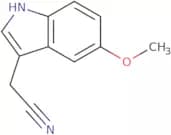
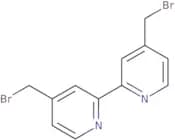
CAS:5-Methoxyindole-3-acetonitrile is a synthetic compound used as a reference for the synthesis of melatonin. It is produced by the addition of magnesium to 5-methoxyindole, followed by reaction with cyanide and nitrile. The synthesis of this compound was first published in 1938 and has since been used as a reference for many other studies. It has been shown that 5-methoxyindole-3-acetonitrile has high performance liquid chromatography properties, with a linear range from 0.5 to 50 mg/mL and an ultraviolet spectrum that falls within the region between 220 nm and 400 nm. A molecular modeling study was conducted on this compound, which showed that it conforms with 4-hydroxy indole ring systems found in natural products such as tryptophan and serotonin. This product also has fluorescent properties, which are caused by its electron withdrawing group (cyano).Fórmula:C11H10N2OPureza:Min. 95%Cor e Forma:PowderPeso molecular:186.21 g/mol4,4'-Bis(bromomethyl)-2,2'-bipyridine
CAS:4,4'-Bis(bromomethyl)-2,2'-bipyridine is a cyclic molecule that can be synthesized by the reaction of 4-bromo-2,2'-bipyridine with a brominating agent. It is used as a precursor to ruthenium catalysts in organic synthesis, and as an additive in dendrimers. The compound has been shown to have light absorption properties and can be used in photovoltaics and electropolymerization.Fórmula:C12H10N2Br2Pureza:Min. 95%Cor e Forma:PowderPeso molecular:342.03 g/mol7-Methylindole-3-acetic acid
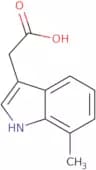
CAS:7-Methylindole-3-acetic acid is a metabolite of indomethacin. It is excreted in the urine and has been found to be present in the tissues of monkeys. 7-Methylindole-3-acetic acid is excreted by the kidneys and it is not known how much of this compound is reabsorbed into the body. 7-Methylindole-3-acetic acid can be metabolized to form other metabolites, including 2,4,5,6 tetrahydropyridine (2,4,5,6 THP), which has been shown to produce DNA damage in rats. The metabolites are then excreted from the body through urination and feces.Fórmula:C11H11NO2Pureza:Min. 95%Peso molecular:189.21 g/mol7-Methylcoumarin
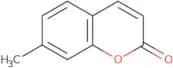
CAS:7-Methylcoumarin is an organic compound classified as a coumarin derivative, which is sourced from various plants and synthesized chemically. Its basic structure consists of a benzopyrone, with a methyl group at the seventh position on the coumarin core, distinguishing it from naturally occurring coumarins.Fórmula:C10H8O2Pureza:Min. 95%Cor e Forma:White PowderPeso molecular:160.17 g/mol6-(Dimethylamino)purine
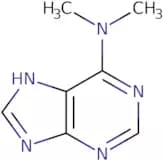
CAS:6-(Dimethylamino)purine (6-DAP) is a purine nucleoside that acts as an inhibitor of the transcription factor leukemia inhibitory factor (LIF). 6-DAP binds to the response element in the promoter region of LIF and blocks the binding of LIF to this site. This prevents transcription of LIF, which leads to cell cycle arrest. 6-DAP also has inhibitory effects on skin cells and inhibits the formation of fetal bovine serum protein in a model system. 6-DAP binds to nuclear DNA and alters its structure, which may cause problems with DNA replication or transcription.Fórmula:C7H9N5Pureza:Min. 98 Area-%Cor e Forma:White PowderPeso molecular:163.18 g/mol2-Oxo-1,2,3,4-tetrahydroquinoline-4-carboxylic acid
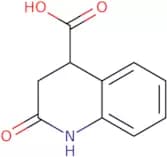
CAS:2-Oxo-1,2,3,4-tetrahydroquinoline-4-carboxylic acid is a carboxylic acid that is an intermediate in the chemical synthesis of 2H and 3H tetrahydroquinolines. It can be synthesized by the oxidation of 2-(N,N-dimethylamino)benzaldehyde with hydrogen peroxide in methanol. The compound has been used to label animals for use in mass spectrometry studies and as a reactant in electron and nuclear magnetic resonance (NMR) spectroscopy experiments. In addition, 2-oxo-1,2,3,4-tetrahydroquinoline-4-carboxylic acid has been used to study equilibrium and reversible reactions as well as to identify the abundances of different spectral peaks. 2-Oxo-1,2,3,4-tetrahydroquinoline-4Fórmula:C10H9NO3Pureza:Min. 95%Peso molecular:191.18 g/molEsculetin dibenzyl ether
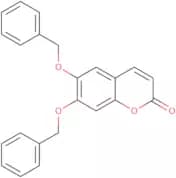
CAS:Esculetin dibenzyl ether is a chemical compound, which is a derivative of esculetin, a natural coumarin obtained chiefly from plant sources such as the bark of horse chestnut and other similar species. The source of esculetin dibenzyl ether is typically synthesized from natural precursors through chemical modifications, allowing for the exploration of its structural analogs.Fórmula:C23H18O4Pureza:Min. 95%Peso molecular:358.39 g/molHalquinol, mixture of 5,7-Dichloro-8-quinolinol, 5-Chloro-8-quinolinol, 7-Chloro-8-quinolinol and 8-Hydroxyquinoline
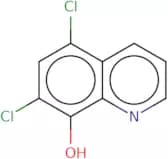
CAS:Halquinol, a mixture of 5,7-dichloro-8-quinolinol, 5-chloro-8-quinolinol, 7-chloro-8-quinolinol and 8-hydroxyquinoline, is an important intermediate in organic synthesis. It has been used as a reagent in the synthesis of a variety of complex compounds. Halquinol has also been used as a building block for the synthesis of many other chemical products. The CAS number for halquinol is 806769-4.Fórmula:C18H11Cl3N2O2Pureza:Min. 95%Cor e Forma:Off-White PowderPeso molecular:393.65 g/molFuril
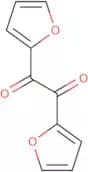
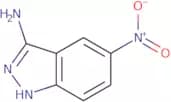
CAS:Furil is a pharmaceutical preparation used for the treatment of metabolic disorders, such as hypertension and diabetes. Furil is an inhibitor of the enzyme acyl coenzyme A: diacylglycerol acyltransferase-2 (DGAT-2) which catalyses the formation of triacylglycerols from diacylglycerol and free fatty acids. Furil has been shown to have potent inhibitory activity against DGAT-2, with an IC50 value of 0.5 μM. Furil also inhibits the enzyme phosphodiesterase 4B (PDE4B), which plays a role in signal transduction and inflammation. Furil can be synthesized by reacting hydrogen chloride with 2-bromoacetophenone in a nonpolar solvent to form 2,4-dichlorobenzoyl chloride, followed by reaction with 3-furancarboxylic acid in methanol to produce furil. FurilFórmula:C10H6O4Pureza:Min. 95%Cor e Forma:Beige PowderPeso molecular:190.15 g/mol3-Amino-5-nitroindazole
CAS:3-Amino-5-nitroindazole is an anticancer drug that inhibits the growth of cancer cells. It has been shown to inhibit the growth of cancer cells by blocking the synthesis and repair of DNA, leading to cell death. 3-Amino-5-nitroindazole also blocks the production of new proteins, which are needed for cell division. This drug also acts on pathways that are important for tumor development and progression, such as signaling pathways and transcription factors. This compound has been shown to be selective against human squamous cell carcinoma cells and has been studied in combination with other anticancer drugs in clinical trials.
Fórmula:C7H6N4O2Pureza:Min. 95%Cor e Forma:SolidPeso molecular:178.15 g/mol

![Benzo[c]phenanthrene](/_next/image/?url=https%3A%2Fstatic.cymitquimica.com%2Fproducts%2F3D%2Fthumb-webp%2FFB18203.webp&w=3840&q=75)




![2-Azabicyclo[2.2.1]hept-5-en-3-one](/_next/image/?url=https%3A%2Fstatic.cymitquimica.com%2Fproducts%2F3D%2Fthumb-webp%2FFA10344.webp&w=3840&q=75)




![7-Chloro-2H-pyrido[3,2-B]-1,4-oxazin-3(4H)-one](/_next/image/?url=https%3A%2Fstatic.cymitquimica.com%2Fproducts%2F3D%2Fthumb-webp%2FFC66462.webp&w=3840&q=75)

![2-[1-(Methylamino)ethyl]indole](/_next/image/?url=https%3A%2Fstatic.cymitquimica.com%2Fproducts%2F3D%2Fthumb-webp%2FFM25773.webp&w=3840&q=75)
![7-[(Dimethylamino)methyl]-2,2,4-trimethyl-1,2-dihydroquinolin-6-ol](/_next/image/?url=https%3A%2Fstatic.cymitquimica.com%2Fproducts%2F3D%2Fthumb-webp%2FFD129815.webp&w=3840&q=75)
![N-(1R,8S,9s)-Bicyclo[6.1.0]non-4-yn-9-ylmethyloxycarbonyl-1,8-diamino-3,6-dioxaoctane](/_next/image/?url=https%3A%2Fstatic.cymitquimica.com%2Fproducts%2F3D%2Fthumb-webp%2FFB60339.webp&w=3840&q=75)


![7-[4-[4-(4-Fluorobenzoyl)Piperidin-1-Yl]Butyl]-1,3-Dimethylpurine-2,6-Dione](/_next/image/?url=https%3A%2Fstatic.cymitquimica.com%2Fproducts%2F3D%2Fthumb-webp%2FFF99814.webp&w=3840&q=75)