Compostos Policiclícos
Subcategorias de "Compostos Policiclícos"
- Acridinas(98 produtos)
- Antraquinonas(534 produtos)
- Ácidos antraquinonasulfónicos(16 produtos)
- Azobenzenos(270 produtos)
- Azonaftalenos(98 produtos)
- Azoxibenzenos(12 produtos)
- Azulenos(11 produtos)
- Benzimidazóis(1.476 produtos)
- Benzodioxanos(27 produtos)
- Benzofuranos(928 produtos)
- Benzotiofenos(701 produtos)
- Benzotriazóis(438 produtos)
- Binaftil(133 produtos)
- Carbazóis(464 produtos)
- Cromanos, Cromenos(482 produtos)
- Cumarinas(1.137 produtos)
- Ciclofanos(11 produtos)
- Fluorenos e Fluorenonas(384 produtos)
- Imidazopiridinas(10 produtos)
- Indans(118 produtos)
- Indazóis(2.043 produtos)
- Indenos(22 produtos)
- Indóis(4.022 produtos)
- Indolinas(119 produtos)
- Isatinas(234 produtos)
- Isobenzofuranos(17 produtos)
- Ftalimidas N-Substituída(154 produtos)
- Naftalenos(2.440 produtos)
- Naftiridina(17 produtos)
- Naftoquinona(2 produtos)
- Perilenos(36 produtos)
- Fenazinas(25 produtos)
- Ftalazinas(33 produtos)
- Ftalimida(154 produtos)
- Hidrocarbonetos aromáticos policíclicos (PAHs)(566 produtos)
- Polifenol(270 produtos)
- Pteridinas(52 produtos)
- Pireno(87 produtos)
- Quinuclidina(1 produtos)
- Tetracenos(7 produtos)
Foram encontrados 4585 produtos de "Compostos Policiclícos"
3-Methyl-2-hydroxy-3H-imidazo[4,5-f]quinoline
CAS:3-Methyl-2-hydroxy-3H-imidazo[4,5-f]quinoline is a high quality reagent that can be used as an intermediate or building block in the synthesis of other compounds. It is a fine chemical with CAS No. 144486-08-8 and can be used as a speciality chemical in research. This compound has versatile building blocks that are useful in reactions and have been shown to be a reaction component in the synthesis of various compounds.Fórmula:C11H9N3OPureza:Min. 95%Cor e Forma:Yellow PowderPeso molecular:199.21 g/mol4-Chloro-6-methoxyquinolin-7-ol
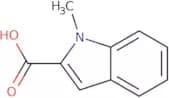
CAS:4-Chloro-6-methoxyquinolin-7-ol (CMQ) is an alkali metal that inhibits the sodium/potassium ATPase pump, which is responsible for maintaining the cell's intracellular ion balance. It was discovered in a search for compounds that inhibit this enzyme and show promise in the treatment of heart diseases. CMQ has been shown to inhibit the sodium concentration in rat hearts with no effect on potassium concentrations, which may be due to its ability to bind to sodium ions but not potassium ions. The long-term effects of CMQ on human populations are unknown, as well as its effects on genotype and parameters. CMQ also has been shown to cause drug resistance mutations in bacteria, such as methicillin resistant Staphylococcus aureus (MRSA), by increasing the mutation rate. This is due to the fact that it inhibits DNA replication and protein synthesis in bacteria cells.Fórmula:C10H8ClNO2Pureza:Min. 95%Cor e Forma:Yellow PowderPeso molecular:209.63 g/mol1-Methylindole-2-Carboxylic Acid
CAS:1-Methylindole-2-Carboxylic Acid is a chemical that belongs to the group of phenylacetic acid compounds. It has been shown to inhibit lymphocyte activation and t-cell proliferation in vitro, which may be due to its ability to interfere with the production of interleukin. 1-Methylindole-2-Carboxylic Acid also has an antitumor effect on animals and can reduce the tumor burden by inhibiting DNA synthesis, protein synthesis, and mineralization. The molecular modeling studies have shown that 1-Methylindole-2-Carboxylic Acid binds in the active site of protein kinase C as a competitive inhibitor and prevents ATP from binding to the enzyme.
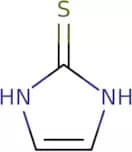
Fórmula:C10H9NO2Pureza:Min. 95%Cor e Forma:PowderPeso molecular:175.18 g/mol2-Mercapto-1H-imidazole
CAS:2-Mercapto-1H-imidazole is an irreversible inhibitor of xanthine oxidase. It binds to the nitrogen atoms of the enzyme's active site and forms a strong hydrogen bond with the oxygen atom of the xanthine substrate. The steric interactions between 2-mercapto-1H-imidazole and the substrate prevent binding and catalysis. The crystal structures of 2-mercapto-1H-imidazole in complex with xanthine oxidase have been determined using X-ray crystallography. FTIR spectroscopy has shown that 2-mercapto-1H-imidazole coordinates in a geometry similar to that of the reactant, hydrochloric acid. Electrochemical impedance spectroscopy (EIS) has revealed that proton transfer takes place when 2-mercapto-1H imidazole binds to xanthine oxidase, which is consistent with reaction mechanism involving electFórmula:C3H4N2SPureza:Min. 95%Cor e Forma:PowderPeso molecular:100.14 g/mol7-Bromo-2,3-dioxoindoline
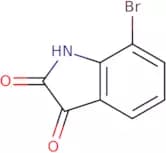
CAS:7-Bromo-2,3-dioxoindoline is a synthetic compound with a vibrational frequency of 249.2 cm−1. It is an inhibitor of the enzyme synthetase and has been shown to have an inhibitory effect on cancer cell viability in vitro. 7-Bromo-2,3-dioxoindoline inhibits the production of cancerous cells by interfering with their ability to synthesize DNA, which is necessary for cell division. This inhibition may be due to its ability to form intermolecular hydrogen bonding interactions with the amine group on the enzyme synthetase. 7-Bromo-2,3-dioxoindoline has also been shown to block the synthesis of 5-chloroisatin, one of its reaction products. The bioassay was carried out by measuring the amount of granulosa cells that were able to produce estrogen after treatment with this compound.Fórmula:C8H4BrNO2Pureza:Min. 98 Area-%Cor e Forma:PowderPeso molecular:226.03 g/mol4-Cyanoindole
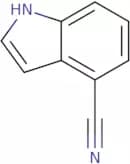
CAS:The 4-cyanoindole is a fluorescent molecule that binds to proteins and affects protein homeostasis. It has been shown to bind to the sodium salt form of proteins, which are typically found in human liver cells. The binding of 4-cyanoindole to these proteins leads to its reduction by borohydride and fluorescence resonance energy transfer (FRET) between the molecule and the protein. This binding can be detected using a fluorescence lifetime spectroscopy technique, which detects changes in the fluorescence's lifetime as well as intensity. The binding of 4-cyanoindole to proteins has been shown to have anti-cancer properties. It has also been used for detection of monoclonal antibodies against cancer cells or for fluorescent labeling of cancer cells for immunofluorescent microscopy.Fórmula:C9H6N2Cor e Forma:White PowderPeso molecular:142.16 g/mol8-Azahypoxanthine
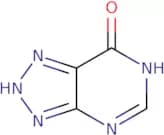
CAS:8-Azahypoxanthine is a hydroxyl analog of hypoxanthine. It contains a nitrogen atom in place of the oxygen atom on the 2-position. 8-Azahypoxanthine has been shown to be an effective inhibitor of purine biosynthesis in yeast cells and can be used as a replacement for xanthine during the synthesis of adenosine triphosphate (ATP) from uracil. 8-Azahypoxanthine was found to have good detection sensitivity, with an estimated detection limit of 0.2 µM. The optimum pH for this compound is 7.8, which is similar to that of wild type strain and tissue culture media. Mutants resistant to 8-azahypoxanthine were generated by exposure to high concentrations (>100 mM) for long periods (>2 days). Mutant strains showed no detectable enzyme activity against orotic acid or glycosidic bond formation with erythromycin
Pureza:Min. 95%Cor e Forma:PowderPeso molecular:137.1 g/mol2,2,4-Trimethyl-1,2-dihydroquinolin-6-ol
CAS:2,2,4-Trimethyl-1,2-dihydroquinolin-6-ol (TQ) is a naturally occurring phenolic compound that has been shown to inhibit lipid peroxidation in animal and human cells. TQ is an antioxidant that protects against oxidative damage by scavenging free radicals. This compound can act as a nitroxyl radical trap and inhibits the dimerization of quinones and other reactive oxygen species. TQ also has been found to have anti-inflammatory effects, which may be due to its ability to reduce the production of inflammatory cytokines.
A new study shows that TQ can inhibit the production of reactive oxygen species in quantum yields up to 10%. It is thought that this effect may be due to TQ’s ability to stabilize different forms of reduced glutathione.Fórmula:C12H15NOPureza:Min. 95%Cor e Forma:PowderPeso molecular:189.25 g/mol3-(2-Diisopropylaminoethyl)indole hydrochloride
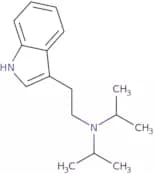
CAS:Produto Controlado3-(2-Diisopropylaminoethyl)indole hydrochloride is an inhibitor of the enzyme monoamine oxidase (MAO). MAO is responsible for the degradation of monoamines such as serotonin, dopamine, and norepinephrine. 3-(2-Diisopropylaminoethyl)indole hydrochloride inhibits these enzymes in order to increase the levels of these neurotransmitters in the brain. These effects are observed with a sectional study on the host plant species. 3-(2-Diisopropylaminoethyl)indole hydrochloride has been shown to have low potency for inhibiting 5-HT1A and 5-HT2A receptors in rat studies, but it is not active against 5-HT2C receptors. This drug was used to measure urinary serotonin and dopamine levels in human urine samples.
Fórmula:C16H25ClN2Pureza:Min. 95%Peso molecular:280.84 g/mol3-Aminoquinoline
CAS:3-Aminoquinoline is a chemical compound that inhibits the activity of the epidermal growth factor receptor (EGFR). It is a potent inhibitor of cell proliferation and has been shown to have antitumour activity. 3-Aminoquinoline has been shown to inhibit the proliferation of carcinoma cell lines. This drug binds to the EGFR receptor, preventing it from activating downstream signalling pathways that control cell growth. 3-Aminoquinoline also has biological properties, including matrix-assisted laser desorption/ionization time-of-flight mass spectrometry, analytical chemistry, sample preparation, and Suzuki coupling reaction. The molecule is structurally analyzed using chemical structures and structural analysis techniques such as thermodynamic data or proton NMR spectroscopy. 3-Aminoquinoline also interacts with sugars through hydrogen bonding and oligosaccharides. These interactions are found to be high in value in some cases.
Fórmula:C9H8N2Pureza:Min. 95%Cor e Forma:White PowderPeso molecular:144.17 g/mol[2,3'-Bipyridin]-6'-amine
CAS:2,3'-Bipyridin-6'-amine is a chemical compound that is used as a building block for more complex molecules. It has high quality and can be used to make many different compounds. 2,3'-Bipyridin-6'-amine is versatile and can be used in the synthesis of a variety of compounds. It is also an intermediate in a number of reactions, including the formation of pyrimidine analogs. This chemical has been shown to be useful in the creation of new drugs for cancer treatment and other diseases.Fórmula:C10H9N3Pureza:Min. 95%Cor e Forma:Off-White PowderPeso molecular:171.2 g/molIsoquinoline
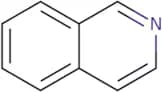
CAS:Isoquinoline is a heterocyclic organic compound that can be synthesized by the asymmetric addition of hydrochloric acid to an isoquinol. It has been shown to inhibit the enzyme DPP-IV, which is involved in the degradation of glucagon-like peptide-1 (GLP-1). Isoquinoline is also a potent antagonist of the NMDA receptor, and has been shown to have anti-inflammatory properties in HLA-60 cells. This drug is soluble in organic solvents and forms crystalline polymorphs. Isoquinoline has been used in polymerase chain reactions as a hydrogen bond donor.Fórmula:C9H7NPureza:Min. 95%Cor e Forma:PowderPeso molecular:129.16 g/mol1,6-Dimethyl-1H-indole-3-carbaldehyde
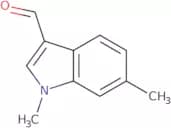
CAS:1,6-Dimethyl-1H-indole-3-carbaldehyde is a compound that can be used in the synthesis of many organic and pharmaceutical compounds. It is also an intermediate for the production of other chemicals. 1,6-Dimethyl-1H-indole-3-carboxylic acid has been shown to be useful as a building block in organic synthesis, due to its versatility and reactivity. The compound is also a reagent and can be used as part of research studies. This chemical has CAS number 202584-14-3.Fórmula:C11H11NOPureza:Min. 95%Cor e Forma:PowderPeso molecular:173.21 g/molIndole-3-acetonitrile
CAS:Indole-3-acetonitrile is a natural product that belongs to the class of antimicrobial agents. It has been shown to have antiinflammatory activity in mice and to inhibit enzyme activities in the plasma of rats. This compound was also found to be an inhibitor of indole synthesis, which may provide insight into its potential use as a therapeutic agent for cancer treatment. Indole-3-acetonitrile has been shown to have antimicrobial properties against galleria mellonella, which are insect larvae that are used as model organisms for research on development and genetics. The biological properties of this compound have been studied using structural analysis and biochemical research.Fórmula:C10H8N2Pureza:Min. 95%Cor e Forma:Yellow To Brown SolidPeso molecular:156.18 g/mol3-Methyl-3,8-diaza-bicyclo[3.2.1]octane dihydrochloride
CAS:3-Methyl-3,8-diaza-bicyclo[3.2.1]octane dihydrochloride is a high quality reagent that is useful as an intermediate in the synthesis of complex compounds and as a reagent for fine chemicals. 3-Methyl-3,8-diaza-bicyclo[3.2.1]octane dihydrochloride can be used as a versatile building block in the synthesis of speciality chemicals and research chemicals. It can also be used to synthesize a variety of reaction components, such as amines, carboxylic acids, alcohols, amides, and nitriles.Fórmula:C7H16Cl2N2Pureza:Min. 95%Cor e Forma:PowderPeso molecular:199.12 g/mol1,5-Dimethyl-1H-indole-3-carbaldehyde
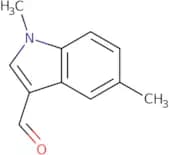
CAS:1,5-Dimethyl-1H-indole-3-carbaldehyde is a useful building block for organic synthesis. It is an important reagent for the synthesis of complex compounds and it has been used as a versatile building block in organic chemistry. This compound can be used as a starting point for the preparation of other chemicals, such as pharmaceuticals, pesticides, and dyes. 1,5-Dimethyl-1H-indole-3-carbaldehyde is also a fine chemical that has been used for research purposes. There are no known commercial uses for this compound.Fórmula:C11H11NOPureza:Min. 95%Cor e Forma:PowderPeso molecular:173.21 g/mol6-Ethylmercaptopurine
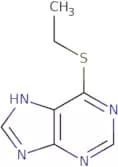
CAS:6-Ethylmercaptopurine is a purine analogue that inhibits the synthesis of DNA. It is used as an inhibitor of protein synthesis and in the treatment of inflammatory bowel disease. 6-Ethylmercaptopurine has been shown to inhibit the activity of ATPase, which may be responsible for its ability to suppress the proliferation of cells. This drug can also act as an analog to adenosine, which can be used to determine ATP levels in a cell or tissue sample by measuring the amount of p-nitrophenyl phosphate produced. 6-Ethylmercaptopurine has been shown to block phosphatase activity, which may lead to inflammation in some cases.
6-Ethylmercaptopurine has a molecular weight of 194.2 g/mol and an optimum pH of 4.5Fórmula:C7H8N4SPureza:Min. 95%Cor e Forma:Off-White PowderPeso molecular:180.23 g/mol2-Chlorobenzimidazole
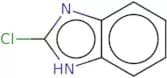
CAS:2-Chlorobenzimidazole is an analog of benzimidazole that has been synthesized by Langmuir adsorption isotherm. It is a white crystalline solid that can be dissolved in water and hydrochloric acid. 2-Chlorobenzimidazole inhibits the growth of herpes simplex virus by acting as a competitive inhibitor for the viral enzyme thymidine kinase, which catalyzes the conversion of thymine to thymidine. 2-Chlorobenzimidazole also binds to monoclonal antibodies, inhibiting their binding to their corresponding antigens. This activity may be due to its ability to bind covalently with amino groups on proteins and other molecules. Magnetic resonance spectroscopy has shown that 2-chlorobenzimidazole binds tightly with protonated (positively charged) phosphorous atoms within cells.Fórmula:C7H5ClN2Pureza:Min. 95%Cor e Forma:White PowderPeso molecular:152.58 g/mol(1,10)Phenanthrolin-5-ylamine
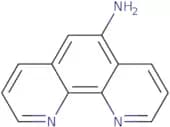
CAS:(1,10)Phenanthrolin-5-ylamine is a sample preparation reagent that has been used in the production of polymers with redox potentials below 0.2 V. This compound is also an antimicrobial agent that has shown to be effective against bacteria and fungi. The detection sensitivity of (1,10)phenanthrolin-5-ylamine is high, making it suitable for use in human serum samples. It can be protonated by a base such as sodium hydroxide or ammonia to form its cationic form, which can then react with nucleophiles such as thiols and amines to produce an alkylating agent. It has been used in the synthesis of l1210 murine leukemia cells and has been observed to have photophysical properties that are sensitive to neutral pH levels.
(1,10)Phenanthrolin-5-ylamine can be used for process optimizationFórmula:C12H9N3Pureza:Min. 95%Cor e Forma:Off-White PowderPeso molecular:195.22 g/mol5-Methoxy-3-(1,2,5,6-tetrahydro-4-pyridinyl)-1H-indole hemisuccinate
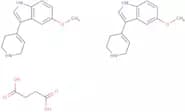
CAS:5-Methoxy-3-(1,2,5,6-tetrahydro-4-pyridinyl)-1H-indole hemisuccinate is a serotonin receptor agonist that has been shown to stimulate the 5HT1A receptor. It stimulates insulin secretion and glucose uptake in rats and inhibits feeding behavior in mice. It has also been shown to have antihypertensive effects on rats by blocking the 5HT2 receptors. In addition, it stimulates regeneration of injured nerve cells. This drug has potential uses as a treatment for neurological diseases such as Parkinson's disease and depression.Fórmula:C14H16N2O•(C4H6O4)0Pureza:Min. 95%Cor e Forma:Yellow solid.Peso molecular:287.33 g/mol5,7-Dimethoxyindole
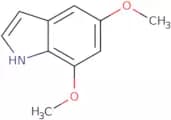
CAS:5,7-Dimethoxyindole is a potent inhibitor of the enzyme oxidase. 5,7-Dimethoxyindole has been shown to inhibit the growth of a number of fungi, including Phytophthora infestans and Cryptococcus neoformans. The molecular modeling studies have shown that this molecule can form an H-bond with the acceptor in the active site of the enzyme and prevent access by substrate. This inhibition has been shown to be competitive with respect to ferrous ions and noncompetitive with respect to other cofactors. 5,7-Dimethoxyindole also inhibits integrase enzymes, which are involved in DNA integration during viral replication. 5,7-Dimethoxyindole was found to bind to a pharmacophore model for integrase inhibitors and formylation reactions. This compound is also magnetic due to its high electron density at the methoxy group.
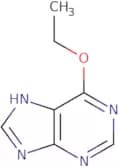
Fórmula:C10H11NO2Pureza:Min. 95%Cor e Forma:PowderPeso molecular:177.2 g/mol6-Ethoxypurine
CAS:6-Ethoxypurine is a nucleoside analog that inhibits the enzyme ribonucleotide reductase, which converts ribonucleotides to deoxyribonucleotides. It is used in cell culture to measure the effects of radiation and hydrochloric acid on the production of ATP. 6-Ethoxypurine has been shown to inhibit influenza virus replication with an IC50 of 10 μM. This compound has reactive hydroxyl groups that allow it to participate in hydrogen bonding, which can be beneficial for interactions with other molecules. 6-Ethoxypurine also exhibits nucleophilic properties, which allows it to react with other chemical species and can be useful for generating new chemical compounds.Fórmula:C7H8N4OPureza:Min. 95%Cor e Forma:PowderPeso molecular:164.16 g/mol1,2,3,4-Tetrahydrocyclopenta[b]indole
CAS:1,2,3,4-Tetrahydrocyclopenta[b]indole is a synthetic drug that has been shown to be an effective antidepressant in animal models of depression. It has also been shown to inhibit the replication of HIV and Hepatitis C virus in cell culture. It is thought that 1,2,3,4-tetrahydrocyclopenta[b]indole's anti-depressant effects are due to its ability to block the α2-adrenergic receptor and cholinergic receptors. The drug also inhibits the synthesis of amines including serotonin, dopamine and noradrenaline. This compound may be used as a treatment for depression because it does not have any significant side effects on the central nervous system or other organs.Fórmula:C11H11NPureza:Min. 95%Peso molecular:157.21 g/mol3-Aminoquinuclidine dihydrochloride
CAS:3-Aminoquinuclidine dihydrochloride (3-AQDH) is a chiral quinuclidine derivative that is an acetylcholine receptor agonist. It has been shown to bind to the α7 nicotinic acetylcholine receptor with high affinity and selectivity. 3-AQDH has also been shown to crosslink the cholinergic receptor, which may lead to increased sensitivity of the receptor. The binding constants between 3-AQDH and the α7 nicotinic acetylcholine receptors are very high and it has been shown to be enantiopure in its synthesis. 3-AQDH also has a hydrophilic interaction chromatography profile, which separates it from other compounds. This agent may have potential use as a drug for treating Alzheimer's disease and Parkinson's disease due to its ability to inhibit acetylcholinesterase activity.
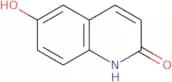
Pureza:Min. 95%Cor e Forma:PowderPeso molecular:199.12 g/mol6-Hydroxyquinoline-(1H)-2-one
CAS:6-Hydroxyquinoline-(1H)-2-one is an organic compound that has been shown to inhibit the uptake of carbostyril by bacterial cells. This inhibition causes increased uptake of xanthurenic acid and anthranilic acid, which are two compounds that are found in wastewater treatment. 6-Hydroxyquinoline-(1H)-2-one may be a potential anticancer agent, as it inhibits the growth of astroglia cells and bladder cancer cells. It also reacts with acylation reactions to form quinolinic acid, which has been shown to have anticancer effects.Fórmula:C9H7NO2Pureza:Min. 95%Cor e Forma:White SolidPeso molecular:161.16 g/mol7-Chloroquinoline-3-carboxylicacid
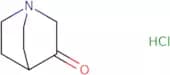
CAS:7-Chloroquinoline-3-carboxylicacid (7CQCA) is a synthetic compound that has been shown to have regulatory, immunomodulatory, and anticancer properties. It is a potent inhibitor of mammalian DNA polymerase beta and it has been shown to induce apoptosis in human prostate cancer cells by inhibiting the production of cAMP. 7CQCA also inhibits the proliferation of mouse CD1 leukemia cells in vitro and induces apoptosis in these cells. The compound was found to be more effective when used with other agents such as triticum aestivum extract, which may be due to its synergistic interaction with these compounds.Fórmula:C10H6ClNO2Pureza:Min. 95%Cor e Forma:Off-White PowderPeso molecular:207.61 g/mol3-Quinuclidinone hydrochloride
CAS:Produto Controlado3-Quinuclidinone hydrochloride is an organic compound that is used as a reagent in organic synthesis. It is synthesized by the acylation of 3-quinuclidinol with ethyl bromoacetate in the presence of a base. This reaction occurs in an isolated yield, and the product can be purified by rotary evaporation. 3-Quinuclidinone hydrochloride has a high affinity for GABA receptors, which are found on nerve cells in the brain and inhibitory neurons throughout the body. The binding of 3-quinuclidinone hydrochloride to these receptors leads to a decrease in neuronal excitability. This drug also has been shown to have effects on motor function, including a positive effect on motor performance when tested using a rotarod test. The rate of this reaction can be increased by adding chloride or sodium carbonate as a catalyst and by increasing the reaction time. Substrate binding plays an importantFórmula:C7H12CINOPureza:Min. 95%Cor e Forma:White PowderPeso molecular:161.63 g/mol2-(2-Butoxyethyl)-1H-isoindole-1,3(2H)-dione
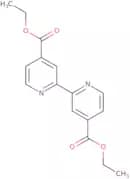
CAS:2-(2-Butoxyethyl)-1H-isoindole-1,3(2H)-dione is a versatile building block and intermediate with a range of chemical properties. It is a useful scaffold for the synthesis of complex compounds with different functional groups. 2-(2-Butoxyethyl)-1H-isoindole-1,3(2H)-dione can be used as an organic solvent and reaction component in organic synthesis as well as being an effective catalyst or reagent in reactions involving other chemicals. This compound has been selected by the Chemical Abstracts Service (CAS) as one of their high quality products.Fórmula:C14H17NO3Pureza:Min. 95%Cor e Forma:PowderPeso molecular:247.29 g/mol4,4'-Bis(ethoxycarbonyl)-2,2'-bipyridine
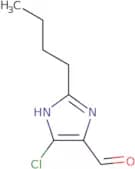
CAS:4,4'-Bis(ethoxycarbonyl)-2,2'-bipyridine (BEBCP) is a dithiolate chromophore. BEBCP has a redox potential of 1.3 volts and the electronic interaction of the carbonyl groups with the electron cloud of the bipyridine nucleus is responsible for this property. The photochemical properties of BEBCP can be systematically studied by using electrochemical data such as voltammetry and cyclic voltammetry. These methods are useful in determining the nature and constant of BEBCP as well as its interaction with ligands.Fórmula:C16H16N2O4Pureza:Min. 95%Cor e Forma:PowderPeso molecular:300.31 g/mol2-Butyl-4-chloro-1H-imidazole-5-carboxaldehyde
CAS:Glyoxal is a chemical compound that has shown to have bactericidal activity against human pathogens such as Mycobacterium tuberculosis, Helicobacter pylori, and Staphylococcus aureus. It is used in the synthesis of heterocyclic amines and can be found as an impurity in imidazole derivatives. Glyoxal is a broad-spectrum antimicrobial that has been shown to inhibit the growth of fungi and bacteria by reacting with functional groups on the microorganisms' cell walls. It reacts with bacterial cell walls by forming an intermediate molecule, which reacts with other molecules present in the microorganism's environment to form carbon dioxide, water, and glyoxal. The reaction time for glyoxal depends on temperature; higher temperatures will result in faster reactions. Techniques used to synthesize glyoxal include dehydration of oximes or by reaction with phosphorus oxychloride.Fórmula:C8H11ClN2OPureza:Min. 95%Cor e Forma:PowderPeso molecular:186.64 g/mol3-Quinolinecarboxylic acid
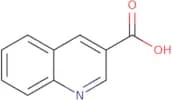
CAS:3-Quinolinecarboxylic acid is a water-soluble drug that is soluble in both organic solvents and water. It is reactive, which limits its therapeutic use. 3-Quinolinecarboxylic acid is used to treat inflammatory disease by inhibiting the production of prostaglandins and leukotrienes in the body. 3-Quinolinecarboxylic acid has been shown to have genotoxic effects on primary cells, as well as an antiinflammatory effect. It also has been shown to be effective for treating rheumatoid arthritis in animal models, but not humans.
Fórmula:C10H7NO2Pureza:Min. 95%Cor e Forma:PowderPeso molecular:173.17 g/molBoc-(3S)-1,2,3,4-Tetrahydroisoquinoline-3-carboxylic acid
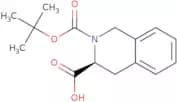
CAS:Boc-(3S)-1,2,3,4-Tetrahydroisoquinoline-3-carboxylic acid is an amino acid that has the δ-opioid receptor antagonist activity. It can be synthesized by a stepwise synthesis with an asymmetric center. The δ-opioid receptor antagonist activity of Boc-(3S)-1,2,3,4-Tetrahydroisoquinoline-3-carboxylic acid was found to be comparable to naloxone in terms of affinity constants and functional groups.Fórmula:C15H19NO4Pureza:Min. 95%Cor e Forma:SolidPeso molecular:277.32 g/mol1-Methylindole-6-carboxylic acid
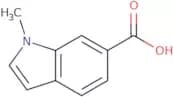
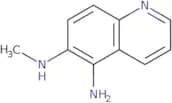
CAS:1-Methylindole-6-carboxylic acid is a versatile building block that is used in the synthesis of more complex compounds. It can be used as a reagent, speciality chemical, and useful building block for pharmaceuticals and other research chemicals. 1-Methylindole-6-carboxylic acid has been shown to be an effective intermediate for the production of a number of different compounds. The compound can also act as a reaction component or scaffold for chemical reactions.Fórmula:C10H9NO2Pureza:Min. 95%Cor e Forma:PowderPeso molecular:175.18 g/mol5-Amino-6-(methylamino)quinoline
CAS:5-Amino-6-(methylamino)quinoline is a molecule that inhibits the enzymatic activity of tyrosine phosphatases and has been shown to inhibit the growth of typhimurium ta98, which is resistant to quinoxaline. It has also been shown to be mutagenic in vitro. 5-Amino-6-(methylamino)quinoline has an imidazole ring and is synthesized from 2-methylbenzothiazole and N,N'-dimethylethylenediamine. The synthesis of this compound takes place in two steps with the first step being an oxidative cyclization followed by a reductive amination.Fórmula:C10H11N3Pureza:Min. 95%Cor e Forma:Green Brown To Brown SolidPeso molecular:173.21 g/mol4-Chloro-5-ethylisatin
CAS:4-Chloro-5-ethylisatin is a fine chemical that can be used as a versatile building block in the synthesis of complex compounds. It has been shown to be a useful intermediate and reaction component for the preparation of high quality reagents. 4-Chloro-5-ethylisatin is commercially available from Sigma Aldrich, catalog number 1379340-45-0.
Fórmula:C10H8ClNO2Pureza:Min. 95%Peso molecular:209.63 g/mol2-Bromoquinoline
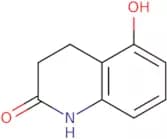
CAS:2-Bromoquinoline is an antimicrobial agent that binds to bacterial receptors. It is a bifunctional molecule with two reactive groups: a hydroxyl group and a nitrogen atom. 2-Bromoquinoline has been shown to inhibit the growth of various bacteria, including Mycobacterium tuberculosis, Staphylococcus epidermidis and Streptococcus pyogenes, by preventing the formation of a proton gradient across the bacterial membrane. 2-Bromoquinoline also inhibits hyperproliferative diseases such as amyloidosis in mice by binding to amyloid fibrils. This drug has been shown to cause DNA damage in mammalian cells, which may be due to its ability to form hydrogen bonds with methyl ethyl groups on DNA bases.Fórmula:C9H6BrNPureza:Min. 95%Cor e Forma:White To Yellow To Pink SolidPeso molecular:208.05 g/mol5-Hydroxy-3,4-dihydro-2(1H)-quinolinone
CAS:5-Hydroxy-3,4-dihydro-2(1H)-quinolinone is a high quality reagent with a CAS number of 30389-33-4. It has been shown to be a useful intermediate in the synthesis of complex compounds. This compound can also be used as an important building block for the synthesis of speciality chemicals and research chemicals. 5-Hydroxy-3,4-dihydro-2(1H)-quinolinone is versatile and can be used as a reaction component in many reactions that require the introduction of oxygen into molecules.Fórmula:C9H9NO2Pureza:Min. 95%Cor e Forma:White PowderPeso molecular:163.17 g/mol4,7-Dichloroisatin
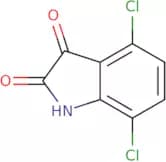
CAS:4,7-Dichloroisatin is an organic compound that is synthesized by ring-opening of oxindole. It is a bifunctional molecule that can be used for the synthesis of other organic compounds. 4,7-Dichloroisatin has been found to be an efficient method for the synthesis of thiazolidinedione derivatives and can be used as a control experiment for this type of reaction. The mechanism for the reaction includes nitroaldol addition to the C=O group, followed by nucleophilic attack on the carbonyl group to form a tetrahedral intermediate. The intermediate then collapses to form a new C=N bond and release acetonitrile.
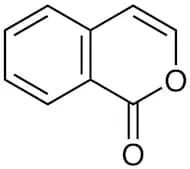
Fórmula:C8H3Cl2NO2Pureza:Min. 95%Cor e Forma:SolidPeso molecular:216.02 g/mol1H-Isochromen-1-one
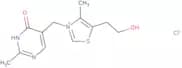
CAS:Fórmula:C9H6O2Pureza:>95.0%(GC)Cor e Forma:White to Light yellow powder to lumpPeso molecular:146.15Oxythiamine chloride
CAS:Oxythiamine chloride is a compound that binds to DNA in the nucleus of cells. It has been shown to inhibit cell growth and induce apoptosis by binding to a number of cellular molecules, including hydrogen bonding interactions with enzymes. Oxythiamine chloride also inhibits energy metabolism by inhibiting mitochondrial respiration and mitochondrial ATP production, and is toxic to cells. This drug has potent inducers, such as cell factor, which are necessary for the production of new cells. It also inhibits thiamine-dependent enzymes, such as pyruvate dehydrogenase kinase (PDK) and pyruvate dehydrogenase (PDH). The wild-type strain of Escherichia coli was used for these studies.
Fórmula:C12H15N3O2S·HClPureza:Min. 95%Cor e Forma:White to off-white solid.Peso molecular:301.79 g/mol3-Chloroisoquinoline
CAS:3-Chloroisoquinoline is a thiolate, which is a reactive chemical group. 3-Chloroisoquinoline has been shown to react with trifluoromethanesulfonic acid to form a compound with biological properties. The amide and palladium complexes of 3-chloroisoquinoline have been prepared in the past. Additionally, the two isomers of 3-chloroisoquinoline are known as the halides and magnetic resonance spectroscopy of this compound has been studied. Structural isomers and functional groups of 3-chloroisoquinoline have also been studied in detail. Tautomers and lactams are structural isomers of 3-chloroisoquinoline that have also been researched extensively. Finally, trifluoroacetic acid reacts with 3-chloroisoquinoline to form an ester product.Fórmula:C9H6ClNPureza:Min. 95%Peso molecular:163.6 g/molcis-Bicyclo[3.3.0]octane-3,7-dione
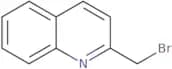
CAS:cis-Bicyclo[3.3.0]octane-3,7-dione (1) is a diketone that belongs to the group of epoxides. It has two functional groups, an epoxy and a ketone, which are in the trans configuration. cis-Bicyclo[3.3.0]octane-3,7-dione (1) is a reactive molecule that can form glyoxal when heated at high temperatures. cis-Bicyclo[3.3.0]octane-3,7-dione (1) can be prepared synthetically by an asymmetric synthesis with L-(+)-tartaric acid as the chiral auxiliary and glyoxal as the substrate. The reaction has been shown to proceed through an aldol cyclization and subsequent amide formation with l-(+)-tartaric acid as the chiral auxiliary and glyoxal asFórmula:C8H10O2Pureza:Min. 95%Cor e Forma:White PowderPeso molecular:138.16 g/mol2-Bromomethylquinoline
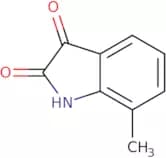
CAS:2-Bromomethylquinoline is a quinoline derivative that has been synthesized to study the interaction between metal ions, such as copper and zinc, and chelate rings. The reaction products formed by 2-bromomethylquinoline have been shown to have antifungal activity in vitro. It has been found that the addition of a fluorescent probe can be used to detect quinoline derivatives, which fluoresce when excited with light. This makes them useful as fluorescent probes for reactions involving metal ions.Fórmula:C10H8BrNPureza:Min. 95%Cor e Forma:SolidPeso molecular:222.08 g/mol7-Methylisatin
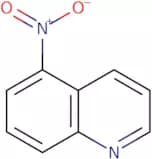
CAS:7-Methylisatin is a natural product that is used in clinical settings as an acridone. It has been shown to have potent antifungal and insecticidal activities. 7-Methylisatin is also a potent antagonist of the nicotinic acetylcholine receptor (nAChR) and binds to the receptor with high affinity. It also inhibits the production of nitric oxide (NO), which is important for maintaining vascular homeostasis and inhibiting pain. 7-Methylisatin has been shown to be an efficient method for plutella xylostella larvae, which can lead to significant reductions in caterpillar populations. This natural product can be synthesized by a number of methods, including ammonolysis, reaction system, or mass spectrometry assays.Fórmula:C9H7NO2Pureza:Min. 95%Peso molecular:161.16 g/mol5-Nitroquinoline
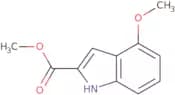
CAS:5-Nitroquinoline is a nitrogen-containing heterocyclic organic compound. It is a white solid that has a melting point of 104 °C and a boiling point of 212 °C. 5-Nitroquinoline can be synthesized by the addition of sodium carbonate to 6-nitroquinoline in hydrochloric acid. The product is then purified by vacuum distillation and recrystallization from nitric acid and acetic acid. 5-Nitroquinoline can be used as an intermediate in the synthesis of other molecules, such as quinolones, which are used in pharmaceuticals. This compound has been shown to cause metastatic colorectal cancer in mice, but not in human liver cells or human lymphocytes.Fórmula:C9H6N2O2Pureza:Min. 95%Cor e Forma:Light (Or Pale) Yellow To Dark Yellow SolidPeso molecular:174.16 g/molMethyl 4-methoxy-2-indolecarboxylate
CAS:Methyl 4-methoxy-2-indolecarboxylate is a natural product that has been shown to have cytotoxic and anticancer activity. It was first isolated from the leaves of Picrasma excelsa, which is a plant native to Southeast Asia. Methyl 4-methoxy-2-indolecarboxylate has been found to be effective against breast cancer cell lines and human cancer cells in culture. The anticancer effects may be due to its ability to inhibit protein synthesis by inhibiting the ribosome. This compound also inhibits dehydrocrenatine, which is a precursor of the hormone crenatine, thus leading to decreased production of this hormone.Fórmula:C11H11NO3Pureza:Min. 95%Cor e Forma:PowderPeso molecular:205.21 g/mol7-Methoxyquinoline
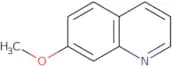
CAS:7-Methoxyquinoline is a drug that belongs to the group of histone deacetylase inhibitors. It has been shown to inhibit monooxygenase and cytochrome p-450, which are enzymes involved in the metabolism of drugs. 7-Methoxyquinoline can be used as a fluorescent probe for reactions involving histones or other proteins with similar chemical structures. It is also used as an inhibitor in biochemical assays, such as fluorometric assays. 7-Methoxyquinoline can be prepared by reacting hydrazine with methoxyacetic acid followed by hydrolysis of the resulting hydrazone. This process yields a mixture of products, some of which are substituted with methoxy groups at different positions on the benzene ring.Fórmula:C10H9NOPureza:Min. 95%Cor e Forma:Colorless PowderPeso molecular:159.18 g/mol2-(2-Aminophenyl)benzimidazole
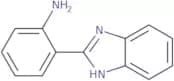
CAS:2-(2-Aminophenyl)benzimidazole is a synthetic compound with the chemical formula C8H6N2. It has an intramolecular hydrogen bond and reacts with salicylaldehyde to form 2-aminobenzimidazole, which is a reaction product. 2-(2-Aminophenyl)benzimidazole may be used as an antimicrobial agent, but it also has other uses such as a reagent in organic synthesis. It is soluble in water and can be obtained through liquid chromatography.
Fórmula:C13H11N3Pureza:Min. 95%Cor e Forma:Off-White PowderPeso molecular:209.25 g/mol4'-Methyl-2,2'-bipyridine-4-carboxaldehyde
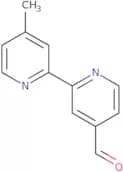
CAS:4'-Methyl-2,2'-bipyridine-4-carboxaldehyde is a heterocyclic compound that contains a nitro group. It has the chemical formula C8H6N2O and the molecular weight of 122.15 g/mol. This compound belongs to the class of formyl compounds and it is composed of two formyl groups and one hydrogen atom. The bipyridines are linked by a methylene bridge to form a six-membered ring. The compound can be used as an intermediate for the synthesis of other organic compounds such as pharmaceuticals, dyes, water repellents, pesticides, and herbicides.Fórmula:C12H10N2OPureza:Min. 95%Cor e Forma:PowderPeso molecular:198.22 g/mol3-(2-(4-Bromophenyl)-6,6-dimethyl-4-oxo-5,6,7-trihydroindolyl)benzoic acid
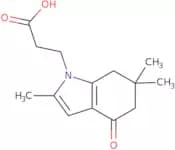
CAS:Please enquire for more information about 3-(2-(4-Bromophenyl)-6,6-dimethyl-4-oxo-5,6,7-trihydroindolyl)benzoic acid including the price, delivery time and more detailed product information at the technical inquiry form on this pageFórmula:C23H20BrNO3Pureza:Min. 95%Cor e Forma:PowderPeso molecular:438.31 g/mol3-(2,6,6-Trimethyl-4-oxo-5,6,7-trihydroindolyl)propanoic acid
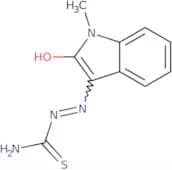
CAS:Please enquire for more information about 3-(2,6,6-Trimethyl-4-oxo-5,6,7-trihydroindolyl)propanoic acid including the price, delivery time and more detailed product information at the technical inquiry form on this pageFórmula:C14H19NO3Pureza:Min. 95%Cor e Forma:PowderPeso molecular:249.31 g/mol1-methylisatin, 3-thiosemicarbazide
CAS:1-Methylisatin, 3-thiosemicarbazide (MTST) is an antimicrobial agent that has been shown to be effective against a broad range of microorganisms. MTST inhibits the growth of bacteria and fungi by binding to the fatty acid moieties of membrane lipids, which disrupts the integrity of the cell membrane. This disruption can lead to bacterial death. MTST also has antiviral properties that are due to its ability to inhibit virus replication by binding with receptor binding sites on the virus surface. 1-Methylisatin, 3-thiosemicarbazide has been shown to be an effective treatment for autoimmune diseases such as multiple sclerosis and rheumatoid arthritis in animal models.Pureza:Min. 95%3-(4-Bromophenyl)-5-(hydroxyimino)-7,7-dimethyl-6,7,8-trihydrocinnoline
CAS:Please enquire for more information about 3-(4-Bromophenyl)-5-(hydroxyimino)-7,7-dimethyl-6,7,8-trihydrocinnoline including the price, delivery time and more detailed product information at the technical inquiry form on this page
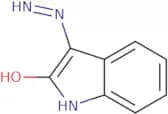
Fórmula:C16H16BrN3OPureza:Min. 95%Cor e Forma:PowderPeso molecular:346.22 g/mol2-oxoindoline-3-hydrazone
CAS:2-Oxoindoline-3-hydrazone (2OIH) is a heterocyclic compound that has been reported to have anticancer activity. 2OIH is an intramolecular hydrogen bond acceptor, which may account for its anticancer activity. It has been shown to be effective against cancer cells in mammalian cell lines and in vitro studies of human carcinoma cell lines. This compound also showed anticancer activity against bacteria such as Pseudomonas aeruginosa (P. aeruginosa) and Staphylococcus aureus (S. aureus). The geometric isomers of 2OIH have been studied using nmr spectra, and the carbonyl group has been identified as the source of its anti-cancer properties. Structural analysis has revealed that the hydroxyl group on the indole moiety is important for the anti-cancer properties of this molecule.
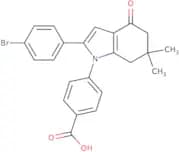
Fórmula:C8H7N3OPureza:Min. 95%Cor e Forma:PowderPeso molecular:161.16 g/mol4-(2-(4-Bromophenyl)-6,6-dimethyl-4-oxo-5,6,7-trihydroindolyl)benzoic acid
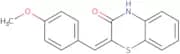
CAS:Please enquire for more information about 4-(2-(4-Bromophenyl)-6,6-dimethyl-4-oxo-5,6,7-trihydroindolyl)benzoic acid including the price, delivery time and more detailed product information at the technical inquiry form on this pageFórmula:C23H20BrNO3Pureza:Min. 95%Cor e Forma:PowderPeso molecular:438.3 g/mol3-((4-Methoxyphenyl)methylene)-1,4-dihydro-4-thiaquinolin-2-one
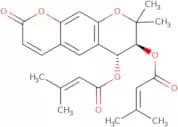
CAS:Please enquire for more information about 3-((4-Methoxyphenyl)methylene)-1,4-dihydro-4-thiaquinolin-2-one including the price, delivery time and more detailed product information at the technical inquiry form on this pageFórmula:C16H13NO2SPureza:Min. 95%Cor e Forma:PowderPeso molecular:283.35 g/molDecursidin
CAS:Decursidin is a chemical compound, classified as a coumarin derivative, which is a bioactive constituent derived from the roots of the Angelica gigas plant. This compound is prominent for its pharmacological activities, attributed to its distinct chemical structure.Pureza:Min. 95%Ethyl 4-oxo-7-(benzyloxy)hydroquinoline-3-carboxylate
CAS:Please enquire for more information about Ethyl 4-oxo-7-(benzyloxy)hydroquinoline-3-carboxylate including the price, delivery time and more detailed product information at the technical inquiry form on this pagePureza:Min. 95%5-Iodoisatin
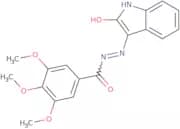
CAS:5-Iodoisatin is a cross-coupling agent that has an inhibitory effect on tumor tissue. It is also used for the synthesis of conjugated drugs and pharmacological research. 5-Iodoisatin, which forms a ternary complex with copper and iodide, inhibits the growth of colorectal carcinoma cells by interfering with their DNA replication and protein production. 5-Iodoisatin can be converted to its active form through the formation of a ternary complex with copper and iodide ions. This inhibition is due to its ability to interact with DNA, RNA polymerase, and other proteins involved in transcription, translation, and replication processes. 5-Iodoisatin is metabolized through conjugation with glucuronic acid or sulfate in the liver; it binds to human mitochondrial DNA and can enter cells via passive diffusion. The carbonyl group in this drug may play an important role in its interaction with cancer cells.Fórmula:C8H4INO2Pureza:Min. 95%Peso molecular:273.03 g/mol3-(3,4,5-Trimethoxybenzoylhydrazidyl)-2-oxoindoline
CAS:Please enquire for more information about 3-(3,4,5-Trimethoxybenzoylhydrazidyl)-2-oxoindoline including the price, delivery time and more detailed product information at the technical inquiry form on this pageFórmula:C18H17N3O5Pureza:Min. 95%Cor e Forma:PowderPeso molecular:355.34 g/mol2-[(3-Phenoxyphenyl)methylene]-2H-1,4-benzothiazin-3(4H)-one
CAS:Please enquire for more information about 2-[(3-Phenoxyphenyl)methylene]-2H-1,4-benzothiazin-3(4H)-one including the price, delivery time and more detailed product information at the technical inquiry form on this pageFórmula:C21H15NO2SPureza:Min. 95%Cor e Forma:Powder5-methyl-3-(phenylmethylthio)-1,2,4-triazino[5,6-b]indole
CAS:Please enquire for more information about 5-methyl-3-(phenylmethylthio)-1,2,4-triazino[5,6-b]indole including the price, delivery time and more detailed product information at the technical inquiry form on this pagePureza:Min. 95%3-(4-phenoxyphenyl)spiro[1,3-thiazolidine-2,3'-indoline]-4,7-dione
CAS:Please enquire for more information about 3-(4-phenoxyphenyl)spiro[1,3-thiazolidine-2,3'-indoline]-4,7-dione including the price, delivery time and more detailed product information at the technical inquiry form on this pageFórmula:C22H16N2O3SPureza:Min. 95%Cor e Forma:PowderPeso molecular:388.44 g/mol4-(2,6,6-Trimethyl-4-oxo-5,6,7-trihydroindolyl)benzoic acid
CAS:Please enquire for more information about 4-(2,6,6-Trimethyl-4-oxo-5,6,7-trihydroindolyl)benzoic acid including the price, delivery time and more detailed product information at the technical inquiry form on this pageFórmula:C18H19NO3Pureza:Min. 95%Cor e Forma:PowderPeso molecular:297.35 g/mol2,10-diaza-5,5,13-trimethyl-9-(4-(isopropyl)phenyl)tricyclo[9.4.0.0<3,8>]pentadeca-1(11),3(8),12,14-tetraen-7-one
CAS:Please enquire for more information about 2,10-diaza-5,5,13-trimethyl-9-(4-(isopropyl)phenyl)tricyclo[9.4.0.0<3,8>]pentadeca-1(11),3(8),12,14-tetraen-7-one including the price, delivery time and more detailed product information at the technical inquiry form on this pagePureza:Min. 95%5-methyl-3-methylthio-1,2,4-triazino[5,6-b]indole
CAS:Please enquire for more information about 5-methyl-3-methylthio-1,2,4-triazino[5,6-b]indole including the price, delivery time and more detailed product information at the technical inquiry form on this pagePureza:Min. 95%1-(2-Chloropropanoyl)indoline
CAS:Please enquire for more information about 1-(2-Chloropropanoyl)indoline including the price, delivery time and more detailed product information at the technical inquiry form on this page
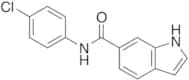
Fórmula:C11H12ClNOPureza:Min. 95%Peso molecular:209.67 g/molN-(4-Chlorophenyl)-1H-indole-6-carboxamide
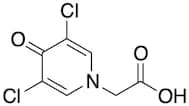
CAS:Produto ControladoFórmula:C15H11ClN2OCor e Forma:NeatPeso molecular:270.7143,5-Dichloro-4-pyridone-1-acetic acid
CAS:Produto ControladoApplications 3,5-Dichloro-4-pyridone-1-acetic acid
Fórmula:C7H5Cl2NO3Cor e Forma:NeatPeso molecular:222.03Methyl 1H,2H,3H,4H,5H-Pyrido[4,3-b]indole-8-carboxylate Hydrochloride
CAS:Produto ControladoFórmula:C13H14N2O2·HClCor e Forma:NeatPeso molecular:266.7233-Chlorobicyclo[3.2.1]oct-2-ene
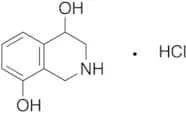
CAS:Produto ControladoFórmula:C8H11ClCor e Forma:NeatPeso molecular:142.6261,2,3,4-Tetrahydro-4,8-isoquinolinediol Hydrochloride
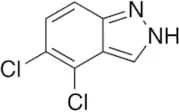
CAS:Produto ControladoFórmula:C9H11NO2·ClHCor e Forma:NeatPeso molecular:201.654,5-Dichloro-1H-indazole
CAS:Produto ControladoFórmula:C7H4Cl2N2Cor e Forma:NeatPeso molecular:187.0261,8,8-Trimethyl-3-azabicyclo[3.2.1]octane Hydrochloride
CAS:Produto ControladoApplications 1,8,8-trimethyl-3-azabicyclo[3.2.1]octane hydrochloride is a useful research chemical, a camphidine derivative with multiple synthetic applications.
References Rubinstein, K., et al.: Acta Chem. Scand., 17, 2061 (1963); Manzoor-I-Khuda, M., et al.: Pak. J. Sci. Ind. Res., 10, 97 (1967)Fórmula:C10H19N·HClCor e Forma:NeatPeso molecular:189.7262,5-Dioxa-8-azaspiro[3.5]nonane
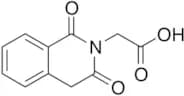
CAS:Produto ControladoFórmula:C6H11NO2Cor e Forma:NeatPeso molecular:129.1572-(1,3-Dioxo-3,4-dihydroisoquinolin-2(1H)-yl)acetic Acid
CAS:Produto ControladoStability Hygroscopic
Applications 2-(1,3-Dioxo-3,4-dihydroisoquinolin-2(1H)-yl)acetic Acid (cas# 52208-61-4) is a useful research chemical.Fórmula:C11H9NO4Cor e Forma:NeatPeso molecular:219.198-aza-9-boratricyclo[8.4.0.0,2,7]tetradeca-1(14),2,4,6,10,12-hexaen-9-ol
CAS:Produto ControladoApplications 8-aza-9-boratricyclo[8.4.0.0,2,7]tetradeca-1(14),2,4,6,10,12-hexaen-9-ol (cas# 17012-25-8) is a useful research chemical.
Fórmula:C12H10BNOCor e Forma:NeatPeso molecular:195.02Bicyclo[3.1.0]hexane-6-carboxylic Acid (endo/exo Mixture)
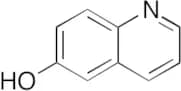
CAS:Produto ControladoFórmula:C7H10O2Cor e Forma:NeatPeso molecular:126.1536-Quinolinol
CAS:Produto ControladoApplications 6-Quinolinol is used in the preparation of potential antifungal agents containing a quinoline structure. Also used in the preparation of novel pyridocoumarins.
References Galariniotou, E. et al.: Tetrahedron 63, 8298 (2007); Vandekerckhove, S. et al.: Bioorg. Med. Chem. Lett., 23, 4641 (2013);Fórmula:C9H7NOCor e Forma:NeatPeso molecular:145.162,5-Diazabicyclo[4.1.0]heptane-2-carboxylic Acid Dimethylethyl Ester
CAS:Produto ControladoFórmula:C10H18N2O2Cor e Forma:NeatPeso molecular:198.2625,7-Dichloro-3,4-dihydro-2H-isoquinolin-1-one
CAS:Produto ControladoApplications 5,7-Dichloro-3,4-dihydro-2H-isoquinolin-1-one (cas# 885273-81-4) is a useful research chemical.
Fórmula:C9H7Cl2NOCor e Forma:NeatPeso molecular:216.0644-(ethoxymethylidene)-1,2,3,4-tetrahydroisoquinoline-1,3-dione
CAS:Produto ControladoApplications 4-(ethoxymethylidene)-1,2,3,4-tetrahydroisoquinoline-1,3-dione (cas# 18630-93-8) is a useful research chemical.
Fórmula:C12H11NO3Cor e Forma:NeatPeso molecular:217.227-Chloro-2,3-dihydro-1H-cyclopenta[b]quinoline-9-carboxylic Acid
CAS:Produto ControladoFórmula:C13H10ClNO2Cor e Forma:NeatPeso molecular:247.6771-(Trifluoromethyl)-3-azabicyclo[3.1.0]hexane Hydrochloride
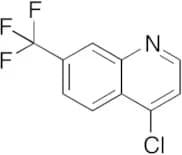
CAS:Produto ControladoFórmula:C6H8F3N·HClCor e Forma:NeatPeso molecular:187.5914-Chloro-7-(trifluoromethyl)quinoline
CAS:Produto ControladoApplications 4-Chloro-7-(trifluoromethyl)quinoline is a reagent in the preparation of piperazinylquinolines as breast cancer inhibitors.
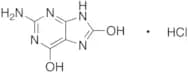
References Solomon, V., et al.: Bioorg. Med. Chem., 18, 1563 (2010);Fórmula:C10H5ClF3NCor e Forma:NeatPeso molecular:231.62-Amino-6,8-dihydroxypurine Hydrochloride (~90%)
CAS:Produto ControladoApplications 2-Amino-6,8-dihydroxypurine is an 8-oxo-guanine repair pathway coordinated by MUTYH glycosylase and DNA polymerase λ.
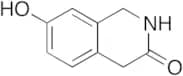
References Avkin, S., et al.: Mutat. Res., 510, 81 (2002), Niimi, N., et al.: Biochem., 48, 4239 (2009), Muftuoglu, M., et al.: J. Biol. Chem., 284, 9270 (2009),Fórmula:C5H6ClN5O2Pureza:~90%Cor e Forma:Off White SolidPeso molecular:203.591,4-Dihydro-7-hydroxy-3(2H)-isoquinolinone
CAS:Produto ControladoApplications 1,4-Dihydro-7-hydroxy-3(2H)-isoquinolinone, can be involved in the photocyclization of N-(chloroactyl)benzylamines to isoquinoline derivatives.
References Ikeda, M., et al.: Tetrahedron Lett., 13, 1181 (1974);Fórmula:C9H9NO2Cor e Forma:NeatPeso molecular:163.1731,2,3,4-Tetrahydropyrimido[1,2-a]indole Hydrochloride
CAS:Produto ControladoFórmula:C11H12N2·HClCor e Forma:NeatPeso molecular:208.6875-Fluoroindole-3-butyric Acid
CAS:Produto ControladoApplications 5-Fluoroindole-3-butyric Acid is used in preparation of Aminochroman and Aminotetralin derivatives, which are useful in the treatment of serotonin-mediated disorders.
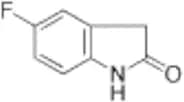
References Hatzenbuhler, N., et al.: PCT Int. Appl., (2005);Fórmula:C12H12FNO2Cor e Forma:NeatPeso molecular:221.235-Fluoro-2-oxindole
CAS:Produto ControladoApplications 5-Fluoro-2-oxindole (cas# 56341-41-4) is a compound useful in organic synthesis.
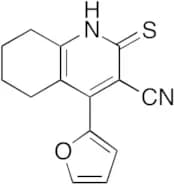
Fórmula:C8H6FNOCor e Forma:NeatPeso molecular:151.144-(2-Furanyl)-1,2,5,6,7,8-hexahydro-2-thioxo-3-quinolinecarbonitrile
CAS:Produto ControladoFórmula:C14H12N2OSCor e Forma:NeatPeso molecular:256.3233-Chloro-1,2-diazabicyclo[2.2.2]oct-2-ene
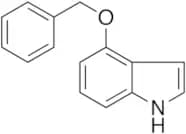
Produto ControladoFórmula:C6H9ClN2Cor e Forma:NeatPeso molecular:144.6024-Benzyloxyindole
CAS:Produto ControladoApplications Indole derivative as substrate-binding; N297Q and I300V mutants of cytochrome P 450 2A6 display expansion of substrate specificity of cytochrome P 450 2A6 to oxidize substituted indoles.
References Gotoh, O., et al.: J. Biol. Chem., 267, 83 (1992), Guengerich, F., et al.: Chem. Res. Toxicol., 14, 611 (2001), Kim, D., et al.: Biochemistry, 43, 981 (2004),Fórmula:C15H13NOCor e Forma:NeatPeso molecular:223.27Ethyl [(3,4-dimethoxybicyclo[4.2.0]octa-1,3,5-trien-7-yl)methyl]imidoformate Hydrochloride
CAS:Produto ControladoFórmula:C14H20ClNO3Cor e Forma:NeatPeso molecular:384.4222,4-Dimethylquinoline
CAS:Produto ControladoApplications 2,4-Dimethylquinoline, �� 95.0% (cas# 1198-37-4) is a useful research chemical.
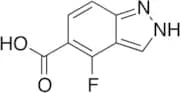
Fórmula:C11H11NCor e Forma:NeatPeso molecular:157.214-Fluoro-1H-indazole-5-carboxylic Acid
CAS:Produto ControladoFórmula:C8H5FN2O2Cor e Forma:NeatPeso molecular:180.136(1R,5S,6R)-Ethyl 5-(Pentan-3-yloxy-d5)-7-oxabicyclo[4.1.0]hept-3-ene-3-carboxylate
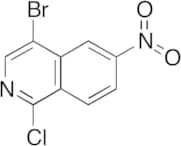
CAS:Produto ControladoFórmula:C14D5H17O4Cor e Forma:NeatPeso molecular:259.3534-Bromo-1-chloro-6-nitro-isoquinoline
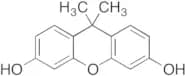
CAS:Produto ControladoFórmula:C9H4BrClN2O2Cor e Forma:NeatPeso molecular:287.59,9-Dimethyl-xanthene-3,6-diol
CAS:Produto ControladoApplications 9,9-Dimethyl-xanthene-3,6-diol has been used in the manufacturing of dihydroxydiaminoxanthenes as monomers for positive-working resists by treatment of dihydroxybenzenes with carbonyl compounds, nitration, and reduction.
References Sumitani, N.; et al.: Jpn. Kokai Tokkyo Koho 13 pp. Patent 2004 CODEN:JKXXAFFórmula:C15H14O3Cor e Forma:NeatPeso molecular:242.27
![3-Methyl-2-hydroxy-3H-imidazo[4,5-f]quinoline](/_next/image/?url=https%3A%2Fstatic.cymitquimica.com%2Fproducts%2F3D%2Fthumb-webp%2FFM25639.webp&w=3840&q=75)




![[2,3'-Bipyridin]-6'-amine](/_next/image/?url=https%3A%2Fstatic.cymitquimica.com%2Fproducts%2F3D%2Fthumb-webp%2FFB141123.webp&w=3840&q=75)

![3-Methyl-3,8-diaza-bicyclo[3.2.1]octane dihydrochloride](/_next/image/?url=https%3A%2Fstatic.cymitquimica.com%2Fproducts%2F3D%2Fthumb-webp%2FFM140947.webp&w=3840&q=75)
![1,2,3,4-Tetrahydrocyclopenta[b]indole](/_next/image/?url=https%3A%2Fstatic.cymitquimica.com%2Fproducts%2F3D%2Fthumb-webp%2FFT119279.webp&w=3840&q=75)







![cis-Bicyclo[3.3.0]octane-3,7-dione](/_next/image/?url=https%3A%2Fstatic.cymitquimica.com%2Fproducts%2F3D%2Fthumb-webp%2FFB153670.webp&w=3840&q=75)


![2-[(3-Phenoxyphenyl)methylene]-2H-1,4-benzothiazin-3(4H)-one](/_next/image/?url=https%3A%2Fstatic.cymitquimica.com%2Fproducts%2F3D%2Fthumb-webp%2FFP169832.webp&w=3840&q=75)
![5-methyl-3-(phenylmethylthio)-1,2,4-triazino[5,6-b]indole](/_next/image/?url=https%3A%2Fstatic.cymitquimica.com%2Fproducts%2F3D%2Fthumb-webp%2FFM169714.webp&w=3840&q=75)
![3-(4-phenoxyphenyl)spiro[1,3-thiazolidine-2,3'-indoline]-4,7-dione](/_next/image/?url=https%3A%2Fstatic.cymitquimica.com%2Fproducts%2F3D%2Fthumb-webp%2FFP169783.webp&w=3840&q=75)

![2,10-diaza-5,5,13-trimethyl-9-(4-(isopropyl)phenyl)tricyclo[9.4.0.0<3,8>]pentadeca-1(11),3(8),12,1…](/_next/image/?url=https%3A%2Fstatic.cymitquimica.com%2Fproducts%2F3D%2Fthumb-webp%2FFD169536.webp&w=3840&q=75)
![5-methyl-3-methylthio-1,2,4-triazino[5,6-b]indole](/_next/image/?url=https%3A%2Fstatic.cymitquimica.com%2Fproducts%2F3D%2Fthumb-webp%2FFM169855.webp&w=3840&q=75)


![Methyl 1H,2H,3H,4H,5H-Pyrido[4,3-b]indole-8-carboxylate Hydrochloride](/_next/image/?url=https%3A%2Fstatic.cymitquimica.com%2Fproducts%2FTR%2Fthumb-webp%2FM670300.webp&w=3840&q=75)
![3-Chlorobicyclo[3.2.1]oct-2-ene](/_next/image/?url=https%3A%2Fstatic.cymitquimica.com%2Fproducts%2FTR%2Fthumb-webp%2FC364470.webp&w=3840&q=75)
![1,8,8-Trimethyl-3-azabicyclo[3.2.1]octane Hydrochloride](/_next/image/?url=https%3A%2Fstatic.cymitquimica.com%2Fproducts%2FTR%2Fthumb-webp%2FB588060.webp&w=3840&q=75)
![2,5-Dioxa-8-azaspiro[3.5]nonane](/_next/image/?url=https%3A%2Fstatic.cymitquimica.com%2Fproducts%2FTR%2Fthumb-webp%2FD495098.webp&w=3840&q=75)
![8-aza-9-boratricyclo[8.4.0.0,2,7]tetradeca-1(14),2,4,6,10,12-hexaen-9-ol](/_next/image/?url=https%3A%2Fstatic.cymitquimica.com%2Fproducts%2FTR%2Fthumb-webp%2FB408688.webp&w=3840&q=75)
![Bicyclo[3.1.0]hexane-6-carboxylic Acid (endo/exo Mixture)](/_next/image/?url=https%3A%2Fstatic.cymitquimica.com%2Fproducts%2FTR%2Fthumb-webp%2FB382860.webp&w=3840&q=75)
![2,5-Diazabicyclo[4.1.0]heptane-2-carboxylic Acid Dimethylethyl Ester](/_next/image/?url=https%3A%2Fstatic.cymitquimica.com%2Fproducts%2FTR%2Fthumb-webp%2FD417015.webp&w=3840&q=75)


![7-Chloro-2,3-dihydro-1H-cyclopenta[b]quinoline-9-carboxylic Acid](/_next/image/?url=https%3A%2Fstatic.cymitquimica.com%2Fproducts%2FTR%2Fthumb-webp%2FC422293.webp&w=3840&q=75)
![1-(Trifluoromethyl)-3-azabicyclo[3.1.0]hexane Hydrochloride](/_next/image/?url=https%3A%2Fstatic.cymitquimica.com%2Fproducts%2FTR%2Fthumb-webp%2FT791195.webp&w=3840&q=75)
![1,2,3,4-Tetrahydropyrimido[1,2-a]indole Hydrochloride](/_next/image/?url=https%3A%2Fstatic.cymitquimica.com%2Fproducts%2FTR%2Fthumb-webp%2FT295560.webp&w=3840&q=75)

![3-Chloro-1,2-diazabicyclo[2.2.2]oct-2-ene](/_next/image/?url=https%3A%2Fstatic.cymitquimica.com%2Fproducts%2FTR%2Fthumb-webp%2FC365768.webp&w=3840&q=75)
![Ethyl [(3,4-dimethoxybicyclo[4.2.0]octa-1,3,5-trien-7-yl)methyl]imidoformate Hydrochloride](/_next/image/?url=https%3A%2Fstatic.cymitquimica.com%2Fproducts%2FTR%2Fthumb-webp%2FE678515.webp&w=3840&q=75)

![(1R,5S,6R)-Ethyl 5-(Pentan-3-yloxy-d5)-7-oxabicyclo[4.1.0]hept-3-ene-3-carboxylate](/_next/image/?url=https%3A%2Fstatic.cymitquimica.com%2Fproducts%2FTR%2Fthumb-webp%2FE917992.webp&w=3840&q=75)