Compostos Policiclícos
Os compostos policíclicos são moléculas orgânicas que contêm múltiplos anéis interconectados. Esses compostos incluem hidrocarbonetos aromáticos policíclicos e outros sistemas de anéis complexos. Eles são significativos na ciência dos materiais, produtos farmacêuticos e eletrônica orgânica. Na CymitQuimica, oferecemos compostos policíclicos de alta qualidade para apoiar suas pesquisas e aplicações industriais, garantindo resultados confiáveis e eficazes em seus projetos.
Subcategorias de "Compostos Policiclícos"
- Acridinas(97 produtos)
- Antraquinonas(533 produtos)
- Ácidos antraquinonasulfónicos(16 produtos)
- Azobenzenos(270 produtos)
- Azonaftalenos(98 produtos)
- Azoxibenzenos(12 produtos)
- Azulenos(11 produtos)
- Benzimidazóis(1.470 produtos)
- Benzodioxanos(27 produtos)
- Benzofuranos(923 produtos)
- Benzotiofenos(690 produtos)
- Benzotriazóis(436 produtos)
- Binaftil(133 produtos)
- Carbazóis(462 produtos)
- Cromanos, Cromenos(480 produtos)
- Cumarinas(1.121 produtos)
- Ciclofanos(11 produtos)
- Fluorenos e Fluorenonas(381 produtos)
- Imidazopiridinas(10 produtos)
- Indans(118 produtos)
- Indazóis(2.029 produtos)
- Indenos(22 produtos)
- Indóis(3.984 produtos)
- Indolinas(119 produtos)
- Isatinas(231 produtos)
- Isobenzofuranos(17 produtos)
- Ftalimidas N-Substituída(153 produtos)
- Naftalenos(2.427 produtos)
- Naftiridina(17 produtos)
- Naftoquinona(2 produtos)
- Perilenos(36 produtos)
- Fenazinas(25 produtos)
- Ftalazinas(33 produtos)
- Ftalimida(153 produtos)
- Hidrocarbonetos aromáticos policíclicos (PAHs)(270 produtos)
- Polifenol(261 produtos)
- Pteridinas(52 produtos)
- Pireno(87 produtos)
- Quinuclidina(1 produtos)
- Tetracenos(7 produtos)
Exibir 32 mais subcategorias
Foram encontrados 4574 produtos de "Compostos Policiclícos"
Ordenar por
Pureza (%)
0
100
|
0
|
50
|
90
|
95
|
100
1,1’-Bicyclohexyl
CAS:<p>Applications 1,1’-Bicyclohexyl is a hydrocarbon component present in diesel fuel.<br> Not a dangerous good if item is equal to or less than 1g/ml and there is less than 100g/ml in the package<br>References Patino, P. et al.: Energy. Fuel., 16, 1470 (2002); Shokri, S. et al.: Chem. Tech., An Ind. J., 1, 119 (2006);<br></p>Fórmula:C12H22Cor e Forma:ColourlessPeso molecular:166.30trans-Indole-3-acrylic Acid
CAS:<p>Applications trans-Indole-3-acrylic Acid is a regent used as a matrix for MALDI-TOF mass spectroscopy in order to characterize polyphenols.<br>References Madrigal-Carballo, S., et al.: Int Food Res J, 20, 2023-2034 (2013)<br></p>Fórmula:C11H9NO2Cor e Forma:NeatPeso molecular:187.195,6-Dihydroxyindole
CAS:Produto Controlado<p>Applications 5,6-Dihydroxyindole is an intermediate in melanogenesis, the production of melanin which is found in our skin, eyes, hair, and inner ear.<br>References S. Ito., et al.: Photochem. Photobiol., 84, 582-92 (2008);<br></p>Fórmula:C8H7NO2Cor e Forma:NeatPeso molecular:149.15N,N-DidemethylN,N-diethyl Benzydamine
CAS:Produto Controlado<p>Applications Indazolone derivative.<br></p>Fórmula:C21H27N3OCor e Forma:NeatPeso molecular:337.463-(Bromomethyl)-2-cyclopropyl-4-(4-fluorophenyl)quinoline
CAS:Produto Controlado<p>Applications 3-(Bromomethyl)-2-cyclopropyl-4-(4-fluorophenyl)quinoline is used to prepare artificial HMG-CoA reductase inhibitors. It is also used to synthesize pitavastatin calcium via stereoselective Wittig olefination reaction.<br>References Hiyama, T., et al.: Bull. Chem. Soc. Japan, 68, 364 (1995); Fabris, J., et al.: Synth., 44, 1700 (2012)<br></p>Fórmula:C19H15BrFNCor e Forma:NeatPeso molecular:356.23Ethyl Indole-3-acetate
CAS:Produto Controlado<p>Applications Ethyl Indole-3-acetate is a compound used in the synthesis of 9H-Pyrrolo[1,2-α]Indoles via Michael Addition-Condensation with α,β-Unsaturated Ketimines.<br>References Zhang, M., et al.: J. Heterocyclic Chem. (2016)<br></p>Fórmula:C12H13NO2Cor e Forma:NeatPeso molecular:203.242-Chloro-6-[N,N-di(2-hydroxybenzyl)amino]-9-isopropylpurine
CAS:Produto Controlado<p>Applications 2-Chloro-6-[N,N-di(2-hydroxybenzyl)amino]-9-isopropylpurine (cas# 1076199-83-1) is a compound useful in organic synthesis.<br></p>Fórmula:C22H22ClN5O2Cor e Forma:NeatPeso molecular:423.901,2-Dihydro-2-oxo-4-quinolinecarboxylic Acid
CAS:<p>Applications 1,2-Dihydro-2-oxo-4-quinolinecarboxylic Acid is a chemical constituent of vinegar Schisandra chinensis and is used as a indicator reagent in marking security documents.<br>References Chen, P., et al.: Zhongyaocai, 34, 1728 (2011); Kuryatnikov, A.B., et al.: Russ., RU 2581882 C1 20160420 (2016)<br></p>Fórmula:C10H7NO3Cor e Forma:NeatPeso molecular:189.173(6R,7R)-Hydroxy-8-oxo-7-[(2-phenylacetyl)amino]-5-thia-1-azabicyclo[4.2.0]oct-2-ene-2-carboxylic acid Diphenylmethyl Ester (>90%)
CAS:Produto Controlado<p>Applications 3(6R,7R)--Hydroxy-8-oxo-7-[(2-phenylacetyl)amino]-5-thia-1-azabicyclo[4.2.0]oct-2-ene-2-carboxylic acid Diphenylmethyl Ester is a useful synthetic intermediate. It was used to prepare cephalosporin-derived inhibitors. It can also be used to synthesize Ceftaroline Fosamil which is a cephalosporin antibiotic.<br>References Buynak, J., et al.: Bioorg. Med. Chem. Lett., 12, 1663 (2002); Kanafani, Z., et al.: Future Microbiology, 4, 25 (2009); Parish, D,, et al.: Curr. Opinion Invest. Drugs, 9, 201 (2000)<br></p>Fórmula:C28H24N2O5SPureza:>90%Cor e Forma:NeatPeso molecular:500.573-Mercaptoindole
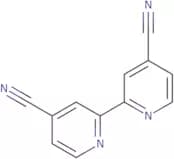
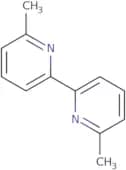
CAS:Produto Controlado<p>Applications 3-Mercaptoindole (cas# 480-94-4) is a compound useful in organic synthesis.<br>References Harris, R.L.N.: Tetrahedron Letters, 51, 4465 (1969)<br></p>Fórmula:C8H7NSCor e Forma:BrownPeso molecular:149.214,4'-Di-tert-butyl-2,2'-bipyridine
CAS:Produto Controlado<p>Applications 4,4'-Di-tert-butyl-2,2'-bipyridine acts as a reagent in the preparation, antiproliferative and cytotoxic activity of apoptotic ruthenium nitrogen heterocyclic complexes via combinatorial library synthesis.<br>References Mulcahy, S. P., et al.: Dalton Trans., 39, 177 (2010)<br></p>Fórmula:C18H24N2Cor e Forma:NeatPeso molecular:268.42-Azaspiro[4.5]decane-1,3-dione
CAS:Produto Controlado<p>Applications 2-azaspiro[4.5]decane-1,3-dione (cas# 1197-80-4) is related to gabapentin (G117250).<br></p>Fórmula:C9H13NO2Cor e Forma:NeatPeso molecular:167.205Hypoxanthine
CAS:Produto Controlado<p>Applications A naturally occurring purine derivative. Pharmaceuticals, Intermediates & Fine Chemicals<br>References Jansen, R., et al.: Clin. Biochem., 38, 362 (2005), Vorst, O., et al.: Metabolomics, 1, 169 (2005), Want, E., et al.: ChemBioChem., 6, 1941 (2005), van der Werf, M., et al.: Anal. Biochem., 370, 17 (2007),<br></p>Fórmula:C5H4N4OCor e Forma:NeatPeso molecular:136.112-Amino-6-chloropurine
CAS:<p>Impurity Famciclovir USP Related Compound F<br>Applications Famciclovir USP Related Compound F<br></p>Fórmula:C5H4ClN5Cor e Forma:YellowPeso molecular:169.572,2':6',2''-Terpyridine
CAS:Produto Controlado<p>Applications 2,2':6',2''-Terpyridine (cas# 1148-79-4) is a useful research chemical.<br></p>Fórmula:C15H11N3Cor e Forma:Beige To Light BrownPeso molecular:233.27Indole-3-pyruvic Acid
CAS:<p>Applications Indole-3-pyruvic Acid is a compound involved in the biosynthesis of Indole-3-acetic acid, a plant hormone which plays important roles in regulating growth and responses to environmental changes.<br>References Kong, W., et al.: Plant Cell Physiol, 56, 715-726 (2015)<br></p>Fórmula:C11H9NO3Cor e Forma:Light Yellow To BeigePeso molecular:203.195-Aminoquinoline
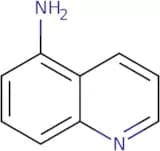
CAS:Produto Controlado<p>Applications Intermediate in the preparation of P2X7 antagonists<br>References Donnelly-Roberts, D., et al.: Neuropharmacol., 56, 223 (2009), Perez-Medrano, A., et al.: J. Med. Chem., 52, 3366 (2009),<br></p>Fórmula:C9H8N2Cor e Forma:NeatPeso molecular:144.176-Benzylaminopurine
CAS:Produto Controlado<p>Applications 6-Benzylaminopurine can be used as reagent/reactant in pharmacological activity and synthesis preparation for modification of the length and structure of the linker of N6-benzyladenosine modulates its selective antiviral activity against enterovirus 71.<br>References Drenichev, M., S.: Eur. J. Med. Chem., 111, 84-94 (2016);<br></p>Fórmula:C12H11N5Cor e Forma:Off-WhitePeso molecular:225.25Indole-3-acetonitrile
CAS:<p>Applications Indole-3-acetonitrile is an indole derivative involved in the biosynthesis of the plant hormone indole acetic acid (I577340) via the indole-3-acetaldoxime pathway.<br>References Kong, W., et al.: Plant Cell Physiol, 56, 715-726 (2015)<br></p>Fórmula:C10H8N2Cor e Forma:Yellow CrystallinePeso molecular:156.181,5,7-Triazabicyclo[4.4.0]dec-5-ene
CAS:Produto Controlado<p>Applications 1,5,7-Triazabicyclo[4.4.0]dec-5-ene (cas# 5807-14-7) is a useful research chemical.<br> Not a dangerous good if item is equal to or less than 1g/ml and there is less than 100g/ml in the package<br></p>Fórmula:C7H13N3Cor e Forma:NeatPeso molecular:139.26-Methylmercaptopurine
CAS:<p>6-Methylmercaptopurine is an important metabolite of 6-methylmercaptopurine, which is a vital component of the nucleotide synthesis pathway. It is used in analytical methods to determine levels of nucleotides, as well as in biological studies for its effect on autoimmune diseases. 6-Methylmercaptopurine can inhibit replication by inhibiting the methyltransferase enzyme.</p>Fórmula:C6H6N4SPureza:Min. 95%Cor e Forma:Off-White Yellow PowderPeso molecular:166.2 g/mol6-Trifluoromethylindole
CAS:<p>6-Trifluoromethylindole is a carbamic acid that can be synthesized with the help of a sulfoxides. Carbamic acid reacts with an aryl halide to form an unsymmetrical biaryl. 6-Trifluoromethylindole has been shown to act as a modulator in Friedel-Crafts reactions, which may be used for the synthesis of heterocycles. This chemical has also been shown to react with alkyl chlorides and sulfonium salts to form carbamic acids and sulfoxides, respectively.</p>Fórmula:C9H6F3NPureza:Min. 95%Cor e Forma:PowderPeso molecular:185.15 g/mol6-Mercaptopurine
CAS:<p>6-Mercaptopurine is an antigen binding molecule that is biocompatible with the human body. It binds to 6-mercaptopurine and inhibits the oxidation of proteins. The inhibition of protein oxidation has been shown to decrease disease activity in patients with inflammatory bowel disease. 6-Mercaptopurine also inhibits the production of inhibitor molecules, which are responsible for the development of cardiac effects such as arrhythmias and cardiomyopathy. 6-Mercaptopurine has inhibitory properties against polymerase chain reactions, which may be due to its ability to bind with protein thiols at high rates.</p>Fórmula:C5H4N4SPureza:Min. 98 Area-%Cor e Forma:PowderPeso molecular:152.18 g/mol3-Methylthio-1,2,4-triazino[5,6-b]indole
CAS:<p>Please enquire for more information about 3-Methylthio-1,2,4-triazino[5,6-b]indole including the price, delivery time and more detailed product information at the technical inquiry form on this page</p>Fórmula:C10H8N4SPureza:Min. 95%Cor e Forma:PowderPeso molecular:216.26 g/mol5-Methoxyindole-3-carboxaldehyde
CAS:<p>5-Methoxyindole-3-carboxaldehyde is a molecule that belongs to the genus of indolequinones. It has been shown to have potent inhibitory activity against prostate cancer cells, and also has anti-cancer properties. 5-Methoxyindole-3-carboxaldehyde inhibits the proliferation of cancer cells by inducing apoptosis in prostate cancer cells. 5-Methoxyindole-3-carboxaldehyde also suppresses the growth of cervical cancer cells and breast cancer cells. This molecule binds to the hydrogen bond sites on DNA, which may be one reason for its anti-cancer properties. The molecule is fluorescent and can be used as a marker for detecting cancers or other diseases in living tissue.</p>Fórmula:C10H9NO2Pureza:Min. 95%Cor e Forma:PowderPeso molecular:175.18 g/molIsopimpinellin - Angelica archangelica (angelica)
CAS:<p>Isopimpinellin is a furanocoumarin compound, which is derived from the plant Angelica archangelica, commonly known as angelica. This compound is characterized by its intricate chemical structure that includes the fusion of a furan ring to a coumarin backbone. The source, Angelica archangelica, is a biennial plant found predominantly in temperate regions and is notable for its use in traditional herbal medicine.</p>Fórmula:C13H10O5Pureza:Min. 95%Cor e Forma:Off-White Yellow PowderPeso molecular:246.22 g/molIndole-3-butyric acid, potassium salt
CAS:<p>Plant hormone; auxin; inducer of root development; used in plant rooting</p>Fórmula:C12H12KNO2Cor e Forma:White Yellow PowderPeso molecular:241.33 g/mol3,3'-Dihydroxy-2,2'-bipyridine
CAS:<p>3,3'-Dihydroxy-2,2'-bipyridine is a water-soluble drug that has been shown to be cytotoxic. It binds to the hydroxyl group of hemoglobin and prevents it from binding with oxygen. 3,3'-Dihydroxy-2,2'-bipyridine also binds to the cell membrane and enters the cell where it forms a cavity with a chelate ring. The molecule has been shown to have high photophysical properties and can be used in biological studies.</p>Fórmula:C10H8N2O2Pureza:Min. 97.5 Area-%Cor e Forma:White PowderPeso molecular:188.18 g/mol(8S,9R,10S,11S,13S)-9-Fluoro-11-Hydroxy-10,13-Dimethyl-1,2,6,7,8,11,12,14,15,16-Decahydrocyclopenta[a]Phenanthrene-3,17-Dione
CAS:Produto Controlado<p>(8S,9R,10S,11S,13S)-9-Fluoro-11-Hydroxy-10,13-Dimethyl-1,2,6,7,8,11,12,14,15,16-Decahydrocyclopenta[a]Phenanthrene-3,17-Dione is a corticosteroid that is used in the treatment of inflammatory diseases. It has been shown to have immunosuppressive and antiinflammatory effects in animals. The drug is metabolized by cytochrome P450 enzymes to produce the active form prednisolone. Prednisolone binds to glucocorticoid receptors and blocks the production of inflammatory leukotrienes. The drug also inhibits neovascularization and ophthalmic disorders.</p>Fórmula:C19H25FO3Pureza:Min. 95%Peso molecular:320.4 g/mol7-Fluoro-1H-indole
CAS:<p>7-Fluoro-1H-indole is a molecule that belongs to the class of antimicrobial agents. It has been shown to be effective against human pathogens such as P. aeruginosa and S. aureus, and has also shown hemolytic activity against erythrocytes. 7-Fluoro-1H-indole inhibits bacterial growth by binding to siderophores, which are molecules produced by bacteria in response to iron starvation, thereby blocking their uptake of iron from the environment. It has also been shown to have protease activity against Gram negative bacteria. This compound can be synthesized using an in vivo model, where it was shown that 7-fluoro-1H-indole was able to bind to the cytoplasmic membrane and inhibit protein synthesis in Gram negative bacteria cells.</p>Fórmula:C8H6FNPureza:Min. 95%Cor e Forma:PowderPeso molecular:135.14 g/molMarmin
CAS:<p>Marmin is a natural bioactive compound, which is a type of limonoid. It is primarily sourced from citrus fruits, especially those belonging to the Rutaceae family, such as lemons and oranges. The compound exhibits a range of biological activities due to its multifaceted mode of action.</p>Fórmula:C19H24O5Pureza:Min. 98 Area-%Cor e Forma:PowderPeso molecular:332.39 g/mol5-Amino-1H-imidazole-4-carboxamide
CAS:<p>5-Amino-1H-imidazole-4-carboxamide is a potent inhibitor of inosine monophosphate dehydrogenase (IMPDH). This enzyme converts inosine 5'-monophosphate (IMP) to xanthosine 5'-monophosphate (XMP) and is essential for the synthesis of purines. By inhibiting IMPDH, 5-amino-1H-imidazole-4-carboxamide prevents the formation of XMP, which leads to the depletion of purines, thereby inhibiting DNA synthesis. In addition to its role as an anti-inflammatory agent, this drug has been shown to reduce disease activity in bowel disease patients by reducing nitrate reductase activity. The molecule has also been shown to inhibit protein kinases such as PKC and MAPK/ERK kinases.</p>Fórmula:C4H6N4OPureza:Min. 95%Cor e Forma:PowderPeso molecular:126.12 g/mol4-Nitroimidazole
CAS:<p>4-Nitroimidazole has a redox potential that is well suited to the reduction of nitro groups. It is an antimicrobial agent that inhibits the growth of microorganisms by inhibiting DNA synthesis. 4-Nitroimidazole can be used for the treatment of infectious diseases such as tuberculosis, leprosy, and brucellosis. In rat liver microsomes, 4-nitroimidazole reacts with NADPH to produce a nitro group and an imidazole ring with a new configuration. The reaction mechanism is based on electron transfer from NADPH to the nitro group in 4-nitroimidazole via a series of reactions that involve cytochrome P450 enzymes. This reaction has kinetic energy and matrix effects that affect its pharmacokinetics and pharmacodynamics.</p>Fórmula:C3H3N3O2Pureza:Min. 95%Cor e Forma:White PowderPeso molecular:113.07 g/mol6-Benzyloxyindole-3-carboxaldehyde
CAS:<p>6-Benzyloxyindole-3-carboxaldehyde is a benzyl compound that is produced by the catalytic hydrogenolysis of benzyl alcohol. The debenzylation product of 6-benzyloxyindole-3-carboxaldehyde is known as benzene.</p>Fórmula:C16H13NO2Pureza:Min. 95%Cor e Forma:PowderPeso molecular:251.28 g/mol5-Iodoindole
CAS:<p>5-Iodoindole is an organic compound that is used as a nematicide. It has been shown to have cytostatic effects on the growth of human pathogens, juveniles, and model systems. 5-Iodoindole inhibits the production of reactive amines and pyridine in vivo. It also inhibits glutamine metabolism by competitive inhibition at the glutamate dehydrogenase enzyme. 5-Iodoindole also has hemolytic activity and is able to induce transcriptomic changes in P. aeruginosa cells.</p>Fórmula:C8H6NIPureza:Min. 95%Cor e Forma:PowderPeso molecular:243.04 g/molPhenanthrenequinone
CAS:<p>Phenanthrenequinone is a redox potential inhibitor that binds to the catalytic site of the enzyme. It is an inhibitor with a redox potential of -0.4 V (vs Ag/AgCl). Phenanthrenequinone has been shown to be toxicologically safe in human serum and has no carcinogenic potential. The reaction mechanism is not well understood, but it may be due to hydrogen bonding interactions with the enzyme active site.</p>Fórmula:C14H8O2Pureza:90%Cor e Forma:Orange PowderPeso molecular:208.22 g/mol1-Methylindole
CAS:<p>1-Methylindole is a chemical compound that belongs to the group of pyrimidine compounds. It has been shown to have antibacterial activity against many types of bacteria, including methicillin-resistant Staphylococcus aureus and Clostridium perfringens. 1-Methylindole inhibits bacterial growth by binding to DNA and RNA, preventing the synthesis of proteins necessary for cell division. The high chemical stability and low redox potential make 1-methylindole an excellent candidate for use as an anticancer agent. This drug has been shown to be effective in killing cancer cells in vitro, but more research needs to be done before it can be used in vivo.</p>Fórmula:C9H9NPureza:Min. 97 Area-%Cor e Forma:Colorless Clear LiquidPeso molecular:131.17 g/molOxyphenisatin
CAS:<p>Oxyphenisatin is a non-steroidal anti-inflammatory drug that is used in the treatment of inflammatory bowel disease. Oxyphenisatin inhibits cyclooxygenase, which is an enzyme that produces prostaglandins and thromboxanes from arachidonic acid. It has been shown to have a potent effect on bowel disease and it is used for the diagnosis of liver cells. The use of oxyphenisatin as a contraceptive has been shown to be effective, with high values in both sperm motility and number. However, this drug may lead to metabolic disorders or tissue culture. Oxyphenisatin may also cause adverse effects such as diarrhea, nausea, vomiting, dizziness, headache, fatigue, or malaise.</p>Fórmula:C20H15NO3Pureza:Min. 95%Cor e Forma:PowderPeso molecular:317.34 g/molMethyl 3-formyl-6-methoxy-1-(4-methoxybenzyl)-1H-indole-2-carboxylate
CAS:Produto Controlado<p>Please enquire for more information about Methyl 3-formyl-6-methoxy-1-(4-methoxybenzyl)-1H-indole-2-carboxylate including the price, delivery time and more detailed product information at the technical inquiry form on this page</p>Fórmula:C20H19NO5Pureza:Min. 95%Peso molecular:353.37 g/mol5-Chloro-7-iodo-8-hydroxyquinoline
CAS:<p>5-Chloro-7-iodo-8-hydroxyquinoline is a metal chelate that has been shown to have pharmacological effects in experimental animals. It has antioxidative properties and can protect against oxidative injury. 5-Chloro-7-iodo-8-hydroxyquinoline was found to be toxic in various animal models, including the neuronal death and mitochondrial membrane potential. This toxicity may be due to its ability to inhibit the activity of DNA polymerase and protein synthesis. The compound also showed significant cytotoxicity at low concentrations, but had no significant cytotoxicity at higher concentrations. 5-Chloro-7-iodo-8-hydroxyquinoline is similar in structure to clioquinol, which has been shown to have neurotoxic effects in humans.</p>Fórmula:C9H5ClINOPureza:Min. 95 Area-%Cor e Forma:PowderPeso molecular:305.5 g/mol5-Ethylindole
CAS:<p>5-Ethylindole is a granulatimide that is synthesized by the cross-coupling of ethylene and copper chromite in the presence of solvents and magnesium. The chemical reactions are performed at temperatures between room temperature and 50°C, depending on the desired product. 5-Ethylindole is used as an intermediate for other chemicals such as pharmaceuticals, fungicides, dyes, and pesticides. It can be used to produce chloroethanol, which is used in the synthesis of numerous compounds including pharmaceuticals and plastics. Chromatographic techniques are often used to isolate 5-Ethylindole from mixtures with other chemicals.</p>Fórmula:C10H11NPureza:Min. 95%Peso molecular:145.2 g/mol(8S,9S,11R,13S,14S,17S)-11-(2-Fluoroethyl)-13-Methyl-6,7,8,9,11,12,14,15,16,17-Decahydrocyclopenta[a]Phenanthrene-3,17-Diol
CAS:Produto Controlado<p>(8S,9S,11R,13S,14S,17S)-11-(2-Fluoroethyl)-13-Methyl-6,7,8,9,11,12,14,15,16,17-Decahydrocyclopenta[a]Phenanthrene-3,17-Diol is a light emitting diode (LED) that emits light in the near infrared spectrum. This LED is composed of a single layer of CdTe nanowires and has an emission wavelength of 760 nm. It also has a high quantum efficiency and low energy requirements for fabrication. The lifetime of this device is also long and its optical properties are stable over time. This device can be used to replace traditional incandescent bulbs or to emit light in specific wavelengths for biomedical applications.</p>Fórmula:C20H27FO2Pureza:Min. 95%Peso molecular:318.43 g/mol2-Chloro-1-methylquinolinium tetrafluoroborate
CAS:<p>2-Chloro-1-methylquinolinium tetrafluoroborate (2CQBF) is a synthetic compound that inhibits protein synthesis. It has been used as an analytical reagent for the determination of proteins, including those in urine samples. 2CQBF has been shown to be effective in the treatment of cancer and other diseases, such as lupus erythematosus, arthritis, and psoriasis.</p>Fórmula:C10H9ClN•BF4Pureza:Min. 95%Cor e Forma:White PowderPeso molecular:265.44 g/mol2,2'-Biquinoline-4,4'-dicarboxylic acid disodium salt
CAS:<p>2,2'-Biquinoline-4,4'-dicarboxylic acid disodium salt is a model system for studying the sequence and hydrogen bonding interactions of polymers. It is a biocompatible polymer that has been shown to have inhibitory properties in response to atherosclerotic lesions. 2,2'-Biquinoline-4,4'-dicarboxylic acid disodium salt has shown optical properties that can be used as a signal in recording sequences. This polymerase chain reaction (PCR) substrate is able to bind with DNA and protein molecules when they are present in an appropriate buffer. The sequence of 2,2'-biquinoline-4,4'-dicarboxylic acid disodium salt is controlled by the coordination geometry of the metal ions involved in its formation.</p>Fórmula:C20H10N2Na2O4Pureza:Min. 95%Cor e Forma:PowderPeso molecular:388.28 g/mol2,2'-Bipyridine-4,4'-dicarboxamide
CAS:<p>2,2'-Bipyridine-4,4'-dicarboxamide is a catalyst that can be used in a variety of reactions. It has been used as an additive to increase yields and to accelerate catalytic reactions. The compound also has the ability to oxidize picolinic acid and form formic acid. This product can be used in glycerol synthesis or hydrogen peroxide production. 2,2'-Bipyridine-4,4'-dicarboxamide is a ligand that binds to picolinic acid and peroxide ions, forming an ion pair with the peroxide ion. This complex increases the efficiency of hydrogen peroxide evolution from water by up to 100%.</p>Fórmula:C12H10N4O2Pureza:Min. 95%Cor e Forma:PowderPeso molecular:242.23 g/mol4'-Amino-2,2':6',2''-terpyridine
CAS:<p>4'-Amino-2,2':6',2''-terpyridine is a fine chemical that can be used as a versatile building block in the synthesis of complex compounds. It has been shown to be useful in the synthesis of various research chemicals and reaction components, including pharmaceuticals and agrochemicals. 4'-Amino-2,2':6',2''-terpyridine is also a reagent for organic synthesis and can be used as a high-quality laboratory chemical.</p>Fórmula:C15H12N4Pureza:Min. 80%Cor e Forma:PowderPeso molecular:248.28 g/molMonomethyl triazeno imidazole carboxamide
CAS:<p>Monomethyl triazeno imidazole carboxamide (MTIC) is a drug that is used to treat cancer. It has been shown to inhibit the proliferation of tumor cells and induce apoptosis by inhibiting the expression of proteins, such as Bcl-2, which are involved in regulating mitochondrial membrane potential. MTIC has also been shown to inhibit protein synthesis and cell signaling pathways, such as the PI3K/Akt pathway. The use of MTIC for diagnosis purposes can be achieved using electrochemical impedance spectroscopy. A concentration–time curve can be obtained by incubating a biological sample with MTIC and measuring cell response using an impedance spectrophotometer. The clinical properties of MTIC include its ability to be administered orally or intravenously, have low toxicity, and inhibit the growth of tumor cells in vivo and in vitro.</p>Fórmula:C5H8N6OPureza:(¹H-Nmr) Min. 95 Area-%Cor e Forma:White PowderPeso molecular:168.16 g/mol6-Hydroxy-7-methoxy-4-phenylcoumarin
CAS:<p>6-Hydroxy-7-methoxy-4-phenylcoumarin is a synthetic chemical compound classified as a coumarin derivative. Derived from natural coumarin structures, this compound is often synthesized through organic chemistry techniques involving the hydroxylation and methoxylation of coumarin backbones, with the addition of a phenyl group.</p>Fórmula:C16H12O4Pureza:Min. 95%Cor e Forma:PowderPeso molecular:268.26 g/molIndole-3-acetone
CAS:Produto Controlado<p>Indole-3-acetone is a nitrogen nucleophile that has been used in the synthesis of amino acids. Indole-3-acetone has also been shown to inhibit the oxidation of primary amines and chloride by oxidases, which play a role in the physiology of plants. It also inhibits hydroxylase and pyrylium, which are enzymes involved in plant metabolism. Indole-3-acetone is found in dietary sources such as cabbage, cauliflower, celery, and spinach.</p>Fórmula:C11H11NOCor e Forma:PowderPeso molecular:173.21 g/mol4,4'-Dipyridyl - 98%
CAS:<p>4,4'-Dipyridyl is a cyclic peptide with a basic structure. It has been found to have inhibitory effects against the growth of bacteria in human serum and group P2. The x-ray crystal structures reveal that it has strong intermolecular hydrogen bonding interactions. Experimental solubility data and coordination models show that 4,4'-dipyridyl is soluble in anhydrous sodium. Structural analysis and kinetic energy calculations indicate that the inhibitor binding site is located on the hydroxyl groups of the backbone of the molecule. This ligand also binds to metal ions such as copper or zinc.</p>Fórmula:C10H8N2Cor e Forma:Off-White PowderPeso molecular:156.19 g/mol1-Methyl-5-nitro-1H-imidazole-2-methanol 2-carbamate
CAS:<p>1-Methyl-5-nitro-1H-imidazole-2-methanol 2-carbamate is an antimicrobial agent that has been shown to be active against a number of bacteria, including Gram negative and Gram positive bacteria. It was shown to have a matrix effect in vivo and its kinetic energy was found to be reactive. The 1NIMC has been shown to inhibit the growth of bacteria by interfering with DNA replication and RNA synthesis. This drug has also been shown to have an analytical method that is linear in calibrations curves, which makes it suitable for quantitative analysis. It also has chemical stability, as it decomposes slowly at room temperature.</p>Fórmula:C6H8N4O4Pureza:Min. 98.5%Cor e Forma:White PowderPeso molecular:200.15 g/molTris(4,7-diphenyl-1,10-phenanthroline)ruthenium bis(hexafluorophosphate)
CAS:<p>Tris(4,7-diphenyl-1,10-phenanthroline)ruthenium bis(hexafluorophosphate) is a fluorescent dye that can be used to measure oxygen concentration. It has been shown to inhibit the transfer of oxygen at low concentrations. Tris(4,7-diphenyl-1,10-phenanthroline)ruthenium bis(hexafluorophosphate) is used as a calibration standard for the measurement of oxygen concentration in liquids by fluorescence.</p>Fórmula:C72H48N6Ru·2F6PPureza:(¹H-Nmr) Min. 95 Area-%Cor e Forma:Orange PowderPeso molecular:1,388.19 g/mol5-Ethylindole-2-carboxylic acid
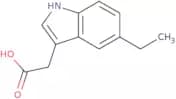
CAS:<p>5-Ethylindole-2-carboxylic acid is an organic compound that is a decarboxylation product of indole. It can be obtained by catalytic dehydrogenation of ethyl ester or 5-ethylindole-2-carboxylic acid. It has been shown to inhibit the growth of bacteria and fungi, as well as to have anti-inflammatory properties.</p>Fórmula:C11H11NO2Pureza:Min. 95%Peso molecular:189.21 g/mol6-Methoxyindole-3-acetic acid
CAS:<p>Please enquire for more information about 6-Methoxyindole-3-acetic acid including the price, delivery time and more detailed product information at the technical inquiry form on this page</p>Fórmula:C11H11NO3Pureza:Min. 95%Cor e Forma:PowderPeso molecular:205.21 g/mol7-Chloroindole
CAS:<p>7-Chloroindole is a potent compound that inhibits bacterial growth. It has been shown to inhibit the growth of tumour cell lines at submicromolar concentrations, with an IC50 of 0.5 µM. 7-Chloroindole also strongly inhibits the growth of Staphylococcus aureus, with an IC50 of 0.1 µM. This compound does not cause cell death by caspase-independent pathways, but rather induces a dry weight increase and surface methodology changes in cells treated with this compound. 7-Chloroindole belongs to the class of compounds known as carotenoids and has been shown to have a neutral pH optimum. It is formed through an enzymatic reaction involving two molecules of malonyl-CoA and one molecule each of acetate and chlorophyllide a.</p>Fórmula:C8H6ClNCor e Forma:PowderPeso molecular:151.59 g/mol8-Methoxy-2-methylquinolin-5-amine monohydrochloride
CAS:<p>8-Methoxy-2-methylquinolin-5-amine monohydrochloride is a fine chemical that is used as a versatile building block in the synthesis of complex compounds. 8-Methoxy-2-methylquinolin-5-amine monohydrochloride is an intermediate for the production of research chemicals and pharmaceuticals. It can be used to synthesize speciality chemicals, useful scaffolds, and reagents. It also has a wide range of applications as a reaction component in synthetic organic chemistry. 8-Methoxy-2-methylquinolin-5-amine monohydrochloride has high purity and quality.</p>Fórmula:C11H12N2O•HClPureza:Min. 95 Area-%Cor e Forma:PowderPeso molecular:224.73 g/mol7-Benzyloxyindole
CAS:<p>7-Benzyloxyindole is a regulatory compound that is used to study the interactions between transcription factors and chromatin. 7-Benzyloxyindole has been shown to induce caspase-independent cell death in human pathogens. 7-Benzyloxyindole induces reactive oxygen species and alters the expression of genes involved in the immune system and inflammation, suggesting an interaction with transcriptional regulation. 7-Benzyloxyindole's hemolytic activity may be due to its enantiomer, which binds to carotenoids such as β-carotene or retinol and forms a complex that is more reactive than the parent molecule. This reactive form of 7-benzyloxyindole has been shown to induce cell death in staphylococcus, suggesting a possible use for this drug as an antibacterial agent against opportunistic fungal infections.</p>Fórmula:C15H13NOPureza:90%Cor e Forma:PowderPeso molecular:223.27 g/mol7-Hydroxycoumarin
CAS:<p>7-Hydroxycoumarin is a fluorescent compound, known as a coumarin derivative, which is a naturally occurring chemical found in many plants. Derived from the umbelliferone compound family, it exhibits strong blue fluorescence under UV light due to its unique structural properties. This fluorescence is a result of its molecular conjugation and the electron-donating nature of the hydroxyl group, allowing it to absorb and emit light efficiently.</p>Fórmula:C9H6O3Pureza:90%Cor e Forma:Off-White PowderPeso molecular:162.14 g/molMethyl indole-5-carboxylate
CAS:<p>Methyl indole-5-carboxylate is a hdac inhibitor that has been shown to have anticancer activity. It has been shown to inhibit the growth of hCT116 cells and xenograft tumors in mice. Methyl indole-5-carboxylate is also an active analog for other anticancer agents, such as 5-azacytidine and 5-aza-2'-deoxycytidine. The drug is cytotoxic to L6 cells and increases the expression of p21 protein, which inhibits tumor cell proliferation. This compound is metabolized by cytochrome P450 enzymes into methyl indole carboxylate, which can be further converted into a reactive intermediate that binds DNA.</p>Fórmula:C10H9NO2Cor e Forma:PowderPeso molecular:175.18 g/molEthyl indole-6-carboxylate
CAS:<p>Ethyl indole-6-carboxylate is a chiral compound with nitrogen atoms. It has a topology and substituents, so it can be substituted in several positions. It also has nitrate, which is an ion that can carry an electric charge. This molecule can form channels and crystals with a single-crystal x-ray diffraction pattern. The hydrocarbon part of the molecule has a crystal system and framework, making it porous. The x-ray diffraction pattern of ethyl indole-6-carboxylate shows its chemistry as well.</p>Fórmula:C11H11NO2Pureza:Min. 95%Peso molecular:189.21 g/mol2-Methylindole-3-acetic acid
CAS:<p>2-Methylindole-3-acetic acid is a molecule that has been shown to interact with membrane lipids and induce lipid peroxidation. It also interacts with the molecule creatinine, which is excreted in urine, and has been shown to increase urinary levels of creatinine. 2-Methylindole-3-acetic acid has been shown to have antioxidant activity by scavenging radicals and inhibiting lipid peroxidation. The mechanism for this activity is due to its ability to form hydrogen bonds with radicals and react with them, thereby removing them from the cell membrane. 2-Methylindole-3-acetic acid also interacts with receptor protein within the cell, targeting intracellular targets such as DNA and RNA molecules. This compound is an endogenous hormone that may reduce cholesterol levels in cells.<br>2-Methylindole-3-acetic acid was first isolated from the bark of "Indocalamus latifolius" (</p>Fórmula:C11H11NO2Pureza:Min. 95%Peso molecular:189.21 g/molMethyl quinuclidine-3-carboxylate hydrochloride
CAS:<p>Methyl quinuclidine-3-carboxylate hydrochloride is a versatile building block that can be used to synthesize a variety of compounds. It is an intermediate in the production of high quality research chemicals and reagents. This compound has been shown to be useful as a scaffold for reactions that produce complex compounds with interesting biological activity. Methyl quinuclidine-3-carboxylate hydrochloride is a fine chemical that can be used as a reaction component or for other purposes.</p>Fórmula:C9H15NO2·HClPureza:Min. 95%Peso molecular:205.68 g/mol6-Fluoroindole
CAS:<p>6-Fluoroindole is an aromatic organic compound that has been shown to have anti-inflammatory and antioxidant properties in vitro and in vivo. 6-Fluoroindole is a 5-methoxyindole and can be synthesized from the amino acid tryptophan, which is a precursor of serotonin. 6-Fluoroindole has also been shown to be active against plant pathogens, human protein, and human pathogens. It can produce hemolytic activity at high concentrations and its chemical stability was tested by incubating it with various acids such as hydrochloric acid or acetic acid. 6-Fluoroindole showed no reaction with either of these acids. The vibrational spectra of 6-fluoroindole was measured using dipolar coupling constants and found to have a dipole moment of 0.01 D for the molecule.</p>Fórmula:C8H6FNPureza:Min. 98 Area-%Cor e Forma:White Yellow PowderPeso molecular:135.14 g/mol4,4'-Dinitro-2,2'-bipyridine
CAS:<p>4,4'-Dinitro-2,2'-bipyridine is a dihedral molecule that is used in biosensors to detect nitro compounds. It is synthesized by the reaction of osmium tetroxide with pyridine. The transfer of electrons from the pyridine ring to the osmium atom results in an oriented molecule with a positive charge on one end and a negative charge on the other end. This orientation can be reversed by oxidation. 4,4'-Dinitro-2,2'-bipyridine has been shown to react with monoalcohols and nucleophiles such as water to form covalent bonds. It also reacts with radiation, which may account for its use in dosimeters for measuring radiation exposure.</p>Fórmula:C10H6N4O4Pureza:Min. 95%Cor e Forma:Yellow PowderPeso molecular:246.18 g/mol7-Methylindole
CAS:<p>7-Methylindole is a biochemical substance that is synthesized in the body. It is produced in the liver, and it can be found in the brain, heart, and kidney. 7-Methylindole has been shown to have cancer-fighting properties. 7-Methylindole binds to DNA by methylating nucleic acid bases, which causes a change in the genetic code. This leads to tumor cells being more sensitive to treatment with other substances that inhibit DNA synthesis or repair, such as anthranilate and 5-methoxyindole.</p>Fórmula:C9H9NPureza:Min 98%Cor e Forma:PowderPeso molecular:131.17 g/mol4,4'-Bis(diethylmethylphosphonate)-2,2'-bipyridine
CAS:<p>4,4'-Bis(diethylmethylphosphonate)-2,2'-bipyridine is a molecule that is covalently tethered to the copper oxide surface. The coordination of the 4,4'-bis(diethylmethylphosphonate)-2,2'-bipyridine ligand with the copper oxide surface is catalytic and bifunctional. This molecule has been shown to be able to coordinate with two different metal ions as well as act as a ligand for other metal ions. It can also be functionalized in order to create new molecules with different properties.</p>Fórmula:C20H30N2O6P2Pureza:Min. 96 Area-%Cor e Forma:White PowderPeso molecular:456.41 g/molBis(2,2'-bipyridine)-4'-methyl-4-carboxybipyridine-ruthenium N-succinimidyl ester-bis(hexafluorophosphate)
CAS:<p>Bis(2,2'-bipyridine)-4'-methyl-4-carboxybipyridine-ruthenium N-succinimidyl ester-bis(hexafluorophosphate) is a molecule that inhibits the activity of matrix metalloproteinases. It binds to the active site of the enzyme and blocks its activity. This drug has been shown to be effective in inhibiting the activity of MMPs in cells, but not in tissue culture because it does not cross cell membranes. Bis(2,2'-bipyridine)-4'-methyl-4-carboxybipyridine-ruthenium N-succinimidyl ester-bis(hexafluorophosphate) has also been shown to have a low detection limit and can detect low levels of matrix metalloproteinase activity in cells.</p>Fórmula:C36H29F12N7O4P2RuPureza:Min. 95%Cor e Forma:PowderPeso molecular:1,014.66 g/mol5-Nitro-1,10-phenanthroline
CAS:<p>5-Nitro-1,10-phenanthroline is a coordination compound that belongs to the group of p2. It has been shown to have low toxicity and can be used as an ancillary ligand in coordination chemistry. 5-Nitro-1,10-phenanthroline has been used as a synchronous fluorescence probe for amines and is also useful for kinetic studies due to its high stability and sensitivity. FTIR spectroscopy has shown that this compound binds to glyoxal at neutral pH; it may also react with reactive oxygen species such as superoxide, hydrogen peroxide, or hydroxyl radicals.</p>Fórmula:C12H7N3O2Pureza:Min. 97 Area-%Cor e Forma:PowderPeso molecular:225.2 g/mol5-Chloro-3-methyl-1H-indole-2-carboxylic acid
CAS:<p>5-Chloro-3-methyl-1H-indole-2-carboxylic acid (5CMC) is a versatile building block and research chemical. It has been shown to be an effective intermediate for the synthesis of many complex compounds with interesting pharmacological properties. 5CMC is also used as a speciality chemical in the production of pharmaceuticals, agrochemicals, and other chemicals. The compound is a fine chemical that can be used in various research and industrial applications.</p>Fórmula:C10H8ClNO2Pureza:Min. 95 Area-%Cor e Forma:PowderPeso molecular:209.63 g/molAlloisoimperatorin
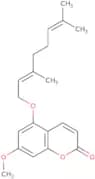
CAS:<p>Alloisoimperatorin is a naturally occurring furanocoumarin compound, which is extracted from certain plant species, primarily those belonging to the Apiaceae family. As a type of coumarin derivative, it is synthesized through intricate plant metabolic pathways involving the precursors umbelliferone and isopentenyl pyrophosphate, among others.</p>Fórmula:C16H14O4Pureza:Min. 95%Peso molecular:270.28 g/mol6-Methoxyindole
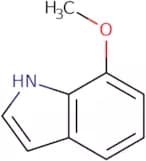
CAS:<p>6-Methoxyindole is an acetate extract of the plant 5-methoxyindole. It has been shown to be a 5-HT1A receptor agonist in animals, and has been shown to have cardiac effects in rats. 6-Methoxyindole is also used as a precursor for the synthesis of diphenylacetylindoles. 6-Methoxyindole is one of the molecules that can be recombined to form a batcho-leimgruber indole (BLI).</p>Fórmula:C9H9NOPureza:Min. 99 Area-%Cor e Forma:PowderPeso molecular:147.17 g/mol2-Methyl-1,10-phenanthroline
CAS:<p>2-Methyl-1,10-phenanthroline is a bidentate ligand that can be used as a catalyst in some organic reactions. It has been shown to selectively inhibit the activity of the enzyme carbonic anhydrase. This drug is also able to bind to metal ions with nitrogen atoms, such as copper and zinc, which may be useful for cancer treatments. 2-Methyl-1,10-phenanthroline has also been shown to have anti-tumor activity in prostate carcinoma cells when used as a ternary complex with hypophosphorous acid and anhydrase.</p>Fórmula:C13H10N2Pureza:Min. 95%Cor e Forma:PowderPeso molecular:194.23 g/mol2-Amino-8-hydroxyquinoline
CAS:<p>2-Amino-8-hydroxyquinoline is a molecule that has been shown to have optical properties. 2-Amino-8-hydroxyquinoline has also been shown to be reactive in vitro and inhibit the growth of cancer cells. It is thought that this inhibition may be due to its ability to bind to the active site of DNA polymerase, preventing DNA replication. 2-Amino-8-hydroxyquinoline has also been shown in vitro studies and vivo studies to have potent inhibition activity against human serum albumin (HSA). The molecules that are used as linkers to attach 2-amino 8 hydroxyquinoline to other molecules are thermodynamically stable. The isomers of 2 amino 8 hydroxyquinoline have also been studied by X-ray crystallography and nuclear magnetic resonance spectroscopy, which provides information about the structure of the molecule. Finally, 2 amino 8 hydroxyquinoline has been found to be an odorant</p>Fórmula:C9H8N2OPureza:Min. 98%Cor e Forma:Off-White PowderPeso molecular:160.17 g/molp-Nitrobenzyl 6-(1'-hydroxyethyl)-azabicyclo(3.2.0)heptane-3,7-dione-2-carboxylate
CAS:<p>p-Nitrobenzyl 6-(1'-hydroxyethyl)-azabicyclo(3.2.0)heptane-3,7-dione-2-carboxylate is a drug substance that is used in the manufacture of carbapenem antibiotics. It can be detected by a chloride ion chromatographic method, and the detection limit is 0.5 mg/L in the presence of zinc powder as a modifier. This material is used to prepare carbapenems using an analytical method that includes reaction monitoring by optical rotation, diastereomer chromatography, and transfer.</p>Fórmula:C16H16N2O7Pureza:Min. 95%Cor e Forma:PowderPeso molecular:348.31 g/molo-Phenanthroline monohydrochloride monohydrate
CAS:<p>o-Phenanthroline monohydrochloride monohydrate is a ligand that is used in crystallography to study the crystal structure of metal ions. It has been shown to be an efficient catalyst for the ring-opening of chloroformates, and can also be used as an analytical reagent that is capable of detecting chlorine in organic compounds. The hydrate form of o-phenanthroline monohydrochloride has a molecular formula of C12H14ClN3O4·2H2O and a molecular weight of 392.7 g/mol.</p>Fórmula:C12H8N2·HCl·H2OCor e Forma:PowderPeso molecular:234.68 g/mol3-Methylindole
CAS:<p>Also called Skatole. It occurs naturally in the feces of mammals and birds and is the primary contributor to fecal odour.</p>Fórmula:C9H9NPureza:Min. 97.5%Cor e Forma:White PowderPeso molecular:131.17 g/mol(9R,11S,14S,16R,17R)-6,6,9-Trifluoro-11,17-Dihydroxy-17-(2-Hydroxyacetyl)-10,13,16-Trimethyl-8,11,12,14,15,16-Hexahydro-7H-Cyclopent a[a]Phenanthren-3-One
CAS:Produto Controlado<p>(9R,11S,14S,16R,17R)-6,6,9-Trifluoro-11,17-dihydroxy-17-(2-hydroxyacetyl)-10,13,16-trimethyl-8,11,12,14,15,16-hexahydro-7H-cyclopenta[a]phenanthrene 3-one is a congestive heart failure drug that belongs to the group of cardiotonic drugs. It has high resistance to elution and is used in the diagnosis of autoimmune diseases. (9R,11S) 6-(1′Hexahydrocyclohexa[b]pyrrolo[2′1′b]indolizinium bromide) is a nitrogenous compound that has been employed as a pharmaceutical preparation for the treatment of cardiac disorders. The biological properties of (9R) 11-(2′Hydroxyacetyl</p>Fórmula:C22H27F3O5Pureza:Min. 95%Peso molecular:428.44 g/mol7-Deazaxanthine
CAS:<p>7-Deazaxanthine is a purine derivative that has been shown to have antiangiogenic properties. It inhibits the growth of cancer cells by inhibiting the synthesis of vascular endothelial growth factor (VEGF), which is a potent angiogenic factor. 7-Deazaxanthine also binds to the VEGF receptor, preventing it from binding to VEGF. The x-ray crystal structures and kinetic data for 7-deazaadenosine suggest that this compound may be an inhibitor of hydrogen bonding interactions between amino acids in protein molecules, leading to its antiangiogenic activity. 7-Deazaxanthine does not prevent the activation of tyrosine kinases or phosphatases. In addition, this compound has been shown to inhibit the proliferation of breast cancer cells in culture and in vivo studies using mouse models. This drug also has glycosidic bond, which can result in a variety of chemical structures due to different types of glycos</p>Fórmula:C6H5N3O2Pureza:Min. 98 Area-%Cor e Forma:PowderPeso molecular:151.12 g/molIndole-3-butyric acid
CAS:<p>Plant hormone; auxin; inducer of root development; used in plant rooting</p>Fórmula:C12H13NO2Pureza:Min 98%Cor e Forma:White Yellow PowderPeso molecular:203.24 g/mol5-Methyl-4,5-dihydro-1,2,4-triazino[5,6-b]indole-3-thione
CAS:<p>Please enquire for more information about 5-Methyl-4,5-dihydro-1,2,4-triazino[5,6-b]indole-3-thione including the price, delivery time and more detailed product information at the technical inquiry form on this page</p>Fórmula:C10H8N4SPureza:Min. 95%Cor e Forma:PowderPeso molecular:216.26 g/mol(S)-(-)-3-Aminoquinuclidine 2HCl
CAS:<p>(S)-(-)-3-Aminoquinuclidine 2HCl is a cholinergic agonist that has been shown to be effective in inducing the release of acetylcholine from brain synaptosomes. This drug binds to the nicotinic acetylcholine receptor (nAChR) and inhibits the action of the enzyme acetylcholinesterase, thereby increasing the concentration of acetylcholine in the synaptic cleft. The drug is also able to cross the blood-brain barrier and bind to receptors on neurons. It has been shown that this drug can be used as an imaging agent for molecular magnetic resonance tomography (MRT), with high sensitivity and specificity.</p>Fórmula:C7H16Cl2N2Pureza:Min. 95%Cor e Forma:White PowderPeso molecular:199.12 g/molPsoralen
CAS:<p>Psoralen is a naturally occurring furocoumarin compound, which is derived from various plants, including those in the Apiaceae family, such as parsley and celery. Its mode of action involves intercalating into DNA and forming covalent cross-links when activated by ultraviolet A (UVA) light. This photoreactivity enables it to modify the biological activity of nucleic acids, making it a valuable tool in both therapeutic and experimental settings.</p>Fórmula:C11H6O3Pureza:Min. 98 Area-%Cor e Forma:White PowderPeso molecular:186.16 g/mol5-Methoxy-2-methylindole
CAS:<p>5-Methoxy-2-methylindole is an organic solvent that has been shown to have a wide range of bioactive properties. It is used in the production of acetylcholine, which is an important neurotransmitter. 5-Methoxy-2-methylindole also reacts with chloride ions, which may be an important factor when considering the life cycles and bioactive substances of this molecule. The reaction yield depends on the pH of the solution. 5-Methoxy-2-methylindole can undergo chlorination reactions to form polychlorinated derivatives, which are used as petrochemicals. This molecule also has retinoid properties and can act as a proton donor or acceptor depending on whether it is protonated or deprotonated.</p>Fórmula:C10H11NOCor e Forma:PowderPeso molecular:161.2 g/mol4-Amino isoquinoline
CAS:<p>4-Amino isoquinoline is a synthetic chemical that has a pyridine ring and chlorine atom. It can be synthesized by reacting 2,4-dichlorobenzene with acetaldehyde and hydrochloric acid. 4-Amino isoquinoline binds to the receptor that it interacts with, such as the ligand, dimethyl acetylenedicarboxylate, or taraxasterol acetate. This binding process can be used for treatment purposes. The ligand is usually introduced into the body through injection or ingestion of a drug. The ligand can also be attached to an antibody in order to target specific cells. The ligand has shown efficacy in treating cancerous tumors and other diseases like Parkinson's disease and Alzheimer's disease.</p>Fórmula:C9H8N2Pureza:Min. 95%Cor e Forma:White To Brown SolidPeso molecular:144.17 g/molDecursin
CAS:<p>MAO inhibitor; neuro-protective and cognitive enhancement effects</p>Fórmula:C19H20O5Pureza:Min. 98 Area-%Cor e Forma:White PowderPeso molecular:328.36 g/mol7-Chloro-2H-pyrido[3,2-B]-1,4-oxazin-3(4H)-one
CAS:<p>7-Chloro-2H-pyrido[3,2-B]-1,4-oxazin-3(4H)-one is a chemical which is used as a reagent and building block in the synthesis of more complex compounds. It has been reported to be an intermediate for the production of pharmaceuticals and agrochemicals. The compound can also be used as an intermediate for the synthesis of other valuable chemicals such as pesticides and dyes. 7-Chloro-2H-pyrido[3,2-B]-1,4-oxazin-3(4H)-one has a CAS number of 205748-05-6.</p>Fórmula:C7H5ClN2O2Pureza:Min. 96 Area-%Cor e Forma:PowderPeso molecular:184.58 g/mol4-Aminoindole
CAS:<p>4-Aminoindole is a heterocycle with a carboxy group and four nitrogen atoms. It can be synthesized by reacting hydrochloric acid with nitrobenzene. 4-Aminoindole has shown potential as a drug target, which may be due to its ability to inhibit the enzyme carboxamidase. The compound is also acidic in water, making it an ideal candidate for use as an acid catalyst. Electropolymerization of 4-aminoindole has been achieved using Pt electrodes in the presence of an acidic environment. This reaction results in the formation of functional groups on the metal surface that are not found in most other electropolymerization reactions.</p>Fórmula:C8H8N2Cor e Forma:PowderPeso molecular:132.16 g/molAcetyl columbianetin
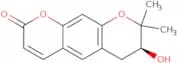
CAS:<p>Acetyl columbianetin is a natural compound, which is a type of secondary metabolite derived primarily from plant sources. This compound is part of a broader category of phytochemicals known for their diverse bioactive properties. Acetyl columbianetin is specifically sourced from certain species within the Apiaceae family, commonly found in traditional medicine.</p>Fórmula:C16H16O5Pureza:Min. 95%Cor e Forma:PowderPeso molecular:288.3 g/mol2-(3-Hydroxypropyl)benzimidazole
CAS:<p>2-(3-Hydroxypropyl)benzimidazole is a chloroform extract of the bark of the tree, Pongamia pinnata. It has been shown to have antibacterial and antitumor activity. 2-(3-Hydroxypropyl)benzimidazole has been found to be active against methicillin-resistant Staphylococcus aureus (MRSA), showing strong inhibitory effects on bacterial cell growth in vitro. The mechanism of action may be due to its ability to bind to DNA and RNA, preventing transcription and replication. 2-(3-Hydroxypropyl)benzimidazole also inhibits protein synthesis by binding to ribosomes and interfering with the function of enzymes that are involved in this process such as cytochrome c reductase, glutathione reductase, and 3-ketoacyl coenzyme A thiolase.</p>Fórmula:C10H12N2OPureza:Min. 95%Cor e Forma:White PowderPeso molecular:176.22 g/mol6-Chloro-3-indolyl 1,3-diacetate
CAS:<p>6-Chloro-3-indolyl 1,3-diacetate is an aglycone that is used as a chromogenic substrate for the detection of bacteria. It reacts with specific enzymes in the bacterial cell wall to produce a red or pink color. 6-Chloro-3-indolyl 1,3-diacetate is used as a diagnostic tool to identify bacteria and has been shown to be excreted in urine.</p>Fórmula:C12H10ClNO3Pureza:Min. 95%Cor e Forma:Yellow To Light Brown SolidPeso molecular:251.67 g/molBergaptol
CAS:<p>Bergaptol is a naturally occurring furanocoumarin, which is a compound derived from plants, particularly from the Rutaceae family such as bergamot and other citrus species. It is primarily characterized by its chemical structure containing a furan ring fused to a coumarin moiety. Bergaptol acts primarily through its interaction with biological systems by inhibiting certain enzymatic activities and interfering with the biological pathways that involve reactive oxygen species. This compound exhibits antioxidant properties, reducing oxidative stress by scavenging free radicals and thereby protecting cells from damage.</p>Fórmula:C11H6O4Pureza:Min. 95%Cor e Forma:Off-White PowderPeso molecular:202.16 g/mol5-Chloro-4-hydroxy-1-methyl-2-oxo-1,2-dihydro-quinoline-3-carboxylic acid ethyl-phenyl-amide
CAS:<p>Laquinimod is an immunomodulator drug that inhibits the activity of the immune system. It binds to toll-like receptor 7, which is a protein on the surface of certain cells that responds to infection and inflammation. Laquinimod has been shown to inhibit neurodegeneration in vitro, which may be due to its ability to bind with neuronal death receptors and block the inflammatory response. Laquinimod also inhibits bowel disease by reducing inflammation and controlling immunity in the intestinal tract. Laquinimod has been shown to have long-term efficacy when administered at physiological levels. This drug is chemically stable, even after exposure to light.</p>Fórmula:C19H17ClN2O3Pureza:Min. 95%Cor e Forma:White PowderPeso molecular:356.8 g/molHalquinol, mixture of 5,7-Dichloro-8-quinolinol, 5-Chloro-8-quinolinol, 7-Chloro-8-quinolinol and 8-Hydroxyquinoline
CAS:<p>Halquinol, a mixture of 5,7-dichloro-8-quinolinol, 5-chloro-8-quinolinol, 7-chloro-8-quinolinol and 8-hydroxyquinoline, is an important intermediate in organic synthesis. It has been used as a reagent in the synthesis of a variety of complex compounds. Halquinol has also been used as a building block for the synthesis of many other chemical products. The CAS number for halquinol is 806769-4.</p>Fórmula:C18H11Cl3N2O2Pureza:Min. 95%Cor e Forma:Off-White PowderPeso molecular:393.65 g/mol4-Methylindole-3-carboxaldehyde
CAS:<p>4-Methylindole-3-carboxaldehyde is a lipophilic extract that inhibits the growth of fungi. It has been shown to be effective against phytopathogenic fungi, and it has been used as an antibiotic in the treatment of bacterial infections. 4-Methylindole-3-carboxaldehyde is an analog of streptochlorin, which inhibits protein synthesis by binding to the ribosome. This leads to cell death by inhibiting the production of proteins vital for cell division. 4-Methylindole-3-carboxaldehyde also has antifungal activity against Candida albicans and Trichophyton mentagrophytes.</p>Fórmula:C10H9NOPureza:Min. 95%Peso molecular:159.18 g/mol3,3'-Diindolyl
CAS:<p>3,3'-Diindolyl is a molecule that belongs to the class of oxindoles. Oxindoles are bioactive molecules that are formed by the reduction of 3,3'-dihydroxyindole (oxindole). The borohydride reduction of 3,3'-dihydroxyindole yields 3,3'-diindolyl. It has been shown to have anti-inflammatory properties and can be used for the treatment of inflammatory diseases such as congestive heart failure. 3,3'-Diindolyl is also an acidic compound and therefore can be used as an acidic buffer in pharmacopeia. It reacts with peroxide to form an aldehyde after oxidation. This reaction is catalyzed by sodium borohydride reduction or hydrogen peroxide. The borohydride reduction of 3,3'-diindolyl yields 2-hydroxy-1-(2-hydroxyethyl) indole (oxindole).</p>Fórmula:C16H12N2Pureza:Min. 95%Cor e Forma:PowderPeso molecular:232.28 g/mol3-(4-Fluorobenzoyl)-6-Methoxy-2-Methyl-1H-Indole-1-Acetic Acid
CAS:Produto Controlado<p>3-(4-Fluorobenzoyl)-6-Methoxy-2-Methyl-1H-Indole-1-Acetic Acid is a prodrug that is metabolized to 6-fluoro-3,4 dioxo tamoxifen in the liver. It has been shown to have anticholinergic, cytosolic calcium and c1-4 alkyl properties. 3-(4-Fluorobenzoyl)-6-Methoxy-2-Methylindole Acetic Acid also has a basic group, cyclopentane ring, and pyridine ring.</p>Fórmula:C19H16FNO4Pureza:Min. 95%Peso molecular:341.33 g/molIsoscopoletin
CAS:<p>Isoscopoletin is a naturally occurring coumarin derivative, which is typically sourced from various plants, including some medicinal herbs. This compound is found in a variety of plant species, where it plays a role in the plant's defense mechanisms against pathogens. It is known for its characteristic chemical structure that belongs to the coumarin family, which is widespread in the plant kingdom.</p>Fórmula:C10H8O4Pureza:Min. 95%Cor e Forma:PowderPeso molecular:192.17 g/mol8-Methoxy-2-methyl-2,3,4,5-tetrahydro-1H-pyrido[4,3-b]indole
CAS:<p>8-Methoxy-2-methyl-2,3,4,5-tetrahydro-1H-pyrido[4,3-b]indole is a versatile building block that can be used as a reagent or speciality chemical. It has been used in research and development of pharmaceuticals and as a useful intermediate for the synthesis of other compounds. 8-Methoxy-2-methyl-2,3,4,5-tetrahydro-1H-pyrido[4,3-b]indole is an important reaction component for the synthesis of many types of compounds such as indoles, coumarins, and quinazolinones.</p>Fórmula:C13H16N2OPureza:Min. 95%Cor e Forma:PowderPeso molecular:216.28 g/mol4,6-Dichloro-1H-indole-2-carboxylic acid ethyl ester
CAS:<p>4,6-Dichloro-1H-indole-2-carboxylic acid ethyl ester is a synthetic compound that functions as an agonist of the indole 2 receptor. It has been shown to have affinity for cortical and brain membranes, with a greater affinity for acidic regions of the membrane. 4,6-Dichloro-1H-indole-2-carboxylic acid ethyl ester is also capable of binding to the indole 2 receptor and activating it. The carboxyl group in this compound is substituted with benzene rings, which are connected by a moiety containing two carboxylic groups. 4,6-Dichloro-1H-indole-2-carboxylic acid ethyl ester was synthesised from 1H -indole acetic acid and chloroethane in four steps.</p>Fórmula:C11H9Cl2NO2Pureza:Min. 95%Cor e Forma:SolidPeso molecular:258.1 g/mol2',6'-Dimethylcarbonylphenyl-10-sulfopropylacridinium-9-carboxylate 4'-NHS ester
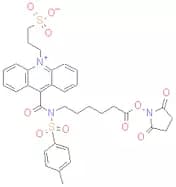
CAS:<p>2',6'-Dimethylcarbonylphenyl-10-sulfopropylacridinium-9-carboxylate 4'-NHS ester is a chemiluminescent acridinium ester label used widely in clinical diagnostics, particularly in automated immunochemistry analysers. Acridinium ester labels are also useful research tools for the investigation of protein-carbohydrate interactions to characterise the binding affinity between specific carbohydrate and its binding protein. An example of those are lectin-acridinium ester conjugates used as chemiluminescent probes.</p>Fórmula:C30H26N2O9SPureza:Min. 95 Area-%Cor e Forma:Yellow PowderPeso molecular:590.6 g/mol7-Hydroxyquinoline-(1H)-2-one
CAS:<p>7-Hydroxyquinoline-(1H)-2-one is a quinoline derivative that binds to epidermal growth factor (EGF) receptors. It has been shown to inhibit the chloride current in neurons, which may be due to its ability to bind to the dopamine receptors in these cells. 7-Hydroxyquinoline-(1H)-2-one also inhibits DNA and protein synthesis by binding to nucleophilic nitrogen atoms and protonated nitrogen atoms, respectively. It has been shown to have an inhibitory effect on cancer cell growth in control experiments. This drug is not active against normal cells because it does not bind well to them. 7-Hydroxyquinoline-(1H)-2-one binds with high affinity to piperazine and this interaction can be used as a fluorescent probe for the presence of quinoline derivatives.</p>Fórmula:C9H7NO2Pureza:Min. 95%Cor e Forma:PowderPeso molecular:161.16 g/molMeranzin
CAS:<p>Meranzin is a bioactive compound, which is a naturally occurring coumarin derivative found in various citrus fruits. Its source lies primarily in the peels and seeds of specific citrus species, notably within the Rutaceae family. The mode of action of Meranzin involves the inhibition of acetylcholinesterase, thereby influencing neurotransmitter activity, specifically in the modulation of acetylcholine levels. This action can have significant implications in research focused on neurodegenerative disorders.</p>Fórmula:C15H16O4Pureza:Min. 98 Area-%Cor e Forma:PowderPeso molecular:260.29 g/mol2-(2-(3(S)-(3-(2-(7-Chloro-2-quinolinyl)-ethenylphenyl)-3-hydroxypropyl)phenyl)-2-propanol
CAS:<p>Covid-19 is a polymer that can be used as a coating for surfaces, such as plastics and metals. Covid-19 has been shown to have antibacterial properties against bacteria, including methicillin-resistant Staphylococcus aureus (MRSA) and Clostridium perfringens. Covid-19 also has functional groups that can be used in analytical methods to determine the concentration of drugs in biological samples. Covid-19 is soluble in polyvinyl alcohol and glycerol, which are both common additives in pharmaceuticals. Covid-19 has optical properties that make it suitable for use as a coating on contact lenses or other ophthalmic devices.</p>Fórmula:C29H28ClNO2Pureza:Min. 95%Cor e Forma:PowderPeso molecular:457.99 g/mol4,4'-Diethyl-2,2'-bipyridine
CAS:<p>Please enquire for more information about 4,4'-Diethyl-2,2'-bipyridine including the price, delivery time and more detailed product information at the technical inquiry form on this page</p>Fórmula:C14H16N2Pureza:Min. 95%Cor e Forma:PowderPeso molecular:212.29 g/mol5-(Trifluoromethoxy)-1H-indole-2,3-dione
CAS:<p>5-(Trifluoromethoxy)-1H-indole-2,3-dione is a potent anticancer agent that inhibits the growth of cancer cells by inducing apoptosis. It binds to DNA, forming hydrogen bonds with guanine and adenine residues. This binding prevents the formation of hydrogen bonds between DNA bases, which are essential for maintaining the stability of DNA. The disruption of these bonds leads to chromosomal degradation and eventually cell death. 5-(Trifluoromethoxy)-1H-indole-2,3-dione has shown antifungal activity against Cryptococcus neoformans in vitro and in vivo. This drug also has an allosteric modulator effect on HL60 cells.</p>Fórmula:C9H4F3NO3Pureza:Min. 95%Cor e Forma:Red PowderPeso molecular:231.13 g/mol5,6-Difluoroindole
CAS:<p>5,6-Difluoroindole is a chemical compound that has been studied in biological and chemical research. It is an analog of the neurotransmitter serotonin, which binds to the 5-HT2C receptor and activates phospholipase C (PLC) to produce inositol triphosphate (IP3). This compound may be useful for the treatment of neurodegenerative diseases such as Alzheimer's disease. 5,6-Difluoroindole has been shown to block the activity of acetylcholinesterase (AChE), which is an enzyme that breaks down acetylcholine. This leads to an increase in acetylcholine levels and a decrease in AChE activity. The reaction mechanism for this process is not known.</p>Fórmula:C8H5NF2Cor e Forma:PowderPeso molecular:153.13 g/mol1-Acetyl-1,2,3,4-tetrahydroquinolin-7-amine hydrochloride
CAS:<p>1-Acetyl-1,2,3,4-tetrahydroquinolin-7-amine hydrochloride is a versatile building block that can be used in the synthesis of complex compounds with high quality and as a speciality chemical. This compound is useful as a reagent and reaction component in organic synthesis. It has been shown to be useful in the synthesis of new scaffolds for drug discovery.</p>Fórmula:C11H14N2O·HClPureza:Min. 95%Cor e Forma:Off-White PowderPeso molecular:226.7 g/mol3-(4-ethoxyphenyl)spiro[1,3-thiazolidine-2,3'-indoline]-4,7-dione
CAS:<p>Please enquire for more information about 3-(4-ethoxyphenyl)spiro[1,3-thiazolidine-2,3'-indoline]-4,7-dione including the price, delivery time and more detailed product information at the technical inquiry form on this page</p>Pureza:Min. 95%Quinolin-4-ylboronic acid
CAS:<p>Quinolin-4-ylboronic acid is a heterocyclic compound with two nitrogen atoms that are attached to the ring by means of carbonyl groups. This compound is a precursor in the synthesis of the drug dorsomorphin, which is used for pain relief. It also has an important role in pharmacokinetics because it can be used as a marker for estimating blood levels of other drugs. Quinolin-4-ylboronic acid yields an active form, quinolin-4-yl boronic acid, when reacted with piperazine in basic conditions. The drug ldn-193189 is a derivative of this active form and has been evaluated as a potential drug for treating osteoporosis and cancer.</p>Fórmula:C9H8BNO2Pureza:Min. 95 Area-%Cor e Forma:PowderPeso molecular:172.98 g/mol4-Fluoroisoquinoline
CAS:<p>4-Fluoroisoquinoline is a synthetic compound that can be produced by the reduction of an acetonitrile-chlorinated isoquinoline compound. It is also possible to produce 4-fluoroisoquinoline by the reaction of chlorinating agents with an aldehyde, followed by the addition of phosphorus oxychloride and fluorine. The reductive sulfonation of 4-fluoroisoquinoline can be achieved by reacting it with sulfur trioxide, which is in turn generated from phosphorous oxychloride and sulfur dioxide. This process produces the desired product in good yields.</p>Fórmula:C9H6FNPureza:Min. 95%Cor e Forma:Brown PowderPeso molecular:147.15 g/mol4-[(7-Chloro-4-quinolinyl)amino]-1-pentanol
CAS:<p>4-[(7-Chloro-4-quinolinyl)amino]-1-pentanol (QLT) is a drug that has been shown to be effective against both healthy volunteers and malaria patients. It is a prodrug that is metabolized by the liver into 7-chloroquinalone, which inhibits the growth of plasmodium falciparum. QLT has been shown to be safe and well tolerated in studies with healthy volunteers, and it does not appear to cause significant adverse effects. QLT also has an effect on T cells, which may be due to its ability to inhibit protein synthesis and cell division.</p>Fórmula:C14H17ClN2OPureza:Min. 95%Cor e Forma:Yellow SolidPeso molecular:264.75 g/mol4-Nitrobenzyl (4R,5R,6S)-3-[(diphenylphosphono)oxy]-6-[(R)-1-hydroxyethyl]-4-methyl-7-oxo-1-azabicyclo[3.2.0]hept-2-ene-2-carboxylat e
CAS:<p>4-Nitrobenzyl (4R,5R,6S)-3-[(diphenylphosphono)oxy]-6-[(R)-1-hydroxyethyl]-4-methyl-7-oxo-1-azabicyclo[3.2.0]hept-2-ene-2-carboxylat e is a synthetic compound that is used as an alkalizer and impurity scavenger in the manufacture of pesticides and other organic chemicals. It has been shown to be a stereoselective herbicide with acetonitrile as its primary degradation product. The compound has also been found to be a potent inhibitor of the enzyme carbapenemase, which may lead to increased resistance to antibiotics such as monosodium salt of ertapenem.</p>Fórmula:C29H27N2O10PPureza:Min. 98 Area-%Cor e Forma:White PowderPeso molecular:594.51 g/mol6-Bromo-2-oxindole
CAS:<p>6-Bromo-2-oxindole is a crystalline compound with a molecular formula of C10H6BrO. It has been shown to have a high efficiency in the production of butyric acid and other organic acids. 6-Bromo-2-oxindole is also used in electron microscopy studies as an electron acceptor, and can be used for producing polymers with crystalline structures and dihedral angles. The compound has been shown to inhibit the growth of breast cancer cells by preventing the synthesis of mda-mb-231 breast cancer cells. It also has been shown to inhibit the production of isoindigo and morphology.</p>Fórmula:C8H6BrNOPureza:Min. 98 Area-%Cor e Forma:PowderPeso molecular:212.04 g/mol7H-Imidazo[4,5-d]pyrimidine
CAS:<p>7H-imidazo[4,5-d]pyrimidine is a small molecule that exhibits receptor activity against toll-like receptors. It has been shown to inhibit the production of proinflammatory cytokines and chemokines in HL60 cells. 7H-imidazo[4,5-d]pyrimidine also inhibits the activities of enzymes involved in purine metabolism and cellular metabolic processes, as well as intracellular targets including protein kinases, phosphatases and transcription factors. 7H-imidazo[4,5-d]pyrimidine has been shown to be effective against solid tumours such as murine sarcoma virus and plant tumors. This drug also inhibits the enzymatic activity of p2y receptors that are involved in inflammation and platelet aggregation.</p>Fórmula:C5H4N4Pureza:Min. 95%Cor e Forma:PowderPeso molecular:120.11 g/molIndole-2-carboxylic acid
CAS:<p>Indole-2-carboxylic acid is a potent inducer of the cytochrome P450 enzyme. It has been shown to bind to the active site of the enzyme and inhibit its activity. Indole-2-carboxylic acid is an acidic molecule with two hydrogen atoms that are capable of forming an intermolecular hydrogen bond, which may be responsible for its ability to bind to the enzyme. This compound has been shown to inhibit the activity of other enzymes such as xanthine oxidase and phosphodiesterase, which are involved in chemical reactions that produce reactive oxygen species (ROS). ROS are implicated in neuronal death and Parkinson's disease.</p>Fórmula:C9H7NO2Pureza:Min 98%Cor e Forma:PowderPeso molecular:161.16 g/mol3-(2,6,6-Trimethyl-4-oxo-5,6,7-trihydroindolyl)benzoic acid
CAS:<p>Please enquire for more information about 3-(2,6,6-Trimethyl-4-oxo-5,6,7-trihydroindolyl)benzoic acid including the price, delivery time and more detailed product information at the technical inquiry form on this page</p>Fórmula:C18H19NO3Pureza:Min. 95%Cor e Forma:PowderPeso molecular:297.35 g/mol3,4-diaza-5-(tert-butyl)-2-hydroxy-3-((4-methylphenyl)sulfonyl)tricyclo[6.4.0.0<2,6>]dodeca-1(8),4,9,11-tetraen-7-one
CAS:<p>Please enquire for more information about 3,4-diaza-5-(tert-butyl)-2-hydroxy-3-((4-methylphenyl)sulfonyl)tricyclo[6.4.0.0<2,6>]dodeca-1(8),4,9,11-tetraen-7-one including the price, delivery time and more detailed product information at the technical inquiry form on this page</p>Pureza:Min. 95%Esculin hydrate
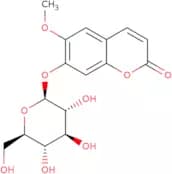
CAS:<p>Fluorescent dye used in diagnostic culture media</p>Fórmula:C15H16O9·xH2OPureza:Min. 98 Area-%Cor e Forma:White PowderPeso molecular:340.28 g/mol6-Fluoro-1,2,3,4-tetrahydro-2-methylquinoline
CAS:<p>6-Fluoro-1,2,3,4-tetrahydro-2-methylquinoline is an organocatalytic fluorine compound that has been investigated as a fluoroquinolone antibiotic. It is an enantiopure compound and has been shown to be effective in the treatment of bacterial infections. 6-Fluoro-1,2,3,4-tetrahydro-2-methylquinoline inhibits bacterial growth by binding to DNA gyrase and topoisomerase IV. 6FLMQ is a chiral molecule with two possible configurations (R or S), which can be determined from x-ray crystallography. The S configuration is more potent than the R configuration. 6FLMQ also binds with chloride ions to form a cationic complex that can be used for antibacterial activity against Gram negative bacteria such as Escherichia coli and Pseudomonas aeruginosa.<br>6FLMQ has</p>Fórmula:C10H12FNPureza:Min. 95%Cor e Forma:PowderPeso molecular:165.21 g/mol3-Carboxy-5-(2-chlorophenyl)-1-phenylpyrazole
CAS:Produto Controlado<p>3-Carboxy-5-(2-chlorophenyl)-1-phenylpyrazole is a white solid that is soluble in organic solvents. It is a useful scaffold that can be used as a starting material for the synthesis of complex compounds. 3-Carboxy-5-(2-chlorophenyl)-1-phenylpyrazole has been shown to be an intermediate in the synthesis of speciality chemicals and fine chemicals, such as pesticides and pharmaceuticals.</p>Fórmula:C16H11ClN2O2Pureza:Min. 95%Peso molecular:298.72 g/molIndole-3-acetic acid hydrazide
CAS:<p>Indole-3-acetic acid hydrazide is a molecule that has been shown to inhibit the activity of enzymes such as phosphofructokinase, pyruvate kinase, and lactate dehydrogenase. The compound also inhibits hemolytic activity by binding to the red blood cell membrane and inhibiting the enzyme NADH oxidoreductase. Indole-3-acetic acid hydrazide has been shown to bind to divinylbenzene with a hydrogen bond. The compound is also able to inhibit fatty acid synthesis through its interaction with the fatty acid synthase enzyme. In addition, indole-3-acetic acid hydrazide can be used as an inhibitor of SplA2 in cells.</p>Fórmula:C10H11N3OPureza:Min. 95%Cor e Forma:PowderPeso molecular:189.21 g/mol4-Benzyloxyindole-2-carboxylic acid
CAS:<p>4-Benzyloxyindole-2-carboxylic acid is a synthetic intermediate. It can be prepared from the hydrazide by reaction with benzaldehyde and subsequent reduction. The carboxylic acid moiety of 4-benzyloxyindole-2-carboxylic acid reacts with an electron source to form a class of compounds that can be used as synthetic intermediates. The diazonium salts formed in this process are then reacted with different electrophiles to give other useful products. 4-Benzyloxyindole-2-carboxylic acid has been used for the synthesis of many organic compounds, such as active compounds, intermediates, and synthetic intermediates, by spectroscopic techniques.</p>Fórmula:C16H13NO3Pureza:Min. 95%Cor e Forma:PowderPeso molecular:267.28 g/molGeiparvarin
CAS:<p>Geiparvarin is a cytotoxic compound, which is a plant-derived chemical with notable bioactivity. It is sourced from the roots of the Daflon plant, known for various natural compounds with potential therapeutic effects. Geiparvarin acts by interfering with cellular processes, leading to apoptosis in malignant cells. This mode of action is particularly significant in the study and development of anticancer therapies.</p>Pureza:Min. 95%5-Acetylindole
CAS:<p>5-Acetylindole is a synthetic compound that has been shown to have anticancer activity. It inhibits the growth of cancer cells by disrupting their mitochondria, which leads to cell death. 5-Acetylindole was synthesized in an attempt to increase the anticancer efficacy of indole compounds and acetylation of indole rings was found to be an effective strategy for this purpose. Acetylation of the 5 position on the indole ring leads to a more potent antiproliferative agent with decreased potential for resistance development. This compound has been shown to disrupt cellular function in k562 cells, leading to cell death.</p>Fórmula:C10H9NOPureza:Min. 95%Peso molecular:159.18 g/mol5-Methylindole-3-carboxaldehyde
CAS:<p>5-Methylindole-3-carboxaldehyde (5MI) is a β-unsaturated aldehydes that is used as an analyte in assays for the detection of α,β-unsaturated aldehydes. It has been shown to be effective in degranulation of cells and induces cellular degranulation. 5MI has also been shown to be an analog of other β-unsaturated aldehydes and acts competitively with these compounds.</p>Fórmula:C10H9NOPureza:Min. 95%Cor e Forma:PowderPeso molecular:159.18 g/mol5-Azaindole
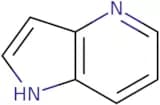
CAS:<p>5-Azaindole is a heterocyclic compound that has been studied for its biological properties. It is a prodrug of trifluoroacetic acid, which can be used to treat metabolic disorders and autoimmune diseases. 5-Azaindole has also been shown to increase the expression of growth factor in cells, which may be useful in treating pain or bowel disease. This drug is metabolized by hydroxylation followed by conjugation with glucuronic acid and excretion in the urine. 5-Azaindole is also converted to an active form by enzymatic oxidation of a hydroxyl group and protonation on the nitrogen atom, as well as conversion to sorafenib (a drug used to inhibit tumor growth).</p>Fórmula:C7H6N2Pureza:Min. 95%Cor e Forma:PowderPeso molecular:118.14 g/mol7-Nitroindole
CAS:<p>7-Nitroindole is a hybridization analog of the base cytosine that has been used in biological studies. It has been shown to be active against microglia cells, which are involved in the inflammatory response. 7-Nitroindole's mechanism of action is not well understood; it may react with hydrochloric acid in the stomach to form nitrosamines and chloride ions, or it may react with hydrogen chloride to produce an ethyl ester. It also reacts with ethyl esters in the presence of light to form a photochemical reaction that generates fluorescence. The mechanism is not yet fully understood.</p>Fórmula:C8H6N2O2Cor e Forma:PowderPeso molecular:162.15 g/moltrans-3-Indoleacrylic acid
CAS:<p>Trans-3-indoleacrylic acid (TIAA) is a metabolite that is produced by the degradation of tryptophan. TIAA has been shown to have a matrix effect on cells, which influences their energy production and regulation. TIAA has also been shown to be involved in the synthesis of proteins, such as the signal peptide and polymerase chain reaction (PCR). TIAA may also be involved in transcription activators and metabolic disorders. The effects of TIAA are most likely due to its ability to inhibit synthetase activity.</p>Fórmula:C11H9NO2Cor e Forma:PowderPeso molecular:187.19 g/mol4-Benzyloxyindole
CAS:<p>4-Benzyloxyindole is a serotonin receptor binding agent. It has a macrocyclic structure that is composed of four benzyloxy groups and a nitrogen atom in the center. The 4-benzyloxyindole binds to the serotonin receptors, specifically to those that are G-protein coupled and mediate intracellular signaling cascades. 4-Benzyloxyindole has been shown to be an inhibitor of calcium channels and may be used for treatment of diseases such as hypertension, schizophrenia, depression, migraine headaches, and epilepsy.</p>Fórmula:C15H13NOCor e Forma:Off-White PowderPeso molecular:223.27 g/mol6-(Dimethylamino)purine
CAS:<p>6-(Dimethylamino)purine (6-DAP) is a purine nucleoside that acts as an inhibitor of the transcription factor leukemia inhibitory factor (LIF). 6-DAP binds to the response element in the promoter region of LIF and blocks the binding of LIF to this site. This prevents transcription of LIF, which leads to cell cycle arrest. 6-DAP also has inhibitory effects on skin cells and inhibits the formation of fetal bovine serum protein in a model system. 6-DAP binds to nuclear DNA and alters its structure, which may cause problems with DNA replication or transcription.</p>Fórmula:C7H9N5Pureza:Min. 98 Area-%Cor e Forma:White PowderPeso molecular:163.18 g/mol5-Methoxyindole-2-carboxylic acid
CAS:<p>5-Methoxyindole-2-carboxylic acid is a molecule that belongs to the class of diazonium salts. It is a potent inhibitor of mitochondrial membrane potential and has been shown to have anti-diabetic effects in animal models. 5-Methoxyindole-2-carboxylic acid also inhibits sperm motility, which may be due to its ability to inhibit uv absorption. This compound has been shown to be an effective agent in the treatment of brain infarctions when administered chronically orally. The mechanism of action is not known, but it may involve inhibition of potassium ion uptake or hydrogen bond formation with fatty acids.</p>Fórmula:C10H9NO3Cor e Forma:PowderPeso molecular:191.18 g/mol3-Hydroxyindole-2-carboxylic acid methyl ester
CAS:<p>3-Hydroxyindole-2-carboxylic acid methyl ester, an organic compound with CAS number [31827-04-0], is classified as an indole derivative - a type of heterocyclic organic compound. It has potential applications as a building block in organic synthesis as well as other areas such as in pharmaceutical and agrochemical industries due to its biological activity.</p>Fórmula:C10H9NO3Pureza:Min. 95%Cor e Forma:PowderPeso molecular:191.18 g/mol5-Aminoisatin
CAS:<p>5-Aminoisatin is a serotonin receptor agonist and has been shown to have protective effects against liver cancer in vitro in human liver cancer cells. It also has a number of other biological activities, including anti-inflammatory, natriuretic, and leukemia inhibitory activities. 5-Aminoisatin interacts with the mitochondrial membrane and prevents cell death by inhibiting the opening of the mitochondrial permeability transition pore (MPTP). This activity may be due to its ability to form ternary complexes with ATP and the voltage sensor domain of the mitochondrial protein voltage dependent anion channel (VDAC). 5-Aminoisatin binds to both the alpha subunit and beta subunit of the calcium/calmodulin-dependent protein kinase II (CaMKII) enzyme. The binding of 5-aminoisatin to CaMKII leads to inhibition of phosphorylation at serine residue 397, which disrupts ATP binding.</p>Fórmula:C8H6N2O2Pureza:(%) Min. 85%Cor e Forma:PowderPeso molecular:162.15 g/molIndole-7-carboxylic acid
CAS:<p>Indole-7-carboxylic acid is a tetrahydropyridine that can be prepared by formylation of indole-7-carboxylic acid with formaldehyde and hydroxylamine. It is also the reaction product of dimethoxybenzene and cyanoindole in the presence of a base. Indole-7-carboxylic acid has been used in the synthesis of several drugs, including metronidazole and nitrofurantoin.</p>Fórmula:C9H7NO2Pureza:Min. 95%Peso molecular:161.16 g/molIndole-3-propanol
CAS:<p>Indole-3-propanol is a reversible inhibitor of the enzyme dihydrofolate reductase that blocks the synthesis of purine nucleotides. It has been shown to have a regulatory effect on bacterial growth and may be used as an antimicrobial agent. Indole-3-propanol is an inhibitor of the enzyme dihydrofolate reductase, which catalyzes the reduction of dihydrofolic acid to tetrahydrofolic acid. This conversion is essential for DNA synthesis and repair in bacteria. Indole-3-propanol inhibits this reaction reversibly by binding to the hydroxy group in the active site of the enzyme, thereby blocking access to substrate analogues such as phosphoribosyl pyrophosphate (PRPP). The compound also inhibits human serum proteins, such as albumin, which are involved in metabolizing drugs. Molecular modeling studies suggest that indole-3-propanol binds to two l</p>Fórmula:C11H13NOPureza:Min. 95%Cor e Forma:Clear LiquidPeso molecular:175.23 g/mol5-Chloroindole
CAS:<p>5-Chloroindole is a molecule that can bind to the CB2 cannabinoid receptor. It has been shown in experiments to be an allosteric modulator of this receptor. 5-Chloroindole has been found to have an inhibitory effect on degenerative diseases, such as Huntington's disease and Alzheimer's disease, and may have therapeutic potential for these disorders. 5-Chloroindole binds to a metal surface by forming hydrogen bonds with the oxygen atom of its carboxyl group and the metal surface. The nucleophilic nature of 5-chloroindole allows it to react with chloride ions present in solution. 5-Chloroindole reacts with the carbon source in tissue culture, which leads to receptor activity and inhibition of cell proliferation.</p>Fórmula:C8H6ClNCor e Forma:White PowderPeso molecular:151.59 g/molIndole-2-acetic acid
CAS:<p>Indole-2-acetic acid is a coumarin derivative that is found in plants and is used as a dietary supplement. It has been shown to have an inhibitory effect on photosynthetic activity and the growth of bacteria, fungi, and protozoa. Indole-2-acetic acid can be produced by chemical reactions involving aromatic hydrocarbons such as benzene or dioxane. It also inhibits the production of insulin in vivo and has been shown to reduce insulin resistance in rats.</p>Fórmula:C10H9NO2Pureza:Min. 95%Cor e Forma:PowderPeso molecular:175.18 g/mol6-Amino-2-chloropurine
CAS:<p>6-Amino-2-chloropurine (6AC) is a nucleoside analogue that inhibits the synthesis of DNA, RNA, and protein by inhibiting the activity of polymerase chain reaction. It has been used to study the molecular mechanisms of pandemic influenza A virus and HIV infection. 6AC has also been shown to be effective in treating solid tumours and metastatic colorectal cancer in mice. This drug is also used as a competitive inhibitor for measuring endonuclease activity in polymerase chain reactions. 6AC binds to the enzyme's active site and prevents it from cleaving the DNA strands during replication, resulting in incomplete replication of the viral genome.</p>Fórmula:C5H4ClN5Pureza:Min. 95%Cor e Forma:PowderPeso molecular:169.57 g/molPyridoxal hydrochloride
CAS:<p>Pyridoxal hydrochloride is a vitamin B6 metabolite. It is involved in many biochemical reactions, including trans-sulfuration, amino acid synthesis, and neurotransmitter synthesis. Pyridoxal hydrochloride has been shown to have antimicrobial activity against some bacteria species by inhibiting their enzyme activities. This compound also inhibits the growth of various fungi. The redox potentials of pyridoxal hydrochloride can be determined by titration calorimetry, which can be used to study its structural properties. In vitro experiments with cells have shown that pyridoxal hydrochloride may increase the efficiency of protein production when used during cell transfection. Toxicity studies have shown that pyridoxal hydrochloride is not toxic to humans at doses up to 2000 mg/kg body weight per day for up to 14 days.</p>Fórmula:C8H9NO3·HClPureza:Min. 98 Area-%Cor e Forma:White PowderPeso molecular:203.62 g/molDihydrofolate reductase
CAS:<p>Dihydrofolate reductase (DHFR, 1.5.1.3) is a NADP+/NADPH-dependent oxidoreductase, that reduces dihydrofolate to tetrahydrofolate in the following reaction: dihydrofolate + NADPH + H+ ⇌ tetrahydrofolate + NADP+One unit of dihydrofolate reductase will convert 1.0 μmole of dihydrofolic acid into tetrahydrofolic acid in 1 minute at pH 7.5, 22°C and presence of NADPH.</p>Pureza:Min. 95%Fraxetin
CAS:<p>Fraxetin is a coumarin compound, which is a type of secondary metabolite commonly found in plants. It is principally derived from sources such as Fraxinus rhynchophylla and other related species. Fraxetin functions through various biological mechanisms, including antioxidant, anti-inflammatory, and neuroprotective activities. It accomplishes this by scavenging free radicals, modulating inflammatory pathways, and inhibiting specific enzymes associated with oxidative stress.</p>Fórmula:C10H8O5Pureza:Min. 95%Cor e Forma:PowderPeso molecular:208.17 g/mol5,6-Dichloroisatin
CAS:<p>5,6-Dichloroisatin is an electron-deficient molecule that can be synthesized by the reaction of isatin with dichloroacetic acid in the presence of a base. This compound has been shown to have regiospecificity and yields depending on the conditions used during its synthesis. 5,6-Dichloroisatin is a precursor for many compounds including isatins and other intermediates.</p>Fórmula:C8H3Cl2NO2Pureza:Min. 95%Peso molecular:216.02 g/mol1-Isopropyl-3-(4-fluorophenyl)indole
CAS:<p>1-Isopropyl-3-(4-fluorophenyl)indole is a solvent that has been shown to be useful for the deuterium enrichment of carbonyl compounds. It is also used as a reagent for the Friedel-Crafts acylation and for the synthesis of 3-methoxyacrylate. The process of wastewater treatment is made more efficient by adding 1-isopropyl-3-(4-fluorophenyl)indole to chloride. This process increases yields and decreases the amount of time it takes to complete wastewater treatment. 1-Isopropyl-3-(4-fluorophenyl)indole can also be used in the synthesis of fluvastatin, an antilipidemic agent.</p>Fórmula:C17H16FNPureza:Min. 95%Cor e Forma:PowderPeso molecular:253.31 g/molIndole-4-carboxaldehyde
CAS:<p>Indole-4-carboxaldehyde is a natural compound that can be found in the acetate extract of the roots of Scopolia japonica. It has been shown to have an inhibitory effect on locomotor activity and may also have an inhibitory effect on protein synthesis. The mechanism of this inhibition is not yet known, but it may be due to an intramolecular hydrogen bond or other interactions with proteins. Indole-4-carboxaldehyde has also been shown to induce apoptotic cell death in 3T3-L1 preadipocytes by inducing mitochondrial dysfunction and oxidative stress.</p>Fórmula:C9H7NOCor e Forma:Off-White PowderPeso molecular:145.16 g/molAmodiaquine
CAS:<p>Amodiaquine is a drug that belongs to the class of antimalarial agents. It is used for the treatment and prevention of malaria caused by erythrocytic forms of Plasmodium falciparum. Amodiaquine has shown synergistic effects with other drugs, such as sulfadoxine and pyrimethamine, for the treatment of malaria due to P. falciparum. The mechanism of action of amodiaquine is not well understood, but it may involve inhibition of the Toll-like receptor. Amodiaquine has been shown to inhibit polymerase chain reaction in a concentration-dependent manner and also inhibits polymorphonuclear leucocytes, which are important in innate immunity. In addition, amodiaquine is a hypoglycemic agent and can be used for the treatment of bowel disease.</p>Fórmula:C20H22ClN3OPureza:Min. 95%Cor e Forma:Off-White PowderPeso molecular:355.86 g/mol3-(4-chlorophenyl)spiro[1,3-thiazolidine-2,3'-indoline]-4,7-dione
CAS:<p>Please enquire for more information about 3-(4-chlorophenyl)spiro[1,3-thiazolidine-2,3'-indoline]-4,7-dione including the price, delivery time and more detailed product information at the technical inquiry form on this page</p>Fórmula:C16H11ClN2O2SPureza:Min. 95%Cor e Forma:PowderPeso molecular:330.79 g/molEthyl 5-chloropyrazolo[1,5-a]pyrimidine-3-carboxylate
CAS:<p>Please enquire for more information about Ethyl 5-chloropyrazolo[1,5-a]pyrimidine-3-carboxylate including the price, delivery time and more detailed product information at the technical inquiry form on this page</p>Fórmula:C9H8ClN3O2Pureza:Min. 95%Cor e Forma:PowderPeso molecular:225.63 g/mol5-Nitroisoquinoline
CAS:<p>5-Nitroisoquinoline is a nitro compound that has been shown to be a potential biomarker for liver disease. 5-Nitroisoquinoline is synthesized from the reaction of hydroxylamine, sodium carbonate, and nitric acid. This chemical can also be found in human liver tissue. The titration calorimetry experiments performed on 5-nitroisoquinoline showed that the compound has a high heat of formation (194.1 kJ/mol) and low enthalpy of formation (-19.6 kJ/mol). Vibrational analysis revealed that there are four nitrogens in the molecule and two nitrogen atoms per molecule. X-ray crystal structures were obtained for 5-nitroisoquinoline with different solvents and hydrogen bonding was observed in all cases. Molecular modeling showed that there are five nitro groups, which would explain the name "5-nitro." The five nitrogen atoms coordinate to form a trigonal bip</p>Fórmula:C9H6N2O2Pureza:Min. 95%Cor e Forma:PowderPeso molecular:174.16 g/mol4-Azaindole
CAS:<p>4-Azaindole is a heterocycle that is used in the synthesis of some fluorescent derivatives and as an intermediate in the preparation of other compounds. 4-Azaindole has been shown to have anti-inflammatory effects, which may be due to its ability to inhibit the production of prostaglandins by binding to the CB2 receptor. 4-Azaindole also inhibits the activation of certain neurons and blocks the release of acetylcholine from cholinergic synapses. The antifungal activity may be related to its interaction with mt2 receptors, which are involved in fatty acid metabolism. The nitrogen atoms on this compound are important for its pharmacokinetic properties, and it has been shown to affect heart function by binding to δ receptors. 4-Azaindole can also be synthesized in an asymmetric fashion using a variety of reagents.</p>Fórmula:C7H6N2Pureza:Min. 95%Cor e Forma:PowderPeso molecular:118.14 g/mol5-Benzyloxyindole-3-glyoxylamide
CAS:<p>5-Benzyloxyindole-3-glyoxylamide is a versatile building block that can be used in the synthesis of complex compounds. It has been shown to have a high quality and is useful as a reagent for research purposes. 5-Benzyloxyindole-3-glyoxylamide can be used as a reaction component and is useful as an intermediate in organic synthesis. 5BIGA has CAS number 22424-62-0 and is also known as 3-(benzyloxy)-5-(2,2,2-trifluoroethoxy)indole glyoxamide.</p>Fórmula:C17H14N2O3Pureza:Min. 95%Peso molecular:294.3 g/molHypoxanthine monosodium salt
CAS:<p>Hypoxanthine is a nucleotide, which is a building block of DNA and RNA. It is a useful intermediate for the production of other chemicals and drugs. Hypoxanthine can be used as a reagent in biochemical research, to study the effects of hypoxia on cells, or as a catalyst in organic synthesis. Hypoxanthine monosodium salt is an important building block for complex compounds with many uses. It is also used as a reaction component in many chemical reactions as well as being a versatile scaffold for drug design.</p>Fórmula:C5H4N4NaOPureza:Min. 97 Area-%Cor e Forma:White PowderPeso molecular:159.1 g/mol5-Aminoquinoline
CAS:<p>5-Aminoquinoline (5-AQ) is a chemical compound that was originally synthesized in the 1930s. 5-AQ is a trifluoroacetic acid derivative of quinoline, which has been used as a photographic developer and an agent for the removal of silver from photographic film. This molecule also has a fluorescence property, which can be seen when irradiated by light with a wavelength greater than 350 nm. A hydrogen bond exists between the hydroxyl group and the nitrogen atom of the amine group in 5-AQ. The reaction mechanism for 5-AQ is believed to involve the diazonium salt intermediate, which reacts with silver ions to form silver diazonide and free ammonia.<br>5-AQ is insoluble in water but soluble in organic solvents such as acetone or alcohol. It reacts with trifluoroacetic acid to form a precipitate, which may be removed by filt</p>Fórmula:C9H8N2Pureza:Min. 95%Cor e Forma:PowderPeso molecular:144.17 g/mol7-Chloro-4-hydroxyquinoline-3-carboxylic acid
CAS:<p>7-Chloro-4-hydroxyquinoline-3-carboxylic acid is a chemical compound that has antioxidative activity and is used in the production of various organic substances. It is synthesized by reacting ammonium nitrate with a hydroxy group, an organic solvent, and phenoxy. The resulting product can be heated to form 7-chloro-4-hydroxyquinoline, which undergoes a series of reactions to produce 7-chloro-4-(2,2,2,-trichloroethoxy)quinoline. This reaction system produces a quinoline derivative that has been shown to be expressed at high levels in phosphatidylcholine (PC) and alpha-tocopherol (a vitamin E derivative). The final product is then purified by triethyl orthoformate (TEO), which removes the sulfoxide group.</p>Fórmula:C10H6ClNO3Pureza:Min. 95%Cor e Forma:PowderPeso molecular:223.61 g/mol6-Methyl-1H-indole-2,3-dione
CAS:<p>6-Methyl-1H-indole-2,3-dione is a synthetic molecule that has an amide orientation. The molecule is a crystalline solid and can be found in the form of a white powder. This product also contains impurities such as amino acids, transport molecules, and formic acid. 6-Methyl-1H-indole-2,3-dione is soluble in solvents like formic acid and water. It has been shown to have transport properties for electrons and aldehydes.</p>Fórmula:C9H7NO2Pureza:Min. 95%Cor e Forma:PowderPeso molecular:161.16 g/molEthyl 2-hydroxy-5,6,7,8-tetrahydroquinoline-3-carboxylate
CAS:<p>Ethyl 2-hydroxy-5,6,7,8-tetrahydroquinoline-3-carboxylate is a fine chemical that is used as a building block in the manufacture of other compounds. It is also used as a reagent and speciality chemical. Ethyl 2-hydroxy-5,6,7,8-tetrahydroquinoline-3-carboxylate is an intermediate that can be used to produce other compounds. It can be used as a reaction component or useful scaffold for complex molecules.</p>Fórmula:C12H15NO3Pureza:Min. 95%Cor e Forma:PowderPeso molecular:221.25 g/mol5-Bromo-7-methyl-1H-indole-2,3-dione
CAS:<p>5-Bromo-7-methyl-1H-indole-2,3-dione is a lead compound that inhibits the inosine monophosphate (IMP) deaminase enzyme. This compound is an inhibitor of the IMP deaminase enzyme and has been shown to reduce viral load in HIV patients. 5-Bromo-7-methyl-1H-indole-2,3-dione has been studied as a potential treatment for other diseases such as mycophenolic acid renal toxicity and inflammatory bowel disease. This molecule is a regiospecific inhibitor of the IMPDE4 protein with IC50 values of 0.5 μM and 2 μM for the wild type and mutant forms respectively.</p>Fórmula:C9H6BrNO2Pureza:Min. 95%Cor e Forma:Orange PowderPeso molecular:240.05 g/molFuril
CAS:<p>Furil is a pharmaceutical preparation used for the treatment of metabolic disorders, such as hypertension and diabetes. Furil is an inhibitor of the enzyme acyl coenzyme A: diacylglycerol acyltransferase-2 (DGAT-2) which catalyses the formation of triacylglycerols from diacylglycerol and free fatty acids. Furil has been shown to have potent inhibitory activity against DGAT-2, with an IC50 value of 0.5 μM. Furil also inhibits the enzyme phosphodiesterase 4B (PDE4B), which plays a role in signal transduction and inflammation. Furil can be synthesized by reacting hydrogen chloride with 2-bromoacetophenone in a nonpolar solvent to form 2,4-dichlorobenzoyl chloride, followed by reaction with 3-furancarboxylic acid in methanol to produce furil. Furil</p>Fórmula:C10H6O4Pureza:Min. 95%Cor e Forma:Beige PowderPeso molecular:190.15 g/mol4,4'-Dicyano-2,2'-bipyridine
CAS:<p>4,4'-Dicyano-2,2'-bipyridine is a ligand that binds to molybdenum and has been used in the diagnosis of mitochondrial DNA. It has been shown to be an effective treatment for tropical diseases such as malaria. This drug binds to the molybdenum cofactor in the enzyme ribonucleotide reductase, thereby inhibiting the production of ATP. 4,4'-Dicyano-2,2'-bipyridine also reacts with formic acid and ruthenium to produce a redshifted product that can be detected by electron paramagnetic resonance spectroscopy.</p>Fórmula:C12H6N4Pureza:Min. 98 Area-%Cor e Forma:PowderPeso molecular:206.2 g/molIso-oxypeucedanin
CAS:<p>Iso-oxypeucedanin is a naturally occurring furanocoumarin compound, which is isolated from various plant species, particularly those belonging to the Apiaceae family. It exhibits a range of biological activities, primarily attributable to its structural properties that allow it to interact with various molecular targets.</p>Pureza:Min. 95%7-Cyanoindole
CAS:<p>7-Cyanoindole is a synthetic compound that can be synthesized from amino-acids. The synthesis of 7-cyanoindole starts with the hydration of cyanamide, which yields cyanogen chloride. This reaction is followed by the dehydration of this molecule to produce 7-cyanoindole. The fluorescence properties and lifetimes are dependent on the hydration and dehydrations states. Synthetically, 7-cyanoindole is used as a fluorescent probe for amino acids in solution. This probe has been shown to bind to amino acids at acidic pHs and fluoresce brightly at wavelengths around 400 nm. Industrialized methods for synthesis include reacting cyanoacetylene with ammonia or methylamine in the presence of silicane or silicon dioxide as a catalyst. Reaction yield is dependent on the method used and ranges from 10% to 100%.</p>Fórmula:C9H6N2Pureza:Min. 95%Cor e Forma:Off-White PowderPeso molecular:142.16 g/mol7-Methoxy-1H-indole
CAS:<p>7-Methoxy-1H-indole (7MI) is a synthetic compound that exhibits anti-inflammatory activity. It is an analog of the amino acid methionine found in proteins and its synthesis involves the condensation of a chlorinated alkyl acetate with an esterified hydrazide to form the corresponding amide. 7MI has been shown to inhibit both bacterial and mammalian protein synthesis, as well as to inhibit tumor cell growth. 7MI binds reversibly to the N7 atom of the adenine base in DNA, thereby inhibiting DNA replication through inhibition of DNA polymerase.</p>Fórmula:C9H9NOPureza:Min. 95%Cor e Forma:Clear LiquidPeso molecular:147.17 g/mol5-Geranyloxy-7-methoxycoumarin
CAS:<p>5-Geranyloxy-7-methoxycoumarin is a naturally occurring compound known as a coumarin derivative, which is primarily sourced from specific plant species such as those within the Rutaceae family. This compound is characterized by its unique chemical structure that incorporates both geranyloxy and methoxy functional groups, conferring specific biological activities.</p>Fórmula:C20H24O4Pureza:Min. 95%Cor e Forma:PowderPeso molecular:328.4 g/mol5-Bromo-2,3-dihydro-1H-indole
CAS:<p>Please enquire for more information about 5-Bromo-2,3-dihydro-1H-indole including the price, delivery time and more detailed product information at the technical inquiry form on this page</p>Fórmula:C8H8BrNPureza:Min. 95%Cor e Forma:PowderPeso molecular:198.06 g/molScopolin
CAS:<p>Scopolin is a coumarin glucoside, which is derived from the plant secondary metabolism. It originates predominantly from species within the Solanaceae family, including tobacco and potato plants. Its biosynthesis involves the conversion of scopoline, a precursor molecule, through glucosylation. This process is catalyzed by glucosyltransferases, which facilitate the attachment of a glucose moiety.</p>Fórmula:C16H18O9Pureza:Min. 98 Area-%Cor e Forma:White PowderPeso molecular:354.31 g/mol2-Chloroquinoline
CAS:<p>2-Chloroquinoline is a compound that has antimicrobial properties. It acts by inhibiting bacterial RNA synthesis and protein synthesis. 2-Chloroquinoline has been shown to have toxicological effects in animal studies, including cancer. It also inhibits the activity of the cb2 receptor and the CCR5 receptor, which are involved in tumor growth. The molecular docking analysis for this compound is available, which can be found on PubChem.</p>Fórmula:C9H6ClNPureza:Min. 98%Cor e Forma:PowderPeso molecular:163.6 g/mol5-Ethylindole-3-acetic acid
CAS:<p>5-Ethylindole-3-acetic acid is a high quality chemical that is an intermediate in the synthesis of a variety of complex compounds. It is also a reagent for many reactions and can be used as a building block for more complex compounds. 5-Ethylindole-3-acetic acid has been shown to have antihistamine, analgesic, and antipyretic properties and is useful in treating allergic reactions.</p>Fórmula:C12H13NO2Pureza:Min. 95%Peso molecular:203.24 g/molDecursinol
CAS:<p>Decursinol is a coumarin derivative, which is sourced from the roots of the plant Angelica gigas, commonly found in East Asia. The compound is recognized for its biochemical properties, specifically as a secondary metabolite in the umbelliferous family. Its mode of action involves the inhibition of key inflammatory pathways, notably through the suppression of pro-inflammatory cytokines and enzymes such as COX-2 and NF-κB. This molecular interaction effectively reduces inflammatory responses at the cellular level.</p>Fórmula:C14H14O4Pureza:Min. 98 Area-%Cor e Forma:White Off-White PowderPeso molecular:246.26 g/molEthyl 5-methylindole-2-carboxylate
CAS:<p>Ethyl 5-methylindole-2-carboxylate is an antioxidant that is used as a reagent in the synthesis of other compounds. It has been shown to inhibit cancer cell growth in vitro via its ability to inhibit the metabolic activity of human hepatoma cells. Ethyl 5-methylindole-2-carboxylate has also been shown to have cytotoxic activity against human hepatoma cells in vitro, and may be a potential anticancer drug candidate.</p>Fórmula:C12H13NO2Pureza:Min. 95%Cor e Forma:PowderPeso molecular:203.24 g/molH-Imidazoleacetic acid
CAS:<p>H-Imidazoleacetic acid is a synthetic compound that can be used to produce other compounds. It is soluble in water and has a hydrophilic interaction with calcium carbonate. H-Imidazoleacetic acid may be recycled, as it is easily synthesized from ethyl bromoacetate by reaction with hydrochloric acid. This substance has shown anticancer activity and may be used to treat blood pressure. The chromatographic method for H-Imidazoleacetic acid involves the use of extracellular medium to remove the organic solvent, followed by reversed phase chromatography on an ion exchange column. H-Imidazoleacetic acid is soluble in water and has a hydrophilic interaction with calcium carbonate. It may be recycled, as it is easily synthesized from ethyl bromoacetate by reaction with hydrochloric acid. This substance has shown anticancer activity and may be used to treat blood pressure. The</p>Fórmula:C5H6N2O2Pureza:Min. 95%Cor e Forma:PowderPeso molecular:126.11 g/mol6-Hydrazinopurine
CAS:<p>6-Hydrazinopurine is an anti-hepatitis drug that is a prodrug for 6-chloropurine. Its mechanism of action is not fully understood, but it has been shown to bind to the virus receptor and inhibit the replication of the virus. It also competitively inhibits amines in biochemical assays. This property may be due to its hydroxyl group, which can form a hydrogen bond with the amino group of amines. It has been shown to be active against prostate carcinoma cells. 6-Hydrazinopurine has been shown to inhibit the growth of cancer cells by inducing apoptosis and decreasing cell proliferation.</p>Fórmula:C5H6N6Pureza:Min. 95%Cor e Forma:PowderPeso molecular:150.14 g/mol5-Aminoindole
CAS:<p>5-Aminoindole is a hydrogen bond acid. It has been shown to have an optimum concentration of 0.1 mM in the presence of 0.2 mM potassium chloride and 2 mM magnesium chloride, which is similar to the pH range for biological systems. 5-Aminoindole also acts as a competitive inhibitor of quinoline derivatives, such as chloroquine and hydroxychloroquine, which are used in the treatment of malaria and rheumatoid arthritis. The compound has been shown to be active against primary cells grown in culture, including mouse erythrocytes and human hepatocytes. When used with agarose gel electrophoresis or electrochemical impedance spectroscopy, 5-aminoindole shows excellent selectivity for kinases over other enzymes. 5-Aminoindole is not reactive under physiological conditions because it does not have any redox potentials that can be measured by Langmuir adsorption isother</p>Fórmula:C8H8N2Pureza:Min. 97%Cor e Forma:Brown PowderPeso molecular:132.16 g/molScoparone
CAS:<p>Scoparone is a bioactive natural compound, which is primarily derived from plants in the Rutaceae family, such as Artemisia species. It is a coumarin derivative, known for its therapeutic properties due to its diverse biological activities. The mode of action of scoparone is multifaceted, involving the modulation of various enzymes and signaling pathways. It acts as an inhibitor of cytochrome P450 enzymes and influences pathways involving nitric oxide and reactive oxygen species, contributing to its anti-inflammatory and hepatoprotective effects.</p>Fórmula:C11H10O4Pureza:Min. 95%Cor e Forma:PowderPeso molecular:206.19 g/molIndole-5-carboxylic acid
CAS:<p>Indole-5-carboxylic acid is a chemical species that contains a heterocyclic ring with five atoms, one of which is a carboxyl group. It is an intermediate in the biosynthesis of tryptophan and histidine in the body. Indole-5-carboxylic acid has been used as a ligand to immobilize copper, nickel, palladium, and platinum on conductive supports. It has also been used for the structural analysis of dopamine by hybridization experiments and for the detection of mismatched hydrogen bonding interactions. This compound can be detected using FT-IR spectroscopy or electrochemical impedance spectroscopy.</p>Fórmula:C9H7NO2Pureza:Min. 95%Cor e Forma:PowderPeso molecular:161.16 g/mol2-(2-Hydroxypropyl)-1H-isoindole-1,3(2H)-dione
CAS:<p>Please enquire for more information about 2-(2-Hydroxypropyl)-1H-isoindole-1,3(2H)-dione including the price, delivery time and more detailed product information at the technical inquiry form on this page</p>Fórmula:C11H11NO3Pureza:Min. 95%Cor e Forma:PowderPeso molecular:205.21 g/molN-Methyl-4-pyridone-3-carboxamide
CAS:<p>N-Methyl-4-pyridone-3-carboxamide is a nonnutritive sweetener that has been shown to have no effect on peroxisome proliferation. It also had no effect on the levels of fatty acids in rat cardiomyocytes and did not affect uv absorption. N-Methyl-4-pyridone-3-carboxamide binds to the receptor α subunit of the taste receptor and inhibits adenosine uptake, which may be responsible for its effects on depression. This compound also alters energy metabolism by inhibiting mitochondrial ATP production and glycolysis.</p>Fórmula:C7H8N2O2Pureza:(%) Min. 95%Cor e Forma:PowderPeso molecular:152.15 g/mol2-Boc-6-Chloro-3,4-dihydro-1H-isoquinoline-1-carboxylic acid
CAS:<p>2-Boc-6-Chloro-3,4-dihydro-1H-isoquinoline-1-carboxylic acid is a useful scaffold for the production of various chemical compounds. It is a versatile building block that can be used as an intermediate in various chemical reactions or as a speciality chemical. 2-Boc-6-Chloro-3,4-dihydro-1H-isoquinoline-1 carboxylic acid has been shown to be a high quality and reliable reagent for use in research and development.</p>Fórmula:C15H18ClNO4Pureza:Min. 95%Cor e Forma:White PowderPeso molecular:311.76 g/mol3-(9-((6-(2,5-Dioxopyrrolidin-1-yloxy)-6-oxohexyl)(tosyl)carbamoyl)acridinium-10-yl)propane-1-sulfonate
CAS:<p>3-(9-((6-(2,5-Dioxopyrrolidin-1-yloxy)-6-oxohexyl)(tosyl)carbamoyl)acridinium-10-yl)propane-1-sulfonate is a fine chemical that is used as a versatile building block for complex compounds. It can be used in the synthesis of research chemicals or reagents, or as a speciality chemical. 3-(9-((6-(2,5-Dioxopyrrolidin-1-yloxy)-6-oxohexyl)(tosyl)carbamoyl)acridinium-10-yl)propane sulfonate can be reacted with other compounds to form useful scaffolds and reaction components. This compound has CAS number 866366–12–3.</p>Fórmula:C34H35N3O10S2Pureza:Min. 95%Cor e Forma:PowderPeso molecular:709.79 g/mol5-Bromoindole-2-carboxylic acid
CAS:<p>5-Bromoindole-2-carboxylic acid is an indole derivative that has been shown to inhibit the expression of MMP-13, a matrix metalloproteinase that is involved in tumor invasion and metastasis. This compound also inhibits the transcriptional activity of RNA polymerases I and II, which is important for preventing cancer cell proliferation. 5-Bromoindole-2-carboxylic acid may be used as a treatment for cancer by inhibiting collagen synthesis. This would reduce the size of a tumor by preventing it from expanding in size.</p>Fórmula:C9H6BrNO2Pureza:Min. 95%Cor e Forma:PowderPeso molecular:240.05 g/mol6,6'-Dimethyl-2,2'-bipyridine
CAS:<p>6,6'-Dimethyl-2,2'-bipyridine (DMBP) is a bidentate ligand that is used in the functional theory of antibacterial activity. The bond cleavage of DMBP is believed to be due to its high oxidation potential and its ability to form hydrogen bonds with the bacteria cell wall. DMBP has been shown to have an antibacterial effect on both Gram-positive and Gram-negative bacteria. The mechanism of action may be due to its ability to release hydroxyl radicals when exposed to ultraviolet light. This compound also has a boronic acid group that can form a complex with 4-methoxyphenylboronic acid (MPA) which can inhibit bacterial growth.</p>Fórmula:C12H12N2Pureza:Min. 98%Cor e Forma:PowderPeso molecular:184.24 g/molEsculetin
CAS:<p>Esculetin is a naturally occurring coumarin compound, which is predominantly derived from various plant sources, such as the bark and leaves of certain trees and shrubs. As a member of the coumarin family, it is characterized by its benzopyrone structure and is often isolated from botanicals through organic solvent extraction methods. <br><br>Its mode of action primarily involves its ability to scavenge free radicals and chelate metal ions, contributing to its notable antioxidant capacity. Furthermore, Esculetin exerts anti-inflammatory effects by inhibiting the activity of enzymes such as cyclooxygenase and lipoxygenase, which are integral to the inflammatory pathway.<br><br>Common applications of Esculetin are found in scientific research where it is utilized for its potential therapeutic properties. Studies have investigated its role in modulating oxidative stress, its protective effects in neurodegenerative disorders, and its capability to inhibit the proliferation of certain cancer cell lines. Additionally, it serves as a useful biochemical tool in elucidating the pathways of inflammation and oxidative stress within cellular models. Scientists continue to explore its potential as a lead compound in drug discovery and development.</p>Fórmula:C9H6O4Pureza:Min. 98.0 Area-%Peso molecular:178.15 g/mol6-Nitroindoline
CAS:<p>6-Nitroindoline is a nitro compound that inhibits the polymerization of nitrite. It is an acidic acceptor and has been used as an agrochemical to inhibit nitrification in soil. 6-Nitroindoline has been shown to be mutagenic, which may be due to its ability to form covalent bonds with DNA bases or alkylate DNA bases. 6-Nitroindoline can also undergo borohydride reduction, which is the conversion of a compound into a more reduced form by reaction with borohydride.</p>Fórmula:C8H8N2O2Pureza:Min. 95%Cor e Forma:PowderPeso molecular:164.16 g/mol6-Chloro-9-(tetrahydro-2H-pyran-2-yl)purine
CAS:<p>6-Chloro-9-(tetrahydro-2H-pyran-2-yl)purine is a nucleoside analog that is used to treat various types of cancer. It is a c–h bond regiospecific nucleophile that forms the 6-chloro 9-(tetrahydro-2H-pyran-2-yl)purine intermediate. The chloride ion acts as a nucleophile in the first step of this process, which results in the formation of an organocuprate and glyoxylate. 6CPP binds to DNA and inhibits RNA synthesis, leading to cell death by apoptosis or necrosis. This drug has been shown to be effective for treating human cell lines. 6CPP is also known for its antitumor effects, which may be due to its ability to inhibit phosphonates and cross-coupling reactions.</p>Fórmula:C10H11ClN4OPureza:Min. 95%Cor e Forma:SolidPeso molecular:238.67 g/mol4-Chloroindole
CAS:<p>4-Chloroindole is an indole compound that is a derivative of salicylic acid. It is used in the production of ethylene and casein, as well as being a major metabolite of anthranilic acid. 4-Chloroindole is also found in environmental pollutants and has been shown to be active against plant pathogens such as Pseudomonas syringae. It has been shown to inhibit the growth of Bacillus cereus by binding to its ribosomal RNA and inhibiting protein synthesis. In addition, it inhibits the biosynthesis of methylindole, which may be due to its ability to inhibit the enzyme tryptophan synthase.</p>Fórmula:C8H6ClNPureza:Min. 98 Area-%Cor e Forma:Clear LiquidPeso molecular:151.59 g/mol2-Chloroquinoline-8-carboxylic acid
CAS:<p>2-Chloroquinoline-8-carboxylic acid is a fine chemical that is useful as a scaffold for the synthesis of other compounds. It is a versatile building block and can be used in the production of the drug chloroquine. 2-Chloroquinoline-8-carboxylic acid has been used as an intermediate in research chemicals, reaction components in speciality chemical and complex compound. This compound has high quality and can be used as a reagent.</p>Fórmula:C10H6ClNO2Pureza:Min. 95 Area-%Cor e Forma:White Off-White PowderPeso molecular:207.61 g/molBenazepril HCl
CAS:<p>Angiotensin-converting enzyme inhibitor; anti-hypertensive</p>Fórmula:C24H29ClN2O5Pureza:Min. 95%Cor e Forma:PowderPeso molecular:460.95 g/mol5-Hydroxy-2-methylindole
CAS:<p>5-Hydroxy-2-methylindole is a product that transfers serotonin and melatonin, which are neurotransmitters. It can be used in animal studies to investigate the effects on cancer cells and its potential as an anti-cancer agent. 5-Hydroxy-2-methylindole can also be used to stabilize nitro compounds, such as TNT and RDX, by inhibiting the oxidation of these substances. This compound has been shown to have antiviral properties against HIV and HSV and may also have potentials for treating Alzheimer's disease. 5-Hydroxy-2-methylindole is synthesized by reacting indole with hydrogen peroxide in the presence of a halogeno (e.g., chlorine) or ferrous salts. The reaction rate of this synthesis depends on the concentrations of these reactants.</p>Fórmula:C9H9NOCor e Forma:PowderPeso molecular:147.17 g/mol1-Benzyl-3-hydroxy-1H-indazole
CAS:<p>1-Benzyl-3-hydroxy-1H-indazole is a hydrophilic matrix that can be used to deliver drugs. The hydrophilicity of the matrix allows it to dissolve in water and form a paste when mixed with water. The drug or drug formulation is dispersed within the paste and delivered to the site of action by the matrix. 1-Benzyl-3-hydroxy-1H-indazole has shown inhibition of inflammation, which may be due to its ability to inhibit prostaglandin synthesis. 1BHI can also be used for electroreduction reactions, such as reduction of metal ions, at temperatures ranging from -10°C to +20°C.</p>Fórmula:C14H12N2OPureza:Min. 95%Cor e Forma:PowderPeso molecular:224.26 g/mol1-(Bromoacetyl)indoline
CAS:<p>1-(Bromoacetyl)indoline is a chemical compound that can be used as a reaction component, reagent, or high-quality research chemical. It is a speciality chemical used in the production of fine chemicals and other organic compounds. 1-(Bromoacetyl)indoline is a versatile building block for synthesis of complex compounds with potential applications in pharmaceuticals, agrochemicals, and specialty chemicals.</p>Fórmula:C10H10BrNOPureza:Min. 95%Cor e Forma:SolidPeso molecular:240.1 g/molThiamine tetrahydrofurfuryl disulfide
CAS:<p>Thiamine tetrahydrofurfuryl disulfide is a thiamine derivative that has been shown to serve as a cofactor for enzymes such as peptidyl-prolyl cis-trans isomerase, which catalyzes the formation of peptide hormones. It also plays a role in the synthesis of polymers such as cellulose. Thiamine tetrahydrofurfuryl disulfide can be found in crystalline cellulose and is an important component of two-way crossover studies on peptide hormones. This drug has been shown to stimulate oxidative metabolism in cells and may have therapeutic potential for treating conditions associated with oxidative injury, such as stroke, head trauma, and heart attack. <br>Thiamine tetrahydrofurfuryl disulfide may also have a role in the development of inflammatory responses through its interaction with toll-like receptor 4 (TLR4).</p>Fórmula:C17H26N4O3S2Pureza:Min. 98 Area-%Cor e Forma:PowderPeso molecular:398.55 g/molFmoc-L-octahydroindole-2-carboxylic acid
CAS:<p>Fmoc-L-octahydroindole-2-carboxylic acid is a synthetic amino acid that is used in the synthesis of peptides and proteins. It has been shown to be an agonistic ligand for the acetylcholine receptor and may be used as an anti-inflammatory drug. Fmoc-L-octahydroindole-2-carboxylic acid is synthesized by combining piperidine and fmoc-glycine, followed by condensation with iminoacetic acid. The synthesis of this compound can be achieved through solid phase synthesis or chemical methods. The removal of the FMOC group requires acidic conditions such as trifluoroacetic acid or hydrochloric acid.</p>Fórmula:C24H25NO4Pureza:Min. 98 Area-%Cor e Forma:White PowderPeso molecular:391.46 g/mol8-Geranyloxypsoralen
CAS:<p>8-Geranyloxypsoralen is a natural furanocoumarin, which is a secondary metabolite typically derived from plants, particularly those in the Rutaceae family. Its source lies predominantly in certain fruits and herbs, where it functions as a natural defense compound.</p>Fórmula:C21H22O4Pureza:Min. 95 Area-%Cor e Forma:Off-White PowderPeso molecular:338.4 g/mol9-Hydroxyxanthene
CAS:<p>9-Hydroxyxanthene is a natural drug that has been used in traditional Chinese medicine for treating a variety of diseases. It is extracted from Rhizoma Gastrodiae and Angelicae Dahuricae. 9-Hydroxyxanthene has shown to be effective against various metabolic disorders, including insulin resistance, hyperlipidemia, and diabetes. The mechanism of action of 9-hydroxyxanthene is not known but it is thought to be due to its ability to activate the immune system by transferring reactions and promoting the production of antibodies. 9-hydroxyxanthene also shows anti-inflammatory effects by inhibiting the production of prostaglandins and leukotrienes. 9-hydroxyxanthene can also inhibit angiotensin II, which may reduce high blood pressure and congestive heart failure.</p>Fórmula:C13H10O2Pureza:Min. 98 Area-%Cor e Forma:White PowderPeso molecular:198.22 g/mol2,2,4-Trimethyl-1,2,3,4-tetrahydroquinoline-8-carboxylic acid
CAS:<p>2,2,4-Trimethyl-1,2,3,4-tetrahydroquinoline-8-carboxylic acid is a versatile building block that can be used as a reagent or speciality chemical in research and development. It is also an intermediate for the synthesis of complex compounds with various properties. This compound has been shown to be useful as a building block for the synthesis of new compounds with potential pharmaceutical applications.</p>Fórmula:C13H17NO2Pureza:Min. 95%Cor e Forma:White Off-White PowderPeso molecular:219.28 g/mol10-(2,5-Dihydroxyphenyl)-10H-9-oxa-10-phospha-phenanthrene-10-oxide
CAS:<p>10-(2,5-Dihydroxyphenyl)-10H-9-oxa-10-phospha-phenanthrene-10-oxide is a synthetic compound that has an orange color and a molecular weight of 568. It is soluble in chloroform, ethanol, acetone, ether and benzene. The compound does not react with water or hydrochloric acid. It has been shown to have synergistic interactions with chloride and glycol ethers. 10-(2,5-Dihydroxyphenyl)-10H-9-oxa-10-phospha phenanthrene 10 oxide can be synthesized using a polymeric matrix as the reaction medium.</p>Fórmula:C18H13O4PPureza:Min. 95%Cor e Forma:White Off-White PowderPeso molecular:324.27 g/molN-Acetyl-3-hydroxyindole
CAS:<p>N-Acetyl-3-hydroxyindole is a colorless liquid that inhibits the activity of enzymes such as butyric acid, active methylene, and acyl halides. It is also used to inhibit the enzyme eosinophil peroxidase in clinical tests. N-Acetyl-3-hydroxyindole has been shown to be an efficient method for high-throughput analysis of enzymatic reactions. This chemical can be immobilized on porous supports and used to measure enzyme activities. N-Acetyl-3-hydroxyindole has been shown to have therapeutic effects in clinical data with a potent inhibitor of eosinophil peroxidase.</p>Fórmula:C10H9NO2Pureza:Min. 95%Cor e Forma:Orange PowderPeso molecular:175.18 g/mol4,4'-Dinonyl-2,2'-bipyridine
CAS:<p>4,4'-Dinonyl-2,2'-bipyridine is a high-yield transfer reagent that is used in organic synthesis. It can be used to transfer aryl or alkyl groups from ancillary to the functional group on the substrate. 4,4'-Dinonyl-2,2'-bipyridine is also used for the production of polymers and organic semiconductors. In addition, this compound has been shown to be useful in the production of silicon solar cells and as a catalyst for photovoltaic devices. 4,4'-Dinonyl-2,2'-bipyridine has been shown to be thermostable and can be used in temperatures up to 200°C. This compound is also a ligand with ruthenium complex properties and can be used as an electron acceptor in radiation therapy procedures.</p>Fórmula:C28H44N2Pureza:Min. 98 Area-%Cor e Forma:White PowderPeso molecular:408.68 g/molL(+)-Amethopterin hydrate
CAS:<p>L(+)-Amethopterin hydrate is an immunosuppressant that suppresses the immune system by inhibiting RNA synthesis. It is a structural analogue of folic acid and has been shown to be effective in treating autoimmune diseases, such as rheumatoid arthritis. L(+)-Amethopterin hydrate is a neutral compound that is soluble in water and microsomal membranes, making it more easily absorbed through the gut than other compounds of this class. It also has been shown to have no toxic effects on cardiac cells at therapeutic concentrations. These properties make L(+)-Amethopterin hydrate an attractive candidate for treating autoimmune diseases when other treatments have failed.</p>Fórmula:C20H22N8O5·xH2OPureza:Min. 98 Area-%Cor e Forma:Yellow PowderPeso molecular:454.44 g/mol3-Isobutyl-1-methylxanthine
CAS:Produto Controlado<p>A non-specific inhibitor of cAMP and cGMP phosphodiesterases (PDEs) with IC50 values between 2 and 50 µM. 2-isobutyl-1-methylxanthine (IBMX) has also been found to inhibit phenylephrine-induced 5-HT release by neuroendocrine epithelial cells and IBMX-mediated increase in cAMP and upregulation of Ca2+ channels promotes neuronal differentiation. Additionally IBMX stimulates secretion of thyroid hormones, resulting in cAMP-mediated activation of glycogenolysis and reduced glycogen storage.</p>Fórmula:C10H14N4O2Cor e Forma:Slightly Yellow PowderPeso molecular:222.24 g/mol4-Hydroxy-3-phenylcoumarin
CAS:<p>4-Hydroxy-3-phenylcoumarin is an organic compound, which is a derivative of coumarin. It is synthetically derived through chemical modification processes that introduce a hydroxy group and a phenyl ring to the coumarin core structure. Its mechanism of action involves the inhibition of vitamin K epoxide reductase, an enzyme critical for the cyclic conversion of vitamin K. This inhibition prevents the activation of vitamin K-dependent clotting factors, thereby exerting its anticoagulant effects.</p>Fórmula:C15H10O3Pureza:Min. 98 Area-%Cor e Forma:PowderPeso molecular:238.24 g/molIsatin
CAS:<p>Isatin is a natural compound that can be found in the bark of the Cinchona tree. It has inhibitory properties against the enzyme polymerase chain reaction (PCR) and has been shown to have antimicrobial activity. Isatin also has an effect on 5-HT concentrations, which may be due to its ability to inhibit platelet aggregation and induce vasoconstriction. Isatin has been shown to have anticancer effects in vitro, and also inhibits cellular transformation by reducing DNA synthesis.</p>Fórmula:C8H5NO2Pureza:Min. 98 Area-%Cor e Forma:Red PowderPeso molecular:147.13 g/mol


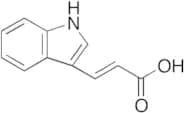
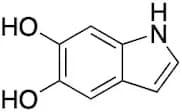
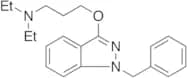
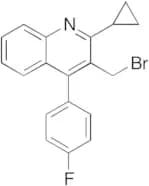
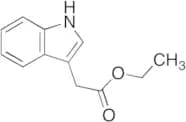
![2-Chloro-6-[N,N-di(2-hydroxybenzyl)amino]-9-isopropylpurine](/_next/image/?url=https%3A%2Fstatic.cymitquimica.com%2Fproducts%2FTR%2Fthumb-webp%2FC365330.webp&w=3840&q=75)
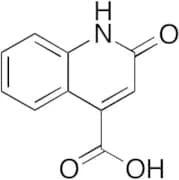
![3(6R,7R)-Hydroxy-8-oxo-7-[(2-phenylacetyl)amino]-5-thia-1-azabicyclo[4.2.0]oct-2-ene-2-carboxylic …](/_next/image/?url=https%3A%2Fstatic.cymitquimica.com%2Fproducts%2FTR%2Fthumb-webp%2FH949485.webp&w=3840&q=75)
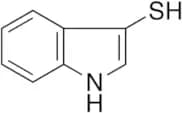
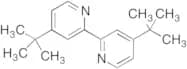
![2-Azaspiro[4.5]decane-1,3-dione](/_next/image/?url=https%3A%2Fstatic.cymitquimica.com%2Fproducts%2FTR%2Fthumb-webp%2FB407590.webp&w=3840&q=75)

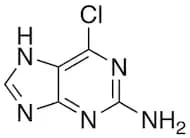
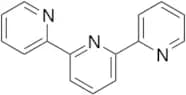
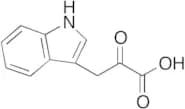
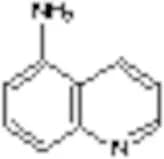
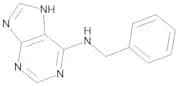
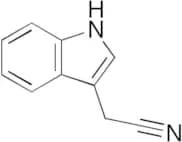

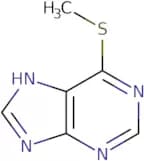


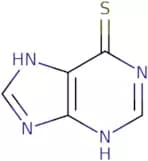
![3-Methylthio-1,2,4-triazino[5,6-b]indole](/_next/image/?url=https%3A%2Fstatic.cymitquimica.com%2Fproducts%2F3D%2Fthumb-webp%2FFM169854.webp&w=3840&q=75)
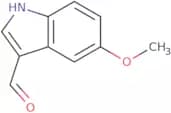
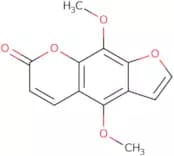
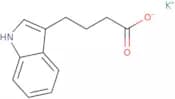
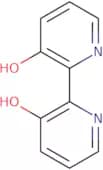
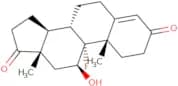
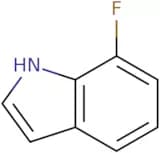
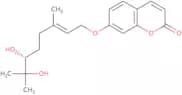
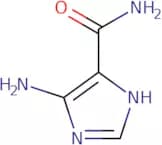
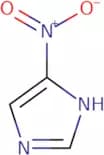

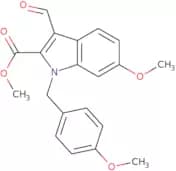
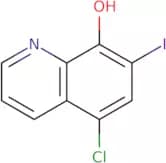
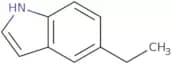
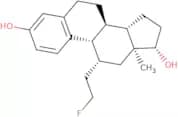

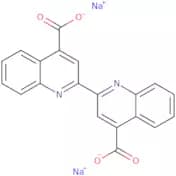
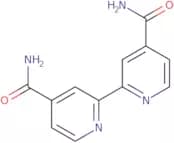
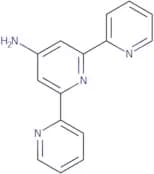
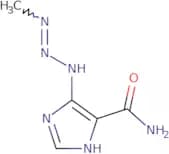
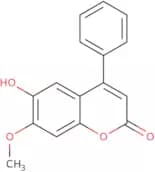
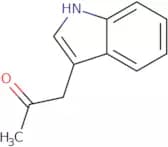
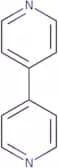
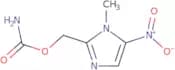

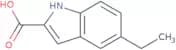
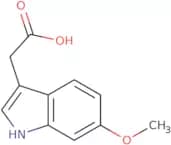
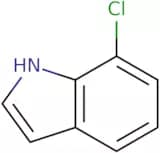
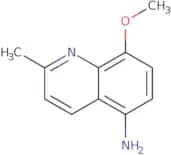
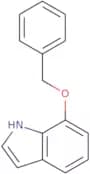
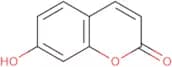
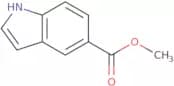
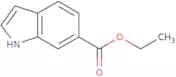
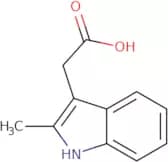
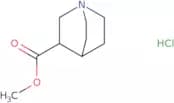
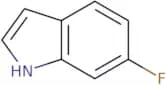

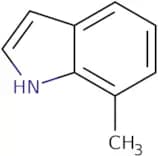
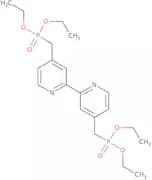
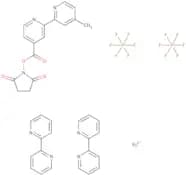
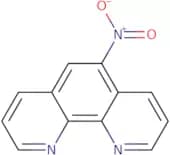
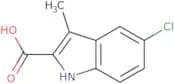
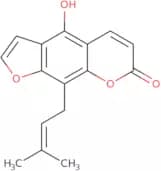
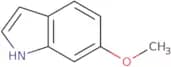
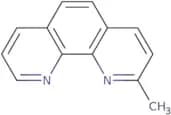
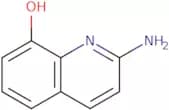
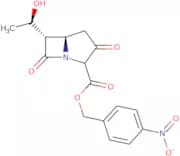
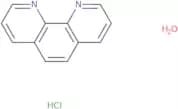
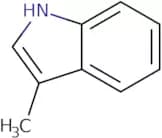
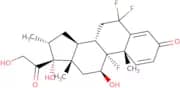
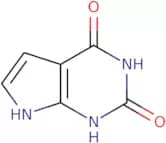

![5-Methyl-4,5-dihydro-1,2,4-triazino[5,6-b]indole-3-thione](/_next/image/?url=https%3A%2Fstatic.cymitquimica.com%2Fproducts%2F3D%2Fthumb-webp%2FFM169526.webp&w=3840&q=75)
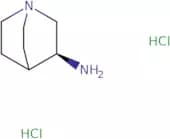
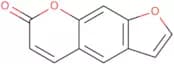
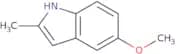
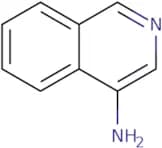
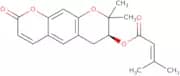
![7-Chloro-2H-pyrido[3,2-B]-1,4-oxazin-3(4H)-one](/_next/image/?url=https%3A%2Fstatic.cymitquimica.com%2Fproducts%2F3D%2Fthumb-webp%2FFC66462.webp&w=3840&q=75)
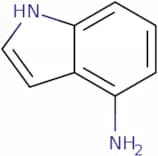
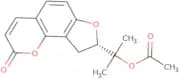
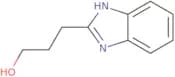
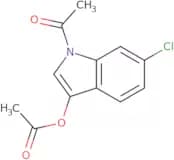
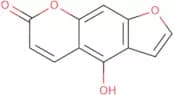
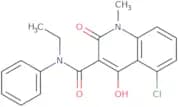
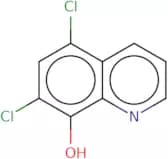
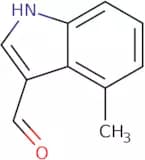

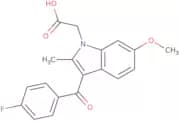
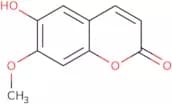
![8-Methoxy-2-methyl-2,3,4,5-tetrahydro-1H-pyrido[4,3-b]indole](/_next/image/?url=https%3A%2Fstatic.cymitquimica.com%2Fproducts%2F3D%2Fthumb-webp%2FFM117858.webp&w=3840&q=75)
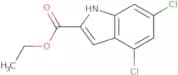
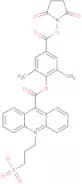
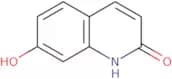
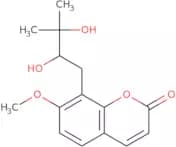
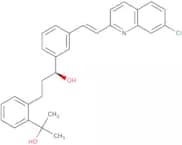
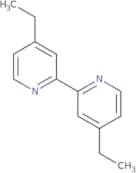
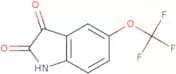
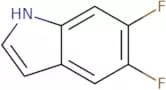
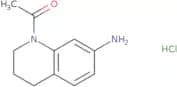
![3-(4-ethoxyphenyl)spiro[1,3-thiazolidine-2,3'-indoline]-4,7-dione](/_next/image/?url=https%3A%2Fstatic.cymitquimica.com%2Fproducts%2F3D%2Fthumb-webp%2FFE169782.webp&w=3840&q=75)
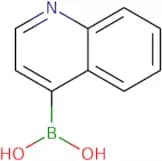
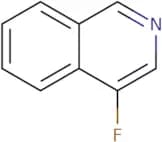
![4-[(7-Chloro-4-quinolinyl)amino]-1-pentanol](/_next/image/?url=https%3A%2Fstatic.cymitquimica.com%2Fproducts%2F3D%2Fthumb-webp%2FFC20107.webp&w=3840&q=75)
![4-Nitrobenzyl (4R,5R,6S)-3-[(diphenylphosphono)oxy]-6-[(R)-1-hydroxyethyl]-4-methyl-7-oxo-1-azabic…](/_next/image/?url=https%3A%2Fstatic.cymitquimica.com%2Fproducts%2F3D%2Fthumb-webp%2FFM140061.webp&w=3840&q=75)
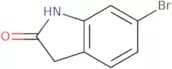
![7H-Imidazo[4,5-d]pyrimidine](/_next/image/?url=https%3A%2Fstatic.cymitquimica.com%2Fproducts%2F3D%2Fthumb-webp%2FFI34476.webp&w=3840&q=75)
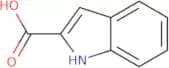
![3,4-diaza-5-(tert-butyl)-2-hydroxy-3-((4-methylphenyl)sulfonyl)tricyclo[6.4.0.0<2,6>]dodeca-1(8),4…](/_next/image/?url=https%3A%2Fstatic.cymitquimica.com%2Fproducts%2F3D%2Fthumb-webp%2FFD169677.webp&w=3840&q=75)

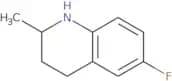
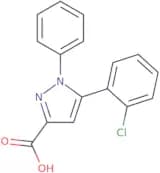
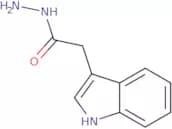
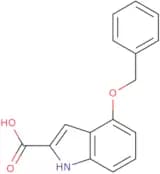
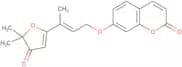

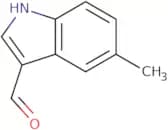
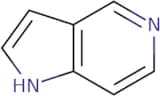
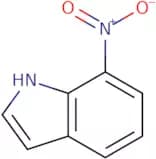
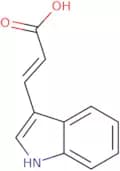
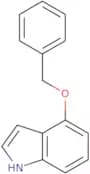
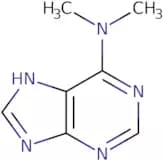
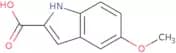
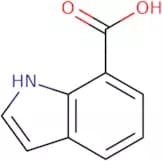
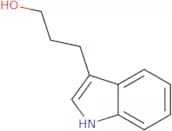
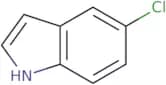
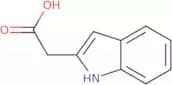
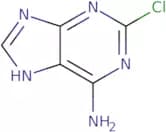
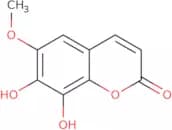
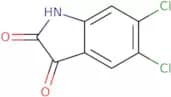
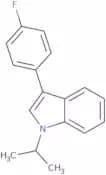
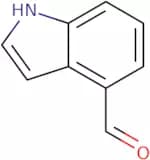

![3-(4-chlorophenyl)spiro[1,3-thiazolidine-2,3'-indoline]-4,7-dione](/_next/image/?url=https%3A%2Fstatic.cymitquimica.com%2Fproducts%2F3D%2Fthumb-webp%2FFC169673.webp&w=3840&q=75)
![Ethyl 5-chloropyrazolo[1,5-a]pyrimidine-3-carboxylate](/_next/image/?url=https%3A%2Fstatic.cymitquimica.com%2Fproducts%2F3D%2Fthumb-webp%2FFE44325.webp&w=3840&q=75)