Compostos Policiclícos
Subcategorias de "Compostos Policiclícos"
- Acridinas(98 produtos)
- Antraquinonas(533 produtos)
- Ácidos antraquinonasulfónicos(16 produtos)
- Azobenzenos(270 produtos)
- Azonaftalenos(98 produtos)
- Azoxibenzenos(12 produtos)
- Azulenos(11 produtos)
- Benzimidazóis(1.476 produtos)
- Benzodioxanos(27 produtos)
- Benzofuranos(928 produtos)
- Benzotiofenos(701 produtos)
- Benzotriazóis(438 produtos)
- Binaftil(133 produtos)
- Carbazóis(464 produtos)
- Cromanos, Cromenos(482 produtos)
- Cumarinas(1.127 produtos)
- Ciclofanos(11 produtos)
- Fluorenos e Fluorenonas(384 produtos)
- Imidazopiridinas(10 produtos)
- Indans(118 produtos)
- Indazóis(2.040 produtos)
- Indenos(22 produtos)
- Indóis(3.992 produtos)
- Indolinas(119 produtos)
- Isatinas(234 produtos)
- Isobenzofuranos(17 produtos)
- Ftalimidas N-Substituída(154 produtos)
- Naftalenos(2.440 produtos)
- Naftiridina(17 produtos)
- Naftoquinona(2 produtos)
- Perilenos(36 produtos)
- Fenazinas(25 produtos)
- Ftalazinas(33 produtos)
- Ftalimida(154 produtos)
- Hidrocarbonetos aromáticos policíclicos (PAHs)(272 produtos)
- Polifenol(270 produtos)
- Pteridinas(52 produtos)
- Pireno(87 produtos)
- Quinuclidina(1 produtos)
- Tetracenos(7 produtos)
Foram encontrados 4575 produtos de "Compostos Policiclícos"
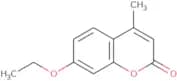
7-Ethoxy-4-methylcoumarin
CAS:7-Ethoxy-4-methylcoumarin is a fluorescent probe, which is a synthetic compound commonly sourced from organic chemical synthesis. With its distinct chromophore, this compound becomes highly fluorescent upon enzymatic cleavage, offering a reliable mechanism for the detection of specific enzymatic activities. The mode of action involves the enzymatic cleavage of the ethoxy group, leading to the release of 4-methylumbelliferone, a fluorescent product. This conversion provides a measurable signal that correlates with enzyme activity, making it an invaluable tool in studying enzyme kinetics.
Fórmula:C12H12O3Pureza:Min. 95%Cor e Forma:PowderPeso molecular:204.22 g/molBis(tricyclohexylphosphine)palladium(II) Dichloride
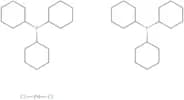
CAS:Produto ControladoBis(tricyclohexylphosphine)palladium(II) Dichloride is a cross-coupling agent that is used for the synthesis of organic and organometallic compounds. It reacts with terminal alkynes to form a phosphine oxide, which can then be converted into an arylated product. The reaction proceeds by the formation of a palladium-carbon bond and subsequent cleavage of the carbon-palladium bond in the presence of ammonium formate. Bis(tricyclohexylphosphine)palladium(II) Dichloride is insoluble in water, but soluble in organic solvents such as dichloromethane, 1,2-dichloroethane, or chloroform. This reagent has been shown to enhance the rate of transfer reactions between monomers.Fórmula:C36H66Cl2P2PdPureza:Min. 95%Peso molecular:738.18 g/moltert-Butyl 4-chloro-5,6-dihydropyrido[3,4-d]pyrimidine-7(8H)-carboxylate
CAS:Please enquire for more information about tert-Butyl 4-chloro-5,6-dihydropyrido[3,4-d]pyrimidine-7(8H)-carboxylate including the price, delivery time and more detailed product information at the technical inquiry form on this pageFórmula:C12H16ClN3O2Pureza:Min. 95%Peso molecular:269.73 g/mol3-Chloro-7-nitro-1H-indole
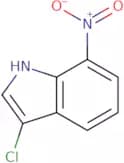
CAS:3-Chloro-7-nitro-1H-indole is a chemical compound that has been shown to have antitumor activity in clinical trials. It is catalysed by the addition of chloride ions to the nitro group, yielding an aminocarbonyl intermediate. This intermediate reacts with hydrogen chloride to form a chlorinating agent that can react with DNA and protein bases. The chlorinating agent has been shown to be efficient in screening for anticancer drugs. 3-Chloro-7-nitro-1H-indole is currently being tested for efficacy against colon carcinoma cells and human colon carcinoma xenografts.Fórmula:C8H5ClN2O2Pureza:Min. 95%Peso molecular:196.59 g/molPranferol
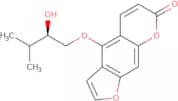
CAS:Pranferol is a phytochemical compound, which is derived from natural plant sources. It possesses unique immunomodulatory properties, affecting cellular pathways that regulate immune responses. The bioactive components in Pranferol interact with specific receptors on immune cells, modulating signaling cascades and gene expression to enhance or suppress specific immune functions depending on the physiological context.
Fórmula:C16H16O5Pureza:Min. 95%Peso molecular:288.3 g/mol(S)-5,6,6a,7-Tetrahydro-6-methyl- 4H-dibenzo[de,g]quinoline-10,11-diol hydrochloride
CAS:Produto ControladoPlease enquire for more information about (S)-5,6,6a,7-Tetrahydro-6-methyl- 4H-dibenzo[de,g]quinoline-10,11-diol hydrochloride including the price, delivery time and more detailed product information at the technical inquiry form on this pageFórmula:C17H17NO2·HClPureza:Min. 95%Cor e Forma:SolidPeso molecular:303.78 g/mol1,1'-Bicyclo[1,1,1]pentane-1,3-dicarboxylic acid monomethyl ester
CAS:1,1'-Bicyclo[1,1,1]pentane-1,3-dicarboxylic acid monomethyl ester is a chemical compound used in research and as a building block for complex compounds. It is a high quality and versatile compound that has a wide range of uses in the production of fine chemicals. This compound is an intermediate for the synthesis of 1,4-benzodioxan. CAS No. 83249-10-9
Fórmula:C8H10O4Pureza:Min. 95%Cor e Forma:White PowderPeso molecular:170.16 g/mol7,8-Methylenedioxycoumarin
CAS:7,8-Methylenedioxycoumarin is a furanocoumarin compound, which is a type of organic molecule characterized by a coumarin core with an additional methylenedioxy group. It is primarily sourced from various plant species, particularly those in the Rutaceae family, where it is found in essential oils and extracts. The mode of action of 7,8-Methylenedioxycoumarin involves its natural fluorescing properties, making it highly valuable for use in various biochemical assays where visualization is key. Due to its unique chemical structure, it efficiently absorbs ultraviolet light and emits visible fluorescence, which is exploited in photochemistry and as a biological marker. Its applications extend to the fields of pharmaceuticals and environmental sciences, where it serves in drug development studies and as a tool for tracking organic pollutants in ecosystems. Researchers continue to explore its potential uses due to its distinctive chemical behavior and natural origin.
Fórmula:C10H6O4Pureza:Min. 95%Peso molecular:190.15 g/mol2-Hydroxy-4-methylquinoline
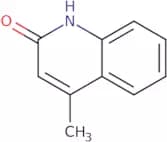
CAS:2-Hydroxy-4-methylquinoline is an organic compound that has a chelate ring. It is soluble in deionized water and reacts with metal ions to form a fluorescent product. The molecule also has antibacterial activity, which may be due to its ability to inhibit the growth of bacteria by acting as a metal ion chelator. 2-Hydroxy-4-methylquinoline can react with halides and ammonium persulfate to form isomeric products, such as 4,5-dihydroxyquinoline, which have been shown to have antimicrobial properties. 2-Hydroxy-4-methylquinoline can also react with phosphorus oxychloride and alkylating agents such as chloroethane or chloroform to form substituted derivatives.
Fórmula:C10H9NOPureza:Min. 95%Cor e Forma:PowderPeso molecular:159.18 g/mol(1R,4R,5R)-4,7,7-Trimethyl-6-thiabicyclo[3.2.1]octane
CAS:Please enquire for more information about (1R,4R,5R)-4,7,7-Trimethyl-6-thiabicyclo[3.2.1]octane including the price, delivery time and more detailed product information at the technical inquiry form on this pageFórmula:C10H18SPureza:90%MinPeso molecular:170.32 g/mol5-Bromo-3-[2-(1-pyrrolidinyl)ethyl]-1H-indole
CAS:Produto ControladoPlease enquire for more information about 5-Bromo-3-[2-(1-pyrrolidinyl)ethyl]-1H-indole including the price, delivery time and more detailed product information at the technical inquiry form on this pageFórmula:C14H17BrN2Pureza:Min. 95%Peso molecular:293.2 g/mol1,3,7,8-Tetramethylpurine-2,6-dione
CAS:Produto Controlado1,3,7,8-Tetramethylpurine-2,6-dione is a synthetic compound that has been identified as a possible dietary supplement. It is found in human urine and has been shown to inhibit the growth of fungi such as tebuconazole. The compound has been used as a substitute for theophylline in bovine serum albumin and caffeine in imidazoles. This specific molecule also interacts with some other molecules such as photodecomposition of peroxides or acid solutions.
Fórmula:C9H12N4O2Pureza:Min. 95%Cor e Forma:PowderPeso molecular:208.22 g/mol4-(Methoxycarbonyl)bicyclo[2.1.1]hexane-1-carboxylic acid
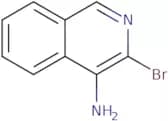
CAS:Please enquire for more information about 4-(Methoxycarbonyl)bicyclo[2.1.1]hexane-1-carboxylic acid including the price, delivery time and more detailed product information at the technical inquiry form on this pageFórmula:C9H12O4Pureza:Min. 95%Peso molecular:184.19 g/mol4-Amino-3-bromoisoquinoline
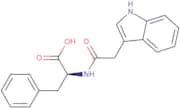
CAS:4-Amino-3-bromoisoquinoline is an isocyanide that reacts with nucleophilic heteroatoms such as the amino group. It also reacts with bromine to form a bromopyridine. The nitrile group of 4-amino-3-bromoisoquinoline can be reduced with sodium borohydride to produce 4-aminoquinoline. This compound has shown potential for use in chemotherapy and treating bacterial infections.Pureza:Min. 95%Indole-3-acetyl-L-phenylalanine
CAS:Indole-3-acetyl-L-phenylalanine is a plant growth regulator that inhibits the transport of auxin in the plant. It is used as a regulatory agent to inhibit the growth of plants by interfering with their natural regulatory mechanisms. Indole-3-acetyl-L-phenylalanine is an effective inhibitor of auxin transport and has been shown to have an inhibitory effect on plant growth. This compound also binds to acid conjugates, which are found in plants, and blocks their ability to bind to auxin receptors, preventing them from activating the cell's responses. This inhibition leads to decreased cell division and reduced root growth.
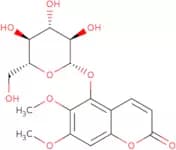
Fórmula:C19H18N2O3Cor e Forma:PowderPeso molecular:322.36 g/molTomenin
CAS:Tomenin is a systemic insecticidal compound, which is synthetically derived with a unique dual mode of action. This product is designed to efficiently target nematodes, plant-parasitic organisms that cause significant agricultural damage. The molecular formulation of Tomenin involves binding to specific nematode receptors, disrupting their neuromuscular functions and metabolic pathways. This dual action results in paralysis and eventual death of the nematodes, ensuring effective control over populations that threaten crop yield and quality.Fórmula:C17H20O10Pureza:Min. 95%Peso molecular:384.33 g/mol2,3-Dihydro-1-(3-hydroxypropyl)-5-[(2R)-2-[[2-[2-(2,2,2-trifluoroethoxy)phenoxy]ethyl]amino]propyl]-1H-indole-7-carbonitrile
CAS:Please enquire for more information about 2,3-Dihydro-1-(3-hydroxypropyl)-5-[(2R)-2-[[2-[2-(2,2,2-trifluoroethoxy)phenoxy]ethyl]amino]propyl]-1H-indole-7-carbonitrile including the price, delivery time and more detailed product information at the technical inquiry form on this page
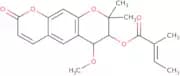
Fórmula:C25H30F3N3O3Pureza:Min. 95%Peso molecular:477.52 g/molPeuarin
CAS:Please enquire for more information about Peuarin including the price, delivery time and more detailed product information at the technical inquiry form on this pageFórmula:C20H22O6Pureza:Min. 95%Peso molecular:358.39 g/mol3-[2-(2,5-Dimethyl-1H-pyrrol-1-yl)ethyl]-1H-indole
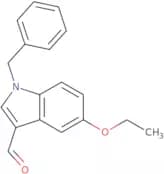
CAS:Produto ControladoPlease enquire for more information about 3-[2-(2,5-Dimethyl-1H-pyrrol-1-yl)ethyl]-1H-indole including the price, delivery time and more detailed product information at the technical inquiry form on this pageFórmula:C16H18N2Pureza:Min. 95%Peso molecular:238.33 g/mol1-Benzyl-5-ethoxy-1H-indole-3-carbaldehyde
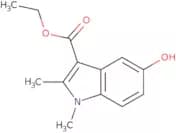
CAS:Produto ControladoPlease enquire for more information about 1-Benzyl-5-ethoxy-1H-indole-3-carbaldehyde including the price, delivery time and more detailed product information at the technical inquiry form on this pageFórmula:C18H17NO2Pureza:Min. 95%Peso molecular:279.33 g/molEthyl 1,2-dimethyl-5-hydroxyindole-3-carboxylate
CAS:Produto ControladoEthyl 1,2-dimethyl-5-hydroxyindole-3-carboxylate (EDMC) is an implantable drug that is used to treat hypertension. It is a diuretic that can be taken orally or injected. EDMC works by reducing the amount of urea nitrogen in the blood and increasing the amount of chlorine atom in the urine. This leads to an increase in active substances such as malonic acid and a decrease in arthropoda. EDMC has been shown to have antihypertensive activity due to its ability to lower diastolic and systolic pressure. The molecule also contains hydroxyl group and aldehyde groups that are analyzed by analytical chemistry.Fórmula:C13H15NO3Pureza:Min. 95%Peso molecular:233.26 g/mol1-Bicyclo[2.2.1]hept-2-ylethanone
CAS:The bicyclo[2.2.1]hept-2-ylethanone is an isomer of the bicyclo[2.2.1]heptane, with a ketone group in place of a methylene group on one ring. It is a mixture of two isomers: the cis and trans form, which are in equilibrium with each other at room temperature. The equilibrium constants for this reaction are Kcis = 6.6×10 and Ktrans = 1.4×10 at 25°C and pH 7, respectively, which means that the trans isomer predominates at low concentrations and the cis form predominates at high concentrations.
Fórmula:C9H14OPureza:Min. 95%Peso molecular:138.21 g/molQuinoline-6-sulfonyl chloride
CAS:Please enquire for more information about Quinoline-6-sulfonyl chloride including the price, delivery time and more detailed product information at the technical inquiry form on this page
Fórmula:C9H6ClNO2SPureza:Min. 95%Peso molecular:227.67 g/mol4-Chloro-1H-imidazo[4,5-c]pyridine
CAS:4-Chloro-1H-imidazo[4,5-c]pyridine (4CI) is a nucleoside analog that inhibits the replication of RNA and DNA. It has significant inhibitory activity against herpes simplex virus type 1 and human immunodeficiency virus type 1 (HIV-1). 4CI inhibits the synthesis of adenosine, an important component in the synthesis of RNA and DNA. This drug also has antiviral properties against influenza A and B viruses. 4CI's effect on plasma cholesterol levels is thought to be due to inhibition of 3-hydroxy-3-methylglutaryl coenzyme A reductase.Fórmula:C6H4ClN3Pureza:Min. 95%Cor e Forma:Off-White SolidPeso molecular:153.57 g/mol(S)-1,2,3,4,5,6,7,8-Octahydro-1-[(4-methoxyphenyl)methyl]isoquinoline (acetate salt )
CAS:(S)-1,2,3,4,5,6,7,8-Octahydro-1-[(4-methoxyphenyl)methyl]isoquinoline (acetate salt ) is a diphosphine that can be used as a catalyst to produce formic acid from methanol and carbon monoxide. This product is an enantiomer of picric acid and has been shown to be an effective additive in the crystallization of picric acid. The acetate salt is also optically pure.Pureza:Min. 95%Heratomol
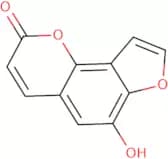
CAS:Please enquire for more information about Heratomol including the price, delivery time and more detailed product information at the technical inquiry form on this page
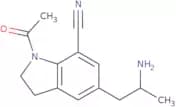
Fórmula:C11H6O4Pureza:Min. 95%Peso molecular:202.16 g/mol1-Acetyl-5-(2-aminopropyl)-2,3-dihydro-1H-indole-7-carbonitrile
CAS:Produto ControladoPlease enquire for more information about 1-Acetyl-5-(2-aminopropyl)-2,3-dihydro-1H-indole-7-carbonitrile including the price, delivery time and more detailed product information at the technical inquiry form on this pageFórmula:C14H17N3OPureza:Min. 95%Peso molecular:243.3 g/molArnottinin
CAS:Arnottinin is a bioactive compound, which is derived from natural plant sources. It functions primarily through modulation of specific cellular pathways, targeting key receptors that regulate physiological responses. This compound exhibits its mode of action by influencing signal transduction pathways, effectively altering cellular activities at the molecular level.
Fórmula:C14H14O4Pureza:Min. 95%Peso molecular:246.26 g/mol4-Methylquinoline
CAS:4-Methylquinoline is a natural compound that is structurally related to coumarin. It serves as an enzyme substrate for various types of enzymes, and has been shown to inhibit the activity of enzymes such as N-acetyltransferase, indoleamine 2,3-dioxygenase, and tryptophan 2,3-dioxygenase. 4-Methylquinoline has also been shown to be effective against infectious diseases such as toxoplasmosis and leishmaniasis. Furthermore, 4-methylquinoline has been shown to have anti-inflammatory properties in autoimmune diseases such as multiple sclerosis. The mechanism of action of 4-methylquinoline is not fully understood but it may interfere with the production of nitric oxide by inhibiting the enzyme nitric oxide synthase.
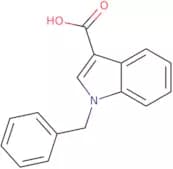
Fórmula:C10H9NPureza:Min. 95%Peso molecular:143.19 g/mol1-Benzylindole-3-Carboxylic Acid
CAS:Produto Controlado1-Benzylindole-3-carboxylic acid is a bioactive molecule that has been shown to inhibit the activity of histamine, which is a neurotransmitter involved in inflammatory reactions. 1-Benzylindole-3-carboxylic acid has an affinity ligand for binding to the H1 receptor and can be used as an antihistaminic agent. It also has antihistaminic effects by inhibiting the release of histamine from mast cells and basophils, which are two types of white blood cells that are involved in allergic reactions. The pharmacophore model for 1-benzylindole-3-carboxylic acid suggests that it could be used as an antihistamine or anticholinergic.Fórmula:C16H13NO2Pureza:Min. 95%Peso molecular:251.28 g/molcis-Khellactone
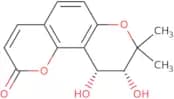
CAS:cis-Khellactone is a naturally occurring organic compound, which is a type of coumarin derivative sourced predominantly from the roots of Peucedanum and Angelica species, plants native to various regions. These botanical sources are known for yielding secondary metabolites with diverse biological properties.
Fórmula:C14H14O5Pureza:Min. 95%Peso molecular:262.26 g/mol6-Bromo-2,3-dihydro-1H-indole
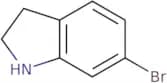
CAS:6-Bromo-2,3-dihydro-1H-indole is a natural product that has been shown to inhibit cancer cell growth in vitro. In the presence of 6-bromoindole, cells are unable to proliferate and undergo apoptosis. This compound also shows anti-cancer activity against human leukemia cells. The mechanism of action for this molecule is not yet known but may be related to its ability to activate the caspase enzyme family or its ability to bind to DNA. 6-Bromoindole has been shown to have anti-inflammatory properties through inhibition of prostaglandin synthesis in animal models.
Fórmula:C8H8BrNPureza:Min. 95%Cor e Forma:Off-White PowderPeso molecular:198.06 g/mol9-[(5-Amino-1,3,4-thiadiazol-2-yl)methyl]-1,3-dimethyl-3,9-dihydro-1H-purine-2,6-dione
CAS:Produto ControladoPlease enquire for more information about 9-[(5-Amino-1,3,4-thiadiazol-2-yl)methyl]-1,3-dimethyl-3,9-dihydro-1H-purine-2,6-dione including the price, delivery time and more detailed product information at the technical inquiry form on this pageFórmula:C10H11N7O2SPureza:Min. 95%Peso molecular:293.31 g/mol7-Geranyloxycoumarin
CAS:7-Geranyloxycoumarin is a naturally occurring coumarin derivative, which is primarily sourced from plant species in the Rutaceae family. It is a bioactive compound known for its presence in various essential oils and its contribution to the properties of these plant extracts. The mode of action of 7-Geranyloxycoumarin involves interactions at the cellular level, including enzyme inhibition and modulation of signal transduction pathways, which can lead to diverse pharmacological effects.Fórmula:C19H22O3Pureza:Min. 95%Cor e Forma:PowderPeso molecular:298.38 g/mol8-Bromo-2-methylquinoline
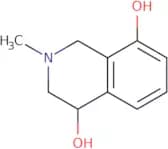
CAS:8-Bromo-2-methylquinoline is a naphthalene derivative that has an oxidant function. It can be used as a solvent for chlorobenzene and as a catalyst for the production of bipyridines and piperazine. 8-Bromo-2-methylquinoline is also used as a ligand in the preparation of metal complexes. This compound reacts with methyl groups, chlorine, and halides to form methyl quinolines and dichloromethanes. 8-Bromo-2-methylquinoline may react with fatty acids to form polyunsaturated acid esters or with polyunsaturated fatty acids to form polyethers.Fórmula:C10H8BrNPureza:Min. 95%Peso molecular:222.08 g/mol1,2,3,4-Tetrahydro-4,8-dihydroxy-2-methyl-isoquinoline
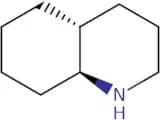
CAS:1,2,3,4-Tetrahydro-4,8-dihydroxy-2-methyl-isoquinoline is a chemical compound that has been used as an intermediate in the synthesis of pharmaceuticals. It is also a useful building block for the production of other chemicals. This compound is soluble in water. 1,2,3,4-Tetrahydro-4,8-dihydroxy-2-methyl-isoquinoline has shown to be a versatile and high quality reagent with many research applications.Fórmula:C10H13NO2Pureza:Min. 95%Cor e Forma:Yellow PowderPeso molecular:179.22 g/moltrans-Decahydroquinoline
CAS:Trans-decahydroquinoline is a chiral compound that can be synthesized by an asymmetric synthesis. It is an amide with a carbonyl group and a dialkylamino group. Trans-decahydroquinoline can be used to synthesize different compounds, such as enantiopure drugs, pharmaceuticals, and agrochemicals. The synthesis of trans-decahydroquinoline can be accomplished through the aldol cyclization or the addition of an acid to the carbonyl group. The magnetic resonance spectroscopy (NMR) and molecular modeling techniques have been used to study its structure and properties.
Fórmula:C9H17NPureza:Min. 95%Peso molecular:139.24 g/molScopoletin-2',3'-epoxy-3'-methylbutyl ether
Scopoletin-2',3'-epoxy-3'-methylbutyl ether is a synthetic derivative of scopoletin, which is a coumarin compound. This ether derivative is primarily obtained from chemical synthesis processes designed to modify the parent compound, scopoletin, which is naturally found in various plants, such as those in the Asteraceae and Rubiaceae families. The mode of action typically involves the modulation of biochemical pathways, primarily through interacting with enzymes or receptors that regulate oxidative stress or inflammation.Pureza:Min. 95%Tert-butyl(8-anti)-3-azabicyclo[3.2.1]oct-8-ylcarbamate
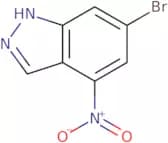
CAS:Tert-butyl(8-anti)-3-azabicyclo[3.2.1]oct-8-ylcarbamate (tBAA) is a heterocycle that has been modified to enhance its pharmacokinetic properties. Tert-butyl(8-anti)-3-azabicyclo[3.2.1]oct-8-ylcarbamate was designed to be metabolically stable and have a high bioavailability and isosteric properties with phosphatidylinositol, which it uses as a substrate in the catalytic cycle. This modification also increased tBAA's stability in vivo, leading to an increase in efficacy. The covalent attachment of the phenyl ring on the tertiary amine nitrogen of tBAA provides additional protection against hepatic metabolism by CYP450 enzymes, making it more potent than other compounds with similar structures that are not covalently attached to the amine group.Fórmula:C12H22N2O2Pureza:Min. 95%Peso molecular:226.32 g/mol6-Bromo-4-nitro-1H-indazole
CAS:Please enquire for more information about 6-Bromo-4-nitro-1H-indazole including the price, delivery time and more detailed product information at the technical inquiry form on this page
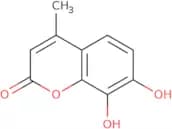
Fórmula:C7H4BrN3O2Pureza:Min. 95%Peso molecular:242.03 g/mol7,8-Dihydroxy-4-methylcoumarin
CAS:7,8-Dihydroxy-4-methylcoumarin is a bioactive compound, specifically a derivative of coumarin. This compound is naturally derived from plant sources, where it acts as a metabolite in various biochemical pathways. Its chemical structure is characterized by the presence of two hydroxyl groups at the 7 and 8 positions, along with a methyl group at the 4 position of the coumarin core, contributing to its unique pharmacological profile.
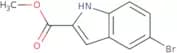
Fórmula:C10H8O4Pureza:Min. 95%Peso molecular:192.17 g/mol5-Bromo-1H-indole-2-carboxylic acid methyl ester
CAS:5-Bromo-1H-indole-2-carboxylic acid methyl ester is a drug that belongs to the class of carboxylates. It has been shown to inhibit the growth of tumor cells in vitro and in vivo. The antitumor activity of this compound may be due to its ability to stabilize planar indole moieties, which are cytotoxic. 5-Bromo-1H-indole-2-carboxylic acid methyl ester interacts with other molecules through intermolecular interactions and can form an indole ring system that has a trifluoromethyl group and a carboxylate group in its structure.
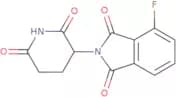
Fórmula:C10H8BrNO2Pureza:Min. 95%Peso molecular:254.08 g/mol2-(2,6-Dioxo-piperidin-3-yl)-4-fluoroisoindoline-1,3-dione
CAS:2-(2,6-Dioxo-piperidin-3-yl)-4-fluoroisoindoline-1,3-dione (2,6DPI) is a synthetic chemical compound that has been shown to inhibit NF-κB activation in vitro. 2,6DPI is a competitive inhibitor of the p65 subunit of NF-κB and functions by binding to the cysteine residue on the p65 subunit. It has been shown to be effective against inflammatory diseases such as pulmonary disease and inflammation. This drug also inhibits deacetylases, which are enzymes involved in regulating gene expression. 2,6DPI may have therapeutic potential for the treatment of inflammatory diseases and cancer.Fórmula:C13H9FN2O4Pureza:Min. 95%Cor e Forma:Violet To Grey SolidPeso molecular:276.22 g/mol4-Chloro-5H-pyrimido[5,4-b]indole
CAS:Please enquire for more information about 4-Chloro-5H-pyrimido[5,4-b]indole including the price, delivery time and more detailed product information at the technical inquiry form on this pageFórmula:C10H6ClN3Pureza:Min. 95%Peso molecular:203.63 g/mol5,7-Dichloro-8-hydroxyquinoline
CAS:5,7-Dichloro-8-hydroxyquinoline (5,7-DC8HQ) is a mitochondrial drug that inhibits mitochondrial functions by binding to the ATP synthase. It has been shown to be effective against bacteria resistant to antimicrobial agents in vivo and also showed genotoxic activity in vitro. 5,7-DC8HQ binds to the magnesium site of the ATP synthase protein and prevents the formation of an intramolecular hydrogen bond, which leads to inhibition of ATP synthesis. This drug has also been shown to cause membrane potential depolarization in mitochondria.Fórmula:C9H5Cl2NOPureza:Min. 98.5 Area-%Cor e Forma:White PowderPeso molecular:214.05 g/mol1,1'-Dimethyl-4,4'-bipyridinium dichloride hydrate
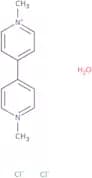
CAS:1,1'-Dimethyl-4,4'-bipyridinium dichloride hydrate is a bipyridine with a divalent chloride. It has been shown to have synergic effects in the presence of dextran sulfate and paraquat. This compound has good photochemical properties, which are used for wastewater treatment and surface methodology. 1,1'-Dimethyl-4,4'-bipyridinium dichloride hydrate also has toxicological studies that show it does not cause any cellular toxicity or mitochondrial membrane potential changes. It also reduces potassium dichromate toxicity in glomerular filtration rate studies. This compound can be used as an analytical method for other bipyridines.Fórmula:C12H14Cl2N2•(H2O)xPureza:Min. 95%Cor e Forma:PowderPeso molecular:257.16 g/molIsobergapten
CAS:Isobergapten is a naturally occurring furanocoumarin, which is primarily derived from plants in the Apiaceae family, such as celery and parsley. The compound is structurally characterized by its fused furan and coumarin rings. It exerts its effects through its ability to interact with cellular enzymes and DNA, often influencing photodynamic processes. This interaction can result in modifications to DNA replication and transcription, making it a compound of interest in photochemotherapy and photobiology.Fórmula:C12H8O4Pureza:Min. 95%Cor e Forma:PowderPeso molecular:216.19 g/molMethyl 4-(benzyloxy)-1-methyl-1H-indole-2-carboxylate
CAS:Produto ControladoPlease enquire for more information about Methyl 4-(benzyloxy)-1-methyl-1H-indole-2-carboxylate including the price, delivery time and more detailed product information at the technical inquiry form on this pageFórmula:C18H17NO3Pureza:Min. 95%Peso molecular:295.33 g/molCapensin
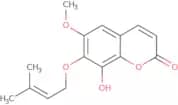
CAS:Capensin is an alkaloid-based compound, which is a naturally occurring chemical derived from specific plant sources known for producing bioactive molecules. Its mode of action involves interacting with cellular pathways to produce pharmacological effects, making it of particular interest in biochemical and medical research.Fórmula:C15H16O5Pureza:Min. 95%Peso molecular:276.28 g/mol4-Amino-2,2'-bipyridine
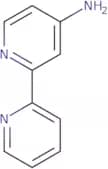
CAS:Please enquire for more information about 4-Amino-2,2'-bipyridine including the price, delivery time and more detailed product information at the technical inquiry form on this page
Fórmula:C10H9N3Pureza:Min. 95%Cor e Forma:PowderPeso molecular:171.2 g/mol

![tert-Butyl 4-chloro-5,6-dihydropyrido[3,4-d]pyrimidine-7(8H)-carboxylate](/_next/image/?url=https%3A%2Fstatic.cymitquimica.com%2Fproducts%2F3D%2Fthumb-webp%2FFB144255.webp&w=3840&q=75)
![(S)-5,6,6a,7-Tetrahydro-6-methyl- 4H-dibenzo[de,g]quinoline-10,11-diol hydrochloride](/_next/image/?url=https%3A%2Fstatic.cymitquimica.com%2Fproducts%2F3D%2Fthumb-webp%2FFT46165.webp&w=3840&q=75)
![1,1'-Bicyclo[1,1,1]pentane-1,3-dicarboxylic acid monomethyl ester](/_next/image/?url=https%3A%2Fstatic.cymitquimica.com%2Fproducts%2F3D%2Fthumb-webp%2FFB33677.webp&w=3840&q=75)

![(1R,4R,5R)-4,7,7-Trimethyl-6-thiabicyclo[3.2.1]octane](/_next/image/?url=https%3A%2Fstatic.cymitquimica.com%2Fproducts%2F3D%2Fthumb-webp%2FFT60017.webp&w=3840&q=75)
![5-Bromo-3-[2-(1-pyrrolidinyl)ethyl]-1H-indole](/_next/image/?url=https%3A%2Fstatic.cymitquimica.com%2Fproducts%2F3D%2Fthumb-webp%2FFB154288.webp&w=3840&q=75)

![4-(Methoxycarbonyl)bicyclo[2.1.1]hexane-1-carboxylic acid](/_next/image/?url=https%3A%2Fstatic.cymitquimica.com%2Fproducts%2F3D%2Fthumb-webp%2FFM76248.webp&w=3840&q=75)
![2,3-Dihydro-1-(3-hydroxypropyl)-5-[(2R)-2-[[2-[2-(2,2,2-trifluoroethoxy)phenoxy]ethyl]amino]propyl…](/_next/image/?url=https%3A%2Fstatic.cymitquimica.com%2Fproducts%2F3D%2Fthumb-webp%2FFD103483.webp&w=3840&q=75)
![3-[2-(2,5-Dimethyl-1H-pyrrol-1-yl)ethyl]-1H-indole](/_next/image/?url=https%3A%2Fstatic.cymitquimica.com%2Fproducts%2F3D%2Fthumb-webp%2FFD117662.webp&w=3840&q=75)
![1-Bicyclo[2.2.1]hept-2-ylethanone](/_next/image/?url=https%3A%2Fstatic.cymitquimica.com%2Fproducts%2F3D%2Fthumb-webp%2FFB114448.webp&w=3840&q=75)

![4-Chloro-1H-imidazo[4,5-c]pyridine](/_next/image/?url=https%3A%2Fstatic.cymitquimica.com%2Fproducts%2F3D%2Fthumb-webp%2FFC32403.webp&w=3840&q=75)
![(S)-1,2,3,4,5,6,7,8-Octahydro-1-[(4-methoxyphenyl)methyl]isoquinoline (acetate salt )](/_next/image/?url=https%3A%2Fstatic.cymitquimica.com%2Fproducts%2F3D%2Fthumb-webp%2FFO29465.webp&w=3840&q=75)

![9-[(5-Amino-1,3,4-thiadiazol-2-yl)methyl]-1,3-dimethyl-3,9-dihydro-1H-purine-2,6-dione](/_next/image/?url=https%3A%2Fstatic.cymitquimica.com%2Fproducts%2F3D%2Fthumb-webp%2FFA125300.webp&w=3840&q=75)


![Tert-butyl(8-anti)-3-azabicyclo[3.2.1]oct-8-ylcarbamate](/_next/image/?url=https%3A%2Fstatic.cymitquimica.com%2Fproducts%2F3D%2Fthumb-webp%2FFT167890.webp&w=3840&q=75)
![4-Chloro-5H-pyrimido[5,4-b]indole](/_next/image/?url=https%3A%2Fstatic.cymitquimica.com%2Fproducts%2F3D%2Fthumb-webp%2FFC118328.webp&w=3840&q=75)