Compostos Policiclícos
Subcategorias de "Compostos Policiclícos"
- Acridinas(98 produtos)
- Antraquinonas(533 produtos)
- Ácidos antraquinonasulfónicos(16 produtos)
- Azobenzenos(270 produtos)
- Azonaftalenos(98 produtos)
- Azoxibenzenos(12 produtos)
- Azulenos(11 produtos)
- Benzimidazóis(1.476 produtos)
- Benzodioxanos(27 produtos)
- Benzofuranos(926 produtos)
- Benzotiofenos(700 produtos)
- Benzotriazóis(438 produtos)
- Binaftil(133 produtos)
- Carbazóis(462 produtos)
- Cromanos, Cromenos(480 produtos)
- Cumarinas(1.120 produtos)
- Ciclofanos(11 produtos)
- Fluorenos e Fluorenonas(383 produtos)
- Imidazopiridinas(10 produtos)
- Indans(118 produtos)
- Indazóis(2.039 produtos)
- Indenos(22 produtos)
- Indóis(3.984 produtos)
- Indolinas(119 produtos)
- Isatinas(234 produtos)
- Isobenzofuranos(17 produtos)
- Ftalimidas N-Substituída(153 produtos)
- Naftalenos(2.438 produtos)
- Naftiridina(17 produtos)
- Naftoquinona(2 produtos)
- Perilenos(36 produtos)
- Fenazinas(25 produtos)
- Ftalazinas(33 produtos)
- Ftalimida(153 produtos)
- Hidrocarbonetos aromáticos policíclicos (PAHs)(294 produtos)
- Polifenol(267 produtos)
- Pteridinas(52 produtos)
- Pireno(87 produtos)
- Quinuclidina(1 produtos)
- Tetracenos(7 produtos)
Foram encontrados 4573 produtos de "Compostos Policiclícos"
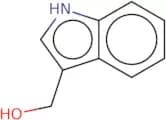
3-Indolemethanol
CAS:3-Indolemethanol is a chemical compound that is used for chemiluminescent reaction. It can be used as an experimental model for studying the effects of 3-indolemethanol on murine hepatoma and human osteosarcoma cells in vitro. This compound has been shown to have oral hypoglycemic activity and to inhibit cancer cell growth. 3-Indolemethanol has also been shown to modulate signal pathways, such as the MAPK pathway, which may lead to pro-apoptotic protein activation or inhibition of physiological effects.
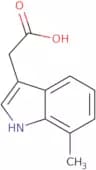
Fórmula:C9H9NOPureza:Min. 95%Cor e Forma:White PowderPeso molecular:147.18 g/mol7-Methylindole-3-acetic acid
CAS:7-Methylindole-3-acetic acid is a metabolite of indomethacin. It is excreted in the urine and has been found to be present in the tissues of monkeys. 7-Methylindole-3-acetic acid is excreted by the kidneys and it is not known how much of this compound is reabsorbed into the body. 7-Methylindole-3-acetic acid can be metabolized to form other metabolites, including 2,4,5,6 tetrahydropyridine (2,4,5,6 THP), which has been shown to produce DNA damage in rats. The metabolites are then excreted from the body through urination and feces.Fórmula:C11H11NO2Pureza:Min. 95%Peso molecular:189.21 g/mol2-(6-Benzyloxyindolyl)acetonitrile
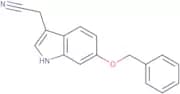
CAS:Please enquire for more information about 2-(6-Benzyloxyindolyl)acetonitrile including the price, delivery time and more detailed product information at the technical inquiry form on this page
Fórmula:C17H14N2OPureza:Min. 95%Peso molecular:262.31 g/molIndole-3-butyric acid, potassium salt
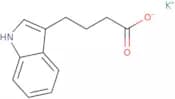
CAS:Plant hormone; auxin; inducer of root development; used in plant rootingFórmula:C12H12KNO2Cor e Forma:White Yellow PowderPeso molecular:241.33 g/mol3-Indoleacetic acid potassium salt
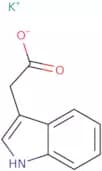
CAS:Plant hormone of the auxin class; promotes root growthFórmula:C10H8NO2·KPureza:Min. 95%Cor e Forma:White PowderPeso molecular:213.27 g/molEpoxybergamottin
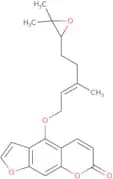
CAS:Epoxybergamottin is a furanocoumarin derivative, which is a natural bioactive compound. It is primarily sourced from citrus fruits, particularly grapefruit. The primary mode of action of epoxybergamottin is the inhibition of cytochrome P450 enzymes, specifically CYP3A4. This enzyme is a major player in the metabolism of many pharmaceuticals, and its inhibition can lead to increased bioavailability and prolonged effects of drugs metabolized by this pathway.
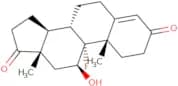
Fórmula:C21H22O5Pureza:Min. 95 Area-%Cor e Forma:PowderPeso molecular:354.40 g/mol(8S,9R,10S,11S,13S)-9-Fluoro-11-Hydroxy-10,13-Dimethyl-1,2,6,7,8,11,12,14,15,16-Decahydrocyclopenta[a]Phenanthrene-3,17-Dione
CAS:Produto Controlado(8S,9R,10S,11S,13S)-9-Fluoro-11-Hydroxy-10,13-Dimethyl-1,2,6,7,8,11,12,14,15,16-Decahydrocyclopenta[a]Phenanthrene-3,17-Dione is a corticosteroid that is used in the treatment of inflammatory diseases. It has been shown to have immunosuppressive and antiinflammatory effects in animals. The drug is metabolized by cytochrome P450 enzymes to produce the active form prednisolone. Prednisolone binds to glucocorticoid receptors and blocks the production of inflammatory leukotrienes. The drug also inhibits neovascularization and ophthalmic disorders.Fórmula:C19H25FO3Pureza:Min. 95%Peso molecular:320.4 g/molPyrazolo[1,5-a]pyrimidine-3-carboxylic acid
CAS:Pyrazolo[1,5-a]pyrimidine-3-carboxylic acid is a pyrimidine analog and an electron transfer agent. It is a potent inhibitor of the enzyme dehydrogenase, which catalyzes the conversion of nicotinamide adenine dinucleotide (NAD) to nicotinamide adenine dinucleotide phosphate (NADP). Pyrazolo[1,5-a]pyrimidine-3-carboxylic acid has been shown to have anti-inflammatory properties and also inhibits the production of b-raf protein. This drug has also been shown to be a potent inhibitor of mitochondrial electron transport in cancer cells. Pyrazolo[1,5-a]pyrimidine-3-carboxylic acid binds to the metal centers in mitochondria, thereby inhibiting oxidative phosphorylation and reducing ATP synthesis. This ultimately leads to cell death by apoptosis.
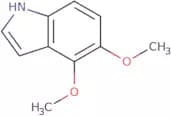
Fórmula:C7H5N3O2Pureza:Min. 95%Cor e Forma:White PowderPeso molecular:163.13 g/mol4,5-Dimethoxyindole
CAS:4,5-Dimethoxyindole is a chemical compound that has been shown to exhibit radical scavenging activity. It is an inhibitor of integrase, which are enzymes involved in the integration of viral DNA into host cell chromosomes. This compound has been synthesized and its optical properties have been studied. The synthesis of 4,5-dimethoxyindole derivatives has also been investigated using molecular modeling. Schrodinger software was used to predict the geometry of these synthesized derivatives. These studies suggest that 4,5-dimethoxyindole may be a potential anti-cancer agent due to its ability to inhibit cancer cell growth and induce apoptosis.
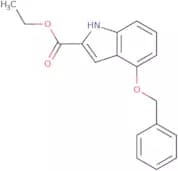
Fórmula:C10H11NO2Pureza:Min. 95%Cor e Forma:SolidPeso molecular:177.2 g/mol4-Benzyloxyindole-2-carboxylic acid ethyl ester
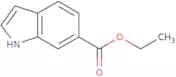
CAS:4-Benzyloxyindole-2-carboxylic acid ethyl ester is a cyclic compound that has been synthesized through an intramolecular carboxylate cyclization. This class of compounds are known for their ability to form propargylic analogues, which have the potential to be used as anticancer drugs. The compound was first reported in 1969 by Schardt and co-workers and was found to have activity against leukemia cells. It has been shown to undergo a series of cyclizations, which are triggered by the presence of oxygen or other electron acceptors.Fórmula:C18H17NO3Pureza:Min. 95%Peso molecular:295.33 g/molEthyl indole-6-carboxylate
CAS:Ethyl indole-6-carboxylate is a chiral compound with nitrogen atoms. It has a topology and substituents, so it can be substituted in several positions. It also has nitrate, which is an ion that can carry an electric charge. This molecule can form channels and crystals with a single-crystal x-ray diffraction pattern. The hydrocarbon part of the molecule has a crystal system and framework, making it porous. The x-ray diffraction pattern of ethyl indole-6-carboxylate shows its chemistry as well.
Fórmula:C11H11NO2Pureza:Min. 95%Peso molecular:189.21 g/mol7-Bromoindole
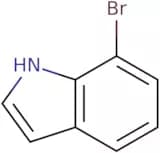
CAS:7-Bromoindole is a synthetic compound that has been used as an analog for indole. It has been shown to have some biological activity in vivo, but it is not known if this activity is due to the drug itself or its breakdown products. 7-Bromoindole can be decarboxylated under acid conditions and saponified with sodium hydroxide. The isolated yield of this reaction is about 2 grams per mole of reactant. 7-Bromoindole shows hemolytic activity against human pathogens such as Staphylococcus aureus and Escherichia coli, but not against Bacillus subtilis or Pseudomonas aeruginosa.Fórmula:C8H6BrNCor e Forma:PowderPeso molecular:196.04 g/mol(3-Formyl-1-indolyl)acetic acid
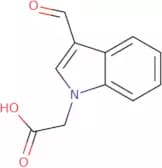
CAS:(3-Formyl-1-indolyl)acetic acid is a small molecule that has been shown to inhibit the activity of various enzymes, including acetylcholinesterase (AChE), butyrylcholinesterase (BChE), and histamine N-methyltransferase (HNMT). The crystal structure of (3-formyl-1-indolyl)acetic acid was determined by X-ray crystallography. The active conformation of the molecule was found to be a nonplanar chair conformation with a hydrogen bond acceptor at C8. This conformation is stabilized by a hydrogen bond donor at C7, which also creates an additional hydrogen bond acceptor at O2. These interactions stabilize the molecule in its active form. The docking studies showed that the ligand binds to AChE with high affinity, while binding to BChE and HNMT with lower affinity. The inhibition effects on theseFórmula:C11H9NO3Pureza:Min. 95%Cor e Forma:Off-White PowderPeso molecular:203.19 g/molIsopteryxin
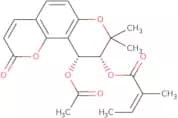
CAS:Isopteryxin is a natural compound classified as a furanocoumarin, which is primarily derived from plants in the Apiaceae family, such as various species of Angelica. It is synthetically produced or extracted from these botanical sources using advanced chromatographic techniques. The mode of action of Isopteryxin involves interactions with cellular and molecular targets through its capability to intercalate with DNA and modulate enzyme activity. This confers notable biological activities, including antimicrobial, antifungal, and potentially anticancer effects. It may inhibit certain cell signaling pathways, thus influencing cellular processes such as apoptosis and proliferation.Fórmula:C21H22O7Pureza:Min. 95%Cor e Forma:PowderPeso molecular:386.4 g/mol6-Acetyl-7-methylpyrazolo[1,5-α]pyrimidine-3-carboxylic acid
CAS:The 6-Acetyl-7-methylpyrazolo[1,5-α]pyrimidine-3-carboxylic acid is a fine chemical that belongs to the group of speciality chemicals. It is an intermediate that can be used in research or as a building block for more complex compounds. This compound has been shown to have many useful properties, including its versatility as a scaffold and its ability to react with other compounds. The 6-Acetyl-7-methylpyrazolo[1,5-α]pyrimidine-3-carboxylic acid is also considered high quality and can be used in reactions related to the production of pharmaceuticals, agrochemicals, polymers and dyes.Fórmula:C10H9N3O3Pureza:Min. 95%Cor e Forma:PowderPeso molecular:219.2 g/mol3-Acetylindole
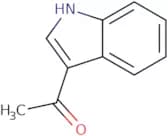
CAS:Produto Controlado3-Acetylindole is a dibenzopyran compound that has been shown to have anti-inflammatory properties. 3-Acetylindole inhibits the acylation reaction of arachidonic acid with coenzyme A and thereby blocks the production of prostaglandin E2. This compound also binds to the benzene ring, which may be due to its acidic nature. 3-Acetylindole has been shown to inhibit T-cell leukemia and other cancers in animal models. It has also been shown to inhibit the growth of cancer cells in culture by blocking DNA synthesis and inhibiting proliferation. The binding constants for this compound have been determined by x-ray crystal structures and protonation studies.
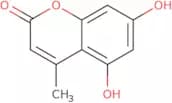
Fórmula:C10H9NOPureza:Min. 95%Cor e Forma:White PowderPeso molecular:159.18 g/mol5,7-Dihydroxy-4-methylcoumarin monohydrate
CAS:5,7-Dihydroxy-4-methylcoumarin monohydrate is an organic chemical compound, specifically a type of coumarin derivative. Coumarins are a class of naturally occurring aromatic compounds that are found in various plant sources, such as tonka beans, sweet clover, and other botanicals. This particular compound, with its distinct hydroxyl and methyl groups, falls under the broader category of hydroxycoumarins, which are of significant interest in biochemical research due to their various functional properties.Fórmula:C10H8O4•H2OPureza:Min. 95%Cor e Forma:Off-White Yellow PowderPeso molecular:210.18 g/mol2-Azabicyclo[2.2.1]hept-5-en-3-one
CAS:2-Azabicyclo[2.2.1]hept-5-en-3-one is a carbocyclic nucleoside that is synthesized from cyclopentyl and organic solvent, imine, lactam, and fluorine. It has been shown to have potential as a prodrug for the treatment of cancer when it is converted to 2-azabicyclo[2.2.1]heptane by an enzyme called lactamase in the body. Molecular modeling studies show that this compound has a high level of fluidity and can be used in liquid chromatography methods. The enantiomer of this molecule has also been identified and is being studied as a possible drug candidate for the treatment of malaria.
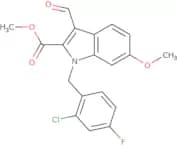
Fórmula:C6H7NOPureza:Min. 95%Cor e Forma:PowderPeso molecular:109.13 g/molMethyl 1-(2-chloro-4-fluorobenzyl)-3-formyl-6-methoxy-1H-indole-2-carboxylate
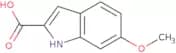
CAS:Produto ControladoPlease enquire for more information about Methyl 1-(2-chloro-4-fluorobenzyl)-3-formyl-6-methoxy-1H-indole-2-carboxylate including the price, delivery time and more detailed product information at the technical inquiry form on this pageFórmula:C19H15ClFNO4Pureza:Min. 95%Peso molecular:375.78 g/mol6-Methoxyindole-2-carboxylic acid
CAS:6-Methoxyindole-2-carboxylic acid (6MI) is a potent inhibitor of the enzyme catechol-O-methyltransferase (COMT). This inhibition prevents the conversion of catecholamines, such as dopamine and norepinephrine, to their corresponding methylated products. COMT inhibitors are used clinically to treat Parkinson's disease and other diseases that result from excessive levels of these neurotransmitters. 6MI is also an effective inhibitor of tyrosinase activity in vitro. It has been shown to inhibit the synthesis of melanin by melanocytes and inhibits the production of eumelanin, which is responsible for black or brown skin pigments. The inhibitory potency of 6MI was found to be greater than that for kojic acid, arbutin, and hydroquinone. Optimization studies showed that 6MI was most potent at a concentration of 1 mM and had an IC50 value of 0.3 mM in
Fórmula:C10H9NO3Pureza:Min. 95%Cor e Forma:PowderPeso molecular:191.18 g/mol

![Pyrazolo[1,5-a]pyrimidine-3-carboxylic acid](/_next/image/?url=https%3A%2Fstatic.cymitquimica.com%2Fproducts%2F3D%2Fthumb-webp%2FFP16388.webp&w=3840&q=75)
![6-Acetyl-7-methylpyrazolo[1,5-α]pyrimidine-3-carboxylic acid](/_next/image/?url=https%3A%2Fstatic.cymitquimica.com%2Fproducts%2F3D%2Fthumb-webp%2FFA119841.webp&w=3840&q=75)
![2-Azabicyclo[2.2.1]hept-5-en-3-one](/_next/image/?url=https%3A%2Fstatic.cymitquimica.com%2Fproducts%2F3D%2Fthumb-webp%2FFA10344.webp&w=3840&q=75)