Compostos Policiclícos
Subcategorias de "Compostos Policiclícos"
- Acridinas(97 produtos)
- Antraquinonas(533 produtos)
- Ácidos antraquinonasulfónicos(16 produtos)
- Azobenzenos(270 produtos)
- Azonaftalenos(98 produtos)
- Azoxibenzenos(12 produtos)
- Azulenos(11 produtos)
- Benzimidazóis(1.475 produtos)
- Benzodioxanos(27 produtos)
- Benzofuranos(924 produtos)
- Benzotiofenos(700 produtos)
- Benzotriazóis(438 produtos)
- Binaftil(133 produtos)
- Carbazóis(462 produtos)
- Cromanos, Cromenos(480 produtos)
- Cumarinas(1.120 produtos)
- Ciclofanos(11 produtos)
- Fluorenos e Fluorenonas(381 produtos)
- Imidazopiridinas(10 produtos)
- Indans(118 produtos)
- Indazóis(2.038 produtos)
- Indenos(22 produtos)
- Indóis(3.984 produtos)
- Indolinas(119 produtos)
- Isatinas(234 produtos)
- Isobenzofuranos(17 produtos)
- Ftalimidas N-Substituída(153 produtos)
- Naftalenos(2.437 produtos)
- Naftiridina(17 produtos)
- Naftoquinona(2 produtos)
- Perilenos(36 produtos)
- Fenazinas(25 produtos)
- Ftalazinas(33 produtos)
- Ftalimida(153 produtos)
- Hidrocarbonetos aromáticos policíclicos (PAHs)(299 produtos)
- Polifenol(265 produtos)
- Pteridinas(52 produtos)
- Pireno(87 produtos)
- Quinuclidina(1 produtos)
- Tetracenos(7 produtos)
Foram encontrados 4573 produtos de "Compostos Policiclícos"
8-Aza-2,6-diaminopurine sulfate (1:x)
CAS:8-Aza-2,6-diaminopurine sulfate (1:x) is a sulfate salt that is soluble in water. The molecular mass of the compound is 581.10 g/mol and it has a molecular formula of C5H7N3O4S. The crystal structure of the compound consists of an asymmetric unit containing one molecule. The 8-aza-2,6-diaminopurine monohydrate salt has a solubility of 1 g/100 mL in water at 25°C. It also has a melting point of 190°C and a boiling point of 340°C.
Fórmula:C4H5N7·xH2SO4Pureza:Min. 95%Cor e Forma:Slightly Yellow PowderPeso molecular:151.13 g/mol2,4-Dihydroxyquinoline
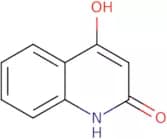
CAS:2,4-Dihydroxyquinoline is a malonic acid derivative that is used as an antimicrobial agent. It is a diazonium salt that can be synthesized from 2-chloro-4-nitrobenzene and malonic acid. The reaction mechanism for this compound involves the formation of a diazo intermediate, which reacts with the amine to form a quinoline. This compound has been shown to have antibiotic properties and is able to inhibit the growth of bacteria such as Salmonella typhi, Mycobacterium tuberculosis, Escherichia coli, and Staphylococcus aureus. 2,4-Dihydroxyquinoline has also been shown to have anticancer activity in vitro on human liver cells (HepG2) and human hepg2 cells.Fórmula:C9H7NO2Pureza:Min. 95%Cor e Forma:White PowderPeso molecular:161.16 g/molIsoquinoline-4-carbaldehyde
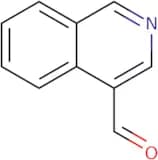
CAS:Isoquinoline-4-carbaldehyde is an aldehyde chemical that has been synthesized in the laboratory. It is a chiral molecule with one asymmetric carbonyl group. Isoquinoline-4-carbaldehyde is a potential precursor to naphthyridine, which can be used as a building block for the synthesis of natural products. Isoquinoline-4-carbaldehyde has been shown to have phosphine properties, and it can be used as a ligand in transition metal complexes. The molecule has been shown to exist in two forms, which coexist in equilibrium and can undergo interconversion.
Fórmula:C10H7NOPureza:Min. 95%Peso molecular:157.17 g/molIsopteryxin
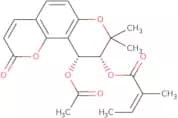
CAS:Isopteryxin is a natural compound classified as a furanocoumarin, which is primarily derived from plants in the Apiaceae family, such as various species of Angelica. It is synthetically produced or extracted from these botanical sources using advanced chromatographic techniques. The mode of action of Isopteryxin involves interactions with cellular and molecular targets through its capability to intercalate with DNA and modulate enzyme activity. This confers notable biological activities, including antimicrobial, antifungal, and potentially anticancer effects. It may inhibit certain cell signaling pathways, thus influencing cellular processes such as apoptosis and proliferation.Fórmula:C21H22O7Pureza:Min. 95%Cor e Forma:PowderPeso molecular:386.4 g/mol6-Methoxyindole-2-carboxylic acid methyl ester
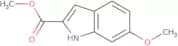
CAS:6-Methoxyindole-2-carboxylic acid methyl ester is a pyrroloquinoline alkaloid with cytotoxic and antiproliferative activities. It inhibits the growth of cancer cells in culture by inducing apoptosis and cell cycle arrest. 6-Methoxyindole-2-carboxylic acid methyl ester has been shown to be effective against breast cancer cell lines in vitro and to inhibit the proliferation of breast cancer cells in vivo. This compound also inhibits the growth of a number of other cancer cell lines such as prostate, colon, lung, liver, stomach, and leukemia. The mechanism of action for this compound is thought to be due to its ability to act as an intramolecular quencher of reactive oxygen species (ROS) or as an inhibitor of DNA synthesis through inhibition of ribonucleotide reductase activity.
Fórmula:C11H11NO3Pureza:Min. 95%Cor e Forma:PowderPeso molecular:205.21 g/mol5-Chloro-2-mercaptobenzimidazole
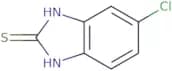
CAS:5-Chloro-2-mercaptobenzimidazole is an inorganic base that is used as a microscopy reagent. It has been shown to have a transfer mechanism that is similar to the hydrogen ion transfer mechanism. 5-Chloro-2-mercaptobenzimidazole has been used in vivo assays and has functional groups that are important for its use in coatings and aluminum oxide. The molecule also contains chlorine atoms, which are important for its use in chlorination reactions. 5-Chloro-2-mercaptobenzimidazole can be used in voltammetry to test samples of organic compounds (e.g., casein) and has been shown to be effective against the Gram positive bacterium Staphylococcus aureus.Fórmula:C7H5ClN2SPureza:Min. 98.5 Area-%Cor e Forma:Off-White PowderPeso molecular:184.65 g/molD,L-3-Indolylglycine
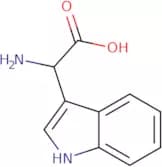
CAS:D,L-3-Indolylglycine is a fine chemical that is a versatile building block in organic synthesis. It is used as a reagent and reaction component in the manufacture of pharmaceuticals and other useful compounds. D,L-3-Indolylglycine has been shown to be useful for the synthesis of beta-carbolines, indole alkaloids and cyclic peptides. This compound has also been found to have anti-inflammatory properties.Fórmula:C10H10N2O2Pureza:Min. 95%Cor e Forma:PowderPeso molecular:190.2 g/mol6-Acetyl-7-methylpyrazolo[1,5-α]pyrimidine-3-carboxylic acid
CAS:The 6-Acetyl-7-methylpyrazolo[1,5-α]pyrimidine-3-carboxylic acid is a fine chemical that belongs to the group of speciality chemicals. It is an intermediate that can be used in research or as a building block for more complex compounds. This compound has been shown to have many useful properties, including its versatility as a scaffold and its ability to react with other compounds. The 6-Acetyl-7-methylpyrazolo[1,5-α]pyrimidine-3-carboxylic acid is also considered high quality and can be used in reactions related to the production of pharmaceuticals, agrochemicals, polymers and dyes.Fórmula:C10H9N3O3Pureza:Min. 95%Cor e Forma:PowderPeso molecular:219.2 g/mol3-Acetylindole
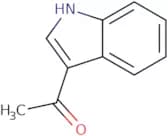
CAS:Produto Controlado3-Acetylindole is a dibenzopyran compound that has been shown to have anti-inflammatory properties. 3-Acetylindole inhibits the acylation reaction of arachidonic acid with coenzyme A and thereby blocks the production of prostaglandin E2. This compound also binds to the benzene ring, which may be due to its acidic nature. 3-Acetylindole has been shown to inhibit T-cell leukemia and other cancers in animal models. It has also been shown to inhibit the growth of cancer cells in culture by blocking DNA synthesis and inhibiting proliferation. The binding constants for this compound have been determined by x-ray crystal structures and protonation studies.
Fórmula:C10H9NOPureza:Min. 95%Cor e Forma:White PowderPeso molecular:159.18 g/molEthyl 6-Bromoindole-2-carboxylate
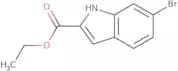
CAS:Please enquire for more information about Ethyl 6-Bromoindole-2-carboxylate including the price, delivery time and more detailed product information at the technical inquiry form on this pageFórmula:C11H10BrNO2Pureza:Min. 95%Peso molecular:268.11 g/mol6-Methoxyindole-2-carboxylic acid
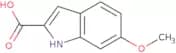
CAS:6-Methoxyindole-2-carboxylic acid (6MI) is a potent inhibitor of the enzyme catechol-O-methyltransferase (COMT). This inhibition prevents the conversion of catecholamines, such as dopamine and norepinephrine, to their corresponding methylated products. COMT inhibitors are used clinically to treat Parkinson's disease and other diseases that result from excessive levels of these neurotransmitters. 6MI is also an effective inhibitor of tyrosinase activity in vitro. It has been shown to inhibit the synthesis of melanin by melanocytes and inhibits the production of eumelanin, which is responsible for black or brown skin pigments. The inhibitory potency of 6MI was found to be greater than that for kojic acid, arbutin, and hydroquinone. Optimization studies showed that 6MI was most potent at a concentration of 1 mM and had an IC50 value of 0.3 mM in
Fórmula:C10H9NO3Pureza:Min. 95%Cor e Forma:PowderPeso molecular:191.18 g/molBergaptol
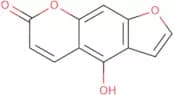
CAS:Bergaptol is a naturally occurring furanocoumarin, which is a compound derived from plants, particularly from the Rutaceae family such as bergamot and other citrus species. It is primarily characterized by its chemical structure containing a furan ring fused to a coumarin moiety. Bergaptol acts primarily through its interaction with biological systems by inhibiting certain enzymatic activities and interfering with the biological pathways that involve reactive oxygen species. This compound exhibits antioxidant properties, reducing oxidative stress by scavenging free radicals and thereby protecting cells from damage.Fórmula:C11H6O4Pureza:Min. 95%Cor e Forma:Off-White PowderPeso molecular:202.16 g/mol4-Nitroimidazole
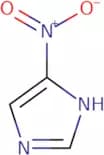
CAS:4-Nitroimidazole has a redox potential that is well suited to the reduction of nitro groups. It is an antimicrobial agent that inhibits the growth of microorganisms by inhibiting DNA synthesis. 4-Nitroimidazole can be used for the treatment of infectious diseases such as tuberculosis, leprosy, and brucellosis. In rat liver microsomes, 4-nitroimidazole reacts with NADPH to produce a nitro group and an imidazole ring with a new configuration. The reaction mechanism is based on electron transfer from NADPH to the nitro group in 4-nitroimidazole via a series of reactions that involve cytochrome P450 enzymes. This reaction has kinetic energy and matrix effects that affect its pharmacokinetics and pharmacodynamics.
Fórmula:C3H3N3O2Pureza:Min. 95%Cor e Forma:White PowderPeso molecular:113.07 g/mol6-Carboxyindole
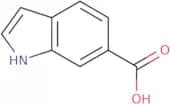
CAS:6-Carboxyindole is an indole that binds to the IL-17A receptor, which leads to the production of pro-inflammatory cytokines. It has been shown to be involved in autoimmune diseases and other inflammatory conditions. 6-Carboxyindole can be used as a probe for studying the biology of IL-17A, by binding to it and inhibiting its effects. The chemical structure of 6-carboxyindole is also useful for diagnostic purposes, as it can bind to antibodies and antigens for detecting infectious diseases or other biological processes. 6-Carboxyindole can be used in the treatment of heart tissue by binding with monoclonal antibodies that are specific for cardiac proteins such as myosin light chain kinase.Fórmula:C9H7NO2Pureza:Min. 95%Peso molecular:161.16 g/mol5,12-Dibutylquinacridone
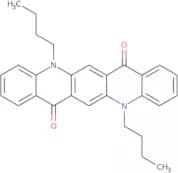
CAS:5,12-Dibutylquinacridone is an electron acceptor that is used as a monomer in cationic polymerization. It can be polymerized with acrylates to form polymers that have high fluorescence and photopolymerizable properties. 5,12-Dibutylquinacridone has shown to be reactive with epoxides and diene compounds, which are typically used as monomers in the synthesis of polymers. This chemical has been studied for its use in solar cells and photocurrent generation. The electron spin resonance technique has been used to study the chemical's photophysical properties.
Fórmula:C28H28N2O2Pureza:Min. 95%Cor e Forma:Dark Red SolidPeso molecular:424.53 g/mol5-Methoxyindole-3-acetonitrile
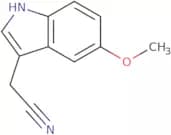
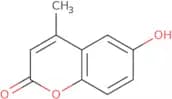
CAS:5-Methoxyindole-3-acetonitrile is a synthetic compound used as a reference for the synthesis of melatonin. It is produced by the addition of magnesium to 5-methoxyindole, followed by reaction with cyanide and nitrile. The synthesis of this compound was first published in 1938 and has since been used as a reference for many other studies. It has been shown that 5-methoxyindole-3-acetonitrile has high performance liquid chromatography properties, with a linear range from 0.5 to 50 mg/mL and an ultraviolet spectrum that falls within the region between 220 nm and 400 nm. A molecular modeling study was conducted on this compound, which showed that it conforms with 4-hydroxy indole ring systems found in natural products such as tryptophan and serotonin. This product also has fluorescent properties, which are caused by its electron withdrawing group (cyano).Fórmula:C11H10N2OPureza:Min. 95%Cor e Forma:PowderPeso molecular:186.21 g/mol6-Hydroxy-4-methylcoumarin
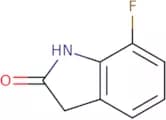
CAS:6-Hydroxy-4-methylcoumarin is a chemical compound that serves as a lactone derivative. It is commonly derived from synthetic sources through various organic reactions involving resorcinol and ethyl acetoacetate. The compound functions primarily through its ability to absorb ultraviolet light and fluoresce, making it highly valuable in spectroscopic analyses.Fórmula:C10H8O3Pureza:Min. 95%Peso molecular:176.17 g/mol7-Fluorooxindole
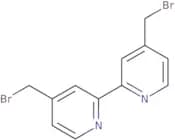
CAS:7-Fluorooxindole is an alkylating agent that can be used in the synthesis of oxindoles. This compound can be prepared by aldol condensation reaction with butyllithium, followed by alkylation with bromides or iodides. The use of 7-fluorooxindole and its derivatives has been optimized to yield high yields. The optimal conditions for this reaction are deprotonation with an organometallic reagent, such as butyllithium, followed by alkylation with bromides or iodides.Fórmula:C8H6FNOPureza:Min. 95%Cor e Forma:SolidPeso molecular:151.14 g/mol4,4'-Bis(bromomethyl)-2,2'-bipyridine
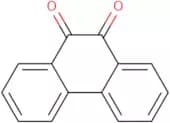
CAS:4,4'-Bis(bromomethyl)-2,2'-bipyridine is a cyclic molecule that can be synthesized by the reaction of 4-bromo-2,2'-bipyridine with a brominating agent. It is used as a precursor to ruthenium catalysts in organic synthesis, and as an additive in dendrimers. The compound has been shown to have light absorption properties and can be used in photovoltaics and electropolymerization.Fórmula:C12H10N2Br2Pureza:Min. 95%Cor e Forma:PowderPeso molecular:342.03 g/molPhenanthrenequinone
CAS:Phenanthrenequinone is a redox potential inhibitor that binds to the catalytic site of the enzyme. It is an inhibitor with a redox potential of -0.4 V (vs Ag/AgCl). Phenanthrenequinone has been shown to be toxicologically safe in human serum and has no carcinogenic potential. The reaction mechanism is not well understood, but it may be due to hydrogen bonding interactions with the enzyme active site.Fórmula:C14H8O2Pureza:90%Cor e Forma:Orange PowderPeso molecular:208.22 g/mol


![6-Acetyl-7-methylpyrazolo[1,5-α]pyrimidine-3-carboxylic acid](/_next/image/?url=https%3A%2Fstatic.cymitquimica.com%2Fproducts%2F3D%2Fthumb-webp%2FFA119841.webp&w=3840&q=75)