


Compostos Policiclícos
Subcategorias de "Compostos Policiclícos"
- Acridinas(97 produtos)
- Antraquinonas(533 produtos)
- Ácidos antraquinonasulfónicos(16 produtos)
- Azobenzenos(270 produtos)
- Azonaftalenos(98 produtos)
- Azoxibenzenos(12 produtos)
- Azulenos(11 produtos)
- Benzimidazóis(1.475 produtos)
- Benzodioxanos(27 produtos)
- Benzofuranos(924 produtos)
- Benzotiofenos(700 produtos)
- Benzotriazóis(438 produtos)
- Binaftil(133 produtos)
- Carbazóis(462 produtos)
- Cromanos, Cromenos(480 produtos)
- Cumarinas(1.120 produtos)
- Ciclofanos(11 produtos)
- Fluorenos e Fluorenonas(381 produtos)
- Imidazopiridinas(10 produtos)
- Indans(118 produtos)
- Indazóis(2.038 produtos)
- Indenos(22 produtos)
- Indóis(3.984 produtos)
- Indolinas(119 produtos)
- Isatinas(234 produtos)
- Isobenzofuranos(17 produtos)
- Ftalimidas N-Substituída(153 produtos)
- Naftalenos(2.437 produtos)
- Naftiridina(17 produtos)
- Naftoquinona(2 produtos)
- Perilenos(36 produtos)
- Fenazinas(25 produtos)
- Ftalazinas(33 produtos)
- Ftalimida(153 produtos)
- Hidrocarbonetos aromáticos policíclicos (PAHs)(299 produtos)
- Polifenol(264 produtos)
- Pteridinas(52 produtos)
- Pireno(87 produtos)
- Quinuclidina(1 produtos)
- Tetracenos(7 produtos)
Foram encontrados 4573 produtos de "Compostos Policiclícos"
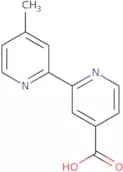
4-Methyl-4'-carboxy-2,2'-bipyridine
CAS:4-Methyl-4'-carboxy-2,2'-bipyridine is a fluorescent probe that can be used to detect the presence of hydrogen peroxide in cells. It has been shown to bind to mitochondria and liver cells. The binding constants are in the range of 10 M. When exposed to light, 4-methyl-4'-carboxy-2,2'-bipyridine emits an orange fluorescence. This chemical has been used as an oxidation catalyst for amides and as an enhancer for reactive species in kinetic experiments. It also has been shown to have proton uptake properties.Fórmula:C12H10N2O2Pureza:Min. 95%Cor e Forma:Off-White PowderPeso molecular:214.22 g/molPoncimarin
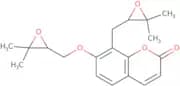
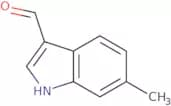
CAS:Poncimarin is a citrus-derived flavor compound, which is extracted from the peels of citrus fruits. Its mode of action involves mimicking natural citrus flavors, providing authentic taste profiles through a combination of volatile compounds that resemble those found in fresh citrus. The primary application of Poncimarin lies in its utilization as a flavoring agent in the food and beverage industry. It is incorporated to enhance the sensory attributes of products like beverages, confectioneries, and baked goods, delivering a refreshing citrus note that is both recognizable and appealing. Poncimarin's efficacy is attributed to its ability to integrate seamlessly with the existing flavor matrices of these products, ensuring a balanced and natural sensory experience. Its use extends to applications requiring stable, long-lasting flavor profiles, contributing to product innovation and development within sensory science.Fórmula:C19H22O5Pureza:Min. 95%Cor e Forma:PowderPeso molecular:330.37 g/mol6-Methyl-1H-indole-3-carbaldehyde
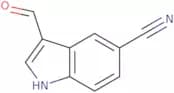
CAS:6-Methyl-1H-indole-3-carbaldehyde is a synthetic chemical that has been used as a reagent in the form of its sodium salt. It is an acetylating agent and can be used for formylation reactions. 6-Methyl-1H-indole-3-carbaldehyde has shown strong antifungal activity against phytopathogenic fungi such as Fusarium, Rhizoctonia, and Phytophthora. This chemical also has a triazine group, which can be used to enhance the herbicidal properties of certain compounds.Fórmula:C10H9NOPureza:Min. 95%Cor e Forma:PowderPeso molecular:159.18 g/mol5-Cyanoindole-3-carboxaldehyde
CAS:5-Cyanoindole-3-carboxaldehyde is an aldehyde that is used in synthesis of β-unsaturated aldehydes. It is prepared by the reaction of 3-cyanoindole with formaldehyde. 5-Cyanoindole-3-carboxaldehyde has antibacterial activity against gram positive and gram negative bacteria. It also has a high yield and can be purified by filtration or by condensation with chlorobenzene. 5-Cyanoindole-3-carboxaldehyde can be activated by irradiation, which makes it useful for the production of pharmaceuticals.Fórmula:C10H6N2OPureza:Min. 95%Peso molecular:170.17 g/molSkimmin
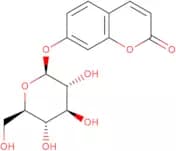
CAS:Skimmin is a bioactive compound, classified as a coumarin, which is derived from various plant sources, particularly the bark of certain tree species. It functions through the modulation of enzyme activity, including antioxidant and anti-inflammatory pathways, by interacting with specific cellular receptors and enzymes.
Fórmula:C15H16O8Pureza:Min. 95%Cor e Forma:PowderPeso molecular:324.28 g/molEthyl indole-4-carboxylate
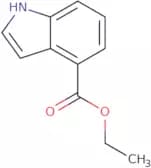
CAS:Ethyl indole-4-carboxylate is an organic compound that belongs to the group of sulfonium salts. It has a ring system, an ether and a sulfone group. The chemical structure also includes two sulfones. This compound has shown nematicidal activity and can be used as a fungicide. In addition, it can be used as an intermediate in the synthesis of other compounds, such as therapeutics and fungicides.Fórmula:C11H11NO2Pureza:Min. 95%Cor e Forma:Brown PowderPeso molecular:189.21 g/molBathophenanthroline
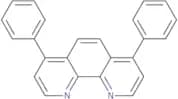
CAS:Bathophenanthroline is a fluorescent probe that is used to detect the change in mitochondrial membrane potential. It is also able to measure the concentration of an element in a solution and can be used as a fluorescence probe for electron transfer reactions. Bathophenanthroline has been shown to have high sensitivity, which is attributed to its ability to form hydrogen bonding interactions with other molecules. Bathophenanthroline is an efficient adsorption agent, which can be used in the Langmuir adsorption isotherm technique. This chemical has been used as a fluorescence probe for chronic viral hepatitis and detection of methanol in plasma mass spectrometry.
Fórmula:C24H16N2Pureza:Min. 98 Area-%Cor e Forma:White PowderPeso molecular:332.4 g/mol2-Methylindole-3-acetic acid
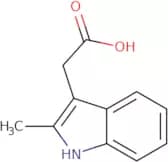
CAS:2-Methylindole-3-acetic acid is a molecule that has been shown to interact with membrane lipids and induce lipid peroxidation. It also interacts with the molecule creatinine, which is excreted in urine, and has been shown to increase urinary levels of creatinine. 2-Methylindole-3-acetic acid has been shown to have antioxidant activity by scavenging radicals and inhibiting lipid peroxidation. The mechanism for this activity is due to its ability to form hydrogen bonds with radicals and react with them, thereby removing them from the cell membrane. 2-Methylindole-3-acetic acid also interacts with receptor protein within the cell, targeting intracellular targets such as DNA and RNA molecules. This compound is an endogenous hormone that may reduce cholesterol levels in cells. 2-Methylindole-3-acetic acid was first isolated from the bark of "Indocalamus latifolius" (Fórmula:C11H11NO2Pureza:Min. 95%Peso molecular:189.21 g/molIsatin
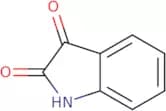
CAS:Isatin is a natural compound that can be found in the bark of the Cinchona tree. It has inhibitory properties against the enzyme polymerase chain reaction (PCR) and has been shown to have antimicrobial activity. Isatin also has an effect on 5-HT concentrations, which may be due to its ability to inhibit platelet aggregation and induce vasoconstriction. Isatin has been shown to have anticancer effects in vitro, and also inhibits cellular transformation by reducing DNA synthesis.
Fórmula:C8H5NO2Pureza:Min. 98 Area-%Cor e Forma:Red PowderPeso molecular:147.13 g/molIndole-5-carboxylic acid ethyl ester
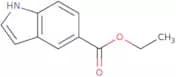
CAS:Indole-5-carboxylic acid ethyl ester is a formamide activated analog of piperidine. It is an effective antibacterial agent against Staphylococcus aureus. Indole-5-carboxylic acid ethyl ester inhibits the growth of bacteria by binding to the extracellular surface and interfering with cell membrane permeability. The compound also has anti-cancer properties, and may be used in pharmaceuticals as a pyrazole derivative.Fórmula:C11H11NO2Pureza:Min. 95%Cor e Forma:PowderPeso molecular:189.21 g/mol4-Hydroxy-3-phenylcoumarin
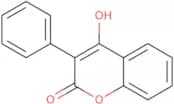
CAS:4-Hydroxy-3-phenylcoumarin is an organic compound, which is a derivative of coumarin. It is synthetically derived through chemical modification processes that introduce a hydroxy group and a phenyl ring to the coumarin core structure. Its mechanism of action involves the inhibition of vitamin K epoxide reductase, an enzyme critical for the cyclic conversion of vitamin K. This inhibition prevents the activation of vitamin K-dependent clotting factors, thereby exerting its anticoagulant effects.
Fórmula:C15H10O3Pureza:Min. 98 Area-%Cor e Forma:PowderPeso molecular:238.24 g/mol5-Benzyloxyindole-3-carboxaldehyde
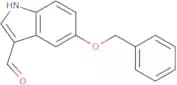
CAS:5-Benzyloxyindole-3-carboxaldehyde is a merocyanine dye that can be used as an antimycobacterial agent in cell culture. It is also fluorescent and has been shown to inhibit the growth of Mycobacterium tuberculosis. 5-Benzyloxyindole-3-carboxaldehyde has been synthesised by reacting 5,5′-dibenzoyloxydihydropyrene with indole and benzaldehyde. The hydrolysis of this compound yields the corresponding carboxylic acid and benzoic acid, which are then converted to the desired product by action of sodium ethoxide. Merocyanine dyes are characterized by a distinctive absorption band in the visible region at about 540 nm. These compounds have also been shown to inhibit renal cells, which may be due to their ability to act as nucleophiles or tautomers.
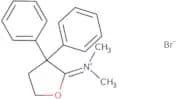
Fórmula:C16H13NO2Pureza:Min. 95%Cor e Forma:Off-White PowderPeso molecular:251.28 g/molN,N-Dimethyl-(tetrahydro-3,3 diphenyl-2-furilidine)ammonium bromide
CAS:N,N-Dimethyl-(tetrahydro-3,3 diphenyl-2-furilidine)ammonium bromide is a synthetic opioid analgesic and is used in the treatment of severe pain. It has been shown to cause life-threatening cardiac effects, supratherapeutic concentrations, or fatalities in humans and animals. N,N-Dimethyl-(tetrahydro-3,3 diphenyl-2-furilidine)ammonium bromide has also been shown to cause gastrointestinal inflammation in animal models. This drug acts as an agonist at opioid receptors and can be fatal at high doses.
Fórmula:C18H20BrNOPureza:Min. 95%Cor e Forma:White PowderPeso molecular:346.26 g/molCoumarin
CAS:Coumarin is an organic chemical compound, which is a naturally occurring substance found in various plants, including tonka beans, sweet clover, and cinnamon. Structurally, it is a benzopyrone, characterized by a benzene ring fused to a lactone. Coumarin acts primarily as an anticoagulant by inhibiting the synthesis of vitamin K-dependent clotting factors in the liver. This mode of action disrupts the coagulation cascade, reducing the blood’s ability to clot effectively.Fórmula:C9H6O2Pureza:Min. 95%Cor e Forma:White PowderPeso molecular:146.14 g/molPyridoxine dipalmitate
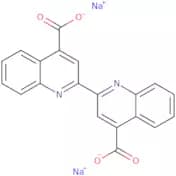
CAS:Pyridoxine dipalmitate is a polycarboxylic acid that is used as an antioxidant. It can be found in fruit extracts and has been shown to have antimicrobial properties. Pyridoxine dipalmitate also possesses antioxidant properties, which may be due to its ability to react with reactive oxygen species (ROS) and other free radicals. The compound has been shown to improve skin conditions and prevent damage caused by ROS. Pyridoxine dipalmitate is also used in the treatment of metabolic disorders, such as damaged cell membranes and fatty acid metabolism disorders. This compound may act as a cationic surfactant or phosphorus pentachloride.Fórmula:C40H71NO5Pureza:Min. 95%Cor e Forma:PowderPeso molecular:646 g/mol2,2'-Biquinoline-4,4'-dicarboxylic acid disodium salt
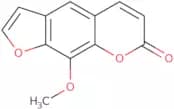
CAS:2,2'-Biquinoline-4,4'-dicarboxylic acid disodium salt is a model system for studying the sequence and hydrogen bonding interactions of polymers. It is a biocompatible polymer that has been shown to have inhibitory properties in response to atherosclerotic lesions. 2,2'-Biquinoline-4,4'-dicarboxylic acid disodium salt has shown optical properties that can be used as a signal in recording sequences. This polymerase chain reaction (PCR) substrate is able to bind with DNA and protein molecules when they are present in an appropriate buffer. The sequence of 2,2'-biquinoline-4,4'-dicarboxylic acid disodium salt is controlled by the coordination geometry of the metal ions involved in its formation.Fórmula:C20H10N2Na2O4Pureza:Min. 95%Cor e Forma:PowderPeso molecular:388.28 g/mol8-Methoxypsoralen
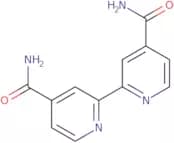
CAS:8-Methoxypsoralen is a furocoumarin compound, which is derived from natural plant sources such as the seeds of the Ammi majus plant. Its primary mode of action involves intercalation into DNA strands and the formation of covalent bonds with pyrimidine bases upon exposure to ultraviolet A (UVA) light. This interaction results in the inhibition of DNA synthesis and cell proliferation.Fórmula:C12H8O4Pureza:Min. 95%Cor e Forma:White PowderPeso molecular:216.19 g/mol2,2'-Bipyridine-4,4'-dicarboxamide
CAS:2,2'-Bipyridine-4,4'-dicarboxamide is a catalyst that can be used in a variety of reactions. It has been used as an additive to increase yields and to accelerate catalytic reactions. The compound also has the ability to oxidize picolinic acid and form formic acid. This product can be used in glycerol synthesis or hydrogen peroxide production. 2,2'-Bipyridine-4,4'-dicarboxamide is a ligand that binds to picolinic acid and peroxide ions, forming an ion pair with the peroxide ion. This complex increases the efficiency of hydrogen peroxide evolution from water by up to 100%.Fórmula:C12H10N4O2Pureza:Min. 95%Cor e Forma:PowderPeso molecular:242.23 g/mol3-Isobutyl-1-methylxanthine
CAS:Produto ControladoA non-specific inhibitor of cAMP and cGMP phosphodiesterases (PDEs) with IC50 values between 2 and 50 µM. 2-isobutyl-1-methylxanthine (IBMX) has also been found to inhibit phenylephrine-induced 5-HT release by neuroendocrine epithelial cells and IBMX-mediated increase in cAMP and upregulation of Ca2+ channels promotes neuronal differentiation. Additionally IBMX stimulates secretion of thyroid hormones, resulting in cAMP-mediated activation of glycogenolysis and reduced glycogen storage.Fórmula:C10H14N4O2Cor e Forma:Slightly Yellow PowderPeso molecular:222.24 g/mol(1R,2S,3S,5S)-3-(4-Iodophenyl)-8-methyl-8-azabicyclo[3.2.1]octane-2-carboxylicacid methyl ester
CAS:Produto Controlado(1R,2S,3S,5S)-3-(4-Iodophenyl)-8-methyl-8-azabicyclo[3.2.1]octane-2-carboxylicacid methyl ester is a molecule that has been shown to be effective in lowering the symptoms of Parkinson's disease. It also prevents the uptake of dopamine and serotonin in the brain by binding to dopamine and serotonin transporters on the cell membrane. This drug has been shown to be safe at doses up to 100 mg/kg/day in rats, but has not been tested in humans. The drug is stable in neutral pH environments and does not degrade upon exposure to light or oxygen.Fórmula:C16H20INO2Pureza:Min. 95%Peso molecular:385.24 g/mol




![(1R,2S,3S,5S)-3-(4-Iodophenyl)-8-methyl-8-azabicyclo[3.2.1]octane-2-carboxylicacid methyl ester](/_next/image/?url=https%3A%2Fstatic.cymitquimica.com%2Fproducts%2F3D%2Fthumb-webp%2FFI76761.webp&w=3840&q=75)