Compostos Policiclícos
Os compostos policíclicos são moléculas orgânicas que contêm múltiplos anéis interconectados. Esses compostos incluem hidrocarbonetos aromáticos policíclicos e outros sistemas de anéis complexos. Eles são significativos na ciência dos materiais, produtos farmacêuticos e eletrônica orgânica. Na CymitQuimica, oferecemos compostos policíclicos de alta qualidade para apoiar suas pesquisas e aplicações industriais, garantindo resultados confiáveis e eficazes em seus projetos.
Subcategorias de "Compostos Policiclícos"
- Acridinas(97 produtos)
- Antraquinonas(533 produtos)
- Ácidos antraquinonasulfónicos(16 produtos)
- Azobenzenos(270 produtos)
- Azonaftalenos(98 produtos)
- Azoxibenzenos(12 produtos)
- Azulenos(11 produtos)
- Benzimidazóis(1.475 produtos)
- Benzodioxanos(27 produtos)
- Benzofuranos(924 produtos)
- Benzotiofenos(700 produtos)
- Benzotriazóis(438 produtos)
- Binaftil(133 produtos)
- Carbazóis(462 produtos)
- Cromanos, Cromenos(480 produtos)
- Cumarinas(1.122 produtos)
- Ciclofanos(11 produtos)
- Fluorenos e Fluorenonas(381 produtos)
- Imidazopiridinas(10 produtos)
- Indans(118 produtos)
- Indazóis(2.037 produtos)
- Indenos(22 produtos)
- Indóis(3.988 produtos)
- Indolinas(119 produtos)
- Isatinas(234 produtos)
- Isobenzofuranos(17 produtos)
- Ftalimidas N-Substituída(153 produtos)
- Naftalenos(2.436 produtos)
- Naftiridina(17 produtos)
- Naftoquinona(2 produtos)
- Perilenos(36 produtos)
- Fenazinas(25 produtos)
- Ftalazinas(33 produtos)
- Ftalimida(153 produtos)
- Hidrocarbonetos aromáticos policíclicos (PAHs)(270 produtos)
- Polifenol(261 produtos)
- Pteridinas(52 produtos)
- Pireno(87 produtos)
- Quinuclidina(1 produtos)
- Tetracenos(7 produtos)
Exibir 32 mais subcategorias
Foram encontrados 4574 produtos de "Compostos Policiclícos"
Ordenar por
Pureza (%)
0
100
|
0
|
50
|
90
|
95
|
100
6-Chloroisatin
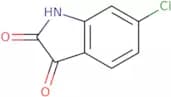
CAS:<p>6-Chloroisatin is a potent inhibitor of bacterial growth that binds to the 50S ribosomal subunit. It has been shown to have strong inhibitory activity against tuberculosis and sulphamethoxazole-resistant strains of Mycobacterium tuberculosis. 6-Chloroisatin inhibits bacterial growth by binding to the 50S ribosomal subunit, thereby preventing protein synthesis and cell division. The electron deficient form of 6-chloroisatin reacts with the electron rich sulphamethoxazole by displacement of chloride ion from the sulphonamide ring, forming a regiospecific product that inhibits bacterial respiration. This reaction system is inhibited by activated carbon, which may be a potential therapeutic strategy for patients with drug resistant tuberculosis.</p>Fórmula:C8H4ClNO2Pureza:Min. 95%Peso molecular:181.58 g/molAlloisoimperatorin
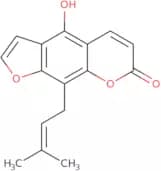
CAS:Alloisoimperatorin is a naturally occurring furanocoumarin compound, which is extracted from certain plant species, primarily those belonging to the Apiaceae family. As a type of coumarin derivative, it is synthesized through intricate plant metabolic pathways involving the precursors umbelliferone and isopentenyl pyrophosphate, among others.Fórmula:C16H14O4Pureza:Min. 95%Peso molecular:270.28 g/mol3-(1,1-Dimethylethyl)-3α,8β-dihydro-8β-hydroxy-4H-indeno[2,1-d]isoxazol-4-one
CAS:Please enquire for more information about 3-(1,1-Dimethylethyl)-3α,8β-dihydro-8β-hydroxy-4H-indeno[2,1-d]isoxazol-4-one including the price, delivery time and more detailed product information at the technical inquiry form on this pageFórmula:C14H15NO3Pureza:Min. 95%Cor e Forma:PowderPeso molecular:245.27 g/mol1,1'-Dimethyl-4,4'-bipyridinium diiodide
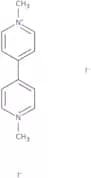
CAS:1,1'-Dimethyl-4,4'-bipyridinium diiodide (DMBI) is a hydrophobic compound that is soluble in organic solvents. It has been validated as a new optical probe for the detection of hydrogen peroxide by spectroscopic techniques. DMBI reacts with hydrogen peroxide to form an excited state molecule (a radical species) which produces a photocurrent when irradiated with light. The wavelength of the photogenerated current can be used to determine the concentration of hydrogen peroxide present. DMBI can also be used to detect hydrophilic compounds such as urea or creatinine. The reduction products formed by the reaction with these compounds are more hydrophilic and can be detected by this technique.Fórmula:C12H14N2·I2Pureza:Min. 95%Cor e Forma:PowderPeso molecular:440.06 g/mol5-Chloro-1,10-phenanthroline
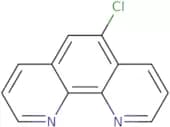
CAS:5-Chloro-1,10-phenanthroline (5CP) is a molecule that has been used in the study of DNA oxidation. 5CP has been shown to be an effective inhibitor of oxidative dna damage and can be used for the prevention of mutations caused by reactive oxygen species. This compound was also found to inhibit the growth of L1210 murine leukemia cells, which is due to its ability to bind to potassium ions. 5CP has been shown to have significant binding constants with DNA and protein molecules. It also has a very high level of ancillary activity and can be used as a catalyst in transfer reactions.Fórmula:C12H7ClN2Pureza:Min. 97.5 Area-%Cor e Forma:Red PowderPeso molecular:214.65 g/mol6-(Dimethylamino)purine
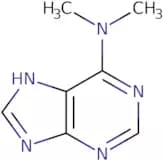
CAS:6-(Dimethylamino)purine (6-DAP) is a purine nucleoside that acts as an inhibitor of the transcription factor leukemia inhibitory factor (LIF). 6-DAP binds to the response element in the promoter region of LIF and blocks the binding of LIF to this site. This prevents transcription of LIF, which leads to cell cycle arrest. 6-DAP also has inhibitory effects on skin cells and inhibits the formation of fetal bovine serum protein in a model system. 6-DAP binds to nuclear DNA and alters its structure, which may cause problems with DNA replication or transcription.Fórmula:C7H9N5Pureza:Min. 98 Area-%Cor e Forma:White PowderPeso molecular:163.18 g/molFerene disodium salt
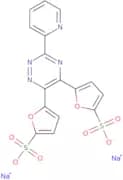
CAS:Ferene is an iron chelate that has been shown to have a number of beneficial effects on iron homeostasis. Ferene has been used in the treatment of chronic viral hepatitis, and it has also been shown to be effective against galleria mellonella. Ferene is a metal chelate, which means that it is a type of molecule that contains two metal ions. The metal ions are usually connected by a central atom, such as oxygen or nitrogen. Ferene disodium salt can be synthesized in the lab using the chemiluminescence method and polymerase chain reaction (PCR). It is also possible to isolate ferene from human serum or from a model system.Fórmula:C16H8N4Na2O8S2Pureza:Min. 95 Area-%Cor e Forma:Yellow PowderPeso molecular:494.37 g/mol5-Ethylindole-2-carboxylic acid
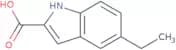
CAS:<p>5-Ethylindole-2-carboxylic acid is an organic compound that is a decarboxylation product of indole. It can be obtained by catalytic dehydrogenation of ethyl ester or 5-ethylindole-2-carboxylic acid. It has been shown to inhibit the growth of bacteria and fungi, as well as to have anti-inflammatory properties.</p>Fórmula:C11H11NO2Pureza:Min. 95%Peso molecular:189.21 g/molColumbianadin
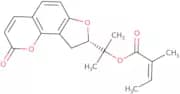
CAS:<p>Columbianadin is a coumarin derivative, which is a natural compound primarily extracted from plants in the Apiaceae family, such as Angelica species. This natural product possesses a unique molecular structure characterized by the presence of a coumarin skeleton, which is responsible for its diverse biological activities.</p>Fórmula:C19H20O5Pureza:Min. 98 Area-%Cor e Forma:PowderPeso molecular:328.36 g/molHypoxanthine
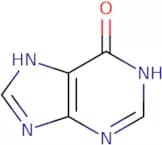
CAS:<p>Hypoxanthine is a nucleoside that is found in human cells. It is synthesized from guanine by the enzyme, xanthine oxidoreductase. Hypoxanthine is also produced from xanthine by adenosine deaminase and converted back to xanthine, which can then be reused for DNA synthesis. Hypoxanthine has been shown to inhibit the growth of photosynthetic bacteria, such as Rhodopseudomonas viridis and Rhodobacter sphaeroides. This inhibition may be due to an equilibrative nucleotide effect on the folate receptor. The x-ray diffraction data collected from the chrysanthemum flower (a source of hypoxanthine) showed that hypoxanthine has a calcium salt structure.</p>Fórmula:C5H4N4OPureza:Min. 95%Cor e Forma:White PowderPeso molecular:136.11 g/molN-(1R,8S,9s)-Bicyclo[6.1.0]non-4-yn-9-ylmethyloxycarbonyl-1,8-diamino-3,6-dioxaoctane
CAS:N-(1R,8S,9s)-Bicyclo[6.1.0]non-4-yn-9-ylmethyloxycarbonyl-1,8-diamino-3,6-dioxaoctane is a polymerase that has been developed for use in vaccines and as an agrochemical for the control of plant diseases. This enzyme has been shown to have high activity against cancer cells, including lung cancer cells and breast cancer cells. It is also autofluorescent and can be used as a cell marker in flow cytometry experiments. N-(1R,8S,9s)-Bicyclo[6.1.0]non-4-yn-9-ylmethyloxycarbonyl-1,8-diamino-3,6-dioxaoctane also has antiinflammatory effects on macrophages by inhibiting the production of proinflammatory cytokines such as IL 12pFórmula:C17H28N2O4Pureza:Min. 95%Cor e Forma:Colorless Clear LiquidPeso molecular:324.42 g/mol3-Cyclohexyl-1-[4-[2-(7-methoxy -4,4-dimethyl-1,3-dioxo-isoquinolin -2-yl)ethyl]phenyl]sulfonyl-urea
CAS:3-Cyclohexyl-1-[4-[2-(7-methoxy -4,4-dimethyl-1,3-dioxo-isoquinolin -2-yl)ethyl]phenyl]sulfonyl-urea is a drug that inhibits the enzyme DPPIV, which breaks down the incretin hormone glucagon-like peptide (GLP)-1. It may be used to treat diabetes by regulating blood glucose levels. This drug has been shown to reduce postprandial blood glucose levels in patients with type 2 diabetes. 3CYCSU is also capable of reducing body weight and food intake in mice. The mechanism of action of this drug is not fully understood, but it appears to have an effect on the cytosolic calcium ion concentration and may reduce inflammatory responses in cells. 3CYCSU is a promising potential treatment for infectious diseases such as Hepatitis C virus (HCV).Fórmula:C27H33N3O6SCor e Forma:PowderPeso molecular:527.63 g/molMethyl indolyl-3-glyoxylate
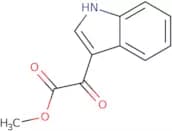
CAS:Methyl indolyl-3-glyoxylate is an active analogue of hepg2, a protein involved in the synthesis of prenylated proteins. It inhibits the prenylation of proteins and halides by binding to ATP, preventing the formation of a covalent bond between ATP and the protein. Methyl indolyl-3-glyoxylate has been shown to induce apoptosis in HeLa cells by inhibiting cell proliferation and DNA synthesis. This compound also causes g1 phase arrest, which may be due to its ability to alkylate DNA. Methyl indolyl-3-glyoxylate has also been shown to be effective against cancer cells in vitro and in vivo, particularly those that are resistant to other chemotherapeutic drugs.Fórmula:C11H9NO3Pureza:Min. 95%Cor e Forma:PowderPeso molecular:203.19 g/mol8-Methylxanthine
CAS:8-Methylxanthine is a metabolite of caffeine and theophylline. It has been shown to be a pro-inflammatory cytokine that stimulates the production of other pro-inflammatory cytokines such as interleukin (IL)-1β, IL-6, and tumor necrosis factor alpha (TNFα). 8-Methylxanthine is also a substrate for cytochrome P450 enzyme activity, which is responsible for metabolizing many drugs and other chemicals in the body. This compound has been detected in human liver and urine samples. 8-Methylxanthine has cytotoxic properties and may serve as an antioxidant. Mass spectrometric detection methods are used to identify this compound in biological fluids.Fórmula:C6H6N4O2Pureza:Min. 95%Cor e Forma:PowderPeso molecular:166.14 g/molTicarcillin disodium
CAS:Ticarcillin is a bactericidal antibiotic that is used to treat many types of infections caused by gram-positive bacteria, such as Streptococcus pneumoniae, Enterococcus faecalis and Enterococcus faecium. Ticarcillin has been shown to be effective against antibiotic-resistant strains of bacteria, including multidrug efflux pumps. This drug also has been shown to inhibit the growth of gram-negative bacteria such as Escherichia coli and Pseudomonas aeruginosa. Ticarcillin is used in combination with clavulanic acid for the treatment of infections caused by beta-lactamase producing organisms. It is also used in wastewater treatment to inhibit the growth of gram-negative bacteria that are resistant to other antibiotics. Ticarcillin can interfere with other medications by inhibiting their metabolism through cytochrome P450 enzymes or through competition for protein binding sites.Fórmula:C15H16N2Na2O6S2Pureza:Min. 80.0 Area-%Cor e Forma:White PowderPeso molecular:430.41 g/mol8-Methyl-3,8-diazabicyclo[3.2.1]octane dihydrochloride
CAS:8-Methyl-3,8-diazabicyclo[3.2.1]octane dihydrochloride is a high quality reagent that is used as an intermediate in the synthesis of complex compounds. This compound has been shown to be useful as a scaffold for the synthesis of new compounds and is also a versatile building block for reactions in organic chemistry. 8-Methyl-3,8-diazabicyclo[3.2.1]octane dihydrochloride is also used as a speciality chemical and research chemical in various fields such as pharmaceuticals, agrochemicals, and other industries.Fórmula:C7H16Cl2N2Pureza:Min. 95 Area-%Cor e Forma:PowderPeso molecular:199.12 g/molEthyl 6-Bromoindole-2-carboxylate
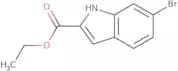
CAS:Please enquire for more information about Ethyl 6-Bromoindole-2-carboxylate including the price, delivery time and more detailed product information at the technical inquiry form on this pageFórmula:C11H10BrNO2Pureza:Min. 95%Peso molecular:268.11 g/molL(+)-Amethopterin hydrate
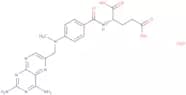
CAS:L(+)-Amethopterin hydrate is an immunosuppressant that suppresses the immune system by inhibiting RNA synthesis. It is a structural analogue of folic acid and has been shown to be effective in treating autoimmune diseases, such as rheumatoid arthritis. L(+)-Amethopterin hydrate is a neutral compound that is soluble in water and microsomal membranes, making it more easily absorbed through the gut than other compounds of this class. It also has been shown to have no toxic effects on cardiac cells at therapeutic concentrations. These properties make L(+)-Amethopterin hydrate an attractive candidate for treating autoimmune diseases when other treatments have failed.Fórmula:C20H22N8O5·xH2OPureza:Min. 98 Area-%Cor e Forma:Yellow PowderPeso molecular:454.44 g/mol5-Methylindole-3-acetic acid
CAS:5-Methylindole-3-acetic acid (5MI3A) is a molecule that has been shown to have antiproliferative properties in bladder cancer cells. 5MI3A binds to the receptor for GABA, which is an inhibitory neurotransmitter. It also inhibits the production of proinflammatory mediators and reactive oxygen species in cancer cells. 5MI3A has anticancer activity in prostate cancer cells and may act by inducing apoptosis and inhibiting cell proliferation. Consumption of 5MI3A may reduce the risk of cancer development by preventing DNA damage from carcinogens, suppressing inflammation, and regulating cell growth through its antagonistic properties.Fórmula:C11H11NO2Pureza:Min. 95%Cor e Forma:PowderPeso molecular:189.21 g/mol7-Cyanoindole
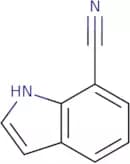
CAS:7-Cyanoindole is a synthetic compound that can be synthesized from amino-acids. The synthesis of 7-cyanoindole starts with the hydration of cyanamide, which yields cyanogen chloride. This reaction is followed by the dehydration of this molecule to produce 7-cyanoindole. The fluorescence properties and lifetimes are dependent on the hydration and dehydrations states. Synthetically, 7-cyanoindole is used as a fluorescent probe for amino acids in solution. This probe has been shown to bind to amino acids at acidic pHs and fluoresce brightly at wavelengths around 400 nm. Industrialized methods for synthesis include reacting cyanoacetylene with ammonia or methylamine in the presence of silicane or silicon dioxide as a catalyst. Reaction yield is dependent on the method used and ranges from 10% to 100%.Fórmula:C9H6N2Pureza:Min. 95%Cor e Forma:Off-White PowderPeso molecular:142.16 g/mol

![3-(1,1-Dimethylethyl)-3α,8β-dihydro-8β-hydroxy-4H-indeno[2,1-d]isoxazol-4-one](/_next/image/?url=https%3A%2Fstatic.cymitquimica.com%2Fproducts%2F3D%2Fthumb-webp%2FFA169676.webp&w=3840&q=75)
![N-(1R,8S,9s)-Bicyclo[6.1.0]non-4-yn-9-ylmethyloxycarbonyl-1,8-diamino-3,6-dioxaoctane](/_next/image/?url=https%3A%2Fstatic.cymitquimica.com%2Fproducts%2F3D%2Fthumb-webp%2FFB60339.webp&w=3840&q=75)
![3-Cyclohexyl-1-[4-[2-(7-methoxy -4,4-dimethyl-1,3-dioxo-isoquinolin -2-yl)ethyl]phenyl]sulfonyl-ur…](/_next/image/?url=https%3A%2Fstatic.cymitquimica.com%2Fproducts%2F3D%2Fthumb-webp%2FFG40551.webp&w=3840&q=75)


![8-Methyl-3,8-diazabicyclo[3.2.1]octane dihydrochloride](/_next/image/?url=https%3A%2Fstatic.cymitquimica.com%2Fproducts%2F3D%2Fthumb-webp%2FFM140960.webp&w=3840&q=75)