Compostos Policiclícos
Os compostos policíclicos são moléculas orgânicas que contêm múltiplos anéis interconectados. Esses compostos incluem hidrocarbonetos aromáticos policíclicos e outros sistemas de anéis complexos. Eles são significativos na ciência dos materiais, produtos farmacêuticos e eletrônica orgânica. Na CymitQuimica, oferecemos compostos policíclicos de alta qualidade para apoiar suas pesquisas e aplicações industriais, garantindo resultados confiáveis e eficazes em seus projetos.
Subcategorias de "Compostos Policiclícos"
- Acridinas(97 produtos)
- Antraquinonas(533 produtos)
- Ácidos antraquinonasulfónicos(16 produtos)
- Azobenzenos(270 produtos)
- Azonaftalenos(98 produtos)
- Azoxibenzenos(12 produtos)
- Azulenos(11 produtos)
- Benzimidazóis(1.475 produtos)
- Benzodioxanos(27 produtos)
- Benzofuranos(924 produtos)
- Benzotiofenos(700 produtos)
- Benzotriazóis(438 produtos)
- Binaftil(133 produtos)
- Carbazóis(462 produtos)
- Cromanos, Cromenos(480 produtos)
- Cumarinas(1.122 produtos)
- Ciclofanos(11 produtos)
- Fluorenos e Fluorenonas(381 produtos)
- Imidazopiridinas(10 produtos)
- Indans(118 produtos)
- Indazóis(2.037 produtos)
- Indenos(22 produtos)
- Indóis(3.988 produtos)
- Indolinas(119 produtos)
- Isatinas(234 produtos)
- Isobenzofuranos(17 produtos)
- Ftalimidas N-Substituída(153 produtos)
- Naftalenos(2.436 produtos)
- Naftiridina(17 produtos)
- Naftoquinona(2 produtos)
- Perilenos(36 produtos)
- Fenazinas(25 produtos)
- Ftalazinas(33 produtos)
- Ftalimida(153 produtos)
- Hidrocarbonetos aromáticos policíclicos (PAHs)(270 produtos)
- Polifenol(261 produtos)
- Pteridinas(52 produtos)
- Pireno(87 produtos)
- Quinuclidina(1 produtos)
- Tetracenos(7 produtos)
Exibir 32 mais subcategorias
Foram encontrados 4574 produtos de "Compostos Policiclícos"
Ordenar por
Pureza (%)
0
100
|
0
|
50
|
90
|
95
|
100
L-5-Methyltetrahydrofolate calcium
CAS:L-5-Methyltetrahydrofolate calcium is also known as calcium levomefolate; N-[4-[[(2-amino-1,4,5,6,7,8-hexahydro-5-methyl-4-oxo-6-pteridinyl)methyl]amino]benzoyl]-L-glutamic acid, calcium salt; and L-5-MTHF. L-5-Methyltetrahydrofolate calcium is the calcium salt of L-5-methyltetrahydrofolic acid, and a member of the folate group of vitamins (Vitamin B9). It is the coenzymated and most active form of folic acid, which performs many vital cellular functions, including DNA reproduction, cysteine cycle and homocysteine regulation. L-5-Methyltetrahydrofolate calcium is used as in dietary supplements and has been proposed for treatment of cardiovascular disease.Fórmula:C20H23CaN7O6Pureza:Min. 95 Area-%Cor e Forma:White PowderPeso molecular:497.52 g/mol(1R)-(-)-2-Azabicyclo[2.2.1]hept-5-en-3-one
CAS:(1R)-(-)-2-Azabicyclo[2.2.1]hept-5-en-3-one is a carbocyclic nucleoside that has been used as a flow rate standard to measure the rate of liquid chromatography. It is an organic solvent, which has been shown to have kinetic properties in the ring opening of lactams and the hydrolysis of esters. (1R)-(-)-2-Azabicyclo[2.2.1]hept-5-en-3-one can be synthesized by reacting with a cocatalyst and a reaction time of less than 5 minutes at room temperature in a high performance liquid chromatography method or by liquid chromatography with preparative methods.br>br> (1R)-(-)-2-Azabicyclo[2.2.1]hept-5-en-3-one is used as a binding agent forFórmula:C6H7NOPureza:Min. 98 Area-%Cor e Forma:White PowderPeso molecular:109.13 g/mol6-Azaindole
CAS:<p>6-Azaindole is a drug that inhibits the activity of the enzyme aromatase, which is responsible for the conversion of testosterone to estrogen. 6-Azaindole has shown potent inhibitory activity against cancer cells in vitro and in vivo. It also has an inhibitory effect on pain relief mechanisms at low doses, but not at high doses. The mechanism of action is complex and multifactorial; it may involve inhibition of proton transfer, receptor activity, and/or inhibition of nitrogen atoms. The synthesis of 6-azaindoles can be carried out using a variety of methods and starting materials, including asymmetric synthesis or reduction of an n-oxide moiety.</p>Fórmula:C7H6N2Pureza:Min. 95%Cor e Forma:PowderPeso molecular:118.14 g/mol13,4-diaza-5-(tert-butyl)-2-hydroxy-7-oxotricyclo[6.4.0.0<2,6>]dodeca-1(8),4,9,11-tetraene-3-carboxamide
CAS:Please enquire for more information about 13,4-diaza-5-(tert-butyl)-2-hydroxy-7-oxotricyclo[6.4.0.0<2,6>]dodeca-1(8),4,9,11-tetraene-3-carboxamide including the price, delivery time and more detailed product information at the technical inquiry form on this pagePureza:Min. 95%6-Bromo-2-oxindole
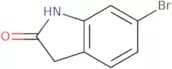
CAS:<p>6-Bromo-2-oxindole is a crystalline compound with a molecular formula of C10H6BrO. It has been shown to have a high efficiency in the production of butyric acid and other organic acids. 6-Bromo-2-oxindole is also used in electron microscopy studies as an electron acceptor, and can be used for producing polymers with crystalline structures and dihedral angles. The compound has been shown to inhibit the growth of breast cancer cells by preventing the synthesis of mda-mb-231 breast cancer cells. It also has been shown to inhibit the production of isoindigo and morphology.</p>Fórmula:C8H6BrNOPureza:Min. 98 Area-%Cor e Forma:PowderPeso molecular:212.04 g/mol5-Formylindole
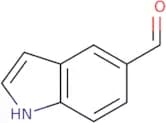
CAS:5-Formylindole is a non-selective and irreversible inhibitor of protein α, which is the catalytic subunit of the enzyme AMP-activated protein kinase. It binds to the hydroxyl group at position Cys177 in the ATP binding pocket of protein α, thereby inhibiting its activity. 5-Formylindole has been shown to inhibit tumor growth in xenografts and also inhibits fat accumulation in 3T3-L1 preadipocytes by inhibition of fatty acid synthesis. This compound has also been used to study molecular modeling in order to understand hydrogen bond interactions between aldehyde groups and intramolecular hydrogen. The genus that this compound belongs to is stilbene derivatives.Fórmula:C9H7NOPureza:Min. 95%Cor e Forma:PowderPeso molecular:145.16 g/mol6-Methyl-1H-indole-3-carbaldehyde
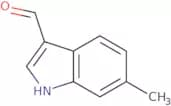
CAS:6-Methyl-1H-indole-3-carbaldehyde is a synthetic chemical that has been used as a reagent in the form of its sodium salt. It is an acetylating agent and can be used for formylation reactions. 6-Methyl-1H-indole-3-carbaldehyde has shown strong antifungal activity against phytopathogenic fungi such as Fusarium, Rhizoctonia, and Phytophthora. This chemical also has a triazine group, which can be used to enhance the herbicidal properties of certain compounds.Fórmula:C10H9NOPureza:Min. 95%Cor e Forma:PowderPeso molecular:159.18 g/molBergamottin
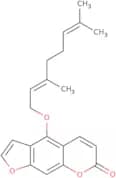
CAS:<p>Bergamottin is a furanocoumarin compound, which is primarily found in grapefruit juice and other citrus fruits. It is derived from natural sources, specifically within the fruit and peel of grapefruits. The mode of action of Bergamottin involves the inhibition of the cytochrome P450 enzymes, particularly CYP3A4, which play a significant role in the metabolism of various drugs. This inhibitory effect can alter the pharmacokinetics of certain medications by increasing their bioavailability.</p>Fórmula:C21H22O4Pureza:Min. 98 Area-%Cor e Forma:White PowderPeso molecular:338.4 g/mol5,6-Difluoroindole
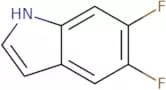
CAS:5,6-Difluoroindole is a chemical compound that has been studied in biological and chemical research. It is an analog of the neurotransmitter serotonin, which binds to the 5-HT2C receptor and activates phospholipase C (PLC) to produce inositol triphosphate (IP3). This compound may be useful for the treatment of neurodegenerative diseases such as Alzheimer's disease. 5,6-Difluoroindole has been shown to block the activity of acetylcholinesterase (AChE), which is an enzyme that breaks down acetylcholine. This leads to an increase in acetylcholine levels and a decrease in AChE activity. The reaction mechanism for this process is not known.Fórmula:C8H5NF2Cor e Forma:PowderPeso molecular:153.13 g/mol4,4'-Diethyl-2,2'-bipyridine
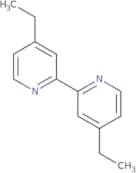
CAS:Please enquire for more information about 4,4'-Diethyl-2,2'-bipyridine including the price, delivery time and more detailed product information at the technical inquiry form on this pageFórmula:C14H16N2Pureza:Min. 95%Cor e Forma:PowderPeso molecular:212.29 g/molMethyl (1R,2S,3S,5S)-3-(4-Fluorophenyl)-8-[(E)-3-Iodoprop-2-Enyl]-8-Azabicyclo[3.2.1]Octane-2-Carboxylate
CAS:Produto ControladoMethyl (1R,2S,3S,5S)-3-(4-fluorophenyl)-8-[(E)-3-iodoprop-2-enyl]-8-azabicyclo[3.2.1]octane-2-carboxylate is an imaging agent that is used to diagnose and treat bowel diseases. It has pharmacokinetic properties that allow for a more accurate diagnosis of eye disorders and bowel disease. Methyl (1R,2S,3S,5S)-3-(4-fluorophenyl)-8-[(E)-3-iodoprop-2-enyl]-8-azabicyclo[3.2.1]octane-2-carboxylate is a DPPIV inhibitor that modulates the dopamine transporter in the brain by binding to its extracellular site of action on dopamine transporter proteins and blocking the reuptake of dopamine into the presFórmula:C18H21FINO2Pureza:Min. 95%Peso molecular:429.27 g/molIndole-3-carboxaldehyde
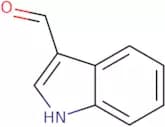
CAS:Indole-3-carboxaldehyde is a chemical compound that is used as an antimicrobial agent. The biological properties of this compound are not well studied, but it has been shown to be effective against bacteria and fungi. Indole-3-carboxaldehyde has been shown to inhibit the enzyme activity of sodium carbonate, which is involved in the production of lactic acid in bacteria. This effect may contribute to its antibacterial activity. Indole-3-carboxaldehyde is also a potential anticancer agent because it can bind to toll-like receptor 4 (TLR4). Indole-3-carboxaldehyde reacts with sulfa drugs through a mechanism similar to the reaction between hydrogen peroxide and potassium permanganate. It has been shown that indole-3-carboxaldehyde can be used as a pesticide for plants and as an electrochemical impedance spectroscopy probe for histological analysis.Fórmula:C9H7NOCor e Forma:PowderPeso molecular:145.16 g/mol7-Hydroxyquinoline-(1H)-2-one
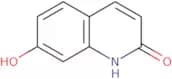
CAS:7-Hydroxyquinoline-(1H)-2-one is a quinoline derivative that binds to epidermal growth factor (EGF) receptors. It has been shown to inhibit the chloride current in neurons, which may be due to its ability to bind to the dopamine receptors in these cells. 7-Hydroxyquinoline-(1H)-2-one also inhibits DNA and protein synthesis by binding to nucleophilic nitrogen atoms and protonated nitrogen atoms, respectively. It has been shown to have an inhibitory effect on cancer cell growth in control experiments. This drug is not active against normal cells because it does not bind well to them. 7-Hydroxyquinoline-(1H)-2-one binds with high affinity to piperazine and this interaction can be used as a fluorescent probe for the presence of quinoline derivatives.Fórmula:C9H7NO2Pureza:Min. 95%Cor e Forma:PowderPeso molecular:161.16 g/mol5-Methylindole-2-carboxylic acid
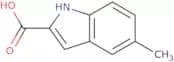
CAS:<p>5-Methylindole-2-carboxylic acid (5MICA) is a synthetic compound that has been shown to be cytotoxic in vitro. It has been shown to inhibit the growth of multiple cancer cell lines, including hepatoma cells, and is currently being studied as a potential anticancer drug. 5MICA inhibits the synthesis of protein and RNA by binding to the ribosome. This inhibition leads to cell death by apoptosis. 5MICA also exhibits an antimicrobial effect against opportunistic fungal pathogens such as Candida albicans, Aspergillus fumigatus, and Cryptococcus neoformans. The mechanism for this inhibition is unknown but may involve inhibition of protein synthesis or other cellular processes.</p>Fórmula:C10H9NO2Pureza:Min. 95%Cor e Forma:PowderPeso molecular:175.18 g/molPiperacillin
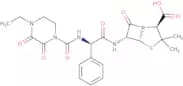
CAS:Piperacillin is a β-lactam antibiotic that inhibits the synthesis of bacterial cell walls by binding to penicillin-binding proteins. It is used for the treatment of serious infections caused by gram-negative organisms such as Aerogenes, Enterobacter, and Klebsiella. Piperacillin has a high MIC90 value against Staphylococcus and other gram-positive bacteria, but it is not active against β-lactamase producing strains of bacteria such as E. coli or Klebsiella pneumoniae. The MIC90 values are determined through an analytical method on different strains of bacteria and validated with a sample preparation before use in clinical trials.Fórmula:C23H27N5O7SPureza:Min. 95 Area-%Cor e Forma:White PowderPeso molecular:517.56 g/molVindoline
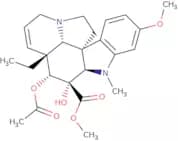
CAS:Produto Controlado<p>Vindoline is a monoterpenoid indole alkaloid that is found in plants of the genus Vinca. It has been used to prepare samples for thin-layer chromatography, and can be detected by sephadex g-100. The reaction mechanism of vindoline is thought to be similar to other indole alkaloids, such as tryptamine, where two molecules are combined through a covalent bond between the amine group and the carbonyl group. Vindoline has been shown to inhibit polymerase chain reactions and also has a number of biological properties that could be useful in tissue culture. This natural product structure has been shown to have steric interactions with enzymes, including tyrosinase, which is involved in plant metabolism. Vindoline may also be able to inhibit plant physiology by altering photosynthesis or respiration.</p>Fórmula:C25H32N2O6Pureza:Min. 98 Area-%Cor e Forma:White PowderPeso molecular:456.53 g/mol5,6-Methylenedioxyindole
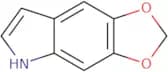
CAS:<p>5,6-Methylenedioxyindole (MDI) is a compound that is often used in the synthesis of other bioactive molecules. It has been shown to bind to the pyridinium moiety of receptor sites and form a stable complex, which can then be displaced by an agonist or antagonist. The binding experiments were performed using radioactive MDI and zoxazolamine as the ligand. Radiolabelled MDI was synthesized from 5-methyl-2-pyridinone with the use of a linker, methylenetriphenylphosphorane (MTPP). The molecular electrostatic potentials of the two compounds were calculated in order to investigate the possible binding interactions between them. Ellipticines are also synthesised using MDI as a precursor molecule, which is alkylated with dimethyl sulfate and then reacted with phenylhydrazine. This reaction produces a mixture containing both ellipticines and</p>Fórmula:C9H7NO2Pureza:Min. 95%Peso molecular:161.16 g/molOsthole
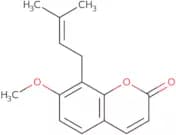
CAS:Osthole is a coumarin derivative, which is a type of natural compound. It is predominantly sourced from the Cnidium monnieri plant, as well as other Apiaceae family members. Osthole exerts its effects primarily through modulation of various molecular pathways, including the suppression of inflammatory mediators and the modulation of calcium channels, which results in vasodilation and various other physiological effects.Fórmula:C15H16O3Pureza:Min. 95%Cor e Forma:PowderPeso molecular:244.29 g/mol6-Iodopurine
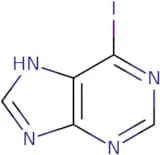
CAS:6-Iodopurine is a biologically active substance that belongs to the group of carbinols. It is biosynthesized from 6-chloropurine and an iridoid glucoside, and has been shown to have biochemical properties. 6-Iodopurine can be converted into 6-iodoindoxyl by oxidation with halogens or transfer mechanism with palladium-catalyzed cross-coupling. A high efficiency method for the synthesis of this substance has been developed using a strain of bacteria. The reaction requires an activation energy of 150 kJ/mol.br> 6-Iodopurine inhibits tumor growth by inhibiting DNA synthesis. It also possesses anti-inflammatory activity, which may be due to its inhibitory effects on prostaglandin synthesis.Fórmula:C5H3IN4Pureza:Min. 95%Cor e Forma:White PowderPeso molecular:246.01 g/mol1H-Indazole-3-carboxylic acid
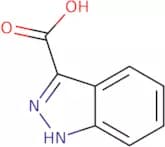
CAS:1H-Indazole-3-carboxylic acid is an organic compound with a molecular formula of C9H6N2O2. It is a colorless solid, but appears yellow in solution. This compound has been shown to inhibit protein synthesis by binding to the apical site of the ribosome, preventing the peptide bond from forming between amino acids. It also inhibits carboxylate metabolism and cellular glycolysis by inhibiting ATP production. 1H-Indazole-3-carboxylic acid has been shown to be effective against cancer cells and can be used as a potential anti-cancer drug.Fórmula:C8H6N2O2Pureza:Min. 98 Area-%Cor e Forma:PowderPeso molecular:162.15 g/mol


![(1R)-(-)-2-Azabicyclo[2.2.1]hept-5-en-3-one](/_next/image/?url=https%3A%2Fstatic.cymitquimica.com%2Fproducts%2F3D%2Fthumb-webp%2FFA18047.webp&w=3840&q=75)

![13,4-diaza-5-(tert-butyl)-2-hydroxy-7-oxotricyclo[6.4.0.0<2,6>]dodeca-1(8),4,9,11-tetraene-3-carbo…](/_next/image/?url=https%3A%2Fstatic.cymitquimica.com%2Fproducts%2F3D%2Fthumb-webp%2FFD169872.webp&w=3840&q=75)
![Methyl (1R,2S,3S,5S)-3-(4-Fluorophenyl)-8-[(E)-3-Iodoprop-2-Enyl]-8-Azabicyclo[3.2.1]Octane-2-Carb…](/_next/image/?url=https%3A%2Fstatic.cymitquimica.com%2Fproducts%2F3D%2Fthumb-webp%2FFM102777.webp&w=3840&q=75)