Compostos Policiclícos
Os compostos policíclicos são moléculas orgânicas que contêm múltiplos anéis interconectados. Esses compostos incluem hidrocarbonetos aromáticos policíclicos e outros sistemas de anéis complexos. Eles são significativos na ciência dos materiais, produtos farmacêuticos e eletrônica orgânica. Na CymitQuimica, oferecemos compostos policíclicos de alta qualidade para apoiar suas pesquisas e aplicações industriais, garantindo resultados confiáveis e eficazes em seus projetos.
Subcategorias de "Compostos Policiclícos"
- Acridinas(97 produtos)
- Antraquinonas(533 produtos)
- Ácidos antraquinonasulfónicos(16 produtos)
- Azobenzenos(270 produtos)
- Azonaftalenos(98 produtos)
- Azoxibenzenos(12 produtos)
- Azulenos(11 produtos)
- Benzimidazóis(1.475 produtos)
- Benzodioxanos(27 produtos)
- Benzofuranos(924 produtos)
- Benzotiofenos(700 produtos)
- Benzotriazóis(438 produtos)
- Binaftil(133 produtos)
- Carbazóis(462 produtos)
- Cromanos, Cromenos(480 produtos)
- Cumarinas(1.122 produtos)
- Ciclofanos(11 produtos)
- Fluorenos e Fluorenonas(381 produtos)
- Imidazopiridinas(10 produtos)
- Indans(118 produtos)
- Indazóis(2.037 produtos)
- Indenos(22 produtos)
- Indóis(3.988 produtos)
- Indolinas(119 produtos)
- Isatinas(234 produtos)
- Isobenzofuranos(17 produtos)
- Ftalimidas N-Substituída(153 produtos)
- Naftalenos(2.436 produtos)
- Naftiridina(17 produtos)
- Naftoquinona(2 produtos)
- Perilenos(36 produtos)
- Fenazinas(25 produtos)
- Ftalazinas(33 produtos)
- Ftalimida(153 produtos)
- Hidrocarbonetos aromáticos policíclicos (PAHs)(270 produtos)
- Polifenol(261 produtos)
- Pteridinas(52 produtos)
- Pireno(87 produtos)
- Quinuclidina(1 produtos)
- Tetracenos(7 produtos)
Exibir 32 mais subcategorias
Foram encontrados 4574 produtos de "Compostos Policiclícos"
Ordenar por
Pureza (%)
0
100
|
0
|
50
|
90
|
95
|
100
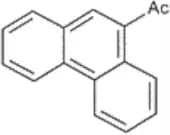
9-Acetylphenanthrene
CAS:<p>9-Acetylphenanthrene is a pyridinium salt with triazolium and reduction products. The reduction products are formed by the reaction of the 9-acetylphenanthrene with chlorine atom or activated cyclic hydrocarbons. 9-Acetylphenanthrene has been shown to have glucocorticoid receptor affinity, which is due to its ability to bind to the hormone receptor in the cell membrane. This binding inhibits the interaction of cortisol with this receptor, preventing the activation of transcriptional responses that regulate gene expression. 9-Acetylphenanthrene also relaxes smooth muscle cells, which may be due to inhibition of calcium ion release from intracellular stores in response to acetylcholine.</p>Fórmula:C16H12OPureza:Min. 95%Cor e Forma:PowderPeso molecular:220.27 g/molScoparone
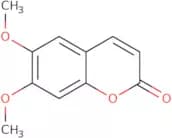
CAS:<p>Scoparone is a bioactive natural compound, which is primarily derived from plants in the Rutaceae family, such as Artemisia species. It is a coumarin derivative, known for its therapeutic properties due to its diverse biological activities. The mode of action of scoparone is multifaceted, involving the modulation of various enzymes and signaling pathways. It acts as an inhibitor of cytochrome P450 enzymes and influences pathways involving nitric oxide and reactive oxygen species, contributing to its anti-inflammatory and hepatoprotective effects.</p>Fórmula:C11H10O4Pureza:Min. 95%Cor e Forma:PowderPeso molecular:206.19 g/molMetosulam
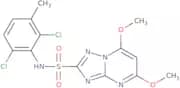
CAS:<p>Metosulam is a triazolopyrimidine herbicide that inhibits the growth of weeds by interfering with plant photosynthesis. Metosulam binds to fatty acids and carbohydrates, which prevents these molecules from binding to the enzyme ATP synthase. This results in a loss of energy production, leading to cell death. Metosulam has been shown to cause chronic cough in mice when given at sublethal doses for long periods of time. The chronic cough was found to be due to an interactive effect between metosulam and polymeric matrix in the lungs that caused inflammation.</p>Fórmula:C14H13Cl2N5O4SPureza:Min. 90%Cor e Forma:Beige PowderPeso molecular:418.26 g/mol3-Hydroxyindole-2-carboxylic acid methyl ester
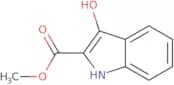
CAS:3-Hydroxyindole-2-carboxylic acid methyl ester, an organic compound with CAS number [31827-04-0], is classified as an indole derivative - a type of heterocyclic organic compound. It has potential applications as a building block in organic synthesis as well as other areas such as in pharmaceutical and agrochemical industries due to its biological activity.Fórmula:C10H9NO3Pureza:Min. 95%Cor e Forma:PowderPeso molecular:191.18 g/mol5-Aminoisatin
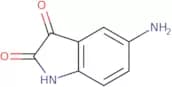
CAS:<p>5-Aminoisatin is a serotonin receptor agonist and has been shown to have protective effects against liver cancer in vitro in human liver cancer cells. It also has a number of other biological activities, including anti-inflammatory, natriuretic, and leukemia inhibitory activities. 5-Aminoisatin interacts with the mitochondrial membrane and prevents cell death by inhibiting the opening of the mitochondrial permeability transition pore (MPTP). This activity may be due to its ability to form ternary complexes with ATP and the voltage sensor domain of the mitochondrial protein voltage dependent anion channel (VDAC). 5-Aminoisatin binds to both the alpha subunit and beta subunit of the calcium/calmodulin-dependent protein kinase II (CaMKII) enzyme. The binding of 5-aminoisatin to CaMKII leads to inhibition of phosphorylation at serine residue 397, which disrupts ATP binding.</p>Fórmula:C8H6N2O2Pureza:(%) Min. 85%Cor e Forma:PowderPeso molecular:162.15 g/mol3-(9-((6-(2,5-Dioxopyrrolidin-1-yloxy)-6-oxohexyl)(tosyl)carbamoyl)acridinium-10-yl)propane-1-sulfonate
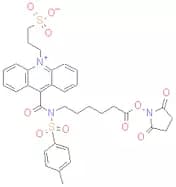
CAS:<p>3-(9-((6-(2,5-Dioxopyrrolidin-1-yloxy)-6-oxohexyl)(tosyl)carbamoyl)acridinium-10-yl)propane-1-sulfonate is a fine chemical that is used as a versatile building block for complex compounds. It can be used in the synthesis of research chemicals or reagents, or as a speciality chemical. 3-(9-((6-(2,5-Dioxopyrrolidin-1-yloxy)-6-oxohexyl)(tosyl)carbamoyl)acridinium-10-yl)propane sulfonate can be reacted with other compounds to form useful scaffolds and reaction components. This compound has CAS number 866366–12–3.</p>Fórmula:C34H35N3O10S2Pureza:Min. 95%Cor e Forma:PowderPeso molecular:709.79 g/mol5-Bromoindole
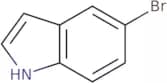
CAS:<p>The optimal reaction conditions for the acylation of 5-bromoindole with 2,2,2-trichloroethyl chloroformate are a mixture of methanol and sodium hydroxide solution. Reaction products include 2-chloro-5-(trichloromethyl)quinoline and the quinoline derivative 1-(2,2,2-trichloroethyl)-1H-imidazole. UV absorption spectra of these products have been recorded in the range of 200 to 400 nm. The reaction is successfully monitored by following changes in the NMR spectrum. The liquid chromatography method is based on a reverse phase column and detection at 220 nm.</p>Fórmula:C8H6BrNCor e Forma:Slightly Yellow PowderPeso molecular:196.04 g/mol6-Methoxyindole-3-acetic acid
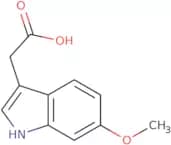
CAS:Please enquire for more information about 6-Methoxyindole-3-acetic acid including the price, delivery time and more detailed product information at the technical inquiry form on this pageFórmula:C11H11NO3Pureza:Min. 95%Cor e Forma:PowderPeso molecular:205.21 g/mol7-Chloroindole
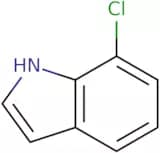
CAS:<p>7-Chloroindole is a potent compound that inhibits bacterial growth. It has been shown to inhibit the growth of tumour cell lines at submicromolar concentrations, with an IC50 of 0.5 µM. 7-Chloroindole also strongly inhibits the growth of Staphylococcus aureus, with an IC50 of 0.1 µM. This compound does not cause cell death by caspase-independent pathways, but rather induces a dry weight increase and surface methodology changes in cells treated with this compound. 7-Chloroindole belongs to the class of compounds known as carotenoids and has been shown to have a neutral pH optimum. It is formed through an enzymatic reaction involving two molecules of malonyl-CoA and one molecule each of acetate and chlorophyllide a.</p>Fórmula:C8H6ClNCor e Forma:PowderPeso molecular:151.59 g/mol6-Chloro-9-(tetrahydro-2H-pyran-2-yl)purine
CAS:6-Chloro-9-(tetrahydro-2H-pyran-2-yl)purine is a nucleoside analog that is used to treat various types of cancer. It is a c–h bond regiospecific nucleophile that forms the 6-chloro 9-(tetrahydro-2H-pyran-2-yl)purine intermediate. The chloride ion acts as a nucleophile in the first step of this process, which results in the formation of an organocuprate and glyoxylate. 6CPP binds to DNA and inhibits RNA synthesis, leading to cell death by apoptosis or necrosis. This drug has been shown to be effective for treating human cell lines. 6CPP is also known for its antitumor effects, which may be due to its ability to inhibit phosphonates and cross-coupling reactions.Fórmula:C10H11ClN4OPureza:Min. 95%Cor e Forma:SolidPeso molecular:238.67 g/mol2-Chloroquinoline-8-carboxylic acid
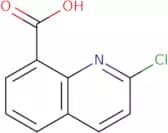
CAS:<p>2-Chloroquinoline-8-carboxylic acid is a fine chemical that is useful as a scaffold for the synthesis of other compounds. It is a versatile building block and can be used in the production of the drug chloroquine. 2-Chloroquinoline-8-carboxylic acid has been used as an intermediate in research chemicals, reaction components in speciality chemical and complex compound. This compound has high quality and can be used as a reagent.</p>Fórmula:C10H6ClNO2Pureza:Min. 95 Area-%Cor e Forma:White Off-White PowderPeso molecular:207.61 g/mol5-Benzyloxyindole
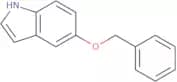
CAS:<p>5-Benzyloxyindole is an inhibitor molecule that binds to the active site of cytochrome P450 and inhibits the enzyme's ability to catalyze reactions. This compound has potent inhibitory activity against a number of enzymes, including amide and hydroxyl groups, chloride ion channels, and electrochemical studies. 5-Benzyloxyindole also shows potential as a cancer treatment agent due to its ability to inhibit cell proliferation. It was shown in cell culture studies using human colon cancer cells that this molecule inhibited the growth of cancer cells by blocking DNA synthesis, leading to apoptosis or programmed cell death.<br>5-Benzyloxyindole is synthesized through an acylation reaction between benzoyl chloride and indole. The product can be purified through recrystallization or chromatography on silica gel.</p>Fórmula:C15H13NOPureza:Min. 95%Cor e Forma:Brown PowderPeso molecular:223.27 g/molThiamine tetrahydrofurfuryl disulfide
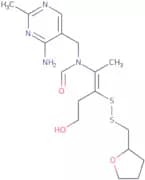
CAS:<p>Thiamine tetrahydrofurfuryl disulfide is a thiamine derivative that has been shown to serve as a cofactor for enzymes such as peptidyl-prolyl cis-trans isomerase, which catalyzes the formation of peptide hormones. It also plays a role in the synthesis of polymers such as cellulose. Thiamine tetrahydrofurfuryl disulfide can be found in crystalline cellulose and is an important component of two-way crossover studies on peptide hormones. This drug has been shown to stimulate oxidative metabolism in cells and may have therapeutic potential for treating conditions associated with oxidative injury, such as stroke, head trauma, and heart attack. <br>Thiamine tetrahydrofurfuryl disulfide may also have a role in the development of inflammatory responses through its interaction with toll-like receptor 4 (TLR4).</p>Fórmula:C17H26N4O3S2Pureza:Min. 98 Area-%Cor e Forma:PowderPeso molecular:398.55 g/mol3,4-Dihydro-7-hydroxy-2(1H)-quinolinone
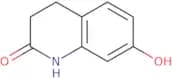
CAS:3,4-Dihydro-7-hydroxy-2(1H)-quinolinone is a synthetic compound that has been shown to have antidiabetic activity in vitro. It binds to the alpha2A receptor subtype and inhibits the uptake of chloride ions by cells. 3,4-Dihydro-7-hydroxy-2(1H)-quinolinone also inhibits the uptake of aluminium ions and has been shown to inhibit tumor growth in human nasopharyngeal carcinoma cells. The synthesis of 3,4-dihydro-7-hydroxy-2(1H)-quinolinone is accomplished by reacting aniline with acetophenone and hydrochloric acid in the presence of aluminium chloride and carbostyril. This reaction yields a 50% yield of the desired product.Fórmula:C9H9NO2Pureza:Min. 98 Area-%Cor e Forma:PowderPeso molecular:163.17 g/mol8-Geranyloxypsoralen
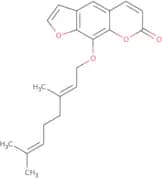
CAS:<p>8-Geranyloxypsoralen is a natural furanocoumarin, which is a secondary metabolite typically derived from plants, particularly those in the Rutaceae family. Its source lies predominantly in certain fruits and herbs, where it functions as a natural defense compound.</p>Fórmula:C21H22O4Pureza:Min. 95 Area-%Cor e Forma:Off-White PowderPeso molecular:338.4 g/mol(R)-(+)-3-Aminoquinuclidine dihydrochloride
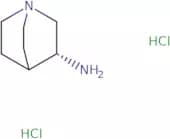
CAS:A building block; used for synthesis tryptophan 2,?3-?dioxygenase inhibitorsFórmula:C7H14N2•(HCl)2Pureza:Min. 95%Cor e Forma:PowderPeso molecular:199.12 g/molEthyl indole-6-carboxylate
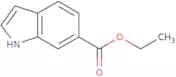
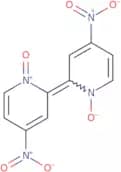
CAS:<p>Ethyl indole-6-carboxylate is a chiral compound with nitrogen atoms. It has a topology and substituents, so it can be substituted in several positions. It also has nitrate, which is an ion that can carry an electric charge. This molecule can form channels and crystals with a single-crystal x-ray diffraction pattern. The hydrocarbon part of the molecule has a crystal system and framework, making it porous. The x-ray diffraction pattern of ethyl indole-6-carboxylate shows its chemistry as well.</p>Fórmula:C11H11NO2Pureza:Min. 95%Peso molecular:189.21 g/mol4,4'-Dinitro-2,2'-bipyridine-N,N'-dioxide
CAS:Please enquire for more information about 4,4'-Dinitro-2,2'-bipyridine-N,N'-dioxide including the price, delivery time and more detailed product information at the technical inquiry form on this pageFórmula:C10H6N4O6Pureza:Min. 94 Area-%Cor e Forma:Yellow PowderPeso molecular:278.18 g/mol2-(3,5-Dimethyl-1H-pyrazol-1-yl)quinolin-8-amine
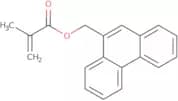
CAS:2-(3,5-Dimethyl-1H-pyrazol-1-yl)quinolin-8-amine is a fine chemical that belongs to the group of versatile building blocks. It can be used as a reagent or as a speciality chemical in research and development. 2-(3,5-Dimethyl-1H-pyrazol-1-yl)quinolin-8-amine is also a useful scaffold for the synthesis of complex compounds and has been shown to be an effective inhibitor of protein tyrosine kinases.Fórmula:C14H14N4Pureza:Min. 95%Cor e Forma:PowderPeso molecular:238.29 g/mol(9-Phenanthryl)methyl methacrylate
CAS:<p>9-Phenanthryl)methyl methacrylate is a fluorescent pigment that is used as a nanomaterial. It is an acidic material and can be used in coatings to improve the properties of materials. 9-Phenanthryl)methyl methacrylate has been shown to have fluorescence resonance energy transfer (FRET) properties, which may be due to its monolayer structure and chromophore. The diameter of this particle ranges from 10-20 nm, with a water permeability of 20% at pH 7.0 and 0.1% at pH 2.0. This pigment has a high degree of surface roughness, which is due to its morphology and the microenvironment in which it exists.</p>Fórmula:C19H16O2Pureza:Min. 95 Area-%Cor e Forma:PowderPeso molecular:276.33 g/mol