Ligas Organometálicas
Nesta categoria, você encontrará um grande número de moléculas organometálicas usadas como ligantes em biomoléculas. Esses ligantes organometálicos podem ser usados em química orgânica e síntese no laboratório. Eles desempenham um papel crucial na formação de complexos de coordenação e na catálise de várias reações químicas. Na CymitQuimica, oferecemos uma seleção diversificada de ligantes organometálicos de alta qualidade para apoiar suas pesquisas e necessidades industriais.
Subcategorias de "Ligas Organometálicas"
- Ligantes de Buchwald(22 produtos)
- DPEN(4 produtos)
- DPHEN(4 produtos)
- JOSIPHOS(4 produtos)
- Fosfina(497 produtos)
- Porfirinas(75 produtos)
Foram encontrados 2887 produtos de "Ligas Organometálicas"
Ordenar por
Pureza (%)
0
100
|
0
|
50
|
90
|
95
|
100
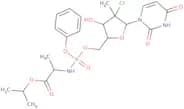
Uprifosbuvir
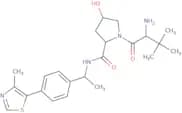
CAS:<p>Uprifosbuvir is an investigational antiviral compound, which is a nucleotide analog prodrug of uridine. It functions by targeting the hepatitis C virus (HCV) NS5B RNA-dependent RNA polymerase, an essential enzyme for viral RNA replication. As an uridine nucleotide analog, Uprifosbuvir interferes with the viral replication process by incorporating itself into the viral RNA, leading to chain termination.</p>Fórmula:C22H29ClN3O9PPureza:Min. 95%Peso molecular:545.9 g/molE3 Ligase ligand 1a
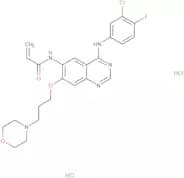
CAS:<p>E3 Ligase Ligand 1a is a small molecule ligand, which is typically synthesized in a laboratory setting. The ligand acts as a recruiter for E3 ubiquitin ligases, proteins that play a pivotal role in the ubiquitin-proteasome pathway. By binding to an E3 ligase, the ligand can facilitate the ubiquitination and subsequent degradation of target proteins. This mechanism is central to modulating protein levels within a cell, enabling researchers to study protein function and regulation dynamically.</p>Fórmula:C23H32N4O3SPureza:Min. 95%Peso molecular:444.6 g/molCanertinib dihydrochloride
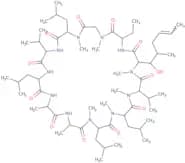
CAS:<p>Inhibitor of EGFR, HER2 and HER4 tyrosine kinases</p>Fórmula:C24H25ClFN5O3·2HClPureza:Min. 95%Peso molecular:558.86Cyclosporine U
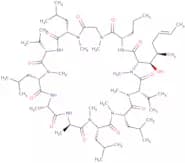
CAS:<p>Cyclosporine U is a cyclic polypeptide immunosuppressant, which is a derivative of the natural product Cyclosporine A, produced by the fermentation process involving the filamentous fungus *Tolypocladium inflatum*. It primarily acts by inhibiting the activity of calcineurin, a phosphatase enzyme, which in turn blocks the transcription of interleukin-2 and other cytokines. This mechanism suppresses the activation of T-lymphocytes, a crucial component in the immune response.</p>Fórmula:C61H109N11O12Pureza:Min. 95%Peso molecular:1,188.58 g/molMRTX849
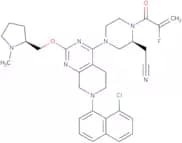
CAS:<p>MRTX849 is a small molecule inhibitor, which is derived through rational drug design targeting specific oncogenic mutations. It acts as a covalent inhibitor that selectively targets the KRAS G12C mutation, a prevalent alteration in various cancers such as non-small cell lung cancer and colorectal cancer. The mode of action involves binding to the mutated KRAS G12C protein, locking it in an inactive GDP-bound state, thereby inhibiting downstream signaling pathways crucial for tumor cell proliferation and survival.</p>Fórmula:C32H35ClFN7O2Pureza:Min. 95%Peso molecular:604.12 g/molMLN 8237
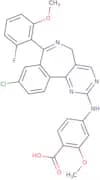
CAS:<p>Antagonist of Aurora A serine/threonine protein kinase; antineoplastic</p>Fórmula:C27H20ClFN4O4Pureza:Min. 95%Cor e Forma:PowderPeso molecular:518.92 g/molAZD5069
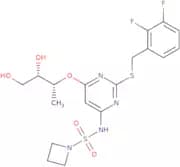
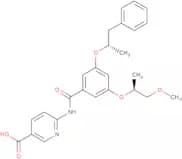
CAS:<p>AZD5069 is a small molecule that serves as a potent and selective antagonist of the CXC chemokine receptor 2 (CXCR2). It is derived from synthetic pharmaceutical research efforts aimed at targeting key signaling pathways in inflammatory diseases. This compound functions by inhibiting the CXCR2 receptor, which plays a critical role in the recruitment and activation of neutrophils, a type of white blood cell involved in inflammation and immune responses.</p>Fórmula:C18H22F2N4O5S2Pureza:Min. 95%Peso molecular:476.52 g/molAngiotensin I human acetate salt hydrate
CAS:<p>Angiotensin I human acetate salt hydrate is a synthetic peptide, which is a derivative of the human angiotensinogen protein. It is sourced through chemical synthesis methods that replicate the natural sequence of this protein's active fragment. The mode of action involves conversion by the enzyme angiotensin-converting enzyme (ACE) into angiotensin II, a potent vasoconstrictor, which plays a critical role in blood pressure regulation and fluid balance.</p>Fórmula:C62H89N17O14·xC2H4O2·yH2OPureza:Min. 95%Atorvastatin sodium
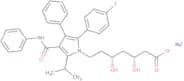
CAS:<p>HMG-CoA reductase antagonist</p>Fórmula:C33H35FN2O5•NaPureza:Min. 95%Cor e Forma:PowderPeso molecular:581.63 g/molMEDICA16
CAS:<p>MEDICA16: GPR40 agonist, GPR120 partial agonist, ATP-citrate lyase inhibitor, lowers TG, boosts insulin sensitivity in muscle.</p>Fórmula:C20H38O4Pureza:99.62% - 99.87%Cor e Forma:White SolidPeso molecular:342.51c26 Carnitine-d9
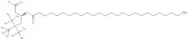
CAS:Produto Controlado<p>C26 Carnitine-d9 is a stable isotopically labeled form of carnitine, which is a quaternary ammonium compound naturally synthesized from amino acids lysine and methionine in the human body. Its isotopic labeling with deuterium enhances its application in various analytical techniques while retaining the biological properties of natural carnitine. The mode of action involves carnitine's essential role in the transport of long-chain fatty acids into the mitochondrial matrix for β-oxidation, facilitating energy production. C26 Carnitine-d9 is used primarily in metabolic research and diagnostics, particularly in studying fatty acid metabolism, assessing metabolic disorders, and quantifying carnitine levels in biological samples through techniques such as mass spectrometry. Its stable isotopic label allows for precise tracking and quantitation, offering insights into metabolic pathways and biochemical assays crucial for understanding metabolic functions and potential dysfunctions.</p>Fórmula:C33H56D9NO4Pureza:Min. 95%Peso molecular:548.93 g/molAuristatin E
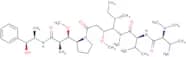
CAS:<p>Auristatin E is a synthetic analog that functions as a potent microtubule-disrupting agent, derived from dolastatin 10, a natural product isolated from marine organisms. It acts by inhibiting microtubule dynamics, leading to cell cycle arrest and subsequent apoptosis in tumor cells. This mechanism disrupts crucial cellular processes, particularly in rapidly dividing cancer cells.</p>Fórmula:C40H69N5O7Pureza:Min. 95%Peso molecular:732.01 g/molSparstolonin B
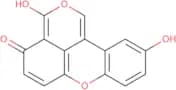
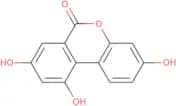
CAS:<p>Sparstolonin B is a natural anti-inflammatory compound, which is derived from the Chinese herb *Sparganium stoloniferum*. It primarily functions as a selective antagonist of Toll-like receptors 2 and 4 (TLR2 and TLR4), thereby inhibiting the activation of these pathways which are crucial in mediating inflammatory responses.</p>Fórmula:C15H8O5Pureza:Min. 95%Cor e Forma:PowderPeso molecular:268.22 g/molSB743921 HCl
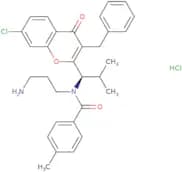
CAS:<p>SB743921 HCl is a synthetic small-molecule compound, which is a derivative of the well-known kinesin spindle protein (KSP) inhibitors. Originating from sophisticated medicinal chemistry, it acts by selectively binding to the KSP, a motor protein essential for the mitotic spindle formation during cell division.</p>Fórmula:C31H33N2O3·HClPureza:Min. 95%Peso molecular:553.52 g/molJNJ 10397049
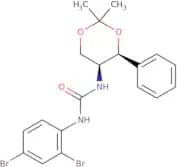
CAS:<p>JNJ 10397049 is a pharmacological compound categorized as a selective T-type calcium channel blocker, which is a synthetic compound designed for specific targeting of calcium channels. The product functions by inhibiting T-type calcium channels, which are voltage-gated ion channels involved in the regulation of intracellular calcium levels. This inhibition leads to a decrease in calcium influx, modulating neuronal excitability and reducing excessive neuronal firing.</p>Fórmula:C19H20Br2N2O3Pureza:Min. 95%Peso molecular:484.18 g/molSB-423562
CAS:<p>SB-423562 is a synthetic compound, which is developed as a small molecule inhibitor, produced through chemical synthesis in a laboratory setting. Its mode of action involves selectively interfering with a specific biological pathway by binding to its target protein, thereby inhibiting its activity. This targeted action allows for precise modulation of signaling pathways, which can be pivotal in therapeutic interventions.</p>Fórmula:C26H32N2O4Pureza:Min. 95%Cor e Forma:PowderPeso molecular:436.54 g/molUrolithin M7
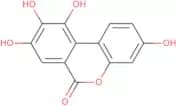
CAS:<p>Urolithin M7 is a metabolite, which is derived from the transformation of ellagitannins, compounds found predominantly in pomegranates, berries, and nuts. This transformation occurs via intestinal microbiota, which convert ellagitannins into various urolithins, including Urolithin M7. Its mode of action involves influencing cellular processes, potentially modulating mitochondrial function and autophagy pathways. The action mechanisms are being explored for their roles in enhancing cell viability and metabolic health.</p>Fórmula:C13H8O5Pureza:Min. 95%Peso molecular:244.2 g/molLanabecestat
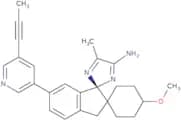
CAS:<p>Lanabecestat is an investigational drug, classified as a beta-secretase (BACE) inhibitor, which is derived from synthetic chemical processes. Its mode of action involves inhibiting the enzyme beta-secretase, which plays a crucial role in the amyloidogenic pathway by cleaving amyloid precursor protein (APP) into amyloid-beta peptides. The accumulation of these peptides is a hallmark of Alzheimer's disease pathology.</p>Fórmula:C26H28N4OPureza:Min. 95%Cor e Forma:PowderPeso molecular:412.53 g/molDimethicone ~2000 (polydimethylsiloxane)
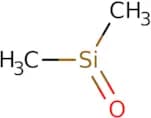
CAS:<p>Dimethicone ~2000 is a type of polydimethylsiloxane, which is a synthetic, organosilicon compound. This product is derived from silicon, oxygen, and organic groups, typically through the hydrolysis of dimethyldichlorosilane. Its primary mode of action involves forming a hydrophobic, flexible barrier on surfaces, which minimizes water evaporation and provides lubrication.</p>Fórmula:(C2H6OSi)nPureza:Min. 95%Peso molecular:74.15 g/molPeroxy Orange 1
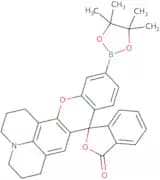
CAS:<p>Peroxy Orange 1 is an advanced cleaning agent, which is a hydrogen peroxide-based product enriched with surfactants and orange oil extracts. This formulation originates from a blend of both synthetic and natural sources, integrating the oxidizing power of hydrogen peroxide with the cleaning efficacy of citrus oils.</p>Fórmula:C32H32BNO5Pureza:Min. 95%Peso molecular:521.4 g/molYK11
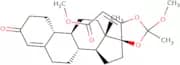
CAS:Produto Controlado<p>YK11 is a synthetic gene-selective androgen receptor modulator, which is derived from steroidal structures and designed to modulate specific pathways. This compound is characterized by its unique ability to act as a partial agonist/antagonist at the androgen receptor, with a focus on inhibiting the activity of myostatin, a regulatory protein that limits muscle growth.</p>Fórmula:C25H34O6Pureza:Min. 95%Peso molecular:430.53 g/molFlavopiridol hydrochloride
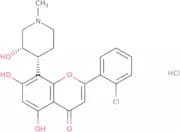
CAS:<p>Inhibitor of CKD1, CDK2, and CDK4 serine/threonine kinases</p>Fórmula:C21H21Cl2NO5Pureza:Min. 95%Cor e Forma:Light (Or Pale) Tan SolidPeso molecular:438.3 g/molUrolithin M6
CAS:<p>Urolithin M6 is a metabolite, which is a bioactive compound derived from the metabolism of ellagitannins and ellagic acid found in certain dietary polyphenols. These polyphenols are abundant in fruits such as pomegranates, berries, and nuts. The transformation into urolithins, including Urolithin M6, is facilitated by the gut microbiota, which metabolizes these ellagitannins in the gastrointestinal tract.</p>Fórmula:C13H8O6Pureza:Min. 95%Peso molecular:260.2 g/molEletriptan hydrobromide
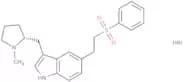
CAS:<p>Agonist of 5-HT1B/D serotonin receptors; anti-migraine medication</p>Fórmula:C22H26N2O2S•HBrPureza:Min. 95%Cor e Forma:PowderPeso molecular:481.45 g/molPerfluorophenyl 19-(2,5-dioxo-2H-pyrrol-1(5H)-yl)-17-oxo-4,7,10,13-tetraoxa-16-azanonadecan-1-oate
CAS:<p>Perfluorophenyl 19-(2,5-dioxo-2H-pyrrol-1(5H)-yl)-17-oxo-4,7,10,13-tetraoxa-16-azanonadecan-1-oate is a synthetic compound, which is derived through a series of complex organic syntheses involving perfluorinated reagents. This compound is meticulously designed to incorporate both perfluorinated aromatic groups and a flexible, polyether-based linker. The mode of action for this compound primarily revolves around its unique chemical structure, which facilitates interactions at the molecular level that can be favorable for a variety of biochemical applications.</p>Fórmula:C24H27F5N2O9Pureza:Min. 95%Peso molecular:582.5 g/molTNO155
CAS:<p>TNO155 is an innovative therapeutic agent, commonly classified as a small-molecule inhibitor, which is derived from rational drug design based on precision oncology principles. Its mode of action involves selective inhibition of a specific protein tyrosine phosphatase, which plays a critical role in cellular signaling pathways that are often dysregulated in cancer. This inhibition effectively disrupts aberrant signaling, thereby suppressing tumor cell proliferation and inducing apoptosis in malignant cells.</p>Fórmula:C18H24ClN7OSPureza:Min. 95%Peso molecular:421.9 g/molc18:1 Ceramide (d17:1/18:1(9Z))
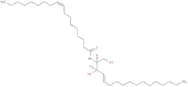
CAS:<p>C18:1 Ceramide (d17:1/18:1(9Z)) is a sphingolipid, which is originally sourced from plant or synthetic lipid precursors. Ceramides are integral components of the cellular lipid bilayer and are crucial for maintaining the integrity and function of the skin barrier. Their mode of action involves participating in cell signaling pathways that regulate cellular differentiation, proliferation, and apoptosis.</p>Fórmula:C35H67NO3Pureza:Min. 95%Peso molecular:549.91 g/molZM 241385
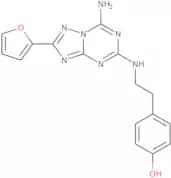
CAS:<p>A2A adenosine receptor antagonist</p>Fórmula:C16H15N7O2Pureza:Min. 95%Cor e Forma:PowderPeso molecular:337.34 g/molNeostigmine methyl sulfate
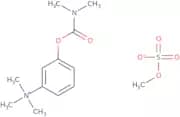
CAS:<p>Inhibitor of acetylcholinesterase</p>Fórmula:C13H22N2O6SPureza:Min. 95%Cor e Forma:PowderPeso molecular:334.39 g/molSMN-C3
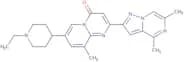
CAS:<p>SMN-C3 is a synthetic compound designed specifically as a targeted therapeutic agent. It is derived through advanced chemical synthesis techniques, utilizing a meticulous approach to optimize efficacy and specificity. The mode of action of SMN-C3 involves precise interaction with select molecular targets, thereby modulating biological pathways with high specificity. This interaction is designed to alter the course of disease processes, offering potential therapeutic benefits.</p>Fórmula:C24H28N6OPureza:Min. 95%Peso molecular:416.5 g/molMethyl-d3-magnesium iodide solution, 1.0 M in diethyl ether
CAS:Produto Controlado<p>Methyl-d3-magnesium iodide solution, 1.0 M in diethyl ether, is a specialized organometallic reagent used extensively in synthetic chemistry. This compound is a labeled Grignard reagent, where the methyl group is fully deuterated. It is sourced through the synthesis involving the reaction of deuterated methyl iodide with magnesium in an anhydrous diethyl ether solvent.</p>Fórmula:CD3IMgPureza:Min. 95%Peso molecular:169.26 g/mol(±)-Carazolol-d7
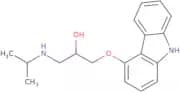
CAS:<p>(±)-Carazolol-d7 is a deuterated beta-adrenergic receptor antagonist, often used for pharmacological and biochemical studies. This isotopically labeled compound is a synthetic derivative of carazolol, sourced through precise deuterium exchange techniques designed to ensure high isotopic purity.</p>Fórmula:C18H22N2O2Pureza:Min. 95%Peso molecular:305.4 g/molBMY 7378 Dihydrochloride
CAS:<p>BMY 7378 Dihydrochloride is a selective 5-HT1A receptor antagonist, which is synthetically derived for specialized research purposes. This compound is known for its ability to bind exclusively to the 5-HT1A receptor, inhibiting the action of serotonin. Its mechanism of action involves a high-affinity blockade of serotonin at this receptor site, making it a valuable tool for understanding serotonergic signaling pathways.</p>Fórmula:C22H33Cl2N3O3Pureza:Min. 95%Peso molecular:458.42 g/molCyclosporin G
CAS:<p>Cyclosporin G is an immunosuppressive agent, which is derived from fungal sources with a specific mode of action that involves inhibiting calcineurin. The source of Cyclosporin G is primarily from the fermentation of the fungus *Tolypocladium inflatum*. Its mode of action involves binding to the cytosolic protein cyclophilin in T-lymphocytes, which subsequently inhibits the phosphatase activity of calcineurin. This inhibition prevents the dephosphorylation and nuclear translocation of the nuclear factor of activated T-cells (NFAT), thereby reducing the transcription of interleukin-2 and other cytokines critical for T-cell activation.</p>Fórmula:C63H113N11O12Pureza:Min. 95%Peso molecular:1,216.64 g/molAvocadene acetate
CAS:<p>Avocadene acetate is a synthetic compound, which is a pharmacologically active ester synthesized in laboratories. It is derived from acetic acid and specialized organic compounds, tailored for specific biochemical interactions. Its mode of action involves the modulation of various enzymatic pathways, potentially impacting cellular functions and metabolic processes, although the exact mechanisms may vary depending on the application and target system.</p>Fórmula:C19H36O4Pureza:Min. 95%Peso molecular:328.5 g/molGKA 50
CAS:<p>Glucokinase activator</p>Fórmula:C26H28N2O6Pureza:Min. 95%Cor e Forma:White PowderPeso molecular:464.51 g/molAR-13324 mesylate
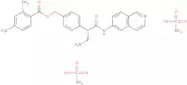
CAS:<p>AR-13324 mesylate is a pharmaceutical compound, which is a selective Rho kinase inhibitor derived from chemical synthesis with a specific mode of action targeting the modulation of aqueous humor outflow in the eye. Structurally, it is designed to inhibit the Rho-associated protein kinase (ROCK) pathway, which plays a crucial role in controlling various cellular functions including contraction, motility, proliferation, and apoptosis, specifically affecting the trabecular meshwork and uveoscleral pathway in ocular tissues.</p>Fórmula:C29H31N3O6SPureza:Min. 95%Peso molecular:549.64 g/molMethotrexate disodium
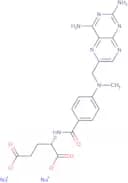
CAS:<p>Methotrexate is a drug that suppresses the immune system by inhibiting the production of white blood cells. It is used in the treatment of a number of diseases, including some cancers and autoimmune diseases such as rheumatoid arthritis and psoriasis. Methotrexate is metabolized to its active form, methotrexate, by an enzyme called dihydrofolate reductase (DHFR). The DHFR inhibitor activity of methotrexate blocks the synthesis of folate-dependent enzymes and prevents DNA synthesis in rapidly dividing cells. Methotrexate has been used in combination with other drugs to treat cancer. Methotrexate has also been shown to have antifungal properties against opportunistic fungal infections.</p>Fórmula:C20H20N8Na2O5Pureza:Min. 95%Cor e Forma:PowderPeso molecular:498.4 g/molPT2977
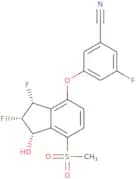
CAS:<p>PT2977 is a small-molecule inhibitor, which is derived from rational drug design, with a specific mode of action targeting hypoxia-inducible factor (HIF) pathways. This compound acts by selectively inhibiting HIF-2α, a critical driver of cellular response to hypoxic conditions, thus interfering with the transcription of genes involved in angiogenesis, erythropoiesis, and metabolic adaptation.</p>Fórmula:C17H12F3NO4SPureza:Min. 95%Peso molecular:383.34 g/molCalcium Dobesilate Hydrate
CAS:<p>Calcium Dobesilate Hydrate is a pharmaceutical compound, which is a synthesized chemical derived from dobesilic acid. It functions primarily as a vasoprotective agent, reducing vascular permeability and stabilizing capillary walls by inhibiting platelet aggregation and the release of free radicals. This results in decreased capillary fragility and improved blood flow in microcirculatory systems.</p>Fórmula:C12H10CaO10S2·xH2OPureza:Min. 95%Peso molecular:418.4 g/molTariquidar
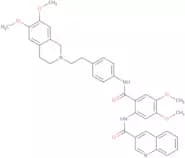
CAS:<p>Potent P-glycoprotein (P-gp) inhibitor</p>Fórmula:C38H38N4O6Pureza:Min. 97 Area-%Cor e Forma:PowderPeso molecular:646.73 g/molTaranabant
CAS:<p>Inverse agonist of cannabinoid receptor CB1R. Taranabant was studied for its effect on smoking cessation and inducing weight loss. Serious adverse effects associated with this compound prevented further development as a drug in the clinic.</p>Fórmula:C27H25ClF3N3O2Pureza:Min. 95%Cor e Forma:SolidPeso molecular:515.95 g/molCisatracurium besylate
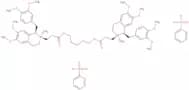
CAS:<p>nAChRs nicotinic receptor antagonist; neuromuscular-blocking agent</p>Fórmula:C65H82N2O18S2Pureza:Min. 95%Cor e Forma:White PowderPeso molecular:1,243.48 g/mol(+/-)-Blebbistatin
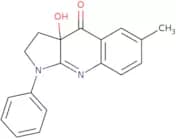
CAS:<p>Inactive enantiomer of the inhibitor of myosin II-ATPase</p>Fórmula:C18H16N2O2Pureza:Min. 95%Peso molecular:292.33 g/molABT 494
CAS:<p>Inhibitor of Janus kinase JAK-1</p>Fórmula:C17H19F3N6OPureza:Min. 95%Peso molecular:380.37 g/molTizoxanide
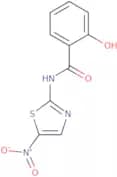
CAS:<p>Anti-parasitic; pyruvate ferredoxin oxidoreductase inhibitor</p>Fórmula:C10H7N3O4SPureza:Min. 95%Cor e Forma:PowderPeso molecular:265.25 g/molSildenafil
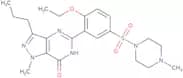
CAS:<p>Sildenafil is a pharmaceutical compound, which is a synthetic product derived from chemical processes. It functions as a selective inhibitor of the enzyme phosphodiesterase type 5 (PDE5). By inhibiting PDE5, sildenafil increases cyclic guanosine monophosphate (cGMP) levels within the smooth muscle cells of the corpus cavernosum. This leads to smooth muscle relaxation and vasodilation, allowing increased blood flow and facilitating penile erection in the presence of sexual stimulation.</p>Fórmula:C22H30N6O4SPureza:Min. 95%Cor e Forma:PowderPeso molecular:474.58 g/molL 690330
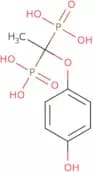
CAS:<p>Inositol monophosphatase (IMPase) inhibitor</p>Fórmula:C8H12O8P2Pureza:Min. 95%Peso molecular:298.12 g/molAR-AO 14418
CAS:<p>Inhibitor of GSK3β kinase</p>Fórmula:C12H12N4O4SPureza:Min. 95%Cor e Forma:PowderPeso molecular:308.31 g/molH-9 hydrochloride
CAS:<p>H-9 hydrochloride is a selective protein kinase inhibitor, which is synthetically derived. It primarily inhibits cyclic nucleotide-dependent protein kinases, including protein kinase A (PKA) and protein kinase G (PKG), along with myosin light chain kinase (MLCK). The mode of action involves competitive inhibition at the ATP binding site of these kinases, thereby impacting phosphorylation pathways crucial for multiple physiological functions. The selective inhibition by H-9 hydrochloride allows for detailed exploration of kinase-mediated signaling pathways in cellular biology. Moreover, it is extensively utilized in studies involving cell motility, smooth muscle contraction, and signal transduction. The relevance of H-9 hydrochloride in academic research lies in its ability to provide insights into kinase activity modulation and its ensuing effects on cellular dynamics. This compound serves as an invaluable tool for scientists aiming to elucidate the complex role of protein kinases in health and disease, enabling the development of innovative therapeutic strategies.</p>Fórmula:C11H14ClN3O2SPureza:Min. 95%Cor e Forma:White To Off-White SolidPeso molecular:287.77 g/mol