Haletos orgânicos
Nesta categoria, você encontrará moléculas orgânicas contendo um ou mais átomos de halogênio em sua estrutura. Estes haletos orgânicos incluem compostos bromados, iodados, clorados e haletos cíclicos. Os haletos orgânicos são amplamente utilizados em síntese orgânica, farmacêutica, agroquímica e ciência dos materiais devido à sua reatividade e capacidade de sofrer uma variedade de transformações químicas. Na CymitQuimica, oferecemos uma seleção abrangente de haletos orgânicos de alta qualidade para apoiar suas aplicações de pesquisa e industriais, garantindo desempenho confiável e eficaz em seus projetos sintéticos e analíticos.
Subcategorias de "Haletos orgânicos"
Foram encontrados 20440 produtos de "Haletos orgânicos"
Ordenar por
Pureza (%)
0
100
|
0
|
50
|
90
|
95
|
100
1-(4-Chlorophenyl)cyclobutanamine Hydrochloride
CAS:Produto Controlado<p>Applications 1-(4-CHLOROPHENYL)CYCLOBUTANAMINE HYDROCHLORIDE (cas# 1228878-71-4) is a useful research chemical.<br></p>Fórmula:C10H12ClN·HClCor e Forma:NeatPeso molecular:218.1232-Thiazolesulfonyl Chloride
CAS:Produto Controlado<p>Applications Used for preparation of substituted thiazolesulfonamides as antiglaucoma agents.<br>References Boie, Y., et al.: Eur. J. Pharmacol., 340, 227 (1997), Boyer, F., et al.: J. Med. Chem., 43, 843 (2000), Lipinski, C., et al.: J. Pharmacol. Toxicol. Methods, 44, 235 (2000), Kimura, M., et al.: Endocrinology, 142, 4428 (2001),<br></p>Fórmula:C3H2ClNO2S2Cor e Forma:YellowPeso molecular:183.644-Chloro-3-fluorobenzoic Acid
CAS:Produto Controlado<p>Applications 4-Chloro-3-fluorobenzoic Acid is a very useful precursor. It is a reagent used to synthesize 6-Hydroxy Albaconazole (H761395) which is a metabolite of Albaconazole (A511450), an antifungal agent as neuroprotectant.<br>References Pujol, I., et al.: J. Antimicrob. Chemother., 39, 163 (1997), Gilgado, F., et al.: J. Clin. Microbiol., 43, 4930 (2005), Raad, I., et al.: Clin. Infect. Dis., 42, 1398 (2006), Nucci, M., et al.: Clin. Microbiol. Rev., 20, 695 (2007),<br></p>Fórmula:C7H4ClFO2Cor e Forma:NeatPeso molecular:174.56N-[4-Cyano-3-(trifluoromethyl)phenyl]-2-hydroxy-5-nitrobenzamide
Produto ControladoFórmula:C15H8F3N3O4Cor e Forma:NeatPeso molecular:351.2372,6-Difluorobenzyl alcohol
CAS:Produto Controlado<p>Applications 2,6-Difluorobenzyl alcohol<br></p>Fórmula:C7H6F2OCor e Forma:NeatPeso molecular:144.122-Bromo-4-chloroanisole
CAS:Produto Controlado<p>Applications 2-Bromo-4-chloroanisole has been used as a reactant in the preparation of naphthyl phenyl ethers as nonnucleoside HIV-1 reverse transcriptase inhibitors.<br>References Gu, S., et. al.: Bioorg. Med. Chem., 19, 4220 (2011)<br></p>Fórmula:C7H6BrClOCor e Forma:NeatPeso molecular:221.486-Chloro-2,3-dihydro-benzofuran-2-carboxylic Acid
CAS:Produto ControladoFórmula:C9H7ClO3Cor e Forma:NeatPeso molecular:198.6032,6-Dichloro-isonicotinic Acid Hydrazide
CAS:Produto ControladoFórmula:C6H5Cl2N3OCor e Forma:NeatPeso molecular:206.0291,3-Dibromopropane
CAS:Produto Controlado<p>Applications Substrate specificity of haloalkane dehalogenases.<br> Not a dangerous good if item is equal to or less than 1g/ml and there is less than 100g/ml in the package<br>References Koudelakova, T., et al.: Biochem. J., 435, 345 (2011),<br></p>Fórmula:C3H6Br2Cor e Forma:NeatPeso molecular:201.893-Aminobenzotrifluoride
CAS:Produto Controlado<p>Applications 3-Aminobenzotrifluoride is a known human toxin that can cause bacterial mutation and hepatocyte unscheduled DNA synthesis.<br> Not a dangerous good if item is equal to or less than 1g/ml and there is less than 100g/ml in the package<br>References Reinhold, D., et al.: T. ASAE, 49, 2077 (2006); Thompson, C., et al.: Environ. Mutagen., 5, 803 (1983)<br></p>Fórmula:C7H6F3NCor e Forma:YellowPeso molecular:161.122-Chloro-p-xylene
CAS:Produto Controlado<p>Applications 2-Chloro-p-xylene is a toxic compound found in algae.<br>References Tsai, K.; et al.: Environ. Toxicol. Chem., 26, 1931 (2007).<br></p>Fórmula:C8H9ClCor e Forma:ColourlessPeso molecular:140.613-Bromo-4-isopropylbenzoic acid
CAS:Produto Controlado<p>Applications 3-Bromo-4-isopropylbenzoic acid<br></p>Fórmula:C10H11BrO2Cor e Forma:NeatPeso molecular:243.11-(4-Fluorophenyl)-2,2-dimethyl-cyclopropanecarboxylic Acid
CAS:Produto ControladoFórmula:C12H13FO2Cor e Forma:NeatPeso molecular:446.551N-(4-Chlorophenyl)-2,6-difluorobenzamide
CAS:Produto Controlado<p>Applications N-(4-Chlorophenyl)-2,6-Difluorobenzamide (cas# 122987-01-3) is a useful research chemical.<br></p>Fórmula:C13H8NOF2ClCor e Forma:NeatPeso molecular:267.661-Bromo-4-ethylbenzene
CAS:Produto Controlado<p>Applications 1-Bromo-4-ethylbenzene is organo bromide with flame retardant properties.<br>References Day, M. et al.: J. Fire Sci., 1, 255 (1983);<br></p>Fórmula:C8H9BrCor e Forma:NeatPeso molecular:185.06(Chloromethyl)cyclopropane (Technical Grade)
CAS:Produto Controlado<p>Applications (Chloromethyl)cyclopropane is a used as a reagent to synthesize 6-alkylamino-9-alkylpurines, compounds that have potential to be antipsychotic agents. (Chloromethyl)cyclopropane is also used as a reagent to prepare acylmorphinans, a class of compounds that have analgesic effects in rats.<br> Not a dangerous good if item is equal to or less than 1g/ml and there is less than 100g/ml in the package<br>References Kelley, J., et al.: J. Med. Chem., 40, 3207 (1997); Mohacsi, E., et al.: J. Med. Chem., 28, 1177 (1985)<br></p>Fórmula:C4H7ClCor e Forma:NeatPeso molecular:90.554-(5-Chlorothiophen-2-yl)-3-(thiophen-2-yl)-2,5-dihydrofuran-2-one
CAS:Produto ControladoFórmula:C12H7ClO2S2Cor e Forma:NeatPeso molecular:282.7664-Chloro-2-hydroxyphenylboronic acid pinacol ester
CAS:Produto ControladoFórmula:C12H16BClO3Cor e Forma:NeatPeso molecular:254.523-Amino-5-chloro-1,3-dihydro-2H-indol-2-one Hydrochloride
CAS:Produto Controlado<p>Applications 3-amino-5-chloro-1,3-dihydro-2H-indol-2-one hydrochloride (cas# 1104895-64-8) is a useful research chemical.<br></p>Fórmula:C8H7ClN2O·HClCor e Forma:NeatPeso molecular:219.0684-Fluororesorcinol
CAS:Produto Controlado<p>Applications Reagent used in the preparation of fluorescent dyes and indicators.<br>References Link, J., et al.: J. Med. Chem., 48, 5295 (2005), Martin, V., et al.: Bioorg. Med. Chem. Lett., 15, 1851 (2005),<br></p>Fórmula:C6H5FO2Cor e Forma:NeatPeso molecular:128.14-[[[2-(2,4-Difluorophenoxy)acetyl]amino]methyl]benzoic Acid
CAS:Produto ControladoFórmula:C16H13F2NO4Cor e Forma:NeatPeso molecular:321.2762-[(Benzyloxycarbonyl)amino]-4,4,4-trifluorobutanoic Acid (>80%)
CAS:Produto Controlado<p>Applications 2-[(Benzyloxycarbonyl)amino]-4,4,4-trifluorobutanoic acid is used in the preparation of benzamides and nicotinamides as spleen tyrosine kinase inhibitors.<br>References Jia, Z., et al.: PCT Int. Appl., 359 (2012)<br></p>Fórmula:C12H12F3NO4Pureza:>80%Cor e Forma:NeatPeso molecular:291.224-(4-Fluorophenyl)aniline
CAS:Produto Controlado<p>Applications 4-(4-Fluorophenyl)aniline<br></p>Fórmula:C12H10FNCor e Forma:NeatPeso molecular:187.211-Bromo-2,3-dimethyl-benzene
CAS:Produto Controlado<p>Applications 1-Bromo-2,3-dimethyl-benzene is a useful synthetic intermediate. It is used as a reagent to synthesize vaniprevir. It can also be used to synthesize various piperidine derivatives, e.g., 4-arylpiperidines and cinnamoylpiperidine, which are 5-HT2C agonist and PAR1 antagonist, respectively.<br> Not a dangerous good if item is equal to or less than 1g/ml and there is less than 100g/ml in the package<br>References Song, Z., et a;.: J. Org. Chem., 76, 9553 (2011); Conway, R., et al.: Bioorg. Med. Chem. Lett., 22, 2560 (2012); Planty, B., et al.: Bioorg. Med. Chem. Lett., 20, 1735 (2010)<br></p>Fórmula:C8H9BrCor e Forma:NeatPeso molecular:185.0611tert-Butyl Bromoacetate
CAS:Produto Controlado<p>Applications tert-Butyl Bromoacetate is a halogenated t-butyl acetate commonly used as an alkylating agent. tert-Butyl Bromoacetate is used in the synthesis of collagenase inhibitors.<br> Not a dangerous good if item is equal to or less than 1g/ml and there is less than 100g/ml in the package<br>References Steinman, D.H. et al.: Bioorg. Med. Chem. Lett., 8, 2087 (1998); Fray, M.J. et al.: J. Med. Chem., 46, 3514 (2003): Neri, P. et al.: J. Org. Chem., 59, 3880 (1994);<br></p>Fórmula:C6H11BrO2Cor e Forma:NeatPeso molecular:195.05Fe(III) meso-Tetra (o-Dichlorophenyl) Porphine Chloride
CAS:Produto ControladoFórmula:C44H20Cl9FeN4Cor e Forma:NeatPeso molecular:979.5784-Phenyl-2-thiazolemethanamine Hydrochloride
CAS:Produto ControladoFórmula:C10H11ClN2SCor e Forma:NeatPeso molecular:312.8362-Hydroxy-5-nitro-N-(4-trifluoromethyl-2-thiazolyl)benzamide
Produto ControladoFórmula:C11H6F3N3O4SCor e Forma:NeatPeso molecular:333.243o-Iodochlorobenzene
CAS:Produto Controlado<p>Applications o-Iodochlorobenzene is a building block that has been used as a reactant for the synthesis of biaryl derivatives of seasamol used for their antioxidant activity against DPPH radical.<br>References Rodriguez, S.A., et. al.: Australian J. Chem., 66, 1334 (2013)<br></p>Fórmula:C6H4ClICor e Forma:NeatPeso molecular:238.451-Bromo-2,3-dimethyl-2-butene, (Technical Grade)
CAS:Produto Controlado<p>Applications 1-Bromo-2,3-dimethyl-2-butene is used as a reagent in the synthesis of (+)-virantmycin (CAS#: 104871-14-9).<br>References Morimoto, Y., et al.: Tetrahedron, 52, 10631 (1996)<br></p>Fórmula:C6H11BrCor e Forma:NeatPeso molecular:163.063-Bromo-benzenebutanoic Acid
CAS:Produto Controlado<p>Applications 3-Bromo-benzenebutanoic Acid is a reactant used in the preparation of pyrrolo-(di)-benzazocinones via an intramolecular cyclization of N-acyliminium ions formed from 4,4-diethyoxybutyl amides (Erratum)<br>References King, F.D., et al.: Org. Biomol. Chem., 7, 5271 (2009); King, F.D., et al.: Org. Biomol. Chem., 7, 167 (2009)<br></p>Fórmula:C10H11BrO2Cor e Forma:NeatPeso molecular:243.11-(2-Amino-4-chlorophenyl)-2-ethoxy-ethanone
CAS:Produto ControladoFórmula:C10H12ClNO2Cor e Forma:NeatPeso molecular:213.661Chlorocarbonylsulfenyl Chloride
CAS:Produto Controlado<p>Stability Moisture Sensitive<br>Applications Chlorocarbonylsulfenyl chloride is a useful research chemical for organic synthesis and other chemical processes.<br> Not a dangerous good if item is equal to or less than 1g/ml and there is less than 100g/ml in the package<br>References Sorra, K., et al.: Int. J. Mol. Sci., 15, 16500 (2014); Gurjar, A. S., et al.: Bioorg. Chem., 57, 90 (2014); Enache, L., et al.: e-EROS Encyclopedia of Reagents for Organic Synthesis, 1 (2005)<br></p>Fórmula:CCl2OSCor e Forma:NeatPeso molecular:130.984,5-Dichloro-phenylenediamine
CAS:Produto Controlado<p>Applications 4,5-Dichloro-phenylenediamine (cas# 5348-42-5) is a compound useful in organic synthesis.<br></p>Fórmula:C6H6Cl2N2Cor e Forma:NeatPeso molecular:177.031,5-Dichlorohexamethyltrisiloxane (~90%)
CAS:Produto Controlado<p>Stability Moisture Sensitive<br>Applications 1,5-Dichlorohexamethyltrisiloxane is a useful chemical in organic synthesis.<br> E0<br>References Tagne Kuate, Alain C., et al.: J. of Organometallic Chem., 751, 628-637 (2014);Basenko, S. V., et al.: Doklady Chem., 450(1), 135-138 (2013);Gao, Fei, et al.: Polymer Journal, 43(2), 136-140 (2011)<br></p>Fórmula:C6H18Cl2O2Si3Pureza:~90%Cor e Forma:NeatPeso molecular:277.362-Amino-3,3,3-trifluoro-1-propanol
CAS:Produto ControladoFórmula:C3H6F3NOCor e Forma:NeatPeso molecular:129.0814,5,5,5-Tetrafluoro-4-(trifluoromethyl)pent-2-enoic Acid
CAS:Produto ControladoFórmula:C6H3F7O2Cor e Forma:NeatPeso molecular:240.0763-Chloromelphalan Ethyl Ester Dihydrochloride
Produto ControladoFórmula:C15H21Cl3N2O2·2HClCor e Forma:NeatPeso molecular:440.622-Fluoro-5-(trifluoromethyl)benzoic acid
CAS:Produto Controlado<p>Applications 2-Fluoro-5-(trifluoromethyl)benzoic acid<br></p>Fórmula:C8H4F4O2Cor e Forma:NeatPeso molecular:208.111-Amino-3-phenyl-2-propanone Hydrochloride (1:1)
CAS:Produto ControladoFórmula:C9H11NO·HClCor e Forma:NeatPeso molecular:185.6511,2-Bis(bromomethyl)-4,5-dimethoxybenzene
CAS:Produto ControladoFórmula:C10H12Br2O2Cor e Forma:NeatPeso molecular:324.012-Amino-3-bromo-5-chlorobenzoic Acid
CAS:Produto Controlado<p>Applications 2-Amino-3-bromo-5-chlorobenzoic Acid is used as a starting material in the synthesis of a series of 3-(2-(2-methoxyphenyl)-2-oxoethyl) quinazolinone derivatives, which showed anticoccidial activity against Eimeria tenella in chicken.<br>References Ye, Changwen., et al.: Pestic. Biochem. Phys., 97(3), 194-198 (2010)<br></p>Fórmula:C7H5BrClNO2Cor e Forma:NeatPeso molecular:250.48Oleoyl Chloride
CAS:Produto Controlado<p>Stability Moisture Sensitive<br>Applications Oleyl Chloride is used as a chemical reagent in the preparation of Vitamin E analogs as well as antiviral nucleoside phosphoramidate prodrugs used in the treatment of HIV and HBV.<br>References Cho, J. et al.: Bioorg. Med. Chem., 22, 6665 (2014); Iwata, R. et al.: Bioorg. Med. CHem. Lett., 25, 815 (2015);<br></p>Fórmula:C18H33ClOCor e Forma:NeatPeso molecular:300.907(2R,3S)-1-Chloro-2-hydroxy-3-[(benzyloxycarbonyl)amino]-4-(phenylthio)butane
CAS:Produto ControladoFórmula:C18H20ClNO3SCor e Forma:NeatPeso molecular:365.873-Chloro-1λ6,2-benzothiazole-1,1-dione
CAS:Produto ControladoFórmula:C7H4ClNO2SCor e Forma:NeatPeso molecular:201.632-[(2-Fluorophenyl)sulfanyl]acetic Acid
CAS:Produto Controlado<p>Applications 2-[(2-fluorophenyl)sulfanyl]acetic acid (cas# 705-02-2) is used in the preparation of phenylsulfanylalkylcarboxylic acid compositions, useful for the delivery of active agents.<br>References Wang, N. F., et al.: PCT Int. Appl. 118 pp. (2008)<br></p>Fórmula:C8H7FO2SCor e Forma:NeatPeso molecular:186.203o-Chloramine T
CAS:Produto Controlado<p>Applications o-Chloramine T (cas# 110076-44-3) is a useful research chemical.<br></p>Fórmula:C7H7ClNO2S·NaCor e Forma:NeatPeso molecular:227.644Dibromoisocyanuric Acid
CAS:Produto Controlado<p>Applications Dibromoisocyanuric acid is a bromine compound with a superior bactericidal activity.<br>References Gottardi, W., et al.: J. Appl. Microbiol., 116, 1427 (2014)<br></p>Fórmula:C3HBr2N3O3Cor e Forma:NeatPeso molecular:286.872-(4-Fluoro-1H-indol-3-yl)ethan-1-amine Hydrochloride
CAS:Produto ControladoFórmula:C10H11FN2·HClCor e Forma:NeatPeso molecular:214.6675-Bromopentyl Acetate
CAS:Produto Controlado<p>Applications 5-Bromopentyl Acetate is used to model the toxicity of haloesters on marine bacterium such as Vibrio fischeri.<br>References Cornin, M.T.D, et. al.: SAR QSAR Environ. Res., 11, 301 (2000)<br></p>Fórmula:C7H13BrO2Cor e Forma:NeatPeso molecular:209.082,4,6-Trichlorophenyl Isocyanate
CAS:Produto ControladoFórmula:C7H2Cl3NOCor e Forma:NeatPeso molecular:222.4563-(4-Bromophenyl)cyclohexanone
CAS:Produto ControladoFórmula:C12H13BrOCor e Forma:NeatPeso molecular:253.135(2-Chloro-4-trifluoromethoxyphenyl)boronic Acid
CAS:Produto ControladoFórmula:C7H5BClF3O3Cor e Forma:NeatPeso molecular:194.1832-Bromo-1,4-dichlorobenzene
CAS:Produto Controlado<p>Applications 2-Bromo-1,4-dichlorobenzene is a reactant used in the synthesis of C-13 and C-14-labeled versions of the investigational proteasome inhibitor MLN9708.<br>References Plesescu, M., et. al.: J. Labelled Compd. Rad., 56, 464 (2013)<br></p>Fórmula:C6H3BrCl2Cor e Forma:NeatPeso molecular:225.93-Bromothioanisole
CAS:Produto Controlado<p>Applications 3-Bromothioanisole (cas# 33733-73-2) is a compound useful in organic synthesis.<br> Not a dangerous good if item is equal to or less than 1g/ml and there is less than 100g/ml in the package<br></p>Fórmula:C7H7BrSCor e Forma:NeatPeso molecular:203.10Hexahydro-2-ethyl-1H-azepine Hydrochloride
CAS:Produto ControladoFórmula:C8H17N·HClCor e Forma:NeatPeso molecular:163.688Ethyl (Z)-3-(Dimethylcarbamoylamino)-4,4,4-trifluoro-but-2-enoate
CAS:Produto Controlado<p>Applications Ethyl (Z)-3-(Dimethylcarbamoylamino)-4,4,4-trifluoro-but-2-enoate is an intermediate in the synthesis of Tiafenacil (T436300), which is a uracil herbicide used as a pesticide for the prevention and control of plants.<br>References Peng, X., et al. Faming Zhuanli Shenqing, 68pp Patent 2018 CODEN:CNXXEV<br></p>Fórmula:C9H13F3N2O3Cor e Forma:NeatPeso molecular:254.2064-Chlorobenzyl Chloride (~90%)
CAS:Produto Controlado<p>Stability Moisture Sensitive<br>Applications 4-Chlorobenzyl Chloride is a benzylchloride derivative used in the preparation of various biologically active compounds such as bronchodilators and antibacterial agents.<br> Not a dangerous good if item is equal to or less than 1g/ml and there is less than 100g/ml in the package<br>References Adams, M. et al.: Synth. Comm., 29, 2419 (1999); Foroumadi, A. et al.: Arch. Pharm. Res., 30, 138 (2007);<br></p>Fórmula:C7H6Cl2Pureza:~90%Cor e Forma:NeatPeso molecular:161.031-Bromo-3,4-dichlorobenzene
CAS:Produto Controlado<p>Applications 1-Bromo-3,4-dichlorobenzene<br></p>Fórmula:C6H3BrCl2Cor e Forma:NeatPeso molecular:225.91,2-Dichloro-2-Iodo-1,1,2-Trifluoroethane
CAS:Tetrafluoroethane, also known as Freon-12, is a chlorofluorocarbon that has been identified as a potent greenhouse gas. Tetrafluoroethane is a byproduct of the industrial production of fluorochemicals, and its disposal in landfill sites has led to soil contamination. 1,2-Dichloro-2-iodo-1,1,2-trifluoroethane (CIF) is a halogenated hydrocarbon that can be synthesized from tetrafluoroethane using an electrochemical process. CIF is used as a catalyst for telomerization reactions such as the synthesis of polyethylene terephthalate (PET). The efficiency of this reaction increases with higher temperatures and lower potentials. This is due to the increased ionization energy which leads to more efficient electron transfer. The reaction mechanism for the telomerization of furan with ethylene glycol with CIF as catalyst at highFórmula:C2Cl2F3IPureza:Min. 95%Peso molecular:278.83 g/mol1-(2,4-Dichlorophenyl)piperazine
CAS:Produto Controlado1-(2,4-Dichlorophenyl)piperazine is a reuptake inhibitor of the monoamine neurotransmitters serotonin, dopamine, and norepinephrine. It blocks the reuptake of these neurotransmitters by binding to their transporters in the presynaptic neuron. 1-(2,4-Dichlorophenyl)piperazine also has inhibitory activity against carboxamides and docking inhibitors. This drug can be used in treatment of depression and anxiety disorders.Fórmula:C10H12Cl2N2Pureza:Min. 95%Peso molecular:231.12 g/mol2-(Trifluoroacetamido)Ethylamine Hydrochloride
CAS:<p>Please enquire for more information about 2-(Trifluoroacetamido)Ethylamine Hydrochloride including the price, delivery time and more detailed product information at the technical inquiry form on this page</p>Fórmula:C4H7F3N2OPureza:Min. 95%Peso molecular:156.11 g/mol2-Chloro-5-(trifluoromethyl)pyridin-4-ol
CAS:<p>Please enquire for more information about 2-Chloro-5-(trifluoromethyl)pyridin-4-ol including the price, delivery time and more detailed product information at the technical inquiry form on this page</p>Fórmula:C6H3ClF3NOPureza:Min. 95%Peso molecular:197.54 g/mol4-Chloro-5H-pyrimido[5,4-b]indole
CAS:<p>Please enquire for more information about 4-Chloro-5H-pyrimido[5,4-b]indole including the price, delivery time and more detailed product information at the technical inquiry form on this page</p>Fórmula:C10H6ClN3Pureza:Min. 95%Peso molecular:203.63 g/mol2-Chloro-pyrazolo[1,5-a]pyridine
CAS:Please enquire for more information about 2-Chloro-pyrazolo[1,5-a]pyridine including the price, delivery time and more detailed product information at the technical inquiry form on this pageFórmula:C7H5ClN2Pureza:Min. 95%Peso molecular:152.58 g/mol(D-His1)-Exenatide trifluoroacetate salt
CAS:<p>Please enquire for more information about (D-His1)-Exenatide trifluoroacetate salt including the price, delivery time and more detailed product information at the technical inquiry form on this page</p>Fórmula:C184H282N50O60SPureza:Min. 95%Peso molecular:4,186.57 g/mol4-Bromo-2-methylbenzoic acid
CAS:4-Bromo-2-methylbenzoic acid is a nucleophilic compound that can be used for the synthesis of esters, amides and peptides. It is also an intermediate in the synthesis of 4-bromo-2-methylbenzoic acid methyl ester, which can be used as a cardiac marker. The hydroxylamine group on this molecule reacts with electrophiles such as benzoate to form bromoacetic acid derivatives. This reaction is catalyzed by palladium and other metals. The multidimensional nature of this reaction means it can be used for cross-coupling reactions.Fórmula:C8H7BrO2Pureza:Min. 95%Peso molecular:215.04 g/mol2-Chloro-1-(5-methoxy-1,2-dimethyl-1H-indol-3-yl)ethanone
CAS:Produto ControladoPlease enquire for more information about 2-Chloro-1-(5-methoxy-1,2-dimethyl-1H-indol-3-yl)ethanone including the price, delivery time and more detailed product information at the technical inquiry form on this pageFórmula:C13H14ClNO2Pureza:Min. 95%Peso molecular:251.71 g/mol5-Bromo-6-methylpyrimidine-2,4(1H,3H)-dione
CAS:<p>5-Bromo-6-methylpyrimidine-2,4(1H,3H)-dione is an immunosuppressive drug that belongs to the class of hydantoins. It can be used to treat a variety of diseases associated with immunodeficiency including AIDS. 5-Bromo-6-methylpyrimidine-2,4(1H,3H)-dione inhibits viral replication by alkylating nucleotides and DNA synthesis at the GTPase level. The amide group in the molecule is responsible for this property. Kinetics studies have shown that the rate of hydrolysis of 5-bromo-6-methylpyrimidine-2,4(1H,3H)-dione depends on the pH and temperature of solution.</p>Fórmula:C5H5BrN2O2Pureza:Min. 95%Peso molecular:205.01 g/molN-Bromosuccinimide
CAS:<p>N-Bromosuccinimide is a reactive chemical that is used in the manufacture of pharmaceutical preparations. It reacts with methyl ketones to form bromoketones, which can be detected by the chemiluminescence method. Although there is no direct evidence for the mechanism of this reaction, it is thought that there are two possible pathways. The first pathway involves a series of reactions involving activated methylene compounds and quinoline derivatives, while the second pathway involves transfer reactions from n-dimethyl formamide to lysine residues in proteins. The second pathway has been shown to be dominant in aerobacter aerogenes.</p>Fórmula:C4H4BrNO2Cor e Forma:White To Yellow SolidPeso molecular:177.99 g/molEthyl hexafluoroglutaryl chloride
CAS:Ethyl hexafluOrOglutaryl chlOride is a tricyclic antidepressant drug that belongs to the class of drugs known as monoamine oxidase inhibitors. It can be used to treat depression and other mood disorders. Ethyl hexafluOrOglutaryl chlOride inhibits the enzyme monoamine oxidase, which is responsible for breaking down amines such as serotonin and norepinephrine in the brain. This leads to an increase in the levels of these neurotransmitters, which are important for mood regulation. The presence of this drug in urine samples can be detected using a spectrometric analytical method. It can also be detected in blood samples by chemical ionization with gas chromatography-mass spectrometry (GC-MS).Fórmula:C7H5ClF6O3Pureza:95%NmrPeso molecular:286.55 g/mol4-Iodobenzyl bromide
CAS:<p>4-Iodobenzyl bromide is an aromatic hydrocarbon that inhibits the activity of aromatic hydroxylase, an enzyme responsible for the metabolism of aromatic compounds. It is a synthetic compound that has been used in research to study the metabolism of aromatic amino acids. 4-Iodobenzyl bromide has been shown to be effective in inhibiting the synthesis of diphenyl sulfoxide and chloride by human kidney cells in vitro. The inhibition of this reaction leads to a decrease in the concentration of these substances in urine samples. It also inhibits silver trifluoromethanesulfonate, which may be due to its ability to react with chloride ions. This product is soluble in organic solvents such as chloroformate and can be used as a functional group.</p>Fórmula:C7H6BrIPureza:Min. 95%Cor e Forma:PowderPeso molecular:296.93 g/mol5-Bromo-2,2-difluoro-1,3-benzodioxole
CAS:5-Bromo-2,2-difluoro-1,3-benzodioxole is an industrial chemical that can be used in the production of cuprous cyanide. It is made by reacting methanol with hydrogen fluoride and catalysts. The product yield is high and the reaction process is efficient. 5-Bromo-2,2-difluoro-1,3-benzodioxole can be used to produce 1-4c alkyl cyanides by esterification. The catalyst for this reaction is typically a fluoride salt or a metallic salt such as zinc chloride or ferric chloride. This chemical can also be used to produce cyanide from hydrogen cyanide or hydrocyanic acid. The large scale process flow for this chemical involves use of a catalyst, such as sodium hydroxide, potassium hydroxide, or calcium oxide.Fórmula:C7H3BrF2O2Pureza:Min. 95%Peso molecular:237 g/molO-(2,3,4,5,6-Pentafluorobenzyl)formaldoxime
CAS:<p>Please enquire for more information about O-(2,3,4,5,6-Pentafluorobenzyl)formaldoxime including the price, delivery time and more detailed product information at the technical inquiry form on this page</p>Fórmula:C8H4F5NOPureza:Min. 95%Peso molecular:225.12 g/mol4,4,4-Trifluorovaline
CAS:<p>4,4,4-Trifluorovaline is a chemical compound with a trifluoromethyl group that can be synthesized in an efficient method. It has been shown to have the ability to stabilize proteins and enzymes in recombinant systems. The enolate of 4,4,4-trifluorovaline reacts with amides to form allylations. The stereoselective synthesis of 4,4,4-trifluorovaline isomers produces two diastereoisomers that are separated by either chiral chromatography or crystallization. These methods allow for the introduction of 4,4,4-trifluorovaline into cellular systems without affecting the stability of the protein or enzyme.</p>Fórmula:C5H8F3NO2Pureza:Min. 95%Peso molecular:171.12 g/mol3-Nitro-4-chloro-benzotrifluoride
CAS:3-Nitro-4-chloro-benzotrifluoride is a nucleophilic reagent that reacts with aryl chlorides, such as phenoxazine and chloride, to give the corresponding nitro compounds. The reaction yield is dependent on the solvent, with higher yields obtained in n-dimethyl formamide than in dichloromethane. 3-Nitro-4-chloro-benzotrifluoride has been investigated for its potential use in cancer therapy. It inhibits the proliferation of a number of cancer cells, including resistant mutants. The deuterium isotope effect has also been used to determine the mechanism of action of 3-nitro-4-chloro benzo trifluoride.Fórmula:C7H3ClF3NO2Pureza:Min. 98.0%Cor e Forma:Clear LiquidPeso molecular:225.55 g/mol(R)-(+)-(2,2-Bis(Diphenylphosphino)-1,1-binaphthyl)palladium(II)chloride
CAS:Produto Controlado(R)-(+)-(2,2-Bis(Diphenylphosphino)-1,1-binaphthyl)palladium(II)chloride is a colorless solid that can be made into a crystalline form. It has a molecular weight of 518.8 g/mol and the chemical formula C12H14P4Cl2. The compound has four asymmetric carbon atoms and two stereocenters in the molecule. This compound is used as a catalyst for organic reactions and in the synthesis of other compounds. (R)-(+)-(2,2-Bis(Diphenylphosphino)-1,1-binaphthyl)palladium(II)chloride is soluble in ethanol and ether but insoluble in water. It reacts with oxygen to produce phosphorous acid and hydrogen chloride gas. This compound has been shown to have nuclear magnetic resonance spectra at room temperature with chemical shifts (Fórmula:C44H33Cl2P2PdPureza:Min. 95%Peso molecular:801.01 g/mol(S)-2-Methylmorpholine hydrochloride
CAS:Please enquire for more information about (S)-2-Methylmorpholine hydrochloride including the price, delivery time and more detailed product information at the technical inquiry form on this pagePureza:Min. 95%2-Bromo-4-methylacetaphenone
CAS:2-Bromo-4-methylacetophenone is a synthetic compound that inhibits bacterial growth through acetylation of the aromatic ring. It is used in the synthesis of imidazolidinones, which are a class of antibacterial drugs. 2-Bromo-4-methylacetophenone has shown inhibitory activity against MCF-7 breast carcinoma cells and mononuclear cells. It also has been synthesized from phenacyl bromide and potassium carbonate in anhydrous conditions. The crystal system for 2-bromo-4-methylacetophenone is tetragonal with space group P42/mnm.Fórmula:C9H9BrOPureza:Min. 95%Peso molecular:213.07 g/molMethcathinone hydrochloride
CAS:Produto Controladoβ-ketone analogue of methamphetamine and has comparable effects on monoamine uptFórmula:C10H14ClNOPureza:Min. 95 Area-%Peso molecular:199.68 g/molrac-N-ethyl-4-methyl cathinone hydrochloride
CAS:Produto Controlado<p>Please enquire for more information about rac-N-ethyl-4-methyl cathinone hydrochloride including the price, delivery time and more detailed product information at the technical inquiry form on this page</p>Fórmula:C12H18ClNOPureza:Min. 95%Peso molecular:227.73 g/mol1-Benzyl-5-(chloromethyl)-1H-imidazole hydrochloride
CAS:Produto Controlado<p>Please enquire for more information about 1-Benzyl-5-(chloromethyl)-1H-imidazole hydrochloride including the price, delivery time and more detailed product information at the technical inquiry form on this page</p>Fórmula:C11H11ClN2Pureza:Min. 95%Peso molecular:206.67 g/mol1-(4-Fluorophenyl)piperazine free base
CAS:Produto ControladoPlease enquire for more information about 1-(4-Fluorophenyl)piperazine free base including the price, delivery time and more detailed product information at the technical inquiry form on this pagePureza:Min. 95%3-Bromopyridine
CAS:3-Bromopyridine is a colorless liquid that is soluble in water and methanol. It has a chemical ionization mass spectrum with hydrogen bonding interactions, which are shown by the nitrogen atoms. 3-Bromopyridine reacts with amines to form nitroso compounds and has transport properties that are dependent on pH. 3-Bromopyridine has been shown to be a metastable substance, which means it can be isolated in a yield of greater than 50%. 3-Bromopyridine is soluble in alkaline solutions, but decomposes at high temperatures. The solution turns red when phosphotungstic acid is added and it gives an orange precipitate when hydrochloric acid is added. The solution turns yellow when sodium hydroxide is added. 3-Bromopyridine can be detected by its nmr spectra and kinetic energy measurements.Fórmula:C5H4NBrPureza:Min. 95%Peso molecular:158 g/mol2-Bromo-6-methoxypyridin-3-amine
CAS:2-Bromo-6-methoxypyridin-3-amine is a perovskite that has been shown to have a high photoluminescence quantum yield and can be used in solar cells. This compound interacts with both the ligands and the acceptors, boosting the efficiency of these compounds. The 2-bromo-6 methoxypyridin-3 amine is a semiconductor with an electron affinity of 1.9 eV and a band gap of 1.6 eV. It has been shown to be efficient as a photoluminescent material in nanocrystals.Fórmula:C6H7BrN2OPureza:Min. 95%Peso molecular:203.04 g/molTetrabutylphosphonium 2H,2H-perfluorodecanoate
CAS:Produto ControladoPlease enquire for more information about Tetrabutylphosphonium 2H,2H-perfluorodecanoate including the price, delivery time and more detailed product information at the technical inquiry form on this pageFórmula:C16H36P•C10H2F17O2Pureza:Min. 95%Cor e Forma:PowderPeso molecular:736.53 g/mol4-[4-(3-Chlorophenyl)piperazin-1-yl]-4-oxobutanoic acid
CAS:Produto Controlado<p>Please enquire for more information about 4-[4-(3-Chlorophenyl)piperazin-1-yl]-4-oxobutanoic acid including the price, delivery time and more detailed product information at the technical inquiry form on this page</p>Fórmula:C14H17ClN2O3Pureza:Min. 95%Peso molecular:296.75 g/mol3-(Chloromethyl)-4-methoxybenzaldehyde
CAS:3-(Chloromethyl)-4-methoxybenzaldehyde is a natural product that can be extracted from the rhizomes of the plant. It has been shown to have antibacterial activity in laboratory experiments and has been used in traditional medicine for the treatment of fungus infections. 3-(Chloromethyl)-4-methoxybenzaldehyde is an imidazolylmethyl derivative with a hexane structure. It reacts with hydrochloric acid to form a molecule called chloromethylation, which is also known as an esterification reaction. Piperazine acts as a catalyst in this reaction, increasing its scalability and making it suitable for large-scale production. The compound exhibits radical scavenging activity, which may be due to its ability to donate electrons or hydrogen atoms to free radicals.Fórmula:C9H9CIO2Pureza:Min. 95%Peso molecular:288.08 g/mola,a-Dimethylbenzyl chloride
CAS:<p>Dimethylbenzyl chloride is an aromatic hydrocarbon that is used as a precursor to other chemicals and pharmaceuticals. This compound is synthesized by the chlorination of benzene in the presence of a catalyst, such as aluminum chloride or phosphorus pentachloride. The reaction proceeds via a chain reaction mechanism, with the addition of hydrogen chloride as a reactant. The activation energy for this process is around 35 kcal/mol. Dimethylbenzyl chloride can be reacted with polymeric compounds to create telechelic polymers. These polymers are often used in applications where moisture sensitivity is not an issue, such as paints and varnishes.</p>Fórmula:C9H11ClPureza:Min. 97 Area-%Peso molecular:154.64 g/mol2,3,7,8-Tetrachloro-p-dioxin
CAS:2,3,7,8-Tetrachloro-p-dioxin (2,3,7,8-TCDD) is a model system for the study of chemical carcinogenesis. It is an environmental pollutant that has been shown to cause liver lesions in both experimental animals and humans. 2,3,7,8-TCDD has been shown to cause maternal blood enzyme activities and fetal malformations in animals. This molecule is also a potent inducer of autoimmune diseases in animal models. There are many analytical methods available for the measurement of 2,3,7,8-TCDD in biological samples. Biological properties of this substance include mitochondrial membrane potential disruption and hepatic steatosis induction. In addition to its toxicological effects on the liver and immune system, 2,3,7,8-TCDD has been shown to be potent hepatocarcinogens in mice and rats.Fórmula:C12H4Cl4O2Pureza:Min. 95%Cor e Forma:PowderPeso molecular:321.97 g/mol1-(4-Amino-3,5-dichloro-phenyl)-2-bromo-ethanone
CAS:Please enquire for more information about 1-(4-Amino-3,5-dichloro-phenyl)-2-bromo-ethanone including the price, delivery time and more detailed product information at the technical inquiry form on this pageFórmula:C8H6BrCl2NOPureza:Min. 95%Peso molecular:282.95 g/mol12-Amino-1-dodecanoic acid methyl ester hydrochloride salt
CAS:<p>12-Amino-1-dodecanoic acid methyl ester hydrochloride salt (12ADM) has been shown to have immunomodulatory properties. It has a nanomolar range of activity, which is the optimal for an immunosuppressant. 12ADM inhibits the transcriptional activity of human immunodeficiency virus type 1 (HIV-1) and HIV-2, as well as other retroviruses, through interactions with specific RNA sequences in the viral genome. The amide group in this compound is essential for its antiviral activity, and it also interacts with betulinic acid to enhance its cytotoxicity.</p>Fórmula:C13H28ClNO2Pureza:Min. 95%Cor e Forma:PowderPeso molecular:265.82 g/mol5-Bromo-1H-1,2,4-triazole
CAS:3-Bromo-1H-1,2,4-triazole belongs to the group of annular azoles. It has been found in the form of two tautomers: 1H-1,2,4-triazole and 2H-1,2,4-triazole. 3-Bromo-1H-1,2,4-triazole has been synthesized at low temperatures (below -30°C) as a result of coordination with bromine atoms. This triazole has also been analysed using x ray diffraction and vibrational spectroscopy. The chemical analyses have shown that 3-bromo 1H-1,2,4 triazole is not stable at high temperatures and decomposes into a mixture of the two tautomers. Tautomeric analysis showed that the 1H form is more stable than the 2H form.Fórmula:C2H2BrN3Pureza:95%NmrCor e Forma:PowderPeso molecular:147.96 g/mol2-Fluoro-4-hydroxybenzaldehyde
CAS:<p>2-Fluoro-4-hydroxybenzaldehyde is an oxidative compound that is a model compound of phenolic compounds. It can be used to synthesize 2,6-dichloroquinone and 2,5,7,8-tetrachlorodibenzo[p]fluoranthene. The metabolic pathway for this compound starts with the oxidative decarboxylation of L-tyrosine to form 4-hydroxyphenylpyruvic acid. This compound is then oxidized by cytochrome P450 enzymes to form 4-(2'-oxo)phenol. The 4-(2'-oxo)phenol can be methylated by S-adenosylmethionine in order to form 2-fluoro-4-hydroxybenzaldehyde.</p>Fórmula:C7H5FO2Pureza:Min. 95%Peso molecular:140.11 g/mol3-Chloro-4-methoxyphenylboronic acid
CAS:<p>Please enquire for more information about 3-Chloro-4-methoxyphenylboronic acid including the price, delivery time and more detailed product information at the technical inquiry form on this page</p>Fórmula:C7H8BClO3Pureza:Min. 95%Peso molecular:186.4 g/mol2,5-Dichloro-4-methoxybenzoic acid
CAS:<p>2,5-Dichloro-4-methoxybenzoic acid is a synthetic herbicide that inhibits the enzyme 5-enolpyruvylshikimate-3-phosphate synthase (EPSPS). This enzyme is necessary for the synthesis of aromatic amino acids. 2,5-Dichloro-4-methoxybenzoic acid is used as a selective herbicide in plants grown in vitro to eliminate weeds. It is also used to control populations of wild plants and grasses. 2,5-Dichloro-4-methoxybenzoic acid has been shown to inhibit the growth of glyphosate resistant weed species by inhibiting EPSPS activity.</p>Pureza:Min. 95%NG,NG'-Dimethyl-L-arginine dihydrochloride
CAS:NG,NG'-Dimethyl-L-arginine dihydrochloride is a substrate for nitrite reductase and is used to diagnose kidney disease. It has been shown in vitro to inhibit the activity of steroidogenic enzymes in the zona fasciculata of the adrenal gland. NG,NG'-Dimethyl-L-arginine dihydrochloride is also used as a diagnostic agent in pediatric patients with hypogonadotropic hypogonadism and during inhalation therapy in adults with asthma. NG,NG'-Dimethyl-L-arginine dihydrochloride has been shown to reduce inflammatory diseases such as rheumatoid arthritis and Crohn's disease by inhibiting arginine methylation. The drug also reduces age-related changes in steroidogenesis and blood pressure.Fórmula:C8H18N4O2·2HClPureza:Min. 95%Cor e Forma:PowderPeso molecular:275.18 g/mol(7a,17beta)-7-(9-Bromononyl)estra-1,3,5(10)-triene-3,17-diol
CAS:Produto Controlado<p>Please enquire for more information about (7a,17beta)-7-(9-Bromononyl)estra-1,3,5(10)-triene-3,17-diol including the price, delivery time and more detailed product information at the technical inquiry form on this page</p>Fórmula:C27H41BrO2Pureza:Min. 95%Peso molecular:477.52 g/mol2-(Chloromethyl)-3-(4-methylphenyl)quinazolin-4(3H)-one
CAS:Produto ControladoPlease enquire for more information about 2-(Chloromethyl)-3-(4-methylphenyl)quinazolin-4(3H)-one including the price, delivery time and more detailed product information at the technical inquiry form on this pageFórmula:C16H13ClN2OPureza:Min. 95%Peso molecular:284.74 g/mol3-(4-Chlorophenyl)glutaric acid
CAS:<p>3-(4-Chlorophenyl)glutaric acid is a subunit of lanthanide complexes. It has been synthesized from cinchona alkaloids and single-crystal x-ray diffraction data obtained in the absence of ligands. 3-(4-Chlorophenyl)glutaric acid is a desymmetrization reagent and has been shown to be an effective ligand for lanthanide complexes. This compound has the potential to form impurities during the synthesis process, which can lead to morphological changes, luminescence, or high-performance liquid chromatography interference.</p>Fórmula:C11H11ClO4Pureza:Min. 95%Peso molecular:242.66 g/mol3-Bromo-4-oxo-piperidine-1-carboxylic acid ethyl ester
CAS:3-Bromo-4-oxo-piperidine-1-carboxylic acid ethyl ester is a monoclinic crystal of the salt of 3-bromo-4-oxo-piperidine and 1,2-ethanediol. It is used as an intermediate in the synthesis of cisapride, a medication that regulates gastrointestinal motility. 3BOCEP has been shown to hydrolyze in the stomach with a rate constant of 2 x 10 M s. The bromination product is cisapride, which has been shown to regulate gastrointestinal motility by stimulating GI smooth muscle contractions.Fórmula:C8H12BrNO3Pureza:Min. 95%Peso molecular:250.09 g/molCyclobutanecarboxylic acid chloride
CAS:<p>Cyclobutanecarboxylic acid chloride is an acyl halide that is a reactive chemical intermediate. Cyclobutanecarboxylic acid chloride reacts with naphthalene to produce cyclobutane, which can undergo a Friedel-Crafts reaction to form a benzene ring. The compound also has been shown to inhibit the growth of human cervical carcinoma cells by inhibiting the production of growth factors and interferon, as well as by inducing apoptosis. Cyclobutanecarboxylic acid chloride has been used in the treatment of infectious diseases such as tuberculosis, leprosy, and malaria. This drug was originally synthesized for use as a protein inhibitor, but it has not been found to be active in this application.</p>Fórmula:C5H7ClOPureza:Min. 95%Cor e Forma:Clear LiquidPeso molecular:118.56 g/mol(3-Methyl-isoxazol-5-yl)methylamine hydrochloride
CAS:<p>Please enquire for more information about (3-Methyl-isoxazol-5-yl)methylamine hydrochloride including the price, delivery time and more detailed product information at the technical inquiry form on this page</p>Fórmula:C5H8N2O·HClPureza:Min. 95%Peso molecular:148.59 g/molMethyl 4-chloro-4-oxobutanoate
CAS:<p>Methyl 4-chloro-4-oxobutanoate is a chemical compound that is used as a medicine. It has been shown to have an affinity for the human immunodeficiency virus (HIV) and can be used to treat HIV infection. Methyl 4-chloro-4-oxobutanoate is also used in other types of medicines, such as those for treating high blood pressure and heart disease. This chemical binds to the receptors on cells that are responsible for regulating blood pressure and heart rate, which leads to inhibition of cyclic guanosine monophosphate (cGMP) production. Methyl 4-chloro-4-oxobutanoate inhibits the activity of lipolytic enzymes, which break down fats into smaller units, by binding at the active site of these enzymes. It also binds to chloride ions and prevents them from being released from cells, which causes a rise in intracellular chloride levels. This increase in chloride</p>Fórmula:C5H7ClO3Pureza:Min. 95%Cor e Forma:Clear LiquidPeso molecular:150.56 g/molAmmonium chloride
CAS:Ammonium chloride is a salt of ammonium and chloride. It is used in wastewater treatment as a coagulant, to remove suspended solids from the water. In addition, ammonium chloride has been shown to have potent antitumor activity and is used in chemotherapy treatments. Ammonium chloride can be toxic if ingested or inhaled and should not be handled without proper safety precautions. Ammonium chloride also has an effect on the bowel disease, slowing down the rate at which it progresses. It is produced when trimethyl reacts with blood or water vapor. The surface methodology was used to obtain thermodynamic data for ammonium chloride. This method can be applied to other compounds that are difficult to analyze by other methods.Fórmula:NH4ClPureza:Min. 95%Cor e Forma:PowderPeso molecular:53.49 g/molChloroacetic Acid-13C2
CAS:Please enquire for more information about Chloroacetic Acid-13C2 including the price, delivery time and more detailed product information at the technical inquiry form on this pagePureza:Min. 95%Diethyl 2-(chloromethylene)malonate
CAS:Please enquire for more information about Diethyl 2-(chloromethylene)malonate including the price, delivery time and more detailed product information at the technical inquiry form on this pagePureza:Min. 95%Sodium tetrachloropalladate(II)
CAS:Sodium tetrachloropalladate(II) is a photoelectron acceptor that absorbs x-rays in the wavelength range of 0.2-1.5 Å. It is used as a nanomaterial for the preparation of microspheres and optical devices. Sodium tetrachloropalladate(II) has been shown to have a chloride ion content of 36%. The chemical composition of this element can be determined by using preparative methods such as suzuki coupling reaction, phase chromatography, or elemental analysis. The isolated yield of sodium tetrachloropalladate(II) can be determined by immobilizing it on an ion exchange resin and eluting with 0.1 M HCl.Fórmula:Cl4Na2PdPureza:Min. 95%Peso molecular:294.21 g/mol[1,4-Bis(diphenylphosphino)butane]palladium(II) Dichloride
CAS:Produto Controlado<p>[1,4-Bis(diphenylphosphino)butane]palladium(II) dichloride (PdCl2(DPPB)) is a covalent catalyst that is used in the cross-coupling of styrene with chlorides. It has been shown to be a very effective catalyst for this reaction and yields high yields. The use of this catalyst allows for the quantification of the phosphine ligand that is used in the reaction. [1,4-Bis(diphenylphosphino)butane]palladium(II) dichloride has also been shown to be an efficient catalyst for other reactions, such as solvents and diphosphine ligands.</p>Fórmula:C28H28Cl2P2PdPureza:Min. 95%Peso molecular:603.79 g/molDichloro[1,3-Bis(2,6-diisopropylphenyl)imidazolyl-2-idene](3-chloropyridyl)palladium(IV)
CAS:Produto Controlado<p>Dichloro[1,3-Bis(2,6-diisopropylphenyl)imidazolyl-2-idene](3-chloropyridyl)palladium(IV) is an insoluble molecule with a beige color. The molecule belongs to the class of palladium catalyzed cross coupling reactions. It can react with various halides and has been shown to have functionalities, skeleton and reactive groups. This compound is used in synthetic organic chemistry in order to generate sequences with chloride and pentane.</p>Fórmula:C32H40Cl3N3PdPureza:Min. 95%Cor e Forma:PowderPeso molecular:679.46 g/molTetrachlorophthalic anhydride
CAS:Produto ControladoTetrachlorophthalic anhydride (TCPA) is a reactive chemical that has been shown to have anti-inflammatory activity. TCPA has been found to inhibit the release of histamine from mast cells in humans, and it inhibits the production of pro-inflammatory cytokines such as tumor necrosis factor alpha (TNF-α). TCPA has also been shown to have a toxic effect on human lymphocyte transformation, which may be due to its ability to induce apoptosis. The toxicity of TCPA was studied in rats and mice, where it was found that TCPA did not cause any significant changes in clinical pathology or hydroxyl group levels.Fórmula:C8Cl4O3Pureza:Min. 97.5 Area-%Cor e Forma:White/Off-White SolidPeso molecular:285.89 g/molBenzyl N-(2-aminoethyl)carbamate hydrochloride
CAS:Please enquire for more information about Benzyl N-(2-aminoethyl)carbamate hydrochloride including the price, delivery time and more detailed product information at the technical inquiry form on this pageFórmula:C10H15ClN2O2Pureza:Min. 95%Peso molecular:230.69 g/mol3-Chloro-4-methylaniline
CAS:3-Chloro-4-methylaniline is a chemical compound with a chlorinated aromatic ring. It is a metabolite of the herbicide atrazine, which has been found to produce toxic effects in humans and animals. 3-Chloro-4-methylaniline has been shown to disrupt energy metabolism in mammalian cells through its interaction with mitochondrial respiratory chain complexes I and II. This compound has also been found to cause tubule cell death in the kidneys of rats, as well as liver lesions in mice.Fórmula:C7H8ClNPureza:Min. 95%Peso molecular:141.60 g/mol3-Bromo-7-hydroxy-4-methylchromen-2-one
CAS:<p>3-Bromo-7-hydroxy-4-methylchromen-2-one is an organic compound with the molecular formula CHBrNO. It is a colorless solid that is soluble in organic solvents. 3-Bromo-7-hydroxy-4-methylchromen-2-one has shown antiviral activity against the pandemic Covid 19 virus, as well as activity against influenza A and B viruses. This compound also has been shown to be active against methicillin resistant Staphylococcus aureus (MRSA) and Clostridium perfringens. 3BRMCHM2O binds to DNA by covalent binding and inhibits the synthesis of RNA, causing cell death in bacteria. The compound can be accessed through two routes: one involving phenylhydrazine and hydrazines, and another involving ionic liquids and ionic reagents. The reaction time for this reaction is very short (10 minutes</p>Fórmula:C10H7BrO3Pureza:Min. 95%Peso molecular:255.06 g/mol2-Bromo-5-methyl-1,3-thiazole
CAS:2-Bromo-5-methyl-1,3-thiazole (2BMT) is a heterocyclic compound that is used as a chemical intermediate for the synthesis of drugs and other organic compounds. 2BMT is synthesized by a two step process from 2-methylbenzothiazole. This compound has been shown to inhibit the enzyme acetylcholinesterase, which produces acetylcholine at nerve endings and in the brain. The monoclonal antibody binding affinity of 2BMT has also been shown to be greater than that of neonicotinoid pesticides.Fórmula:C4H4BrNSPureza:Min. 95%Peso molecular:178.05 g/mol3-Chlorobenzenesulfonyl chloride
CAS:<p>3-Chlorobenzenesulfonyl chloride is a versatile building block that is used in the preparation of complex compounds. 3-Chlorobenzenesulfonyl chloride is also a reagent, speciality chemical, and useful scaffold for the synthesis of high quality chemical products. It can be used as a starting material to produce a variety of organic molecules with diverse functional groups. 3-Chlorobenzenesulfonyl chloride is commercially available from companies such as Sigma Aldrich, TCI America, and Acros Organics.</p>Fórmula:C6H4Cl2O2SPureza:Min. 95%Cor e Forma:Colourless To Yellow LiquidPeso molecular:211.07 g/mol2,2',5,5'-Tetrachlorobiphenyl
CAS:Produto Controlado<p>2,2',5,5'-Tetrachlorobiphenyl (PCB) is a biphenyl that has been shown to cause toxicity and oxidative injury in liver cells. PCB interacts with mitochondrial membrane potential by binding to adenine nucleotide and dinucleotide phosphate. This interaction leads to the release of reactive oxygen species, which damages cells by causing oxidative injury. The mechanism of this interaction is not well understood, but it is hypothesized that PCB may bind to the electron transport chain. PCB may also be toxicologically active through its ability to induce cancer gene therapy by inhibiting the activity of a tumor suppressor protein called p53.</p>Fórmula:C12H6Cl4Pureza:Min. 95%Peso molecular:291.99 g/mol[1-(4-Chlorobenzyl)-1H-benzimidazol-2-yl]methanol
CAS:Produto Controlado<p>Please enquire for more information about [1-(4-Chlorobenzyl)-1H-benzimidazol-2-yl]methanol including the price, delivery time and more detailed product information at the technical inquiry form on this page</p>Fórmula:C15H13ClN2OPureza:Min. 95%Peso molecular:272.73 g/molPentafluorobenzenethiol
CAS:Pentafluorobenzenethiol is an organosulfur compound that is synthesized by the nucleophilic attack of deuterium on a hydrogenated aliphatic hydrocarbon. It is a colorless liquid with a characteristic low boiling point and high volatility. Pentafluorobenzenethiol has been shown to react with chelate rings and to form irreversible oxidation products. This chemical has analytical applications in the determination of potassium, sodium, and lithium in water samples; it also has semiconductor properties. The diameter of pentafluorobenzenethiol is 6.2 Å, which makes it a low energy aromatic hydrocarbon that can be easily transported through porous media.Fórmula:C6HF5SPureza:Min. 95%Cor e Forma:Colorless Clear LiquidPeso molecular:200.13 g/molPotassium vinyltrifluoroborate
CAS:<p>Potassium vinyltrifluoroborate is a salt that contains the inorganic anion potassium and the organic ligand vinyltrifluoroborate. It is used as an electrolyte in electrochemical cells, such as fuel cells, to increase power output by increasing the conductivity of the electrolyte. This compound has been shown to be effective against chronic kidney disease and infectious diseases such as HIV and malaria. Potassium vinyltrifluoroborate also has anti-cancer properties due to its ability to inhibit cellular proliferation and induce apoptosis in cancer cells. The mechanism of action of this drug is still unclear but may be due to its ability to inhibit proteases, such as ns3 protease found in human erythrocytes.</p>Fórmula:C2H3BF3KPureza:Min. 95%Cor e Forma:PowderPeso molecular:133.95 g/mol2-Chloro-4-(tributylstannyl)thiazole
CAS:Produto ControladoPlease enquire for more information about 2-Chloro-4-(tributylstannyl)thiazole including the price, delivery time and more detailed product information at the technical inquiry form on this pagePureza:Min. 95%4-Bromo-1,2,3-triazole
CAS:4-Bromo-1,2,3-triazole is an organic solvent that belongs to the group of phenyl groups. 4-Bromo-1,2,3-triazole has been found to have antibacterial and antifungal properties. It has also been shown to inhibit protease activity in mollusca, as well as insulin resistance in mammals. This compound is used as a structural formula for the synthesis of replication inhibitors and is a serine protease inhibitor. The structure of this compound was determined using X-ray crystallography on 5-membered heteroaryl rings. 4-Bromo-1,2,3-triazole inhibits serine proteases by binding to their active site and blocking access to the catalytic triad consisting of Ser195 (aspartate), His57 (histidine), and Glu194 (glutamic acid). Structural analysis revealed that 4-bromoFórmula:C2H2BrN3Pureza:Min. 95%Peso molecular:147.96 g/mol4-Chlorotoluene
CAS:<p>4-Chlorotoluene is a chemical substance that belongs to the class of p-hydroxybenzoic acid (PAH) and can be found in wastewater treatment. It can be synthesized by reacting hydrogen chloride with 4-chlorophenol. The reaction mechanism is based on the formation of reactive sites at nitrogen atoms, which are activated by kinetic energy in the form of hydrogen bonds. The reaction solution is then cooled to room temperature and mixed with an extraction solvent. This process is followed by a fluorescence detector, which measures the amount of PAHs in the solution.</p>Fórmula:C7H7ClPureza:Min. 95%Peso molecular:126.58 g/mol5-Fluoro-2-formylbenzoic acid
CAS:<p>Please enquire for more information about 5-Fluoro-2-formylbenzoic acid including the price, delivery time and more detailed product information at the technical inquiry form on this page</p>Fórmula:C8H5FO3Pureza:Min. 95%Peso molecular:168.12 g/molTrichloro(1H,1H,2H,2H-heptadecafluorodecyl)silane
CAS:Produto ControladoTrichloro(1H,1H,2H,2H-heptadecafluorodecyl)silane is a chemical substance that belongs to the group of synthetic substances. It has been shown to have antiviral properties in clinical studies. Trichloro(1H,1H,2H,2H-heptadecafluorodecyl)silane is used to synthesize thymidylate by a two-step process. The first step involves the hydrolysis of sodium hydroxide solution in the presence of hydroxide solution and chemical substances. The second step involves the reaction of synthase enzyme with waveform and water vapor to produce monolayer. This product also has antiviral activity against human pathogens such as HIV and herpes simplex virus type 1 (HSV-1).Fórmula:C10H4Cl3F17SiPureza:Min. 95%Cor e Forma:Clear LiquidPeso molecular:581.56 g/mol(R)-(-)-Bromo dragonfly hydrochloride
CAS:Produto Controlado<p>Please enquire for more information about (R)-(-)-Bromo dragonfly hydrochloride including the price, delivery time and more detailed product information at the technical inquiry form on this page</p>Fórmula:C13H13BrClNO2Pureza:Min. 95%Peso molecular:330.6 g/molDemethyl chlorpromazine hydrochloride
CAS:<p>Chlorpromazine is a phenothiazine antipsychotic drug that is used to treat schizophrenia and other mental disorders. It is also used in the treatment of nausea, vomiting, and hiccups. Chlorpromazine binds to the D2 receptor in the brain, which blocks dopamine from binding to this receptor. In addition to its effects on dopamine receptors, chlorpromazine also inhibits phosphodiesterase activity and n-oxide formation. These effects are thought to be responsible for chlorpromazine's ability to inhibit tumor growth and prolong survival in some cancer patients. Chlorpromazine has been shown to inhibit filamentous fungi by inhibiting kinesin-like proteins that are essential for cell division. This drug also has low potency against cyclic nucleotide phosphodiesterases (PDEs) and may act as an inhibitor of PDE4B1 which is involved in the inflammatory response.</p>Fórmula:C16H18Cl2N2SPureza:Min. 95%Cor e Forma:White/Off-White SolidPeso molecular:341.3 g/mol1-(3-Chlorophenyl)-1,2-propanedione
CAS:<p>1-(3-Chlorophenyl)-1,2-propanedione is a chiral compound that can be used as an intermediate in the synthesis of bupropion. The purity of 1-(3-Chlorophenyl)-1,2-propanedione is determined by measuring the absorbance at a wavelength of 290 nm. The purity is also validated via gas chromatography with a chiral column and monitored using spectroscopy. It should be noted that the compound has been shown to have pharmacopoeia activity and can be measured at a concentration of 0.02 mg/L in acetonitrile.</p>Fórmula:C9H7ClO2Pureza:Min. 95%Peso molecular:182.6 g/mol2-(4-fluorophenyl)-n-methylethanamine
CAS:Produto Controlado<p>Please enquire for more information about 2-(4-fluorophenyl)-n-methylethanamine including the price, delivery time and more detailed product information at the technical inquiry form on this page</p>Fórmula:C9H12FNPureza:Min. 95%Peso molecular:153.2 g/molDL-Aspartic acid dimethyl ester hydrochloride
CAS:Please enquire for more information about DL-Aspartic acid dimethyl ester hydrochloride including the price, delivery time and more detailed product information at the technical inquiry form on this pageFórmula:C6H11NO4·HClPureza:Min. 95%Cor e Forma:White PowderPeso molecular:197.62 g/molDistigmine bromide
CAS:<p>Distigmine bromide is a cholinergic agent that can be used to treat the symptoms of urinary incontinence. It is also used to treat underactive bladders and the symptoms associated with it. Distigmine bromide belongs to pharmacological agents and is an acetylcholinesterase inhibitor. This drug is administered by mouth, and its effects are long-lasting. It can be used for the treatment of psychotic disorders as well as for diagnosis of bladder disease.</p>Fórmula:C22H32N4O4•(Br)2Pureza:Min. 95%Cor e Forma:PowderPeso molecular:576.32 g/mol1-(Chloroacetyl)-4-(4-methoxyphenyl)piperazine
CAS:Produto ControladoPlease enquire for more information about 1-(Chloroacetyl)-4-(4-methoxyphenyl)piperazine including the price, delivery time and more detailed product information at the technical inquiry form on this pageFórmula:C13H17ClN2O2Pureza:Min. 95%Peso molecular:268.74 g/mol4,4'-Oxybis(benzenesulfonyl chloride)
CAS:4,4'-Oxybis(benzenesulfonyl Chloride) is a synthetic compound that is used as a stabilizer in the preparation of polymers. It is an effective nucleophile and reacts with amines to form sulfonic acid esters. 4,4'-Oxybis(benzenesulfonyl Chloride) has been shown to be highly reactive and can be used for the synthesis of n-propyl chloride. The reaction time for this chemical is also short, which leads to high yields.Fórmula:C12H8Cl2O5S2Pureza:Min. 95%Cor e Forma:PowderPeso molecular:367.23 g/molPerfluorodimethylcyclobutane
CAS:Produto ControladoPerfluorodimethylcyclobutane is an organic compound that belongs to the class of perfluorinated compounds. It is a polymer film-forming agent with a chemical formula of C5H8F2. The chemical structure of this drug consists of a chlorine atom, two fluorine atoms, and two hydrogen atoms. The molecular weight is 126.7 g/mol. Perfluorodimethylcyclobutane has been used in microcapsules as an analytical chemistry tool and in the development of pharmaceutical drugs for cardiac conditions. This molecule has been used as a chromatographic science analytical method to identify fatty acids in petroleum products and chlorinated solvents.Fórmula:C6F12Pureza:Min. 95%Peso molecular:300.05 g/mol2-Chloro-3-iodopyridine
CAS:2-Chloro-3-iodopyridine is an efficient method for the synthesis of various 2-chloro-3-iodopyridines. The reaction is catalyzed by triphosgene, a reagent that is also used in the synthesis of other important heterocycles. In this process, triphosgene reacts with a broad range of primary amines to form chloronitroso derivatives. These compounds are then used to synthesize 2-chloro-3-iodopyridines by reaction with pyridine. The reaction can be run at temperatures as low as -78°C, which has led to its use in bladder cancer research and some other reactions involving aminations or furopyridines.Fórmula:C5H3ClINPureza:Min. 95%Peso molecular:239.44 g/mol(9b,11b)-Epoxy fluorometholone acetate
CAS:<p>Please enquire for more information about (9b,11b)-Epoxy fluorometholone acetate including the price, delivery time and more detailed product information at the technical inquiry form on this page</p>Fórmula:C24H30O5Pureza:Min. 95%Peso molecular:398.49 g/mol2-(2-Propyl-1H-benzimidazol-1-yl)butanoic acid hydrochloride
CAS:Produto ControladoPlease enquire for more information about 2-(2-Propyl-1H-benzimidazol-1-yl)butanoic acid hydrochloride including the price, delivery time and more detailed product information at the technical inquiry form on this pageFórmula:C14H18N2O2Pureza:Min. 95%Peso molecular:246.31 g/mol(4-Chloro-3-(methoxycarbonyl)phenyl)boronic acid
CAS:<p>Please enquire for more information about (4-Chloro-3-(methoxycarbonyl)phenyl)boronic acid including the price, delivery time and more detailed product information at the technical inquiry form on this page</p>Fórmula:C8H8BClO4Pureza:Min. 95%Peso molecular:214.41 g/mol4-Methyl(pentafluorosulfanyl)benzene
CAS:4-Methyl(pentafluorosulfanyl)benzene is a nitro-containing organic compound that can be synthesized by reacting bromoacetic acid with methylmagnesium chloride. This compound is an experimental intermediate in the synthesis of indazole and its analogs. The synthesis of 4-methyl(pentafluorosulfanyl)benzene has been used as a methodology to study the reactions of heterocyclic systems, as well as for the development of new biomolecules.Fórmula:C7H7F5SPureza:Min. 95%Cor e Forma:Clear LiquidPeso molecular:218.19 g/molo-Toluoyl chloride
CAS:<p>o-Toluoyl chloride is an antidiabetic agent that inhibits the production of glucose by inhibiting the enzyme glucosidase. It also prevents the absorption of glucose in the small intestine and blocks pancreatic alpha-amylase, which is an enzyme that breaks down starch into maltose. The chemical reaction mechanism for o-toluoyl chloride is a substitution reaction with a hydroxyl group and a benzoate, forming a cation channel. This leads to an increase in the intracellular concentration of cations, which can contribute to inflammatory bowel disease. The biological studies have shown that light emission is generated when o-toluoyl chloride reacts with 2-methyl-4-nitrobenzoic acid. This process has been used as a method for detecting this compound.</p>Fórmula:C8H7ClOPureza:Min. 95%Cor e Forma:Clear LiquidPeso molecular:154.59 g/mol2,3,5-Trichloropyridine
CAS:<p>2,3,5-Trichloropyridine is a chemical compound that reacts with chlorine and hydroxide to form hydrogen chloride and sodium hydroxide. It is used in the wastewater treatment process as an oxidizing agent for the removal of organic compounds from water. 2,3,5-Trichloropyridine is also used as a chlorinating agent for various purposes such as the production of acrylonitrile or the destruction of hazardous wastes. The reaction products are hydrochloric acid and sodium carbonate. This substance may react with nucleophiles to form more reactive species such as nitronium ions.</p>Fórmula:C5H2Cl3NPureza:Min. 95%Peso molecular:180.925285-Bromo-2-chlorobenzonitrile
CAS:<p>5-Bromo-2-chlorobenzonitrile is a versatile building block that has been used in the synthesis of many other chemicals. It is an important intermediate for the production of fine chemicals and pharmaceuticals. This chemical can be used as a reagent or a complex compound, making it useful in research and development. 5-Bromo-2-chlorobenzonitrile has also been shown to be an effective catalyst for cyclization reactions.</p>Fórmula:C7H3BrClNPureza:Min. 95%Cor e Forma:PowderPeso molecular:216.46 g/mol2-Hydroxy-4-(trifluoromethyl)benzaldehyde
CAS:<p>2-Hydroxy-4-(trifluoromethyl)benzaldehyde is an analgesic and anti-inflammatory agent that belongs to the pyrazole family. It has shown analgesic and anti-inflammatory effects in animal studies. 2-Hydroxy-4-(trifluoromethyl)benzaldehyde has been shown to be a potent inhibitor of cyclooxygenase (COX), which is responsible for prostaglandin synthesis, and as such, may have potential as a treatment for inflammatory conditions such as rheumatoid arthritis. This drug also inhibits the production of nitric oxide, which is involved in vasodilation and increased blood flow. 2-Hydroxy-4-(trifluoromethyl)benzaldehyde has been demonstrated to inhibit COX enzymes by forming a covalent bond with active site serine residues on the enzyme. The docked complex shows hydrogen bonding interactions between the hydroxyl group of 2</p>Fórmula:C8H5F3O2Pureza:Min. 95%Peso molecular:190.12 g/mol4-Chloro-2-Fluorophenyl Isocyanate
CAS:Please enquire for more information about 4-Chloro-2-Fluorophenyl Isocyanate including the price, delivery time and more detailed product information at the technical inquiry form on this pageFórmula:C7H3ClFNOPureza:Min. 95%Peso molecular:171.56 g/mol6-Chloro-3,4-dihydro-3-(a-methylbenzyl)-2H-1,2,4-benzothiadiazine-7-sulfonamide 1,1-dioxide
CAS:6-Chloro-3,4-dihydro-3-(a-methylbenzyl)-2H-1,2,4-benzothiadiazine-7-sulfonamide 1,1-dioxide is an active metabolite of the drug benzbromarone. It is primarily administered as a diuretic to treat high blood pressure and congestive heart failure. The pharmacodynamics of this drug are related to its ability to inhibit the activity of sodium channels in vascular smooth muscle cells and thereby reduce the force of contraction and relax the vessel wall. 6CBDMTD has shown an increase in glomerular filtration rate in patients with congestive heart failure. This drug also decreases the plasma concentration of fatty acids by inhibiting the formation of lipoprotein particles. 6CBDMTD has been shown to be effective at lowering diastolic and systolic blood pressure levels in patients with hypertension.Fórmula:C15H16ClN3O4S2Pureza:Min. 95%Peso molecular:401.89 g/molL-b-Homotyrosine hydrochloride
CAS:<p>Please enquire for more information about L-b-Homotyrosine hydrochloride including the price, delivery time and more detailed product information at the technical inquiry form on this page</p>Fórmula:C10H13NO3·HClPureza:Min. 95%Peso molecular:231.68 g/mol4-Iodotoluenedifluoride
CAS:4-Iodotoluenedifluoride is a molecule that can be produced by the Friedel-Crafts reaction of iodotoluene with sulfoxides. It has been shown to be a bioactive molecule and an efficient method for the stereoselective synthesis of sulfoxides. 4-Iodotoluenedifluoride is also used in the synthesis of phenoxy compounds, which have been shown to have anti-inflammatory properties. The phenoxy group can be replaced with fluorine, which increases the lipophilicity of these molecules and makes them useful for lipid lowering drugs. These molecules are also capable of inhibiting cholesterol biosynthesis and increasing density lipoprotein (HDL).Fórmula:C7H7F2IPureza:Min. 95%Peso molecular:256.03 g/mol2-Iminopiperidine hydrochloride
CAS:2-Iminopiperidine hydrochloride is an acetylcholine receptor agonist. It is used as a biochemical tool to study the function of acetylcholine receptors, which are important for the transmission of nerve impulses from the brain and spinal cord to other parts of the body. 2-Iminopiperidine hydrochloride has been shown to be effective in treating Alzheimer's disease, and may be a factor receptor for this disease. The compound has also been shown to have efficient methods of introducing into cells, such as hydrochloric acid and dimethyl formamide. 2-Iminopiperidine hydrochloride binds with phosphoinositides, which are important in intracellular signal transduction pathways. This compound is expressed at M1 receptors in various tissues, including the heart and gastrointestinal tract.Fórmula:C5H11ClN2Pureza:Min. 95%Peso molecular:134.61 g/molNonafluorovaleric acid
CAS:<p>Nonafluorovaleric acid is a glycol ether that is used as a solvent and in the manufacture of fluoropolymers. Nonafluorovaleric acid is considered to be a potential biomarker for perfluoroalkyl substances, which are toxic chemicals found in many household products. It has been shown to inhibit matrix metalloproteinase activity and can be used to study autoimmune diseases. Nonafluorovaleric acid can also be used as a synchronous fluorescent probe for enzyme-linked immunosorbent assays. The toxicity of this chemical has been studied extensively and it is well known that nonafluorovaleric acid can induce enzyme induction, leading to increased production of enzymes such as cytochrome P450.</p>Fórmula:C5HF9O2Pureza:Min. 95%Cor e Forma:Clear LiquidPeso molecular:264.05 g/molDecachlorobiphenyl
CAS:Produto Controlado<p>Decachlorobiphenyl is a chemical that is produced by the reaction of chlorine with biphenyl or diphenyl ether. Decachlorobiphenyl has been shown to inhibit the enzyme activity of fatty acid synthase in liver cells, which is responsible for synthesizing fatty acids. It also inhibits the enzyme activity of acetyl-CoA carboxylase, which is involved in regulating the production of ketone bodies and fatty acids. The mechanism of action for decachlorobiphenyl inhibition of these enzymes is thought to be due to its ability to bind to the active site and interfere with the formation of an enzyme-substrate complex. Decachlorobiphenyl can be detected using chemical ionization mass spectrometry at m/z=313 and 314, corresponding to C13H9Cl10+ and C13H9Cl7+, respectively.</p>Fórmula:C12Cl10Pureza:Min. 95%Cor e Forma:PowderPeso molecular:498.66 g/mol1-[(4-Chlorophenyl)phenylmethyl]piperazine
CAS:Produto Controlado<p>1-[(4-Chlorophenyl)phenylmethyl]piperazine is an analytical reagent that is used in the determination of meclozine, a drug used for the treatment of nausea and vomiting. 1-[(4-Chlorophenyl)phenylmethyl]piperazine is a nucleophile, which means that it can donate electrons to other molecules. It can be used as a catalyst to increase the rate of chemical reactions. 1-[(4-Chlorophenyl)phenylmethyl]piperazine may also be used in wastewater treatment because it has been shown to have phospholipidosis inhibiting properties. The levorotatory form (1R-enantiomer) of this compound has been shown to inhibit protein synthesis in vitro and is an amine oxidase inhibitor that binds to proteins with nitrogen atoms. This nucleophilic compound may also be converted into an n-oxide or dinucleotide phosphate by hydrochloric acid and</p>Fórmula:C17H19ClN2Pureza:Min. 95%Peso molecular:286.8 g/mol5-Bromo-N1-methylbenzene-1,2-diamine
CAS:Please enquire for more information about 5-Bromo-N1-methylbenzene-1,2-diamine including the price, delivery time and more detailed product information at the technical inquiry form on this pageFórmula:C7H9BrN2Pureza:Min. 95%Peso molecular:201.06 g/molHexachlorodimethyl sulfone
CAS:<p>Hexachlorodimethyl sulfone (HCDS) is an industrial chemical that is used in the production of polymers, resins, and dyes. It is also used for the decontamination of radiation-contaminated water, soil, and air. HCDS has been shown to be a potent inhibitor of cationic polymerization reactions such as those used to make paints and varnishes. This property makes it useful in the development of paint strippers. Hexachlorodimethyl sulfone has a high resistance to acidity and is stable at high temperatures. This chemical can cause necrosis factor-mediated chronic arthritis in animals following intraperitoneal administration.</p>Fórmula:C2Cl6O2SPureza:Min. 95%Peso molecular:300.8 g/mol2-Chloroethylamine hydrochloride
CAS:<p>2-Chloroethylamine hydrochloride is a chemical compound that has a hydroxyl group, which is an epoxide. It reacts with itself to form aziridine and amines, which are genotoxic compounds. 2-Chloroethylamine hydrochloride is used as an analytical method for the determination of the concentration of epoxides in air samples and can be produced by reacting chlorine with ethylamine. The reaction mechanism for this process is not well understood but it may involve coordination geometry and particle formation. This chemical compound can also be found in pharmaceutical drugs designed to treat cancer or heart disease.</p>Fórmula:C2H6ClN•HClPureza:Min. 95%Cor e Forma:PowderPeso molecular:115.99 g/mol4-Bromo-3,5-difluorobenzenesulfonyl chloride
CAS:Please enquire for more information about 4-Bromo-3,5-difluorobenzenesulfonyl chloride including the price, delivery time and more detailed product information at the technical inquiry form on this pageFórmula:C6H2BrF2O2ClSPureza:Min. 95%Cor e Forma:PowderPeso molecular:291.5 g/mol4-Chloro-2-methoxy-5-methylaniline
CAS:4-Chloro-2-methoxy-5-methylaniline is a dye molecule that is used in the synthesis of other molecules, such as diketene. It is also used as a solvent, coupling agent, and a dye molecule. This compound can be synthetically prepared by reacting naphthylamine with pyrazolone. The reaction requires catalytic amounts of polyvalent metal salts, such as zinc chloride or iron(III) chloride. The halogenation of 4-chloro-2-methoxy-5-methylaniline to produce 2,4,5-trichlorophenol can be achieved by diazotising the molecule with sodium nitrite and potassium dichromate. 4-Chloro-2-methoxy-5 methylaniline's substituents are methyl groups on the phenyl ring (Cl) and chlorine atoms (C1). Derivatives of thisFórmula:C8H10ClNOPureza:Min. 95%Peso molecular:171.62 g/mol2-Fluoroestradiol
CAS:Produto Controlado2-Fluoroestradiol is a synthetic form of 17β-estradiol that has been shown to inhibit the growth of tumor cells in an experimental model. 2-Fluoroestradiol binds to the estrogen receptor and inhibits the production of proteins needed for cell division, thus causing cancer. This drug has also been shown to inhibit lipoprotein lipase activity in rat liver microsomes, which may be due to its ability to induce chemical reactions. In addition, 2-fluoroestradiol inhibits lipid synthesis in fat cells and decreases lipogenesis in granulosa cells from ovaries. The inhibition of triglyceride synthesis by 2-fluoroestradiol is probably due to its ability to inhibit enzyme induction and increase the expression of mRNA for protein synthesis.Fórmula:C18H23FO2Pureza:Min. 95%Peso molecular:290.37 g/mol9-Chloro triamcinolone acetonide
CAS:Please enquire for more information about 9-Chloro triamcinolone acetonide including the price, delivery time and more detailed product information at the technical inquiry form on this pageFórmula:C24H31ClO6Pureza:Min. 95%Peso molecular:450.95 g/molArachidonoyl chloride
CAS:<p>Arachidonoyl chloride is a chemical compound that belongs to the group of amides. It is used in biological studies for receptor binding and enzyme activities. Arachidonoyl chloride has been shown to inhibit insulin sensitivity by inhibiting the phosphorylation of tyrosine residues on insulin receptors, which are necessary for glucose transport into cells. The acyl chain of arachidonoyl chloride has a polyunsaturated fatty acid structure with two double bonds, which is important for its activity on the 2-arachidonoylglycerol (2-AG) pathway. The activation energy of arachidonoyl chloride is not yet known.</p>Fórmula:C20H31ClOPureza:Min. 95%Peso molecular:322.91 g/molCyclobutyl bromide
CAS:Cyclobutyl bromide is a cyclopentyl compound that has an hydroxyl group. It is a potent inhibitor of the CB2 receptor, which is primarily expressed on cells of the immune system. Cyclobutyl bromide has been shown to inhibit the uptake of uv light and also has anti-inflammatory properties. Studies have confirmed that this drug inhibits the production of cytokines and chemokines in chronic bronchitis patients, as well as other inflammatory diseases such as rheumatoid arthritis.Fórmula:C4H7BrPureza:Min. 95%Cor e Forma:Clear LiquidPeso molecular:135 g/mol(S)-4-Fluorophenylglycine
CAS:<p>(S)-4-Fluorophenylglycine (FPG) is a drug that has been shown to have antipsychotic properties. FPG binds to the NS5B polymerase, which is an enzyme involved in the replication of viral dna. It also inhibits peptide binding in the active site of the enzyme, thereby preventing DNA synthesis. FPG has been shown to be effective against chronic schizophrenia and can be used as a treatment for this disorder. The drug is activated by uridine, which is converted into UMP by adenosine deaminase, which then reacts with FPG to form UMP-FPG. This compound has been shown to inhibit HIV replication in cell culture assays and animal models.</p>Fórmula:C8H8FNO2Pureza:Min. 95%Peso molecular:169.15 g/mol2-Bromofuran
CAS:2-Bromofuran is a metal carbonyl and a pyrazole ring. It has been shown to bind to the CB2 receptor and may have some activity on the nervous system. 2-Bromofuran has been shown to be effective in treating chronic kidney disease and polycystic ovarian syndrome with acetylcholine. The electrochemical data for this molecule has shown that it can form hydrogen bonds when combined with cholinergic molecules.Fórmula:C4H3BrOPureza:Min. 95%Peso molecular:146.97 g/mol2-Fluoro-6-hydroxybenzonitrile
CAS:<p>2-Fluoro-6-hydroxybenzonitrile is a white crystalline solid that is soluble in water and ethanol. It hydrolyzes in aqueous solutions to form phenols, carboxylic acids and methoxybenzenes. 2-Fluoro-6-hydroxybenzonitrile may be used as an intermediate in the synthesis of other organic compounds.</p>Fórmula:C7H4FNOPureza:Min. 95%Cor e Forma:PowderPeso molecular:137.11 g/mol2,2,2-Trifluoroethyl Formate
CAS:<p>2,2,2-Trifluoroethyl Formate is an organic compound that can be used as a fuel in diesel engines. It is a colorless liquid with a boiling point of -14.5°C and a molecular weight of 60.06 g/mol. 2,2,2-Trifluoroethyl Formate is not soluble in water and has very low solubility in other organic solvents. This compound has been shown to have antiviral and antibacterial properties against hepatitis C virus and infectious diseases such as tuberculosis and malaria. 2,2,2-Trifluoroethyl Formate also has the ability to inhibit the activity of enzymes such as ns3 protease and amines oxidases. The vibrational spectra show that the molecule’s structure includes at least one β-unsaturated ketone moiety with an acyclic bond on the second carbon from the end of the chain (C2). This structure also contains</p>Fórmula:C3H3F3O2Pureza:Min. 95%Peso molecular:128.05 g/molN-EthylhydroxylamineHydrochloride
CAS:<p>N-Ethylhydroxylamine hydrochloride is a chemical compound that belongs to the group of biocides. It is used as an antimicrobial agent in medical devices, such as catheters and dialysis membranes. N-Ethylhydroxylamine hydrochloride is also used in cancer research to activate the CCR5 receptor, which is involved in HIV infection. N-Ethylhydroxylamine hydrochloride has been shown to have biological properties in humans and animals and has a high degree of chemical stability. The compound can be synthesized from sodium carbonate and ethyl alcohol. The synthesis involves the addition of ethylene oxide to ethanolamine followed by hydrogenation with a catalyst. N-Ethylhydroxylamine hydrochloride is soluble in water, methanol, and acetone. This chemical compound binds to proteins in the human body, resulting in an increase of acidity in urine samples when tested using a plate test. It also has</p>Fórmula:C2H8ClNOPureza:Min. 95%Peso molecular:97.54 g/molMebeverine Hydrochloride
CAS:Produto ControladoMebeverine hydrochloride is a drug that is used to treat bowel disease. It inhibits the contractions of the intestinal tract, which can help relieve symptoms of constipation, diarrhea, and bloating. Mebeverine hydrochloride may also be used in combination with other drugs to treat chronic inflammatory bowel disease. The drug interacts with protocatechuic acid and crystalline cellulose in an adsorption isotherm study. This interaction has been shown to have a significant effect on the polymerase chain reaction (PCR) control analysis of bacterial DNA samples. Mebeverine hydrochloride can cause side effects such as nausea, vomiting, headache, dizziness, or dry mouth. These side effects are more likely when taken with methyl ethyl alcohol or mebeverine. These side effects are also more likely in patients who have liver dysfunction or have a history of an allergic reaction to this drug.Fórmula:C25H36ClNO5Pureza:Min. 95%Cor e Forma:White PowderPeso molecular:466.01 g/mol1-bromo-2,3,5-trifluorobenzene
CAS:<p>1-bromo-2,3,5-trifluorobenzene (1,2,3-BTFB) is a chemical substance that is used for bromination. It has been shown to be a selective agent for the removal of nitrogen compounds in wastewater. 1,2,3-BTFB can be used to remove pollutants from the environment without causing an increase in pollution levels. It can also be used as a diazotizing agent and a high selectivity reagent.</p>Fórmula:C6H2BrF3Pureza:Min. 95%Peso molecular:210.98 g/mol2-Fluoroaniline
CAS:<p>2-Fluoroaniline is an organic compound that is used as a substrate in enzyme studies. It is used to study the activity of enzymes such as diazonium salt hydrolase, methyl ketone oxidase, and flow system. 2-Fluoroaniline has been shown to be metabolized by rat liver microsomes. This compound also reacts with hydrochloric acid to produce ionization techniques and langmuir adsorption isotherm. 2-Fluoroaniline can be used as an alternative to trifluoroacetic acid for the removal of water vapor from a gas stream.</p>Fórmula:C6H6FNPureza:Min. 95%Peso molecular:111.12 g/mol4-Bromobenzonitrile
CAS:4-Bromobenzonitrile is an aryl halide that is used in organic synthesis. It has been shown to form a palladium complex with hydrochloric acid, and can be used as a model system for the reaction of halides with palladium complexes. 4-Bromobenzonitrile forms a variety of products when it reacts with sodium hydroxide solution, including 4-cyanobiphenyl, which can then be chlorinated to produce chloroform. This reactant also reacts with palladium metal to form the corresponding pdCl2P(4-bromophenyl)-CH2Cl product. In addition, 4-bromobenzonitrile has been shown to react with an aryl halide in the presence of uv light and sodium hydroxide solution to form an aryl chloride. The reaction proceeds through the intermediate formation of benzylic chloride by reaction with hydrogen chloride and sodium hydFórmula:C7H4BrNPureza:Min. 95%Cor e Forma:White PowderPeso molecular:182.02 g/mol5-Amino-2-(trifluoromethyl)isonicotinic acid
CAS:Please enquire for more information about 5-Amino-2-(trifluoromethyl)isonicotinic acid including the price, delivery time and more detailed product information at the technical inquiry form on this pageFórmula:C7H5F3N2O2Pureza:Min. 95%Peso molecular:206.12 g/molEthanesulfonyl chloride
CAS:<p>Ethanesulfonyl chloride is a potent inhibitor of acetylcholinesterase, and has been used in the treatment of bowel disease. It is also an inhibitor of toll-like receptor 4 (TLR4) and TLR2/6 heterodimers, which are involved in inflammatory bowel disease. This drug inhibits the synthesis of nitric oxide, which contributes to its anti-inflammatory activity. Nitro groups on ethane sulfonyl chloride react with hydroxyl groups on proteins to form covalent bonds. These reactions are irreversible and lead to inhibition or destruction of the target enzyme. The mechanism by which this drug inhibits the signaling pathways that cause autoimmune diseases is not yet known.</p>Fórmula:C2H5ClO2SPureza:Min. 95%Cor e Forma:Clear LiquidPeso molecular:128.58 g/mol4-Iodo-benzeneethanamine HCl (1:1)
CAS:Produto ControladoPlease enquire for more information about 4-Iodo-benzeneethanamine HCl (1:1) including the price, delivery time and more detailed product information at the technical inquiry form on this pageFórmula:C8H11ClINPureza:Min. 95%Peso molecular:283.54 g/mol5-Fluoropyridine-2-boronic acid
CAS:Please enquire for more information about 5-Fluoropyridine-2-boronic acid including the price, delivery time and more detailed product information at the technical inquiry form on this pageFórmula:C5H5BFNO2Pureza:Min. 95%Peso molecular:140.91 g/mol3-Fluoro-4-nitrophenol
CAS:3-Fluoro-4-nitrophenol is an organic solvent that is used in the synthesis of a number of organic and inorganic compounds, including diazonium salts. 3-Fluoro-4-nitrophenol can be reacted with organometallic reagents to form tetraphenylmethane derivatives. It has been shown to have potential use as a precursor for the synthesis of a number of pharmaceuticals, such as regorafenib, which is an antiangiogenic drug. 3-Fluoro-4-nitrophenol reacts with chloride ions to form coelomic acid (3-fluoroaniline) and other organic acids. Reaction with magnesium and aluminium produces silicon nitride.Fórmula:C6H4FNO3Pureza:Min. 95%Peso molecular:157.1 g/mol5-Bromo-3-chloro-1H-indazole
CAS:Please enquire for more information about 5-Bromo-3-chloro-1H-indazole including the price, delivery time and more detailed product information at the technical inquiry form on this pageFórmula:C7H4BrClN2Pureza:Min. 95%Peso molecular:231.48 g/mol2,4-Dibromo-1-methyl-1H-imidazole
CAS:<p>Please enquire for more information about 2,4-Dibromo-1-methyl-1H-imidazole including the price, delivery time and more detailed product information at the technical inquiry form on this page</p>Fórmula:C4H4Br2N2Pureza:Min. 95%Peso molecular:239.9 g/molN-Allyl-1-phenylcyclohexanamine hydrochloride
CAS:Produto ControladoPlease enquire for more information about N-Allyl-1-phenylcyclohexanamine hydrochloride including the price, delivery time and more detailed product information at the technical inquiry form on this pageFórmula:C15H21NPureza:Min. 95%Peso molecular:215.33 g/molCalcium bromide
CAS:Calcium bromide is a white solid that has a phase transition temperature of -14.8 °C. It is soluble in water and glycol ether. Calcium bromide can be used to measure the concentration of calcium ions by taking advantage of the high affinity between calcium ions and its salt, calcium bromide, at constant pressure. In this process, water vapor and anhydrous sodium are also adsorbed onto the surface of the solid. The x-ray diffraction data for calcium bromide crystals show that it has a space group of p2 with lattice parameters a = 12.39 Å, c = 10.93 Å, and β = 90°. This salt can be used as a model system for studying reaction mechanisms in chemistry and biochemistry involving ionic liquids or other ionic compounds. The most common application of calcium bromide is as an extractant for volatile organic compounds from air samples using solid phase microextraction (SPFórmula:CaBr2Pureza:Min. 95%Peso molecular:199.89 g/mol4-Chlorobutanal dimethyl acetal
CAS:4-Chlorobutanal dimethyl acetal is a compound that can be used as a reagent for the synthesis of enantiopure, functionalized pyridinium salts. The compound can be synthesized in a one-step process by the ring-opening of 4-chlorobutyraldehyde with dimethoxyethane in the presence of an acidic catalyst, such as hydrochloric acid. The reaction proceeds via an intramolecular hydrogen bond between the carbonyl group and the hydroxyl group on the ether oxygen atom. This process provides an isolated yield of 75%. The conjugates are obtained by reacting 4-chlorobutanal dimethyl acetal with different chlorides or other functional groups.Fórmula:C6H13ClO2Pureza:Min. 95%Peso molecular:152.62 g/molMethyl 2-amino-4,6-dichloropyridine-3-carboxylate
CAS:Please enquire for more information about Methyl 2-amino-4,6-dichloropyridine-3-carboxylate including the price, delivery time and more detailed product information at the technical inquiry form on this pageFórmula:C7H6Cl2N2O2Pureza:Min. 95%Peso molecular:221.04 g/mol(R)-1,2,3,4-Tetrahydro-5-methoxy-N-propyl-2-naphthalenamine hydrochloride
CAS:Produto ControladoPlease enquire for more information about (R)-1,2,3,4-Tetrahydro-5-methoxy-N-propyl-2-naphthalenamine hydrochloride including the price, delivery time and more detailed product information at the technical inquiry form on this pageFórmula:C14H22ClNOPureza:Min. 95%Peso molecular:255.78 g/mol(2-Chloro-4-nitrophenyl)methanol
CAS:Please enquire for more information about (2-Chloro-4-nitrophenyl)methanol including the price, delivery time and more detailed product information at the technical inquiry form on this pageFórmula:C7H6ClNO3Pureza:Min. 95%Cor e Forma:PowderPeso molecular:187.58 g/molAcetyl-ACTH (3-24) (human, bovine, rat) trifluoroacetate salt
CAS:<p>Please enquire for more information about Acetyl-ACTH (3-24) (human, bovine, rat) trifluoroacetate salt including the price, delivery time and more detailed product information at the technical inquiry form on this page</p>Fórmula:C126H198N38O28SPureza:Min. 95%Peso molecular:2,725.23 g/mol3,5-Difluorobenzyl bromide
CAS:3,5-Difluorobenzyl bromide (3,5-DFB) is a molecule that is used to inhibit the activity of protein kinases. It binds to the ATP binding site of these enzymes and prevents ATP from binding. This leads to a reduced ability of the protein kinase to phosphorylate other proteins. 3,5-Difluorobenzyl bromide has been shown to inhibit influenza virus replication in vitro and in vivo. X-ray crystal structures have shown that 3,5-DFB binds to an active site on the viral RNA polymerase complex, where it interacts with viral nucleotides and blocks their incorporation into viral RNA chains. 3,5-DFB also inhibits virus strain A/WSN/33 (H1N1) in cell culture at concentrations of 5 μM or less.Fórmula:C7H5BrF2Pureza:Min. 95%Cor e Forma:Clear LiquidPeso molecular:207.02 g/mol1-Benzyl-4-bromo-3,5-dimethyl-1H-pyrazole hydrochloride
CAS:Produto Controlado<p>Please enquire for more information about 1-Benzyl-4-bromo-3,5-dimethyl-1H-pyrazole hydrochloride including the price, delivery time and more detailed product information at the technical inquiry form on this page</p>Fórmula:C12H13BrN2Pureza:Min. 95%Peso molecular:265.15 g/mol1-Trifluoromethylcyclopropane-1-carboxylic acid
CAS:<p>1-Trifluoromethylcyclopropane-1-carboxylic acid is a ketone that is used in research in organic chemistry for the preparation of imidazole. It can be prepared by the transformation of ethyl 2-(trifluoromethyl)acrylate, and is also obtained from 1,4-dichloroacetone. 1-Trifluoromethylcyclopropane carboxylic acid has been shown to have some medicinal properties. It has been used in research on cancer cells and as an anti-inflammatory agent. The compound has a steric effect on the body and can be used as a weight loss drug, with one kilogram of 1-Trifluoromethylcyclopropane carboxylic acid being equivalent to 3 kilograms of weight loss.</p>Fórmula:C5H5F3O2Pureza:Min. 95%Cor e Forma:PowderPeso molecular:154.09 g/mol7-Chloro-5-(2-fluorophenyl)-2-methylamino-3H-1,4-benzodiazepine
CAS:Produto Controlado<p>Please enquire for more information about 7-Chloro-5-(2-fluorophenyl)-2-methylamino-3H-1,4-benzodiazepine including the price, delivery time and more detailed product information at the technical inquiry form on this page</p>Fórmula:C16H13ClFN3Pureza:Min. 95%Peso molecular:301.75 g/mol1,3-Dibromoacetone
CAS:1,3-Dibromoacetone (1,3-DB) is a chemical compound that is used in analytical chemistry to separate peptides and proteins by hydrophilic interaction chromatography. 1,3-DB reacts with the cysteine residues in the protein to form a disulfide bond. The complex formed can be detected using a fluorescent dye such as fluorescein. This compound has been used to characterize the urine samples of patients with α subunit amyloidosis who have increased levels of adenine nucleotides. It has also been used for detection sensitivity testing for the histidine residues on the enzyme synthetase and subunits of streptavidin.Fórmula:C3H4Br2OPureza:Min. 95%Cor e Forma:Clear LiquidPeso molecular:215.87 g/mol[2-(Difluoromethyl)phenyl]boronic acid
CAS:Please enquire for more information about [2-(Difluoromethyl)phenyl]boronic acid including the price, delivery time and more detailed product information at the technical inquiry form on this pageFórmula:C7H7BF2O2Pureza:Min. 95%Peso molecular:171.94 g/molB-Chlorocatecholborane
CAS:B-chlorocatecholborane is a nonpolar solvent that is used in the synthesis of drugs and other organic compounds. It reacts with trifluoromethanesulfonic acid to form a coordination complex, which can be used to synthesize pharmaceuticals. B-chlorocatecholborane can also be used for solid-phase synthesis, which offers an efficient method for chemical reactions. This reagent has been shown to react with 5-hydroxytryptamine 4 (5-ht4) receptor, which is involved in the regulation of appetite and sleep. It also reacts with 2-arachidonoylglycerol (2AG), a lipid molecule that mediates the effects of cannabis on appetite, pain and memory. The structure of this compound was determined using nuclear magnetic resonance spectroscopy and mass spectrometry. The biological properties of B-chlorocatecholborane have not yet been studied.Fórmula:C6H4BClO2Pureza:Min. 95%Cor e Forma:PowderPeso molecular:154.36 g/molMethyl thiazolidine-2-carboxylate hydrochloride
CAS:Please enquire for more information about Methyl thiazolidine-2-carboxylate hydrochloride including the price, delivery time and more detailed product information at the technical inquiry form on this pageFórmula:C5H9NO2S•HClPureza:Min. 95%Cor e Forma:PowderPeso molecular:183.66 g/mol3-Bromo-2-(bromomethyl)pyridine
CAS:Please enquire for more information about 3-Bromo-2-(bromomethyl)pyridine including the price, delivery time and more detailed product information at the technical inquiry form on this pageFórmula:C6H5Br2NPureza:Min. 95%Peso molecular:250.92 g/molTetrabutylammonium difluorotriphenylsilicate
CAS:<p>Tetrabutylammonium difluorotriphenylsilicate is a model system for studying the mechanism of nucleophilic substitution at an unsymmetrical carbon center. It is used in analytical chemistry to prepare samples for analysis. Tetrabutylammonium difluorotriphenylsilicate has been shown to be an effective and selective reagent for the synthesis of picolinic acid, which can be used as a precursor for the synthesis of nicotinamide riboside, a vitamin B3 derivative. The reaction proceeds via an SN2 mechanism, where hydrogen fluoride (HF) acts as a nucleophile that attacks the electrophilic carbon center of allyl chloride (CH2=CH-CH2Cl) to form an intermediate with two alkyl groups on opposite sides. The reaction product is then hydrolyzed to release tetrabutylammonium chloride (tBuNH4Cl).</p>Fórmula:C34H51F2NSiPureza:Min. 95%Cor e Forma:White PowderPeso molecular:539.86 g/mol2-(5-chloro-2-methyl-1H-indol-3-yl)ethanamine
CAS:Produto ControladoPlease enquire for more information about 2-(5-chloro-2-methyl-1H-indol-3-yl)ethanamine including the price, delivery time and more detailed product information at the technical inquiry form on this pageFórmula:C11H13ClN2Pureza:Min. 95%Peso molecular:208.69 g/mol(4-Fluoro-3-Nitrophenyl)Acetonitrile
CAS:<p>4-Fluoro-3-nitrophenylacetonitrile is a monomer that can be synthesised from the reaction of carbamic acid and diphenyl ether. It is chiral, stereoselective and nucleophilic. 4-Fluoro-3-nitrophenylacetonitrile can also be synthesised by reacting fluoroacetamide with sodium cyanide in water, forming the corresponding amide, which reacts with acetonitrile to form the nitro compound. The anti-cancer properties of 4-fluoro-3 nitrophenylacetonitrile have been studied in vitro and in vivo. This substance has been shown to inhibit growth of cancer cells and induce apoptosis. In addition, this substance has been used as a synthetic strategy for dihydroisoquinolines, which are important for their anti-cancer properties.</p>Fórmula:C8H5FN2O2Pureza:Min. 95%Peso molecular:180.14 g/molChromonar hydrochloride
CAS:<p>Chromonar hydrochloride is a non-steroidal anti-inflammatory drug that is used to treat the symptoms of bowel disease. It relieves pain and reduces inflammation by blocking the production of prostaglandins. Chromonar hydrochloride may also be used to reduce blood pressure and relieve chest pain caused by heart disease. It has been shown to have cardioprotective effects in experimental models. Chromonar hydrochloride is metabolized by cytochrome P450 enzymes, which are involved in the synthesis of proteins, as well as other enzymes that maintain the integrity of DNA and RNA molecules. Chromonar hydrochloride can also cause an allergic reaction if taken with nitrous oxide.</p>Fórmula:C20H28ClNO5Pureza:Min. 95%Peso molecular:397.89 g/molBenzethidine hydrobromide
CAS:Produto Controlado<p>Please enquire for more information about Benzethidine hydrobromide including the price, delivery time and more detailed product information at the technical inquiry form on this page</p>Fórmula:C23H30BrNO3Pureza:Min. 95%Peso molecular:448.39 g/molN,N-bis(2-Chloroethyl) benzenesulfonamide
CAS:<p>Please enquire for more information about N,N-bis(2-Chloroethyl) benzenesulfonamide including the price, delivery time and more detailed product information at the technical inquiry form on this page</p>Fórmula:C10H13Cl2NO2SPureza:Min. 95 Area-%Peso molecular:282.19 g/mol

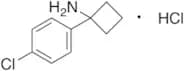
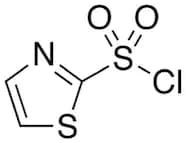
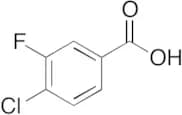
![N-[4-Cyano-3-(trifluoromethyl)phenyl]-2-hydroxy-5-nitrobenzamide](/_next/image/?url=https%3A%2Fstatic.cymitquimica.com%2Fproducts%2FTR%2Fthumb-webp%2FC982240.webp&w=3840&q=75)
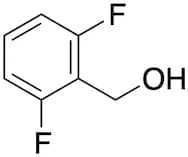

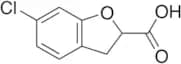


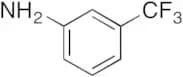
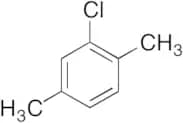
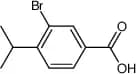
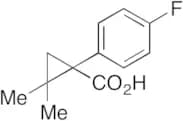
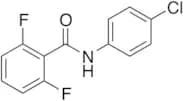
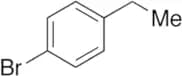

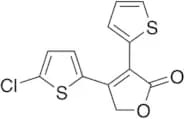
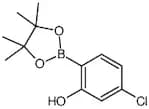
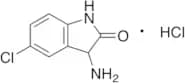
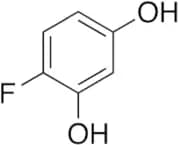
![4-[[[2-(2,4-Difluorophenoxy)acetyl]amino]methyl]benzoic Acid](/_next/image/?url=https%3A%2Fstatic.cymitquimica.com%2Fproducts%2FTR%2Fthumb-webp%2FD462523.webp&w=3840&q=75)
![2-[(Benzyloxycarbonyl)amino]-4,4,4-trifluorobutanoic Acid (>80%)](/_next/image/?url=https%3A%2Fstatic.cymitquimica.com%2Fproducts%2FTR%2Fthumb-webp%2FB188946.webp&w=3840&q=75)
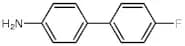
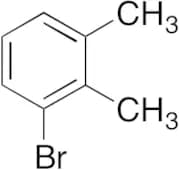
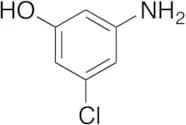
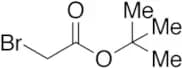
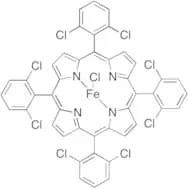
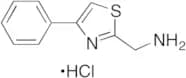
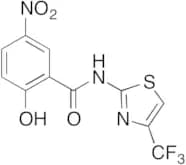

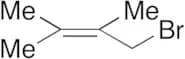
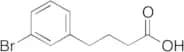
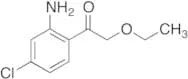
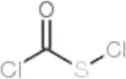
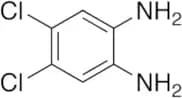
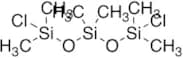
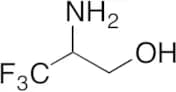
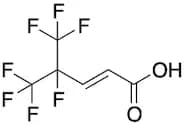
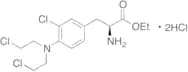
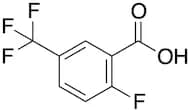
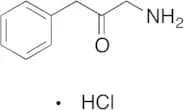

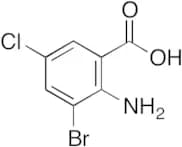

![(2R,3S)-1-Chloro-2-hydroxy-3-[(benzyloxycarbonyl)amino]-4-(phenylthio)butane](/_next/image/?url=https%3A%2Fstatic.cymitquimica.com%2Fproducts%2FTR%2Fthumb-webp%2FC367775.webp&w=3840&q=75)
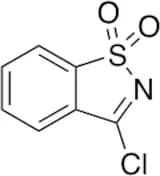
![2-[(2-Fluorophenyl)sulfanyl]acetic Acid](/_next/image/?url=https%3A%2Fstatic.cymitquimica.com%2Fproducts%2FTR%2Fthumb-webp%2FF589910.webp&w=3840&q=75)

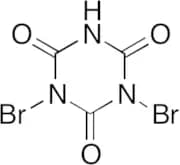
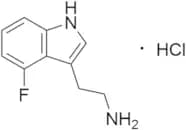


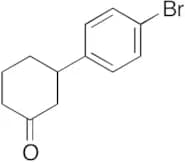
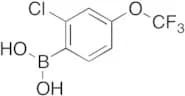
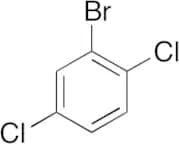
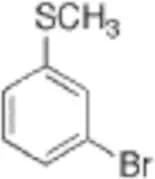
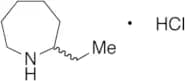
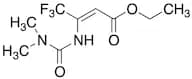
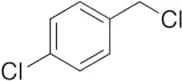
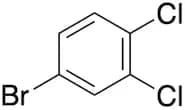
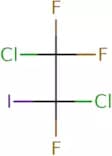

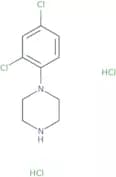

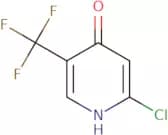
![4-Chloro-5H-pyrimido[5,4-b]indole](/_next/image/?url=https%3A%2Fstatic.cymitquimica.com%2Fproducts%2F3D%2Fthumb-webp%2FFC118328.webp&w=3840&q=75)
![2-Chloro-pyrazolo[1,5-a]pyridine](/_next/image/?url=https%3A%2Fstatic.cymitquimica.com%2Fproducts%2F3D%2Fthumb-webp%2FFC51462.webp&w=3840&q=75)
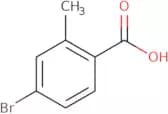

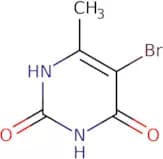
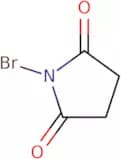
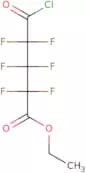
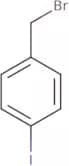
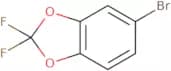
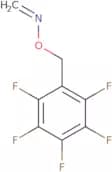
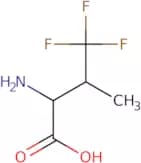

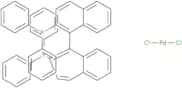
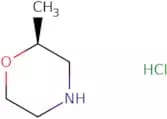
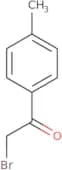
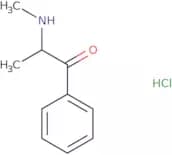
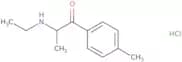
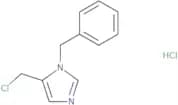
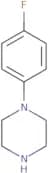
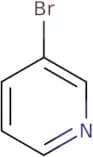
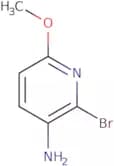
![4-[4-(3-Chlorophenyl)piperazin-1-yl]-4-oxobutanoic acid](/_next/image/?url=https%3A%2Fstatic.cymitquimica.com%2Fproducts%2F3D%2Fthumb-webp%2FFC124815.webp&w=3840&q=75)

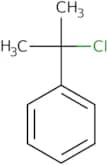
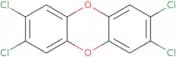
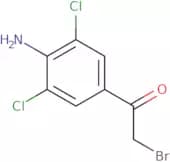

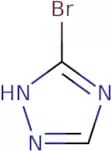
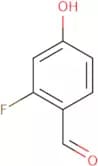
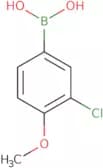

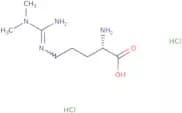
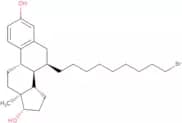
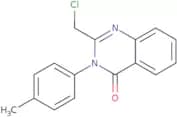
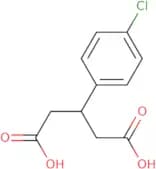
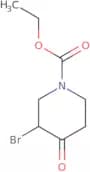
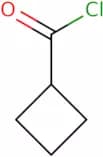
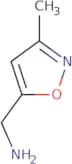
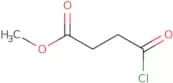
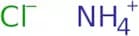

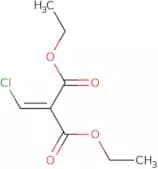

![[1,4-Bis(diphenylphosphino)butane]palladium(II) Dichloride](/_next/image/?url=https%3A%2Fstatic.cymitquimica.com%2Fproducts%2F3D%2Fthumb-webp%2FFB60968.webp&w=3840&q=75)
palladium(IV)](/_next/image/?url=https%3A%2Fstatic.cymitquimica.com%2Fproducts%2F3D%2Fthumb-webp%2FFB157435.webp&w=3840&q=75)
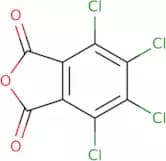
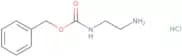
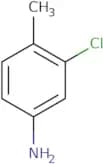
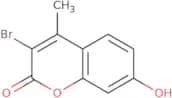
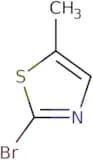
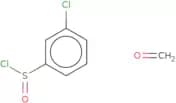
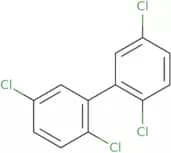
![[1-(4-Chlorobenzyl)-1H-benzimidazol-2-yl]methanol](/_next/image/?url=https%3A%2Fstatic.cymitquimica.com%2Fproducts%2F3D%2Fthumb-webp%2FFC135813.webp&w=3840&q=75)
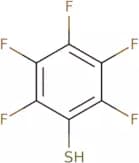
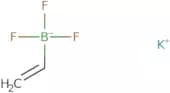
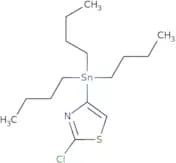
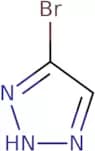
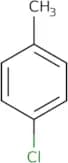
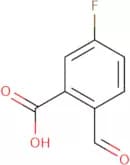
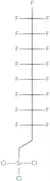
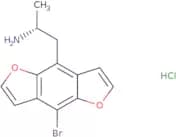
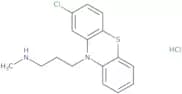
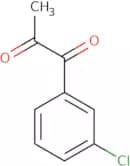

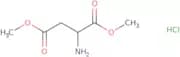
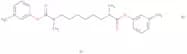
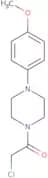
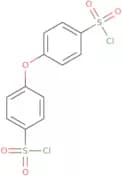
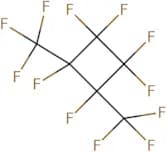

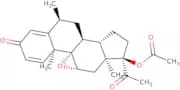
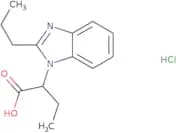
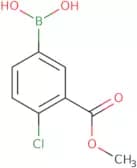
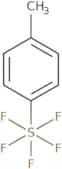
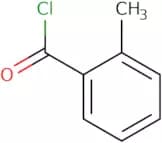

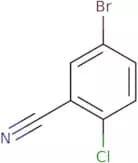
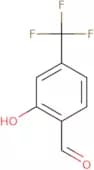

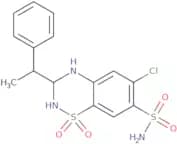
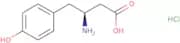

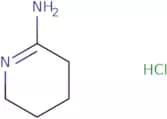
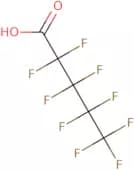
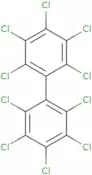
![1-[(4-Chlorophenyl)phenylmethyl]piperazine](/_next/image/?url=https%3A%2Fstatic.cymitquimica.com%2Fproducts%2F3D%2Fthumb-webp%2FFC20350.webp&w=3840&q=75)
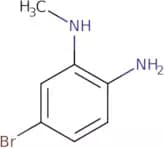
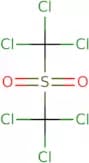
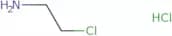
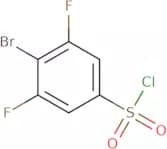

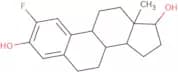
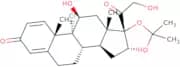
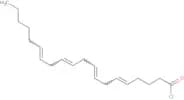
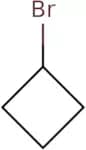
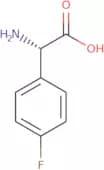
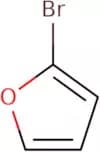
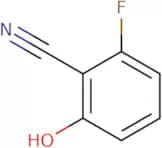
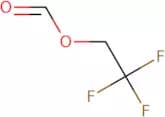

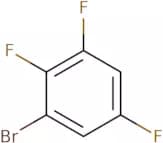
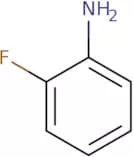
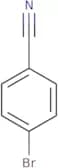
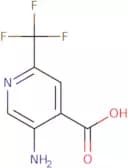
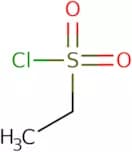
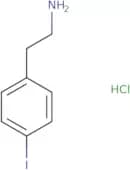



![[2-(Difluoromethyl)phenyl]boronic acid](/_next/image/?url=https%3A%2Fstatic.cymitquimica.com%2Fproducts%2F3D%2Fthumb-webp%2FFD84620.webp&w=3840&q=75)