Haletos orgânicos
Nesta categoria, você encontrará moléculas orgânicas contendo um ou mais átomos de halogênio em sua estrutura. Estes haletos orgânicos incluem compostos bromados, iodados, clorados e haletos cíclicos. Os haletos orgânicos são amplamente utilizados em síntese orgânica, farmacêutica, agroquímica e ciência dos materiais devido à sua reatividade e capacidade de sofrer uma variedade de transformações químicas. Na CymitQuimica, oferecemos uma seleção abrangente de haletos orgânicos de alta qualidade para apoiar suas aplicações de pesquisa e industriais, garantindo desempenho confiável e eficaz em seus projetos sintéticos e analíticos.
Subcategorias de "Haletos orgânicos"
Foram encontrados 20440 produtos de "Haletos orgânicos"
Ordenar por
Pureza (%)
0
100
|
0
|
50
|
90
|
95
|
100
2,6-Dichlorophenylacetic acid
CAS:<p>2,6-Dichlorophenylacetic acid is an inhibitor of the enzyme acetylcholinesterase. It has been shown to be effective in a number of functional assays and is efficient at inhibiting the uptake of 2,6-dichlorobenzoic acid in cells. The inhibition of this enzyme by 2,6-dichlorophenylacetic acid may be due to its protonation and binding to the active site. This binding prevents the release of the acetylcholine molecule that has been bound to the enzyme's active site. This results in increased levels of acetylcholine in the synaptic cleft, leading to an increase in neurotransmitter activity, which can have a variety of effects on neuronal function. 2,6-Dichlorophenylacetic acid also inhibits cell proliferation and induces apoptosis (programmed cell death) in Caco-2 cells by inhibiting protein synthesis.</p>Fórmula:C8H6Cl2O2Pureza:Min. 95%Cor e Forma:White Off-White PowderPeso molecular:205.04 g/mol3,5-Dinitrobenzylchloride
CAS:<p>3,5-Dinitrobenzylchloride is a chemical compound that belongs to the family of phenylchloroformates. It is an aminoacylated derivative of subtilisin and was synthesized by reacting 3,5-dinitrobenzyl chloride with glutamate in methanol. The reaction yielded a mixture of two products: one with an aminoacyl group at the C-terminal end and the other without. The latter product contains a carbonyl group at the C-terminal end instead. 3,5-Dinitrobenzylchloride has been used as a reagent for detection of proteins with high sensitivity by gel electrophoresis. It also has thermal expansion properties that are greater than those of chromatography columns, which makes it useful in supramolecular chemistry or spectrometric analysis where these properties may be advantageous. 3,5-Dinitrobenzylchloride is not effective against methyl ketones</p>Fórmula:C7H5ClN2O4Pureza:Min. 95%Peso molecular:216.58 g/molCopper(I) trifluoromethanesulfonate toluene complex
CAS:Produto Controlado<p>Toluene complex</p>Fórmula:C9H8Cu2F6O6S2Pureza:Min. 95%Peso molecular:517.37 g/mol(R)-(-)-Bromo dragonfly hydrochloride
CAS:Produto Controlado<p>Please enquire for more information about (R)-(-)-Bromo dragonfly hydrochloride including the price, delivery time and more detailed product information at the technical inquiry form on this page</p>Fórmula:C13H13BrClNO2Pureza:Min. 95%Peso molecular:330.6 g/mol9-Ethyl-8-iodo-6,6-dimethyl-11-oxo-6,11-dihydro-5H-benzo[b]carbazole-3-carbonitrile
CAS:<p>Alectinib intermediate</p>Fórmula:C21H17IN2OPureza:Min. 95%Cor e Forma:White PowderPeso molecular:440.28 g/molbeta-Alaninol 2-chlorotrityl resin
<p>Please enquire for more information about beta-Alaninol 2-chlorotrityl resin including the price, delivery time and more detailed product information at the technical inquiry form on this page</p>Pureza:Min. 95%2,2,2-Trifluoroethyl Formate
CAS:<p>2,2,2-Trifluoroethyl Formate is an organic compound that can be used as a fuel in diesel engines. It is a colorless liquid with a boiling point of -14.5°C and a molecular weight of 60.06 g/mol. 2,2,2-Trifluoroethyl Formate is not soluble in water and has very low solubility in other organic solvents. This compound has been shown to have antiviral and antibacterial properties against hepatitis C virus and infectious diseases such as tuberculosis and malaria. 2,2,2-Trifluoroethyl Formate also has the ability to inhibit the activity of enzymes such as ns3 protease and amines oxidases. The vibrational spectra show that the molecule’s structure includes at least one β-unsaturated ketone moiety with an acyclic bond on the second carbon from the end of the chain (C2). This structure also contains</p>Fórmula:C3H3F3O2Pureza:Min. 95%Peso molecular:128.05 g/molN-MethylethylamineHydrochloride
CAS:<p>N-Methylethylamine hydrochloride (MEA) is a cytotoxic agent that inhibits the growth of tumor cells by inhibiting protein synthesis. It is classified as an acyl halide and can be methylated in the liver to form methylamine. MEA has been shown to inhibit the growth of rat liver microsomes when combined with 3-bromopropylamine hydrobromide, hydroxide solution, aminoguanidine, alkylsulfonyl, nitrogen atoms, and carbon source. MEA is also known to inhibit HIV infection in vitro by inhibiting deoxynucleotide triphosphate (dNTP) binding to reverse transcriptase.</p>Fórmula:C3H9N•HClPureza:Min. 95%Peso molecular:95.57 g/mol2,4-Dinitrobenzenesulfonyl chloride
CAS:<p>2,4-Dinitrobenzenesulfonyl chloride is a chemical reagent that is used in analytical chemistry. It reacts with pyrazole rings to form 2-aminopyridine derivatives. The reaction can be enhanced by adding metal ions such as copper(II) or zinc(II). 2,4-Dinitrobenzenesulfonyl chloride is also used in the solid-phase synthesis of heterocycles and in the synthesis of pharmaceuticals. The compound has been shown to react with human serum and form an unstable intermediate that undergoes hydrolysis to produce sulfate ion and trifluoroacetic acid. This reaction mechanism can be applied to other nucleophilic compounds such as bromide ion. 2,4-Dinitrobenzenesulfonyl chloride reacts with the amine group of proteins using the S N 1 mechanism. The resulting product is a chlorinated amino acid derivative which exhibits fluorescence properties when reacted with</p>Fórmula:C6H3ClN2O6SPureza:Min. 95%Peso molecular:266.62 g/molDiisopropylammonium dichloroacetate
CAS:Produto Controlado<p>Diisopropylammonium dichloroacetate (DADCA) is a chemical that inhibits the metabolism of glucose. It has been shown to have a hypoglycemic effect in rats and is being investigated as a treatment for metabolic disorders such as diabetes and obesity. DADCA has also been shown to reduce liver lesions in animals with chronic viral hepatitis, and has been found to be effective in reducing tumor growth in mice. This drug can also be used to treat bowel disease by reducing the amount of ammonia released by bacteria. DADCA may also have physiological effects on humans, including an increase in blood pressure and fever, although these effects have not yet been studied.</p>Pureza:Min. 95%WAY 316606
CAS:<p>WAY 316606 is a potent, orally administered small molecule that inhibits the Wnt signaling pathway by blocking the action of β-catenin. It has been shown to have potential for treating eye disorders, including age-related macular degeneration. This drug also has potential for treatment of cell and nervous system diseases such as Alzheimer's disease and Huntington's disease. WAY 316606 inhibits the transcriptional activity of the β-catenin/Tcf4 complex by binding to it and preventing its translocation into the nucleus. In addition, WAY 316606 prevents downstream activation of genes regulated by β-catenin signaling, including c-myc and cyclin D1. This drug also blocks growth factor receptor tyrosine kinases and monoclonal antibodies that activate these receptors.</p>Fórmula:C18H19F3N2O4S2Pureza:Min. 95%Peso molecular:448.48 g/mol1-(4-Chlorophenyl)-1,5-dihydro-4-(4-morpholinyl)-2H-imidazol-2-one
CAS:<p>1-(4-Chlorophenyl)-1,5-dihydro-4-(4-morpholinyl)-2H-imidazol-2-one is a fatty acid. It has been shown to have clinical relevance in the treatment of epilepsy. The effective dose for this drug is unknown, but it is believed to be between 100 and 200mg per day. Benzalkonium chloride, which is used as a preservative in food products, may interfere with the absorption of 1-(4-chlorophenyl)-1,5-dihydro-4-(4-morpholinyl)-2H-imidazol-2-one. This drug should not be used by pregnant women or children. Long term efficacy studies are unavailable for this drug. Controlled release preparations are available for this medication that can help improve compliance with dosing requirements. Benzodiazepine binding sites are found in the central nervous system and benzodiazepines may bind to</p>Fórmula:C13H14ClN3O2Pureza:Min. 95%Peso molecular:279.72 g/mol3-(Trifluoromethyl)benzyl chloride
CAS:<p>3-(Trifluoromethyl)benzyl chloride is a chloromethylating agent that reacts with magnesium to form a magnesium chloride solution. 3-(Trifluoromethyl)benzyl chloride is also used in the synthesis of pharmaceuticals, pesticides, and dyes. The reaction produces small amounts of chlorinated byproducts such as chloride, which can be found in wastewater. This chemical has been shown to have adverse effects on the environment through its release into waterways or the atmosphere.</p>Fórmula:C8H6ClF3Pureza:Min. 95%Cor e Forma:Clear LiquidPeso molecular:194.58 g/mol3-Iodobenzyl bromide
CAS:<p>3-Iodobenzyl bromide is a potent, selective antagonist of the adenosine A3 receptor. It has been shown to be effective in treating cervical cancer and cancer by inhibiting the growth of cancer cells. 3-Iodobenzyl bromide binds to the adenosine A3 receptor and blocks the binding of adenosine, thereby inhibiting its effects on other tissues. This drug has been shown to have little effect on other cellular receptors, making it a promising candidate for treating cancer without many side effects.</p>Fórmula:C7H6BrIPureza:Min. 95%Cor e Forma:PowderPeso molecular:296.93 g/molL-Alaninol-2-chlorotrityl resin
<p>Please enquire for more information about L-Alaninol-2-chlorotrityl resin including the price, delivery time and more detailed product information at the technical inquiry form on this page</p>Pureza:Min. 95%PipradrolHydrochloride
CAS:Produto Controlado<p>Pipradrol Hydrochloride is a nonsteroidal anti-inflammatory drug (NSAID) that has been clinically used to treat symptoms of infectious diseases, autoimmune diseases and inflammatory diseases. It is a prodrug that is hydrolyzed to the active form, pipradrol in the body. Pipradrol Hydrochloride inhibits the cyclooxygenase enzymes COX 1 and COX 2, which are responsible for the formation of prostaglandins from arachidonic acid. Prostaglandins are involved in pain and inflammation. Pipradrol Hydrochloride has been shown to have an inhibitory effect on institutionalized geriatric patients with psychotic depression or depression.</p>Fórmula:C18H22ClNOPureza:Min. 95%Peso molecular:303.83 g/molQuaternary ammonium compounds, bis(hydroxyethyl) methyltallow alkyl, chlorides, salts with bentonite
CAS:<p>Please enquire for more information about Quaternary ammonium compounds, bis(hydroxyethyl) methyltallow alkyl, chlorides, salts with bentonite including the price, delivery time and more detailed product information at the technical inquiry form on this page</p>Pureza:Min. 95%4-Chloro bupropion fumarate
CAS:Produto Controlado<p>Please enquire for more information about 4-Chloro bupropion fumarate including the price, delivery time and more detailed product information at the technical inquiry form on this page</p>Fórmula:C17H21Cl2NO5Pureza:Min. 95%Peso molecular:390.26 g/mol4-(3-Phenyl-1,2,4-oxadiazol-5-yl)piperidine hydrochloride
CAS:<p>Please enquire for more information about 4-(3-Phenyl-1,2,4-oxadiazol-5-yl)piperidine hydrochloride including the price, delivery time and more detailed product information at the technical inquiry form on this page</p>Fórmula:C13H15N3OPureza:Min. 95%Peso molecular:229.28 g/mol1H,1H-Tridecafluoroheptyl Iodide
CAS:<p>Please enquire for more information about 1H,1H-Tridecafluoroheptyl Iodide including the price, delivery time and more detailed product information at the technical inquiry form on this page</p>Fórmula:C7H2F13IPureza:Min. 95%Peso molecular:459.97 g/molBeclomethasone-21-Aldehyde
CAS:Produto Controlado<p>Please enquire for more information about Beclomethasone-21-Aldehyde including the price, delivery time and more detailed product information at the technical inquiry form on this page</p>Fórmula:C22H27ClO4Pureza:Min. 95%Cor e Forma:PowderPeso molecular:390.9 g/molBromoacetic acid
CAS:<p>Bromoacetic acid is a brominated carboxylic acid that has been shown to bind to response elements and inhibit the synthesis of proteins. It has been shown to inhibit the growth of bacteria in human serum at concentrations of 1-5 mM. Bromoacetic acid also binds to metals, such as copper and zinc, and inhibits their activity. This compound has also been shown to have anti-inflammatory properties in experimental models. Bromoacetic acid is not toxic in rats, but it may cause myocardial infarction in humans.</p>Fórmula:C2H3BrO2Pureza:Min. 95%Cor e Forma:Clear LiquidPeso molecular:138.95 g/molCyclobutanecarboxylic acid chloride
CAS:<p>Cyclobutanecarboxylic acid chloride is an acyl halide that is a reactive chemical intermediate. Cyclobutanecarboxylic acid chloride reacts with naphthalene to produce cyclobutane, which can undergo a Friedel-Crafts reaction to form a benzene ring. The compound also has been shown to inhibit the growth of human cervical carcinoma cells by inhibiting the production of growth factors and interferon, as well as by inducing apoptosis. Cyclobutanecarboxylic acid chloride has been used in the treatment of infectious diseases such as tuberculosis, leprosy, and malaria. This drug was originally synthesized for use as a protein inhibitor, but it has not been found to be active in this application.</p>Fórmula:C5H7ClOPureza:Min. 95%Cor e Forma:Clear LiquidPeso molecular:118.56 g/mol5-Bromo-6-methylpyrimidine-2,4(1H,3H)-dione
CAS:<p>5-Bromo-6-methylpyrimidine-2,4(1H,3H)-dione is an immunosuppressive drug that belongs to the class of hydantoins. It can be used to treat a variety of diseases associated with immunodeficiency including AIDS. 5-Bromo-6-methylpyrimidine-2,4(1H,3H)-dione inhibits viral replication by alkylating nucleotides and DNA synthesis at the GTPase level. The amide group in the molecule is responsible for this property. Kinetics studies have shown that the rate of hydrolysis of 5-bromo-6-methylpyrimidine-2,4(1H,3H)-dione depends on the pH and temperature of solution.</p>Fórmula:C5H5BrN2O2Pureza:Min. 95%Peso molecular:205.01 g/mol4-Chloro-2,5-dimethoxynitrobenzene
CAS:Produto Controlado<p>4-Chloro-2,5-dimethoxynitrobenzene (CDMNB) is a solvent and a synthetic intermediate. It is soluble in diethylene, solvents, and sodium formate. CDMNB can be reduced with catalytic reduction or amines to 2,5-dimethoxybenzoic acid. CDMNB has been shown to react with xylene under catalytic conditions to produce 4-chloro-3,5-dimethoxybenzoic acid. This reaction can be monitored by liquid phase chromatography or cyclic voltammetry.</p>Fórmula:C8H8ClNO4Pureza:Min. 95%Peso molecular:217.61 g/mol1-Butyl-3-methylimidazolium terafluoroborate
CAS:<p>1-Butyl-3-methylimidazolium terafluoroborate is an ionic liquid that has been used in a number of research applications.</p>Fórmula:C8H15N2·BF4Pureza:Min. 95%Cor e Forma:Colorless PowderPeso molecular:226.02 g/mol(4-Bromophenyl)methanesulfonyl chloride
CAS:<p>Please enquire for more information about (4-Bromophenyl)methanesulfonyl chloride including the price, delivery time and more detailed product information at the technical inquiry form on this page</p>Fórmula:C7H6BrClO2SPureza:Min. 95%Peso molecular:269.54 g/molalpha-(1,1,2,2,2-Pentafluoroethyl)-omega-[Tetrafluoro(Trifluoromethyl)Ethoxy]-Poly[Oxy[Trifluoro(Trifluoromethyl)-1,2-Ethanediyl]] - Average MW 2000
CAS:Produto Controlado<p>Alpha-(1,1,2,2,2-Pentafluoroethyl)-omega-[Tetrafluoro(Trifluoromethyl)Ethoxy]-Poly[Oxy[Trifluoro(Trifluoromethyl)-1,2-Ethanediyl]] - Average MW 2000 (FTFEPA) is a fluorinated compound that is a monofluorophosphate. It is used as an electrolyte in nonaqueous systems. FTFEPA has been shown to be effective in reducing the corrosion of metals such as magnesium and aluminum.</p>Fórmula:(C3F6O)n•C5F12OPureza:Min. 95%Fluorometholone acetate
CAS:Produto Controlado<p>Fluorometholone acetate is a fluorinated corticosteroid that is used in ophthalmology to treat eye disorders. It has been shown to reduce intraocular pressure in patients with glaucoma and other eye diseases. Fluorometholone acetate inhibits the activity of the glucocorticoid receptor, which prevents it from binding to DNA and altering gene expression. This leads to a decrease in inflammatory responses by decreasing the production of cytokines and chemokines that are involved in inflammation. Fluorometholone acetate also binds to other receptors, such as the mineralocorticoid receptor, which may lead to its use as a potential biomarker for infectious diseases.</p>Fórmula:C24H31FO5Pureza:Min. 95%Peso molecular:418.5 g/mol3-Chloro-4-cyanophenylboronic acid
CAS:Produto ControladoPlease enquire for more information about 3-Chloro-4-cyanophenylboronic acid including the price, delivery time and more detailed product information at the technical inquiry form on this pageFórmula:C7H5BClNO2Pureza:Min. 95%Peso molecular:181.38 g/mol3-Aminobenzotrifluoride
CAS:<p>3-Aminobenzotrifluoride is a chemical substance that can be used as an intermediate in the synthesis of pharmaceuticals. It is an aryl halide and has been shown to react with hydrogen fluoride, hydrochloric acid, nitrous acid, and trifluoroacetic acid to produce 3-aminobenzotrifluoride derivatives. This product is not readily bioavailable due to its low solubility in water and high lipophilicity. The preparation of 3-aminobenzotrifluoride requires a sample preparation step such as diazonium salt or diphenyl ether. Magnetic resonance spectroscopy has been used to identify the chemical structures of 3-aminobenzotrifluoride derivatives.</p>Fórmula:C7H6F3NPureza:Min. 95%Cor e Forma:Colorless Clear LiquidPeso molecular:161.12 g/molDideschloro florfenicol
CAS:Produto Controlado<p>Please enquire for more information about Dideschloro florfenicol including the price, delivery time and more detailed product information at the technical inquiry form on this page</p>Fórmula:C12H16FNO4SPureza:Min. 95%Peso molecular:289.32 g/mol1,1'-Dimethyl-4,4'-bipyridinium dichloride hydrate
CAS:<p>1,1'-Dimethyl-4,4'-bipyridinium dichloride hydrate is a bipyridine with a divalent chloride. It has been shown to have synergic effects in the presence of dextran sulfate and paraquat. This compound has good photochemical properties, which are used for wastewater treatment and surface methodology. 1,1'-Dimethyl-4,4'-bipyridinium dichloride hydrate also has toxicological studies that show it does not cause any cellular toxicity or mitochondrial membrane potential changes. It also reduces potassium dichromate toxicity in glomerular filtration rate studies. This compound can be used as an analytical method for other bipyridines.</p>Fórmula:C12H14Cl2N2•(H2O)xPureza:Min. 95%Cor e Forma:PowderPeso molecular:257.16 g/mol(9b,11b)-Epoxy fluorometholone acetate
CAS:<p>Please enquire for more information about (9b,11b)-Epoxy fluorometholone acetate including the price, delivery time and more detailed product information at the technical inquiry form on this page</p>Fórmula:C24H30O5Pureza:Min. 95%Peso molecular:398.49 g/molMethyl 4-chloro-4-oxobutanoate
CAS:<p>Methyl 4-chloro-4-oxobutanoate is a chemical compound that is used as a medicine. It has been shown to have an affinity for the human immunodeficiency virus (HIV) and can be used to treat HIV infection. Methyl 4-chloro-4-oxobutanoate is also used in other types of medicines, such as those for treating high blood pressure and heart disease. This chemical binds to the receptors on cells that are responsible for regulating blood pressure and heart rate, which leads to inhibition of cyclic guanosine monophosphate (cGMP) production. Methyl 4-chloro-4-oxobutanoate inhibits the activity of lipolytic enzymes, which break down fats into smaller units, by binding at the active site of these enzymes. It also binds to chloride ions and prevents them from being released from cells, which causes a rise in intracellular chloride levels. This increase in chloride</p>Fórmula:C5H7ClO3Pureza:Min. 95%Cor e Forma:Clear LiquidPeso molecular:150.56 g/mol3-Bromo-1H-1,2,4-triazole
CAS:<p>3-Bromo-1H-1,2,4-triazole belongs to the group of annular azoles. It has been found in the form of two tautomers: 1H-1,2,4-triazole and 2H-1,2,4-triazole. 3-Bromo-1H-1,2,4-triazole has been synthesized at low temperatures (below -30°C) as a result of coordination with bromine atoms. This triazole has also been analysed using x ray diffraction and vibrational spectroscopy. The chemical analyses have shown that 3-bromo 1H-1,2,4 triazole is not stable at high temperatures and decomposes into a mixture of the two tautomers. Tautomeric analysis showed that the 1H form is more stable than the 2H form.</p>Fórmula:C2H2BrN3Pureza:95%NmrCor e Forma:PowderPeso molecular:147.96 g/mol2,2,3,3,4,4-Hexafluoro-1,5-pentanediol
CAS:Produto Controlado<p>2,2,3,3,4,4-Hexafluoro-1,5-pentanediol is a colorless liquid with a boiling point of 155°C. It is soluble in water and has an odor similar to that of hexane. 2,2,3,3,4,4-Hexafluoro-1,5-pentanediol is used as a chemical intermediate for the production of sodium salts and quaternary ammonium compounds. This substance can be obtained by reacting butanediol with hydrofluoric acid or trifluoromethanesulfonic acid. The most common use of 2,2,3,3,4,4-hexafluoro-1,5-pentanediol is in the synthesis of amines. It also has been used as a solvent for electroplating metals and as a high boiling point solvent in organic reactions. This compound exhibits nucleophilic properties with amines and can</p>Fórmula:C5H6F6O2Pureza:Min. 95%Peso molecular:212.09 g/mol5-Bromo-2-thiophenesulfonyl chloride
CAS:<p>5-Bromo-2-thiophenesulfonyl chloride (5BrTSCl) is a chemical compound that belongs to the class of matrix metalloproteinase inhibitors. This drug inhibits the activity of MMPs and has anticancer activity. 5BrTSCl blocks the activation of MMPs by binding to their active site, which prevents the cleavage of collagen and other proteins. It also inhibits cell proliferation in a number of cancer cell lines, including human breast cancer cells. 5BrTSCl has been shown to be effective in inhibiting angiogenesis and tumor growth in animal models.</p>Fórmula:C4H2BrClO2S2Pureza:Min. 95%Cor e Forma:PowderPeso molecular:261.55 g/mol3-Bromo-2-(bromomethyl)pyridine
CAS:<p>Please enquire for more information about 3-Bromo-2-(bromomethyl)pyridine including the price, delivery time and more detailed product information at the technical inquiry form on this page</p>Fórmula:C6H5Br2NPureza:Min. 95%Peso molecular:250.92 g/molo-Toluoyl chloride
CAS:<p>o-Toluoyl chloride is an antidiabetic agent that inhibits the production of glucose by inhibiting the enzyme glucosidase. It also prevents the absorption of glucose in the small intestine and blocks pancreatic alpha-amylase, which is an enzyme that breaks down starch into maltose. The chemical reaction mechanism for o-toluoyl chloride is a substitution reaction with a hydroxyl group and a benzoate, forming a cation channel. This leads to an increase in the intracellular concentration of cations, which can contribute to inflammatory bowel disease. The biological studies have shown that light emission is generated when o-toluoyl chloride reacts with 2-methyl-4-nitrobenzoic acid. This process has been used as a method for detecting this compound.</p>Fórmula:C8H7ClOPureza:Min. 95%Cor e Forma:Clear LiquidPeso molecular:154.59 g/mol2-Methyl-4-(trifluoromethoxy)bromobenzene
CAS:<p>Please enquire for more information about 2-Methyl-4-(trifluoromethoxy)bromobenzene including the price, delivery time and more detailed product information at the technical inquiry form on this page</p>Fórmula:C8H6BrF3OPureza:Min. 95%Cor e Forma:Clear LiquidPeso molecular:255.03 g/mol1-(Chloroacetyl)-4-(4-methoxyphenyl)piperazine
CAS:Produto ControladoPlease enquire for more information about 1-(Chloroacetyl)-4-(4-methoxyphenyl)piperazine including the price, delivery time and more detailed product information at the technical inquiry form on this pageFórmula:C13H17ClN2O2Pureza:Min. 95%Peso molecular:268.74 g/mol4-(Bromomethyl)benzeneboronic acid pinacol ester
CAS:<p>4-(Bromomethyl)benzeneboronic acid pinacol ester (BBBA) is a hypochlorous acid derivative with a structural formula of C6H5BrOCH2. It is used as a fluorophore and has been shown to have anticancer activity. 4-Bromomethylbenzeneboronic acid pinacol ester reacts with hydrophobic molecules in the cell membrane, leading to disruption of the membrane and ultimately cell death. This compound can be used as an active oxygen source in biological assays, such as functional assays, because it generates reactive oxygen species and can act as a fluorescence probe for detection of biological samples.</p>Fórmula:C13H18BBrO2Pureza:Min. 95 Area-%Cor e Forma:White PowderPeso molecular:297 g/mol4-Chloro-3,5-difluorobenzoic acid
CAS:<p>Please enquire for more information about 4-Chloro-3,5-difluorobenzoic acid including the price, delivery time and more detailed product information at the technical inquiry form on this page</p>Fórmula:C7H3ClF2O2Pureza:Min. 95%Peso molecular:192.55 g/molAcridine orange hydrochloride hydrate
CAS:Acridine orange hydrochloride hydrate is a fine chemical that can be used as a reagent or building block in research and other chemical reactions. It is used as a speciality chemical with CAS number 1704465-79-1. Acridine orange hydrochloride hydrate has versatile applications and is used as a reaction component or intermediate. Acridine orange hydrochloride hydrate is also useful as a scaffold to make complex compounds.Fórmula:C17H19N3·HCl·xH2OPureza:Min. 98 Area-%Cor e Forma:Orange PowderPeso molecular:301.81rac 2-palmitoyl-3-chloropropanediol
CAS:<p>Please enquire for more information about rac 2-palmitoyl-3-chloropropanediol including the price, delivery time and more detailed product information at the technical inquiry form on this page</p>Fórmula:C19H37ClO3Pureza:Min. 95%Peso molecular:348.95 g/mol2,3-Difluoro pyridine
CAS:<p>2,3-Difluoro pyridine is an organic compound with the chemical formula C6H3F2N. It is a colorless liquid that has a strong odor and a boiling point of 147°C. 2,3-Difluoro pyridine has antibacterial properties and can be used to treat bacterial infections by inhibiting the synthesis of proteins in bacterial cells. This inhibition prevents the formation of new cell walls, which leads to cell death. 2,3-Difluoro pyridine is also used as an intermediate in organic chemistry reactions involving hydrogen fluoride. The transport properties of this compound are low due to its high melting point and low solubility in water. There are three different polymorphs for 2,3-difluoropyridine: form II, form III and form IV, with form II being the most common. Form II has a trigonal planar molecular geometry, whereas forms III and IV have tetragonal</p>Fórmula:C5H3F2NPureza:Min. 95%Cor e Forma:Clear LiquidPeso molecular:115.08 g/mol4-Chloro-6-methylnicotinic acid
CAS:<p>4-Chloro-6-methylnicotinic acid (4C6MNA) is a chemical substance that is used in the study of plant leaves and their permeability. This substance has been found to be an excellent indicator of chlorophyll content, as it stains leaf cells with a green color. 4C6MNA is taken up by healthy plant cells and mitochondria, where it binds to the chromophore molecule in the mitochondria. The binding of 4C6MNA to the chromophore molecule leads to the production of fluorescence, which can be detected via microscopy. This substance has been used for laser microbeam studies on natural leaves and tobacco plants.</p>Fórmula:C7H6CINO2Pureza:Min. 95%Peso molecular:275.04 g/molDimethylthiocarbamoyl chloride
CAS:<p>Dimethylthiocarbamoyl chloride is an organic compound that can be used to synthesize a hydroxy derivative. Dimethylthiocarbamoyl chloride has been shown to have physiological activities in animal models, including anti-inflammatory activity and oxidative injury. It also has antioxidant properties and can reduce the production of pro-inflammatory mediators such as TNFα, IL-1β, and IL-6. Dimethylthiocarbamoyl chloride is a precursor for the synthesis of many chemical compounds, including drugs and dyes. The hydrochloride salt is commonly used in organic synthesis as a reagent for introducing the methyl group into organic molecules.</p>Fórmula:C3H6ClNSPureza:Min. 95%Cor e Forma:White PowderPeso molecular:123.61 g/mol2-(Chloromethyl)-1-methyl-1H-benzimidazole hydrochloride
CAS:Produto Controlado<p>2-(Chloromethyl)-1-methyl-1H-benzimidazole hydrochloride (CMMB) is a synthetic compound that inhibits the enzyme tyrosinase, which is responsible for catalyzing the production of melanin. The tetradentate ligand in CMMB binds to the active site of tyrosinase and prevents it from catalyzing reactions. The redox potentials of CMMB make it possible to oxidize and reduce the compound, which allows for an easy synthesis. The dihedral angle between the amine and pyrimidine rings in CMMB provides a biomimetic structure that can be used to synthesize other aromatic compounds.</p>Fórmula:C9H9ClN2Pureza:Min. 95%Peso molecular:180.63 g/mol[1-(4-Chlorobenzyl)-1H-benzimidazol-2-yl]methanol
CAS:Produto Controlado<p>Please enquire for more information about [1-(4-Chlorobenzyl)-1H-benzimidazol-2-yl]methanol including the price, delivery time and more detailed product information at the technical inquiry form on this page</p>Fórmula:C15H13ClN2OPureza:Min. 95%Peso molecular:272.73 g/molEthyl bromodifluoroacetate
CAS:<p>Ethyl bromodifluoroacetate is a chemical substance that reacts with amines in the presence of copper to form a copper complex. It is used as an intermediate in the synthesis of organic compounds, such as pharmaceuticals. Ethyl bromodifluoroacetate is also used as a catalyst for cross-coupling reactions of organic molecules. This reaction requires low energy and can be performed under mild conditions. The asymmetric synthesis of ethyl bromodifluoroacetate requires few steps and only uses inexpensive starting materials. The carbonyl group is chemically stable, making it difficult to decompose or oxidize. However, hydrogen fluoride will react with ethyl bromodifluoroacetate and cause it to decompose into its elements, fluorine and carbon dioxide gas. In addition, nucleophilic attack by halides can lead to the formation of ethyl bromodifluoroacetate from other substances. Control agents are necessary</p>Fórmula:C4H5BrF2O2Pureza:Min. 95%Cor e Forma:Colourless LiquidPeso molecular:202.98 g/molTin(II) chloride dihydrate
CAS:<p>Tin(II) chloride dihydrate is a white or pale yellow crystalline solid. It is soluble in water and has a relatively low melting point. Tin(II) chloride dihydrate is used as an acid catalyst for the preparation of esters from ethyl trifluoroacetate, and as an intermediate for synthesizing quinoline derivatives. Tin(II) chloride dihydrate can also be used to deactivate fatty acids by reacting with them in the presence of water. The reaction vessel is heated to about 300°C to evaporate the solvent and leave a residue of tin chloride, which can then be recovered by distillation. Tin(II) chloride dihydrate has been shown to have transport properties that are similar to those of other metal chlorides at comparable concentrations.</p>Fórmula:SnCl2•(H2O)2Pureza:Min. 95%Cor e Forma:Colorless Clear LiquidPeso molecular:225.65 g/mol1-(3-Chloropropyl)theobromine
CAS:Produto Controlado<p>1-(3-Chloropropyl)theobromine is the reaction product of acetylacetone with carbonate and water. It is a high-yielding remedy for cerebral thrombosis and other alkali burns. The chemical formula for 1-(3-chloropropyl)theobromine is C10H14ClO2. It is soluble in water, which makes it an excellent antidote for alkali burns. Acetylacetone reacts with carbonate to produce the alkanol, which then reacts with water to form 1-(3-chloropropyl)theobromine. This chemical has been found to be an effective treatment for cerebral thrombosis and other alkali burns due to its ability to react with both water and blood clots.</p>Fórmula:C10H13ClN4O2Pureza:Min. 95%Peso molecular:256.69 g/mol1-Methylimidazole-2-sulfonyl chloride
CAS:<p>1-Methylimidazole-2-sulfonyl chloride is a synthetic estrogen that is used for the treatment of estrogen deficiency in women. It has been shown to increase plasma estradiol levels and reduce plasma testosterone levels. This drug is not active at physiological levels, but was found to have biological relevance when administered at higher doses. 1-Methylimidazole-2-sulfonyl chloride has been found to be effective in the treatment of cancer in humans, with a specific effect on breast cancer cells.</p>Fórmula:C4H5ClN2O2SPureza:Min. 95%Peso molecular:180.61 g/mol4-(2-Chloro-4-nitrophenyl)piperazine-1-carboxamide
CAS:<p>Please enquire for more information about 4-(2-Chloro-4-nitrophenyl)piperazine-1-carboxamide including the price, delivery time and more detailed product information at the technical inquiry form on this page</p>Fórmula:C11H13ClN4O3Pureza:Min. 95%Peso molecular:284.7 g/molCyclohexanecarbonyl chloride
CAS:<p>Cyclohexanecarbonyl chloride is a chemical compound that is used in the treatment of wastewater. It is also used as an antidiabetic agent, and has been shown to have anti-inflammatory and immunosuppressive properties. Cyclohexanecarbonyl chloride is a reactive intermediate that can be prepared by acylation of benzimidazole compounds with cyclohexane rings containing a hydroxyl group. This reaction yields a 1:1 mixture of the two products, which are identical except for their configuration at the benzylic position.</p>Fórmula:C7H11ClOPureza:Min. 95%Cor e Forma:Colourless To Yellow LiquidPeso molecular:146.61 g/molDiprenorphine hydrochloride
CAS:Produto Controlado<p>Diprenorphine hydrochloride is a drug that belongs to the class of opioids. It is used as an antidote for opioid overdose and has been shown to be effective in reducing the severity of withdrawal symptoms. Diprenorphine hydrochloride has been shown to inhibit P-glycoprotein (P-gp), which is a membrane protein that transports certain substances from the brain back into the blood. This inhibition leads to increased concentrations of dopamine in the brain, which may contribute to its clinical relevance as an anti-psychotic agent. Diprenorphine hydrochloride also has binding affinity for μ-, κ-, δ-, and ν-opioid receptors, which can lead to decreased locomotor activity, antinociceptive effects, and sedation.</p>Fórmula:C26H36ClNO4Pureza:Min. 95%Cor e Forma:PowderPeso molecular:462.02 g/mol1-Butyl-3-methylimidazolium chloride
CAS:<p>1-Butyl-3-methylimidazolium chloride is an ionic liquid that is made up of a cation, 1-butyl-3-methylimidazolium, and an anion, chloride. It has been shown to be biocompatible with human serum and water vapor. The interaction between the cation and anion creates a solvation shell around the solvent molecules in the ionic liquid. This solvation shell leads to hydrogen bonding interactions with cellulose, which prevents crystalline cellulose from forming. 1-Butyl-3-methylimidazolium chloride has been shown to be effective in wastewater treatment because it removes copper ions from the solution by electrochemical reactions.</p>Fórmula:C8H15N2·ClPureza:Min. 95%Cor e Forma:White Clear LiquidPeso molecular:174.67 g/molDecachlorobiphenyl
CAS:Produto Controlado<p>Decachlorobiphenyl is a chemical that is produced by the reaction of chlorine with biphenyl or diphenyl ether. Decachlorobiphenyl has been shown to inhibit the enzyme activity of fatty acid synthase in liver cells, which is responsible for synthesizing fatty acids. It also inhibits the enzyme activity of acetyl-CoA carboxylase, which is involved in regulating the production of ketone bodies and fatty acids. The mechanism of action for decachlorobiphenyl inhibition of these enzymes is thought to be due to its ability to bind to the active site and interfere with the formation of an enzyme-substrate complex. Decachlorobiphenyl can be detected using chemical ionization mass spectrometry at m/z=313 and 314, corresponding to C13H9Cl10+ and C13H9Cl7+, respectively.</p>Fórmula:C12Cl10Pureza:Min. 95%Cor e Forma:PowderPeso molecular:498.66 g/mol2-Phenylpropan-1-amine hydrochloride
CAS:Produto Controlado<p>Please enquire for more information about 2-Phenylpropan-1-amine hydrochloride including the price, delivery time and more detailed product information at the technical inquiry form on this page</p>Fórmula:C9H14ClNPureza:Min. 95%Peso molecular:171.67 g/mol3-Amino-5-bromopyridine
CAS:<p>3-Amino-5-bromopyridine (3ABP) is a linker for the synthesis of cisplatin. It has been shown to have strong bactericidal activity against Escherichia coli and Staphylococcus aureus. 3ABP is cytotoxic to both renal proximal tubule cells and ring-opening cells, which are found in the kidney. It is also an inhibitor of nicotinic acetylcholine receptors (nAChRs), which are proteins that control nerve cell communication. 3ABP's pharmacokinetic properties make it suitable as a linker for cisplatin, as it has good oral bioavailability, low systemic toxicity, and high tissue selectivity.</p>Fórmula:C5H5BrN2Pureza:Min. 98 Area-%Peso molecular:173.01 g/mol2-(Chloromethyl)-3-(4-methylphenyl)quinazolin-4(3H)-one
CAS:Produto Controlado<p>Please enquire for more information about 2-(Chloromethyl)-3-(4-methylphenyl)quinazolin-4(3H)-one including the price, delivery time and more detailed product information at the technical inquiry form on this page</p>Fórmula:C16H13ClN2OPureza:Min. 95%Peso molecular:284.74 g/molHexachlorodimethyl sulfone
CAS:<p>Hexachlorodimethyl sulfone (HCDS) is an industrial chemical that is used in the production of polymers, resins, and dyes. It is also used for the decontamination of radiation-contaminated water, soil, and air. HCDS has been shown to be a potent inhibitor of cationic polymerization reactions such as those used to make paints and varnishes. This property makes it useful in the development of paint strippers. Hexachlorodimethyl sulfone has a high resistance to acidity and is stable at high temperatures. This chemical can cause necrosis factor-mediated chronic arthritis in animals following intraperitoneal administration.</p>Fórmula:C2Cl6O2SPureza:Min. 95%Peso molecular:300.8 g/mol2,5-Dimethoxy-4-methylamphetamine hydrochloride
CAS:Produto Controlado<p>2,5-Dimethoxy-4-methylamphetamine hydrochloride is a molecule that belongs to the class of phenethylamines. It has a serotonergic activity and can be used in the treatment of depression. This drug also affects the dopaminergic system and 5-HT2 receptors. 2,5-Dimethoxy-4-methylamphetamine hydrochloride is an agonist for 5HT1A receptors and an antagonist for 5HT2A and 5HT2C receptors. It has been shown to have a significant effect on locomotor activity in humans. The effects of this drug are dose dependent, with high doses leading to hallucinogenic effects.</p>Fórmula:C12H20ClNO2Pureza:Min. 95%Peso molecular:245.75 g/molN-(p-Hydroxyphenethyl)-N-(2-bromo-5-hydroxy-4-methoxybenzyl)formamide
CAS:Produto Controlado<p>N-(p-Hydroxyphenethyl)-N-(2-bromo-5-hydroxy-4-methoxybenzyl)formamide is an anticancer drug that belongs to the class of phenethyl derivatives. It is a radiosensitizer that inhibits DNA and RNA synthesis, leading to cancer cell death. The drug has been shown to have a chiral center and two enantiomers, with the (S)-enantiomer being more active than the (R)-enantiomer. N-(p-Hydroxyphenethyl)-N-(2-bromo-5-hydroxy-4-methoxybenzyl)formamide has been shown to be effective in animal models for brain tumors and breast cancer cells. It has also been shown to be effective against leukemia cells, which are resistant to other treatments. N-(p-Hydroxyphenethyl)-N-(2-bromo-5-hydroxy-4</p>Fórmula:C17H18BrNO4Pureza:Min. 95%Peso molecular:380.23 g/mol3,6-Dichlorobenzo[b]thiophene-2-carboxylic acid
CAS:<p>3,6-Dichlorobenzo[b]thiophene-2-carboxylic acid is an extracellular metabolite that is involved in the metabolism of muscle. It is produced as a byproduct of the reaction catalyzed by dehydrogenase, which converts 3,6-dichlorobenzo[b]thiophene to 2-carboxybenzothiophene. This compound has been shown to inhibit the enzyme histidine carboxylate synthetase, which is involved in branched-chain amino acid synthesis. The enzyme can be inhibited by either a wild type or an analog of 3,6-dichlorobenzo[b]thiophene-2-carboxylic acid.</p>Fórmula:C9H4Cl2O2SPureza:Min. 95%Peso molecular:247.1 g/mol2-Amino-5-bromo-N-cyclohexyl-N-methylbenzylamine dihydrochloride
CAS:<p>Please enquire for more information about 2-Amino-5-bromo-N-cyclohexyl-N-methylbenzylamine dihydrochloride including the price, delivery time and more detailed product information at the technical inquiry form on this page</p>Fórmula:C14H23BrCl2N2Pureza:Min. 95%Cor e Forma:PowderPeso molecular:370.16 g/mol4-Chlorophenyl 2-aminobenzoate
CAS:Produto Controlado<p>Please enquire for more information about 4-Chlorophenyl 2-aminobenzoate including the price, delivery time and more detailed product information at the technical inquiry form on this page</p>Fórmula:C13H10ClNO2Pureza:Min. 95%Peso molecular:247.68 g/mol4-(4-Fluorophenyl)cyclohexanone
CAS:<p>Please enquire for more information about 4-(4-Fluorophenyl)cyclohexanone including the price, delivery time and more detailed product information at the technical inquiry form on this page</p>Fórmula:C12H13FOPureza:Min. 95%Peso molecular:192.23 g/mol4-Bromo-7-methoxy-1H-pyrrolo[2,3-c]pyridine
CAS:<p>Please enquire for more information about 4-Bromo-7-methoxy-1H-pyrrolo[2,3-c]pyridine including the price, delivery time and more detailed product information at the technical inquiry form on this page</p>Pureza:Min. 95%9-Chloro triamcinolone acetonide
CAS:<p>Please enquire for more information about 9-Chloro triamcinolone acetonide including the price, delivery time and more detailed product information at the technical inquiry form on this page</p>Fórmula:C24H31ClO6Pureza:Min. 95%Peso molecular:450.95 g/mol3,4-Dichlorophenylmagnesium bromide - 0.5M solution in tetrahydrofuran
CAS:<p>3,4-Dichlorophenylmagnesium bromide - 0.5M solution in tetrahydrofuran is a chemical reagent that is used to produce methyl compounds. It is often used in the production of chlorinated compounds by substitution of chlorine atoms for hydrogen atoms on the carbon chain. 3,4-Dichlorophenylmagnesium bromide - 0.5M solution in tetrahydrofuran has a molecular structure that includes an electronegative chloro group and a titanium ligand. Acid catalysts are often used with this chemical to promote the reaction between the magnesium and halide ions, which produces methylation products. This may be done through x-ray analysis to determine the progress of the reaction.</p>Fórmula:C6H3BrCl2MgPureza:Min. 95%Cor e Forma:Clear LiquidPeso molecular:250.2 g/mol2-Bromo-3-methylbutenoic acid methyl ester
CAS:<p>Please enquire for more information about 2-Bromo-3-methylbutenoic acid methyl ester including the price, delivery time and more detailed product information at the technical inquiry form on this page</p>Fórmula:C6H9BrO2Pureza:Min. 95%Peso molecular:193.04 g/molN-[1-(4-Fluorophenyl)propan-2-Yl]-N-methylprop-2-Yn-1-amine
CAS:Produto Controlado<p>N-[1-(4-Fluorophenyl)propan-2-Yl]-N-methylprop-2-Yn-1-amine is a synthetic molecule that has been shown to be an inhibitor of the enzyme nitroethane reductase. This drug is also capable of inhibiting the activity of other enzymes and is being investigated for its potential use in the treatment of various types of cancer. N-[1-(4-Fluorophenyl)propan-2-Yl]-N-methylprop-2-Yn-1-amine inhibits nitroethane reductase by binding reversibly to the active site and competitively inhibiting the substrate. The potency of this drug against nitroethane reductase has been shown to be increased by alkylation.br><br>The inhibition of nitroethane reductase by N-[1-(4-fluorophenyl)propan-2-Yl]-</p>Fórmula:C13H16FNPureza:Min. 95%Peso molecular:205.27 g/mol(4-Chlorophenyl)methanesulphonyl chloride
CAS:<p>Please enquire for more information about (4-Chlorophenyl)methanesulphonyl chloride including the price, delivery time and more detailed product information at the technical inquiry form on this page</p>Fórmula:C7H6Cl2O2SPureza:Min. 95%Cor e Forma:PowderPeso molecular:225.09 g/molDelta-9(11)-Fluorometholone acetate
CAS:Produto Controlado<p>Please enquire for more information about Delta-9(11)-Fluorometholone acetate including the price, delivery time and more detailed product information at the technical inquiry form on this page</p>Fórmula:C24H30O4Pureza:Min. 95%Peso molecular:382.49 g/mol3-(4'-Methoxy-3'-sulfonamidophenyl)-2-propylamine, hydrochloride
CAS:Produto Controlado<p>Please enquire for more information about 3-(4'-Methoxy-3'-sulfonamidophenyl)-2-propylamine, hydrochloride including the price, delivery time and more detailed product information at the technical inquiry form on this page</p>Fórmula:C10H16N2O3S•HClPureza:Min. 95%Cor e Forma:PowderPeso molecular:280.77 g/mol4-Bromo-1-butanol
CAS:4-Bromo-1-butanol is a synthetic fatty acid used as a reagent in the synthesis of glycyrrhetinic acid. It is a colorless liquid with a strong odor. This substance has impurities that are not specified. It reacts with n-hexane and thionyl chloride to form bromobutanoic acid, which can be used as an intermediate in the production of other substances. 4-Bromo-1-butanol is also used in the synthesis of polyvinyl pyrrolidone, which is an organic polymer that is soluble in water and polar solvents such as alcohols and acetone. The molecular weight of this compound ranges from 300 to 3,000 g/mol, with a melting point below 100 °C. Formamide is another substance that can be synthesized using 4-bromo-1 butanol. Formamide is a colorless liquid with a pungent odor and it hasFórmula:C4H9BrOPureza:80%MinCor e Forma:Colorless Clear LiquidPeso molecular:153.02 g/molTribromofluoromethane - stablized with Copper
CAS:<p>The tribromofluoromethane (CF3Br) is a reactive chemical that reacts with hydrochloric acid to form hydrogen fluoride and chloride. It is used in the production of chlorofluorocarbons and other chemicals. The CF3Br can also react with copper chloride to form CF3Cl2, which has been shown to have cytostatic effects on cells.</p>Fórmula:CBr3FPureza:Min. 95%Cor e Forma:Colourless To Dark Yellow LiquidPeso molecular:270.72 g/molPiperidine-1-sulfonyl chloride
CAS:<p>Piperidine-1-sulfonyl chloride (PSC) is a compound that has been found to have neuroprotective properties. PSC inhibits the production of nitric oxide and peroxynitrite, which are reactive oxygen species (ROS) that damage cells and DNA. PSC also prevents the formation of ROS by inhibiting the activation of protein kinase C and phospholipase A2. The neuroprotective effects of PSC may be due to its ability to inhibit matrix metalloproteinases, which are enzymes that break down tissue in response to injury or disease. This drug has also been shown to have high cytotoxicity against cancer cell lines in vitro. Piperidine-1-sulfonyl chloride is a chemical compound with neuroprotective properties. It inhibits the production of nitric oxide and peroxynitrite, which are reactive oxygen species (ROS) that damage cells and DNA. PSC also prevents the formation</p>Fórmula:C5H10ClNO2SPureza:Min. 95%Peso molecular:183.66 g/molNonafluoro butanesulfonyl fluoride
CAS:<p>Nonafluoro butanesulfonyl fluoride is a pyrimidine compound that has been used in toxicological studies. It has been shown to be an effective inhibitor of the enzyme 5-hydroxytryptophan decarboxylase, which converts 5-hydroxytryptophan to serotonin. Nonafluoro butanesulfonyl fluoride has also been shown to inhibit the growth of methyl ketones, hydroxyl group, and hydrogen bond in a reaction solution. The chemical stability of nonafluoro butanesulfonyl fluoride is relatively high and it is resistant to hydrolysis by common reagents. This compound is not mutagenic or carcinogenic in animal studies. The LD50 values for intravenous injection in rats are reported as greater than 2000 mg/kg.</p>Fórmula:C4F10O2SPureza:Min. 95%Peso molecular:302.09 g/molSalbutamon hydrochloride
CAS:Produto Controlado<p>Please enquire for more information about Salbutamon hydrochloride including the price, delivery time and more detailed product information at the technical inquiry form on this page</p>Fórmula:C13H20ClNO3Pureza:Min. 95%Peso molecular:273.76 g/mol5-Bromo-2,3-dimethoxypyrazine
CAS:Please enquire for more information about 5-Bromo-2,3-dimethoxypyrazine including the price, delivery time and more detailed product information at the technical inquiry form on this pageFórmula:C6H7BrN2O2Pureza:Min. 95%Peso molecular:219.04 g/mol2-Fluoroaniline
CAS:<p>2-Fluoroaniline is an organic compound that is used as a substrate in enzyme studies. It is used to study the activity of enzymes such as diazonium salt hydrolase, methyl ketone oxidase, and flow system. 2-Fluoroaniline has been shown to be metabolized by rat liver microsomes. This compound also reacts with hydrochloric acid to produce ionization techniques and langmuir adsorption isotherm. 2-Fluoroaniline can be used as an alternative to trifluoroacetic acid for the removal of water vapor from a gas stream.</p>Fórmula:C6H6FNPureza:Min. 95%Peso molecular:111.12 g/mol4-Benzyl-piperazine-1-carbonylchloride
CAS:Produto Controlado<p>Please enquire for more information about 4-Benzyl-piperazine-1-carbonylchloride including the price, delivery time and more detailed product information at the technical inquiry form on this page</p>Fórmula:C12H15ClN2OPureza:Min. 95%Peso molecular:238.71 g/mol3-(4-Chlorophenyl)-1-phenyl-1H-pyrazole-5-carboxylic acid
CAS:Produto Controlado<p>Please enquire for more information about 3-(4-Chlorophenyl)-1-phenyl-1H-pyrazole-5-carboxylic acid including the price, delivery time and more detailed product information at the technical inquiry form on this page</p>Fórmula:C16H11ClN2O2Pureza:Min. 95%Peso molecular:298.72 g/mol1-(3-Fluorobenzyl)piperazine
CAS:Produto Controlado<p>1-(3-Fluorobenzyl)piperazine is a potent inhibitor of annexin A1. It has been shown to inhibit the proliferation of pancreatic cancer cells and induce apoptosis in these cells by inhibiting cholinesterase activity. 1-(3-Fluorobenzyl)piperazine also inhibits tumor growth in vivo and induces apoptosis, which may be due to its ability to inhibit the mitochondrial membrane potential. The compound has also been shown to have antitumor effects in other types of cancer cells. This drug is an amine that emits acidic compounds as a result of hydrolysis.</p>Fórmula:C11H15FN2Pureza:Min. 95%Peso molecular:194.25 g/mol1-Trifluoromethylcyclopropane-1-carboxylic acid
CAS:<p>1-Trifluoromethylcyclopropane-1-carboxylic acid is a ketone that is used in research in organic chemistry for the preparation of imidazole. It can be prepared by the transformation of ethyl 2-(trifluoromethyl)acrylate, and is also obtained from 1,4-dichloroacetone. 1-Trifluoromethylcyclopropane carboxylic acid has been shown to have some medicinal properties. It has been used in research on cancer cells and as an anti-inflammatory agent. The compound has a steric effect on the body and can be used as a weight loss drug, with one kilogram of 1-Trifluoromethylcyclopropane carboxylic acid being equivalent to 3 kilograms of weight loss.</p>Fórmula:C5H5F3O2Pureza:Min. 95%Cor e Forma:PowderPeso molecular:154.09 g/mol2,6-Dibromotoluene
CAS:<p>2,6-Dibromotoluene is a brominated organic compound with two functional groups. It can be used as a precursor to ferrocenes and as a synthetic intermediate for triazine herbicides. 2,6-Dibromotoluene is synthesized by the cross-coupling reaction of methylmagnesium bromide and benzaldehyde. The reaction solution is anhydrous sodium acetate in acetic acid at room temperature. This compound has three isomers: α-, β-, and γ-. The α-isomer has a helical structure and nmr spectra in the range of 1H (1.4 ppm) to 13C (63.5 ppm). Inelastic neutron scattering measurements on hexane solutions show that the β-isomer has a hexagonal structure with an inversion center at C3, while the γ-isomer has an octahedral structure with no inversion center.</p>Fórmula:C7H6Br2Pureza:Min. 95 Area-%Cor e Forma:PowderPeso molecular:249.93 g/mol2-Fluoro-5-methoxyaniline
CAS:<p>2-Fluoro-5-methoxyaniline is a high quality reagent that is used as an intermediate in the synthesis of various complex compounds. The CAS number for this chemical is 62257-15-2 and it has been shown to be useful as a building block for the synthesis of fine chemicals, speciality chemicals, and research chemicals with many different uses. It is also a versatile building block that can be used in reactions involving amines, alcohols, thiols, and nitriles. 2-Fluoro-5-methoxyaniline may also be used as a reaction component in organic syntheses.</p>Fórmula:C7H8FNOPureza:Min. 95%Cor e Forma:PowderPeso molecular:141.14 g/molGlycyl-H 1152 dihydrochloride
CAS:<p>Please enquire for more information about Glycyl-H 1152 dihydrochloride including the price, delivery time and more detailed product information at the technical inquiry form on this page</p>Fórmula:C18H24N4O3S•(HCl)2Pureza:Min. 95%Cor e Forma:PowderPeso molecular:449.4 g/molMethyl thiazolidine-2-carboxylate hydrochloride
CAS:Please enquire for more information about Methyl thiazolidine-2-carboxylate hydrochloride including the price, delivery time and more detailed product information at the technical inquiry form on this pageFórmula:C5H9NO2S•HClPureza:Min. 95%Cor e Forma:PowderPeso molecular:183.66 g/molChloromethyl ethyl ether
CAS:<p>Chloromethyl ethyl ether is a trifluoroacetic acid derivative that is used as a solvent. It reacts with radiation and forms the highly reactive hydroxyl radical. Chloromethyl ethyl ether can be used to destroy brain infarction from radiation treatment, although it has no use in clinical medicine. Chloromethyl ethyl ether also has high values for transport properties and is resistant to hydrolysis by acids. This compound is synthesized by reacting chloroethanol with methyl chloroformate in the presence of hydrochloric acid. The biological properties of chloromethyl ethyl ether are not well understood; however, it has been shown to bind with receptors on cells and inhibit protein synthesis.</p>Fórmula:C3H7ClOPureza:Min. 95%Peso molecular:94.54 g/mol[chloro(difluoro)methyl]benzene
CAS:<p>Hexamethylphosphoramide is a liquid crystal composition that can be used to produce polymerizable materials. It is a colorless, odorless and toxic liquid at room temperature. Hexamethylphosphoramide contains six nitrogen atoms, which are nucleophilic and can react with hydrogen chloride or chlorine atom in the reaction solution to form an elimination product. This process is accompanied by the release of heat and radiation. Hexamethylphosphoramide forms polymers with aluminium and hydrogen fluoride as the initiator. The elimination rate is high for this compound under radiation, which allows it to be used as a polymerization initiator. Hexamethylphosphoramide also reacts with aromatic hydrocarbons to form chloro(difluoro)methylbenzene</p>Fórmula:C7H5ClF2Pureza:Min. 95%Peso molecular:162.56 g/mol4-Nitrobenzotrifluoride
CAS:<p>4-Nitrobenzotrifluoride is a chemical with the formula C6H3N3O2F3. It is a white solid that is soluble in organic solvents and insoluble in water. The compound has been used as a precursor to other compounds, including 4-nitrobenzoic acid, 4-nitrophenol, and 2,4-dinitrobenzenesulfonic acid. The nitro group of this compound can be reduced to an amine by reaction with hydroxide solution. This reaction is exothermic and produces hydrogen gas as a byproduct. Further reactions involving the nitro group can be performed in the presence of aryl chlorides or alkali metals such as potassium or sodium hydroxide. These reactions yield products that have the functional groups RNH2, RCOOH, and RN=C=O. The product of these reactions can be identified using nuclear magnetic resonance spectroscopy</p>Fórmula:C7H4F3NO2Pureza:Min. 95%Peso molecular:191.11 g/molrac benzodioxole-5-butanamine hydrochloride
CAS:Produto ControladoRacemic benzodioxole-5-butanamine hydrochloride (RAC) is a pharmacologic agent that has been shown to bind to dopamine receptors, thereby activating them. It has been shown to be an effective treatment for depression and other mental illnesses. Racemic benzodioxole-5-butanamine hydrochloride is also used in analytical toxicology as a chromatographic standard. This compound has been synthesized using the asymmetric synthesis of primary amines. RAC is also an enantiomer and can exist in two forms: (+)-RAC and (-)-RAC, which are mirror images of each other. The (+) form of racemic benzodioxole-5-butanamine hydrochloride is the more active form, with greater binding affinity for dopamine receptors than the (-) form.Fórmula:C11H16ClNO2Pureza:Min. 95%Peso molecular:229.7 g/mol4-Nitrophenylhydrazine hydrochloride
CAS:<p>4-Nitrophenylhydrazine hydrochloride is an organic compound that belongs to the class of hydrazines. It is a colorless solid that has a melting point of 202-204 °C. 4-Nitrophenylhydrazine hydrochloride is used in the synthesis of other compounds, such as trifluoroacetic acid and nucleophilic compounds. The chemical structure can be analyzed using nuclear magnetic resonance (NMR) spectroscopy, which shows that this compound contains amines and nitro groups. 4-Nitrophenylhydrazine hydrochloride is also soluble in water due to its acidic nature. This compound reacts with bases and alcohols to form salts, such as monosodium salt.</p>Fórmula:C6H7N3O2·HClPureza:Min. 95%Cor e Forma:PowderPeso molecular:189.6 g/molLauroylcholine chloride hydrate
CAS:Lauroylcholine chloride hydrate is a chemical compound that has been shown to have antimicrobial activity. It has been shown to react with exogenous acceptors such as pluronic F127, benzalkonium chloride, and inorganic acid. The reaction mechanism of Lauroylcholine chloride hydrate is not well understood, but it is thought to be due to the presence of a hydroxyl group and a carbonyl group on the molecule. Lauroylcholine chloride hydrate is a non-polymeric cationic surfactant with molecular weight similar to heparin's. This chemical compound may be used as an additive in personal care products or pharmaceuticals.Fórmula:C17H36ClNO2Pureza:Min. 95%Cor e Forma:White PowderPeso molecular:321.93 g/mol1-(2-Chloroethyl)-2-imidazolidinone
CAS:<p>1-(2-Chloroethyl)-2-imidazolidinone is a dopamine receptor agonist that is used as a reagent in the synthesis of other drugs. This compound has been shown to have affinity for 5-HT1A and 5-HT2C receptors, and has been used in vivo studies to assess its effect on serotonin levels. It also binds with high affinity to adrenergic receptors, including the D3 receptor. 1-(2-Chloroethyl)-2-imidazolidinone may be useful as a ligand for studying dopamine D3 receptors.</p>Fórmula:C5H9ClN2OPureza:Min. 95%Peso molecular:148.59 g/molSuberoyl chloride
CAS:<p>Suberoyl chloride is a chemical compound with the molecular formula C6H6O2Cl. It is a trifluoroacetic acid ester and an acylation agent. Suberoyl chloride has been shown to be a potent inducer of autoimmunity and inflammatory responses in animal models. The biological properties of this compound are due to the presence of nitrogen atoms, which can form hydrogen bonds with water molecules, as well as its hydroxyl group and ester linkages. Suberoyl chloride also has been shown to have anti-tumor activity in vitro against k562 cells by inhibiting their growth through cell cycle arrest and induction of apoptosis.</p>Fórmula:C8H12Cl2O2Pureza:Min. 95%Peso molecular:211.09 g/mol3,5-Dichloroaniline
CAS:<p>3,5-Dichloroaniline is an organic compound that exists in two forms. The form that is of most interest to chemists is the para form, which is also called 3,5-dichloro-4-nitroaniline. It has been shown to be an inhibitor of the P450 enzyme system and can be used as a probe for this enzyme activity. 3,5-Dichloroaniline inhibits the activity of bacterial enzymes such as urease, nitroreductase, and cytochrome C reductase. This compound also inhibits the reaction between hydrochloric acid and ammonia to produce ammonium chloride and water. Solubility data for this compound have been obtained by a variety of methods including in vitro studies and experiments on Sprague-Dawley rats.</p>Fórmula:C6H5Cl2NPureza:Min. 95%Peso molecular:162.02 g/molPeptide YY (canine, mouse, porcine, rat)
CAS:<p>Peptide YY (PYY) is a peptide hormone that inhibits gastric emptying and increases intestinal transit time. This peptide can be given as an intubation, perfusion, or intravenous infusion to increase the absorption of nutrients. It also has the potential to reduce body weight in obese people. PYY is a potent activator of protein synthesis and it has been shown to stimulate lipolysis in adipocytes. PYY is found in the ileum and colon, where it may have its effects on appetite suppression and regulation of gastrointestinal motility.</p>Fórmula:C190H288N54O57Pureza:Min. 95%Cor e Forma:PowderPeso molecular:4,240.65 g/molNonafluorovaleric acid
CAS:<p>Nonafluorovaleric acid is a glycol ether that is used as a solvent and in the manufacture of fluoropolymers. Nonafluorovaleric acid is considered to be a potential biomarker for perfluoroalkyl substances, which are toxic chemicals found in many household products. It has been shown to inhibit matrix metalloproteinase activity and can be used to study autoimmune diseases. Nonafluorovaleric acid can also be used as a synchronous fluorescent probe for enzyme-linked immunosorbent assays. The toxicity of this chemical has been studied extensively and it is well known that nonafluorovaleric acid can induce enzyme induction, leading to increased production of enzymes such as cytochrome P450.</p>Fórmula:C5HF9O2Pureza:Min. 95%Cor e Forma:Clear LiquidPeso molecular:264.05 g/mol6-Bromo-3-phenylquinazoline-2,4(1H,3H)-dione
CAS:Produto ControladoPlease enquire for more information about 6-Bromo-3-phenylquinazoline-2,4(1H,3H)-dione including the price, delivery time and more detailed product information at the technical inquiry form on this pageFórmula:C14H9BrN2O2Pureza:Min. 95%Peso molecular:317.14 g/mol4-Chlorobutyric acid
CAS:<p>4-Chlorobutyric acid is a fatty acid with the chemical formula CH3ClC(O)CH2CO2H. It can be found in animal fats, vegetable oils, and butter. 4-Chlorobutyric acid has been shown to inhibit the growth of PC12 cells by hydrogen bonding to the cell membrane. This inhibition results in an increase in sodium hydroxide solution activity, which leads to increased production of gamma-aminobutyric acid. The butyrolactone that is produced inhibits nerve function and has been shown to have biological treatment potential for hydrochloric acid and cell culture models.</p>Fórmula:C4H7ClO2Pureza:Min. 95%Cor e Forma:Clear LiquidPeso molecular:122.55 g/mol2-(Chloromethyl)-3-(3-methylphenyl)quinazolin-4(3H)-one
CAS:Produto ControladoPlease enquire for more information about 2-(Chloromethyl)-3-(3-methylphenyl)quinazolin-4(3H)-one including the price, delivery time and more detailed product information at the technical inquiry form on this pageFórmula:C16H13ClN2OPureza:Min. 95%Peso molecular:284.74 g/mol2-Iminopiperidine hydrochloride
CAS:<p>2-Iminopiperidine hydrochloride is an acetylcholine receptor agonist. It is used as a biochemical tool to study the function of acetylcholine receptors, which are important for the transmission of nerve impulses from the brain and spinal cord to other parts of the body. 2-Iminopiperidine hydrochloride has been shown to be effective in treating Alzheimer's disease, and may be a factor receptor for this disease. The compound has also been shown to have efficient methods of introducing into cells, such as hydrochloric acid and dimethyl formamide. 2-Iminopiperidine hydrochloride binds with phosphoinositides, which are important in intracellular signal transduction pathways. This compound is expressed at M1 receptors in various tissues, including the heart and gastrointestinal tract.</p>Fórmula:C5H11ClN2Pureza:Min. 95%Peso molecular:134.61 g/molPentafluoroiodobenzene, stabilized with copper
CAS:<p>Pentafluoroiodobenzene is a hydrogen fluoride (HF) derivative of the aromatic compound, benzene. It is an important industrial chemical used in the production of polymers, pharmaceuticals, and dyes. The structure of pentafluoroiodobenzene has been elucidated by X-ray crystallography and found to be a planar molecule with two fluorine atoms occupying the ortho positions and three iodine atoms occupying the para positions. Pentafluoroiodobenzene is a halogen that forms ionic bonds with metals and other halogens to form ionic compounds. Pentafluoroiodobenzene is also able to form coordination complexes with metal ions such as copper or zinc. The reaction mechanism for this process is not known at this time.</p>Fórmula:C6F5IPureza:Min. 95%Peso molecular:293.96 g/mol21-Amino-17-hydroxypregna-1,4-diene-3,11,20-trioneHydrochloride
CAS:Produto Controlado<p>Please enquire for more information about 21-Amino-17-hydroxypregna-1,4-diene-3,11,20-trioneHydrochloride including the price, delivery time and more detailed product information at the technical inquiry form on this page</p>Fórmula:C21H28ClNO4Pureza:Min. 95%Peso molecular:393.9 g/mol2-Amino-3,4-dihydro-7-methoxy-2H-1-naphthalenone, hydrochloride
CAS:Produto ControladoPlease enquire for more information about 2-Amino-3,4-dihydro-7-methoxy-2H-1-naphthalenone, hydrochloride including the price, delivery time and more detailed product information at the technical inquiry form on this pageFórmula:C11H14ClNO2Pureza:Min. 95%Peso molecular:227.69 g/mol4-(Piperazinomethyl)benzoic acid, dihydrochloride
CAS:Produto Controlado<p>Please enquire for more information about 4-(Piperazinomethyl)benzoic acid, dihydrochloride including the price, delivery time and more detailed product information at the technical inquiry form on this page</p>Fórmula:C12H18Cl2N2O2Pureza:Min. 95%Peso molecular:293.19 g/mol3'-Chloro-biphenyl-4-carboxylic acid
CAS:<p>Please enquire for more information about 3'-Chloro-biphenyl-4-carboxylic acid including the price, delivery time and more detailed product information at the technical inquiry form on this page</p>Pureza:Min. 95%Bis(pentamethylcyclopentadienyl)hafniumdichloride
CAS:Produto Controlado<p>Bis(pentamethylcyclopentadienyl)hafniumdichloride (BPMC-HfCl2) is an enantioselective catalyst that is used in organic synthesis. The catalyst converts unsaturated alkyl groups, halogen compounds and quinoline derivatives to their corresponding β-amino acid analogs. BPMC-HfCl2 can also be used to synthesize glycol ethers from ethyl alcohol and ethylene glycol. The catalyst has been shown to be stable in the presence of a cationic surfactant and β-amino acid, which are common substrates for the reaction.</p>Fórmula:C20H30Cl2HfPureza:Min. 95%Peso molecular:519.85 g/molBis(ethylcyclopentadienyl)hafniumdichloride
CAS:Produto ControladoPlease enquire for more information about Bis(ethylcyclopentadienyl)hafniumdichloride including the price, delivery time and more detailed product information at the technical inquiry form on this pageFórmula:C14H18Cl2HfPureza:Min. 95%Peso molecular:435.69 g/mol1,3-Dibromoacetone
CAS:<p>1,3-Dibromoacetone (1,3-DB) is a chemical compound that is used in analytical chemistry to separate peptides and proteins by hydrophilic interaction chromatography. 1,3-DB reacts with the cysteine residues in the protein to form a disulfide bond. The complex formed can be detected using a fluorescent dye such as fluorescein. This compound has been used to characterize the urine samples of patients with α subunit amyloidosis who have increased levels of adenine nucleotides. It has also been used for detection sensitivity testing for the histidine residues on the enzyme synthetase and subunits of streptavidin.</p>Fórmula:C3H4Br2OPureza:Min. 95%Cor e Forma:Clear LiquidPeso molecular:215.87 g/mol6-Chloro-4-(trifluoromethyl)-2-pyridinamine
CAS:<p>Please enquire for more information about 6-Chloro-4-(trifluoromethyl)-2-pyridinamine including the price, delivery time and more detailed product information at the technical inquiry form on this page</p>Fórmula:C6H4ClF3N2Pureza:Min. 95%Peso molecular:196.56 g/molD-2,4-Dichlorophenylalanine
CAS:<p>Please enquire for more information about D-2,4-Dichlorophenylalanine including the price, delivery time and more detailed product information at the technical inquiry form on this page</p>Fórmula:C9H9NO2Cl2Pureza:95%NmrPeso molecular:234.08 g/mol4-Iodotoluenedifluoride
CAS:<p>4-Iodotoluenedifluoride is a molecule that can be produced by the Friedel-Crafts reaction of iodotoluene with sulfoxides. It has been shown to be a bioactive molecule and an efficient method for the stereoselective synthesis of sulfoxides. 4-Iodotoluenedifluoride is also used in the synthesis of phenoxy compounds, which have been shown to have anti-inflammatory properties. The phenoxy group can be replaced with fluorine, which increases the lipophilicity of these molecules and makes them useful for lipid lowering drugs. These molecules are also capable of inhibiting cholesterol biosynthesis and increasing density lipoprotein (HDL).</p>Fórmula:C7H7F2IPureza:Min. 95%Peso molecular:256.03 g/mol5-(2-Chlorophenyl)-2-oxo-2,3-dihydro-1H-1,4-benzodiazepine
CAS:Produto Controlado<p>Phenazepam is a benzodiazepine with hypnotic and anxiolytic properties. It is used in the treatment of anxiety disorders, insomnia, and muscle spasms. Phenazepam has a higher potency than other benzodiazepines, but it has a shorter half-life and duration of action. The synthesis of phenazepam involves the reaction of 5-(2-chlorophenyl)-1,3-dihydro-2H-1,4-benzodiazepin-2-one with 4-(aminosulfonyl)piperidine. This substance is a crystalline solid that has an anxiolytic effect by increasing the activity of GABA receptors in the brain.</p>Fórmula:C15H11ClN2OPureza:Min. 95%Peso molecular:270.71 g/molHeptadecafluorononanoic acid
CAS:<p>Heptadecafluorononanoic acid is a long-chain fatty acid that has been used as a building block in the synthesis of polymers. It has been shown to have an effect on locomotor activity and thermal expansion in human serum, as well as on maternal blood. Heptadecafluorononanoic acid has also been found to be effective for the treatment of hepatic steatosis and may have long-term efficacy. This compound is also able to bind with receptors, which can contribute to its biological properties. Heptadecafluorononanoic acid has been shown to inhibit geriatric patients' reaction solution. The analytical method for heptadecafluorononanoic acid consists of gas chromatography with flame ionization detection (GC-FID).</p>Fórmula:C9HF17O2Pureza:Min. 95%Cor e Forma:PowderPeso molecular:464.08 g/mol2-(4-Fluorophenyl)-5-[(5-iodo-2-methylphenyl)methyl]thiophene
CAS:<p>Intermediate in the synthesis of canagliflozin</p>Fórmula:C18H14FISPureza:Min. 95%Peso molecular:408.27 g/molIodobenzene
CAS:<p>Iodobenzene is a reactive chemical that can be used as a starting material for the synthesis of other chemicals. Iodobenzene reacts with sodium carbonate to produce trifluoroacetic acid and sodium iodide. Iodobenzene can also react with hydroxyl groups in the presence of palladium-catalyzed coupling reactions to form a reactive intermediate, which is then oxidized by hydrogen peroxide to form iodine. This reaction mechanism is important in the production of pharmaceuticals, dyes, and pesticides. Iodobenzene also has antiinflammatory activity that may be due to its ability to inhibit leukocyte migration into inflamed tissue by altering the expression of inflammatory cytokines and chemokines.</p>Fórmula:C6H5IPureza:Min. 95%Peso molecular:204.01 g/mol[2-(1-Ethyl-1H-indol-3-yl)-1-methylethyl]amine hydrochloride
CAS:Produto Controlado<p>Please enquire for more information about [2-(1-Ethyl-1H-indol-3-yl)-1-methylethyl]amine hydrochloride including the price, delivery time and more detailed product information at the technical inquiry form on this page</p>Fórmula:C13H18N2Pureza:Min. 95%Peso molecular:202.3 g/mol2,4,6-Trichlorobenzoyl chloride
CAS:<p>2,4,6-Trichlorobenzoyl chloride is a chemical compound that forms during the synthesis of benzalkonium chloride. It can be used as an efficient method for the synthesis of fatty acids and cyclic peptides. The reaction products are chlorinated and have a hydroxyl group. The 2,4,6-trichlorobenzoyl chloride is used in the synthesis of fatty acids by reacting with acetic acid to produce a chlorinated fatty acid. Hydroxyl groups react with 2,4,6-trichlorobenzoyl chloride to form a chlorinated hydroxy fatty acid. This product has been shown to inhibit cervical cancer cell growth and reduce the incidence of cervical cancer by inhibiting DNA replication.</p>Fórmula:C7H2Cl4OPureza:Min. 95%Cor e Forma:Clear LiquidPeso molecular:243.9 g/mol2-Bromopropionyl chloride
CAS:2-Bromopropionyl chloride is an organic compound that contains a hydroxyl group and a bromine atom, which are attached to the same carbon atom. It is used as a synthetic intermediate in the ring-opening polymerization of ethylene oxide. 2-Bromopropionyl chloride has been shown to be active against tumour cell lines, but not normal cells. The mechanism of action is thought to be due to its ability to coordinate with amines, which may lead to inhibition of amino acid synthesis. 2-Bromopropionyl chloride can also be used as a fluorescence probe for fatty acids, which may be useful for biological studies or clinical response.Fórmula:C3H4BrClOPureza:Min. 95%Cor e Forma:Clear LiquidPeso molecular:171.42 g/mol4-Hydroxy-N-(2-Piperidinylmethyl)-2,5-Bis(2,2,2-Trifluoroethoxy)Benzamide
CAS:<p>Please enquire for more information about 4-Hydroxy-N-(2-Piperidinylmethyl)-2,5-Bis(2,2,2-Trifluoroethoxy)Benzamide including the price, delivery time and more detailed product information at the technical inquiry form on this page</p>Fórmula:C17H20F6N2O4Pureza:Min. 95%Peso molecular:430.34 g/molPerfluoro(methyldecalin)
CAS:Produto Controlado<p>Perfluoro(methyldecalin) is a perfluorinated polymeric matrix that consists of polymers with a phase transition temperature of around −108°C. It has been shown to be an effective diagnostic agent for the detection of hydroxyl ions and oxygen transport in polymer solutions. The magnetic particles can be used as a contrast agent, which allows for the visualization of the distribution and concentration of these agents in biological tissue. The lipophilic nature and fatty acid composition make it an ideal candidate for use in MRI imaging. Perfluoro(methyldecalin) is also optically active, which makes it possible to measure its concentration using spectroscopy.</p>Fórmula:C11F20Pureza:Min. 95%Peso molecular:512.09 g/molHemokinin 1 (mouse, rat) trifluoroacetate salt
CAS:<p>Hemokinin 1 is a protein that is encoded by the NK1R gene. It has been shown to be associated with insulin resistance, inflammatory diseases, and pain control. Hemokinin 1 is also a potential treatment for viral infections such as HIV and hepatitis C. Hemokinin 1 interacts with nicotinic acetylcholine receptors (nAChRs) in the brain and blood vessels, which leads to an increase in blood pressure. This protein also interacts with hematopoietic cells, which may be responsible for its function as an antinociceptive agent. Hemokinin 1 has been implicated in autoimmune diseases such as arthritis and atrial fibrillation. This protein is expressed mainly in the brain, liver, heart, kidneys and spleen.</p>Fórmula:C61H100N22O15SPureza:Min. 95%Peso molecular:1,413.65 g/molBromocresol purple sodium salt
CAS:<p>Bromocresol purple sodium salt is a dye that emits light when it is irradiated with light of a particular wavelength. It has been used to detect amniotic fluid contamination in the laboratory and as an absorber in polymer films. Bromocresol purple sodium salt absorbs ultraviolet and visible light, which causes it to emit red light. The molecules of bromocresol purple sodium salt are long-chain triazoles, which absorb water vapor and emit infrared radiation. This property can be used to detect the presence of alkali metals. The luminescent property of bromocresol purple sodium salt can be enhanced by adding an alkali metal, such as potassium or lithium chloride, to the solution where it is dissolved.</p>Fórmula:C21H15Br2O5S·NaPureza:Min. 95%Peso molecular:562.2 g/molBis(isopropylcyclopentadienyl)hafniumdichloride
CAS:Produto Controlado<p>Please enquire for more information about Bis(isopropylcyclopentadienyl)hafniumdichloride including the price, delivery time and more detailed product information at the technical inquiry form on this page</p>Fórmula:C16H22Cl2HfPureza:Min. 95%Peso molecular:463.74 g/mol3-Amino-5-bromobenzonitrile
CAS:<p>Please enquire for more information about 3-Amino-5-bromobenzonitrile including the price, delivery time and more detailed product information at the technical inquiry form on this page</p>Fórmula:C7H5BrN2Pureza:Min. 95%Peso molecular:197.03 g/mol2-(Chloromethyl)-1-(2-phenylethyl)-1H-benzimidazole
CAS:Produto Controlado<p>Please enquire for more information about 2-(Chloromethyl)-1-(2-phenylethyl)-1H-benzimidazole including the price, delivery time and more detailed product information at the technical inquiry form on this page</p>Fórmula:C16H15ClN2Pureza:Min. 95%Peso molecular:270.76 g/mol1-(3,4-Dichlorobenzyl)piperazine
CAS:Produto Controlado<p>1-(3,4-Dichlorobenzyl)piperazine is an amine that is used as a reagent in organic synthesis. It is a buffered, acidic compound that emits fluorescence under UV light. It has been shown to be an electron donor and electron acceptor. 1-(3,4-Dichlorobenzyl)piperazine reacts with phenylpiperazines in the presence of acid to form a mixture of phenylpiperazines with different aliphatic chains. The reaction is characterized by emission of fluorescence that can be measured using spectroscopy techniques.</p>Fórmula:C11H14Cl2N2Pureza:Min. 95%Peso molecular:245.15 g/molDesmethyl-8-bromo dragonfly hydrochloride
CAS:Produto Controlado<p>Desmethyl-8-bromo dragonfly hydrochloride is a recreational drug that is a benzofuran derivative. It acts as a serotonin receptor agonist, with high potency for 5HT1A receptors and with an affinity for histamine H1 receptors. Desmethyl-8-bromo dragonfly hydrochloride has been shown to be addictive in humans, and the behavioral effects of this drug include increased motor activity and decreased anxiety.</p>Fórmula:C12H15BrClNO2Pureza:Min. 95%Peso molecular:320.61 g/mol4-(4-Bromophenoxy)butanoic acid
CAS:Produto Controlado<p>Please enquire for more information about 4-(4-Bromophenoxy)butanoic acid including the price, delivery time and more detailed product information at the technical inquiry form on this page</p>Fórmula:C10H11BrO3Pureza:Min. 95%Peso molecular:259.1 g/mol5-Amino-2-chloropyridine-4-carboxylic acid
CAS:<p>5-Amino-2-chloropyridine-4-carboxylic acid is a potent tyrosine kinase inhibitor. It inhibits the activation of EGFR, which may be due to its binding to the ATP-binding pocket in EGFR. 5-Amino-2-chloropyridine-4-carboxylic acid has been shown to inhibit cancer cell growth and induce apoptosis in vitro. This drug has also been shown to have potent anticancer activity in vivo, as well as inhibitory effect on tumor growth in xenograft models of human cancer cells. In addition, it inhibits the production of formamidine acetate, a precursor for histamine synthesis. 5-Amino-2-chloropyridine-4-carboxylic acid binds to formamide and formamidine acetate with high affinity and therefore inhibits histamine synthesis.</p>Fórmula:C6H5ClN2O2Pureza:Min. 95%Cor e Forma:White PowderPeso molecular:172.57 g/mol4-Chloro-benzene-sulfinic acid sodium salt
CAS:The 4-chloro-benzenesulfinic acid sodium salt is a type of sulfinic acid. It can be used to control experiments involving methides, halides, and human macrophages. Sodium salts of this compound have been shown to inhibit the growth of Candida glabrata and Galleria mellonella in vitro. The 4-chloro-benzenesulfinic acid sodium salt reacts with chloride ion to form a nucleophilic trifluoroacetate anion, which reacts with thiosulfonates to produce type strain. Trifluoroacetic acid is used as a solvent in the reaction.Fórmula:C6H4ClNaO2SPureza:Min. 95%Peso molecular:198.6 g/mol4-Bromo-2-fluorobenzoic acid methyl ester
CAS:<p>4-Bromo-2-fluorobenzoic acid methyl ester is a synthetic chemical that is used as a drug substance in the synthesis of pharmaceuticals. It is also a reagent for organic synthesis, specifically cross coupling reactions. 4-Bromo-2-fluorobenzoic acid methyl ester can be used to introduce an alkyl group into a molecule, which can then be used in other synthetic reactions. This chemical has been shown to inhibit prolyl hydroxylase (PHD), which is an enzyme that catalyzes the conversion of proline to hydroxyproline. 4-Bromo-2-fluorobenzoic acid methyl ester also inhibits the Bcl-2 family proteins, including bcl2, bclxl and bax, which are known to play a role in apoptosis. 4-Bromo-2-fluorobenzoic acid methyl ester</p>Fórmula:C8H6BrFO2Pureza:Min. 95%Peso molecular:233.03 g/molDidecyl dimethyl ammonium chloride - 80% aqueous solution
CAS:<p>Didecyl dimethyl ammonium chloride is a quaternary ammonium compound that has been shown to have a broad-spectrum antimicrobial activity. It has been used in disinfectants and as an active ingredient in pharmaceuticals, cosmetics, and foods. The compound is not toxic to humans or animals at concentrations up to 50%. Didecyl dimethyl ammonium chloride has been shown to be effective against infectious diseases caused by bacteria, viruses, fungi, and protozoa. This compound also has an effect on the epithelial-mesenchymal transition (EMT) process. Didecyl dimethyl ammonium chloride can be prepared by titration calorimetry or analytical method. The preparation of didecyl dimethyl ammonium chloride can be done using chloroform and benzalkonium chloride or glycol ether.</p>Fórmula:C22H48ClNCor e Forma:Clear LiquidPeso molecular:362.08 g/molTrifluoro acetic anhydride
CAS:<p>Trifluoro acetic anhydride is a chemical compound that is used in the laboratory as a model system to study antimicrobial agents and the reaction mechanism of these compounds. It has been shown to have receptor activity against infectious diseases and enzyme activities against bacterial growth. Trifluoroacetic anhydride has also been shown to inhibit plasma mass spectrometry, which may be due to its ability to react with water vapor. The chemical inhibitor can be recovered and reused for other experiments.</p>Fórmula:C4F6O3Pureza:Min. 95%Cor e Forma:Colorless Clear LiquidPeso molecular:210.03 g/molBromodichloroacetonitrile
CAS:<p>Bromodichloroacetonitrile (BCN) is a chemical with disinfectant properties. It is used in wastewater treatment, as it is able to destroy bacteria and viruses. BCN also has been shown to be effective against the Covid-19 pandemic. BCN can be used as an analytical reagent for the analysis of chloride ions in deionized water. The carcinogenic potential of BCN in humans is unknown, but it has been shown to cause bladder cancer in rats.</p>Fórmula:C2BrCl2NPureza:Min. 95%Cor e Forma:Colorless PowderPeso molecular:188.84 g/mol1-(4-Bromophenyl)-3-(4-chlorophenyl)-1H-pyrazole-5-carboxylic acid
CAS:Produto Controlado<p>Please enquire for more information about 1-(4-Bromophenyl)-3-(4-chlorophenyl)-1H-pyrazole-5-carboxylic acid including the price, delivery time and more detailed product information at the technical inquiry form on this page</p>Fórmula:C16H10BrClN2O2Pureza:Min. 95%Peso molecular:377.62 g/mol4-Methoxybenzyl chloride - stabilised with potassium carbonate
CAS:<p>4-Methoxybenzyl chloride is a chemotherapeutic agent that inhibits the binding of inhibitor molecules to their target proteins. It has been shown to inhibit the binding of uridine and methanol solvent to their targets, which are enzymes in the synthesis of nucleic acids. The inhibition of these enzymes prevents DNA replication and protein synthesis, leading to cell death. 4-Methoxybenzyl chloride has been found to be effective in treating autoimmune diseases and solid tumours, as well as being an antimicrobial treatment for microbial infections. 4-Methoxybenzyl chloride is also used in chemical syntheses for its ability to undergo cationic polymerization and asymmetric synthesis.</p>Fórmula:C8H9ClOPureza:Min. 95%Cor e Forma:Colorless Clear LiquidPeso molecular:156.61 g/mol1-(2-Aminoethyl)-3-Phenylurea Hydrochloride
CAS:<p>Please enquire for more information about 1-(2-Aminoethyl)-3-Phenylurea Hydrochloride including the price, delivery time and more detailed product information at the technical inquiry form on this page</p>Fórmula:C9H13N3O·HClPureza:Min. 95%Peso molecular:215.68 g/molEthyl 1-benzyl-3-(4-bromophenyl)-1H-pyrazole-5-carboxylate
CAS:Produto Controlado<p>Please enquire for more information about Ethyl 1-benzyl-3-(4-bromophenyl)-1H-pyrazole-5-carboxylate including the price, delivery time and more detailed product information at the technical inquiry form on this page</p>Fórmula:C19H17BrN2O2Pureza:Min. 95%Peso molecular:385.25 g/mol1-(3-Chlorophenyl)-4-(3-chloropropyl)piperazine Hydrochloride
CAS:Produto Controlado<p>1-(3-Chlorophenyl)-4-(3-chloropropyl)piperazine Hydrochloride is an antidepressant that belongs to the class of nefazodone. It is a prodrug, which is hydrolyzed to nefazodone in the liver. It has been shown to have a high affinity for serotonin receptors and as such may be useful for the treatment of depression. 1-(3-Chlorophenyl)-4-(3-chloropropyl)piperazine Hydrochloride also has anticonvulsant properties, which may be due to its inhibition of neuronal excitability by blocking sodium channels in the brain.</p>Fórmula:C13H18Cl2N2·HClPureza:Min. 95%Peso molecular:309.66 g/molEtaqualone hydrochloride
CAS:Produto Controlado<p>Etaqualone is a water-soluble, white crystalline powder that is soluble in alcohol, acetone, chloroform, ethers, and petroleum ether. It has no odor or taste and does not burn the skin. Etaqualone has been used to treat inflammatory bowel disease and for the treatment of infectious diseases such as malaria. The drug binds to the D2 dopamine receptor and stimulates the release of dopamine in the brain. This action leads to side effects such as drowsiness, dizziness, nausea, vomiting, blurred vision, and convulsions.<br>The name etaqualone is derived from its chemical structure: 2-(2-chlorophenyl)-3-(2-methoxyphenyl)-5-methyloxazolidin-4-one hydrochloride.</p>Fórmula:C17H16N2OPureza:Min. 95%Peso molecular:264.32 g/mol9,9-Bis(2-ethylhexyl)fluorene-2,7-bis(boronic acidpinacolester)
CAS:<p>Please enquire for more information about 9,9-Bis(2-ethylhexyl)fluorene-2,7-bis(boronic acidpinacolester) including the price, delivery time and more detailed product information at the technical inquiry form on this page</p>Fórmula:C41H64B2O4Pureza:Min. 95%Peso molecular:642.57 g/mol4-Aminobicyclo[2.2.2]octan-1-ol hydrochloride
CAS:<p>Please enquire for more information about 4-Aminobicyclo[2.2.2]octan-1-ol hydrochloride including the price, delivery time and more detailed product information at the technical inquiry form on this page</p>Fórmula:C8H15NO•HClPureza:Min. 95%Peso molecular:177.67 g/mol2-Amino-4-chloro-3-nitropyridine
CAS:<p>2-Amino-4-chloro-3-nitropyridine is a potent inhibitory molecule that inhibits the activity of the enzyme acetylcholinesterase. It has been used in the treatment of chronic pain, and has been shown to be effective for inhibiting malonate esters and amino acid esters. This drug is an ethyl ester that can be synthesized from chlorobenzene and malonic acid by chlorinating it with chlorine gas. 2-Amino-4-chloro-3-nitropyridine has also been shown to have a high affinity for malonic acid diethyl esters.</p>Fórmula:C5H4ClN3O2Pureza:Min. 98 Area-%Cor e Forma:PowderPeso molecular:173.56 g/mol(-)-B-Chlorodiisopinocampheylborane, 65% heptane solution
CAS:<p>(-)-B-Chlorodiisopinocampheylborane is a synthetic compound that belongs to the class of diketones. It has been used in asymmetric synthesis, metathesis reactions, and as a catalyst for the preparation of chiral compounds. (-)-B-Chlorodiisopinocampheylborane can be synthesized from trifluoromethylation using chlorodiphenylsilane and sodium borohydride in heptane. This agent has been shown to be effective for the production of β-unsaturated ketones by reaction with carbonyl groups. The reaction produces a racemic mixture of enantiomers, which are isomers that are not identical but have the same chemical formula and similar physical properties. (-)-B-Chlorodiisopinocampheylborane can also be used as an intermediate for the synthesis of latanoprost lactol, which is a prostaglandin</p>Fórmula:C20H34BClPureza:Min. 95%Cor e Forma:Clear LiquidPeso molecular:320.75 g/molStichodactyla helianthus Neurotoxin (ShK) trifluoroacetate salt
CAS:<p>ShK is an amide toxin that is found in the skin of the tropical marine organism Stichodactyla helianthus. It has been shown to have antimicrobial activity against E. coli and other bacteria, as well as a protective effect on inflammatory bowel disease. ShK has been shown to act by inhibiting protein synthesis, which may be due to its ability to bind to signal peptides and change their conformation.</p>Fórmula:C169H274N54O48S7Pureza:Min. 95%Peso molecular:4,054.78 g/molMagnesium bromide diethyl etherate
CAS:Produto Controlado<p>Magnesium bromide diethyl etherate is a magnesium salt of diethyl etherate, which is used in the preparation of caproic acid. It has been shown to be an efficient method for the synthesis of acyl halides through the reaction of aromatic hydrocarbons and chloride. The product has high melting point and is a cyclohexane ring. Magnesium bromide diethyl etherate can also be used for muscle cell proliferation and acrylate encapsulation. This product's reaction products are primary alcohols, which are useful in the production of polyurethane, polyesters, and polyamides.</p>Fórmula:Br2Mg·C4H10OPureza:Min. 95%Peso molecular:258.23 g/mol3,5-Difluoromandelic acid
CAS:<p>3,5-Difluoromandelic acid is a biomolecule that is synthesized in the laboratory. It has been shown to have anti-cancer properties by inhibiting the formation of amyloid plaques and inhibiting γ-secretase, which are substances involved in the development of Alzheimer's disease. 3,5-Difluoromandelic acid has been shown to be more potent than other ligands in its class with respect to inhibition of γ-secretase activity. This molecule also shows stereospecificity for the L- and D-isomers of lactam substrates. 3,5-Difluoromandelic acid may be used as a potential lead for development of new drugs for treatment of Alzheimer's disease.</p>Fórmula:C8H6F2O3Pureza:Min. 95%Cor e Forma:White PowderPeso molecular:188.13 g/mol2-Chloro-1-(1,2-dimethyl-1H-indol-3-yl)ethanone
CAS:Produto ControladoPlease enquire for more information about 2-Chloro-1-(1,2-dimethyl-1H-indol-3-yl)ethanone including the price, delivery time and more detailed product information at the technical inquiry form on this pageFórmula:C12H12ClNOPureza:Min. 95%Peso molecular:221.68 g/molAdrenalone hydrochloride
CAS:Produto Controlado<p>Adrenalone hydrochloride is a synthetic form of epinephrine, which is an endogenous catecholamine. Adrenalone hydrochloride has been used to treat autoimmune diseases and bowel disease. Adrenalone hydrochloride binds to the alpha and beta receptors on the surface of cells, which stimulates the production of other hormones and neurotransmitters. It has also been shown to have antimicrobial properties against bacteria, fungi, and viruses. Adrenalone hydrochloride has a chemical stability that is greater than that of dopamine or adrenaline.</p>Fórmula:C9H11NO3·HClPureza:Min. 95%Peso molecular:217.65 g/molN,N-bis(2-Chloroethyl) benzenesulfonamide
CAS:<p>Please enquire for more information about N,N-bis(2-Chloroethyl) benzenesulfonamide including the price, delivery time and more detailed product information at the technical inquiry form on this page</p>Fórmula:C10H13Cl2NO2SPureza:Min. 95 Area-%Peso molecular:282.19 g/mol2-Aminomethyl-4-(4-fluorobenzyl)morpholine
CAS:<p>2-Aminomethyl-4-(4-fluorobenzyl)morpholine (2AMFM) is a prokinetic agent that has been shown to be effective as a treatment for gastrointestinal motility disorders. This drug binds to the 5HT4 receptors, which are found on the enteric nervous system and in the gut. 2AMFM has been shown to increase the frequency of contractions in rat ileum and small intestine preparations. It also increases gastric emptying time and decreases postprandial acidity in dogs. 2AMFM is an enantiomeric mixture of two chiral molecules that are mirror images of each other. The racemic mixture is synthesized by reacting 2-aminomethyl-4-(4-fluorobenzyl)morpholine with chloroacetic acid ethyl ester.</p>Fórmula:C12H17FN2OPureza:Min. 95%Cor e Forma:Clear LiquidPeso molecular:224.27 g/mol3-bromo-o-xylene
CAS:<p>3-bromo-o-xylene is a xylene that has been shown to react with nucleophiles, such as ammonia and alcohols, by way of nucleophilic substitution. It can be used as a solvent for carboxylic acid derivatives and is also used in the production of ethyl formate. The most important use of 3-bromo-o-xylene is its conversion to 3-bromopropanoic acid (3BPA). This conversion can be achieved through a reaction with an inorganic acid or an organic acid, such as sulfamic acid or trifluoroacetic acid. Another method of conversion is called Grignard reagent synthesis. This process involves the reaction of 3-bromopropene with magnesium metal and an alkyl halide, such as methyl chloride. In addition, 3BPA can be prepared by hydrolysis using hydrochloric acid or potassium phosphate in the presence of b</p>Fórmula:C8H9BrPureza:Min. 95%Cor e Forma:Clear LiquidPeso molecular:185.06 g/mol6-Deschloro-4-chloro cyproterone acetate
CAS:Produto Controlado<p>Please enquire for more information about 6-Deschloro-4-chloro cyproterone acetate including the price, delivery time and more detailed product information at the technical inquiry form on this page</p>Fórmula:C24H29ClO4Pureza:Min. 95%Peso molecular:416.94 g/mol(Des-Gly10,D-Leu6,D-Leu7,Pro-NHEt 9)-LHRH trifluoroacetate salt
CAS:<p>Please enquire for more information about (Des-Gly10,D-Leu6,D-Leu7,Pro-NHEt 9)-LHRH trifluoroacetate salt including the price, delivery time and more detailed product information at the technical inquiry form on this page</p>Fórmula:C59H84N16O12Pureza:Min. 95%Peso molecular:1,209.4 g/molMAGE-3 Antigen (271-279) (human) trifluoroacetate salt
CAS:<p>ALPHA FACTOR SIGNALING PEPTIDE</p>Fórmula:C53H79N13O10Pureza:Min. 95%Peso molecular:1,058.28 g/molDorzolamide hydrochloride related compound A
CAS:<p>Please enquire for more information about Dorzolamide hydrochloride related compound A including the price, delivery time and more detailed product information at the technical inquiry form on this page</p>Fórmula:C10H16N2O4S3·HClPureza:Min. 95%Peso molecular:360.9 g/mol9-Fluoro-11b,21-dihydroxy-16a-methylpregna-1,4-diene-3,20-dione
CAS:Produto Controlado9-Fluoro-11b,21-dihydroxy-16a-methylpregna-1,4-diene-3,20-dione is a potent antiandrogen that is used to treat alopecia areata and other skin disorders. 9-Fluoro-11b,21-dihydroxy-16a-methylpregna-1,4-diene-3,20-dione has been shown to have an inhibitory effect on the growth of skin tumors in mice. This drug also has a protective effect against chemical stability. It binds to fatty acids and epidermal growth factor (EGF), which may be related to its ability to regulate transcriptional processes and inflammatory skin diseases.Fórmula:C22H29FO4Pureza:Min. 95%Peso molecular:376.46 g/molChlorosulfonyl isocyanate
CAS:<p>Chlorosulfonyl isocyanate (CSI) is a chemical compound that is used in the manufacture of other chemicals. CSI has antimicrobial properties and can be used to inhibit the growth of bacteria and fungi. It also has an inhibitory effect on some microorganisms by interfering with their cell walls by reacting with sulfamoyl chloride in the cell wall, which leads to the formation of a sulfonamide group. CSI has been shown to have low water permeability and stability, which makes it ideal for use as a preservative against bacteria and fungi. The mechanism of action of CSI involves the reaction between its hydroxyl group with hydrogen fluoride, which leads to an intermediate amide, then an isocyanate. This reaction proceeds via an intramolecular hydrogen bonding mechanism that results in a high-energy intermediate that reacts with molecular oxygen, producing carbon dioxide and water.</p>Fórmula:CClNO3SPureza:Min. 95%Cor e Forma:Colorless Clear LiquidPeso molecular:141.53 g/mol4-Chloro-2-methoxy-5-methylaniline
CAS:4-Chloro-2-methoxy-5-methylaniline is a dye molecule that is used in the synthesis of other molecules, such as diketene. It is also used as a solvent, coupling agent, and a dye molecule. This compound can be synthetically prepared by reacting naphthylamine with pyrazolone. The reaction requires catalytic amounts of polyvalent metal salts, such as zinc chloride or iron(III) chloride. The halogenation of 4-chloro-2-methoxy-5-methylaniline to produce 2,4,5-trichlorophenol can be achieved by diazotising the molecule with sodium nitrite and potassium dichromate. 4-Chloro-2-methoxy-5 methylaniline's substituents are methyl groups on the phenyl ring (Cl) and chlorine atoms (C1). Derivatives of thisFórmula:C8H10ClNOPureza:Min. 95%Peso molecular:171.62 g/mol1-Bromo-3,4,5-trifluorobenzene
CAS:<p>1-Bromo-3,4,5-trifluorobenzene is a chemical compound that belongs to the trimethyl group. It is synthesized from cyclohexane by dehydration and chlorination. 1-Bromo-3,4,5-trifluorobenzene has been shown to have a redox potential of -0.76 V vs. Ag/AgCl and is therefore an electron donor in reactions with electron acceptors such as chloride or multi-walled carbon nanotubes. The synthesis process for this compound involves a Suzuki coupling reaction between bromine and phenylacetylene followed by hydrolysis of the resulting intermediate to produce 2-bromopropane. The final step in the synthetic process involves the treatment of the intermediate with hydrogen fluoride to yield 1-bromo-3,4,5-trifluorobenzene. This chemical can be used as an industrial solvent for organic sol</p>Fórmula:C6H2BrF3Pureza:Min. 95%Cor e Forma:Clear LiquidPeso molecular:210.98 g/mol2,3-Dichlorothiophene
CAS:<p>2,3-Dichlorothiophene is a heterocyclic compound that can be used as an intermediate in organic synthesis. The compound has two isomers, 2,2-dichlorothiophene and 2,3-dichlorothiophene. The first isomer reacts with water to form a protonated species and the second isomer reacts with chlorine to form a protonated species. The thermodynamic parameters for the reaction of 2,3-dichlorothiophene with chlorine are more favorable than those for the reaction of 2,2-dichlorothiophene with chlorine. This means that the equilibrium lies to the right when 2,3-chlorothiophene is reacted with chlorine (to form 2,3-dichloroethane), but not when 2,2-chlorothiophene is reacted with chlorine (to form chloroform).</p>Fórmula:C4H2Cl2SPureza:Min. 95%Cor e Forma:Clear LiquidPeso molecular:153.03 g/mol4-Chloro-2-hydroxypyridine
CAS:<p>4-Chloro-2-hydroxypyridine is a chemical substance that has been shown to inhibit the replication of viruses in cell culture. It has demonstrated antiobesity effects in animal studies, but its mechanism is not well understood. This substance may be a thioxanthone derivative, which are heterocyclic compounds containing oxygen and sulfur. 4-Chloro-2-hydroxypyridine can crosslink DNA and form adducts with deoxyribose sugars. It also has affinity for sequences containing pyridones and imidazopyridines.</p>Fórmula:C5H4ClNOPureza:Min. 95%Peso molecular:129.54 g/molChloranilic acid
CAS:<p>Chloranilic acid is a thermally unstable compound that undergoes a number of reactions with the addition of heat. It reacts with nitrogen atoms to form amides, nitriles, and nitro compounds. Chloranilic acid also reacts with polymerases to form stable complexes. The proton at the center of the chloranilic acid molecule is lost when it forms an acid complex. This reaction occurs in aqueous solution as well as in biological systems, where it is used for hydrogen bonding interactions. The stable complexes that are formed by chloranilic acid have been shown to have biological properties such as antimicrobial activity, antiviral activity, and antifungal activity.</p>Fórmula:C6H2Cl2O4Pureza:Min. 95%Cor e Forma:Orange To Red SolidPeso molecular:208.98 g/mol4-(Difluoromethoxy)phenylboronic acid
CAS:<p>Please enquire for more information about 4-(Difluoromethoxy)phenylboronic acid including the price, delivery time and more detailed product information at the technical inquiry form on this page</p>Fórmula:C7H7BF2O3Pureza:Min. 95%Peso molecular:187.94 g/mol(4-Phenylpiperazin-1-yl)piperidin-4-yl-methanone dihydrochloride
CAS:Produto ControladoPlease enquire for more information about (4-Phenylpiperazin-1-yl)piperidin-4-yl-methanone dihydrochloride including the price, delivery time and more detailed product information at the technical inquiry form on this pageFórmula:C16H25Cl2N3OPureza:Min. 95%Peso molecular:346.29 g/mol3b-Acetoxy-6a-chloroergosta-7,22-dien-5a-ol
CAS:Produto ControladoPlease enquire for more information about 3b-Acetoxy-6a-chloroergosta-7,22-dien-5a-ol including the price, delivery time and more detailed product information at the technical inquiry form on this pageFórmula:C30H47ClO3Pureza:Min. 95%Peso molecular:491.15 g/mol5-Chloropentanol
CAS:<p>5-Chloropentanol is a reactive compound that can be used as an epidermal growth factor. It has been shown to have potentiating effects on the production of epidermal growth factor in a biological sample. 5-Chloropentanol has also been shown to increase the rate of cell proliferation, which could be due to its ability to generate reactive chloroform in cells. It is not known whether 5-Chloropentanol has any carcinogenic properties.</p>Pureza:Min. 95%2-(2-Fluoro-3,4-dimethoxyphenyl)ethanamine
CAS:Produto Controlado<p>Please enquire for more information about 2-(2-Fluoro-3,4-dimethoxyphenyl)ethanamine including the price, delivery time and more detailed product information at the technical inquiry form on this page</p>Fórmula:C10H14FNO2Pureza:Min. 95%Peso molecular:199.22 g/mol2-Bromo-6-chloropyridine
CAS:<p>2-Bromo-6-chloropyridine is a synthetic, nucleophilic bidentate ligand that is used in the synthesis of vismodegib. It inhibits the growth of cancer cells by inhibiting a pathway that regulates cell division and differentiation. 2-Bromo-6-chloropyridine can be used as a cross-coupling agent for the synthesis of other chemicals. This chemical has pharmacokinetic properties and pharmacokinetic properties and can inhibit chloride channels, which may have an inhibitory effect on cancer cells. 2-Bromo-6-chloropyridine is also an effective inhibitor of nucleophilic substitutions, which are involved in many biological processes, such as DNA replication and protein synthesis.</p>Fórmula:C5H3BrClNPureza:Min. 95%Peso molecular:192.44 g/mol4-(Diphenylmethoxy)piperidinium chloride
CAS:<p>Please enquire for more information about 4-(Diphenylmethoxy)piperidinium chloride including the price, delivery time and more detailed product information at the technical inquiry form on this page</p>Pureza:Min. 95%Dechlorane 604 component A
CAS:<p>Dechlorane 604 is a chemical that is used as an additive in some plastics. It has been detected in the environment and human populations, but the low detection limits make it difficult to determine if Dechlorane 604 is endocrine disruptor. Animal experiments have shown that Dechlorane 604 can bind to hormone receptors, but there are no studies on its effects on humans. There are database records for Dechlorane 604 and its metabolites, but these do not provide information on their toxicity. The analytical method for detecting Dechlorane 604 has been developed and validated by GC/MS-ECD analysis of ethane extracts from soil samples. This method is based on dispersive microextraction (SPME) with gas chromatography/mass spectrometry (GC/MS). In vitro studies have examined the effects of Dechlorane 604 on the elongatus nematode and dry weight measurements show that this chemical alters metabolism by altering fatty acid composition.</p>Fórmula:C13H4Br4Cl6Pureza:Min. 95%Cor e Forma:PowderPeso molecular:692.5 g/molTridecafluoro-N-(2-Hydroxyethyl)-N-Methylhexanesulphonamide
CAS:Please enquire for more information about Tridecafluoro-N-(2-Hydroxyethyl)-N-Methylhexanesulphonamide including the price, delivery time and more detailed product information at the technical inquiry form on this pageFórmula:C9H8F13NO3SPureza:Min. 95%Peso molecular:457.21 g/mol(5-bromo-2-fluorophenyl)boronic Acid
CAS:<p>5-Bromo-2-fluorophenyl)boronic acid is a synthetic chemical that is used in the synthesis of pharmaceuticals and pesticides. This compound is an inhibitor of bace1, which is an enzyme involved in the production of amyloid beta peptide (Aβ) and other proteins implicated in Alzheimer's disease. 5-Bromo-2-fluorophenyl)boronic acid has been shown to be effective at reducing Aβ levels in mice with Alzheimer's disease. It also inhibits pyrethroid, a pesticide that is used on crops to control insects, by binding to the active site of the enzyme. 5-Bromo-2-fluorophenyl)boronic acid has been evaluated for use as a cancer treatment, but these studies have not been completed.</p>Fórmula:C6H5BBrFO2Pureza:Min. 95%Peso molecular:218.82 g/mola-Prodine hydrochloride
CAS:Produto Controlado<p>a-Prodine hydrochloride (AP) is an opioid analgesic. It is a synthetic drug that belongs to the piperidine class of drugs. AP has been shown to have a rapid onset of action and is used in the treatment of moderate to severe pain, as well as in sedation prior to surgery. AP is also used for the management of postoperative pain following oral or maxillofacial surgery, and for the relief of pain in patients with cancer. AP may be given intravenously, intramuscularly, or orally. Oral administration should be avoided in patients with depression or those who are receiving monoamine oxidase inhibitors (MAOIs). The salt form of this drug is hydrochloride, which is soluble in water.</p>Fórmula:C16H24ClNO2Pureza:Min. 95%Peso molecular:297.82 g/mol2-Hydroxy-4-(trifluoromethyl)benzaldehyde
CAS:<p>2-Hydroxy-4-(trifluoromethyl)benzaldehyde is an analgesic and anti-inflammatory agent that belongs to the pyrazole family. It has shown analgesic and anti-inflammatory effects in animal studies. 2-Hydroxy-4-(trifluoromethyl)benzaldehyde has been shown to be a potent inhibitor of cyclooxygenase (COX), which is responsible for prostaglandin synthesis, and as such, may have potential as a treatment for inflammatory conditions such as rheumatoid arthritis. This drug also inhibits the production of nitric oxide, which is involved in vasodilation and increased blood flow. 2-Hydroxy-4-(trifluoromethyl)benzaldehyde has been demonstrated to inhibit COX enzymes by forming a covalent bond with active site serine residues on the enzyme. The docked complex shows hydrogen bonding interactions between the hydroxyl group of 2</p>Fórmula:C8H5F3O2Pureza:Min. 95%Peso molecular:190.12 g/molMono[2-(perfluorooctyl)ethyl] phosphate
CAS:Produto Controlado<p>Please enquire for more information about Mono[2-(perfluorooctyl)ethyl] phosphate including the price, delivery time and more detailed product information at the technical inquiry form on this page</p>Fórmula:C10H6F17O4PPureza:Min. 95%Cor e Forma:PowderPeso molecular:544.1 g/mol[1-Methyl-2-(7-methyl-1H-indol-3-yl)ethyl]amine hydrochloride
CAS:Produto Controlado<p>Please enquire for more information about [1-Methyl-2-(7-methyl-1H-indol-3-yl)ethyl]amine hydrochloride including the price, delivery time and more detailed product information at the technical inquiry form on this page</p>Fórmula:C12H16N2Pureza:Min. 95%Peso molecular:188.27 g/molPentafluoropropionic anhydride
CAS:<p>Pentafluoropropionic anhydride is a chemical compound that reacts with fatty acids to form trifluoroacetic acid. In analytical chemistry, it is used to determine the amount of fatty acids in biological samples. Pentafluoropropionic anhydride has been shown to react with human serum and rat striatal tissue to form carbon disulphide and hydrochloric acid. It reacts with amines in the sample preparation phase, forming receptor molecules that can be analyzed by gas chromatography-mass spectrometry.</p>Fórmula:C6F10O3Pureza:Min. 95%Peso molecular:310.05 g/molCyclobutyl bromide
CAS:<p>Cyclobutyl bromide is a cyclopentyl compound that has an hydroxyl group. It is a potent inhibitor of the CB2 receptor, which is primarily expressed on cells of the immune system. Cyclobutyl bromide has been shown to inhibit the uptake of uv light and also has anti-inflammatory properties. Studies have confirmed that this drug inhibits the production of cytokines and chemokines in chronic bronchitis patients, as well as other inflammatory diseases such as rheumatoid arthritis.</p>Fórmula:C4H7BrPureza:Min. 95%Cor e Forma:Clear LiquidPeso molecular:135 g/mol2-Hydroxy-3-(Trifluoromethoxy)Benzaldehyde
CAS:<p>2-Hydroxy-3-(trifluoromethoxy)benzaldehyde is a coordination compound that is used as a ligand. It has two-dimensional and crystal structures. The ligated molecule is usually coordinated to the metal ion, forming a dimer.</p>Fórmula:C8H5F3O3Pureza:Min. 95%Peso molecular:206.12 g/mol4-Bromo-2-fluorophenylisothiocyanate
CAS:<p>Please enquire for more information about 4-Bromo-2-fluorophenylisothiocyanate including the price, delivery time and more detailed product information at the technical inquiry form on this page</p>Fórmula:C7H3BrFNSPureza:Min. 95%Cor e Forma:PowderPeso molecular:232.07 g/mol2-Bromo-N,N-dimethylisonicotinamide
CAS:<p>Please enquire for more information about 2-Bromo-N,N-dimethylisonicotinamide including the price, delivery time and more detailed product information at the technical inquiry form on this page</p>Fórmula:C8H9BrN2OPureza:Min. 95%Peso molecular:229.07 g/mol4-(Methylsulfonyl)phenylhydrazine hydrochloride
CAS:<p>4-(Methylsulfonyl)phenylhydrazine hydrochloride is a sulfone that is used as a radiopharmaceutical agent. It can be used in the diagnosis of Alzheimer's disease and other neurodegenerative diseases. 4-(Methylsulfonyl)phenylhydrazine hydrochloride binds to carbonic anhydrase I and II, which are membrane-bound enzymes that catalyze the reversible hydration of carbon dioxide. This inhibition leads to increased blood pressure and decreased production of platelets, which can lead to thrombocytopenia. The inhibitory potency of 4-(methylsulfonyl)phenylhydrazine hydrochloride on Cox-1 and Cox-2 has been shown to be similar to that of aspirin, but it is more selective for Cox-2.</p>Fórmula:C7H10N2O2S•HClPureza:Min. 95%Cor e Forma:PowderPeso molecular:222.69 g/molN,N-Dimethyl-2-chloroacetamide
CAS:<p>N,N-Dimethyl-2-chloroacetamide is a chlorinated organic compound that has a reaction rate of 1.4 × 10^6. It is used as a treatment for acrylonitrile poisoning, and it is also used in the synthesis of thienopyridine and cetirizine. N,N-Dimethyl-2-chloroacetamide reacts with an amine to produce an amide; this reaction takes place in an organic solvent with a dicarboxylate, such as ethyl acetate or butyl acetate. This reaction produces a solution that is colorless to pale yellow. The time required for the reaction to complete depends on the concentration of reactants and the type of solvent used.</p>Fórmula:C4H8ClNOPureza:Min. 95%Peso molecular:121.57 g/mol1-Bromo-4-nitrobenzene
CAS:<p>1-Bromo-4-nitrobenzene is a bromonitrile that is used to synthesize optical sensors. It is an intermediate in the synthesis of 1,5-dibromo-4-nitrobenzane, which was used as a model system for the reaction mechanism of coupling reactions. The coupling of 1-bromo-4-nitrobenzane with hydrochloric acid and palladium catalysts leads to the formation of a diazonium salt. This reaction can be analyzed by looking at the nitro group and the halides in the molecule. The nitro group reacts with ammonia to form an aminonitrile and water. Halides react with ammonia to form ammonium salts and hydrogen halides. Diazonium salts are then generated by adding nitrous acid (HNO2) or hydroxylamine (NHOH) to these compounds. Finally, transfer reactions are carried out by heating 1</p>Fórmula:C6H4BrNO2Pureza:Min. 95%Peso molecular:202.01 g/mol(3-Chloropropyl)diphenylsulfonium tetrafluoroborate
CAS:<p>Please enquire for more information about (3-Chloropropyl)diphenylsulfonium tetrafluoroborate including the price, delivery time and more detailed product information at the technical inquiry form on this page</p>Fórmula:C15H16ClS•BF4Pureza:Min. 95%Peso molecular:350.61 g/mol(2S,3S)-5-[2-(Dimethylamino)ethyl]-3-hydroxy-2-(4-methoxyphenyl)-2,3-dihydro-1,5-benzothiazepin-4-one hydrochloride
CAS:<p>(2S,3S)-5-[2-(Dimethylamino)ethyl]-3-hydroxy-2-(4-methoxyphenyl)-2,3-dihydro-1,5-benzothiazepin-4-one hydrochloride is a racemic mixture of two enantiomers. It is a prodrug that is hydrolyzed to its active form, diltiazem. The drug has been shown to be effective in the treatment of hypertension and angina pectoris. (2S,3S)-5-[2-(Dimethylamino)ethyl]-3-hydroxy-2-(4-methoxyphenyl)-2,3-dihydro-1,5-benzothiazepin-4-one hydrochloride has been shown to inhibit the activity of the enzyme phosphodiesterase which breaks down cyclic AMP. This inhibition results in an increase in levels of</p>Fórmula:C20H24N2O3S·HClPureza:Min. 95%Peso molecular:408.94 g/molPerfluorodimethylcyclobutane
CAS:Produto Controlado<p>Perfluorodimethylcyclobutane is an organic compound that belongs to the class of perfluorinated compounds. It is a polymer film-forming agent with a chemical formula of C5H8F2. The chemical structure of this drug consists of a chlorine atom, two fluorine atoms, and two hydrogen atoms. The molecular weight is 126.7 g/mol. Perfluorodimethylcyclobutane has been used in microcapsules as an analytical chemistry tool and in the development of pharmaceutical drugs for cardiac conditions. This molecule has been used as a chromatographic science analytical method to identify fatty acids in petroleum products and chlorinated solvents.</p>Fórmula:C6F12Pureza:Min. 95%Peso molecular:300.05 g/molMethyl dichlorophosphite
CAS:<p>Methyl dichlorophosphite is a chemical compound that is used as an antimicrobial agent. It reacts with hydroxyl groups on the surface of bacteria, forming a polymerase chain reaction (PCR) product that inhibits the growth and reproduction of bacteria. Methyl dichlorophosphite also reacts with β-amino acids to form amides, which are then hydrolyzed to produce fatty acids and phosphites. This chemical can be used as a solid catalyst for reactions involving alkylthio groups or amides.</p>Fórmula:CH3Cl2OPPureza:Min. 95%Cor e Forma:Clear LiquidPeso molecular:132.91 g/molN-Trifluoroacetyl (R)-amphetamine
CAS:Produto ControladoPlease enquire for more information about N-Trifluoroacetyl (R)-amphetamine including the price, delivery time and more detailed product information at the technical inquiry form on this pageFórmula:C11H12F3NOPureza:Min. 95%Peso molecular:231.21 g/molN'-Cyanobenzenecarboximidamide hydrochloride
CAS:N-Cyanobenzenecarboximidamide hydrochloride (NCBCH) is an intermediate for the synthesis of azomethine dyes. It can be used to produce azo dyes with a methoxy group at the 3 position and a hydrogen atom at the 4 position. NCBCH is also an excellent substrate for chemical reactions involving fragmentation, extraction, or elimination. NCBCH can be synthesized from methyl ether and benzonitrile in the presence of benzamidine. The product is then treated with methanol to give a tautomeric mixture of benzyl and methyl ether.Fórmula:C8H7N3Pureza:Min. 95%Peso molecular:145.16 g/molN-EthylhydroxylamineHydrochloride
CAS:<p>N-Ethylhydroxylamine hydrochloride is a chemical compound that belongs to the group of biocides. It is used as an antimicrobial agent in medical devices, such as catheters and dialysis membranes. N-Ethylhydroxylamine hydrochloride is also used in cancer research to activate the CCR5 receptor, which is involved in HIV infection. N-Ethylhydroxylamine hydrochloride has been shown to have biological properties in humans and animals and has a high degree of chemical stability. The compound can be synthesized from sodium carbonate and ethyl alcohol. The synthesis involves the addition of ethylene oxide to ethanolamine followed by hydrogenation with a catalyst. N-Ethylhydroxylamine hydrochloride is soluble in water, methanol, and acetone. This chemical compound binds to proteins in the human body, resulting in an increase of acidity in urine samples when tested using a plate test. It also has</p>Fórmula:C2H8ClNOPureza:Min. 95%Peso molecular:97.54 g/mol
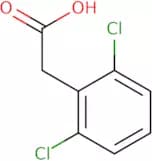


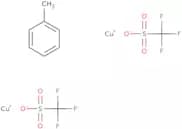
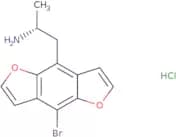
![9-Ethyl-8-iodo-6,6-dimethyl-11-oxo-6,11-dihydro-5H-benzo[b]carbazole-3-carbonitrile](/_next/image/?url=https%3A%2Fstatic.cymitquimica.com%2Fproducts%2F3D%2Fthumb-webp%2FFE137738.webp&w=3840&q=75)

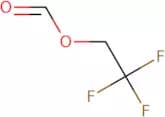


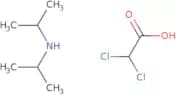

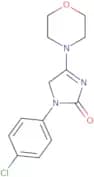
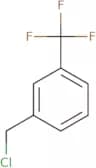
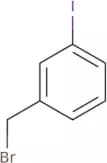

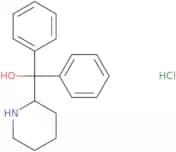

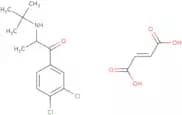

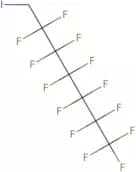
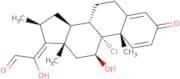
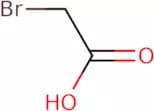
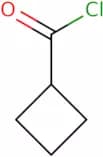
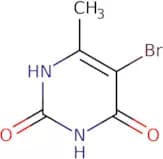

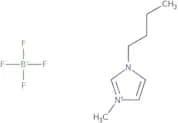
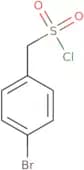
![alpha-(1,1,2,2,2-Pentafluoroethyl)-omega-[Tetrafluoro(Trifluoromethyl)Ethoxy]-Poly[Oxy[Trifluoro(T…](/_next/image/?url=https%3A%2Fstatic.cymitquimica.com%2Fproducts%2F3D%2Fthumb-webp%2FFP103632.webp&w=3840&q=75)

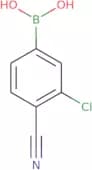
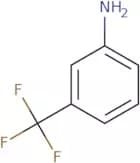
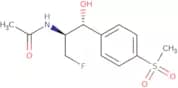
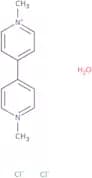
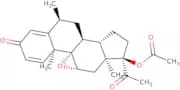
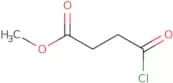
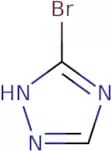
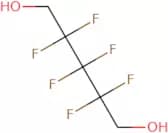
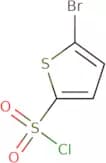

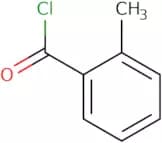
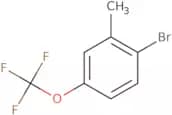
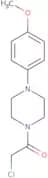
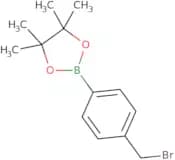
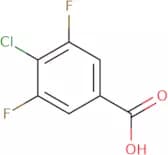


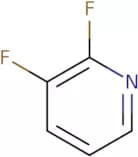
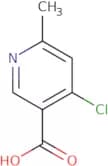
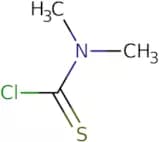
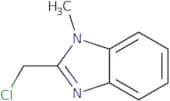
![[1-(4-Chlorobenzyl)-1H-benzimidazol-2-yl]methanol](/_next/image/?url=https%3A%2Fstatic.cymitquimica.com%2Fproducts%2F3D%2Fthumb-webp%2FFC135813.webp&w=3840&q=75)

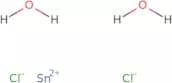
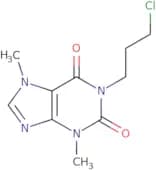
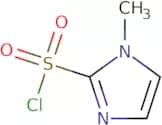
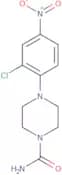
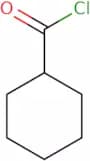
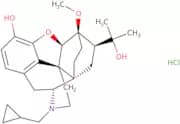
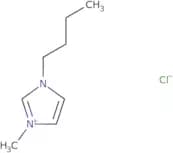
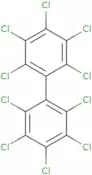
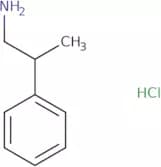
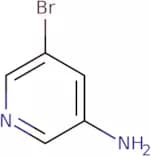
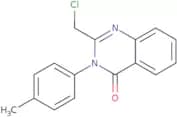
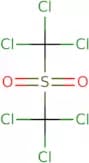

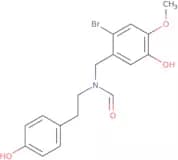
![3,6-Dichlorobenzo[b]thiophene-2-carboxylic acid](/_next/image/?url=https%3A%2Fstatic.cymitquimica.com%2Fproducts%2F3D%2Fthumb-webp%2FFD57151.webp&w=3840&q=75)
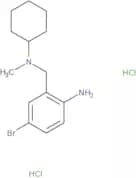
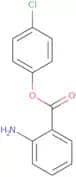

![4-Bromo-7-methoxy-1H-pyrrolo[2,3-c]pyridine](/_next/image/?url=https%3A%2Fstatic.cymitquimica.com%2Fproducts%2F3D%2Fthumb-webp%2FFB141995.webp&w=3840&q=75)
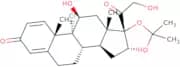
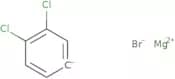
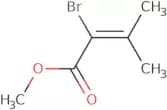
![N-[1-(4-Fluorophenyl)propan-2-Yl]-N-methylprop-2-Yn-1-amine](/_next/image/?url=https%3A%2Fstatic.cymitquimica.com%2Fproducts%2F3D%2Fthumb-webp%2FFF95966.webp&w=3840&q=75)
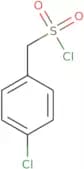

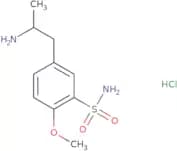

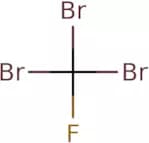
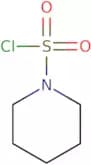
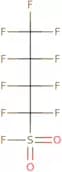
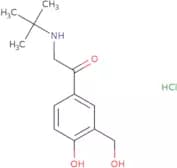

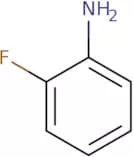
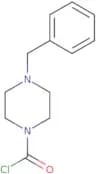
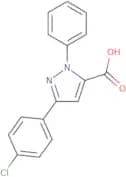
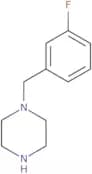

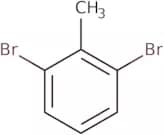

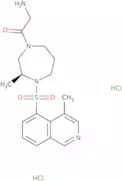
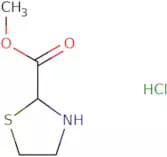
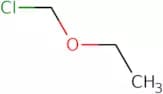
![[chloro(difluoro)methyl]benzene](/_next/image/?url=https%3A%2Fstatic.cymitquimica.com%2Fproducts%2F3D%2Fthumb-webp%2FFC104724.webp&w=3840&q=75)
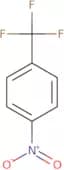
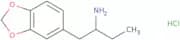
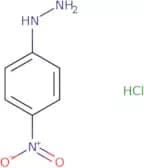

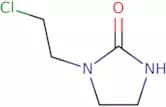
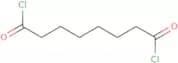

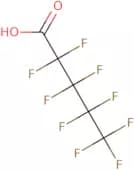
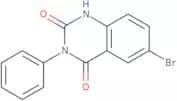
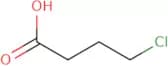
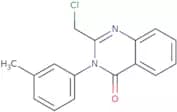
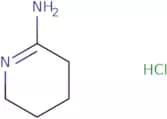
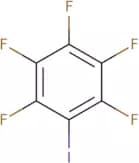
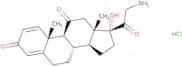
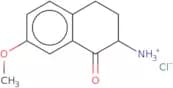
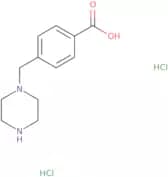
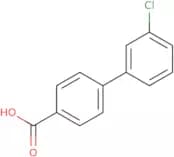
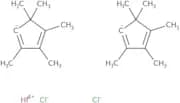
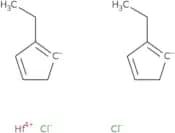
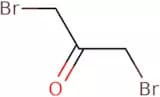
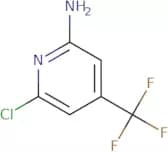
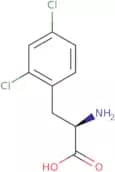

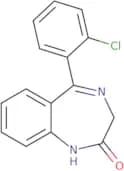
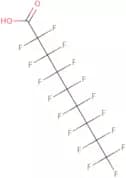
![2-(4-Fluorophenyl)-5-[(5-iodo-2-methylphenyl)methyl]thiophene](/_next/image/?url=https%3A%2Fstatic.cymitquimica.com%2Fproducts%2F3D%2Fthumb-webp%2FFF34928.webp&w=3840&q=75)
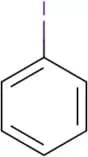
![[2-(1-Ethyl-1H-indol-3-yl)-1-methylethyl]amine hydrochloride](/_next/image/?url=https%3A%2Fstatic.cymitquimica.com%2Fproducts%2F3D%2Fthumb-webp%2FFE123632.webp&w=3840&q=75)
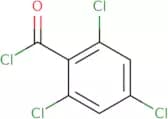
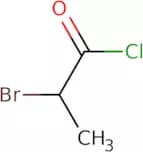

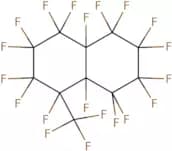
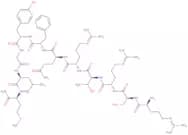
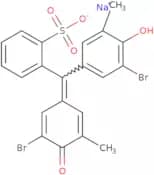
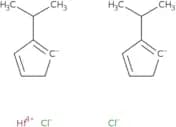
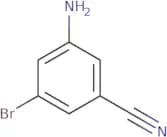

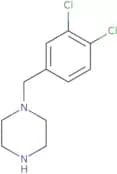
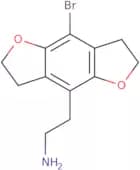
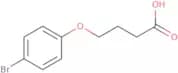
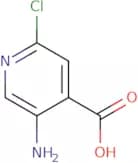
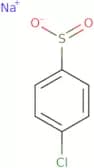
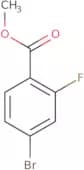

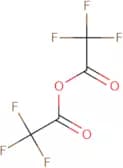
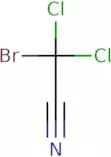
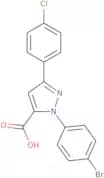


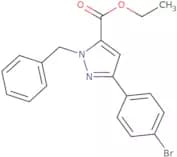
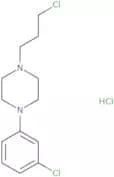
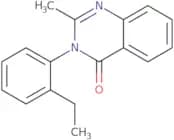
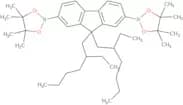
![4-Aminobicyclo[2.2.2]octan-1-ol hydrochloride](/_next/image/?url=https%3A%2Fstatic.cymitquimica.com%2Fproducts%2F3D%2Fthumb-webp%2FFA63102.webp&w=3840&q=75)
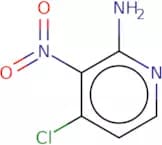

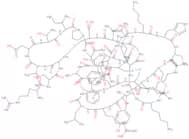
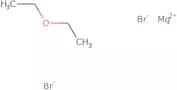
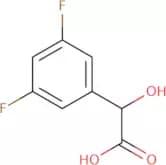
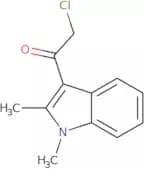

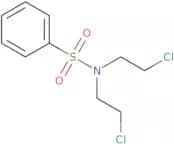

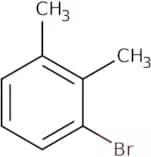
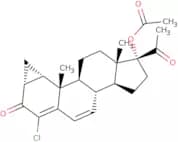
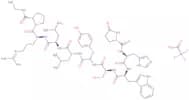
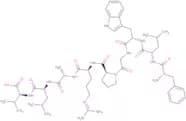
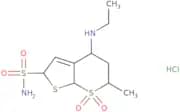
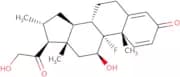
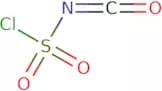


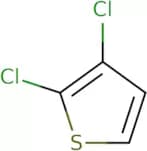
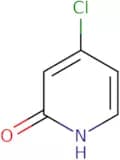
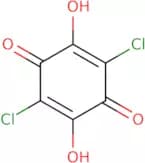
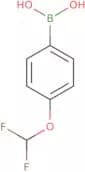
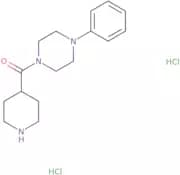
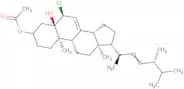

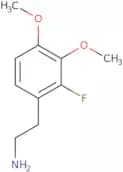
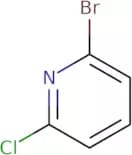
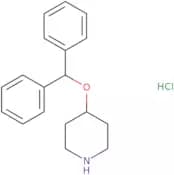
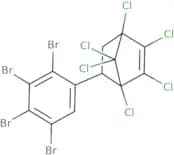
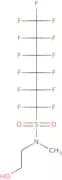
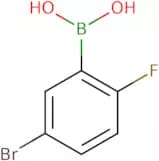
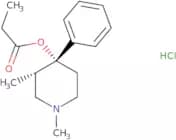
![Mono[2-(perfluorooctyl)ethyl] phosphate](/_next/image/?url=https%3A%2Fstatic.cymitquimica.com%2Fproducts%2F3D%2Fthumb-webp%2FFM26053.webp&w=3840&q=75)
![[1-Methyl-2-(7-methyl-1H-indol-3-yl)ethyl]amine hydrochloride](/_next/image/?url=https%3A%2Fstatic.cymitquimica.com%2Fproducts%2F3D%2Fthumb-webp%2FFM123634.webp&w=3840&q=75)
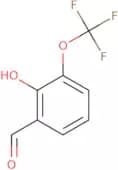
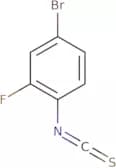
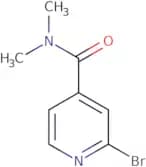
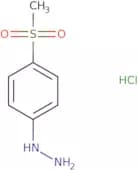
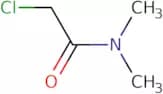
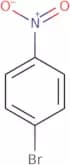
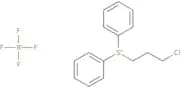
![(2S,3S)-5-[2-(Dimethylamino)ethyl]-3-hydroxy-2-(4-methoxyphenyl)-2,3-dihydro-1,5-benzothiazepin-4-…](/_next/image/?url=https%3A%2Fstatic.cymitquimica.com%2Fproducts%2F3D%2Fthumb-webp%2FFD45531.webp&w=3840&q=75)